Shoes Industry
A shoe is an item of footwear intended to protect and
comfort the human foot while doing various activities.
Shoes are also used as an item of decoration.
The design of shoes has varied enormously through time
and from culture to culture, with appearance originally
being tied to function. Additionally, fashion has often
dictated many design elements, such as whether shoes
have very high heels or flat ones. Contemporary footwear
varies widely in style, complexity and cost. Basic sandals
may consist of only a thin sole and simple strap.
High fashion shoes may be made of very expensive
materials in complex construction and sell for thousands
of dollars a pair. Other shoes are for very specific
purposes, such as boots designed specifically
for mountaineering or skiing.
History
The earliest known shoes are sandals dating
from approximately 7,000 or 8,000 B.C., found in
the Rock Cave in the US state of Oregon.
in1938.The world's oldest Leather shoe, made
from a single piece of cowhide laced with a
leather cord along seams at the front and back,
was found in a cave in Armenia in 2008 and is
believed to date to 3,500 B.C. Otzi De Iceland
shoes, dating to 3,300 BC, featured brown
bearskin bases, deerskin side panels, and a barkstring net, which pulled tight around the foot.
However, it is estimated that shoes may have
been used long before this, but it is difficult to
find
evidence of the earliest footwear due to the highly
perishable nature of early shoes. By studying the
bones of the smaller toes (as opposed to the big
toe), it was observed that their thickness
decreased approximately 40,000 to 26,000 years
ago. This led archaeologist to deduce that wearing
shoes resulted in less bone growth, resulting in
shorter, thinner toes.[5] These earliest designs
were very simple in design, often mere "foot bags"
of leather to protect the feet from rocks, debris,
and cold. They were more commonly found in
colder climates.
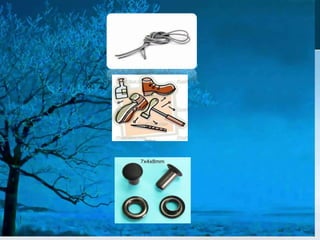
Materials Used
Leather

Silicone

Wax
Cotton

Thread

Package
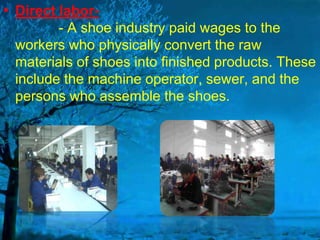
• Direct labor- A shoe industry paid wages to the
workers who physically convert the raw
materials of shoes into finished products. These
include the machine operator, sewer, and the
persons who assemble the shoes.
• Direct Materials Cost
-In a shoe industry,these products are used ; -leather uppers,
-laces,
-and silicone.
Manufacturing Overhead Cost
1.
2.
3.
4.

Indirect Labor
Utilities
Supplies
Other Cost( Taxes, Insurance,
Manufacturing Equipment)
• Indirect Labor
In making Shoes wages paid to
workers employed to inspect finished
products would be allocated to a shoe
manufacturing overhead. It includes
wages paid to manufacturing supervisors,
janitorial staff at a manufacturing facility,
workers employed in record-keeping at a
manufacturing facility, and workers
employed to maintain factory equipment
• Utilities Cost
In a Shoe factory it uses utilities because they
do not constitute direct labor or materials, utility
costs are classified as manufacturing overhead
of a shoe industry. Common utilities necessary
to a working factory include water, sewer,
electricity, and phone and internet service. In
addition, any money spent to purchase and
maintain computer systems necessary to
proper production is also considered a part of
manufacturing overhead.
• Supplies
A shoes Industry needed supplies which is cost
of manufacturing industry . These supplies
include fuel to power forklifts, or grease needed
to keep machines working properly. In addition,
the cost of any replacement parts needed to
repair or maintain manufacturing equipment
should be allocated to manufacturing overhead
costs in Supplies expense.
Other Costs in Manufacturing Shoes
Other costs related to the manufacturing
process may fall under the shoe of
manufacturing overhead. These includes
property insurance paid on a factory,
warehouse or manufacturing equipment would
fall under manufacturing overhead, as would
any taxes paid on property or assets related to
the manufacturing process. Manufacturing
overhead also includes any costs related to
ensuring that the manufacturing process or
property is safe to workers, and related to
complying with environmental regulations.

Shoes industry

  • 1.
  • 2.
    A shoe isan item of footwear intended to protect and comfort the human foot while doing various activities. Shoes are also used as an item of decoration. The design of shoes has varied enormously through time and from culture to culture, with appearance originally being tied to function. Additionally, fashion has often dictated many design elements, such as whether shoes have very high heels or flat ones. Contemporary footwear varies widely in style, complexity and cost. Basic sandals may consist of only a thin sole and simple strap. High fashion shoes may be made of very expensive materials in complex construction and sell for thousands of dollars a pair. Other shoes are for very specific purposes, such as boots designed specifically for mountaineering or skiing.
  • 3.
    History The earliest knownshoes are sandals dating from approximately 7,000 or 8,000 B.C., found in the Rock Cave in the US state of Oregon. in1938.The world's oldest Leather shoe, made from a single piece of cowhide laced with a leather cord along seams at the front and back, was found in a cave in Armenia in 2008 and is believed to date to 3,500 B.C. Otzi De Iceland shoes, dating to 3,300 BC, featured brown bearskin bases, deerskin side panels, and a barkstring net, which pulled tight around the foot. However, it is estimated that shoes may have been used long before this, but it is difficult to find
  • 4.
    evidence of theearliest footwear due to the highly perishable nature of early shoes. By studying the bones of the smaller toes (as opposed to the big toe), it was observed that their thickness decreased approximately 40,000 to 26,000 years ago. This led archaeologist to deduce that wearing shoes resulted in less bone growth, resulting in shorter, thinner toes.[5] These earliest designs were very simple in design, often mere "foot bags" of leather to protect the feet from rocks, debris, and cold. They were more commonly found in colder climates.
  • 5.
  • 8.
    • Direct labor-A shoe industry paid wages to the workers who physically convert the raw materials of shoes into finished products. These include the machine operator, sewer, and the persons who assemble the shoes.
  • 9.
    • Direct MaterialsCost -In a shoe industry,these products are used ; -leather uppers, -laces, -and silicone.
  • 10.
    Manufacturing Overhead Cost 1. 2. 3. 4. IndirectLabor Utilities Supplies Other Cost( Taxes, Insurance, Manufacturing Equipment)
  • 11.
    • Indirect Labor Inmaking Shoes wages paid to workers employed to inspect finished products would be allocated to a shoe manufacturing overhead. It includes wages paid to manufacturing supervisors, janitorial staff at a manufacturing facility, workers employed in record-keeping at a manufacturing facility, and workers employed to maintain factory equipment
  • 12.
    • Utilities Cost Ina Shoe factory it uses utilities because they do not constitute direct labor or materials, utility costs are classified as manufacturing overhead of a shoe industry. Common utilities necessary to a working factory include water, sewer, electricity, and phone and internet service. In addition, any money spent to purchase and maintain computer systems necessary to proper production is also considered a part of manufacturing overhead.
  • 13.
    • Supplies A shoesIndustry needed supplies which is cost of manufacturing industry . These supplies include fuel to power forklifts, or grease needed to keep machines working properly. In addition, the cost of any replacement parts needed to repair or maintain manufacturing equipment should be allocated to manufacturing overhead costs in Supplies expense.
  • 14.
    Other Costs inManufacturing Shoes Other costs related to the manufacturing process may fall under the shoe of manufacturing overhead. These includes property insurance paid on a factory, warehouse or manufacturing equipment would fall under manufacturing overhead, as would any taxes paid on property or assets related to the manufacturing process. Manufacturing overhead also includes any costs related to ensuring that the manufacturing process or property is safe to workers, and related to complying with environmental regulations.