Dr. ing. Marco Lisi
European Space Agency
(marco.lisi@ieee.org)
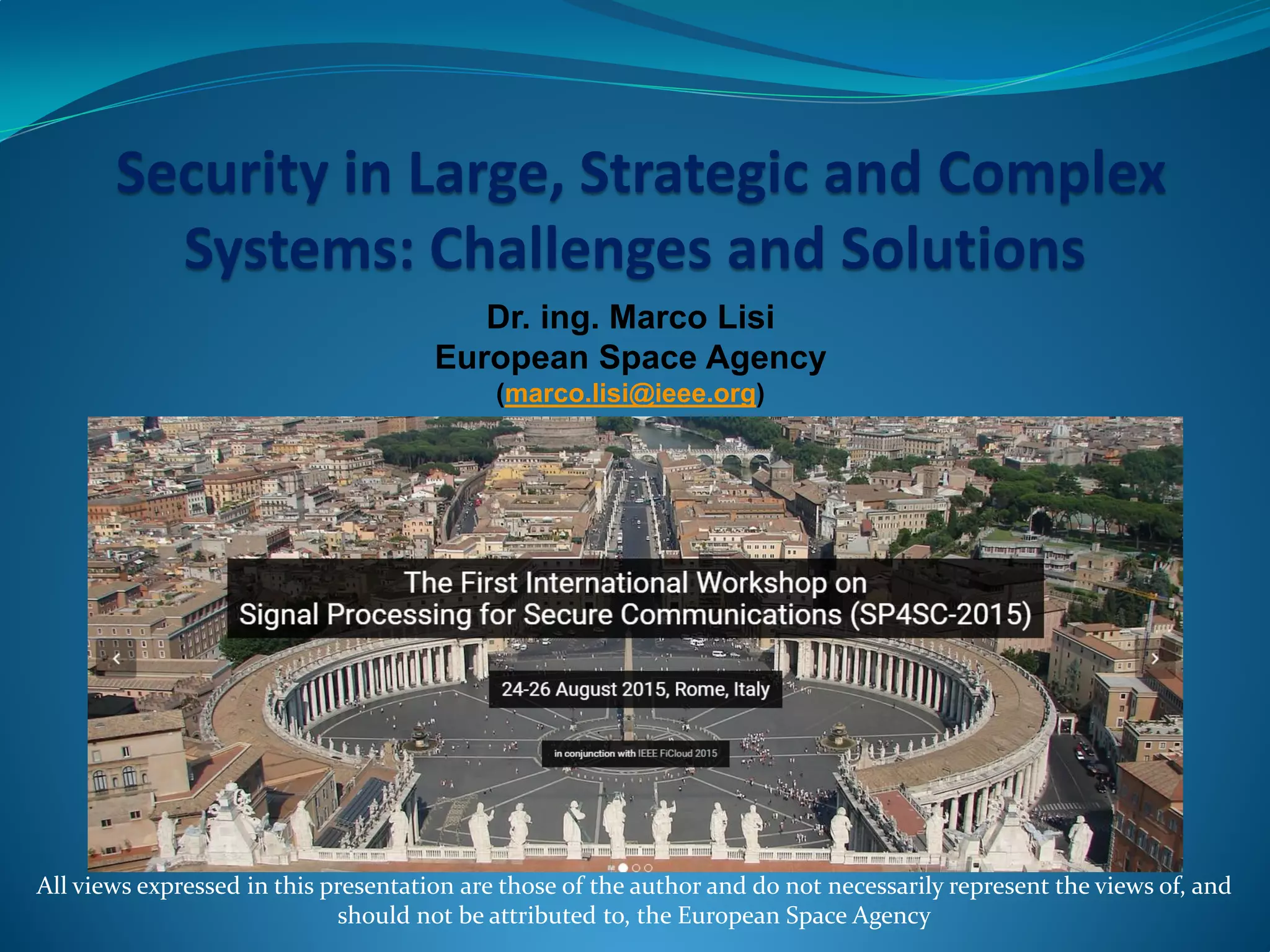
Security in Large, Strategic and Complex
Systems: Challenges and Solutions
All views expressed in this presentation are those of the author and do not necessarily represent the views of, and
should not be attributed to, the European Space Agency
2
Summary
 All critical infrastructures of our society are supported
by large and complex systems, largely based on ICT
technologies;
 Large and complex systems are essentially network-
centric, thus vulnerable to cyber-attacks and other
security threads;
 Information security is a “must have” option not only
for “dual use” systems, but in general for all those
systems constituting critical infrastructures or devoted
to emergency services, disaster recovery, crisis
management, homeland security, environment monitoring
and control.
3
Critical Infrastructures
• Critical infrastructures are “so vital (…) that the incapacity
or destruction of such systems and assets would have a
debilitating impact on security, national economic security,
national public health or safety.” [U.S. Homeland Security
Presidential Directive on Critical Infrastructure
Identification, Prioritization, and Protection, December 17,
2003];
• An EU critical infrastructure is an “asset, system or part
thereof located in Member States which is essential for the
maintenance of vital societal functions, health, safety,
security, economic or social well-being of people, and the
disruption or destruction of which would have a significant
impact in a Member State as a result of the failure to
maintain those functions” [Council Directive 2008/114/EC of
8 December 2008].
4
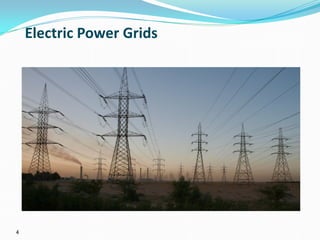
Electric Power Grids
5
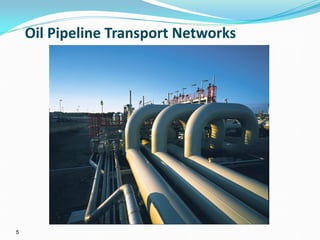
Oil Pipeline Transport Networks
6
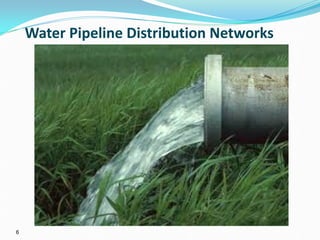
Water Pipeline Distribution Networks
7
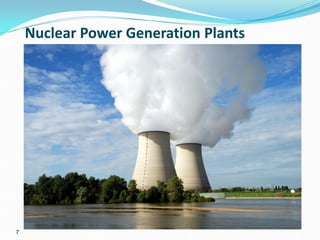
Nuclear Power Generation Plants
8
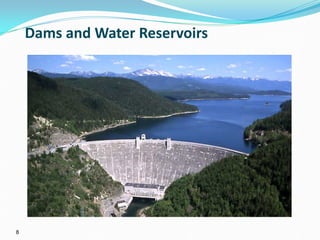
Dams and Water Reservoirs
9
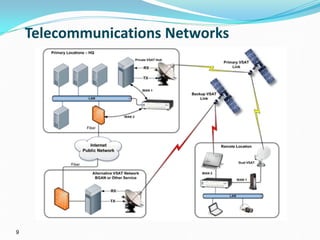
Telecommunications Networks
10
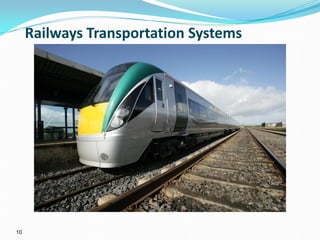
Railways Transportation Systems
11
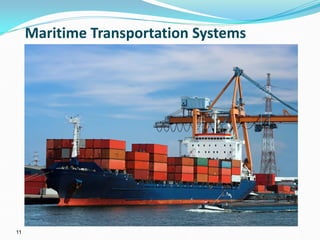
Maritime Transportation Systems
12
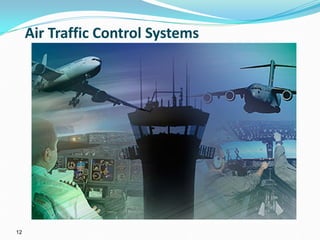
Air Traffic Control Systems
13
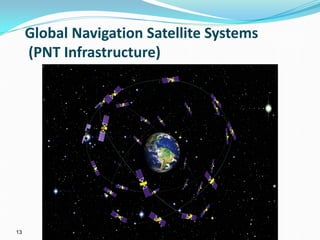
Global Navigation Satellite Systems
(PNT Infrastructure)
14
Large and Complex Systems (1/2)
 A large and complex system is a system composed of
a large number of interconnected elements, often
developed and deployed worldwide, which interact
dynamically, giving rise to emergent properties
 Examples of complex systems for civil applications
include:
 global satellite navigation systems
 air traffic control systems
 railway control systems
 space systems such as the International Space Station or
space transportation and exploration vehicles
 surveillance, Earth observation and Homeland security
systems
 electric power distribution systems
 telecommunication systems
 complex computer networks, including Internet.
15
Large and Complex Systems (2/2)
 A complex system often integrates existing systems
(or parts of them) in an overall large-scale
architecture (“System of systems”) containing a large
number of interfaces and implementing multiple
modes of operation, in a highly dynamic environment
 Large and complex systems require extensive logistics
and maintenance support capabilities
 Large and complex systems are conceived to be in
service for a long time; in this case the evolution of
the system (upgrades and modifications) has to be
taken into account from the beginning.
16
Characteristics of Large and Complex Systems
 Service oriented
 Software intensive (several million lines of code)
 Capabilities-based rather than platform-based
 Organization and governance (human factor)
 Technical performance is a prerequisite for
production and delivery of services, not a final
objective
 Requirements related to operations, in addition to
technical ones, assume a very high relevance:
Quality of Service (QoS) Flexibility
Reliability, Availability, Continuity Expandability
Maintainability Interoperability
Safety Resilience
Security
17
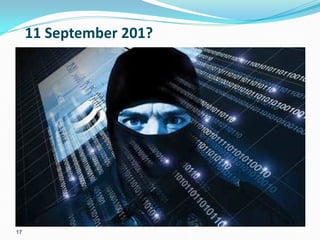
11 September 201?
18
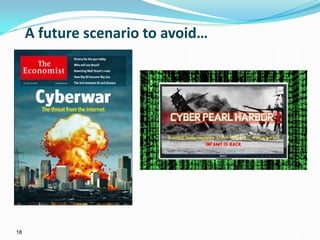
A future scenario to avoid…
19
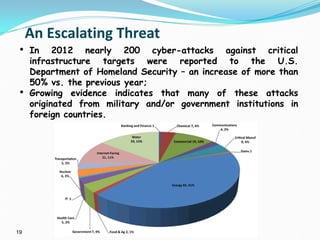
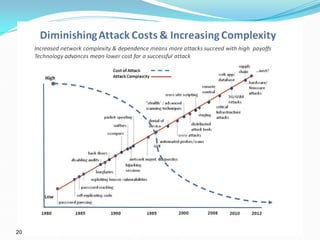
An Escalating Threat
• In 2012 nearly 200 cyber-attacks against critical
infrastructure targets were reported to the U.S.
Department of Homeland Security – an increase of more than
50% vs. the previous year;
• Growing evidence indicates that many of these attacks
originated from military and/or government institutions in
foreign countries.
20
21
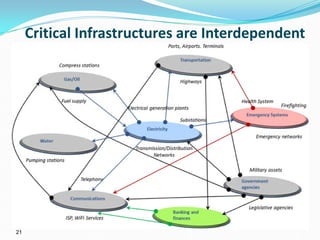
Critical Infrastructures are Interdependent
22
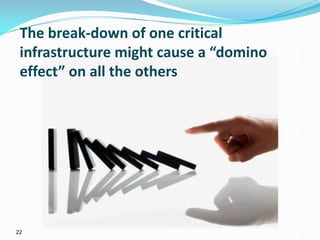
The break-down of one critical
infrastructure might cause a “domino
effect” on all the others
23
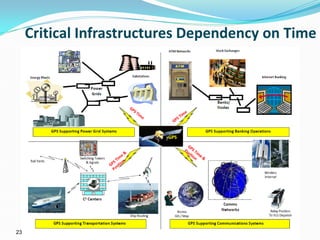
Critical Infrastructures Dependency on Time
24
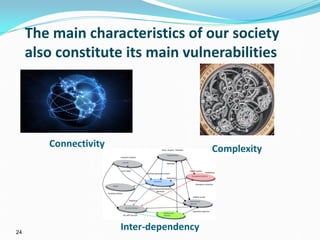
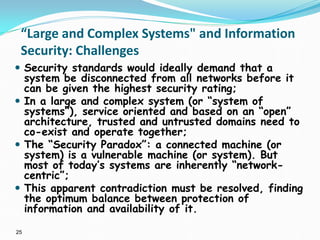
The main characteristics of our society
also constitute its main vulnerabilities
Connectivity Complexity
Inter-dependency
25
“Large and Complex Systems" and Information
Security: Challenges
 Security standards would ideally demand that a
system be disconnected from all networks before it
can be given the highest security rating;
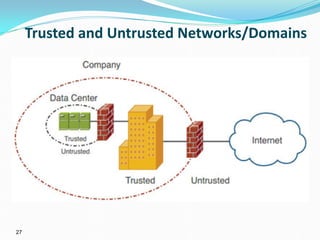
 In a large and complex system (or “system of
systems”), service oriented and based on an “open”
architecture, trusted and untrusted domains need to
co-exist and operate together;
 The “Security Paradox”: a connected machine (or
system) is a vulnerable machine (or system). But
most of today’s systems are inherently “network-
centric”;
 This apparent contradiction must be resolved, finding
the optimum balance between protection of
information and availability of it.
26
“Large and Complex Systems" and Information
Security: Solutions
 Concurrent system architecture design, with early
definition of security requirements (“Design for
Security”);
 Resilient system and network architectures (“Design
for Resiliency”);
 Maximum exploitation of internal and external
(“systems of systems”) redundancies and of
alternative back-up technologies;
 Need for flexible security certification standards;
 Robust and flexible encryption techniques;
 Soft and hard “air gap” and firewall technologies;
 Secure gateways and network routers.
27
Trusted and Untrusted Networks/Domains
28
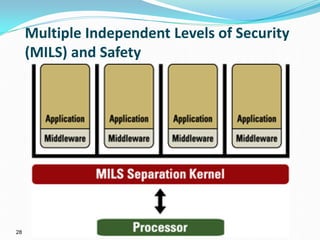
Multiple Independent Levels of Security
(MILS) and Safety
29
Information Security Certification: Open Issues
• Long time required for the execution of the
evaluation/certification process;
• High cost of the evaluation/certification process;
• Need for “air-gap” technologies at the boundaries
between trusted and untrusted domains;
• Availability of jointly certified hardware and
software platforms;
• Severe limitations in the use of commercial off-the-
shelf (COTS) software products;
• Limitations in the use of commonly adopted
communications protocols (e.g. TCP/IP);
• Loss of certification because of minor modifications
or obsolescence of both hardware and software;
• Need for “encapsulation” techniques for the
utilization of non-certified components.
30
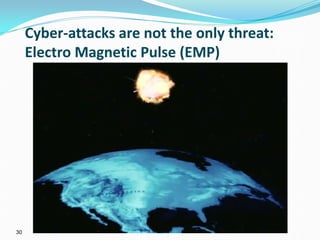
Cyber-attacks are not the only threat:
Electro Magnetic Pulse (EMP)
31
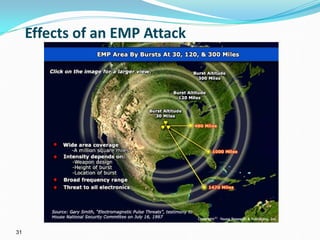
Effects of an EMP Attack
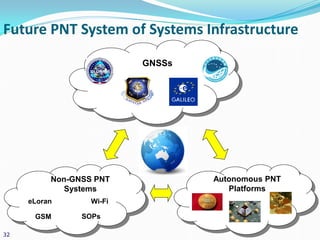
Future PNT System of Systems Infrastructure
32
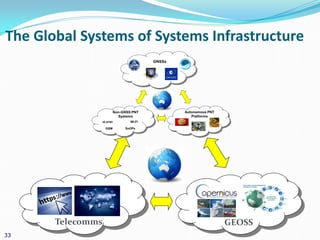
Non-GNSS PNT
Systems
Autonomous PNT
Platforms
GNSSs
eLoran Wi-Fi
GSM SOPs
The Global Systems of Systems Infrastructure
33
GEOSSTelecomms
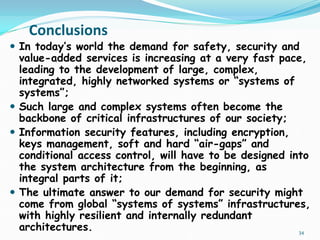
Conclusions
 In today’s world the demand for safety, security and
value-added services is increasing at a very fast pace,
leading to the development of large, complex,
integrated, highly networked systems or “systems of
systems”;
 Such large and complex systems often become the
backbone of critical infrastructures of our society;
 Information security features, including encryption,
keys management, soft and hard “air-gaps” and
conditional access control, will have to be designed into
the system architecture from the beginning, as
integral parts of it;
 The ultimate answer to our demand for security might
come from global “systems of systems” infrastructures,
with highly resilient and internally redundant
architectures. 34
Korean
Thank
YouEnglish
Russian
Danke
German
Grazie
Italian
Gracias
Spanish
Obrigado
Brazilian
Portuguese
Arabic
Simplified
Chinese
Traditional
Chinese
Thai
Merci
French
Japanese

Security in Large, Strategic and Complex Systems: Challenges and Solutions_Lisi_2015

  • 1.
    Dr. ing. MarcoLisi European Space Agency (marco.lisi@ieee.org) Security in Large, Strategic and Complex Systems: Challenges and Solutions All views expressed in this presentation are those of the author and do not necessarily represent the views of, and should not be attributed to, the European Space Agency
  • 2.
    2 Summary  All criticalinfrastructures of our society are supported by large and complex systems, largely based on ICT technologies;  Large and complex systems are essentially network- centric, thus vulnerable to cyber-attacks and other security threads;  Information security is a “must have” option not only for “dual use” systems, but in general for all those systems constituting critical infrastructures or devoted to emergency services, disaster recovery, crisis management, homeland security, environment monitoring and control.
  • 3.
    3 Critical Infrastructures • Criticalinfrastructures are “so vital (…) that the incapacity or destruction of such systems and assets would have a debilitating impact on security, national economic security, national public health or safety.” [U.S. Homeland Security Presidential Directive on Critical Infrastructure Identification, Prioritization, and Protection, December 17, 2003]; • An EU critical infrastructure is an “asset, system or part thereof located in Member States which is essential for the maintenance of vital societal functions, health, safety, security, economic or social well-being of people, and the disruption or destruction of which would have a significant impact in a Member State as a result of the failure to maintain those functions” [Council Directive 2008/114/EC of 8 December 2008].
  • 4.
  • 5.
  • 6.
  • 7.
  • 8.
    8 Dams and WaterReservoirs
  • 9.
  • 10.
  • 11.
  • 12.
  • 13.
    13 Global Navigation SatelliteSystems (PNT Infrastructure)
  • 14.
    14 Large and ComplexSystems (1/2)  A large and complex system is a system composed of a large number of interconnected elements, often developed and deployed worldwide, which interact dynamically, giving rise to emergent properties  Examples of complex systems for civil applications include:  global satellite navigation systems  air traffic control systems  railway control systems  space systems such as the International Space Station or space transportation and exploration vehicles  surveillance, Earth observation and Homeland security systems  electric power distribution systems  telecommunication systems  complex computer networks, including Internet.
  • 15.
    15 Large and ComplexSystems (2/2)  A complex system often integrates existing systems (or parts of them) in an overall large-scale architecture (“System of systems”) containing a large number of interfaces and implementing multiple modes of operation, in a highly dynamic environment  Large and complex systems require extensive logistics and maintenance support capabilities  Large and complex systems are conceived to be in service for a long time; in this case the evolution of the system (upgrades and modifications) has to be taken into account from the beginning.
  • 16.
    16 Characteristics of Largeand Complex Systems  Service oriented  Software intensive (several million lines of code)  Capabilities-based rather than platform-based  Organization and governance (human factor)  Technical performance is a prerequisite for production and delivery of services, not a final objective  Requirements related to operations, in addition to technical ones, assume a very high relevance: Quality of Service (QoS) Flexibility Reliability, Availability, Continuity Expandability Maintainability Interoperability Safety Resilience Security
  • 17.
  • 18.
  • 19.
    19 An Escalating Threat •In 2012 nearly 200 cyber-attacks against critical infrastructure targets were reported to the U.S. Department of Homeland Security – an increase of more than 50% vs. the previous year; • Growing evidence indicates that many of these attacks originated from military and/or government institutions in foreign countries.
  • 20.
  • 21.
  • 22.
    22 The break-down ofone critical infrastructure might cause a “domino effect” on all the others
  • 23.
  • 24.
    24 The main characteristicsof our society also constitute its main vulnerabilities Connectivity Complexity Inter-dependency
  • 25.
    25 “Large and ComplexSystems" and Information Security: Challenges  Security standards would ideally demand that a system be disconnected from all networks before it can be given the highest security rating;  In a large and complex system (or “system of systems”), service oriented and based on an “open” architecture, trusted and untrusted domains need to co-exist and operate together;  The “Security Paradox”: a connected machine (or system) is a vulnerable machine (or system). But most of today’s systems are inherently “network- centric”;  This apparent contradiction must be resolved, finding the optimum balance between protection of information and availability of it.
  • 26.
    26 “Large and ComplexSystems" and Information Security: Solutions  Concurrent system architecture design, with early definition of security requirements (“Design for Security”);  Resilient system and network architectures (“Design for Resiliency”);  Maximum exploitation of internal and external (“systems of systems”) redundancies and of alternative back-up technologies;  Need for flexible security certification standards;  Robust and flexible encryption techniques;  Soft and hard “air gap” and firewall technologies;  Secure gateways and network routers.
  • 27.
    27 Trusted and UntrustedNetworks/Domains
  • 28.
    28 Multiple Independent Levelsof Security (MILS) and Safety
  • 29.
    29 Information Security Certification:Open Issues • Long time required for the execution of the evaluation/certification process; • High cost of the evaluation/certification process; • Need for “air-gap” technologies at the boundaries between trusted and untrusted domains; • Availability of jointly certified hardware and software platforms; • Severe limitations in the use of commercial off-the- shelf (COTS) software products; • Limitations in the use of commonly adopted communications protocols (e.g. TCP/IP); • Loss of certification because of minor modifications or obsolescence of both hardware and software; • Need for “encapsulation” techniques for the utilization of non-certified components.
  • 30.
    30 Cyber-attacks are notthe only threat: Electro Magnetic Pulse (EMP)
  • 31.
    31 Effects of anEMP Attack
  • 32.
    Future PNT Systemof Systems Infrastructure 32 Non-GNSS PNT Systems Autonomous PNT Platforms GNSSs eLoran Wi-Fi GSM SOPs
  • 33.
    The Global Systemsof Systems Infrastructure 33 GEOSSTelecomms
  • 34.
    Conclusions  In today’sworld the demand for safety, security and value-added services is increasing at a very fast pace, leading to the development of large, complex, integrated, highly networked systems or “systems of systems”;  Such large and complex systems often become the backbone of critical infrastructures of our society;  Information security features, including encryption, keys management, soft and hard “air-gaps” and conditional access control, will have to be designed into the system architecture from the beginning, as integral parts of it;  The ultimate answer to our demand for security might come from global “systems of systems” infrastructures, with highly resilient and internally redundant architectures. 34
  • 35.