A Network of Networks
Connections Making connections Body of knowledge Network to Protect a Network
Learning objectives Principle CI sectors in Canada Strategic approach
The main question As a nation what do we need to do to prevent attacks on our CI?
The main challenge “ What’s Best?”
Strategy   Vital CI Protection  National Security/Public Safety Federal/municipal
Strategic principles Network vs. network Hubs not spokes 80% on 20% spending Dual purpose Asymmetric
Current trends in Risk Assessment Rising level Efficiency and simplicity Effectiveness Preparedness
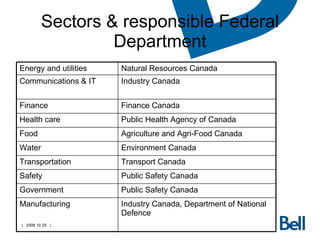
Sectors & responsible Federal Department Energy and utilities  Natural Resources Canada Communications & IT Industry Canada Finance Finance Canada Health care Public Health Agency of Canada Food Agriculture and Agri-Food Canada Water Environment Canada Transportation Transport Canada Safety Public Safety Canada Government Public Safety Canada Manufacturing Industry Canada, Department of National Defence
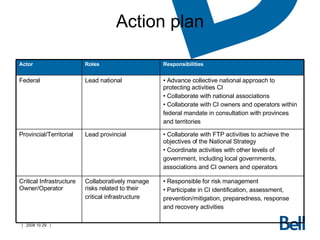
Action plan Actor Roles Responsibilities Federal Lead national Advance collective national approach to protecting activities CI Collaborate with national associations Collaborate with CI owners and operators within federal mandate in consultation with provinces and territories Provincial/Territorial Lead provincial Collaborate with FTP activities to achieve the objectives of the National Strategy Coordinate activities with other levels of government, including local governments, associations and CI owners and operators Critical Infrastructure Owner/Operator Collaboratively manage risks related to their critical infrastructure Responsible for risk management Participate in CI identification, assessment, prevention/mitigation, preparedness, response and recovery activities
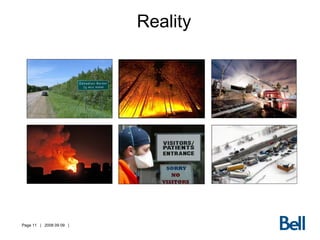
Reality
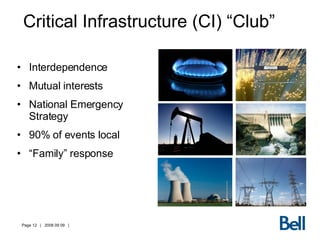
Critical Infrastructure (CI) “Club” Interdependence Mutual interests National Emergency Strategy 90% of events local “ Family” response
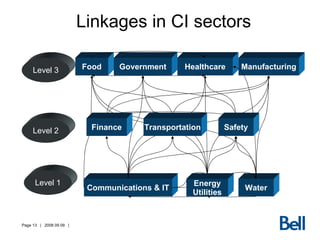
Linkages in CI sectors Communications & IT Healthcare Food Manufacturing Water Government Level 1 Level 2 Level 3 Transportation Safety Finance Energy Utilities
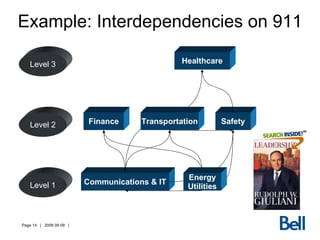
Communications & IT Safety Healthcare Finance Level 1 Level 2 Level 3 Example: Interdependencies on 911 Transportation Energy Utilities
Why is telecommunications a CI? What was the  first critical infrastructure  to be recognized as such by the Federal Government? Cuban Missile crisis Kennedy - Khrushchev Hotline link  NCS (National Communications System)
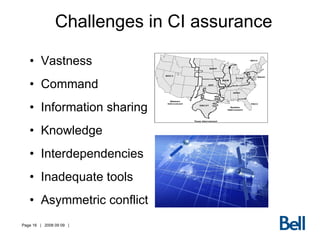
Challenges in CI assurance Vastness Command Information sharing Knowledge Interdependencies Inadequate tools Asymmetric conflict
Critical Infrastructure #11: the Internet Beyond control Largest business No CEO, governance, oversight Potential for abuse Cyber war
Internet epidemics Social network Cascade model  “ Susceptible, infected, susceptible” cycles
Cyber crime: Numbers speak volumes #1 crime in North America 70% of victims do not report Only 245 cyber crime police 18M Canadians - $50B of commerce
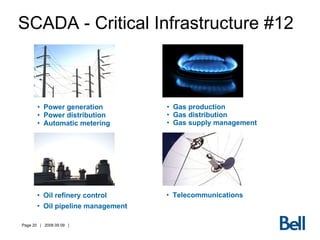
SCADA - Critical Infrastructure #12 Power generation Power distribution Automatic metering Gas production Gas distribution Gas supply management Telecommunications Oil refinery control Oil pipeline management
Telecommunications sector vulnerabilities Clustered Critical nodes telecom hotels IEC POPS and gateways land earth stations (LES) that link communication satellites to terrestrial communication Gateway connections  Cyber attacks, and HPM attacks
Hardening the Internet 13 root servers 13 gTLD servers 26 NAPs  50+ top e-commerce sites
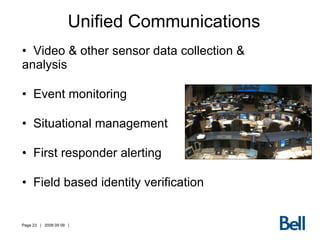
Unified Communications Video & other sensor data collection & analysis Event monitoring Situational management First responder alerting Field based identity verification
Redundancy Layering Geographical separation Growth/enhancement Situational awareness Control Centre security principals
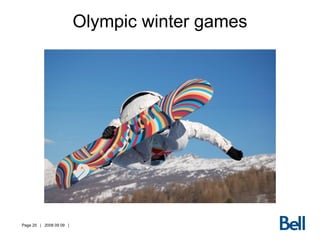
Olympic winter games
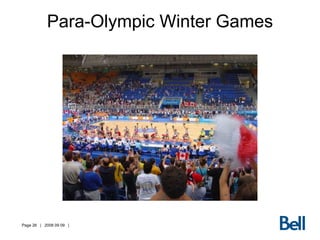
Para-Olympic Winter Games
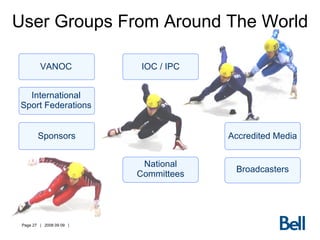
User Groups From Around The World VANOC IOC / IPC International Sport Federations Accredited Media National Committees Broadcasters Sponsors
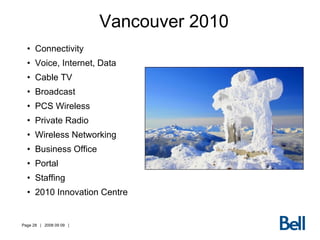
Vancouver 2010 Connectivity Voice, Internet, Data Cable TV Broadcast PCS Wireless Private Radio Wireless Networking Business Office Portal Staffing 2010 Innovation Centre
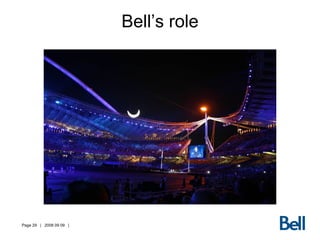
Bell’s role
The games in numbers 34,000 8 2 130 19
What’s at play? H.323, XML, SOAP, T1, DS3, VoIP, SONET, EvDO, 802.11g, 802.1q, E10, E100, PSTN, PTT, SDI, HD, ISDN, SS7, HTML, SSL, BGP, OC3, OC12
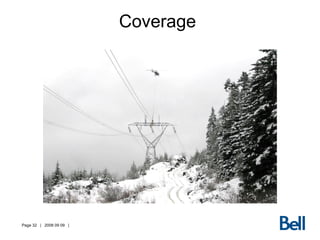
Coverage
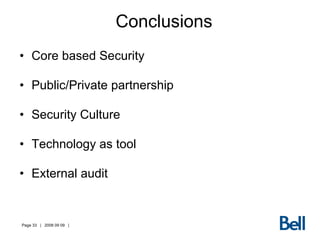
Conclusions Core based Security Public/Private partnership Security Culture Technology as tool External audit
Brian Phillips [email_address] 403 831-2434 Thank you

A Network of Networks

  • 1.
    A Network ofNetworks
  • 2.
    Connections Making connectionsBody of knowledge Network to Protect a Network
  • 3.
    Learning objectives PrincipleCI sectors in Canada Strategic approach
  • 4.
    The main questionAs a nation what do we need to do to prevent attacks on our CI?
  • 5.
    The main challenge“ What’s Best?”
  • 6.
    Strategy Vital CI Protection National Security/Public Safety Federal/municipal
  • 7.
    Strategic principles Networkvs. network Hubs not spokes 80% on 20% spending Dual purpose Asymmetric
  • 8.
    Current trends inRisk Assessment Rising level Efficiency and simplicity Effectiveness Preparedness
  • 9.
    Sectors & responsibleFederal Department Energy and utilities Natural Resources Canada Communications & IT Industry Canada Finance Finance Canada Health care Public Health Agency of Canada Food Agriculture and Agri-Food Canada Water Environment Canada Transportation Transport Canada Safety Public Safety Canada Government Public Safety Canada Manufacturing Industry Canada, Department of National Defence
  • 10.
    Action plan ActorRoles Responsibilities Federal Lead national Advance collective national approach to protecting activities CI Collaborate with national associations Collaborate with CI owners and operators within federal mandate in consultation with provinces and territories Provincial/Territorial Lead provincial Collaborate with FTP activities to achieve the objectives of the National Strategy Coordinate activities with other levels of government, including local governments, associations and CI owners and operators Critical Infrastructure Owner/Operator Collaboratively manage risks related to their critical infrastructure Responsible for risk management Participate in CI identification, assessment, prevention/mitigation, preparedness, response and recovery activities
  • 11.
  • 12.
    Critical Infrastructure (CI)“Club” Interdependence Mutual interests National Emergency Strategy 90% of events local “ Family” response
  • 13.
    Linkages in CIsectors Communications & IT Healthcare Food Manufacturing Water Government Level 1 Level 2 Level 3 Transportation Safety Finance Energy Utilities
  • 14.
    Communications & ITSafety Healthcare Finance Level 1 Level 2 Level 3 Example: Interdependencies on 911 Transportation Energy Utilities
  • 15.
    Why is telecommunicationsa CI? What was the first critical infrastructure to be recognized as such by the Federal Government? Cuban Missile crisis Kennedy - Khrushchev Hotline link NCS (National Communications System)
  • 16.
    Challenges in CIassurance Vastness Command Information sharing Knowledge Interdependencies Inadequate tools Asymmetric conflict
  • 17.
    Critical Infrastructure #11:the Internet Beyond control Largest business No CEO, governance, oversight Potential for abuse Cyber war
  • 18.
    Internet epidemics Socialnetwork Cascade model “ Susceptible, infected, susceptible” cycles
  • 19.
    Cyber crime: Numbersspeak volumes #1 crime in North America 70% of victims do not report Only 245 cyber crime police 18M Canadians - $50B of commerce
  • 20.
    SCADA - CriticalInfrastructure #12 Power generation Power distribution Automatic metering Gas production Gas distribution Gas supply management Telecommunications Oil refinery control Oil pipeline management
  • 21.
    Telecommunications sector vulnerabilitiesClustered Critical nodes telecom hotels IEC POPS and gateways land earth stations (LES) that link communication satellites to terrestrial communication Gateway connections Cyber attacks, and HPM attacks
  • 22.
    Hardening the Internet13 root servers 13 gTLD servers 26 NAPs 50+ top e-commerce sites
  • 23.
    Unified Communications Video& other sensor data collection & analysis Event monitoring Situational management First responder alerting Field based identity verification
  • 24.
    Redundancy Layering Geographicalseparation Growth/enhancement Situational awareness Control Centre security principals
  • 25.
  • 26.
  • 27.
    User Groups FromAround The World VANOC IOC / IPC International Sport Federations Accredited Media National Committees Broadcasters Sponsors
  • 28.
    Vancouver 2010 ConnectivityVoice, Internet, Data Cable TV Broadcast PCS Wireless Private Radio Wireless Networking Business Office Portal Staffing 2010 Innovation Centre
  • 29.
  • 30.
    The games innumbers 34,000 8 2 130 19
  • 31.
    What’s at play?H.323, XML, SOAP, T1, DS3, VoIP, SONET, EvDO, 802.11g, 802.1q, E10, E100, PSTN, PTT, SDI, HD, ISDN, SS7, HTML, SSL, BGP, OC3, OC12
  • 32.
  • 33.
    Conclusions Core basedSecurity Public/Private partnership Security Culture Technology as tool External audit
  • 34.
    Brian Phillips [email_address]403 831-2434 Thank you