AHMED KHALIL IBRAHIM
 The Respiratory
System
Introduction to the Human
Respiratory System
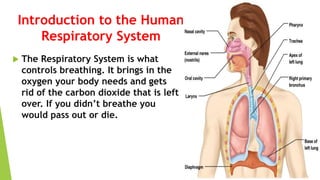
 The Respiratory System is what
controls breathing. It brings in the
oxygen your body needs and gets
rid of the carbon dioxide that is left
over. If you didn’t breathe you
would pass out or die.
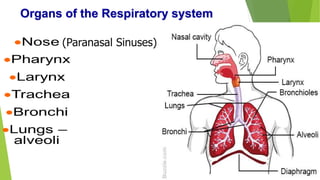
Organs of the Respiratory system
(Paranasal Sinuses)
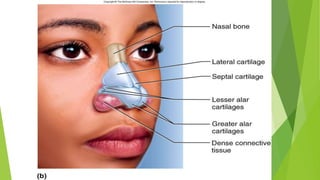
Nose
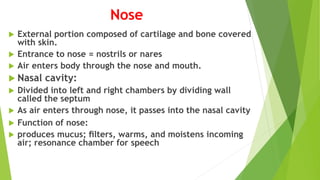
 External portion composed of cartilage and bone covered
with skin.
 Entrance to nose = nostrils or nares
 Air enters body through the nose and mouth.
 Nasal cavity:
 Divided into left and right chambers by dividing wall
called the septum
 As air enters through nose, it passes into the nasal cavity
 Function of nose:
 produces mucus; filters, warms, and moistens incoming
air; resonance chamber for speech
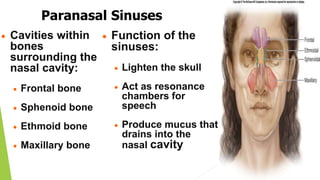
Paranasal Sinuses
 Cavities within
bones
surrounding the
nasal cavity:
 Frontal bone
 Sphenoid bone
 Ethmoid bone
 Maxillary bone
 Function of the
sinuses:
 Lighten the skull
 Act as resonance
chambers for
speech
 Produce mucus that
drains into the
nasal cavity
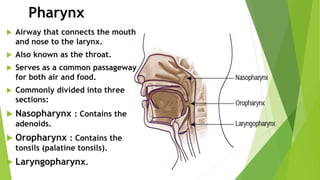
Pharynx
 Airway that connects the mouth
and nose to the larynx.
 Also known as the throat.
 Serves as a common passageway
for both air and food.
 Commonly divided into three
sections:
 Nasopharynx : Contains the
adenoids.
 Oropharynx : Contains the
tonsils (palatine tonsils).
 Laryngopharynx.
Connects pharynx with trachea.
Functions:
Prevent bolus from entering trachea & lungs.
Produce sound.
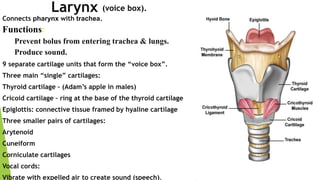
9 separate cartilage units that form the “voice box”.
Three main “single” cartilages:
Thyroid cartilage – (Adam’s apple in males)
Cricoid cartilage – ring at the base of the thyroid cartilage
Epiglottis: connective tissue framed by hyaline cartilage
Three smaller pairs of cartilages:
Arytenoid
Cuneiform
Corniculate cartilages
Vocal cords:
Vibrate with expelled air to create sound (speech).
Larynx (voice box).
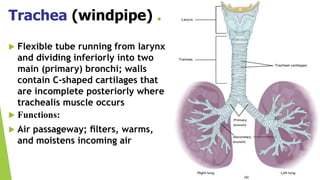
Trachea (windpipe) .
 Flexible tube running from larynx
and dividing inferiorly into two
main (primary) bronchi; walls
contain C-shaped cartilages that
are incomplete posteriorly where
trachealis muscle occurs
 Functions:
 Air passageway; filters, warms,
and moistens incoming air
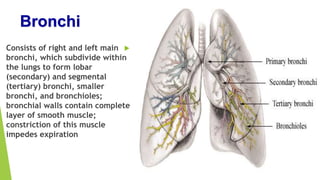
Bronchi
Consists of right and left main
bronchi, which subdivide within
the lungs to form lobar
(secondary) and segmental
(tertiary) bronchi, smaller
bronchi, and bronchioles;
bronchial walls contain complete
layer of smooth muscle;
constriction of this muscle
impedes expiration
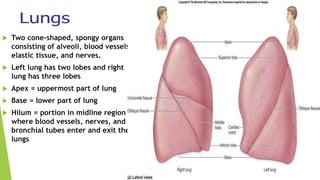
 Two cone-shaped, spongy organs
consisting of alveoli, blood vessels,
elastic tissue, and nerves.
 Left lung has two lobes and right
lung has three lobes
 Apex = uppermost part of lung
 Base = lower part of lung
 Hilum = portion in midline region
where blood vessels, nerves, and
bronchial tubes enter and exit the
lungs
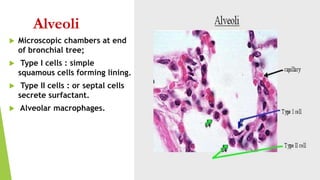
Alveoli
 Microscopic chambers at end
of bronchial tree;
 Type I cells : simple
squamous cells forming lining.
 Type II cells : or septal cells
secrete surfactant.
 Alveolar macrophages.
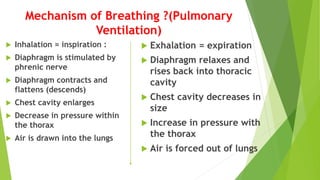
Mechanism of Breathing ?(Pulmonary
Ventilation)
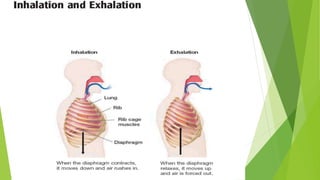
 Inhalation = inspiration :
 Diaphragm is stimulated by
phrenic nerve
 Diaphragm contracts and
flattens (descends)
 Chest cavity enlarges
 Decrease in pressure within
the thorax
 Air is drawn into the lungs
 Exhalation = expiration
 Diaphragm relaxes and
rises back into thoracic
cavity
 Chest cavity decreases in
size
 Increase in pressure with
the thorax
 Air is forced out of lungs
Respiratory System Functions
1. supplies the body with oxygen and disposes of
carbon dioxide.
2. filters inspired air
3. produces sound
4. contains receptors for smell
5. rids the body of some excess water and heat
6. helps regulate blood pH

Respiratory system

  • 1.
    AHMED KHALIL IBRAHIM The Respiratory System
  • 2.
    Introduction to theHuman Respiratory System  The Respiratory System is what controls breathing. It brings in the oxygen your body needs and gets rid of the carbon dioxide that is left over. If you didn’t breathe you would pass out or die.
  • 3.
    Organs of theRespiratory system (Paranasal Sinuses)
  • 4.
    Nose  External portioncomposed of cartilage and bone covered with skin.  Entrance to nose = nostrils or nares  Air enters body through the nose and mouth.  Nasal cavity:  Divided into left and right chambers by dividing wall called the septum  As air enters through nose, it passes into the nasal cavity  Function of nose:  produces mucus; filters, warms, and moistens incoming air; resonance chamber for speech
  • 6.
    Paranasal Sinuses  Cavitieswithin bones surrounding the nasal cavity:  Frontal bone  Sphenoid bone  Ethmoid bone  Maxillary bone  Function of the sinuses:  Lighten the skull  Act as resonance chambers for speech  Produce mucus that drains into the nasal cavity
  • 7.
    Pharynx  Airway thatconnects the mouth and nose to the larynx.  Also known as the throat.  Serves as a common passageway for both air and food.  Commonly divided into three sections:  Nasopharynx : Contains the adenoids.  Oropharynx : Contains the tonsils (palatine tonsils).  Laryngopharynx.
  • 8.
    Connects pharynx withtrachea. Functions: Prevent bolus from entering trachea & lungs. Produce sound. 9 separate cartilage units that form the “voice box”. Three main “single” cartilages: Thyroid cartilage – (Adam’s apple in males) Cricoid cartilage – ring at the base of the thyroid cartilage Epiglottis: connective tissue framed by hyaline cartilage Three smaller pairs of cartilages: Arytenoid Cuneiform Corniculate cartilages Vocal cords: Vibrate with expelled air to create sound (speech). Larynx (voice box).
  • 9.
    Trachea (windpipe) . Flexible tube running from larynx and dividing inferiorly into two main (primary) bronchi; walls contain C-shaped cartilages that are incomplete posteriorly where trachealis muscle occurs  Functions:  Air passageway; filters, warms, and moistens incoming air
  • 10.
    Bronchi Consists of rightand left main bronchi, which subdivide within the lungs to form lobar (secondary) and segmental (tertiary) bronchi, smaller bronchi, and bronchioles; bronchial walls contain complete layer of smooth muscle; constriction of this muscle impedes expiration
  • 11.
     Two cone-shaped,spongy organs consisting of alveoli, blood vessels, elastic tissue, and nerves.  Left lung has two lobes and right lung has three lobes  Apex = uppermost part of lung  Base = lower part of lung  Hilum = portion in midline region where blood vessels, nerves, and bronchial tubes enter and exit the lungs
  • 12.
    Alveoli  Microscopic chambersat end of bronchial tree;  Type I cells : simple squamous cells forming lining.  Type II cells : or septal cells secrete surfactant.  Alveolar macrophages.
  • 13.
    Mechanism of Breathing?(Pulmonary Ventilation)  Inhalation = inspiration :  Diaphragm is stimulated by phrenic nerve  Diaphragm contracts and flattens (descends)  Chest cavity enlarges  Decrease in pressure within the thorax  Air is drawn into the lungs  Exhalation = expiration  Diaphragm relaxes and rises back into thoracic cavity  Chest cavity decreases in size  Increase in pressure with the thorax  Air is forced out of lungs
  • 15.
    Respiratory System Functions 1.supplies the body with oxygen and disposes of carbon dioxide. 2. filters inspired air 3. produces sound 4. contains receptors for smell 5. rids the body of some excess water and heat 6. helps regulate blood pH