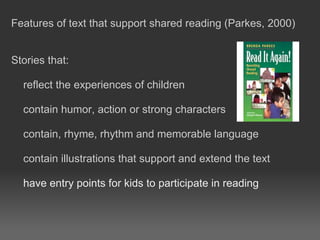
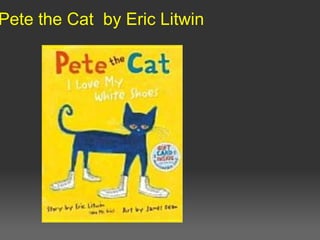
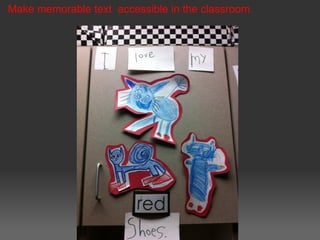
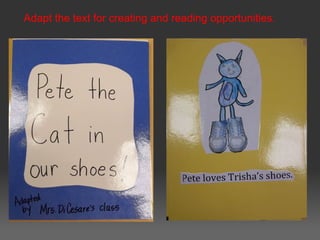
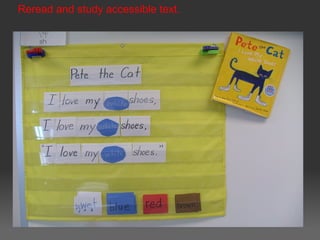
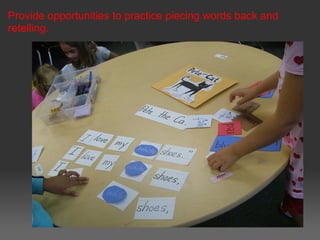
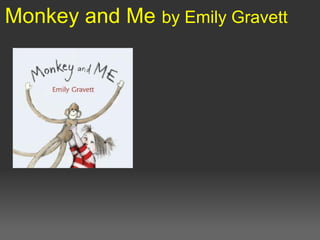
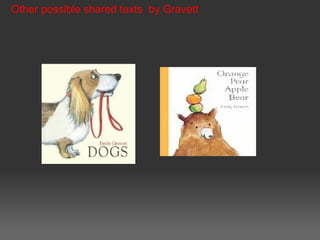
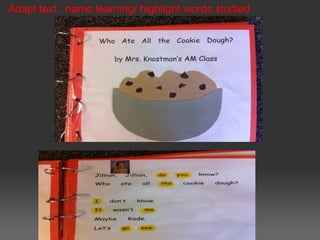
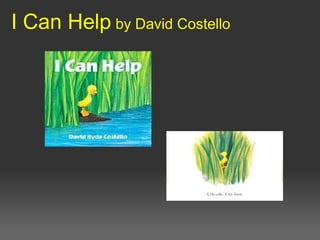
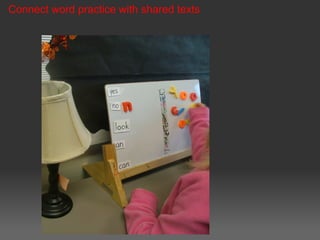
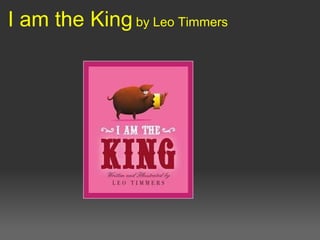
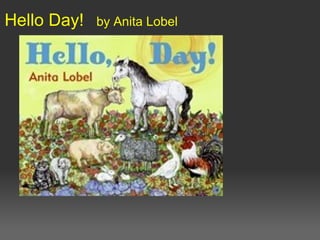
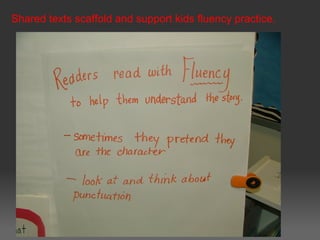
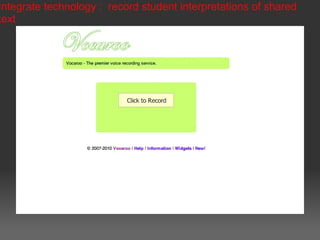
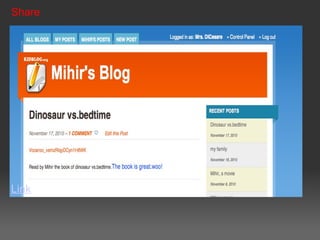
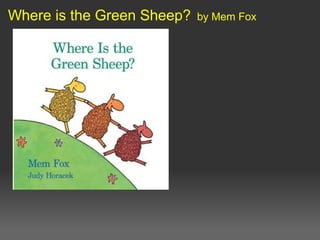
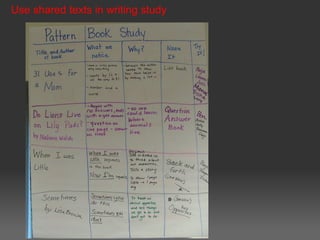
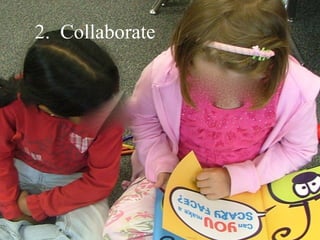
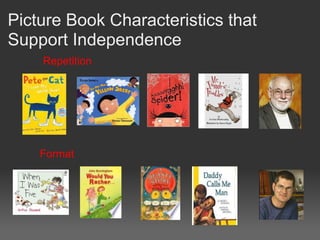
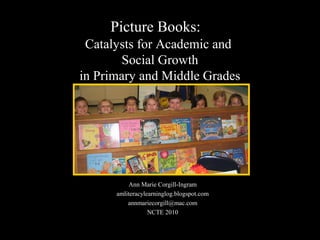
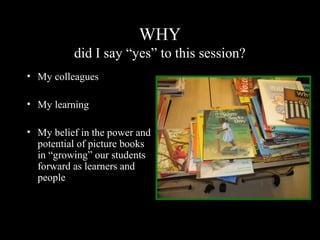
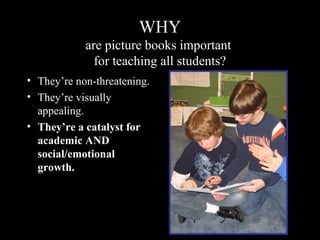
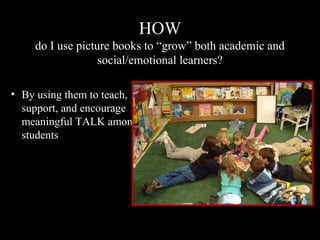
1. The document discusses using picture books to collaborate with learners and support literacy development. It provides examples of picture books that can be used for shared reading activities, adapting text for different purposes, and integrating technology.
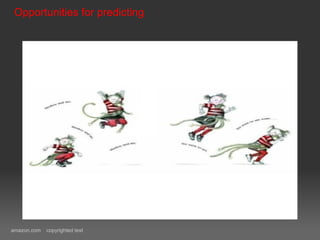
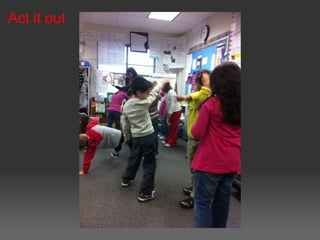
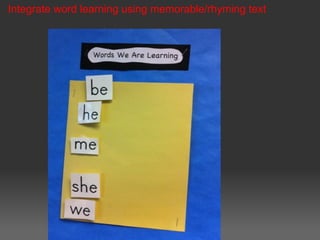
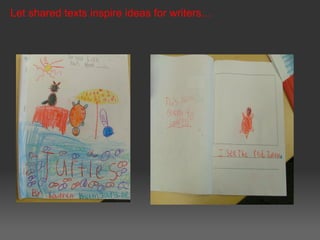
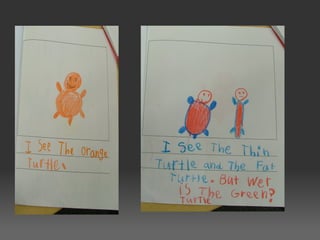
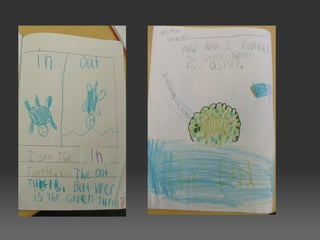
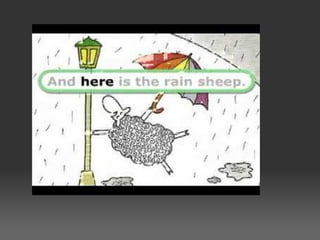
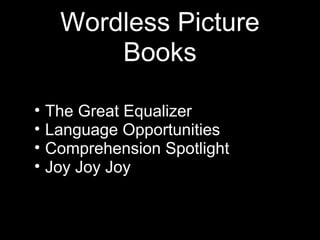
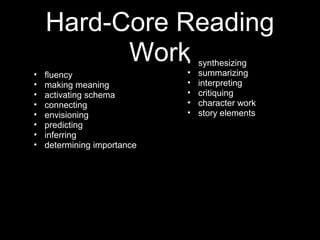
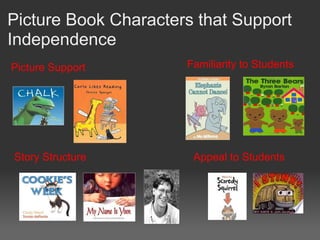
2. Specific picture books are discussed that lend themselves to predicting, acting out stories, integrating word learning, and inspiring writing ideas. Wordless picture books are also described as promoting various comprehension and interpretation skills.
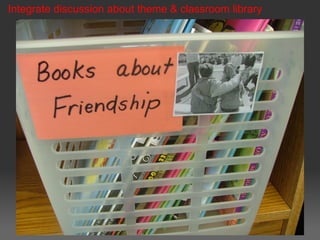
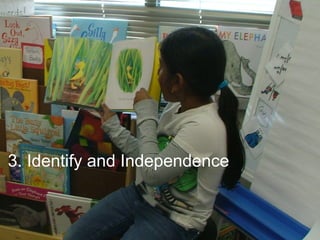
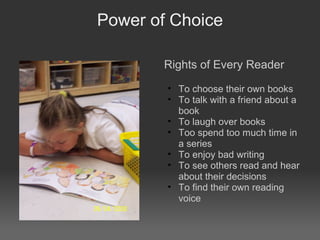
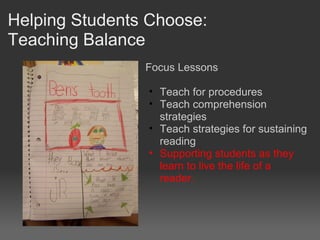
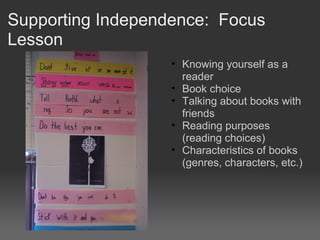
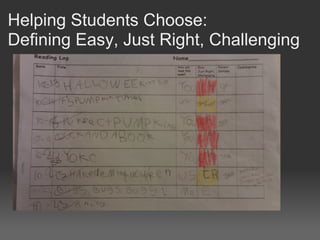
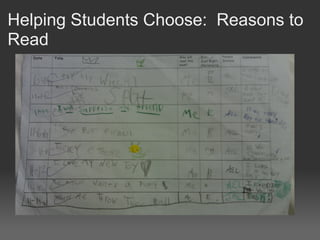
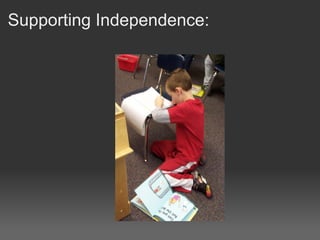
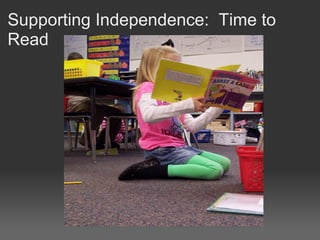
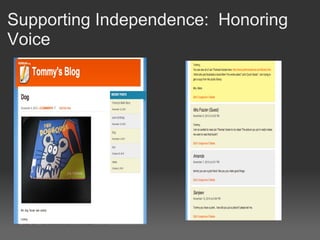
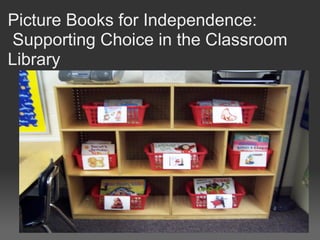
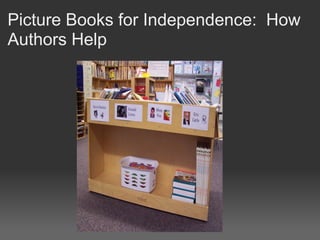
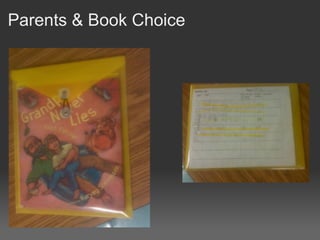
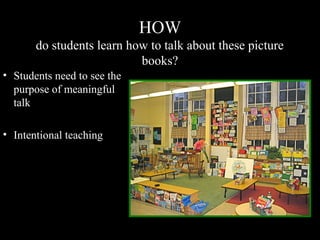
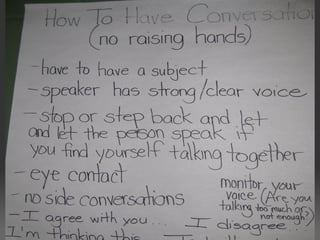
3. Creating an environment that supports student independence and choice in reading is addressed. Focus lessons are suggested to teach strategies around book selection, reading purposes, and characteristics of different genres. Supporting student-driven reading time and discussion is emphasized.







![Introduction to world literature[1]](https://cdn.slidesharecdn.com/ss_thumbnails/introductiontoworldliterature1-120817220420-phpapp02-thumbnail.jpg?width=640&height=640&fit=bounds)


