Download to read offline
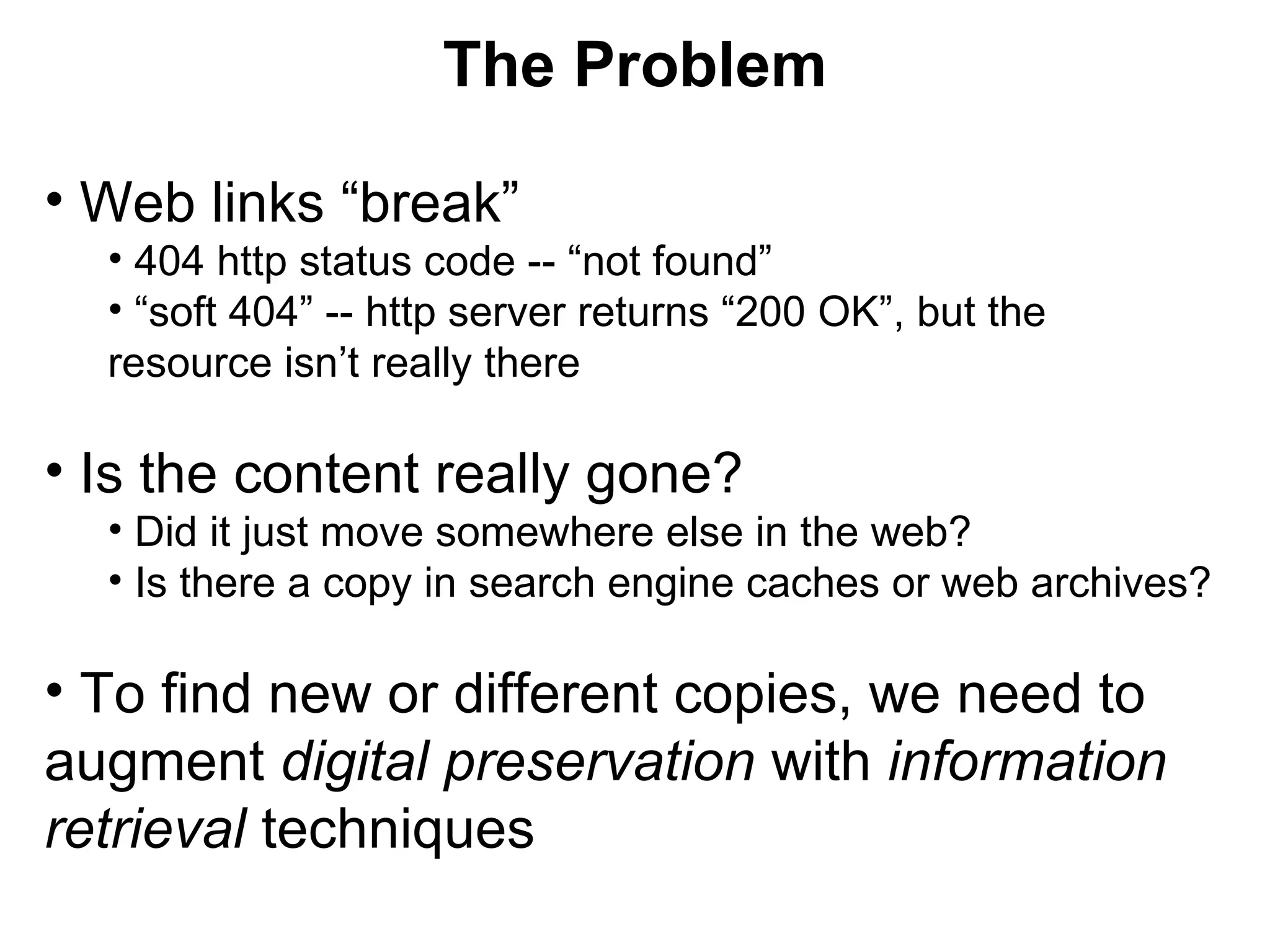
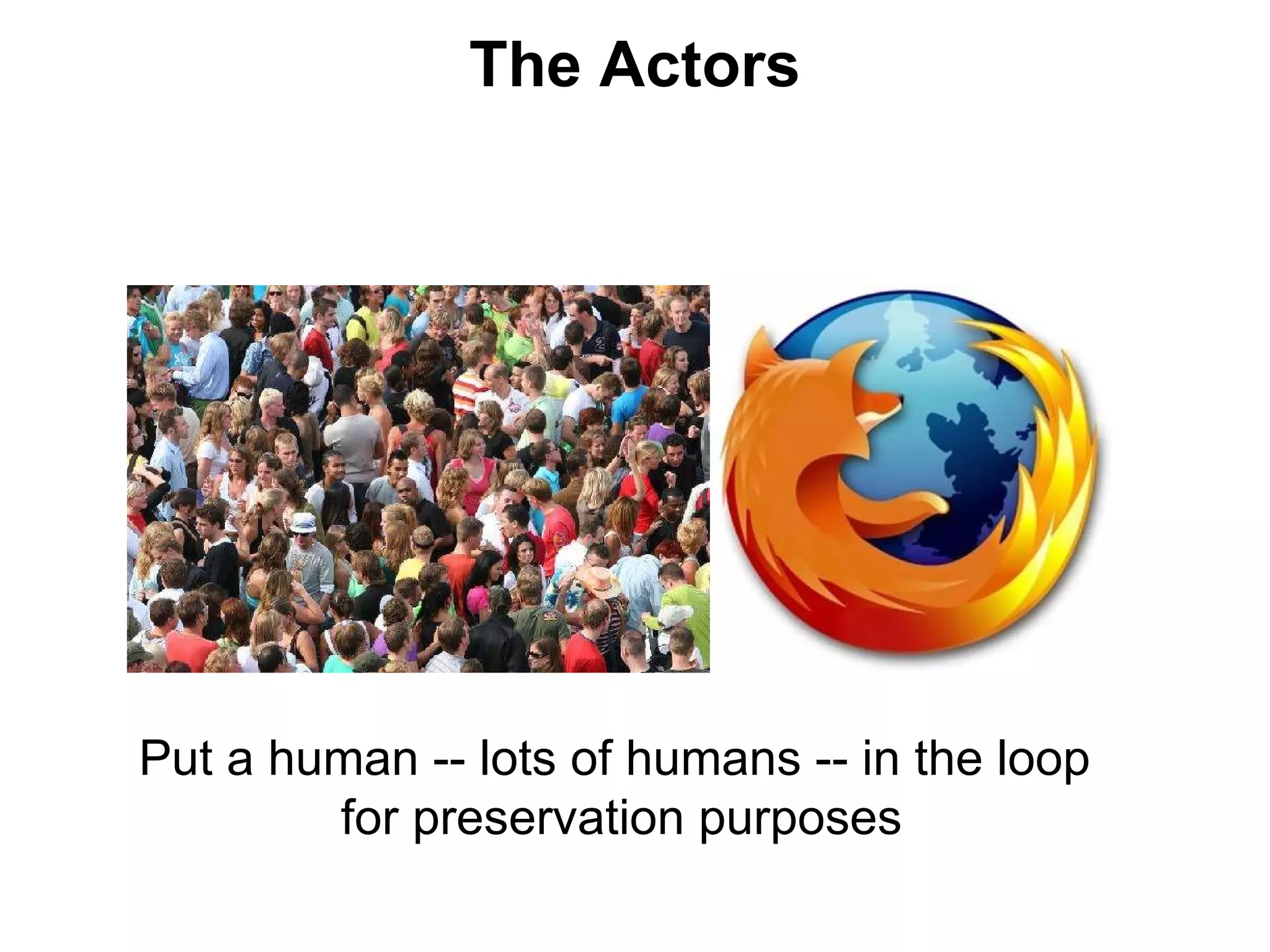
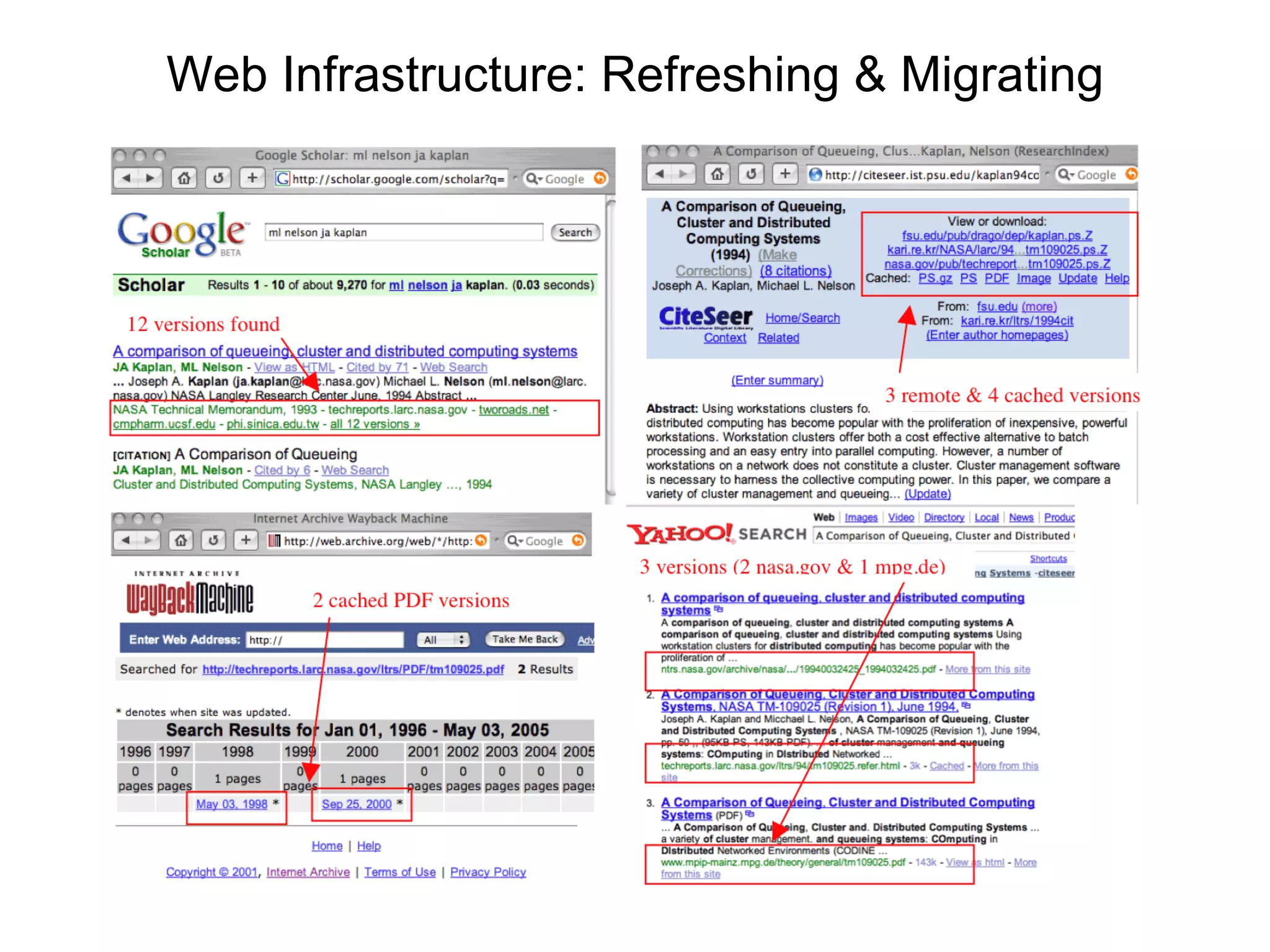
![Web Infrastructure (WI) [McCown07] Web search engines (Google, Yahoo, MSN Live) and their caches Research Projects (CiteSeer, NSDL) Web archives (Internet Archive,Web Base) The Environment](https://image.slidesharecdn.com/nelson-emory-mathcs-colloq-091012205900-phpapp01/75/Re-Discovering-Lost-Web-Pages-4-2048.jpg)
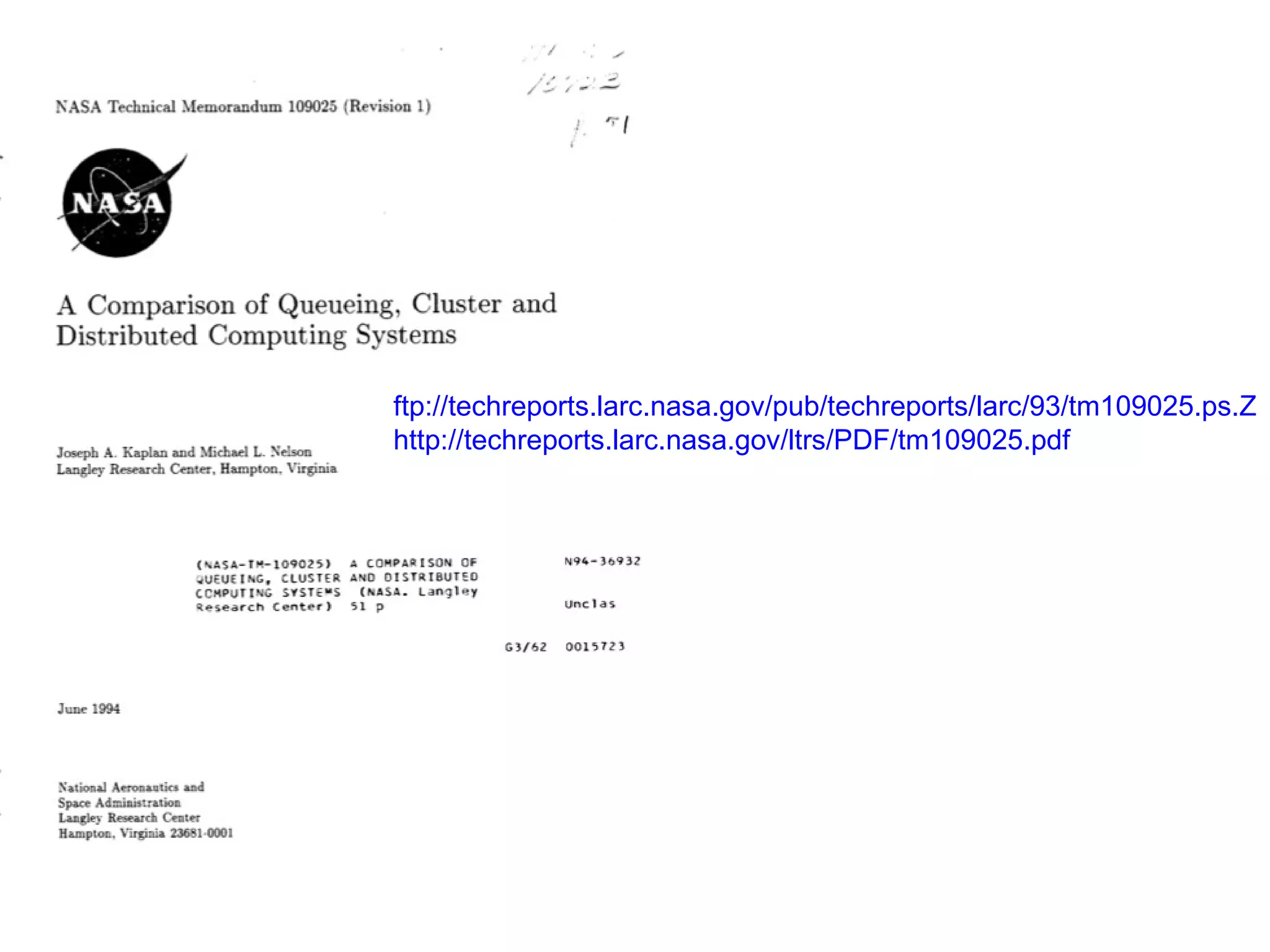

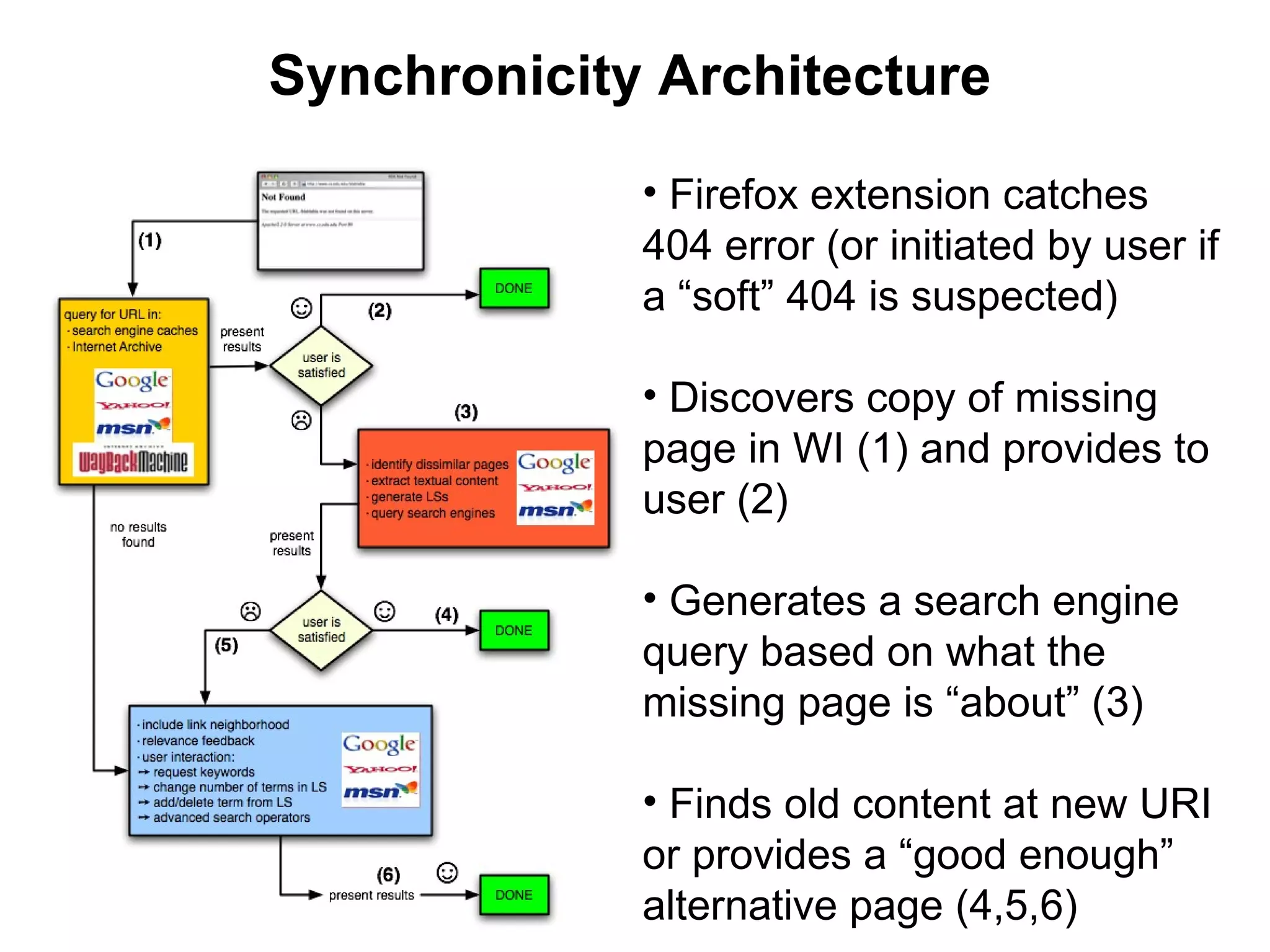
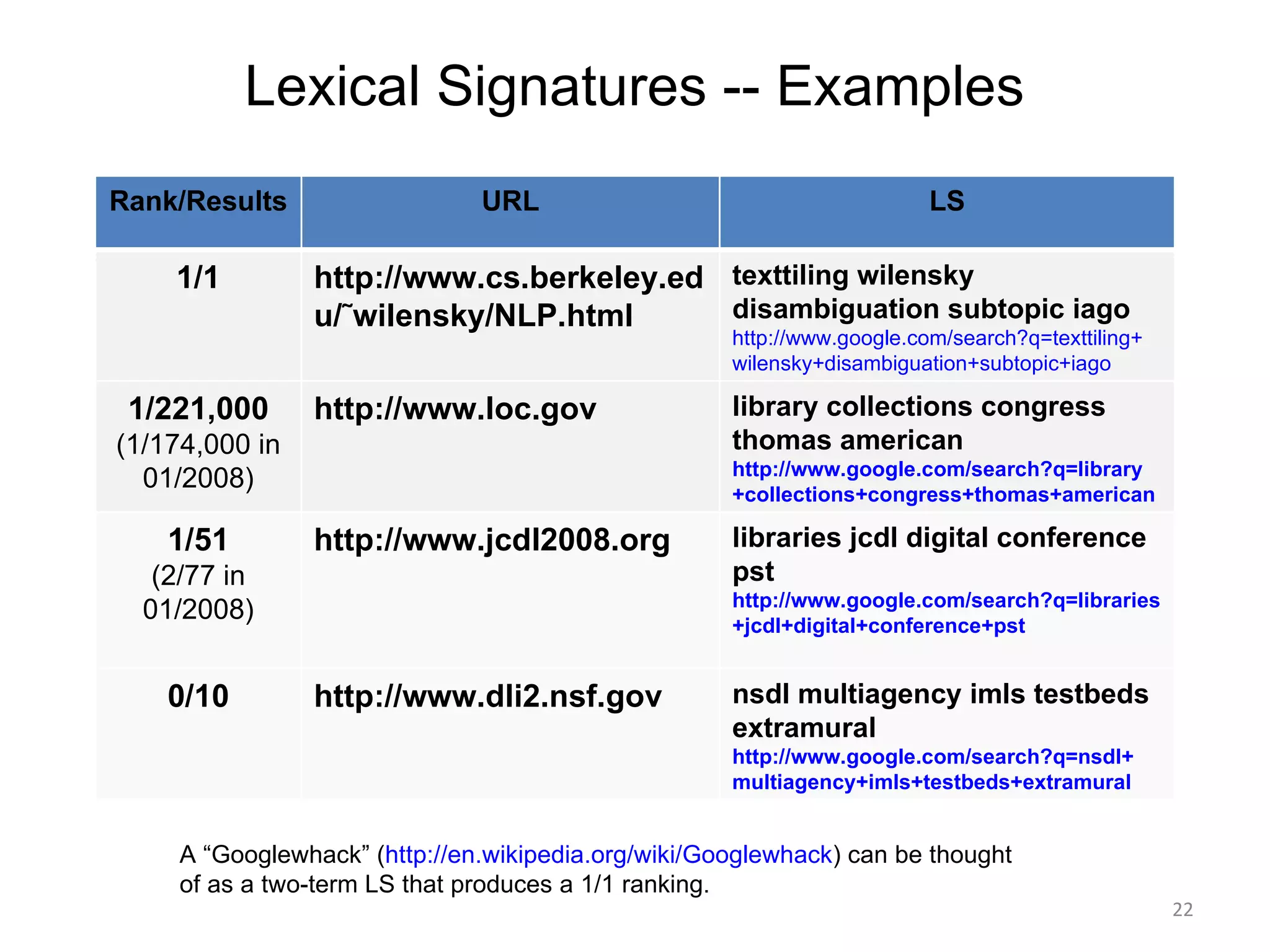
![What is a Lexical Signature? First introduced by Phelps and Wilensky [Phelps00] Small set of terms capturing the “aboutness” of a document Phelps and Wilensky assumed 5 “ lightweight metadata” “ Removal Policies in Network Caches for World-Wide Web Documents” Query Google Resource Abstract REMOVAL HIT RATE PROXY CACHE LS](https://image.slidesharecdn.com/nelson-emory-mathcs-colloq-091012205900-phpapp01/75/Re-Discovering-Lost-Web-Pages-20-2048.jpg)
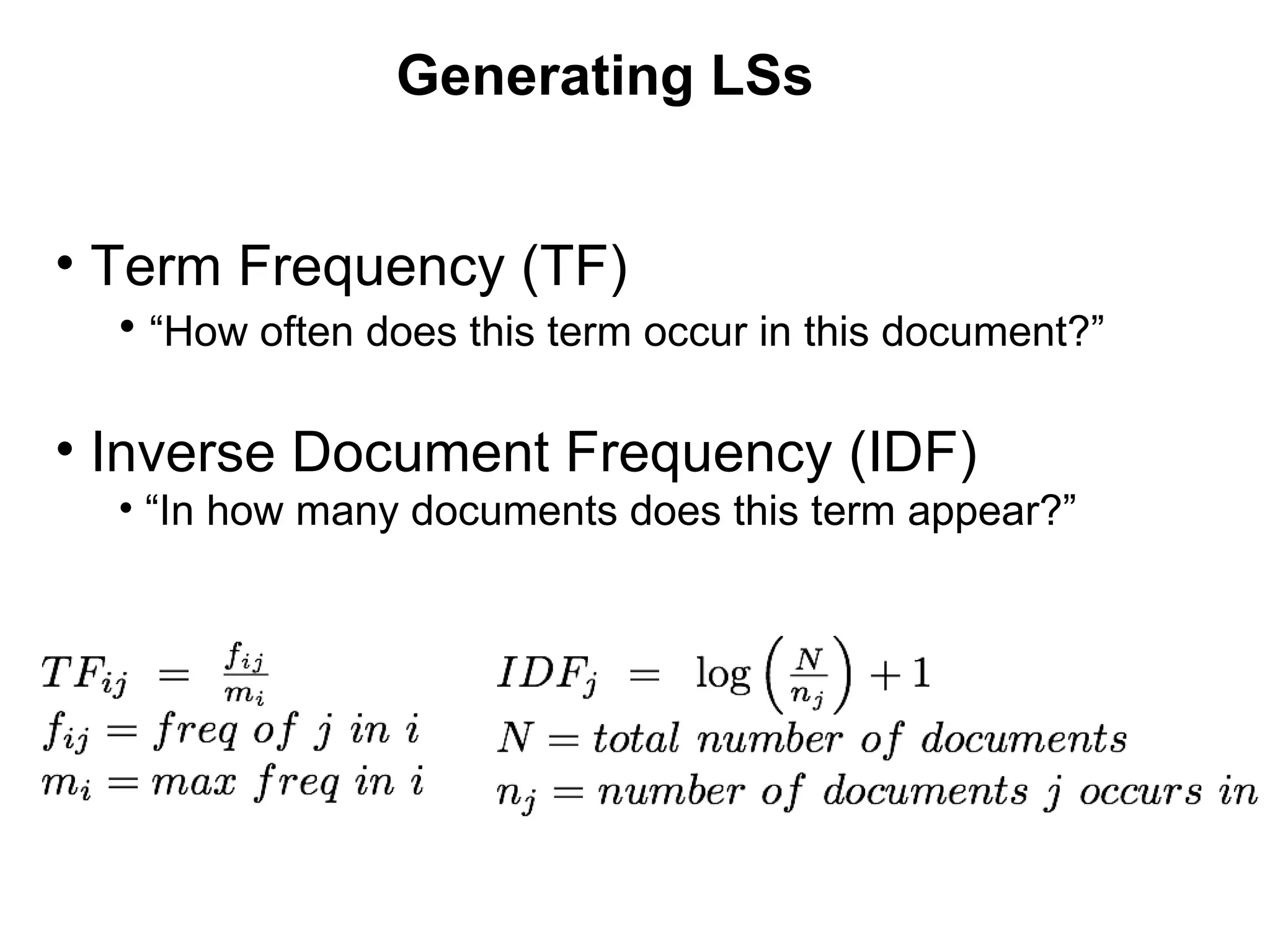
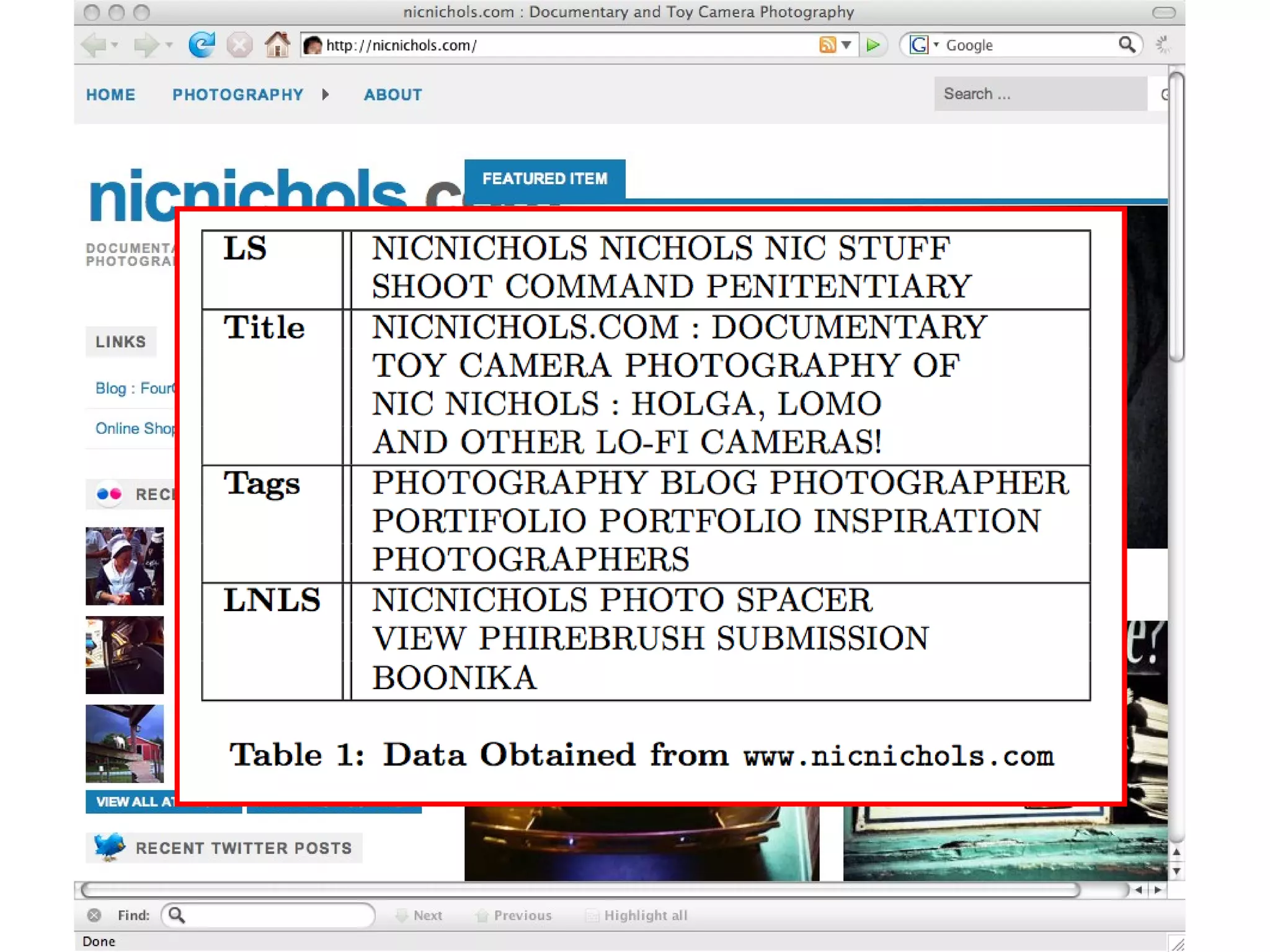
![Generating LSs Park et al. [Park03] investigated performance of various LS generation algorithms Evaluated “tunability” of TF and IDF Weight on TF increases recall (completeness, ex. “photography, blog”) Weight on IDF improves precision (exactness, ex. “nicnichols, penitentiary”) Computed IDF on closed system (not live web) Also assumed “5” to be a good number Compared results after 6 months, but did not do an in-depth analysis of LSs over time](https://image.slidesharecdn.com/nelson-emory-mathcs-colloq-091012205900-phpapp01/75/Re-Discovering-Lost-Web-Pages-24-2048.jpg)
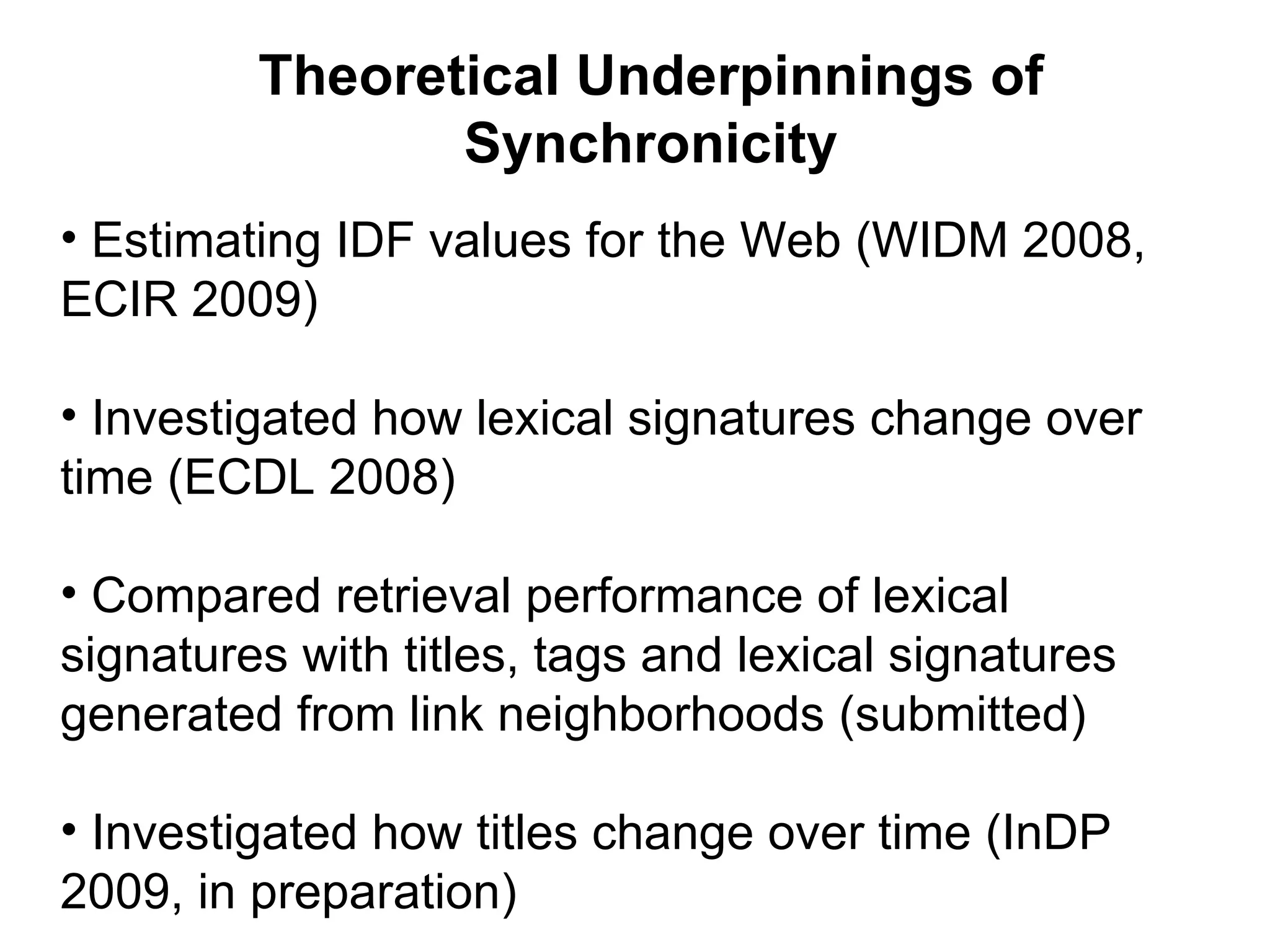
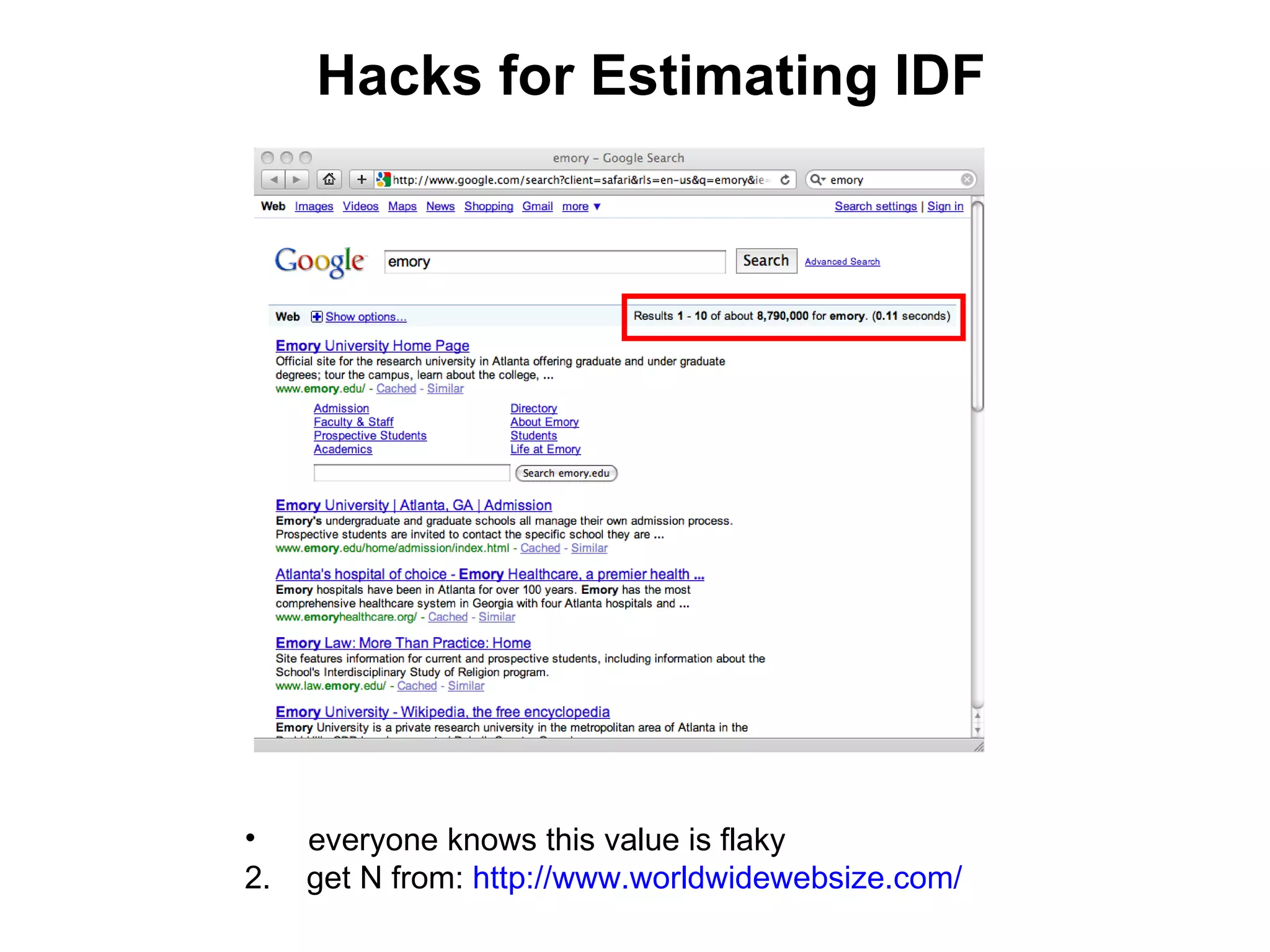
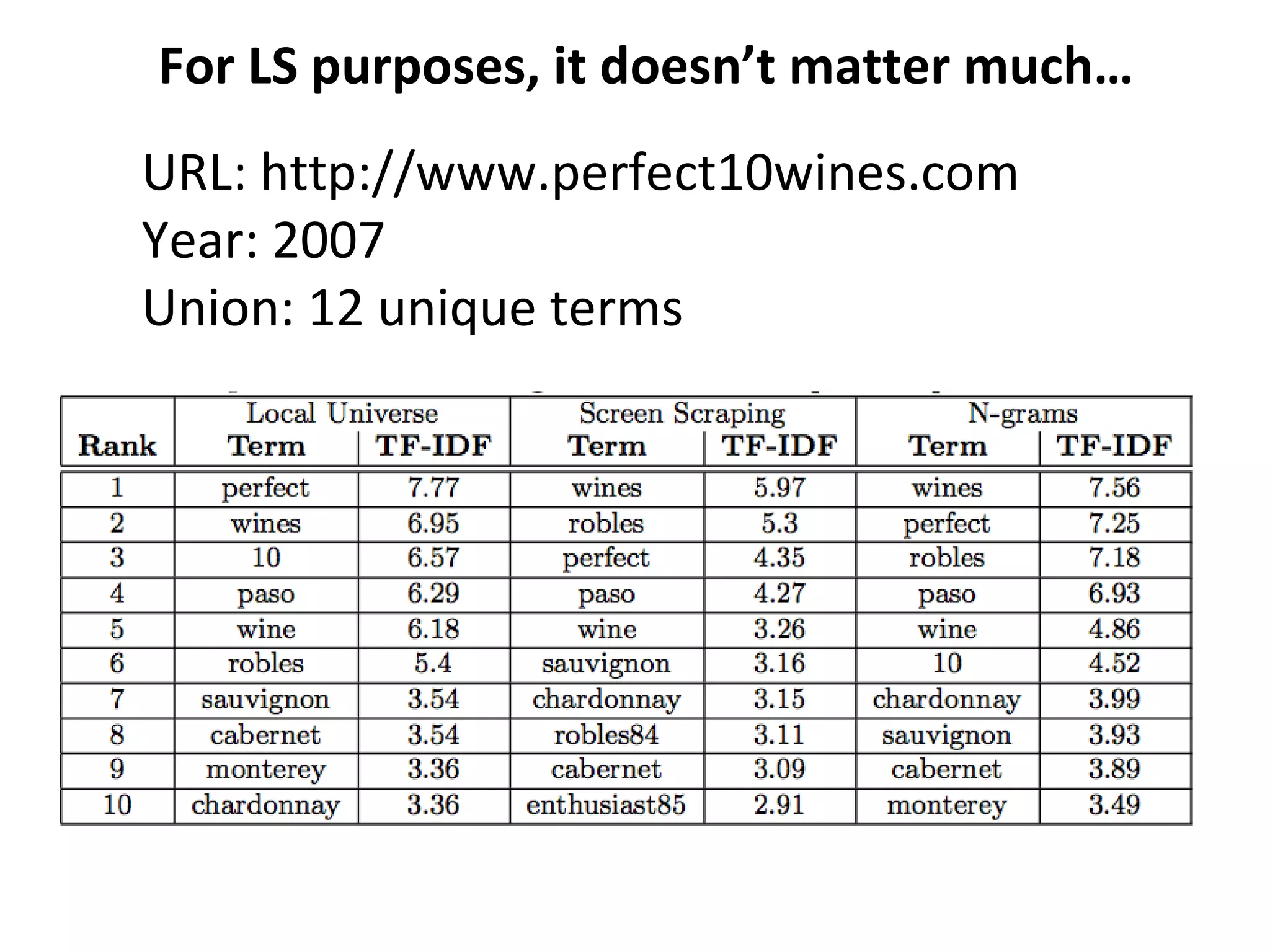
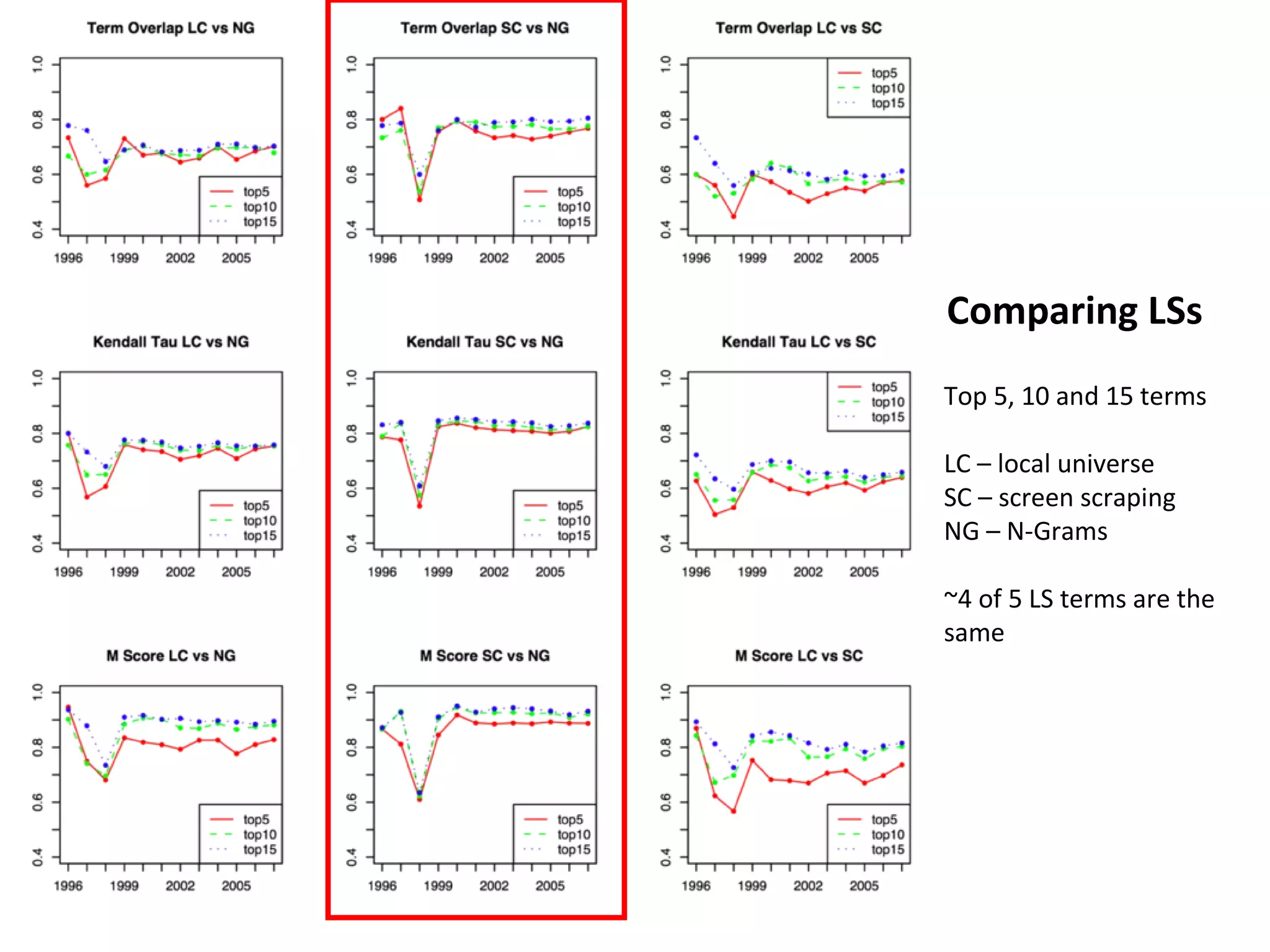
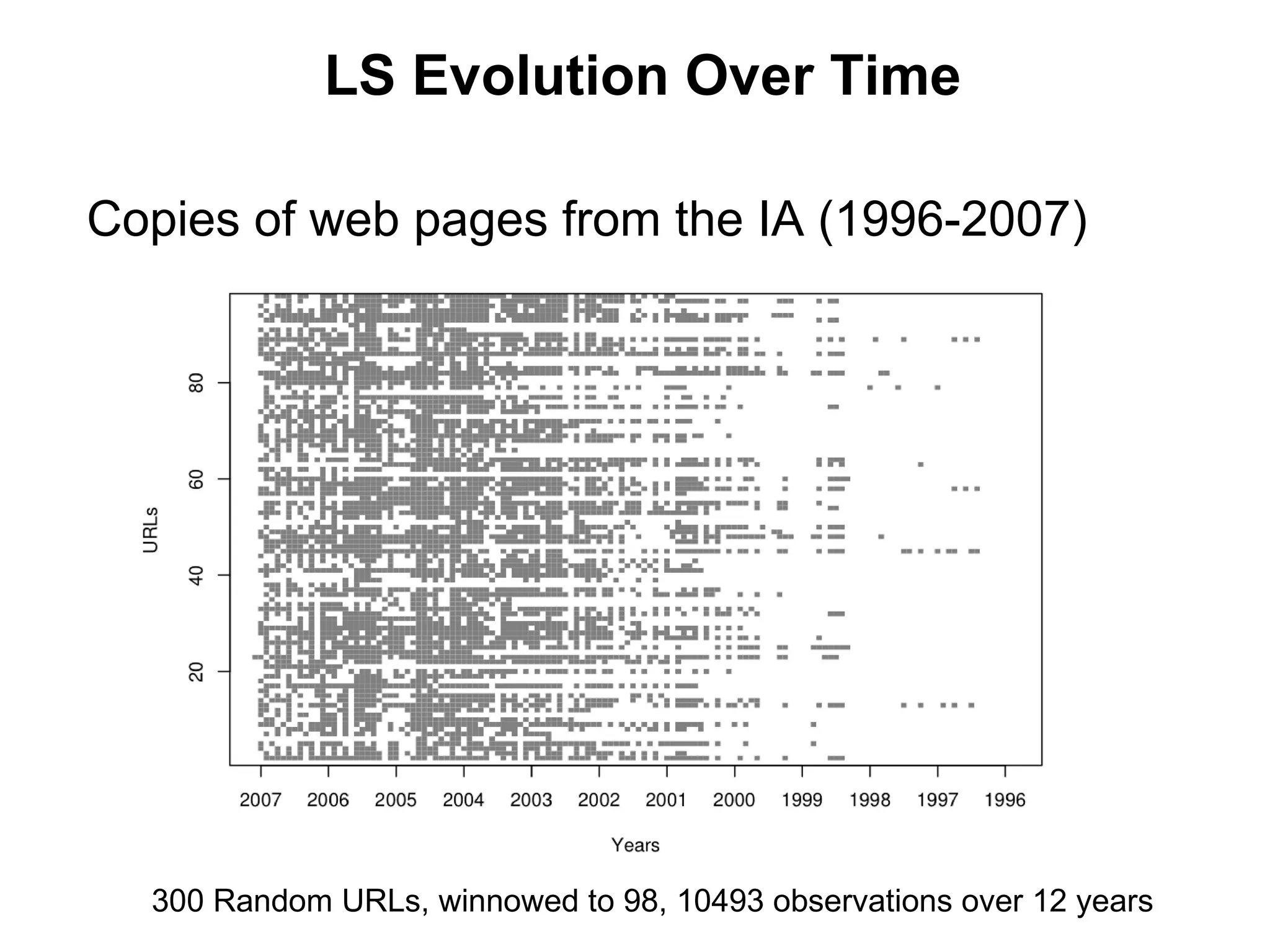
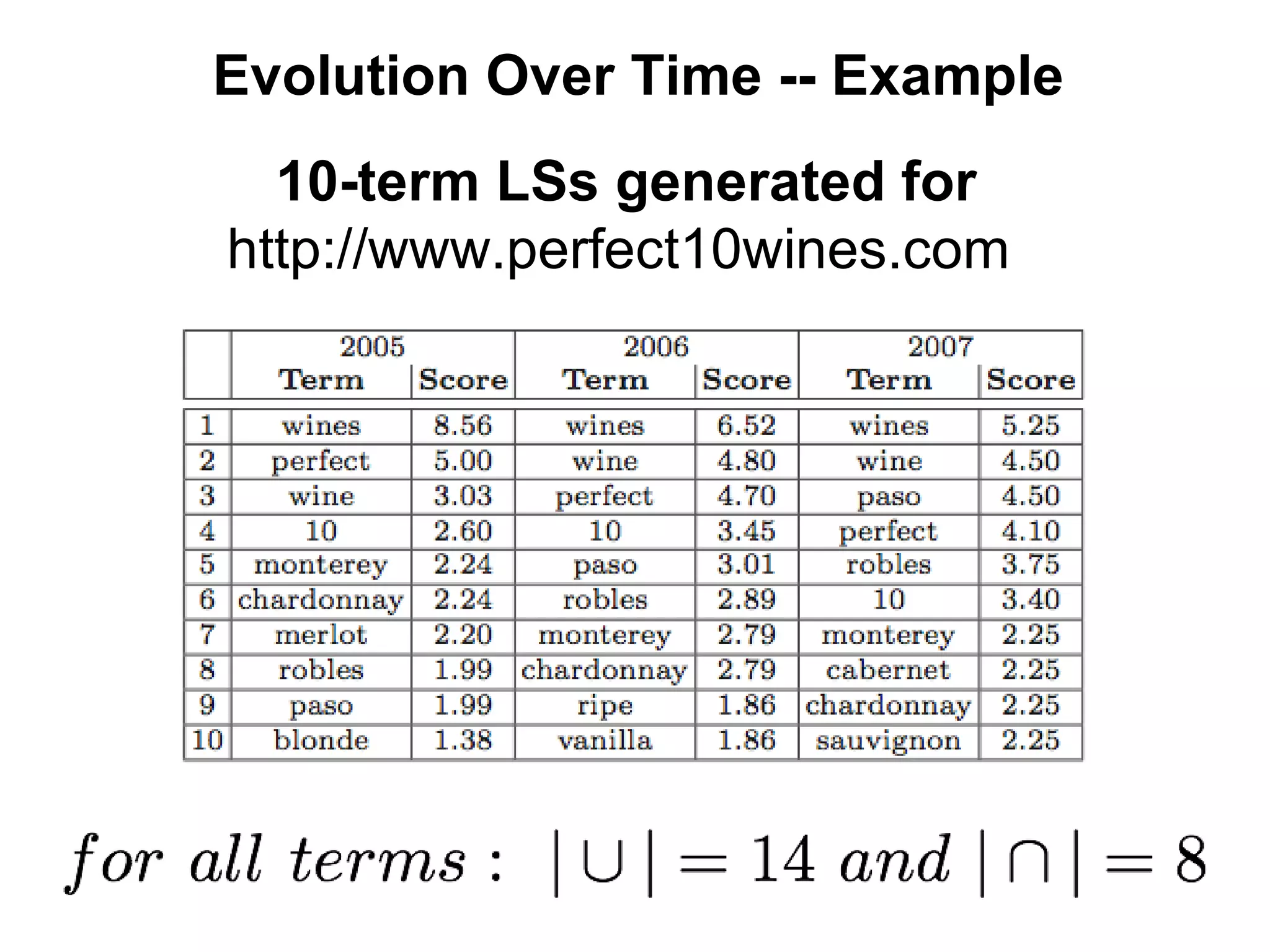
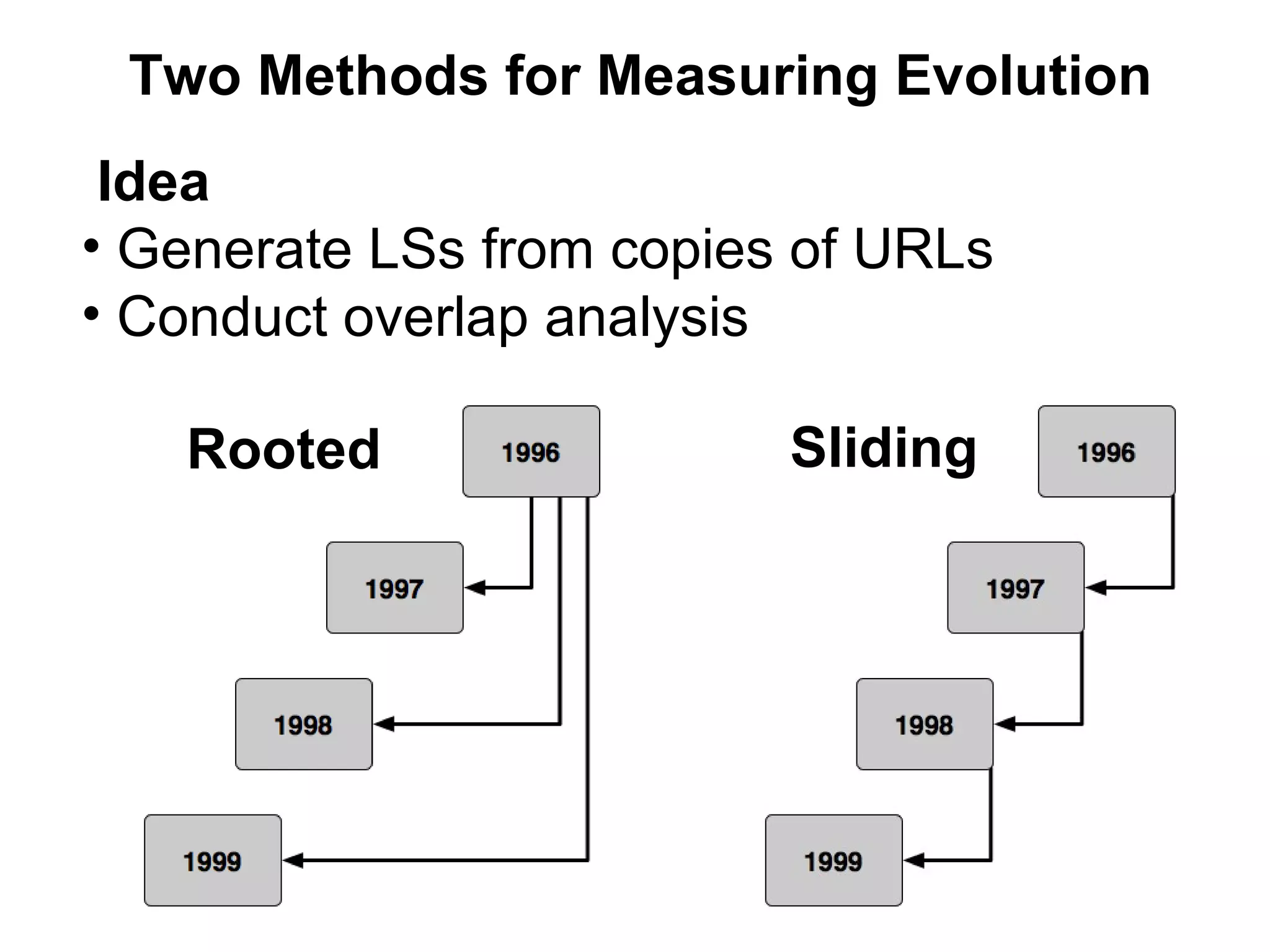
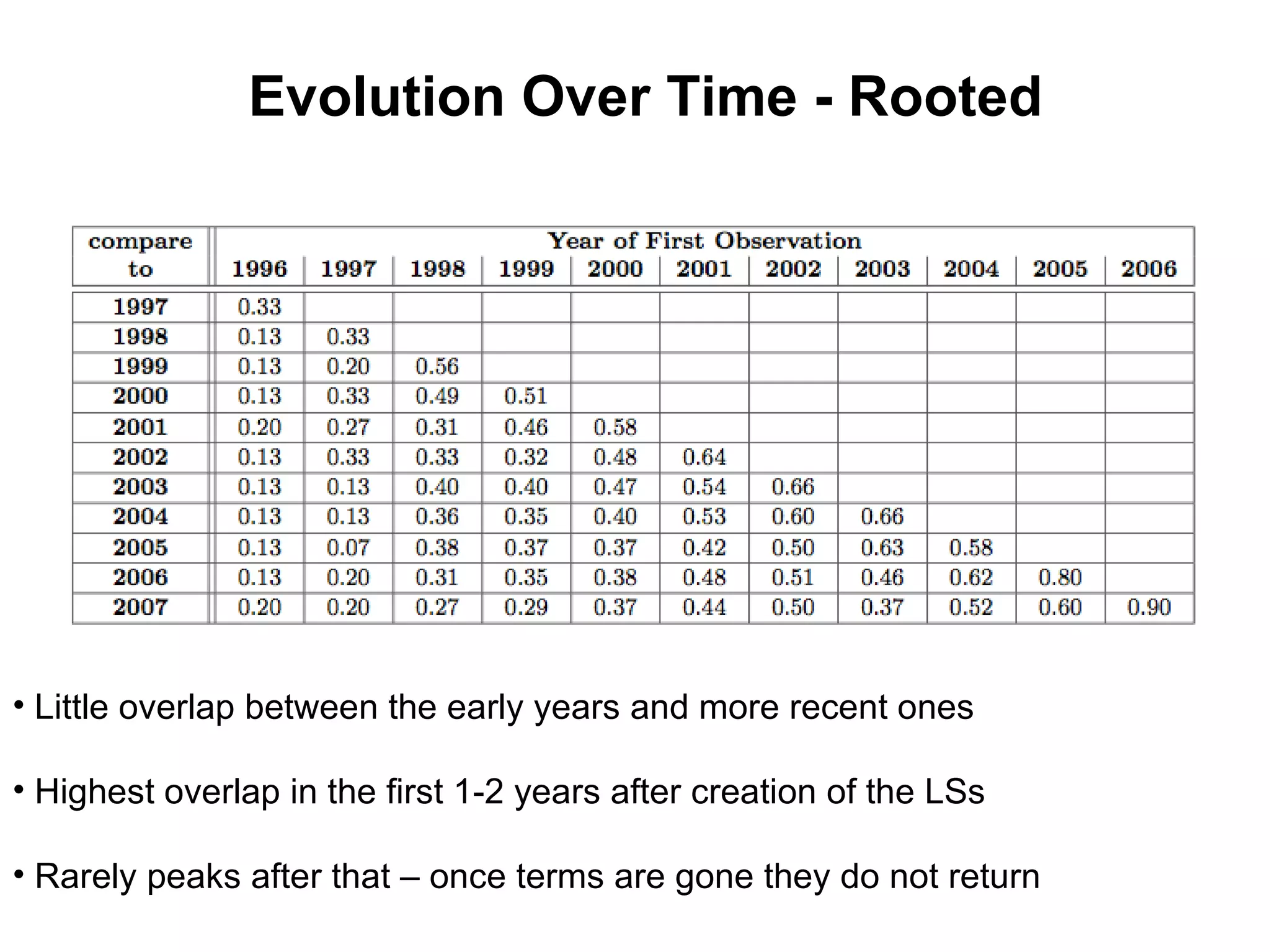
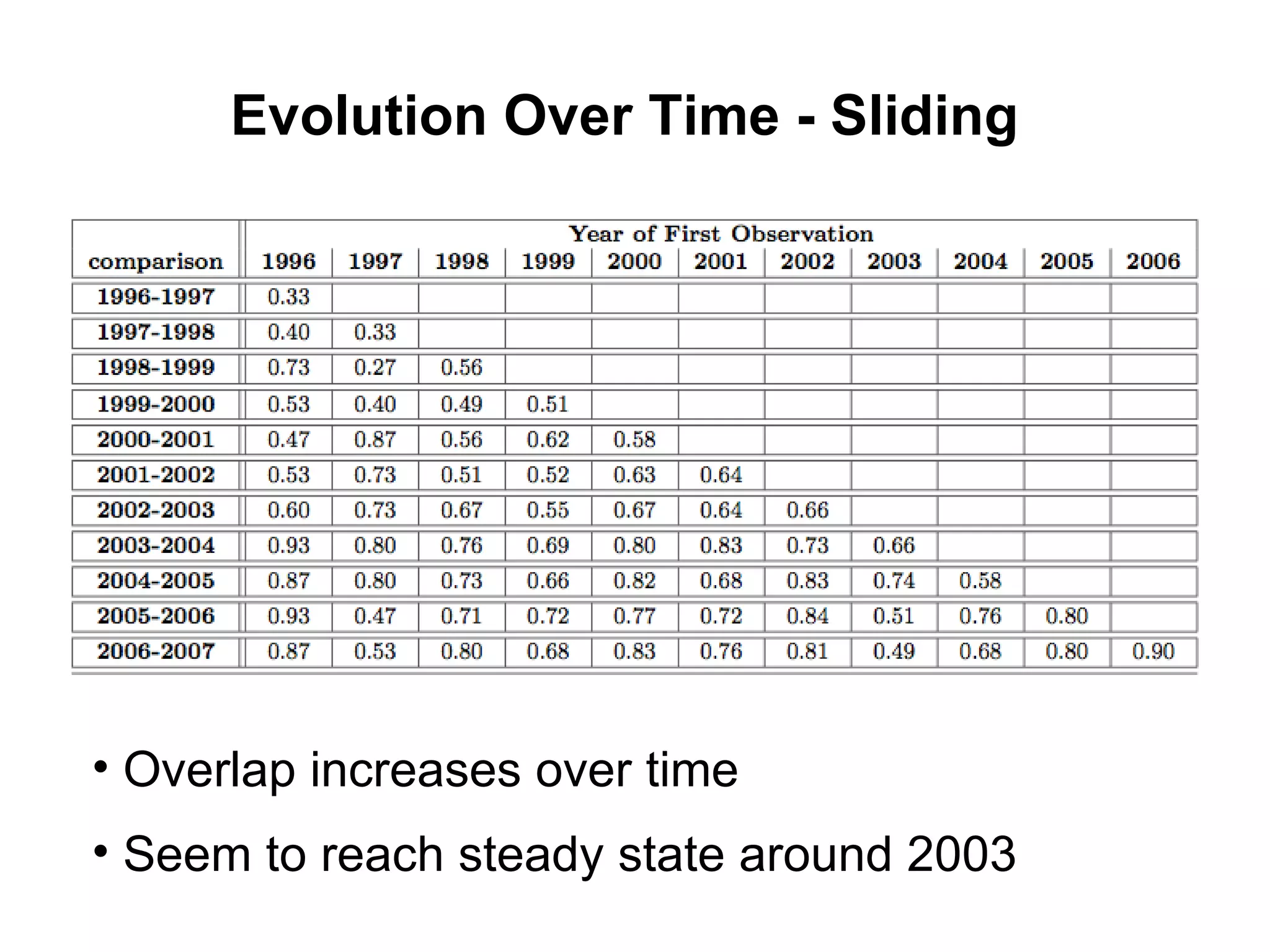
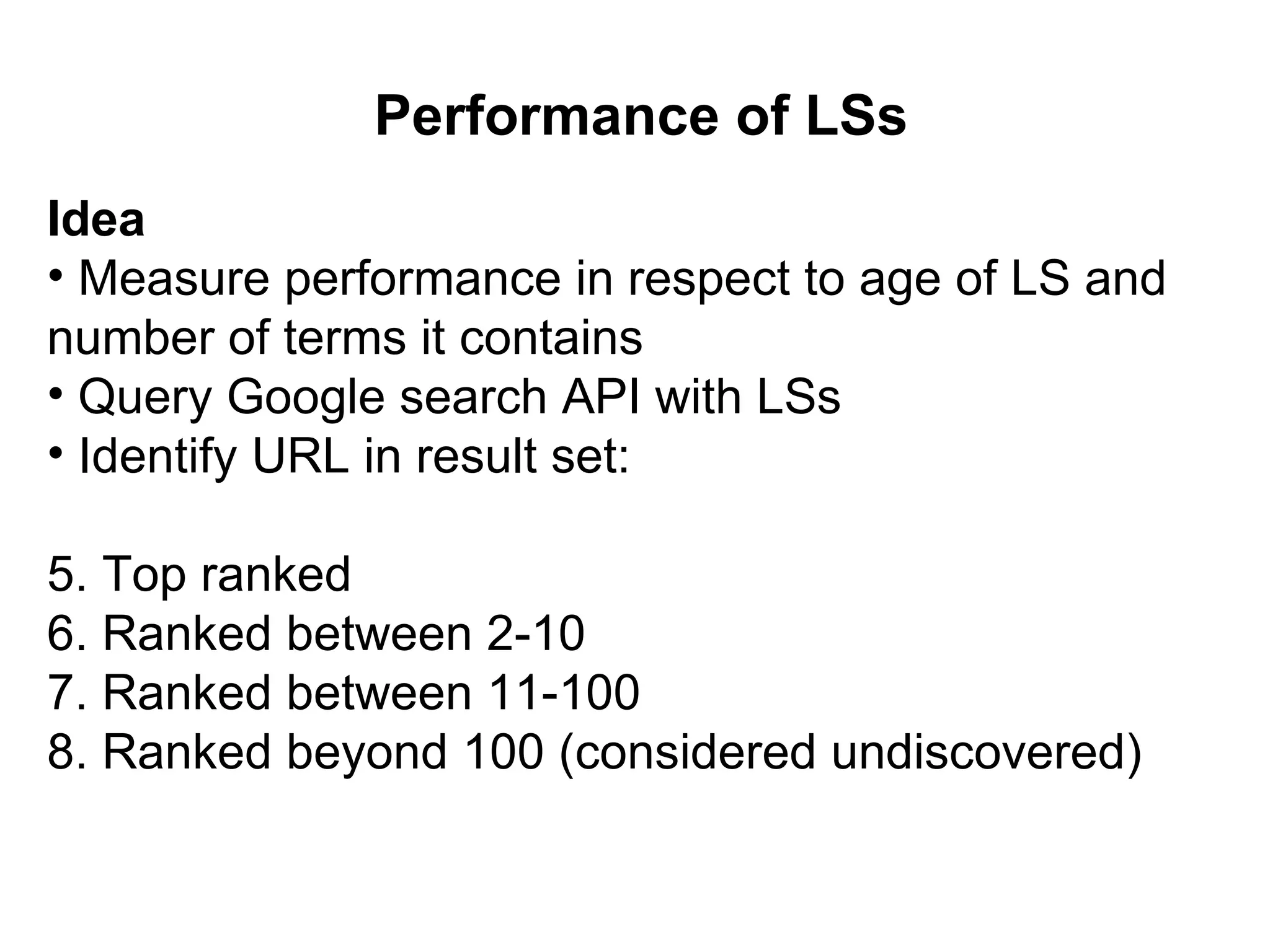
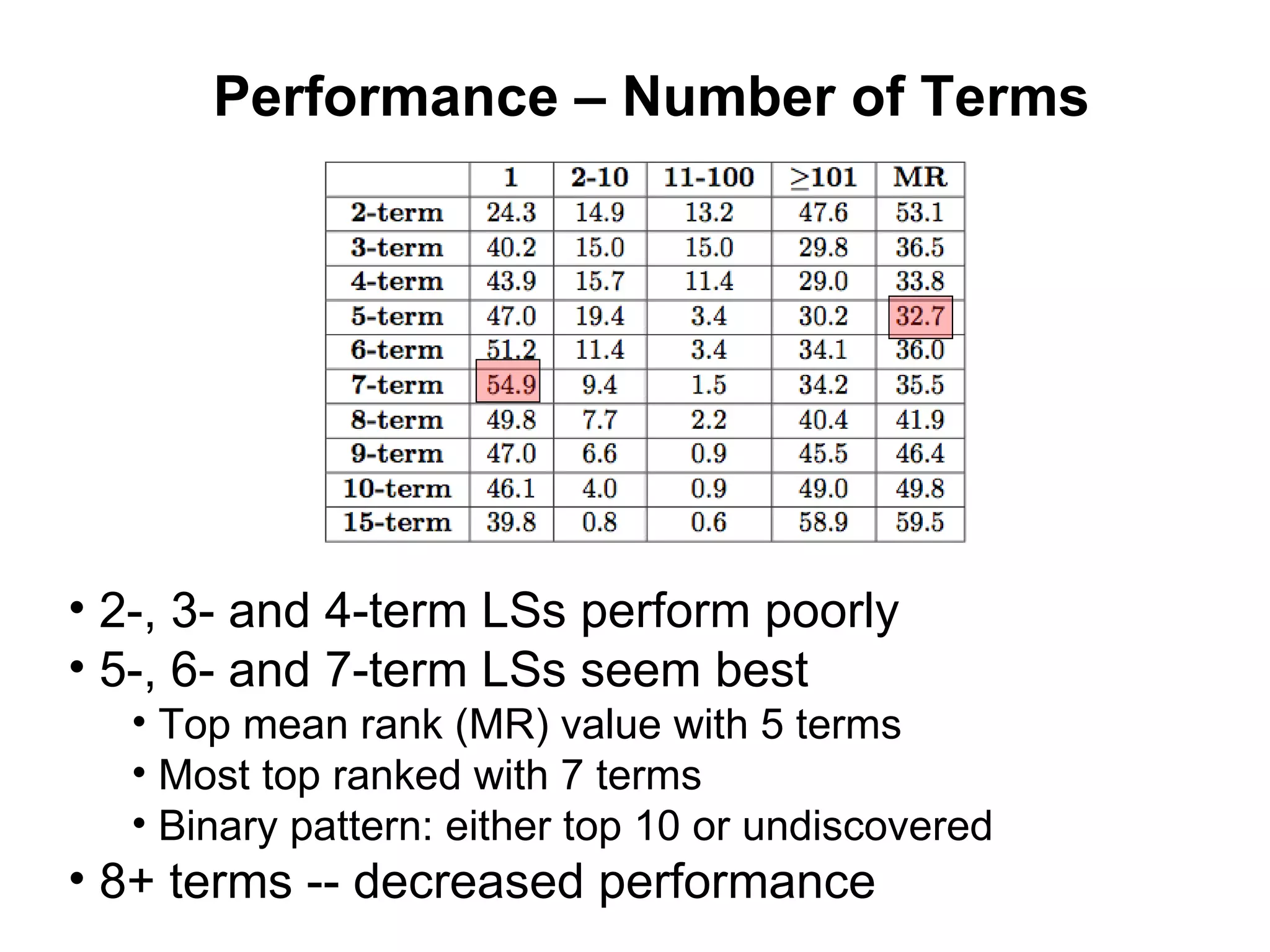
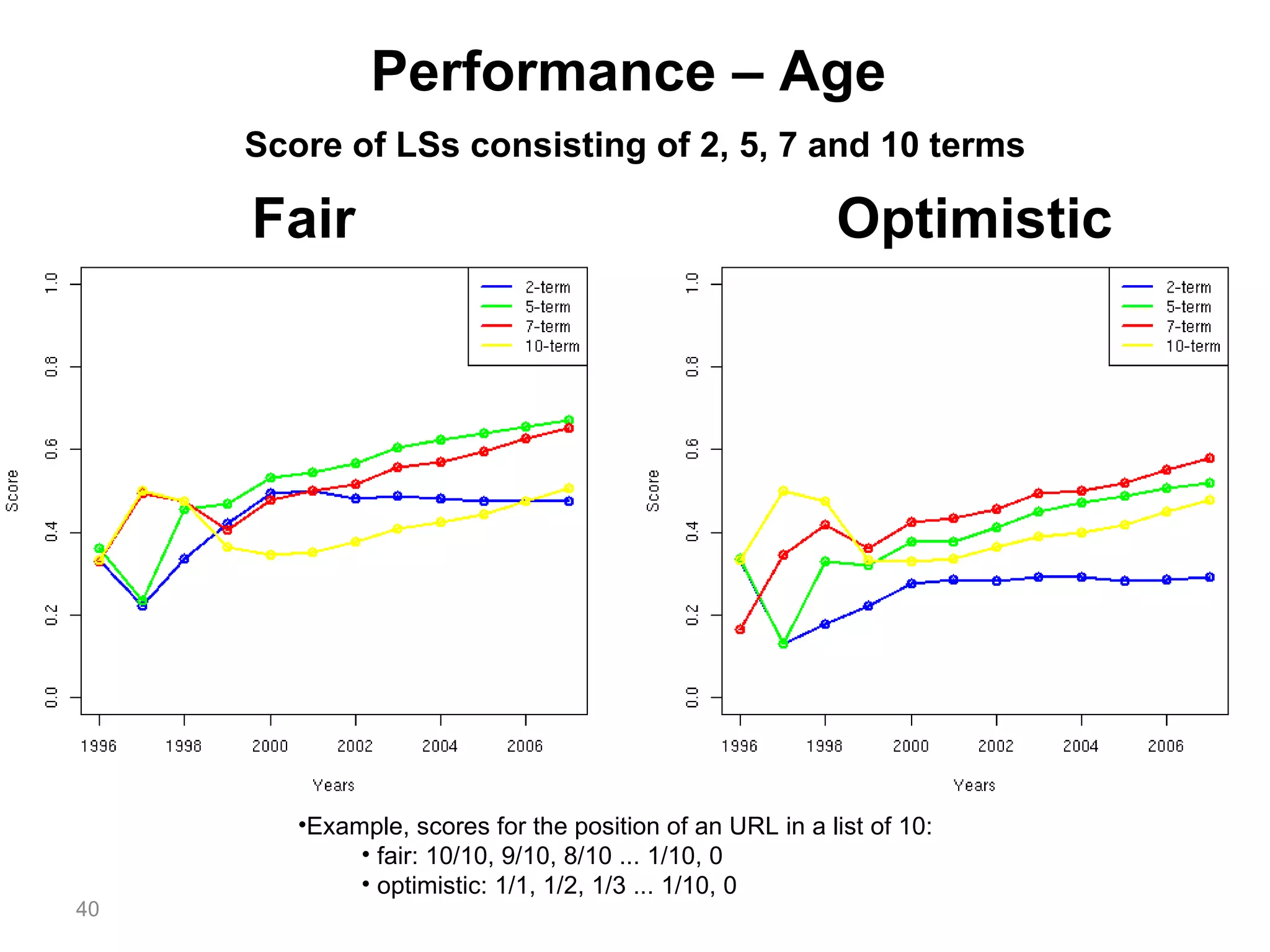
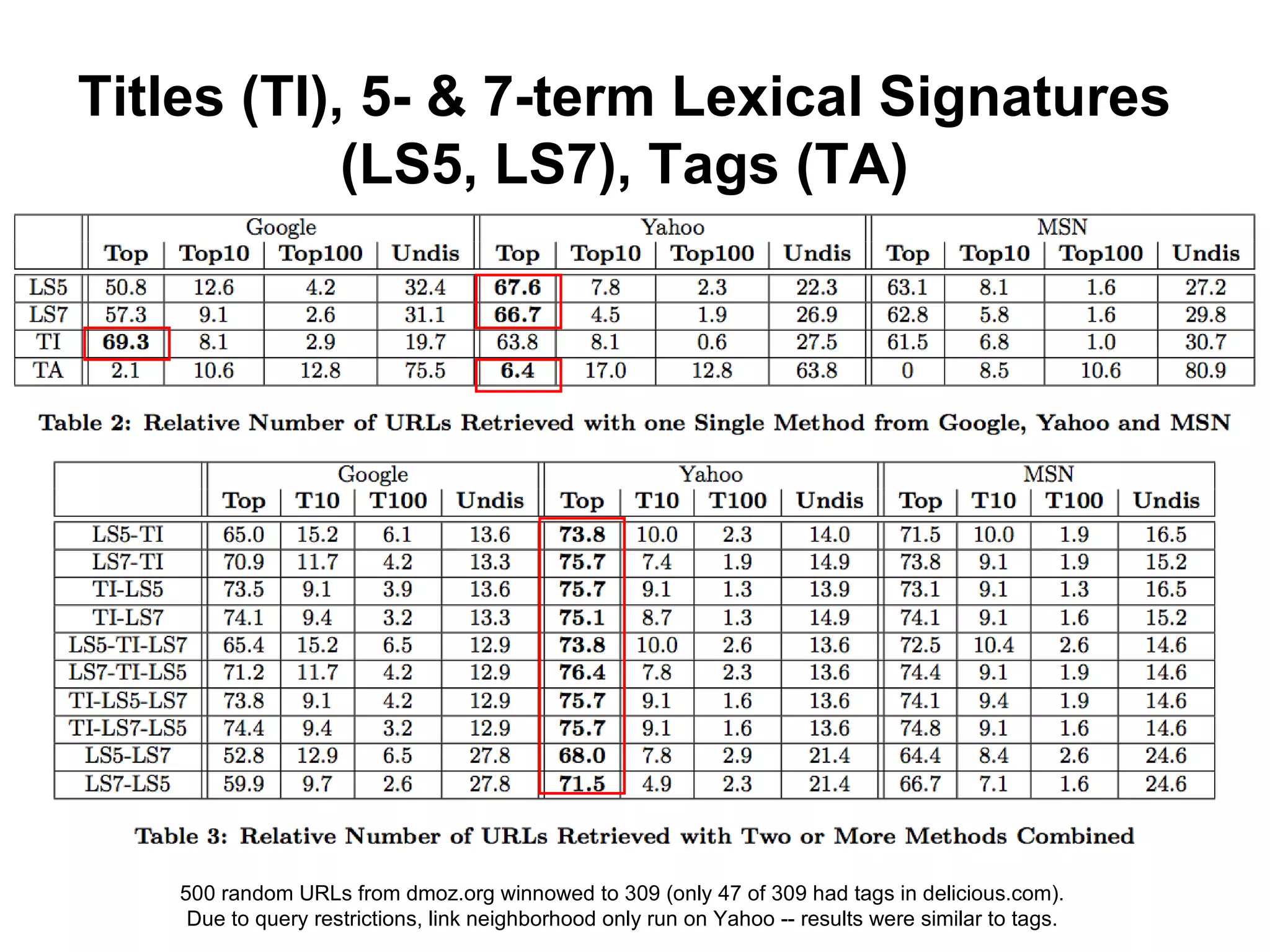
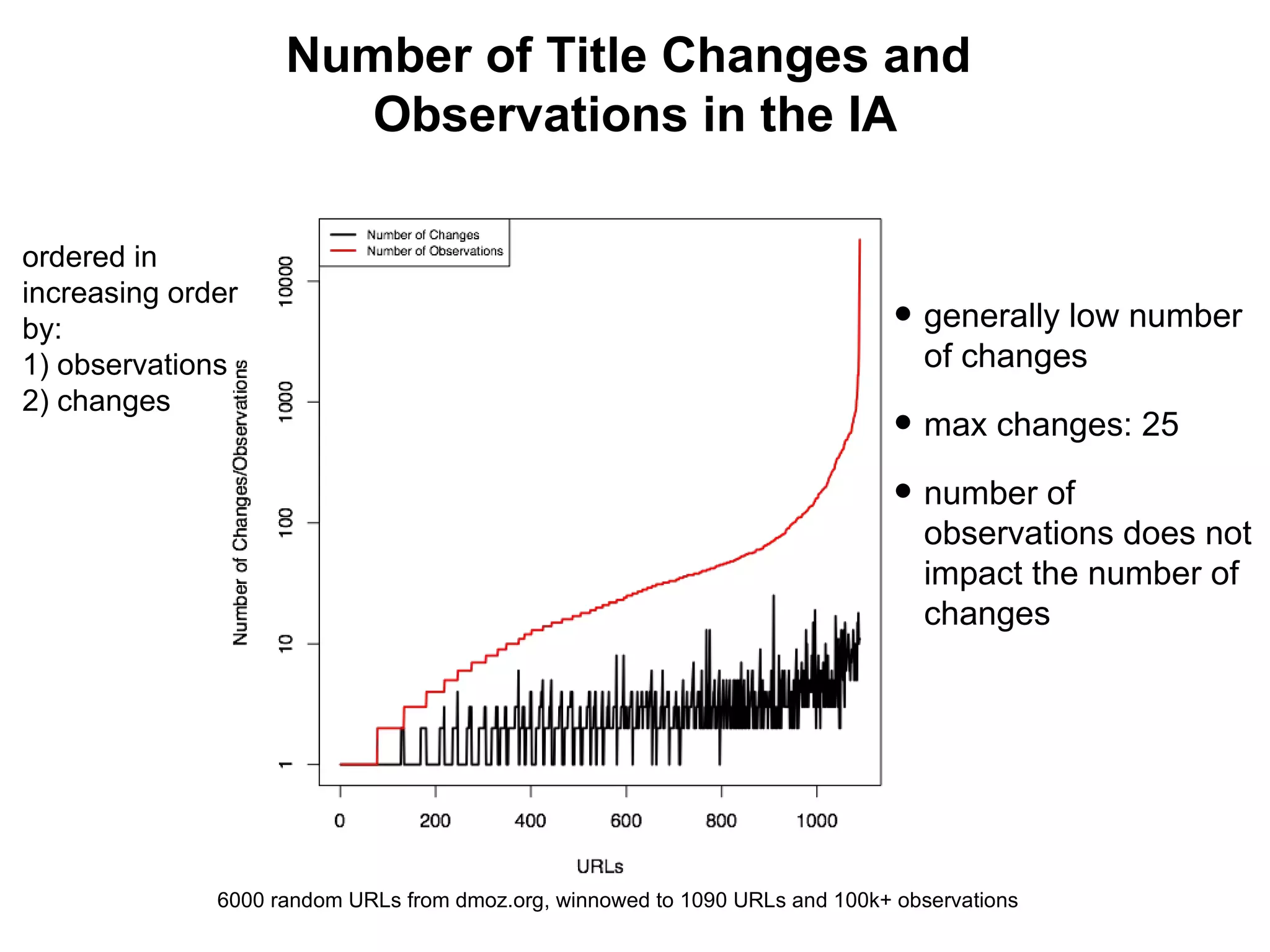
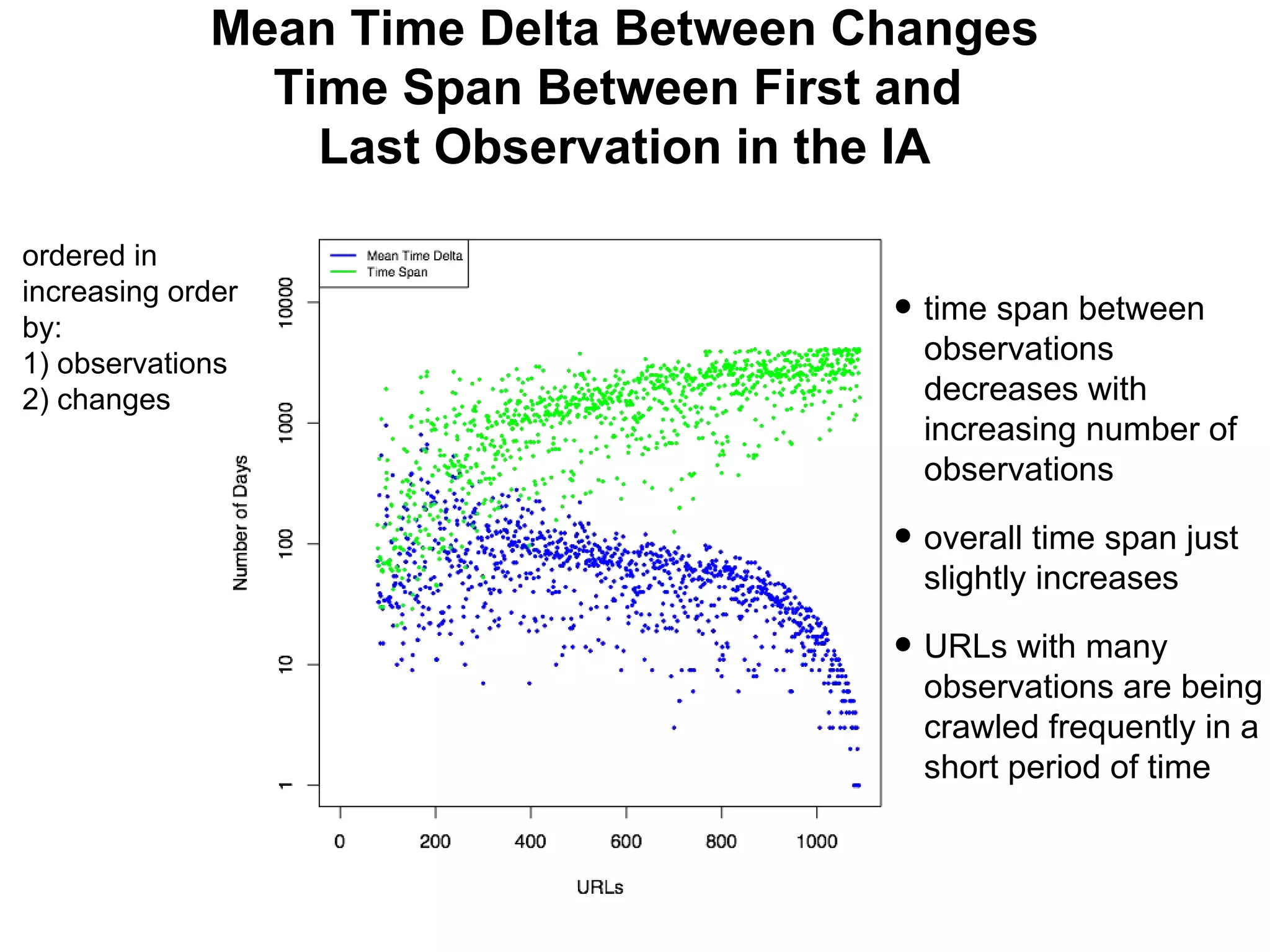
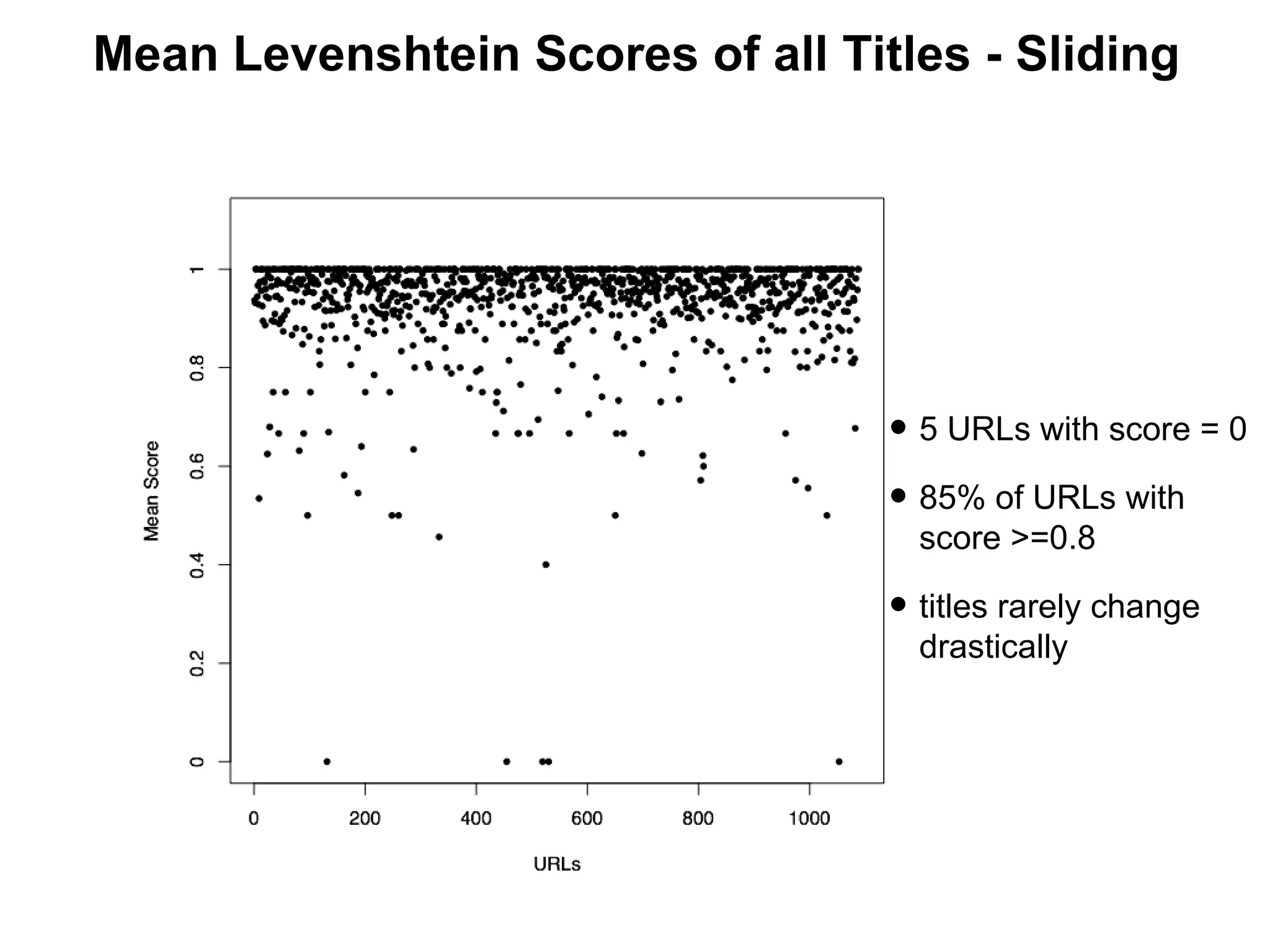
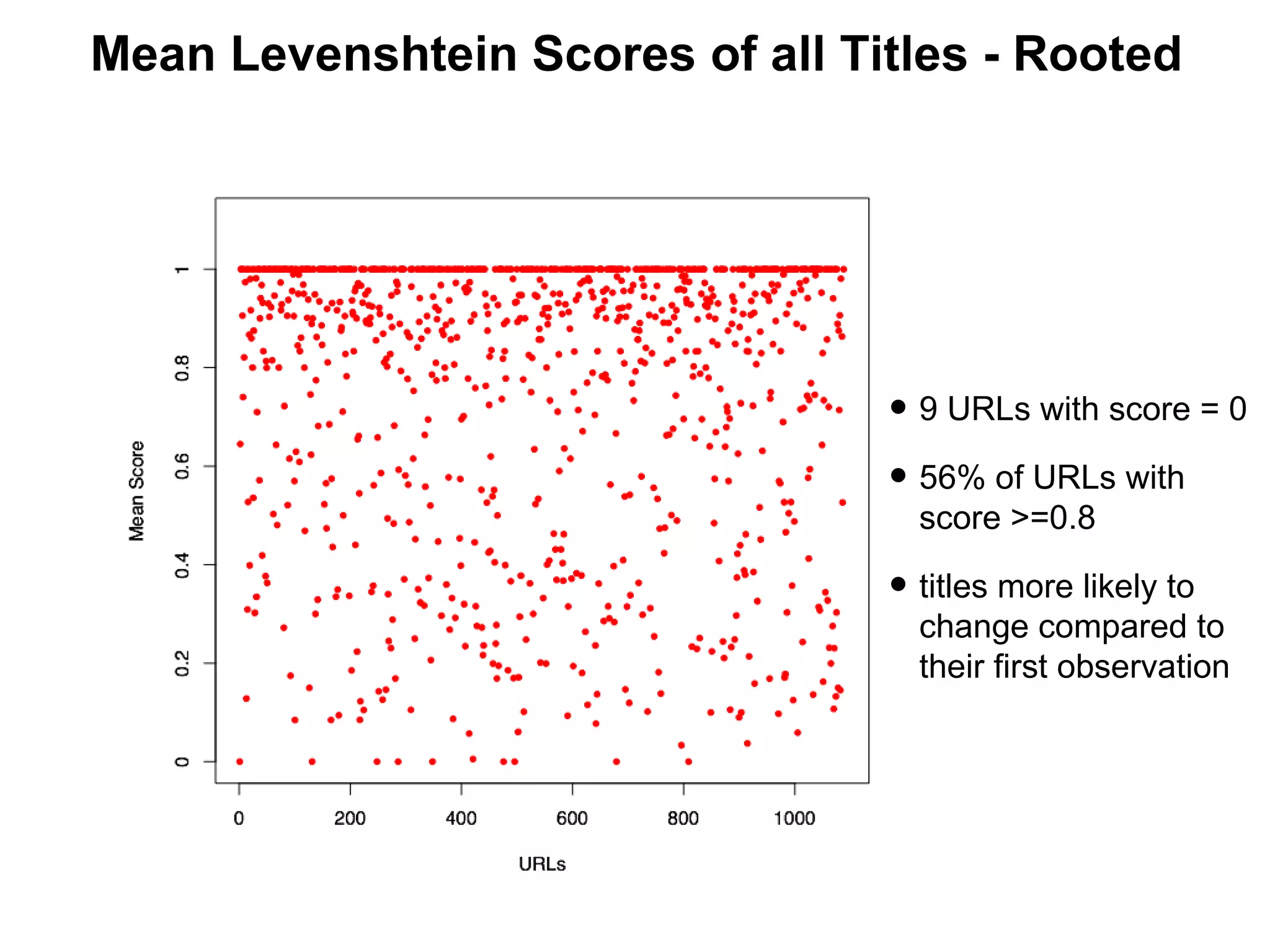
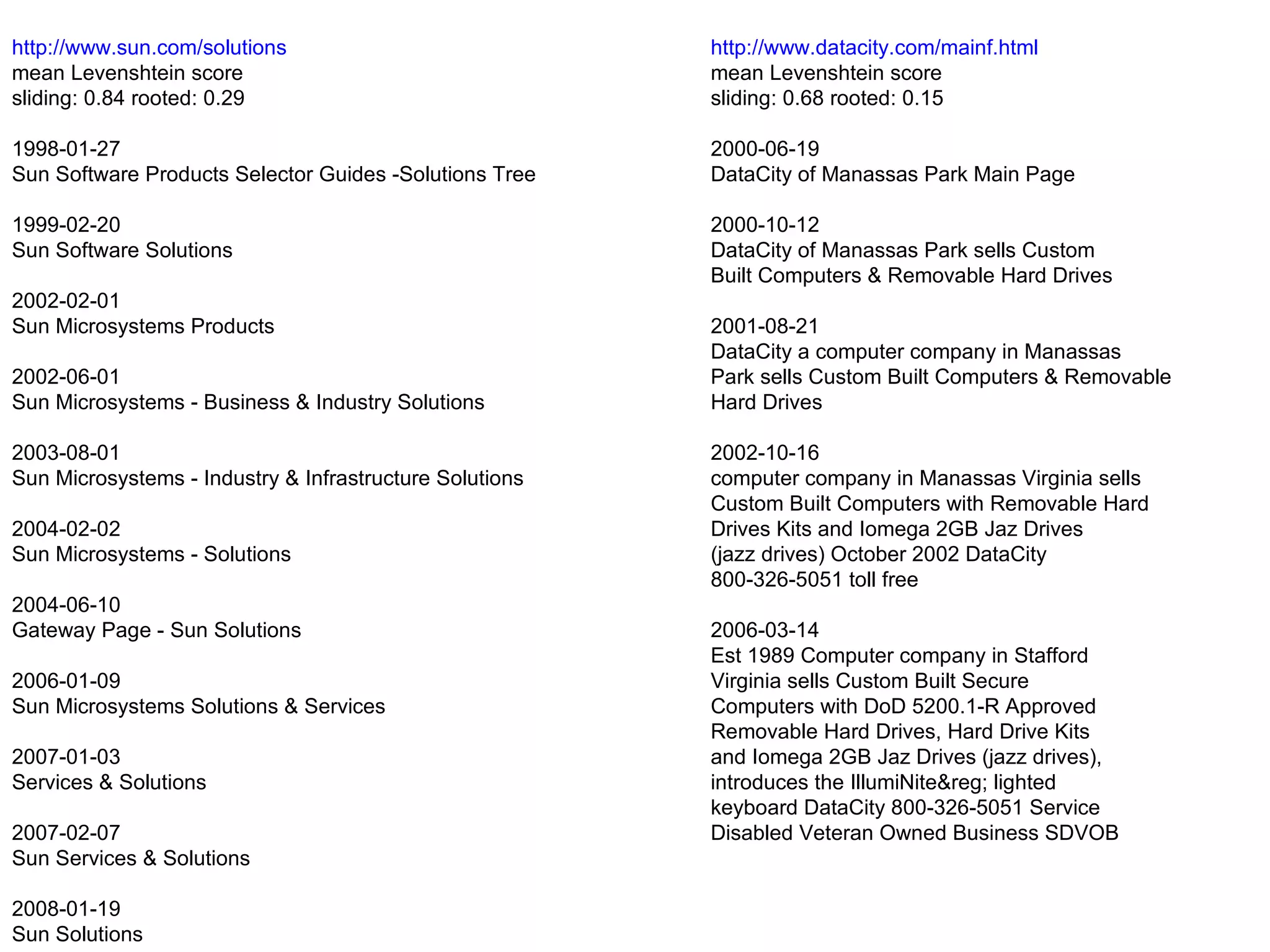
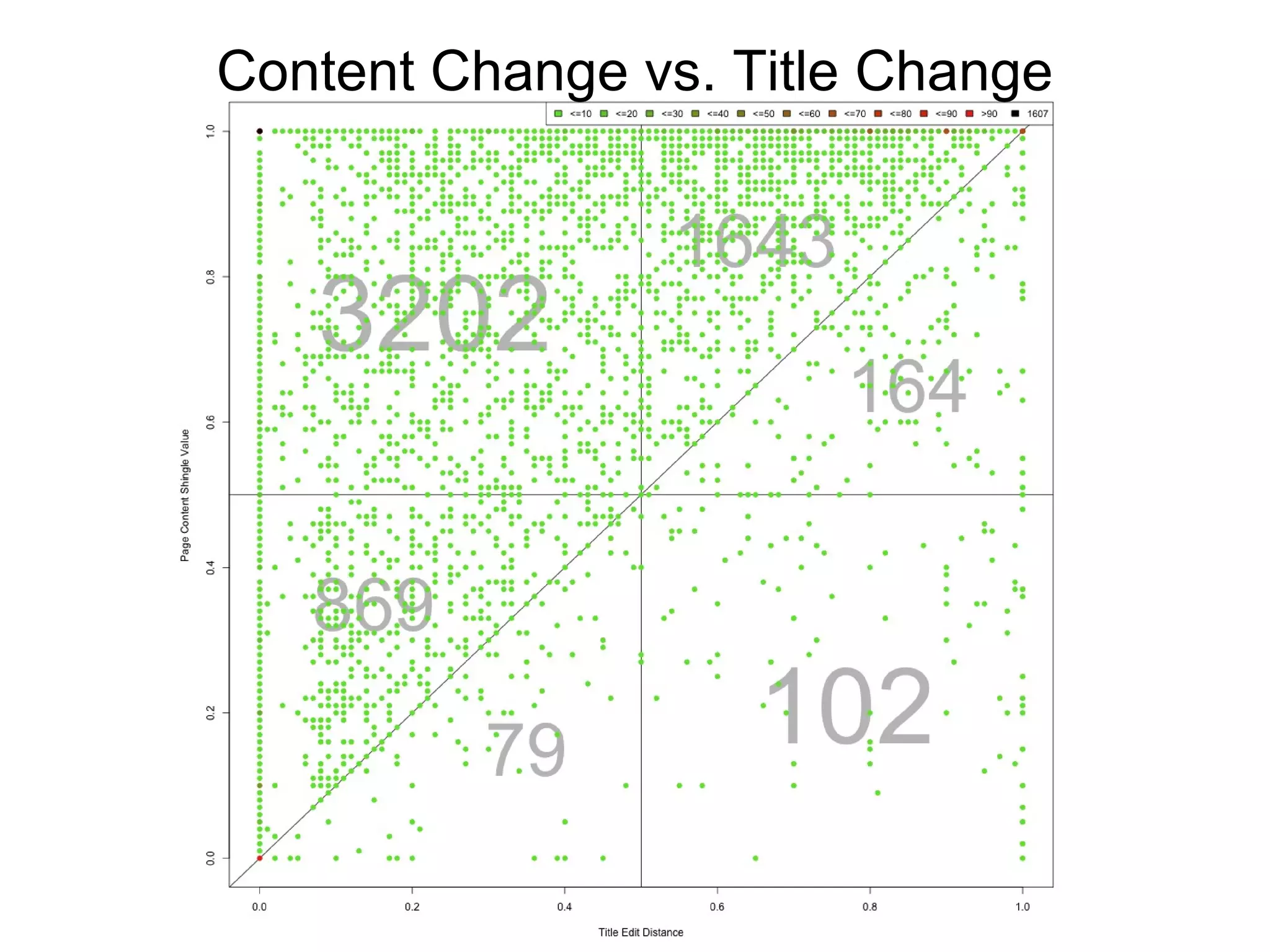
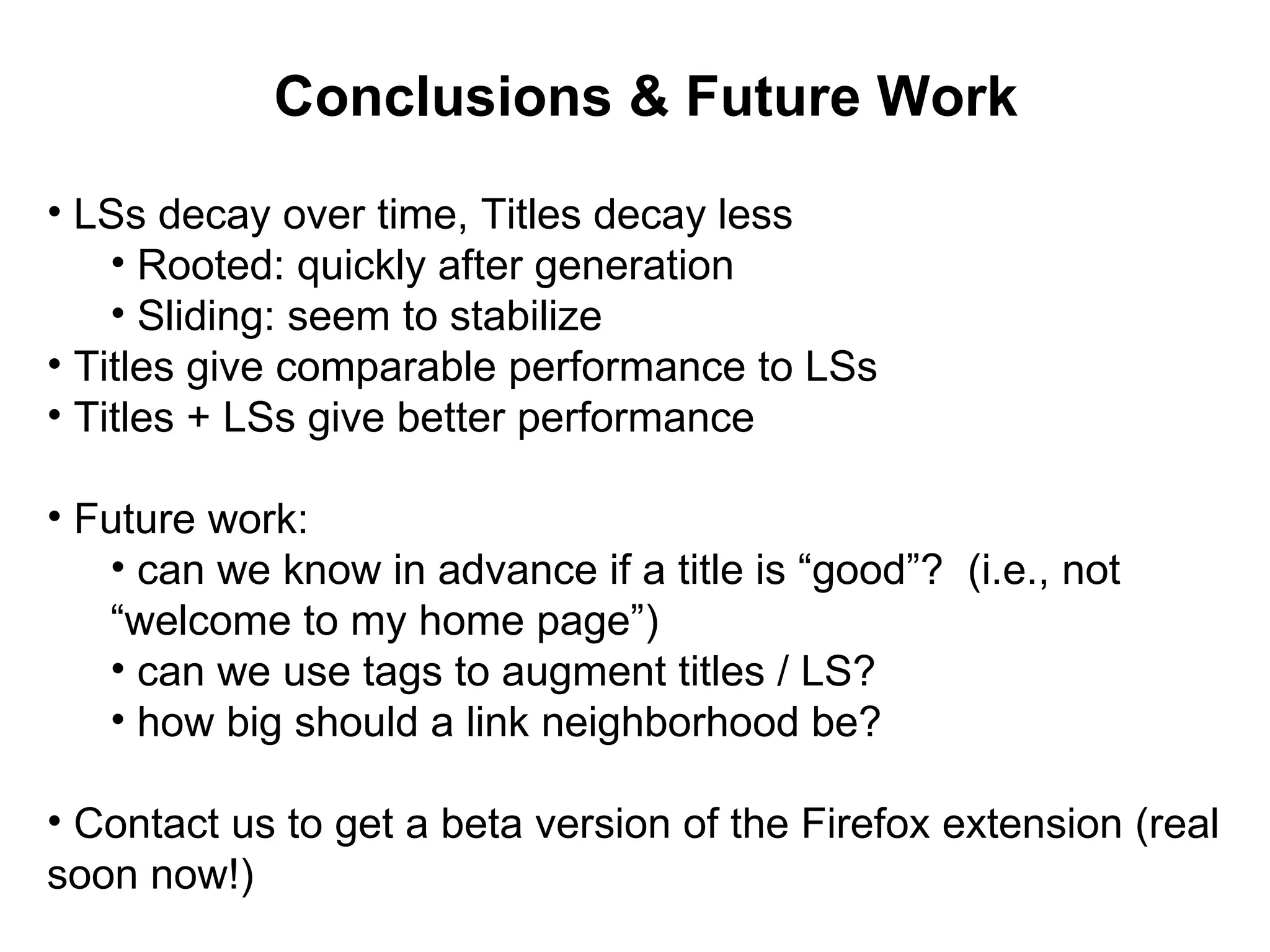

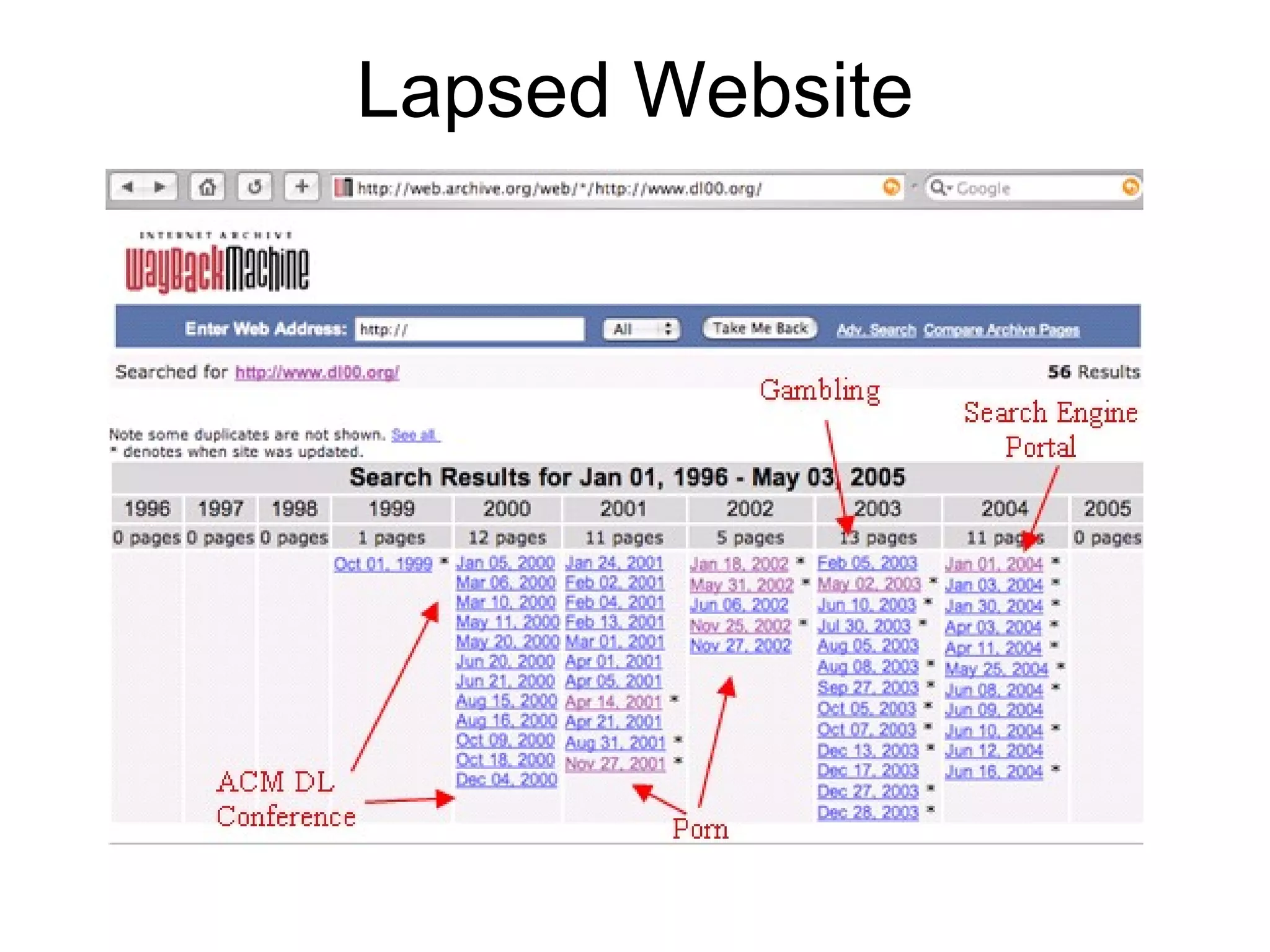
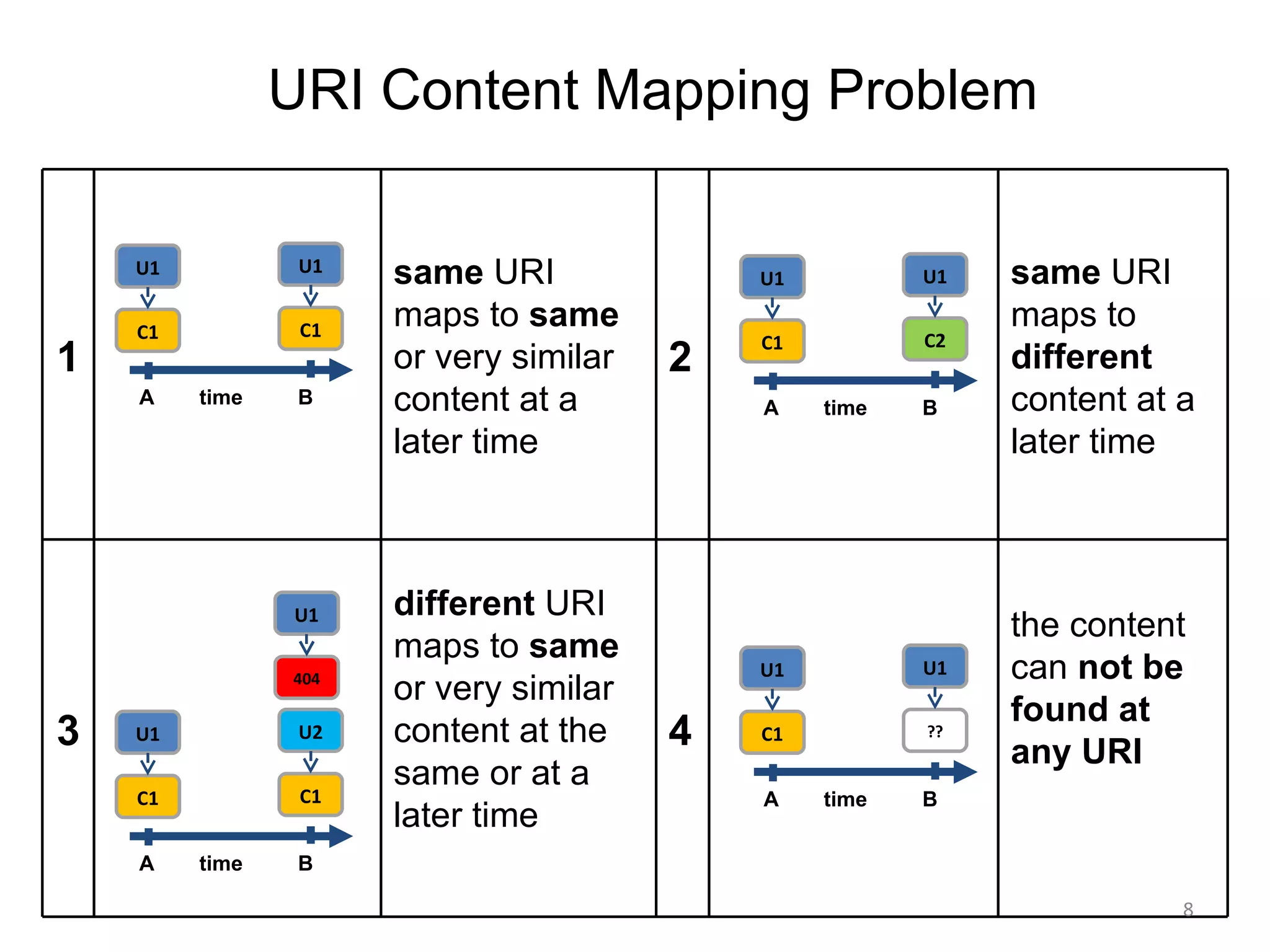
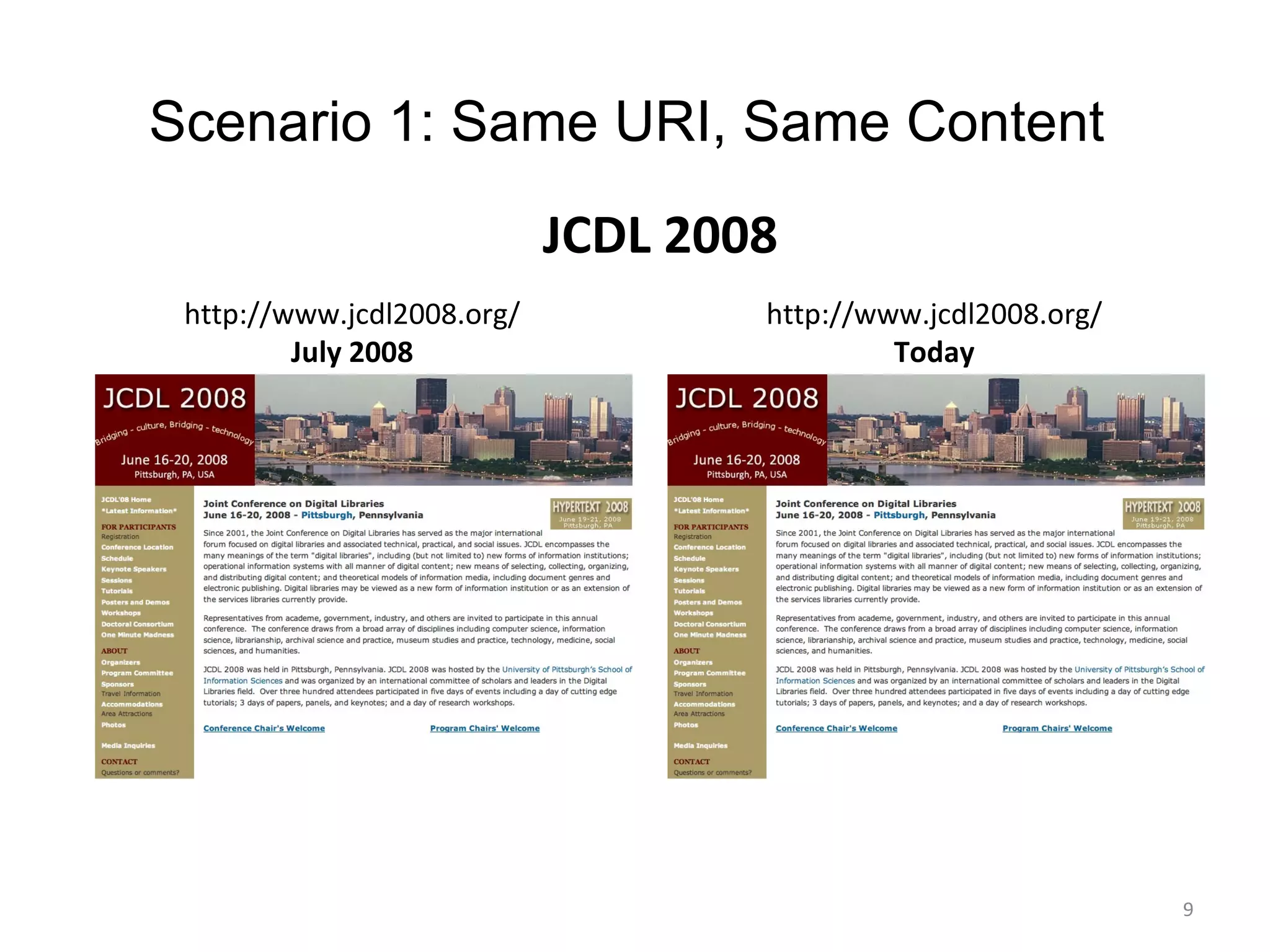
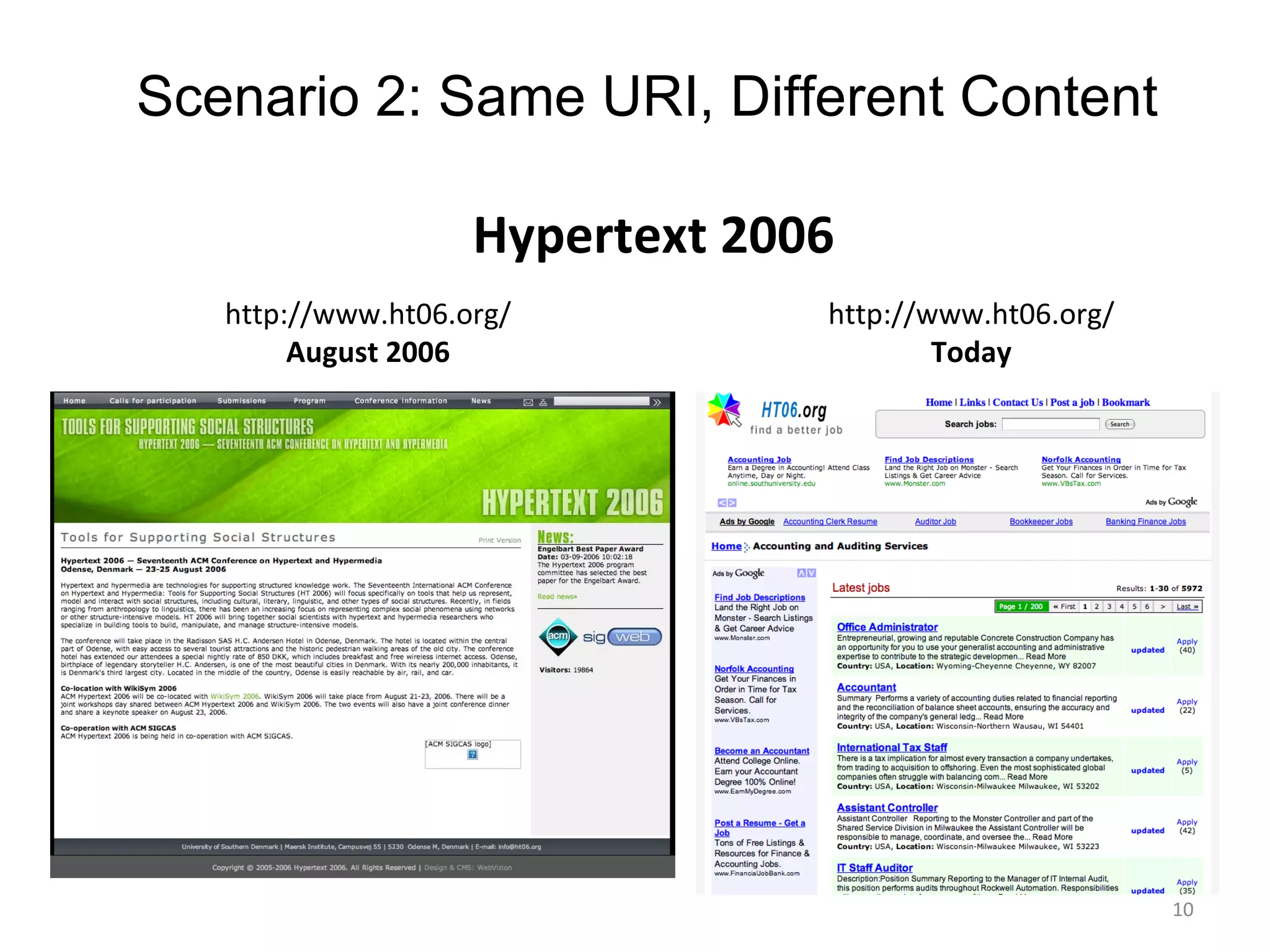
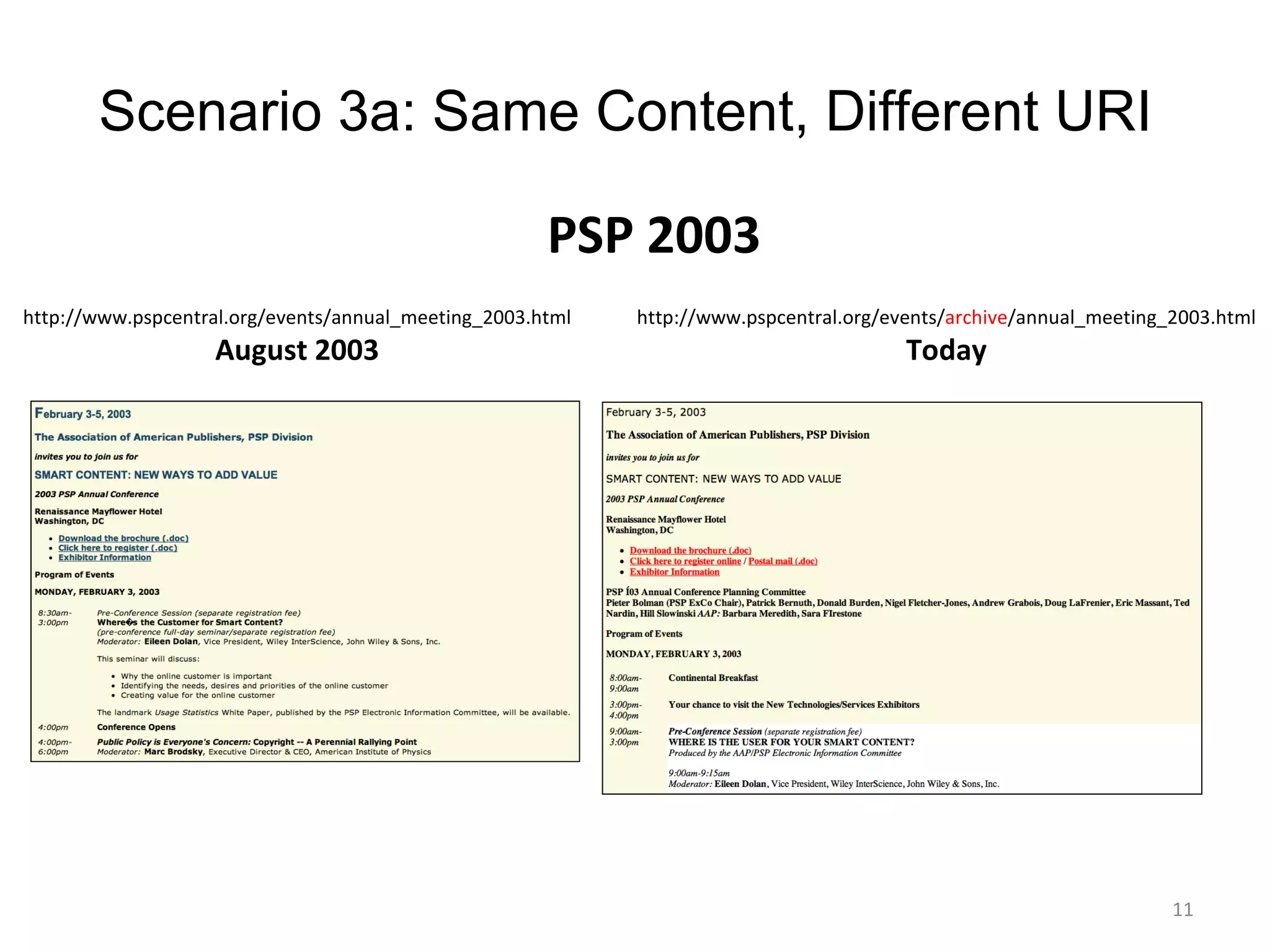
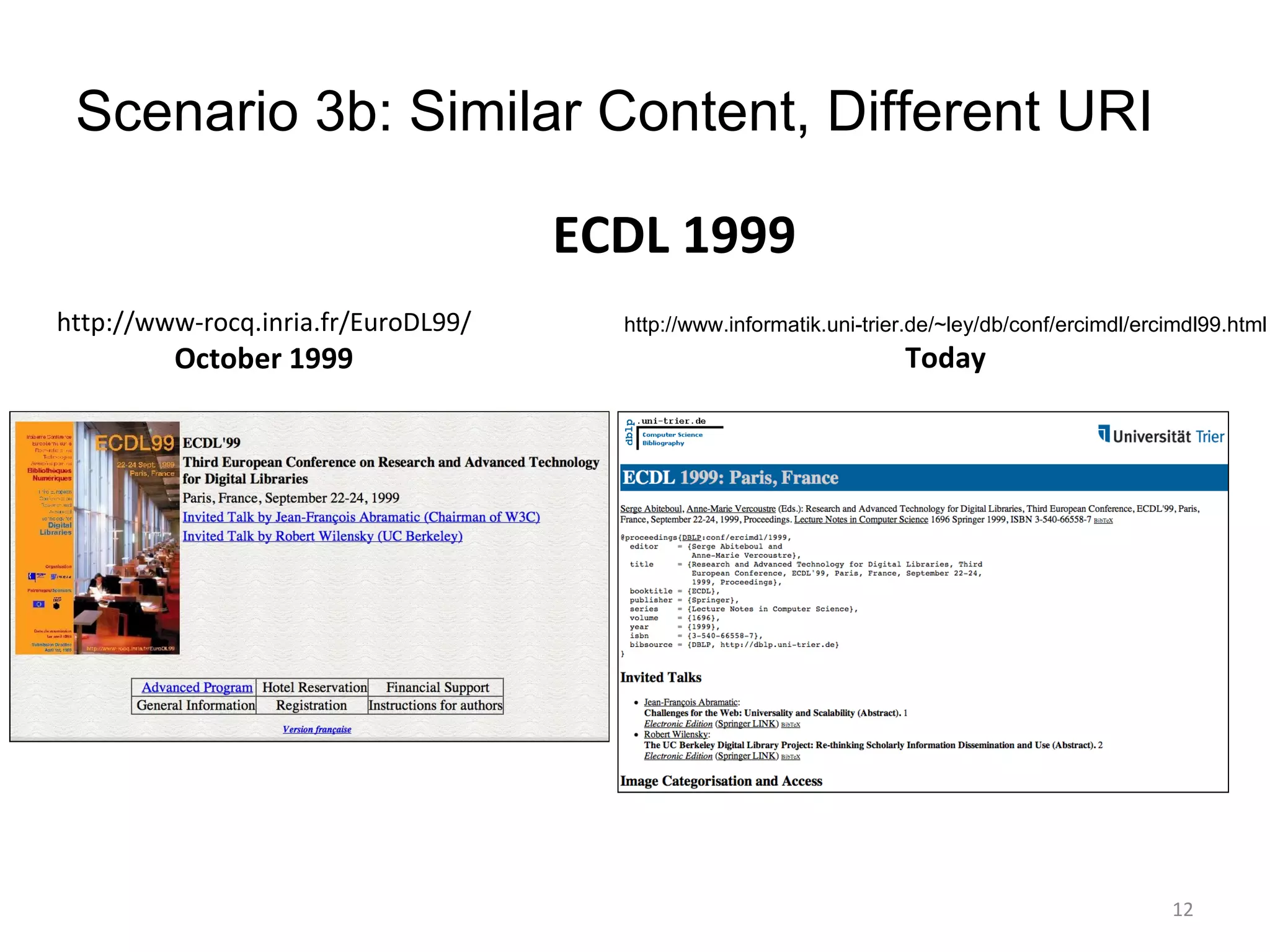
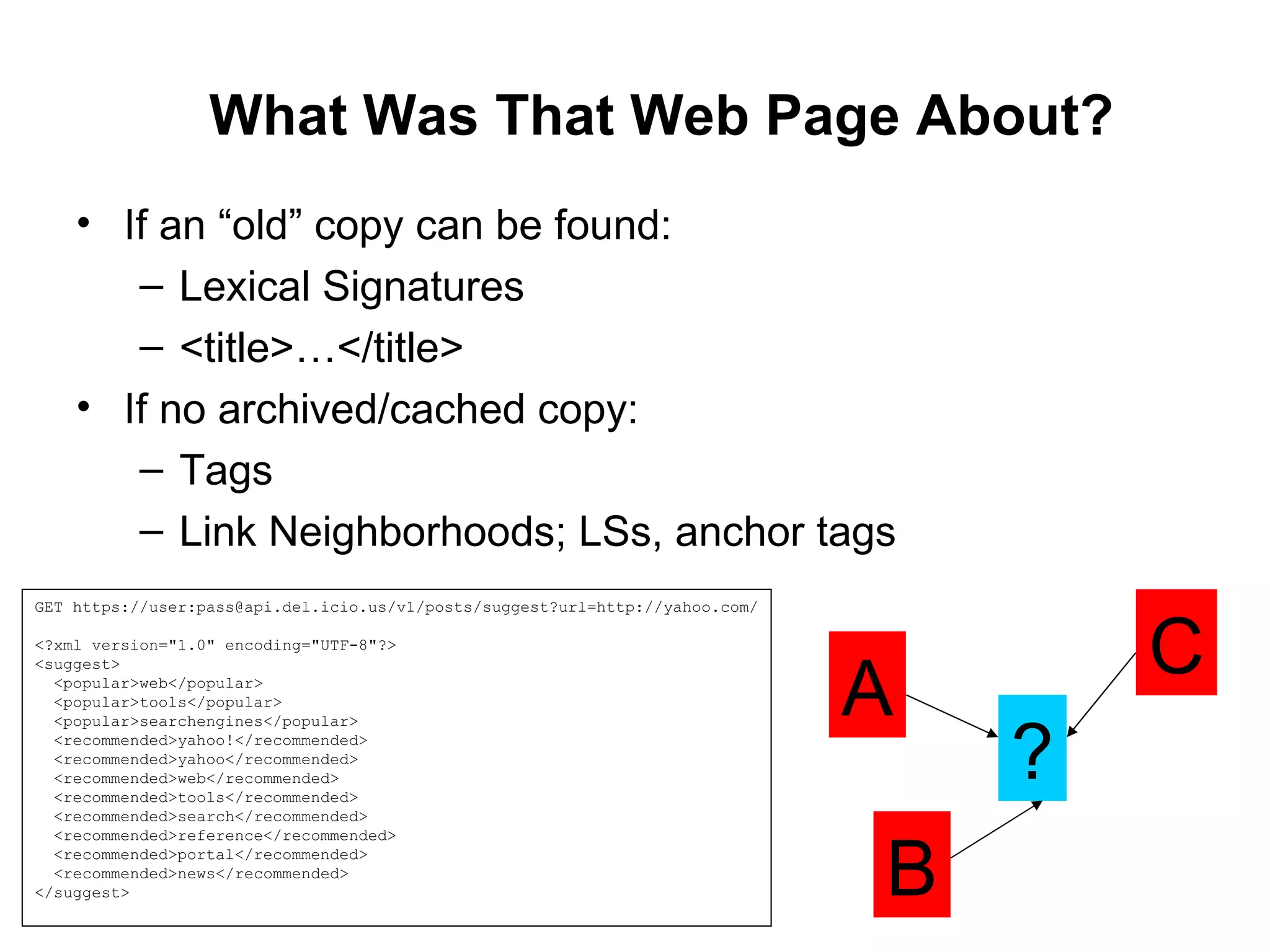
This document summarizes research into discovering lost web pages using techniques from digital preservation and information retrieval. Key points include: - Web pages are frequently lost due to broken links or content being moved/removed, but copies may still exist in search engine caches or archives. - Techniques like lexical signatures (representing a page's content in a few keywords) and analyzing page titles, tags and link neighborhoods can help characterize lost pages and find similar replacement content. - Experiments showed that lexical signatures degrade over time but page titles are more stable, and combining techniques improves performance in locating replacement content. The goal is to develop a browser extension to help users find lost web pages.


![Vibe Coding vs. Spec-Driven Development [Free Meetup]](https://cdn.slidesharecdn.com/ss_thumbnails/vibecodingvsspecdrivendevelopment-251209105622-43f455e7-thumbnail.jpg?width=640&height=640&fit=bounds)


