OBSTETRICS AND
GYNAECOLOGY
SEMINAR ON – PUERPERAL SEPSIS
SUBMITTED BY-
MISS SONALI NAYAK
IV YEAR
BSC NURSING
ROLL-32
COLLEGE OF NURSING
CUTTACK
SUBMITTED TO-
MRS. RITANJALI SAHOO
PRINCIPAL
COLLEGE OF NURSING
CUTTTACK
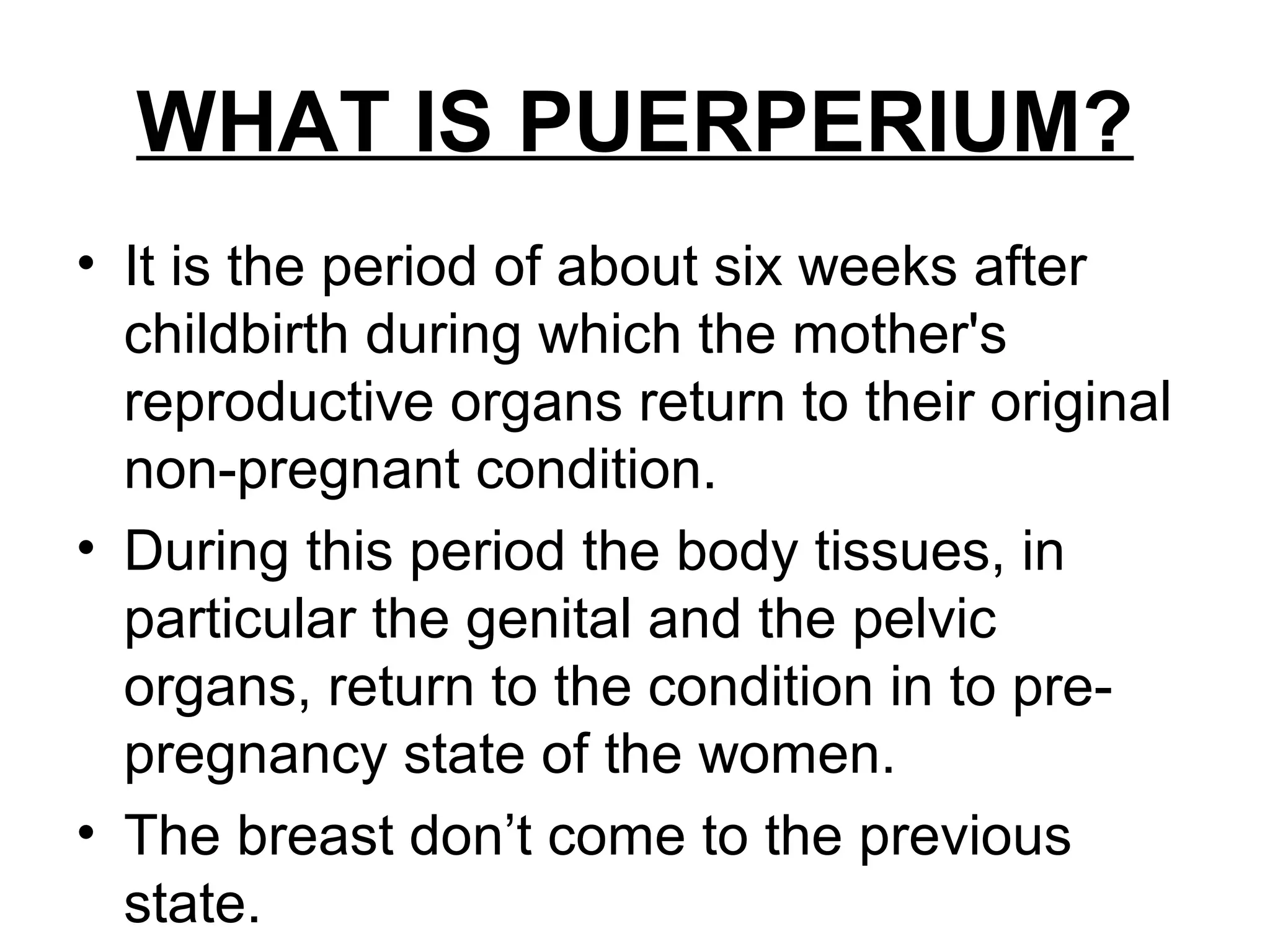
WHAT IS PUERPERIUM?
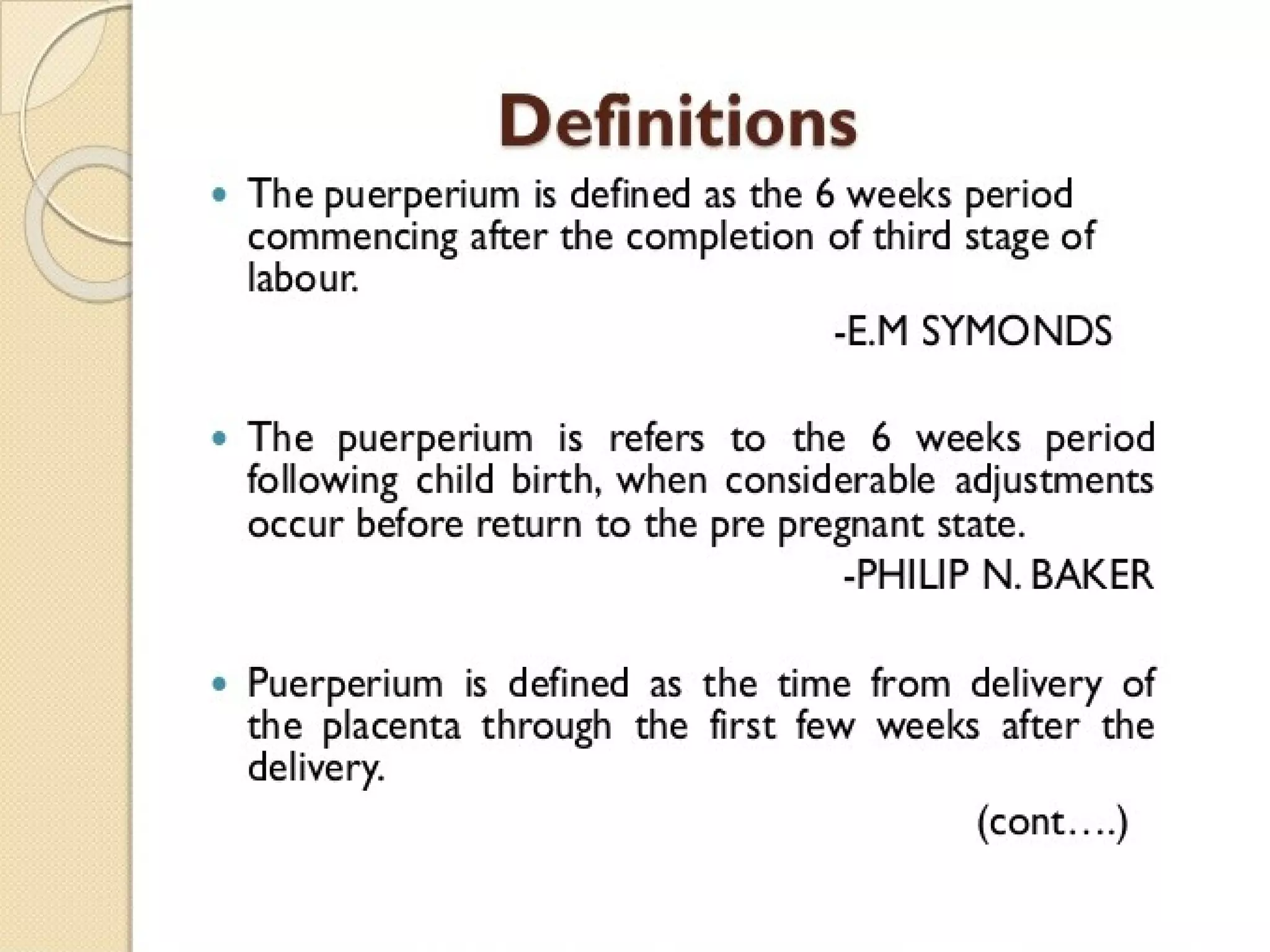
• It is the period of about six weeks after
childbirth during which the mother's
reproductive organs return to their original
non-pregnant condition.
• During this period the body tissues, in
particular the genital and the pelvic
organs, return to the condition in to pre-
pregnancy state of the women.
• The breast don’t come to the previous
state.
WHAT IS SEPSIS?
• The presence in tissues of harmful
bacteria and their toxins, typically through
infection of a wound.
• Sepsis is a life-threatening condition that
arises when the body's response
to infection causes injury to its own tissues
and organs.
DEFINITION OF
PUERPERAL SEPSIS
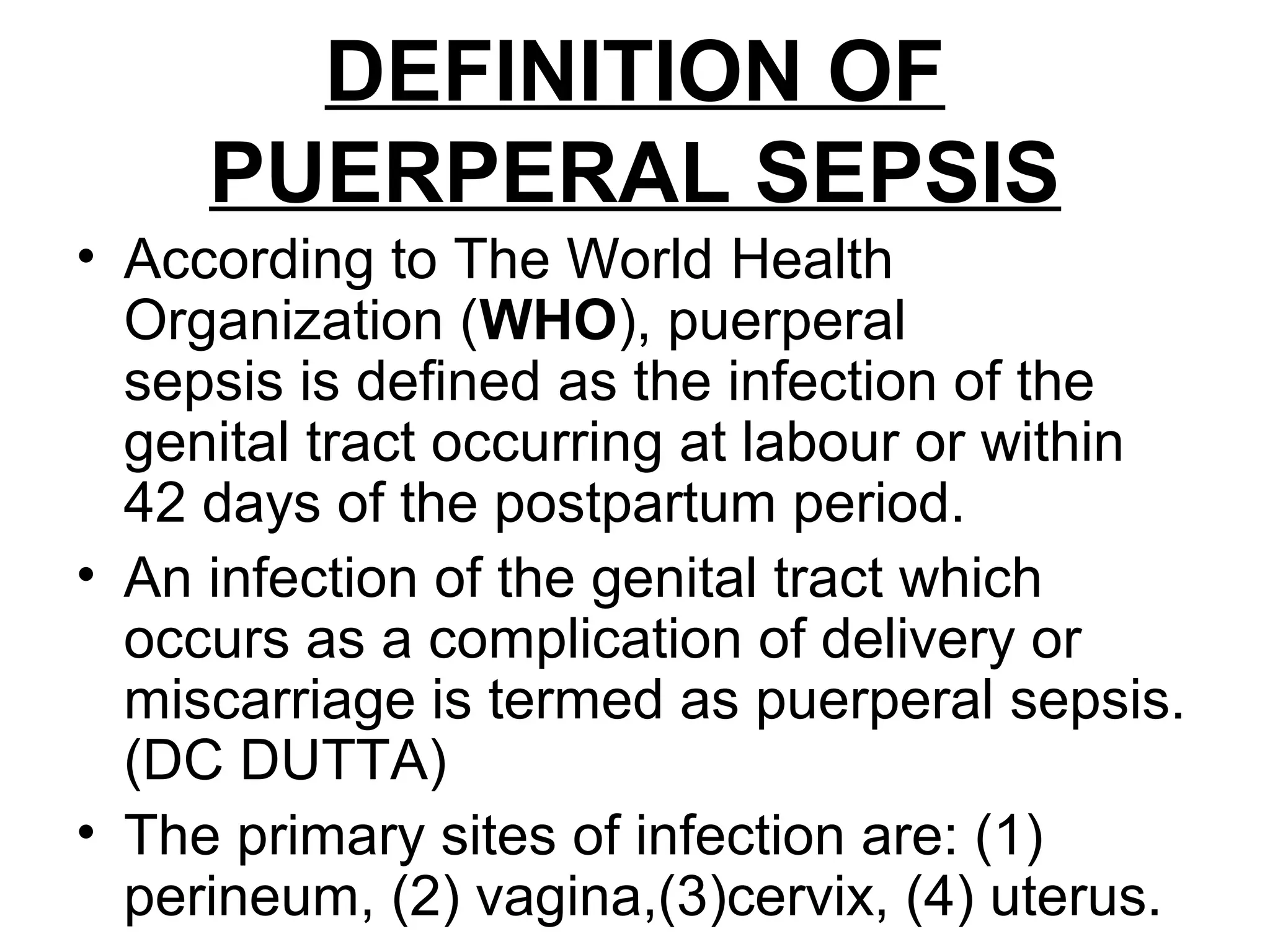
• According to The World Health
Organization (WHO), puerperal
sepsis is defined as the infection of the
genital tract occurring at labour or within
42 days of the postpartum period.
• An infection of the genital tract which
occurs as a complication of delivery or
miscarriage is termed as puerperal sepsis.
(DC DUTTA)
• The primary sites of infection are: (1)
perineum, (2) vagina,(3)cervix, (4) uterus.
DIFFERENCE BETWEEN
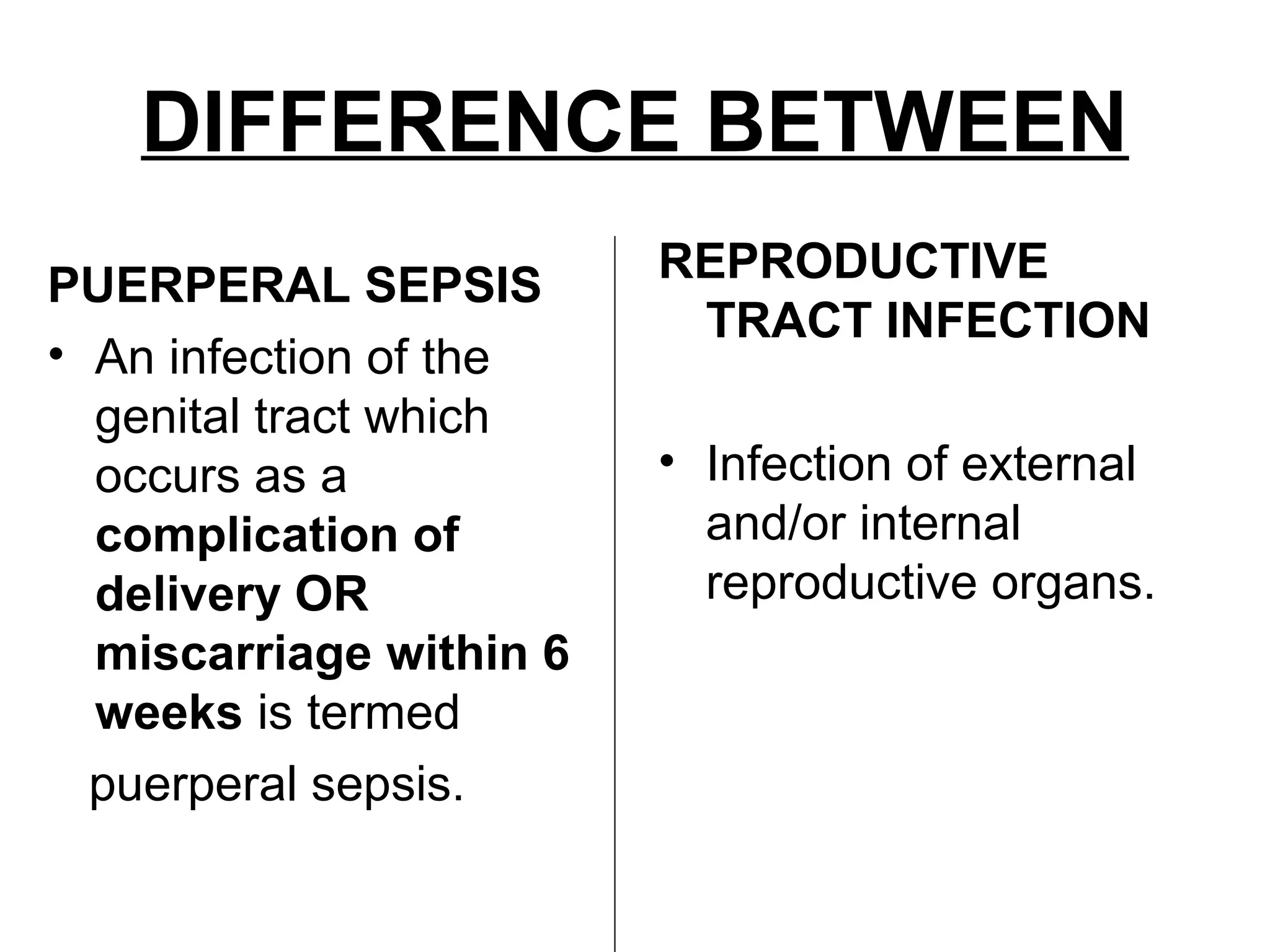
PUERPERAL SEPSIS
• An infection of the
genital tract which
occurs as a
complication of
delivery OR
miscarriage within 6
weeks is termed
puerperal sepsis.
REPRODUCTIVE
TRACT INFECTION
• Infection of external
and/or internal
reproductive organs.
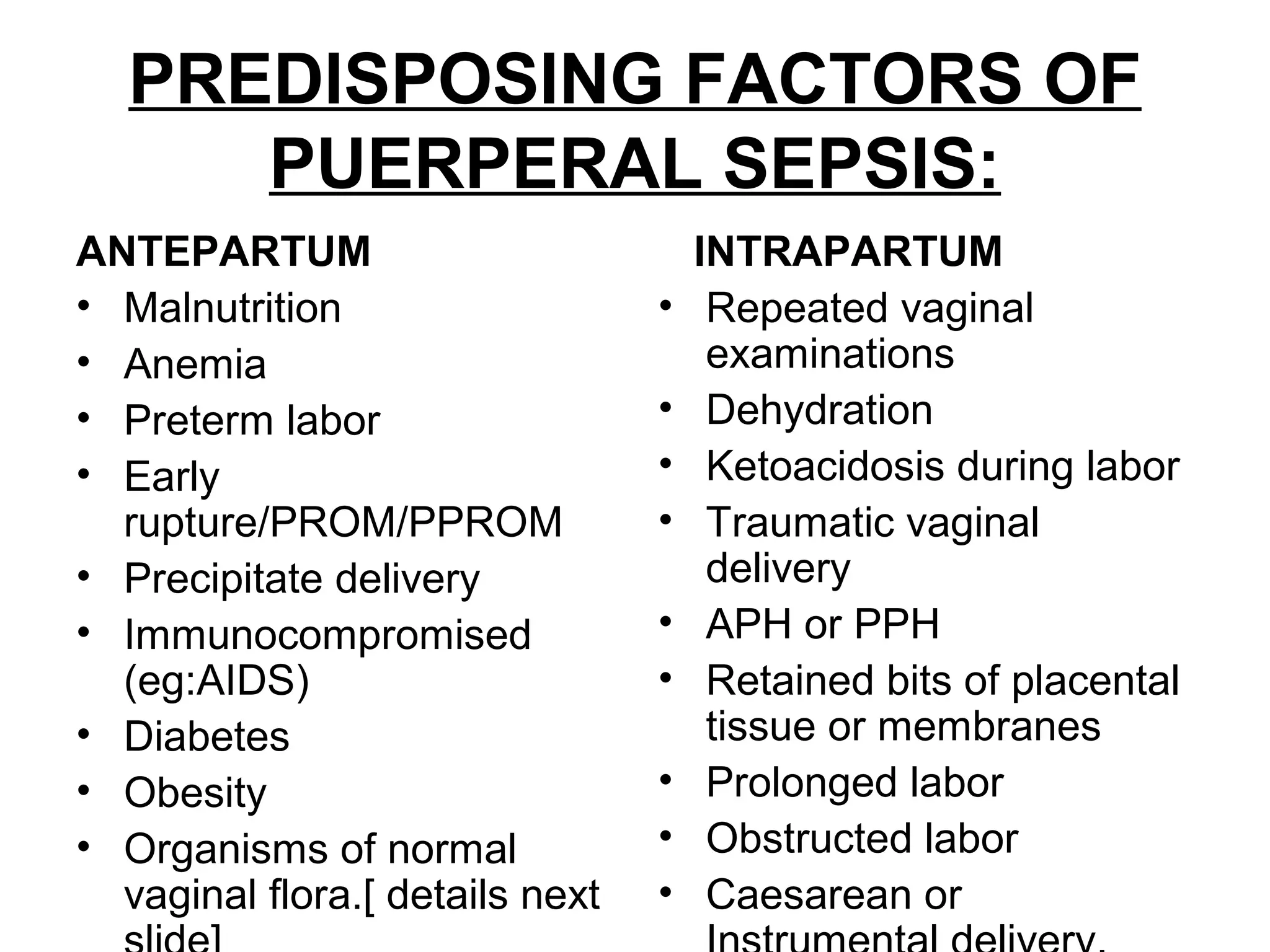
PREDISPOSING FACTORS OF
PUERPERAL SEPSIS:
ANTEPARTUM
• Malnutrition
• Anemia
• Preterm labor
• Early
rupture/PROM/PPROM
• Precipitate delivery
• Immunocompromised
(eg:AIDS)
• Diabetes
• Obesity
• Organisms of normal
vaginal flora.[ details next
INTRAPARTUM
• Repeated vaginal
examinations
• Dehydration
• Ketoacidosis during labor
• Traumatic vaginal
delivery
• APH or PPH
• Retained bits of placental
tissue or membranes
• Prolonged labor
• Obstructed labor
• Caesarean or
Organisms of normal vaginal flora
Vaginal flora: The vaginal flora in late pregnancy and at the
onset of labor consists of the following organisms:
• Doderlein’s bacillus
• Candida albicans
• Staphylococcus aureus
• Streptococcus
• Escherichia coli
• Bacteroides group
• Clostridium welchii
These organisms remain dormant and are harmless during
normal delivery conducted in aseptic condition.
Due to the factors mentioned above, the organisms gain
foothold either in the traumatized tissues of the
uterovaginal canal or in the raw decidua left behind or in
the blood clots, especially at the placental site.
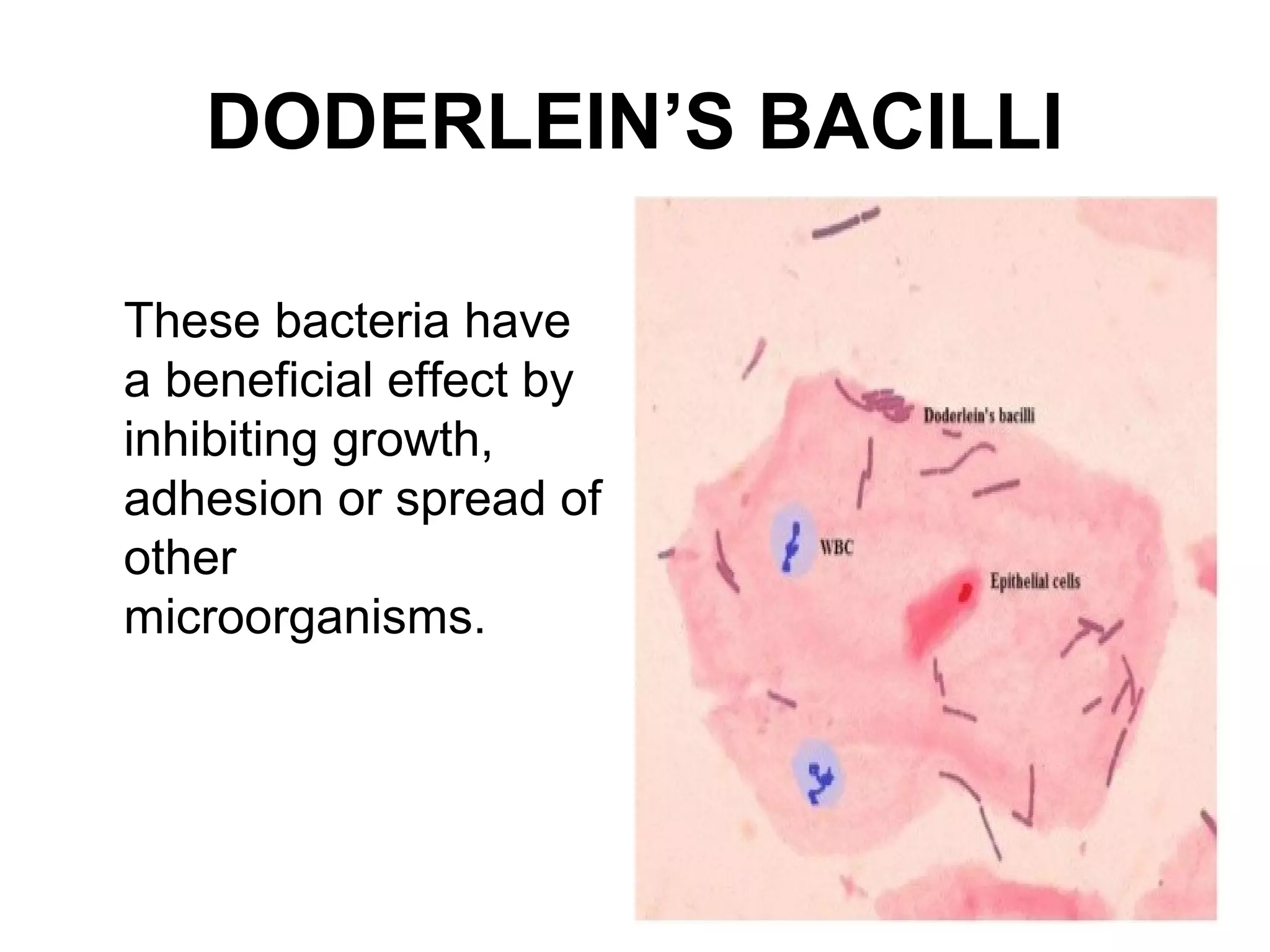
DODERLEIN’S BACILLI
These bacteria have
a beneficial effect by
inhibiting growth,
adhesion or spread of
other
microorganisms.
Candida albicans
• Candida albicans is an
opportunistic
pathogenic yeast that is a
common member of the
human gut.
• It is usually
a commensal organism,
but can
become pathogenic in im
munocompromised indivi
duals under a variety of
conditions.
Escherichia coli
• It is commonly found
in the lower intestine.
• It benefits their hosts
by producing vitamin
K, and preventing
colonization of the
intestine
with pathogenic
bacteria, having a
symbiotic relationship.
Staphylococcus aureus
• It is a a commensal
member of the normal
flora of the body,
frequently found in
the nose respiratory
tract gut mucosa and
on the skin.
Bacteroides
• They are
normally mutualistic
organisms in gut help in
processing of complex
molecules eg: sugar to
simpler ones in the host
intestine.
• They converts these
sugars to fermentation
products which are
beneficial to humans.
• They also have the ability
to remove side chains
from bile acids, thus
returning bile acids to the
hepatic circulation.
Clostridium welchii
• Found in the intestinal
tract of humans
• Harmless in minor
number.
• If there is infections
then it may most
commonly cause
of food poisoning
CAUSAL
ORGANISMS
AEROBIC
BACTERIA
ANAEROBIC
BACTERIA
OTHERS
CAUSAL ORGANISMS
AEROBIC
• Group A beta-hemolytic Streptococcus (GAS)
• Group B beta-hemolytic Streptococcus (GBS)-
Methicillin-resistant Staphylococcos aureus
(MRSA)
ANAEROBIC
• Streptococcus, Peptococcus, Bacteroides
(fragilis, bivius), Fusobacteria, Mobiluncus and
Clostridia.
Others-Staphylococcus pyogenes
S. aureus, E. coli, Klebsiella, Pseudomonas,
Proteus, Chlamydia.
Group A beta-hemolytic
Streptococcus (GAS)
Group B beta-hemolytic
Streptococcus (GBS)
Methicillin-resistant Staphylococcos
aureus (MRSA)
Peptococcus
Mobiluncus
Fusobacteria
Klebsiella
Pseudomonas
Chlamydia
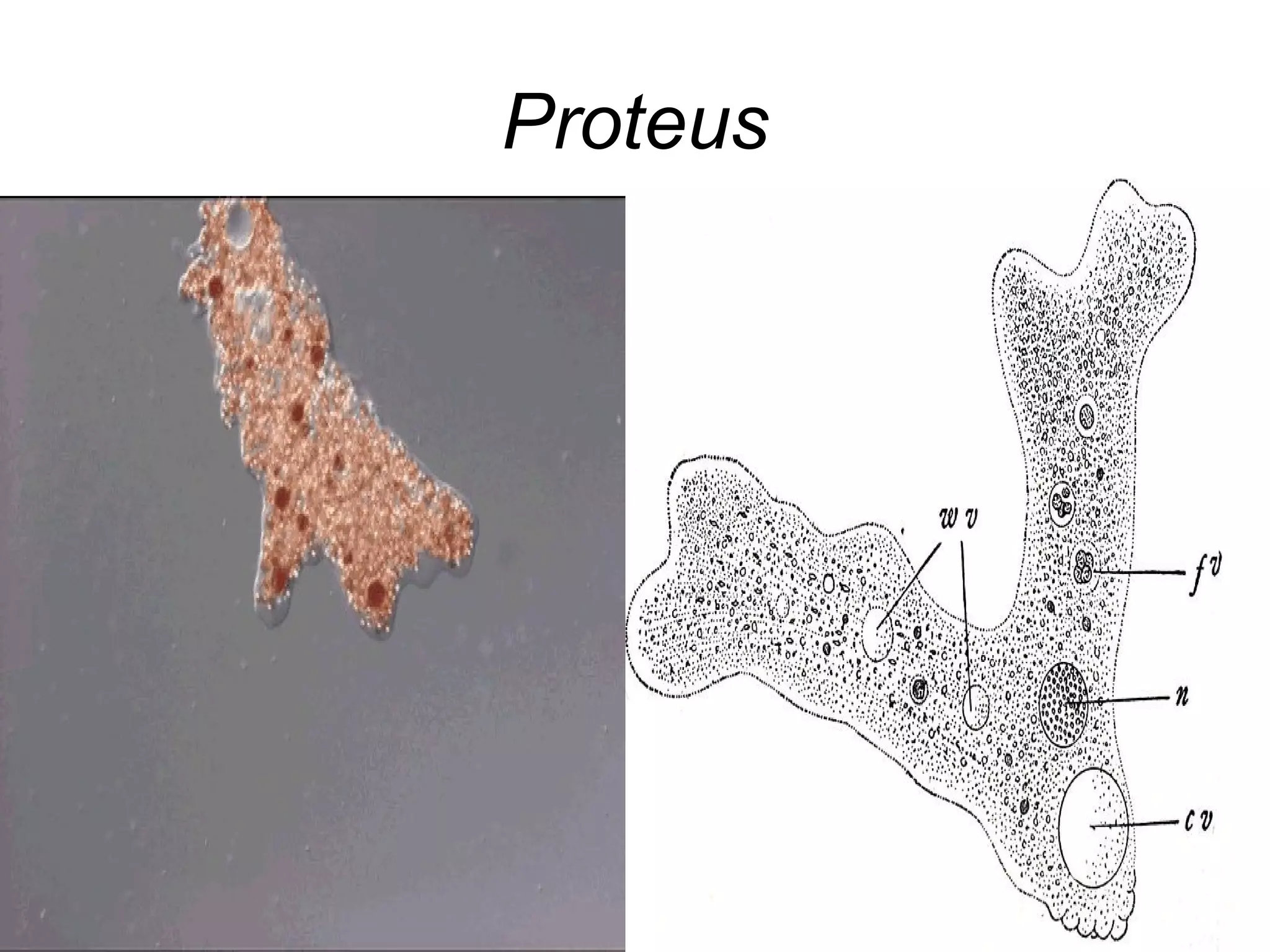
Proteus
Sources of infection
SOURCES
• endogenous where organisms are present in
the genital tract before
delivery.eg:Streptococcus
• autogenous where organisms present
elsewhere (skin, throat) in the body and migrate
to the genital organs by bloodstream or by the
patient herself. Eg:Beta-hemolytic
Streptococcus, E. coli, Staphylococcus.
• exogenous where infection is contracted from
sources outside the patient (from hospital or
attendants). Eg:Beta-hemolytic
Streptococcus, Staphylococcus.
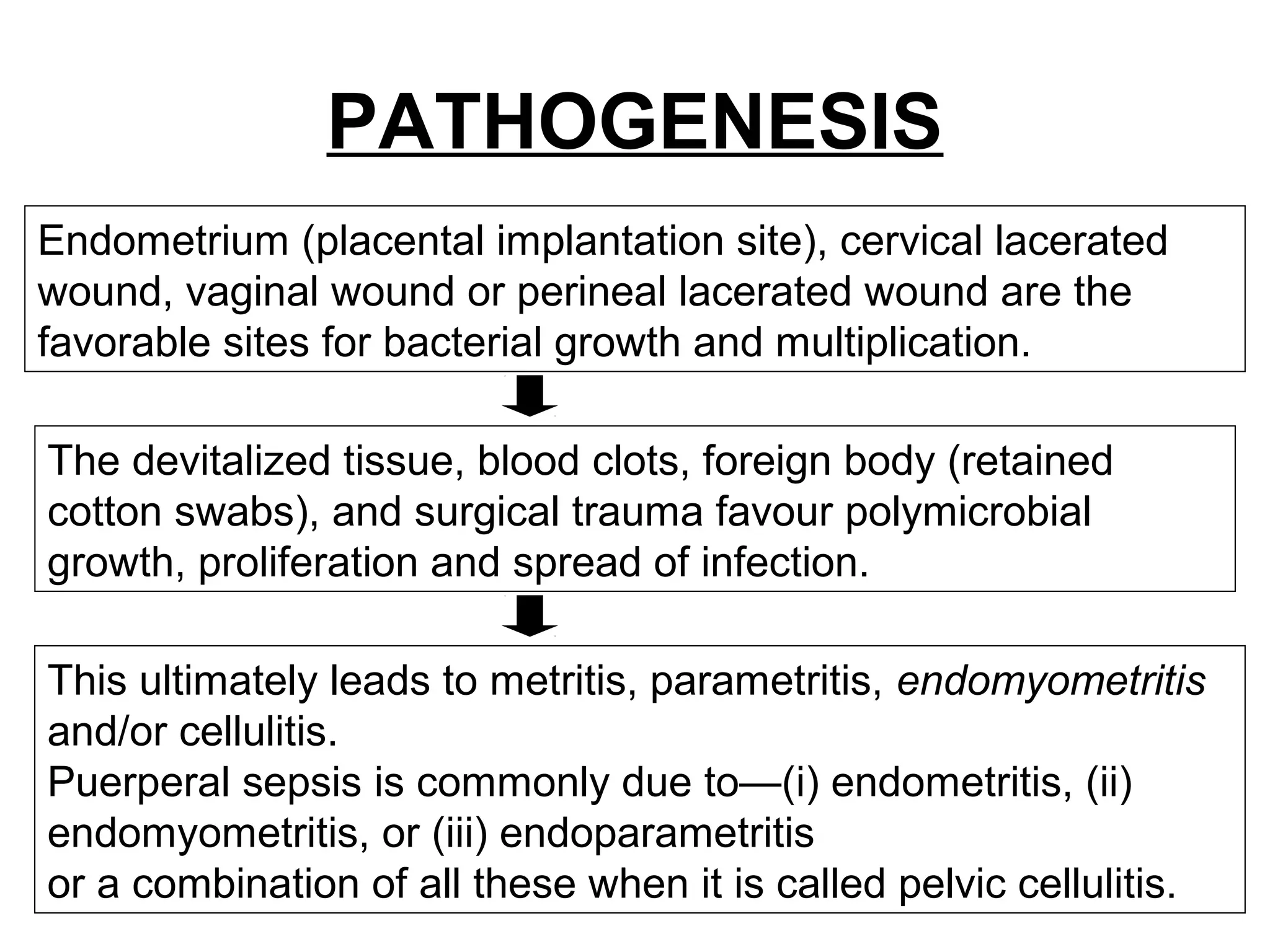
PATHOGENESIS
Endometrium (placental implantation site), cervical lacerated
wound, vaginal wound or perineal lacerated wound are the
favorable sites for bacterial growth and multiplication.
The devitalized tissue, blood clots, foreign body (retained
cotton swabs), and surgical trauma favour polymicrobial
growth, proliferation and spread of infection.
This ultimately leads to metritis, parametritis, endomyometritis
and/or cellulitis.
Puerperal sepsis is commonly due to—(i) endometritis, (ii)
endomyometritis, or (iii) endoparametritis
or a combination of all these when it is called pelvic cellulitis.
SIGNS AND SYMPTOMS
• Local infection
• Uterine infection
• Spreading of infections
LOCAL INFECTION (WOUND
INFECTION)
• rise of temperature
• generalized malaise
• Headache
• local wound becomes red and swollen(PRISH)
• Pus
• chills and rigor
• Sero purulent discharge.
rise of temperature
generalized malaise
Headache
PRISH (pain, redness, immobility, swelling,
heat)
Pus
Chills and rigor
UTERINE INFECTION
• Mild—rise in temperature (>100.4°F)
Rise in pulse rate (>90)
Lochial discharge becomes offensive and copious
The uterus is subinvoluted and tender(may be due
to lochiostasis and lochiometra).
• Severe—high rise of temperature
chills and rigor
Pulse rate is rapid
Breathlessness
Abdominal pain
Dysuria
Lochiorrhea, green colour and foul odor
Uterus may be subinvoluted, tender
Rise in pulse
Normal lochia discharge
Lochial discharge becomes
offensive and copious
Subinvolution of uterus
Measure lochia
lochiometra
COMPLICATIONS
• pelvic tenderness
• Pelvic peritonitis
• General peritonitis
• tenderness on the fornix
• Endometritis, endomyometrisis,endoparametritis
• bulging fluctuant mass in the pouch of Douglas
• pelvic abscess
• Phlebitis , Thrombophlebitis
• Bacteremia, endotoxic or septic shock
• Septicemia
SEPTICEMIA
May lead to
• streptococcal pharyngitis
• rheumatic fever
• rheumatic heart disease
• scarlet fever
• Erysipelas
• cellulitis
• necrotizing fasciitis
• streptococcal toxic shock syndrome
Pelvic peritonitis
General peritonitis
Fornix of vagina
bulging fluctuant mass in the pouch
of Douglas
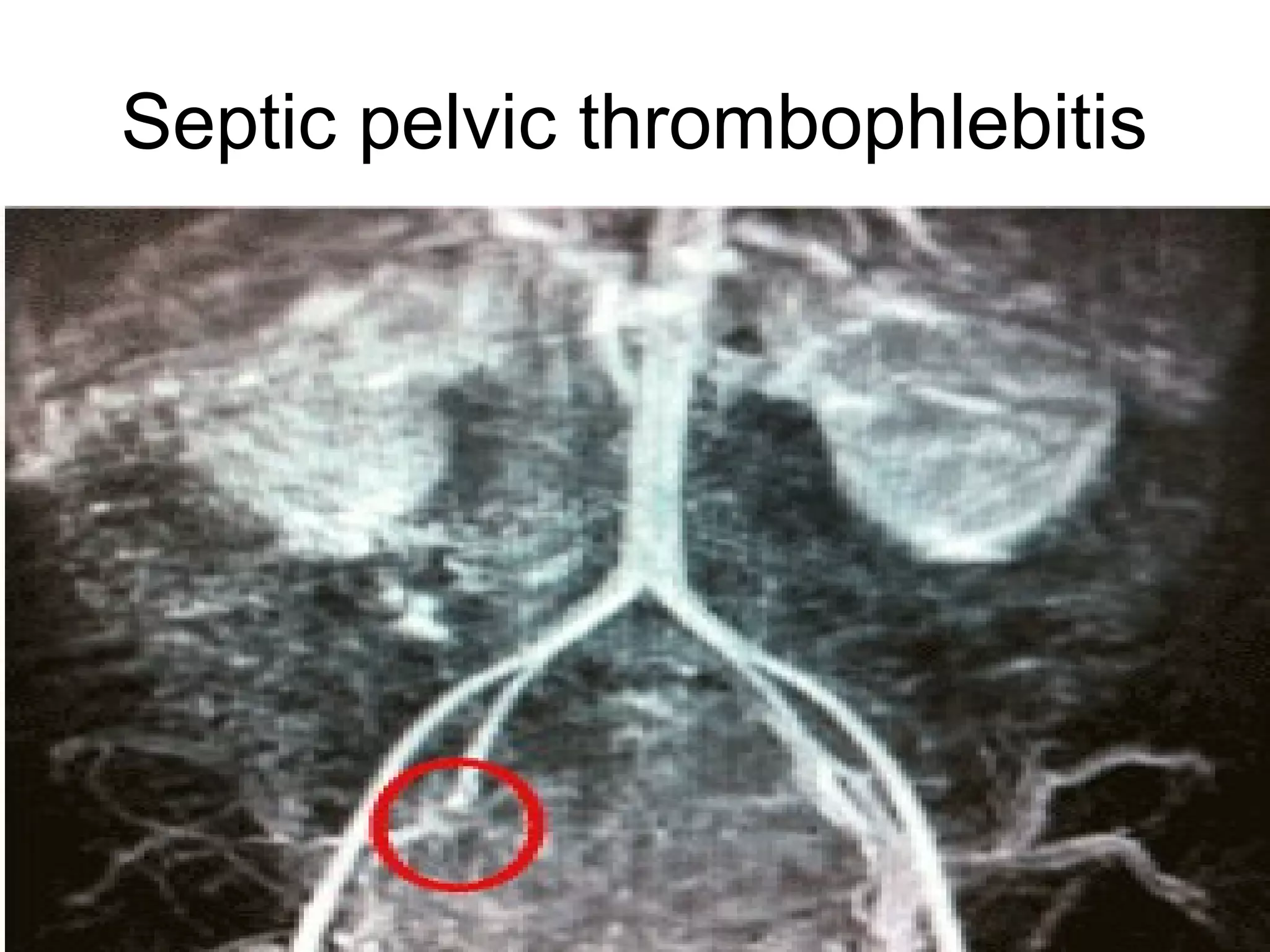
Septic pelvic thrombophlebitis
DIAGNOSIS
DIAGNOSTIC EVALUATION
General principles in investigations are:
(1) To locate the site of infection
(2) To identify the organisms
(3) To assess the severity of the disease.
Investigations of Puerperal Pyrexia includes:
• History
• Clinical examinations and
• Lab findings and investigations
DIAGNOSTIC EVALUATION
continued
• History includes Antenatal, intranatal and
postnatal history of any high risk factor for
infection like anemia,prolonged rupture of
membranes or prolonged labor are to be
taken.
• Clinical examination includes thorough
general, physical and systemic examinations.
Abdominal and pelvic examinations are done
to note the involution of genital organs and
locate the specific site of infection. Legs
should be examined for thrombophlebitis or
thrombosis.
DIAGNOSTIC EVALUATION
continued
Investigations include:
(1) High vaginal and endocervical swabs for culture in
aerobic and anaerobic media and sensitivity test to
antibiotics.
(2) “Clean catch” midstream specimen of urine for analysis
and culture including sensitivity test.
(3) Blood for total and differential white cell count,
hemoglobin estimation. A low platelet count may indicate
septicemia or DIC. Thick blood film should be examined
for malarial parasites.
(4) Blood culture, if fever is associated with chills and
rigor.
DIAGNOSTIC EVALUATION
continued
Other specific investigations:
(5) Pelvic ultrasound to detect any retained bits of
conception within the uterus, to locate any abscess
within the pelvis or to collect samples (pus or fluid) from
the pelvis for culture and sensitivity, and for color flow
Doppler study to detect venous thrombosis.
(6) CT and MRI is needed especially when diagnosis is in
doubt or there is pelvic vein thrombosis.
(7) X-ray chest (CXR) to detect any lung pathology like
collapse and atelectasis (following inhalation
anesthesia).
(8) Blood urea and electrolytes to detect if renal failure
develops later in the course of the disease
(9) laparotomy- to further examine the abdominal organs
TREATMENT
• Medical management
• Surgical management
• Nursing management
Medical management
Medical management
Medical management
• Antibiotics: Ideal antibiotic regimen should
depend on the culture and sensitivity report.
• Gentamicin (1.5mg/kg/8 hourly) + Clindamycin
(900mg/8 hourly)
• Metronidazole (500mg/12 hr)+ Penicillin ( 5
million units/6 hr)
• Clindamycin + aztreonam (2 gm/8hr)
• Ampicillin (2gm/6hr) + gentamycin
• Antibiotic Regimens-A combination of either
piperacillin-tazobactam or carbapenem
• Women with MRSA (Methicillin-resistant S.
aureus) infection should be treated with
vancomycin or teicoplanin.
Gentamicin + Clindamycin
1.5mg/kg/8 hourly + 900mg/8hourly
Metronidazole + Penicillin
500mg/12 hr + 5 million units/6 hr
Clindamycin + aztreonam
Ampicillin + gentamycin
piperacillin-tazobactam
vancomycin , teicoplanin.
Surgical management
Surgical management
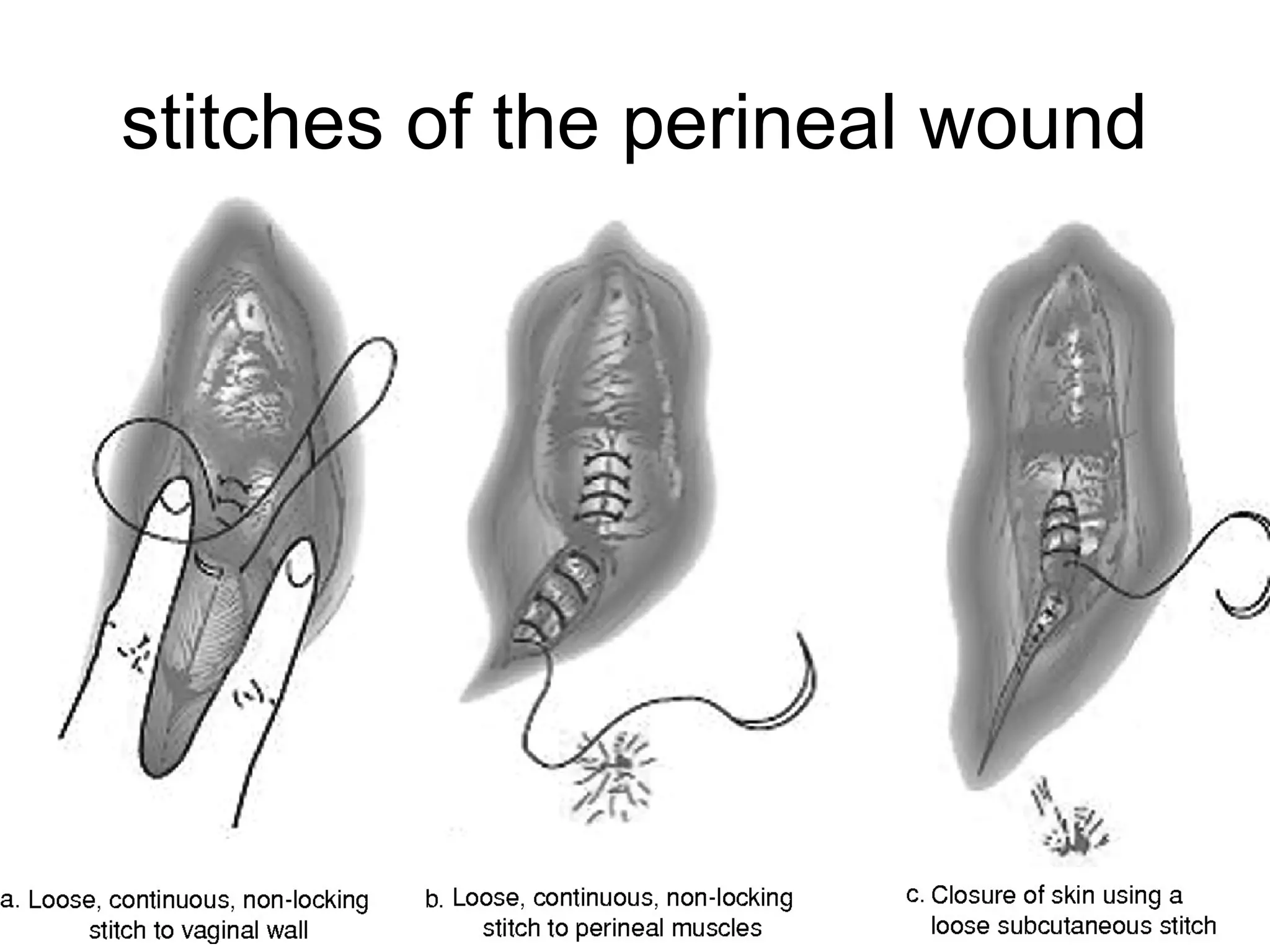
• stitches of the perineal wound
• surgical evacuation
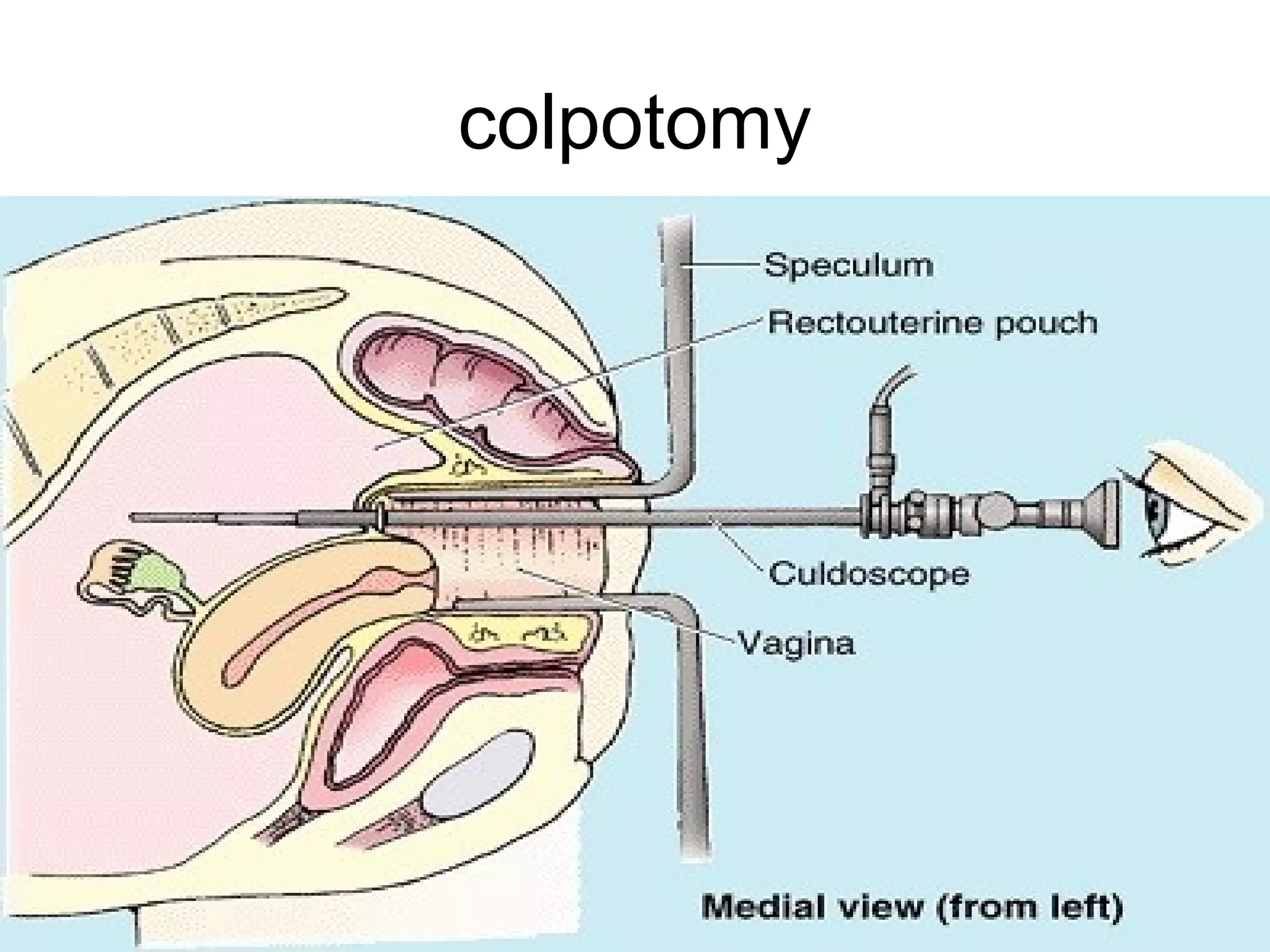
• Colpotomy
• Laparotomy
• Hysterectomy
stitches of the perineal wound
surgical evacuation
colpotomy
Laparotomy
Hysterectomy
Nursing management
Nursing management
• Isolation of the patient
• Adequate fluid and calorie
• Correcting Anemia
• Indwelling catheter
• A chart is maintained by recording pulse, respiration,
temperature, lochial discharge, and fluid intake and
output
• Ensure that wound is cleaned with sitz bath several
times a day and is dressed with an antiseptic ointment
• Dehiscence of episiotomy or abdominal wound following
cesarean section is managed by scrubbing the wound
twice daily, debridement of all necrotic tissue and then
closing the wound with secondary suture.
Sitz bath
PROPHYLAXIS
Antenatal prophylaxis includes
improvement of nutritional status (to raise
hemoglobin level) of the pregnant woman
and eradication of any septic focus (skin,
throat, tonsils) in the body.
PROPHYLAXIS
Intranatal prophylaxis includes—
• Full surgical asepsis during delivery
• Screening for Group B Streptococcus in a
high risk patient.
• Prophylactic use of antibiotic at the time of
cesarean section has significantly reduced
the incidence of wound infection,
endometritis, urinary tract infection and
other serious infections.
PROPHYLAXIS
Postpartum prophylaxis includes aseptic
precautions for at least 1 week, following
delivery until the open wounds in the
uterus, perineum, vagina are healed up.
• Too many visitors are restricted.
• Sterilized sanitary pads are to be used.
• Infected babies and mothers should be in
isolated room.
Puerperal sepsis
Puerperal sepsis

Puerperal sepsis

  • 3.
    OBSTETRICS AND GYNAECOLOGY SEMINAR ON– PUERPERAL SEPSIS SUBMITTED BY- MISS SONALI NAYAK IV YEAR BSC NURSING ROLL-32 COLLEGE OF NURSING CUTTACK SUBMITTED TO- MRS. RITANJALI SAHOO PRINCIPAL COLLEGE OF NURSING CUTTTACK
  • 5.
    WHAT IS PUERPERIUM? •It is the period of about six weeks after childbirth during which the mother's reproductive organs return to their original non-pregnant condition. • During this period the body tissues, in particular the genital and the pelvic organs, return to the condition in to pre- pregnancy state of the women. • The breast don’t come to the previous state.
  • 6.
    WHAT IS SEPSIS? •The presence in tissues of harmful bacteria and their toxins, typically through infection of a wound. • Sepsis is a life-threatening condition that arises when the body's response to infection causes injury to its own tissues and organs.
  • 7.
    DEFINITION OF PUERPERAL SEPSIS •According to The World Health Organization (WHO), puerperal sepsis is defined as the infection of the genital tract occurring at labour or within 42 days of the postpartum period. • An infection of the genital tract which occurs as a complication of delivery or miscarriage is termed as puerperal sepsis. (DC DUTTA) • The primary sites of infection are: (1) perineum, (2) vagina,(3)cervix, (4) uterus.
  • 9.
    DIFFERENCE BETWEEN PUERPERAL SEPSIS •An infection of the genital tract which occurs as a complication of delivery OR miscarriage within 6 weeks is termed puerperal sepsis. REPRODUCTIVE TRACT INFECTION • Infection of external and/or internal reproductive organs.
  • 10.
    PREDISPOSING FACTORS OF PUERPERALSEPSIS: ANTEPARTUM • Malnutrition • Anemia • Preterm labor • Early rupture/PROM/PPROM • Precipitate delivery • Immunocompromised (eg:AIDS) • Diabetes • Obesity • Organisms of normal vaginal flora.[ details next INTRAPARTUM • Repeated vaginal examinations • Dehydration • Ketoacidosis during labor • Traumatic vaginal delivery • APH or PPH • Retained bits of placental tissue or membranes • Prolonged labor • Obstructed labor • Caesarean or
  • 11.
    Organisms of normalvaginal flora Vaginal flora: The vaginal flora in late pregnancy and at the onset of labor consists of the following organisms: • Doderlein’s bacillus • Candida albicans • Staphylococcus aureus • Streptococcus • Escherichia coli • Bacteroides group • Clostridium welchii These organisms remain dormant and are harmless during normal delivery conducted in aseptic condition. Due to the factors mentioned above, the organisms gain foothold either in the traumatized tissues of the uterovaginal canal or in the raw decidua left behind or in the blood clots, especially at the placental site.
  • 12.
    DODERLEIN’S BACILLI These bacteriahave a beneficial effect by inhibiting growth, adhesion or spread of other microorganisms.
  • 13.
    Candida albicans • Candidaalbicans is an opportunistic pathogenic yeast that is a common member of the human gut. • It is usually a commensal organism, but can become pathogenic in im munocompromised indivi duals under a variety of conditions.
  • 14.
    Escherichia coli • Itis commonly found in the lower intestine. • It benefits their hosts by producing vitamin K, and preventing colonization of the intestine with pathogenic bacteria, having a symbiotic relationship.
  • 15.
    Staphylococcus aureus • Itis a a commensal member of the normal flora of the body, frequently found in the nose respiratory tract gut mucosa and on the skin.
  • 16.
    Bacteroides • They are normallymutualistic organisms in gut help in processing of complex molecules eg: sugar to simpler ones in the host intestine. • They converts these sugars to fermentation products which are beneficial to humans. • They also have the ability to remove side chains from bile acids, thus returning bile acids to the hepatic circulation.
  • 17.
    Clostridium welchii • Foundin the intestinal tract of humans • Harmless in minor number. • If there is infections then it may most commonly cause of food poisoning
  • 18.
  • 19.
    CAUSAL ORGANISMS AEROBIC • GroupA beta-hemolytic Streptococcus (GAS) • Group B beta-hemolytic Streptococcus (GBS)- Methicillin-resistant Staphylococcos aureus (MRSA) ANAEROBIC • Streptococcus, Peptococcus, Bacteroides (fragilis, bivius), Fusobacteria, Mobiluncus and Clostridia. Others-Staphylococcus pyogenes S. aureus, E. coli, Klebsiella, Pseudomonas, Proteus, Chlamydia.
  • 20.
  • 21.
  • 22.
  • 23.
  • 24.
  • 25.
  • 26.
  • 27.
  • 28.
  • 29.
  • 30.
  • 31.
    SOURCES • endogenous whereorganisms are present in the genital tract before delivery.eg:Streptococcus • autogenous where organisms present elsewhere (skin, throat) in the body and migrate to the genital organs by bloodstream or by the patient herself. Eg:Beta-hemolytic Streptococcus, E. coli, Staphylococcus. • exogenous where infection is contracted from sources outside the patient (from hospital or attendants). Eg:Beta-hemolytic Streptococcus, Staphylococcus.
  • 32.
    PATHOGENESIS Endometrium (placental implantationsite), cervical lacerated wound, vaginal wound or perineal lacerated wound are the favorable sites for bacterial growth and multiplication. The devitalized tissue, blood clots, foreign body (retained cotton swabs), and surgical trauma favour polymicrobial growth, proliferation and spread of infection. This ultimately leads to metritis, parametritis, endomyometritis and/or cellulitis. Puerperal sepsis is commonly due to—(i) endometritis, (ii) endomyometritis, or (iii) endoparametritis or a combination of all these when it is called pelvic cellulitis.
  • 33.
    SIGNS AND SYMPTOMS •Local infection • Uterine infection • Spreading of infections
  • 34.
    LOCAL INFECTION (WOUND INFECTION) •rise of temperature • generalized malaise • Headache • local wound becomes red and swollen(PRISH) • Pus • chills and rigor • Sero purulent discharge.
  • 35.
  • 36.
  • 37.
  • 38.
    PRISH (pain, redness,immobility, swelling, heat)
  • 39.
  • 40.
  • 41.
    UTERINE INFECTION • Mild—risein temperature (>100.4°F) Rise in pulse rate (>90) Lochial discharge becomes offensive and copious The uterus is subinvoluted and tender(may be due to lochiostasis and lochiometra). • Severe—high rise of temperature chills and rigor Pulse rate is rapid Breathlessness Abdominal pain Dysuria Lochiorrhea, green colour and foul odor Uterus may be subinvoluted, tender
  • 42.
  • 43.
  • 44.
  • 45.
  • 46.
  • 47.
  • 48.
    COMPLICATIONS • pelvic tenderness •Pelvic peritonitis • General peritonitis • tenderness on the fornix • Endometritis, endomyometrisis,endoparametritis • bulging fluctuant mass in the pouch of Douglas • pelvic abscess • Phlebitis , Thrombophlebitis • Bacteremia, endotoxic or septic shock • Septicemia
  • 49.
    SEPTICEMIA May lead to •streptococcal pharyngitis • rheumatic fever • rheumatic heart disease • scarlet fever • Erysipelas • cellulitis • necrotizing fasciitis • streptococcal toxic shock syndrome
  • 51.
  • 52.
  • 53.
  • 57.
    bulging fluctuant massin the pouch of Douglas
  • 58.
  • 60.
  • 61.
    DIAGNOSTIC EVALUATION General principlesin investigations are: (1) To locate the site of infection (2) To identify the organisms (3) To assess the severity of the disease. Investigations of Puerperal Pyrexia includes: • History • Clinical examinations and • Lab findings and investigations
  • 62.
    DIAGNOSTIC EVALUATION continued • Historyincludes Antenatal, intranatal and postnatal history of any high risk factor for infection like anemia,prolonged rupture of membranes or prolonged labor are to be taken. • Clinical examination includes thorough general, physical and systemic examinations. Abdominal and pelvic examinations are done to note the involution of genital organs and locate the specific site of infection. Legs should be examined for thrombophlebitis or thrombosis.
  • 63.
    DIAGNOSTIC EVALUATION continued Investigations include: (1)High vaginal and endocervical swabs for culture in aerobic and anaerobic media and sensitivity test to antibiotics. (2) “Clean catch” midstream specimen of urine for analysis and culture including sensitivity test. (3) Blood for total and differential white cell count, hemoglobin estimation. A low platelet count may indicate septicemia or DIC. Thick blood film should be examined for malarial parasites. (4) Blood culture, if fever is associated with chills and rigor.
  • 64.
    DIAGNOSTIC EVALUATION continued Other specificinvestigations: (5) Pelvic ultrasound to detect any retained bits of conception within the uterus, to locate any abscess within the pelvis or to collect samples (pus or fluid) from the pelvis for culture and sensitivity, and for color flow Doppler study to detect venous thrombosis. (6) CT and MRI is needed especially when diagnosis is in doubt or there is pelvic vein thrombosis. (7) X-ray chest (CXR) to detect any lung pathology like collapse and atelectasis (following inhalation anesthesia). (8) Blood urea and electrolytes to detect if renal failure develops later in the course of the disease (9) laparotomy- to further examine the abdominal organs
  • 65.
    TREATMENT • Medical management •Surgical management • Nursing management
  • 66.
  • 67.
  • 68.
    Medical management • Antibiotics:Ideal antibiotic regimen should depend on the culture and sensitivity report. • Gentamicin (1.5mg/kg/8 hourly) + Clindamycin (900mg/8 hourly) • Metronidazole (500mg/12 hr)+ Penicillin ( 5 million units/6 hr) • Clindamycin + aztreonam (2 gm/8hr) • Ampicillin (2gm/6hr) + gentamycin • Antibiotic Regimens-A combination of either piperacillin-tazobactam or carbapenem • Women with MRSA (Methicillin-resistant S. aureus) infection should be treated with vancomycin or teicoplanin.
  • 69.
  • 70.
    Metronidazole + Penicillin 500mg/12hr + 5 million units/6 hr
  • 71.
  • 72.
  • 73.
  • 74.
  • 75.
  • 76.
    Surgical management • stitchesof the perineal wound • surgical evacuation • Colpotomy • Laparotomy • Hysterectomy
  • 77.
    stitches of theperineal wound
  • 78.
  • 79.
  • 80.
  • 81.
  • 82.
  • 83.
    Nursing management • Isolationof the patient • Adequate fluid and calorie • Correcting Anemia • Indwelling catheter • A chart is maintained by recording pulse, respiration, temperature, lochial discharge, and fluid intake and output • Ensure that wound is cleaned with sitz bath several times a day and is dressed with an antiseptic ointment • Dehiscence of episiotomy or abdominal wound following cesarean section is managed by scrubbing the wound twice daily, debridement of all necrotic tissue and then closing the wound with secondary suture.

  • 84.
  • 85.
    PROPHYLAXIS Antenatal prophylaxis includes improvementof nutritional status (to raise hemoglobin level) of the pregnant woman and eradication of any septic focus (skin, throat, tonsils) in the body.
  • 86.
    PROPHYLAXIS Intranatal prophylaxis includes— •Full surgical asepsis during delivery • Screening for Group B Streptococcus in a high risk patient. • Prophylactic use of antibiotic at the time of cesarean section has significantly reduced the incidence of wound infection, endometritis, urinary tract infection and other serious infections.
  • 87.
    PROPHYLAXIS Postpartum prophylaxis includesaseptic precautions for at least 1 week, following delivery until the open wounds in the uterus, perineum, vagina are healed up. • Too many visitors are restricted. • Sterilized sanitary pads are to be used. • Infected babies and mothers should be in isolated room.