Project Management
Project A  project  is a temporary endeavor, having a defined beginning and end (usually constrained by date, but can be by funding or deliverables [1] ), undertaken to meet unique goals and objectives [2] , usually to bring about beneficial change or added value.
Project management  is the  discipline  of  planning ,  organizing , and  managing   resources  to bring about the successful completion of specific project goals and objectives.
Project Management Project management is a carefully planned and organized effort to accomplish a specific (and usually) one-time objective, for example, construct a building or implement a major new computer system.  Project management includes developing a project plan, which includes defining and confirming the project goals and objectives, identifying tasks and how goals will be achieved, quantifying the resources needed, and determining budgets and timelines for completion. It also includes managing the implementation of the project plan, along with operating regular 'controls' to ensure that there is accurate and objective information
The primary challenge of project management is to achieve all of the project goals and objectives while honoring the preconceived project constraints. Typical constraints are  scope ,  time , and  budget . The secondary—and more ambitious—challenge is to  optimize  the  allocation  and integration of inputs necessary to meet pre-defined objectives.
Two forefathers of project management:  Henry Gantt , called the father of planning and control techniques, who is famous for his use of the  Gantt chart  as a project management tool;  and  Henri Fayol  for his creation of the 5 management functions which form the foundation of the body of knowledge associated with project and program management. Both Gantt and Fayol were students of  Frederick Winslow Taylor 's theories of  scientific management . His work is the forerunner to modern project management tools including  work breakdown structure  (WBS) and  resource allocation .
major phases  feasibility, definition, project planning, implementation, evaluation and support/maintenance.
The traditional approach A traditional phased approach identifies a sequence of steps to be completed. In the "traditional approach", we can distinguish 5 components of a project (4 stages plus control) in the development of a project: Typical development phases of a project Project initiation stage;  Project planning  or design stage;  Project execution or production stage;  Project monitoring and controlling systems;  Project completion .
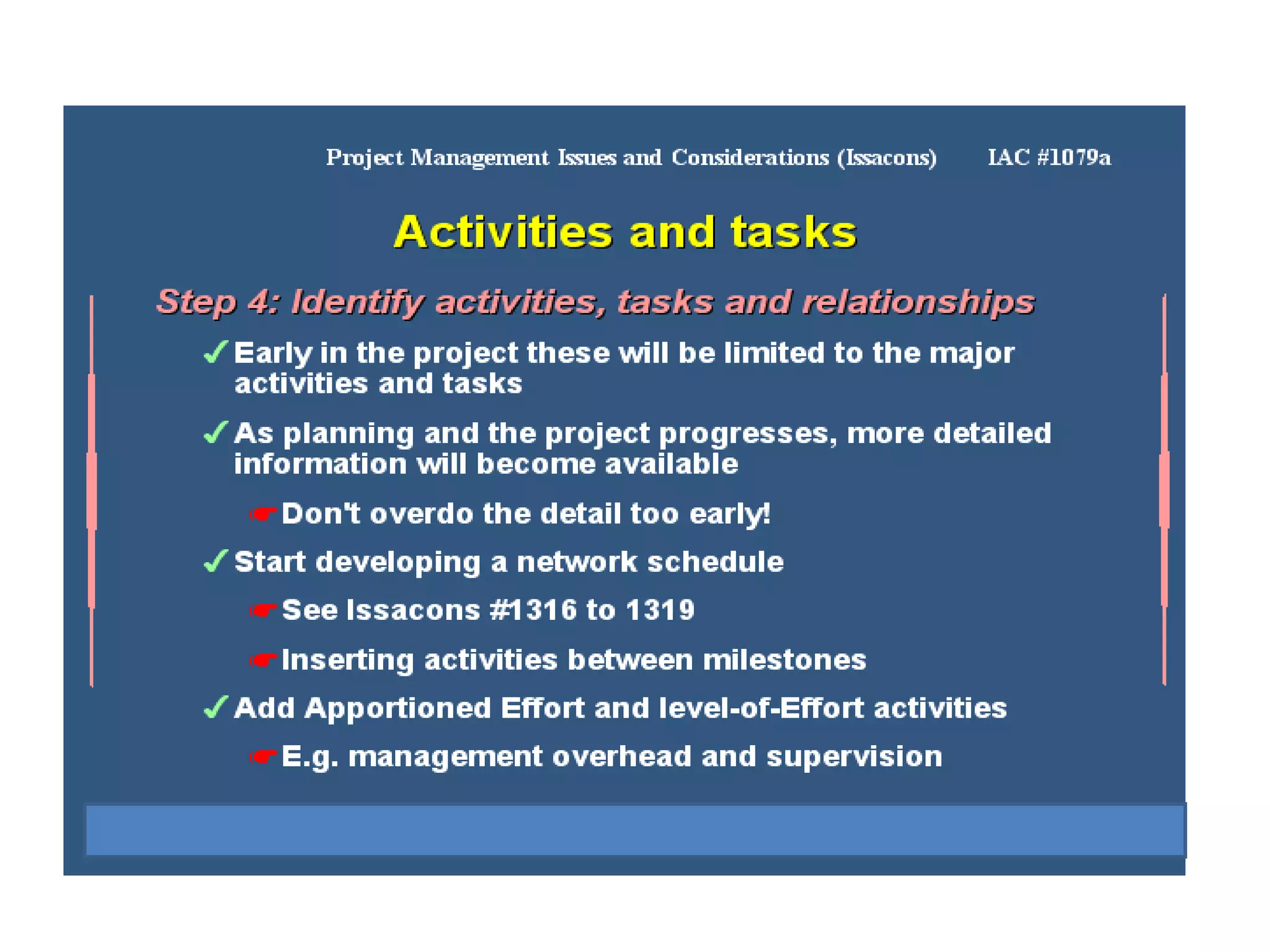
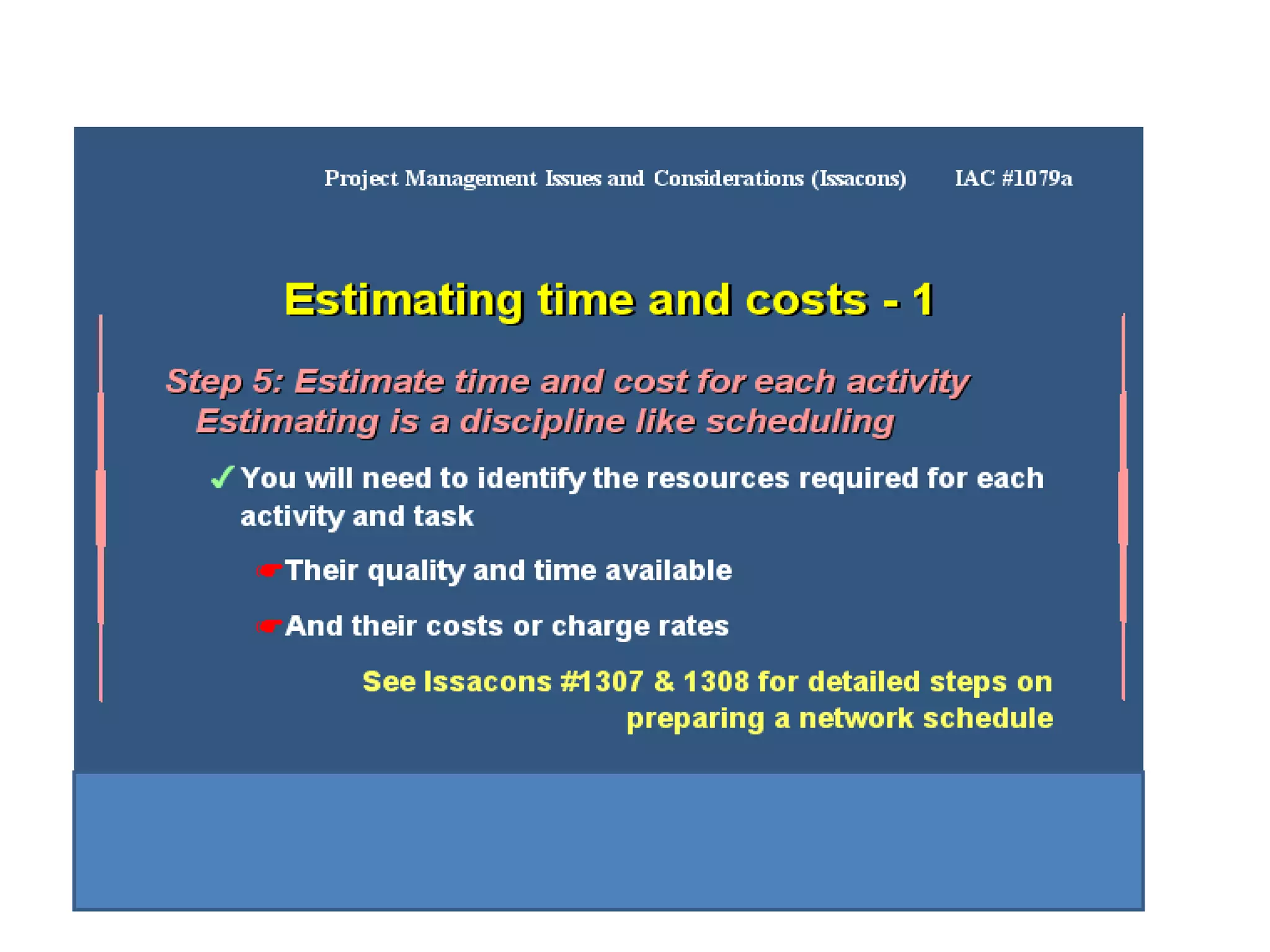
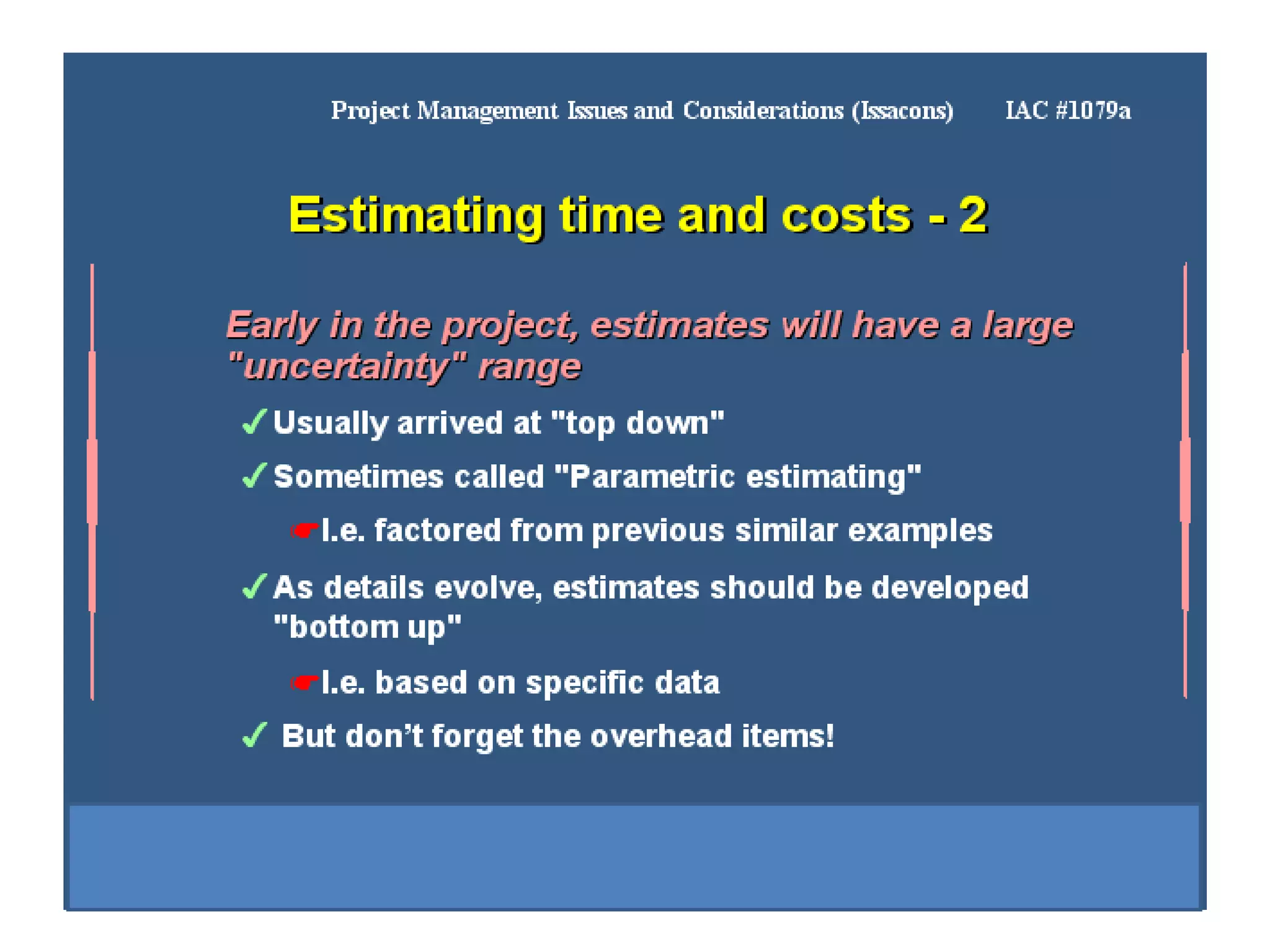
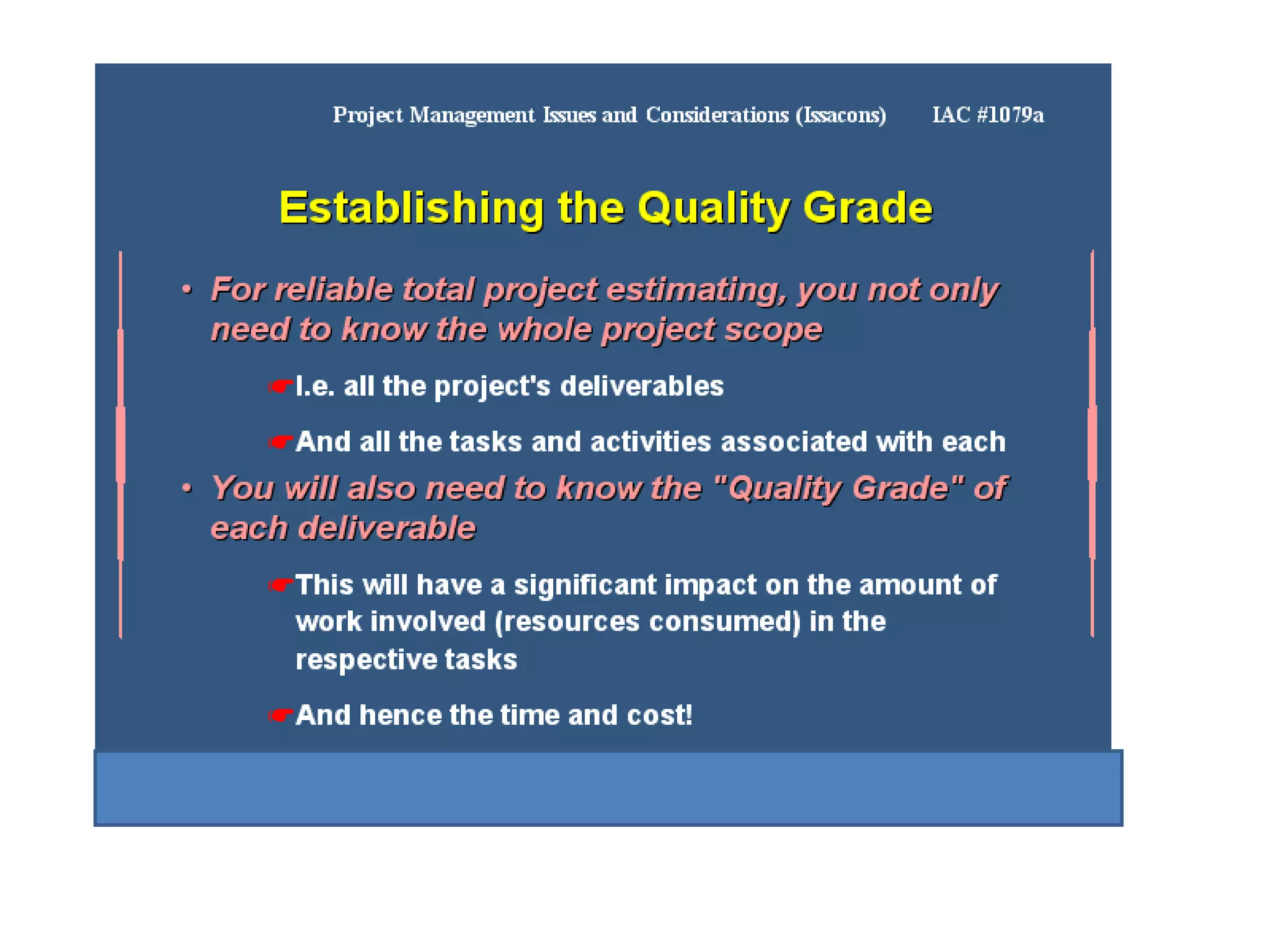
Project planning  determining how to plan (e.g. by level of detail or rolling wave);  developing the scope statement;  selecting the planning team;  identifying deliverables and creating the work breakdown structure;  identifying the activities needed to complete those deliverables and networking the activities in their logical sequence;  estimating the resource requirements for the activities;  estimating time and cost for activities;  developing the schedule;  developing the budget;  risk planning;  gaining formal approval to begin work.
Steps in Project Planning 1. Establish the projects parameters Goals and objectives Time frame End result budget
2.List the project’s end items What is the customer requirements List the major task involve Specify specific outputs
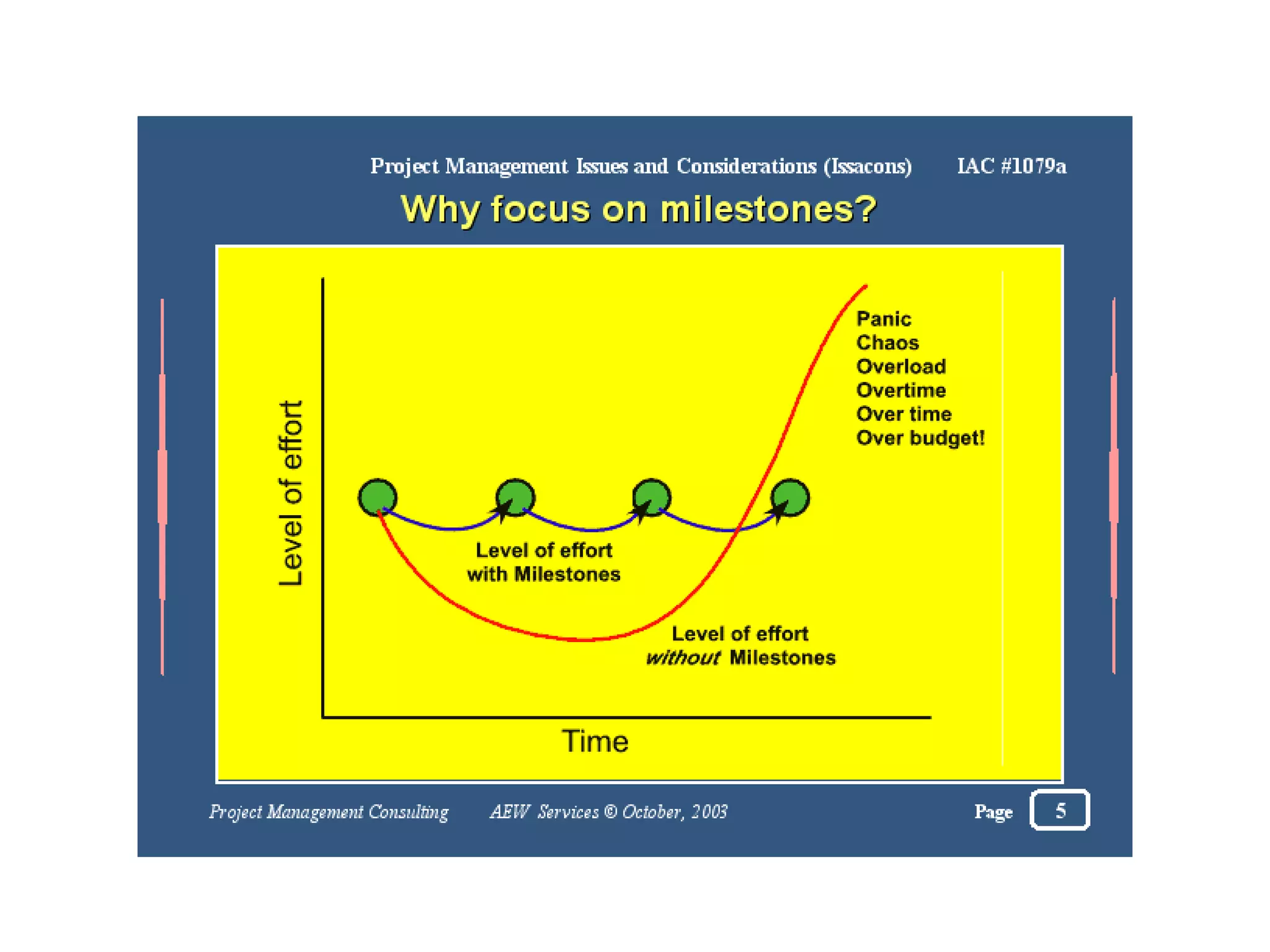
3.Set Project Milestone Flag all the important points along the way. Distribute the “First draft of the plan of the entire project Examine the activity schedules Why focus on milestone?


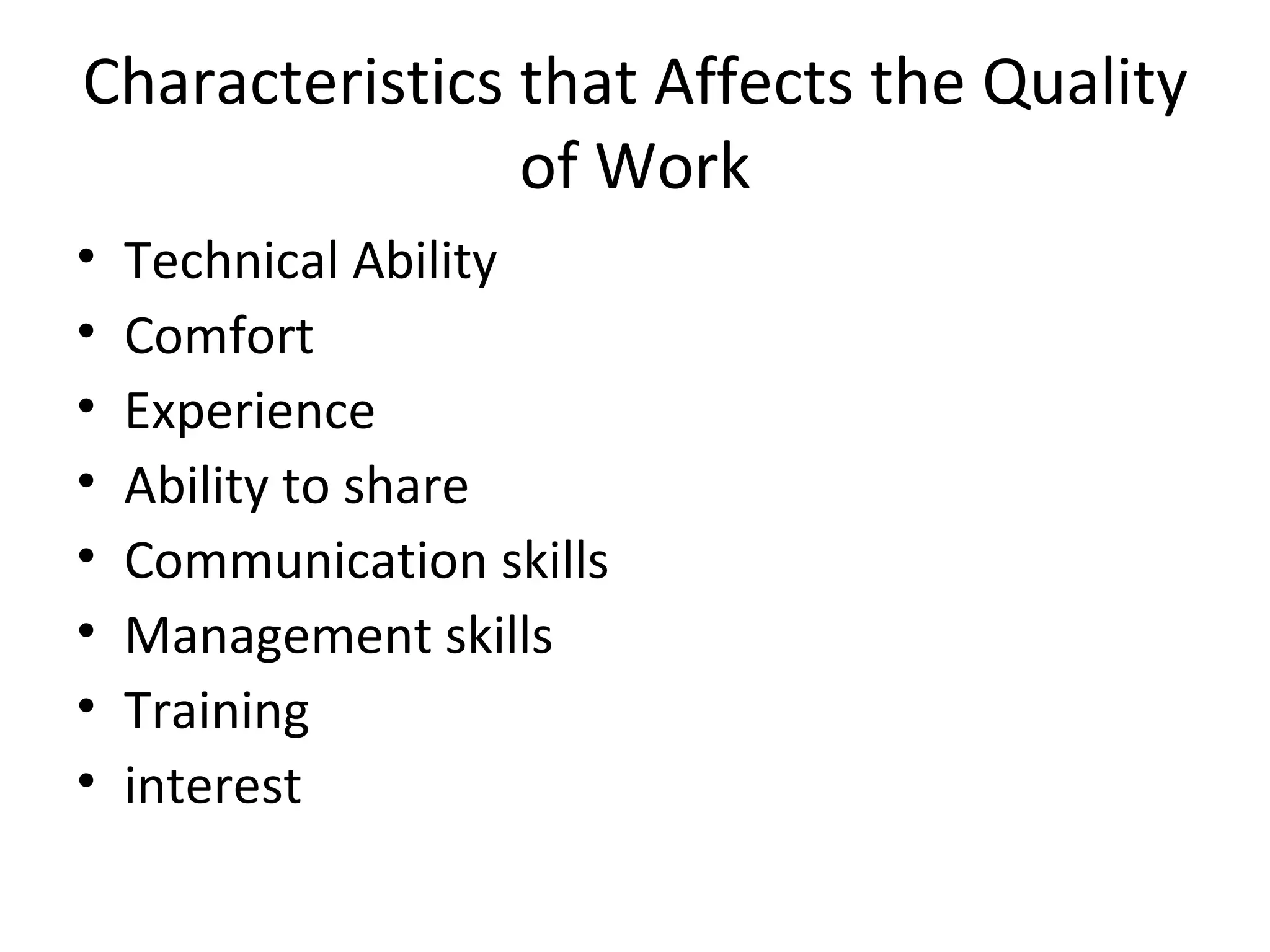
Characteristics that Affects the Quality of Work Technical Ability Comfort Experience Ability to share Communication skills Management skills Training interest
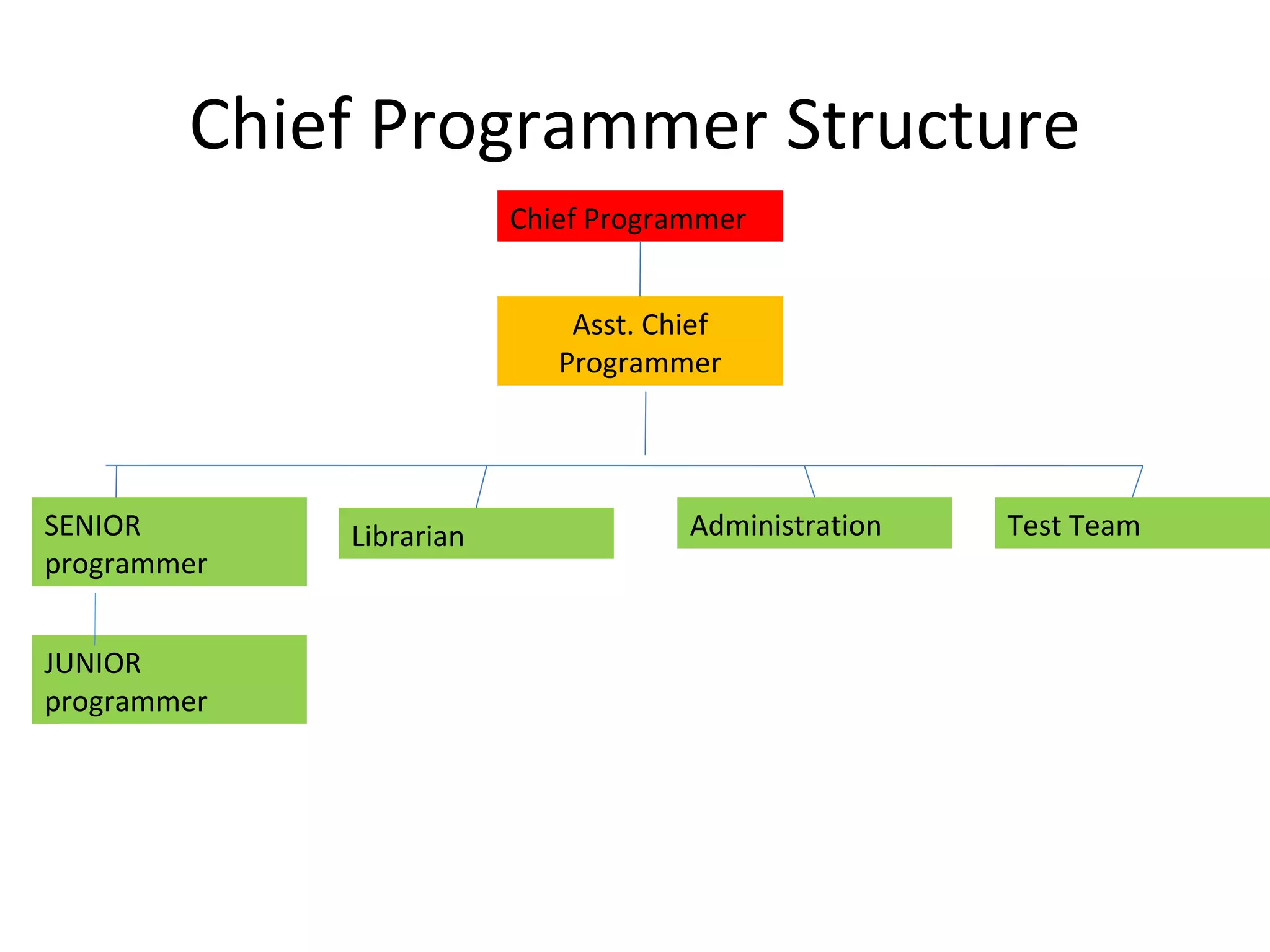
Chief Programmer Structure Chief Programmer Asst. Chief Programmer SENIOR programmer Librarian  Administration Test Team JUNIOR programmer

project magnt

  • 1.
  • 2.
    Project A project is a temporary endeavor, having a defined beginning and end (usually constrained by date, but can be by funding or deliverables [1] ), undertaken to meet unique goals and objectives [2] , usually to bring about beneficial change or added value.
  • 3.
    Project management is the discipline of planning , organizing , and managing resources to bring about the successful completion of specific project goals and objectives.
  • 4.
    Project Management Projectmanagement is a carefully planned and organized effort to accomplish a specific (and usually) one-time objective, for example, construct a building or implement a major new computer system. Project management includes developing a project plan, which includes defining and confirming the project goals and objectives, identifying tasks and how goals will be achieved, quantifying the resources needed, and determining budgets and timelines for completion. It also includes managing the implementation of the project plan, along with operating regular 'controls' to ensure that there is accurate and objective information
  • 5.
    The primary challengeof project management is to achieve all of the project goals and objectives while honoring the preconceived project constraints. Typical constraints are scope , time , and budget . The secondary—and more ambitious—challenge is to optimize the allocation and integration of inputs necessary to meet pre-defined objectives.
  • 6.
    Two forefathers ofproject management: Henry Gantt , called the father of planning and control techniques, who is famous for his use of the Gantt chart as a project management tool; and Henri Fayol for his creation of the 5 management functions which form the foundation of the body of knowledge associated with project and program management. Both Gantt and Fayol were students of Frederick Winslow Taylor 's theories of scientific management . His work is the forerunner to modern project management tools including work breakdown structure (WBS) and resource allocation .
  • 7.
    major phases feasibility, definition, project planning, implementation, evaluation and support/maintenance.
  • 8.
    The traditional approachA traditional phased approach identifies a sequence of steps to be completed. In the "traditional approach", we can distinguish 5 components of a project (4 stages plus control) in the development of a project: Typical development phases of a project Project initiation stage; Project planning or design stage; Project execution or production stage; Project monitoring and controlling systems; Project completion .
  • 9.
    Project planning determining how to plan (e.g. by level of detail or rolling wave); developing the scope statement; selecting the planning team; identifying deliverables and creating the work breakdown structure; identifying the activities needed to complete those deliverables and networking the activities in their logical sequence; estimating the resource requirements for the activities; estimating time and cost for activities; developing the schedule; developing the budget; risk planning; gaining formal approval to begin work.
  • 10.
    Steps in ProjectPlanning 1. Establish the projects parameters Goals and objectives Time frame End result budget
  • 11.
    2.List the project’send items What is the customer requirements List the major task involve Specify specific outputs
  • 12.
    3.Set Project MilestoneFlag all the important points along the way. Distribute the “First draft of the plan of the entire project Examine the activity schedules Why focus on milestone?
  • 13.
  • 14.
  • 15.
  • 16.
  • 17.
  • 18.
  • 19.
    Characteristics that Affectsthe Quality of Work Technical Ability Comfort Experience Ability to share Communication skills Management skills Training interest
  • 20.
    Chief Programmer StructureChief Programmer Asst. Chief Programmer SENIOR programmer Librarian Administration Test Team JUNIOR programmer