www.DrNowell.com 
A Parent’s ADHD Overview: 
11 Strategies for Common Home & 
School Challenges 
@davidnowell David Nowell Seminars
Upcoming events 
• 11/17/14 at 7pm – Northborough public 
library “A Parent’s ADHD Overview” 
• 1/7/15 at 630pm – Clinton public library “A 
Parent’s ADHD Overview” 
• 1/13/15 at 630pm – West Boylston public 
library “A Parent’s ADHD Overview” 
• January 2015 (4 Mondays): ADHD 101 for 
Parents 
www.DrNowell.com
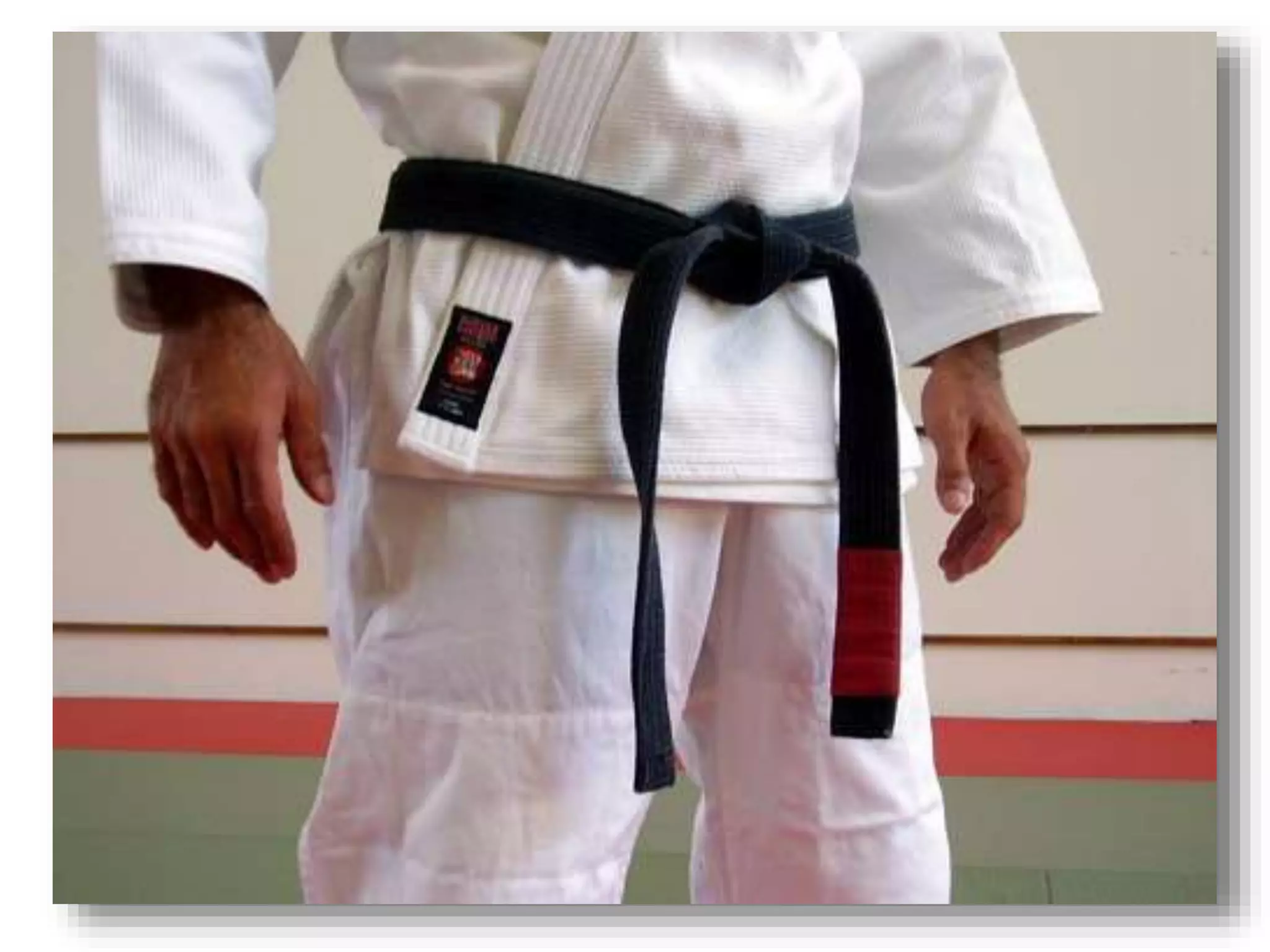
A strategy has no stand-alone value
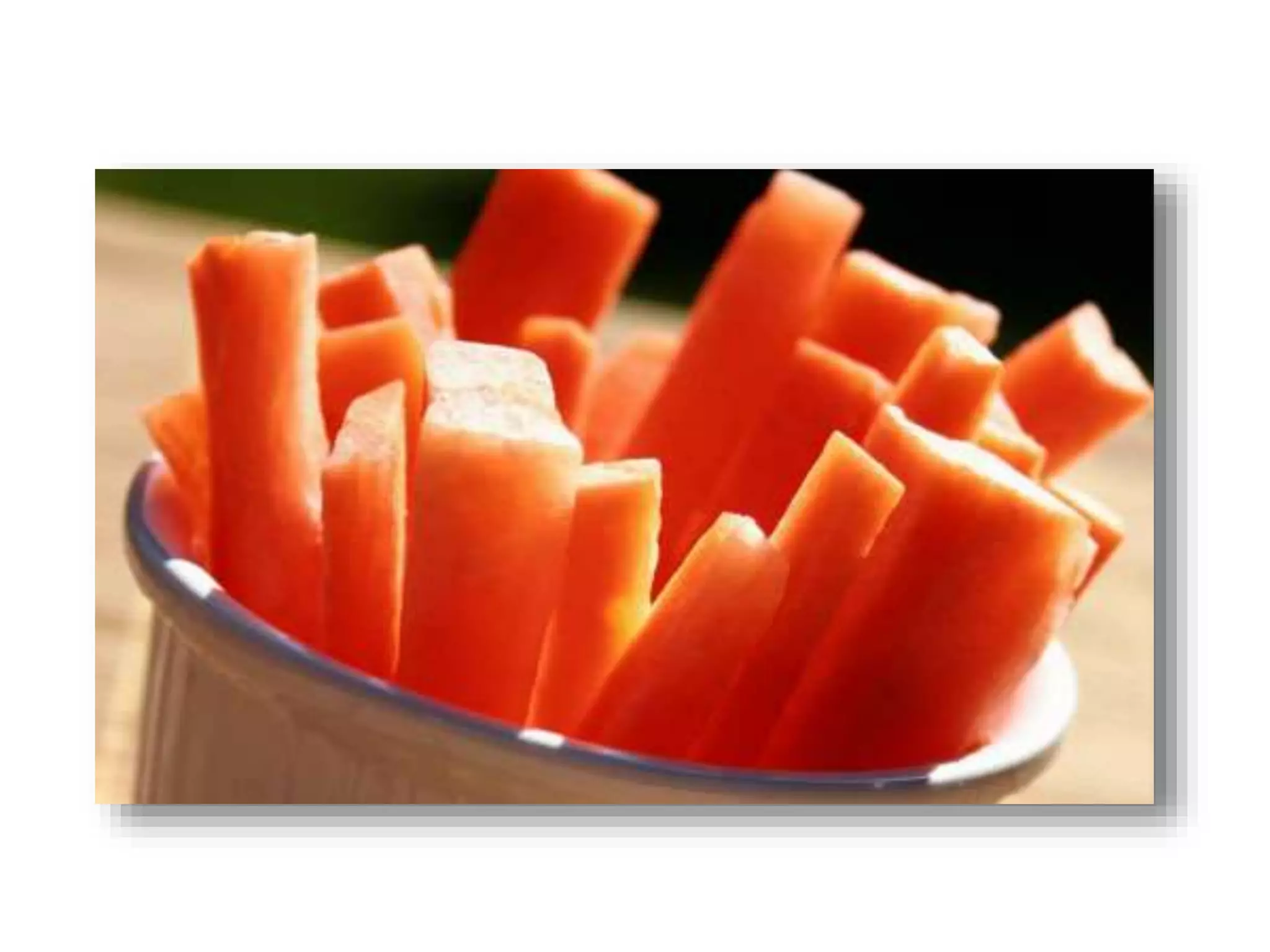
Nutrition for better brain function
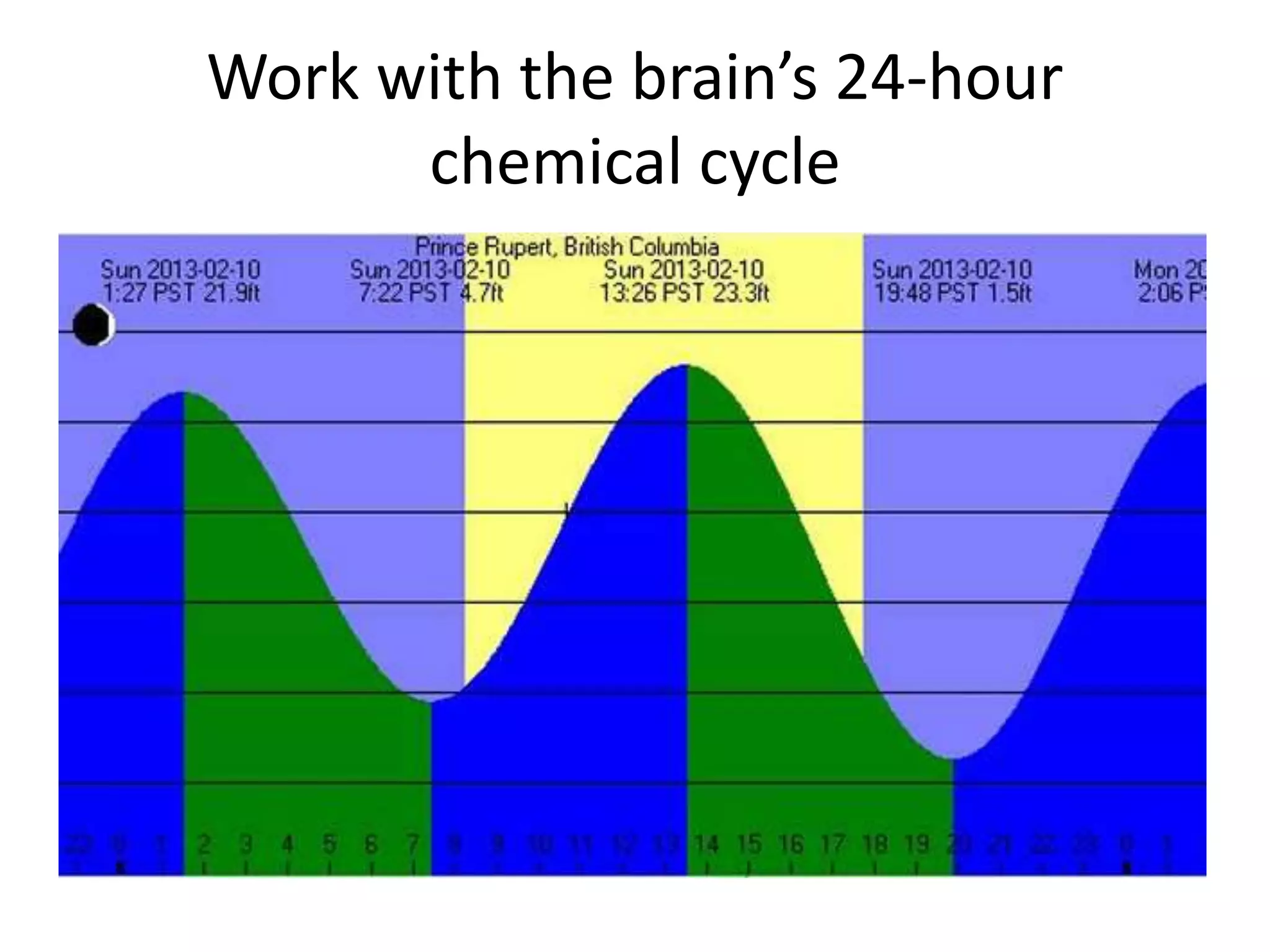
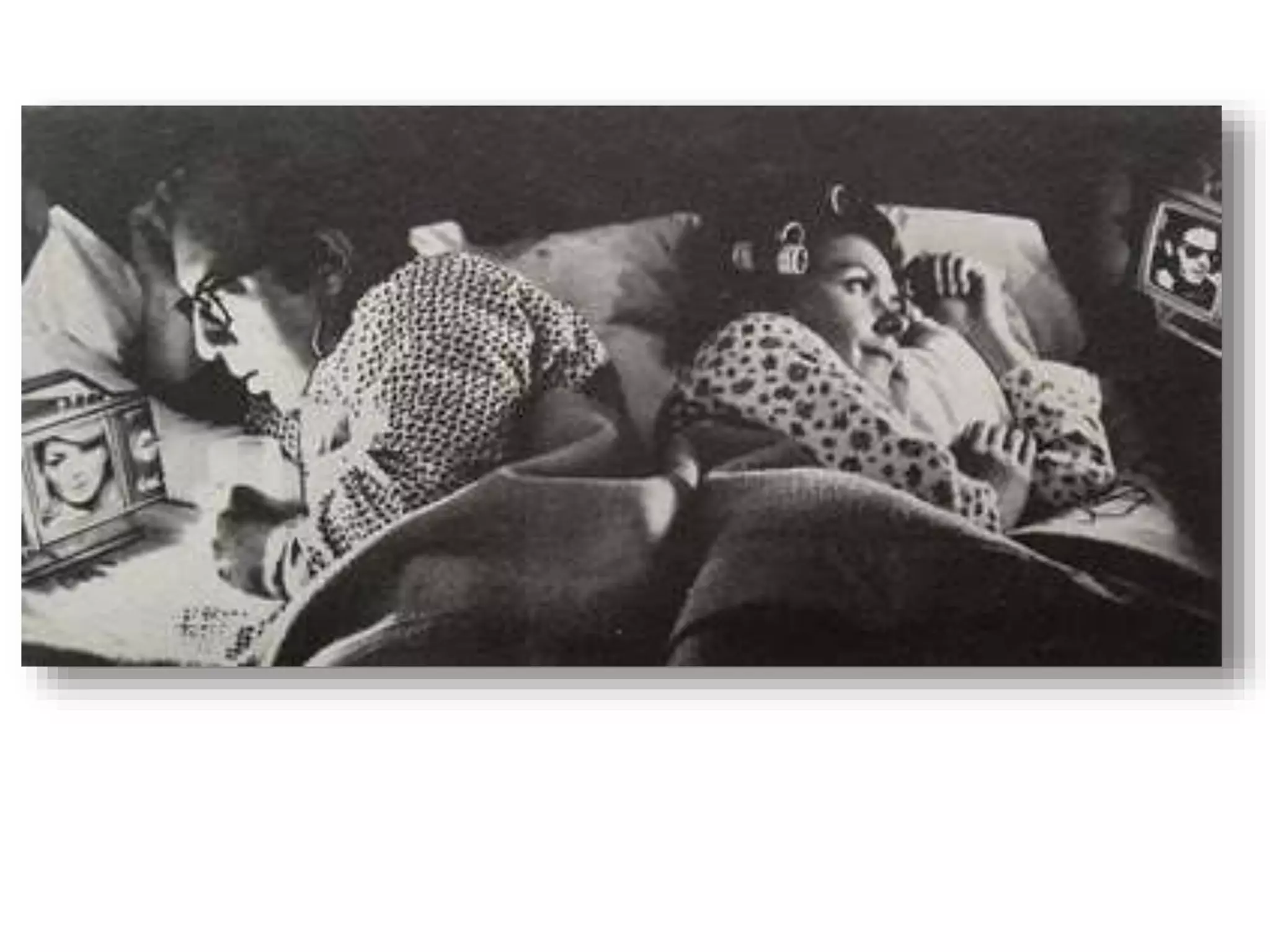
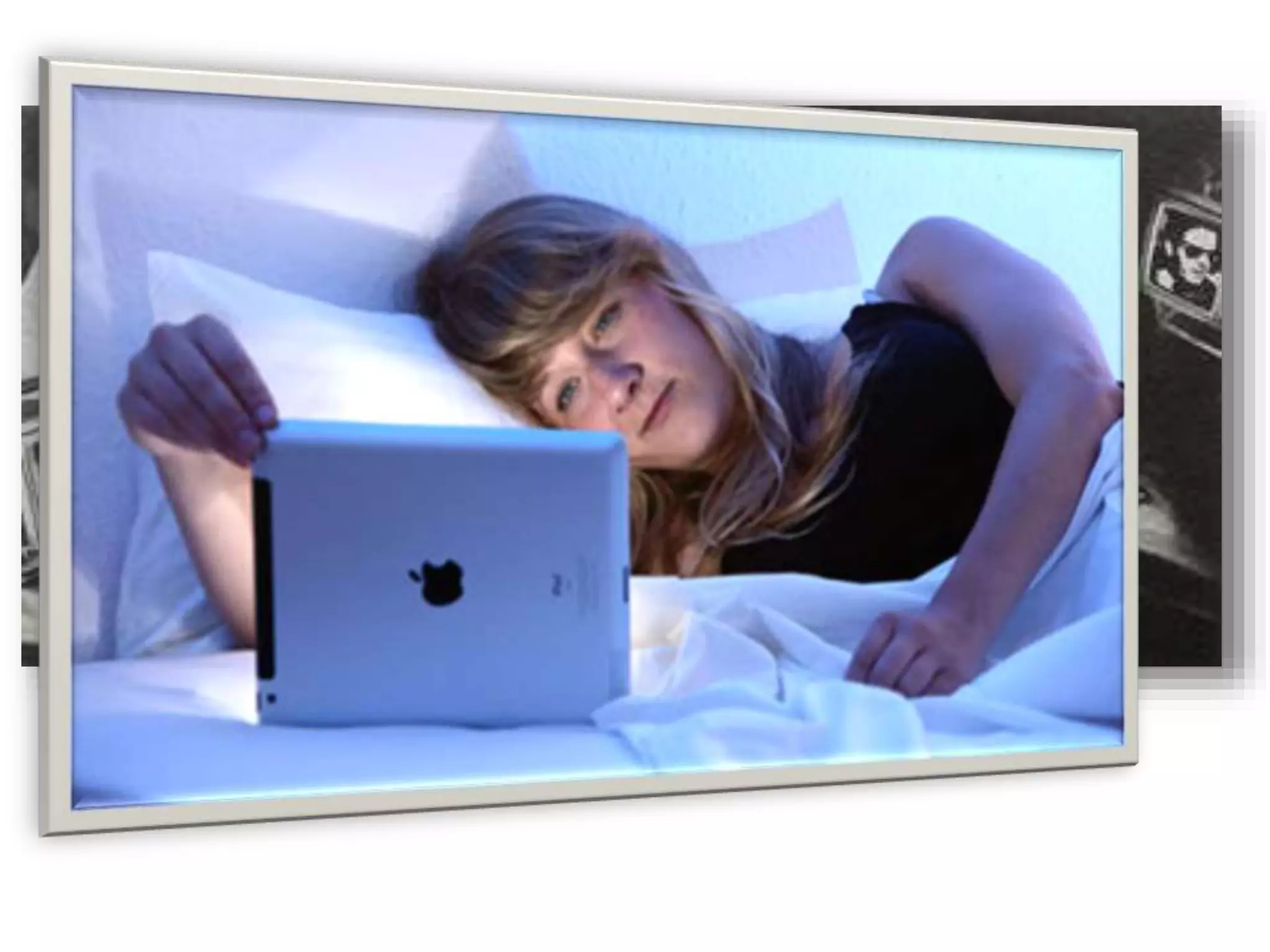
Work with the brain’s 24-hour 
chemical cycle
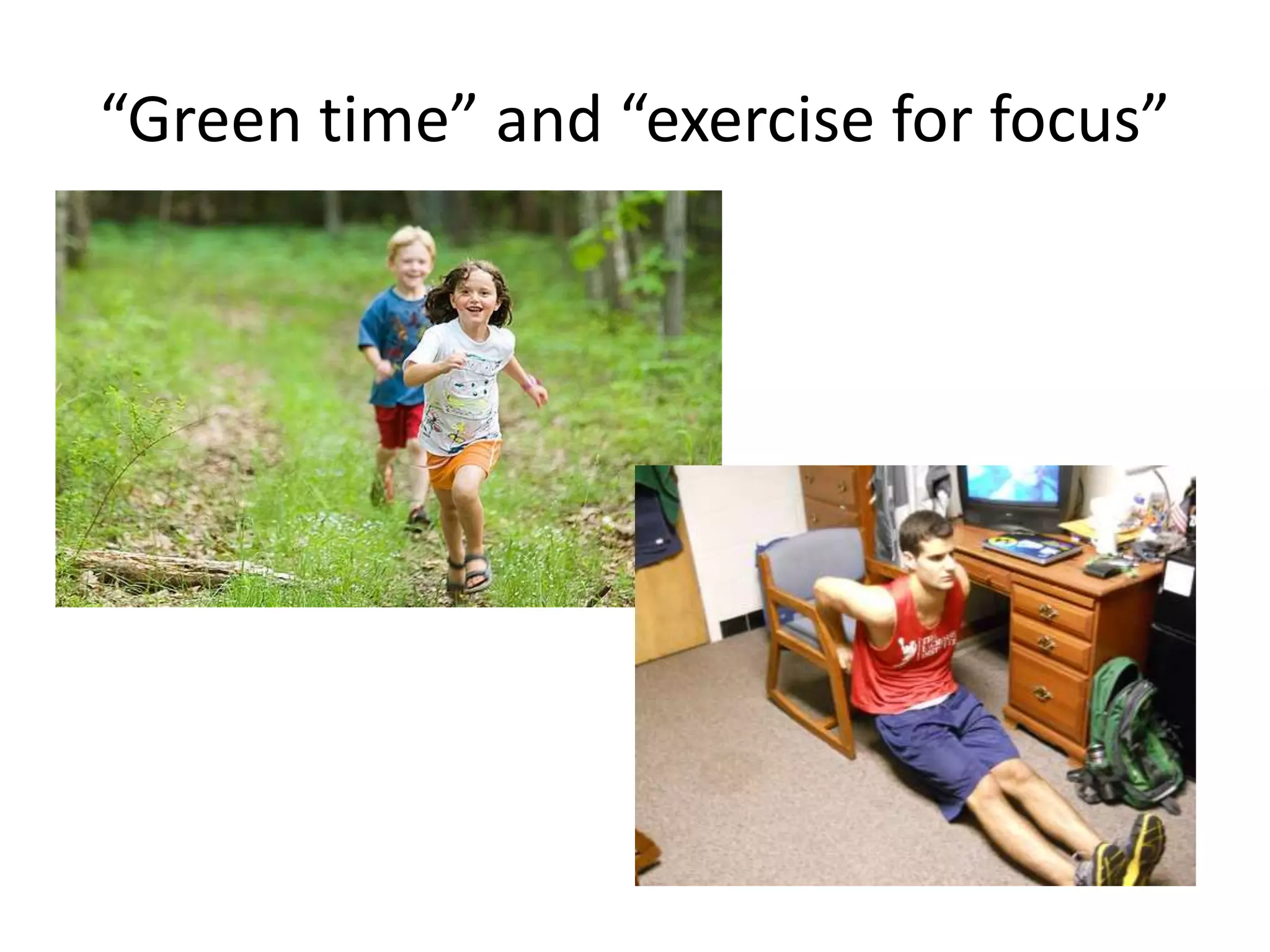
“Green time” and “exercise for focus”
Consider your “team” 
• Pediatrician 
• Teacher 
• Occupational Therapist 
• Speech Language Pathologist 
• Counselor 
• Coaches 
• Neuropsychologist 
• Parent
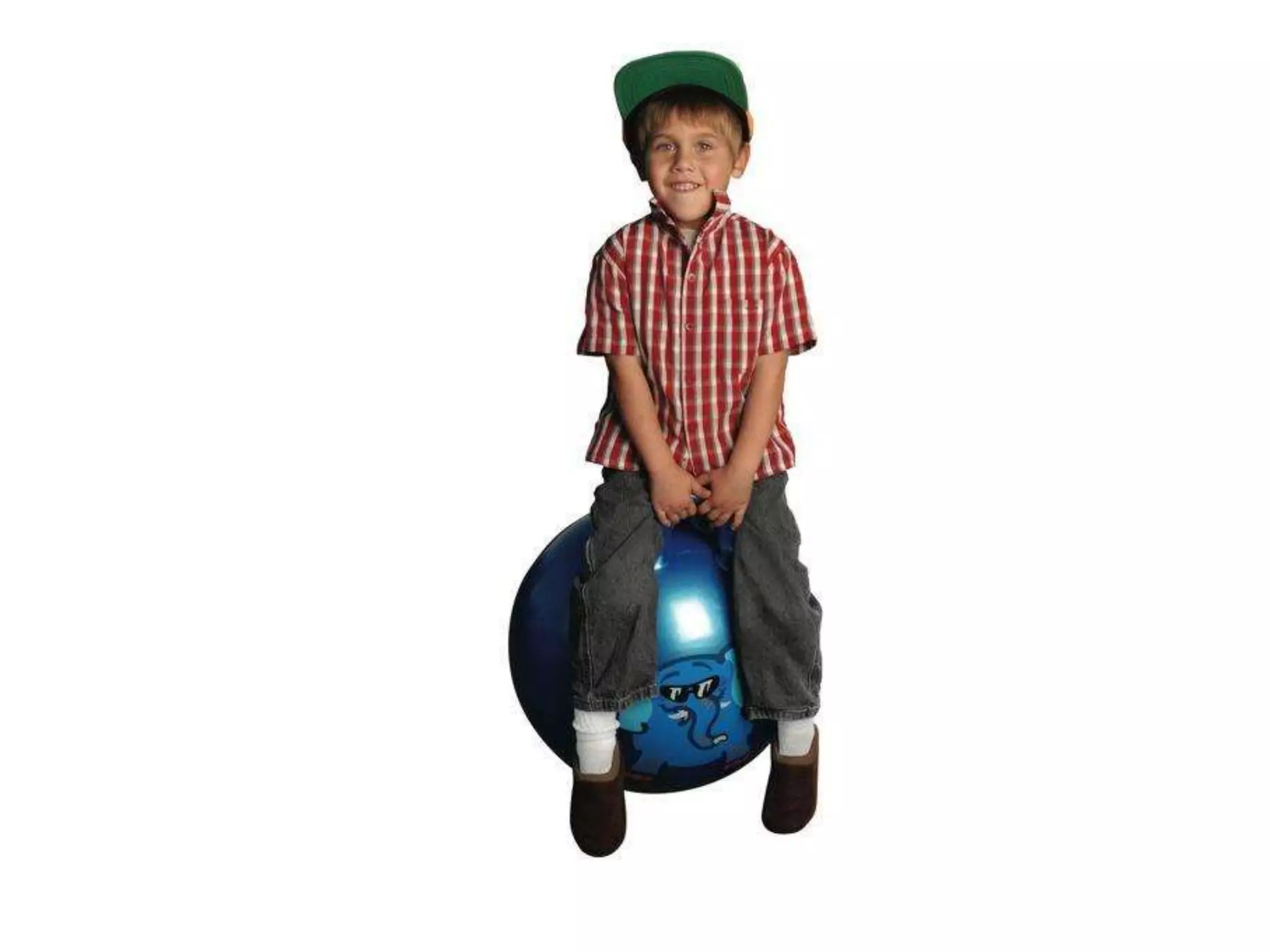
Motor and sensory interventions 
• Fidget / movement 
• Sensory input
Create a study-playlist
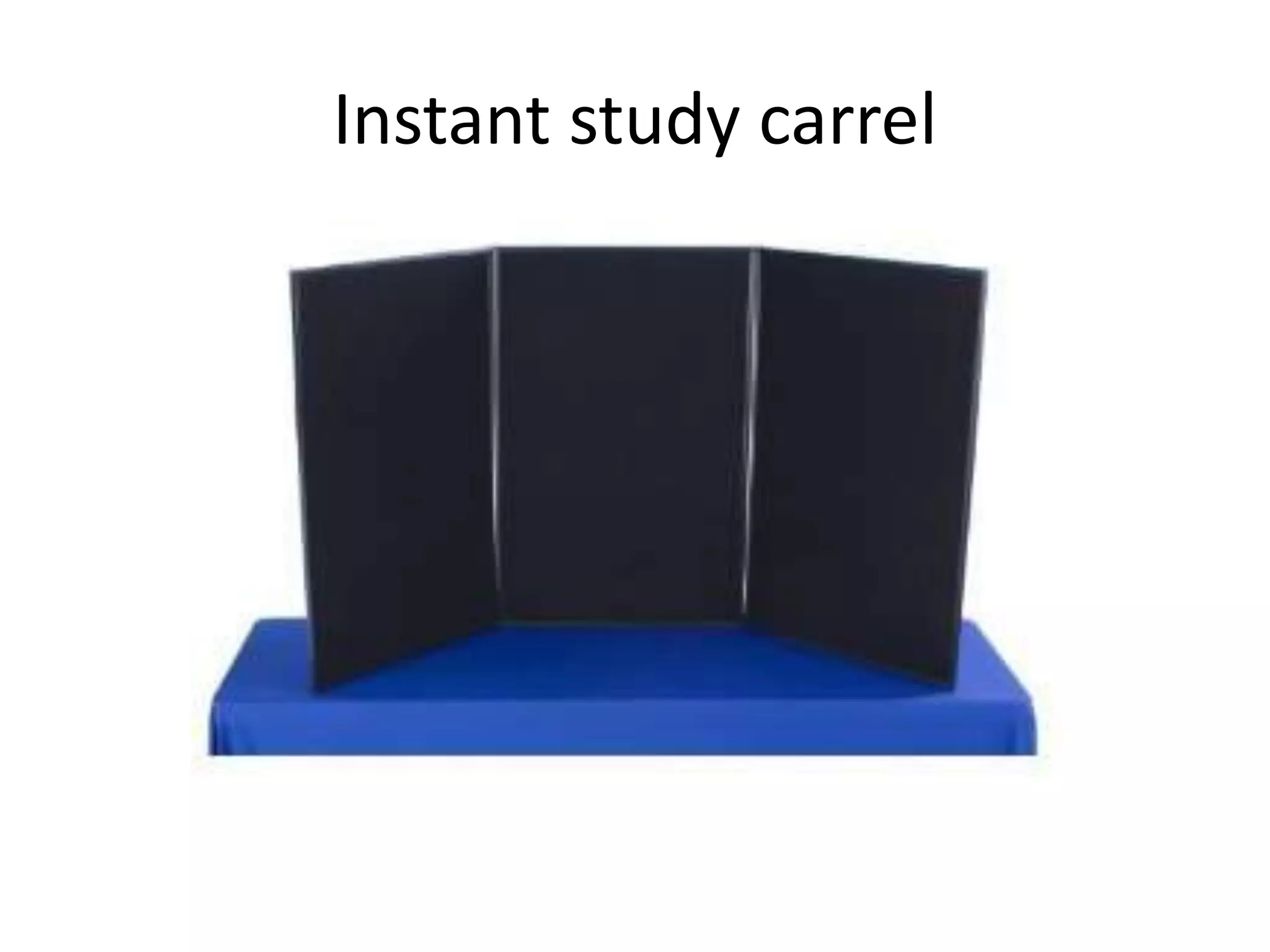
Instant study carrel
Meta-cognition
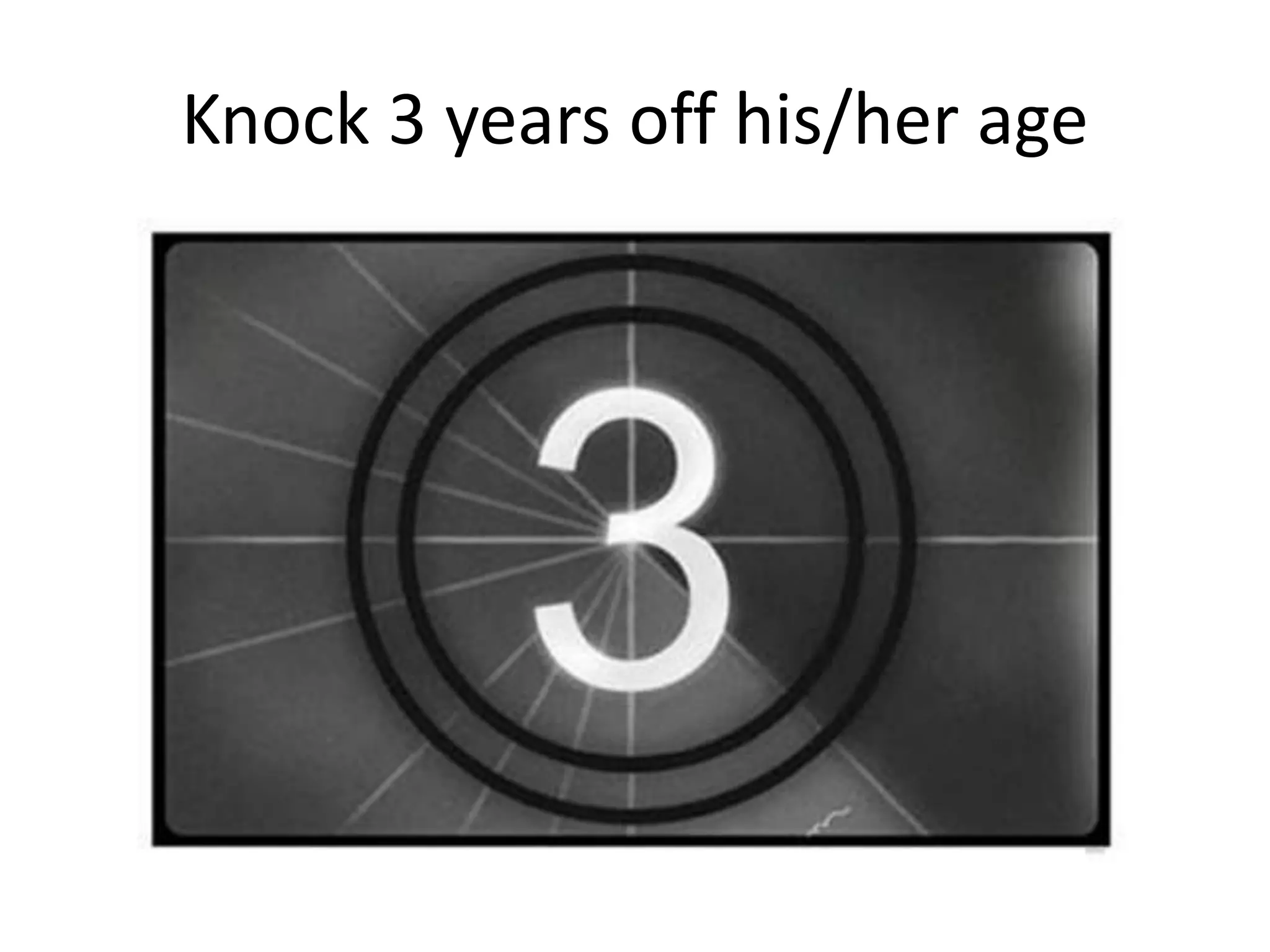
Knock 3 years off his/her age
Managing homework
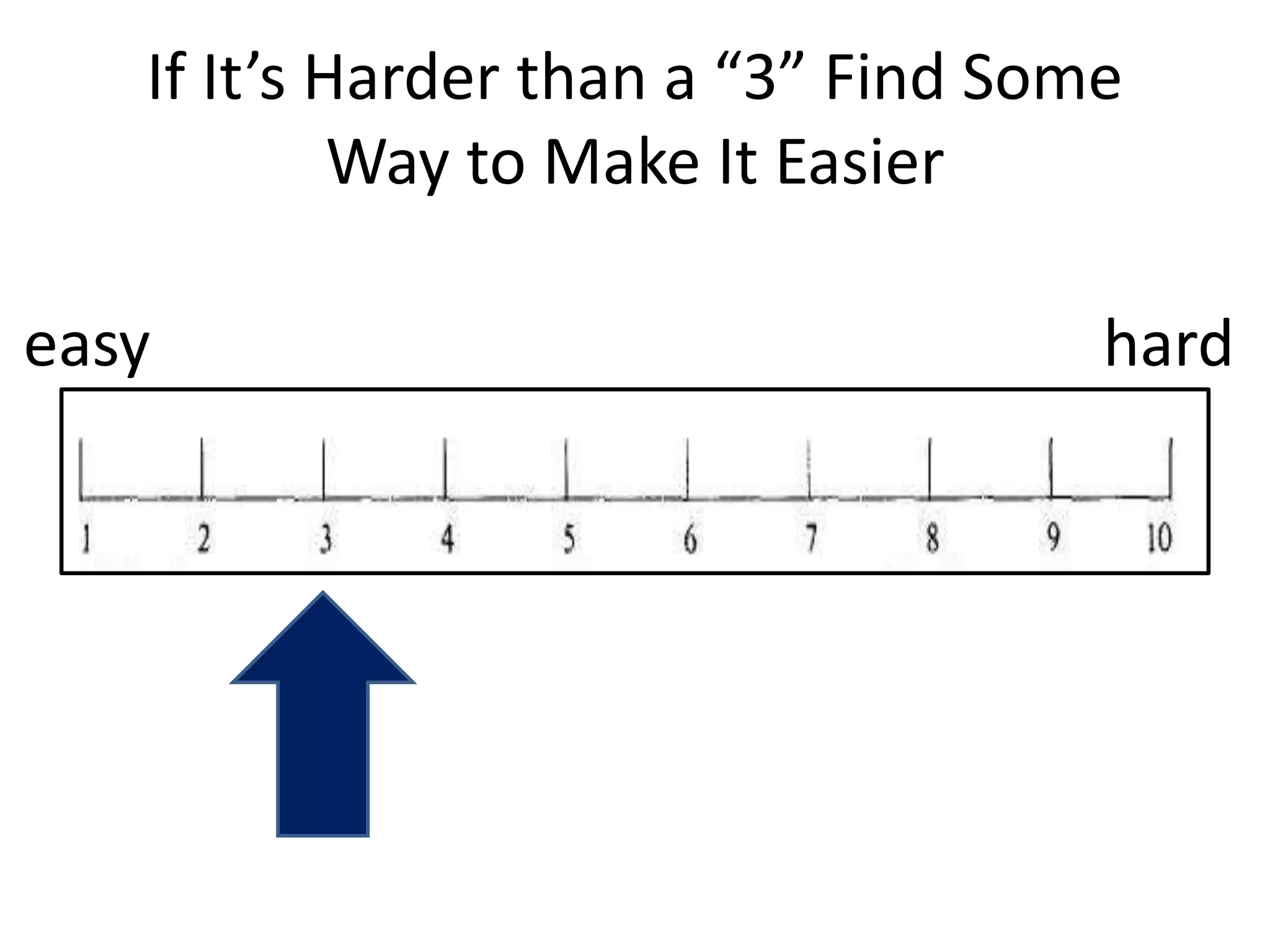
If It’s Harder than a “3” Find Some 
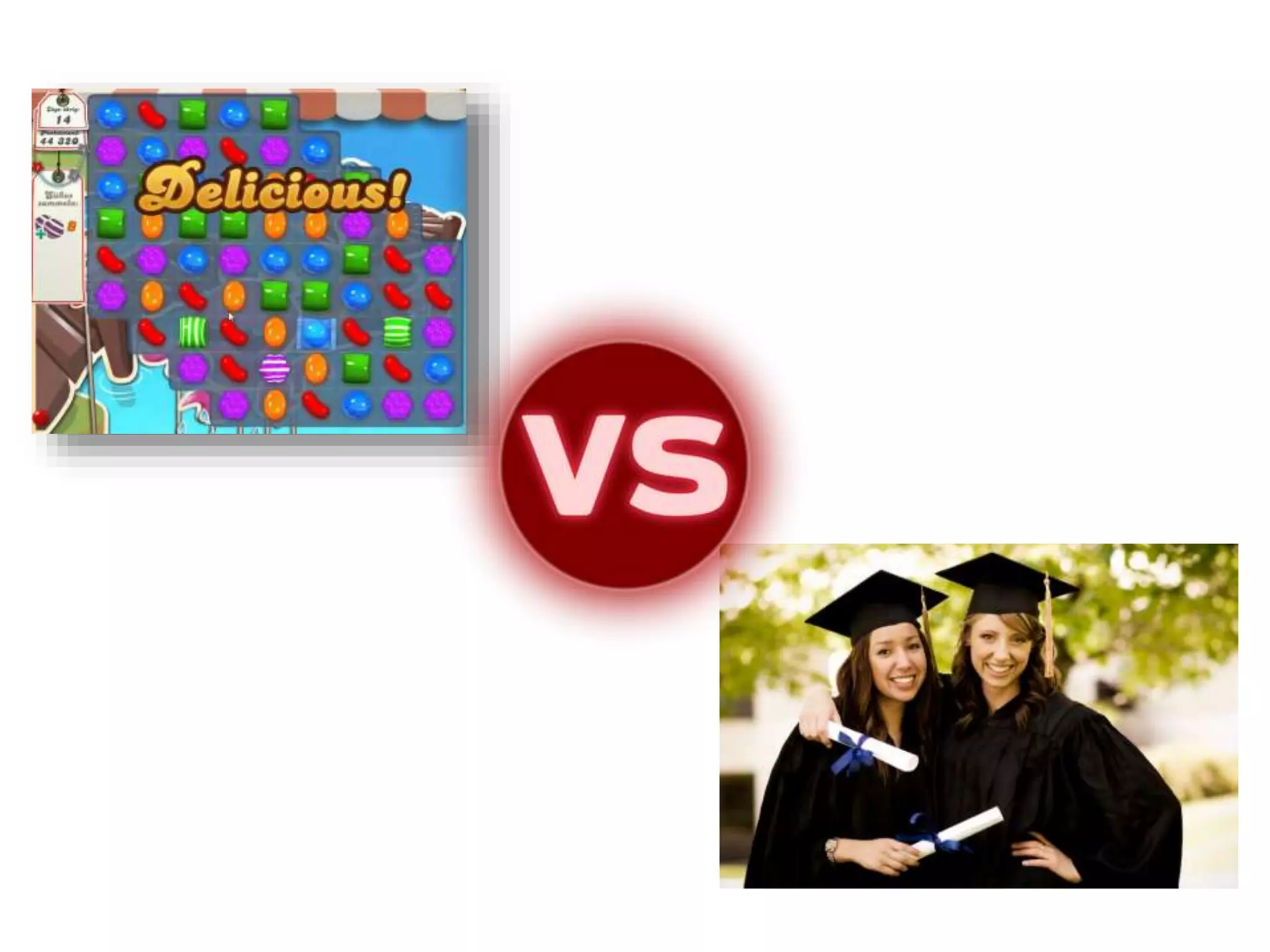
Way to Make It Easier 
easy hard
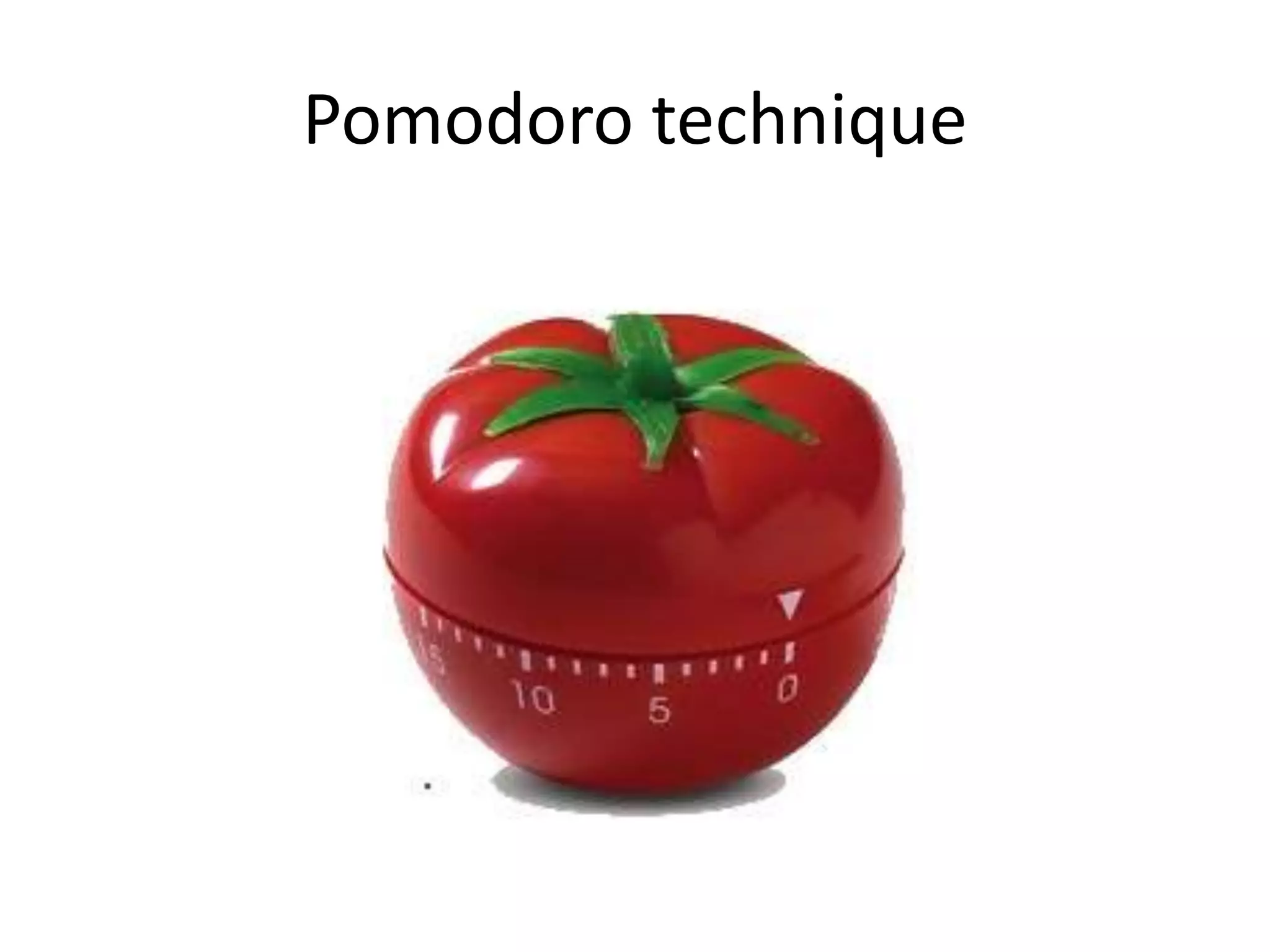
Pomodoro technique
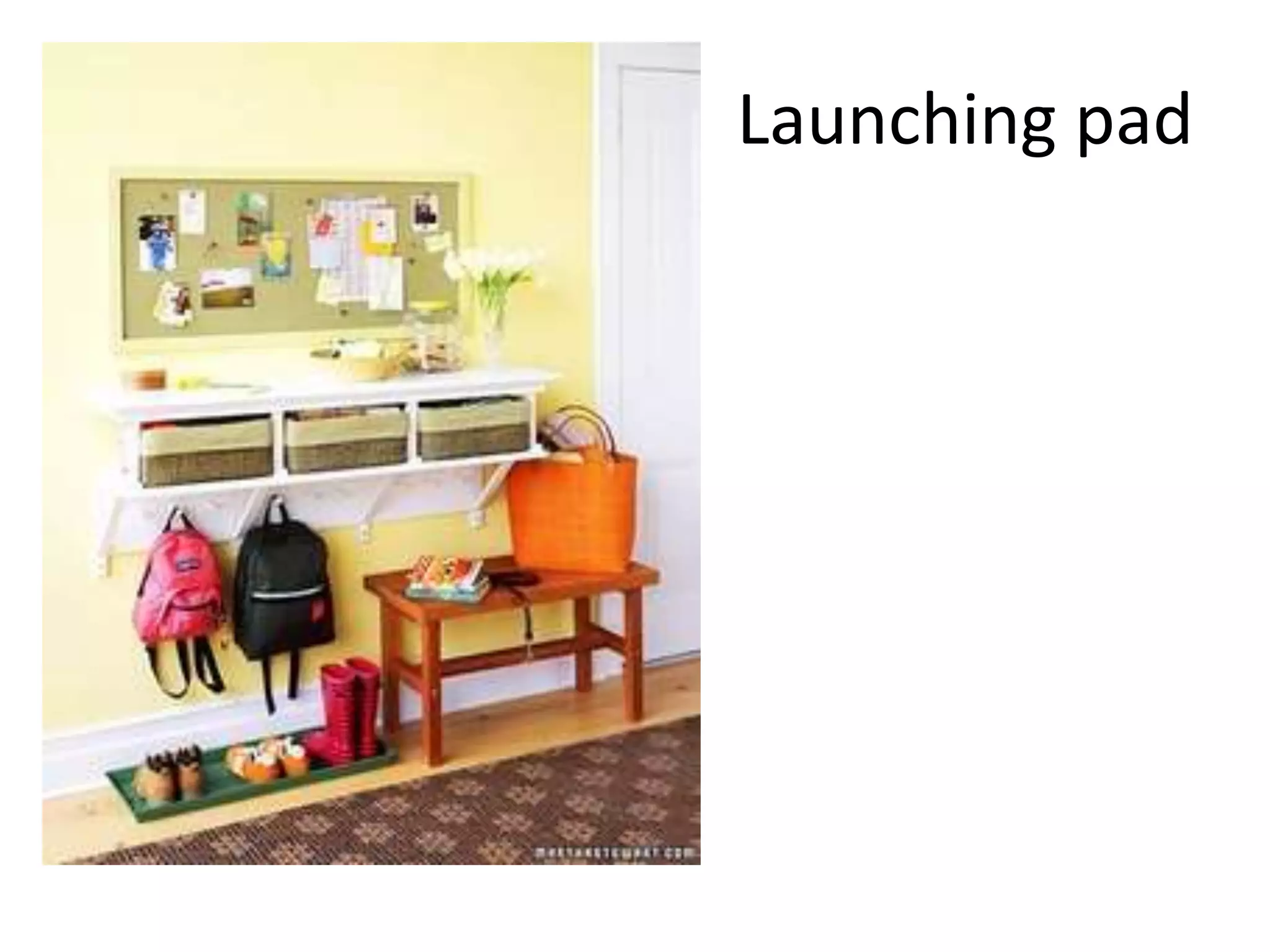
Launching pad
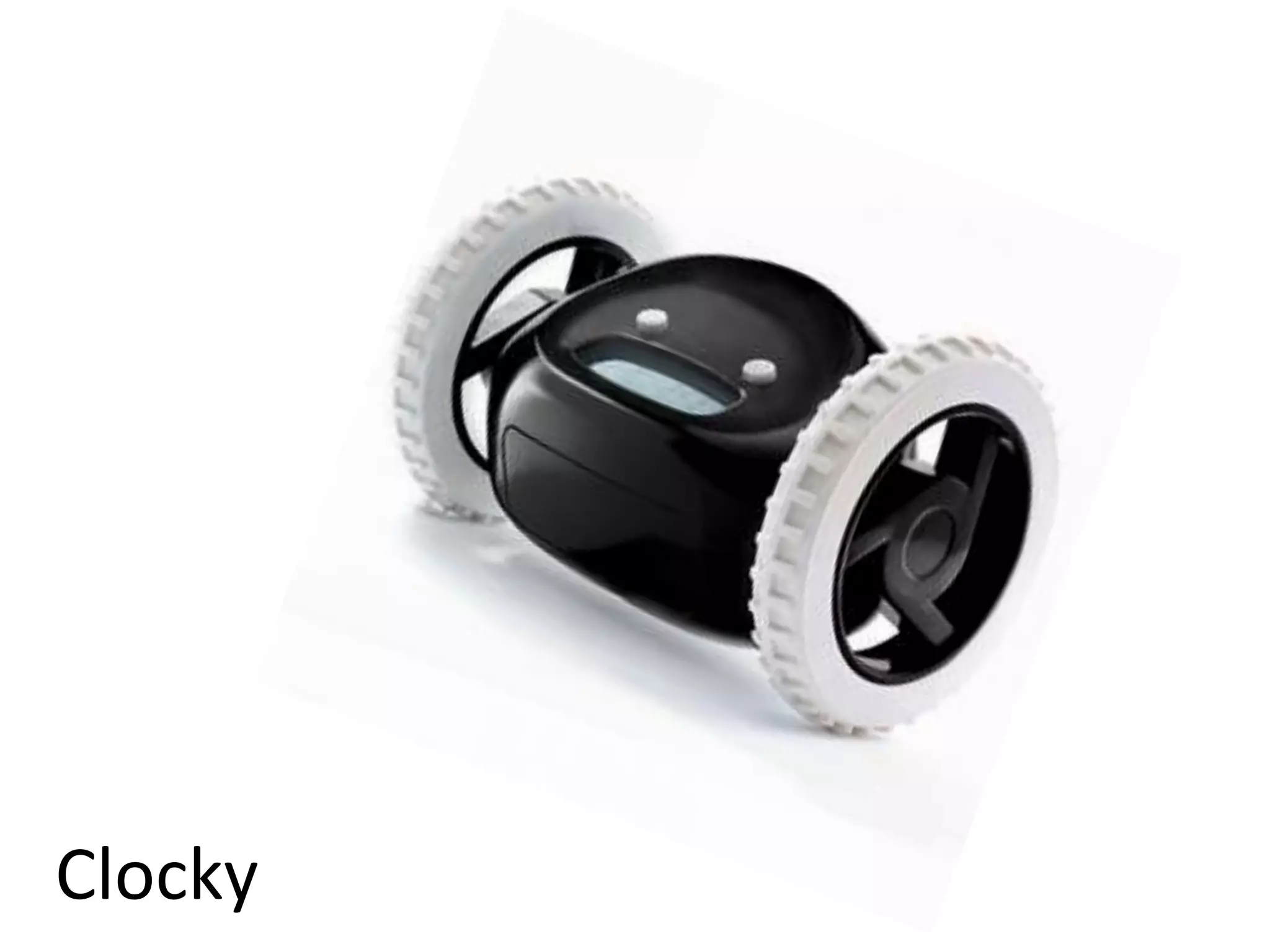
Don’t do something for your ADHD 
teenager which could be performed by 
a device or an app
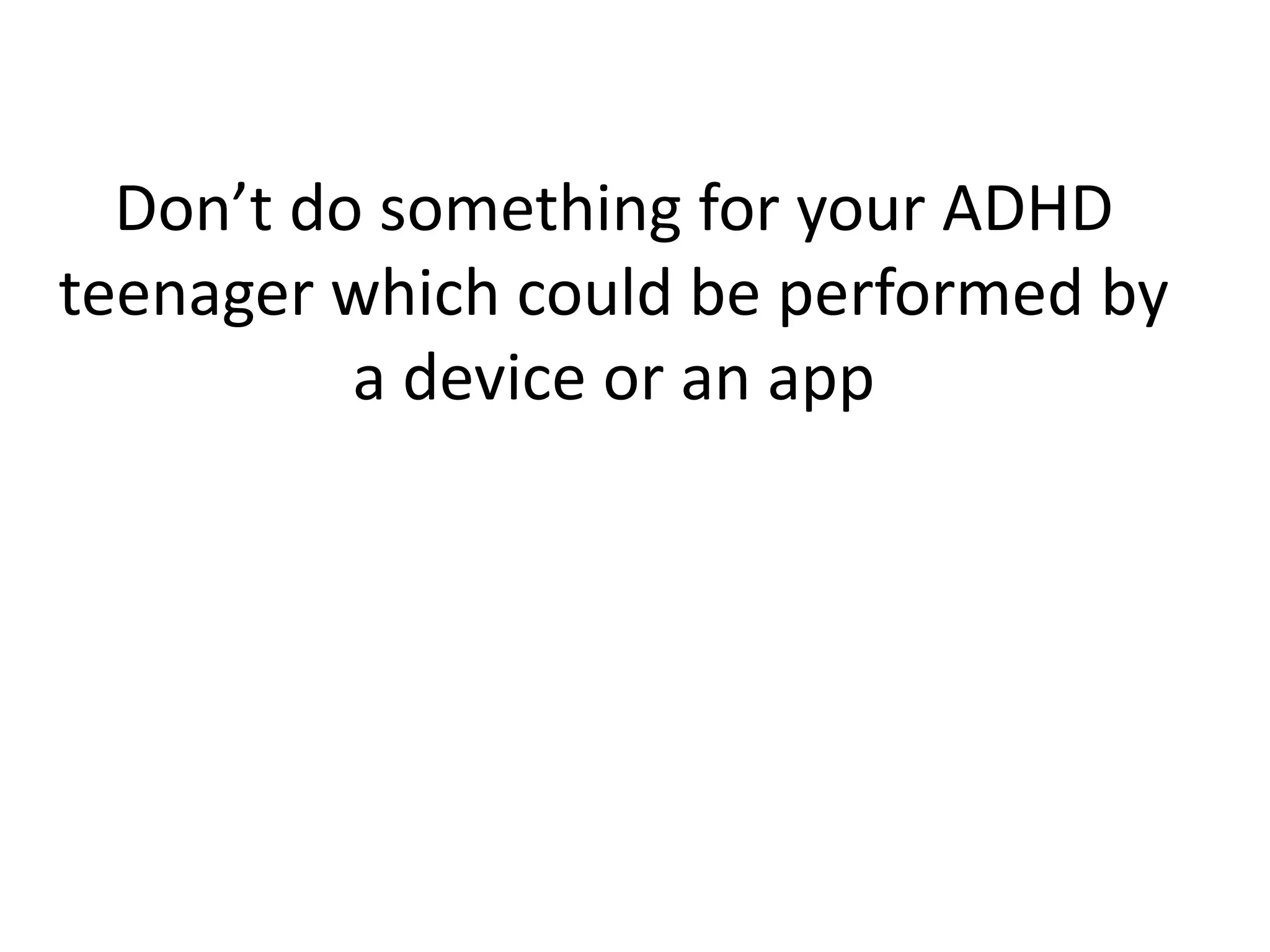
Shower coach
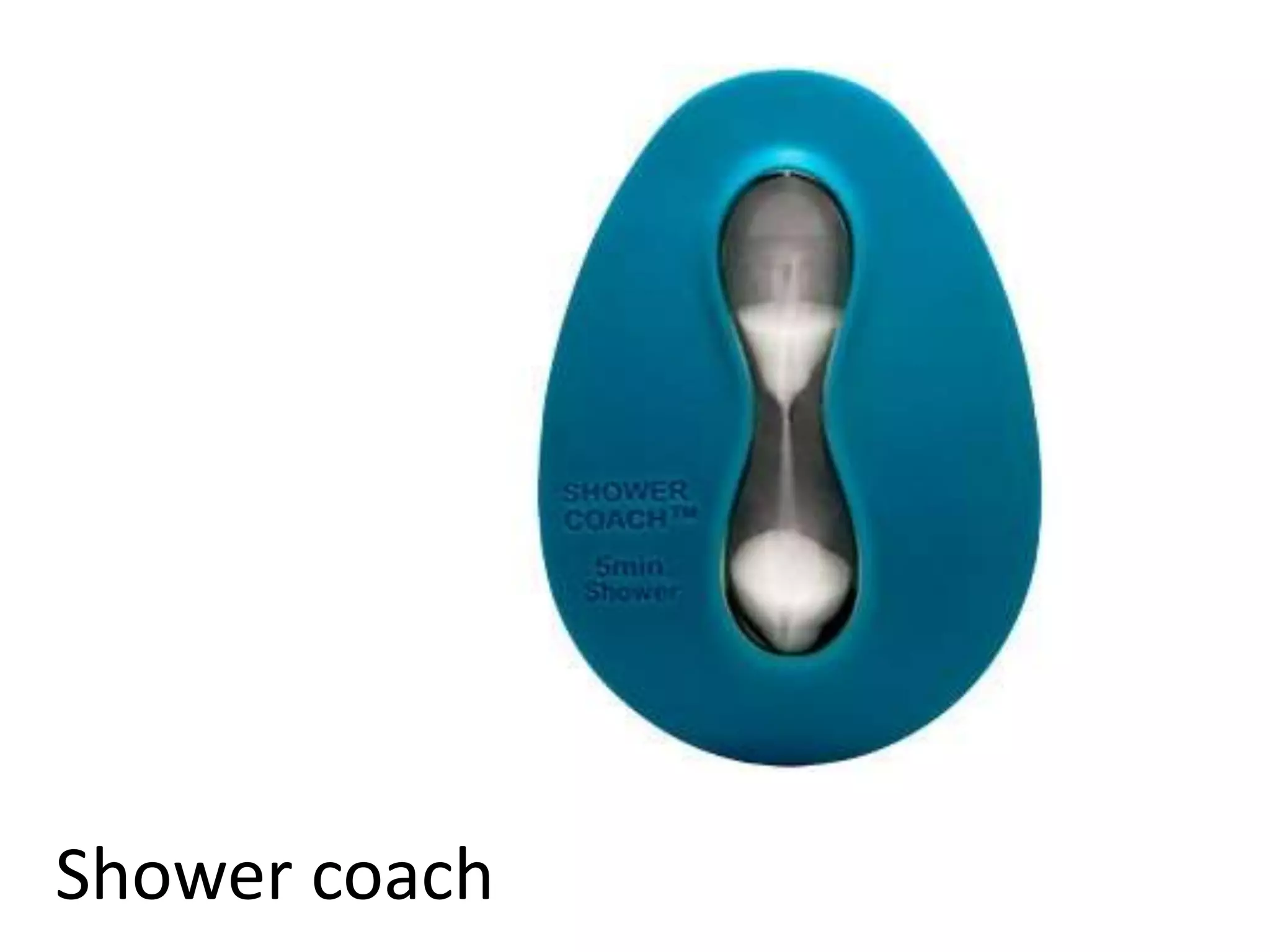
Walk me up
Clocky
Medications for ADHD
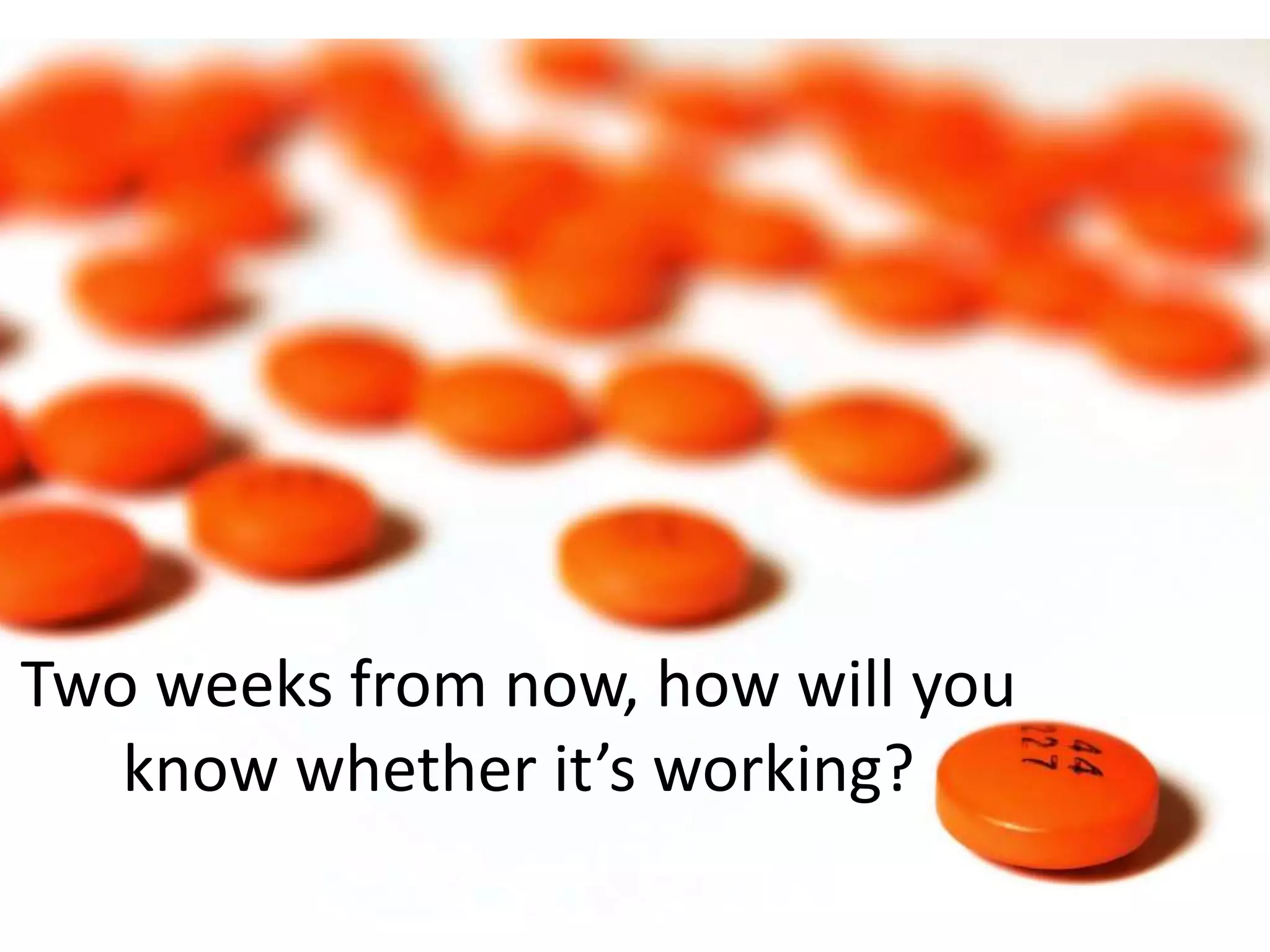
Two weeks from now, how will you 
know whether it’s working?
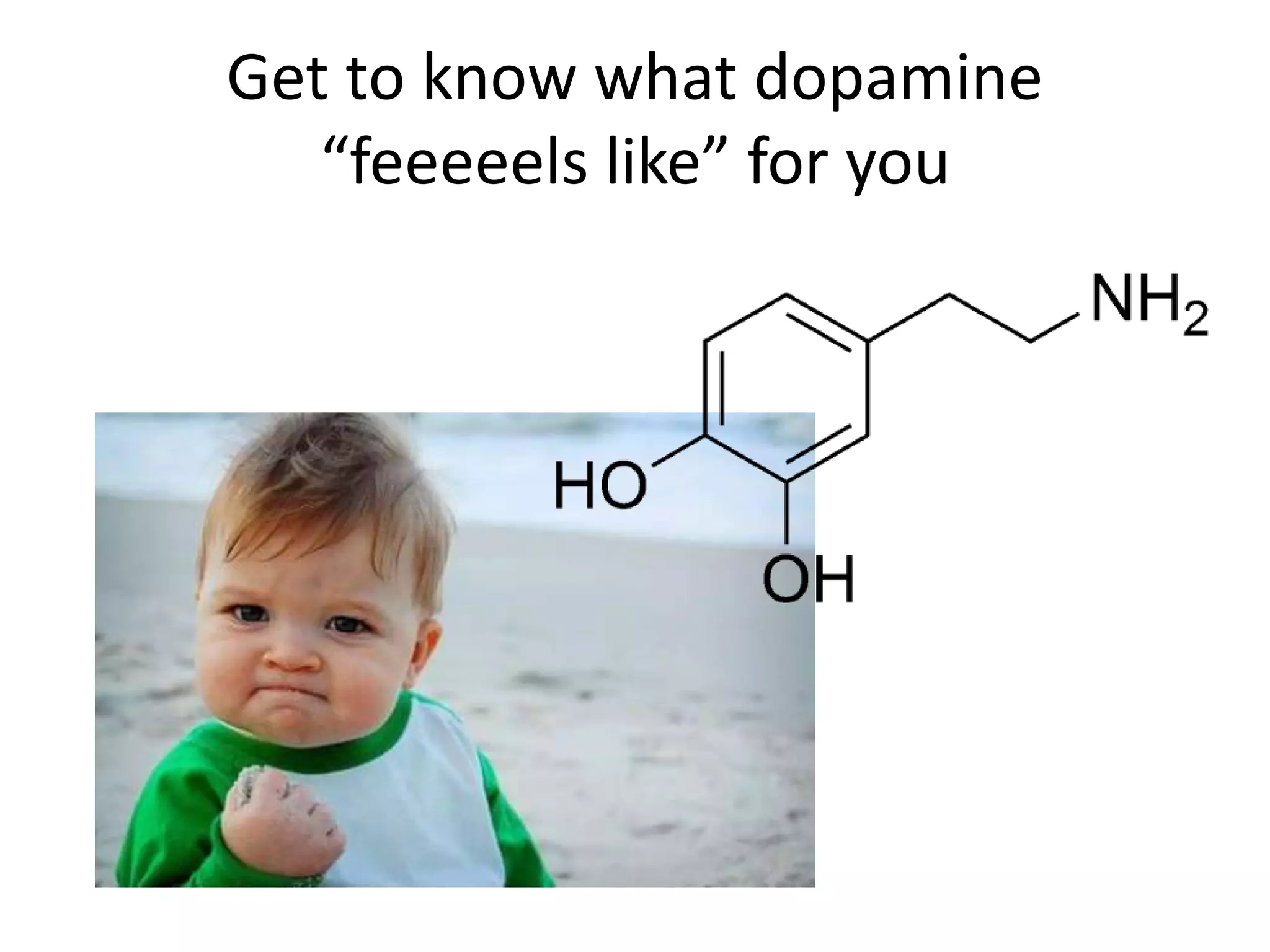
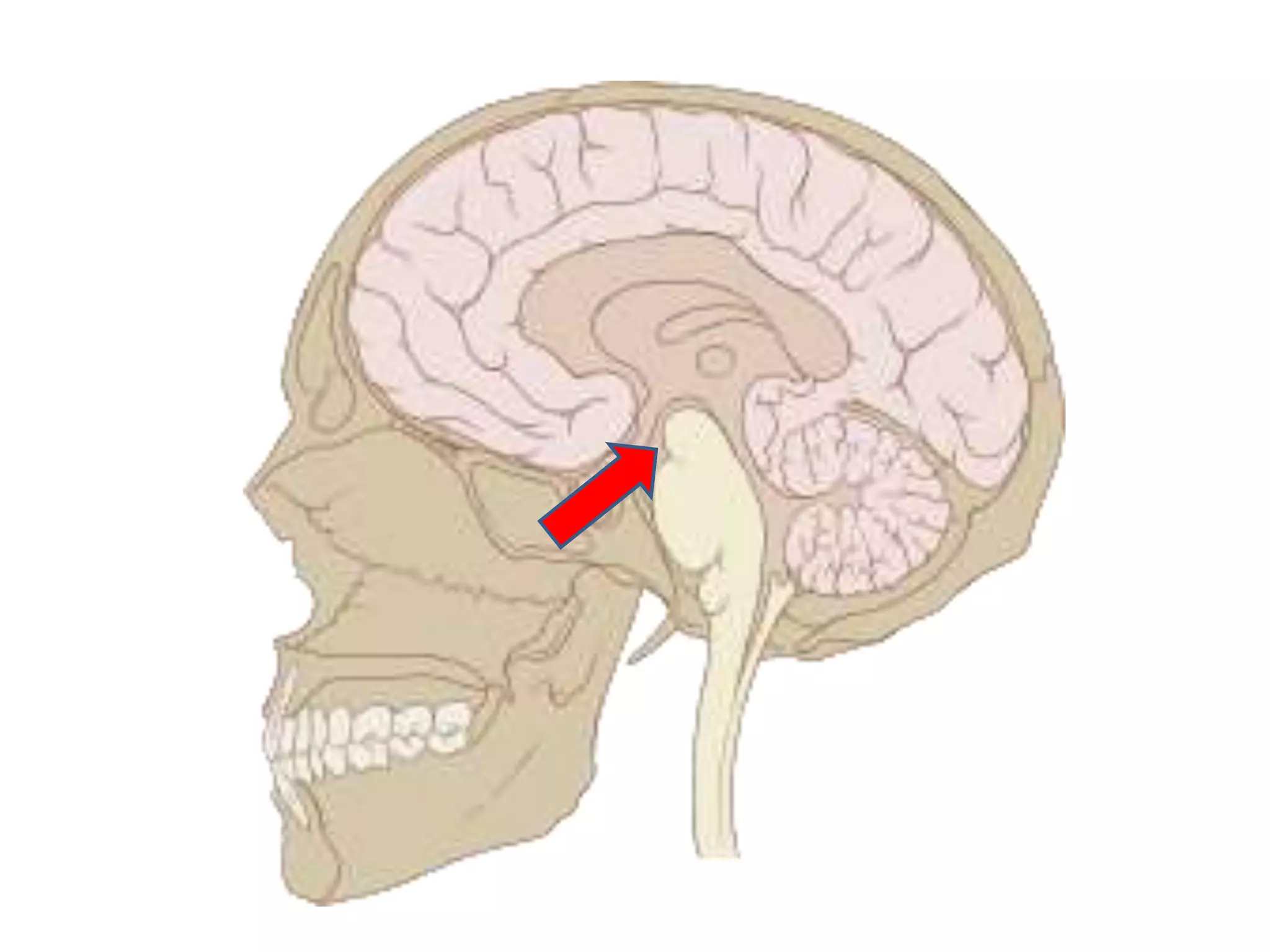
Get to know what dopamine 
“feeeeels like” for you
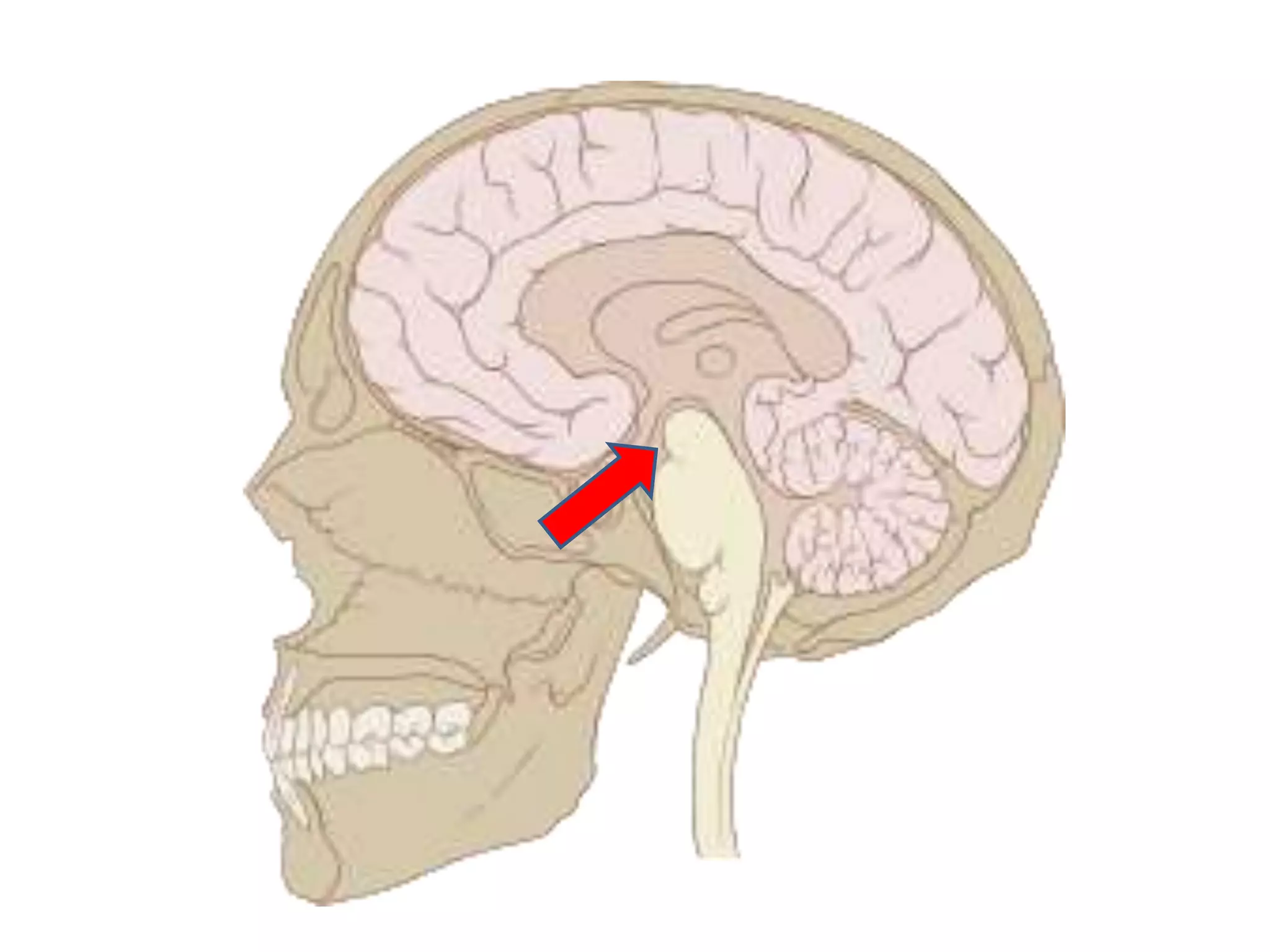
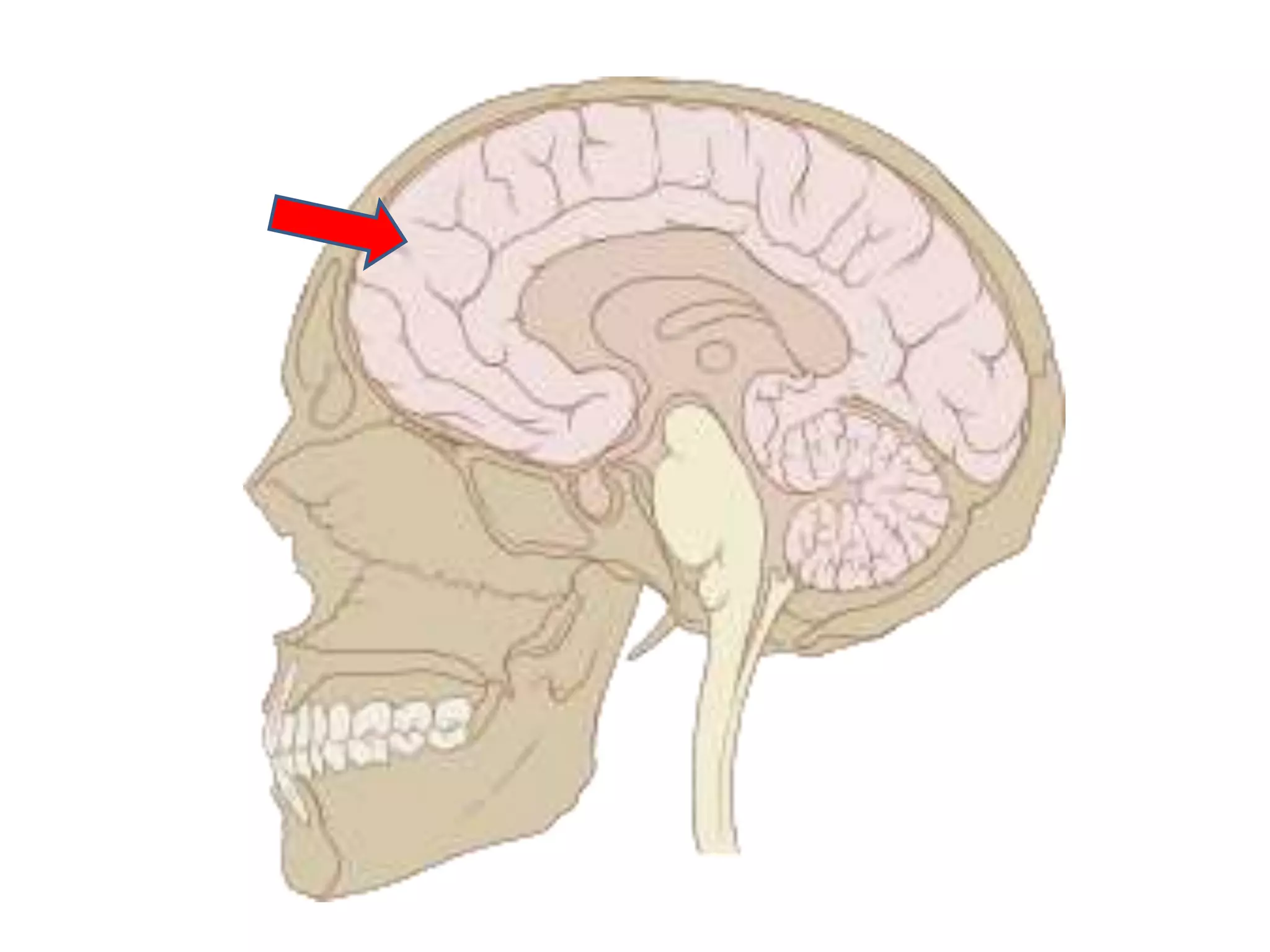
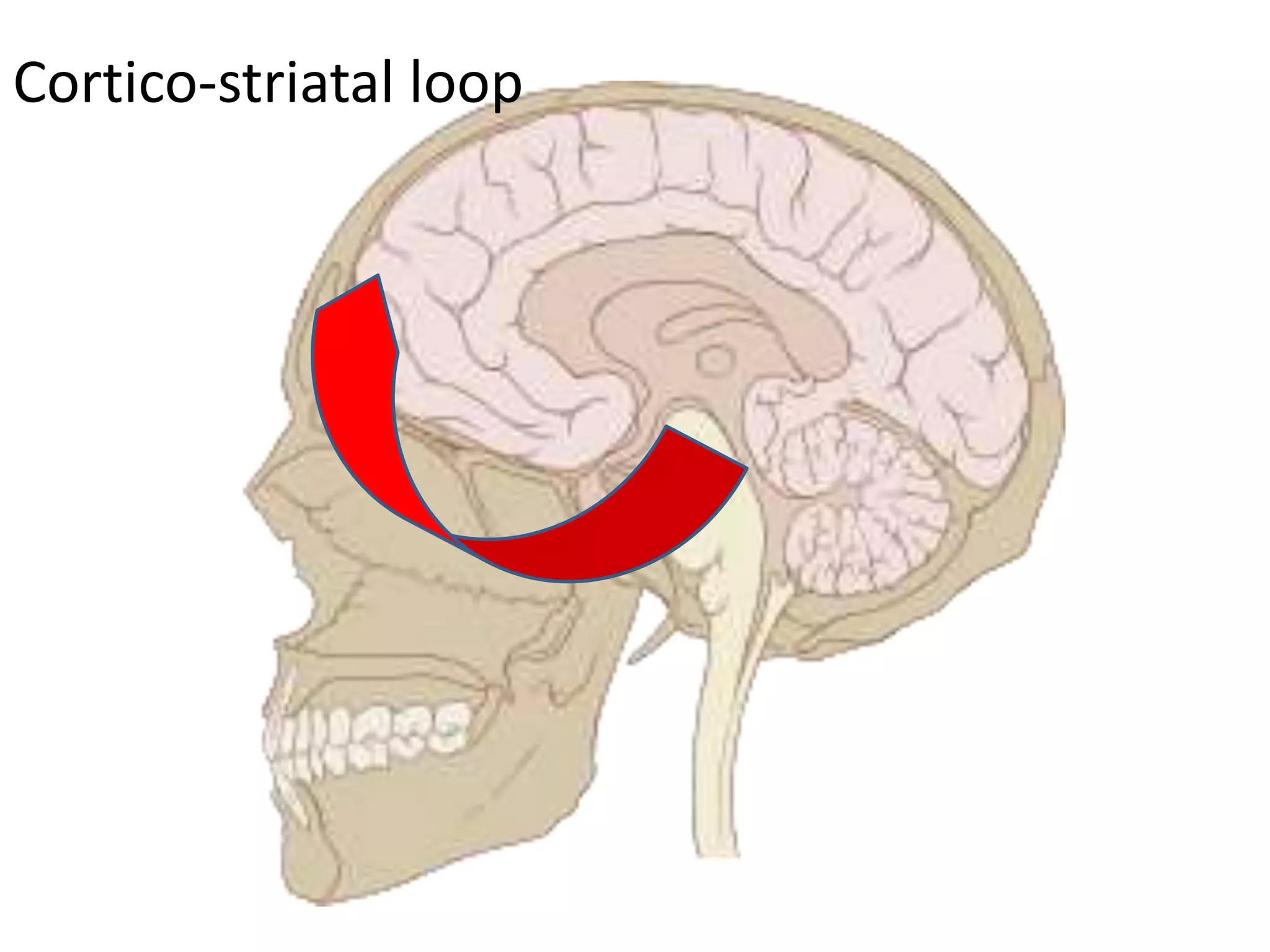
Cortico-striatal loop
Q&A&D
Let’s stay in touch! 
 Join my e-newsletter list: 
 Sign up on my web site or Facebook page 
 Text to join: text DNSEMINARS to 22828 
On the web: www.DrNowell.com 
@davidnowell David Nowell Seminars

Presentation to parents at Grafton Public Library

Editor's Notes

  • #13 CUTTING PLAY DOH WITH SCISSORS
  • #22 Getting to the gym – esp after full day’s work – is harder than a 3 / 10.
  • #31 Neuroanatomy Neurotransmitters Phenomenology of dopamine and serotonin
  • #37 Emory University neuroscientists James Rilling and Gregory Berns. They found that the act of helping another person triggers activity in the caudate nucleus and anterior cingulate cortex regions of the brain, the parts involved in pleasure and reward. Ss instructed to plan 5 acts of kindness during week. Lyubomirsky, S., Sheldon, K. M., & Schkade, D. (2005). Pursuing happiness: The architecture of sustainable change. Review of General Psychology, 9, 111-131.
  • #38 Generally, humans prefer large to small, immediate to delayed, and guaranteed to uncertain rewards. However, as the delay preceding delivery of a larger reward increases, or the likelihood of receiving a larger reward decreases, the reward’s subjective value decreases. This decline results in a tendency to choose small immediate/certain rewards instead of larger delayed/uncertain rewards. Declines in subjective value attributable to the time of reward delivery are termed delay discounting. Declines that relate to the reward’s uncertainty are termed probability discounting. Pers Individ Dif. 2007 November; 43(7): 1886–1897. doi:  10.1016/j.paid.2007.06.016 PMCID: PMC2083651 NIHMSID: NIHMS33372 Adolescents’ performance on delay and probability discounting tasks: contributions of age, intelligence, executive functioning, and self-reported externalizing behavior Elizabeth A. Olson,* Catalina J. Hooper, Paul Collins, and Monica Luciana
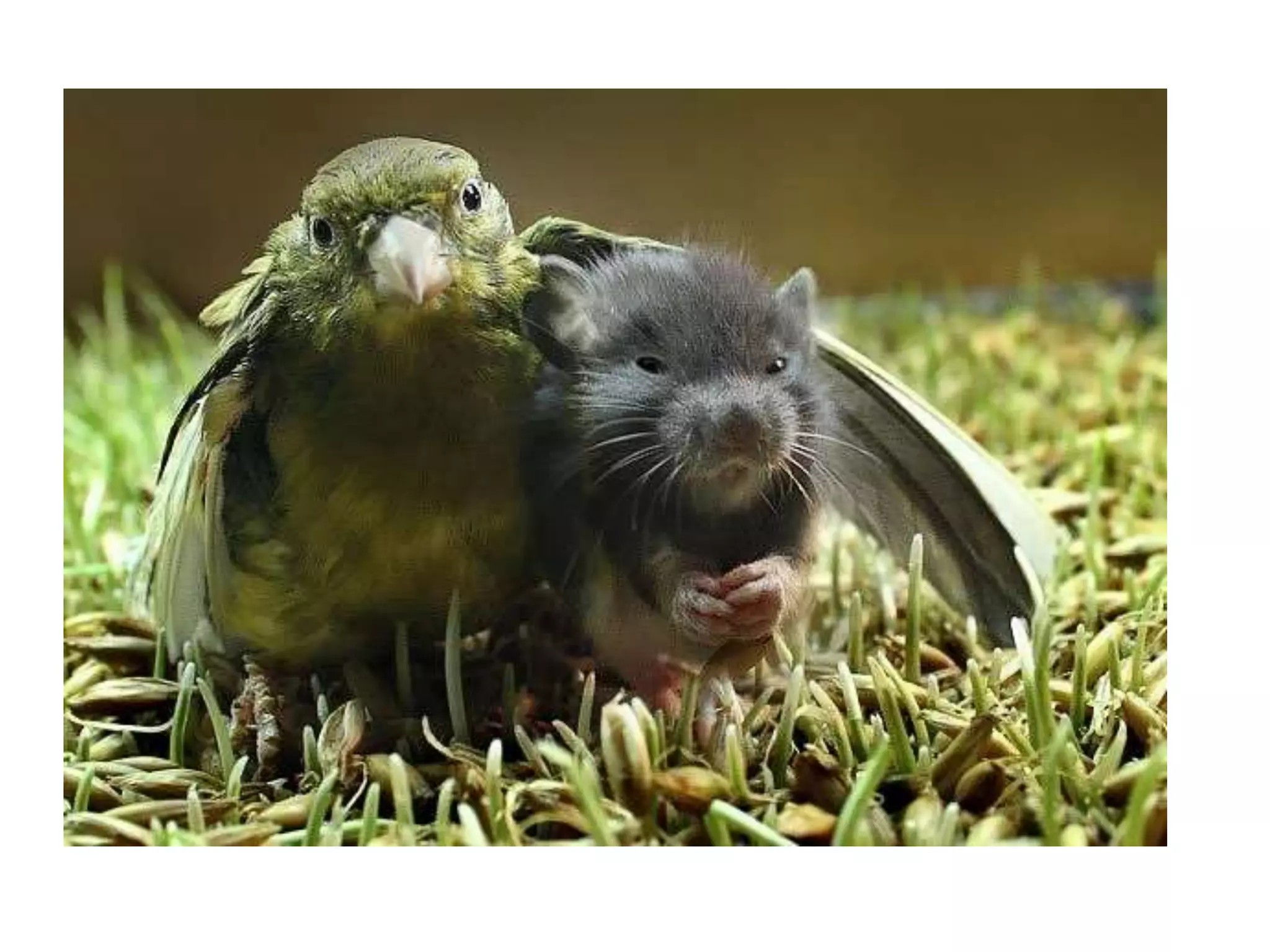
  • #39 Generally, humans prefer large to small, immediate to delayed, and guaranteed to uncertain rewards. However, as the delay preceding delivery of a larger reward increases, or the likelihood of receiving a larger reward decreases, the reward’s subjective value decreases. This decline results in a tendency to choose small immediate/certain rewards instead of larger delayed/uncertain rewards. Declines in subjective value attributable to the time of reward delivery are termed delay discounting. Declines that relate to the reward’s uncertainty are termed probability discounting. Pers Individ Dif. 2007 November; 43(7): 1886–1897. doi:  10.1016/j.paid.2007.06.016 PMCID: PMC2083651 NIHMSID: NIHMS33372 Adolescents’ performance on delay and probability discounting tasks: contributions of age, intelligence, executive functioning, and self-reported externalizing behavior Elizabeth A. Olson,* Catalina J. Hooper, Paul Collins, and Monica Luciana
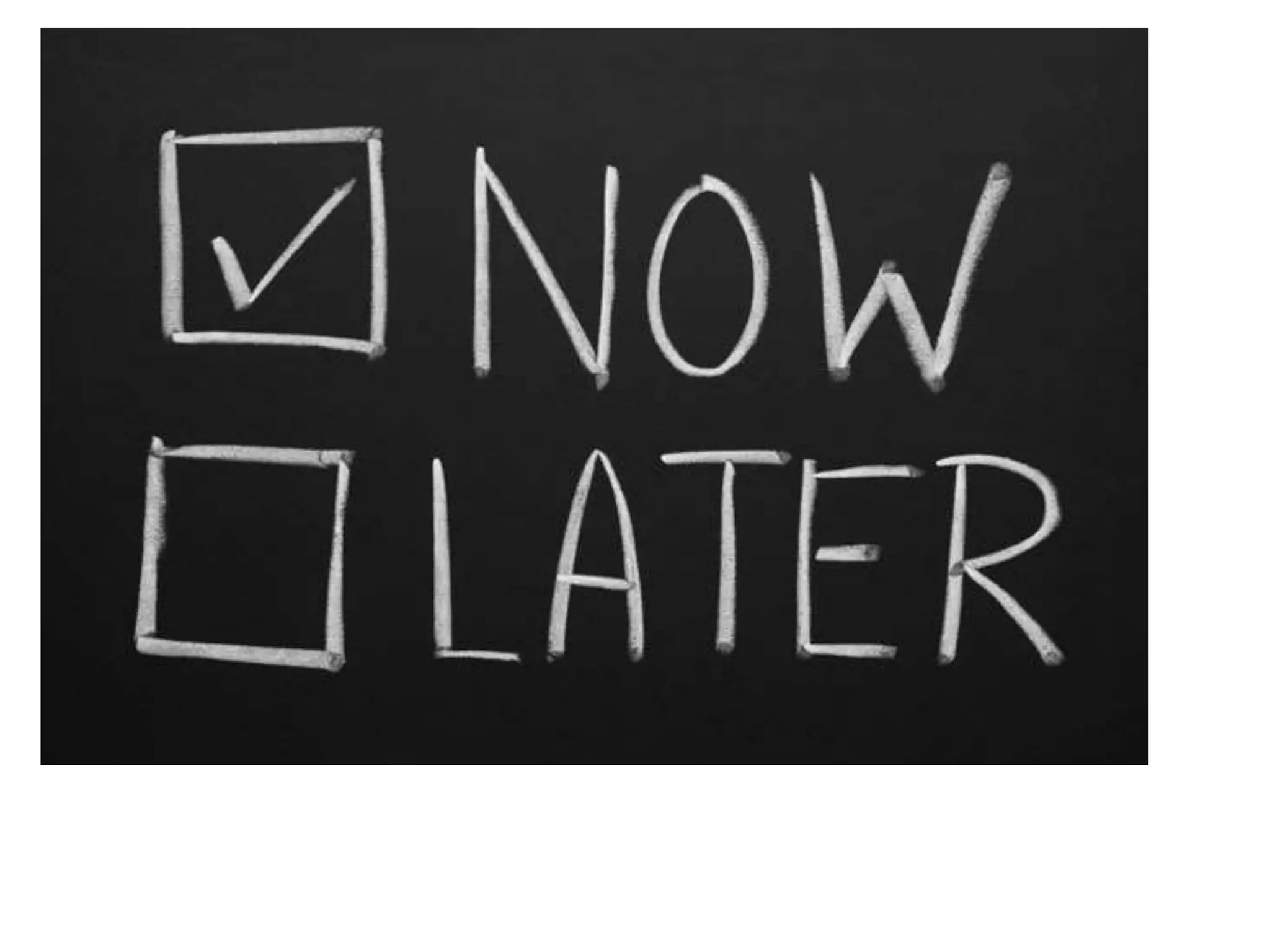
  • #40 Generally, humans prefer large to small, immediate to delayed, and guaranteed to uncertain rewards. However, as the delay preceding delivery of a larger reward increases, or the likelihood of receiving a larger reward decreases, the reward’s subjective value decreases. This decline results in a tendency to choose small immediate/certain rewards instead of larger delayed/uncertain rewards. Declines in subjective value attributable to the time of reward delivery are termed delay discounting. Declines that relate to the reward’s uncertainty are termed probability discounting. Pers Individ Dif. 2007 November; 43(7): 1886–1897. doi:  10.1016/j.paid.2007.06.016 PMCID: PMC2083651 NIHMSID: NIHMS33372 Adolescents’ performance on delay and probability discounting tasks: contributions of age, intelligence, executive functioning, and self-reported externalizing behavior Elizabeth A. Olson,* Catalina J. Hooper, Paul Collins, and Monica Luciana
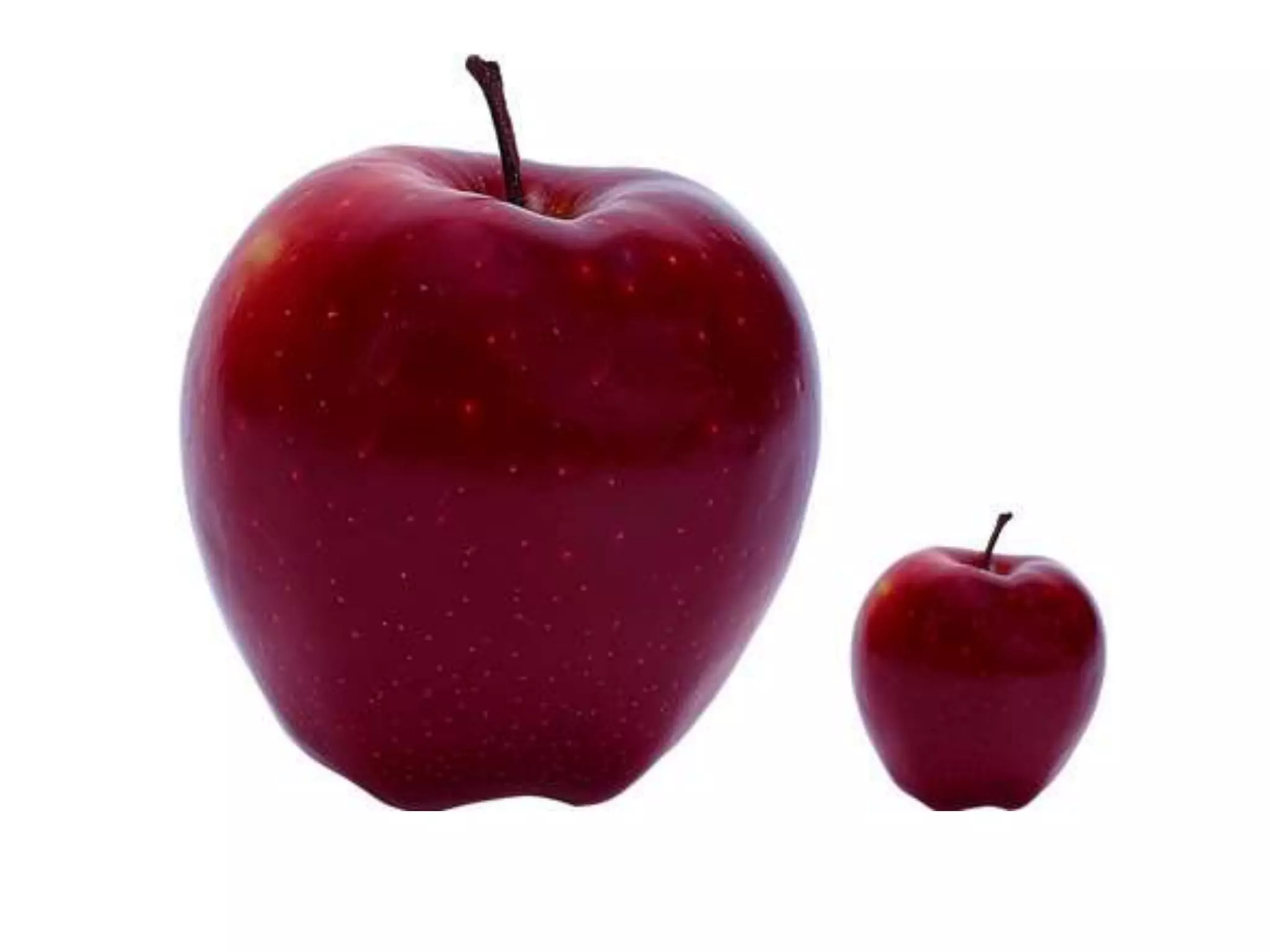
  • #42 Neuroanatomy Neurotransmitters Phenomenology of dopamine and serotonin
  • #43 Neuroanatomy Neurotransmitters Phenomenology of dopamine and serotonin
  • #44 Neuroanatomy Neurotransmitters Phenomenology of dopamine and serotonin
  • #49 MYSTERY BOX HAVE ST / VP PUT NAMES OF ATTENDEES IN HAT APPENDIX A p. a2: TO DO