




Personality Disorders in the 
Disability Review Process 
David D. Nowell, Ph.D.
Overview 
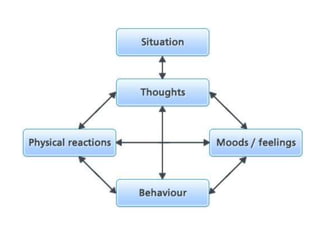
• Domains of dysfunction 
• Causes of personality disorder (PD) 
• Treatment considerations 
• Diagnosis of PD 
• “Clusters” 
• Alternative DSM-5 model of PD 
• What we look for (and avoid) in the chart review 
• Following our regulations around PD 
• Q & A & D
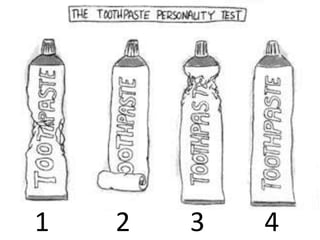
1 2 3 4
“Personality” 
Enduring pattern of thinking, feeling, and 
behaving
Major domains of dysfunction 
1. Distorted thinking patterns 
2. Problematic emotional responses 
3. Over- or under-regulated impulse control 
4. Interpersonal difficulties
Examples of distorted thinking 
• extreme black-or-white thinking patterns 
• patterns of idealizing then devaluing other 
people or themselves 
• patterns of distrustful, suspicious thoughts 
• patterns that frequently include unusual or 
odd beliefs that are contrary to cultural 
standards 
• patterns of thoughts that include perceptual 
distortions and bodily illusions.
Examples of problematic emotional 
responses 
• Emotional constriction, indifference 
• Fear of being ridiculed 
• Fears of being abandoned 
• Numbness, detachment 
• Intensity, easily overwhelmed
Impulse Control Problems 
• Over-controlled, restricted 
• Impulsive spending, risky sexual behavior 
• Binge eating 
• Regulation of strong affect
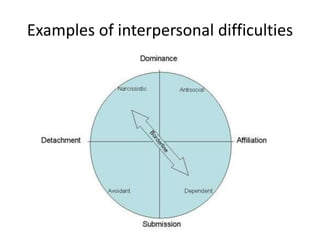
Examples of interpersonal difficulties
Causes of Personality Disorder 
• Biological factors 
• Early experiences
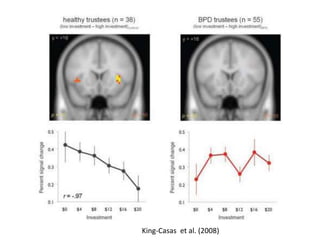
King-Casas et al. (2008)
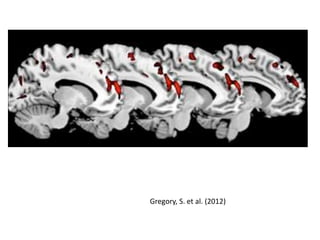
Gregory, S. et al. (2012)
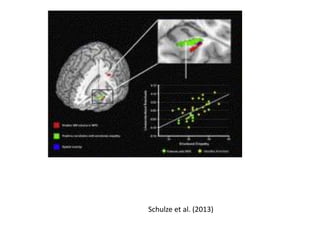
Schulze et al. (2013)
Disorders that contribute to impaired insight 
• Drug and alcohol 
dependence 
• Mania 
• Psychosis 
• Personality 
disorders 
• Delirium 
• Dementia 
• ADHD 
• Conversion disorder
Treatment 
• Pharmacotherapy 
• Psychotherapeutic approaches
Pharmacotherapy 
1) Manage co-occurring disorders 
2) Reduce discomfort until they can make lasting 
changes 
3) Promote a more rapid experience of recovery, 
which may increase motivation for other 
treatment 
4) Increase ability to attend therapy and 
participate in a meaningful way 
5) Manage symptoms which might interfere with 
the ability to learn and practice new skills
Treatment considerations 
• How optimistic can we be? 
• Why don’t they just stop it? 
• What is the presenting complaint?
Diagnosis of personality disorder 
A. Enduring pattern of experience and behavior 
manifested in cognition or affectivity or 
interpersonal functioning or impulse control 
B. Pervasive pattern 
C. Clinically significant distress or impairment 
D. Long duration, onset in adolescence or early 
adulthood 
E. Not better accounted for by another disorder 
F. Not attributable to effects of a substance or a 
medical condition
Cluster A 
• Paranoid 
• Schizoid 
• Schizotypal
Cluster B 
• Antisocial 
• Borderline 
• Histrionic 
• Narcissistic
Cluster C 
• Avoidant 
• Dependent 
• Obsessive-compulsive Personality Disorder
Diagnosis of personality disorder 
• Looking for the “footprints in the butter” 
– Work history 
– Relationship history 
• Mental status exam 
• Clinicians’ response to the claimant 
• Treatment team interactions (splitting) 
• Our response to the chart
Diagnosis of personality disorder 
• Features of the history vs presentation in the 
diagnostic interview 
– Countertransference?
Alternative DSM-5 Model for 
Personality Disorders 
General Criteria for Personality Disorder 
• Impairment in personality (self/interpersonal) functioning. 
• One or more pathological personality traits. 
• Inflexible and pervasive across a broad range of personal 
and social situations. 
• Stable across time, with onsets that can be traced back to 
at least adolescence or early adulthood. 
• Not better explained by another mental disorder. 
• Not solely attributable to the physiological effects of a 
substance or another medical condition. 
• Not understood as normal for an individual’s 
developmental stage or sociocultural environment.
Alternative DSM-5 Model for 
Personality Disorders 
General Criteria for Personality Disorder 
• Impairment in personality (self/interpersonal) functioning. 
• One or more pathological personality traits. 
• Inflexible and pervasive across a broad range of personal and social 
situations. 
• Stable across time, with onsets that can be traced back to at least 
adolescence or early adulthood. 
• Not better explained by another mental disorder. 
• Not solely attributable to the physiological effects of a substance or 
another medical condition. 
• Not understood as normal for an individual’s developmental stage 
or sociocultural environment.
Alternative DSM-5 Model for 
Personality Disorders 
Elements of personality functioning 
• Self: 
– 1. Identity: Experience of oneself as unique, with clear boundaries 
between self and others; stability of self-esteem and accuracy of self-appraisal; 
capacity for, and ability to regulate, a range of emotional 
experience. 
– 2. Self-direction: Pursuit of coherent and meaningful short-term and 
life goals; utilization of constructive and prosocial internal standards of 
behavior; ability to self-reflect productively. 
• Interpersonal: 
– 1. Empathy: Comprehension and appreciation of others’ experiences 
and motivations; tolerance of differing perspectives; understanding 
the effects of own behavior on others. 
– 2. Intimacy: Depth and duration of connection with others; desire and 
capacity for closeness; mutuality of regard reflected in interpersonal 
behavior.
Alternative DSM-5 Model for 
Personality Disorders 
General Criteria for Personality Disorder 
• Impairment in personality (self/interpersonal) functioning. 
• One or more pathological personality traits. 
• Inflexible and pervasive across a broad range of personal 
and social situations. 
• Stable across time, with onsets that can be traced back to 
at least adolescence or early adulthood. 
• Not better explained by another mental disorder. 
• Not solely attributable to the physiological effects of a 
substance or another medical condition. 
• Not understood as normal for an individual’s 
developmental stage or sociocultural environment.
Alternative DSM-5 Model for 
Personality Disorders 
Pathological personality trait domains 
• Negative affectivity (vs. stability) 
• Detachment (vs. extroversion) 
• Antagonism (vs. agreeableness) 
• Disinhibition (vs. conscientiousness) 
• Psychoticism (vs. lucidity)
Alternative DSM-5 Model for 
Personality Disorders 
Pathological personality trait domains 
• Negative affectivity (vs. stability) 
• Detachment (vs. extroversion) 
• Antagonism (vs. agreeableness) 
• Disinhibition (vs. conscientiousness) 
• Psychoticism (vs. lucidity)
Alternative DSM-5 Model for 
Personality Disorders 
Pathological personality trait facets 
• Antagonism (vs. agreeableness) 
– Manipulativeness 
– Deceitfulness 
– Grandiosity 
– Attention seeking 
– Callousness 
– Hostility
Alternative DSM-5 Model for 
Personality Disorders 
Specific personality disorders 
1. Antisocial 
2. Avoidant 
3. Borderline 
4. Narcissistic 
5. Obsessive-Compulsive PD 
6. Schizotypal 
7. Personality Disorder – Trait Specified
Alternative DSM-5 Model for 
Personality Disorders 
Let’s look at Borderline PD through this lens…
Elements of personality functioning 
• Self: 
– 1. Identity: 
– 2. Self-direction: 
• Interpersonal: 
– 1. Empathy: 
– 2. Intimacy:
Pathological personality trait domains 
• Negative affectivity (vs. stability) 
• Detachment (vs. extroversion) 
• Antagonism (vs. agreeableness) 
• Disinhibition (vs. conscientiousness) 
• Psychoticism (vs. lucidity)
What we look for in record review 
• Formal diagnosis of personality disorder 
– With description of functional impairment 
• Functional impact of co-occurring conditions 
– PTSD 
– Mood disorders
What we avoid in record review 
• Punitive responses 
• Counter-transference
Following our regulations around PD 
• Document all diagnoses per problem list 
development guidelines 
• Provide full documentation on all applicable 
listings/standards and reference at step IIIA or IIIB 
of worksheet- including L(8) and 12.08 as 
appropriate 
• Assuring that functional impact of PD is 
addressed in psych RFC 
• What if no dx of PD is offered but is suspected?
Q & A & D

Nowell des personality disorders october 2014

  • 1.
    Personality Disorders inthe Disability Review Process David D. Nowell, Ph.D.
  • 2.
    Overview • Domainsof dysfunction • Causes of personality disorder (PD) • Treatment considerations • Diagnosis of PD • “Clusters” • Alternative DSM-5 model of PD • What we look for (and avoid) in the chart review • Following our regulations around PD • Q & A & D
  • 3.
  • 4.
    “Personality” Enduring patternof thinking, feeling, and behaving
  • 6.
    Major domains ofdysfunction 1. Distorted thinking patterns 2. Problematic emotional responses 3. Over- or under-regulated impulse control 4. Interpersonal difficulties
  • 7.
    Examples of distortedthinking • extreme black-or-white thinking patterns • patterns of idealizing then devaluing other people or themselves • patterns of distrustful, suspicious thoughts • patterns that frequently include unusual or odd beliefs that are contrary to cultural standards • patterns of thoughts that include perceptual distortions and bodily illusions.
  • 8.
    Examples of problematicemotional responses • Emotional constriction, indifference • Fear of being ridiculed • Fears of being abandoned • Numbness, detachment • Intensity, easily overwhelmed
  • 10.
    Impulse Control Problems • Over-controlled, restricted • Impulsive spending, risky sexual behavior • Binge eating • Regulation of strong affect
  • 12.
  • 13.
    Causes of PersonalityDisorder • Biological factors • Early experiences
  • 14.
  • 15.
    Gregory, S. etal. (2012)
  • 16.
  • 20.
    Disorders that contributeto impaired insight • Drug and alcohol dependence • Mania • Psychosis • Personality disorders • Delirium • Dementia • ADHD • Conversion disorder
  • 22.
    Treatment • Pharmacotherapy • Psychotherapeutic approaches
  • 23.
    Pharmacotherapy 1) Manageco-occurring disorders 2) Reduce discomfort until they can make lasting changes 3) Promote a more rapid experience of recovery, which may increase motivation for other treatment 4) Increase ability to attend therapy and participate in a meaningful way 5) Manage symptoms which might interfere with the ability to learn and practice new skills
  • 27.
    Treatment considerations •How optimistic can we be? • Why don’t they just stop it? • What is the presenting complaint?
  • 28.
    Diagnosis of personalitydisorder A. Enduring pattern of experience and behavior manifested in cognition or affectivity or interpersonal functioning or impulse control B. Pervasive pattern C. Clinically significant distress or impairment D. Long duration, onset in adolescence or early adulthood E. Not better accounted for by another disorder F. Not attributable to effects of a substance or a medical condition
  • 29.
    Cluster A •Paranoid • Schizoid • Schizotypal
  • 30.
    Cluster B •Antisocial • Borderline • Histrionic • Narcissistic
  • 31.
    Cluster C •Avoidant • Dependent • Obsessive-compulsive Personality Disorder
  • 32.
    Diagnosis of personalitydisorder • Looking for the “footprints in the butter” – Work history – Relationship history • Mental status exam • Clinicians’ response to the claimant • Treatment team interactions (splitting) • Our response to the chart
  • 34.
    Diagnosis of personalitydisorder • Features of the history vs presentation in the diagnostic interview – Countertransference?
  • 35.
    Alternative DSM-5 Modelfor Personality Disorders General Criteria for Personality Disorder • Impairment in personality (self/interpersonal) functioning. • One or more pathological personality traits. • Inflexible and pervasive across a broad range of personal and social situations. • Stable across time, with onsets that can be traced back to at least adolescence or early adulthood. • Not better explained by another mental disorder. • Not solely attributable to the physiological effects of a substance or another medical condition. • Not understood as normal for an individual’s developmental stage or sociocultural environment.
  • 36.
    Alternative DSM-5 Modelfor Personality Disorders General Criteria for Personality Disorder • Impairment in personality (self/interpersonal) functioning. • One or more pathological personality traits. • Inflexible and pervasive across a broad range of personal and social situations. • Stable across time, with onsets that can be traced back to at least adolescence or early adulthood. • Not better explained by another mental disorder. • Not solely attributable to the physiological effects of a substance or another medical condition. • Not understood as normal for an individual’s developmental stage or sociocultural environment.
  • 37.
    Alternative DSM-5 Modelfor Personality Disorders Elements of personality functioning • Self: – 1. Identity: Experience of oneself as unique, with clear boundaries between self and others; stability of self-esteem and accuracy of self-appraisal; capacity for, and ability to regulate, a range of emotional experience. – 2. Self-direction: Pursuit of coherent and meaningful short-term and life goals; utilization of constructive and prosocial internal standards of behavior; ability to self-reflect productively. • Interpersonal: – 1. Empathy: Comprehension and appreciation of others’ experiences and motivations; tolerance of differing perspectives; understanding the effects of own behavior on others. – 2. Intimacy: Depth and duration of connection with others; desire and capacity for closeness; mutuality of regard reflected in interpersonal behavior.
  • 38.
    Alternative DSM-5 Modelfor Personality Disorders General Criteria for Personality Disorder • Impairment in personality (self/interpersonal) functioning. • One or more pathological personality traits. • Inflexible and pervasive across a broad range of personal and social situations. • Stable across time, with onsets that can be traced back to at least adolescence or early adulthood. • Not better explained by another mental disorder. • Not solely attributable to the physiological effects of a substance or another medical condition. • Not understood as normal for an individual’s developmental stage or sociocultural environment.
  • 39.
    Alternative DSM-5 Modelfor Personality Disorders Pathological personality trait domains • Negative affectivity (vs. stability) • Detachment (vs. extroversion) • Antagonism (vs. agreeableness) • Disinhibition (vs. conscientiousness) • Psychoticism (vs. lucidity)
  • 41.
    Alternative DSM-5 Modelfor Personality Disorders Pathological personality trait domains • Negative affectivity (vs. stability) • Detachment (vs. extroversion) • Antagonism (vs. agreeableness) • Disinhibition (vs. conscientiousness) • Psychoticism (vs. lucidity)
  • 42.
    Alternative DSM-5 Modelfor Personality Disorders Pathological personality trait facets • Antagonism (vs. agreeableness) – Manipulativeness – Deceitfulness – Grandiosity – Attention seeking – Callousness – Hostility
  • 43.
    Alternative DSM-5 Modelfor Personality Disorders Specific personality disorders 1. Antisocial 2. Avoidant 3. Borderline 4. Narcissistic 5. Obsessive-Compulsive PD 6. Schizotypal 7. Personality Disorder – Trait Specified
  • 44.
    Alternative DSM-5 Modelfor Personality Disorders Let’s look at Borderline PD through this lens…
  • 45.
    Elements of personalityfunctioning • Self: – 1. Identity: – 2. Self-direction: • Interpersonal: – 1. Empathy: – 2. Intimacy:
  • 46.
    Pathological personality traitdomains • Negative affectivity (vs. stability) • Detachment (vs. extroversion) • Antagonism (vs. agreeableness) • Disinhibition (vs. conscientiousness) • Psychoticism (vs. lucidity)
  • 47.
    What we lookfor in record review • Formal diagnosis of personality disorder – With description of functional impairment • Functional impact of co-occurring conditions – PTSD – Mood disorders
  • 48.
    What we avoidin record review • Punitive responses • Counter-transference
  • 49.
    Following our regulationsaround PD • Document all diagnoses per problem list development guidelines • Provide full documentation on all applicable listings/standards and reference at step IIIA or IIIB of worksheet- including L(8) and 12.08 as appropriate • Assuring that functional impact of PD is addressed in psych RFC • What if no dx of PD is offered but is suspected?
  • 50.
    Q & A& D

Editor's Notes

  • #6 Otto kernberg
  • #15 Left: In healthy participants, brain imaging scans show activity in the bilateral anterior insula in response to the amount of offers in an investment-style game. The graph shows an inverse relationship between insula activity and investment amount—high levels of activity in response to low offers, perceived by this brain region as unfair; decreasing response as the investment offer increases. Right: In participants with borderline personality disorder, activity in the bilateral anterior insula does not have a direct relationship with investment amounts.
  • #16 Areas of reduced gray matter volume in the temporal pole (above) and medial prefrontal cortex (below) and areas of the brains of the psychopathic group of antisocial men (ASPD+P) compared to the non-psychopathic group of antisocial men (ASPD-P).
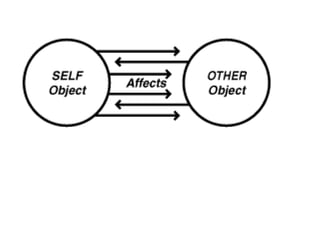
  • #19 Object relations
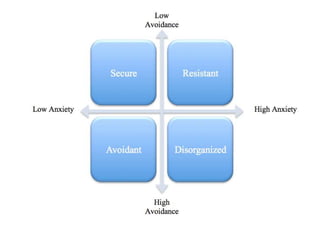
  • #20 Attachment theory
  • #25 CBT
  • #34 Arthur Epstein