














ADHD and the Processing Disorders
               David D. Nowell, Ph.D.

           Worcester, Massachusetts


 DavidNowellSeminars

 DavidNowell
                www.DrNowell.com
ADHD and the Processing
           Disorders
An overview of the day:
  •Making sense of the disorders
  •Skills and strategies for children
  •Skills and strategies for adults
  •Tools you can use now
ADHD and the Processing
         Disorders
•Making sense of the disorders
ADHD and the Processing
           Disorders
Sensory Processing Disorder
Central Auditory Processing Disorder
ADHD and Executive Dysfunction
Perspective of this workshop…..
Diagnostic Interview as “making
         distinctions”
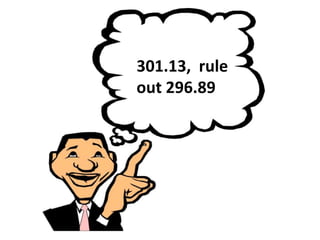
301.13, rule
out 296.89
“Top – down” dysfunction
• ADHD
• Executive dysfunction
“Bottom - up” dysfunction
• Central auditory processing problems
• Sensory processing problems
What’s the kid’s deal?
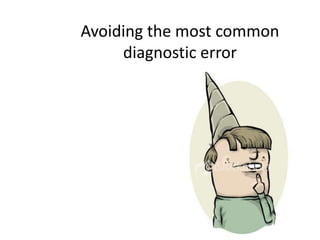
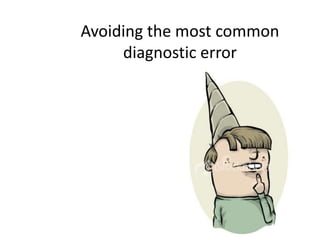
Avoiding the most common
     diagnostic error
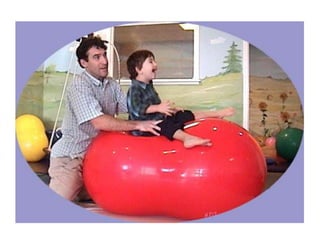
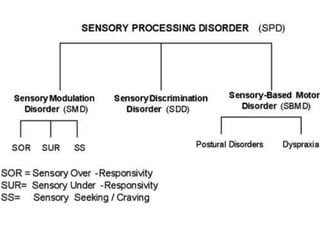
Sensory Processing Disorder
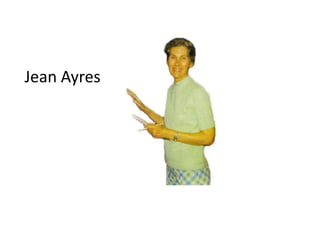
Jean Ayres
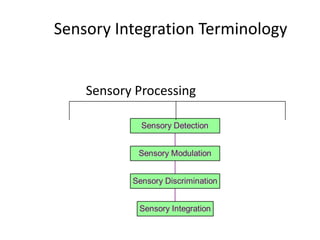
Sensory Integration Terminology


    Sensory Processing

             Sensory Detection


            Sensory Modulation


           Sensory Discrimination


            Sensory Integration
Who doesn’t love a wedding?
Is SPD a “syndrome”?
Is sensory modulation
disorder a unitary
construct?
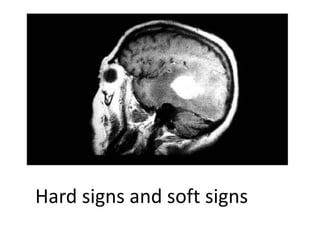
Hard signs and soft signs
Developmental soft signs
Developmental considerations
•   Auditory .
•   Visual
•   Tactile
•   Proprioceptive
•   Vestibular
•   Motor
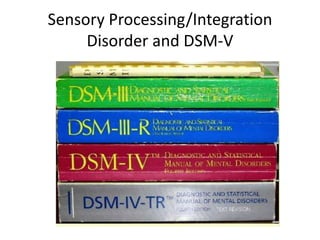
Sensory Processing/Integration
     Disorder and DSM-V
Sensory Processing Disorder
   Scientific Work Group
What’s the kid’s deal?
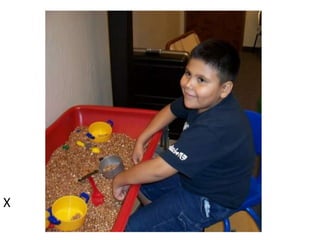
Regulatory-Sensory
          Processing Disorders
• Treatment
  – “top down”
  –“bottom up”
X
Regulatory-Sensory
          Processing Disorders
• Treatment
  –“top down”
  – “bottom up”
Regulatory-Sensory
          Processing Disorders
• Treatment
  –“top down”
  – “bottom up”
Role of the Mental Health Clinician in
                    SPD
•   Primarily “top down”
•   Normalizing
•   Patient and family education
•   Environmental interventions
Role of the Mental Health Clinician in
                    SPD
•   Compensatory strategies
•   Self-esteem
•   Planning for success experiences
•   Treating comorbidities
Strengths and Weaknesses Checklist
   (Sensory Processing Problems)

           Appendix D
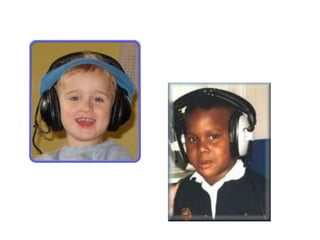
Central Auditory Processing Disorder
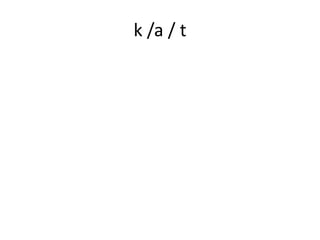
k /a / t
“cat”
Central Auditory Processing Disorder

• Auditory discrimination (same/different)
• Auditory closure (fill in missing bits)
• Auditory localisation (locate source of sound)
• Auditory performance with degraded acoustic
signal
• Auditory figure-ground (perceiving sounds in
background noise)
Central Auditory Processing Disorder
• CAPD refers to a deficit observed in one or
  more of the central auditory processes
  responsible for generating the auditory
  evoked potentials and the following
  behaviors:
  – sound localization and lateralization
  – auditory discrimination
  – auditory pattern recognition
Central Auditory Processing Disorder

- Poor "communicator" (terse, telegraphic).
- Memorizes poorly.
- Hears better when watching the speaker.
- Problems with rapid speech.
- Interprets words too literally.
Central Auditory Processing Disorder
- Often needs remarks repeated.
- Difficulty sounding out words.
- Confuses similar-sounding words.
- Difficulty following directions in a series.
- Speech developed late or unclearly.
(C)APD
• the research challenge of “supramodal
  influences”
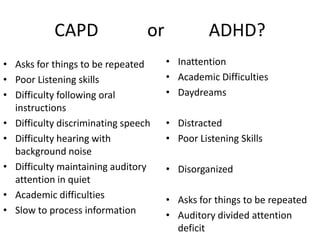
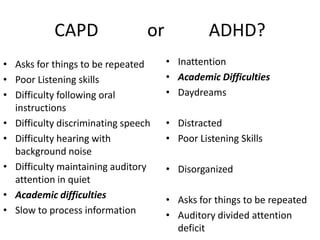
CAPD                  or             ADHD?
• Asks for things to be repeated      • Inattention
• Poor Listening skills               • Academic Difficulties
• Difficulty following oral           • Daydreams
  instructions
• Difficulty discriminating speech    • Distracted
• Difficulty hearing with             • Poor Listening Skills
  background noise
• Difficulty maintaining auditory     • Disorganized
  attention in quiet
• Academic difficulties               • Asks for things to be repeated
• Slow to process information         • Auditory divided attention
                                        deficit
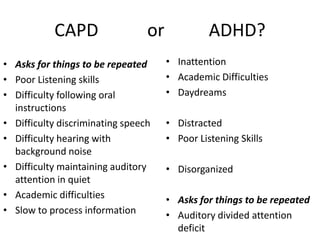
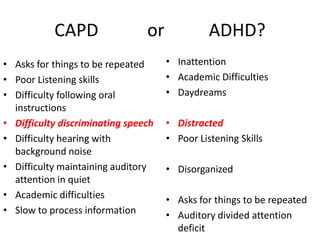
CAPD                  or             ADHD?
• Asks for things to be repeated      • Inattention
• Poor Listening skills               • Academic Difficulties
• Difficulty following oral           • Daydreams
  instructions
• Difficulty discriminating speech    • Distracted
• Difficulty hearing with             • Poor Listening Skills
  background noise
• Difficulty maintaining auditory     • Disorganized
  attention in quiet
• Academic difficulties               • Asks for things to be repeated
• Slow to process information         • Auditory divided attention
                                        deficit
CAPD                  or             ADHD?
• Asks for things to be repeated      • Inattention
• Poor Listening skills               • Academic Difficulties
• Difficulty following oral           • Daydreams
  instructions
• Difficulty discriminating speech    • Distracted
• Difficulty hearing with             • Poor Listening Skills
  background noise
• Difficulty maintaining auditory     • Disorganized
  attention in quiet
• Academic difficulties               • Asks for things to be repeated
• Slow to process information         • Auditory divided attention
                                        deficit
CAPD                 or             ADHD?
• Asks for things to be repeated     • Inattention
• Poor Listening skills              • Academic Difficulties
• Difficulty following oral          • Daydreams
  instructions
• Difficulty discriminating speech   • Distracted
• Difficulty hearing with            • Poor Listening Skills
  background noise
• Difficulty maintaining auditory    • Disorganized
  attention in quiet
• Academic difficulties              • Asks for things to be repeated
• Slow to process information        • Auditory divided attention
                                       deficit
(C)APD
• Treatment
  – “top down”
  – “bottom up”


  X
Treatment for CAPD

• Environmental modifications
Treatment for CAPD

• Environmental modifications
  –FM transmission
  –Training the speaker to face the
   listener, check for
   understanding, use prosody
Treatment for CAPD
• Environmental modifications
  –Preferential seating
  –Increased use of visual cues
  –Untimed testing
Treatment for CAPD

• Compensatory Strategies
Treatment for CAPD

• Compensatory Strategies
 –Metalinguistic strategies include:
  schema induction, context-derived
  vocabulary building, phonological
  awareness, and semantic network
  expansion
Treatment for CAPD

• Compensatory Strategies
 –Metacognitive strategies include
  self-instruction, cognitive problem
  solving, and assertiveness training
What’s the kid’s deal?
Attention Deficit Hyperactivity
           Disorder
Increase salience
Attention Deficit Hyperactivity
                Disorder
• History of the disorder
  – Galen
  – Fidgety Phil
  – “abnormal defects in moral control”
  – MBD
  – Benzedrine
  – Hyperkinetic-impulsive disorder
  – Hyperkinetic Reaction of Childhood
  – Attention Deficit
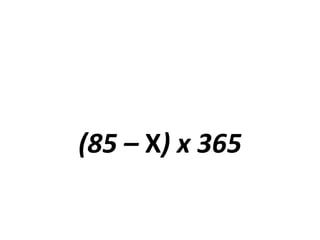
(85 – X) x 365
I’m gonna eat all
                                                 the gum and
                                                 candy I want!


           © 2011 David D. Nowell, Ph.D. All rights
5/3/2012                                                           84
                         reserved.
Controversies
• Is ADHD over-diagnosed?

• Is ADHD a “real” condition?

• Does ADHD occur on a spectrum?

• Is ADHD a natural adaptive trait?
Source: Centers for Disease Control and Prevention. Prevalence of diagnosis and medication treatment for
attention-deficit/hyperactivity disorder – United States, 2003. MMWR 2005;54:[842-847].

                                                                                                           86
Percent of Youth 4-17 ever diagnosed with Attention-Deficit/Hyperactivity Disorder:
                        National Survey of Children’s Health, 2003


                                                                                        > 10.1%

                                                                                        9.1 – 10.0%
                                                                              DC
                                                                                        8.1 - 9.0%

                                                                                        7.1 - 8.0%

                                                                                       6.1 - 7.0%

                                                                                        < 6.0%


Source: Centers for Disease Control and Prevention. Prevalence of diagnosis and medication treatment for
attention-deficit/hyperactivity disorder – United States, 2003. MMWR 2005;54:[842-847].

                                                                                                           87
Controversies
• Is ADHD over-diagnosed?

• Is ADHD a “real” condition?

• Does ADHD occur on a spectrum?

• Is ADHD a natural adaptive trait?
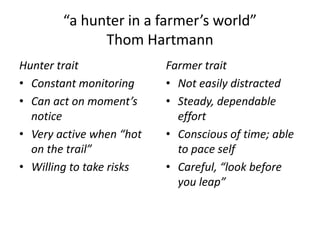
“a hunter in a farmer’s world”
              Thom Hartmann
Hunter trait              Farmer trait
• Constant monitoring     • Not easily distracted
• Can act on moment’s     • Steady, dependable
  notice                    effort
• Very active when “hot   • Conscious of time; able
  on the trail”             to pace self
• Willing to take risks   • Careful, “look before
                            you leap”
Core symptoms
• Inattention / distractibility
Core symptoms
• Hyperactivity / impulsivity
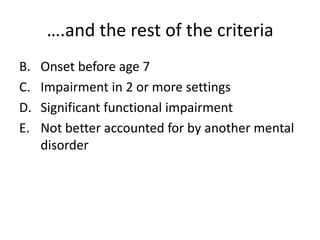
….and the rest of the criteria
B.   Onset before age 7
C.   Impairment in 2 or more settings
D.   Significant functional impairment
E.   Not better accounted for by another mental
     disorder
Functional impact
              of core symptoms

•   Arousal / alertness
•   Mental effort
•   Determination of saliency
•   Focal maintenance
Functional impact
              of core symptoms

•   Arousal / alertness
•   Mental effort
•   Determination of saliency
•   Focal maintenance
Functional impact
              of core symptoms

•   Arousal / alertness
•   Mental effort
•   Determination of saliency
•   Focal maintenance
Functional impact
              of core symptoms

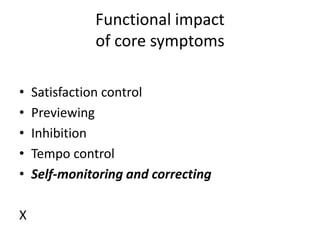
•   Satisfaction control
•   Previewing
•   Inhibition
•   Tempo control
•   Self-monitoring and correcting
Functional impact
              of core symptoms

•   Satisfaction control
•   Previewing .
•   Inhibition
•   Tempo control
•   Self-monitoring and correcting
Functional impact
              of core symptoms

•   Satisfaction control
•   Previewing
•   Inhibition
•   Tempo control
•   Self-monitoring and correcting
Functional impact
              of core symptoms

•   Satisfaction control
•   Previewing
•   Inhibition
•   Tempo control
•   Self-monitoring and correcting
Functional impact
              of core symptoms

•   Satisfaction control
•   Previewing
•   Inhibition
•   Tempo control
•   Self-monitoring and correcting
Subtypes of ADHD
•   ADHD, predominantly inattentive type
•   ADHD, predominantly hyperactive type
•   ADHD, combined type
•   ADHD, Not Otherwise Specifed
Subtypes of ADHD
• ADHD, predominantly inattentive type
• ADHD, predominantly hyperactive type
• ADHD, combined type
• ADHD, Not Otherwise Specifed
Common comorbidities with ADHD
•   Learning disorder
•   Behavioral disorder
•   Anxiety
•   Depression
•   Substance abuse
•   Sensory processing and auditory processing
    challenges
Common comorbidities with ADHD
• Learning disorder
• Behavioral disorder
• Anxiety
• Depression
• Substance abuse
• Sensory processing and auditory processing
  challenges
Common comorbidities with ADHD
•   Learning disorder
•   Behavioral disorder
•   Anxiety
•   Depression
•   Substance abuse
•   Sensory processing and auditory processing
    challenges
NIH Consensus Statement
Executive Functioning:
         An Overarching Theme
• Sensory Processing Disorder
• Central Auditory Processing Disorder
• ADHD and Executive Dysfunction
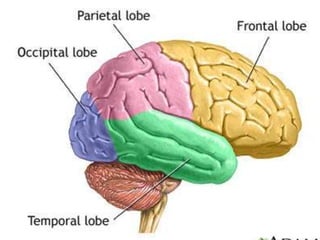
Introduction to Neuroanatomy


…..destination: frontal lobe !
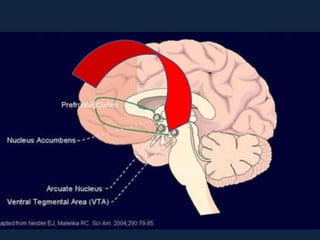
Introduction to Neuroanatomy
Inter-connectedness of systems
• Cortico-striatal system, for example
© 2011 David D. Nowell, Ph.D. All rights
5/3/2012                                              117
                         reserved.
The Executive Functions


X
The Executive Functions
•   Initiation
•   Planning
•   Set-shifting
•   Self-regulation
•   Inhibition of response
•   Directing current activity towards future goal

• X
The Executive Functions
•   Initiation
•   Planning
•   Set-shifting
•   Self-regulation
•   Inhibition of response
•   Directing current activity towards future goal
The Executive Functions
•   Initiation
•   Planning
•   Set-shifting
•   Self-regulation
•   Inhibition of response
•   Directing current activity towards future goal
The Executive Functions
•   Initiation
•   Planning
•   Set-shifting
•   Self-regulation
•   Inhibition of response
•   Directing current activity towards future goal
The Executive Functions
•   Sustaining alertness and effort
•   Internalizing speech
•   Prioritizing
•   Sequential thinking
•   Developing a plan of action
•   Persevering through a plan of action
•   Time management
The Executive Functions
•   Sustaining alertness and effort
•   Internalizing speech
•   Prioritizing
•   Sequential thinking
•   Developing a plan of action
•   Persevering through a plan of action
•   Time management
The Executive Functions
•   Sustaining alertness and effort
•   Internalizing speech
•   Prioritizing
•   Sequential thinking
•   Developing a plan of action
•   Persevering through a plan of action
•   Time management
The Executive Functions
•   Sustaining alertness and effort
•   Internalizing speech
•   Prioritizing
•   Sequential thinking
•   Developing a plan of action
•   Persevering through a plan of action
•   Time management
The Executive Functions
•   Sustaining alertness and effort
•   Internalizing speech
•   Prioritizing
•   Sequential thinking
•   Developing a plan of action
•   Persevering through a plan of action
•   Time management
The Executive Functions
•   Fine motor control
•   Delay of gratification
•   Blocking out distractions
•   Weighing consequences
•   Thinking before acting
•   Planning for the future
•   Certain aspects of memory / learning
The Executive Functions
• Bridging the now with the past
• Bridging the now with the future
Neuropsychological Model of
         Executive Dysfunction
• Guides your evaluation
• Guides your treatment plan
• Facilitates family education
Literature review
Literature review
• Genetic evidence
Literature review
• Genetic evidence
• Neuroanatomical evidence
Literature review
• Genetic evidence
• Neuroanatomical evidence
• Neuropsychological evidence
Literature review
•   Genetic evidence
•   Neuroanatomical evidence
•   Neuropsychological evidence
•   Neurochemical evidence
Interpreting the Problem Checklist

           Appendices B and C


• Items 1-8: inattention/distractibility
• Items 9-13 and 24-28: behavioral d/o
• Items 16-23: hyperactivity/impulsivity
Comprehensive Treatment
Treatments With Limited Evidence
          (AAP, 2001; Pelham & Fabiano, 2008)


(1) Traditional one-to-one therapy or counseling
(2) Office based "Play therapy”
(3) Elimination diets
(4) Biofeedback/neural therapy/attention (EEG) training
(5) Allergy treatments
(6) Chiropractics
(7) Perceptual or motor training/sensory integration
training
(8) Treatment for balance problems
(9) Pet therapy
(10) Dietary supplements (megavitamins, blue-green algae)
Evidence-Based
  Treatments for Children… (Chorpita et al, 2011)

•Self – talk
•Behavioral supports + medication
•Parent training
•Physical exercise
•Biofeedback
•Contingency management
•Parent and teacher education
•Social skills training + medication
•Parent training + problem solving
•Relaxation training + exercise
•Working memory training
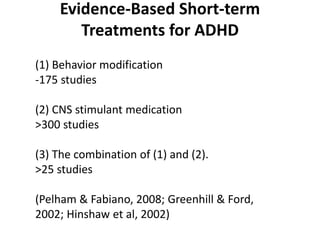
Evidence-Based Short-term
       Treatments for ADHD
(1) Behavior modification
-175 studies

(2) CNS stimulant medication
>300 studies

(3) The combination of (1) and (2).
>25 studies

(Pelham & Fabiano, 2008; Greenhill & Ford,
2002; Hinshaw et al, 2002)
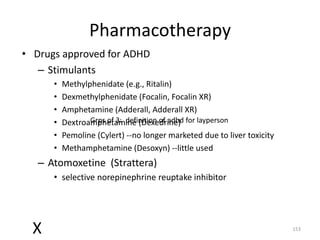
Pharmacotherapy
• Drugs approved for ADHD
   – Stimulants
      •   Methylphenidate (e.g., Ritalin)
      •   Dexmethylphenidate (Focalin, Focalin XR)
      •   Amphetamine (Adderall, Adderall XR)
      •   Dextroamphetamine (Dexedrine) for layperson
                 Grps of 3: definition of adhd
      •   Pemoline (Cylert) --no longer marketed due to liver toxicity
      •   Methamphetamine (Desoxyn) --little used
   – Atomoxetine (Strattera)
      • selective norepinephrine reuptake inhibitor


  X                                                                      153
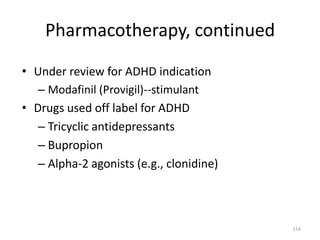
Pharmacotherapy, continued

• Under review for ADHD indication
   – Modafinil (Provigil)--stimulant
• Drugs used off label for ADHD
   – Tricyclic antidepressants
   – Bupropion
   – Alpha-2 agonists (e.g., clonidine)


                                          154
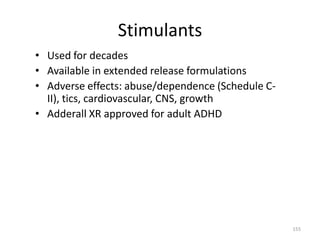
Stimulants
• Used for decades
• Available in extended release formulations
• Adverse effects: abuse/dependence (Schedule C-
  II), tics, cardiovascular, CNS, growth
• Adderall XR approved for adult ADHD


                                                   155
Main Beneficial Short-term Effects
•   1. Decrease in classroom disruption
•   2. Improvement in teacher ratings of behavior
•   3. Improvement in compliance with adult requests
•   and commands
•   4. Increase in on-task behavior and academic
•   productivity and accuracy (but no long-term
•   effect on academic achievement)
•   5. Improvement in peer interactions
•   6. Improvement in performance on laboratory
•   measures of attention, impulsivity, and learning

               (Greenhill & Ford, 2002)
APA Task Force on Medication and
  Psychosocial Treatments in Children
           and Adolescents

• Behavioral Parent Training
• Behavioral School Intervention
• Behavioral Child Intervention
• Medication--Use when needed
Making the diagnosis
• Get the chief complaint
Making the diagnosis
• Mental status examination
ABC STAMPLICKER


X
Making the diagnosis

• Interview with parent / significant other
Making the diagnosis
• Checklists
  – Parents
  – Teachers
  – Others
Making the diagnosis
• Looking for convergent data
O.T. Evaluation of Sensory
Integration

Clinical Observations

 Sensory History Checklists and
Interviews

 Assessments of Sensory
Integration
Evaluation of CAPD

Audiologist

Speech therapist
Avoiding the most common
     diagnostic error
Disorder
• ADHD
• OCD
• Motor tic disorder
• Sensory processing disorder
Other options

  V71.09
Provisional
 Rule out
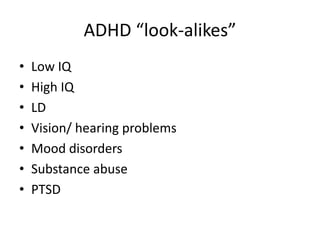
ADHD “look-alikes”
•   Low IQ
•   High IQ
•   LD
•   Vision/ hearing problems
•   Mood disorders
•   Substance abuse
•   PTSD
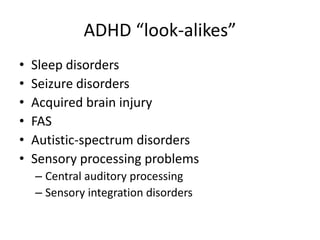
ADHD “look-alikes”
•   Sleep disorders
•   Seizure disorders
•   Acquired brain injury
•   FAS
•   Autistic-spectrum disorders
•   Sensory processing problems
    – Central auditory processing
    – Sensory integration disorders
ADHD and the Processing
         Disorders
•Skills and strategies for children
The First Thing You Need to Change


 X
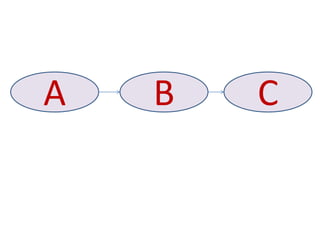
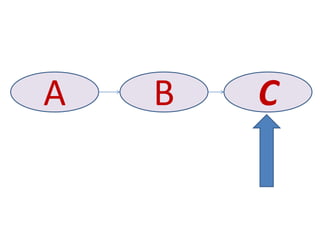
A   B   C
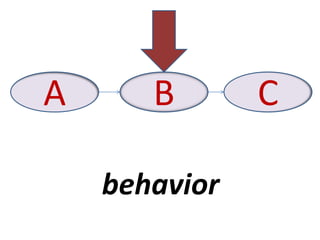
A      B       C

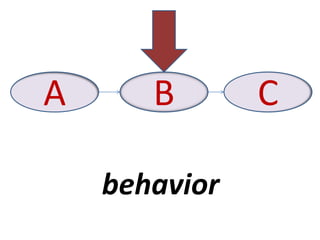
    behavior
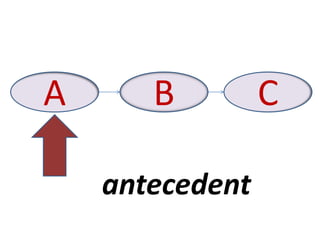
A      B         C

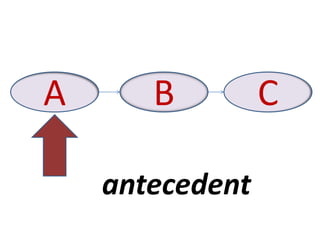
    antecedent
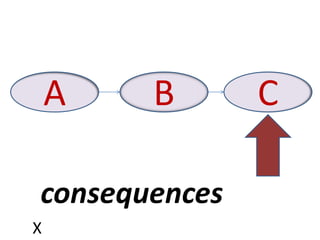
A   B      C

consequences
X
A      B         C

    antecedent
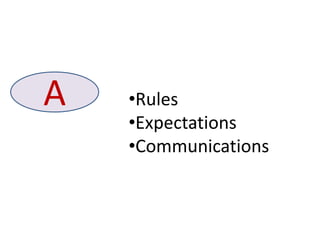
A   •Rules
    •Expectations
    •Communications
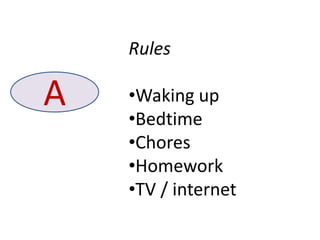
Rules

A   •Waking up
    •Bedtime
    •Chores
    •Homework
    •TV / internet
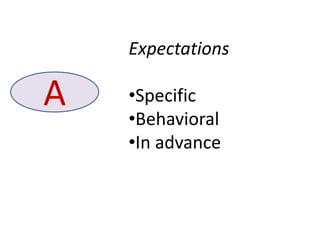
Expectations

A   •Specific
    •Behavioral
    •In advance
Communication

A   •Get eye contact
    •Speak clearly
    •Provide behavioral info
    •Check for understanding
Functional impact
              of core symptoms

•   Arousal / alertness
•   Mental effort
•   Determination of saliency
•   Focal maintenance
Functional impact
              of core symptoms

•   Arousal / alertness
•   Mental effort
•   Determination of saliency
•   Focal maintenance
Functional impact
              of core symptoms

•   Arousal / alertness
•   Mental effort
•   Determination of saliency
•   Focal maintenance
Methylphenidate Enhances the
Saliency of a Mathematical Task by
Increasing Dopamine in the Human
Brain

Volkow, et al. 2004
Methylphenidate Enhances the
Saliency of a Mathematical Task
by Increasing Dopamine in the
Human Brain

Volkow, et al. 2004
Increase salience
You love
math….you
 love math.
Functional impact
              of core symptoms

•   Arousal / alertness
•   Mental effort
•   Determination of saliency
•   Focal maintenance


    X
Functional impact
              of core symptoms

•   Satisfaction control
•   Previewing
•   Inhibition
•   Tempo control
•   Self-monitoring and correcting
Functional impact
              of core symptoms

•   Satisfaction control
•   Previewing
•   Inhibition
•   Tempo control
•   Self-monitoring and correcting
Functional impact
              of core symptoms

•   Satisfaction control
•   Previewing
•   Inhibition
•   Tempo control
•   Self-monitoring and correcting

X
Functional impact
              of core symptoms

•   Satisfaction control
•   Previewing
•   Inhibition
•   Tempo control
•   Self-monitoring and correcting
Functional impact
              of core symptoms

•   Satisfaction control
•   Previewing
•   Inhibition
•   Tempo control
•   Self-monitoring and correcting

X
Functional impact
              of core symptoms

•   Satisfaction control
•   Previewing
•   Inhibition
•   Tempo control
•   Self-monitoring and correcting

X
Strategic behavioral inquiry
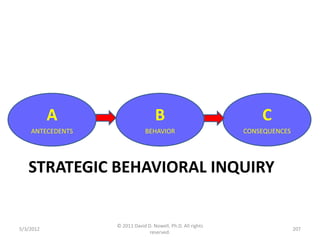
A                       B                             C
    ANTECEDENTS                BEHAVIOR                      CONSEQUENCES


   STRATEGIC BEHAVIORAL INQUIRY


                  © 2011 David D. Nowell, Ph.D. All rights
5/3/2012                                                                    207
                                reserved.
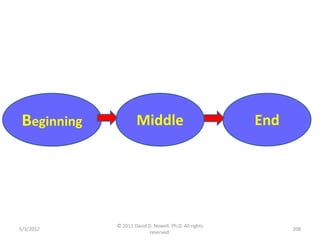
Beginning            Middle                            End


            © 2011 David D. Nowell, Ph.D. All rights
5/3/2012                                                     208
                          reserved.
© 2011 David D. Nowell, Ph.D. All rights
5/3/2012                                              209
                         reserved.
© 2011 David D. Nowell, Ph.D. All rights
5/3/2012                                              210
                         reserved.
© 2011 David D. Nowell, Ph.D. All rights
5/3/2012                                              211
                         reserved.
© 2011 David D. Nowell, Ph.D. All rights
5/3/2012                                              212
                         reserved.
Mood dysregulation in BAD and
    executive disorders
ADHD is not
    FRED-PG13


X
ADHD and girls
ADHD and women
Recommendations for Teachers with
   Concerns about Attention or
      Processing Problems
Recommendations for Teachers …
• Distinguish between medical evaluation and
  educational evaluation
• Document with objective behavioral terms
  the challenges you notice
• Document interventions and responses
• Speak with other teachers or last year’s
  teacher – compare notes
• Recommend next-step evaluation
Recommendations for Teachers …
• Avoid diagnostic terms in conversation with
  parents
• Leave medication decision to families and
  their pediatricians
• Find common goals with parents
Accommodations
and Modifications
IDEA and Section 504
Metacognitive Strategies
• Metacognitive knowledge
• Metacognitive strategies


X
A      B       C

    behavior
Self-Talk Proficiency for Kids


X
Self-Talk Proficiency
• -“How are you going to know when to be
  ready?”
• -“How are you going to stop yourself from…?”
• -“What is your goal?”
• -“What do you want it to look like?”
• -“How long do you think it will take?”
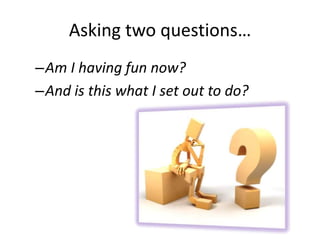
Asking two questions…
–Am I having fun now?
–And is this what I set out to do?
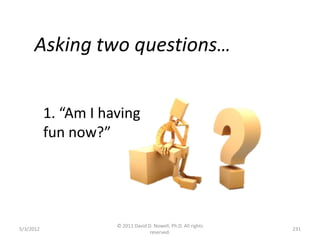
Asking two questions…


           1. “Am I having
           fun now?”


                      © 2011 David D. Nowell, Ph.D. All rights
5/3/2012                                                         231
                                    reserved.
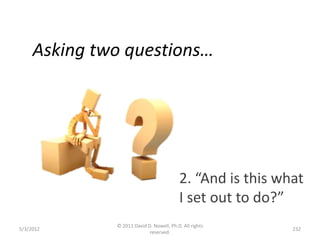
Asking two questions…


                                          2. “And is this what
                                          I set out to do?”
              © 2011 David D. Nowell, Ph.D. All rights
5/3/2012                                                    232
                            reserved.
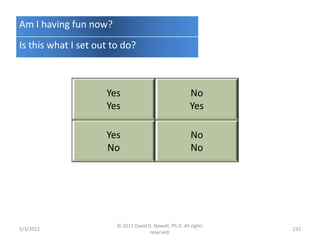
Am I having fun now?
Is this what I set out to do?


                     Yes                                 No
                     Yes                                 Yes

                     Yes                                  No
                     No                                   No


                        © 2011 David D. Nowell, Ph.D. All rights
5/3/2012                                                           233
                                      reserved.
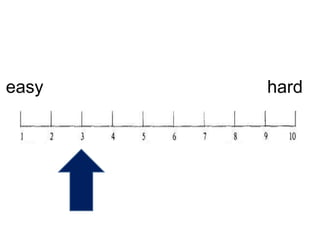
easy   hard
Distraction Delay Training
X
Executive Estimates Training


X
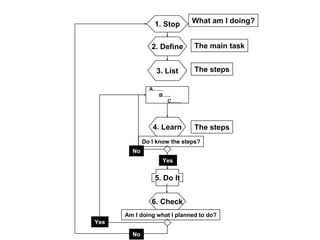
Goal Management Training
1. Stop      What am I doing?


                2. Define     The main task


                 3. List      The steps

               A……
                 B…..
                   C……


                4. Learn      The steps
             Do I know the steps?
        No
                    Yes


                 5. Do It


                6. Check
      Am I doing what I planned to do?
Yes

        No
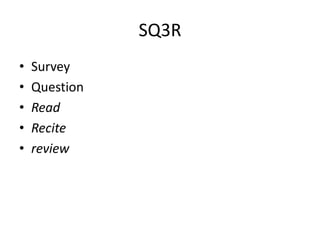
SQ3R
•   Survey
•   Question
•   Read
•   Recite
•   review
Dealing with difficult behavior
The Three Baskets
A   B   C
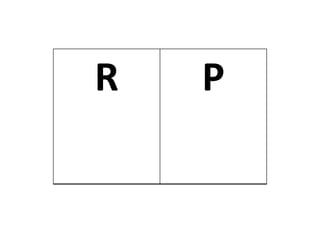
R   P
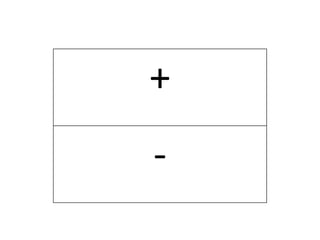
+
-
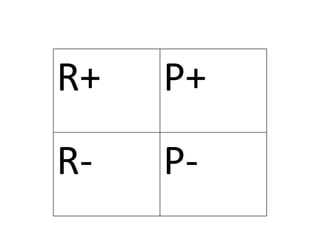
R+   P+
R-   P-
Time Out
•   Select target behavior
•   Set place
•   Determine how much time
•   Dress rehearsal
•   Measure the time
•   Withdraw attention
•   Establish the cause and effect
Token economy
•   Good balance
•   Precursor to adult reinforcement system
•   Lots of work to do well
•   Even more work to set up well
Homework problems
•   Fails to write down assignments
•   Forgets the assignment book
•   Forgets necessary materials
•   Takes hours to do minutes of homework
•   Hassles about when and where to do homework
•   Lies about having done homework
•   Needs constant supervision with homework
•   Forgets to bring homework back to school
Make Real-Life More Like Video Games
•   Clear expectations
•   Behavioral specificity
•   Build on small changes in behavior
•   Irrelevant behaviors ignored
•   Reward appropriate behavior and punish
    inappropriate behavior – never reverse this
Make Real-Life More Like Video Games
•   Always follow up on rules, no exceptions
•   Consequences are immediate
•   Punishment is mild
•   Stimuli are exciting and multi-sensory
•   Conduct expensive and time-consuming focus
    groups to determine what really “grabs ‘em”
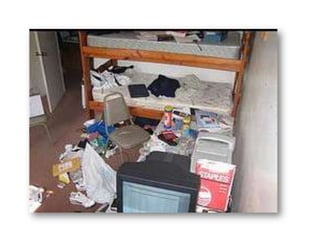
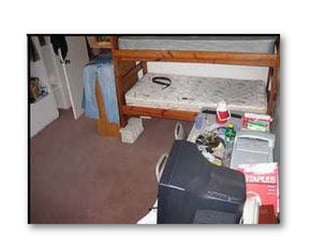
Error-free Learning
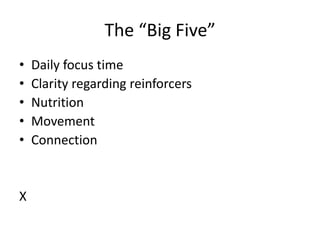
The “Big Five”
•   Daily focus time
•   Clarity regarding reinforcers
•   Nutrition
•   Movement
•   Connection


X
ADHD and the Processing
         Disorders
•Skills and strategies for adults
Is Adult ADHD a separate disorder?
DSM Criteria and Developmental
             Issues
Executive Disorders and Insight
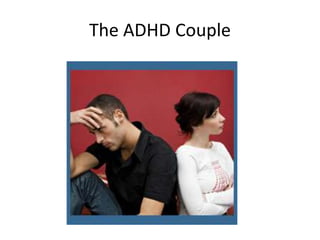
The ADHD Couple
The ADHD Couple
•   Need for stimulation
•   Poorer impulse control
•   Inattention to detail
•   Fantasy projection
The ADHD Couple
•   Remembering what drew you to your partner
•   Realistic expectations
•   Managing blame
•   Getting to “fair”
•   Feeling your contributions are valued
•   Outsourcing
Positive characteristics of many people
with attentional / executive challenges

             Appendix E
The ADHD Couple
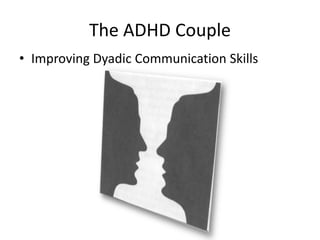
• Improving Dyadic Communication Skills
Executive Disorders and the Workplace
•   Realistic expectations
•   Efficiency
•   Delegating
•   Getting clear regarding “disability”
•   Managing comorbidities
Activity Scheduling
Chunking
The “Big Five”
• Daily focus time
•   Values/motivational clarity
•   Nutrition
•   Movement
•   Connection
…the most
                           important 10
                           minutes of the
                           day….


           © 2011 David D. Nowell, Ph.D. All rights
5/3/2012                                              279
                         reserved.
The “Big Five”
• Daily focus time
• Values/motivational clarity
• Nutrition
• Movement
• Connection
Values and Goal Clarification for the
         Distracted Patient
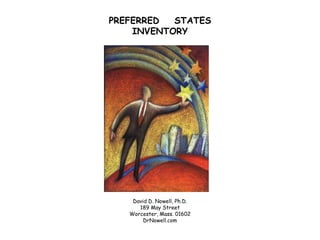
PREFERRED  STATES
    INVENTORY


    David D. Nowell, Ph.D.
      189 May Street
   Worcester, Mass. 01602
        DrNowell.com
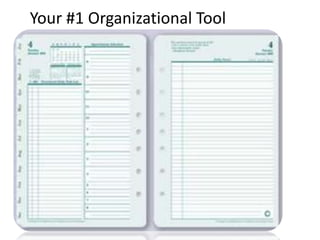
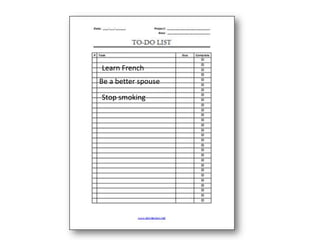
Your #1 Organizational Tool
Learn French
Be a better spouse
Stop smoking
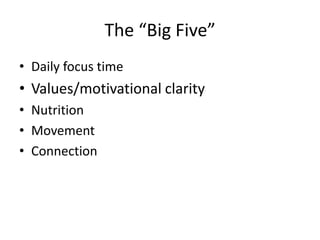
The “Big Five”
• Daily focus time
• Values/motivational clarity
• Nutrition
• Movement
• Connection
The Sensory Defensive Adult
Adults with Auditory Processing
           Challenge
A challenge….
ADHD and the Processing Disorders
               David D. Nowell, Ph.D.

           Worcester, Massachusetts


 DavidNowellSeminars

 DavidNowell
           David@DrNowell.com

Adhd nowell

  • 1.
    ADHD and theProcessing Disorders David D. Nowell, Ph.D. Worcester, Massachusetts DavidNowellSeminars DavidNowell www.DrNowell.com
  • 2.
    ADHD and theProcessing Disorders An overview of the day: •Making sense of the disorders •Skills and strategies for children •Skills and strategies for adults •Tools you can use now
  • 3.
    ADHD and theProcessing Disorders •Making sense of the disorders
  • 4.
    ADHD and theProcessing Disorders Sensory Processing Disorder Central Auditory Processing Disorder ADHD and Executive Dysfunction
  • 5.
    Perspective of thisworkshop…..
  • 6.
    Diagnostic Interview as“making distinctions”
  • 8.
  • 9.
    “Top – down”dysfunction • ADHD • Executive dysfunction
  • 10.
    “Bottom - up”dysfunction • Central auditory processing problems • Sensory processing problems
  • 14.
  • 16.
    Avoiding the mostcommon diagnostic error
  • 19.
  • 21.
  • 24.
    Sensory Integration Terminology Sensory Processing Sensory Detection Sensory Modulation Sensory Discrimination Sensory Integration
  • 25.
  • 26.
    Is SPD a“syndrome”?
  • 27.
    Is sensory modulation disordera unitary construct?
  • 28.
    Hard signs andsoft signs
  • 29.
  • 30.
    Developmental considerations • Auditory . • Visual • Tactile • Proprioceptive • Vestibular • Motor
  • 31.
  • 32.
    Sensory Processing Disorder Scientific Work Group
  • 34.
  • 36.
  • 38.
    Regulatory-Sensory Processing Disorders • Treatment – “top down” –“bottom up”
  • 40.
  • 42.
    Regulatory-Sensory Processing Disorders • Treatment –“top down” – “bottom up”
  • 43.
    Regulatory-Sensory Processing Disorders • Treatment –“top down” – “bottom up”
  • 44.
    Role of theMental Health Clinician in SPD • Primarily “top down” • Normalizing • Patient and family education • Environmental interventions
  • 45.
    Role of theMental Health Clinician in SPD • Compensatory strategies • Self-esteem • Planning for success experiences • Treating comorbidities
  • 46.
    Strengths and WeaknessesChecklist (Sensory Processing Problems) Appendix D
  • 47.
  • 54.
  • 55.
  • 56.
    Central Auditory ProcessingDisorder • Auditory discrimination (same/different) • Auditory closure (fill in missing bits) • Auditory localisation (locate source of sound) • Auditory performance with degraded acoustic signal • Auditory figure-ground (perceiving sounds in background noise)
  • 57.
    Central Auditory ProcessingDisorder • CAPD refers to a deficit observed in one or more of the central auditory processes responsible for generating the auditory evoked potentials and the following behaviors: – sound localization and lateralization – auditory discrimination – auditory pattern recognition
  • 58.
    Central Auditory ProcessingDisorder - Poor "communicator" (terse, telegraphic). - Memorizes poorly. - Hears better when watching the speaker. - Problems with rapid speech. - Interprets words too literally.
  • 59.
    Central Auditory ProcessingDisorder - Often needs remarks repeated. - Difficulty sounding out words. - Confuses similar-sounding words. - Difficulty following directions in a series. - Speech developed late or unclearly.
  • 60.
    (C)APD • the researchchallenge of “supramodal influences”
  • 61.
    CAPD or ADHD? • Asks for things to be repeated • Inattention • Poor Listening skills • Academic Difficulties • Difficulty following oral • Daydreams instructions • Difficulty discriminating speech • Distracted • Difficulty hearing with • Poor Listening Skills background noise • Difficulty maintaining auditory • Disorganized attention in quiet • Academic difficulties • Asks for things to be repeated • Slow to process information • Auditory divided attention deficit
  • 62.
    CAPD or ADHD? • Asks for things to be repeated • Inattention • Poor Listening skills • Academic Difficulties • Difficulty following oral • Daydreams instructions • Difficulty discriminating speech • Distracted • Difficulty hearing with • Poor Listening Skills background noise • Difficulty maintaining auditory • Disorganized attention in quiet • Academic difficulties • Asks for things to be repeated • Slow to process information • Auditory divided attention deficit
  • 63.
    CAPD or ADHD? • Asks for things to be repeated • Inattention • Poor Listening skills • Academic Difficulties • Difficulty following oral • Daydreams instructions • Difficulty discriminating speech • Distracted • Difficulty hearing with • Poor Listening Skills background noise • Difficulty maintaining auditory • Disorganized attention in quiet • Academic difficulties • Asks for things to be repeated • Slow to process information • Auditory divided attention deficit
  • 64.
    CAPD or ADHD? • Asks for things to be repeated • Inattention • Poor Listening skills • Academic Difficulties • Difficulty following oral • Daydreams instructions • Difficulty discriminating speech • Distracted • Difficulty hearing with • Poor Listening Skills background noise • Difficulty maintaining auditory • Disorganized attention in quiet • Academic difficulties • Asks for things to be repeated • Slow to process information • Auditory divided attention deficit
  • 65.
    (C)APD • Treatment – “top down” – “bottom up” X
  • 68.
    Treatment for CAPD •Environmental modifications
  • 69.
    Treatment for CAPD •Environmental modifications –FM transmission –Training the speaker to face the listener, check for understanding, use prosody
  • 70.
    Treatment for CAPD •Environmental modifications –Preferential seating –Increased use of visual cues –Untimed testing
  • 71.
    Treatment for CAPD •Compensatory Strategies
  • 72.
    Treatment for CAPD •Compensatory Strategies –Metalinguistic strategies include: schema induction, context-derived vocabulary building, phonological awareness, and semantic network expansion
  • 73.
    Treatment for CAPD •Compensatory Strategies –Metacognitive strategies include self-instruction, cognitive problem solving, and assertiveness training
  • 74.
  • 76.
  • 77.
  • 78.
    Attention Deficit Hyperactivity Disorder • History of the disorder – Galen – Fidgety Phil – “abnormal defects in moral control” – MBD – Benzedrine – Hyperkinetic-impulsive disorder – Hyperkinetic Reaction of Childhood – Attention Deficit
  • 80.
  • 82.
    I’m gonna eatall the gum and candy I want! © 2011 David D. Nowell, Ph.D. All rights 5/3/2012 84 reserved.
  • 83.
    Controversies • Is ADHDover-diagnosed? • Is ADHD a “real” condition? • Does ADHD occur on a spectrum? • Is ADHD a natural adaptive trait?
  • 84.
    Source: Centers forDisease Control and Prevention. Prevalence of diagnosis and medication treatment for attention-deficit/hyperactivity disorder – United States, 2003. MMWR 2005;54:[842-847]. 86
  • 85.
    Percent of Youth4-17 ever diagnosed with Attention-Deficit/Hyperactivity Disorder: National Survey of Children’s Health, 2003 > 10.1% 9.1 – 10.0% DC 8.1 - 9.0% 7.1 - 8.0% 6.1 - 7.0% < 6.0% Source: Centers for Disease Control and Prevention. Prevalence of diagnosis and medication treatment for attention-deficit/hyperactivity disorder – United States, 2003. MMWR 2005;54:[842-847]. 87
  • 86.
    Controversies • Is ADHDover-diagnosed? • Is ADHD a “real” condition? • Does ADHD occur on a spectrum? • Is ADHD a natural adaptive trait?
  • 87.
    “a hunter ina farmer’s world” Thom Hartmann Hunter trait Farmer trait • Constant monitoring • Not easily distracted • Can act on moment’s • Steady, dependable notice effort • Very active when “hot • Conscious of time; able on the trail” to pace self • Willing to take risks • Careful, “look before you leap”
  • 88.
  • 89.
  • 90.
    ….and the restof the criteria B. Onset before age 7 C. Impairment in 2 or more settings D. Significant functional impairment E. Not better accounted for by another mental disorder
  • 92.
    Functional impact of core symptoms • Arousal / alertness • Mental effort • Determination of saliency • Focal maintenance
  • 93.
    Functional impact of core symptoms • Arousal / alertness • Mental effort • Determination of saliency • Focal maintenance
  • 95.
    Functional impact of core symptoms • Arousal / alertness • Mental effort • Determination of saliency • Focal maintenance
  • 96.
    Functional impact of core symptoms • Satisfaction control • Previewing • Inhibition • Tempo control • Self-monitoring and correcting
  • 97.
    Functional impact of core symptoms • Satisfaction control • Previewing . • Inhibition • Tempo control • Self-monitoring and correcting
  • 98.
    Functional impact of core symptoms • Satisfaction control • Previewing • Inhibition • Tempo control • Self-monitoring and correcting
  • 99.
    Functional impact of core symptoms • Satisfaction control • Previewing • Inhibition • Tempo control • Self-monitoring and correcting
  • 100.
    Functional impact of core symptoms • Satisfaction control • Previewing • Inhibition • Tempo control • Self-monitoring and correcting
  • 101.
    Subtypes of ADHD • ADHD, predominantly inattentive type • ADHD, predominantly hyperactive type • ADHD, combined type • ADHD, Not Otherwise Specifed
  • 102.
    Subtypes of ADHD •ADHD, predominantly inattentive type • ADHD, predominantly hyperactive type • ADHD, combined type • ADHD, Not Otherwise Specifed
  • 103.
    Common comorbidities withADHD • Learning disorder • Behavioral disorder • Anxiety • Depression • Substance abuse • Sensory processing and auditory processing challenges
  • 104.
    Common comorbidities withADHD • Learning disorder • Behavioral disorder • Anxiety • Depression • Substance abuse • Sensory processing and auditory processing challenges
  • 106.
    Common comorbidities withADHD • Learning disorder • Behavioral disorder • Anxiety • Depression • Substance abuse • Sensory processing and auditory processing challenges
  • 107.
  • 108.
    Executive Functioning: An Overarching Theme • Sensory Processing Disorder • Central Auditory Processing Disorder • ADHD and Executive Dysfunction
  • 109.
  • 111.
    Introduction to Neuroanatomy Inter-connectednessof systems • Cortico-striatal system, for example
  • 114.
    © 2011 DavidD. Nowell, Ph.D. All rights 5/3/2012 117 reserved.
  • 117.
  • 119.
    The Executive Functions • Initiation • Planning • Set-shifting • Self-regulation • Inhibition of response • Directing current activity towards future goal • X
  • 120.
    The Executive Functions • Initiation • Planning • Set-shifting • Self-regulation • Inhibition of response • Directing current activity towards future goal
  • 122.
    The Executive Functions • Initiation • Planning • Set-shifting • Self-regulation • Inhibition of response • Directing current activity towards future goal
  • 123.
    The Executive Functions • Initiation • Planning • Set-shifting • Self-regulation • Inhibition of response • Directing current activity towards future goal
  • 124.
    The Executive Functions • Sustaining alertness and effort • Internalizing speech • Prioritizing • Sequential thinking • Developing a plan of action • Persevering through a plan of action • Time management
  • 125.
    The Executive Functions • Sustaining alertness and effort • Internalizing speech • Prioritizing • Sequential thinking • Developing a plan of action • Persevering through a plan of action • Time management
  • 126.
    The Executive Functions • Sustaining alertness and effort • Internalizing speech • Prioritizing • Sequential thinking • Developing a plan of action • Persevering through a plan of action • Time management
  • 127.
    The Executive Functions • Sustaining alertness and effort • Internalizing speech • Prioritizing • Sequential thinking • Developing a plan of action • Persevering through a plan of action • Time management
  • 128.
    The Executive Functions • Sustaining alertness and effort • Internalizing speech • Prioritizing • Sequential thinking • Developing a plan of action • Persevering through a plan of action • Time management
  • 130.
    The Executive Functions • Fine motor control • Delay of gratification • Blocking out distractions • Weighing consequences • Thinking before acting • Planning for the future • Certain aspects of memory / learning
  • 134.
    The Executive Functions •Bridging the now with the past • Bridging the now with the future
  • 135.
    Neuropsychological Model of Executive Dysfunction • Guides your evaluation • Guides your treatment plan • Facilitates family education
  • 136.
  • 137.
  • 140.
    Literature review • Geneticevidence • Neuroanatomical evidence
  • 141.
    Literature review • Geneticevidence • Neuroanatomical evidence • Neuropsychological evidence
  • 143.
    Literature review • Genetic evidence • Neuroanatomical evidence • Neuropsychological evidence • Neurochemical evidence
  • 144.
    Interpreting the ProblemChecklist Appendices B and C • Items 1-8: inattention/distractibility • Items 9-13 and 24-28: behavioral d/o • Items 16-23: hyperactivity/impulsivity
  • 145.
  • 146.
    Treatments With LimitedEvidence (AAP, 2001; Pelham & Fabiano, 2008) (1) Traditional one-to-one therapy or counseling (2) Office based "Play therapy” (3) Elimination diets (4) Biofeedback/neural therapy/attention (EEG) training (5) Allergy treatments (6) Chiropractics (7) Perceptual or motor training/sensory integration training (8) Treatment for balance problems (9) Pet therapy (10) Dietary supplements (megavitamins, blue-green algae)
  • 147.
    Evidence-Based Treatmentsfor Children… (Chorpita et al, 2011) •Self – talk •Behavioral supports + medication •Parent training •Physical exercise •Biofeedback •Contingency management •Parent and teacher education •Social skills training + medication •Parent training + problem solving •Relaxation training + exercise •Working memory training
  • 148.
    Evidence-Based Short-term Treatments for ADHD (1) Behavior modification -175 studies (2) CNS stimulant medication >300 studies (3) The combination of (1) and (2). >25 studies (Pelham & Fabiano, 2008; Greenhill & Ford, 2002; Hinshaw et al, 2002)
  • 149.
    Pharmacotherapy • Drugs approvedfor ADHD – Stimulants • Methylphenidate (e.g., Ritalin) • Dexmethylphenidate (Focalin, Focalin XR) • Amphetamine (Adderall, Adderall XR) • Dextroamphetamine (Dexedrine) for layperson Grps of 3: definition of adhd • Pemoline (Cylert) --no longer marketed due to liver toxicity • Methamphetamine (Desoxyn) --little used – Atomoxetine (Strattera) • selective norepinephrine reuptake inhibitor X 153
  • 150.
    Pharmacotherapy, continued • Underreview for ADHD indication – Modafinil (Provigil)--stimulant • Drugs used off label for ADHD – Tricyclic antidepressants – Bupropion – Alpha-2 agonists (e.g., clonidine) 154
  • 151.
    Stimulants • Used fordecades • Available in extended release formulations • Adverse effects: abuse/dependence (Schedule C- II), tics, cardiovascular, CNS, growth • Adderall XR approved for adult ADHD 155
  • 152.
    Main Beneficial Short-termEffects • 1. Decrease in classroom disruption • 2. Improvement in teacher ratings of behavior • 3. Improvement in compliance with adult requests • and commands • 4. Increase in on-task behavior and academic • productivity and accuracy (but no long-term • effect on academic achievement) • 5. Improvement in peer interactions • 6. Improvement in performance on laboratory • measures of attention, impulsivity, and learning (Greenhill & Ford, 2002)
  • 153.
    APA Task Forceon Medication and Psychosocial Treatments in Children and Adolescents • Behavioral Parent Training • Behavioral School Intervention • Behavioral Child Intervention • Medication--Use when needed
  • 154.
  • 157.
    Making the diagnosis •Get the chief complaint
  • 158.
    Making the diagnosis •Mental status examination
  • 159.
  • 160.
    Making the diagnosis •Interview with parent / significant other
  • 161.
    Making the diagnosis •Checklists – Parents – Teachers – Others
  • 162.
    Making the diagnosis •Looking for convergent data
  • 163.
    O.T. Evaluation ofSensory Integration Clinical Observations Sensory History Checklists and Interviews Assessments of Sensory Integration
  • 164.
  • 165.
    Avoiding the mostcommon diagnostic error
  • 166.
    Disorder • ADHD • OCD •Motor tic disorder • Sensory processing disorder
  • 167.
    Other options V71.09 Provisional Rule out
  • 168.
    ADHD “look-alikes” • Low IQ • High IQ • LD • Vision/ hearing problems • Mood disorders • Substance abuse • PTSD
  • 169.
    ADHD “look-alikes” • Sleep disorders • Seizure disorders • Acquired brain injury • FAS • Autistic-spectrum disorders • Sensory processing problems – Central auditory processing – Sensory integration disorders
  • 170.
    ADHD and theProcessing Disorders •Skills and strategies for children
  • 171.
    The First ThingYou Need to Change X
  • 172.
    A B C
  • 173.
    A B C behavior
  • 174.
    A B C antecedent
  • 175.
    A B C consequences X
  • 176.
    A B C antecedent
  • 178.
    A •Rules •Expectations •Communications
  • 179.
    Rules A •Waking up •Bedtime •Chores •Homework •TV / internet
  • 180.
    Expectations A •Specific •Behavioral •In advance
  • 181.
    Communication A •Get eye contact •Speak clearly •Provide behavioral info •Check for understanding
  • 182.
    Functional impact of core symptoms • Arousal / alertness • Mental effort • Determination of saliency • Focal maintenance
  • 183.
    Functional impact of core symptoms • Arousal / alertness • Mental effort • Determination of saliency • Focal maintenance
  • 184.
    Functional impact of core symptoms • Arousal / alertness • Mental effort • Determination of saliency • Focal maintenance
  • 185.
    Methylphenidate Enhances the Saliencyof a Mathematical Task by Increasing Dopamine in the Human Brain Volkow, et al. 2004
  • 186.
    Methylphenidate Enhances the Saliencyof a Mathematical Task by Increasing Dopamine in the Human Brain Volkow, et al. 2004
  • 187.
  • 189.
  • 191.
    Functional impact of core symptoms • Arousal / alertness • Mental effort • Determination of saliency • Focal maintenance X
  • 193.
    Functional impact of core symptoms • Satisfaction control • Previewing • Inhibition • Tempo control • Self-monitoring and correcting
  • 194.
    Functional impact of core symptoms • Satisfaction control • Previewing • Inhibition • Tempo control • Self-monitoring and correcting
  • 195.
    Functional impact of core symptoms • Satisfaction control • Previewing • Inhibition • Tempo control • Self-monitoring and correcting X
  • 196.
    Functional impact of core symptoms • Satisfaction control • Previewing • Inhibition • Tempo control • Self-monitoring and correcting
  • 198.
    Functional impact of core symptoms • Satisfaction control • Previewing • Inhibition • Tempo control • Self-monitoring and correcting X
  • 200.
    Functional impact of core symptoms • Satisfaction control • Previewing • Inhibition • Tempo control • Self-monitoring and correcting X
  • 201.
  • 202.
    A B C ANTECEDENTS BEHAVIOR CONSEQUENCES STRATEGIC BEHAVIORAL INQUIRY © 2011 David D. Nowell, Ph.D. All rights 5/3/2012 207 reserved.
  • 203.
    Beginning Middle End © 2011 David D. Nowell, Ph.D. All rights 5/3/2012 208 reserved.
  • 204.
    © 2011 DavidD. Nowell, Ph.D. All rights 5/3/2012 209 reserved.
  • 205.
    © 2011 DavidD. Nowell, Ph.D. All rights 5/3/2012 210 reserved.
  • 206.
    © 2011 DavidD. Nowell, Ph.D. All rights 5/3/2012 211 reserved.
  • 207.
    © 2011 DavidD. Nowell, Ph.D. All rights 5/3/2012 212 reserved.
  • 208.
    Mood dysregulation inBAD and executive disorders
  • 209.
    ADHD is not FRED-PG13 X
  • 210.
  • 213.
  • 215.
    Recommendations for Teacherswith Concerns about Attention or Processing Problems
  • 216.
    Recommendations for Teachers… • Distinguish between medical evaluation and educational evaluation • Document with objective behavioral terms the challenges you notice • Document interventions and responses • Speak with other teachers or last year’s teacher – compare notes • Recommend next-step evaluation
  • 217.
    Recommendations for Teachers… • Avoid diagnostic terms in conversation with parents • Leave medication decision to families and their pediatricians • Find common goals with parents
  • 218.
  • 219.
  • 220.
    Metacognitive Strategies • Metacognitiveknowledge • Metacognitive strategies X
  • 221.
    A B C behavior
  • 222.
  • 223.
    Self-Talk Proficiency • -“Howare you going to know when to be ready?” • -“How are you going to stop yourself from…?” • -“What is your goal?” • -“What do you want it to look like?” • -“How long do you think it will take?”
  • 224.
    Asking two questions… –AmI having fun now? –And is this what I set out to do?
  • 225.
    Asking two questions… 1. “Am I having fun now?” © 2011 David D. Nowell, Ph.D. All rights 5/3/2012 231 reserved.
  • 226.
    Asking two questions… 2. “And is this what I set out to do?” © 2011 David D. Nowell, Ph.D. All rights 5/3/2012 232 reserved.
  • 227.
    Am I havingfun now? Is this what I set out to do? Yes No Yes Yes Yes No No No © 2011 David D. Nowell, Ph.D. All rights 5/3/2012 233 reserved.
  • 228.
    easy hard
  • 229.
  • 230.
  • 231.
  • 232.
  • 233.
    1. Stop What am I doing? 2. Define The main task 3. List The steps A…… B….. C…… 4. Learn The steps Do I know the steps? No Yes 5. Do It 6. Check Am I doing what I planned to do? Yes No
  • 234.
    SQ3R • Survey • Question • Read • Recite • review
  • 235.
  • 236.
  • 237.
    A B C
  • 238.
    R P
  • 239.
  • 240.
    R+ P+ R- P-
  • 241.
    Time Out • Select target behavior • Set place • Determine how much time • Dress rehearsal • Measure the time • Withdraw attention • Establish the cause and effect
  • 242.
    Token economy • Good balance • Precursor to adult reinforcement system • Lots of work to do well • Even more work to set up well
  • 244.
    Homework problems • Fails to write down assignments • Forgets the assignment book • Forgets necessary materials • Takes hours to do minutes of homework • Hassles about when and where to do homework • Lies about having done homework • Needs constant supervision with homework • Forgets to bring homework back to school
  • 247.
    Make Real-Life MoreLike Video Games • Clear expectations • Behavioral specificity • Build on small changes in behavior • Irrelevant behaviors ignored • Reward appropriate behavior and punish inappropriate behavior – never reverse this
  • 248.
    Make Real-Life MoreLike Video Games • Always follow up on rules, no exceptions • Consequences are immediate • Punishment is mild • Stimuli are exciting and multi-sensory • Conduct expensive and time-consuming focus groups to determine what really “grabs ‘em”
  • 249.
  • 256.
    The “Big Five” • Daily focus time • Clarity regarding reinforcers • Nutrition • Movement • Connection X
  • 257.
    ADHD and theProcessing Disorders •Skills and strategies for adults
  • 258.
    Is Adult ADHDa separate disorder?
  • 259.
    DSM Criteria andDevelopmental Issues
  • 260.
  • 261.
  • 262.
    The ADHD Couple • Need for stimulation • Poorer impulse control • Inattention to detail • Fantasy projection
  • 263.
    The ADHD Couple • Remembering what drew you to your partner • Realistic expectations • Managing blame • Getting to “fair” • Feeling your contributions are valued • Outsourcing
  • 264.
    Positive characteristics ofmany people with attentional / executive challenges Appendix E
  • 265.
    The ADHD Couple •Improving Dyadic Communication Skills
  • 266.
  • 267.
    Executive Disorders andthe Workplace • Realistic expectations • Efficiency • Delegating • Getting clear regarding “disability” • Managing comorbidities
  • 268.
  • 269.
  • 271.
    The “Big Five” •Daily focus time • Values/motivational clarity • Nutrition • Movement • Connection
  • 272.
    …the most important 10 minutes of the day…. © 2011 David D. Nowell, Ph.D. All rights 5/3/2012 279 reserved.
  • 273.
    The “Big Five” •Daily focus time • Values/motivational clarity • Nutrition • Movement • Connection
  • 274.
    Values and GoalClarification for the Distracted Patient
  • 275.
    PREFERRED STATES INVENTORY David D. Nowell, Ph.D. 189 May Street Worcester, Mass. 01602 DrNowell.com
  • 276.
  • 277.
    Learn French Be abetter spouse Stop smoking
  • 278.
    The “Big Five” •Daily focus time • Values/motivational clarity • Nutrition • Movement • Connection
  • 279.
  • 280.
    Adults with AuditoryProcessing Challenge
  • 281.
  • 282.
    ADHD and theProcessing Disorders David D. Nowell, Ph.D. Worcester, Massachusetts DavidNowellSeminars DavidNowell David@DrNowell.com

Editor's Notes

  • #6 Scott peck: diagnostician. DI vs. intake, etc.NLP: distinctions.
  • #13 Round pegsRespectful but not slavish.Hx:Make dx reliable across providersGuide researchMoving b/t static dsm categories and dynamic human beings.
  • #15 Dx approach
  • #16 8:20
  • #18 Owen 7 yo boy… refuses to step up onto school bus. School psych: iqwnl, checklists ll ADHD.Neuropsych doesn’t find striking neurocognitive profile of attn/exec dysfx.CD intern finds pt inattentive (puts head on desk). In team mtg, when pressed on issue, it turns out that Owen actually performs as well on stand. Testing with head down or with enforced posture.OT suggests that his constant movement is in effort to counteract his floppy muscle tone; like a bicycle, the best way to stay upright is to keep in motion.
  • #19 Tobias, 58y.o man with his son, 20 y.o. college student (psych). Son ? Adhd.Pt accountant, spvr of dept. 18 month h/o c/o re: inattention, poor focus after a reorg at work. Dx w dm um same t. Pt not compliant w b.s. checks or diet. St most helpful thing we can do is withhold a dx.
  • #20 Good news ands bad news: it’s 2009.
  • #21 proprioceptive
  • #22 CNS Development: Sensory input contributes toDevelopmentSensory input is necessary for brainFunctionActive engagement in sensory experienceproduces an adaptive responseAdaptive responses to sensory inputs optimize function
  • #24 We use our senses to interface with world around us, retreating from “too much” or “too tight” or “too loud” and seeking lights and sound and movement when we’re understimulated
  • #26 Dining on raw fish stuffed with shells, families compete by walking on coals and juggling bottles of open wine; all the while air raid sirens are blaring. You don’t enjoy it. What’s your dx?
  • #28 Broad. Tourette’s works because it doesn’t “try as hard.”
  • #29 Neurological hard signs, soft signs, and developmental soft signs
  • #30 The softest of them all!
  • #31 Infants: R to loud noise, R to bells or whistles, R to lullabies, R to peek a boo, sound source locationDifferentating among people, R to lights and colors; eye contactManipulating toys, feeding, R to touch, investigating world with hands and mouthPlaying with toes, grasping objects, experimenting w diff. body positionsSitting up, lifting headSitting up, lifting head, kicking, truncal stability
  • #32 A very high threshold of empirical data has been set for adding a new disorder to DSM-V in order to insure that only diagnostically valid disorders are added to the system. The types of data that would be required include 1) evidence that sensory processing disorder describes a condition that is not adequately covered by an existing DSM-IV disorder; 2) evidence supporting its diagnostic validity; 3) evidence supporting its clinical utility; and 4) evidence supporting that there is a low risk of false positive diagnoses that might result if sensory processing disorder were to be added.
  • #33 The primary criterion for adding a new disorder to DSM-V is whether there is sufficient empirical evidence of its validity and clinical utility. In the case of Sensory Processing Disorder, three options for DSM-V were discussed: 1) adding it as a new disorder; 2) adding it as a subtype that would apply to disorders such as Autistic Disorder or Attention-Deficit/Hyperactivity Disorder; or 3) adding a dimensional definition to the DSM-V appendix for &quot;criteria sets and axes needing further study&quot; in order to stimulate additional research
  • #34 Motor d/o: Decreased muscle tone􀂄 Delay in motor milestones􀂄 Delay in hand use and fine motor skills􀂄 Delay or poorly executed self-care skills – q activity has stepsOT model of proprioception and vestibular sense
  • #36 Douglas. 6 yo w h/o school avoidance. Picky eater. Wears sunglasses outdoors. ? Of adhd. w/drawn, sullen after giving up on peewee football b/c the helmet was stinky.
  • #38 Carlos, 5 yo boy. …. M c/o tantrums, stubborness. Bedtimes difficult. Pushes his sister. Per OT pt performs poorly on measures of sensory modulation, esp tactile. Suggests he is easily overwhelmed.You learn that mom suspects he is in cntrol of tantruming? he negotiates. Often ? Of Primary or Secondary gain.The less cntrl he seems to have over this behavior, the more concern we have re: sensory or some other overload.
  • #39 1st we need to consider construct validity b/f we “tx” a conditionIn small N studies Specific tx interventions have proven more effective than no tx, but no diff. from other alternative tx. Note problem of placebo.
  • #40 adults routinely adjust for their sensory processing irregularitiesw by carefully making choices that allow them to honor their nervous systems w/o intruding on others. Swedish shoes, diesel, glare when fatigued, tight clothing, short shirtsleeves.Kids: less independent, poorer insight, poorer abstraction. OT can increase insight, normalize their sensory prefernces. Have their defensiveness in the presence of a supportive adult. K.o. like going off the high dive.
  • #41 PUSHING ICE CUBE ON A TRAYFEELY GAME AROUND THE HOUSEHOT DOG IN A BLANKETTIC TAC TOE IN SHAVING CREAMBOPPING A BALLOON BUCKET BEANBAG CATCHER
  • #42 CUTTING PLAY DOH WITH SCISSORS
  • #43 1st we need to consider construct validity b/f we “tx” a conditionIn small N studies Specific tx interventions have proven more effective than no tx, but no diff. from other alternative tx. Note problem of placebo.
  • #44 MEMORY W/ SMELLS TEXTURE MATCHINGWHAT’S IN THE SOCKHAND ON TOP
  • #46 9:40 a.m.
  • #48 A Central Auditory Processing Disorder (CAPD) exists when achild has apparent difficulty in processing auditory informationwhile possessing normal hearinglittle consensuson a definition, criteria for assessment and diagnosis, andthe efficacy of remediation and management.
  • #58 A Central Auditory Processing Disorder (CAPD) exists when achild has apparent difficulty in processing auditory informationwhile possessing normal hearinglittle consensuson a definition, criteria for assessment and diagnosis, andthe efficacy of remediation and management.
  • #59 What teacher might notice
  • #61 Dr. Anthony Cacace, and his colleagues (2005) define central auditory processing disorder (CAPD) as a &quot;modality-specific perceptual dysfunction that is not due to peripheral hearing loss&quot; and that &quot;should be distinguishable from cognitive, language-based, and/or supramodal attentional problems&quot;
  • #66 we might best serve the student by identifying the following:
  • #67 we might best serve the student by identifying the following:
  • #68 PING PONG BALL / COFFEE CANBEANS, BUTTONS IN TOOTHPASTE BOXESIPHONE VOICE RECORDER APP, VARIOUS HOUSEHOLD SOUNDSPRETENDING TO BE A RADIO WITH VOLUME KNOB WHAT’S MISSING? (TWINKLE TWINKLE…) WHAT COMES BEFORE “I BELIEVE IN YESTERDAY”HOW DOES IT END? (FAMILIAR STORY)MR POTATO HEAD W/ METAPHORS: IN ONE EAR AND OUT THE OTHER. EYES BIGGER THAN STOMACH. I’M ALL EARS. YOU TOOK THE WORDS RIGHT OUT OF MY MOUTH. YOU’RE PULLING MY LEG.
  • #69 Guy berard – aitAlfred tomatis – tomatis auditory training
  • #71 Environmental modifications􀂫 Reduce ambient noise CARPET RUBBER TIPS ON CHAIRS CLOTH AND MAT POSTER BOARDS􀂙preferential seating AWAY FROM SOURCES OF NOISE FANS CORRIDOORS OUTSIDE TRAFFIC􀂫 Frequent checks for comprehension
  • #72 Environmental modifications􀂫 Reduce ambient noise CARPET RUBBER TIPS ON CHAIRS CLOTH AND MAT POSTER BOARDS􀂙preferential seating AWAY FROM SOURCES OF NOISE FANS CORRIDOORS OUTSIDE TRAFFIC􀂫 Frequent checks for comprehension
  • #73 Environmental modifications􀂫 Reduce ambient noise CARPET RUBBER TIPS ON CHAIRS CLOTH AND MAT POSTER BOARDS􀂙preferential seating AWAY FROM SOURCES OF NOISE FANS CORRIDOORS OUTSIDE TRAFFIC􀂫 Frequent checks for comprehension
  • #74 􀂴 ACTIVE LISTENING􀂴 CHECKS FOR COMPREHENSION􀂴 MULITISENSORY INSTRUCTION􀂴 MNEMONIC DEVICES TO ASSIST MEMORY
  • #75 􀂴 ACTIVE LISTENING􀂴 CHECKS FOR COMPREHENSION􀂴 MULITISENSORY INSTRUCTION􀂴 MNEMONIC DEVICES TO ASSIST MEMORY
  • #76 􀂴 ACTIVE LISTENING􀂴 CHECKS FOR COMPREHENSION􀂴 MULITISENSORY INSTRUCTION􀂴 MNEMONIC DEVICES TO ASSIST MEMORY
  • #77 Dx approach
  • #78 Jennifer, 4 yo. Limited language. Expressive better than receptive. Makes prefernces known. Intense eye contact but ? Understanding. Plays well with cousins and sister, less well with others at daycare seting with some older children.
  • #80 EXPLAIN WKSHOP’S PURPOSE, INCREASE SALIENCE, RELATE TO PRIOR K’LEDGE
  • #81 By 1970, 2000 papers on the topic. Focus moves to attentionGrps of 3: definition of adhd for layperson
  • #82 St’s going to happen today at 5:00You’ll never get that time back
  • #83 85-x*36540 yo = 16425 28 yo = 20805 52 yo = 12045“gonna eat all the gum and candy I want”It is a most mortifying reflection for a man to consider what he has done, compared to what he might have done.  ~Samuel Johnson, in Boswell&apos;s Life of Johnson, 1770
  • #84 Attn is a precious commodity. Things and ppl will compete for itBest defense vs the manipulation of one’s attn is to determine for oneself how one wants to invest itSt’s going to happen today at 5:00
  • #85 The full existential horror of being an adult
  • #89 10:30
  • #91 Distracted by whatever’s eye-catching in the moment? Or engaging in specifric and familiar activites whose fx it is to maintain sensory homeostasis?
  • #95 Has trouble getting started w workWorks only on thihngs that are partic. Interesting to him/herEffort is unpredictableTx: use hi-interest topics, Premack principle, cueing, R cost (tokens)
  • #96 Cant tell important from unimp.Recalls irrelevant detail rather than pertinentDistracted by irrelevant background noisesConcentrates on visual stimlui that others would ignoreTx: vary potency of stimli; highlighting certain words/phrases; explicit training in id’ing “what’s most important” (picture completion subtest)
  • #97 Cassidy is working on master’s thesis. When she sits down 2 do ork, felt need to clean apt. Didn’t esp. like cleaning the apt but felt the urge whenever she needed to write. She actually fet she could not work unless e.t. in her apt was cleaned and in order.
  • #98 Not a good listenerNot in volitional control of the process of focus: can overfocus, can fail to concentrate long enoughMisses key parts of directions / explanationsTx: keep verbalizations short and simple; check for understanding; use bookmarks that facilitate focus
  • #99 Hard to satisfy, wants things all the time; needyRestless, craves excitementConcentrates well only on exciting stimuliPoor delayed gratificationTx: provide stimulating learning situations; do not r+ inappropriate or off-task behav.
  • #100 Fails to look ahead and predict consequences, Task approach is seemingly w/o plan, w/o regard to time needed, w/o regard to resources needed. Difficulty w transitions, Difficulty foreseeing solutionsTx: train in self-talk and problem solving. R+ instances of behav,. Inhibition and planning ahead (e,.g. raising hand, packing umbrella); modeling. EG: tom, 8th grader, procrastination. TS . worked with mom, who coordinated w/ school 2 b notified of any longer term projects. LONG TERM PROJECT PLANNING SHEET. Eg report on dangerous sea animal. Brainstorm, choose, id materials needed, subgoals, assign dates, plan R+ for meeting goals.
  • #101 Inappropriate behaviors, Does things the hard way, breaks things, Blurts inappropriate comments, prim. Proc.Tx: use DRO to increase soc. Appropriate behav.; be explicit; use + px (w many repetitions)EG: circle time a struggle for kristin, 2nd grader. Despite clear rules about turn taking, kristin wd blurt out while others were talking. Tchr introduced a talking stick. Then gave each child 2 chips (to ask ?s). If pt blurts, lose chip. FADE over time.
  • #102 Does things slowly, or recklessly … barkley and time perceptionTrouble organizing time needs during taskDawdles, misses deadlinesLevel of activity seems inappropriate to actual urgency of taskTx: age approp. Time mgt tools; organizational charts, sub-goals, checklistst; px time estimates; beat the clock
  • #103 Loses track during taskEasily derailed – responds to r+ in the moment rather than using mental representation of future r+ or p+Careless mistakesTx: give ongoing supportive feedback; encourage post-mortem reviews of behav; nag tapes
  • #108 Ocd? Luvox? Cbt for ocd?
  • #110 Attention deficit hyperactivity disorder or ADHD is a commonly diagnosed behavioral disorder of childhood that represents a costly major public health problem. Children with ADHD have pronounced impairments and can experience long-term adverse effects on academic performance, vocational success, and social-emotional development which have a profound impact on individuals, families, schools, and society. Despite progress in the assessment, diagnosis, and treatment of ADHD, this disorder and its treatment have remained controversial, especially the use of psychostimulants for both short- and long-term treatment.Although an independent diagnostic test for ADHD does not exist, there is evidence supporting the validity of the disorder. Further research is needed on the dimensional aspects of ADHD, as well as the comorbid (coexisting) conditions present in both childhood and adult forms.Studies (primarily short term, approximately 3 months), including randomized clinical trials, have established the efficacy of stimulants and psychosocial treatments for alleviating the symptoms of ADHD and associated aggressiveness and have indicated that stimulants are more effective than psychosocial therapies in treating these symptoms. Because of the lack of consistent improvement beyond the core symptoms and the paucity of long-term studies (beyond 14 months), there is a need for longer term studies with drugs and behavioral modalities and their combination. Although trials are under way, conclusive recommendations concerning treatment for the long term cannot be made presently.There are wide variations in the use of psychostimulants across communities and physicians, suggesting no consensus regarding which ADHD patients should be treated with psychostimulants. These problems point to the need for improved assessment, treatment, and followup of patients with ADHD. A more consistent set of diagnostic procedures and practice guidelines is of utmost importance. Furthermore, the lack of insurance coverage preventing the appropriate diagnosis and treatment of ADHD and the lack of integration with educational services are substantial barriers and represent considerable long-term costs for society.Finally, after years of clinical research and experience with ADHD, our knowledge about the cause or causes of ADHD remains largely speculative. Consequently, we have no documented strategies for the prevention of ADHD.
  • #116 NeuroanatomyNeurotransmittersPhenomenology of dopamine and serotonin
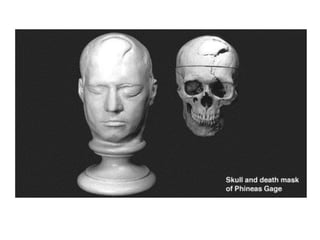
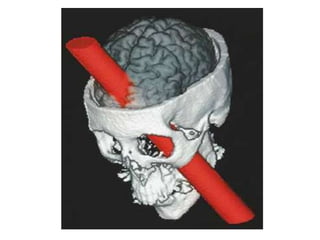
  • #119 Phineas gage
  • #121 PLACE NAMES WHICH ARE ALSO PEOPLE’S NAMES:MADISONGEORGIACHARLOTTEINDIAPARISKENYAARIZONAADELAIDESYDNEYDALLASHOUSTONOLYMPIAJORDANBETHANY
  • #123 PLACE NAMES WHICH ARE ALSO PEOPLE’S NAMES:MADISONGEORGIACHARLOTTEINDIAPARISKENYAARIZONAADELAIDESYDNEYDALLASHOUSTONOLYMPIAJORDANBETHANY
  • #128 POLICE REPORT W/ ADVANCE WARNING
  • #130 DECK OF CARDS20 QUESTIONS
  • #131 I SPY…GEO CACHINGMAPS
  • #133 If only I could be as org. as I am the day before vacation
  • #142 Twins, siblings. Various genes impacting dopamine transmission. The broad selection of targets indicates that ADHD does not follow the traditional model of a &quot;genetic disease&quot; and should therefore be viewed as a complex interaction among genetic and environmental factors. Even though all these genes might play a role, to date no single gene has been shown to make a major contribution to ADHD
  • #145 Wallman found diffs. In a dopamine transporter gene in adhd, combined type, not present with inattentive typeDecreased activity in orbital prefrontaldecreased glucose metab. In left prefrontalLack of asymmetry in b.g. (caudate and globuspallidus)
  • #146 Wcst and other frontal/executive test performanceHyp: disturbance in frontal lobe fxs may be related to impulse cntrl and to the types of cog impairments common with adhd. Conclusion: inability to cntrl, direct, and sustain attn may be the core deficiency of adhd, and not impulsivity. barkley
  • #147 Np testing , or imaging…..
  • #148 Dopamine hypothesis first proposed 1977. Noradrenergic system also implicated
  • #150 TOP DOWN BOTTOM UP
  • #154 What questions do you have re: rx?
  • #155 11:50
  • #158 Parent training at points of needSchool staff training in in-service model, then at points of need
  • #159 Moving b/t static dsm categories and dynamic human beings.Think horses, not zebras. Where possible, offer a dsm dx. E.g. NVLD … cd it be aspergers? E.g. capd… cd it be adhd inattentive type?
  • #162 Why now? Changes at school or home? Family issues? Demand specificity (and then … and then)Look for patterns (persons, situations, times of day)Look for constellations (syndromes)Name it as though you’d never heard of our dx categories. “cries for no reason, lost his appetite, thinks of suicide d/o.” she’s got “fixated on routine, doesn’t like to walk down stairs, gets carsick easily, doesn’t like tags in her clothing d/o.”
  • #167 Go in with LOW threshold of suspicion: “show me.”Think horses not zebras.What domains are ppl c/o ?
  • #168 Sensory History Checklists and Interviews􀂄 Sensory Profiles (Dunn et al, 1999, 2001) 􀂄 Short Sensory Profile (McIntosh, Miller,Shyu,. &amp; Dunn, W. ,1999a). 􀂄 Evaluation of Sensory Processing (Parham, et al., 2003) 􀂄 Sensory Processing Interview and Inventory (Wilbarger, et al.)􀂄 Sensory Rating Scale for Infants &amp; YoungChildren (Provost &amp; Oetter, 1993)
  • #169 AudiologySpeech tx – primarily functional receptive language
  • #171 My mom cries a lot and has dropped her hobbies….mdd?My brother won’t touch doorknobs…ocd?My son cant stand turtlenecks or tags in shirts….spd?I can go from happy one minute to sad or angry the next..bad? Ied? Mdd?
  • #173 Before we jump into tx planning, we want to be as clear as possible re: case conceptualization. i.e., dx yes, but more than that “what’s the kids deal,” including consideration of fx of behavior, home environment, and medical issues.
  • #176 Think of a child/student/ct… the behavioral change which would make the biggest difference……I told you of a set of strategies that could bring about IMMEDIATE behavioral change…Antecedents – human behavior change and learning can be very hard. If environmental or antecedent changes can fix the problem, we start there.
  • #178 147”
  • #179 Dawson p 81Setting him up for success – think about the “box” and its capacity. Don’t overload it.Change physical or soc. Environment – add bariers, &lt;distractions, &gt;org. structure, change social mixChange nature of tasks – reduce complexity (if &gt; 3/10 on difficulty scale)Why do students shape up when tchr close by? &gt;insight, activate rules, clearly they “can” – performance deficit vs skills deficit.
  • #180 Which is the most important point of intervention?
  • #181 Dawson p 81Setting him up for success – think about the “box” and its capacity. Don’t overload it.Change physical or soc. Environment – add bariers, &lt;distractions, &gt;org. structure, change social mixChange nature of tasks – reduce complexity (if &gt; 3/10 on difficulty scale)Why do students shape up when tchr close by? &gt;insight, activate rules, clearly they “can” – performance deficit vs skills deficit.
  • #182 Child in La. In ny times article: mom, pedi, psych. “discipline”Changing antecedent can bring immediate results.
  • #186 Get eye contactSpeak clearly – avoid metacommunicationsProvide behavioral infoCheck for understanding
  • #187 Antecedent support for students and adults w/ processing disorders
  • #188 Depression, Suicidal Ideation More Likely in Adolescents With Late vs Earlier Set Bedtimes Tx: sleep hygeine
  • #189 Has trouble getting started w workWorks only on thihngs that are partic. Interesting to him/herEffort is unpredictableTx: use hi-interest topics, Premack principle, cueing, R cost (tokens)
  • #190 Tx: vary potency of stimli; highlighting certain words/phrases; explicit training in id’ing “what’s most important” (picture completion subtest)
  • #191 122”
  • #193 EXPLAIN WKSHOP’S PURPOSE, INCREASE SALIENCE, RELATE TO PRIOR K’LEDGE
  • #196 STUDY BOX
  • #197 FLASHLIGHT IN THE DARKNot a good listenerNot in volitional control of the process of focus: can overfocus, can fail to concentrate long enoughMisses key parts of directions / explanationsTx: keep verbalizations short and simple; check for understanding; use bookmarks that facilitate focus
  • #198 2:00
  • #199 Hard to satisfy, wants things all the time; needyRestless, craves excitementConcentrates well only on exciting stimuliPoor delayed gratificationTx: provide stimulating learning situations; do not r+ inappropriate or off-task behav.
  • #200 Fails to look ahead and predict consequences, Task approach is seemingly w/o plan, w/o regard to time needed, w/o regard to resources needed. Difficulty w transitions, Difficulty foreseeing solutionsTx: train in self-talk and problem solving. R+ instances of behav,. Inhibition and planning ahead (e,.g. raising hand, packing umbrella); modeling. EG: tom, 8th grader, procrastination. TS . worked with mom, who coordinated w/ school 2 b notified of any longer term projects. LONG TERM PROJECT PLANNING SHEET. Eg report on dangerous sea animal. Brainstorm, choose, id materials needed, subgoals, assign dates, plan R+ for meeting goals.
  • #201 MUSICAL CHAIRS , RED LIGHT / GREEN LIGHTTx: use DRO to increase soc. Appropriate behav.; be explicit; use + px (w many repetitions)EG: circle time a struggle for kristin, 2nd grader. Despite clear rules about turn taking, kristin wd blurt out while others were talking. Tchr introduced a talking stick. Then gave each child 2 chips (to ask ?s). If pt blurts, lose chip. FADE over time.
  • #202 Does things slowly, or recklessly … barkley and time perceptionTrouble organizing time needs during taskDawdles, misses deadlinesLevel of activity seems inappropriate to actual urgency of taskTx: age approp. Time mgt tools; organizational charts, sub-goals, checklistst; px time estimates; beat the clock
  • #204 ALL THE THINGS YOU CAN THINK OF THAT…Tx: give ongoing supportive feedback; encourage post-mortem reviews of behav; nag tapes
  • #206 ALL THE THINGS YOU CAN THINK OF THAT…Tx: give ongoing supportive feedback; encourage post-mortem reviews of behav; nag tapes
  • #207 HOW DID YOU DO THAT? HOW DID YOU GET TO THE APPOINTMENT 30 MINUTES LATE?
  • #210 29 times a month he made curfew. That’s great executive fx !
  • #211 You can also ask about the other 2 times. What was different when you didn’t make curfew? What did you think or see or say to yourself? What did you do that led to your showing up exactly when you did?
  • #214 1% of pop. BAD. BAD spectrum may be 4 – 6 %. With one BAD parent, risk is 15-30%, when both parents BAD, 50-75%. In retrospective I’views, 60% of BAD adults recall onset of sx before age 20. 40% even younger, from 13-18 yo. “narrow,” “intermediate” and “broad” BAD phenotypes. “soft BAD spectrum”
  • #215 REGROUP TIMEPOST-MORTEMHOW DO YOU LOOK?BEGINNING, MIDDLE, ENDYARN ON SANDPAPER, TAKING TURNSANOTHER VIEWPOINT (ANTS, FLOWERS)
  • #218 Stronger social support for being nice, developing emotional intelligence. Locker or desk mt be messy. Handwriting mt be messy. Mt be sensitive to visual stimuli and physical mvmt. Shy/wdrawn. If hyper, mt be hypertalkative and chatty.
  • #219 More tasks, more diffuse
  • #220 Who called the caterer? Designed and order tshirts? Considered potential hurt feelings re: invitation list. Set up the evite? Remembered that the reunion would coincide with 20th wedding reunion of one couple? Made sure the paper plates and cups match? Managed the household mood in the days leading up to the reunion?More tasksMore diffuseMore parental responsibilityLess likely to have an “executive” partnerLess likely to have assistants at workLess likely to focus on a narrow areaMore likely to feel shame about disorganization
  • #224 Texts which are visually cluttered or demanding.
  • #225 Individuals with disabilities educatino act of 1997Section 504 of the rehab act of 1973
  • #226 BEGINNING, MIDDLE, ENDLIFELINEKIMOCHIS
  • #227 147”
  • #228 WHAT QUESTIONS ARE MATURE EXECUTIVES ASKING THEMSELVES?What are non-impaired kids doing that this pt is NOT? - screening out at the bottom-up level - screening out at higher level
  • #229 What are non-impaired kids doing that this pt is NOT?You can say: “If I keep doing this it islikely my teacher/friend will……”Ask to hear what the inner voice wassaying: “Tell me what you like bestabout that!”“Tell me what you were thinking whenyou came up with that idea!”“That must have been a challenge…whatdid you tell yourself to get past it?”• -“How are you going to know when to be ready?”• -“How are you going to stop yourself from…?”• -“What is your goal?”• -“What do you want it to look like?”• -“How long do you think it will take?”• -“How much did time did it take last time?”• -“How are you going decide where to set that up?”• -“How are you going to know what you need?”• -“How are you going to know what is most important?”• -“How are you going to decide what to do first?”• -“How will you know when you are done?”• -“How will you continue when you are tired?”• -“How did that work out?”• -“How long do you think that took?”• -“How did you manage/know how to do it?”• -“Would you do anything differently?”• -“Have you done anything like this before?”• -“Was that harder or easier than….”
  • #230 What are non-impaired kids doing that this pt is NOT?You can say: “If I keep doing this it islikely my teacher/friend will……”Ask to hear what the inner voice wassaying: “Tell me what you like bestabout that!”“Tell me what you were thinking whenyou came up with that idea!”“That must have been a challenge…whatdid you tell yourself to get past it?”• -“How are you going to know when to be ready?”• -“How are you going to stop yourself from…?”• -“What is your goal?”• -“What do you want it to look like?”• -“How long do you think it will take?”• -“How much did time did it take last time?”• -“How are you going decide where to set that up?”• -“How are you going to know what you need?”• -“How are you going to know what is most important?”• -“How are you going to decide what to do first?”• -“How will you know when you are done?”• -“How will you continue when you are tired?”• -“How did that work out?”• -“How long do you think that took?”• -“How did you manage/know how to do it?”• -“Would you do anything differently?”• -“Have you done anything like this before?”• -“Was that harder or easier than….”
  • #235 Make task shorter, build in breaks, use salient r+ for afterwards, make steps more explicit, make task more appealing (beat the clock, write steps down on slips of paper, in jar)
  • #236 2:20
  • #237 BELLY COUNTSFIDGET TOYS
  • #238 GUESS HOW OLD?
  • #252 Token economy or response costChunking larger work into manageable units; beat the clock game; make post-homework time salientSet a clear when and whereMove towards independence; fade supervision“forgetting” homework is not a memory problem, but an organization problem
  • #260 242”
  • #262 He should just do it!
  • #263 Victoriah’s F re: u sh just do it, tense/frustrated
  • #264 HAPPENINGS BOOK (SCRAPBOOK AND HOPEBOOK)EXPANDING INTERESTSHI AND LOW OF THE DAYWAITER TAKE MY ORDER
  • #269 “this is your 1:00”
  • #270 “this is your 1:00”
  • #271 “this is your 1:00”
  • #273 Train very structured dyadic communication
  • #274 Realistic expecationsEfficiencyDelegatingOutsourcingGetting clear re: “disability”
  • #275 Realistic expecationsEfficiencyDelegatingOutsourcingGetting clear re:“disability”
  • #277 Top of page 31
  • #289 MTBI – photo/phonophobia, headphones and sunglasses, Horseback riding (hippotherapy), trampoline, deep breathing exercises, raw carrots, have fidget objects on hand, relax with fish tank or lava light, experiment with lighting, notice reaction to smells (including “air fresheners”) in the home, massage, sauna, yoga/tai chi/martial arts, watch reaction to caffeine and etoh, vitamin b?, carefully guard sleep, plan vacations around sensory needs, be realistic re: what you can actually tolerate and manage.
  • #290 Earphones, sensory diet, planning around variable noise, preferential seating, note-taker in college courses.1. Have trouble hearing clearly when it&apos;s noisy? This can be a failure of one or more of the automatic noise-suppression systems of the brain. It is reasonable to ask for a desk away from the computers or for a sound-absorbent partition. It is both polite and efficient to say, &quot;I&apos;m interested in what you&apos;re saying. Let&apos;s move away from this noise.&quot; A mild-gain amplifier can help you hear accurately on the phone over the noise of a busy office.2. Sometimes make &quot;silly&quot; mistakes or &quot;careless&quot; errors? Intrusions of random sounds which normal-hearing people can ignore may break your concentration so that you lose your place and skip a task (like carrying a number or writing a small word in the sentence). Take the work to a quieter place if necessary. Earplugs (sometimes in only one ear which suppresses noise less well) are a possible emergency solution. Make a deal with someone else to proofread your work.3. Miss important sounds or signals that others hear easily? Poor noise suppression and sound localization skills can cause important voices or signals to &quot;disappear&quot; in the general background. It will save others time if they know to tap you on the shoulder before they launch into their conversation. Telephone bells and alarms can be adjusted for volume or pitch, or a visual or tactile signal can be added.4. Get important messages wrong? Sound distortion, sequencing, auditory-visual transfer, and/or short term memory problems may be contributors. You can ask for the information in writing, double-check later with someone else who was present, or let the speaker know that she&apos;s going too fast. Even normal listeners often say, &quot;Let me read that back -- ,&quot; or &quot;That&apos;s &apos;3489&apos;?&quot;5. Forget instructions? Inefficient short term auditory and rote memory (or habituation) may figure in this. Get in the habit of taking notes; set up a logbook for longer-term assignments; ask that the information be put in a memo. You might even carry a small tape recorder or dictaphone in some situations. If you often forget to go back to it later, put the memo or recorder where you must see it, as by your purse or underneath something you use every day.6. Only get parts of more complex directions or lengthy explanations? Here you may begin to suspect a problem with the subtleties of language - difficulty forming rapid &quot;word pictures&quot; to help with concept formation and memory, or failure to consider alternative word definitions so that meaning is mis-perceived. You can &quot;freeze&quot; it for later analysis by writing or taping. You can say &quot;I learn better if I do it myself while you watch.&quot; Have someone else help you fill in details later.7. Have difficulty knowing &quot;what to say when&quot; and are puzzled by others&apos; reactions to you? One possibility is an inefficiency in the part of the brain which registers tonality (expression in the voice) and gives us &quot;quick fix&quot; on the situation (sometimes referred to with rough accuracy as a &quot;right hemisphere disorder&quot;). A professional can help you learn other cues by which to &quot;read&quot; how people are feeling about what you said and how to change what you say accordingly, much as anyone would have to learn about a foreign culture. In the meantime you might explain the problem to people you trust so their feelings aren&apos;t hurt.