Group Members:
Anand Bellam Balaji Rida Ali
Azima Shafaq Adilah Kadir
• Food packaging is a major part of a food product
considered by industries
• Includes convenience, attractiveness, environment
friendliness, economic factors, satisfaction.
• Sugar is an important basic need for EVERYONE thus
sugar packaging is a major factor.
• Current plastic packaging tends to tear and spill out the
sugar
• Customers find torn packages in the supermarkets prior
purchase
• Loss of sugar
• Once opened, cannot be closed
• Sugar exposed to moisture in the environment, forms
lumps and becomes hard
• Hardened sugar has to be heated and broken up:
inconvenient
• Ants easily enter the opened packet
• Sugar cannot be stored in the packaging it is bought
• The plastic used is harmful to the environment
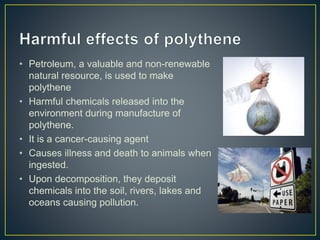
Polythene
• Petroleum, a valuable and non-renewable
natural resource, is used to make
polythene
• Harmful chemicals released into the
environment during manufacture of
polythene.
• It is a cancer-causing agent
• Causes illness and death to animals when
ingested.
• Upon decomposition, they deposit
chemicals into the soil, rivers, lakes and
oceans causing pollution.
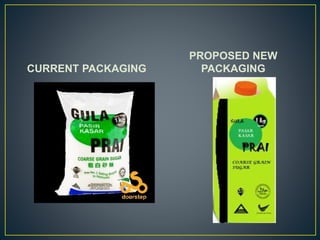
CURRENT PACKAGING
PROPOSED NEW
PACKAGING
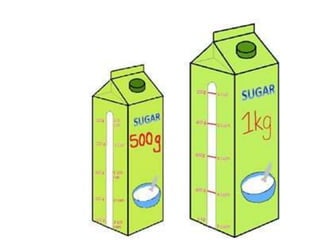
• Paper board is lined up
with thin layer of
polypropylene plastic to
prevent contact with
moisture
• Windows to check sugar
levels
• Plastic cap of diameter
3cm with option of
sprinkling and mass
outflow.
Polypropylene
Paperboard
Polypropylene
Has 3 layers
Cap is made of polypropylene
• Thick paper based material
• Needs to have a basis weight above 224g/m2 according
to ISO standards
• Thicker than paper by 0.25mm
• Can be single or multiply
• Pulp for paperboard is usually 60% hardwood and 40%
softwood
• Softwood produces long wood fibers that provide
strength to the paperboard.
• Hardwood has shorter fibers that make for a better
printing surface.
• Can be easily cut and formed
• Lightweight
• Strong
• Gives stability and strength without adding unnecessary
weight
• Biodegradable
• Renewable raw material, made from wood
• Has good printability, no extra labels needed
• Cheap packaging material
• Polyolefin (carbon and hydrogen makeup)
• The external layer protects the carton from external
moisture
• The internal layer protects the sugar from moisture
• Resistant to water, oil, grease and chemical products
• Does not need plasticizer
• Does not need additives (UV and heat stabilizers,
antioxidants, and flame retardants)
• Can be recycled, incinerated, or landfilled without harm to
environment.
• Burning does not release toxic or carcinogenic fumes
• Cheap
• Easy to mold
• Low density
• Good stiffness/ impact balance
• Thermal resistance
• It can produce many other plastics used for packaging
• Produces less solid by waste compared to other plastics
• Produces significantly less CO2 equivalents by weight
compared to other plastics
• PP is fully recyclable
• Recycled PP is being used in diverse applications
•Polypropylene
Low Oxygen
Transmission
Rate
Low Water
Vapour
Transmission
Rate
Low
Permeabilit
y
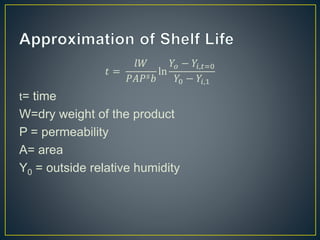
𝑡 =
𝑙𝑊
𝑃𝐴𝑃 𝑠 𝑏
ln
𝑌𝑜 − 𝑌𝑖,𝑡=0
𝑌0 − 𝑌𝑖,1
t= time
W=dry weight of the product
P = permeability
A= area
Y0 = outside relative humidity
• Options for carton box optimisation include:
• Joint reduction;
• material weight, content and source;
• volumetric efficiency;
• Carton ends have flaps that overlap to provide surface-
to-surface glue joints
• Reducing flap size whilst maintaining seal integrity
reduces primary pack material use by reducing the blank
size.
• This could reduce cost if the change results in greater
sheet usage at the converter
• Reducing the overall size of a box not only eliminates
material
• but can also achieve significant financial
• environmental benefits through more efficient
palletisation, storage and transport
Feeding of reel with
labelled carton
Partial Cartoning with
cap and bottom open
Filling of sugar
Cups of measured
volume sugar
Feeding Coveyor
Sealing Bottom
http://www.youtube.com/watch?v=qhipMIg
BnDo
• A cartoning machine in which a carton blank is partly
formed into an open top carton
• Fixes the Cap at the bottom
• Vertically Fills the carton from the top
• Carton is fully formed
• Catron is sealed
Storage
and
Handling
Directions
to use
Ingredients
Nutritional
Facts
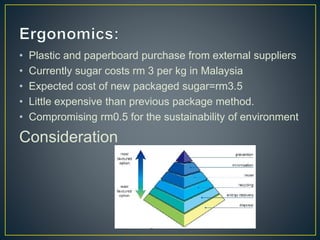
• Plastic and paperboard purchase from external suppliers
• Currently sugar costs rm 3 per kg in Malaysia
• Expected cost of new packaged sugar=rm3.5
• Little expensive than previous package method.
• Compromising rm0.5 for the sustainability of environment
Consideration
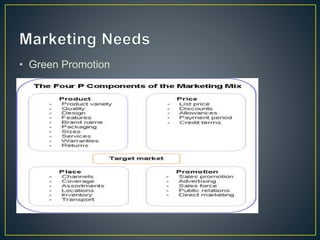
• Green Promotion
Replaced polythene in packaging
No tearing of packaging prior usage
No spillage and loss of sugar sustainability maintained
Sugar can be stored in the packaging it is bought
Airtight container prevents exposure to moisture and
improves shelf life
No more ants in your sugar
No inconvenience of hardened sugar
Antimicrobial
 Cap enables good pouring
 Product remains fresh
 Paperboard is more environmentally friendly
 Product can be held in the hand, grip leads to a squeezing
of the carton, giving a more secure feeling in the hand
 Consumers can feel good about their choice and play their
role in safeguarding the planet
 The opening is bigger
 Improved opening and pouring functions giving more
convenience to children and elderly people
 The rectangular footprint of the carton provides more
space efficiency during transport and storage
 In addition, the carton is transported prior to filling as a flat
pack, further reducing transport cost and environmental
impact
• http://www.ehow.com/info_8026991_sugar-packaging-
disadvantages.html
• http://www.ehow.com/facts_7559408_disadvantages-using-
cardboard.html
• http://www.ifood.tv/blog/what-are-the-disadvantages-of-sugar-
packaging
• http://www.mondigroup.com/products/desktopdefault.aspx/tabi
d-1250/
• http://www.ehow.com/search.html?s=Cardboard+Packaging&s
kin=corporate&t=all&rs=1&channel=trav_travel_preparation
• http://www.univerpacks.com/Packing-
236p?gclid=CMjf24fEnbsCFUlT4godUB8AxQ
• http://www.ehow.com/list_7353482_types-cardboard-
packaging.html
Thank you

Presentation final

  • 1.
    Group Members: Anand BellamBalaji Rida Ali Azima Shafaq Adilah Kadir
  • 2.
    • Food packagingis a major part of a food product considered by industries • Includes convenience, attractiveness, environment friendliness, economic factors, satisfaction. • Sugar is an important basic need for EVERYONE thus sugar packaging is a major factor.
  • 3.
    • Current plasticpackaging tends to tear and spill out the sugar • Customers find torn packages in the supermarkets prior purchase • Loss of sugar • Once opened, cannot be closed • Sugar exposed to moisture in the environment, forms lumps and becomes hard • Hardened sugar has to be heated and broken up: inconvenient • Ants easily enter the opened packet • Sugar cannot be stored in the packaging it is bought • The plastic used is harmful to the environment Polythene
  • 4.
    • Petroleum, avaluable and non-renewable natural resource, is used to make polythene • Harmful chemicals released into the environment during manufacture of polythene. • It is a cancer-causing agent • Causes illness and death to animals when ingested. • Upon decomposition, they deposit chemicals into the soil, rivers, lakes and oceans causing pollution.
  • 5.
  • 7.
    • Paper boardis lined up with thin layer of polypropylene plastic to prevent contact with moisture • Windows to check sugar levels • Plastic cap of diameter 3cm with option of sprinkling and mass outflow.
  • 8.
  • 9.
    • Thick paperbased material • Needs to have a basis weight above 224g/m2 according to ISO standards • Thicker than paper by 0.25mm • Can be single or multiply • Pulp for paperboard is usually 60% hardwood and 40% softwood • Softwood produces long wood fibers that provide strength to the paperboard. • Hardwood has shorter fibers that make for a better printing surface.
  • 10.
    • Can beeasily cut and formed • Lightweight • Strong • Gives stability and strength without adding unnecessary weight • Biodegradable • Renewable raw material, made from wood • Has good printability, no extra labels needed • Cheap packaging material
  • 11.
    • Polyolefin (carbonand hydrogen makeup) • The external layer protects the carton from external moisture • The internal layer protects the sugar from moisture • Resistant to water, oil, grease and chemical products • Does not need plasticizer • Does not need additives (UV and heat stabilizers, antioxidants, and flame retardants)
  • 12.
    • Can berecycled, incinerated, or landfilled without harm to environment. • Burning does not release toxic or carcinogenic fumes • Cheap • Easy to mold • Low density • Good stiffness/ impact balance • Thermal resistance
  • 13.
    • It canproduce many other plastics used for packaging • Produces less solid by waste compared to other plastics • Produces significantly less CO2 equivalents by weight compared to other plastics • PP is fully recyclable • Recycled PP is being used in diverse applications
  • 14.
  • 15.
    𝑡 = 𝑙𝑊 𝑃𝐴𝑃 𝑠𝑏 ln 𝑌𝑜 − 𝑌𝑖,𝑡=0 𝑌0 − 𝑌𝑖,1 t= time W=dry weight of the product P = permeability A= area Y0 = outside relative humidity
  • 16.
    • Options forcarton box optimisation include: • Joint reduction; • material weight, content and source; • volumetric efficiency;
  • 17.
    • Carton endshave flaps that overlap to provide surface- to-surface glue joints • Reducing flap size whilst maintaining seal integrity reduces primary pack material use by reducing the blank size. • This could reduce cost if the change results in greater sheet usage at the converter
  • 18.
    • Reducing theoverall size of a box not only eliminates material • but can also achieve significant financial • environmental benefits through more efficient palletisation, storage and transport
  • 19.
    Feeding of reelwith labelled carton Partial Cartoning with cap and bottom open Filling of sugar Cups of measured volume sugar Feeding Coveyor Sealing Bottom
  • 20.
  • 22.
    • A cartoningmachine in which a carton blank is partly formed into an open top carton • Fixes the Cap at the bottom • Vertically Fills the carton from the top • Carton is fully formed • Catron is sealed
  • 24.
  • 25.
    • Plastic andpaperboard purchase from external suppliers • Currently sugar costs rm 3 per kg in Malaysia • Expected cost of new packaged sugar=rm3.5 • Little expensive than previous package method. • Compromising rm0.5 for the sustainability of environment Consideration
  • 27.
  • 28.
    Replaced polythene inpackaging No tearing of packaging prior usage No spillage and loss of sugar sustainability maintained Sugar can be stored in the packaging it is bought Airtight container prevents exposure to moisture and improves shelf life No more ants in your sugar No inconvenience of hardened sugar Antimicrobial
  • 29.
     Cap enablesgood pouring  Product remains fresh  Paperboard is more environmentally friendly  Product can be held in the hand, grip leads to a squeezing of the carton, giving a more secure feeling in the hand  Consumers can feel good about their choice and play their role in safeguarding the planet  The opening is bigger  Improved opening and pouring functions giving more convenience to children and elderly people  The rectangular footprint of the carton provides more space efficiency during transport and storage  In addition, the carton is transported prior to filling as a flat pack, further reducing transport cost and environmental impact
  • 30.
    • http://www.ehow.com/info_8026991_sugar-packaging- disadvantages.html • http://www.ehow.com/facts_7559408_disadvantages-using- cardboard.html •http://www.ifood.tv/blog/what-are-the-disadvantages-of-sugar- packaging • http://www.mondigroup.com/products/desktopdefault.aspx/tabi d-1250/ • http://www.ehow.com/search.html?s=Cardboard+Packaging&s kin=corporate&t=all&rs=1&channel=trav_travel_preparation • http://www.univerpacks.com/Packing- 236p?gclid=CMjf24fEnbsCFUlT4godUB8AxQ • http://www.ehow.com/list_7353482_types-cardboard- packaging.html
  • 31.