Premenstrual Changes
      (PMCs)


• Dr Muhammad El Hennawy
• Ob/gyn specialist
• Rass el barr - Dumyatt – EGYPT
• www.geocities.com/mmhennawy
• PMCs (Premenstrual Changes) are a budding
  issue having both the psychiatry and
  gynecology-related symptoms with adverse
  social consequences.
• PMCs (Premenstrual Changes) are a common
  cyclic affective disorder of young and middle-
  aged occuring in the luteal phase.
• PMCs range from mild mood fluctuations,
  called Premenstrual Syndrome (PMS) to
  severe mental and physical disturbances,
  called Premenstrual Dysphoric Disorder
  (PMDD).
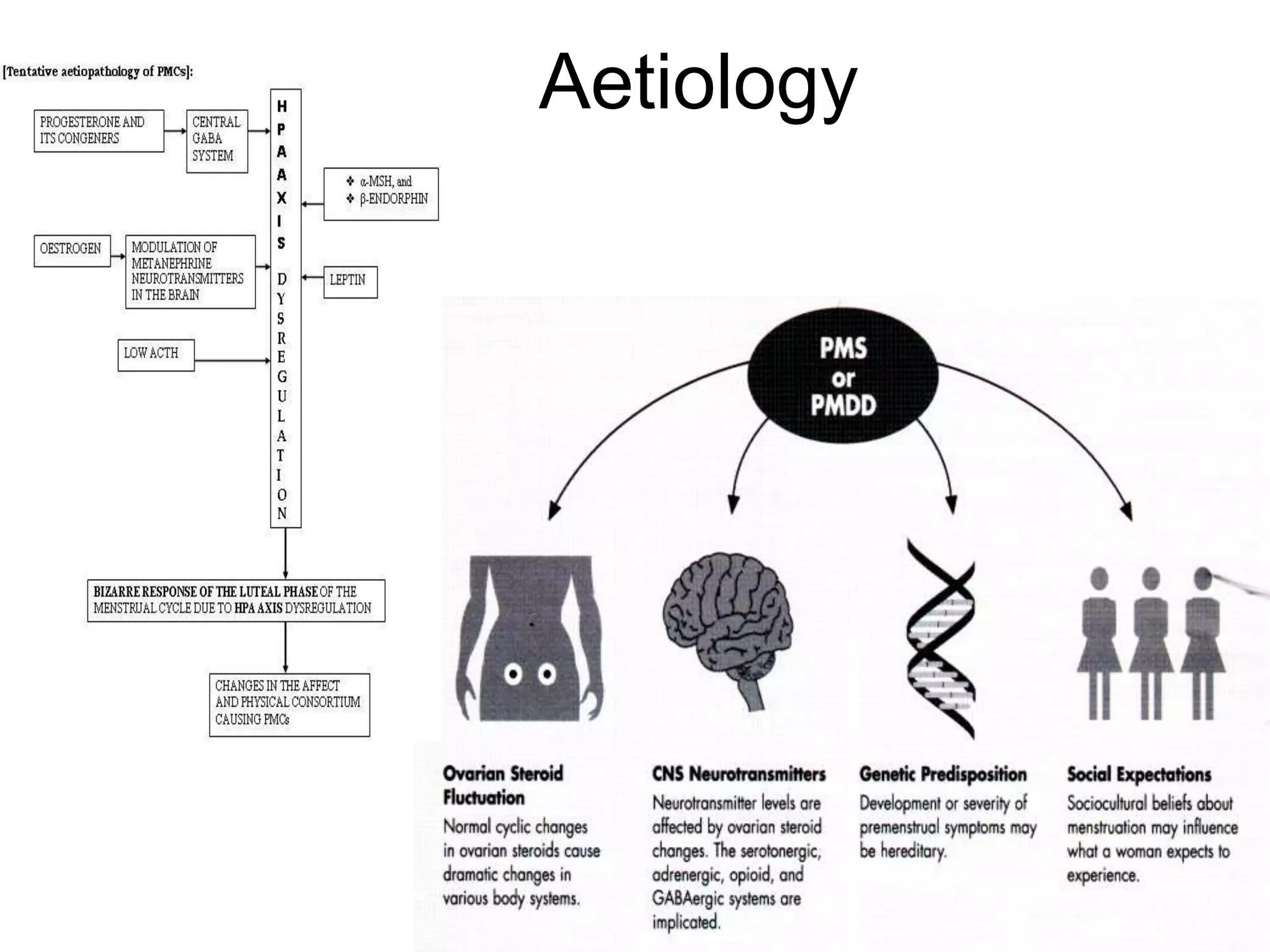
• The exact aetiology of PMCs is largely under-
  explored.
• Its diagnosis and management are often
  difficult.
Incidence
• Premenstrual syndrome and premenstrual
  dysphoric disorder are diagnoses of exclusion;
  therefore, alternative explanations for symptoms
  must be considered before either diagnosis is
  made
• Milder symptoms are believed to occur in about
  30% to 80% of reproductive-age women, while
  severe symptoms are estimated to occur in 3%
  to 5% of menstruating women.
Aetiology
• Cerebral serotonin neurotransmitter system (5-HTs) is
  an important component, involved in a large number of
  psychiatric illnesses where the affect is disturbed.
• PMDD is another extreme reflection of the affective
  disturbances. Therefore, it is interesting to note
  whether 5-HTs play any role in the development of
  PMCs. Studies have shown that post-synaptic
  serotonergic response possibly is disturbed during the
  late-luteal-premenstrual phase of the MC or even
  throughout the cycle in those who have severe
  vulnerability trait
• Though the gonadal hormone (oestrogen and
  progesterone)-induced modulation of 5-HTs is a
  known fact at the backdrop of schizophrenia
• , in PMCs, differential effects in the cerebral 5-HTs
  due to differential hormonal changes in the MC
Diagnosis
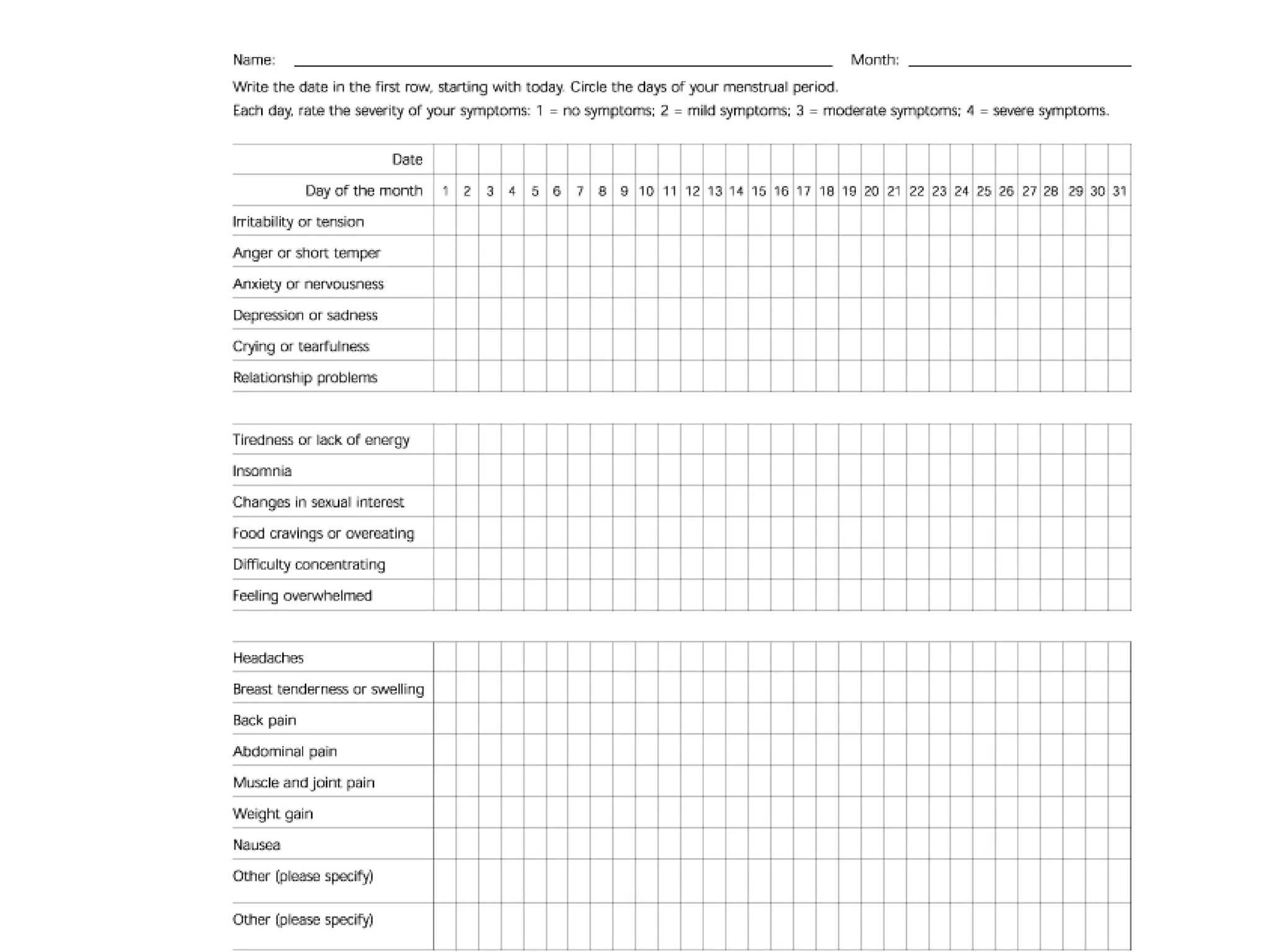
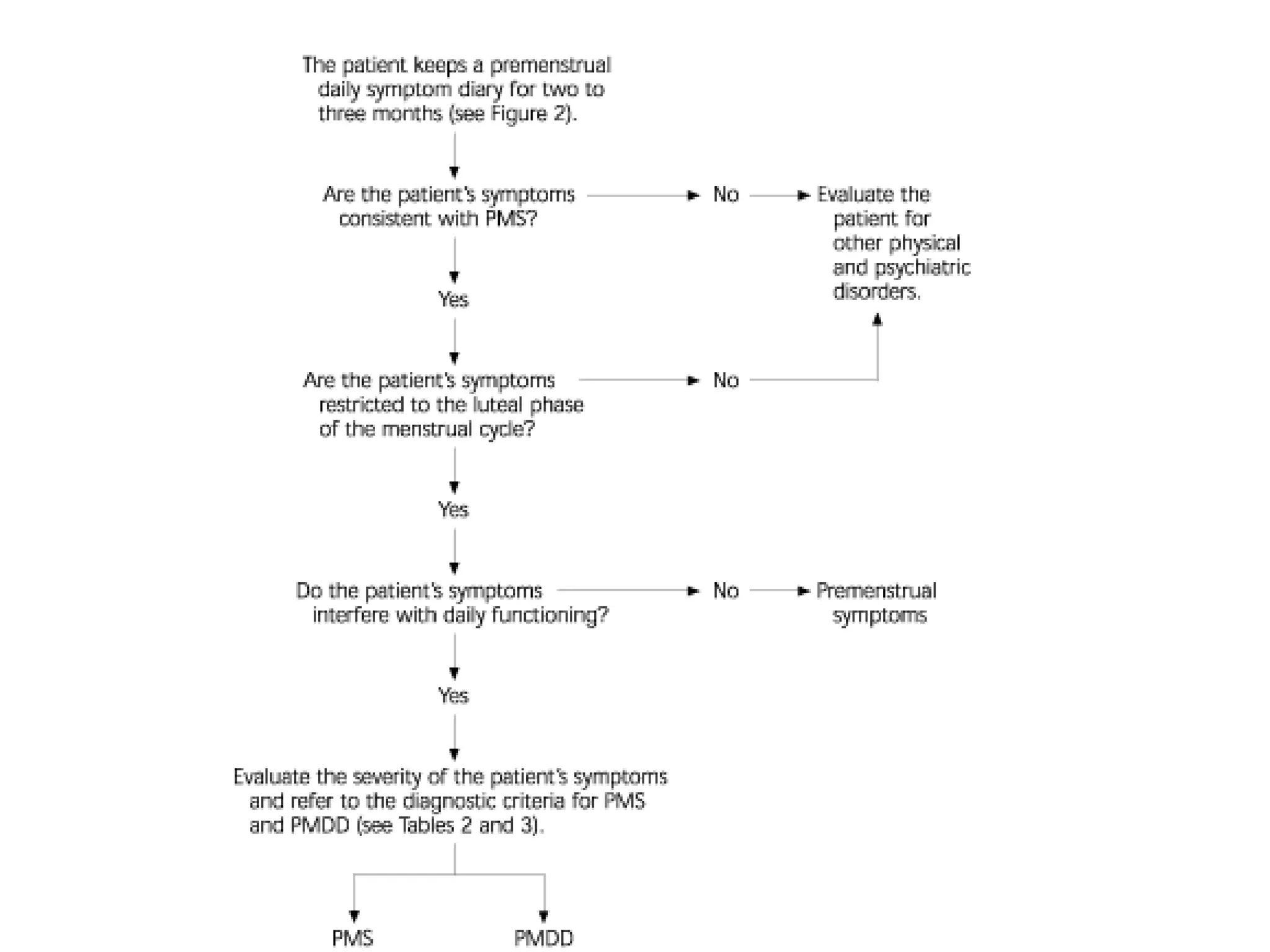
• Screening of patients could easily be done
  by asking the patients to maintain regular
  menstrual diary for at least two
  consecutive cycles to note the target
  symptoms.
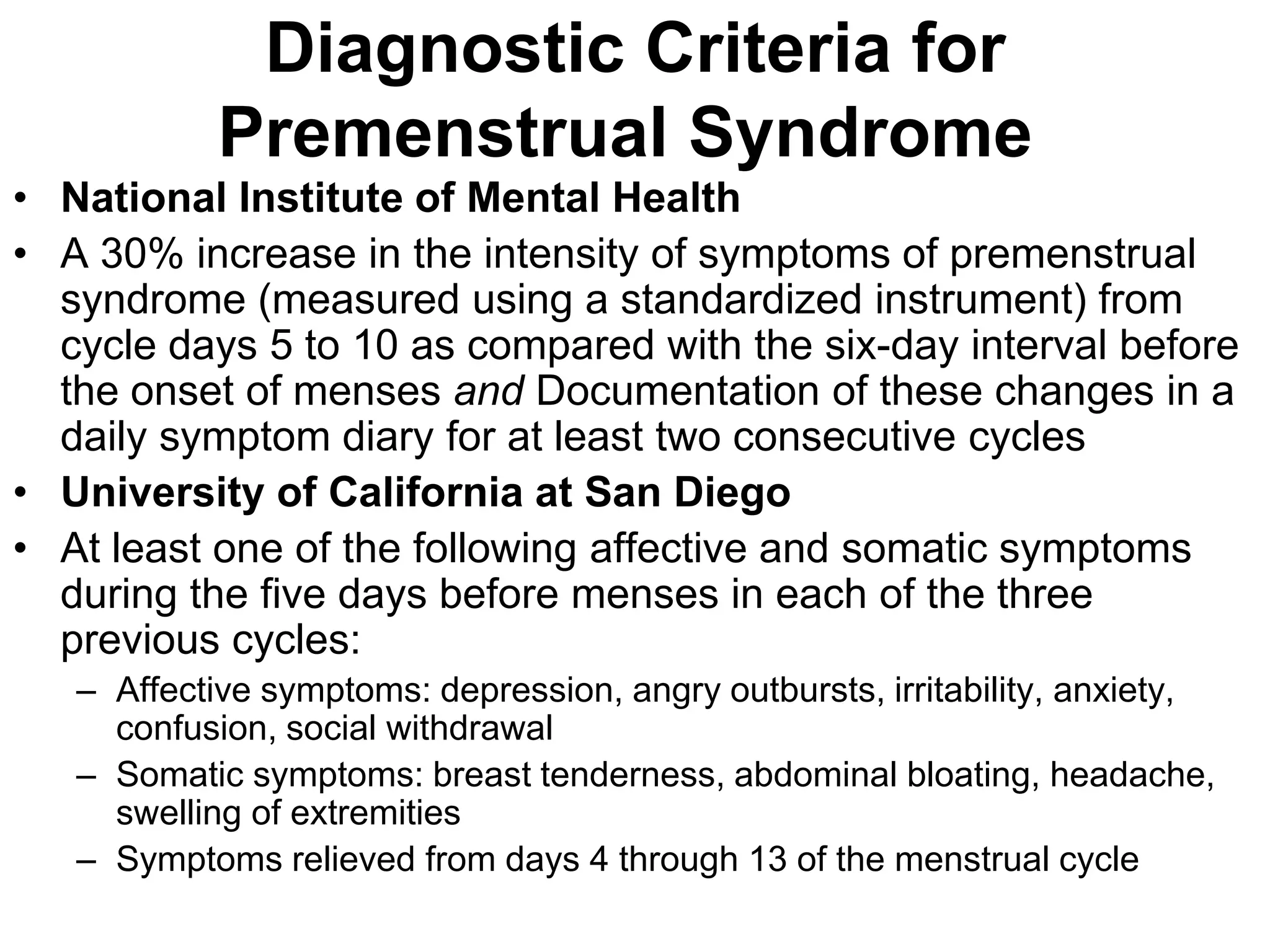
Diagnostic Criteria for
            Premenstrual Syndrome
• National Institute of Mental Health
• A 30% increase in the intensity of symptoms of premenstrual
  syndrome (measured using a standardized instrument) from
  cycle days 5 to 10 as compared with the six-day interval before
  the onset of menses and Documentation of these changes in a
  daily symptom diary for at least two consecutive cycles
• University of California at San Diego
• At least one of the following affective and somatic symptoms
  during the five days before menses in each of the three
  previous cycles:
   – Affective symptoms: depression, angry outbursts, irritability, anxiety,
     confusion, social withdrawal
   – Somatic symptoms: breast tenderness, abdominal bloating, headache,
     swelling of extremities
   – Symptoms relieved from days 4 through 13 of the menstrual cycle
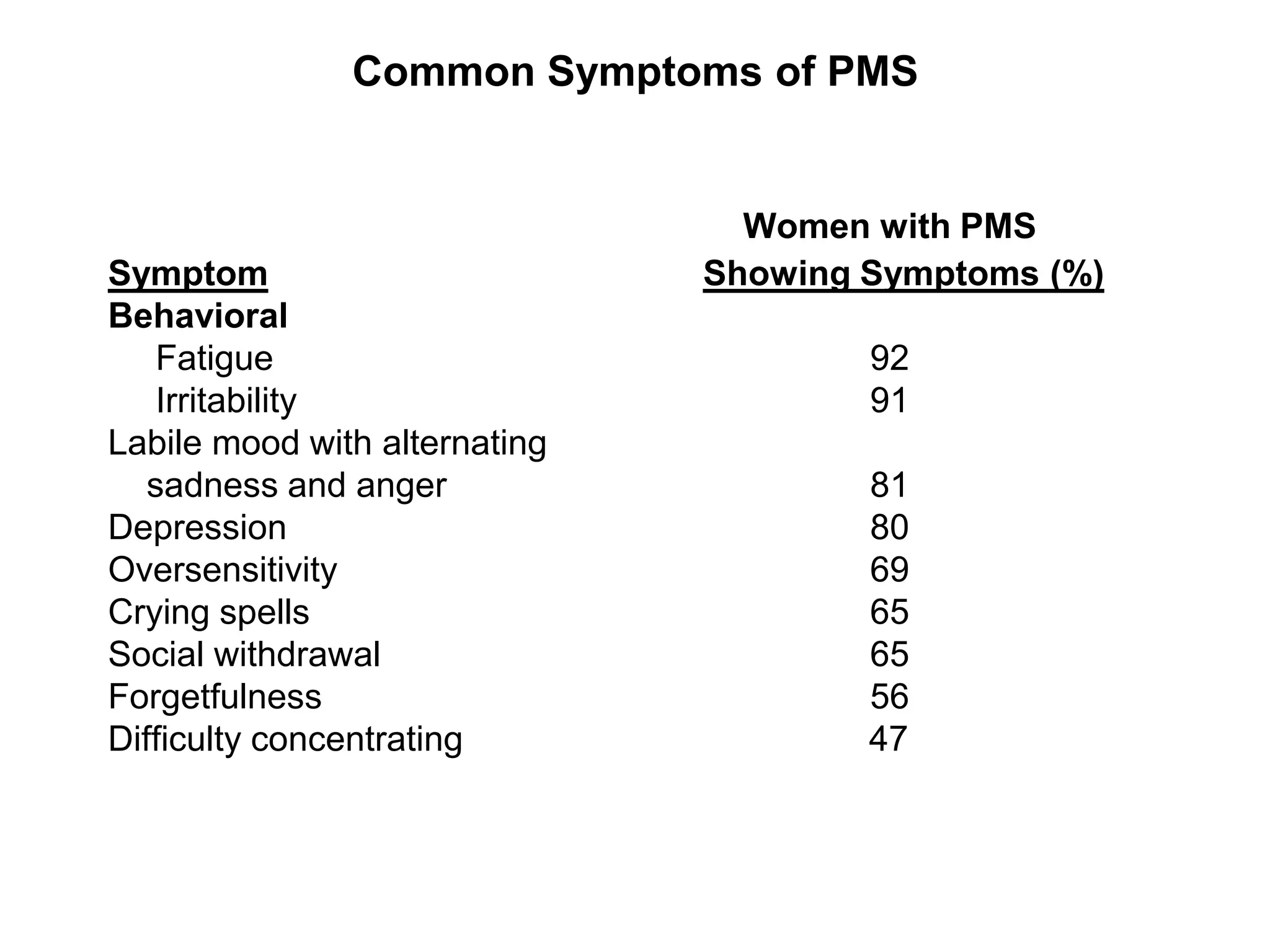
Common Symptoms of PMS


                                 Women with PMS
Symptom                        Showing Symptoms (%)
Behavioral
    Fatigue                            92
    Irritability                       91
Labile mood with alternating
   sadness and anger                   81
Depression                             80
Oversensitivity                        69
Crying spells                          65
Social withdrawal                      65
Forgetfulness                          56
Difficulty concentrating               47
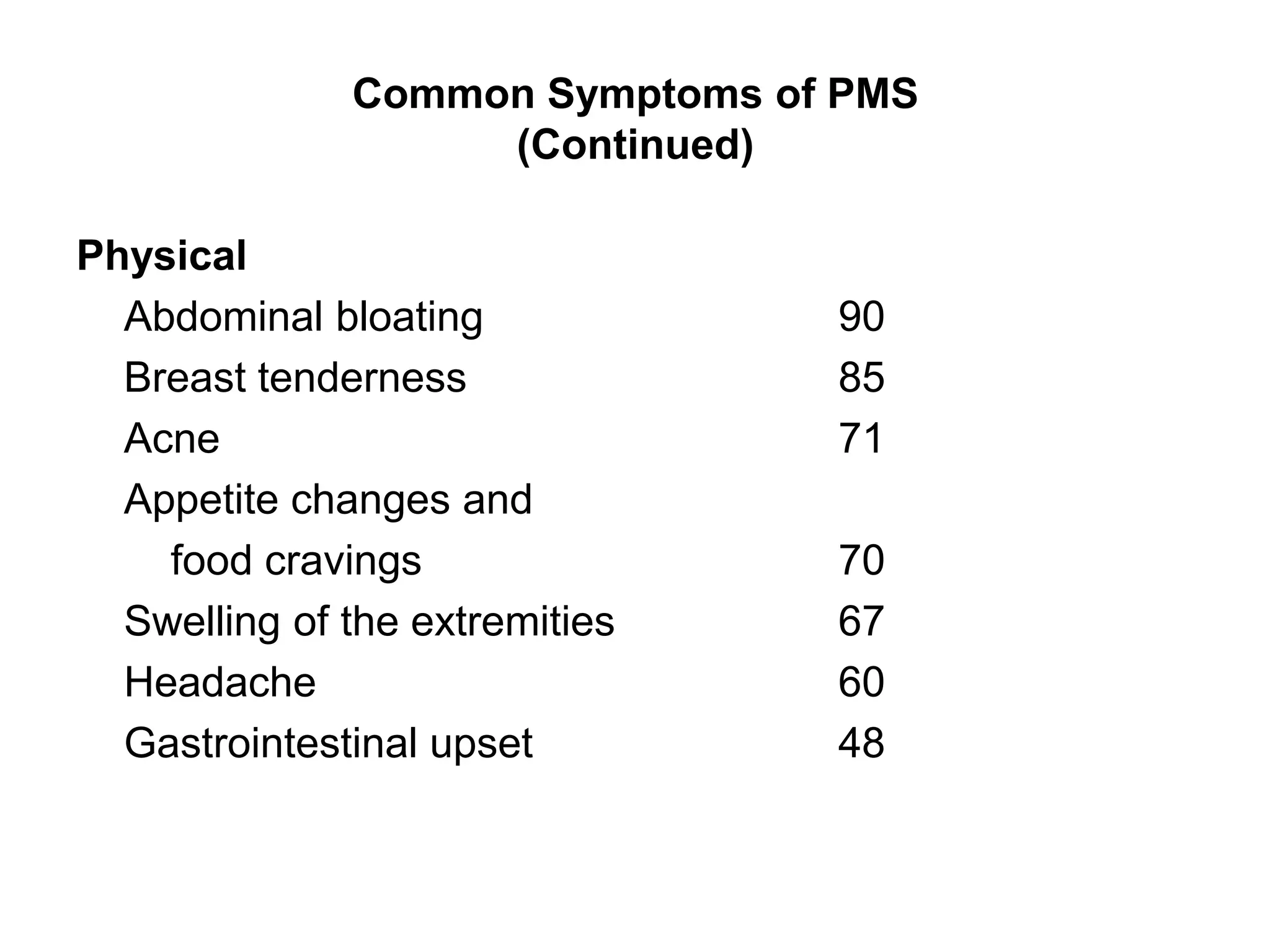
Common Symptoms of PMS
                   (Continued)

Physical
  Abdominal bloating            90
  Breast tenderness             85
  Acne                          71
  Appetite changes and
    food cravings               70
  Swelling of the extremities   67
  Headache                      60
  Gastrointestinal upset        48
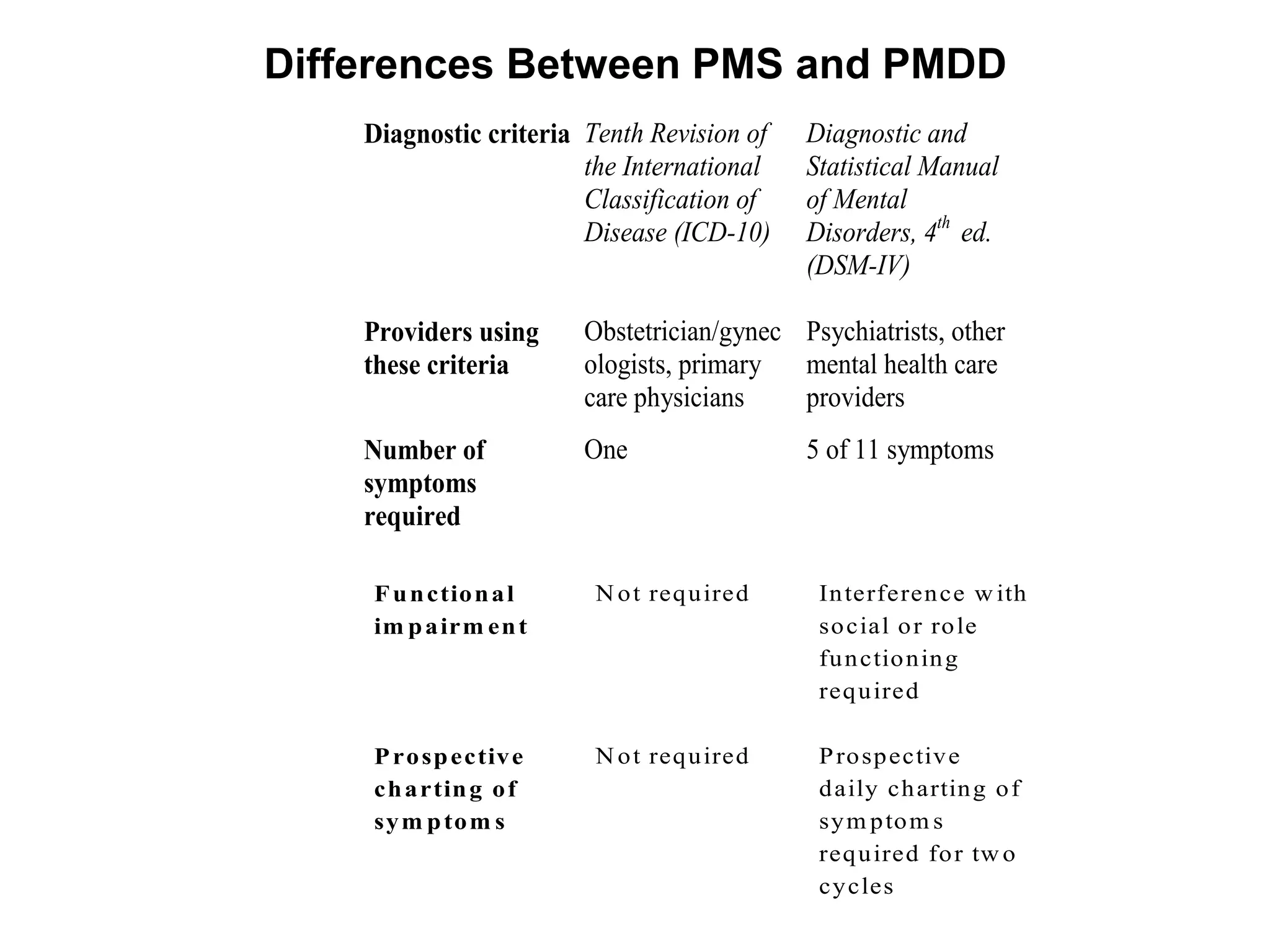
Differences Between PMS and PMDD
    Diagnostic criteria Tenth Revision of   Diagnostic and
                        the International   Statistical Manual
                        Classification of   of Mental
                        Disease (ICD-10)    Disorders, 4th ed.
                                            (DSM-IV)

    Providers using     Obstetrician/gynec Psychiatrists, other
    these criteria      ologists, primary  mental health care
                        care physicians    providers
    Number of           One                 5 of 11 symptoms
    symptoms
    required

    F u n ctio n a l     N o t req u ired    In terferen ce w ith
    im p a irm en t                          so cial o r ro le
                                             fu n ctio n in g
                                             req u ired

    P ro sp ectiv e      N o t req u ired    P ro sp ectiv e
    ch a rtin g o f                          d aily ch artin g o f
    sy m p to m s                            sy m p to m s
                                             req u ired fo r tw o
                                             cy cles
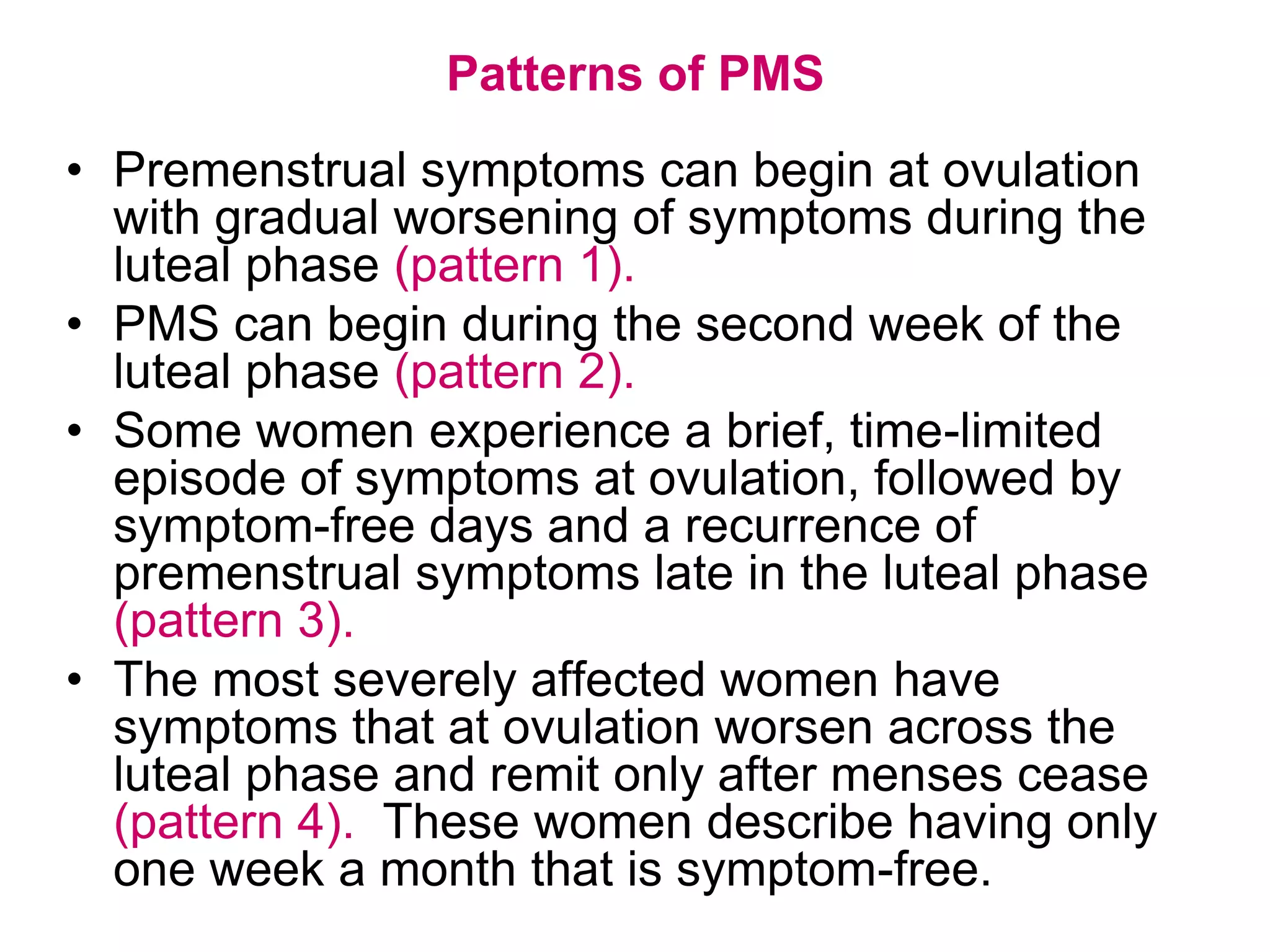
Patterns of PMS
• Premenstrual symptoms can begin at ovulation
  with gradual worsening of symptoms during the
  luteal phase (pattern 1).
• PMS can begin during the second week of the
  luteal phase (pattern 2).
• Some women experience a brief, time-limited
  episode of symptoms at ovulation, followed by
  symptom-free days and a recurrence of
  premenstrual symptoms late in the luteal phase
  (pattern 3).
• The most severely affected women have
  symptoms that at ovulation worsen across the
  luteal phase and remit only after menses cease
  (pattern 4). These women describe having only
  one week a month that is symptom-free.
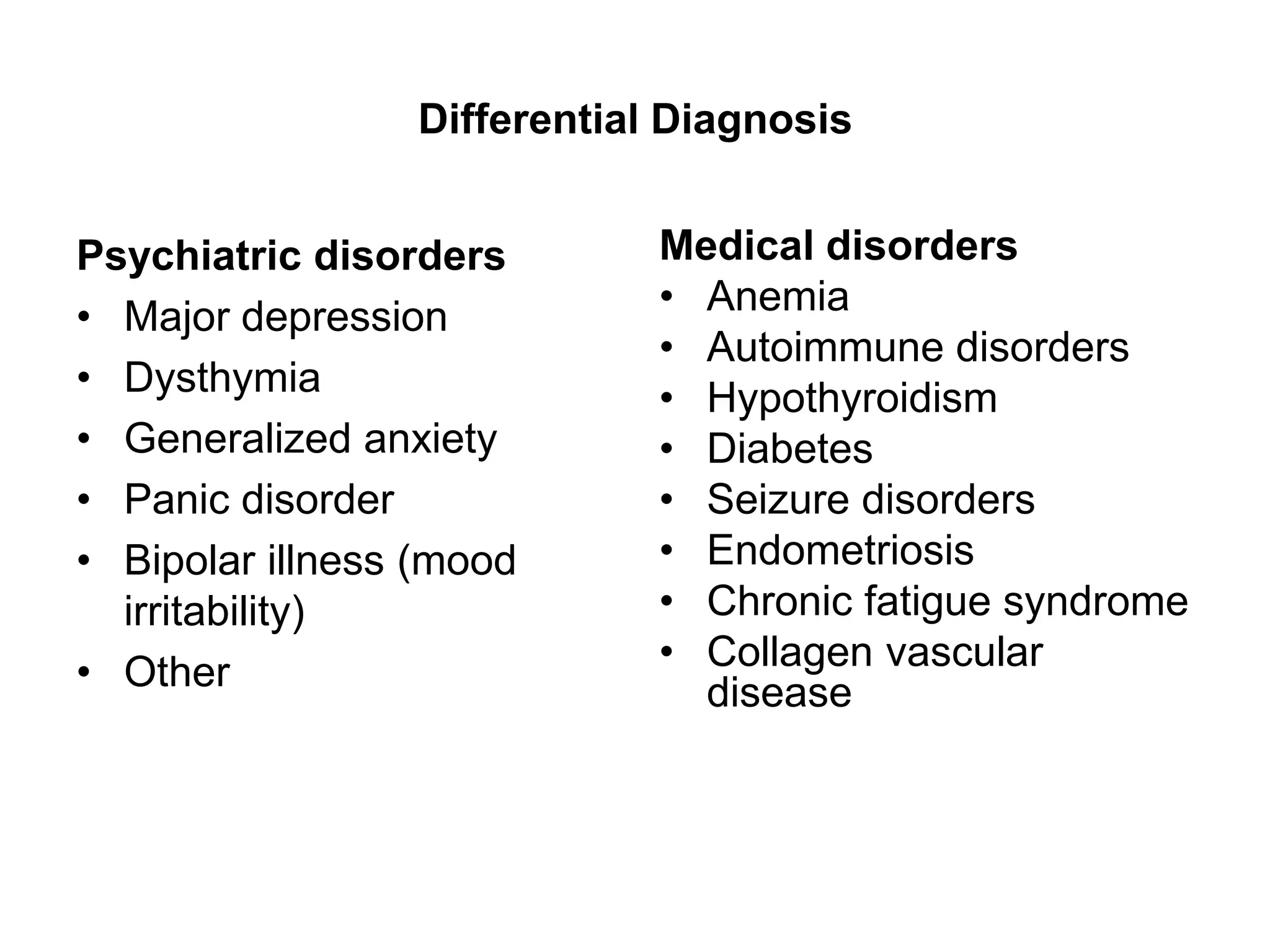
Differential Diagnosis


Psychiatric disorders        Medical disorders
• Major depression           • Anemia
                             • Autoimmune disorders
• Dysthymia                  • Hypothyroidism
• Generalized anxiety        • Diabetes
• Panic disorder             • Seizure disorders
• Bipolar illness (mood      • Endometriosis
  irritability)              • Chronic fatigue syndrome
• Other                      • Collagen vascular
                               disease
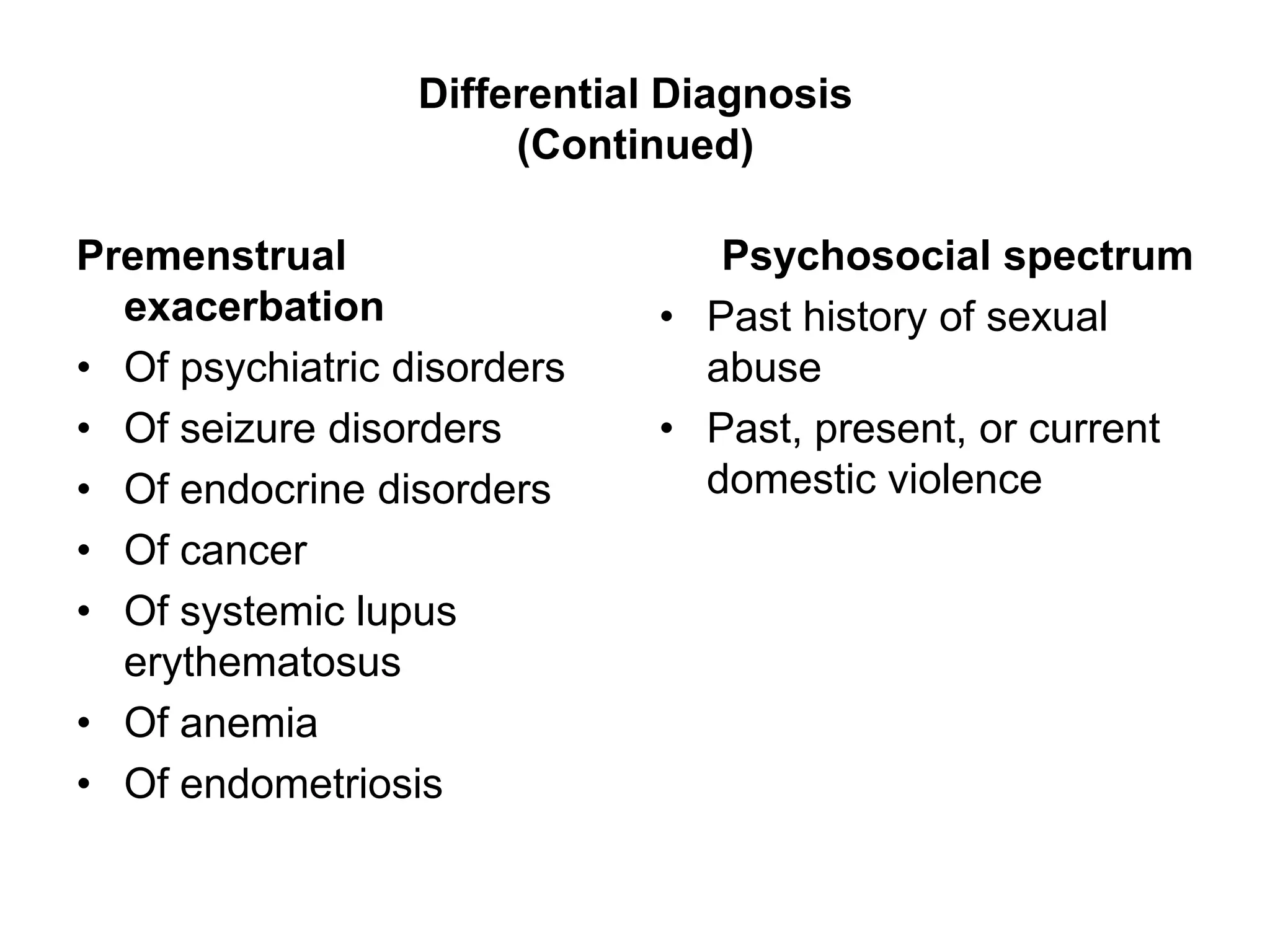
Differential Diagnosis
                       (Continued)

Premenstrual                     Psychosocial spectrum
  exacerbation                • Past history of sexual
• Of psychiatric disorders      abuse
• Of seizure disorders        • Past, present, or current
• Of endocrine disorders        domestic violence
• Of cancer
• Of systemic lupus
  erythematosus
• Of anemia
• Of endometriosis
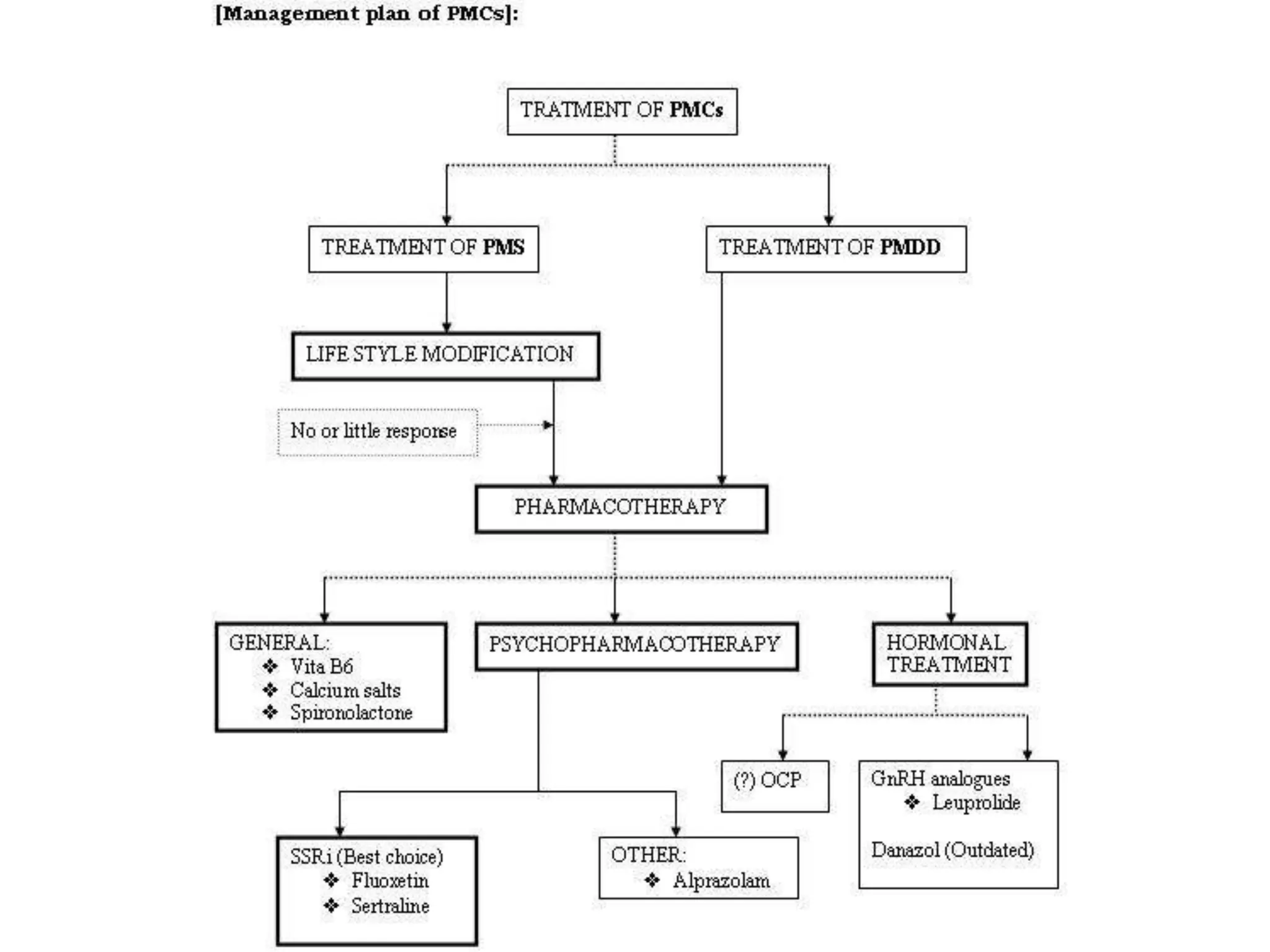
Management protocol
• Management of PMCs is often extremely
  difficult
• Patients qualified for PMCs could be rated
  for the symptoms severity under the three-
  point scale:
   mild, moderate and severe.
• According to the symptom rating, the
  guidelines for the management of PMCs
  could be adopted as follows
• A. Life style modification including
  counseling or behavioral psychotherapy
  for coping up with the symptoms when the
  symptoms are mild, and
• B. Pharmacotherapy when the symptoms,
  although mild, are not been tackled by
  simple life style modification or counseling
  and psychotherapy or the symptoms are
  moderate to severe and incapacitating.
Strategies to cope up PMCs by
      modifying life styles:
• Doctors often prescribe/advice the followings for
  their patients with mild PMCs as the first-line of
  management:
• Prohibition for caffeine, refined sugars, and
  crude salt intake,
• Avoiding alcohol and related beverages
• Regular exercise, especially isotonic
• Increase carbohydrate intake in the diet , and
• Cognitive-behavioral psychotherapy, if required
• Though the role of these are quite under
  tested, the reasons for such age-old
  prescriptions are probably continuing due
  to the other benefits and safety
• . If these are found to be ineffective or
  inadequate, or the symptoms are severe,
  pharmacotherapy remains the mainstay of
  the treatment
Strategies for opting for the
     pharamacological agents
•   Vitamins and minerals as dietary
    supplements,
•   Psychopharmacologiucal drugs, and
•   Hormonal agents:
•   Vitamins and minerals
Treatment of PMS
• NOT EFFECTIVE
   Progesterone , Pyridoxine, Bromocriptine,
  Combination Oral contraceptives (OCPs)
• POSSIBLY EFFECTIVE
   Diet , Aerobic exercise , Psychological
  approaches, Magnesium , Evening Primrose Oil ,
  Vitamin E , Spironolactone , Non Steroidal Anti-
  inflammatories ,) Ovulation Suppression
• EFFECTIVE
   Calcium , Selective Serotonin Reuptake Inhibitors
• NATURAL THERAPIES
   Black Cohosh , Borage Seed oil , Dandelion ,
  Dong Quai
•NOT EFFECTIVE
Progesterone
• The role of Progesterone in the treatment of PMS probably
  arose from the theory that the syndrome is caused from a lack
  of progesterone which was popular back in the 1950s up until
  the 1980s.
• Treatment with high doses of "natural" progesterone vaginally
  became popular in the 1970s after the publication of a large
  number of case reports in the lay press,
• none of which had any true control groups. Since then, several
  randomised-controlled trials have failed to show any benefit
  from topical or oral micronized progesterone over placebo
  Topical progesterone preparations are also expensive. Given
  the lack of efficacy and the expense of the product,
  Progesterone can not be recommended as a treatment of PMS.
Pyridoxine vitamin B(6)
• Pyridoxine or vitamin B6 is the most widely
  used supplement used to treat PMS.
• It has been proposed that vitamin B6 may help
  to correct a "deficiency" in the hypothalamic
  pituitary axis. Vitamin B6 is a cofactor in the
  synthesis of tryptophan and tyrosine, which are
  the precursors of serotonin and dopamine
  respectively. Theoretically, low levels of vitamin
  B6 may lead to high levels of prolactin which in
  turn could underlay the edema and
  psychological symptoms associated with PMS.
• it would appear that there is very limited
  evidencve to support the generalized use of
  vitamin B6 for the treatment of PMS.
• Vitamin B6 can also cause significant toxicity
  and unpleasant side effects. It can produce a
  progressive sensory ataxia taken at doses as
  low as 500 mg. a day and can also cause a
  number of gastrointestinal side effects,
  particularly nausea.
• Consequently, given the lack of clear scientific
  evidence for its effectiveness, and the
  associated risks of treatment, vitamin B6 can
  not generally be recommended as a treatment
  for PMS.
Bromocriptine
• Another theory that was popular in the 1970s
  was that PMS was caused by increased levels
  of, or an increased sensitivity to, Prolactin.
• Bromocriptine is expensive and has a number
  of side effects. Consequently its use can not be
  recommended for the general treatment of PMS
• One exception is severe cyclical mastalgia for
  which Bromocriptine may be effective.
Combination Oral contraceptives
• Combination oral contraceptives are also widely
  used to treat PMS. Despite their popularity,
• Consequently, the lack of scientific evidence for
  their effectiveness along with the associated
  expense and potential risks,
• OCPs can not be recommended for the
  treatment of PMS
• POSSIBLY EFFECTIVE
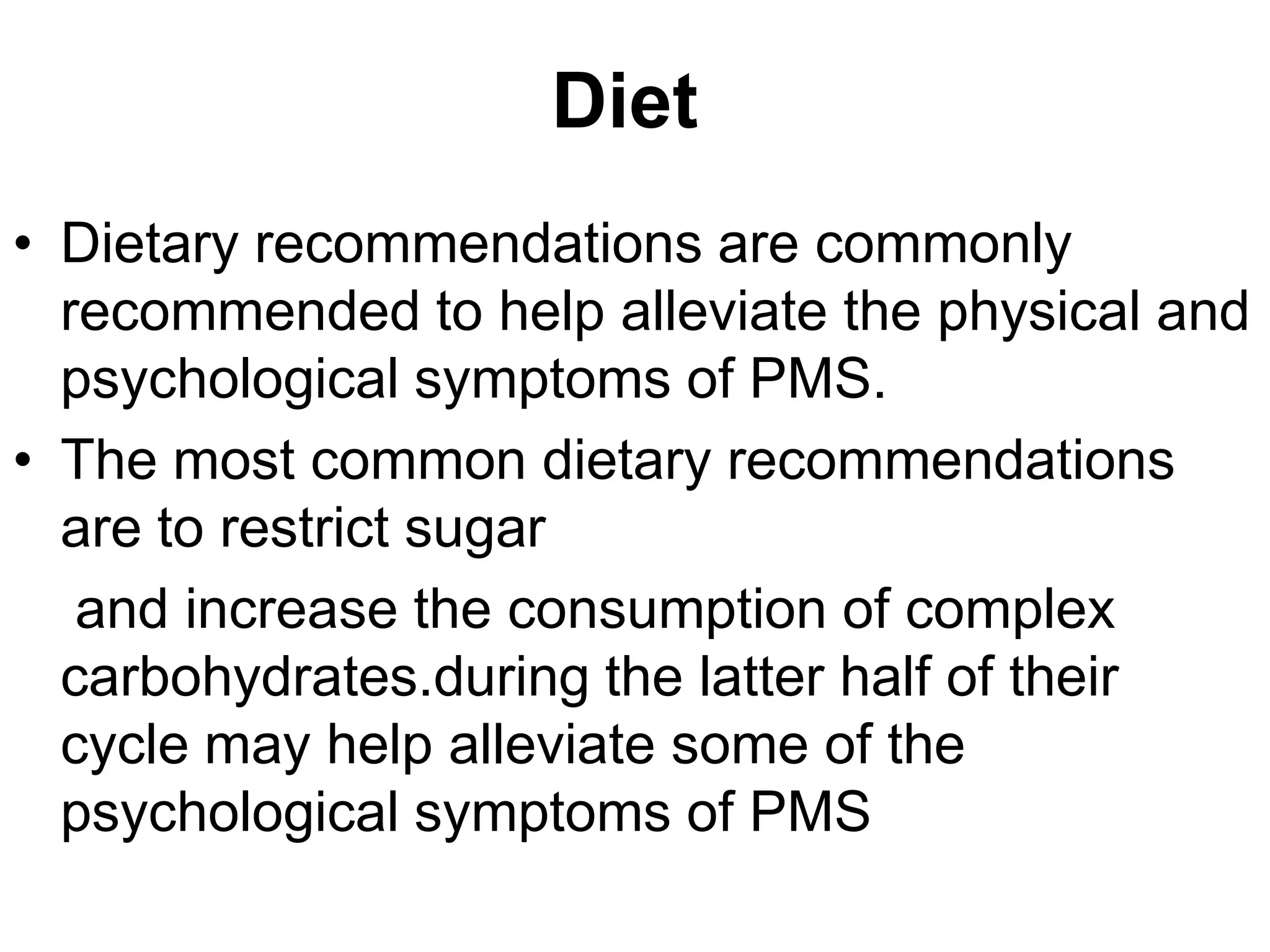
Diet
• Dietary recommendations are commonly
  recommended to help alleviate the physical and
  psychological symptoms of PMS.
• The most common dietary recommendations
  are to restrict sugar
   and increase the consumption of complex
  carbohydrates.during the latter half of their
  cycle may help alleviate some of the
  psychological symptoms of PMS
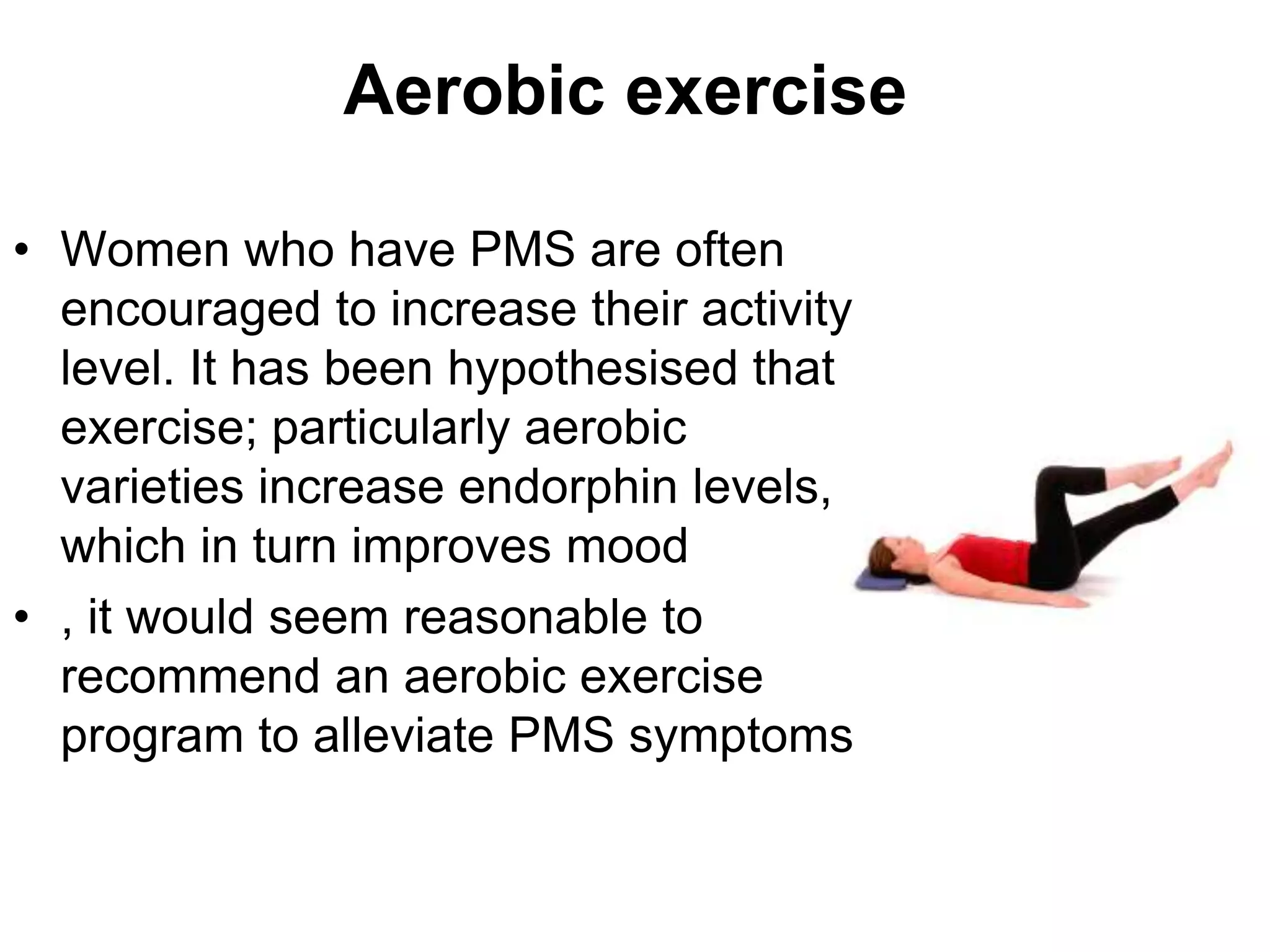
Aerobic exercise

• Women who have PMS are often
  encouraged to increase their activity
  level. It has been hypothesised that
  exercise; particularly aerobic
  varieties increase endorphin levels,
  which in turn improves mood
• , it would seem reasonable to
  recommend an aerobic exercise
  program to alleviate PMS symptoms
Psychological approaches
• various psychological approaches including
  instruction on
    relaxation techniques,
   cognitive behavioural strategies
   and information giving may all help relieve
  PMS symptoms.
Magnesium
• Studies have found that women who suffer from PMS
  have lower levels of erythrocyte and monocellular
  magnesium during their menstrual cycles than women
  who do not have PMS.
• Accordingly, magnesium supplementation has been
  used as a potential therapy.
• It reported less fluid retention .Menstrual cramps,
  irritability and fatigue, but They did not have any
  improvement in mood, cramping or food cravings
• Magnesium is considered safe at doses up to 483
  mg. per day in healthy adults. It must be used with
  caution, however, in people with significant heart and
  renal disease
Evening Primrose Oil
• Evening Primrose Oil is used extensively to
  alleviate PMS symptoms. EPO contains two
  essential fatty acids: linoleic and gamma linoleic
  acids. It has been hypothesised that women
  with PMS are deficient in gamma linoleic acid
  which is necessary for prostaglandin
• EPO may be of some benefit to those women
  with cyclical mastalgia but is probably of limited
  if any benefit to women who have significant
  mood and cognitive symptoms
Vitamin E
• Vitamin E has been used to treat PMS and
  general breast tenderness. There have been
  only a few studies that have addressed this
  issue.
Spironolactone
• Diuretics have been used to treat the fluid
  retention associated with PMS for over 50
  years.
• Despite their wide spread use, there is no
  evidence that the thiazide diuretics are of any
  benefit. These medications are also associated
  with significant side effects including
  hypokalemia, secondary aldosteronism and
  cyclical edema. Consequently they can not be
  recommended for the treatment of PMS.
Non Steroidal Anti-inflammatories
• There is some evidence that NSAIDS given
  during the luteal phase does help relieve the
  physical and affective symptoms of PMS.
  Mefenamic acid (500 mg. T.I.D.), Naproxen
   when administered during the luteal phase of
  the cycle.
Ovulation Suppression
• The use of Danazol and Gonadotrophin Releasing Hormone
  Agonists to suppress ovulation have been shown to reduce the
  symptoms of PMS.
• The significant side effects associated with these treatments
  however, makes them generally unacceptable for use in
  Primary Care..
• It is important to appreciate that the synthetic hormones vary in
  their chemical composition and effects from each other and the
  natural products. Consequently differences in chemical
  compositions, even relatively subtle ones, may underly the
  differences in response to various hormonal treatments
  including hormonal regimes that have been found to be
  effective and the OCPs and natural progesterone which have
  not been found to be effective
• EFFECTIVE
Calcium
• findings provide good evidence for the
  effectiveness of calcium carbonate as a
  treatment for PMS.
• Calcium is also relatively inexpensive and plays
  an important role in the prevention of
  osteoporosis, therefore it is recommended for
  the treatment of PMS.
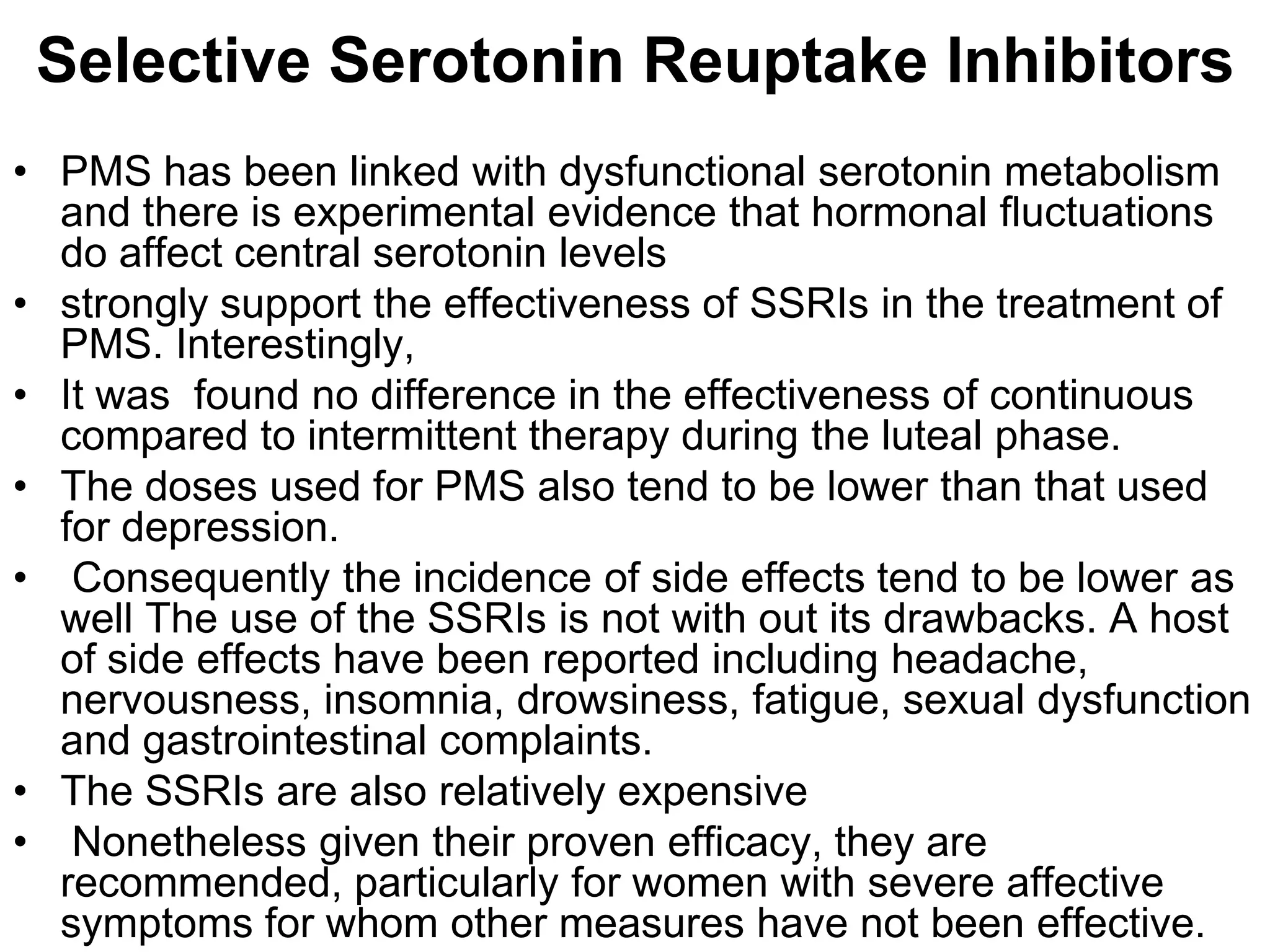
Selective Serotonin Reuptake Inhibitors
• PMS has been linked with dysfunctional serotonin metabolism
  and there is experimental evidence that hormonal fluctuations
  do affect central serotonin levels
• strongly support the effectiveness of SSRIs in the treatment of
  PMS. Interestingly,
• It was found no difference in the effectiveness of continuous
  compared to intermittent therapy during the luteal phase.
• The doses used for PMS also tend to be lower than that used
  for depression.
• Consequently the incidence of side effects tend to be lower as
  well The use of the SSRIs is not with out its drawbacks. A host
  of side effects have been reported including headache,
  nervousness, insomnia, drowsiness, fatigue, sexual dysfunction
  and gastrointestinal complaints.
• The SSRIs are also relatively expensive
• Nonetheless given their proven efficacy, they are
  recommended, particularly for women with severe affective
  symptoms for whom other measures have not been effective.
• The ACOG recommends SSRIs as initial drug therapy
  in women with severe PMS and PMDD. [Evidence
  level C, expert/consensus guidelines]
• Common side effects of SSRIs include insomnia,
  drowsiness, fatigue, nausea, nervousness, headache,
  mild tremor, and sexual dysfunction.
• Use of the lowest effective dosage can minimize side
  effects. Morning dosing can minimize insomnia.
• In general, 20 mg of fluoxetine or 50 mg of sertraline
  taken in the morning is best tolerated and sufficient to
  improve symptoms.
• Benefit has also been demonstrated for the
  continuous administration of citalopram (Celexa).
• alleviating physical and behavioral symptoms, with
  similar efficacy for continuous and intermittent
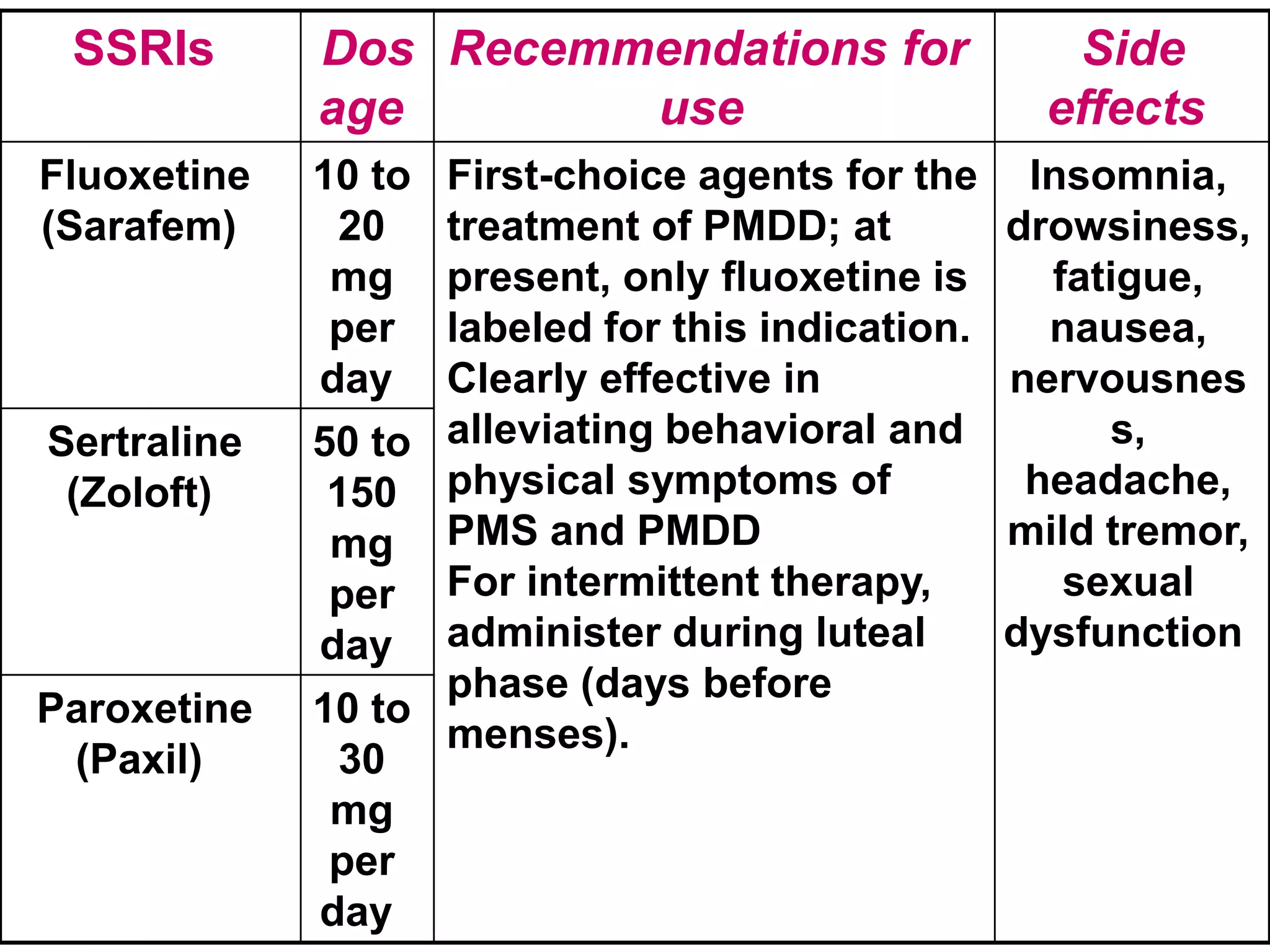
SSRIs       Dos Recemmendations for                   Side
             age       use                            effects
Fluoxetine   10 to   First-choice agents for the     Insomnia,
(Sarafem)     20     treatment of PMDD; at          drowsiness,
              mg     present, only fluoxetine is      fatigue,
              per    labeled for this indication.     nausea,
             day     Clearly effective in           nervousnes
Sertraline   50 to   alleviating behavioral and          s,
 (Zoloft)     150    physical symptoms of            headache,
              mg     PMS and PMDD                   mild tremor,
              per    For intermittent therapy,         sexual
             day     administer during luteal       dysfunction
                     phase (days before
Paroxetine   10 to
                     menses).
 (Paxil)      30
              mg
              per
             day
NATURAL THERAPIES
• Following is a description of some of the
  more commonly used herbal preparations
  used to treat PMS. Our current knowledge
  about these substances is largely based
  on pharmacological and descriptive data,
  which significantly limits our ability to draw
  conclusions about their effectiveness and
  long term safety.
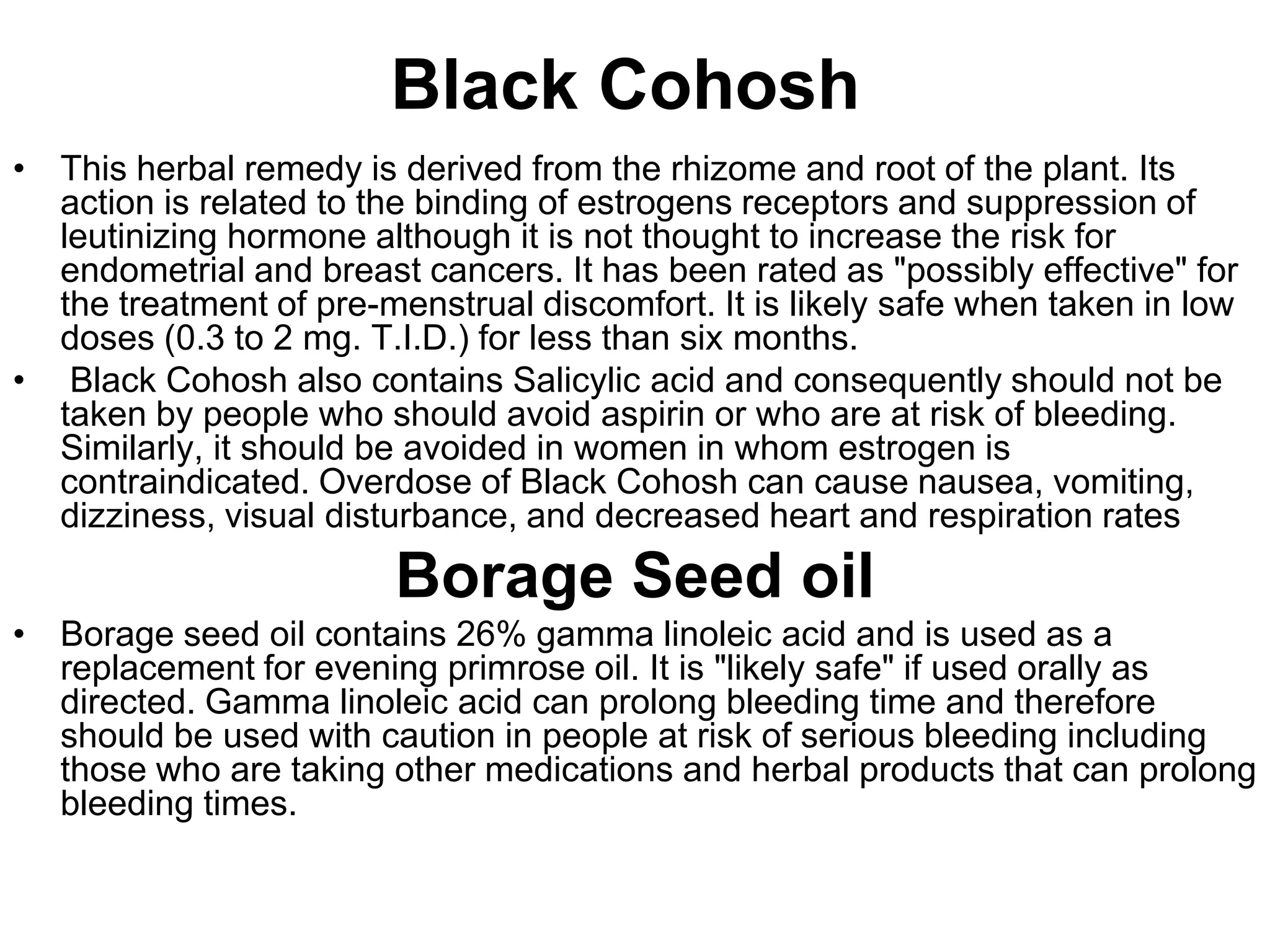
Black Cohosh
• This herbal remedy is derived from the rhizome and root of the plant. Its
  action is related to the binding of estrogens receptors and suppression of
  leutinizing hormone although it is not thought to increase the risk for
  endometrial and breast cancers. It has been rated as "possibly effective" for
  the treatment of pre-menstrual discomfort. It is likely safe when taken in low
  doses (0.3 to 2 mg. T.I.D.) for less than six months.
• Black Cohosh also contains Salicylic acid and consequently should not be
  taken by people who should avoid aspirin or who are at risk of bleeding.
  Similarly, it should be avoided in women in whom estrogen is
  contraindicated. Overdose of Black Cohosh can cause nausea, vomiting,
  dizziness, visual disturbance, and decreased heart and respiration rates
                        Borage Seed oil
• Borage seed oil contains 26% gamma linoleic acid and is used as a
  replacement for evening primrose oil. It is "likely safe" if used orally as
  directed. Gamma linoleic acid can prolong bleeding time and therefore
  should be used with caution in people at risk of serious bleeding including
  those who are taking other medications and herbal products that can prolong
  bleeding times.
Dandelion
• Dandelion is used for a variety of medicinal purposes. It has been shown to
  have mild diuretic and anti-inflammatory properties in animal studies. It has
  been rated as "possibly effective" for promoting diuresis and may be of some
  benefit in treating the fluid retention associated with PMS.
• Theoretically dandelion can have hypoglycemic effects and therefore should
  be used with caution in individuals taking diabetic medications
• . Individuals who have environmental allergies to members of the Asteracae
  family, which includes ragweed, chrysanthemums, marigolds and daisies,
  should also avoid this herb

                            Dong Quai
• Dong Quai is a commonly used herb used for a variety of gynecological
  symptoms including PMS. It contains a number of different constituents,
  which are thought to have vasodilating, antispasmodic, and anti platelet
  activities.
• Dong Quai does have carcinogenic and mutagenic properties and can
  cause severe photodermatits especially when used in large amounts.
• It is rated as "possibly unsafe" by the Natural Medicine Comprehensive
  Database.
• It may also interact with several medications and other herbal remedies
• RECOMMENDATIONS
• How do we organise the above information into
  a practical concise set of guidelines for Family
  Physicians?
• The following recommendations are based on
  interpretation of the strength of evidence for
  effectiveness of the various therapies, as well as
  the potential costs, adverse effects and long
  term risks involved.
• The nature of the symptoms was also taken into
  account. Johnson describes a similar but not
  identical approach in her very comprehensive
  review article on the subject
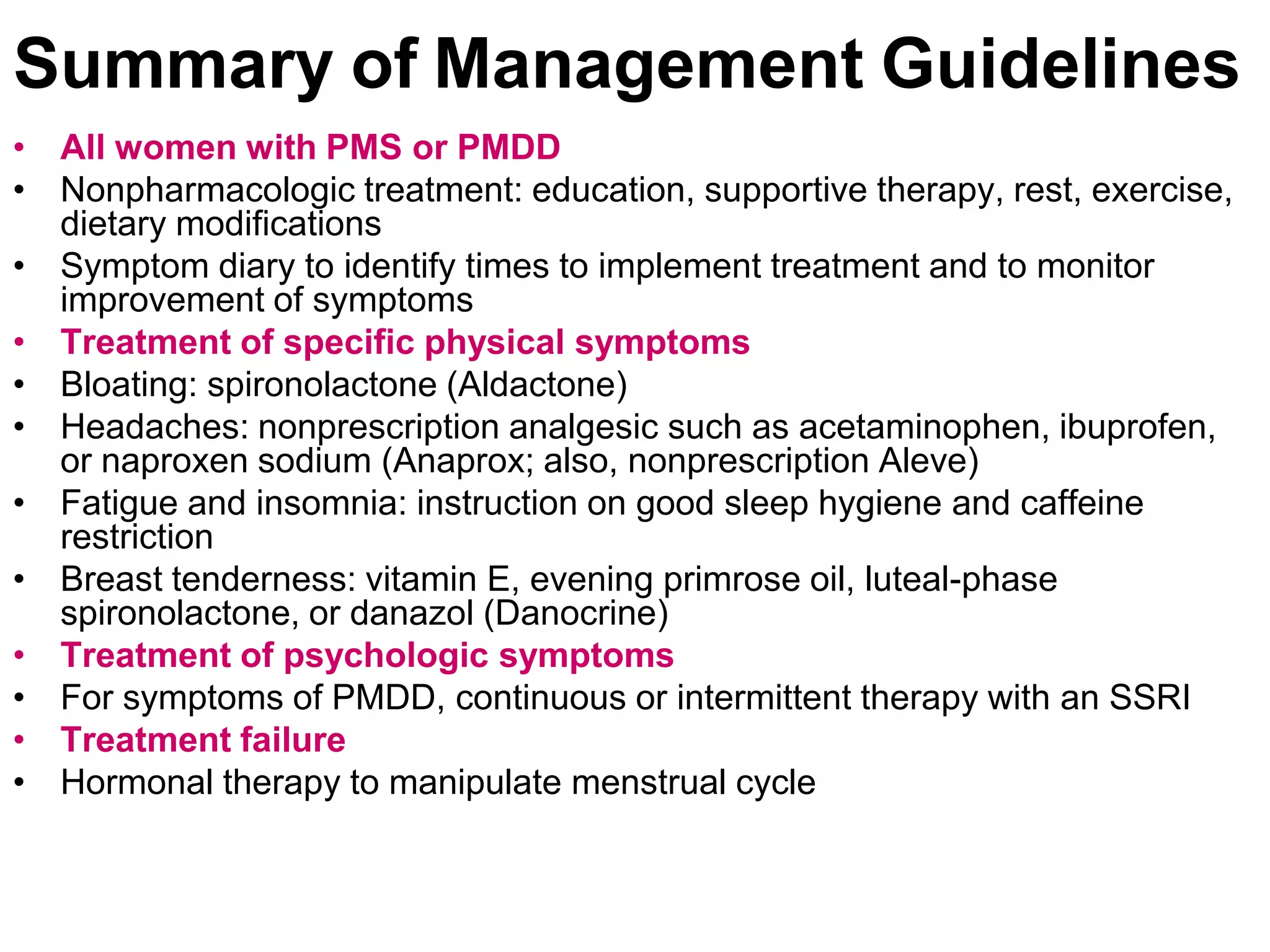
Summary of Management Guidelines
• All women with PMS or PMDD
• Nonpharmacologic treatment: education, supportive therapy, rest, exercise,
  dietary modifications
• Symptom diary to identify times to implement treatment and to monitor
  improvement of symptoms
• Treatment of specific physical symptoms
• Bloating: spironolactone (Aldactone)
• Headaches: nonprescription analgesic such as acetaminophen, ibuprofen,
  or naproxen sodium (Anaprox; also, nonprescription Aleve)
• Fatigue and insomnia: instruction on good sleep hygiene and caffeine
  restriction
• Breast tenderness: vitamin E, evening primrose oil, luteal-phase
  spironolactone, or danazol (Danocrine)
• Treatment of psychologic symptoms
• For symptoms of PMDD, continuous or intermittent therapy with an SSRI
• Treatment failure
• Hormonal therapy to manipulate menstrual cycle

Premenstrual Problems

  • 1.
    Premenstrual Changes (PMCs) • Dr Muhammad El Hennawy • Ob/gyn specialist • Rass el barr - Dumyatt – EGYPT • www.geocities.com/mmhennawy
  • 2.
    • PMCs (PremenstrualChanges) are a budding issue having both the psychiatry and gynecology-related symptoms with adverse social consequences.
  • 3.
    • PMCs (PremenstrualChanges) are a common cyclic affective disorder of young and middle- aged occuring in the luteal phase. • PMCs range from mild mood fluctuations, called Premenstrual Syndrome (PMS) to severe mental and physical disturbances, called Premenstrual Dysphoric Disorder (PMDD). • The exact aetiology of PMCs is largely under- explored. • Its diagnosis and management are often difficult.
  • 4.
    Incidence • Premenstrual syndromeand premenstrual dysphoric disorder are diagnoses of exclusion; therefore, alternative explanations for symptoms must be considered before either diagnosis is made • Milder symptoms are believed to occur in about 30% to 80% of reproductive-age women, while severe symptoms are estimated to occur in 3% to 5% of menstruating women.
  • 5.
  • 6.
    • Cerebral serotoninneurotransmitter system (5-HTs) is an important component, involved in a large number of psychiatric illnesses where the affect is disturbed. • PMDD is another extreme reflection of the affective disturbances. Therefore, it is interesting to note whether 5-HTs play any role in the development of PMCs. Studies have shown that post-synaptic serotonergic response possibly is disturbed during the late-luteal-premenstrual phase of the MC or even throughout the cycle in those who have severe vulnerability trait • Though the gonadal hormone (oestrogen and progesterone)-induced modulation of 5-HTs is a known fact at the backdrop of schizophrenia • , in PMCs, differential effects in the cerebral 5-HTs due to differential hormonal changes in the MC
  • 7.
    Diagnosis • Screening ofpatients could easily be done by asking the patients to maintain regular menstrual diary for at least two consecutive cycles to note the target symptoms.
  • 9.
    Diagnostic Criteria for Premenstrual Syndrome • National Institute of Mental Health • A 30% increase in the intensity of symptoms of premenstrual syndrome (measured using a standardized instrument) from cycle days 5 to 10 as compared with the six-day interval before the onset of menses and Documentation of these changes in a daily symptom diary for at least two consecutive cycles • University of California at San Diego • At least one of the following affective and somatic symptoms during the five days before menses in each of the three previous cycles: – Affective symptoms: depression, angry outbursts, irritability, anxiety, confusion, social withdrawal – Somatic symptoms: breast tenderness, abdominal bloating, headache, swelling of extremities – Symptoms relieved from days 4 through 13 of the menstrual cycle
  • 11.
    Common Symptoms ofPMS Women with PMS Symptom Showing Symptoms (%) Behavioral Fatigue 92 Irritability 91 Labile mood with alternating sadness and anger 81 Depression 80 Oversensitivity 69 Crying spells 65 Social withdrawal 65 Forgetfulness 56 Difficulty concentrating 47
  • 12.
    Common Symptoms ofPMS (Continued) Physical Abdominal bloating 90 Breast tenderness 85 Acne 71 Appetite changes and food cravings 70 Swelling of the extremities 67 Headache 60 Gastrointestinal upset 48
  • 13.
    Differences Between PMSand PMDD Diagnostic criteria Tenth Revision of Diagnostic and the International Statistical Manual Classification of of Mental Disease (ICD-10) Disorders, 4th ed. (DSM-IV) Providers using Obstetrician/gynec Psychiatrists, other these criteria ologists, primary mental health care care physicians providers Number of One 5 of 11 symptoms symptoms required F u n ctio n a l N o t req u ired In terferen ce w ith im p a irm en t so cial o r ro le fu n ctio n in g req u ired P ro sp ectiv e N o t req u ired P ro sp ectiv e ch a rtin g o f d aily ch artin g o f sy m p to m s sy m p to m s req u ired fo r tw o cy cles
  • 14.
    Patterns of PMS •Premenstrual symptoms can begin at ovulation with gradual worsening of symptoms during the luteal phase (pattern 1). • PMS can begin during the second week of the luteal phase (pattern 2). • Some women experience a brief, time-limited episode of symptoms at ovulation, followed by symptom-free days and a recurrence of premenstrual symptoms late in the luteal phase (pattern 3). • The most severely affected women have symptoms that at ovulation worsen across the luteal phase and remit only after menses cease (pattern 4). These women describe having only one week a month that is symptom-free.
  • 15.
    Differential Diagnosis Psychiatric disorders Medical disorders • Major depression • Anemia • Autoimmune disorders • Dysthymia • Hypothyroidism • Generalized anxiety • Diabetes • Panic disorder • Seizure disorders • Bipolar illness (mood • Endometriosis irritability) • Chronic fatigue syndrome • Other • Collagen vascular disease
  • 16.
    Differential Diagnosis (Continued) Premenstrual Psychosocial spectrum exacerbation • Past history of sexual • Of psychiatric disorders abuse • Of seizure disorders • Past, present, or current • Of endocrine disorders domestic violence • Of cancer • Of systemic lupus erythematosus • Of anemia • Of endometriosis
  • 17.
    Management protocol • Managementof PMCs is often extremely difficult • Patients qualified for PMCs could be rated for the symptoms severity under the three- point scale: mild, moderate and severe. • According to the symptom rating, the guidelines for the management of PMCs could be adopted as follows
  • 18.
    • A. Lifestyle modification including counseling or behavioral psychotherapy for coping up with the symptoms when the symptoms are mild, and • B. Pharmacotherapy when the symptoms, although mild, are not been tackled by simple life style modification or counseling and psychotherapy or the symptoms are moderate to severe and incapacitating.
  • 19.
    Strategies to copeup PMCs by modifying life styles: • Doctors often prescribe/advice the followings for their patients with mild PMCs as the first-line of management: • Prohibition for caffeine, refined sugars, and crude salt intake, • Avoiding alcohol and related beverages • Regular exercise, especially isotonic • Increase carbohydrate intake in the diet , and • Cognitive-behavioral psychotherapy, if required
  • 20.
    • Though therole of these are quite under tested, the reasons for such age-old prescriptions are probably continuing due to the other benefits and safety • . If these are found to be ineffective or inadequate, or the symptoms are severe, pharmacotherapy remains the mainstay of the treatment
  • 21.
    Strategies for optingfor the pharamacological agents • Vitamins and minerals as dietary supplements, • Psychopharmacologiucal drugs, and • Hormonal agents: • Vitamins and minerals
  • 22.
    Treatment of PMS •NOT EFFECTIVE Progesterone , Pyridoxine, Bromocriptine, Combination Oral contraceptives (OCPs) • POSSIBLY EFFECTIVE Diet , Aerobic exercise , Psychological approaches, Magnesium , Evening Primrose Oil , Vitamin E , Spironolactone , Non Steroidal Anti- inflammatories ,) Ovulation Suppression • EFFECTIVE Calcium , Selective Serotonin Reuptake Inhibitors • NATURAL THERAPIES Black Cohosh , Borage Seed oil , Dandelion , Dong Quai
  • 23.
  • 24.
    Progesterone • The roleof Progesterone in the treatment of PMS probably arose from the theory that the syndrome is caused from a lack of progesterone which was popular back in the 1950s up until the 1980s. • Treatment with high doses of "natural" progesterone vaginally became popular in the 1970s after the publication of a large number of case reports in the lay press, • none of which had any true control groups. Since then, several randomised-controlled trials have failed to show any benefit from topical or oral micronized progesterone over placebo Topical progesterone preparations are also expensive. Given the lack of efficacy and the expense of the product, Progesterone can not be recommended as a treatment of PMS.
  • 25.
    Pyridoxine vitamin B(6) •Pyridoxine or vitamin B6 is the most widely used supplement used to treat PMS. • It has been proposed that vitamin B6 may help to correct a "deficiency" in the hypothalamic pituitary axis. Vitamin B6 is a cofactor in the synthesis of tryptophan and tyrosine, which are the precursors of serotonin and dopamine respectively. Theoretically, low levels of vitamin B6 may lead to high levels of prolactin which in turn could underlay the edema and psychological symptoms associated with PMS.
  • 26.
    • it wouldappear that there is very limited evidencve to support the generalized use of vitamin B6 for the treatment of PMS. • Vitamin B6 can also cause significant toxicity and unpleasant side effects. It can produce a progressive sensory ataxia taken at doses as low as 500 mg. a day and can also cause a number of gastrointestinal side effects, particularly nausea. • Consequently, given the lack of clear scientific evidence for its effectiveness, and the associated risks of treatment, vitamin B6 can not generally be recommended as a treatment for PMS.
  • 27.
    Bromocriptine • Another theorythat was popular in the 1970s was that PMS was caused by increased levels of, or an increased sensitivity to, Prolactin. • Bromocriptine is expensive and has a number of side effects. Consequently its use can not be recommended for the general treatment of PMS • One exception is severe cyclical mastalgia for which Bromocriptine may be effective.
  • 28.
    Combination Oral contraceptives •Combination oral contraceptives are also widely used to treat PMS. Despite their popularity, • Consequently, the lack of scientific evidence for their effectiveness along with the associated expense and potential risks, • OCPs can not be recommended for the treatment of PMS
  • 29.
  • 30.
    Diet • Dietary recommendationsare commonly recommended to help alleviate the physical and psychological symptoms of PMS. • The most common dietary recommendations are to restrict sugar and increase the consumption of complex carbohydrates.during the latter half of their cycle may help alleviate some of the psychological symptoms of PMS
  • 31.
    Aerobic exercise • Womenwho have PMS are often encouraged to increase their activity level. It has been hypothesised that exercise; particularly aerobic varieties increase endorphin levels, which in turn improves mood • , it would seem reasonable to recommend an aerobic exercise program to alleviate PMS symptoms
  • 32.
    Psychological approaches • variouspsychological approaches including instruction on relaxation techniques, cognitive behavioural strategies and information giving may all help relieve PMS symptoms.
  • 33.
    Magnesium • Studies havefound that women who suffer from PMS have lower levels of erythrocyte and monocellular magnesium during their menstrual cycles than women who do not have PMS. • Accordingly, magnesium supplementation has been used as a potential therapy. • It reported less fluid retention .Menstrual cramps, irritability and fatigue, but They did not have any improvement in mood, cramping or food cravings • Magnesium is considered safe at doses up to 483 mg. per day in healthy adults. It must be used with caution, however, in people with significant heart and renal disease
  • 34.
    Evening Primrose Oil •Evening Primrose Oil is used extensively to alleviate PMS symptoms. EPO contains two essential fatty acids: linoleic and gamma linoleic acids. It has been hypothesised that women with PMS are deficient in gamma linoleic acid which is necessary for prostaglandin • EPO may be of some benefit to those women with cyclical mastalgia but is probably of limited if any benefit to women who have significant mood and cognitive symptoms
  • 35.
    Vitamin E • VitaminE has been used to treat PMS and general breast tenderness. There have been only a few studies that have addressed this issue.
  • 36.
    Spironolactone • Diuretics havebeen used to treat the fluid retention associated with PMS for over 50 years. • Despite their wide spread use, there is no evidence that the thiazide diuretics are of any benefit. These medications are also associated with significant side effects including hypokalemia, secondary aldosteronism and cyclical edema. Consequently they can not be recommended for the treatment of PMS.
  • 37.
    Non Steroidal Anti-inflammatories •There is some evidence that NSAIDS given during the luteal phase does help relieve the physical and affective symptoms of PMS. Mefenamic acid (500 mg. T.I.D.), Naproxen when administered during the luteal phase of the cycle.
  • 38.
    Ovulation Suppression • Theuse of Danazol and Gonadotrophin Releasing Hormone Agonists to suppress ovulation have been shown to reduce the symptoms of PMS. • The significant side effects associated with these treatments however, makes them generally unacceptable for use in Primary Care.. • It is important to appreciate that the synthetic hormones vary in their chemical composition and effects from each other and the natural products. Consequently differences in chemical compositions, even relatively subtle ones, may underly the differences in response to various hormonal treatments including hormonal regimes that have been found to be effective and the OCPs and natural progesterone which have not been found to be effective
  • 39.
  • 40.
    Calcium • findings providegood evidence for the effectiveness of calcium carbonate as a treatment for PMS. • Calcium is also relatively inexpensive and plays an important role in the prevention of osteoporosis, therefore it is recommended for the treatment of PMS.
  • 41.
    Selective Serotonin ReuptakeInhibitors • PMS has been linked with dysfunctional serotonin metabolism and there is experimental evidence that hormonal fluctuations do affect central serotonin levels • strongly support the effectiveness of SSRIs in the treatment of PMS. Interestingly, • It was found no difference in the effectiveness of continuous compared to intermittent therapy during the luteal phase. • The doses used for PMS also tend to be lower than that used for depression. • Consequently the incidence of side effects tend to be lower as well The use of the SSRIs is not with out its drawbacks. A host of side effects have been reported including headache, nervousness, insomnia, drowsiness, fatigue, sexual dysfunction and gastrointestinal complaints. • The SSRIs are also relatively expensive • Nonetheless given their proven efficacy, they are recommended, particularly for women with severe affective symptoms for whom other measures have not been effective.
  • 42.
    • The ACOGrecommends SSRIs as initial drug therapy in women with severe PMS and PMDD. [Evidence level C, expert/consensus guidelines] • Common side effects of SSRIs include insomnia, drowsiness, fatigue, nausea, nervousness, headache, mild tremor, and sexual dysfunction. • Use of the lowest effective dosage can minimize side effects. Morning dosing can minimize insomnia. • In general, 20 mg of fluoxetine or 50 mg of sertraline taken in the morning is best tolerated and sufficient to improve symptoms. • Benefit has also been demonstrated for the continuous administration of citalopram (Celexa). • alleviating physical and behavioral symptoms, with similar efficacy for continuous and intermittent
  • 43.
    SSRIs Dos Recemmendations for Side age use effects Fluoxetine 10 to First-choice agents for the Insomnia, (Sarafem) 20 treatment of PMDD; at drowsiness, mg present, only fluoxetine is fatigue, per labeled for this indication. nausea, day Clearly effective in nervousnes Sertraline 50 to alleviating behavioral and s, (Zoloft) 150 physical symptoms of headache, mg PMS and PMDD mild tremor, per For intermittent therapy, sexual day administer during luteal dysfunction phase (days before Paroxetine 10 to menses). (Paxil) 30 mg per day
  • 44.
    NATURAL THERAPIES • Followingis a description of some of the more commonly used herbal preparations used to treat PMS. Our current knowledge about these substances is largely based on pharmacological and descriptive data, which significantly limits our ability to draw conclusions about their effectiveness and long term safety.
  • 45.
    Black Cohosh • Thisherbal remedy is derived from the rhizome and root of the plant. Its action is related to the binding of estrogens receptors and suppression of leutinizing hormone although it is not thought to increase the risk for endometrial and breast cancers. It has been rated as "possibly effective" for the treatment of pre-menstrual discomfort. It is likely safe when taken in low doses (0.3 to 2 mg. T.I.D.) for less than six months. • Black Cohosh also contains Salicylic acid and consequently should not be taken by people who should avoid aspirin or who are at risk of bleeding. Similarly, it should be avoided in women in whom estrogen is contraindicated. Overdose of Black Cohosh can cause nausea, vomiting, dizziness, visual disturbance, and decreased heart and respiration rates Borage Seed oil • Borage seed oil contains 26% gamma linoleic acid and is used as a replacement for evening primrose oil. It is "likely safe" if used orally as directed. Gamma linoleic acid can prolong bleeding time and therefore should be used with caution in people at risk of serious bleeding including those who are taking other medications and herbal products that can prolong bleeding times.

  • 46.
    Dandelion • Dandelion isused for a variety of medicinal purposes. It has been shown to have mild diuretic and anti-inflammatory properties in animal studies. It has been rated as "possibly effective" for promoting diuresis and may be of some benefit in treating the fluid retention associated with PMS. • Theoretically dandelion can have hypoglycemic effects and therefore should be used with caution in individuals taking diabetic medications • . Individuals who have environmental allergies to members of the Asteracae family, which includes ragweed, chrysanthemums, marigolds and daisies, should also avoid this herb Dong Quai • Dong Quai is a commonly used herb used for a variety of gynecological symptoms including PMS. It contains a number of different constituents, which are thought to have vasodilating, antispasmodic, and anti platelet activities. • Dong Quai does have carcinogenic and mutagenic properties and can cause severe photodermatits especially when used in large amounts. • It is rated as "possibly unsafe" by the Natural Medicine Comprehensive Database. • It may also interact with several medications and other herbal remedies
  • 47.
  • 48.
    • How dowe organise the above information into a practical concise set of guidelines for Family Physicians? • The following recommendations are based on interpretation of the strength of evidence for effectiveness of the various therapies, as well as the potential costs, adverse effects and long term risks involved. • The nature of the symptoms was also taken into account. Johnson describes a similar but not identical approach in her very comprehensive review article on the subject
  • 50.
    Summary of ManagementGuidelines • All women with PMS or PMDD • Nonpharmacologic treatment: education, supportive therapy, rest, exercise, dietary modifications • Symptom diary to identify times to implement treatment and to monitor improvement of symptoms • Treatment of specific physical symptoms • Bloating: spironolactone (Aldactone) • Headaches: nonprescription analgesic such as acetaminophen, ibuprofen, or naproxen sodium (Anaprox; also, nonprescription Aleve) • Fatigue and insomnia: instruction on good sleep hygiene and caffeine restriction • Breast tenderness: vitamin E, evening primrose oil, luteal-phase spironolactone, or danazol (Danocrine) • Treatment of psychologic symptoms • For symptoms of PMDD, continuous or intermittent therapy with an SSRI • Treatment failure • Hormonal therapy to manipulate menstrual cycle