Premenstrual Dysphoric Disorder
Premenstrual symptomsPremenstrual Syndrome (PMS)Premenstrual Dysphoric Disorder (PMDD)
Premenstrual symptoms	Commonly seen in most of the femalesPhysiologicalNot much distressful No treatment or intervention generally sought
Premenstrual Syndrome (PMS)	Severe than commonly experienced physiological symptoms	Around 40% of females experience this cluster of various symptoms	However, impairment in daily functioning is less as compared to PMDD
Premenstrual Dysphoric Disorder (PMDD)	Severe form of PMS	Around 3% to 8% females experience itImpairment in functioning:	Work, Social interaction, Academics and even Daily Routine
So we may encounterFemales with cyclical pattern of anxiety, depressive and physical symptoms	Symptoms appear for some days and disappear in the other days of a cycle
This may not be a very clear pattern	because:	Co morbidity with other psychiatric conditions	Worsening of psychiatric conditions in the premenstrual phase
Why do we bother?There are more emotional and behavioral symptoms than physical
They respond to SSRIs	We are trained and we believe that we can handle those symptoms better than other professionals and have more experience with SSRIs!
What did our ancestors do with it?
Hippocrates (460-377 B.C.)Described a group of conditions that occurred prior to the onset of menses, in which women might develop suicidal ideation and other severe symptoms
Frank (in 1931)Described 15 women experiencing severe premenstrual symptoms and coined the term ‘Premenstrual Tension Syndrome Green and Dalton (in 1953) coined the term ‘Premenstrual Syndrome’
PMDD is a relatively a new concept!
Our guide!1987DSM-III-R included criteria for Late Luteal Phase Dysphoric Disorder (in Appendix A, proposed diagnostics categories needing further studies)1994In DSM-IV the name has been changed to Premenstrual Dysphoric DisorderIncluded as a Depressive Disorder Not Otherwise Specified (Appendix B, research criteria)
	October 1998,	A panel of experts evaluated the evidence then available, and a consensus was reached that PMDD was a distinct clinical entityA review by a group of experts "reached the consensus that PMDD is a distinct entity with clinical and biological profiles dissimilar to those seen with other disorders" (Endicott et al. J Womens Health Gend Based Med 1999;8:663-679).
PMDD - a Distinct Clinical Entity?
	November 1999,	US FDA Neuropharmacology Advisory Committee supported this concept
FDA approvals	Fluoxetine (Sarafem- not Prozac ) – 2000	Sertraline (Zoloft) – 2002	Paroxetine controlled-release – 2003
Our guide!2000In DSM-IV-TR, it is still in Appendix B.This Appendix includes proposals for new diagnostic categories that are felt to require further study.For the time being, the "official" DSM-IV coding of PMDD would be Depressive Disorder Not Otherwise Specified.
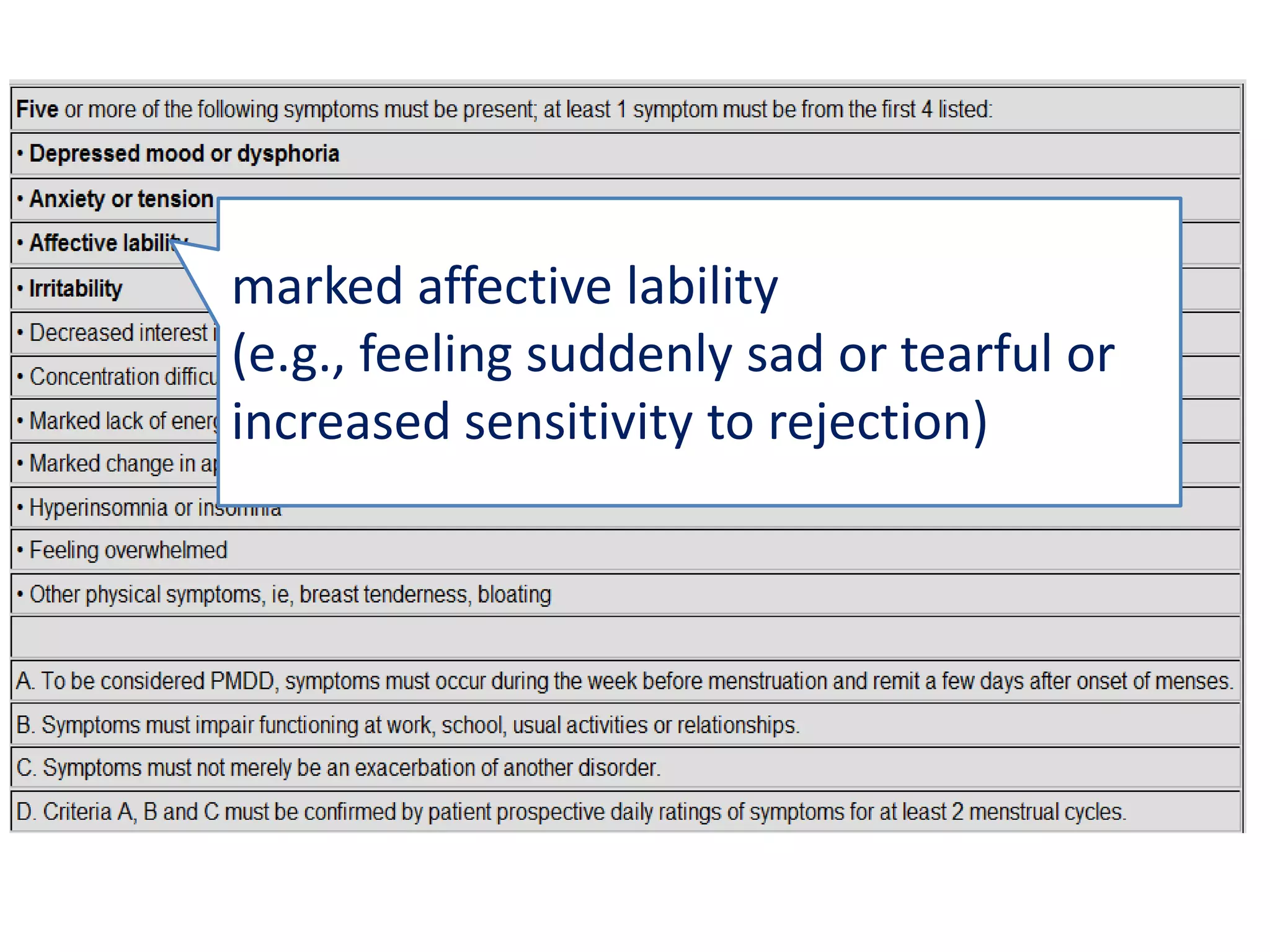
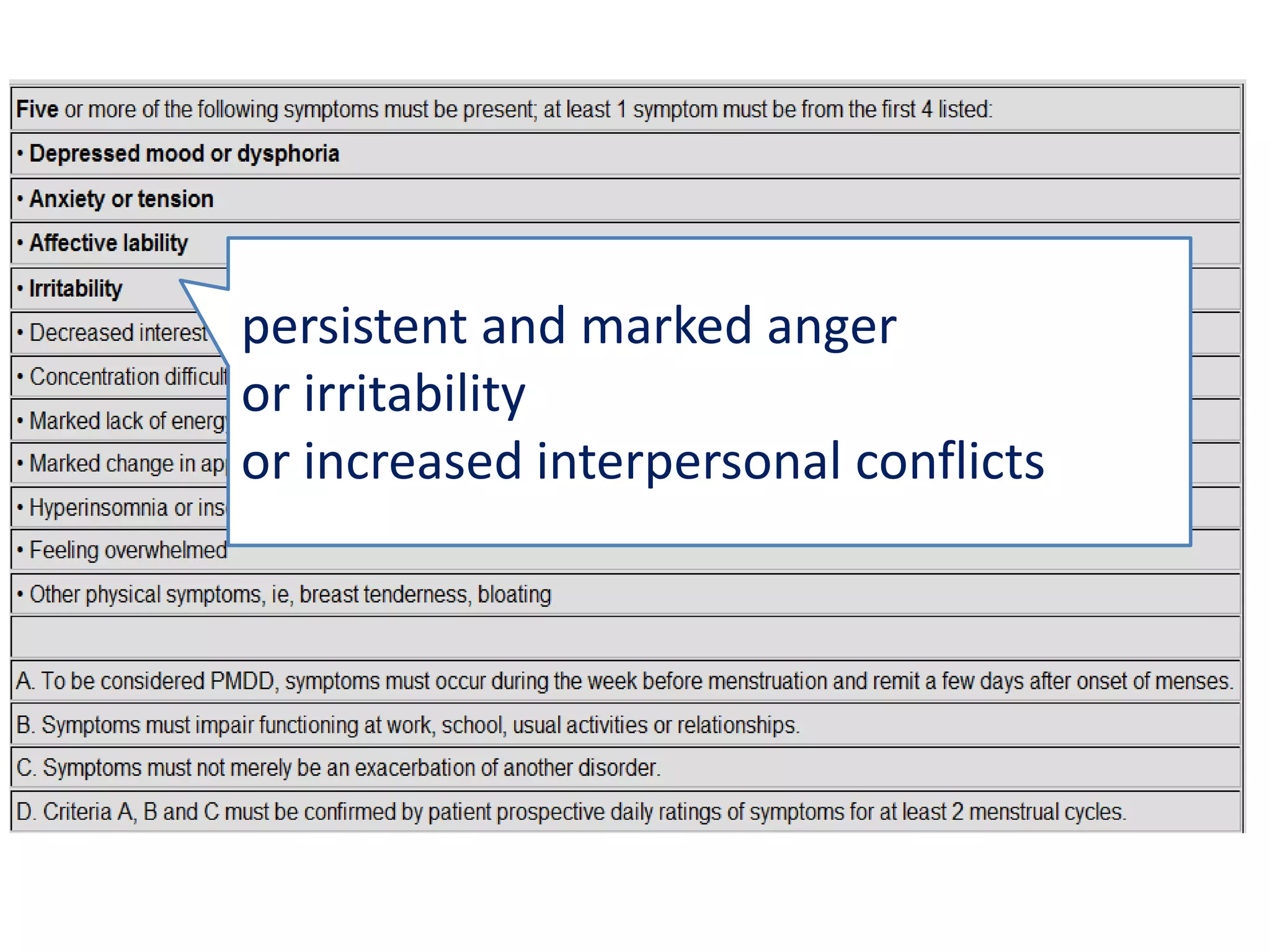
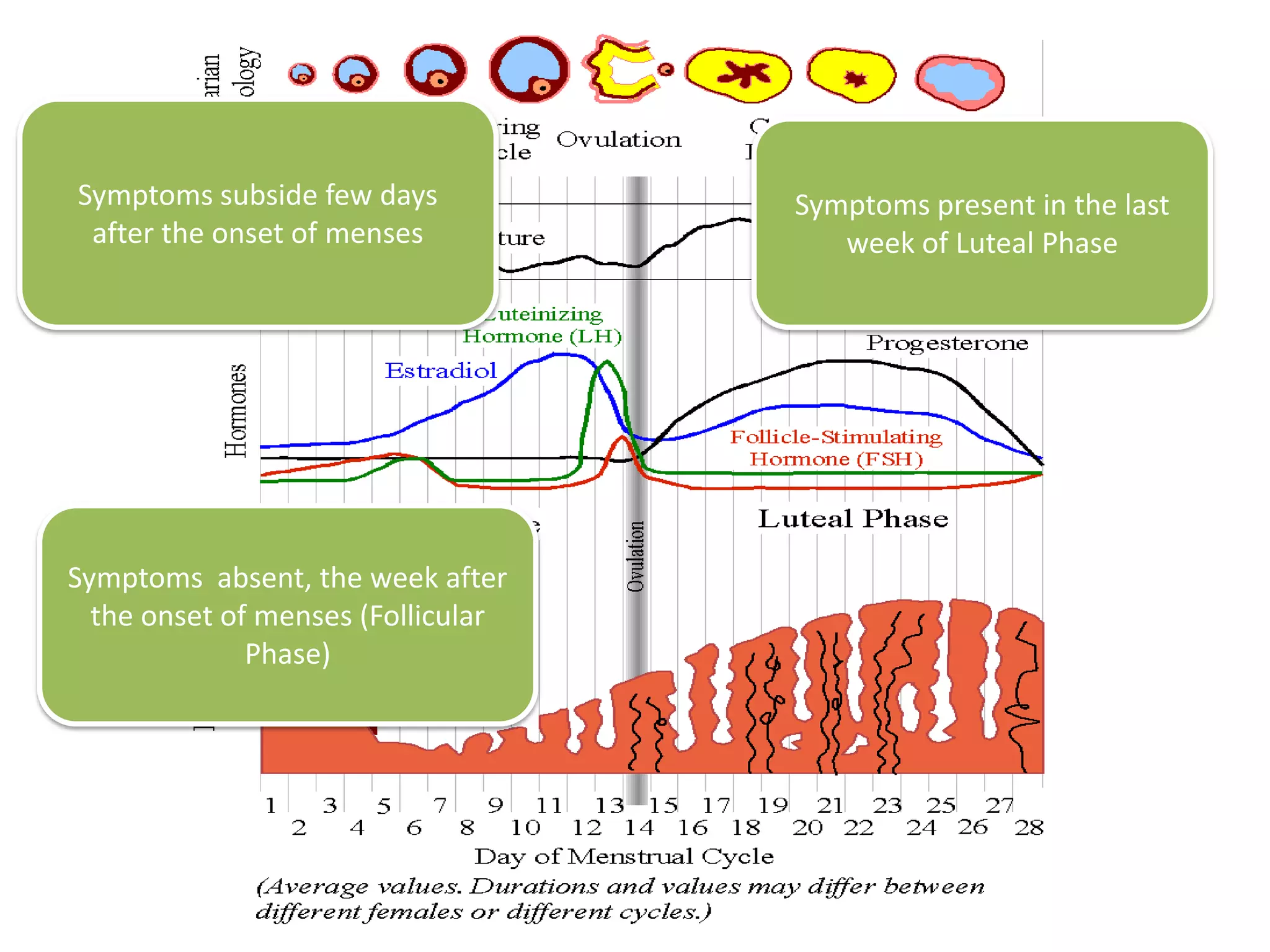
In most menstrual cycles during the past year,five (or more) of the following symptoms were present for most of the time during the last week of the luteal phase, began to remit within a few days after the onset of the follicular phase, and were absent in the week post-menses, with at least one of the symptoms being either (1), (2), (3), or (4).
markedly depressed mood, feelings of hopelessness, or self-deprecating thoughts
marked anxiety, tension, feelings of being "keyed up," or "on edge"
marked affective lability (e.g., feeling suddenly sad or tearful or increased sensitivity to rejection)
persistent and marked anger or irritability or increased interpersonal conflicts
(e.g. work, school, friends, hobbies)
Symptoms subside few days after the onset of mensesSymptoms present in the last week of Luteal PhaseSymptoms  absent, the week after the onset of menses (Follicular Phase)
In the most menstrual cycles during the past  one year
The disturbance markedly interferes with work or school or with usual social activities and relationships with others (e.g., avoidance of social activities, decreased productivity and efficiency at work or school).
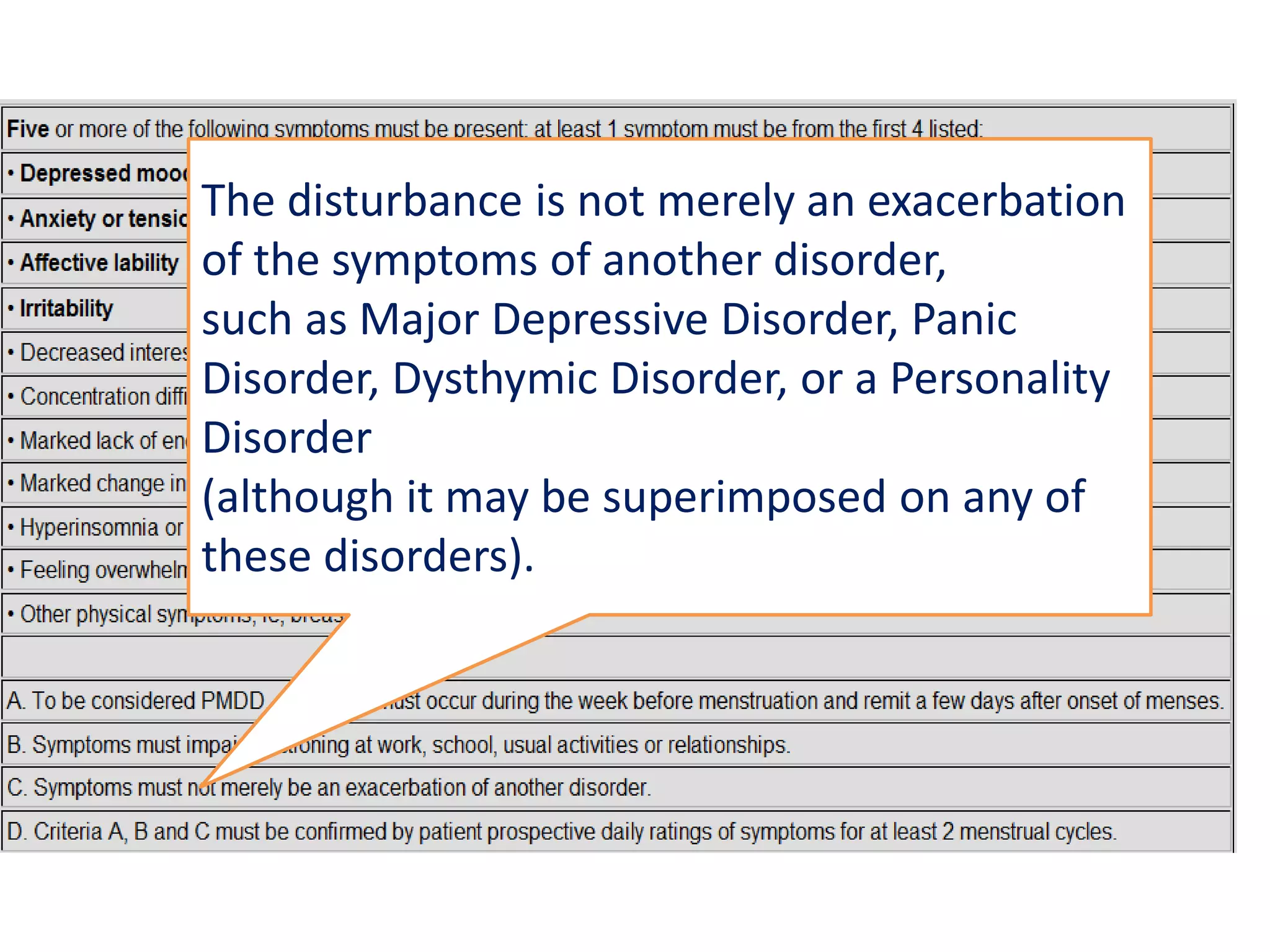
The disturbance is not merely an exacerbation of the symptoms of another disorder, such as Major Depressive Disorder, Panic Disorder, Dysthymic Disorder, or a Personality Disorder (although it may be superimposed on any of these disorders).
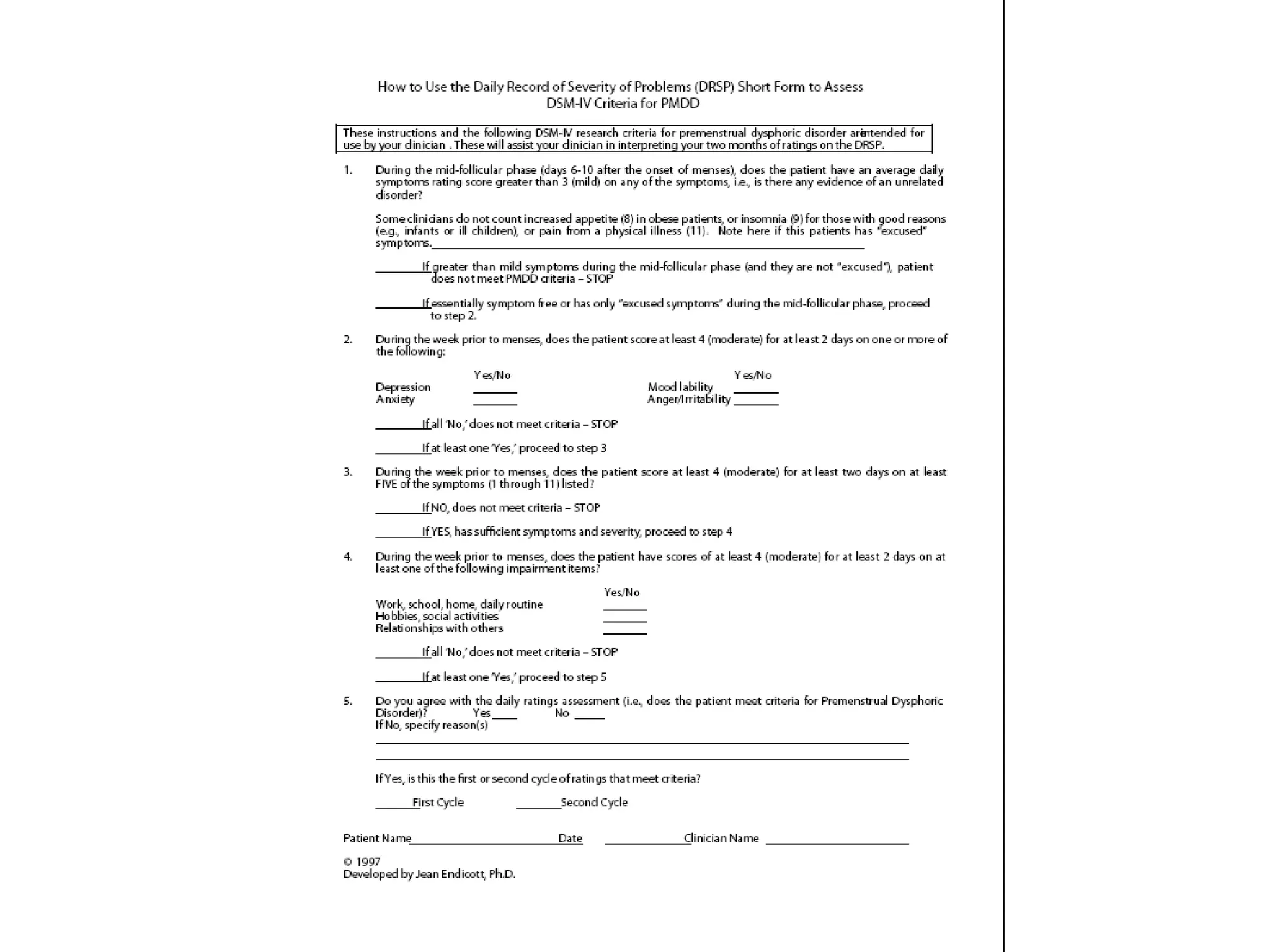
Diagnostic InstrumentsThe reliability and validity of the DRSP were confirmed recently in two studies reported by Endicott et al. (Arch Womens Ment Health 2006;9:41-49).
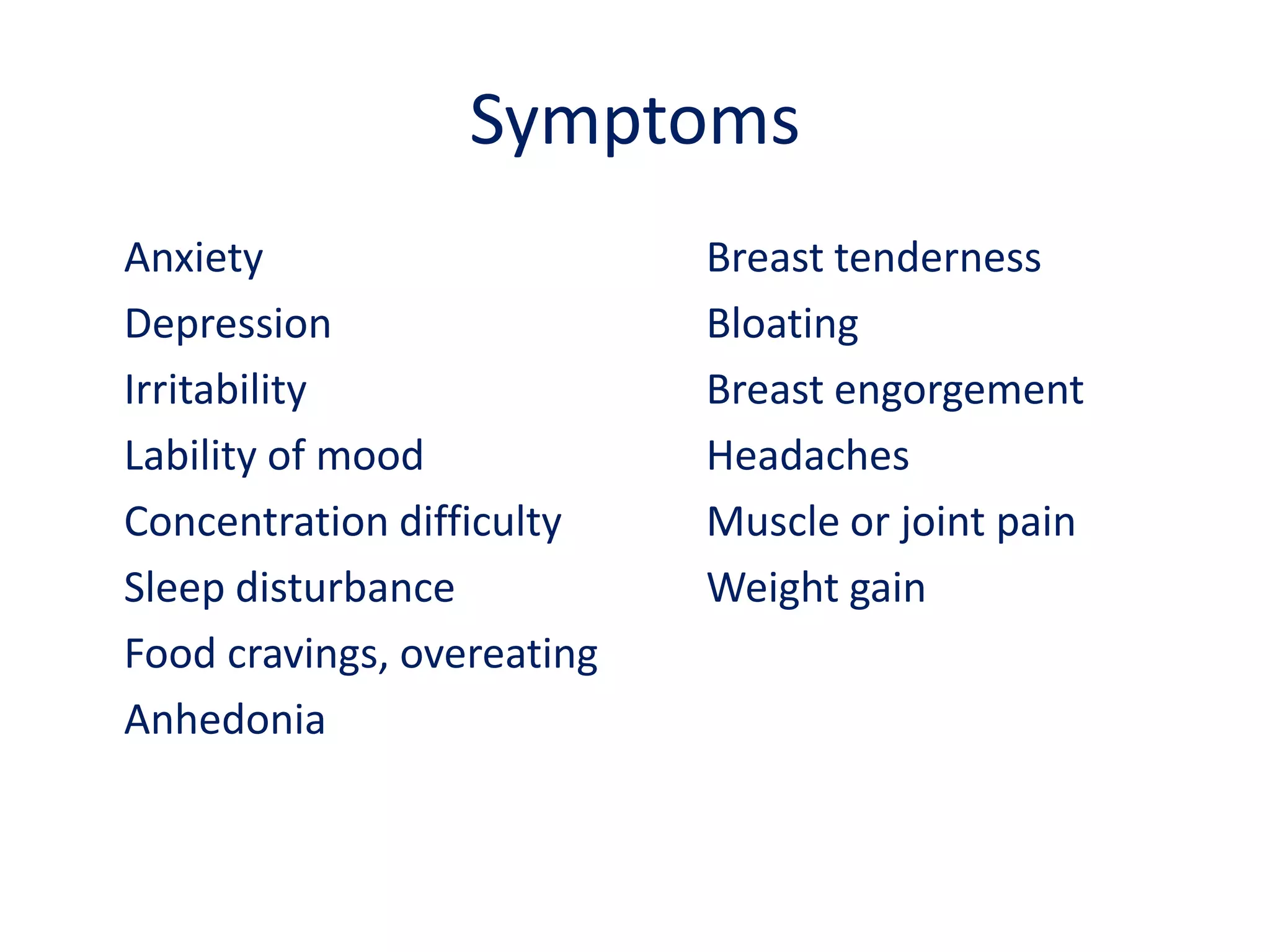
Symptoms	Anxiety	Depression	Irritability	Lability of mood	Concentration difficulty	Sleep disturbance	Food cravings, overeatingAnhedonia	Breast tenderness	Bloating	Breast engorgement	Headaches	Muscle or joint pain	Weight gain
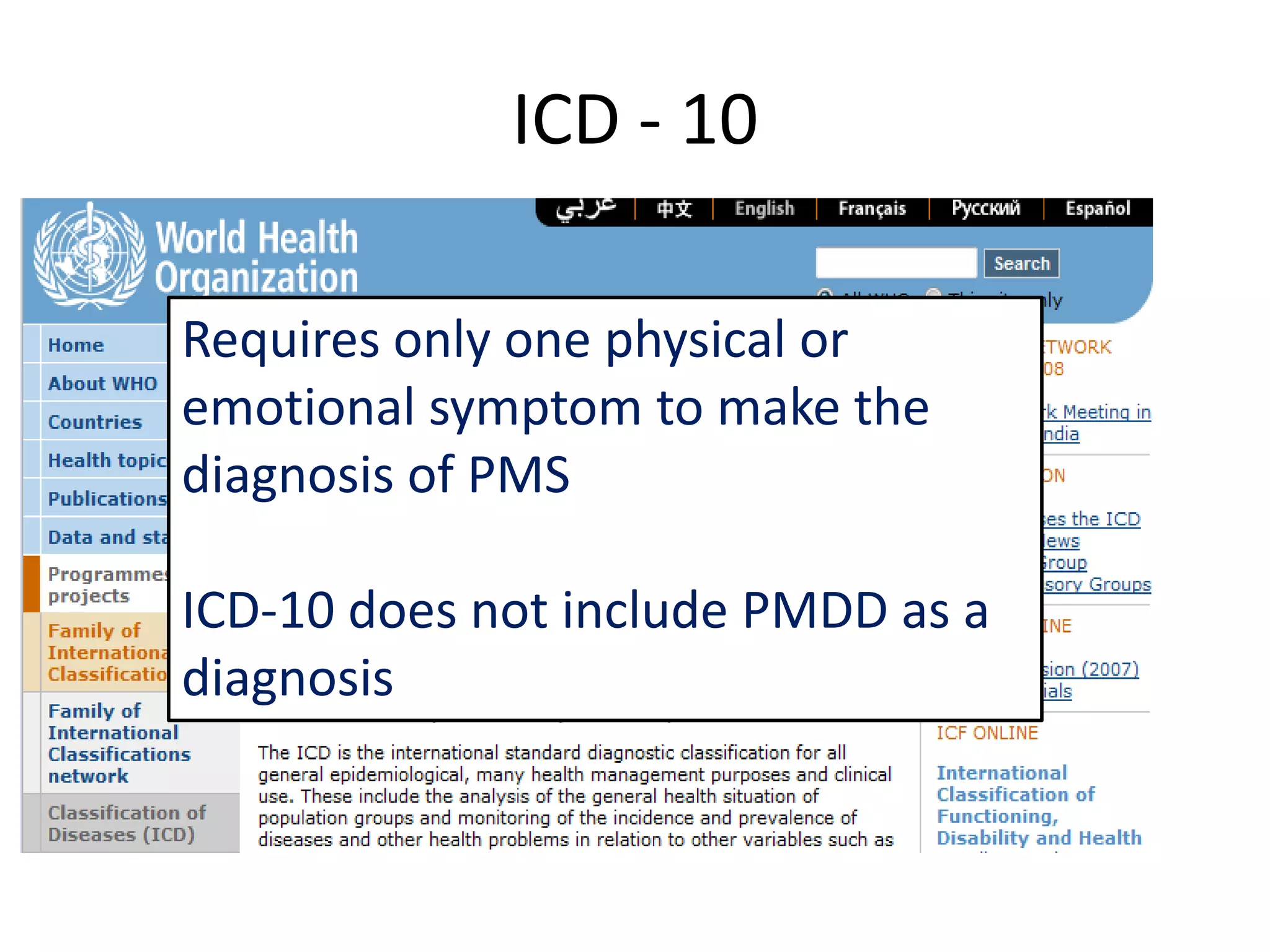
ICD - 10Requires only one physical or emotional symptom to make the diagnosis of PMSICD-10 does not include PMDD as a diagnosis
Differential Diagnosis	Premenstrual Syndrome	Premenstrual exacerbation of current mental disorder	Premenstrual exacerbation of general medical condition such as epilepsy, asthma or endocrine disorders
The fact that you are willing to say,“I do not understand, and it is fine”Is the greatest understanding you could exhibit!Dr. Wayne Dyer
What goes wrong?Common sense assumption	Assumption 1		There might be a different hormone status in females with PMDD than those who do not have these symptoms
	Observation:	When these symptoms of anxiety and depression were treated by regular antidepressant like SSRIs,	patients improved!
What goes wrong?Common sense assumption	Assumption 2		There might be serotonin depletion in PMDD, mainly in the luteal phase of menstruation!??
Ovarian hormones (sex steroids)SerotoninOther neurotransmitterBeta endorphinsAldosteroneProlactinIons and minerals
OvariesUterusLimbic systemPrefrontal cortexHippocampusHypothalamusPituitary?Kidney
What data has to say?premenstrual syndrome is probably the result of 	a complex interaction between 	ovarian steroids 	and 	central neurotransmitters(N Engl J Med 1998;338:256-257)
Regular hormones levels  	No consistent difference in blood and urine level of estrogen and progesterone in women with PMDD compared to those without disorder.
Why hormones involved? 	If the fluctuation of hormones is somehow stopped, 	the premenstrual symptoms improve!
GnRH agonists improves PMS	Schmidt and colleagues 	used leuprolide, a GnRH agonist, 	to block endogenous production of estrogen and progesterone in 10 women with PMS 	conclusion:There was a significant decrease in PMS symptoms compared to baseline and compared to a placebo group.
This was followed by a marked worsening of PMS symptoms when estrogen or progesterone was added to leuprolide in the women who had benefited previously.(N Engl J Med 1998;338:209-216)
GnRH agonists improves PMS	Other supporting studiesFreeman EW, Sondheitjer SH, Rickets K. Gonadotropin-releasing hormone agonist in treatment of premenstrual symptoms with and without ongoing dysphorics: 	a controlled study. Psychopharmacol Bull. 1997;33:303-309Hammarback S, Backstrom T.	Induced anovulation as treatment of premenstrual tension syndrome: 	a double-blind cross-over study with GnRH-agonist versus placebo. ActaObstetGynecol Scand. 1988;67:159-166.
Progesterone alone 	Used for many years	No supporting evidence	Progesterone has not been demonstrated to work better than placebo for treatment of mood symptoms of PMS.-Ford O, Lethaby A, Mol B, Roberts H. Progesterone for premenstrual syndrome. 	Cochrane Database Syst Rev. 2006;(4):CD003415.	-Wyatt K, Dimmock P, Jones P, Obhrai M, O'Brien E. Efficacy of progesterone and progestins in management of premenstrual symptoms: a systematic review.	BMJ. 2001;323:776-780
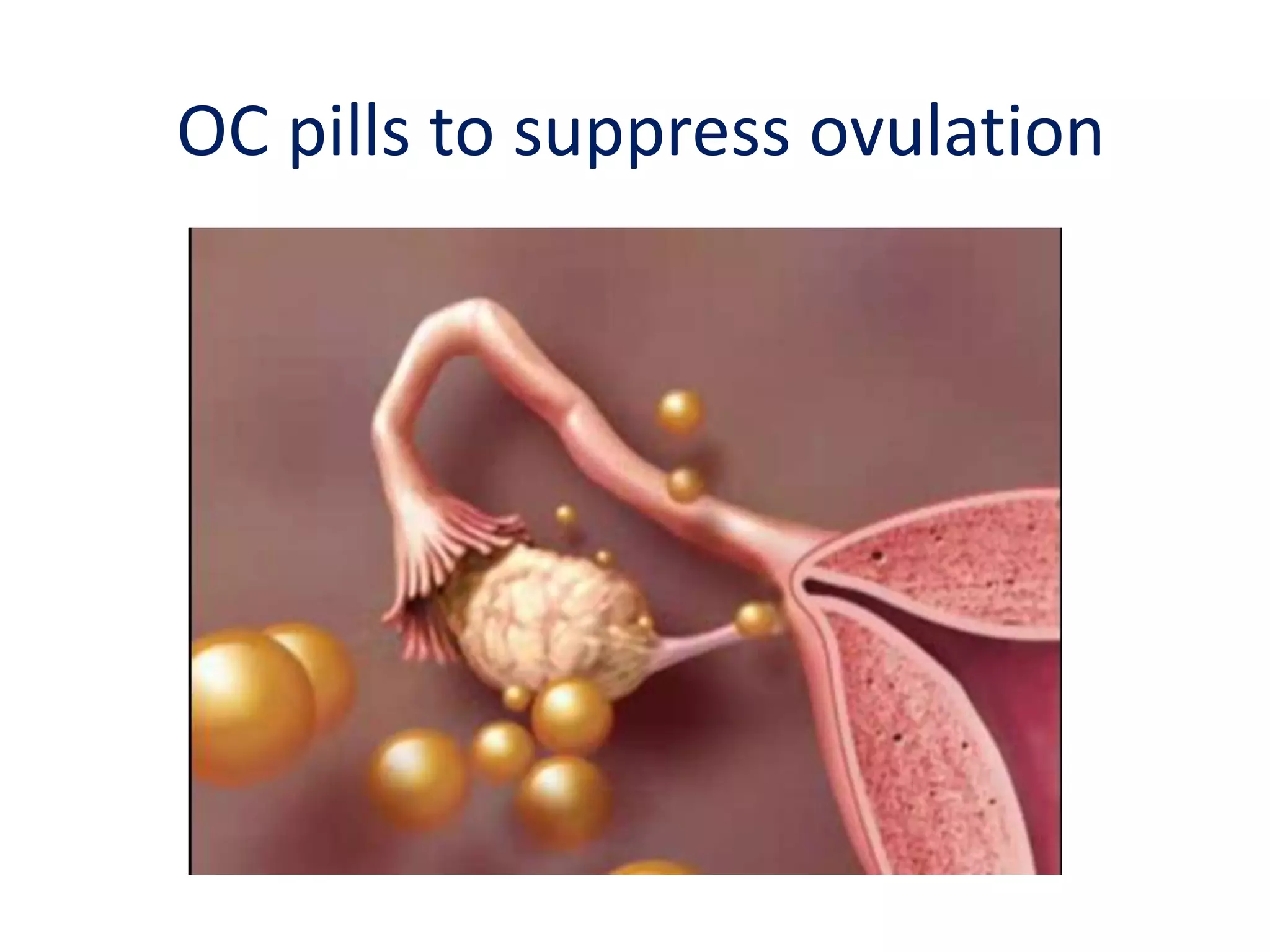
OC pills to suppress ovulation
Allopregnanolone-a metabolite of progesterone
Allopregnanolone-a metabolite of progesteroneSummary of various reviews and studiesAllopregnanolone levels are high in PMDD	Increase in allopregnanolone in response to stress is dampened in PMDDAllopregnanolone to progesterone ratio is higher in PMDD following an oral progesterone dose (Klatzkin et al. Psychoneuroendocrinology 2006;31:1208-1219)Shown to suppress hypothalamic GnRH release by interacting with GABA- A Receptor (Calogero et al. J Endocrinol 1998;158:121-125)
Neurotransmitters 	Retrospective evidence ofSerotonin involvement- as the symptoms improves with SSRIsSerotonin	Increase allopregnanolone synthesis	Increase sensitivity to neurosteroidsSSRIs	The effect is unrelated to the serotonin uptake inhibiting property of these drugs
Genetic susceptibility	A preliminary study suggested that genetic variation in the estrogen receptor alpha geneis associated with increased risk for PMDD;	leading the authors to speculate that there might be a "genetic susceptibility to affective dysregulation induced by normal levels of gonadal steroids" 	(Huo et al. Biol Psychiatry 2007;62:925-933).
How can we go about helping her?
Investigation	No mandatory laboratory investigation	If age is more than 40; investigation for menopausal status (Ref. to OB-GYN)	Prospective assessment of subjective experiences, using standard instrument is required for PMDD as per DSM-IV
In March 2001, a special report was published in Postgraduate Medicine titled "Treatment of Depression in Women 2001" (Altshuler et al. 2001).Included in this Expert Consensus Guideline Series report was a section on Premenstrual Dysphoric Disorder (PMDD). Opinions of 36 experts in women's mental health.
UpdateA brief update on diagnosis and treatment, "Expert Guidelines for the Treatment of Severe PMS, PMDD, and Comorbidities: The Role of SSRIs“published in 2006 by Steiner et al. (J Womens Health (Larchmt)2006;15:57-69).
Recent reviewA more recent overview on treatment of PMDD is provided by Yonkers and colleagues (Lancet 2008;371:1200-1210).The pharmacologic treatment of PMDD was reviewed recently by Rapkin and Winer (Expert OpinPharmacother 2008;9:429-445) and Steiner et al. (J Womens Health 2006;15:57-69).
Psychobehavioral approachesWhile there is a paucity of rigorous research involving psychobehavioral approaches to PMDD (what little has been done has been directed at less stringently defined PMS), benefit in PMS has been claimed not only for CBT but also for relaxation training, rational emotive therapy, coping skills training, and a variety of other even less defined approaches (Pearlstein. Psychiatric Annals 1996;26:590-594). First-line treatment	Aerobic exercise is the only First-line treatment  recommended by expertsSecond-line alternatives Cognitive Behavior Therapy
 Relaxation Therapy
 Interpersonal Therapy
 Yoga
Meditation
Nonspecific supportive psychotherapyMore studies for PMS than for PMDD
CBT Comparision with Fluoxetine and combination of Fluoxetine and CBT	all three equally effective; though the response with Fluoxetine faster	more sustained benefit from CBT after termination of treatment(Hunter et al. J PsychosomObstetGynecol 2002;23:193-199).
Nutritional approachesDietary modifications are recommended widely to relieve symptoms of PMS, but whether they are effective for treating the more severe symptoms of PMDD has not been establishedAgain more studies for PMS; so ?? For severe symptoms of PMDD.Limitations:Poor study design, Vague definition of PMS, High placebo response(review by Bendich. J Am CollNutr 2000;19:3-12)
General nutritional recommendation	Limit intake of alcohol, caffeine, salt, tobacco, and refined sugars	Increase complex carbohydrate and protein intake	Avoid overeating and weight gain	Consider frequent small meals
Pyridoxine (vitamin B6) 	Despite the limitation of study designs.	100 mg/day benefits in  premenstrual symptomsby Wyatt et al. (BMJ 1999;318:1375-1381)
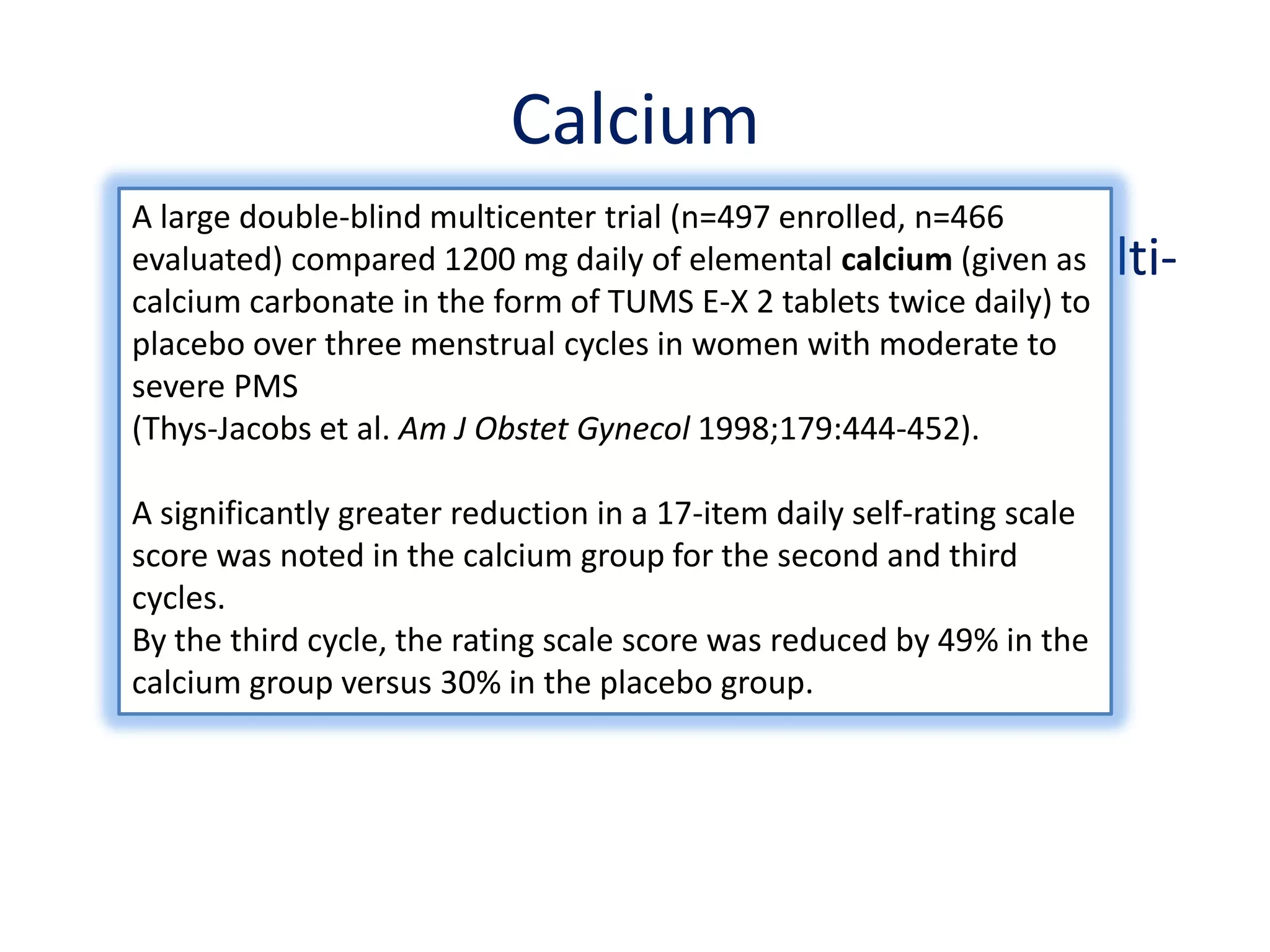
Calcium	A large double blind placebo-controlled multi-center trial available	1200 mg daily	Effective in reducing PMS symptomsA large double-blind multicenter trial (n=497 enrolled, n=466 evaluated) compared 1200 mg daily of elemental calcium (given as calcium carbonate in the form of TUMS E-X 2 tablets twice daily) to placebo over three menstrual cycles in women with moderate to severe PMS (Thys-Jacobs et al. Am J ObstetGynecol 1998;179:444-452). A significantly greater reduction in a 17-item daily self-rating scale score was noted in the calcium group for the second and third cycles. By the third cycle, the rating scale score was reduced by 49% in the calcium group versus 30% in the placebo group.
Magnesium	Few placebo-controlled trials availabe	200 mg daily	Improves fluid retention problemIn a crossover study of 38 women, 200 mg daily of magnesium in the form of magnesium oxide was more effective than placebo in reducing PMS symptoms related to fluid retention (Walker et al. J Womens Health 1998;7:1157-1165). Total PMS symptoms and symptoms related to anxiety, depression and food cravings did not lessen with magnesium.A small double-blind, placebo-controlled, crossover study found no evidence of a magnesium deficiency and no benefit on mood symptoms from intravenous magnesium infusion in women with PMDD (Khine et al. Biol Psychiatry 2006;59:327-333).
Multivitamin multimineral dietary supplements	Used in PMS (some research support)	??? for PMDDEvening primrose oil	Rational: conversion of fatty acid into prostaglandin E1 	little value even in PMS(Budeiri et al. Control Clin Trials 1996;17:60-68).
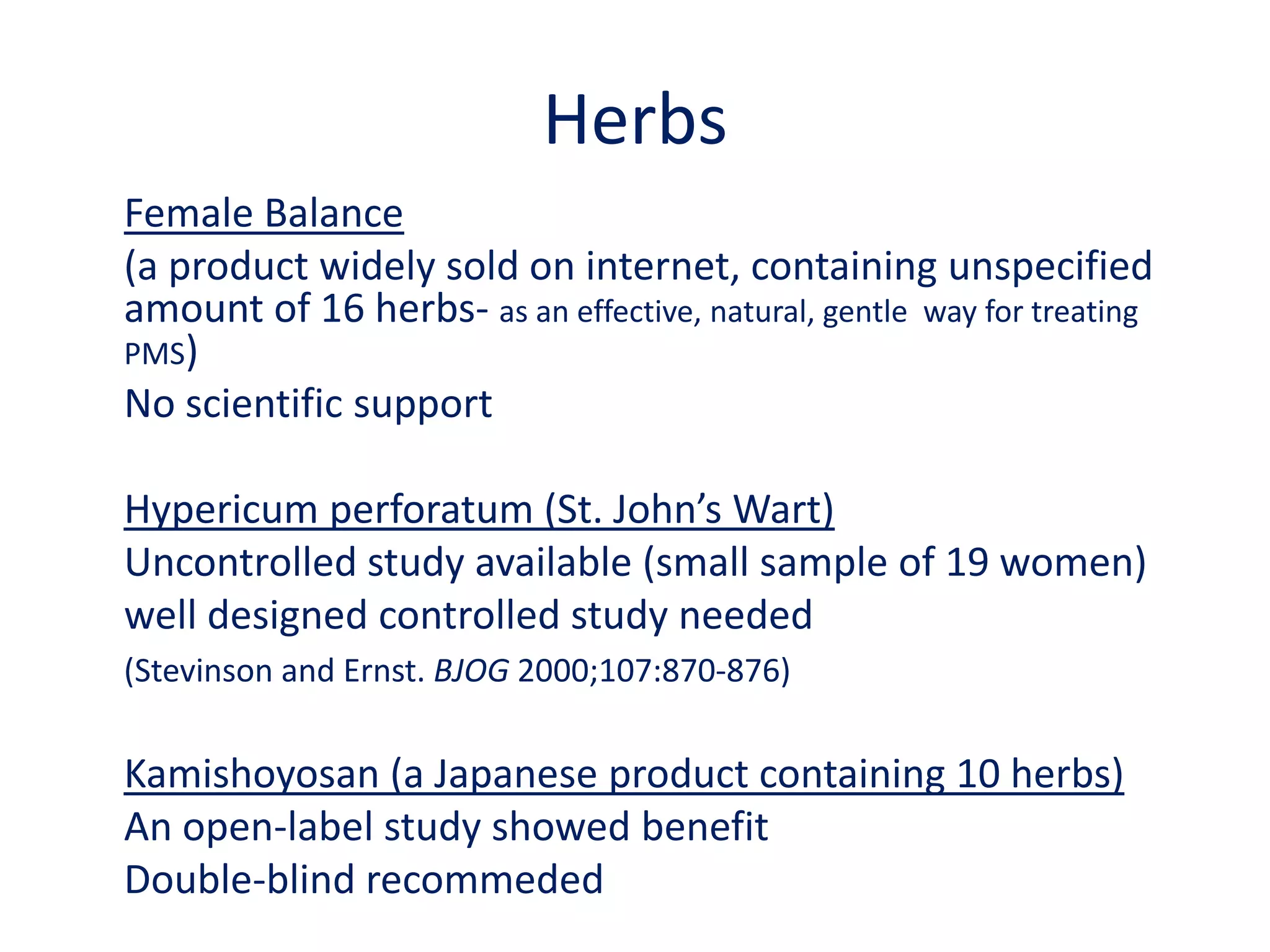
HerbsFemale Balance	(a product widely sold on internet, containing unspecified amount of 16 herbs- as an effective, natural, gentle  way for treating PMS)	No scientific supportHypericumperforatum (St. John’s Wart)	Uncontrolled study available (small sample of 19 women)	well designed controlled study needed(Stevinson and Ernst. BJOG 2000;107:870-876)Kamishoyosan (a Japanese product containing 10 herbs)	An open-label study showed benefit	Double-blind recommeded
Vitexagnuscastus (chasteberry)	Effective than placebo	A single-blind study with Fluoxetine for 2 months. No difference in overall response rate. 	Fluoxetine better with mood symptoms	Herb better for physical symptoms	Double-blind recommendedA randomized, placebo-controlled, double-blind study from Germany of 170 women with PMS found Vitexagnuscastus (chaste tree) fruit extract to be effective (Schellenberg et al. BMJ 2001;322:134-137)(Atmaca et al. Hum Psychopharmacol 2003;18:191-195)
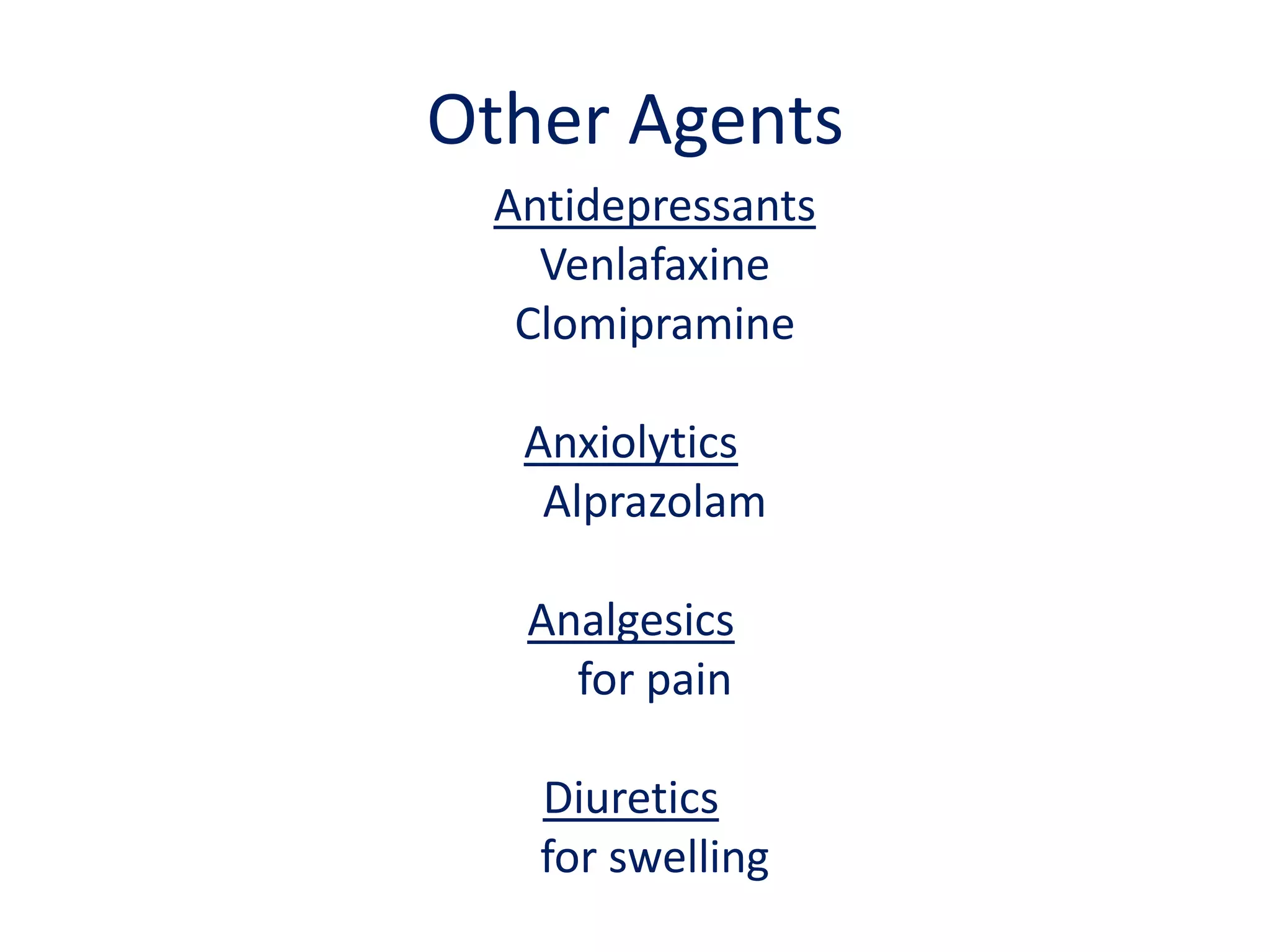
Medication TreatmentSSRIsOther antidepressantsHormonesAnxiolyticsAnalgesicsDiureticsClonidineLithium
SSRIs	A thorough review of SSRIs by Dimmock and colleagues	Evaluated 15 high quality randomized placebo-controlled trials(Lancet 2000;356:1131-1136)
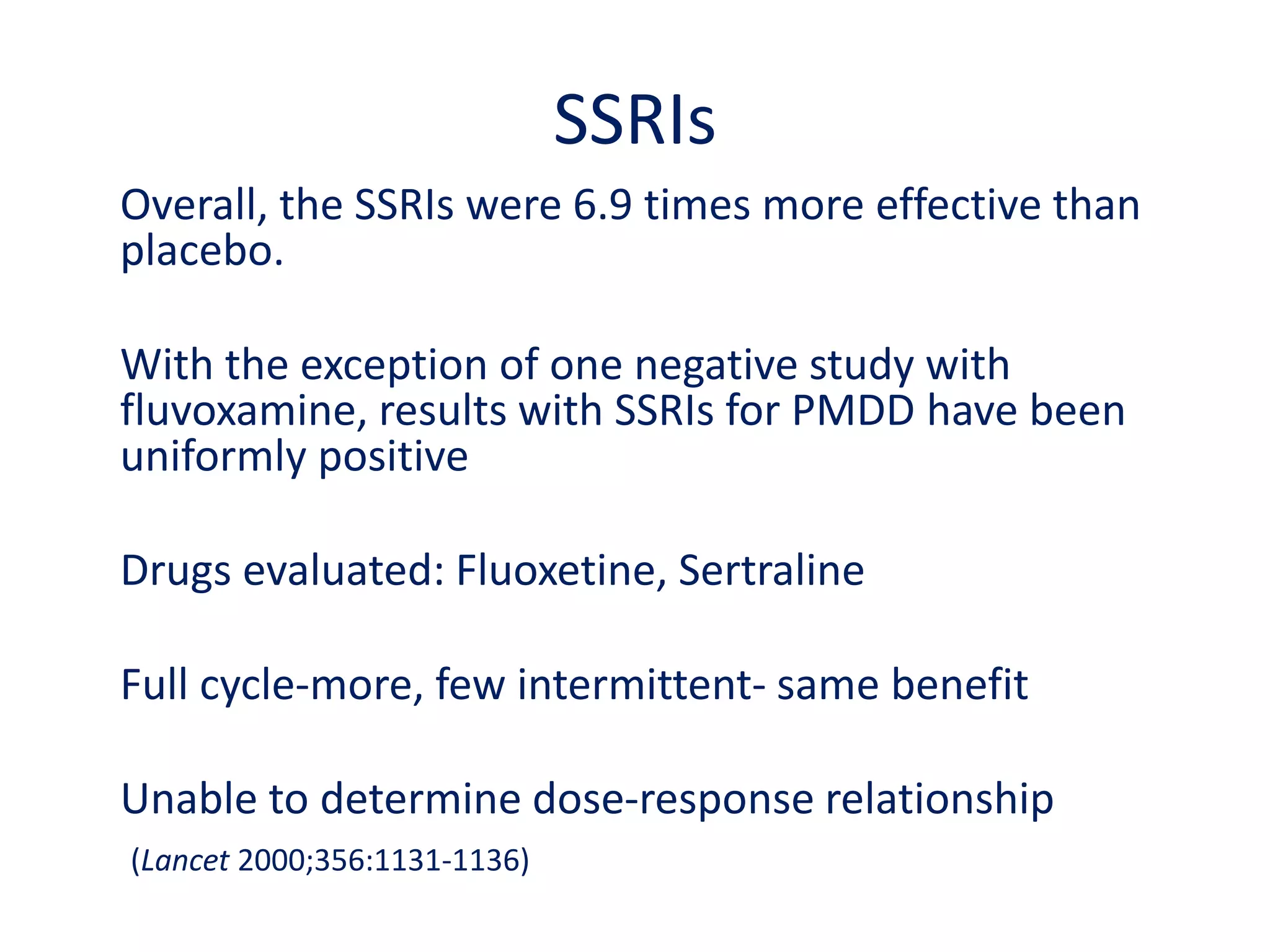
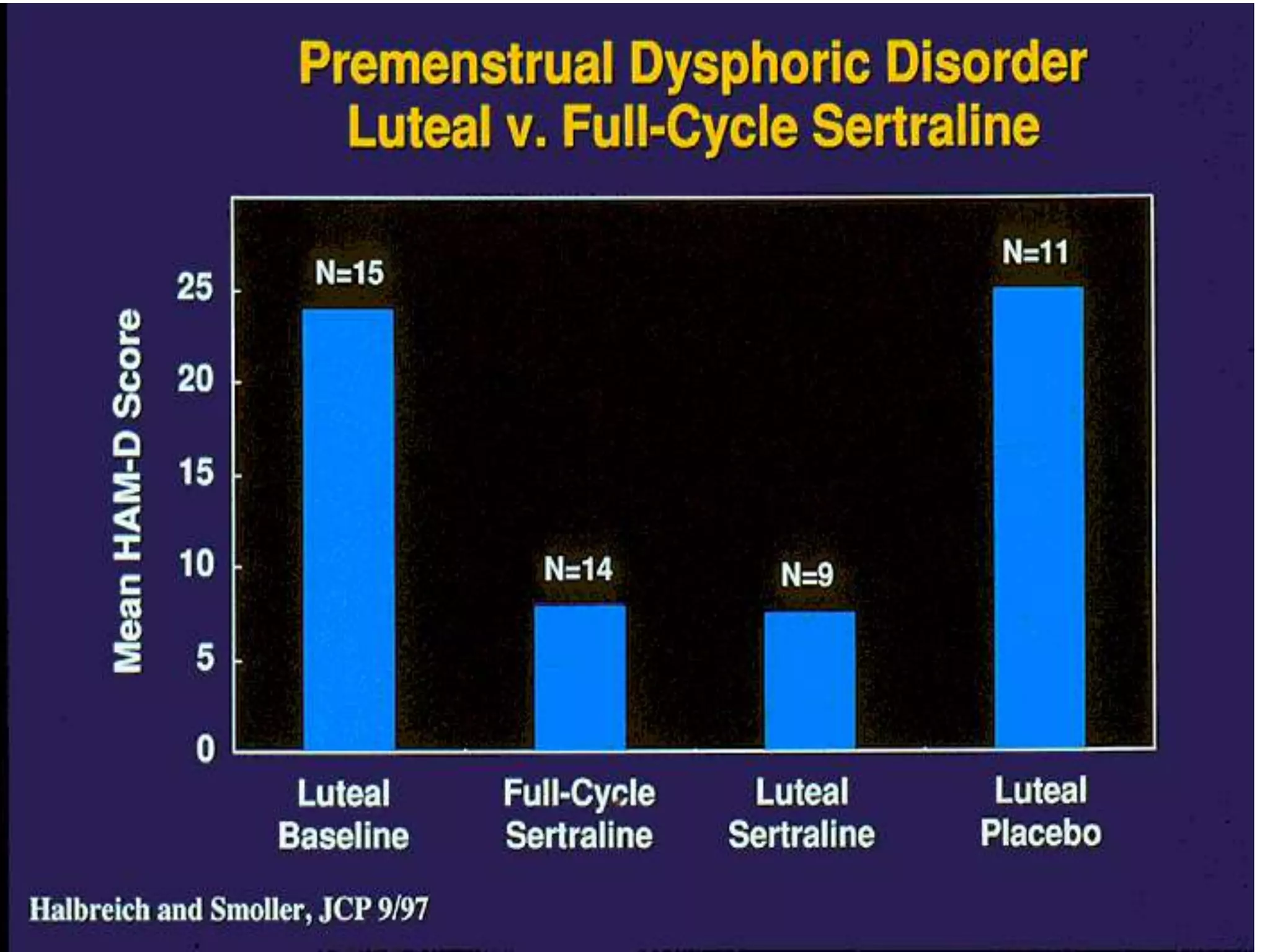
SSRIsOverall, the SSRIs were 6.9 times more effective than placebo. 	With the exception of one negative study with fluvoxamine, results with SSRIs for PMDD have been uniformly positive	Drugs evaluated: Fluoxetine, Sertraline	Full cycle-more, few intermittent- same benefit	Unable to determine dose-response relationship(Lancet 2000;356:1131-1136)

Premenstrual dysphoric disorder blue

  • 1.
  • 2.
    Premenstrual symptomsPremenstrual Syndrome(PMS)Premenstrual Dysphoric Disorder (PMDD)
  • 3.
    Premenstrual symptoms Commonly seenin most of the femalesPhysiologicalNot much distressful No treatment or intervention generally sought
  • 4.
    Premenstrual Syndrome (PMS) Severethan commonly experienced physiological symptoms Around 40% of females experience this cluster of various symptoms However, impairment in daily functioning is less as compared to PMDD
  • 5.
    Premenstrual Dysphoric Disorder(PMDD) Severe form of PMS Around 3% to 8% females experience itImpairment in functioning: Work, Social interaction, Academics and even Daily Routine
  • 6.
    So we mayencounterFemales with cyclical pattern of anxiety, depressive and physical symptoms Symptoms appear for some days and disappear in the other days of a cycle
  • 7.
    This may notbe a very clear pattern because: Co morbidity with other psychiatric conditions Worsening of psychiatric conditions in the premenstrual phase
  • 8.
    Why do webother?There are more emotional and behavioral symptoms than physical
  • 9.
    They respond toSSRIs We are trained and we believe that we can handle those symptoms better than other professionals and have more experience with SSRIs!
  • 10.
    What did ourancestors do with it?
  • 11.
    Hippocrates (460-377 B.C.)Describeda group of conditions that occurred prior to the onset of menses, in which women might develop suicidal ideation and other severe symptoms
  • 12.
    Frank (in 1931)Described15 women experiencing severe premenstrual symptoms and coined the term ‘Premenstrual Tension Syndrome Green and Dalton (in 1953) coined the term ‘Premenstrual Syndrome’
  • 13.
    PMDD is arelatively a new concept!
  • 14.
    Our guide!1987DSM-III-R includedcriteria for Late Luteal Phase Dysphoric Disorder (in Appendix A, proposed diagnostics categories needing further studies)1994In DSM-IV the name has been changed to Premenstrual Dysphoric DisorderIncluded as a Depressive Disorder Not Otherwise Specified (Appendix B, research criteria)
  • 15.
    October 1998, A panelof experts evaluated the evidence then available, and a consensus was reached that PMDD was a distinct clinical entityA review by a group of experts "reached the consensus that PMDD is a distinct entity with clinical and biological profiles dissimilar to those seen with other disorders" (Endicott et al. J Womens Health Gend Based Med 1999;8:663-679).
  • 16.
    PMDD - aDistinct Clinical Entity?
  • 18.
    November 1999, US FDANeuropharmacology Advisory Committee supported this concept
  • 19.
    FDA approvals Fluoxetine (Sarafem-not Prozac ) – 2000 Sertraline (Zoloft) – 2002 Paroxetine controlled-release – 2003
  • 20.
    Our guide!2000In DSM-IV-TR,it is still in Appendix B.This Appendix includes proposals for new diagnostic categories that are felt to require further study.For the time being, the "official" DSM-IV coding of PMDD would be Depressive Disorder Not Otherwise Specified.
  • 22.
    In most menstrualcycles during the past year,five (or more) of the following symptoms were present for most of the time during the last week of the luteal phase, began to remit within a few days after the onset of the follicular phase, and were absent in the week post-menses, with at least one of the symptoms being either (1), (2), (3), or (4).
  • 23.
    markedly depressed mood,feelings of hopelessness, or self-deprecating thoughts
  • 24.
    marked anxiety, tension,feelings of being "keyed up," or "on edge"
  • 25.
    marked affective lability(e.g., feeling suddenly sad or tearful or increased sensitivity to rejection)
  • 26.
    persistent and markedanger or irritability or increased interpersonal conflicts
  • 27.
    (e.g. work, school,friends, hobbies)
  • 28.
    Symptoms subside fewdays after the onset of mensesSymptoms present in the last week of Luteal PhaseSymptoms absent, the week after the onset of menses (Follicular Phase)
  • 29.
    In the mostmenstrual cycles during the past one year
  • 30.
    The disturbance markedlyinterferes with work or school or with usual social activities and relationships with others (e.g., avoidance of social activities, decreased productivity and efficiency at work or school).
  • 31.
    The disturbance isnot merely an exacerbation of the symptoms of another disorder, such as Major Depressive Disorder, Panic Disorder, Dysthymic Disorder, or a Personality Disorder (although it may be superimposed on any of these disorders).
  • 32.
    Diagnostic InstrumentsThe reliabilityand validity of the DRSP were confirmed recently in two studies reported by Endicott et al. (Arch Womens Ment Health 2006;9:41-49).
  • 34.
    Symptoms Anxiety Depression Irritability Lability of mood Concentrationdifficulty Sleep disturbance Food cravings, overeatingAnhedonia Breast tenderness Bloating Breast engorgement Headaches Muscle or joint pain Weight gain
  • 38.
    ICD - 10Requiresonly one physical or emotional symptom to make the diagnosis of PMSICD-10 does not include PMDD as a diagnosis
  • 39.
    Differential Diagnosis Premenstrual Syndrome Premenstrualexacerbation of current mental disorder Premenstrual exacerbation of general medical condition such as epilepsy, asthma or endocrine disorders
  • 40.
    The fact thatyou are willing to say,“I do not understand, and it is fine”Is the greatest understanding you could exhibit!Dr. Wayne Dyer
  • 42.
    What goes wrong?Commonsense assumption Assumption 1 There might be a different hormone status in females with PMDD than those who do not have these symptoms
  • 43.
    Observation: When these symptomsof anxiety and depression were treated by regular antidepressant like SSRIs, patients improved!
  • 44.
    What goes wrong?Commonsense assumption Assumption 2 There might be serotonin depletion in PMDD, mainly in the luteal phase of menstruation!??
  • 45.
    Ovarian hormones (sexsteroids)SerotoninOther neurotransmitterBeta endorphinsAldosteroneProlactinIons and minerals
  • 46.
  • 47.
    What data hasto say?premenstrual syndrome is probably the result of a complex interaction between ovarian steroids and central neurotransmitters(N Engl J Med 1998;338:256-257)
  • 48.
    Regular hormones levels No consistent difference in blood and urine level of estrogen and progesterone in women with PMDD compared to those without disorder.
  • 49.
    Why hormones involved? If the fluctuation of hormones is somehow stopped, the premenstrual symptoms improve!
  • 50.
    GnRH agonists improvesPMS Schmidt and colleagues used leuprolide, a GnRH agonist, to block endogenous production of estrogen and progesterone in 10 women with PMS conclusion:There was a significant decrease in PMS symptoms compared to baseline and compared to a placebo group.
  • 51.
    This was followedby a marked worsening of PMS symptoms when estrogen or progesterone was added to leuprolide in the women who had benefited previously.(N Engl J Med 1998;338:209-216)
  • 52.
    GnRH agonists improvesPMS Other supporting studiesFreeman EW, Sondheitjer SH, Rickets K. Gonadotropin-releasing hormone agonist in treatment of premenstrual symptoms with and without ongoing dysphorics: a controlled study. Psychopharmacol Bull. 1997;33:303-309Hammarback S, Backstrom T. Induced anovulation as treatment of premenstrual tension syndrome: a double-blind cross-over study with GnRH-agonist versus placebo. ActaObstetGynecol Scand. 1988;67:159-166.
  • 53.
    Progesterone alone Usedfor many years No supporting evidence Progesterone has not been demonstrated to work better than placebo for treatment of mood symptoms of PMS.-Ford O, Lethaby A, Mol B, Roberts H. Progesterone for premenstrual syndrome. Cochrane Database Syst Rev. 2006;(4):CD003415. -Wyatt K, Dimmock P, Jones P, Obhrai M, O'Brien E. Efficacy of progesterone and progestins in management of premenstrual symptoms: a systematic review. BMJ. 2001;323:776-780
  • 54.
    OC pills tosuppress ovulation
  • 55.
  • 56.
    Allopregnanolone-a metabolite ofprogesteroneSummary of various reviews and studiesAllopregnanolone levels are high in PMDD Increase in allopregnanolone in response to stress is dampened in PMDDAllopregnanolone to progesterone ratio is higher in PMDD following an oral progesterone dose (Klatzkin et al. Psychoneuroendocrinology 2006;31:1208-1219)Shown to suppress hypothalamic GnRH release by interacting with GABA- A Receptor (Calogero et al. J Endocrinol 1998;158:121-125)
  • 57.
    Neurotransmitters Retrospective evidenceofSerotonin involvement- as the symptoms improves with SSRIsSerotonin Increase allopregnanolone synthesis Increase sensitivity to neurosteroidsSSRIs The effect is unrelated to the serotonin uptake inhibiting property of these drugs
  • 58.
    Genetic susceptibility A preliminarystudy suggested that genetic variation in the estrogen receptor alpha geneis associated with increased risk for PMDD; leading the authors to speculate that there might be a "genetic susceptibility to affective dysregulation induced by normal levels of gonadal steroids" (Huo et al. Biol Psychiatry 2007;62:925-933).
  • 59.
    How can wego about helping her?
  • 60.
    Investigation No mandatory laboratoryinvestigation If age is more than 40; investigation for menopausal status (Ref. to OB-GYN) Prospective assessment of subjective experiences, using standard instrument is required for PMDD as per DSM-IV
  • 62.
    In March 2001,a special report was published in Postgraduate Medicine titled "Treatment of Depression in Women 2001" (Altshuler et al. 2001).Included in this Expert Consensus Guideline Series report was a section on Premenstrual Dysphoric Disorder (PMDD). Opinions of 36 experts in women's mental health.
  • 63.
    UpdateA brief updateon diagnosis and treatment, "Expert Guidelines for the Treatment of Severe PMS, PMDD, and Comorbidities: The Role of SSRIs“published in 2006 by Steiner et al. (J Womens Health (Larchmt)2006;15:57-69).
  • 64.
    Recent reviewA morerecent overview on treatment of PMDD is provided by Yonkers and colleagues (Lancet 2008;371:1200-1210).The pharmacologic treatment of PMDD was reviewed recently by Rapkin and Winer (Expert OpinPharmacother 2008;9:429-445) and Steiner et al. (J Womens Health 2006;15:57-69).
  • 65.
    Psychobehavioral approachesWhile thereis a paucity of rigorous research involving psychobehavioral approaches to PMDD (what little has been done has been directed at less stringently defined PMS), benefit in PMS has been claimed not only for CBT but also for relaxation training, rational emotive therapy, coping skills training, and a variety of other even less defined approaches (Pearlstein. Psychiatric Annals 1996;26:590-594). First-line treatment Aerobic exercise is the only First-line treatment recommended by expertsSecond-line alternatives Cognitive Behavior Therapy
  • 66.
  • 67.
  • 68.
  • 69.
  • 70.
    Nonspecific supportive psychotherapyMorestudies for PMS than for PMDD
  • 71.
    CBT Comparision withFluoxetine and combination of Fluoxetine and CBT all three equally effective; though the response with Fluoxetine faster more sustained benefit from CBT after termination of treatment(Hunter et al. J PsychosomObstetGynecol 2002;23:193-199).
  • 72.
    Nutritional approachesDietary modificationsare recommended widely to relieve symptoms of PMS, but whether they are effective for treating the more severe symptoms of PMDD has not been establishedAgain more studies for PMS; so ?? For severe symptoms of PMDD.Limitations:Poor study design, Vague definition of PMS, High placebo response(review by Bendich. J Am CollNutr 2000;19:3-12)
  • 73.
    General nutritional recommendation Limitintake of alcohol, caffeine, salt, tobacco, and refined sugars Increase complex carbohydrate and protein intake Avoid overeating and weight gain Consider frequent small meals
  • 74.
    Pyridoxine (vitamin B6) Despite the limitation of study designs. 100 mg/day benefits in premenstrual symptomsby Wyatt et al. (BMJ 1999;318:1375-1381)
  • 75.
    Calcium A large doubleblind placebo-controlled multi-center trial available 1200 mg daily Effective in reducing PMS symptomsA large double-blind multicenter trial (n=497 enrolled, n=466 evaluated) compared 1200 mg daily of elemental calcium (given as calcium carbonate in the form of TUMS E-X 2 tablets twice daily) to placebo over three menstrual cycles in women with moderate to severe PMS (Thys-Jacobs et al. Am J ObstetGynecol 1998;179:444-452). A significantly greater reduction in a 17-item daily self-rating scale score was noted in the calcium group for the second and third cycles. By the third cycle, the rating scale score was reduced by 49% in the calcium group versus 30% in the placebo group.
  • 76.
    Magnesium Few placebo-controlled trialsavailabe 200 mg daily Improves fluid retention problemIn a crossover study of 38 women, 200 mg daily of magnesium in the form of magnesium oxide was more effective than placebo in reducing PMS symptoms related to fluid retention (Walker et al. J Womens Health 1998;7:1157-1165). Total PMS symptoms and symptoms related to anxiety, depression and food cravings did not lessen with magnesium.A small double-blind, placebo-controlled, crossover study found no evidence of a magnesium deficiency and no benefit on mood symptoms from intravenous magnesium infusion in women with PMDD (Khine et al. Biol Psychiatry 2006;59:327-333).
  • 77.
    Multivitamin multimineral dietarysupplements Used in PMS (some research support) ??? for PMDDEvening primrose oil Rational: conversion of fatty acid into prostaglandin E1 little value even in PMS(Budeiri et al. Control Clin Trials 1996;17:60-68).
  • 78.
    HerbsFemale Balance (a productwidely sold on internet, containing unspecified amount of 16 herbs- as an effective, natural, gentle way for treating PMS) No scientific supportHypericumperforatum (St. John’s Wart) Uncontrolled study available (small sample of 19 women) well designed controlled study needed(Stevinson and Ernst. BJOG 2000;107:870-876)Kamishoyosan (a Japanese product containing 10 herbs) An open-label study showed benefit Double-blind recommeded
  • 79.
    Vitexagnuscastus (chasteberry) Effective thanplacebo A single-blind study with Fluoxetine for 2 months. No difference in overall response rate. Fluoxetine better with mood symptoms Herb better for physical symptoms Double-blind recommendedA randomized, placebo-controlled, double-blind study from Germany of 170 women with PMS found Vitexagnuscastus (chaste tree) fruit extract to be effective (Schellenberg et al. BMJ 2001;322:134-137)(Atmaca et al. Hum Psychopharmacol 2003;18:191-195)
  • 80.
  • 81.
    SSRIs A thorough reviewof SSRIs by Dimmock and colleagues Evaluated 15 high quality randomized placebo-controlled trials(Lancet 2000;356:1131-1136)
  • 82.
    SSRIsOverall, the SSRIswere 6.9 times more effective than placebo. With the exception of one negative study with fluvoxamine, results with SSRIs for PMDD have been uniformly positive Drugs evaluated: Fluoxetine, Sertraline Full cycle-more, few intermittent- same benefit Unable to determine dose-response relationship(Lancet 2000;356:1131-1136)
  • 86.
  • 87.
    OC pillsDrospirenone 3mg/EhinylEstradiol 20 mcg(YAZ)We have JAZZ As compared to previous OC pills use, it is said that this one improves not only physical symptoms but also mood features
  • 88.
    Very severe symptomsDanazoleGnRHagonists Surgical removal of ovaries
  • 89.
  • 90.

Editor's Notes

  • #50 Schmidt and colleagues used leuprolide, a GnRH agonist, to block endogenous production of estrogen and progesterone in 10 women with PMS (N Engl J Med 1998;338:209-216). There was a significant decrease in PMS symptoms compared to baseline and compared to a placebo group. This was followed by a marked worsening of PMS symptoms when estrogen or progesterone was added to leuprolide in the women who had benefited previously.
  • #56 What is it?Allopregnanolone- stressActs an ananxiolytic. Comes to play role after some time in stress- so no flight and fight responseAlteration in levels in PMDDStudy with rats- adolescence
  • #58 A preliminary study suggested that genetic variation in the estrogen receptor alpha gene is associated with increased risk for PMDD, leading the authors to speculate that there might be a "genetic susceptibility to affective dysregulation induced by normal levels of gonadal steroids" (Huo et al. Biol Psychiatry 2007;62:925-933).
  • #65 While there is a paucity of rigorous research involving psychobehavioral approaches to PMDD (what little has been done has been directed at less stringently defined PMS), benefit in PMS has been claimed not only for CBT but also for relaxation training, rational emotive therapy, coping skills training, and a variety of other even less defined approaches (Pearlstein. Psychiatric Annals 1996;26:590-594).
  • #66 There have been several research studies that found benefit from CBT (12 or so weekly sessions) for treating PMS.The only randomized study of CBT for DSM-IV PMDD compared CBT (8 hourly-sessions over the first 3 months and 2 booster sessions over the next 3 months) to fluoxetine (20 mg daily for 6 months) and to the combination of CBT and fluoxetine in 108 women. The study was not blinded and there was no untreated control group. The 3 treatments were equally effective with benefit from fluoxetine occurring more rapidly. A naturalistic follow-up of a small number of women suggested more sustained benefit from CBT following termination of treatment (Hunter et al. J PsychosomObstetGynecol 2002;23:193-199).
  • #69 by Wyatt et al. (BMJ 1999;318:1375-1381)
  • #70 A large double-blind multicenter trial (n=497 enrolled, n=466 evaluated) compared 1200 mg daily of elemental calcium (given as calcium carbonate in the form of TUMS E-X 2 tablets twice daily) to placebo over three menstrual cycles in women with moderate to severe PMS (Thys-Jacobs et al. Am J ObstetGynecol 1998;179:444-452). A significantly greater reduction in a 17-item daily self-rating scale score was noted in the calcium group for the second and third cycles. By the third cycle, the rating scale score was reduced by 49% in the calcium group versus 30% in the placebo group.
  • #71 In a crossover study of 38 women, 200 mg daily of magnesium in the form of magnesium oxide was more effective than placebo in reducing PMS symptoms related to fluid retention (Walker et al. J Womens Health 1998;7:1157-1165). Total PMS symptoms and symptoms related to anxiety, depression and food cravings did not lessen with magnesium.A small double-blind, placebo-controlled, crossover study found no evidence of a magnesium deficiency and no benefit on mood symptoms from intravenous magnesium infusion in women with PMDD (Khine et al. Biol Psychiatry 2006;59:327-333).
  • #73 Hypericumperforatum (St. John’s Wart)An open, uncontrolled study of Hypericumperforatum (St. John's wort) in 19 women with PMS using prospective daily ratings found enough improvement to suggest that a placebo-controlled, double-blind study might be of merit (Stevinson and Ernst. BJOG 2000;107:870-876). Whether St. John's wort is effective for treating PMS/PMDD remains to be established in well-designed research studiesKamishoyosan (a Japanese product containing 10 herbs)Thirty women with PMDD were treated open-label over 6 cycles with kamishoyosan, a Japanese product containing 10 herbs. Nineteen (63.3%) improved by >50% and fourteen (46.7%) went into remission (Yamada and Kanba. Psychiatry ClinNeurosci 2007;61:323-325). A double-blind study was recommended.
  • #74 A randomized, placebo-controlled, double-blind study from Germany of 170 women with PMS found Vitexagnuscastus (chaste tree) fruit extract to be effective (Schellenberg et al. BMJ 2001;322:134-137)With Fluoxetine(Atmaca et al. Hum Psychopharmacol 2003;18:191-195)
  • #76 A thorough review of SSRIs for severe PMS (PMDD in DSM-IV) was provided in a meta-analysis by Dimmock and colleagues who evaluated 15 high quality randomized placebo-controlled trials (Lancet 2000;356:1131-1136). Overall, the SSRIs were 6.9 times more effective than placebo. With the exception of one negative study with fluvoxamine, results with SSRIs for PMDD have been uniformly positive Drugs evaluated: Fluoxetine, Sertraline Full cycle-more, few intermittent- same benefit Unable to determine dose response relationship
  • #78 Pearlstein and colleagues compared fluoxetine to bupropion (a norepinephrine/dopamine uptake inhibitor) in a small double-blind, placebo-controlled study and found the SSRI to be considerably more effective than the non-SSRI and placebo (J Clin Psychopharmacol1997;17:261-266).
  • #79 Similar findings were obtained in a study of 167 women with severe PMS/PMDD comparing sertraline and desipramine (a predominantly norepinephrine uptake inhibiting tricyclic) to placebo (Freeman et al. Arch Gen Psychiatry 1999;56:932-939). With response defined as at least a 50% decrease in Penn Daily Symptom Report total score, sertraline was significantly more effective than placebo while desipramine was not (see figure above).
  • #80 A unique feature of SSRI response in PMDD is rapid onset such that intermittent dosing (luteal phase only) is effective (Halbreich and Smoller. J Clin Psychiatry 1997;58:399-402, Freeman et al. Am J Psychiatry 2004;161:343-351, Freeman et al. CNS Drugs 2004;18:453-468, Steiner et al. Am J ObstetGynecol 2005;193:352-360, Landen et al. Neuropsychopharmacology 2007;32:153-161) (see figure above, which shows improvement in Hamilton Depression scale (HAM-D) scores with intermittent and full-cycle dosing of sertraline).