INTRODUCTION 
Vitamin is an organic compound and a vital nutrient that an organism requires in 
limited amounts. An organic chemical compound is called a vitamin when the organism 
cannot synthesize the compound in sufficient quantities, and must be obtained through 
the diet; thus, the term "vitamin" is conditional upon the circumstances and the 
particular organism. 
Vitamins are classified by their biological and chemical activity, not their 
structure. Thus, each "vitamin" refers to a number of vitamer compounds that all show 
the biological activity associated with a particular vitamin. Such a set of chemicals is 
grouped under an alphabetized vitamin "generic descriptor" title, such as "vitamin A", 
which includes the compounds retinal, retinol, and four known carotenoids. 
Vitamins have diverse biochemical functions. Some, such as vitamin D, have 
hormone-like functions as regulators of mineral metabolism, or regulators of cell and 
tissue growth and differentiation (such as some forms of vitamin A). Others function 
as antioxidants . The largest number of vitamins, the B complex vitamins, function as 
precursors for enzyme cofactors, that help enzymes in their work 
as catalysts in metabolism. In this role, vitamins may be tightly bound to enzymes as part 
of prosthetic groups. They may also be less tightly bound to enzyme catalysts 
as coenzymes, detachable molecules that function to carry chemical groups or electrons 
between molecules Although these roles in assisting enzyme-substrate reactions are 
vitamins' best-known function, the other vitamin functions are equally important.
WATER SOLUBLE VITAMINS 
Eight of the water-soluble vitamins are known as the vitamin B-complex 
group: thiamin (vitamin B1), riboflavin (vitamin B2), niacin 
(vitamin B3), vitamin B6 (pyridoxine), folate (folic acid), vitamin 
B12, biotin and pantothenic acid. The B vitamins are widely 
distributed in foods, and their influence is felt in many parts of the 
body. They function as coenzymes that help the body obtain energy 
from food. The B vitamins are also important for normal appetite, 
good vision, and healthy skin, nervous system, and red blood cell 
formation. 
Fat-Soluble Vitamins: A, D, E, and K 
The fat-soluble vitamins, A, D, E, and K, are stored in the body for 
long periods of time and generally pose a greater risk for toxicity 
when consumed in excess than water-soluble vitamins. Eating a 
normal, well-balanced diet will not lead to toxicity in otherwise 
healthy individuals. However, taking vitamin supplements that 
contain mega doses of vitamins A, D, E and K may lead to toxicity. 
The body only needs small amounts of any vitamin.
Thiamin : Vitamin B1 
Thiamin helps to release energy from foods, promotes normal appetite, and is important in maintaining 
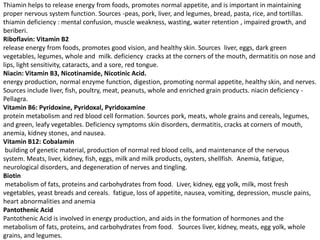
proper nervous system function. Sources -peas, pork, liver, and legumes, bread, pasta, rice, and tortillas. 
thiamin deficiency : mental confusion, muscle weakness, wasting, water retention , impaired growth, and 
beriberi. 
Riboflavin: Vitamin B2 
release energy from foods, promotes good vision, and healthy skin. Sources liver, eggs, dark green 
vegetables, legumes, whole and milk. deficiency cracks at the corners of the mouth, dermatitis on nose and 
lips, light sensitivity, cataracts, and a sore, red tongue. 
Niacin: Vitamin B3, Nicotinamide, Nicotinic Acid. 
energy production, normal enzyme function, digestion, promoting normal appetite, healthy skin, and nerves. 
Sources include liver, fish, poultry, meat, peanuts, whole and enriched grain products. niacin deficiency - 
Pellagra. 
Vitamin B6: Pyridoxine, Pyridoxal, Pyridoxamine 
protein metabolism and red blood cell formation. Sources pork, meats, whole grains and cereals, legumes, 
and green, leafy vegetables. Deficiency symptoms skin disorders, dermatitis, cracks at corners of mouth, 
anemia, kidney stones, and nausea. 
Vitamin B12: Cobalamin 
building of genetic material, production of normal red blood cells, and maintenance of the nervous 
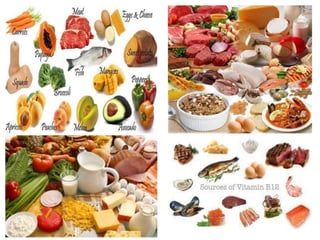
system. Meats, liver, kidney, fish, eggs, milk and milk products, oysters, shellfish. Anemia, fatigue, 
neurological disorders, and degeneration of nerves and tingling. 
Biotin 
metabolism of fats, proteins and carbohydrates from food. Liver, kidney, egg yolk, milk, most fresh 
vegetables, yeast breads and cereals. fatigue, loss of appetite, nausea, vomiting, depression, muscle pains, 
heart abnormalities and anemia 
Pantothenic Acid 
Pantothenic Acid is involved in energy production, and aids in the formation of hormones and the 
metabolism of fats, proteins, and carbohydrates from food. Sources liver, kidney, meats, egg yolk, whole 
grains, and legumes.
Vitamin C: Ascorbic Acid, Ascorbate 
vitamin C, also known as ascorbic acid or ascorbate, to remain in proper 
working condition. Vitamin C benefits the body by holding cells together 
through collagen synthesis; collagen is a connective tissue that holds muscles, 
bones, and other tissues together. Vitamin C also aids in wound healing, bone 
and tooth formation, strengthening blood vessel walls, improving immune 
system function, increasing absorption and utilization of iron, and acting as an 
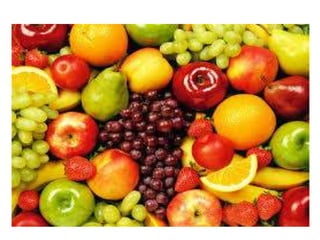
antioxidant. best sources are citrus fruits. C deficiency may result in the 
disease known as scurvy. vitamin C requirements are 1. Environmental stress, 
such as air and noise pollution 2. Use of certain drugs, such as oral 
contraceptives 3. Tissue healing of wounds 4. Growth (children from 0- 12 
months, and pregnant women) 
5. Fever and infection 6. Smoking.
Vitamin A: Retinol 
Vitamin A, also called retinol, has many functions in the body. In addition to helping the 
eyes adjust to light changes, vitamin A plays an important role in bone growth, tooth 
development, reproduction, cell division, gene expression, and regulation of the immune 
system. The skin, eyes, and mucous membranes of the mouth, nose, throat and lungs depend 
on vitamin A to remain moist. Vitamin A is also an important antioxidant that may play a 
role in the prevention of certain cancers. 
Sources - dairy products, fish and liver. carrots, pumpkin, winter squash, dark green leafy 
vegetables and apricots 
Deficiency - xerophthalmia, Night blindness, decreased resistance to infections, faulty tooth 
development, and slower bone growth. 
Vitamin D 
Vitamin D plays a critical role in the body’s use of calcium and phosphorous. It works 
by increasing the amount of calcium absorbed from the small intestine, helping to form 
and maintain bones. Vitamin D benefits the body by playing a role in immunity and 
controlling cell growth. Children especially need adequate amounts of vitamin D to 
develop strong bones and healthy teeth. 
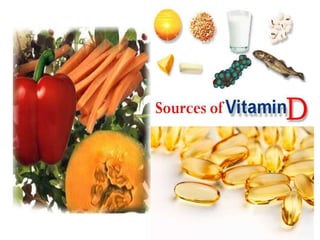
Sources - Milk , other dairy products , sunlight 
Deficiency - rickets , osteomalacia , common cancers, autoimmune diseases, 
hypertension, and infectious disease.
Vitamin E: Tocopherol 
Vitamin E benefits the body by acting as an antioxidant, and protecting vitamins A andC, red 
blood cells, and essential fatty acids from destruction. Might help prevent heart disease and 
cancer. . Many studies show a link between regularly eating an antioxidant rich diet full of 
fruits and vegetables, and a lower risk for heart disease, cancer, and several other diseases. 
Sources - Vegetable oil, fruits and vegetables, grains, nuts, seeds, fortified cereals. 
Deficiency - Premature infants 
Vitamin K 
Vitamin K is naturally produced by the bacteria in the intestines, and plays an essential 
role in normal blood clotting, promoting bone health, and helping to produce proteins for 
blood, bones, and kidneys. 
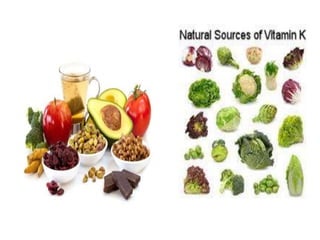
Sources - Green, turnip greens, spinach, cauliflower, cabbage, soybean oil, cottonseed oil, 
canola oil and olive oil. 
Deficiency - Chronic diarrhea
Powerpoint Presentation

Powerpoint Presentation

  • 1.
    INTRODUCTION Vitamin isan organic compound and a vital nutrient that an organism requires in limited amounts. An organic chemical compound is called a vitamin when the organism cannot synthesize the compound in sufficient quantities, and must be obtained through the diet; thus, the term "vitamin" is conditional upon the circumstances and the particular organism. Vitamins are classified by their biological and chemical activity, not their structure. Thus, each "vitamin" refers to a number of vitamer compounds that all show the biological activity associated with a particular vitamin. Such a set of chemicals is grouped under an alphabetized vitamin "generic descriptor" title, such as "vitamin A", which includes the compounds retinal, retinol, and four known carotenoids. Vitamins have diverse biochemical functions. Some, such as vitamin D, have hormone-like functions as regulators of mineral metabolism, or regulators of cell and tissue growth and differentiation (such as some forms of vitamin A). Others function as antioxidants . The largest number of vitamins, the B complex vitamins, function as precursors for enzyme cofactors, that help enzymes in their work as catalysts in metabolism. In this role, vitamins may be tightly bound to enzymes as part of prosthetic groups. They may also be less tightly bound to enzyme catalysts as coenzymes, detachable molecules that function to carry chemical groups or electrons between molecules Although these roles in assisting enzyme-substrate reactions are vitamins' best-known function, the other vitamin functions are equally important.
  • 2.
    WATER SOLUBLE VITAMINS Eight of the water-soluble vitamins are known as the vitamin B-complex group: thiamin (vitamin B1), riboflavin (vitamin B2), niacin (vitamin B3), vitamin B6 (pyridoxine), folate (folic acid), vitamin B12, biotin and pantothenic acid. The B vitamins are widely distributed in foods, and their influence is felt in many parts of the body. They function as coenzymes that help the body obtain energy from food. The B vitamins are also important for normal appetite, good vision, and healthy skin, nervous system, and red blood cell formation. Fat-Soluble Vitamins: A, D, E, and K The fat-soluble vitamins, A, D, E, and K, are stored in the body for long periods of time and generally pose a greater risk for toxicity when consumed in excess than water-soluble vitamins. Eating a normal, well-balanced diet will not lead to toxicity in otherwise healthy individuals. However, taking vitamin supplements that contain mega doses of vitamins A, D, E and K may lead to toxicity. The body only needs small amounts of any vitamin.
  • 3.
    Thiamin : VitaminB1 Thiamin helps to release energy from foods, promotes normal appetite, and is important in maintaining proper nervous system function. Sources -peas, pork, liver, and legumes, bread, pasta, rice, and tortillas. thiamin deficiency : mental confusion, muscle weakness, wasting, water retention , impaired growth, and beriberi. Riboflavin: Vitamin B2 release energy from foods, promotes good vision, and healthy skin. Sources liver, eggs, dark green vegetables, legumes, whole and milk. deficiency cracks at the corners of the mouth, dermatitis on nose and lips, light sensitivity, cataracts, and a sore, red tongue. Niacin: Vitamin B3, Nicotinamide, Nicotinic Acid. energy production, normal enzyme function, digestion, promoting normal appetite, healthy skin, and nerves. Sources include liver, fish, poultry, meat, peanuts, whole and enriched grain products. niacin deficiency - Pellagra. Vitamin B6: Pyridoxine, Pyridoxal, Pyridoxamine protein metabolism and red blood cell formation. Sources pork, meats, whole grains and cereals, legumes, and green, leafy vegetables. Deficiency symptoms skin disorders, dermatitis, cracks at corners of mouth, anemia, kidney stones, and nausea. Vitamin B12: Cobalamin building of genetic material, production of normal red blood cells, and maintenance of the nervous system. Meats, liver, kidney, fish, eggs, milk and milk products, oysters, shellfish. Anemia, fatigue, neurological disorders, and degeneration of nerves and tingling. Biotin metabolism of fats, proteins and carbohydrates from food. Liver, kidney, egg yolk, milk, most fresh vegetables, yeast breads and cereals. fatigue, loss of appetite, nausea, vomiting, depression, muscle pains, heart abnormalities and anemia Pantothenic Acid Pantothenic Acid is involved in energy production, and aids in the formation of hormones and the metabolism of fats, proteins, and carbohydrates from food. Sources liver, kidney, meats, egg yolk, whole grains, and legumes.
  • 5.
    Vitamin C: AscorbicAcid, Ascorbate vitamin C, also known as ascorbic acid or ascorbate, to remain in proper working condition. Vitamin C benefits the body by holding cells together through collagen synthesis; collagen is a connective tissue that holds muscles, bones, and other tissues together. Vitamin C also aids in wound healing, bone and tooth formation, strengthening blood vessel walls, improving immune system function, increasing absorption and utilization of iron, and acting as an antioxidant. best sources are citrus fruits. C deficiency may result in the disease known as scurvy. vitamin C requirements are 1. Environmental stress, such as air and noise pollution 2. Use of certain drugs, such as oral contraceptives 3. Tissue healing of wounds 4. Growth (children from 0- 12 months, and pregnant women) 5. Fever and infection 6. Smoking.
  • 7.
    Vitamin A: Retinol Vitamin A, also called retinol, has many functions in the body. In addition to helping the eyes adjust to light changes, vitamin A plays an important role in bone growth, tooth development, reproduction, cell division, gene expression, and regulation of the immune system. The skin, eyes, and mucous membranes of the mouth, nose, throat and lungs depend on vitamin A to remain moist. Vitamin A is also an important antioxidant that may play a role in the prevention of certain cancers. Sources - dairy products, fish and liver. carrots, pumpkin, winter squash, dark green leafy vegetables and apricots Deficiency - xerophthalmia, Night blindness, decreased resistance to infections, faulty tooth development, and slower bone growth. Vitamin D Vitamin D plays a critical role in the body’s use of calcium and phosphorous. It works by increasing the amount of calcium absorbed from the small intestine, helping to form and maintain bones. Vitamin D benefits the body by playing a role in immunity and controlling cell growth. Children especially need adequate amounts of vitamin D to develop strong bones and healthy teeth. Sources - Milk , other dairy products , sunlight Deficiency - rickets , osteomalacia , common cancers, autoimmune diseases, hypertension, and infectious disease.
  • 9.
    Vitamin E: Tocopherol Vitamin E benefits the body by acting as an antioxidant, and protecting vitamins A andC, red blood cells, and essential fatty acids from destruction. Might help prevent heart disease and cancer. . Many studies show a link between regularly eating an antioxidant rich diet full of fruits and vegetables, and a lower risk for heart disease, cancer, and several other diseases. Sources - Vegetable oil, fruits and vegetables, grains, nuts, seeds, fortified cereals. Deficiency - Premature infants Vitamin K Vitamin K is naturally produced by the bacteria in the intestines, and plays an essential role in normal blood clotting, promoting bone health, and helping to produce proteins for blood, bones, and kidneys. Sources - Green, turnip greens, spinach, cauliflower, cabbage, soybean oil, cottonseed oil, canola oil and olive oil. Deficiency - Chronic diarrhea