PRESENTED BY ,
SAMANTHA VICTOR
PHYSICAL SCIENCE
CHRIST NAGAR COLLEGE OF EDUCATION
THIRUVALLAM
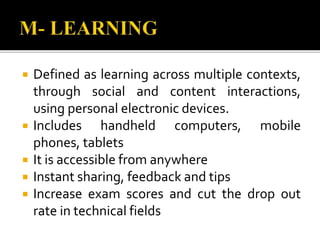
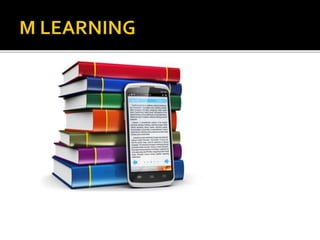
 Defined as learning across multiple contexts,
through social and content interactions,
using personal electronic devices.
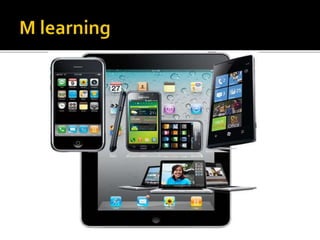
 Includes handheld computers, mobile
phones, tablets
 It is accessible from anywhere
 Instant sharing, feedback and tips
 Increase exam scores and cut the drop out
rate in technical fields
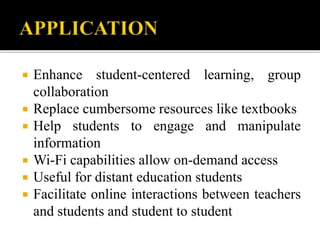
 Enhance student-centered learning, group
collaboration
 Replace cumbersome resources like textbooks
 Help students to engage and manipulate
information
 Wi-Fi capabilities allow on-demand access
 Useful for distant education students
 Facilitate online interactions between teachers
and students and student to student
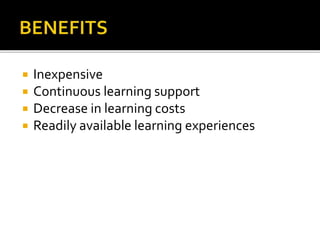
 Inexpensive
 Continuous learning support
 Decrease in learning costs
 Readily available learning experiences
 Connectivity and battery life
 Screen size and key size
 Limited memory
 Content security or copy right issue
 Risk of distraction
 Disruption of student’s personal and
academic lives
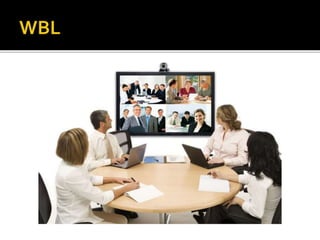
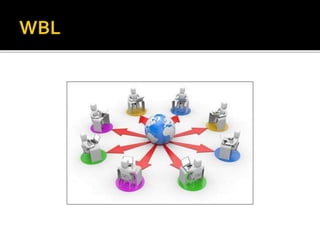
 Represents a further evolution of computer
assisted instruction
 Universal accessibility, ease in updating content
and hyperlink functions
 Associated with learning materials delivered in a
web browser
 Content is retrieved from a website, delivered in
a web format
 SomeWBL offerings operate from CD-ROM
where network access may not be available or
practical
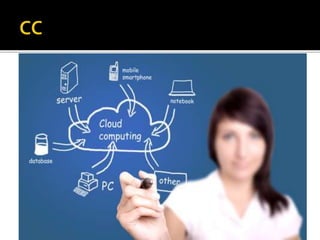
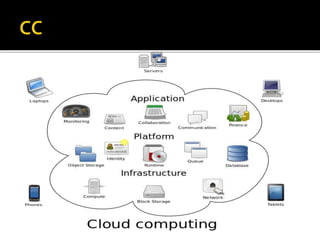
 Result of evolution and adaptation of existing
technologies
 Aims to cut costs
 Provides agility required to speed up IT
operations
 Enables device and location independence
 Productivity may be increased when multiple
users can work on same data simultaneously
 It doesn’t need to be installed on each computer
and can be accessed from different places
Powerpoint presentation on m learning, web based learning and cloud computing

Powerpoint presentation on m learning, web based learning and cloud computing

  • 1.
    PRESENTED BY , SAMANTHAVICTOR PHYSICAL SCIENCE CHRIST NAGAR COLLEGE OF EDUCATION THIRUVALLAM
  • 2.
     Defined aslearning across multiple contexts, through social and content interactions, using personal electronic devices.  Includes handheld computers, mobile phones, tablets  It is accessible from anywhere  Instant sharing, feedback and tips  Increase exam scores and cut the drop out rate in technical fields
  • 3.
     Enhance student-centeredlearning, group collaboration  Replace cumbersome resources like textbooks  Help students to engage and manipulate information  Wi-Fi capabilities allow on-demand access  Useful for distant education students  Facilitate online interactions between teachers and students and student to student
  • 4.
     Inexpensive  Continuouslearning support  Decrease in learning costs  Readily available learning experiences
  • 5.
     Connectivity andbattery life  Screen size and key size  Limited memory  Content security or copy right issue  Risk of distraction  Disruption of student’s personal and academic lives
  • 8.
     Represents afurther evolution of computer assisted instruction  Universal accessibility, ease in updating content and hyperlink functions  Associated with learning materials delivered in a web browser  Content is retrieved from a website, delivered in a web format  SomeWBL offerings operate from CD-ROM where network access may not be available or practical
  • 11.
     Result ofevolution and adaptation of existing technologies  Aims to cut costs  Provides agility required to speed up IT operations  Enables device and location independence  Productivity may be increased when multiple users can work on same data simultaneously  It doesn’t need to be installed on each computer and can be accessed from different places