
“TO BEE OR NOT TO BEE”
      THAT IS THE QUESTION?

            HARRY R. FULTON
       BUREAU OF PLANT INDUSTRY
 MISSISSIPPI DEPT. OF AGRICULTURE & COMMERCE
Beekeeping, No Matter
Where, Involves a Complex
Environmental Interaction of
Many Living Organisms and
        Situations
But, if You Don’t Make
 Money Just Think!!!!
 USDA RESEARCH FROM THE
1970’S SHOWS THAT EACH HIVE
DOES ABOUT $2,000 WORTH OF
   POLLINATION!!!!!!!!!!!
No. bees and/or colonies suggested to
     enhance pollination of crops
(From Insect Pollination o Cultivated Crop Plants, Agriculture
                     Handbook No. 496)
Fruit Orchards-
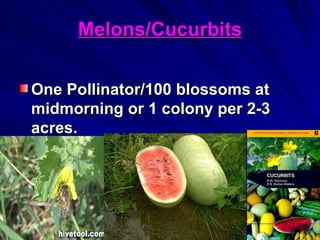
Melons/Cucurbits-
Clover (Seed)-
Cotton-
Blueberry-
Strawberry-
Pumpkins/squash-
Blackberry-
Vetch-
Soybeans-
Cole Crops-
Onions
SIGNS OF ADEQUATE
           POLLINATION!

             General Look!
–   Symmetrical fruit

– Seed pods filled.

– Tight clusters of fruit/seed.
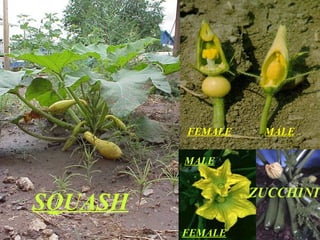
FEMALE    MALE

         MALE


                  ZUCCHINI
SQUASH
         FEMALE
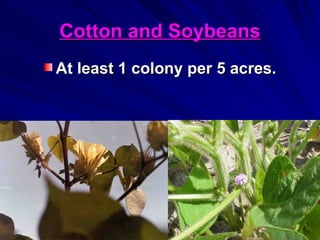
Cotton and Soybeans
At least 1 colony per 5 acres.
Importance of Bees in
         Pollination
                    Cotton
Is Mostly Self Pollinated with 5% natural Crossing
Pollen Grains are Large/Sticky- 81 to 143
microns; therefore cotton is not Wind Pollinated!
Pollen is transported mechanically from anthers
to stigma!
According to Literature the presence of large
numbers of honey bees can increase production
as up to 50% or even more!
Just because a plant is touted to be self-
pollinated it doesn’t mean pollinating insects
don’t play a major role in pollinating the plant!!!!
SIGNS OF ADEQUATE
          POLLINATION!

                  COTTON!
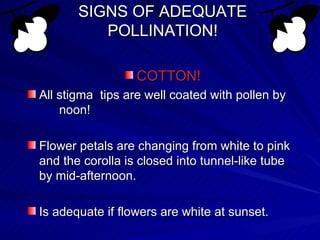
All stigma tips are well coated with pollen by
    noon!

Flower petals are changing from white to pink
and the corolla is closed into tunnel-like tube
by mid-afternoon.

Is adequate if flowers are white at sunset.
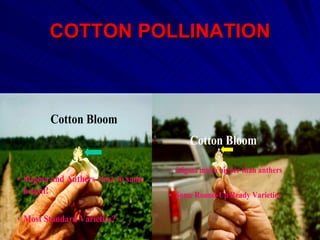
COTTON POLLINATION


        Cotton Bloom
                                           Cotton Bloom

                                     • Stigma much higher than anthers
• Stigma and Anthers close to same
  height!                            • Some Round-Up Ready Varieties

• Most Standard Varieties?
THE FEAR!!!
  How Far are Bees safe
     From Cotton??
Depends Upon the Pesticide Used!
Damage May Occur up to 2 miles or
   more!
I Have bees 50 feet from a 10 acre
experimental field and have had no
damage!
Importance of Bees in Pollination

               Soybeans
 – Very Good Nectar Producer if:
     Hot/Dry!
     Soil Ph high!
     Variety of Choice!

 – Up to 20% increase in Yields if:
     Adequate bee population present!
     Good fertility!
     Variety Is attractive to bees!
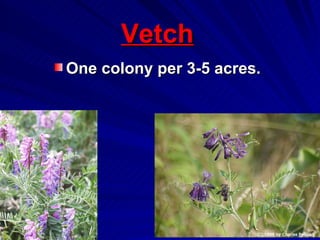
Vetch
One colony per 3-5 acres.
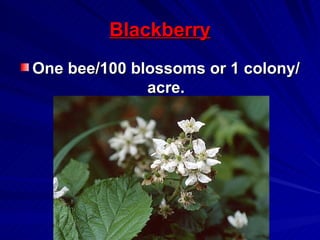
Blackberry
One bee/100 blossoms or 1 colony/
              acre.
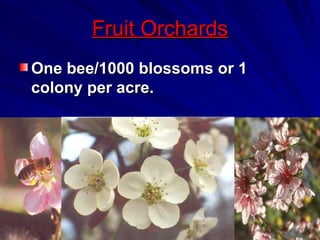
Fruit Orchards
One bee/1000 blossoms or 1
colony per acre.
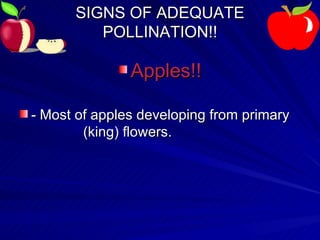
SIGNS OF ADEQUATE
         POLLINATION!!

               Apples!!

- Most of apples developing from primary
        (king) flowers.
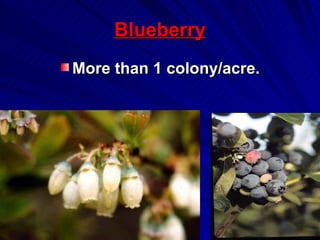
Blueberry
More than 1 colony/acre.
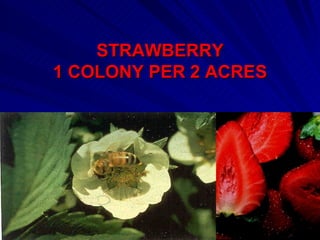
STRAWBERRY
1 COLONY PER 2 ACRES
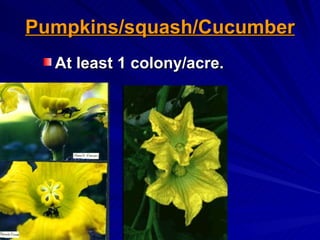
Pumpkins/squash/Cucumber
  At least 1 colony/acre.
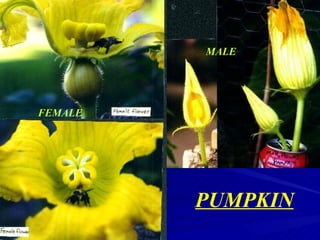
MALE


FEMALE


         PUMPKIN
Melons/Cucurbits


One Pollinator/100 blossoms at
midmorning or 1 colony per 2-3
acres.
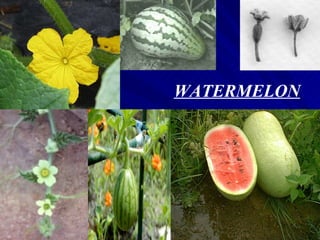
WATERMELON
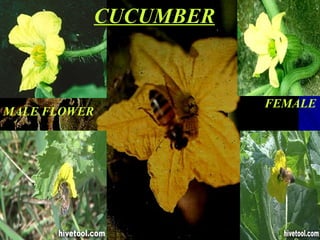
CUCUMBER


                         FEMALE
MALE FLOWER
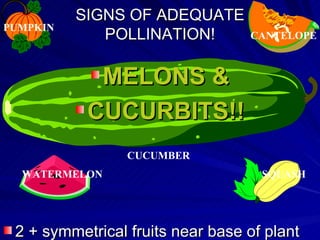
SIGNS OF ADEQUATE
PUMPKIN
             POLLINATION!         CANTELOPE


            MELONS &
           CUCURBITS!!
                 CUCUMBER
  WATERMELON                        SQUASH


 2 + symmetrical fruits near base of plant
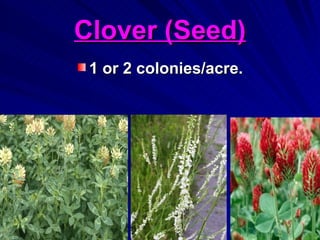
Clover (Seed)
 1 or 2 colonies/acre.
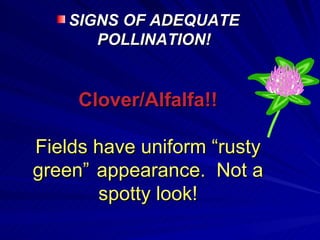
SIGNS OF ADEQUATE
       POLLINATION!


     Clover/Alfalfa!!

Fields have uniform “rusty
green” appearance. Not a
       spotty look!
COLE CROPS (BRASSICA SPP.)
   Two colonies per acre
     REQUIRE INSECT POLLINATION

BROCCOLI
BRUSSELS SPROUTS
CABBAGE
CAULIFLOWER
KALE
KOHLRABI
ONION AND LEEK
Two colonies per acre


8-10 TIMES INCREASE IN YIELD WITH
        INSECT POLLINATION
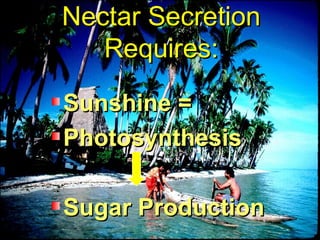
Nectar Secretion
   Requires:

Sunshine =
Photosynthesis

Sugar Production
Amount and Quality of Nectar
  Available to the bee is
     Determined by:
Amount of Sugar Produced in Plant
Atmospheric Pressure (Lower the Best)
Temperature (Depends on Species of
Plant)
Humidity (The Higher the Better without
Rain)
Transpiration Rate of Plant (Osmosis)
Precipitation Within the Last Few Hours
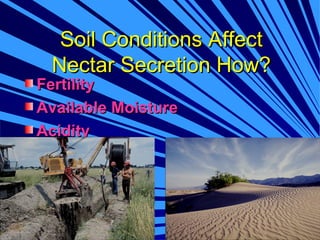
Soil Conditions Affect
 Nectar Secretion How?
Fertility
Available Moisture
Acidity
GETTING ATTENTION-
    ADVERTISING!


NOT A BEEHIVE?????

Pollination

  • 1.
    “TO BEE ORNOT TO BEE” THAT IS THE QUESTION? HARRY R. FULTON BUREAU OF PLANT INDUSTRY MISSISSIPPI DEPT. OF AGRICULTURE & COMMERCE
  • 2.
    Beekeeping, No Matter Where,Involves a Complex Environmental Interaction of Many Living Organisms and Situations
  • 3.
    But, if YouDon’t Make Money Just Think!!!! USDA RESEARCH FROM THE 1970’S SHOWS THAT EACH HIVE DOES ABOUT $2,000 WORTH OF POLLINATION!!!!!!!!!!!
  • 4.
    No. bees and/orcolonies suggested to enhance pollination of crops (From Insect Pollination o Cultivated Crop Plants, Agriculture Handbook No. 496) Fruit Orchards- Melons/Cucurbits- Clover (Seed)- Cotton- Blueberry- Strawberry- Pumpkins/squash- Blackberry- Vetch- Soybeans- Cole Crops- Onions
  • 5.
    SIGNS OF ADEQUATE POLLINATION! General Look! – Symmetrical fruit – Seed pods filled. – Tight clusters of fruit/seed.
  • 6.
    FEMALE MALE MALE ZUCCHINI SQUASH FEMALE
  • 7.
    Cotton and Soybeans Atleast 1 colony per 5 acres.
  • 8.
    Importance of Beesin Pollination Cotton Is Mostly Self Pollinated with 5% natural Crossing Pollen Grains are Large/Sticky- 81 to 143 microns; therefore cotton is not Wind Pollinated! Pollen is transported mechanically from anthers to stigma! According to Literature the presence of large numbers of honey bees can increase production as up to 50% or even more! Just because a plant is touted to be self- pollinated it doesn’t mean pollinating insects don’t play a major role in pollinating the plant!!!!
  • 9.
    SIGNS OF ADEQUATE POLLINATION! COTTON! All stigma tips are well coated with pollen by noon! Flower petals are changing from white to pink and the corolla is closed into tunnel-like tube by mid-afternoon. Is adequate if flowers are white at sunset.
  • 10.
    COTTON POLLINATION Cotton Bloom Cotton Bloom • Stigma much higher than anthers • Stigma and Anthers close to same height! • Some Round-Up Ready Varieties • Most Standard Varieties?
  • 11.
    THE FEAR!!! How Far are Bees safe From Cotton?? Depends Upon the Pesticide Used! Damage May Occur up to 2 miles or more! I Have bees 50 feet from a 10 acre experimental field and have had no damage!
  • 12.
    Importance of Beesin Pollination Soybeans – Very Good Nectar Producer if: Hot/Dry! Soil Ph high! Variety of Choice! – Up to 20% increase in Yields if: Adequate bee population present! Good fertility! Variety Is attractive to bees!
  • 13.
  • 14.
  • 15.
    Fruit Orchards One bee/1000blossoms or 1 colony per acre.
  • 16.
    SIGNS OF ADEQUATE POLLINATION!! Apples!! - Most of apples developing from primary (king) flowers.
  • 17.
  • 18.
  • 19.
    Pumpkins/squash/Cucumber Atleast 1 colony/acre.
  • 20.
    MALE FEMALE PUMPKIN
  • 21.
    Melons/Cucurbits One Pollinator/100 blossomsat midmorning or 1 colony per 2-3 acres.
  • 22.
  • 23.
    CUCUMBER FEMALE MALE FLOWER
  • 24.
    SIGNS OF ADEQUATE PUMPKIN POLLINATION! CANTELOPE MELONS & CUCURBITS!! CUCUMBER WATERMELON SQUASH 2 + symmetrical fruits near base of plant
  • 25.
    Clover (Seed) 1or 2 colonies/acre.
  • 26.
    SIGNS OF ADEQUATE POLLINATION! Clover/Alfalfa!! Fields have uniform “rusty green” appearance. Not a spotty look!
  • 27.
    COLE CROPS (BRASSICASPP.) Two colonies per acre REQUIRE INSECT POLLINATION BROCCOLI BRUSSELS SPROUTS CABBAGE CAULIFLOWER KALE KOHLRABI
  • 28.
    ONION AND LEEK Twocolonies per acre 8-10 TIMES INCREASE IN YIELD WITH INSECT POLLINATION
  • 29.
    Nectar Secretion Requires: Sunshine = Photosynthesis Sugar Production
  • 30.
    Amount and Qualityof Nectar Available to the bee is Determined by: Amount of Sugar Produced in Plant Atmospheric Pressure (Lower the Best) Temperature (Depends on Species of Plant) Humidity (The Higher the Better without Rain) Transpiration Rate of Plant (Osmosis) Precipitation Within the Last Few Hours
  • 31.
    Soil Conditions Affect Nectar Secretion How? Fertility Available Moisture Acidity
  • 32.
    GETTING ATTENTION- ADVERTISING! NOT A BEEHIVE?????