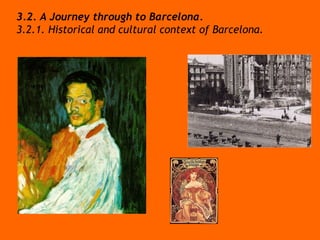
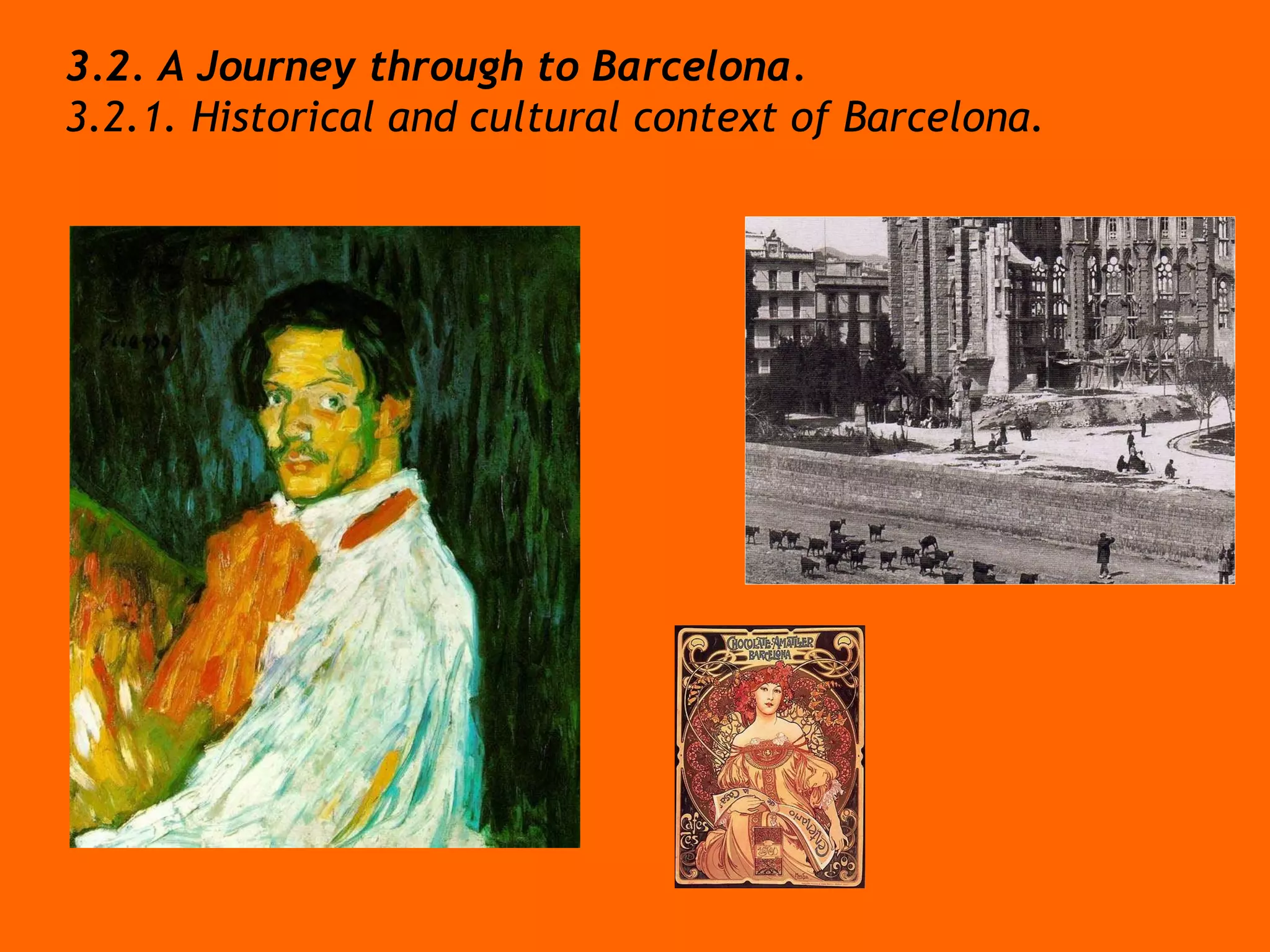
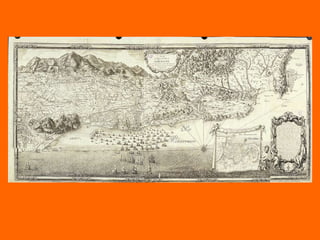
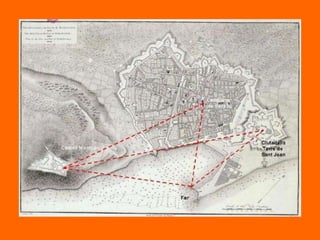
3.2. A Journey through to Barcelona.  3.2.1. Historical and cultural context of Barcelona.


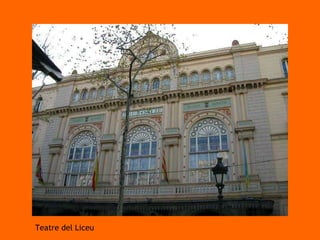
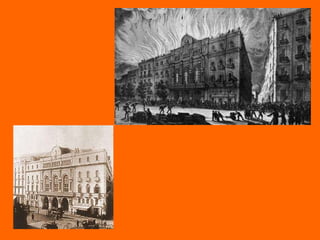
Teatre del Liceu
 
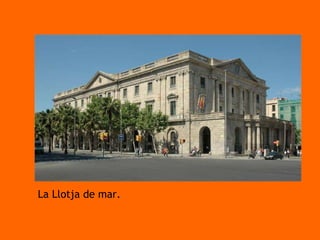
La Llotja de mar.
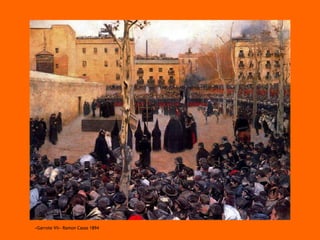
«Garrote Vil» Ramon Casas 1894
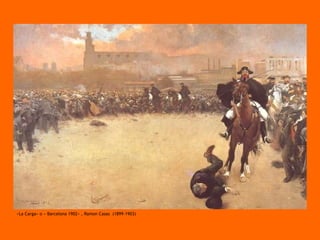
«La Carga» o « Barcelona 1902» , Ramon Casas  (1899-1903)
 
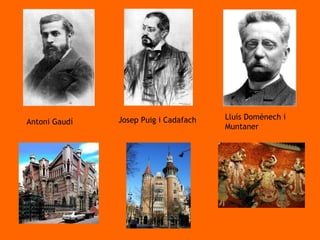
Antoni Gaudí Lluís Domènech i Muntaner Josep Puig i Cadafach
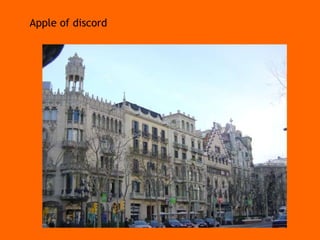
Apple of discord
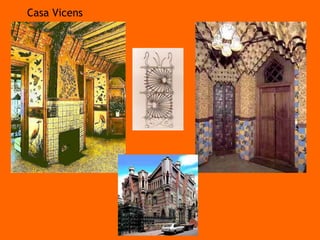
Casa Vicens
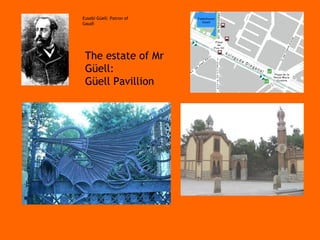
Eusebi Güell: Patron of Gaudí The estate of Mr Güell: Güell Pavillion
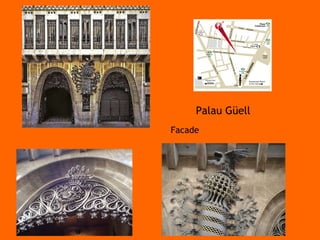
Palau Güell  Facade
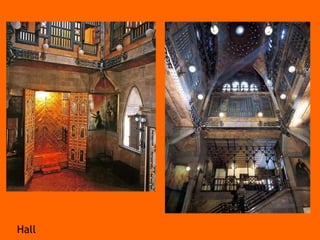
Hall
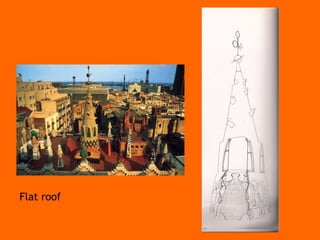
Flat roof
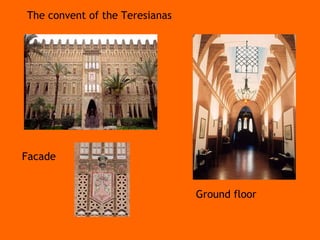
The convent of the Teresianas Facade Ground floor
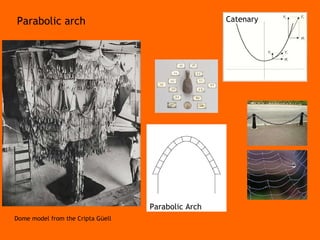
Parabolic Arch Catenary Parabolic arch Dome model from the Cripta Güell
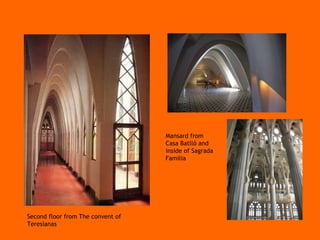
Second floor from The convent of Teresianas Mansard from Casa Batlló and inside of Sagrada Familia
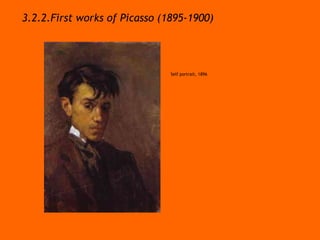
3.2.2.First works of Picasso (1895-1900)  Self portrait, 1896
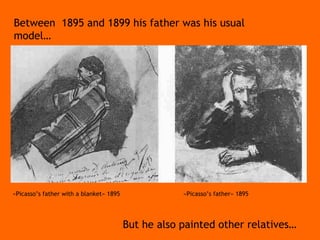
«Picasso’s father with a blanket» 1895 «Picasso’s father» 1895 Between  1895 and 1899 his father was his usual model… But he also painted other relatives…
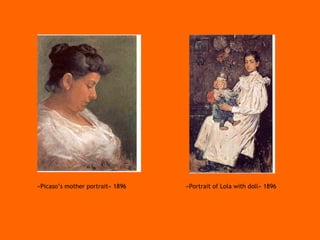
«Picaso’s mother portrait» 1896 «Portrait of Lola with doll» 1896
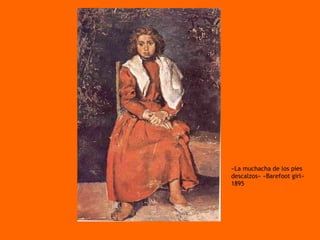
«La muchacha de los pies descalzos» «Barefoot girl» 1895
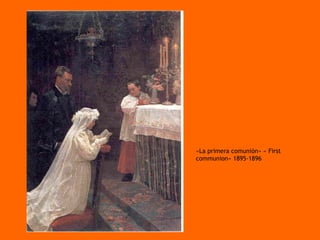
«La primera comunión» « First communion» 1895-1896
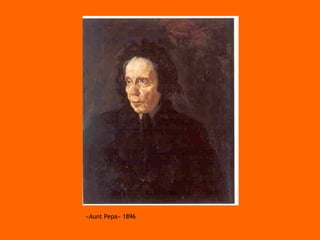
«Aunt Pepa» 1896
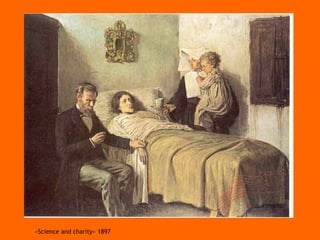
«Science and charity» 1897
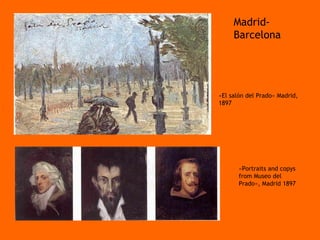
Madrid-Barcelona «El salón del Prado» Madrid, 1897 «Portraits and copys from Museo del Prado», Madrid 1897
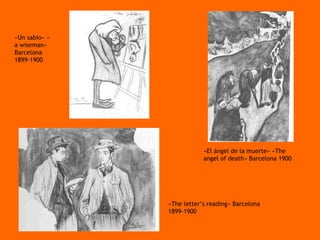
«Un sabio» « a wiseman» Barcelona 1899-1900 «The letter’s reading» Barcelona 1899-1900 «El ángel de la muerte» «The angel of death» Barcelona 1900
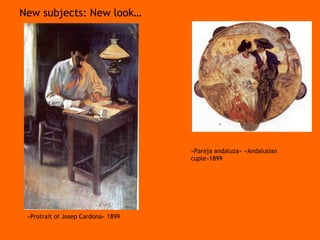
«Protrait of Josep Cardona» 1899 «Pareja andaluza» «Andalusian cuple»1899 New subjects: New look…
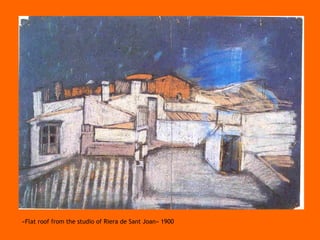
«Flat roof from the studio of Riera de Sant Joan» 1900
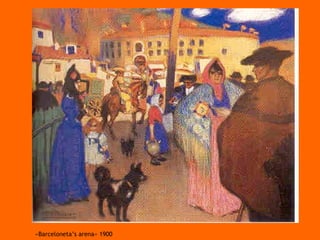
«Barceloneta’s arena» 1900
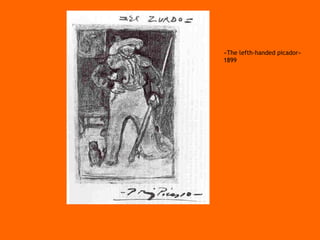
«The lefth-handed picador» 1899
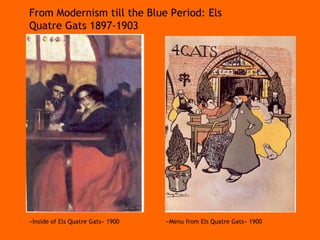
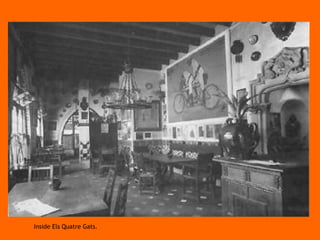
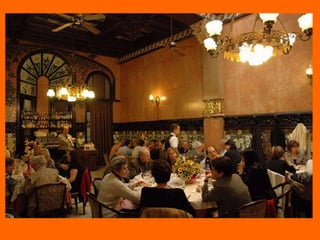
From Modernism till the Blue Period: Els Quatre Gats 1897-1903 «Inside of Els Quatre Gats» 1900  «Menu from Els Quatre Gats» 1900
Inside Els Quatre Gats.
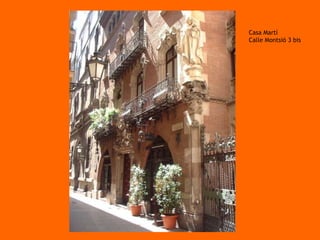
Casa Martí Calle Montsió 3 bis
 
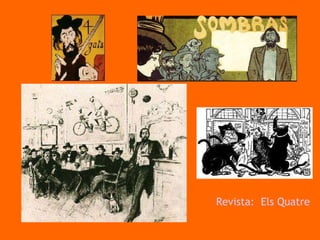
Revista:  Els Quatre Gats
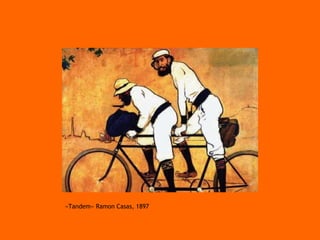
«Tandem» Ramon Casas, 1897
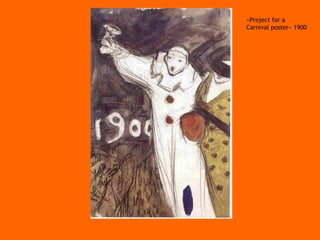
«Project for a Carnival poster» 1900
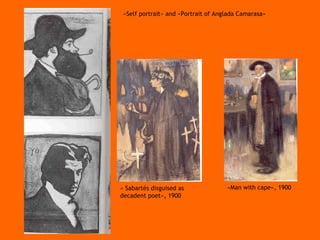
«Self portrait» and «Portrait of Anglada Camarasa» « Sabartés disguised as decadent poet», 1900 «Man with cape», 1900
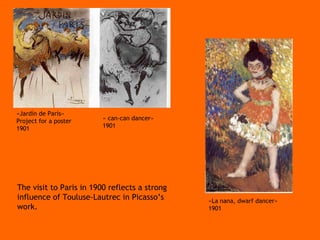
The visit to Paris in 1900 reflects a strong influence of Touluse-Lautrec in Picasso’s work.  «Jardín de París»  Project for a poster 1901 « can-can dancer» 1901 «La nana, dwarf dancer» 1901
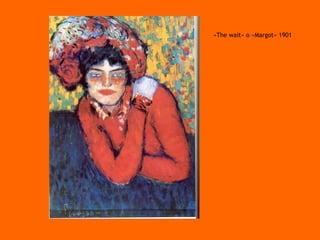
«The wait» o «Margot» 1901
1897 |  He presents  Science and Charity  at the Fine Arts General Exhibition in Madrid. He begins his studies at the San Fernando Academy of Fine Arts in Madrid at his family’s request, but before long leaves the Academy. Frequent visits to the Prado Museum. 1898 |  He falls ill with scarlet fever. He returns to Barcelona and moves to Horta d’Ebre (now Horta de Sant Joan, Terra Alta, Tarragona), on the invitation of his friend Manuel Pallarès. ‘Everything I know I learnt it in the town of Pallarès’, Picasso would say years later. 1899 |  He returns to Barcelona and frequents the  Quatre Gats  tavern, a meeting place for avant-garde art. He shares discussions with Carles Casagemas, Jaume Sabartés, the Reventós brothers, the Soto brothers, the Cardona brothers and Joan Vidal Ventosa.  Chronology 1881- 1973
1900 |  First individual exhibition at the  Quatre Gats . In September, he makes his first trip to Paris with Carles Casagemas, on the occasion of the Universal Exhibition in Paris where a work by the artist,  Last moments,  was being shown. He meets Pere Mañach, his first dealer, and has his first contact with the gallery owner Berthe Weill. He returns to Barcelona at the end of December and celebrates New Year in Malaga with Casagemas. 1901 |  Move to Madrid. Casagemas commits suicide in Paris. He founds the magazine  Arte Joven  with Francesc d’Assís Soler which had a print run of 5 editions. He returns to Barcelona and makes a second trip to Paris. From June 25th to July 14th he has his first exhibition in Paris at the Vollard Gallery alongside the Basque painter Francisco Iturrino. He meets the poet Max Jacob. Beginning of the Blue Period. 1902 |  Return to Barcelona and third trip to Paris, where he lives and works short of money in Max Jacob’s room. 1903 |  Return to Barcelona. He begins his studies for  La Vie (Life) , a masterpiece from the Blue Period, presently housed in the Cleveland Museum of Art.
1904 |  His  fourth and final trip to Paris where he moves to Montmartre in the building known as ‘Bateau-Lavoir’ at 13 Rue de Ravignan. He meets Fernande Olivier who would become his companion until 1912. He also meets the poets Guillaume Apollinaire and André Salmon and frequents the Medrano Circus. Picasso would always keep his ties with Barcelona and return repeatedly. He is known to have stayed in 1906, 1909, 1910, 1913, 1917, 1926, 1933 and 1934. 

Picasso en barcelona

  • 1.
    3.2. A Journeythrough to Barcelona. 3.2.1. Historical and cultural context of Barcelona.
  • 2.
  • 3.
  • 4.
  • 5.
  • 6.
  • 7.
  • 8.
  • 9.
  • 10.
    «La Carga» o« Barcelona 1902» , Ramon Casas (1899-1903)
  • 11.
  • 12.
    Antoni Gaudí LluísDomènech i Muntaner Josep Puig i Cadafach
  • 13.
  • 14.
  • 15.
    Eusebi Güell: Patronof Gaudí The estate of Mr Güell: Güell Pavillion
  • 16.
  • 17.
  • 18.
  • 19.
    The convent ofthe Teresianas Facade Ground floor
  • 20.
    Parabolic Arch CatenaryParabolic arch Dome model from the Cripta Güell
  • 21.
    Second floor fromThe convent of Teresianas Mansard from Casa Batlló and inside of Sagrada Familia
  • 22.
    3.2.2.First works ofPicasso (1895-1900) Self portrait, 1896
  • 23.
    «Picasso’s father witha blanket» 1895 «Picasso’s father» 1895 Between 1895 and 1899 his father was his usual model… But he also painted other relatives…
  • 24.
    «Picaso’s mother portrait»1896 «Portrait of Lola with doll» 1896
  • 25.
    «La muchacha delos pies descalzos» «Barefoot girl» 1895
  • 26.
    «La primera comunión»« First communion» 1895-1896
  • 27.
  • 28.
  • 29.
    Madrid-Barcelona «El salóndel Prado» Madrid, 1897 «Portraits and copys from Museo del Prado», Madrid 1897
  • 30.
    «Un sabio» «a wiseman» Barcelona 1899-1900 «The letter’s reading» Barcelona 1899-1900 «El ángel de la muerte» «The angel of death» Barcelona 1900
  • 31.
    «Protrait of JosepCardona» 1899 «Pareja andaluza» «Andalusian cuple»1899 New subjects: New look…
  • 32.
    «Flat roof fromthe studio of Riera de Sant Joan» 1900
  • 33.
  • 34.
  • 35.
    From Modernism tillthe Blue Period: Els Quatre Gats 1897-1903 «Inside of Els Quatre Gats» 1900 «Menu from Els Quatre Gats» 1900
  • 36.
  • 37.
    Casa Martí CalleMontsió 3 bis
  • 38.
  • 39.
    Revista: ElsQuatre Gats
  • 40.
  • 41.
    «Project for aCarnival poster» 1900
  • 42.
    «Self portrait» and«Portrait of Anglada Camarasa» « Sabartés disguised as decadent poet», 1900 «Man with cape», 1900
  • 43.
    The visit toParis in 1900 reflects a strong influence of Touluse-Lautrec in Picasso’s work. «Jardín de París» Project for a poster 1901 « can-can dancer» 1901 «La nana, dwarf dancer» 1901
  • 44.
    «The wait» o«Margot» 1901
  • 45.
    1897 | He presents Science and Charity at the Fine Arts General Exhibition in Madrid. He begins his studies at the San Fernando Academy of Fine Arts in Madrid at his family’s request, but before long leaves the Academy. Frequent visits to the Prado Museum. 1898 | He falls ill with scarlet fever. He returns to Barcelona and moves to Horta d’Ebre (now Horta de Sant Joan, Terra Alta, Tarragona), on the invitation of his friend Manuel Pallarès. ‘Everything I know I learnt it in the town of Pallarès’, Picasso would say years later. 1899 | He returns to Barcelona and frequents the Quatre Gats tavern, a meeting place for avant-garde art. He shares discussions with Carles Casagemas, Jaume Sabartés, the Reventós brothers, the Soto brothers, the Cardona brothers and Joan Vidal Ventosa. Chronology 1881- 1973
  • 46.
    1900 | First individual exhibition at the Quatre Gats . In September, he makes his first trip to Paris with Carles Casagemas, on the occasion of the Universal Exhibition in Paris where a work by the artist, Last moments, was being shown. He meets Pere Mañach, his first dealer, and has his first contact with the gallery owner Berthe Weill. He returns to Barcelona at the end of December and celebrates New Year in Malaga with Casagemas. 1901 | Move to Madrid. Casagemas commits suicide in Paris. He founds the magazine Arte Joven with Francesc d’Assís Soler which had a print run of 5 editions. He returns to Barcelona and makes a second trip to Paris. From June 25th to July 14th he has his first exhibition in Paris at the Vollard Gallery alongside the Basque painter Francisco Iturrino. He meets the poet Max Jacob. Beginning of the Blue Period. 1902 | Return to Barcelona and third trip to Paris, where he lives and works short of money in Max Jacob’s room. 1903 | Return to Barcelona. He begins his studies for La Vie (Life) , a masterpiece from the Blue Period, presently housed in the Cleveland Museum of Art.
  • 47.
    1904 | His fourth and final trip to Paris where he moves to Montmartre in the building known as ‘Bateau-Lavoir’ at 13 Rue de Ravignan. He meets Fernande Olivier who would become his companion until 1912. He also meets the poets Guillaume Apollinaire and André Salmon and frequents the Medrano Circus. Picasso would always keep his ties with Barcelona and return repeatedly. He is known to have stayed in 1906, 1909, 1910, 1913, 1917, 1926, 1933 and 1934. 

Editor's Notes