PHOTOGRAMETRY
SUBMITTED TO:
MAM UMBRIN
• PHOTOGRAMMETRY:
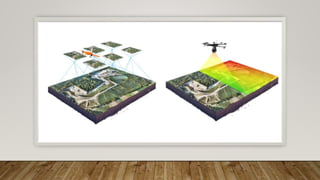
• Photogrammetry is the art, science and technology of obtaining
reliable information about physical objects and the environment
through processes of recording, measuring and interpreting
photographic images and patterns of recorded radiant
electromagnetic energy.
• EXAMPLE:
• Some examples of photogrammetry surveying being used are:
• Creating 3D-Documentation for buildings.
• Determining if roads will be able to be built in a specific area.
• Adding relevant and very detailed landscape locations and
images to maps.
• COMPONENTS OF
PHOTOGRAMMETRY:
• The 4 Key Components to Photogrammetry Capture are:
• Location.
• Stillness.
• Camera settings.
• Camera movement.
• IMPORTANCE OF PHOTOGRMMETRY:
• It is used for creating maps out of aerial photos.
• It is cost-effective and accurate.
• Allowing planning entities like architects, without spending
months scouring the landscape.
• PHOTOGRAMMETRY SURVEY:
• Photogrammetric surveys establish
i. targeted and occasionally non-targeted.
ii. photo control on the ground.
iii. relate aerial photographs to a project's horizontal and vertical
datums.
• BASIC CONCEPTS:
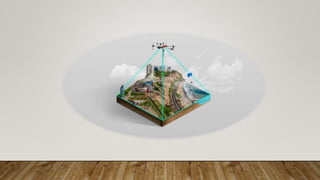
• It uses the basic principle of triangulation, whereby intersecting
lines in space are used to compute the location of a point in all
three dimensions.
• To triangulate a set of points one must also know the camera
position and aiming angles (together called the orientation) for
all the pictures in the set.
• ARIEL PHOTOGRAMMETRY:
• Photogrammetry or aerial photography is the branch of surveying that
deals with production of maps such as planimetric or topographic maps by
compiling number of photographs taken in that area.
• PURPOSE:
• Aerial photogrammetry due to its potential to recognize
i. Site locations.
ii. Record
iii. Monitor changes of their landscapes.
• It even discover subsurface features by means of topsoil characteristics or
by stereoscopic examination of image.
• ADVANTAGE OF AERIAL
PHOTOGRAMETRY :
• They can hover a location and take high-quality photograph that won’t be
blurry.
• The image taken by the drone is in much greater depth and at a higher level
of detail.
• They are able to high-resolution photographs and are able to film at 4k.
• TERRESTRIAL PHOTOGRAMMETRY:
• Terrestrial photogrammetry is an important branch of science of
photogrammetry.
• It deals with photographs taken with camera located on the
surface of Earth.
• The cameras may be hand held , mounted on tripods or
suspended from towers or other specially designed mounts.
• PURPOSE:
The purpose of the terrestrial photogrammetric survey is to provide precise
data on the
• Shape
• Siz
• Position
of a specific structure or monument, at a given time, for evaluating its actual
conditions and architectonic aspects.
• ADVANTAGE OF TERRESTRIAL
PHOTOGRAMMETRY:
• The main advantage to the archaeologist in using photogrammetry lies
i. in the speed of on‐site recording.
ii. the vast amount of detail that can be retrieved from the images.
• Photogrammetry is also useful when the subject is either fragile or
inaccessible, since it involves no contact with the subject.
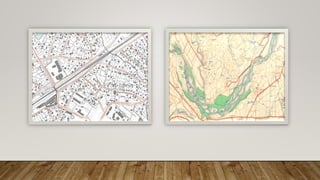
• MAPPING:
• It is a method of collecting geomatics or other imagery (often referred to as
Photogrammetry).
• It utilizes survey aircrafts to create high definition topographic maps of
larger areas.
• These areas would otherwise be difficult to capture with traditional means.
• OVERLAP IN SURVEYING:
• Overlap is the amount by which area of one photograph includes the area
already captured in another photograph.
• It is expressed in percentage.
• The photo survey is designed to acquire.
i. 60% forward overlap (between photos along the same flight line).
ii. 30% lateral overlap (between photos on adjacent flight lines).
• ORTHOPHOTOS:
• The orthophotos
i. Removes the effects of tilt and relief.
ii. Shows the true, straight path of the pipeline.
iii. The orthophotos is a photographic map with a uniform scale.
iv. The orthoimage can be laid directly over other maps (and vice versa).
• SATELLITE PHOTOGRAMMETRY
SYSTEM:
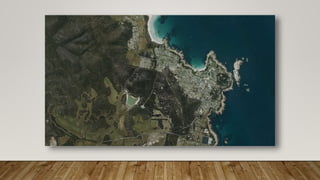
• The images are taken with high- resolution CCD cameras coupled large
lenses to take pictures of the ground right below them as they pass over.
• The amount of information dealt with is very large as images of very large
scenes are taken from the satellites.
• APPLICATIONS OF SATELLITE
PHOTOGRAMMETRY:
• The four most common mapping projects that utilize satellite imagery
include:
i. Orth mosaics.
ii. Planimetric mapping.
iii. Classification mapping.
iv. Topographic mapping.
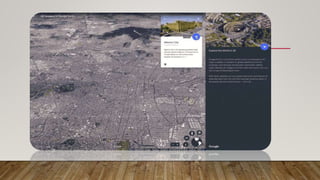
• GOOGLE EARTH SURVEY:
• Earth Survey is a collection of geodetic tools that run in Google Earth.
• Google Earth is an example of Geographic Information System.
• Google Earth uses maps to display data according to location.
• USES:
• It is used to obtain longitude and latitude coordinates of any object.
• It is used in construction works for initial site planning.
• It is used to obtain earthworks quantity of area.
• It is used to draw alignment of roads, highway, railways, canals, bridge on
map.
Contact us on whatsapp
for such case study and presentations
+923472819774

PHOTOGRAMETRY SURVEY

  • 2.
  • 4.
    • PHOTOGRAMMETRY: • Photogrammetryis the art, science and technology of obtaining reliable information about physical objects and the environment through processes of recording, measuring and interpreting photographic images and patterns of recorded radiant electromagnetic energy.
  • 6.
    • EXAMPLE: • Someexamples of photogrammetry surveying being used are: • Creating 3D-Documentation for buildings. • Determining if roads will be able to be built in a specific area. • Adding relevant and very detailed landscape locations and images to maps.
  • 7.
    • COMPONENTS OF PHOTOGRAMMETRY: •The 4 Key Components to Photogrammetry Capture are: • Location. • Stillness. • Camera settings. • Camera movement.
  • 9.
    • IMPORTANCE OFPHOTOGRMMETRY: • It is used for creating maps out of aerial photos. • It is cost-effective and accurate. • Allowing planning entities like architects, without spending months scouring the landscape.
  • 10.
    • PHOTOGRAMMETRY SURVEY: •Photogrammetric surveys establish i. targeted and occasionally non-targeted. ii. photo control on the ground. iii. relate aerial photographs to a project's horizontal and vertical datums.
  • 11.
    • BASIC CONCEPTS: •It uses the basic principle of triangulation, whereby intersecting lines in space are used to compute the location of a point in all three dimensions. • To triangulate a set of points one must also know the camera position and aiming angles (together called the orientation) for all the pictures in the set.
  • 13.
    • ARIEL PHOTOGRAMMETRY: •Photogrammetry or aerial photography is the branch of surveying that deals with production of maps such as planimetric or topographic maps by compiling number of photographs taken in that area.
  • 15.
    • PURPOSE: • Aerialphotogrammetry due to its potential to recognize i. Site locations. ii. Record iii. Monitor changes of their landscapes. • It even discover subsurface features by means of topsoil characteristics or by stereoscopic examination of image.
  • 16.
    • ADVANTAGE OFAERIAL PHOTOGRAMETRY : • They can hover a location and take high-quality photograph that won’t be blurry. • The image taken by the drone is in much greater depth and at a higher level of detail. • They are able to high-resolution photographs and are able to film at 4k.
  • 17.
    • TERRESTRIAL PHOTOGRAMMETRY: •Terrestrial photogrammetry is an important branch of science of photogrammetry. • It deals with photographs taken with camera located on the surface of Earth. • The cameras may be hand held , mounted on tripods or suspended from towers or other specially designed mounts.
  • 19.
    • PURPOSE: The purposeof the terrestrial photogrammetric survey is to provide precise data on the • Shape • Siz • Position of a specific structure or monument, at a given time, for evaluating its actual conditions and architectonic aspects.
  • 20.
    • ADVANTAGE OFTERRESTRIAL PHOTOGRAMMETRY: • The main advantage to the archaeologist in using photogrammetry lies i. in the speed of on‐site recording. ii. the vast amount of detail that can be retrieved from the images. • Photogrammetry is also useful when the subject is either fragile or inaccessible, since it involves no contact with the subject.
  • 21.
    • MAPPING: • Itis a method of collecting geomatics or other imagery (often referred to as Photogrammetry). • It utilizes survey aircrafts to create high definition topographic maps of larger areas. • These areas would otherwise be difficult to capture with traditional means.
  • 23.
    • OVERLAP INSURVEYING: • Overlap is the amount by which area of one photograph includes the area already captured in another photograph. • It is expressed in percentage. • The photo survey is designed to acquire. i. 60% forward overlap (between photos along the same flight line). ii. 30% lateral overlap (between photos on adjacent flight lines).
  • 25.
    • ORTHOPHOTOS: • Theorthophotos i. Removes the effects of tilt and relief. ii. Shows the true, straight path of the pipeline. iii. The orthophotos is a photographic map with a uniform scale. iv. The orthoimage can be laid directly over other maps (and vice versa).
  • 27.
    • SATELLITE PHOTOGRAMMETRY SYSTEM: •The images are taken with high- resolution CCD cameras coupled large lenses to take pictures of the ground right below them as they pass over. • The amount of information dealt with is very large as images of very large scenes are taken from the satellites.
  • 29.
    • APPLICATIONS OFSATELLITE PHOTOGRAMMETRY: • The four most common mapping projects that utilize satellite imagery include: i. Orth mosaics. ii. Planimetric mapping. iii. Classification mapping. iv. Topographic mapping.
  • 30.
    • GOOGLE EARTHSURVEY: • Earth Survey is a collection of geodetic tools that run in Google Earth. • Google Earth is an example of Geographic Information System. • Google Earth uses maps to display data according to location.
  • 32.
    • USES: • Itis used to obtain longitude and latitude coordinates of any object. • It is used in construction works for initial site planning. • It is used to obtain earthworks quantity of area. • It is used to draw alignment of roads, highway, railways, canals, bridge on map.
  • 33.
    Contact us onwhatsapp for such case study and presentations +923472819774