NARAYANA ENGINEERING COLLEGE
NELLORE
DEPARTMENT OF
CIVIL ENGINEERING
Presented by
G.AJITH KUMAR
13711A0122
A TECHNICAL SEMINAR ON
PERMEABLE PAVEMENT SYSTEMS-
TOP MIX PERMEABLE
Permeable pavement is a technique which allows storm
water to enter through it
In addition to reducing runoff, this techniques efficiently
traps suspended solids, filters and pollutants from water
Examples for this types of systems includes roads, paths,
lawns and lots that are subjected to light traffic.
INTRODUCTION
Pervious concrete
Porous asphalt
Plastic grids
Usage of single sized aggregates
Permeable interlocking concrete pavements
Types of permeable pavement systems
 Low volume pavements
 Residential roads and drive ways
 Side walks
 Parking lots
 Well linings
 Swimming pools decks
Advantages of permeable pavement
systems
Concrete is a composite material composed of
aggregate bonded together with a fluid cement which
hardens over time. Most use of the term "concrete"
refers to Portland cement concrete or to concretes
made with other hydraulic cements, such as cement.
However, road surfaces are also a type of concrete,
"asphaltic concrete", where the cement material is
bitumen.
CONCRETE
 Pervious concrete is one of the best technique for storm
water removal on pavements and parking lots
 The recent advancement in pervious concrete is ā€œtop mix
permeable pavementā€
 The top mix permeable concrete is also known as ā€œTOP
MIX PERMEABLEā€
 It is a fast draining concrete pavement solution that rapidly
directs storm water off-streets, parking surfaces.
Advancements in pervious concrete
 The building material company Tarmac has
developed a new kind of concrete that is
capable of absorbing up to 4,000 liters (1057
gallons) of water in the first minute. On
average, one square meter of this new road
surface, called ā€œTop mix Permeable,ā€ can
drain 600 liters (159 gallons) in a minute
About TOP MIX PERMEABLE
 A type of concrete that ā€œdrinksā€ water on its surface is being
marketed to areas where flash flooding and puddles are a
problem.
 The Topmix Permeable concrete by Tarmac can absorb 880
gallons of water in 60 sec, one sq area according to a
recent article in the Daily Mail.
 The daily newspaper said the concrete solution works by
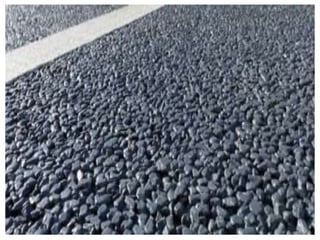
having a permeable layer of concrete on the surface that
allows the water to seep through large pebbles and into a
loose base of rubble.
WHAT IS TOP MIX PERMEABLE
 Topmix can help rapidly remove water from
roadways, preventing the potentially dangerous
buildup of standing water. As it is absorbed, storm
water is filtered through a porous layer of pebbles,
removing petroleum hydrocarbons and other
pollutants commonly found on roadways before the
water is ultimately returned to the water table
 During some periods this characteristic can aid in
delaying the discharge of surface water into water
courses or drainage systems reducing the risk of
overwhelming systems and causing flash flooding.
During periods of rising temperatures and intense
rainfall, water stored within the system evaporates
creating a cooling effect reducing surface temperatures,
USE OF TOP MIX PERMEABLE
 As the world’s population continues to shift from rural to
urban areas, natural drainage systems are being replaced with
impermeable mostly concrete that hinder the environment’s
ability to drain rainwater. In a forest, for instance, somewhere
between 80 and 90 percent of rainwater is absorbed back into
the ground — in urban areas, that absorption can fall to just
10 percent of rainwater. Humans have dealt with this by
creating our own system of infrastructure storm water
drainage systems and sewer systems but much of this
infrastructure is becoming increasingly outdated and unable
to keep up with an increase in precipitation events linked to
climate change
WHY WE USE TOP MIX
PERMEABLE
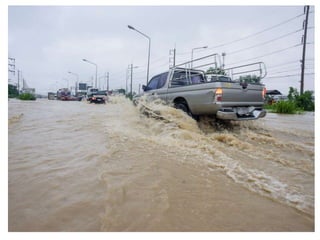
 When extreme precipitation events overwhelm a city’s
available infrastructure, flash floods become an
increasingly damaging threat. In 2007, intense floods
throughout the United Kingdom caused some $4.8
billion in damage — but only 12 percent of flooding
incidents were related to an overflow from rivers. The
rest were caused by an overflow of surface water and
inadequate drainage.
 Rather than use sand-based concrete, Tarmac uses
something called no-fines concrete. It's made up of tiny
pieces of crushed granite packed together. While
Burgess says the mixture is extremely dry, the pieces are
packed loosely enough to allow water to pass through.
 The system can accommodate three designs: full
infiltration, partial infiltration, and full attenuation.
• Full infiltration refers to a system where all water
goes through Topmix to flow into the soil underneath. It's
particularly useful in wet areas that don't need to collect the
rainwater.
• Partial infiltration involves a semi-permeable barrier
beneath Topmix that acts as a drainage system into nearby
sewers or waterways — useful when the layer beneath
Topmix can't pass the water through on its own.
• Full attenuation uses a capture system to store all the water
that flows through Topmix. This option is most useful in
areas with unclean water and high recycling rates, since the
captured water can be reused later.
 The technology isn't quite ready for wide-scale
deployment.
 Tarmac notes that the permeable surface is prone to
damage from freezing water and therefore not suitable
for use in subzero temperatures.
 Furthermore, the product is not suitable for use on high-
volume roadways that bear heavy loads, although it can
be used on shoulder lanes, residential streets, pedestrian
and bike paths and parking lots
LIMITATIONS
 "Being able to control and actively manage the drainage
of rainwater from the developed landscape significantly
reduces the risk of surface water flooding, protecting
both the natural and built environment,"
CONCLUSION
ANY QUERIES?
THANK YOU

PERMEABLE PAVEMENT SYSTEMS AND TOP MIX PERMEABLE PAVEMENT

  • 1.
  • 2.
    Presented by G.AJITH KUMAR 13711A0122 ATECHNICAL SEMINAR ON PERMEABLE PAVEMENT SYSTEMS- TOP MIX PERMEABLE
  • 3.
    Permeable pavement isa technique which allows storm water to enter through it In addition to reducing runoff, this techniques efficiently traps suspended solids, filters and pollutants from water Examples for this types of systems includes roads, paths, lawns and lots that are subjected to light traffic. INTRODUCTION
  • 4.
    Pervious concrete Porous asphalt Plasticgrids Usage of single sized aggregates Permeable interlocking concrete pavements Types of permeable pavement systems
  • 5.
     Low volumepavements  Residential roads and drive ways  Side walks  Parking lots  Well linings  Swimming pools decks Advantages of permeable pavement systems
  • 6.
    Concrete is acomposite material composed of aggregate bonded together with a fluid cement which hardens over time. Most use of the term "concrete" refers to Portland cement concrete or to concretes made with other hydraulic cements, such as cement. However, road surfaces are also a type of concrete, "asphaltic concrete", where the cement material is bitumen. CONCRETE
  • 7.
     Pervious concreteis one of the best technique for storm water removal on pavements and parking lots  The recent advancement in pervious concrete is ā€œtop mix permeable pavementā€  The top mix permeable concrete is also known as ā€œTOP MIX PERMEABLEā€  It is a fast draining concrete pavement solution that rapidly directs storm water off-streets, parking surfaces. Advancements in pervious concrete
  • 8.
     The buildingmaterial company Tarmac has developed a new kind of concrete that is capable of absorbing up to 4,000 liters (1057 gallons) of water in the first minute. On average, one square meter of this new road surface, called ā€œTop mix Permeable,ā€ can drain 600 liters (159 gallons) in a minute About TOP MIX PERMEABLE
  • 9.
     A typeof concrete that ā€œdrinksā€ water on its surface is being marketed to areas where flash flooding and puddles are a problem.  The Topmix Permeable concrete by Tarmac can absorb 880 gallons of water in 60 sec, one sq area according to a recent article in the Daily Mail.  The daily newspaper said the concrete solution works by having a permeable layer of concrete on the surface that allows the water to seep through large pebbles and into a loose base of rubble. WHAT IS TOP MIX PERMEABLE
  • 10.
     Topmix canhelp rapidly remove water from roadways, preventing the potentially dangerous buildup of standing water. As it is absorbed, storm water is filtered through a porous layer of pebbles, removing petroleum hydrocarbons and other pollutants commonly found on roadways before the water is ultimately returned to the water table
  • 14.
     During someperiods this characteristic can aid in delaying the discharge of surface water into water courses or drainage systems reducing the risk of overwhelming systems and causing flash flooding. During periods of rising temperatures and intense rainfall, water stored within the system evaporates creating a cooling effect reducing surface temperatures, USE OF TOP MIX PERMEABLE
  • 15.
     As theworld’s population continues to shift from rural to urban areas, natural drainage systems are being replaced with impermeable mostly concrete that hinder the environment’s ability to drain rainwater. In a forest, for instance, somewhere between 80 and 90 percent of rainwater is absorbed back into the ground — in urban areas, that absorption can fall to just 10 percent of rainwater. Humans have dealt with this by creating our own system of infrastructure storm water drainage systems and sewer systems but much of this infrastructure is becoming increasingly outdated and unable to keep up with an increase in precipitation events linked to climate change WHY WE USE TOP MIX PERMEABLE
  • 16.
     When extremeprecipitation events overwhelm a city’s available infrastructure, flash floods become an increasingly damaging threat. In 2007, intense floods throughout the United Kingdom caused some $4.8 billion in damage — but only 12 percent of flooding incidents were related to an overflow from rivers. The rest were caused by an overflow of surface water and inadequate drainage.
  • 19.
     Rather thanuse sand-based concrete, Tarmac uses something called no-fines concrete. It's made up of tiny pieces of crushed granite packed together. While Burgess says the mixture is extremely dry, the pieces are packed loosely enough to allow water to pass through.  The system can accommodate three designs: full infiltration, partial infiltration, and full attenuation.
  • 20.
    • Full infiltrationrefers to a system where all water goes through Topmix to flow into the soil underneath. It's particularly useful in wet areas that don't need to collect the rainwater. • Partial infiltration involves a semi-permeable barrier beneath Topmix that acts as a drainage system into nearby sewers or waterways — useful when the layer beneath Topmix can't pass the water through on its own. • Full attenuation uses a capture system to store all the water that flows through Topmix. This option is most useful in areas with unclean water and high recycling rates, since the captured water can be reused later.
  • 21.
     The technologyisn't quite ready for wide-scale deployment.  Tarmac notes that the permeable surface is prone to damage from freezing water and therefore not suitable for use in subzero temperatures.  Furthermore, the product is not suitable for use on high- volume roadways that bear heavy loads, although it can be used on shoulder lanes, residential streets, pedestrian and bike paths and parking lots LIMITATIONS
  • 22.
     "Being ableto control and actively manage the drainage of rainwater from the developed landscape significantly reduces the risk of surface water flooding, protecting both the natural and built environment," CONCLUSION
  • 23.
  • 24.