


PAUL MENIG
CEO,
Tech-I-M (Chief ENG DTNA Mechatronics)
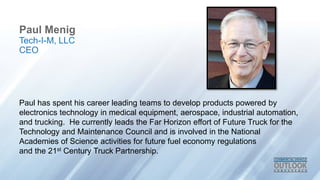
Paul Menig
Paul has spent his career leading teams to develop products powered by
electronics technology in medical equipment, aerospace, industrial automation,
and trucking. He currently leads the Far Horizon effort of Future Truck for the
Technology and Maintenance Council and is involved in the National
Academies of Science activities for future fuel economy regulations
and the 21st Century Truck Partnership.
Tech-I-M, LLC
CEO
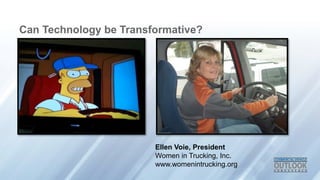
Can Technology be Transformative?
Ellen Voie, President
Women in Trucking, Inc.
www.womenintrucking.org
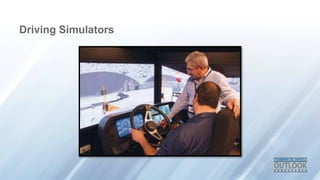
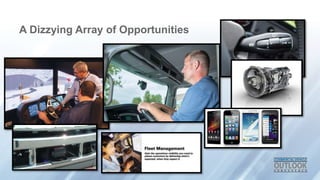
Driving Simulators
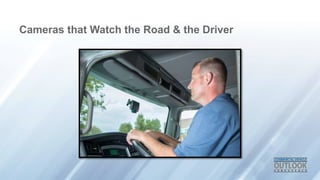
Cameras that Watch the Road & the Driver
Hand Held Devices
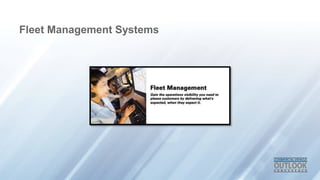
Fleet Management Systems
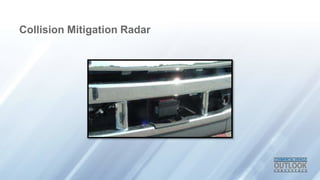
Collision Mitigation Radar
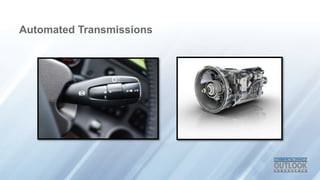
Automated Transmissions
A Dizzying Array of Opportunities
Gerard DeVito
In March, Gerard assumed responsibility for all technical and commercial
content for Eaton’s global heavy duty automated transmission development.
His 28 year tenure at Eaton includes increasing responsibility in product design
engineering, application engineering, product planning, product strategy and
sales and marketing.
Eaton Corporation
Executive Director
Next Generation Automated Platform
GERARD DEVITO
The Connected Fleet
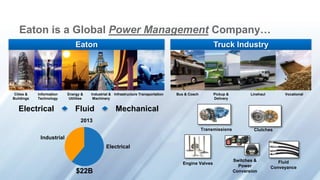
Eaton is a Global Power Management Company…
Eaton Truck Industry
Cities &
Buildings
Industrial &
Machinery
Information
Technology
Energy &
Utilities
TransportationInfrastructure Bus & Coach Pickup &
Delivery
Linehaul Vocational
Electrical Fluid Mechanical
2013
$22B
Transmissions Clutches
Engine Valves
Switches &
Power
Conversion
Fluid
Conveyance
Electrical
Industrial
Brent Nussbaum
After receiving a Bachelor’s Degree in International Business from Illinois State
University and a Master’s Degree in International Business from the
Thunderbird School of Global Management in Glendale, AZ, Brent assumed the
role of VP of Sales for the Truckload Division and later the role of CEO. Since
then, he has led the transformation of Nussbaum from a unionized,
LTL/regional truckload operations to a non-union, regional carrier providing
truckload and dedicated contract carriage services in various industries.
Nussbaum Transportation Services, Inc.
CEO
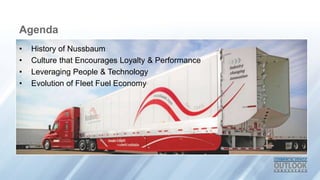
Agenda
• History of Nussbaum
• Culture that Encourages Loyalty & Performance
• Leveraging People & Technology
• Evolution of Fleet Fuel Economy
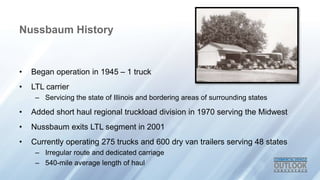
Nussbaum History
• Began operation in 1945 – 1 truck
• LTL carrier
– Servicing the state of Illinois and bordering areas of surrounding states
• Added short haul regional truckload division in 1970 serving the Midwest
• Nussbaum exits LTL segment in 2001
• Currently operating 275 trucks and 600 dry van trailers serving 48 states
– Irregular route and dedicated carriage
– 540-mile average length of haul
Nussbaum History
Nussbaum has been an early adopter of new technologies in:
• Equipment
– Trucks Spec’d for Fuel Efficiency
– Trailer Aerodynamics
– Safety Systems
• Software / Electronics
– Smart, Technology Based Scorecards
– On Board Computer
– Virtual Engine Monitoring
Of Innovation
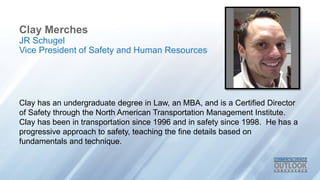
Clay Merches
Clay has an undergraduate degree in Law, an MBA, and is a Certified Director
of Safety through the North American Transportation Management Institute.
Clay has been in transportation since 1996 and in safety since 1998. He has a
progressive approach to safety, teaching the fine details based on
fundamentals and technique.
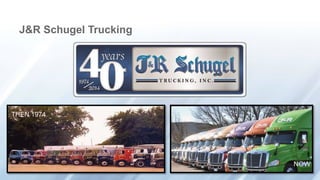
JR Schugel
Vice President of Safety and Human Resources
J&R Schugel Trucking
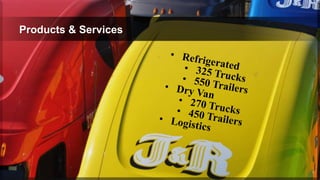
Products & Services
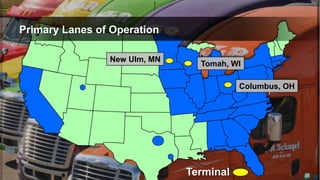
New Ulm, MN
Columbus, OH
Tomah, WI
Terminal
Primary Lanes of Operation
QUESTIONS & ANSWERS
Speaker Panel
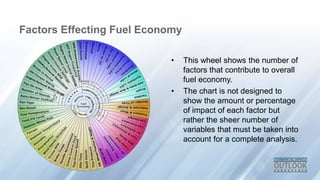
Factors Effecting Fuel Economy
• This wheel shows the number of
factors that contribute to overall
fuel economy.
• The chart is not designed to
show the amount or percentage
of impact of each factor but
rather the sheer number of
variables that must be taken into
account for a complete analysis.
Driver Characteristics
• The driver has control over the following:
– Gear selection (manual trans or automated in manual mode)
• Option for all engines to have progressive shift enabled in manual mode
– Road Speed
– Throttle Aggressiveness
– Brake use (including the engine brake)
– Use of cruise control
– Idle Time
• The Truck Maintenance Council’s (TMC) RP 1111 document states that the
driver can contribute up to a 35% difference in fuel economy
Leveraging People & Technology for
Driver Performance
• Nussbaum is a faith based organization which operates on
Biblical principles.
• Our people drive our success. If we take care of them, Nussbaum will thrive.
The driver scorecard is built on this principal.
• Successful driver performance requires:
– High standard of Integrity, Ethics and Values
– Trust – Without trust, there is no motivation on their part to help the company
meet its goals and objectives.
– Character – Nussbaum hires for character over experience.
• Our culture opens up the door.
• Drivers can be coached to achieve a higher level of performance.
Building a Culture that Encourages Performance
Leveraging People & Technology for
Driver Performance
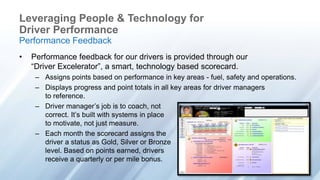
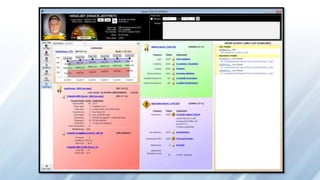
• Performance feedback for our drivers is provided through our
“Driver Excelerator”, a smart, technology based scorecard.
– Assigns points based on performance in key areas - fuel, safety and operations.
– Displays progress and point totals in all key areas for driver managers
to reference.
– Driver manager’s job is to coach, not
correct. It’s built with systems in place
to motivate, not just measure.
– Each month the scorecard assigns the
driver a status as Gold, Silver or Bronze
level. Based on points earned, drivers
receive a quarterly or per mile bonus.
Performance Feedback
Lytx / Drivecam Video Technology
• Analyzing driver behaviors
– Defining the appropriate responses
• Identifying the correct technical response in the correct order
J&R Schugel’s Approach to Correcting Driver Behavior
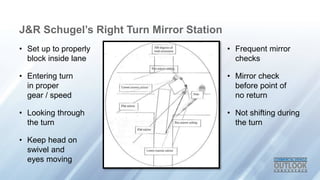
J&R Schugel’s Right Turn Mirror Station
• Set up to properly
block inside lane
• Entering turn
in proper
gear / speed
• Looking through
the turn
• Keep head on
swivel and
eyes moving
• Frequent mirror
checks
• Mirror check
before point of
no return
• Not shifting during
the turn
J&R Schugel’s Training On Rear-end Collisions
• The importance of a 15 second eye lead time
• Reducing speeds in high risk areas
• Anticipating the actions of others
• Driving 2 – 3mph slower than traffic
Using Video to Teach Proper Eye Lead Time & Following Distance
J&R Schugel Trucking
• Getting the big picture
• Anticipating the actions of others
• Braking without over reacting or counter steering
Training How To Anticipate Others
Leveraging People & Technology for
Driver Performance
• Technology we currently use to enhance driver performance:
• On Board Computer (PeopleNet)
• Safety Technologies
– Collision Avoidance / Lane Departure Systems
– Roll Stability
– Automatic Transmissions
• Fuel Technologies
– 6x2 configuration
– Full Length Skirts / Tails
– E-Coast
• Virtual Technician
Technology Enhances Performance
0 1 2 3 4 5 6 7 8 9 10
0
10
20
30
40
50
60
70
80
90
Gear Position
%Fuelconsumption % Fuel consumption in each gear
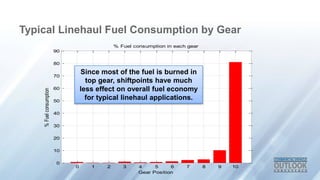
Since most of the fuel is burned in
top gear, shiftpoints have much
less effect on overall fuel economy
for typical linehaul applications.
Typical Linehaul Fuel Consumption by Gear
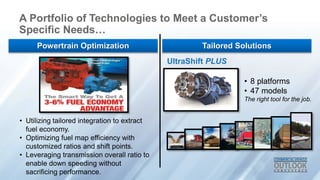
Powertrain Optimization Tailored Solutions
• Utilizing tailored integration to extract
fuel economy.
• Optimizing fuel map efficiency with
customized ratios and shift points.
• Leveraging transmission overall ratio to
enable down speeding without
sacrificing performance.
UltraShift PLUS
• 8 platforms
• 47 models
The right tool for the job.
A Portfolio of Technologies to Meet a Customer’s
Specific Needs…
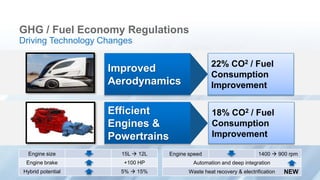
Improved
Aerodynamics
22% CO2 / Fuel
Consumption
Improvement
Efficient
Engines &
Powertrains
18% CO2 / Fuel
Consumption
Improvement
Engine size 15L  12L
Engine brake +100 HP
Hybrid potential 5%  15%
Engine speed 1400  900 rpm
Automation and deep integration
Waste heat recovery & electrification NEW
GHG / Fuel Economy Regulations
Driving Technology Changes
J&R Schugel
• Understanding speed limits
• Reducing speeds so you are at the correct speed entering the new
speed zone
• Changing driver behavior
Reducing Speeding Violations
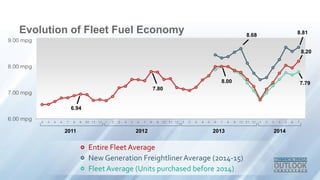
Evolution of Fleet Fuel Economy
6.94
7.80
8.00
8.20
8.818.68
7.79
2011 2012 2013 2014
Entire Fleet Average
New Generation FreightlinerAverage (2014-15)
Fleet Average (Units purchased before 2014)
QUESTIONS & ANSWERS
Speaker Panel
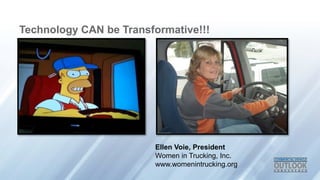
Technology CAN be Transformative!!!
Ellen Voie, President
Women in Trucking, Inc.
www.womenintrucking.org

Panel connected fleet

  • 1.
    PAUL MENIG CEO, Tech-I-M (ChiefENG DTNA Mechatronics)
  • 2.
    Paul Menig Paul hasspent his career leading teams to develop products powered by electronics technology in medical equipment, aerospace, industrial automation, and trucking. He currently leads the Far Horizon effort of Future Truck for the Technology and Maintenance Council and is involved in the National Academies of Science activities for future fuel economy regulations and the 21st Century Truck Partnership. Tech-I-M, LLC CEO
  • 3.
    Can Technology beTransformative? Ellen Voie, President Women in Trucking, Inc. www.womenintrucking.org
  • 4.
  • 5.
    Cameras that Watchthe Road & the Driver
  • 6.
  • 7.
  • 8.
  • 9.
  • 10.
    A Dizzying Arrayof Opportunities
  • 11.
    Gerard DeVito In March,Gerard assumed responsibility for all technical and commercial content for Eaton’s global heavy duty automated transmission development. His 28 year tenure at Eaton includes increasing responsibility in product design engineering, application engineering, product planning, product strategy and sales and marketing. Eaton Corporation Executive Director Next Generation Automated Platform
  • 12.
  • 13.
    Eaton is aGlobal Power Management Company… Eaton Truck Industry Cities & Buildings Industrial & Machinery Information Technology Energy & Utilities TransportationInfrastructure Bus & Coach Pickup & Delivery Linehaul Vocational Electrical Fluid Mechanical 2013 $22B Transmissions Clutches Engine Valves Switches & Power Conversion Fluid Conveyance Electrical Industrial
  • 14.
    Brent Nussbaum After receivinga Bachelor’s Degree in International Business from Illinois State University and a Master’s Degree in International Business from the Thunderbird School of Global Management in Glendale, AZ, Brent assumed the role of VP of Sales for the Truckload Division and later the role of CEO. Since then, he has led the transformation of Nussbaum from a unionized, LTL/regional truckload operations to a non-union, regional carrier providing truckload and dedicated contract carriage services in various industries. Nussbaum Transportation Services, Inc. CEO
  • 15.
    Agenda • History ofNussbaum • Culture that Encourages Loyalty & Performance • Leveraging People & Technology • Evolution of Fleet Fuel Economy
  • 16.
    Nussbaum History • Beganoperation in 1945 – 1 truck • LTL carrier – Servicing the state of Illinois and bordering areas of surrounding states • Added short haul regional truckload division in 1970 serving the Midwest • Nussbaum exits LTL segment in 2001 • Currently operating 275 trucks and 600 dry van trailers serving 48 states – Irregular route and dedicated carriage – 540-mile average length of haul
  • 17.
    Nussbaum History Nussbaum hasbeen an early adopter of new technologies in: • Equipment – Trucks Spec’d for Fuel Efficiency – Trailer Aerodynamics – Safety Systems • Software / Electronics – Smart, Technology Based Scorecards – On Board Computer – Virtual Engine Monitoring Of Innovation
  • 18.
    Clay Merches Clay hasan undergraduate degree in Law, an MBA, and is a Certified Director of Safety through the North American Transportation Management Institute. Clay has been in transportation since 1996 and in safety since 1998. He has a progressive approach to safety, teaching the fine details based on fundamentals and technique. JR Schugel Vice President of Safety and Human Resources
  • 19.
  • 20.
  • 21.
    New Ulm, MN Columbus,OH Tomah, WI Terminal Primary Lanes of Operation
  • 23.
  • 24.
    Factors Effecting FuelEconomy • This wheel shows the number of factors that contribute to overall fuel economy. • The chart is not designed to show the amount or percentage of impact of each factor but rather the sheer number of variables that must be taken into account for a complete analysis.
  • 25.
    Driver Characteristics • Thedriver has control over the following: – Gear selection (manual trans or automated in manual mode) • Option for all engines to have progressive shift enabled in manual mode – Road Speed – Throttle Aggressiveness – Brake use (including the engine brake) – Use of cruise control – Idle Time • The Truck Maintenance Council’s (TMC) RP 1111 document states that the driver can contribute up to a 35% difference in fuel economy
  • 26.
    Leveraging People &Technology for Driver Performance • Nussbaum is a faith based organization which operates on Biblical principles. • Our people drive our success. If we take care of them, Nussbaum will thrive. The driver scorecard is built on this principal. • Successful driver performance requires: – High standard of Integrity, Ethics and Values – Trust – Without trust, there is no motivation on their part to help the company meet its goals and objectives. – Character – Nussbaum hires for character over experience. • Our culture opens up the door. • Drivers can be coached to achieve a higher level of performance. Building a Culture that Encourages Performance
  • 27.
    Leveraging People &Technology for Driver Performance • Performance feedback for our drivers is provided through our “Driver Excelerator”, a smart, technology based scorecard. – Assigns points based on performance in key areas - fuel, safety and operations. – Displays progress and point totals in all key areas for driver managers to reference. – Driver manager’s job is to coach, not correct. It’s built with systems in place to motivate, not just measure. – Each month the scorecard assigns the driver a status as Gold, Silver or Bronze level. Based on points earned, drivers receive a quarterly or per mile bonus. Performance Feedback
  • 29.
    Lytx / DrivecamVideo Technology • Analyzing driver behaviors – Defining the appropriate responses • Identifying the correct technical response in the correct order J&R Schugel’s Approach to Correcting Driver Behavior
  • 30.
    J&R Schugel’s RightTurn Mirror Station • Set up to properly block inside lane • Entering turn in proper gear / speed • Looking through the turn • Keep head on swivel and eyes moving • Frequent mirror checks • Mirror check before point of no return • Not shifting during the turn
  • 31.
    J&R Schugel’s TrainingOn Rear-end Collisions • The importance of a 15 second eye lead time • Reducing speeds in high risk areas • Anticipating the actions of others • Driving 2 – 3mph slower than traffic Using Video to Teach Proper Eye Lead Time & Following Distance
  • 32.
    J&R Schugel Trucking •Getting the big picture • Anticipating the actions of others • Braking without over reacting or counter steering Training How To Anticipate Others
  • 33.
    Leveraging People &Technology for Driver Performance • Technology we currently use to enhance driver performance: • On Board Computer (PeopleNet) • Safety Technologies – Collision Avoidance / Lane Departure Systems – Roll Stability – Automatic Transmissions • Fuel Technologies – 6x2 configuration – Full Length Skirts / Tails – E-Coast • Virtual Technician Technology Enhances Performance
  • 34.
    0 1 23 4 5 6 7 8 9 10 0 10 20 30 40 50 60 70 80 90 Gear Position %Fuelconsumption % Fuel consumption in each gear Since most of the fuel is burned in top gear, shiftpoints have much less effect on overall fuel economy for typical linehaul applications. Typical Linehaul Fuel Consumption by Gear
  • 35.
    Powertrain Optimization TailoredSolutions • Utilizing tailored integration to extract fuel economy. • Optimizing fuel map efficiency with customized ratios and shift points. • Leveraging transmission overall ratio to enable down speeding without sacrificing performance. UltraShift PLUS • 8 platforms • 47 models The right tool for the job. A Portfolio of Technologies to Meet a Customer’s Specific Needs…
  • 36.
    Improved Aerodynamics 22% CO2 /Fuel Consumption Improvement Efficient Engines & Powertrains 18% CO2 / Fuel Consumption Improvement Engine size 15L  12L Engine brake +100 HP Hybrid potential 5%  15% Engine speed 1400  900 rpm Automation and deep integration Waste heat recovery & electrification NEW GHG / Fuel Economy Regulations Driving Technology Changes
  • 37.
    J&R Schugel • Understandingspeed limits • Reducing speeds so you are at the correct speed entering the new speed zone • Changing driver behavior Reducing Speeding Violations
  • 38.
    Evolution of FleetFuel Economy 6.94 7.80 8.00 8.20 8.818.68 7.79 2011 2012 2013 2014 Entire Fleet Average New Generation FreightlinerAverage (2014-15) Fleet Average (Units purchased before 2014)
  • 39.
  • 40.
    Technology CAN beTransformative!!! Ellen Voie, President Women in Trucking, Inc. www.womenintrucking.org