OPEN SKIES
AGREEMENT
OPEN SKIES POLICY

OPEN SKIES POLICY
IN THE PHILIPPINES

ECONOMIC BENEFITS

ADVANTAGES &
DISADVANTAGES
Open Skies
 International agreement between 2 or more

countries allowing passenger and cargo to
flyover an area without restrictions
 Aims to promote:
 Free market competition
 Cooperative marketing arrangements
 Competitive pricing
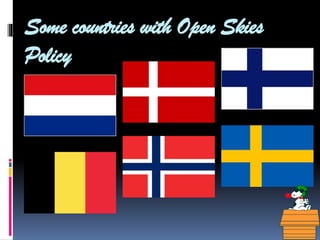
Some countries with Open Skies
Policy
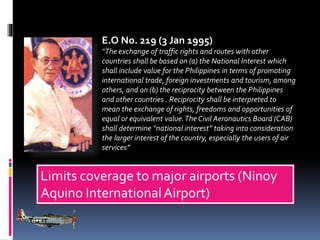
E.O No. 219 (3 Jan 1995)
“The exchange of traffic rights and routes with other
countries shall be based on (a) the National Interest which
shall include value for the Philippines in terms of promoting
international trade, foreign investments and tourism, among
others, and on (b) the reciprocity between the Philippines
and other countries . Reciprocity shall be interpreted to
mean the exchange of rights, freedoms and opportunities of
equal or equivalent value. The Civil Aeronautics Board (CAB)
shall determine “national interest” taking into consideration
the larger interest of the country, especially the users of air
services”

Limits coverage to major airports (Ninoy
Aquino International Airport)
E.O No. 500-A (22 Aug 2006)
“Any provision of Executive Order No. 219
(Series of 1995) Executive Order 32, (Series of
2001) and related issuance to the contrary
notwithstanding, the Civil Aeronautics Board
(CAB) shall process within thirty(30) days from
receipt all application services to DMIA and
SBIA, in accordance with the CAB’s current and
applicable rules regulations and procedures.”

Grant of unlimited 3rd and 4th freedom rights to foreign air
carriers operating in the Diosdado Macapagal
International Airport (DMIA) and the Subic Bay
International Airport (SBIA)
E.O. No. 29 (14 Mar 2011)

“In the negotiation of the ASAs, the Philippines Air Panels
may offer and promote third, fourth, and fifth freedom
rights to the country’s airports other than the Ninoy Aquino
Internationa; Airport (NAIA) without restriction as to
frequency , capacity and type of aircraft, and other
arrangements that will serve the national interest as may
be determined by the CAB”

•Foreign carriers may now fly/operate in
any airport In the country.
•Prohibits “cabotage”
FREEDOMS OF THE AIR
 First - the right to fly over a foreign country, without






landing there
Second - the right to refuel or carry out maintenance in a
foreign country on the way to another country
Third - the right to fly from one's own country to another
Fourth - the right to fly from another country to one's
own
Fifth - the right to fly between two foreign countries
during flights while the flight originates or ends in one's
own country
Economic Benefits
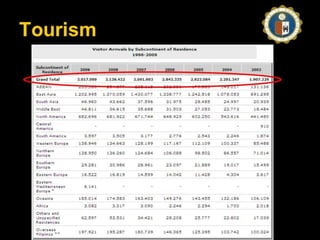
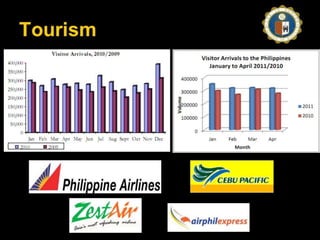
TOURISM
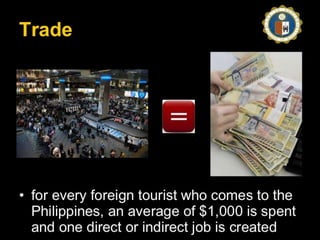
TRADE
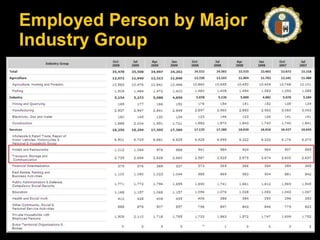
EMPLOYMENT
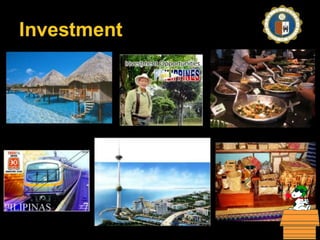
INVESTMENTS
Advantages & Disadvantages




With less government regulation
on commercial aviation,
theoretically, there should be
more flights available as more
foreign (and local airlines) can
participate. More flight choices,
should mean cheaper cost for
the air travelling public.
With easier & more convenient
access to popular tourist
destinations, the number of
visitors should rise. This brings
additional revenue to local
businesses and should help the
economies of these areas.





With the opening up of new
international gateways in the
Philippines, there is an increased
risk in security & potential entry
points for illicit activity from
abroad.
With the de-regulation of
commercial aviation, there will
be more competition for the
local airline industry from
overseas, which may lead to
some local carriers to fold. This
is not necessarily bad for the
consumer, as more competition
provides better choices, though
not necessarily better service.

Openskies Agreement

  • 1.
  • 2.
    OPEN SKIES POLICY OPENSKIES POLICY IN THE PHILIPPINES ECONOMIC BENEFITS ADVANTAGES & DISADVANTAGES
  • 3.
    Open Skies  Internationalagreement between 2 or more countries allowing passenger and cargo to flyover an area without restrictions  Aims to promote:  Free market competition  Cooperative marketing arrangements  Competitive pricing
  • 4.
    Some countries withOpen Skies Policy
  • 5.
    E.O No. 219(3 Jan 1995) “The exchange of traffic rights and routes with other countries shall be based on (a) the National Interest which shall include value for the Philippines in terms of promoting international trade, foreign investments and tourism, among others, and on (b) the reciprocity between the Philippines and other countries . Reciprocity shall be interpreted to mean the exchange of rights, freedoms and opportunities of equal or equivalent value. The Civil Aeronautics Board (CAB) shall determine “national interest” taking into consideration the larger interest of the country, especially the users of air services” Limits coverage to major airports (Ninoy Aquino International Airport)
  • 6.
    E.O No. 500-A(22 Aug 2006) “Any provision of Executive Order No. 219 (Series of 1995) Executive Order 32, (Series of 2001) and related issuance to the contrary notwithstanding, the Civil Aeronautics Board (CAB) shall process within thirty(30) days from receipt all application services to DMIA and SBIA, in accordance with the CAB’s current and applicable rules regulations and procedures.” Grant of unlimited 3rd and 4th freedom rights to foreign air carriers operating in the Diosdado Macapagal International Airport (DMIA) and the Subic Bay International Airport (SBIA)
  • 7.
    E.O. No. 29(14 Mar 2011) “In the negotiation of the ASAs, the Philippines Air Panels may offer and promote third, fourth, and fifth freedom rights to the country’s airports other than the Ninoy Aquino Internationa; Airport (NAIA) without restriction as to frequency , capacity and type of aircraft, and other arrangements that will serve the national interest as may be determined by the CAB” •Foreign carriers may now fly/operate in any airport In the country. •Prohibits “cabotage”
  • 8.
    FREEDOMS OF THEAIR  First - the right to fly over a foreign country, without     landing there Second - the right to refuel or carry out maintenance in a foreign country on the way to another country Third - the right to fly from one's own country to another Fourth - the right to fly from another country to one's own Fifth - the right to fly between two foreign countries during flights while the flight originates or ends in one's own country
  • 9.
  • 15.
    Advantages & Disadvantages   Withless government regulation on commercial aviation, theoretically, there should be more flights available as more foreign (and local airlines) can participate. More flight choices, should mean cheaper cost for the air travelling public. With easier & more convenient access to popular tourist destinations, the number of visitors should rise. This brings additional revenue to local businesses and should help the economies of these areas.   With the opening up of new international gateways in the Philippines, there is an increased risk in security & potential entry points for illicit activity from abroad. With the de-regulation of commercial aviation, there will be more competition for the local airline industry from overseas, which may lead to some local carriers to fold. This is not necessarily bad for the consumer, as more competition provides better choices, though not necessarily better service.