Healthy Living Lecture Series
Stephan Esser MD, USPTA
Myths Busted
Goals
• Explore common Myths
• Engage the Science
• Empower and Revitalize Your belief in Your Health
#1
What I do doesn’t matter to my
health?
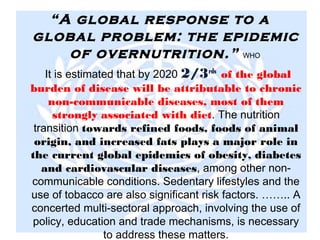
“A global response to a
global problem: the epidemic
of overnutrition.” WHO
It is estimated that by 2020 2/3rds
of the global
burden of disease will be attributable to chronic
non-communicable diseases, most of them
strongly associated with diet. The nutrition
transition towards refined foods, foods of animal
origin, and increased fats plays a major role in
the current global epidemics of obesity, diabetes
and cardiovascular diseases, among other non-
communicable conditions. Sedentary lifestyles and the
use of tobacco are also significant risk factors. …….. A
concerted multi-sectoral approach, involving the use of
policy, education and trade mechanisms, is necessary
to address these matters.
Healthy living is the best revenge: findings from
the European Prospective Investigation Into
Cancer and Nutrition-Potsdam study 2009
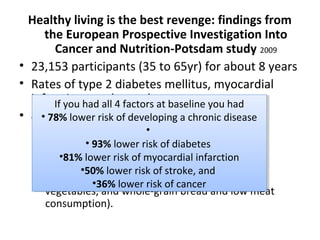
• 23,153 participants (35 to 65yr) for about 8 years
• Rates of type 2 diabetes mellitus, myocardial
infarction, stroke, and cancer
• 4 Variables:
– Never smoking
– BMI<30
– 3.5 h/wk or more of physical activity
– healthy dietary principles (high intake of fruits,
vegetables, and whole-grain bread and low meat
consumption).
If you had all 4 factors at baseline you had
• 78% lower risk of developing a chronic disease
•
• 93% lower risk of diabetes
•81% lower risk of myocardial infarction
•50% lower risk of stroke, and
•36% lower risk of cancer
If you had all 4 factors at baseline you had
• 78% lower risk of developing a chronic disease
•
• 93% lower risk of diabetes
•81% lower risk of myocardial infarction
•50% lower risk of stroke, and
•36% lower risk of cancer
#1
• Without a doubt, what you do
– Fingers
– Feet
– Forks
– “Master Levers of our Health Destiny”
#2
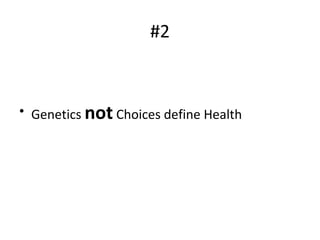
• Genetics not Choices define Health
Trends in America
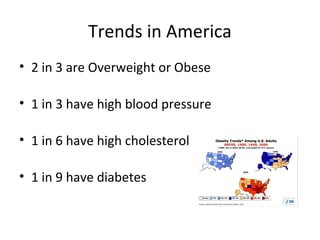
• 2 in 3 are Overweight or Obese
• 1 in 3 have high blood pressure
• 1 in 6 have high cholesterol
• 1 in 9 have diabetes
Trends in America
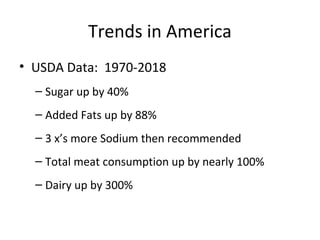
• USDA Data: 1970-2018
– Sugar up by 40%
– Added Fats up by 88%
– 3 x’s more Sodium then recommended
– Total meat consumption up by nearly 100%
– Dairy up by 300%
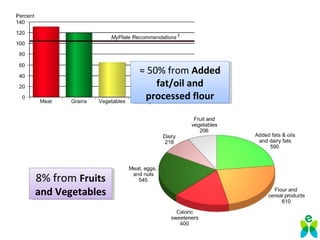
8% from Fruits
and Vegetables
8% from Fruits
and Vegetables
≈ 50% from Added
fat/oil and
processed flour
≈ 50% from Added
fat/oil and
processed flour
Perspective
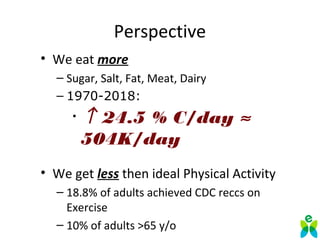
• We eat more
– Sugar, Salt, Fat, Meat, Dairy
– 1970-2018:
• ↑ 24.5 % C/day ≈
504K/day
• We get less then ideal Physical Activity
– 18.8% of adults achieved CDC reccs on
Exercise
– 10% of adults >65 y/o
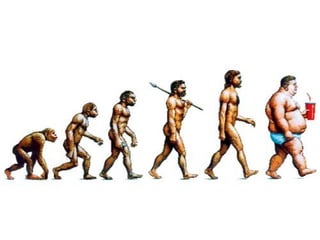
• No meaningful changes in Genetics in the last
1000 years
• Choices NOT Chances are some of the most
powerful predictors of health
#3
• There is debate in the science as to what
constitutes a “healthy diet”
#3
Yes and No
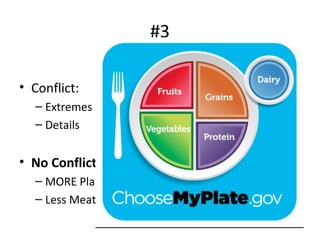
• Conflict:
– Extremes
– Details
• No Conflict
– MORE Plants
– Less Meat/Highly Processed Foods
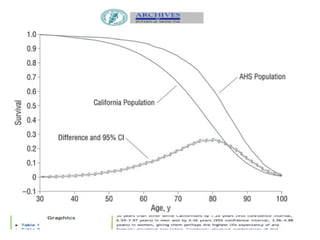
Vegetarian diets: what do we know of their
effects on common chronic diseases?
Am J Clin Nutr May 2009 vol. 89 no. 5 1607S-1612S
There is convincing evidence that vegetarians
have lower rates of coronary heart disease,
largely explained by low LDL cholesterol,
probable lower rates of hypertension and
diabetes mellitus, and lower prevalence of
obesity. Overall, their cancer rates appear to
be moderately lower than others living in the
same communities, and life expectancy
appears to be greater.
• Reduce Disease Risk
– Obesity/HTN/HLD/CAD/T2D/Common Cancers
• Prolongs Life
3a
• I am confused on what to eat?
No Conflict
• More Fiber………
• More Micronutrients
• Less Saturated, Trans Fat, Cholesterol
• Fewer Refined foods
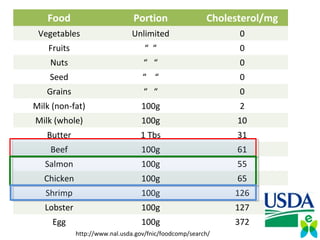
• Less Cholesterol
Food Portion Cholesterol/mg
Vegetables Unlimited 0
Fruits “ “ 0
Nuts “ “ 0
Seed “ “ 0
Grains “ “ 0
Milk (non-fat) 100g 2
Milk (whole) 100g 10
Butter 1 Tbs 31
Beef 100g 61
Salmon 100g 55
Chicken 100g 65
Shrimp 100g 126
Lobster 100g 127
Egg 100g 372
http://www.nal.usda.gov/fnic/foodcomp/search/
Fiber
• What foods have Fiber?
Only Exists in PlantsOnly Exists in Plants
#4
• Sea Salt is a healthier version of Table Salt
Salt
• 1 tsp Table Salt = 2300mg Sodium
• 1tsp Sea Salt = 2300 mg Sodium
• 1tsp Himalayan Salt = 1680mg Sodium
• 1tsp Kosher Salt = 1120 mg Sodium
– Varies by size of crystal, preparation etc
• Recommended < 2300mg ( < 1500mg per day)
Salt
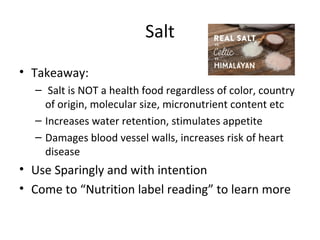
• Takeaway:
– Salt is NOT a health food regardless of color, country
of origin, molecular size, micronutrient content etc
– Increases water retention, stimulates appetite
– Damages blood vessel walls, increases risk of heart
disease
• Use Sparingly and with intention
• Come to “Nutrition label reading” to learn more
#5
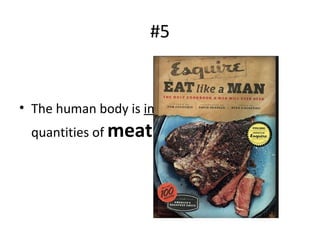
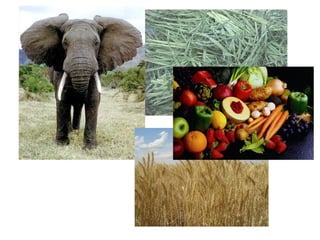
• The human body is intended for large
quantities of meat consumption
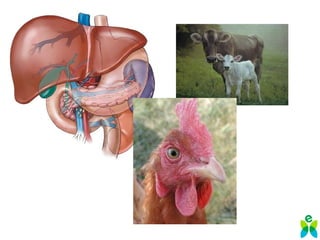
What are we meant for?
• Evolution or Creation
• Anatomy
• Physiology
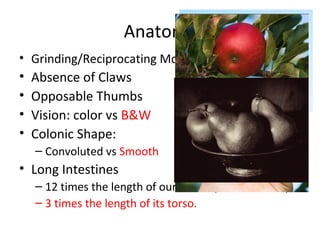
Anatomy
• Grinding/Reciprocating Molar Teeth
• Absence of Claws
• Opposable Thumbs
• Vision: color vs B&W
• Colonic Shape:
– Convoluted vs Smooth
• Long Intestines
– 12 times the length of our torsos (about 30 feet).
– 3 times the length of its torso.
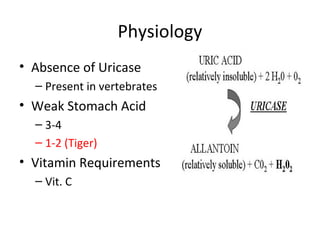
Physiology
• Absence of Uricase
– Present in vertebrates
• Weak Stomach Acid
– 3-4
– 1-2 (Tiger)
• Vitamin Requirements
– Vit. C
#5.5
• Dairy is essential for human health
Dairy Myth
• List any animal that drinks the milk of another
creature in nature?
• No other creature drinks milk in nature after
infancy…..why do we?
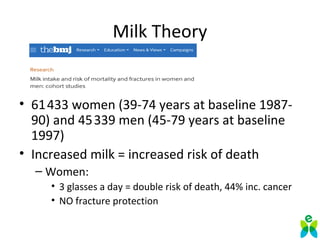
Milk Theory
• 61433 women (39-74 years at baseline 1987- 
90) and 45339 men (45-79 years at baseline 
1997)
• Increased milk = increased risk of death
– Women:
• 3 glasses a day = double risk of death, 44% inc. cancer
• NO fracture protection
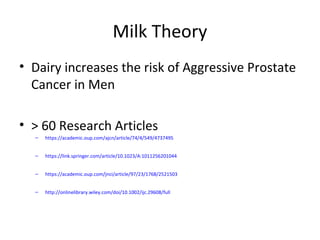
Milk Theory
• Dairy increases the risk of Aggressive Prostate
Cancer in Men
• > 60 Research Articles
– https://academic.oup.com/ajcn/article/74/4/549/4737495
– https://link.springer.com/article/10.1023/A:1011256201044
– https://academic.oup.com/jnci/article/97/23/1768/2521503
– http://onlinelibrary.wiley.com/doi/10.1002/ijc.29608/full
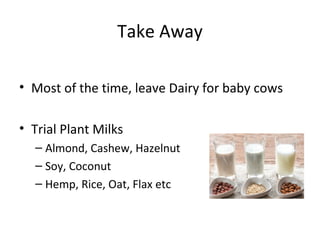
Take Away
• Most of the time, leave Dairy for baby cows
• Trial Plant Milks
– Almond, Cashew, Hazelnut
– Soy, Coconut
– Hemp, Rice, Oat, Flax etc
#6
• Diet Sodas Keep you Skinny
Diet Soda
• Artificial Sweeteners: A systematic review of
metabolic effects in youth Pediatric Obesity 2010
• However, recent animal studies provide intriguing information that supports an active metabolic role of artificial sweeteners. This systematic review
examines the current literature on artificial sweetener consumption in children and its health effects. Eighteen studies were identified. Data from

large, epidemiologic studies support the existence of an association between artificially-sweetened beverage consumption and weight gain in
children. Randomized controlled trials in children are very limited, and do not clearly demonstrate either beneficial or adverse metabolic effects of
artificial sweeteners. Presently, there is no strong clinical evidence for causality regarding artificial sweetener use and metabolic health effects, but it

is important to examine possible contributions of these common food additives to the global rise in pediatric obesity and diabetes.
• Relationship between artificial sweeteners and obesity
• Artificial Sweeteners may alter satiety and increase appetite and
food consumption
Diet Soda
• Takeaway:
– Choose water or water with sliced fruit or mint etc
#7
• Plant Oils are Health foods
Plant Oils
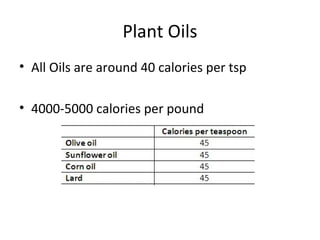
• All Oils are around 40 calories per tsp
• 4000-5000 calories per pound
Plant Oils
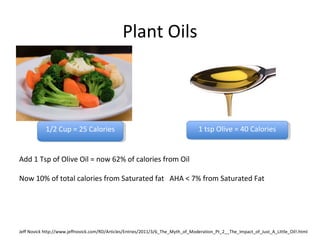
1/2 Cup = 25 Calories1/2 Cup = 25 Calories 1 tsp Olive = 40 Calories1 tsp Olive = 40 Calories
Add 1 Tsp of Olive Oil = now 62% of calories from Oil
Now 10% of total calories from Saturated fat AHA < 7% from Saturated Fat
Jeff Novick http://www.jeffnovick.com/RD/Articles/Entries/2011/3/6_The_Myth_of_Moderation_Pt_2__The_Impact_of_Just_A_Little_Oil!.html
Oils
Takeaway
– Oils = Calories
– Oils = Inc. Saturated fat = Inc. Cholesterol Prod.
– If goal of weight loss, then nix the oil
– If goal is weight gain then consider alternative
options that don’t increase heart disease risk
#7a
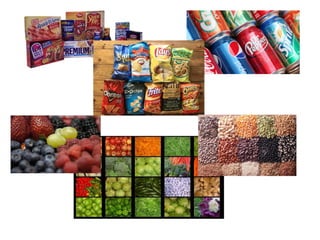
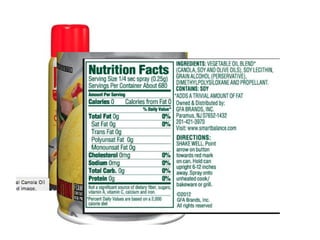
• You CAN trust the front of the container
• Takeaway:
– NEVER trust the front of a container
#8
• Fat and Protein Based diets are “healthy”
“We like to hear good things about our bad
habits”
Not completely false
The Science
• Low-Carbohydrate Diets and All-Cause
Mortality: A Systematic Review and Meta-
Analysis of Observational Studies PLOS 2013
– Low-carbohydrate diets were associated with a
significantly higher risk of all-cause mortality
The Science
• Dietary Protein Intake and Incidence of Type
2 Diabetes in Europe: The EPIC-InterAct Case-
Cohort Study Diabetes Care 2014
– High total and animal protein intake was
associated with a modest elevated risk of type 2
diabetes in a large cohort of European adults. In
view of the rapidly increasing prevalence of type 2
diabetes, limiting iso-energetic diets high in
dietary proteins, particularly from animal sources,
should be considered.
The Science
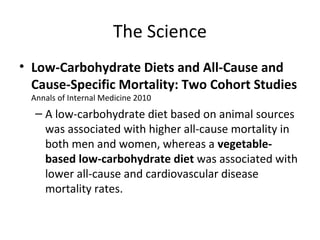
• Low-Carbohydrate Diets and All-Cause and
Cause-Specific Mortality: Two Cohort Studies
Annals of Internal Medicine 2010
– A low-carbohydrate diet based on animal sources
was associated with higher all-cause mortality in
both men and women, whereas a vegetable-
based low-carbohydrate diet was associated with
lower all-cause and cardiovascular disease
mortality rates.
Meat
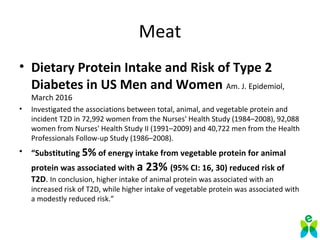
• Dietary Protein Intake and Risk of Type 2
Diabetes in US Men and Women Am. J. Epidemiol,

March 2016
• Investigated the associations between total, animal, and vegetable protein and
incident T2D in 72,992 women from the Nurses' Health Study (1984–2008), 92,088
women from Nurses' Health Study II (1991–2009) and 40,722 men from the Health
Professionals Follow-up Study (1986–2008).
• “Substituting 5% of energy intake from vegetable protein for animal
protein was associated with a 23% (95% CI: 16, 30) reduced risk of
T2D. In conclusion, higher intake of animal protein was associated with an
increased risk of T2D, while higher intake of vegetable protein was associated with
a modestly reduced risk.”
#9
• Fat is my friend
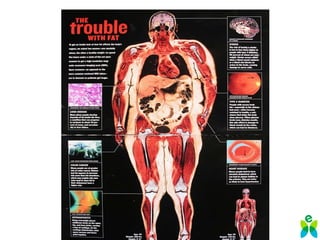
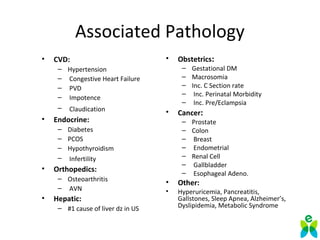
Associated Pathology
• CVD:
– Hypertension
– Congestive Heart Failure
– PVD
– Impotence
– Claudication
• Endocrine:
– Diabetes
– PCOS
– Hypothyroidism
– Infertility
• Orthopedics:
– Osteoarthritis
– AVN
• Hepatic:
– #1 cause of liver dz in US
• Obstetrics:
– Gestational DM
– Macrosomia
– Inc. C Section rate
– Inc. Perinatal Morbidity
– Inc. Pre/Eclampsia
• Cancer:
– Prostate
– Colon
– Breast
– Endometrial
– Renal Cell
– Gallbladder
– Esophageal Adeno.
• Other:
• Hyperuricemia, Pancreatitis,
Gallstones, Sleep Apnea, Alzheimer’s,
Dyslipidemia, Metabolic Syndrome
Fat
• Increased Fat = Impaired Insulin Sensitivity
– Lee JS, Pinnamaneni SK, Eo SJ, Cho IH, Pyo JH, Kim CK, Sinclair AJ, Febbraio MA, Watt MJ. Saturated, but not n–6 polyunsaturated, fatty acids
induce insulin resistance: role of intramuscular accumulation of lipid metabolites. J Appl Physiol 100: 1467–1474, 2006.
– Leyton J, Drury PJ, Crawford MA. Differential oxidation of saturated and unsaturated fatty acids in vivo in the rat. Br J Nutr 57: 383–393,
1987.
– Lonnqvist F, Arner P, Nordfors L, Schalling M. Overexpression of the obese (ob) gene in adipose tissue of human obese subjects. Nat Med 1:
950 -953, 1995.
• Increased Fat Consumption = Impaired Insulin
Sensitivity
– Maron DJ, Fair JM, Haskell WL. Saturated fat intake and insulin resistance in men with coronary artery disease. The Stanford Coronary Risk
Intervention Project Investigators and Staff. Circulation 84: 2020–2027, 1991.
– Montell E, Turini M, Marotta M, Roberts M, Noe V, Ciudad CJ, Mace K, Gomez-Foix AM. DAG accumulation from saturated fatty acids
desensitizes insulin stimulation of glucose uptake in muscle cells. Am J Physiol Endocrinol Metab 280: E229–E237, 2001.
– Vessby, V et al. Substituting dietary saturated for monounsaturated fat impairs insulin sensitivity in healthy men and women: The KANWU
study, Diabetolopgia, 2001: 44: 3 (312-219))
– Mayer-Davis, EJ et al. Dietary fat and insulin sensitivity in a triethnic population: the role of obesity. The Insulin Resistance Atherosclerosis
Study (IRAS), AJCN, 1997 65: 1: 79-87.
Fat
• Reduce added fats in your diet
• Check your BMI online and your waist
circumference
– If in Overweight or Obese category then make a
plan and come to our “Weight” lecture later this
year
#10
• If it is ______ it must be healthy
#10
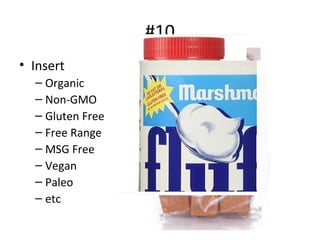
• Insert
– Organic
– Non-GMO
– Gluten Free
– Free Range
– MSG Free
– Vegan
– Paleo
– etc
• Part but not the Whole
• Takeaway:
– Don’t search for ONE thing to the neglect of all
others
– Come to our “Nutrition label Reading”
presentation later this spring
#11
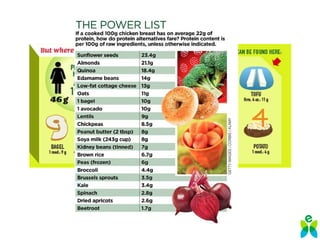
If I eat more plants I won’t get enough
protein!
• Do you know anyone with a protein
deficiency?
– Severely Ill: ICU, Burns, Liver Disease
– Severely Malnourished: Sahara etc
Protein
• Adequate
• Clinically relevant deficiency is extremely rare
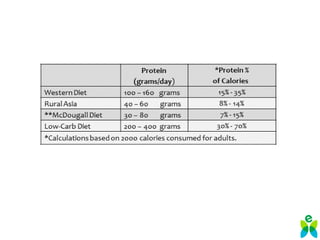
• WHO 5%, 10-15% of total calories
• May benefit from 
– Elderly/Adolescent/Severely Ill
– Pregnancy/Lactating
– Athletes
• No Major Concern
• A “well balanced and organized program” will
provide ample protein for the average person
#12
• If I eat mainly plants I won’t have any energy!
#12
• Transition Period
– 21 days to 3 months
• Most describe “more energy,” less fatigue,
more rapid recovery from exercise etc
#13
• I’m too________ to change
•Never
#14
• To Lose weight I have to restrict how much I
eat
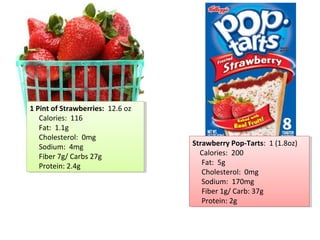
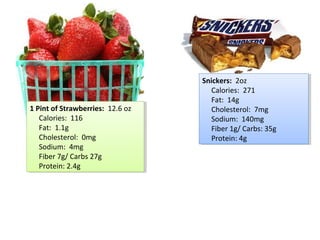
1 Pint of Strawberries: 12.6 oz
Calories: 116
Fat: 1.1g
Cholesterol: 0mg
Sodium: 4mg
Fiber 7g/ Carbs 27g
Protein: 2.4g
1 Pint of Strawberries: 12.6 oz
Calories: 116
Fat: 1.1g
Cholesterol: 0mg
Sodium: 4mg
Fiber 7g/ Carbs 27g
Protein: 2.4g
Strawberry Pop-Tarts: 1 (1.8oz)
Calories: 200
Fat: 5g
Cholesterol: 0mg
Sodium: 170mg
Fiber 1g/ Carb: 37g
Protein: 2g
Strawberry Pop-Tarts: 1 (1.8oz)
Calories: 200
Fat: 5g
Cholesterol: 0mg
Sodium: 170mg
Fiber 1g/ Carb: 37g
Protein: 2g
Snickers: 2oz
Calories: 271
Fat: 14g
Cholesterol: 7mg
Sodium: 140mg
Fiber 1g/ Carbs: 35g
Protein: 4g
Snickers: 2oz
Calories: 271
Fat: 14g
Cholesterol: 7mg
Sodium: 140mg
Fiber 1g/ Carbs: 35g
Protein: 4g
1 Pint of Strawberries: 12.6 oz
Calories: 116
Fat: 1.1g
Cholesterol: 0mg
Sodium: 4mg
Fiber 7g/ Carbs 27g
Protein: 2.4g
1 Pint of Strawberries: 12.6 oz
Calories: 116
Fat: 1.1g
Cholesterol: 0mg
Sodium: 4mg
Fiber 7g/ Carbs 27g
Protein: 2.4g
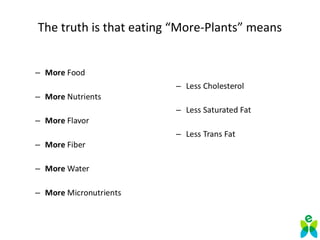
The truth is that eating “More-Plants” means
#15
• Eating Healthy is too expensive
Cost
• Depends
Conclusion
• There are many nutrition “myths”
• Learn more every day
• Review your personal health goals
• Avoid failure by matching expectations with
choices and choices with science
Conclusion
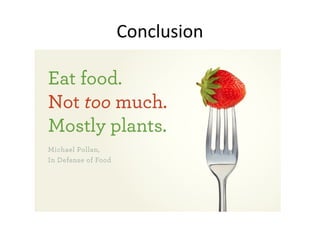
• Eat More simple…whole…minimally processed
fruits, vegetables, beans, grains, seeds
• Reduce total meat intake to baked, grilled
lean meats if desired
• Minimize dairy exposure
• Evaluate your goals and select nutrition that
helps in both short and long term success
Conclusion
Thank You!
Stephan Esser MD, USPTA
Conclusion
Health Comes from Healthy Living
Conclusion
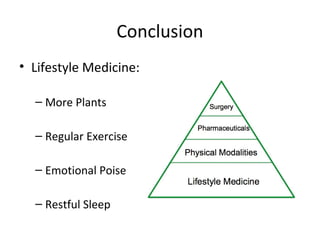
• Lifestyle Medicine:
– More Plants
– Regular Exercise
– Emotional Poise
– Restful Sleep
The Challenge
Radically Different
The Benefits
• Personal
• Social/Culturally
• Environmental/Globally

Nutrition Myths 2018

  • 1.
    Healthy Living LectureSeries Stephan Esser MD, USPTA
  • 2.
  • 3.
    Goals • Explore commonMyths • Engage the Science • Empower and Revitalize Your belief in Your Health
  • 4.
    #1 What I dodoesn’t matter to my health?
  • 5.
    “A global responseto a global problem: the epidemic of overnutrition.” WHO It is estimated that by 2020 2/3rds of the global burden of disease will be attributable to chronic non-communicable diseases, most of them strongly associated with diet. The nutrition transition towards refined foods, foods of animal origin, and increased fats plays a major role in the current global epidemics of obesity, diabetes and cardiovascular diseases, among other non- communicable conditions. Sedentary lifestyles and the use of tobacco are also significant risk factors. …….. A concerted multi-sectoral approach, involving the use of policy, education and trade mechanisms, is necessary to address these matters.
  • 6.
    Healthy living isthe best revenge: findings from the European Prospective Investigation Into Cancer and Nutrition-Potsdam study 2009 • 23,153 participants (35 to 65yr) for about 8 years • Rates of type 2 diabetes mellitus, myocardial infarction, stroke, and cancer • 4 Variables: – Never smoking – BMI<30 – 3.5 h/wk or more of physical activity – healthy dietary principles (high intake of fruits, vegetables, and whole-grain bread and low meat consumption). If you had all 4 factors at baseline you had • 78% lower risk of developing a chronic disease • • 93% lower risk of diabetes •81% lower risk of myocardial infarction •50% lower risk of stroke, and •36% lower risk of cancer If you had all 4 factors at baseline you had • 78% lower risk of developing a chronic disease • • 93% lower risk of diabetes •81% lower risk of myocardial infarction •50% lower risk of stroke, and •36% lower risk of cancer
  • 7.
    #1 • Without adoubt, what you do – Fingers – Feet – Forks – “Master Levers of our Health Destiny”
  • 8.
    #2 • Genetics notChoices define Health
  • 10.
    Trends in America •2 in 3 are Overweight or Obese • 1 in 3 have high blood pressure • 1 in 6 have high cholesterol • 1 in 9 have diabetes
  • 11.
    Trends in America •USDA Data: 1970-2018 – Sugar up by 40% – Added Fats up by 88% – 3 x’s more Sodium then recommended – Total meat consumption up by nearly 100% – Dairy up by 300%
  • 12.
    8% from Fruits andVegetables 8% from Fruits and Vegetables ≈ 50% from Added fat/oil and processed flour ≈ 50% from Added fat/oil and processed flour
  • 13.
    Perspective • We eatmore – Sugar, Salt, Fat, Meat, Dairy – 1970-2018: • ↑ 24.5 % C/day ≈ 504K/day • We get less then ideal Physical Activity – 18.8% of adults achieved CDC reccs on Exercise – 10% of adults >65 y/o
  • 14.
    • No meaningfulchanges in Genetics in the last 1000 years
  • 15.
    • Choices NOTChances are some of the most powerful predictors of health
  • 16.
    #3 • There isdebate in the science as to what constitutes a “healthy diet”
  • 17.
    #3 Yes and No •Conflict: – Extremes – Details • No Conflict – MORE Plants – Less Meat/Highly Processed Foods
  • 19.
    Vegetarian diets: whatdo we know of their effects on common chronic diseases? Am J Clin Nutr May 2009 vol. 89 no. 5 1607S-1612S There is convincing evidence that vegetarians have lower rates of coronary heart disease, largely explained by low LDL cholesterol, probable lower rates of hypertension and diabetes mellitus, and lower prevalence of obesity. Overall, their cancer rates appear to be moderately lower than others living in the same communities, and life expectancy appears to be greater.
  • 20.
    • Reduce DiseaseRisk – Obesity/HTN/HLD/CAD/T2D/Common Cancers • Prolongs Life
  • 21.
    3a • I amconfused on what to eat?
  • 22.
    No Conflict • MoreFiber……… • More Micronutrients • Less Saturated, Trans Fat, Cholesterol • Fewer Refined foods • Less Cholesterol
  • 24.
    Food Portion Cholesterol/mg VegetablesUnlimited 0 Fruits “ “ 0 Nuts “ “ 0 Seed “ “ 0 Grains “ “ 0 Milk (non-fat) 100g 2 Milk (whole) 100g 10 Butter 1 Tbs 31 Beef 100g 61 Salmon 100g 55 Chicken 100g 65 Shrimp 100g 126 Lobster 100g 127 Egg 100g 372 http://www.nal.usda.gov/fnic/foodcomp/search/
  • 25.
    Fiber • What foodshave Fiber? Only Exists in PlantsOnly Exists in Plants
  • 27.
    #4 • Sea Saltis a healthier version of Table Salt
  • 28.
    Salt • 1 tspTable Salt = 2300mg Sodium • 1tsp Sea Salt = 2300 mg Sodium • 1tsp Himalayan Salt = 1680mg Sodium • 1tsp Kosher Salt = 1120 mg Sodium – Varies by size of crystal, preparation etc • Recommended < 2300mg ( < 1500mg per day)
  • 29.
    Salt • Takeaway: – Saltis NOT a health food regardless of color, country of origin, molecular size, micronutrient content etc – Increases water retention, stimulates appetite – Damages blood vessel walls, increases risk of heart disease • Use Sparingly and with intention • Come to “Nutrition label reading” to learn more
  • 30.
    #5 • The humanbody is intended for large quantities of meat consumption
  • 37.
    What are wemeant for? • Evolution or Creation • Anatomy • Physiology
  • 38.
    Anatomy • Grinding/Reciprocating MolarTeeth • Absence of Claws • Opposable Thumbs • Vision: color vs B&W • Colonic Shape: – Convoluted vs Smooth • Long Intestines – 12 times the length of our torsos (about 30 feet). – 3 times the length of its torso.
  • 39.
    Physiology • Absence ofUricase – Present in vertebrates • Weak Stomach Acid – 3-4 – 1-2 (Tiger) • Vitamin Requirements – Vit. C
  • 40.
    #5.5 • Dairy isessential for human health
  • 41.
    Dairy Myth • Listany animal that drinks the milk of another creature in nature? • No other creature drinks milk in nature after infancy…..why do we?
  • 42.
    Milk Theory • 61433women (39-74 years at baseline 1987-  90) and 45339 men (45-79 years at baseline  1997) • Increased milk = increased risk of death – Women: • 3 glasses a day = double risk of death, 44% inc. cancer • NO fracture protection
  • 43.
    Milk Theory • Dairyincreases the risk of Aggressive Prostate Cancer in Men • > 60 Research Articles – https://academic.oup.com/ajcn/article/74/4/549/4737495 – https://link.springer.com/article/10.1023/A:1011256201044 – https://academic.oup.com/jnci/article/97/23/1768/2521503 – http://onlinelibrary.wiley.com/doi/10.1002/ijc.29608/full
  • 44.
    Take Away • Mostof the time, leave Dairy for baby cows • Trial Plant Milks – Almond, Cashew, Hazelnut – Soy, Coconut – Hemp, Rice, Oat, Flax etc
  • 45.
    #6 • Diet SodasKeep you Skinny
  • 46.
    Diet Soda • ArtificialSweeteners: A systematic review of metabolic effects in youth Pediatric Obesity 2010 • However, recent animal studies provide intriguing information that supports an active metabolic role of artificial sweeteners. This systematic review examines the current literature on artificial sweetener consumption in children and its health effects. Eighteen studies were identified. Data from large, epidemiologic studies support the existence of an association between artificially-sweetened beverage consumption and weight gain in children. Randomized controlled trials in children are very limited, and do not clearly demonstrate either beneficial or adverse metabolic effects of artificial sweeteners. Presently, there is no strong clinical evidence for causality regarding artificial sweetener use and metabolic health effects, but it is important to examine possible contributions of these common food additives to the global rise in pediatric obesity and diabetes. • Relationship between artificial sweeteners and obesity • Artificial Sweeteners may alter satiety and increase appetite and food consumption
  • 47.
    Diet Soda • Takeaway: –Choose water or water with sliced fruit or mint etc
  • 48.
    #7 • Plant Oilsare Health foods
  • 49.
    Plant Oils • AllOils are around 40 calories per tsp • 4000-5000 calories per pound
  • 50.
    Plant Oils 1/2 Cup= 25 Calories1/2 Cup = 25 Calories 1 tsp Olive = 40 Calories1 tsp Olive = 40 Calories Add 1 Tsp of Olive Oil = now 62% of calories from Oil Now 10% of total calories from Saturated fat AHA < 7% from Saturated Fat Jeff Novick http://www.jeffnovick.com/RD/Articles/Entries/2011/3/6_The_Myth_of_Moderation_Pt_2__The_Impact_of_Just_A_Little_Oil!.html
  • 51.
    Oils Takeaway – Oils =Calories – Oils = Inc. Saturated fat = Inc. Cholesterol Prod. – If goal of weight loss, then nix the oil – If goal is weight gain then consider alternative options that don’t increase heart disease risk
  • 52.
    #7a • You CANtrust the front of the container
  • 54.
    • Takeaway: – NEVERtrust the front of a container
  • 55.
    #8 • Fat andProtein Based diets are “healthy”
  • 56.
    “We like tohear good things about our bad habits” Not completely false
  • 57.
    The Science • Low-CarbohydrateDiets and All-Cause Mortality: A Systematic Review and Meta- Analysis of Observational Studies PLOS 2013 – Low-carbohydrate diets were associated with a significantly higher risk of all-cause mortality
  • 58.
    The Science • DietaryProtein Intake and Incidence of Type 2 Diabetes in Europe: The EPIC-InterAct Case- Cohort Study Diabetes Care 2014 – High total and animal protein intake was associated with a modest elevated risk of type 2 diabetes in a large cohort of European adults. In view of the rapidly increasing prevalence of type 2 diabetes, limiting iso-energetic diets high in dietary proteins, particularly from animal sources, should be considered.
  • 59.
    The Science • Low-CarbohydrateDiets and All-Cause and Cause-Specific Mortality: Two Cohort Studies Annals of Internal Medicine 2010 – A low-carbohydrate diet based on animal sources was associated with higher all-cause mortality in both men and women, whereas a vegetable- based low-carbohydrate diet was associated with lower all-cause and cardiovascular disease mortality rates.
  • 60.
    Meat • Dietary ProteinIntake and Risk of Type 2 Diabetes in US Men and Women Am. J. Epidemiol, March 2016 • Investigated the associations between total, animal, and vegetable protein and incident T2D in 72,992 women from the Nurses' Health Study (1984–2008), 92,088 women from Nurses' Health Study II (1991–2009) and 40,722 men from the Health Professionals Follow-up Study (1986–2008). • “Substituting 5% of energy intake from vegetable protein for animal protein was associated with a 23% (95% CI: 16, 30) reduced risk of T2D. In conclusion, higher intake of animal protein was associated with an increased risk of T2D, while higher intake of vegetable protein was associated with a modestly reduced risk.”
  • 62.
    #9 • Fat ismy friend
  • 64.
    Associated Pathology • CVD: –Hypertension – Congestive Heart Failure – PVD – Impotence – Claudication • Endocrine: – Diabetes – PCOS – Hypothyroidism – Infertility • Orthopedics: – Osteoarthritis – AVN • Hepatic: – #1 cause of liver dz in US • Obstetrics: – Gestational DM – Macrosomia – Inc. C Section rate – Inc. Perinatal Morbidity – Inc. Pre/Eclampsia • Cancer: – Prostate – Colon – Breast – Endometrial – Renal Cell – Gallbladder – Esophageal Adeno. • Other: • Hyperuricemia, Pancreatitis, Gallstones, Sleep Apnea, Alzheimer’s, Dyslipidemia, Metabolic Syndrome
  • 65.
    Fat • Increased Fat= Impaired Insulin Sensitivity – Lee JS, Pinnamaneni SK, Eo SJ, Cho IH, Pyo JH, Kim CK, Sinclair AJ, Febbraio MA, Watt MJ. Saturated, but not n–6 polyunsaturated, fatty acids induce insulin resistance: role of intramuscular accumulation of lipid metabolites. J Appl Physiol 100: 1467–1474, 2006. – Leyton J, Drury PJ, Crawford MA. Differential oxidation of saturated and unsaturated fatty acids in vivo in the rat. Br J Nutr 57: 383–393, 1987. – Lonnqvist F, Arner P, Nordfors L, Schalling M. Overexpression of the obese (ob) gene in adipose tissue of human obese subjects. Nat Med 1: 950 -953, 1995. • Increased Fat Consumption = Impaired Insulin Sensitivity – Maron DJ, Fair JM, Haskell WL. Saturated fat intake and insulin resistance in men with coronary artery disease. The Stanford Coronary Risk Intervention Project Investigators and Staff. Circulation 84: 2020–2027, 1991. – Montell E, Turini M, Marotta M, Roberts M, Noe V, Ciudad CJ, Mace K, Gomez-Foix AM. DAG accumulation from saturated fatty acids desensitizes insulin stimulation of glucose uptake in muscle cells. Am J Physiol Endocrinol Metab 280: E229–E237, 2001. – Vessby, V et al. Substituting dietary saturated for monounsaturated fat impairs insulin sensitivity in healthy men and women: The KANWU study, Diabetolopgia, 2001: 44: 3 (312-219)) – Mayer-Davis, EJ et al. Dietary fat and insulin sensitivity in a triethnic population: the role of obesity. The Insulin Resistance Atherosclerosis Study (IRAS), AJCN, 1997 65: 1: 79-87.
  • 66.
    Fat • Reduce addedfats in your diet • Check your BMI online and your waist circumference – If in Overweight or Obese category then make a plan and come to our “Weight” lecture later this year
  • 67.
    #10 • If itis ______ it must be healthy
  • 68.
    #10 • Insert – Organic –Non-GMO – Gluten Free – Free Range – MSG Free – Vegan – Paleo – etc
  • 69.
    • Part butnot the Whole
  • 70.
    • Takeaway: – Don’tsearch for ONE thing to the neglect of all others – Come to our “Nutrition label Reading” presentation later this spring
  • 71.
    #11 If I eatmore plants I won’t get enough protein!
  • 72.
    • Do youknow anyone with a protein deficiency? – Severely Ill: ICU, Burns, Liver Disease – Severely Malnourished: Sahara etc
  • 73.
    Protein • Adequate • Clinicallyrelevant deficiency is extremely rare • WHO 5%, 10-15% of total calories • May benefit from  – Elderly/Adolescent/Severely Ill – Pregnancy/Lactating – Athletes
  • 76.
    • No MajorConcern • A “well balanced and organized program” will provide ample protein for the average person
  • 77.
    #12 • If Ieat mainly plants I won’t have any energy!
  • 78.
    #12 • Transition Period –21 days to 3 months • Most describe “more energy,” less fatigue, more rapid recovery from exercise etc
  • 80.
  • 81.
  • 82.
    #14 • To Loseweight I have to restrict how much I eat
  • 85.
    1 Pint ofStrawberries: 12.6 oz Calories: 116 Fat: 1.1g Cholesterol: 0mg Sodium: 4mg Fiber 7g/ Carbs 27g Protein: 2.4g 1 Pint of Strawberries: 12.6 oz Calories: 116 Fat: 1.1g Cholesterol: 0mg Sodium: 4mg Fiber 7g/ Carbs 27g Protein: 2.4g Strawberry Pop-Tarts: 1 (1.8oz) Calories: 200 Fat: 5g Cholesterol: 0mg Sodium: 170mg Fiber 1g/ Carb: 37g Protein: 2g Strawberry Pop-Tarts: 1 (1.8oz) Calories: 200 Fat: 5g Cholesterol: 0mg Sodium: 170mg Fiber 1g/ Carb: 37g Protein: 2g
  • 86.
    Snickers: 2oz Calories: 271 Fat:14g Cholesterol: 7mg Sodium: 140mg Fiber 1g/ Carbs: 35g Protein: 4g Snickers: 2oz Calories: 271 Fat: 14g Cholesterol: 7mg Sodium: 140mg Fiber 1g/ Carbs: 35g Protein: 4g 1 Pint of Strawberries: 12.6 oz Calories: 116 Fat: 1.1g Cholesterol: 0mg Sodium: 4mg Fiber 7g/ Carbs 27g Protein: 2.4g 1 Pint of Strawberries: 12.6 oz Calories: 116 Fat: 1.1g Cholesterol: 0mg Sodium: 4mg Fiber 7g/ Carbs 27g Protein: 2.4g
  • 89.
    The truth isthat eating “More-Plants” means
  • 90.
    #15 • Eating Healthyis too expensive
  • 91.
  • 92.
    Conclusion • There aremany nutrition “myths” • Learn more every day • Review your personal health goals • Avoid failure by matching expectations with choices and choices with science
  • 93.
    Conclusion • Eat Moresimple…whole…minimally processed fruits, vegetables, beans, grains, seeds • Reduce total meat intake to baked, grilled lean meats if desired • Minimize dairy exposure • Evaluate your goals and select nutrition that helps in both short and long term success
  • 94.
  • 95.
  • 96.
  • 97.
    Conclusion • Lifestyle Medicine: –More Plants – Regular Exercise – Emotional Poise – Restful Sleep
  • 98.
  • 99.
    The Benefits • Personal •Social/Culturally • Environmental/Globally

Editor's Notes

  • #5 Apathy
  • #6 -- Bull World Health Organ. 2002;80(12):952-8. Epub 2003 Jan 23. Chopra M et al
  • #13 http://xe9.xanga.com/05df647715d32268783403/m214397325.jpg http://www.ers.usda.gov/Publications/EIB33/EIB33_Reportsummary.pdf Daily calories per capita per food group 2569:
  • #19 --Fraser et al. Archives of IM: 2001:161;1645-1652
  • #43 Sweden 2014 http://www.bmj.com/content/349/bmj.g6015.long
  • #51 No longer veggies with oil, it is a side of pil with some veggies
  • #62 WHO places processed meats on par with asbestos as a carcinogen
  • #65 --http://www.cdc.gov/nccdphp/publications/factsheets/Prevention/pdf/obesity.pdf
  • #66 Some studies suggest in “at risk” populations, all fats may impair insulin insensitivity
  • #77 Women: 46 g protein per day Men: 56 g of protein EAR for adults is 0.66 grams of protein for every 2 pounds of weight. The RDA for adult men and women is 0.8 grams of protein for every 2 pounds of body weight.
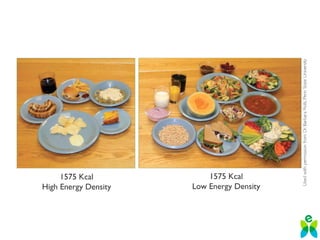
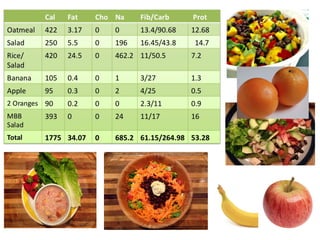
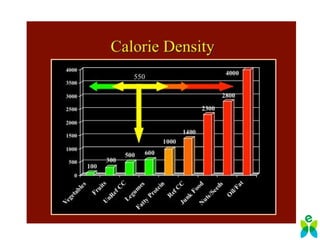
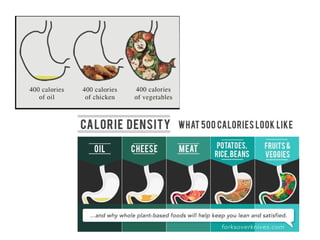
  • #89 If your goal is a “healthy weight” you either have to eat less of calorie dense foods or you can eat unlimited amounts of low calories, night nutirent dense foods. The law of thermodynamics will not be denied.