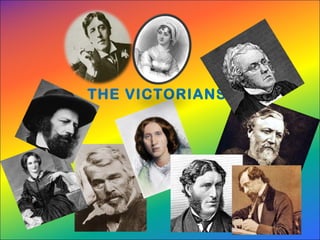
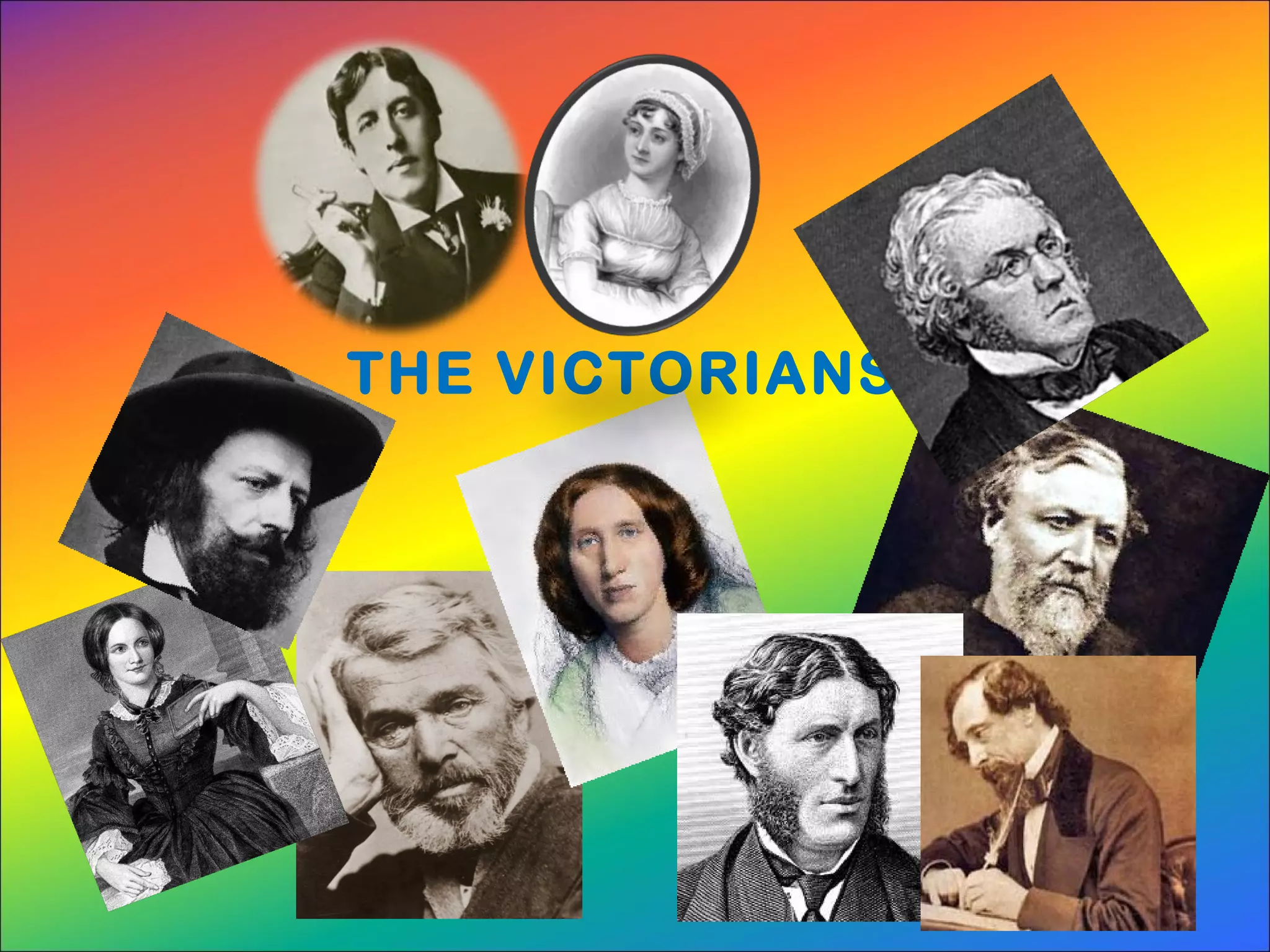
THE VICTORIANS
The Victorian era - period of Queen Victoria's reign (1837 – 1901)
• period of peace, prosperity, refined culture, great 
advancement in mechanization and technology, 
• Britain was the world's most powerful nation. 
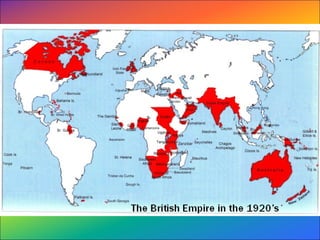
• British empire extended over about one-fifth of 
the earth's surface. 
• England saw great expansion of wealth, power, 
and culture.  
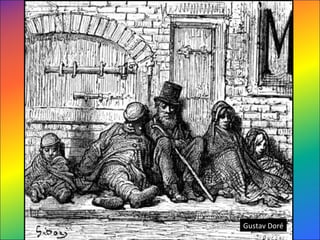
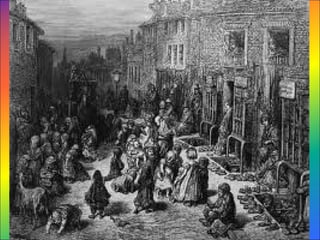
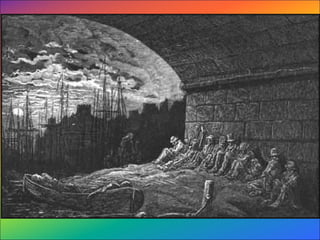
• Lower class misery and urban degeneration.
 VICTORIAN SOCIAL AND CULTURAL CONTEXT
- The British Empire
- The Industrial Revolution
- Impact of the Industrial Revolution
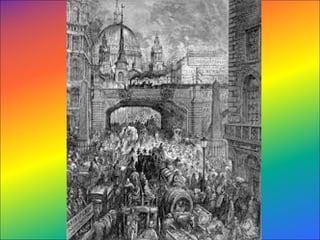
I. Overcrowded Cities
II. Child Labor
- Political Thought : Smith, Darwin, and Mill
 LITERATURE
- Literature of Social Protest
- The Victorian Novel
- Victorian Poetry
- Victorian Drama
THE INDUSTRIAL REVOLUTION
End of 18th
 c.  
• theoretical knowledge and practical technology 
were connected.  
• Scientific ideas were applied to the making of 
machines
• machines transformed the way things were made 
and dramatically changed people’s lifestyles.  
• An agricultural nation concerned with urban and 
industrial growth
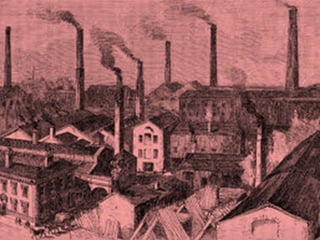
• as industry grew -> a rapid increase in the numbers 
of the urban working-class poor.  
• Workers in the cities lived in miserable conditions.  
Urban mismanagement and misery were signs of a 
massive change in English society.  
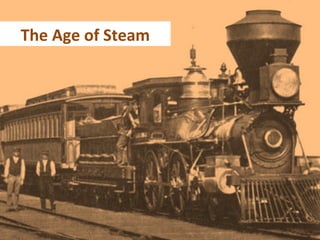
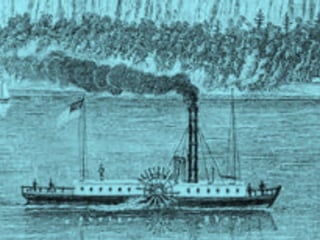
The Age of Steam
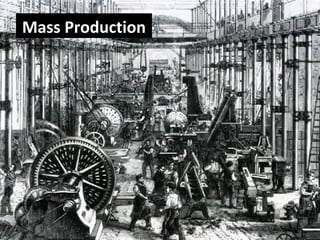
Mass Production
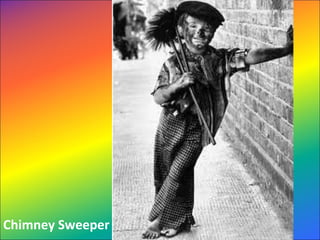
Chimney Sweeper
The Impact of the Industrial Revolution
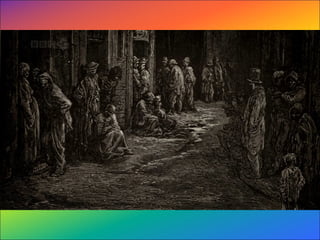
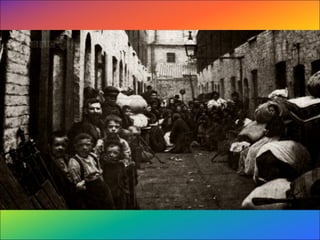
I. Overcrowded Cities
Advance of technology – growth of cities. People
left the countryside to work in factories in the
city
Unsanitary and unhealthy conditions – too many
workers and not enough houses.
Disease, hunger, poverty, and deprivation
prevailed, crime rate amplified exponentially as
the miserable conditions of life worsened.
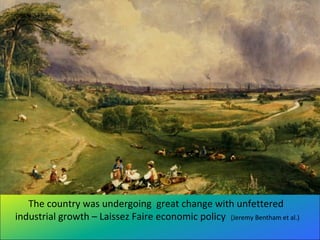
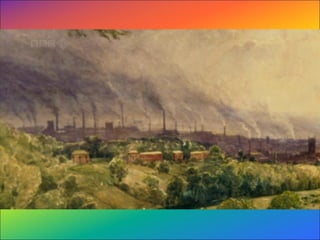
The country was undergoing great change with unfettered
industrial growth – Laissez Faire economic policy (Jeremy Bentham et al.)
Gustav Doré
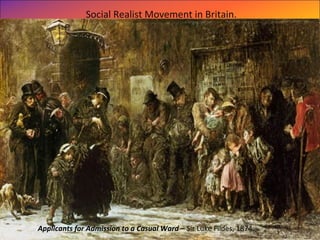
Applicants for Admission to a Casual Ward – Sir Luke Fildes, 1874.
Social Realist Movement in Britain.
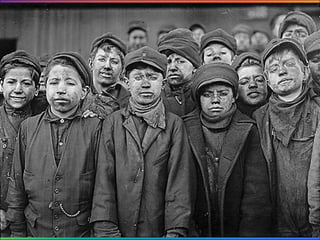
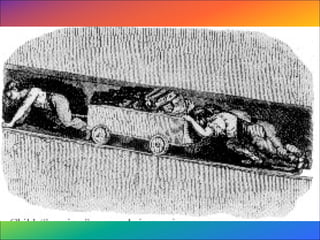
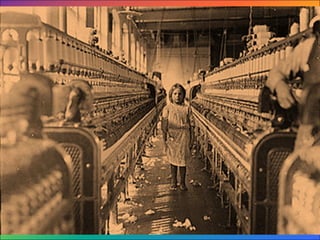
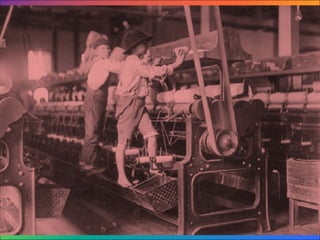
II. Child Labor
Children supporting families worked long hours
• dangerous jobs
• difficult situations for very little wages: ie.
chimney sweeps
• children crawling under moving machinery, down
coal mine shafts, scuttling through narrow, low
tunnels.
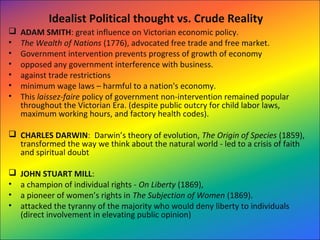
Idealist Political thought vs. Crude Reality
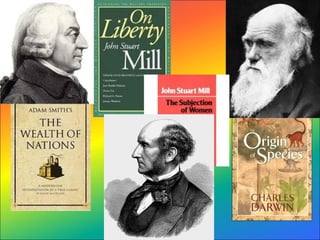
 ADAM SMITH: great influence on Victorian economic policy.
• The Wealth of Nations (1776), advocated free trade and free market.
• Government intervention prevents progress of growth of economy
• opposed any government interference with business.
• against trade restrictions
• minimum wage laws – harmful to a nation's economy.
• This laissez-faire policy of government non-intervention remained popular
throughout the Victorian Era. (despite public outcry for child labor laws,
maximum working hours, and factory health codes).
 CHARLES DARWIN: Darwin’s theory of evolution, The Origin of Species (1859),
transformed the way we think about the natural world - led to a crisis of faith
and spiritual doubt
 JOHN STUART MILL:
• a champion of individual rights - On Liberty (1869),
• a pioneer of women’s rights in The Subjection of Women (1869).
• attacked the tyranny of the majority who would deny liberty to individuals
(direct involvement in elevating public opinion)
Waterhouse ,
1891
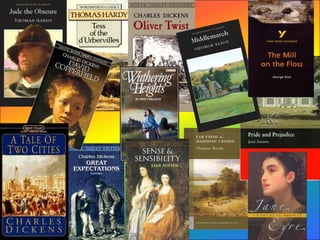
THE VICTORIAN NOVEL
Novel was the dominant genre in the Victorian period.  
Charles Dickens (1812-1870) unforgettable characters 
William Thackeray's (1811-1863)
Charlotte Bronte’s (1816–55) 
Emily Bronte’s (1818–48) 
George Eliot's (1819–80) (Mary Anne Evans)
Later Victorian Novelists – Naturalists 
Thomas Hardy (1840-1928),  Elisabeth Gaskell, George 
Gissing - almost documentary style of narrative  - a
situation and not  advocating  change. The Naturalist 
simply “shows” the world as it is, for good or ill. 
LITERATURE OF SOCIAL PROTEST
The social and cultural background – deep impact on literary works
Writers protested the grim reality of the industrial age by  
their brutal descriptions 
• of the plight of laboring classes, 
• the discrimination against women, 
• other social issues and were a direct means of social 
reform.  
• Elizabeth Gaskell’s Mary Barton was one of the first 
novels to warn against the problems of industrialization. 
• Charles Dickens’ works Oliver Twist and  Hard Times, only 
2 of the works that dealt with the themes of child abuse, 
poverty, urban misery, crime, and harsh educational 
systems. 
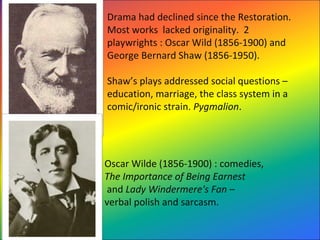
Drama had declined since the Restoration.  
Most works  lacked originality.  2 
playwrights : Oscar Wild (1856-1900) and 
George Bernard Shaw (1856-1950). 
Shaw’s plays addressed social questions – 
education, marriage, the class system in a 
comic/ironic strain. Pygmalion.   
Oscar Wilde (1856-1900) : comedies, 
The Importance of Being Earnest
 and Lady Windermere's Fan – 
verbal polish and sarcasm.  
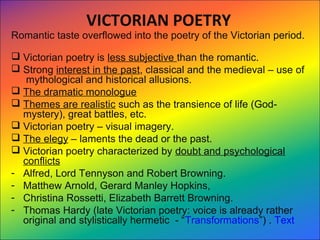
VICTORIAN POETRY
Romantic taste overflowed into the poetry of the Victorian period.
 Victorian poetry is less subjective than the romantic.
 Strong interest in the past, classical and the medieval – use of
mythological and historical allusions.
 The dramatic monologue
 Themes are realistic such as the transience of life (God-
mystery), great battles, etc.
 Victorian poetry – visual imagery.
 The elegy – laments the dead or the past.
 Victorian poetry characterized by doubt and psychological
conflicts
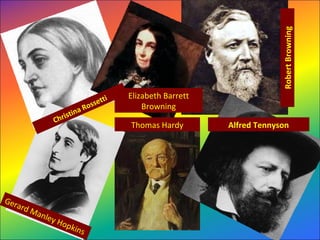
- Alfred, Lord Tennyson and Robert Browning.
- Matthew Arnold, Gerard Manley Hopkins,
- Christina Rossetti, Elizabeth Barrett Browning.
- Thomas Hardy (late Victorian poetry: voice is already rather
original and stylistically hermetic - “Transformations”) . Text
     
RobertBrowning
Alfred Tennyson
Elizabeth Barrett 
Browning
Gerard Manley Hopkins
Thomas Hardy
Christina Rossetti
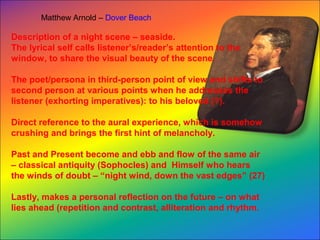
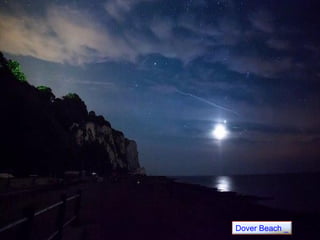
Matthew Arnold – Dover Beach
Description of a night scene – seaside.
The lyrical self calls listener’s/reader’s attention to the
window, to share the visual beauty of the scene.
The poet/persona in third-person point of view and shifts to
second person at various points when he addresses the
listener (exhorting imperatives): to his beloved (?).
Direct reference to the aural experience, which is somehow
crushing and brings the first hint of melancholy.
Past and Present become and ebb and flow of the same air
– classical antiquity (Sophocles) and Himself who hears
the winds of doubt – “night wind, down the vast edges” (27)
Lastly, makes a personal reflection on the future – on what
lies ahead (repetition and contrast, alliteration and rhythm.
Dover Beach _

Never or Always -- Still Victorians_ Corrections

  • 1.
  • 2.
    The Victorian era - period of Queen Victoria's reign (1837 – 1901) • period of peace, prosperity, refined culture, great  advancement in mechanization and technology,  • Britain was the world's most powerful nation.  •British empire extended over about one-fifth of  the earth's surface.  • England saw great expansion of wealth, power,  and culture.   • Lower class misery and urban degeneration.
  • 3.
     VICTORIAN SOCIALAND CULTURAL CONTEXT - The British Empire - The Industrial Revolution - Impact of the Industrial Revolution I. Overcrowded Cities II. Child Labor - Political Thought : Smith, Darwin, and Mill  LITERATURE - Literature of Social Protest - The Victorian Novel - Victorian Poetry - Victorian Drama
  • 4.
    THE INDUSTRIAL REVOLUTION End of 18th  c.   •theoretical knowledge and practical technology  were connected.   • Scientific ideas were applied to the making of  machines • machines transformed the way things were made  and dramatically changed people’s lifestyles.   • An agricultural nation concerned with urban and  industrial growth • as industry grew -> a rapid increase in the numbers  of the urban working-class poor.   • Workers in the cities lived in miserable conditions.   Urban mismanagement and misery were signs of a  massive change in English society.  
  • 5.
  • 7.
  • 8.
  • 12.
    The Impact ofthe Industrial Revolution I. Overcrowded Cities Advance of technology – growth of cities. People left the countryside to work in factories in the city Unsanitary and unhealthy conditions – too many workers and not enough houses. Disease, hunger, poverty, and deprivation prevailed, crime rate amplified exponentially as the miserable conditions of life worsened.
  • 13.
    The country wasundergoing great change with unfettered industrial growth – Laissez Faire economic policy (Jeremy Bentham et al.)
  • 16.
  • 21.
    Applicants for Admissionto a Casual Ward – Sir Luke Fildes, 1874. Social Realist Movement in Britain.
  • 22.
    II. Child Labor Childrensupporting families worked long hours • dangerous jobs • difficult situations for very little wages: ie. chimney sweeps • children crawling under moving machinery, down coal mine shafts, scuttling through narrow, low tunnels.
  • 26.
    Idealist Political thoughtvs. Crude Reality  ADAM SMITH: great influence on Victorian economic policy. • The Wealth of Nations (1776), advocated free trade and free market. • Government intervention prevents progress of growth of economy • opposed any government interference with business. • against trade restrictions • minimum wage laws – harmful to a nation's economy. • This laissez-faire policy of government non-intervention remained popular throughout the Victorian Era. (despite public outcry for child labor laws, maximum working hours, and factory health codes).  CHARLES DARWIN: Darwin’s theory of evolution, The Origin of Species (1859), transformed the way we think about the natural world - led to a crisis of faith and spiritual doubt  JOHN STUART MILL: • a champion of individual rights - On Liberty (1869), • a pioneer of women’s rights in The Subjection of Women (1869). • attacked the tyranny of the majority who would deny liberty to individuals (direct involvement in elevating public opinion)
  • 28.
  • 30.
    THE VICTORIAN NOVEL Novel was the dominant genre in the Victorian period.   Charles Dickens (1812-1870) unforgettable characters  William Thackeray's (1811-1863) Charlotte Bronte’s (1816–55)  Emily Bronte’s (1818–48)  George Eliot's (1819–80) (MaryAnne Evans) Later Victorian Novelists – Naturalists  Thomas Hardy (1840-1928),  Elisabeth Gaskell, George  Gissing - almost documentary style of narrative  - a situation and not  advocating  change. The Naturalist  simply “shows” the world as it is, for good or ill. 
  • 31.
    LITERATURE OF SOCIALPROTEST The social and cultural background – deep impact on literary works Writers protested the grim reality of the industrial age by   their brutal descriptions  • of the plight of laboring classes,  • the discrimination against women,  • other social issues and were a direct means of social  reform.   • Elizabeth Gaskell’s Mary Barton was one of the first  novels to warn against the problems of industrialization.  • Charles Dickens’ works Oliver Twist and  Hard Times, only  2 of the works that dealt with the themes of child abuse,  poverty, urban misery, crime, and harsh educational  systems. 
  • 32.
  • 33.
    VICTORIAN POETRY Romantic tasteoverflowed into the poetry of the Victorian period.  Victorian poetry is less subjective than the romantic.  Strong interest in the past, classical and the medieval – use of mythological and historical allusions.  The dramatic monologue  Themes are realistic such as the transience of life (God- mystery), great battles, etc.  Victorian poetry – visual imagery.  The elegy – laments the dead or the past.  Victorian poetry characterized by doubt and psychological conflicts - Alfred, Lord Tennyson and Robert Browning. - Matthew Arnold, Gerard Manley Hopkins, - Christina Rossetti, Elizabeth Barrett Browning. - Thomas Hardy (late Victorian poetry: voice is already rather original and stylistically hermetic - “Transformations”) . Text      
  • 34.
  • 35.
    Matthew Arnold –Dover Beach Description of a night scene – seaside. The lyrical self calls listener’s/reader’s attention to the window, to share the visual beauty of the scene. The poet/persona in third-person point of view and shifts to second person at various points when he addresses the listener (exhorting imperatives): to his beloved (?). Direct reference to the aural experience, which is somehow crushing and brings the first hint of melancholy. Past and Present become and ebb and flow of the same air – classical antiquity (Sophocles) and Himself who hears the winds of doubt – “night wind, down the vast edges” (27) Lastly, makes a personal reflection on the future – on what lies ahead (repetition and contrast, alliteration and rhythm.
  • 36.