NEUROLOGY
Dr. Rami Abo Ali
Neurology
-
Dr.
Rami
Abo
Ali
1
PERIPHERAL NEUROPATHY
Neurology
-
Dr.
Rami
Abo
Ali
2
PERIPHERAL NEUROPATHY
 Peripheral neuropathy (PN) describes disorders
of peripheral nerves, including
 the dorsal or ventral nerve roots (radiculopathy)
 dorsal root ganglia
 brachial or lumbosacral plexus (plexopathy)
 and other sensory, motor, autonomic, or mixed
nerves (neuropathy).
3
Neurology
-
Dr.
Rami
Abo
Ali
 Peripheral neuropathy (PN)are classified according to
the following criteria:
 1-pathology: demyelinating; axonal or mixed.
 2-size: small or large nerve fibers.
 3-function: sensory; motor; autonomic, or mixed.
 4-distribution:
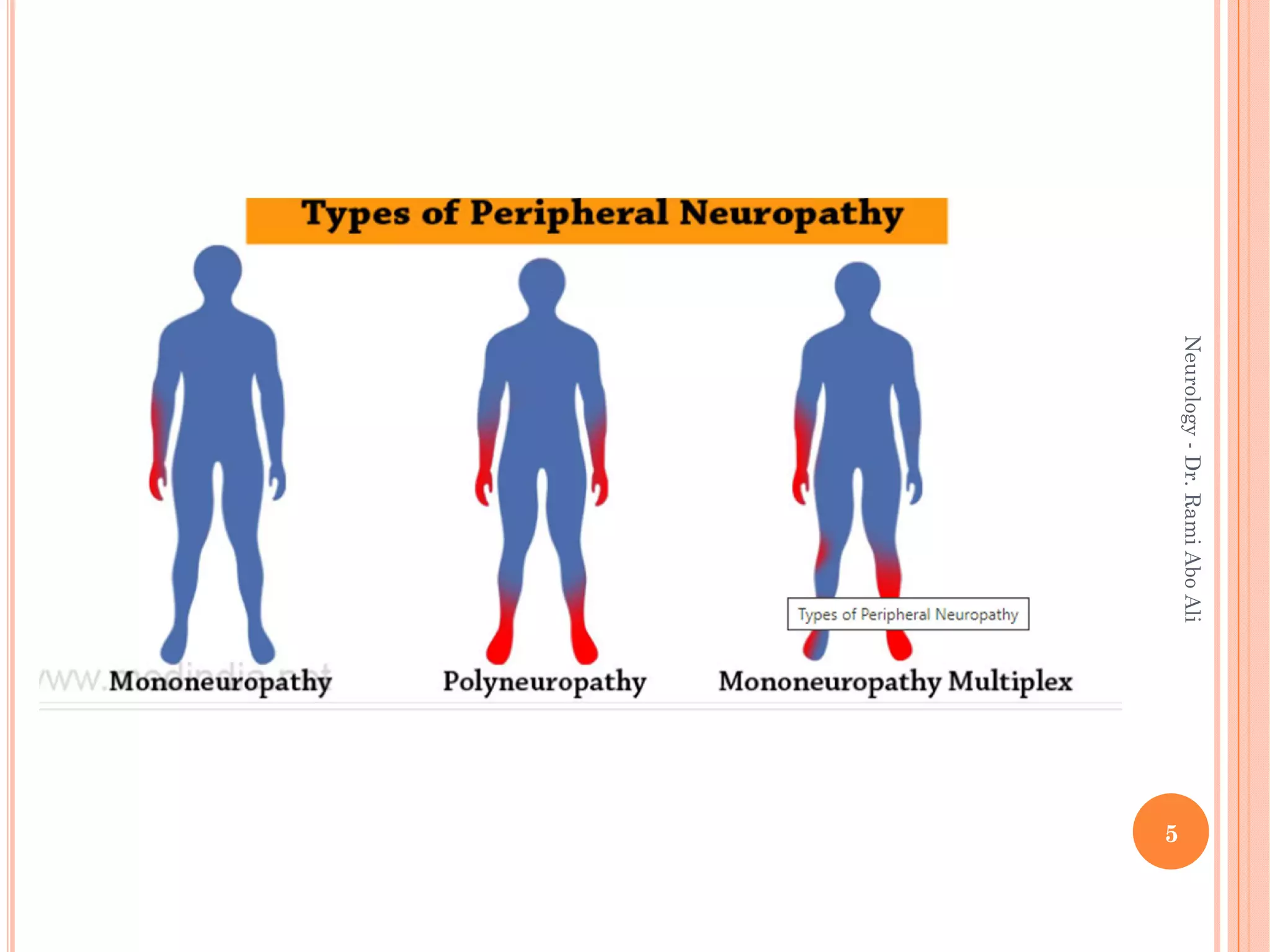
 Polyneuropathy involves widespread and symmetric
dysfunction of the peripheral nerves.
 Mononeuropathies involves individual peripheral
nerve (mononeuropathy simplex) or multiple
individual peripheral nerves (mononeuropathy
multiplex)
 plexopathy
4
Neurology
-
Dr.
Rami
Abo
Ali
5
Neurology
-
Dr.
Rami
Abo
Ali
PERIPHERAL NEUROPATHY
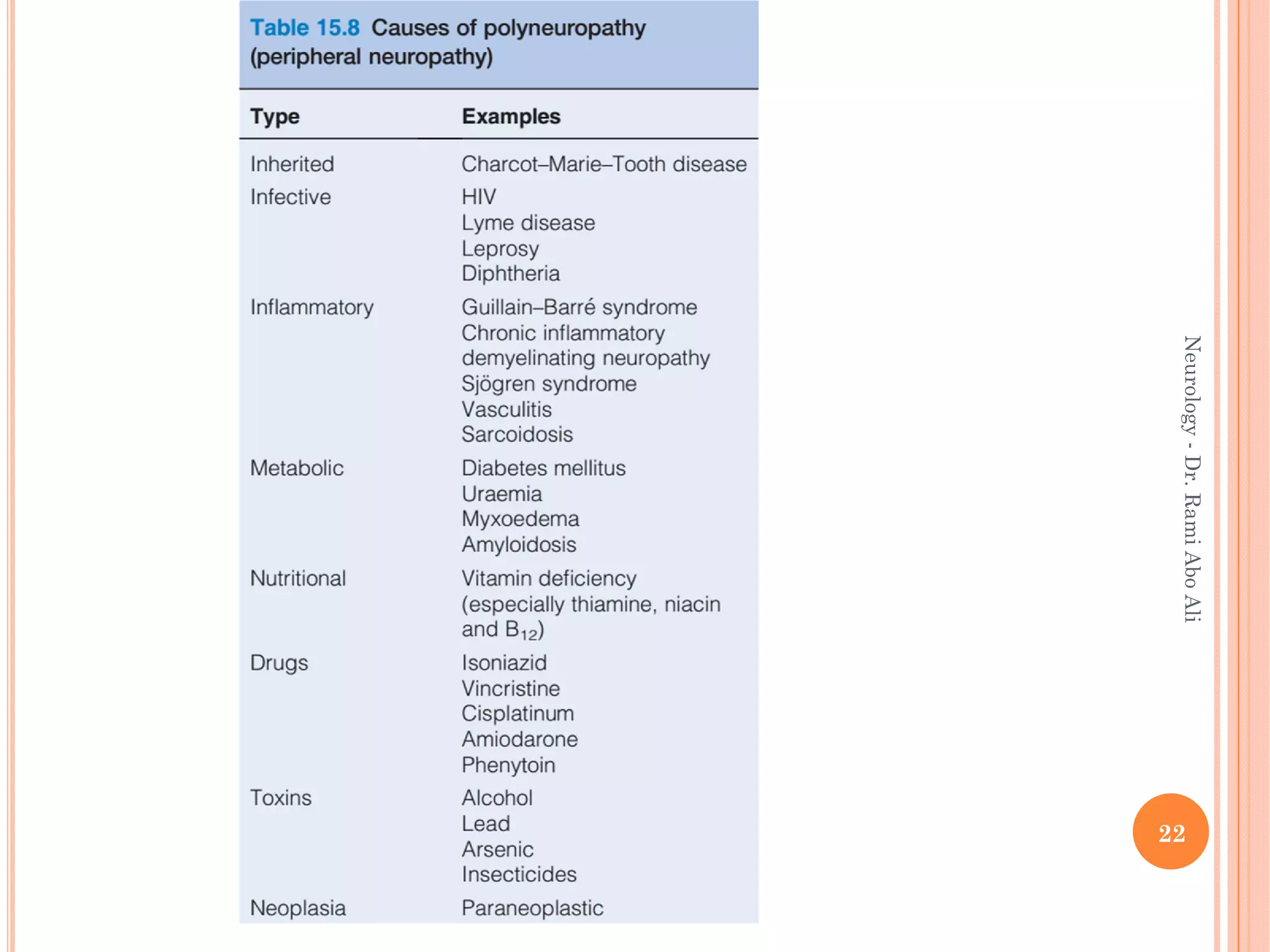
 Etiology:
 Metabolic/endocrine : Diabetes mellitus, Chronic renal
failure, hypothyroidism.
 Infective: HIV/AIDS, syphilis, leprosy, diphtheria, lyme
disease.
 Immune-mediated/inflammatory: Guillain Barre Syndrome
GBS, chronic inflammatory demyelinating neuropathy
(CIDP),or vasculitic (Polyarteritis nodosa, Churg-Strauss
disease, SLE, Rheumatoid arthritis, and Sjögren's disease).
 Toxic: HIV drugs, anticancer drugs, alcohol, heavy metals
(lead, thallium and arsenic).
 Nutritional: vitamin B12, B1, B6 deficiencies.
 Hereditary: Charcot-Marie-Tooth disease (CMT). 6
Neurology
-
Dr.
Rami
Abo
Ali
MONONEUROPATHY
 The most common causes are compression, entrapment,
trauma.
 In an entrapment neuropathy, pressure initially damages
the myelin sheath but sustained or severe pressure
damages the integrity of the axons.
 Certain conditions increase the propensity to develop
entrapment neuropathies.
 These include acromegaly, hypothyroidism, pregnancy,
diabetes mellitus, and bone damage near the nerve (e.g.
rheumatoid arthritis).
7
Neurology
-
Dr.
Rami
Abo
Ali
ENTRAPMENT NEUROPATHY
CARPAL TUNNEL SYNDROME
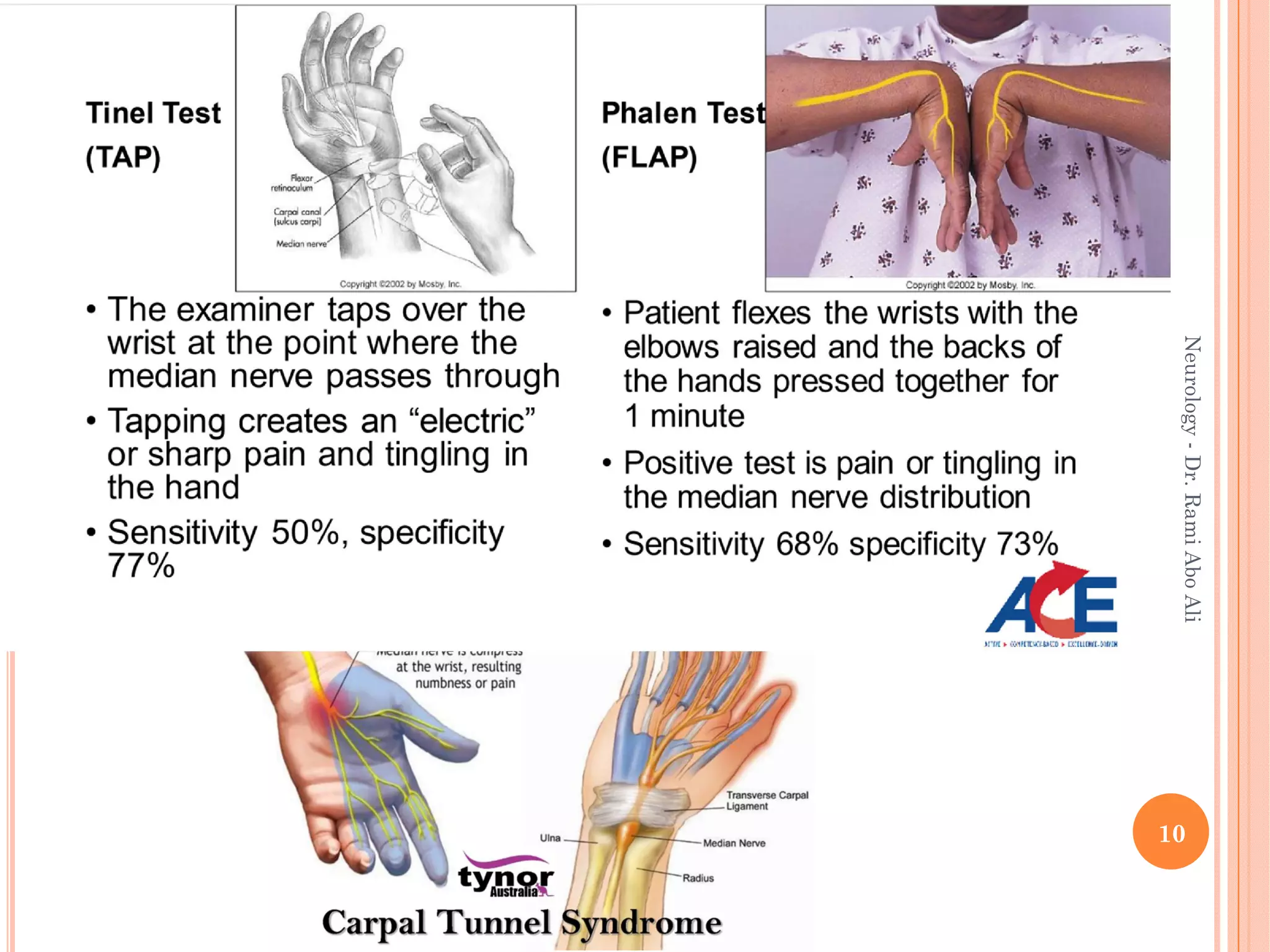
 Due to compression of the median nerve as it passes under
the flexor retinaculum and through the carpal tunnel at the
wrist; commonly bilateral. Predisposing conditions include:
 pregnancy
 local deformity (e.g. secondary to osteoarthritis, fracture)
 diabetes mellitus
 rheumatoid arthritis
 hypothyroidism
 acromegaly
 amyloidosis.
 It is characterized by pain and tingling paraesthesia in the
hand or arm, typically worse at night, with wasting of the
muscles of the thenar eminence and sensory loss in the
distribution of the median nerve (radial three-and-a-half
digits).
8
Neurology
-
Dr.
Rami
Abo
Ali
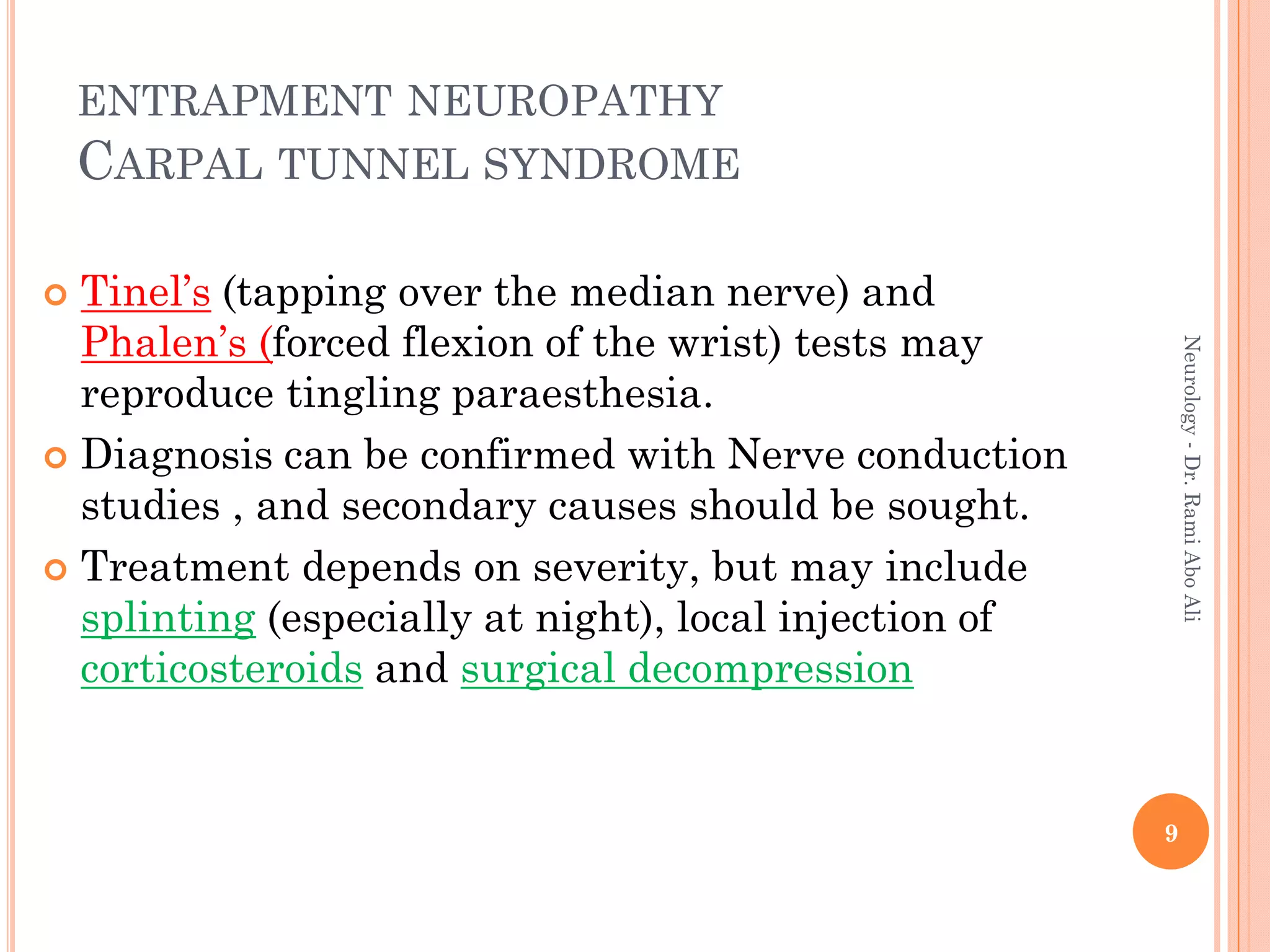
 Tinel’s (tapping over the median nerve) and
Phalen’s (forced flexion of the wrist) tests may
reproduce tingling paraesthesia.
 Diagnosis can be confirmed with Nerve conduction
studies , and secondary causes should be sought.
 Treatment depends on severity, but may include
splinting (especially at night), local injection of
corticosteroids and surgical decompression
9
Neurology
-
Dr.
Rami
Abo
Ali
ENTRAPMENT NEUROPATHY
CARPAL TUNNEL SYNDROME
10
Neurology
-
Dr.
Rami
Abo
Ali
ENTRAPMENT NEUROPATHY
ULNAR NEUROPATHY
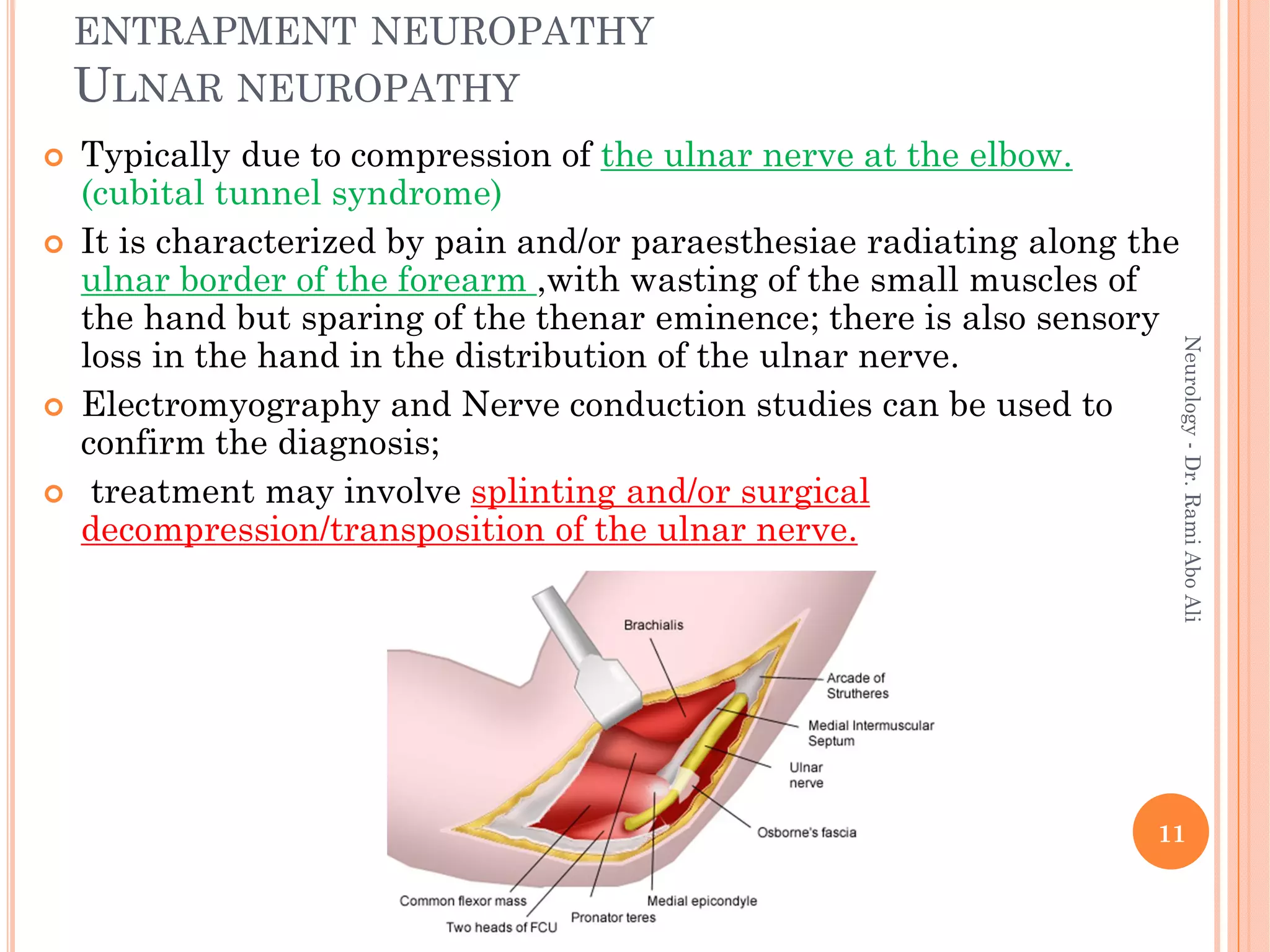
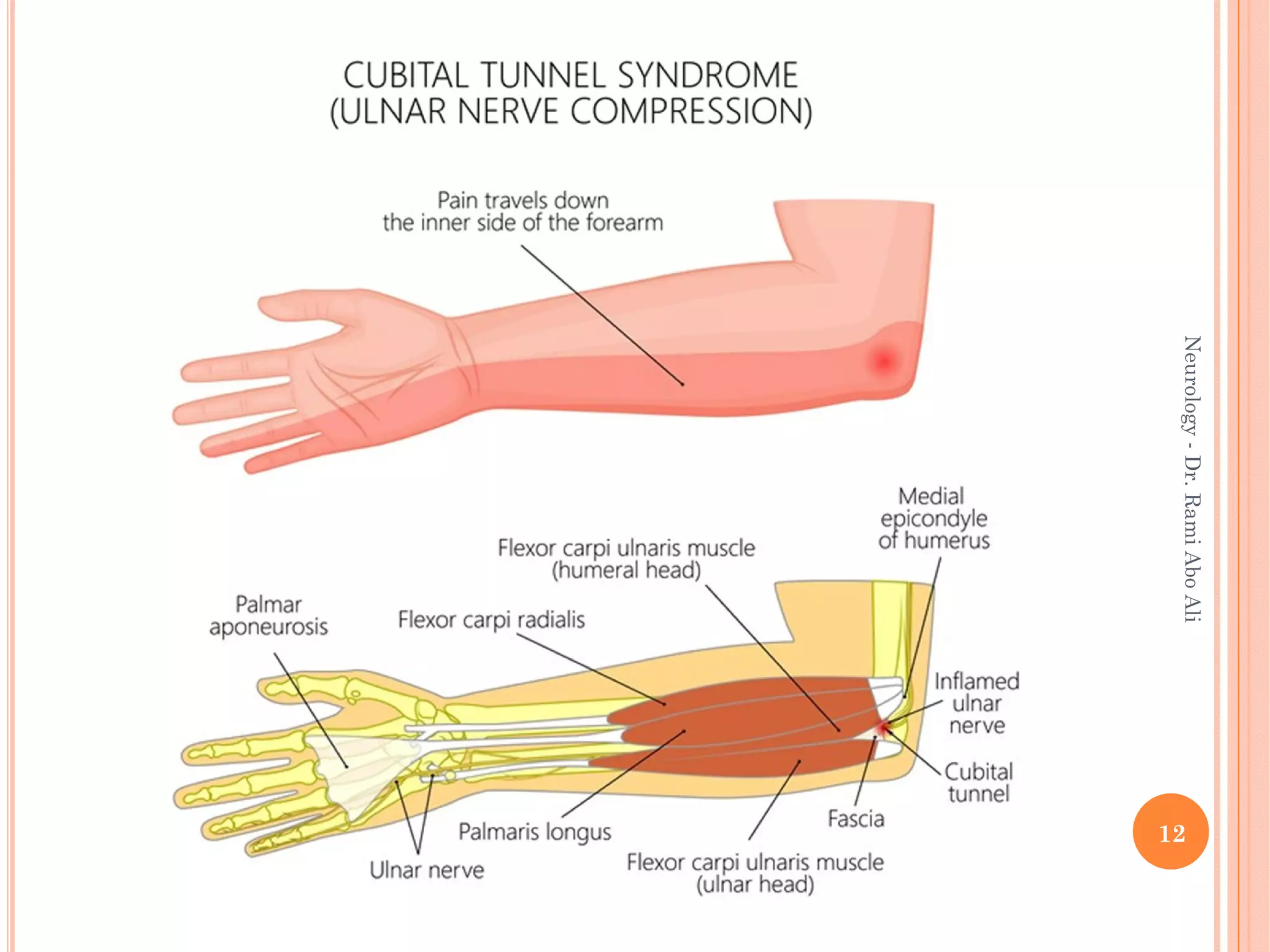
 Typically due to compression of the ulnar nerve at the elbow.
(cubital tunnel syndrome)
 It is characterized by pain and/or paraesthesiae radiating along the
ulnar border of the forearm ,with wasting of the small muscles of
the hand but sparing of the thenar eminence; there is also sensory
loss in the hand in the distribution of the ulnar nerve.
 Electromyography and Nerve conduction studies can be used to
confirm the diagnosis;
 treatment may involve splinting and/or surgical
decompression/transposition of the ulnar nerve.
11
Neurology
-
Dr.
Rami
Abo
Ali
12
Neurology
-
Dr.
Rami
Abo
Ali
ENTRAPMENT NEUROPATHY
RADIAL NEUROPATHY
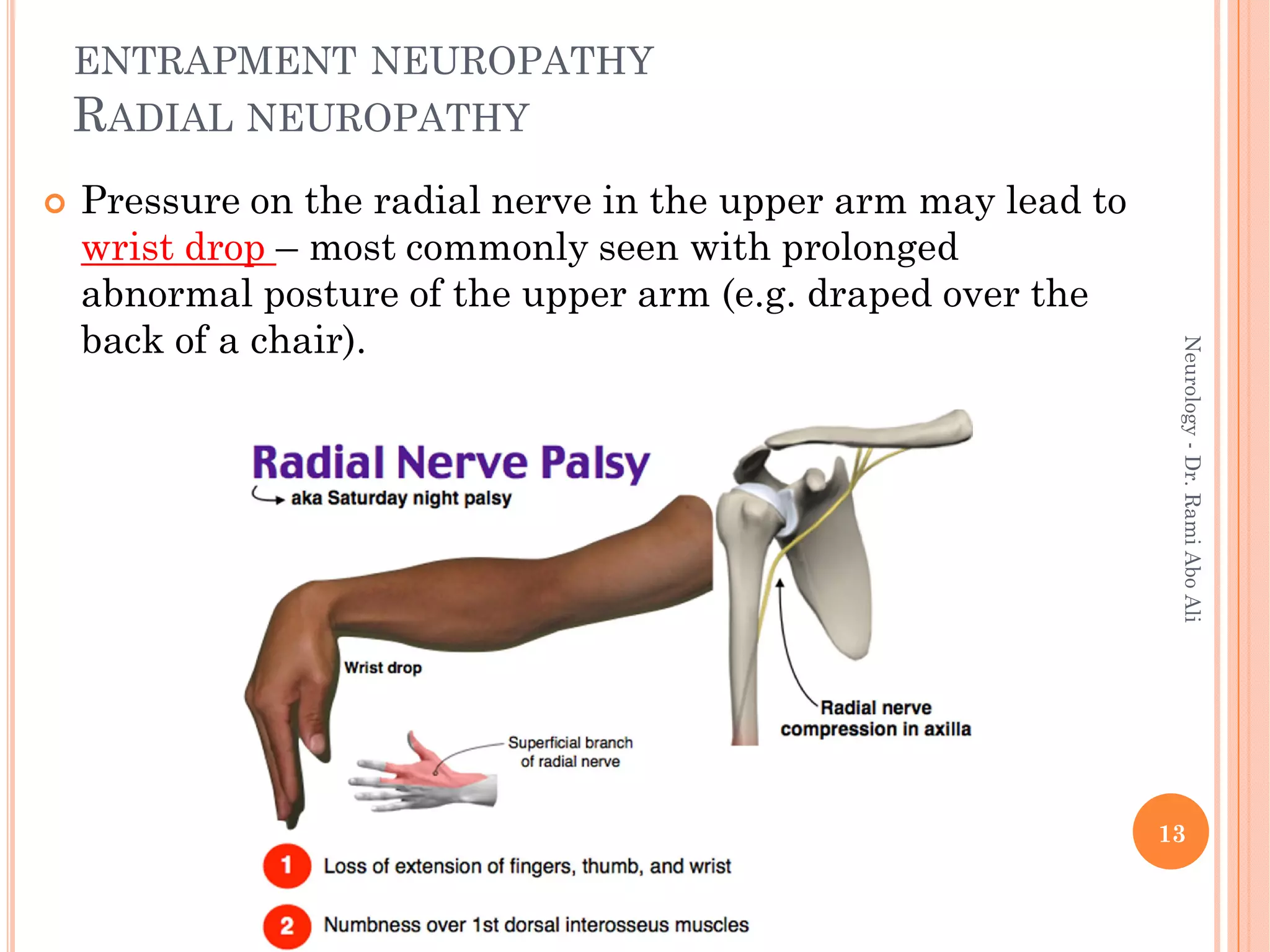
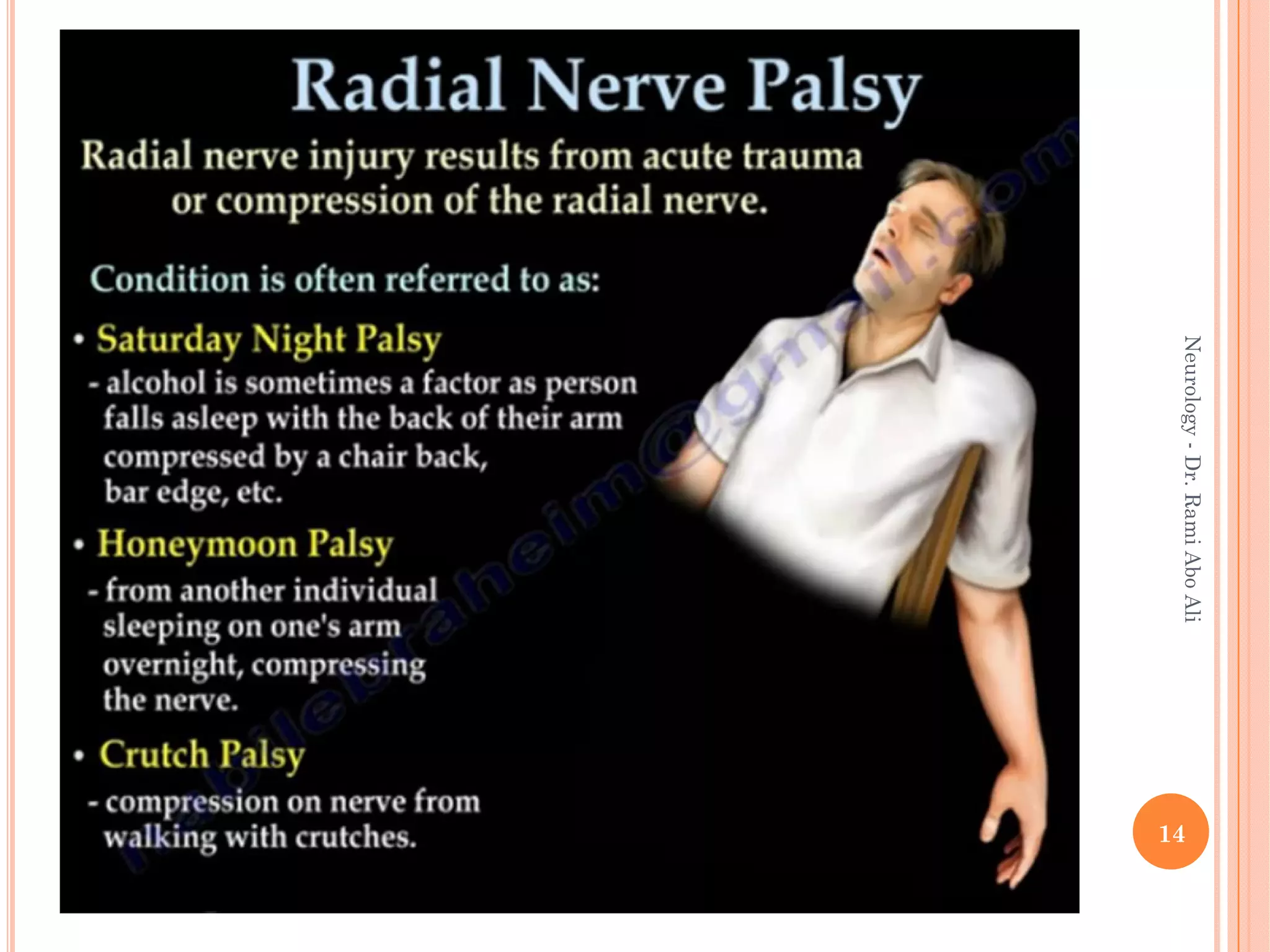
 Pressure on the radial nerve in the upper arm may lead to
wrist drop – most commonly seen with prolonged
abnormal posture of the upper arm (e.g. draped over the
back of a chair).
13
Neurology
-
Dr.
Rami
Abo
Ali
14
Neurology
-
Dr.
Rami
Abo
Ali
OTHER ENTRAPMENT NEUROPATHY
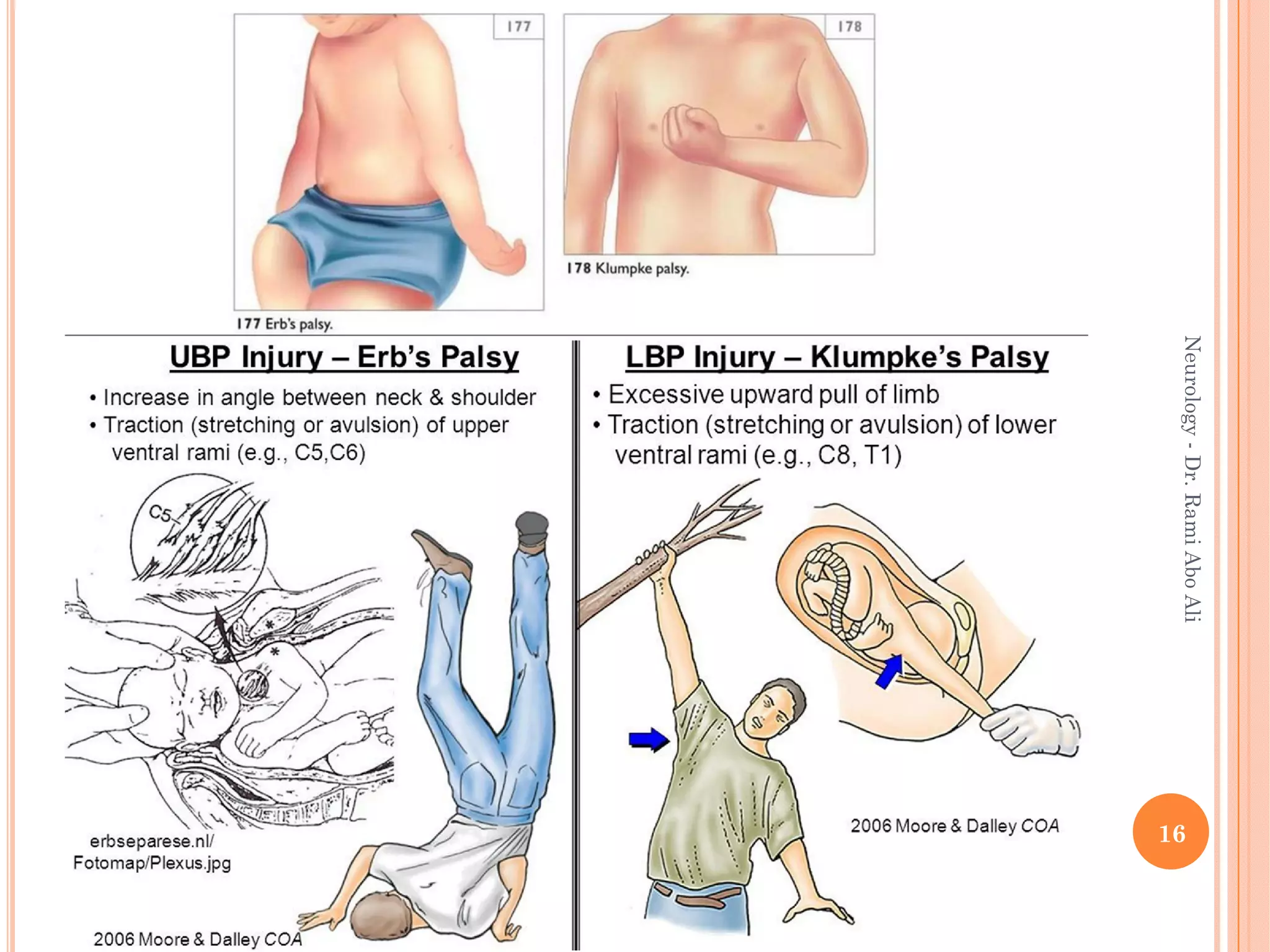
 Brachial plexus lesions – including: Erb’s palsy (upper
nerve roots) and Klumpke’s palsy (lower nerve roots)
typically due to traction injury (e.g. as a result of birth
injury ); cervical rib; Pancoast tumour (may be associated
with Horner syndrome).
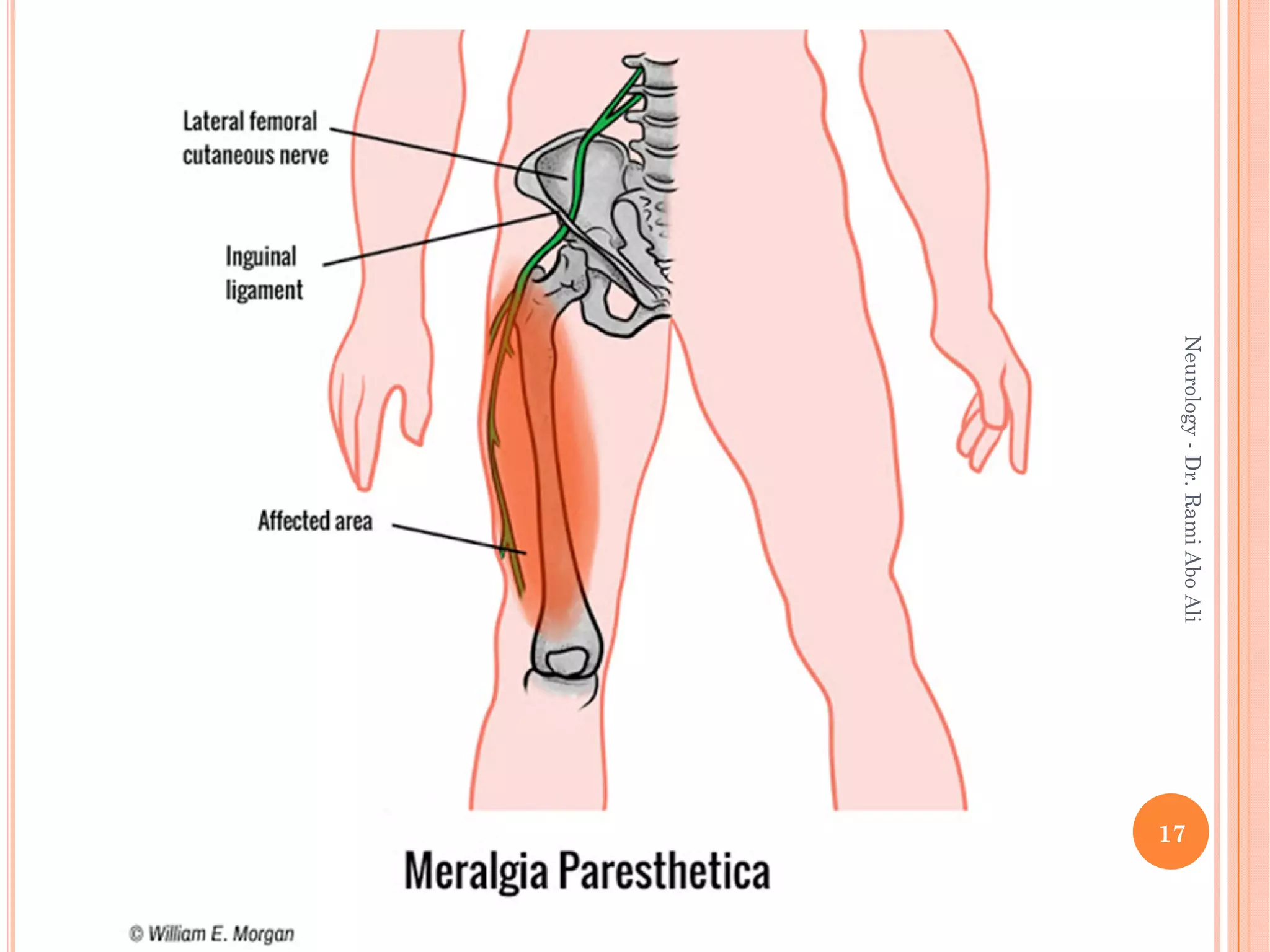
 Meralgia paraesthetica – numbness in the thigh due to
compression of the lateral cutaneous nerve of the thigh as
it passes under the inguinal ligament.
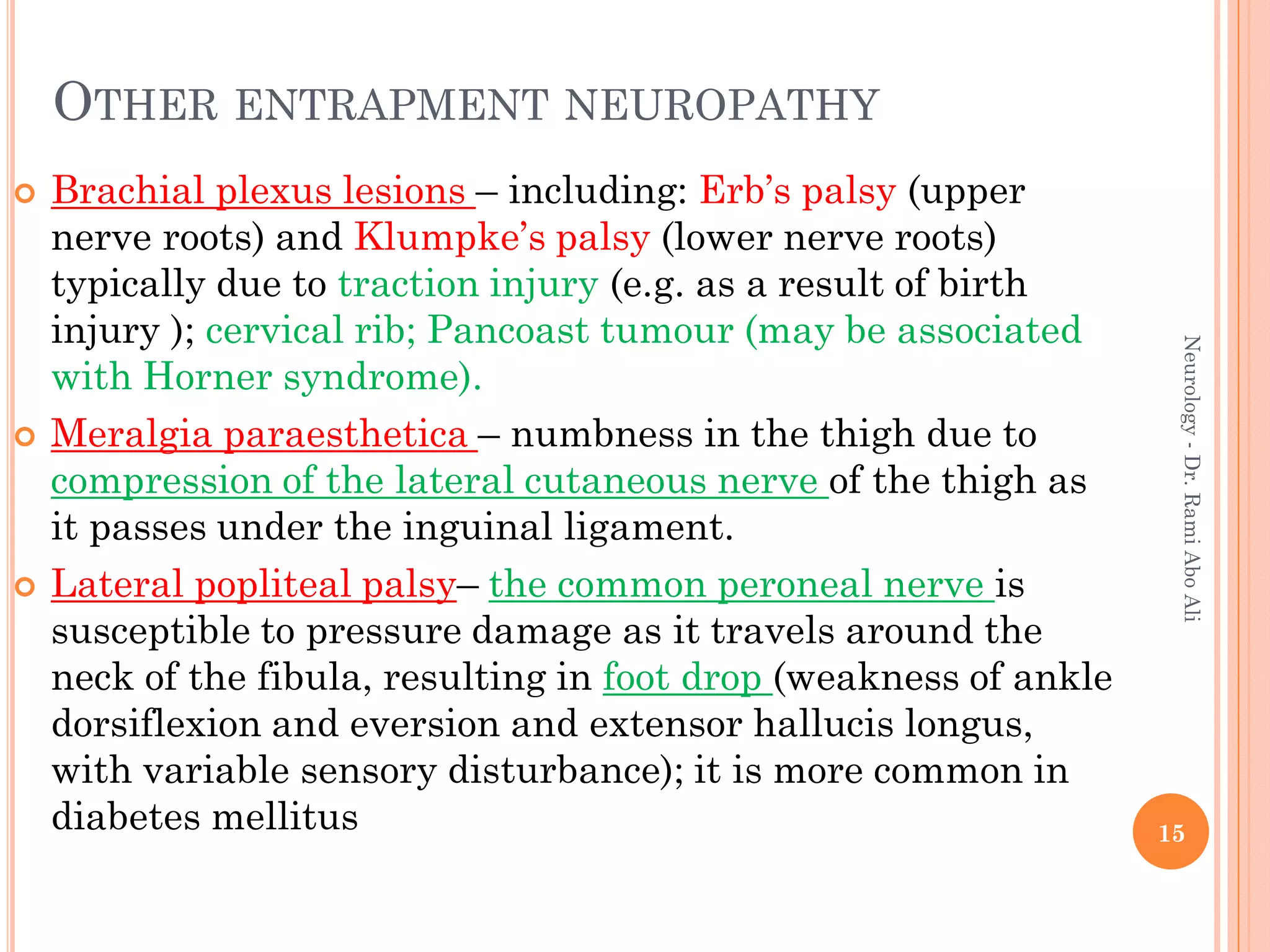
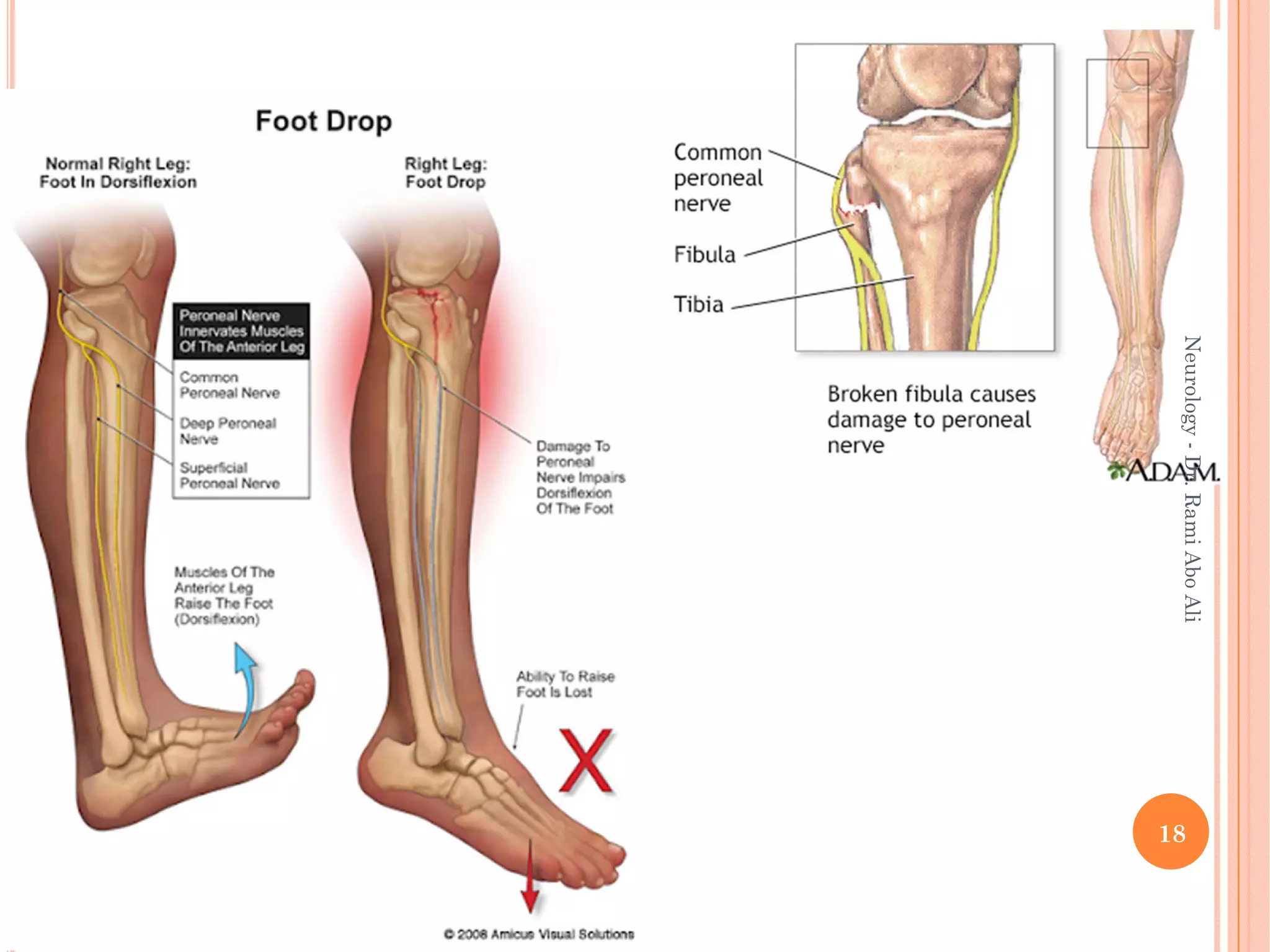
 Lateral popliteal palsy– the common peroneal nerve is
susceptible to pressure damage as it travels around the
neck of the fibula, resulting in foot drop (weakness of ankle
dorsiflexion and eversion and extensor hallucis longus,
with variable sensory disturbance); it is more common in
diabetes mellitus 15
Neurology
-
Dr.
Rami
Abo
Ali
16
Neurology
-
Dr.
Rami
Abo
Ali
17
Neurology
-
Dr.
Rami
Abo
Ali
18
Neurology
-
Dr.
Rami
Abo
Ali
MULTIFOCAL NEUROPATHY/
MONONEURITIS MULTIPLEX
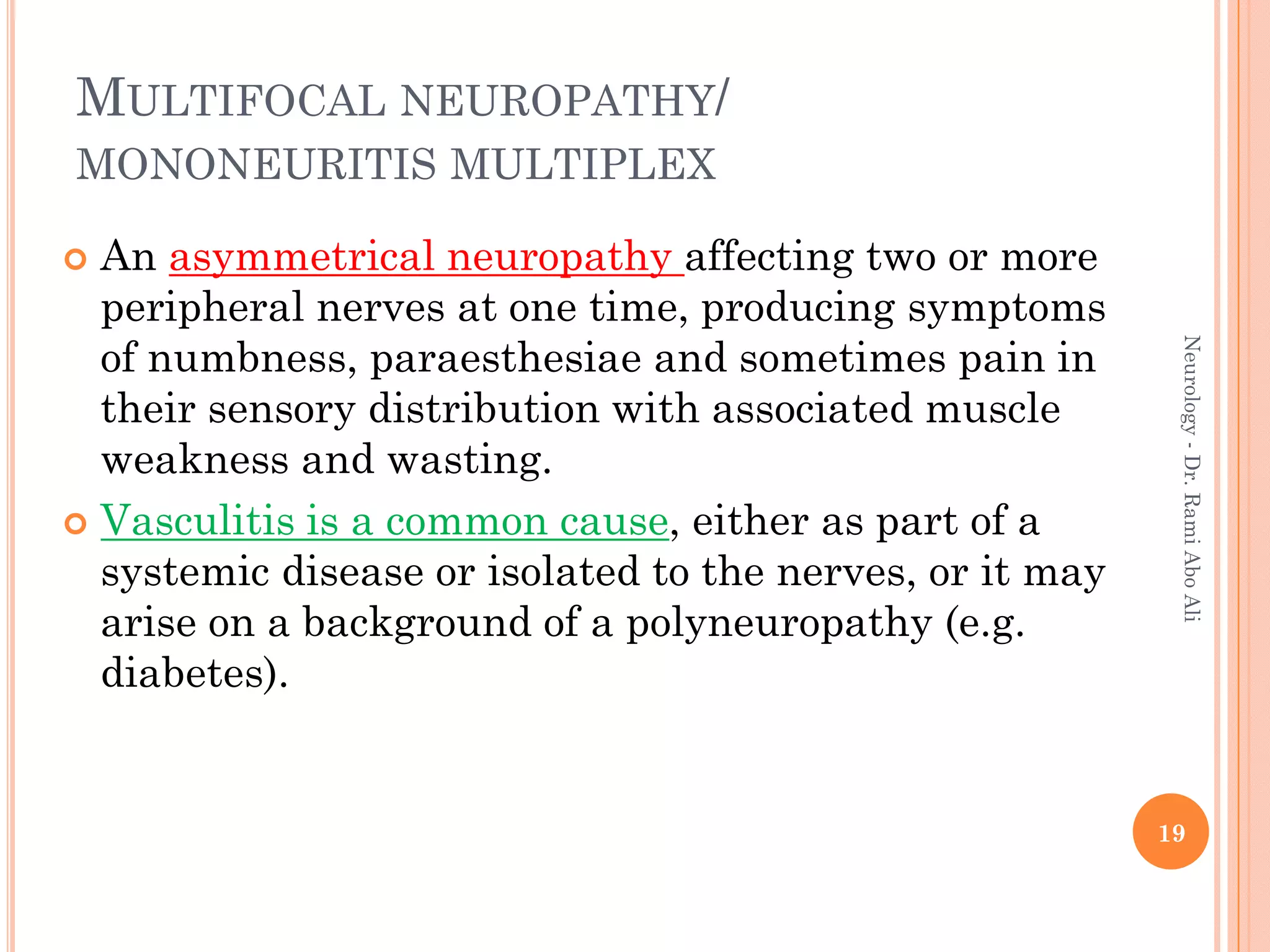
 An asymmetrical neuropathy affecting two or more
peripheral nerves at one time, producing symptoms
of numbness, paraesthesiae and sometimes pain in
their sensory distribution with associated muscle
weakness and wasting.
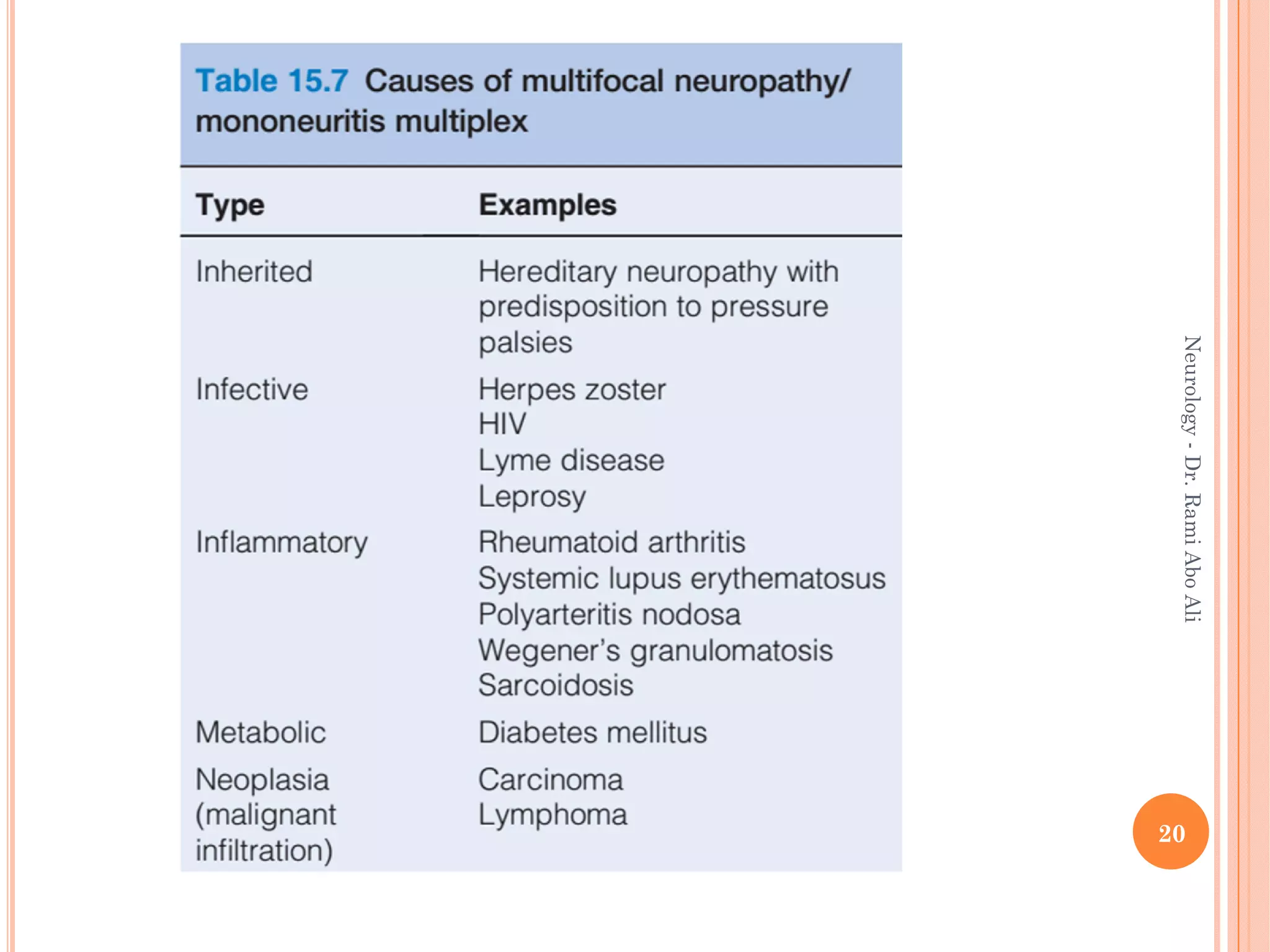
 Vasculitis is a common cause, either as part of a
systemic disease or isolated to the nerves, or it may
arise on a background of a polyneuropathy (e.g.
diabetes).
19
Neurology
-
Dr.
Rami
Abo
Ali
20
Neurology
-
Dr.
Rami
Abo
Ali
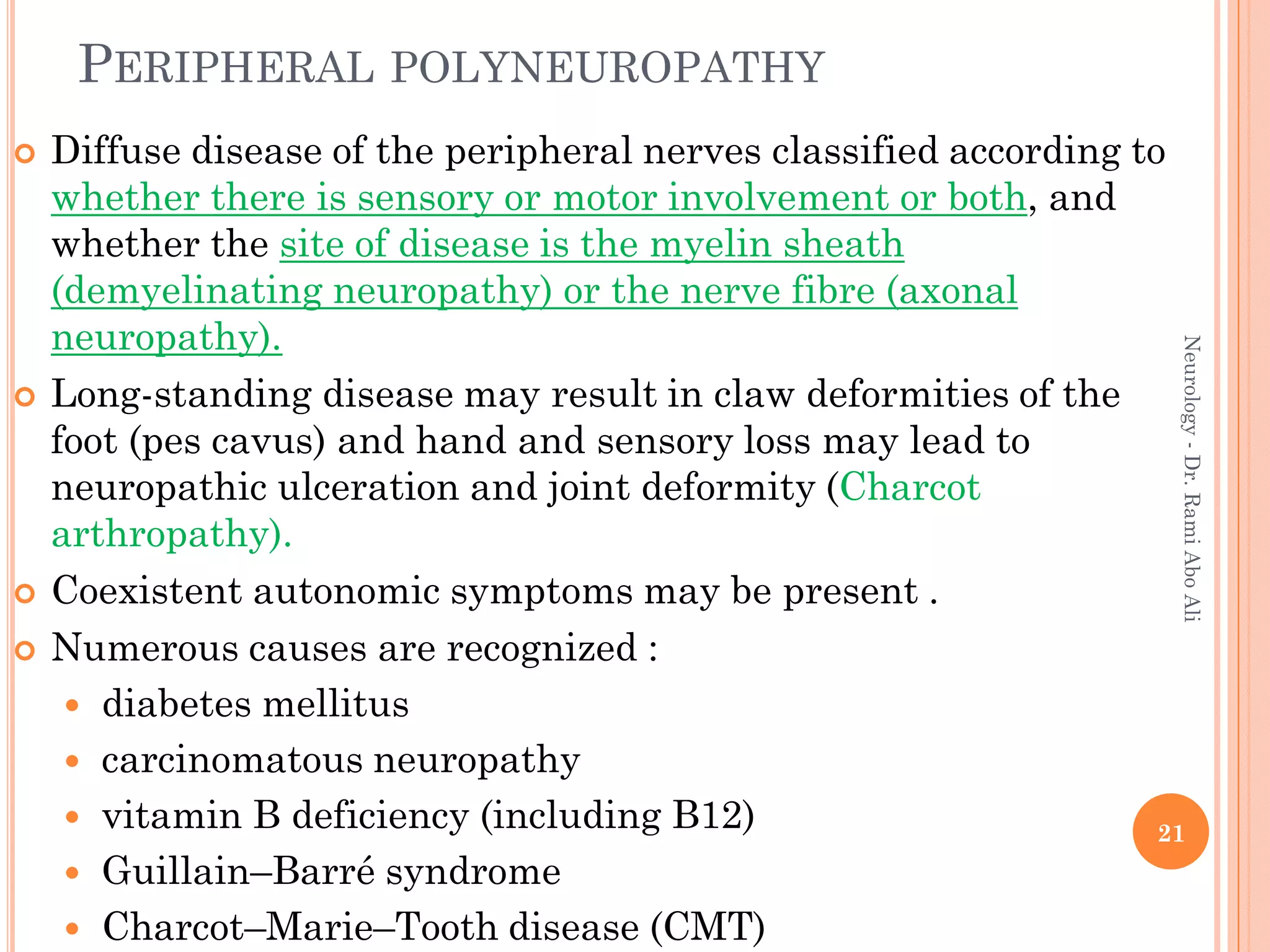
PERIPHERAL POLYNEUROPATHY
 Diffuse disease of the peripheral nerves classified according to
whether there is sensory or motor involvement or both, and
whether the site of disease is the myelin sheath
(demyelinating neuropathy) or the nerve fibre (axonal
neuropathy).
 Long-standing disease may result in claw deformities of the
foot (pes cavus) and hand and sensory loss may lead to
neuropathic ulceration and joint deformity (Charcot
arthropathy).
 Coexistent autonomic symptoms may be present .
 Numerous causes are recognized :
 diabetes mellitus
 carcinomatous neuropathy
 vitamin B deficiency (including B12)
 Guillain–Barré syndrome
 Charcot–Marie–Tooth disease (CMT)
21
Neurology
-
Dr.
Rami
Abo
Ali
22
Neurology
-
Dr.
Rami
Abo
Ali
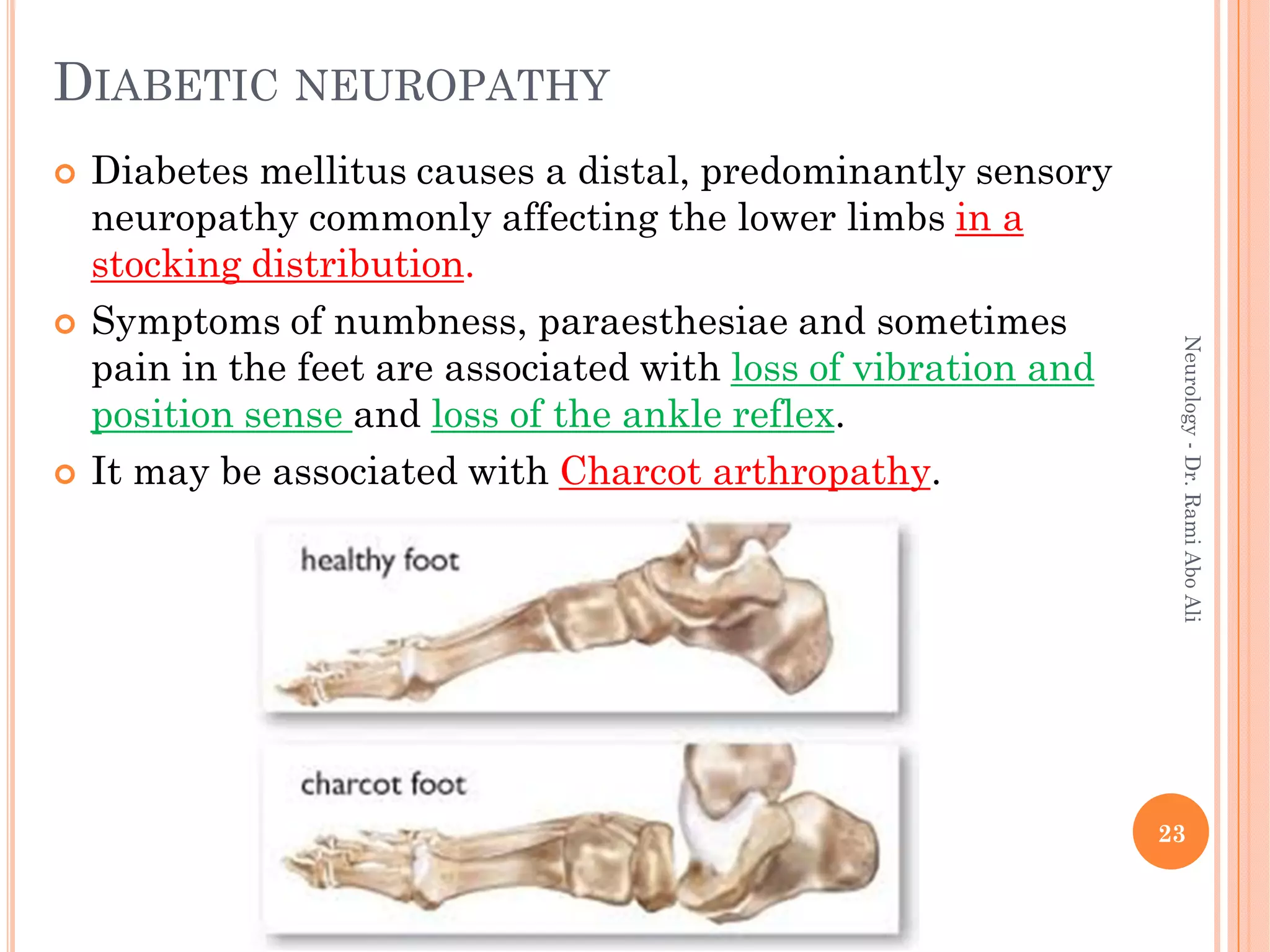
DIABETIC NEUROPATHY
 Diabetes mellitus causes a distal, predominantly sensory
neuropathy commonly affecting the lower limbs in a
stocking distribution.
 Symptoms of numbness, paraesthesiae and sometimes
pain in the feet are associated with loss of vibration and
position sense and loss of the ankle reflex.
 It may be associated with Charcot arthropathy.
23
Neurology
-
Dr.
Rami
Abo
Ali
CARCINOMATOUS NEUROPATHY
 Cancer may be associated with either a sensory
neuropathy in a ‘glove-and-stocking’ distribution
or motor neuropathy in which there is muscle
weakness and wasting, usually of the proximal
limb muscles.
 The neuropathy may be mixed
24
Neurology
-
Dr.
Rami
Abo
Ali
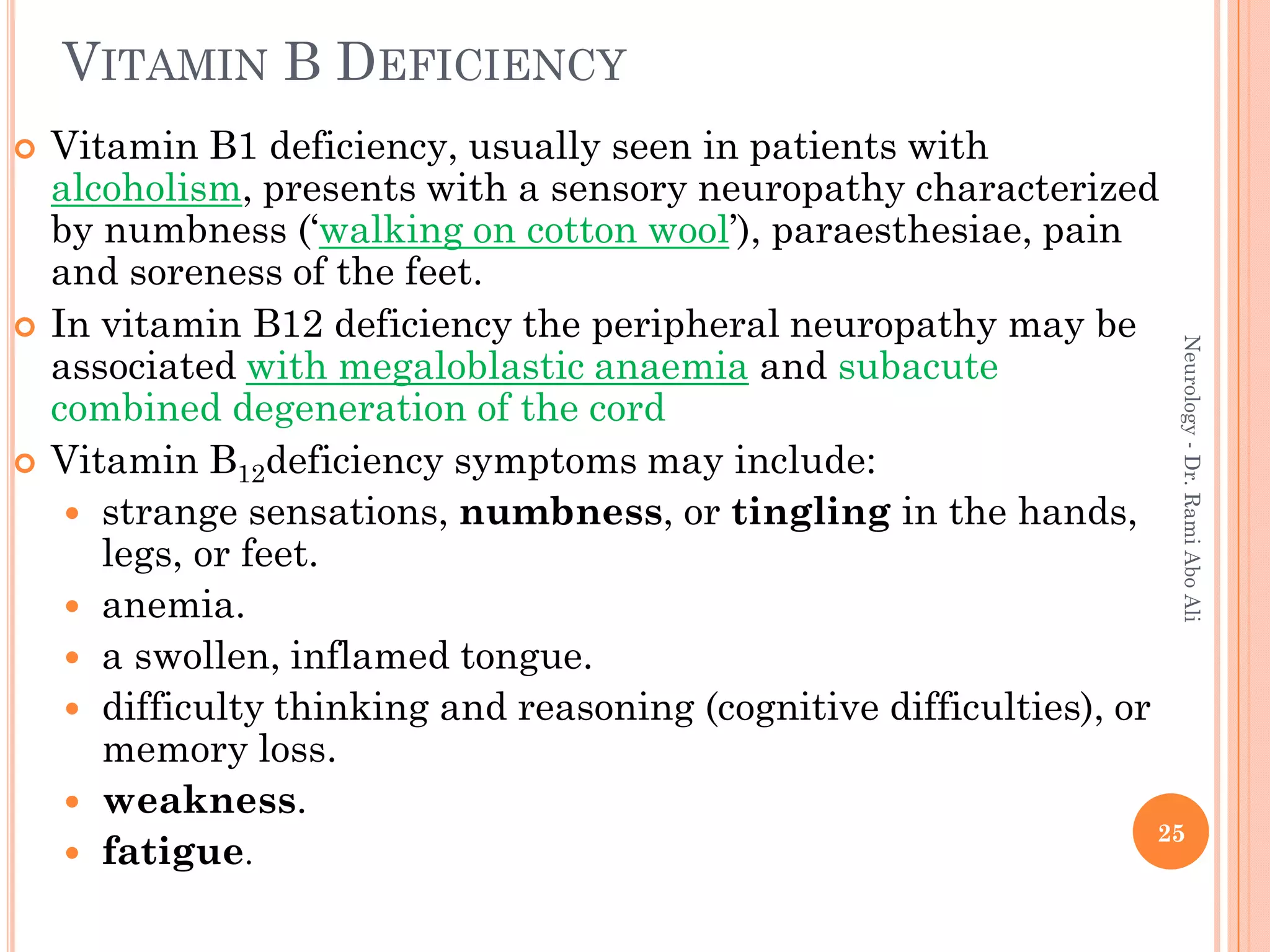
VITAMIN B DEFICIENCY
 Vitamin B1 deficiency, usually seen in patients with
alcoholism, presents with a sensory neuropathy characterized
by numbness (‘walking on cotton wool’), paraesthesiae, pain
and soreness of the feet.
 In vitamin B12 deficiency the peripheral neuropathy may be
associated with megaloblastic anaemia and subacute
combined degeneration of the cord
 Vitamin B12deficiency symptoms may include:
 strange sensations, numbness, or tingling in the hands,
legs, or feet.
 anemia.
 a swollen, inflamed tongue.
 difficulty thinking and reasoning (cognitive difficulties), or
memory loss.
 weakness.
 fatigue.
25
Neurology
-
Dr.
Rami
Abo
Ali
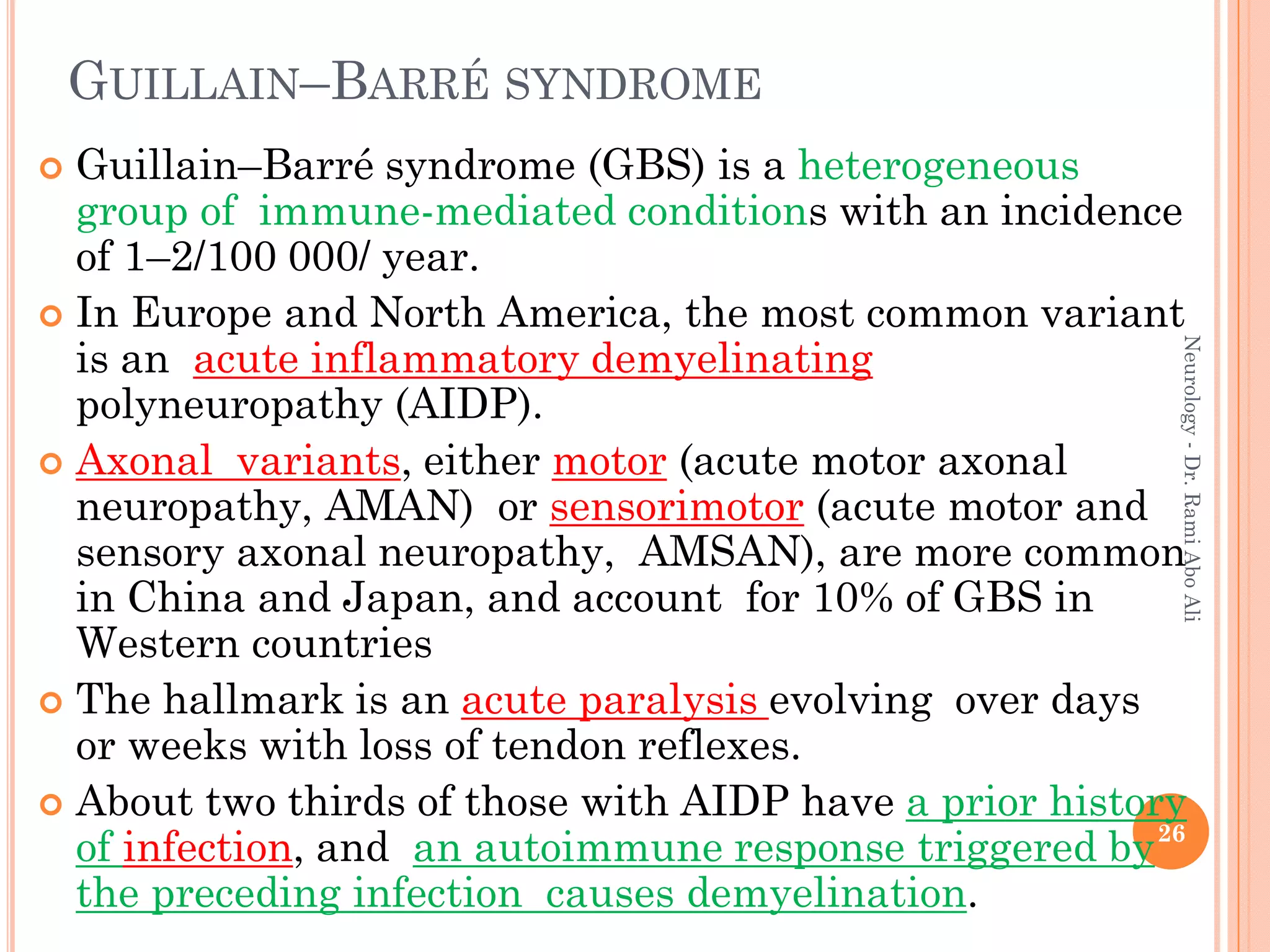
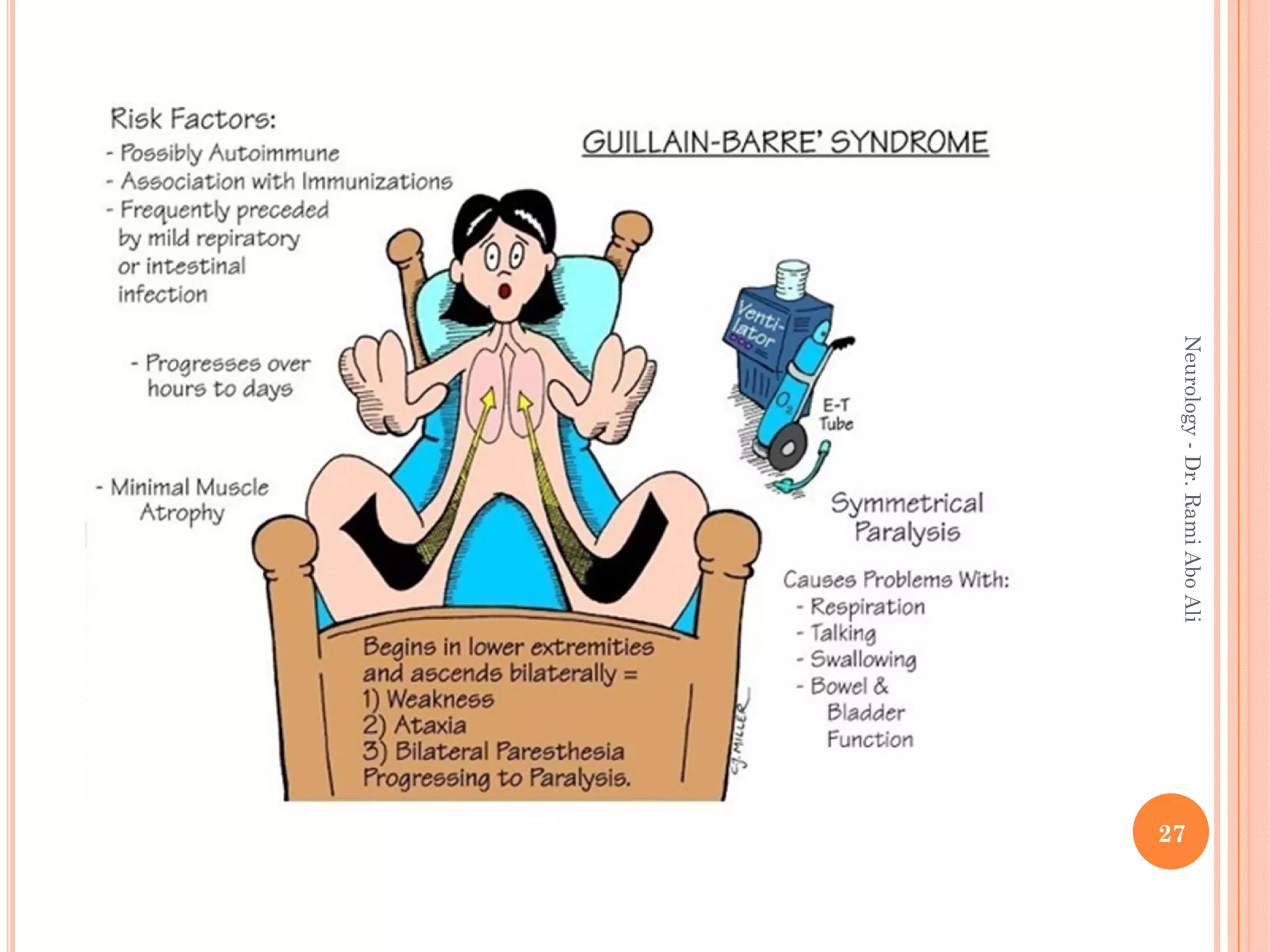
GUILLAIN–BARRÉ SYNDROME
 Guillain–Barré syndrome (GBS) is a heterogeneous
group of immune-mediated conditions with an incidence
of 1–2/100 000/ year.
 In Europe and North America, the most common variant
is an acute inflammatory demyelinating
polyneuropathy (AIDP).
 Axonal variants, either motor (acute motor axonal
neuropathy, AMAN) or sensorimotor (acute motor and
sensory axonal neuropathy, AMSAN), are more common
in China and Japan, and account for 10% of GBS in
Western countries
 The hallmark is an acute paralysis evolving over days
or weeks with loss of tendon reflexes.
 About two thirds of those with AIDP have a prior history
of infection, and an autoimmune response triggered by
the preceding infection causes demyelination.
26
Neurology
-
Dr.
Rami
Abo
Ali
27
Neurology
-
Dr.
Rami
Abo
Ali
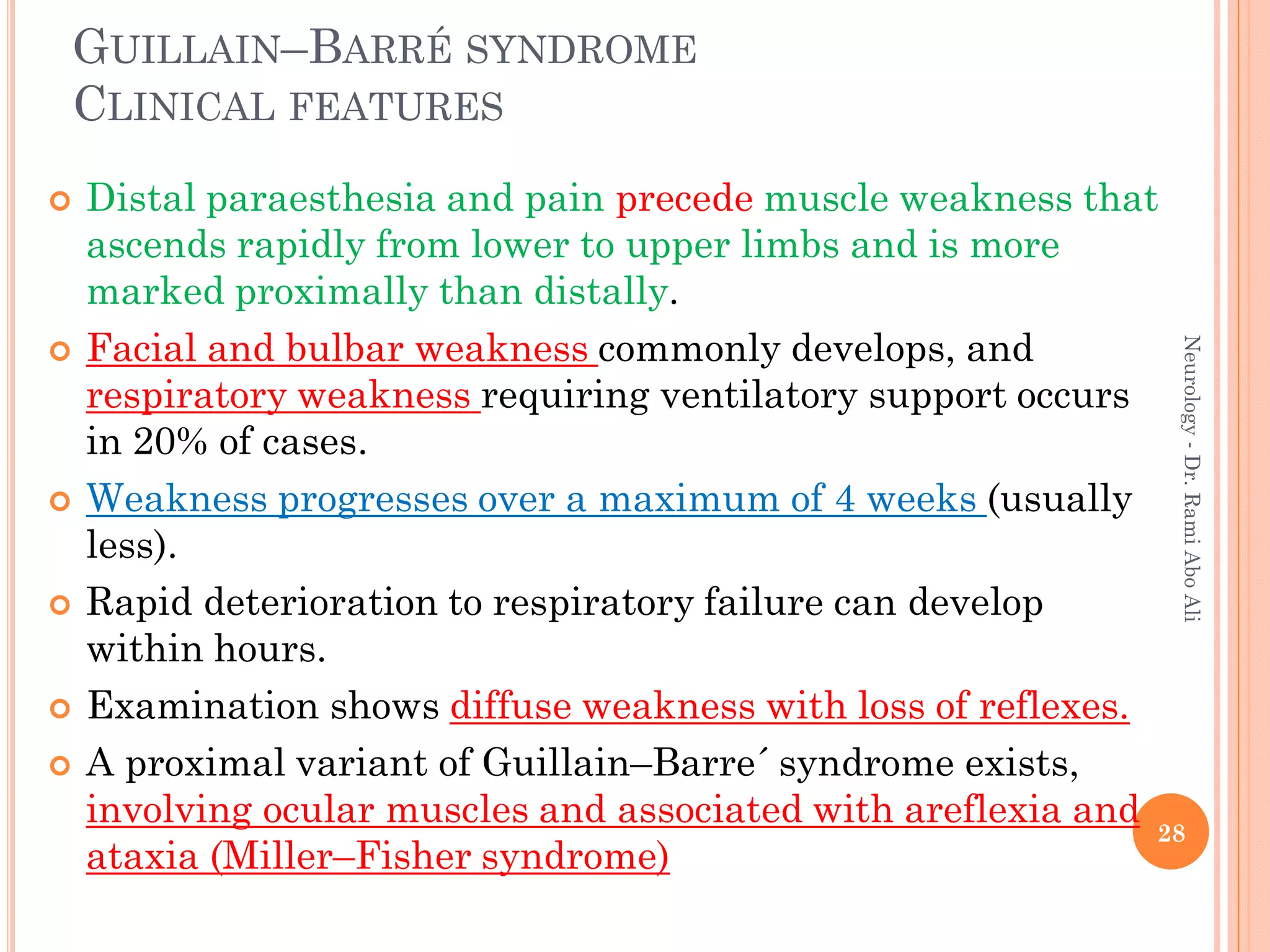
GUILLAIN–BARRÉ SYNDROME
CLINICAL FEATURES
 Distal paraesthesia and pain precede muscle weakness that
ascends rapidly from lower to upper limbs and is more
marked proximally than distally.
 Facial and bulbar weakness commonly develops, and
respiratory weakness requiring ventilatory support occurs
in 20% of cases.
 Weakness progresses over a maximum of 4 weeks (usually
less).
 Rapid deterioration to respiratory failure can develop
within hours.
 Examination shows diffuse weakness with loss of reflexes.
 A proximal variant of Guillain–Barre´ syndrome exists,
involving ocular muscles and associated with areflexia and
ataxia (Miller–Fisher syndrome)
28
Neurology
-
Dr.
Rami
Abo
Ali
NOTE :
 Bulbar weakness:
 lower motor neuron lesion of cranial nerves IX, X,
XI and XII results in difficulty in chewing,
weakness of the facial muscles, dysarthria, palatal
weakness and regurgitation of fluids, dysphagia,
and dysphonia
29
Neurology
-
Dr.
Rami
Abo
Ali
GUILLAIN–BARRÉ SYNDROME
INVESTIGATIONS
 Diagnosis is usually clinical
 The CSF protein is raised, but may be normal in
the first 10 days.
 There is usually no increase in CSF white cell
count
 Electrophysiological changes may emerge after
a week or so, with conduction block and
multifocal motor slowing.
 Antibodies to the ganglioside GM1 are found in
about 25%, usually the motor axonal form.
30
Neurology
-
Dr.
Rami
Abo
Ali
GUILLAIN–BARRÉ SYNDROME
MANAGEMENT
 Active treatment with plasma exchange or intravenous
immunoglobulin therapy shortens the duration of
ventilation and improves prognosis.
 In severe GBS, both intravenous immunoglobulin
(IVIg) and plasma exchange started within 2 weeks of
onset hasten recovery with similar rates of adverse
effects but IVIg treatment is significantly more likely
to be completed than plasma exchange.
 Supportive measures to prevent pressure sores and
deep venous thrombosis are essential.
 Regular monitoring of respiratory function (vital
capacity) is needed in the acute phase, as respiratory
failure may develop with little warning 31
Neurology
-
Dr.
Rami
Abo
Ali
 Overall, 80% of patients recover completely within 3–
6 months, 4% die and the remainder suffer residual
neurological disability, which can be severe.
 Adverse prognostic features include
 older age
 rapid deterioration to ventilation
 evidence of axonal loss on EMG.
32
Neurology
-
Dr.
Rami
Abo
Ali
GUILLAIN–BARRÉ SYNDROME
PROGNOSIS
HEREDITARY NEUROPATHY
CHARCOT–MARIE–TOOTH DISEASE (CMT)
 Charcot–Marie–Tooth disease (CMT) is an umbrella
term for the inherited neuropathies.
 The members of this group of syndromes have
different clinical and genetic features.
 The most common CMT is the autosomal dominantly
inherited CMT type 1, usually caused by a mutation in
the PMP-22gene.
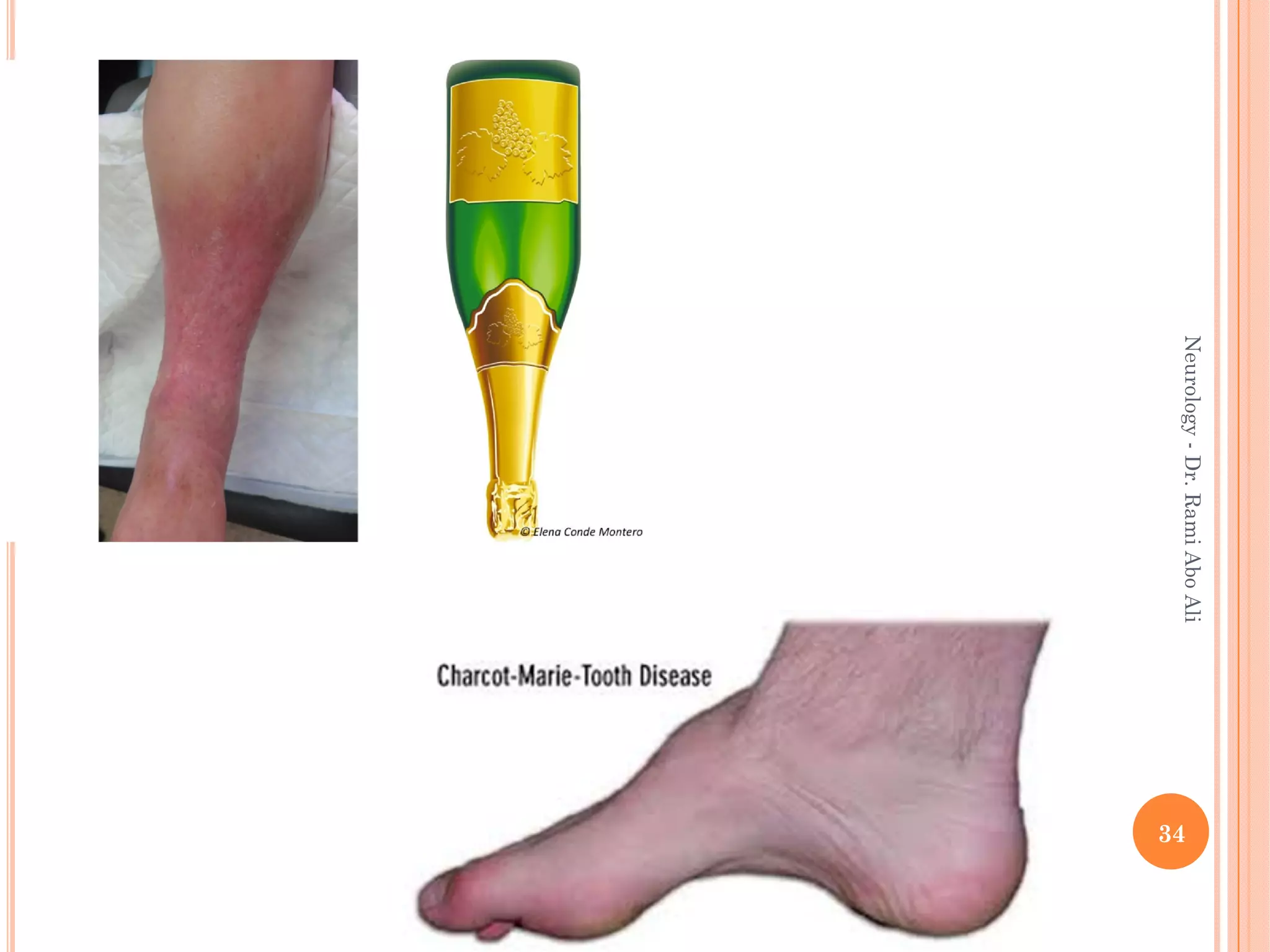
 Common signs are distal wasting (‘inverted
champagne bottle’ legs), often with pes cavus, and
predominantly motor involvement.
 X-linked and recessively inherited forms of CMT,
causing demyelinating or axonal neuropathies, also
occur
33
Neurology
-
Dr.
Rami
Abo
Ali
34
Neurology
-
Dr.
Rami
Abo
Ali
35
Neurology
-
Dr.
Rami
Abo
Ali

Neurology 13th peripheral neuropathy

  • 1.
    NEUROLOGY Dr. Rami AboAli Neurology - Dr. Rami Abo Ali 1
  • 2.
  • 3.
    PERIPHERAL NEUROPATHY  Peripheralneuropathy (PN) describes disorders of peripheral nerves, including  the dorsal or ventral nerve roots (radiculopathy)  dorsal root ganglia  brachial or lumbosacral plexus (plexopathy)  and other sensory, motor, autonomic, or mixed nerves (neuropathy). 3 Neurology - Dr. Rami Abo Ali
  • 4.
     Peripheral neuropathy(PN)are classified according to the following criteria:  1-pathology: demyelinating; axonal or mixed.  2-size: small or large nerve fibers.  3-function: sensory; motor; autonomic, or mixed.  4-distribution:  Polyneuropathy involves widespread and symmetric dysfunction of the peripheral nerves.  Mononeuropathies involves individual peripheral nerve (mononeuropathy simplex) or multiple individual peripheral nerves (mononeuropathy multiplex)  plexopathy 4 Neurology - Dr. Rami Abo Ali
  • 5.
  • 6.
    PERIPHERAL NEUROPATHY  Etiology: Metabolic/endocrine : Diabetes mellitus, Chronic renal failure, hypothyroidism.  Infective: HIV/AIDS, syphilis, leprosy, diphtheria, lyme disease.  Immune-mediated/inflammatory: Guillain Barre Syndrome GBS, chronic inflammatory demyelinating neuropathy (CIDP),or vasculitic (Polyarteritis nodosa, Churg-Strauss disease, SLE, Rheumatoid arthritis, and Sjögren's disease).  Toxic: HIV drugs, anticancer drugs, alcohol, heavy metals (lead, thallium and arsenic).  Nutritional: vitamin B12, B1, B6 deficiencies.  Hereditary: Charcot-Marie-Tooth disease (CMT). 6 Neurology - Dr. Rami Abo Ali
  • 7.
    MONONEUROPATHY  The mostcommon causes are compression, entrapment, trauma.  In an entrapment neuropathy, pressure initially damages the myelin sheath but sustained or severe pressure damages the integrity of the axons.  Certain conditions increase the propensity to develop entrapment neuropathies.  These include acromegaly, hypothyroidism, pregnancy, diabetes mellitus, and bone damage near the nerve (e.g. rheumatoid arthritis). 7 Neurology - Dr. Rami Abo Ali
  • 8.
    ENTRAPMENT NEUROPATHY CARPAL TUNNELSYNDROME  Due to compression of the median nerve as it passes under the flexor retinaculum and through the carpal tunnel at the wrist; commonly bilateral. Predisposing conditions include:  pregnancy  local deformity (e.g. secondary to osteoarthritis, fracture)  diabetes mellitus  rheumatoid arthritis  hypothyroidism  acromegaly  amyloidosis.  It is characterized by pain and tingling paraesthesia in the hand or arm, typically worse at night, with wasting of the muscles of the thenar eminence and sensory loss in the distribution of the median nerve (radial three-and-a-half digits). 8 Neurology - Dr. Rami Abo Ali
  • 9.
     Tinel’s (tappingover the median nerve) and Phalen’s (forced flexion of the wrist) tests may reproduce tingling paraesthesia.  Diagnosis can be confirmed with Nerve conduction studies , and secondary causes should be sought.  Treatment depends on severity, but may include splinting (especially at night), local injection of corticosteroids and surgical decompression 9 Neurology - Dr. Rami Abo Ali ENTRAPMENT NEUROPATHY CARPAL TUNNEL SYNDROME
  • 10.
  • 11.
    ENTRAPMENT NEUROPATHY ULNAR NEUROPATHY Typically due to compression of the ulnar nerve at the elbow. (cubital tunnel syndrome)  It is characterized by pain and/or paraesthesiae radiating along the ulnar border of the forearm ,with wasting of the small muscles of the hand but sparing of the thenar eminence; there is also sensory loss in the hand in the distribution of the ulnar nerve.  Electromyography and Nerve conduction studies can be used to confirm the diagnosis;  treatment may involve splinting and/or surgical decompression/transposition of the ulnar nerve. 11 Neurology - Dr. Rami Abo Ali
  • 12.
  • 13.
    ENTRAPMENT NEUROPATHY RADIAL NEUROPATHY Pressure on the radial nerve in the upper arm may lead to wrist drop – most commonly seen with prolonged abnormal posture of the upper arm (e.g. draped over the back of a chair). 13 Neurology - Dr. Rami Abo Ali
  • 14.
  • 15.
    OTHER ENTRAPMENT NEUROPATHY Brachial plexus lesions – including: Erb’s palsy (upper nerve roots) and Klumpke’s palsy (lower nerve roots) typically due to traction injury (e.g. as a result of birth injury ); cervical rib; Pancoast tumour (may be associated with Horner syndrome).  Meralgia paraesthetica – numbness in the thigh due to compression of the lateral cutaneous nerve of the thigh as it passes under the inguinal ligament.  Lateral popliteal palsy– the common peroneal nerve is susceptible to pressure damage as it travels around the neck of the fibula, resulting in foot drop (weakness of ankle dorsiflexion and eversion and extensor hallucis longus, with variable sensory disturbance); it is more common in diabetes mellitus 15 Neurology - Dr. Rami Abo Ali
  • 16.
  • 17.
  • 18.
  • 19.
    MULTIFOCAL NEUROPATHY/ MONONEURITIS MULTIPLEX An asymmetrical neuropathy affecting two or more peripheral nerves at one time, producing symptoms of numbness, paraesthesiae and sometimes pain in their sensory distribution with associated muscle weakness and wasting.  Vasculitis is a common cause, either as part of a systemic disease or isolated to the nerves, or it may arise on a background of a polyneuropathy (e.g. diabetes). 19 Neurology - Dr. Rami Abo Ali
  • 20.
  • 21.
    PERIPHERAL POLYNEUROPATHY  Diffusedisease of the peripheral nerves classified according to whether there is sensory or motor involvement or both, and whether the site of disease is the myelin sheath (demyelinating neuropathy) or the nerve fibre (axonal neuropathy).  Long-standing disease may result in claw deformities of the foot (pes cavus) and hand and sensory loss may lead to neuropathic ulceration and joint deformity (Charcot arthropathy).  Coexistent autonomic symptoms may be present .  Numerous causes are recognized :  diabetes mellitus  carcinomatous neuropathy  vitamin B deficiency (including B12)  Guillain–Barré syndrome  Charcot–Marie–Tooth disease (CMT) 21 Neurology - Dr. Rami Abo Ali
  • 22.
  • 23.
    DIABETIC NEUROPATHY  Diabetesmellitus causes a distal, predominantly sensory neuropathy commonly affecting the lower limbs in a stocking distribution.  Symptoms of numbness, paraesthesiae and sometimes pain in the feet are associated with loss of vibration and position sense and loss of the ankle reflex.  It may be associated with Charcot arthropathy. 23 Neurology - Dr. Rami Abo Ali
  • 24.
    CARCINOMATOUS NEUROPATHY  Cancermay be associated with either a sensory neuropathy in a ‘glove-and-stocking’ distribution or motor neuropathy in which there is muscle weakness and wasting, usually of the proximal limb muscles.  The neuropathy may be mixed 24 Neurology - Dr. Rami Abo Ali
  • 25.
    VITAMIN B DEFICIENCY Vitamin B1 deficiency, usually seen in patients with alcoholism, presents with a sensory neuropathy characterized by numbness (‘walking on cotton wool’), paraesthesiae, pain and soreness of the feet.  In vitamin B12 deficiency the peripheral neuropathy may be associated with megaloblastic anaemia and subacute combined degeneration of the cord  Vitamin B12deficiency symptoms may include:  strange sensations, numbness, or tingling in the hands, legs, or feet.  anemia.  a swollen, inflamed tongue.  difficulty thinking and reasoning (cognitive difficulties), or memory loss.  weakness.  fatigue. 25 Neurology - Dr. Rami Abo Ali
  • 26.
    GUILLAIN–BARRÉ SYNDROME  Guillain–Barrésyndrome (GBS) is a heterogeneous group of immune-mediated conditions with an incidence of 1–2/100 000/ year.  In Europe and North America, the most common variant is an acute inflammatory demyelinating polyneuropathy (AIDP).  Axonal variants, either motor (acute motor axonal neuropathy, AMAN) or sensorimotor (acute motor and sensory axonal neuropathy, AMSAN), are more common in China and Japan, and account for 10% of GBS in Western countries  The hallmark is an acute paralysis evolving over days or weeks with loss of tendon reflexes.  About two thirds of those with AIDP have a prior history of infection, and an autoimmune response triggered by the preceding infection causes demyelination. 26 Neurology - Dr. Rami Abo Ali
  • 27.
  • 28.
    GUILLAIN–BARRÉ SYNDROME CLINICAL FEATURES Distal paraesthesia and pain precede muscle weakness that ascends rapidly from lower to upper limbs and is more marked proximally than distally.  Facial and bulbar weakness commonly develops, and respiratory weakness requiring ventilatory support occurs in 20% of cases.  Weakness progresses over a maximum of 4 weeks (usually less).  Rapid deterioration to respiratory failure can develop within hours.  Examination shows diffuse weakness with loss of reflexes.  A proximal variant of Guillain–Barre´ syndrome exists, involving ocular muscles and associated with areflexia and ataxia (Miller–Fisher syndrome) 28 Neurology - Dr. Rami Abo Ali
  • 29.
    NOTE :  Bulbarweakness:  lower motor neuron lesion of cranial nerves IX, X, XI and XII results in difficulty in chewing, weakness of the facial muscles, dysarthria, palatal weakness and regurgitation of fluids, dysphagia, and dysphonia 29 Neurology - Dr. Rami Abo Ali
  • 30.
    GUILLAIN–BARRÉ SYNDROME INVESTIGATIONS  Diagnosisis usually clinical  The CSF protein is raised, but may be normal in the first 10 days.  There is usually no increase in CSF white cell count  Electrophysiological changes may emerge after a week or so, with conduction block and multifocal motor slowing.  Antibodies to the ganglioside GM1 are found in about 25%, usually the motor axonal form. 30 Neurology - Dr. Rami Abo Ali
  • 31.
    GUILLAIN–BARRÉ SYNDROME MANAGEMENT  Activetreatment with plasma exchange or intravenous immunoglobulin therapy shortens the duration of ventilation and improves prognosis.  In severe GBS, both intravenous immunoglobulin (IVIg) and plasma exchange started within 2 weeks of onset hasten recovery with similar rates of adverse effects but IVIg treatment is significantly more likely to be completed than plasma exchange.  Supportive measures to prevent pressure sores and deep venous thrombosis are essential.  Regular monitoring of respiratory function (vital capacity) is needed in the acute phase, as respiratory failure may develop with little warning 31 Neurology - Dr. Rami Abo Ali
  • 32.
     Overall, 80%of patients recover completely within 3– 6 months, 4% die and the remainder suffer residual neurological disability, which can be severe.  Adverse prognostic features include  older age  rapid deterioration to ventilation  evidence of axonal loss on EMG. 32 Neurology - Dr. Rami Abo Ali GUILLAIN–BARRÉ SYNDROME PROGNOSIS
  • 33.
    HEREDITARY NEUROPATHY CHARCOT–MARIE–TOOTH DISEASE(CMT)  Charcot–Marie–Tooth disease (CMT) is an umbrella term for the inherited neuropathies.  The members of this group of syndromes have different clinical and genetic features.  The most common CMT is the autosomal dominantly inherited CMT type 1, usually caused by a mutation in the PMP-22gene.  Common signs are distal wasting (‘inverted champagne bottle’ legs), often with pes cavus, and predominantly motor involvement.  X-linked and recessively inherited forms of CMT, causing demyelinating or axonal neuropathies, also occur 33 Neurology - Dr. Rami Abo Ali
  • 34.
  • 35.