Downloaded 120 times

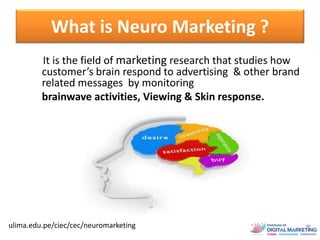


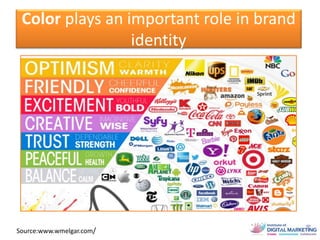



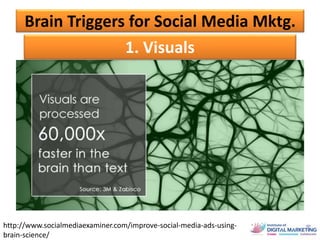





Neuromarketing explores how consumer brains respond to advertising through monitoring brain activity and physiological responses. Key strategies include using concise text, effective color contrasts, and engaging visuals to capture attention, while understanding the emotional and logical aspects of consumer behavior. Critics caution that neuromarketing could lead to unethical manipulation of consumer responses.


![[Webinar] Applying Neuroscience to Communications Research](https://cdn.slidesharecdn.com/ss_thumbnails/hcdwebinarpresentationnoanimation-140417154438-phpapp01-thumbnail.jpg?width=640&height=640&fit=bounds)


