MULTINATIONAL
COMPANIES
PRESENTED BY : SUKHADIYA KRISHNA(28)
PRESENTED TO : SNEHAL MA’AM
INTRODUCTION
History And Evolution of MNCs:
 These corporations originated early in the 20th
century and expanded after World War II.
 A multinational corporation developed new
products in its native country and manufactured
them abroad.
 Almost all the earliest and largest multinational
firms were either American, Japanese, or West
European.
History And Evolution of MNCs:
 During the last three decades, many smaller
corporations have also become
multinational.
 Such enterprises maintain that they create
employment, create wealth, and improve
technology in countries.
What is a Multinational
Companies???
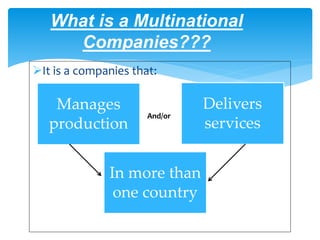
It is a companies that:
Manages
production
In more than
one country
Delivers
services
And/or
Definition
Multinational companies (MNC) is a enterprise that
manages production or delivers services in more than
one country can also be referred to as an
international companies.
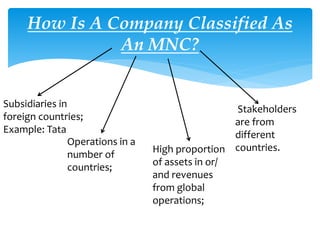
How Is A Company Classified As
An MNC?
Subsidiaries in
foreign countries;
Example: Tata
Operations in a
number of
countries;
High proportion
of assets in or/
and revenues
from global
operations;
Stakeholders
are from
different
countries.
MNC In India…
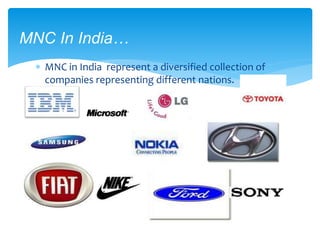
 MNC in India represent a diversified collection of
companies representing different nations.
Multinational companies
structure:
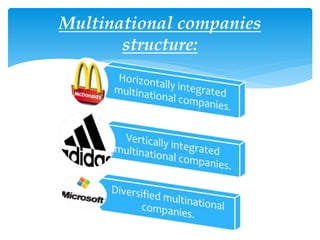
1) Horizontal integration :
Horizontal integration is the
process of a company increasing production
of goods and services at the same part of
supply chain. A company may do this via
internal expansion, acquisition or merger.
Example : McDonald’s
Cont…
2) Vertical integration :
vertical integration is a
strategy where a company expands its
business operation into different steps on
the same production path, such as when a
manufacturer owns its supplier and/or
distributors.
Example : Adidas
Cont…
3) Diversified integration
Diversification occurs when a
business develops a new product or expand
into a new market. Often, businesses
diversify to manage risk by minimizing
potential harm to the business during
economic downturns.
Example : Microsoft
Cont…
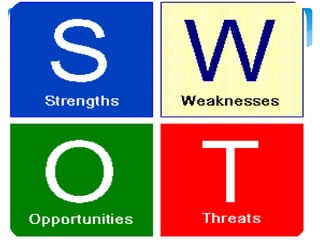
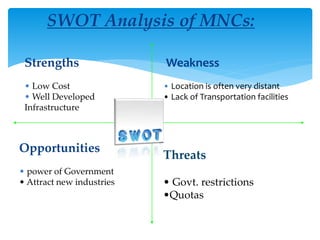
SWOT Analysis of MNCs:
Strengths
• Low Cost
• Well Developed
Infrastructure
Weakness
• Location is often very distant
• Lack of Transportation facilities
Opportunities
• power of Government
• Attract new industries
Threats
• Govt. restrictions
•Quotas
Reasons for The Establishment of
MNCs
 To increase market share.
 To secure cheaper premises and labour.
 Employment and Health & Safety rules and
regulation in other countries may be more relaxed.
 To avoid or minimise the amount of tax to be paid.
 To take advantage of government grants available.
Advantages of MNCs
 Improved financial performance.
 Lower operating costs.
 Enhanced brand image and reputation.
 Increased sales and customer loyalty.
 Greater production and quality.
 More ability to attract and retain
employees.
Cont…
 Make a positive image among stakeholders.
 Access to Capital.
 Product Safety and Liability.
 Help to Attract Investors.
 Improves Business Image And Reputation.
 Increase in competitiveness.
 It help to Correct the social problems
Caused by the Company.
Disadvantages of MNCs
 Fundamental principles of business gets
violated.
 CSR projects will not be successful.
 There are not the special areas of any business.
 CSR causes to slow down innovations.
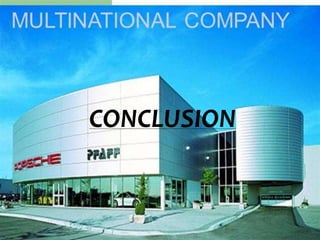
CONCLUSION
Multinational company

Multinational company

  • 1.
    MULTINATIONAL COMPANIES PRESENTED BY :SUKHADIYA KRISHNA(28) PRESENTED TO : SNEHAL MA’AM
  • 2.
  • 3.
    History And Evolutionof MNCs:  These corporations originated early in the 20th century and expanded after World War II.  A multinational corporation developed new products in its native country and manufactured them abroad.  Almost all the earliest and largest multinational firms were either American, Japanese, or West European.
  • 4.
    History And Evolutionof MNCs:  During the last three decades, many smaller corporations have also become multinational.  Such enterprises maintain that they create employment, create wealth, and improve technology in countries.
  • 5.
    What is aMultinational Companies??? It is a companies that: Manages production In more than one country Delivers services And/or
  • 6.
    Definition Multinational companies (MNC)is a enterprise that manages production or delivers services in more than one country can also be referred to as an international companies.
  • 7.
    How Is ACompany Classified As An MNC? Subsidiaries in foreign countries; Example: Tata Operations in a number of countries; High proportion of assets in or/ and revenues from global operations; Stakeholders are from different countries.
  • 8.
    MNC In India… MNC in India represent a diversified collection of companies representing different nations.
  • 10.
  • 11.
    1) Horizontal integration: Horizontal integration is the process of a company increasing production of goods and services at the same part of supply chain. A company may do this via internal expansion, acquisition or merger. Example : McDonald’s Cont…
  • 12.
    2) Vertical integration: vertical integration is a strategy where a company expands its business operation into different steps on the same production path, such as when a manufacturer owns its supplier and/or distributors. Example : Adidas Cont…
  • 13.
    3) Diversified integration Diversificationoccurs when a business develops a new product or expand into a new market. Often, businesses diversify to manage risk by minimizing potential harm to the business during economic downturns. Example : Microsoft Cont…
  • 15.
    SWOT Analysis ofMNCs: Strengths • Low Cost • Well Developed Infrastructure Weakness • Location is often very distant • Lack of Transportation facilities Opportunities • power of Government • Attract new industries Threats • Govt. restrictions •Quotas
  • 16.
    Reasons for TheEstablishment of MNCs  To increase market share.  To secure cheaper premises and labour.  Employment and Health & Safety rules and regulation in other countries may be more relaxed.  To avoid or minimise the amount of tax to be paid.  To take advantage of government grants available.
  • 17.
    Advantages of MNCs Improved financial performance.  Lower operating costs.  Enhanced brand image and reputation.  Increased sales and customer loyalty.  Greater production and quality.  More ability to attract and retain employees.
  • 18.
    Cont…  Make apositive image among stakeholders.  Access to Capital.  Product Safety and Liability.  Help to Attract Investors.  Improves Business Image And Reputation.  Increase in competitiveness.  It help to Correct the social problems Caused by the Company.
  • 19.
    Disadvantages of MNCs Fundamental principles of business gets violated.  CSR projects will not be successful.  There are not the special areas of any business.  CSR causes to slow down innovations.
  • 20.