Strategic Thinking
&
Decission Making Models
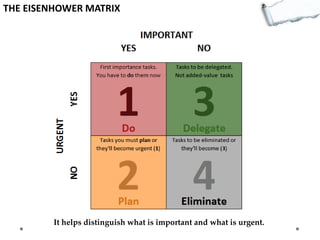
THE EISENHOWER MATRIX
It helps distinguish what is important and what is urgent.
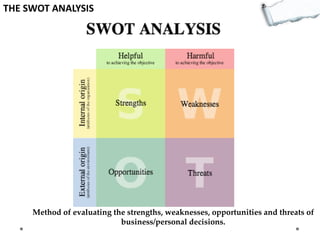
THE SWOT ANALYSIS

Method of evaluating the strengths, weaknesses, opportunities and threats of
business/personal decisions.
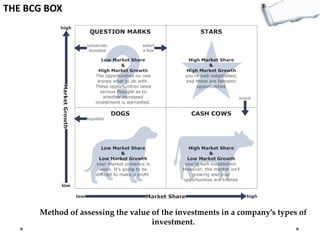
THE BCG BOX

Method of assessing the value of the investments in a company’s types of
investment.
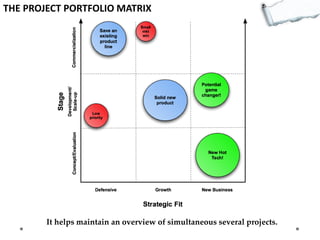
THE PROJECT PORTFOLIO MATRIX

It helps maintain an overview of simultaneous several projects.
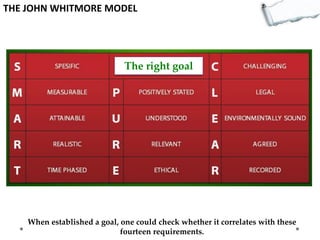
THE JOHN WHITMORE MODEL

The right goal

When established a goal, one could check whether it correlates with these
fourteen requirements.
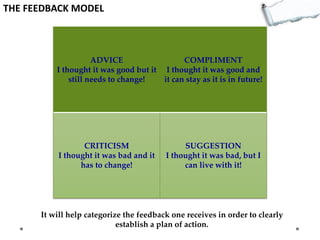
THE FEEDBACK MODEL

ADVICE
COMPLIMENT
I thought it was good but it I thought it was good and
still needs to change!
it can stay as it is in future!

CRITICISM
I thought it was bad and it
has to change!

SUGGESTION
I thought it was bad, but I
can live with it!

It will help categorize the feedback one receives in order to clearly
establish a plan of action.
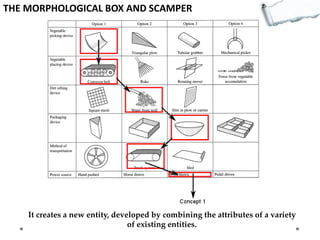
THE MORPHOLOGICAL BOX AND SCAMPER

It creates a new entity, developed by combining the attributes of a variety
of existing entities.
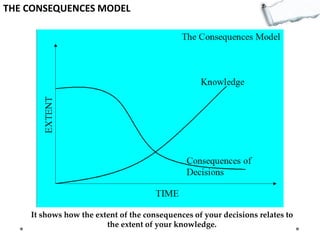
THE CONSEQUENCES MODEL

It shows how the extent of the consequences of your decisions relates to
the extent of your knowledge.
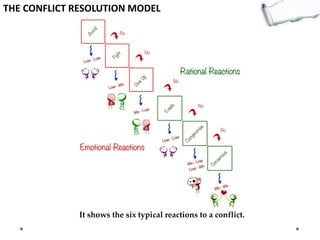
THE CONFLICT RESOLUTION MODEL

It shows the six typical reactions to a conflict.
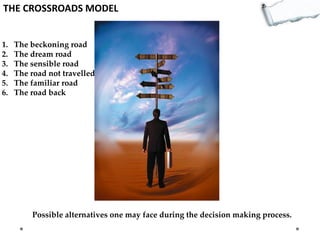
THE CROSSROADS MODEL

1.
2.
3.
4.
5.
6.

The beckoning road
The dream road
The sensible road
The road not travelled
The familiar road
The road back

Possible alternatives one may face during the decision making process.
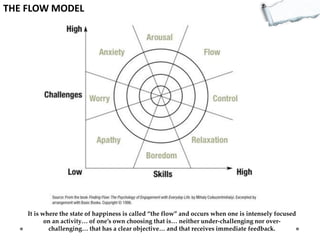
THE FLOW MODEL

It is where the state of happiness is called “the flow” and occurs when one is intensely focused
on an activity… of one’s own choosing that is… neither under-challenging nor overchallenging… that has a clear objective… and that receives immediate feedback.
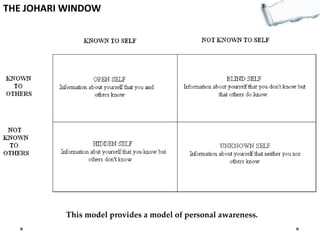
THE JOHARI WINDOW

This model provides a model of personal awareness.
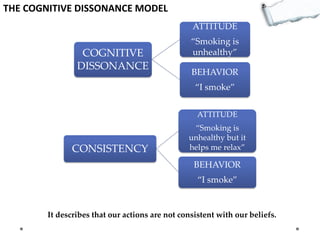
THE COGNITIVE DISSONANCE MODEL
ATTITUDE

COGNITIVE
DISSONANCE

“Smoking is
unhealthy”
BEHAVIOR
“I smoke”
ATTITUDE

CONSISTENCY

“Smoking is
unhealthy but it
helps me relax”

BEHAVIOR
“I smoke”

It describes that our actions are not consistent with our beliefs.
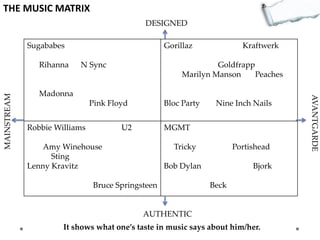
THE MUSIC MATRIX
DESIGNED
Sugababes
N Sync

Kraftwerk

Goldfrapp
Marilyn Manson
Peaches

Madonna
Pink Floyd

Robbie Williams

Bloc Party

U2

Nine Inch Nails

MGMT

Amy Winehouse
Sting
Lenny Kravitz

Tricky

Portishead

Bob Dylan

Bruce Springsteen

Bjork
Beck

AUTHENTIC
It shows what one’s taste in music says about him/her.

AVANTGARDE

MAINSTREAM

Rihanna

Gorillaz
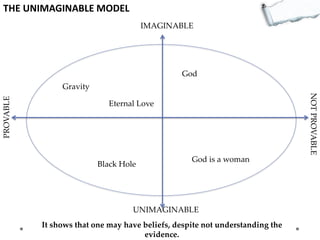
THE UNIMAGINABLE MODEL
IMAGINABLE

God
NOT PROVABLE

PROVABLE

Gravity
Eternal Love

Black Hole

God is a woman

UNIMAGINABLE
It shows that one may have beliefs, despite not understanding the
evidence.
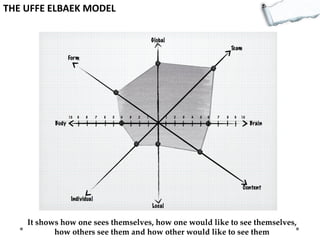
THE UFFE ELBAEK MODEL

It shows how one sees themselves, how one would like to see themselves,
how others see them and how other would like to see them
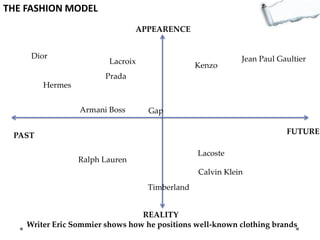
THE FASHION MODEL
APPEARENCE
Dior

Lacroix

Kenzo

Jean Paul Gaultier

Prada
Hermes
Armani Boss

Gap
FUTURE

PAST

Lacoste

Ralph Lauren

Calvin Klein
Timberland

REALITY
Writer Eric Sommier shows how he positions well-known clothing brands
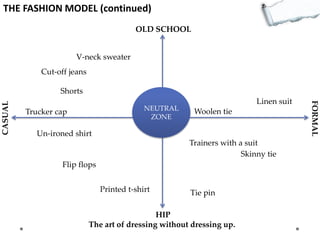
THE FASHION MODEL (continued)
OLD SCHOOL

V-neck sweater
Cut-off jeans

NEUTRAL
ZONE

Trucker cap

Linen suit
Woolen tie

Un-ironed shirt
Trainers with a suit
Skinny tie
Flip flops
Printed t-shirt

Tie pin

HIP
The art of dressing without dressing up.

FORMAL

CASUAL

Shorts
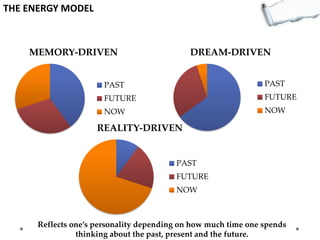
THE ENERGY MODEL

MEMORY-DRIVEN

DREAM-DRIVEN

PAST

PAST

FUTURE

FUTURE

NOW

NOW

REALITY-DRIVEN

PAST
FUTURE
NOW

Reflects one’s personality depending on how much time one spends
thinking about the past, present and the future.
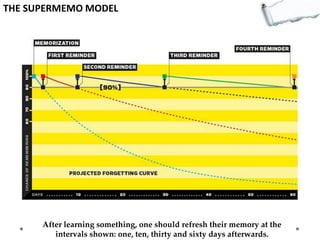
THE SUPERMEMO MODEL

After learning something, one should refresh their memory at the
intervals shown: one, ten, thirty and sixty days afterwards.
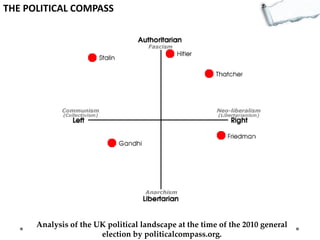
THE POLITICAL COMPASS

Analysis of the UK political landscape at the time of the 2010 general
election by politicalcompass.org.
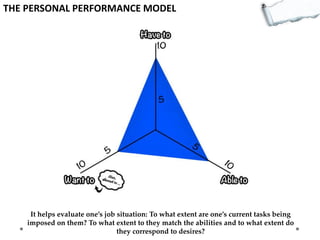
THE PERSONAL PERFORMANCE MODEL

It helps evaluate one’s job situation: To what extent are one’s current tasks being
imposed on them? To what extent to they match the abilities and to what extent do
they correspond to desires?
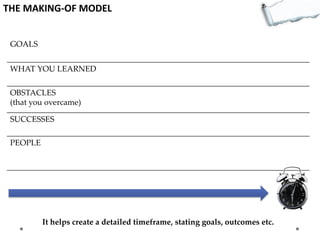
THE MAKING-OF MODEL
GOALS
WHAT YOU LEARNED
OBSTACLES
(that you overcame)

SUCCESSES
PEOPLE

It helps create a detailed timeframe, stating goals, outcomes etc.
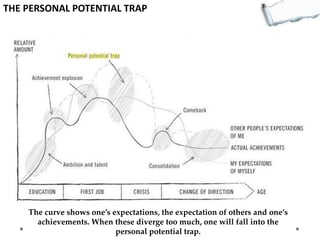
THE PERSONAL POTENTIAL TRAP

The curve shows one’s expectations, the expectation of others and one’s
achievements. When these diverge too much, one will fall into the
personal potential trap.
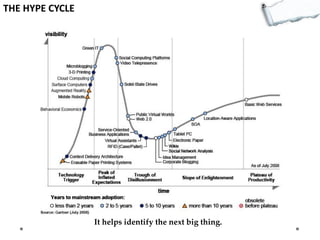
THE HYPE CYCLE

It helps identify the next big thing.
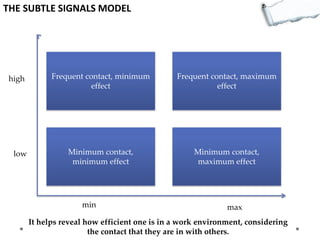
THE SUBTLE SIGNALS MODEL

high

low

Frequent contact, minimum
effect

Frequent contact, maximum
effect

Minimum contact,
minimum effect

Minimum contact,
maximum effect

min

max

It helps reveal how efficient one is in a work environment, considering
the contact that they are in with others.
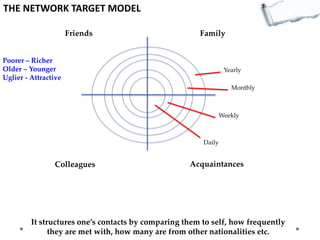
THE NETWORK TARGET MODEL
Friends

Family

Poorer – Richer
Older – Younger
Uglier - Attractive

Yearly
Monthly

Weekly

Daily

Colleagues

Acquaintances

It structures one’s contacts by comparing them to self, how frequently
they are met with, how many are from other nationalities etc.
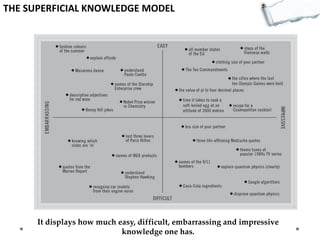
THE SUPERFICIAL KNOWLEDGE MODEL

It displays how much easy, difficult, embarrassing and impressive
knowledge one has.
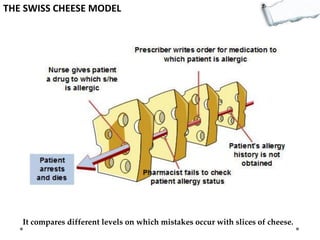
THE SWISS CHEESE MODEL

It compares different levels on which mistakes occur with slices of cheese.
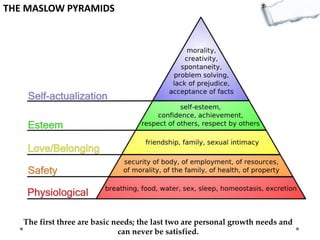
THE MASLOW PYRAMIDS

The first three are basic needs; the last two are personal growth needs and
can never be satisfied.
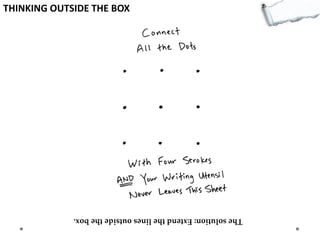
The solution: Extend the lines outside the box.

THINKING OUTSIDE THE BOX
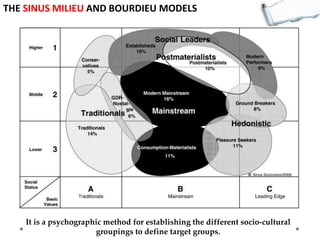
THE SINUS MILIEU AND BOURDIEU MODELS

It is a psychographic method for establishing the different socio-cultural
groupings to define target groups.
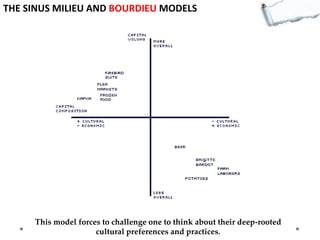
THE SINUS MILIEU AND BOURDIEU MODELS

This model forces to challenge one to think about their deep-rooted
cultural preferences and practices.
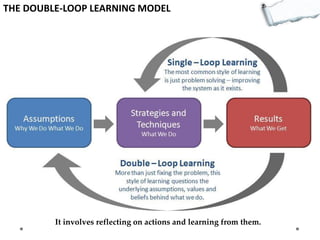
THE DOUBLE-LOOP LEARNING MODEL

It involves reflecting on actions and learning from them.
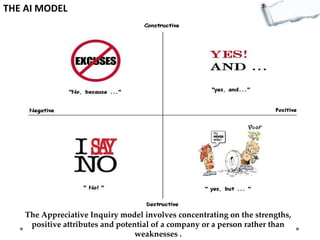
THE AI MODEL

The Appreciative Inquiry model involves concentrating on the strengths,
positive attributes and potential of a company or a person rather than
weaknesses .
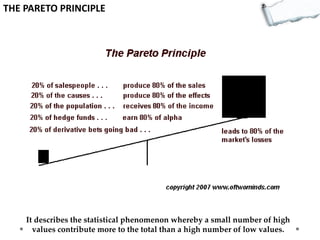
THE PARETO PRINCIPLE

It describes the statistical phenomenon whereby a small number of high
values contribute more to the total than a high number of low values.
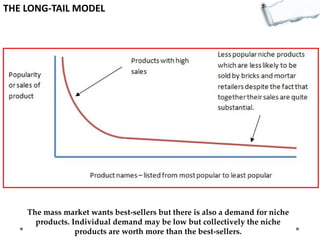
THE LONG-TAIL MODEL

The mass market wants best-sellers but there is also a demand for niche
products. Individual demand may be low but collectively the niche
products are worth more than the best-sellers.
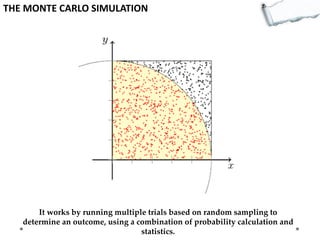
THE MONTE CARLO SIMULATION

It works by running multiple trials based on random sampling to
determine an outcome, using a combination of probability calculation and
statistics.
THE BLACK SWAN MODEL

It reminds one that everybody tends to cling most tightly to pillars that we
see toppling instead of analyzing the cause and effect principle.
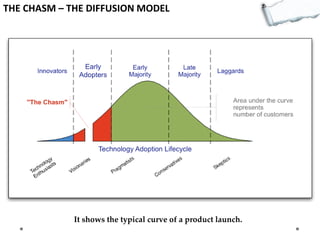
THE CHASM – THE DIFFUSION MODEL

It shows the typical curve of a product launch.
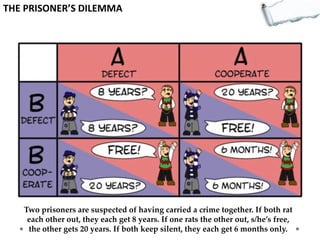
THE PRISONER’S DILEMMA

Two prisoners are suspected of having carried a crime together. If both rat
each other out, they each get 8 years. If one rats the other out, s/he’s free,
the other gets 20 years. If both keep silent, they each get 6 months only.
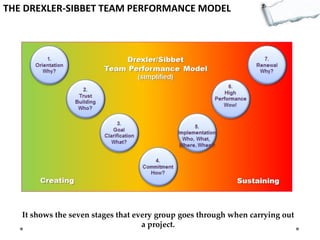
THE DREXLER-SIBBET TEAM PERFORMANCE MODEL

It shows the seven stages that every group goes through when carrying out
a project.
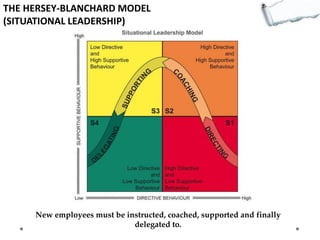
THE HERSEY-BLANCHARD MODEL
(SITUATIONAL LEADERSHIP)

New employees must be instructed, coached, supported and finally
delegated to.
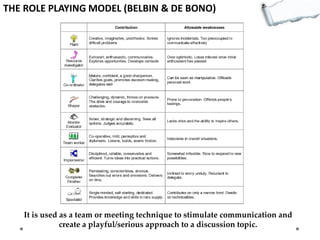
THE ROLE PLAYING MODEL (BELBIN & DE BONO)

It is used as a team or meeting technique to stimulate communication and
create a playful/serious approach to a discussion topic.
For More Comprehensive Learning, Read:
The Decision Book: 50 Models for Strategic Thinking
by Mikael Krogerus

Models of Strategic Thinking

  • 1.
  • 2.
    THE EISENHOWER MATRIX Ithelps distinguish what is important and what is urgent.
  • 3.
    THE SWOT ANALYSIS Methodof evaluating the strengths, weaknesses, opportunities and threats of business/personal decisions.
  • 4.
    THE BCG BOX Methodof assessing the value of the investments in a company’s types of investment.
  • 5.
    THE PROJECT PORTFOLIOMATRIX It helps maintain an overview of simultaneous several projects.
  • 6.
    THE JOHN WHITMOREMODEL The right goal When established a goal, one could check whether it correlates with these fourteen requirements.
  • 7.
    THE FEEDBACK MODEL ADVICE COMPLIMENT Ithought it was good but it I thought it was good and still needs to change! it can stay as it is in future! CRITICISM I thought it was bad and it has to change! SUGGESTION I thought it was bad, but I can live with it! It will help categorize the feedback one receives in order to clearly establish a plan of action.
  • 8.
    THE MORPHOLOGICAL BOXAND SCAMPER It creates a new entity, developed by combining the attributes of a variety of existing entities.
  • 9.
    THE CONSEQUENCES MODEL Itshows how the extent of the consequences of your decisions relates to the extent of your knowledge.
  • 10.
    THE CONFLICT RESOLUTIONMODEL It shows the six typical reactions to a conflict.
  • 11.
    THE CROSSROADS MODEL 1. 2. 3. 4. 5. 6. Thebeckoning road The dream road The sensible road The road not travelled The familiar road The road back Possible alternatives one may face during the decision making process.
  • 12.
    THE FLOW MODEL Itis where the state of happiness is called “the flow” and occurs when one is intensely focused on an activity… of one’s own choosing that is… neither under-challenging nor overchallenging… that has a clear objective… and that receives immediate feedback.
  • 13.
    THE JOHARI WINDOW Thismodel provides a model of personal awareness.
  • 14.
    THE COGNITIVE DISSONANCEMODEL ATTITUDE COGNITIVE DISSONANCE “Smoking is unhealthy” BEHAVIOR “I smoke” ATTITUDE CONSISTENCY “Smoking is unhealthy but it helps me relax” BEHAVIOR “I smoke” It describes that our actions are not consistent with our beliefs.
  • 15.
    THE MUSIC MATRIX DESIGNED Sugababes NSync Kraftwerk Goldfrapp Marilyn Manson Peaches Madonna Pink Floyd Robbie Williams Bloc Party U2 Nine Inch Nails MGMT Amy Winehouse Sting Lenny Kravitz Tricky Portishead Bob Dylan Bruce Springsteen Bjork Beck AUTHENTIC It shows what one’s taste in music says about him/her. AVANTGARDE MAINSTREAM Rihanna Gorillaz
  • 16.
    THE UNIMAGINABLE MODEL IMAGINABLE God NOTPROVABLE PROVABLE Gravity Eternal Love Black Hole God is a woman UNIMAGINABLE It shows that one may have beliefs, despite not understanding the evidence.
  • 17.
    THE UFFE ELBAEKMODEL It shows how one sees themselves, how one would like to see themselves, how others see them and how other would like to see them
  • 18.
    THE FASHION MODEL APPEARENCE Dior Lacroix Kenzo JeanPaul Gaultier Prada Hermes Armani Boss Gap FUTURE PAST Lacoste Ralph Lauren Calvin Klein Timberland REALITY Writer Eric Sommier shows how he positions well-known clothing brands
  • 19.
    THE FASHION MODEL(continued) OLD SCHOOL V-neck sweater Cut-off jeans NEUTRAL ZONE Trucker cap Linen suit Woolen tie Un-ironed shirt Trainers with a suit Skinny tie Flip flops Printed t-shirt Tie pin HIP The art of dressing without dressing up. FORMAL CASUAL Shorts
  • 20.
    THE ENERGY MODEL MEMORY-DRIVEN DREAM-DRIVEN PAST PAST FUTURE FUTURE NOW NOW REALITY-DRIVEN PAST FUTURE NOW Reflectsone’s personality depending on how much time one spends thinking about the past, present and the future.
  • 21.
    THE SUPERMEMO MODEL Afterlearning something, one should refresh their memory at the intervals shown: one, ten, thirty and sixty days afterwards.
  • 22.
    THE POLITICAL COMPASS Analysisof the UK political landscape at the time of the 2010 general election by politicalcompass.org.
  • 23.
    THE PERSONAL PERFORMANCEMODEL It helps evaluate one’s job situation: To what extent are one’s current tasks being imposed on them? To what extent to they match the abilities and to what extent do they correspond to desires?
  • 24.
    THE MAKING-OF MODEL GOALS WHATYOU LEARNED OBSTACLES (that you overcame) SUCCESSES PEOPLE It helps create a detailed timeframe, stating goals, outcomes etc.
  • 25.
    THE PERSONAL POTENTIALTRAP The curve shows one’s expectations, the expectation of others and one’s achievements. When these diverge too much, one will fall into the personal potential trap.
  • 26.
    THE HYPE CYCLE Ithelps identify the next big thing.
  • 27.
    THE SUBTLE SIGNALSMODEL high low Frequent contact, minimum effect Frequent contact, maximum effect Minimum contact, minimum effect Minimum contact, maximum effect min max It helps reveal how efficient one is in a work environment, considering the contact that they are in with others.
  • 28.
    THE NETWORK TARGETMODEL Friends Family Poorer – Richer Older – Younger Uglier - Attractive Yearly Monthly Weekly Daily Colleagues Acquaintances It structures one’s contacts by comparing them to self, how frequently they are met with, how many are from other nationalities etc.
  • 29.
    THE SUPERFICIAL KNOWLEDGEMODEL It displays how much easy, difficult, embarrassing and impressive knowledge one has.
  • 30.
    THE SWISS CHEESEMODEL It compares different levels on which mistakes occur with slices of cheese.
  • 31.
    THE MASLOW PYRAMIDS Thefirst three are basic needs; the last two are personal growth needs and can never be satisfied.
  • 32.
    The solution: Extendthe lines outside the box. THINKING OUTSIDE THE BOX
  • 33.
    THE SINUS MILIEUAND BOURDIEU MODELS It is a psychographic method for establishing the different socio-cultural groupings to define target groups.
  • 34.
    THE SINUS MILIEUAND BOURDIEU MODELS This model forces to challenge one to think about their deep-rooted cultural preferences and practices.
  • 35.
    THE DOUBLE-LOOP LEARNINGMODEL It involves reflecting on actions and learning from them.
  • 36.
    THE AI MODEL TheAppreciative Inquiry model involves concentrating on the strengths, positive attributes and potential of a company or a person rather than weaknesses .
  • 37.
    THE PARETO PRINCIPLE Itdescribes the statistical phenomenon whereby a small number of high values contribute more to the total than a high number of low values.
  • 38.
    THE LONG-TAIL MODEL Themass market wants best-sellers but there is also a demand for niche products. Individual demand may be low but collectively the niche products are worth more than the best-sellers.
  • 39.
    THE MONTE CARLOSIMULATION It works by running multiple trials based on random sampling to determine an outcome, using a combination of probability calculation and statistics.
  • 40.
    THE BLACK SWANMODEL It reminds one that everybody tends to cling most tightly to pillars that we see toppling instead of analyzing the cause and effect principle.
  • 41.
    THE CHASM –THE DIFFUSION MODEL It shows the typical curve of a product launch.
  • 42.
    THE PRISONER’S DILEMMA Twoprisoners are suspected of having carried a crime together. If both rat each other out, they each get 8 years. If one rats the other out, s/he’s free, the other gets 20 years. If both keep silent, they each get 6 months only.
  • 43.
    THE DREXLER-SIBBET TEAMPERFORMANCE MODEL It shows the seven stages that every group goes through when carrying out a project.
  • 44.
    THE HERSEY-BLANCHARD MODEL (SITUATIONALLEADERSHIP) New employees must be instructed, coached, supported and finally delegated to.
  • 45.
    THE ROLE PLAYINGMODEL (BELBIN & DE BONO) It is used as a team or meeting technique to stimulate communication and create a playful/serious approach to a discussion topic.
  • 46.
    For More ComprehensiveLearning, Read: The Decision Book: 50 Models for Strategic Thinking by Mikael Krogerus