Basic Human Needs
Mobility & the Hazards of
Immobility
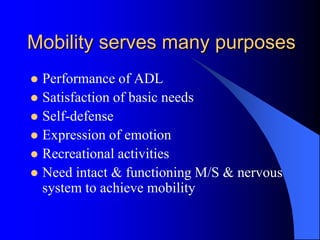
Mobility serves many purposes
 Performance of ADL
 Satisfaction of basic needs
 Self-defense
 Expression of emotion
 Recreational activities
 Need intact & functioning M/S & nervous
system to achieve mobility
Principles of Body Mechanics
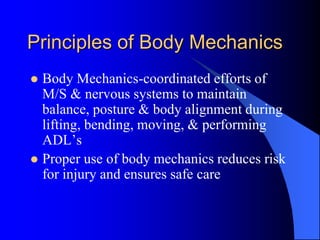
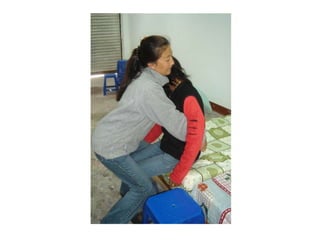
 Body Mechanics-coordinated efforts of
M/S & nervous systems to maintain
balance, posture & body alignment during
lifting, bending, moving, & performing
ADL’s
 Proper use of body mechanics reduces risk
for injury and ensures safe care
Principles of Body Mechanics
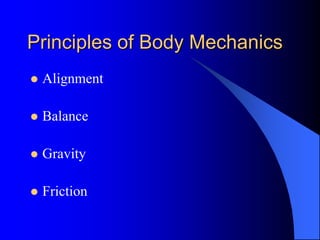
 Alignment
 Balance
 Gravity
 Friction
Regulation of Movement
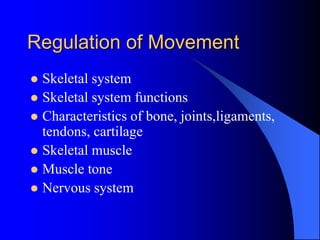
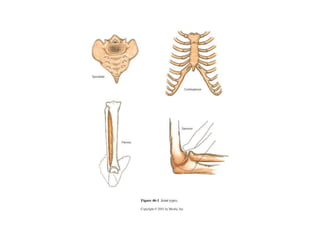
 Skeletal system
 Skeletal system functions
 Characteristics of bone, joints,ligaments,
tendons, cartilage
 Skeletal muscle
 Muscle tone
 Nervous system
Pathological Influences of
Mobility
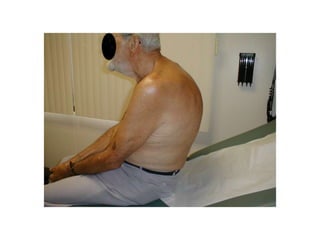
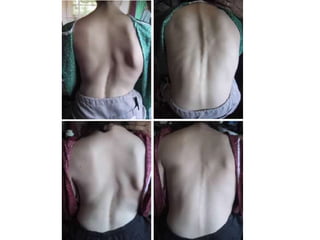
 Postural Abnormalities
 Impaired Muscle Development
 Damage to CNS
 Direct Trauma to M/S System
Systemic Changes Associated
With Immobility
 Metabolic changes:
 Endocrine metabolism affected
 (decrease in BMR)
 Disrupts metabolic functioning
 Fluid & Lyte Imbalances
 Decreased calories & protein
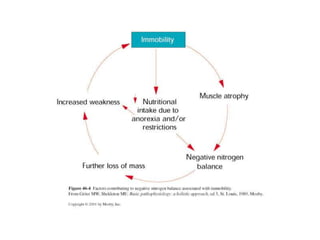
 Negative Nitrogen Balance
 Calcium Resorption affected
 Functioning of GI tract
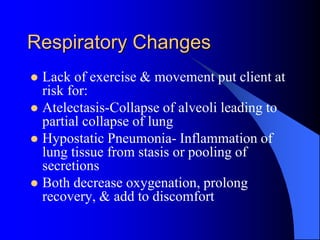
Respiratory Changes
 Lack of exercise & movement put client at
risk for:
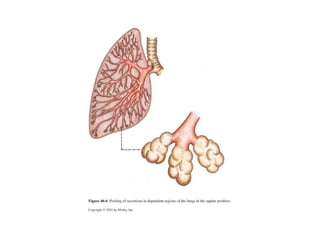
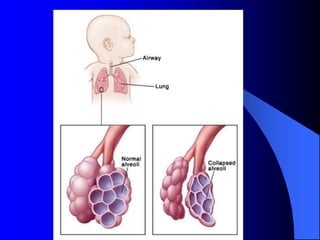
 Atelectasis-Collapse of alveoli leading to
partial collapse of lung
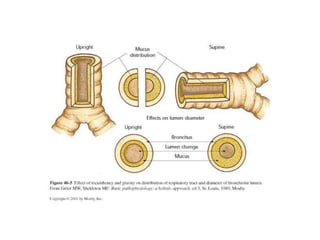
 Hypostatic Pneumonia- Inflammation of
lung tissue from stasis or pooling of
secretions
 Both decrease oxygenation, prolong
recovery, & add to discomfort
Cardiovascular Changes
 Orthostatic hypotension
 Increased workload of heart due to
decrease in venous return to the heart
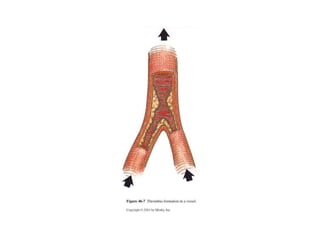
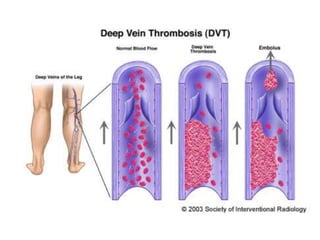
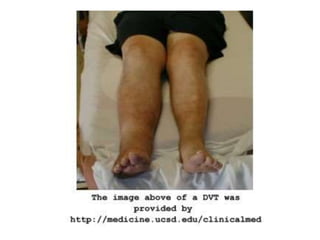
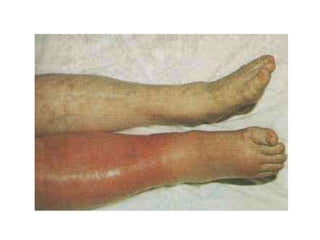
 Risk for thrombus (Virchow’s Triad)
Musculoskeletal Changes
 Muscle effects (muscle atrophy)
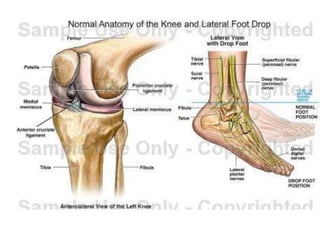
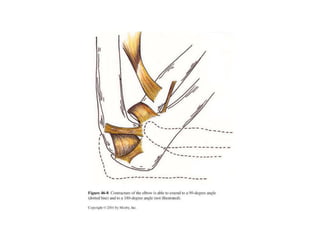
 Skeletal effects- Disuse osteoporosis,
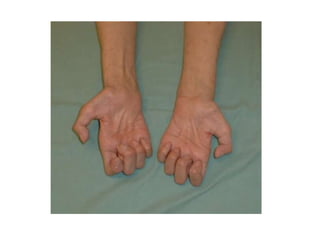
contractures and foot drop
Urinary Elimination Changes
 Stasis and pooling of urine in renal pelvis
leads to increased risk for infection and
renal calculi
 Risk for dehydration and decreased urine
output
 UTI’s due to foley catheter
Other Changes
 Integumentary changes (Risk assessment
tool for skin breakdown, proper skin
hygiene)
 Psychosocial effects (Depression from
immobility)
 Developmental Changes
Nursing Process & Immobility
 Assessment
 Assess immobilized client for hazards of
immobility
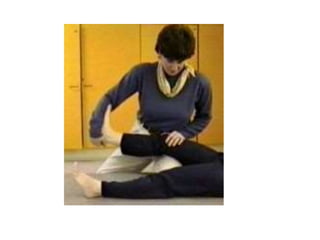
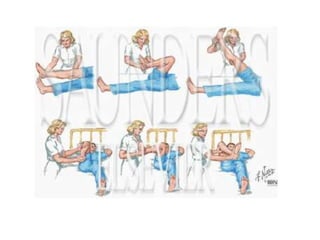
 ROM exercises (P&P pgs. 1435-1439)
Nursing Process: Nursing
Diagnosis
 You tell me!!!
Implementation
 Health Promotion
 Acute Care:
 Metabolic system
 Respiratory system
 Cardiovascular system
 Musculoskeletal system
 Elimination system
Metabolic System
 Evaluate muscle atrophy
 I&O
 Monitor lab data (BUN, albumin, protein,
electrolytes)
 Assess wound healing
 Assess edema
 Assess for dehydration (Skin turgor, mucous
membranes)
 Assess nutritional status (protein and vitamin
supplements, enteral feedings, TPN)
Respiratory System
 Frequent respiratory assessment
 Ascultate lung sounds
 Inspect chest wall movement
 Promote lung expansion and stasis of pulmonary
secrections
 Deep breathing and coughing exercises
 Incentive spirometer
 Chest physiotherapy
 Suctioning
 Hydration
 Positioning every 2 hours
Cardiovascular System
 Vital sign monitoring
 Assess for orthostatic changes (Baseline BP)
 Reduce workload of heart
 Peripheral pulse assessment
 Assessment of edema (hearts inability to handle
increased work load)
 Prevent thrombus formation
 Assessment of VTE/DVT (Calf circumference)
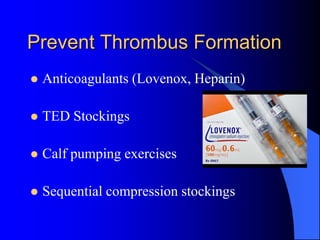
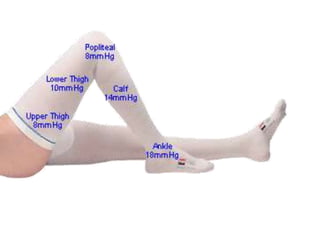
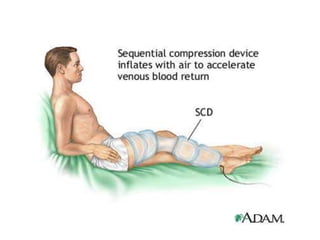
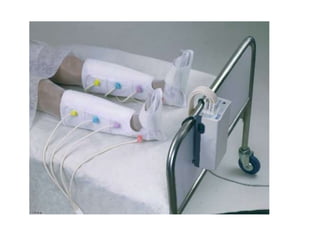
Prevent Thrombus Formation
 Anticoagulants (Lovenox, Heparin)
 TED Stockings
 Calf pumping exercises
 Sequential compression stockings
Musculoskeletal System
 Assessment of muscle tone, strength, loss
of muscle mass, contractures
 Assess for risk of disuse osteoporosis
 Assessment of ROM
 Passive ROM for all immobilized joints
 Physical therapy consult
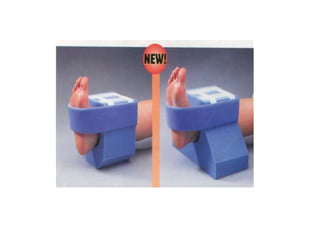
 Prevent foot drop and contractures
Elimination System
 I&O each shift
 Assess for fluid & electrolyte imbalances
 Bowel assessment
 Adequate hydration
 Incontinent considerations
 Assess bladder distention
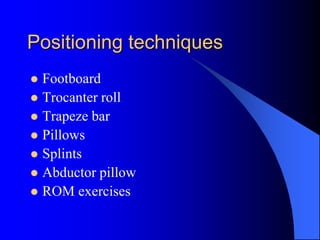
Positioning techniques
 Footboard
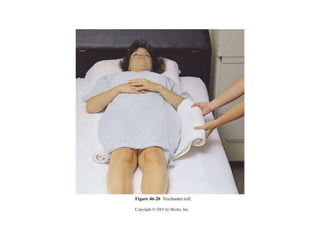
 Trocanter roll
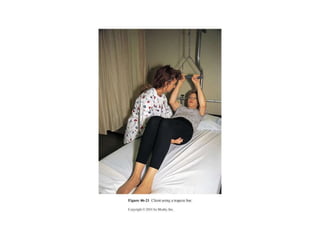
 Trapeze bar
 Pillows
 Splints
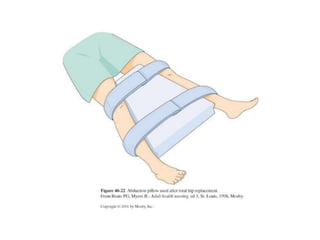
 Abductor pillow
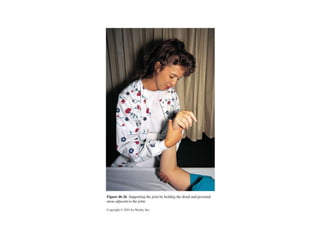
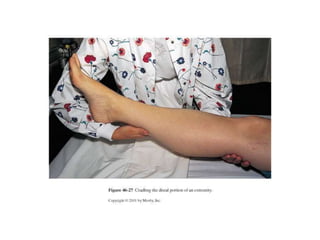
 ROM exercises
Practice Scenario
 A 72 year old client is recovering
following abdominal surgery for colon
cancer. Which hazards of immobility is
this client at risk for and why?
 How would you as the nurse prevent post-
operative complications associated with
this client’s condition?
Clicker Question
 Which nursing assessment of the
immobilized client would prompt the nurse
to take further action?
 A. Client complaining of fatique
 B. Urinary output of 50 ml/hr
 C. White blood cell count of 9.5
 D. Absence of bowel sounds
Clicker Question
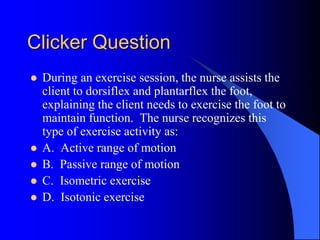
 During an exercise session, the nurse assists the
client to dorsiflex and plantarflex the foot,
explaining the client needs to exercise the foot to
maintain function. The nurse recognizes this
type of exercise activity as:
 A. Active range of motion
 B. Passive range of motion
 C. Isometric exercise
 D. Isotonic exercise
Clicker Question
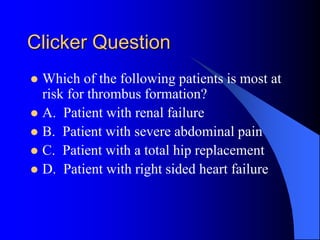
 Which of the following patients is most at
risk for thrombus formation?
 A. Patient with renal failure
 B. Patient with severe abdominal pain
 C. Patient with a total hip replacement
 D. Patient with right sided heart failure
Clicker Question
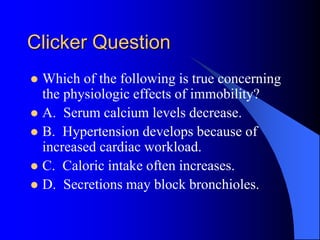
 Which of the following is true concerning
the physiologic effects of immobility?
 A. Serum calcium levels decrease.
 B. Hypertension develops because of
increased cardiac workload.
 C. Caloric intake often increases.
 D. Secretions may block bronchioles.
MOBILITY & IMMOBILITY.ppt

  • 1.
    Basic Human Needs Mobility& the Hazards of Immobility
  • 2.
    Mobility serves manypurposes  Performance of ADL  Satisfaction of basic needs  Self-defense  Expression of emotion  Recreational activities  Need intact & functioning M/S & nervous system to achieve mobility
  • 3.
    Principles of BodyMechanics  Body Mechanics-coordinated efforts of M/S & nervous systems to maintain balance, posture & body alignment during lifting, bending, moving, & performing ADL’s  Proper use of body mechanics reduces risk for injury and ensures safe care
  • 4.
    Principles of BodyMechanics  Alignment  Balance  Gravity  Friction
  • 6.
    Regulation of Movement Skeletal system  Skeletal system functions  Characteristics of bone, joints,ligaments, tendons, cartilage  Skeletal muscle  Muscle tone  Nervous system
  • 8.
    Pathological Influences of Mobility Postural Abnormalities  Impaired Muscle Development  Damage to CNS  Direct Trauma to M/S System
  • 12.
    Systemic Changes Associated WithImmobility  Metabolic changes:  Endocrine metabolism affected  (decrease in BMR)  Disrupts metabolic functioning  Fluid & Lyte Imbalances  Decreased calories & protein  Negative Nitrogen Balance  Calcium Resorption affected  Functioning of GI tract
  • 14.
    Respiratory Changes  Lackof exercise & movement put client at risk for:  Atelectasis-Collapse of alveoli leading to partial collapse of lung  Hypostatic Pneumonia- Inflammation of lung tissue from stasis or pooling of secretions  Both decrease oxygenation, prolong recovery, & add to discomfort
  • 18.
    Cardiovascular Changes  Orthostatichypotension  Increased workload of heart due to decrease in venous return to the heart  Risk for thrombus (Virchow’s Triad)
  • 22.
    Musculoskeletal Changes  Muscleeffects (muscle atrophy)  Skeletal effects- Disuse osteoporosis, contractures and foot drop
  • 25.
    Urinary Elimination Changes Stasis and pooling of urine in renal pelvis leads to increased risk for infection and renal calculi  Risk for dehydration and decreased urine output  UTI’s due to foley catheter
  • 26.
    Other Changes  Integumentarychanges (Risk assessment tool for skin breakdown, proper skin hygiene)  Psychosocial effects (Depression from immobility)  Developmental Changes
  • 27.
    Nursing Process &Immobility  Assessment  Assess immobilized client for hazards of immobility  ROM exercises (P&P pgs. 1435-1439)
  • 28.
  • 29.
    Implementation  Health Promotion Acute Care:  Metabolic system  Respiratory system  Cardiovascular system  Musculoskeletal system  Elimination system
  • 30.
    Metabolic System  Evaluatemuscle atrophy  I&O  Monitor lab data (BUN, albumin, protein, electrolytes)  Assess wound healing  Assess edema  Assess for dehydration (Skin turgor, mucous membranes)  Assess nutritional status (protein and vitamin supplements, enteral feedings, TPN)
  • 31.
    Respiratory System  Frequentrespiratory assessment  Ascultate lung sounds  Inspect chest wall movement  Promote lung expansion and stasis of pulmonary secrections  Deep breathing and coughing exercises  Incentive spirometer  Chest physiotherapy  Suctioning  Hydration  Positioning every 2 hours
  • 32.
    Cardiovascular System  Vitalsign monitoring  Assess for orthostatic changes (Baseline BP)  Reduce workload of heart  Peripheral pulse assessment  Assessment of edema (hearts inability to handle increased work load)  Prevent thrombus formation  Assessment of VTE/DVT (Calf circumference)
  • 33.
    Prevent Thrombus Formation Anticoagulants (Lovenox, Heparin)  TED Stockings  Calf pumping exercises  Sequential compression stockings
  • 38.
    Musculoskeletal System  Assessmentof muscle tone, strength, loss of muscle mass, contractures  Assess for risk of disuse osteoporosis  Assessment of ROM  Passive ROM for all immobilized joints  Physical therapy consult  Prevent foot drop and contractures
  • 43.
    Elimination System  I&Oeach shift  Assess for fluid & electrolyte imbalances  Bowel assessment  Adequate hydration  Incontinent considerations  Assess bladder distention
  • 44.
    Positioning techniques  Footboard Trocanter roll  Trapeze bar  Pillows  Splints  Abductor pillow  ROM exercises
  • 50.
    Practice Scenario  A72 year old client is recovering following abdominal surgery for colon cancer. Which hazards of immobility is this client at risk for and why?  How would you as the nurse prevent post- operative complications associated with this client’s condition?
  • 51.
    Clicker Question  Whichnursing assessment of the immobilized client would prompt the nurse to take further action?  A. Client complaining of fatique  B. Urinary output of 50 ml/hr  C. White blood cell count of 9.5  D. Absence of bowel sounds
  • 52.
    Clicker Question  Duringan exercise session, the nurse assists the client to dorsiflex and plantarflex the foot, explaining the client needs to exercise the foot to maintain function. The nurse recognizes this type of exercise activity as:  A. Active range of motion  B. Passive range of motion  C. Isometric exercise  D. Isotonic exercise
  • 53.
    Clicker Question  Whichof the following patients is most at risk for thrombus formation?  A. Patient with renal failure  B. Patient with severe abdominal pain  C. Patient with a total hip replacement  D. Patient with right sided heart failure
  • 54.
    Clicker Question  Whichof the following is true concerning the physiologic effects of immobility?  A. Serum calcium levels decrease.  B. Hypertension develops because of increased cardiac workload.  C. Caloric intake often increases.  D. Secretions may block bronchioles.