

Migration of MonomersIssues in Food Packaging (Plastics) AbiramiNadarajanFood Packaging Assignment
Plasticsare notinert
Interactionccursbetween 
•Food 
•Packaging 
•Polymer Materials
Major Concern: MIGRATION
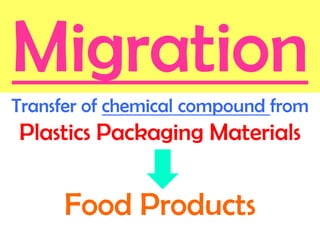
MigrationTransfer of chemical compound from Plastics Packaging Materials Food Products
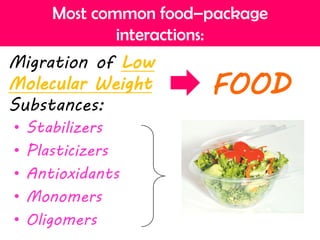
Migration of Low Molecular WeightSubstances: 
•Stabilizers 
•Plasticizers 
•Antioxidants 
•Monomers 
•OligomersMost common food–package interactions: 
FOOD
The “Migration” Mechanism
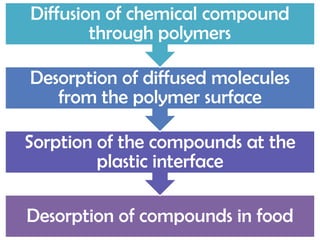
Desorption of compounds in foodSorption of the compounds at the plastic interfaceDesorption of diffused molecules from the polymer surfaceDiffusion of chemical compound through polymers
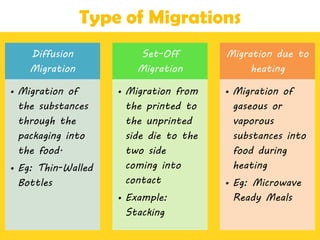
Diffusion Migration 
•Migration of the substances through the packaging into the food. 
•Eg: Thin-Walled BottlesSet-Off Migration 
•Migration from the printed to the unprinted side die to the two side coming into contact 
•Example: StackingMigration due to heating 
•Migration of gaseous or vaporous substances into food during heating 
•Eg: Microwave Ready Meals 
Type of Migrations
Migrating Components 
Few Common
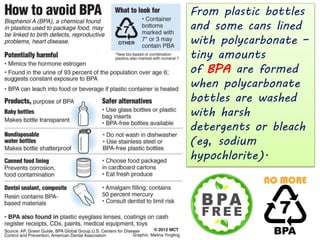
BisphenolA (BPA)
From plastic bottles and some cans lined with polycarbonate – tiny amounts ofBPAare formed when polycarbonate bottles are washed with harsh detergents or bleach (eg, sodium hypochlorite).
Polystyrene
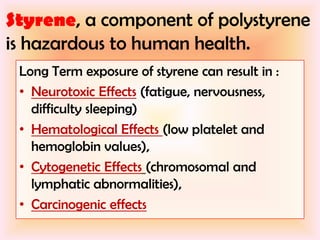
Styrene, a component of polystyrene is hazardous to human health. 
Long Term exposure of styrene can result in : 
•NeurotoxicEffects(fatigue, nervousness, difficulty sleeping) 
•Hematological Effects (low platelet and hemoglobin values), 
•Cytogenetic Effects(chromosomal and lymphatic abnormalities), 
•Carcinogenic effects
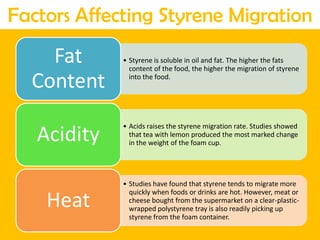
•Styrene is soluble in oil and fat. The higher the fats content of the food, the higher the migration of styrene into the food. Fat Content 
•Acids raises the styrene migration rate. Studies showed that tea with lemon produced the most marked change in the weight of the foam cup. 
Acidity 
•Studies have found that styrene tends to migrate more quickly when foods or drinks are hot. However, meat or cheese bought from the supermarket on a clear-plastic- wrapped polystyrene tray is also readily picking up styrene from the foam container. 
HeatFactors Affecting Styrene Migration
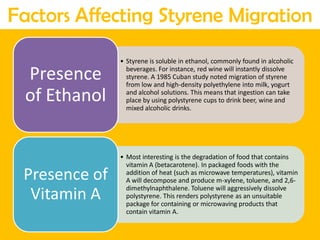
•Styrene is soluble in ethanol, commonly found in alcoholic beverages. For instance, red wine will instantly dissolve styrene. A 1985 Cuban study noted migration of styrene from low and high-density polyethylene into milk, yogurt and alcohol solutions. This means that ingestion can take place by using polystyrene cups to drink beer, wine and mixed alcoholic drinks. Presence of Ethanol 
•Most interesting is the degradation of food that contains vitamin A (betacarotene). In packaged foods with the addition of heat (such as microwave temperatures), vitamin A will decompose and produce m-xylene, toluene, and 2,6- dimethylnaphthalene. Toluene will aggressively dissolve polystyrene. This renders polystyrene as an unsuitable package for containing or microwaving products that contain vitamin A. Presence of Vitamin AFactors Affecting Styrene Migration
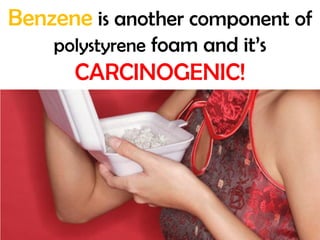
Benzeneis another component of polystyrenefoam and it’sCARCINOGENIC!
Polyvinyl chloride (PVC)
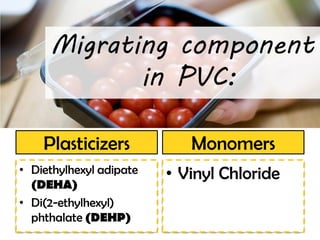
Migrating componentin PVC: 
Plasticizers 
•Diethylhexyladipate(DEHA) 
•Di(2-ethylhexyl) phthalate (DEHP) 
Monomers 
•Vinyl Chloride
DEHA: WHERE & HOW MUCH IS SAFE? 
•Commercial cling films are predominantly PVC, used for over-wrap of supermarket trays, filled rolls at delicatessens etc. WHERE: 
•Experts from the European Union have recommended a safe level (Tolerable Daily Intake) of DEHA intake to be up to 21 mg/day for a 70 kg adult, without causing harm. Their dietary exposure is estimated to be up to 8.2 mg/day, below the safety limit. SAFE LIMITS 
•DEHA can cause liver tumors in mice, and other studies showed that DEHA migrates from plastic wrap into food—particularly high fat foods such as cheese 
HEALTH CONCERNS
Effect of DEHP on Human Health 
•Theacute toxicityof DEHP is low in animal models: 30g/kg in rats (oral) and 24g/kg in rabbits (dermal). Concerns instead focus on its potential as anendocrine disruptor.Toxicity 
•Approximately 25% of US women have phthalate levels similar to those in the study.However, the study author cautioned that replication of these results are needed to strengthen any links between phthalates and adverse health outcomes. Development 
•A study onCDCdata, "revealed that American men with abdominalobesityorinsulin resistance(a precursor todiabetes) were more likely to have high levels of [DEHP andDBP] metabolites in their urine than men without those problems. Obesity 
•A clinically relevant dose and duration of exposure to DEHP has been shown to have a significant impact on the behavior ofcardiaccells in culture. 
Cardiotoxicity
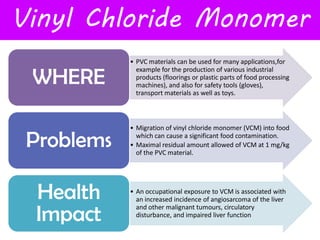
Vinyl Chloride Monomer 
•PVC materials can be used for many applications,forexample for the production of various industrial products (floorings or plastic parts of food processing machines), and also for safety tools (gloves), transport materials as well as toys. WHERE 
•Migration of vinyl chloride monomer (VCM) into food which can cause a significant food contamination. 
•Maximal residual amount allowed of VCM at 1 mg/kg of the PVC material. Problems 
•An occupational exposure to VCM is associated with an increased incidence of angiosarcomaof the liver and other malignant tumours, circulatory disturbance, and impaired liver functionHealth Impact
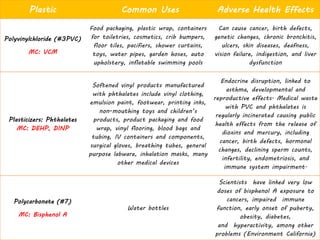
Migrating ComponentsSummary, Applications and Health Effects of some
Plastic 
Common Uses 
Adverse Health Effects 
Polyvinylchloride (#3PVC) 
MC:VCM 
Food packaging, plastic wrap, containers for toiletries, cosmetics, crib bumpers, floor tiles, pacifiers, shower curtains, toys, water pipes, garden hoses, auto upholstery, inflatable swimming pools 
Can cause cancer, birth defects, genetic changes, chronic bronchitis, ulcers, skin diseases, deafness, vision failure, indigestion, and liver dysfunction 
Plasticizers: Phthalates MC: DEHP, DINP 
Softened vinyl products manufactured with phthalates include vinyl clothing, emulsion paint, footwear, printing inks, non-mouthing toys and children’s products, product packaging and food wrap, vinyl flooring, blood bags and tubing, IV containers and components, surgical gloves, breathing tubes, general purpose labware, inhalation masks, many other medical devices 
Endocrine disruption, linked to asthma, developmental and reproductive effects. Medical waste with PVC and phthalates is regularly incinerated causing public health effects from the release of dioxins and mercury, including cancer, birth defects, hormonal changes, declining sperm counts, infertility, endometriosis, and immune system impairment. 
Polycarbonate (#7) 
MC: BisphenolA 
Water bottles 
Scientistshave linked very low doses of bisphenolA exposure to cancers, impairedimmune function, early onset of puberty, obesity, diabetes, andhyperactivity, among other problems (Environment California)
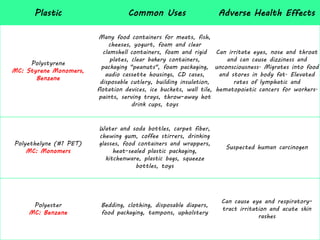
Plastic 
Common Uses 
Adverse Health Effects 
Polystyrene 
MC: StyreneMonomers, 
Benzene 
Many food containers for meats, fish, cheeses, yogurt, foam and clear clamshell containers, foam and rigid plates, clear bakery containers, packaging "peanuts", foam packaging, audio cassette housings, CD cases, disposable cutlery, building insulation, flotation devices, ice buckets, wall tile, paints, serving trays, throw-away hot drink cups, toys 
Can irritate eyes, nose and throat and can cause dizziness and unconsciousness. Migrates into food and stores in body fat. Elevated rates of lymphatic and hematopoietic cancers for workers. 
Polyethelyne(#1 PET) 
MC: Monomers 
Water and soda bottles, carpet fiber, chewing gum, coffee stirrers, drinking glasses, food containers and wrappers, heat-sealed plastic packaging, kitchenware, plastic bags, squeeze bottles, toys 
Suspected human carcinogen 
Polyester 
MC: Benzene 
Bedding, clothing, disposable diapers, food packaging, tampons, upholstery 
Can cause eye and respiratory- tract irritation and acute skin rashes
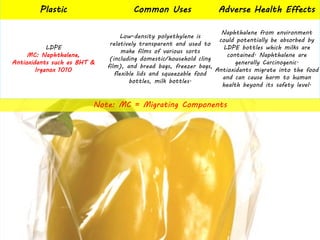
Plastic 
Common Uses 
Adverse Health Effects 
LDPE 
MC: Naphthalene, Antioxidantssuch as BHT & Irganox1010 
Low-density polyethylene is relatively transparent and used to make films of various sorts (including domestic/household cling film), and bread bags, freezer bags, flexible lids and squeezable food bottles, milkbottles. 
Naphthalenefrom environment could potentially be absorbed by LDPE bottles which milks are contained. Naphthalene are generally Carcinogenic. 
Antioxidants migrate into the food and can cause harm to human health beyond its safety level. 
Note: MC = Migrating Components
How to avoid these?
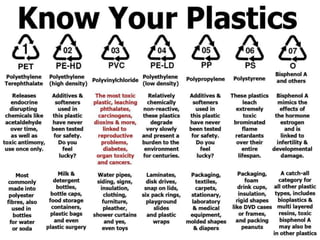
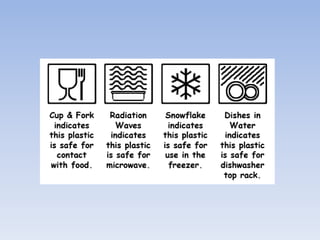
Be Plastic Smart! Know your plastics!
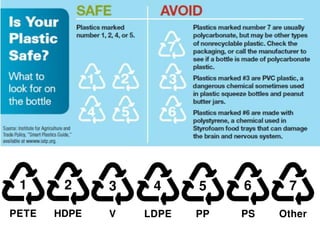
Ask yourself … Is it safe?
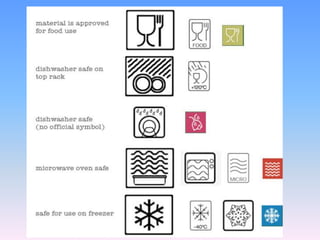
Use the right plastic !
Thank you! By: AbiramiNadarajan(113559)

Migration of monomers

  • 1.
    Migration of MonomersIssuesin Food Packaging (Plastics) AbiramiNadarajanFood Packaging Assignment
  • 2.
  • 3.
  • 4.
  • 5.
    MigrationTransfer of chemicalcompound from Plastics Packaging Materials Food Products
  • 6.
    Migration of LowMolecular WeightSubstances: •Stabilizers •Plasticizers •Antioxidants •Monomers •OligomersMost common food–package interactions: FOOD
  • 7.
  • 8.
    Desorption of compoundsin foodSorption of the compounds at the plastic interfaceDesorption of diffused molecules from the polymer surfaceDiffusion of chemical compound through polymers
  • 9.
    Diffusion Migration •Migrationof the substances through the packaging into the food. •Eg: Thin-Walled BottlesSet-Off Migration •Migration from the printed to the unprinted side die to the two side coming into contact •Example: StackingMigration due to heating •Migration of gaseous or vaporous substances into food during heating •Eg: Microwave Ready Meals Type of Migrations
  • 10.
  • 11.
  • 12.
    From plastic bottlesand some cans lined with polycarbonate – tiny amounts ofBPAare formed when polycarbonate bottles are washed with harsh detergents or bleach (eg, sodium hypochlorite).
  • 13.
  • 14.
    Styrene, a componentof polystyrene is hazardous to human health. Long Term exposure of styrene can result in : •NeurotoxicEffects(fatigue, nervousness, difficulty sleeping) •Hematological Effects (low platelet and hemoglobin values), •Cytogenetic Effects(chromosomal and lymphatic abnormalities), •Carcinogenic effects
  • 15.
    •Styrene is solublein oil and fat. The higher the fats content of the food, the higher the migration of styrene into the food. Fat Content •Acids raises the styrene migration rate. Studies showed that tea with lemon produced the most marked change in the weight of the foam cup. Acidity •Studies have found that styrene tends to migrate more quickly when foods or drinks are hot. However, meat or cheese bought from the supermarket on a clear-plastic- wrapped polystyrene tray is also readily picking up styrene from the foam container. HeatFactors Affecting Styrene Migration
  • 16.
    •Styrene is solublein ethanol, commonly found in alcoholic beverages. For instance, red wine will instantly dissolve styrene. A 1985 Cuban study noted migration of styrene from low and high-density polyethylene into milk, yogurt and alcohol solutions. This means that ingestion can take place by using polystyrene cups to drink beer, wine and mixed alcoholic drinks. Presence of Ethanol •Most interesting is the degradation of food that contains vitamin A (betacarotene). In packaged foods with the addition of heat (such as microwave temperatures), vitamin A will decompose and produce m-xylene, toluene, and 2,6- dimethylnaphthalene. Toluene will aggressively dissolve polystyrene. This renders polystyrene as an unsuitable package for containing or microwaving products that contain vitamin A. Presence of Vitamin AFactors Affecting Styrene Migration
  • 17.
    Benzeneis another componentof polystyrenefoam and it’sCARCINOGENIC!
  • 18.
  • 19.
    Migrating componentin PVC: Plasticizers •Diethylhexyladipate(DEHA) •Di(2-ethylhexyl) phthalate (DEHP) Monomers •Vinyl Chloride
  • 20.
    DEHA: WHERE &HOW MUCH IS SAFE? •Commercial cling films are predominantly PVC, used for over-wrap of supermarket trays, filled rolls at delicatessens etc. WHERE: •Experts from the European Union have recommended a safe level (Tolerable Daily Intake) of DEHA intake to be up to 21 mg/day for a 70 kg adult, without causing harm. Their dietary exposure is estimated to be up to 8.2 mg/day, below the safety limit. SAFE LIMITS •DEHA can cause liver tumors in mice, and other studies showed that DEHA migrates from plastic wrap into food—particularly high fat foods such as cheese HEALTH CONCERNS
  • 21.
    Effect of DEHPon Human Health •Theacute toxicityof DEHP is low in animal models: 30g/kg in rats (oral) and 24g/kg in rabbits (dermal). Concerns instead focus on its potential as anendocrine disruptor.Toxicity •Approximately 25% of US women have phthalate levels similar to those in the study.However, the study author cautioned that replication of these results are needed to strengthen any links between phthalates and adverse health outcomes. Development •A study onCDCdata, "revealed that American men with abdominalobesityorinsulin resistance(a precursor todiabetes) were more likely to have high levels of [DEHP andDBP] metabolites in their urine than men without those problems. Obesity •A clinically relevant dose and duration of exposure to DEHP has been shown to have a significant impact on the behavior ofcardiaccells in culture. Cardiotoxicity
  • 22.
    Vinyl Chloride Monomer •PVC materials can be used for many applications,forexample for the production of various industrial products (floorings or plastic parts of food processing machines), and also for safety tools (gloves), transport materials as well as toys. WHERE •Migration of vinyl chloride monomer (VCM) into food which can cause a significant food contamination. •Maximal residual amount allowed of VCM at 1 mg/kg of the PVC material. Problems •An occupational exposure to VCM is associated with an increased incidence of angiosarcomaof the liver and other malignant tumours, circulatory disturbance, and impaired liver functionHealth Impact
  • 23.
  • 24.
    Plastic Common Uses Adverse Health Effects Polyvinylchloride (#3PVC) MC:VCM Food packaging, plastic wrap, containers for toiletries, cosmetics, crib bumpers, floor tiles, pacifiers, shower curtains, toys, water pipes, garden hoses, auto upholstery, inflatable swimming pools Can cause cancer, birth defects, genetic changes, chronic bronchitis, ulcers, skin diseases, deafness, vision failure, indigestion, and liver dysfunction Plasticizers: Phthalates MC: DEHP, DINP Softened vinyl products manufactured with phthalates include vinyl clothing, emulsion paint, footwear, printing inks, non-mouthing toys and children’s products, product packaging and food wrap, vinyl flooring, blood bags and tubing, IV containers and components, surgical gloves, breathing tubes, general purpose labware, inhalation masks, many other medical devices Endocrine disruption, linked to asthma, developmental and reproductive effects. Medical waste with PVC and phthalates is regularly incinerated causing public health effects from the release of dioxins and mercury, including cancer, birth defects, hormonal changes, declining sperm counts, infertility, endometriosis, and immune system impairment. Polycarbonate (#7) MC: BisphenolA Water bottles Scientistshave linked very low doses of bisphenolA exposure to cancers, impairedimmune function, early onset of puberty, obesity, diabetes, andhyperactivity, among other problems (Environment California)
  • 25.
    Plastic Common Uses Adverse Health Effects Polystyrene MC: StyreneMonomers, Benzene Many food containers for meats, fish, cheeses, yogurt, foam and clear clamshell containers, foam and rigid plates, clear bakery containers, packaging "peanuts", foam packaging, audio cassette housings, CD cases, disposable cutlery, building insulation, flotation devices, ice buckets, wall tile, paints, serving trays, throw-away hot drink cups, toys Can irritate eyes, nose and throat and can cause dizziness and unconsciousness. Migrates into food and stores in body fat. Elevated rates of lymphatic and hematopoietic cancers for workers. Polyethelyne(#1 PET) MC: Monomers Water and soda bottles, carpet fiber, chewing gum, coffee stirrers, drinking glasses, food containers and wrappers, heat-sealed plastic packaging, kitchenware, plastic bags, squeeze bottles, toys Suspected human carcinogen Polyester MC: Benzene Bedding, clothing, disposable diapers, food packaging, tampons, upholstery Can cause eye and respiratory- tract irritation and acute skin rashes
  • 26.
    Plastic Common Uses Adverse Health Effects LDPE MC: Naphthalene, Antioxidantssuch as BHT & Irganox1010 Low-density polyethylene is relatively transparent and used to make films of various sorts (including domestic/household cling film), and bread bags, freezer bags, flexible lids and squeezable food bottles, milkbottles. Naphthalenefrom environment could potentially be absorbed by LDPE bottles which milks are contained. Naphthalene are generally Carcinogenic. Antioxidants migrate into the food and can cause harm to human health beyond its safety level. Note: MC = Migrating Components
  • 27.
  • 28.
    Be Plastic Smart!Know your plastics!
  • 30.
  • 32.
    Use the rightplastic !
  • 35.
    Thank you! By:AbiramiNadarajan(113559)