Media Analysis and Criticism (moving image media)
What is a  text ? A  text  is: any media  product  that we can  analyze  in terms of its  meanings . E.g., film, television show, magazine, newspaper, book, radio program, music recording, website (or a portion of these things).
What is  textual analysis ? To analyze : to break something down into its components/parts To analyze a text : to consider its parts, to ask why creators chose those parts and arrangements rather than other parts and other arrangements
What is  textual analysis ? In an audiovisual medium, we can analyze: Arrangement of parts as images and sounds through audiovisual techniques= style Arrangement of parts into a narrative (story) or non-narrative  form
Narrative Form How are parts combined? Narrative : representation of events linked by  causality A causes B; B causes C; C causes D, etc.
Narrative Form Narrative elements:  beginning (exposition), middle and end (conclusion) plot  vs.  story : plot is the story as presented in the narrative (some stories begin in the middle --  in medias res conflict  is central to most narratives, and the way the conflict is framed and resolved usually is central to a story’s meanings diegesis : the story world.  What is outside of the diegesis?
Non-Narrative Form Other ways of combining events/images E.g., a series of images set to music might be non-narrative E.g., commercials might be non-narrative Still images are typically non-narrative (print ads, photographs, etc.)
Style audio-visual  techniques  (images & sounds) All media texts have style, i.e., their distinctive way of combining elements
3 aspects of  visual  style mise en scène cinematography editing
Mise en scène literally, “put into the scene” a/k/a staging sets, costumes and makeup, acting, lighting
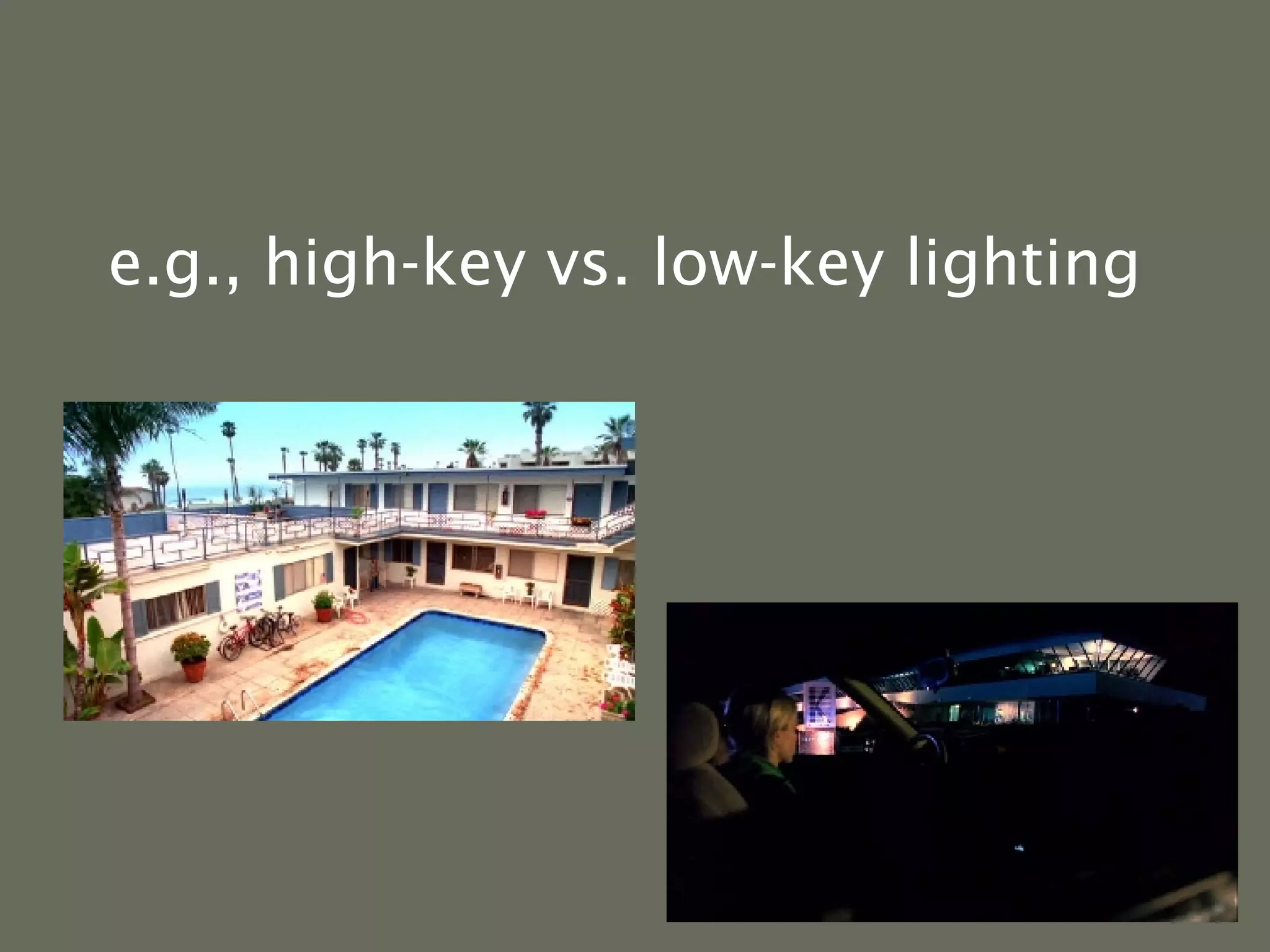
e.g., high-key vs. low-key lighting
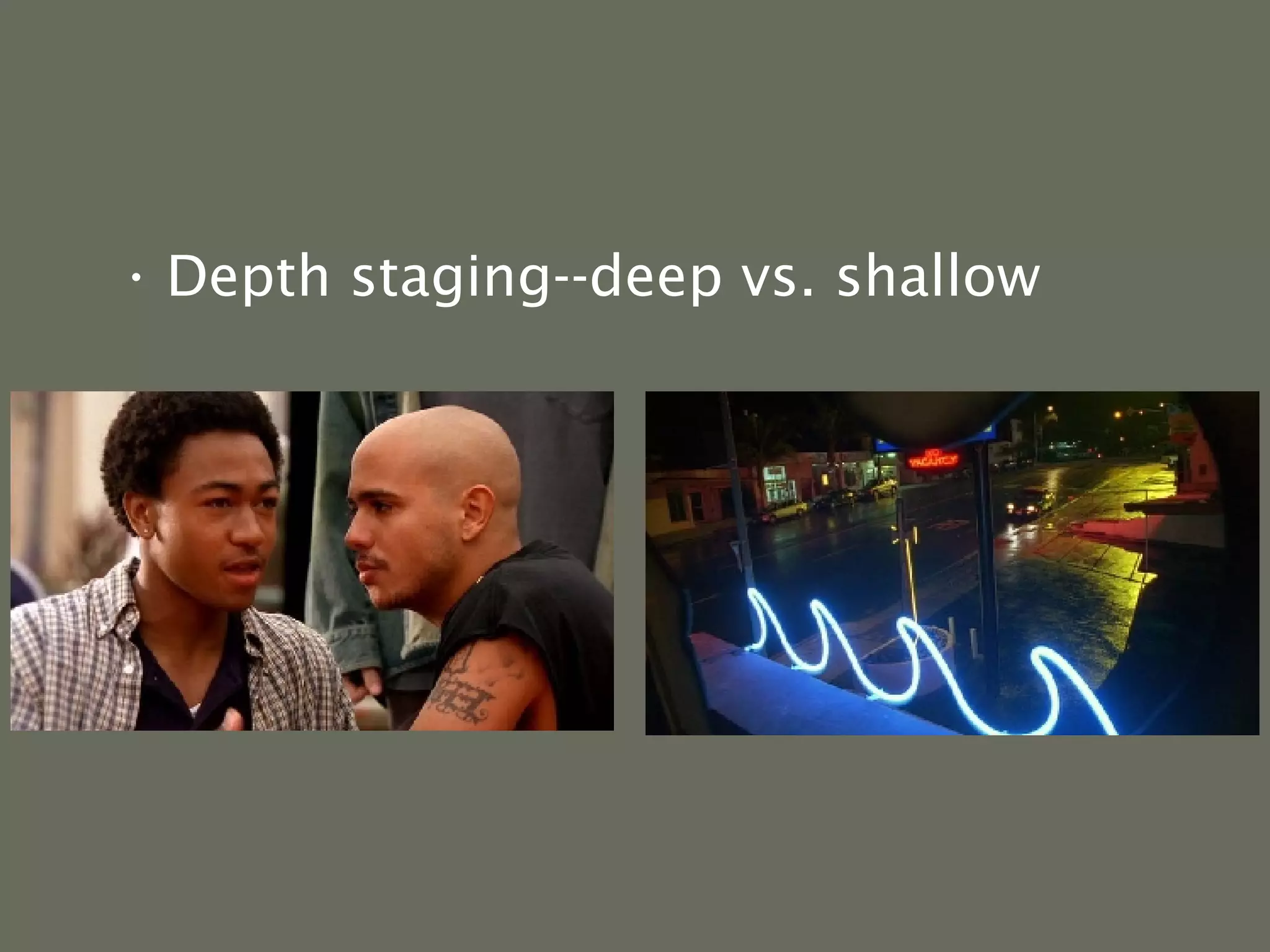
Depth staging--shallow space
Depth staging--deep space
Depth staging--deep vs. shallow
Cinematography photographic properties of the image depth of field: what is in focus? focal length: short/normal/long lens?
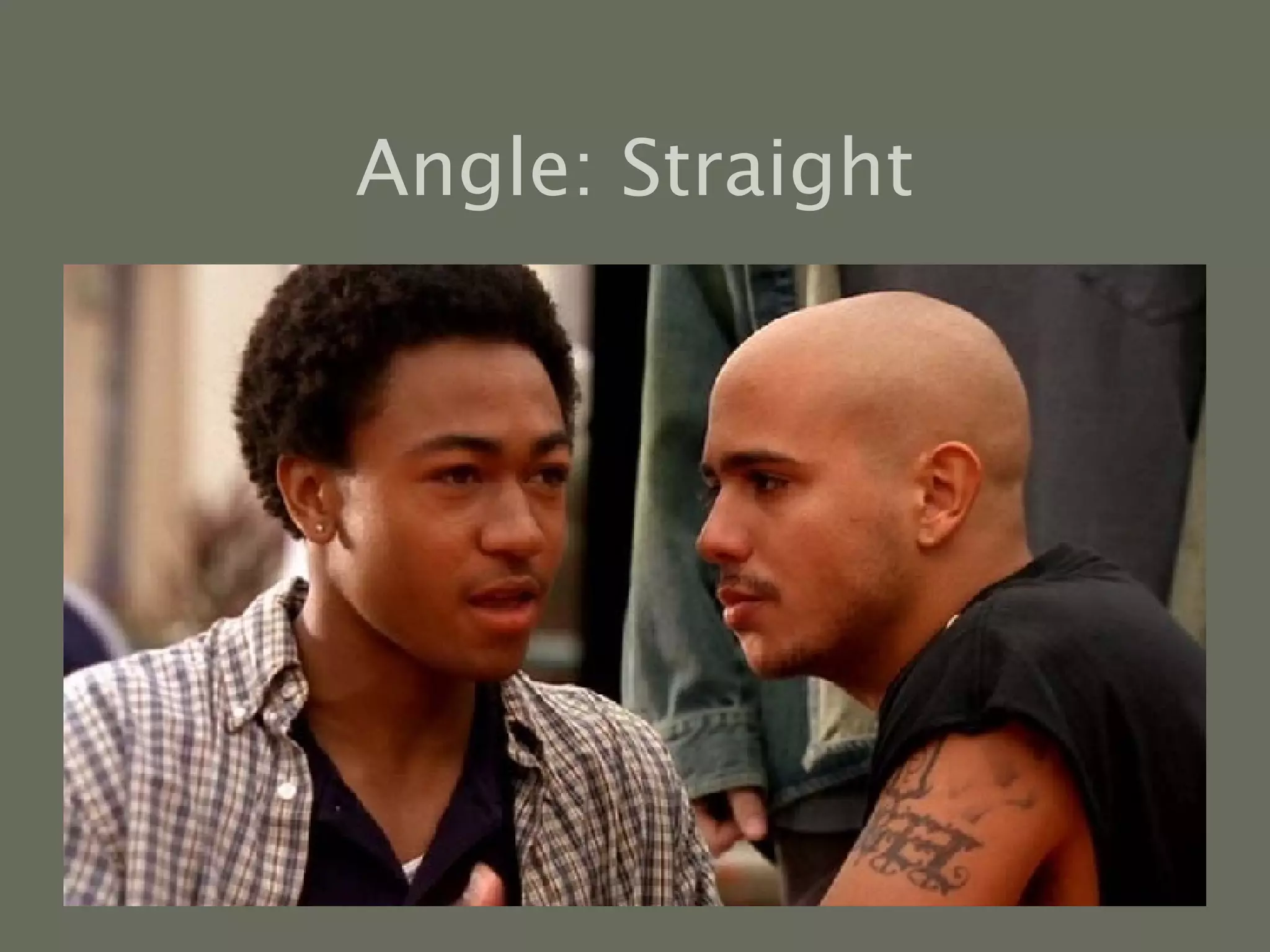
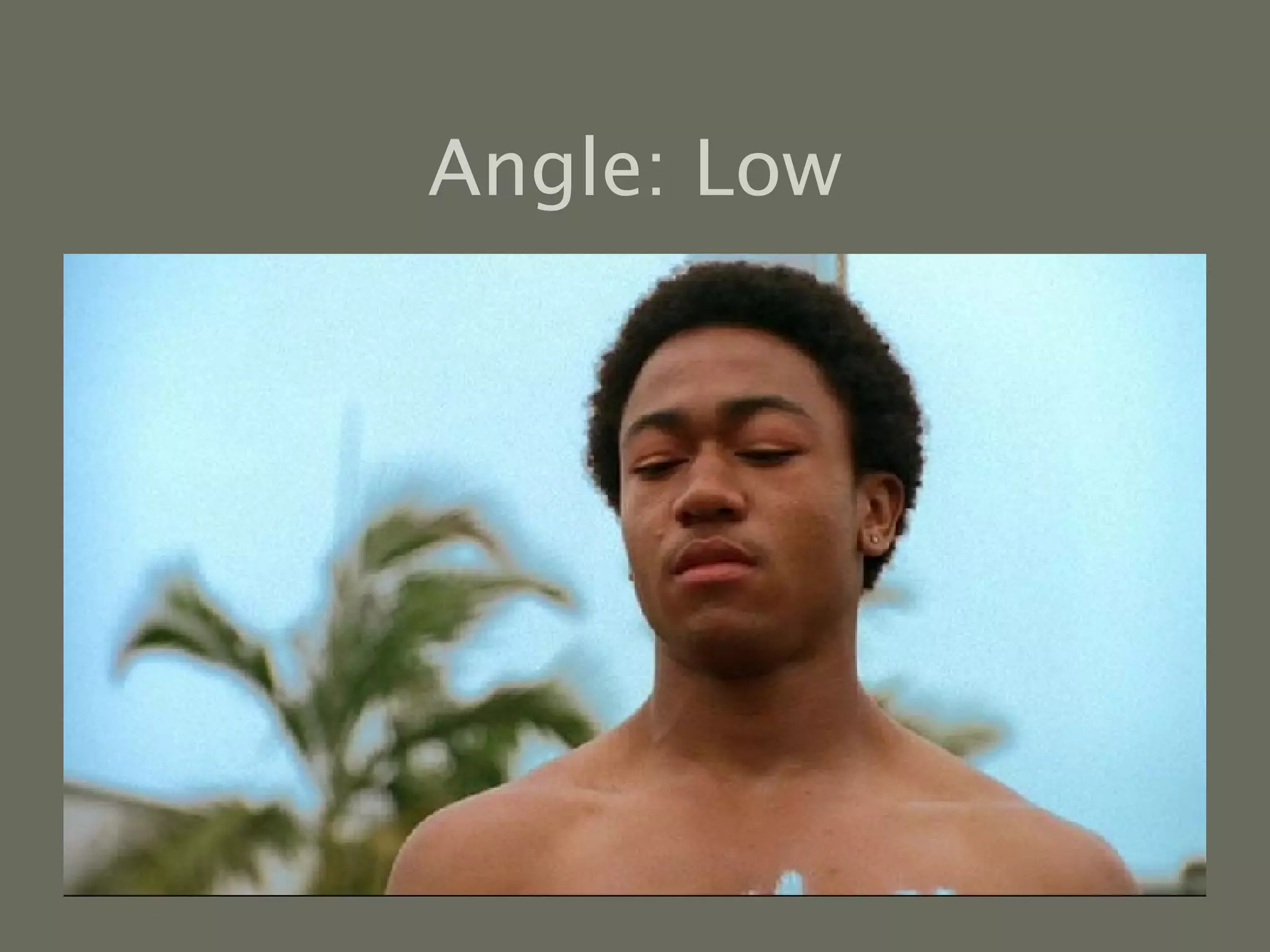
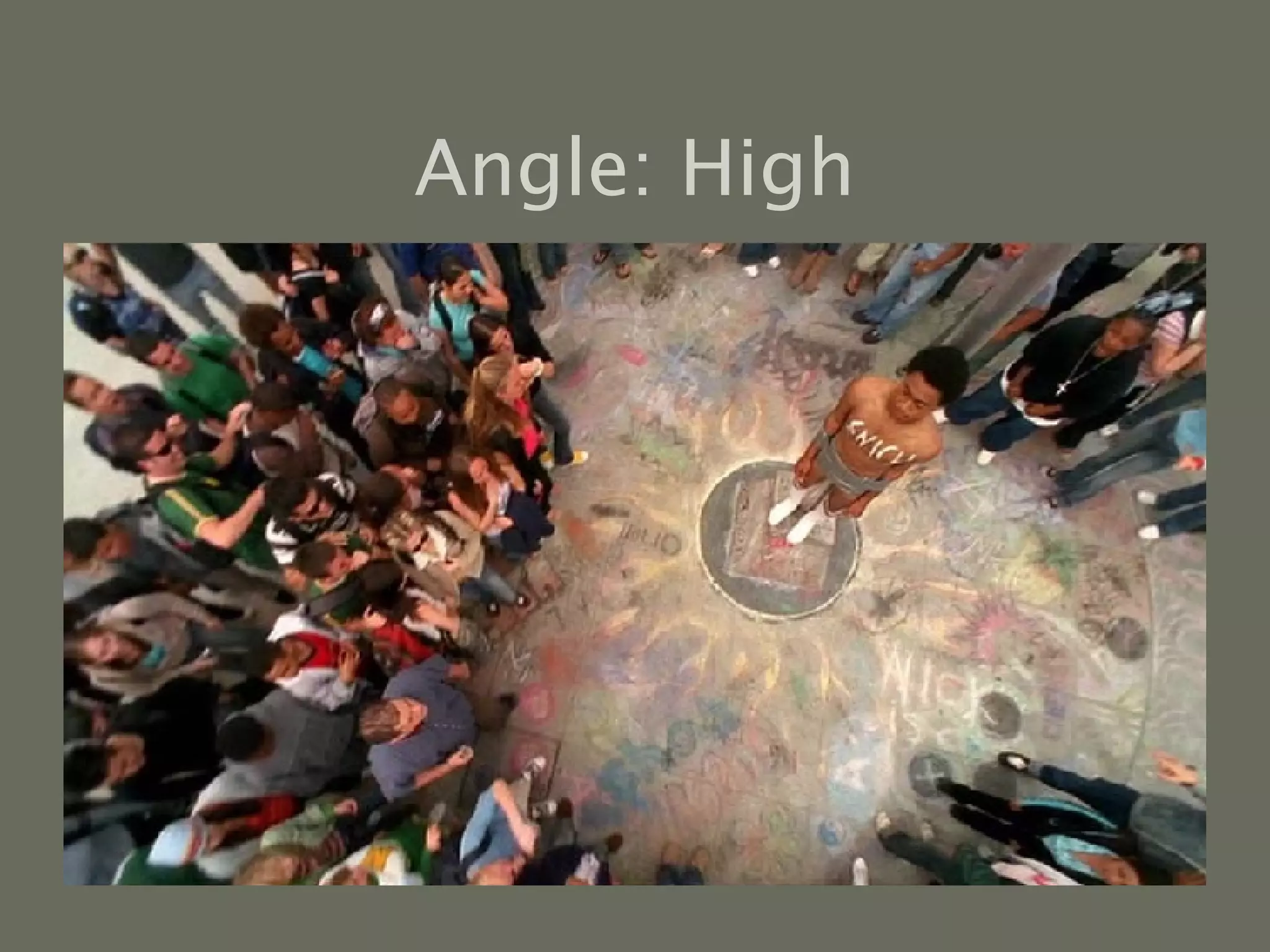
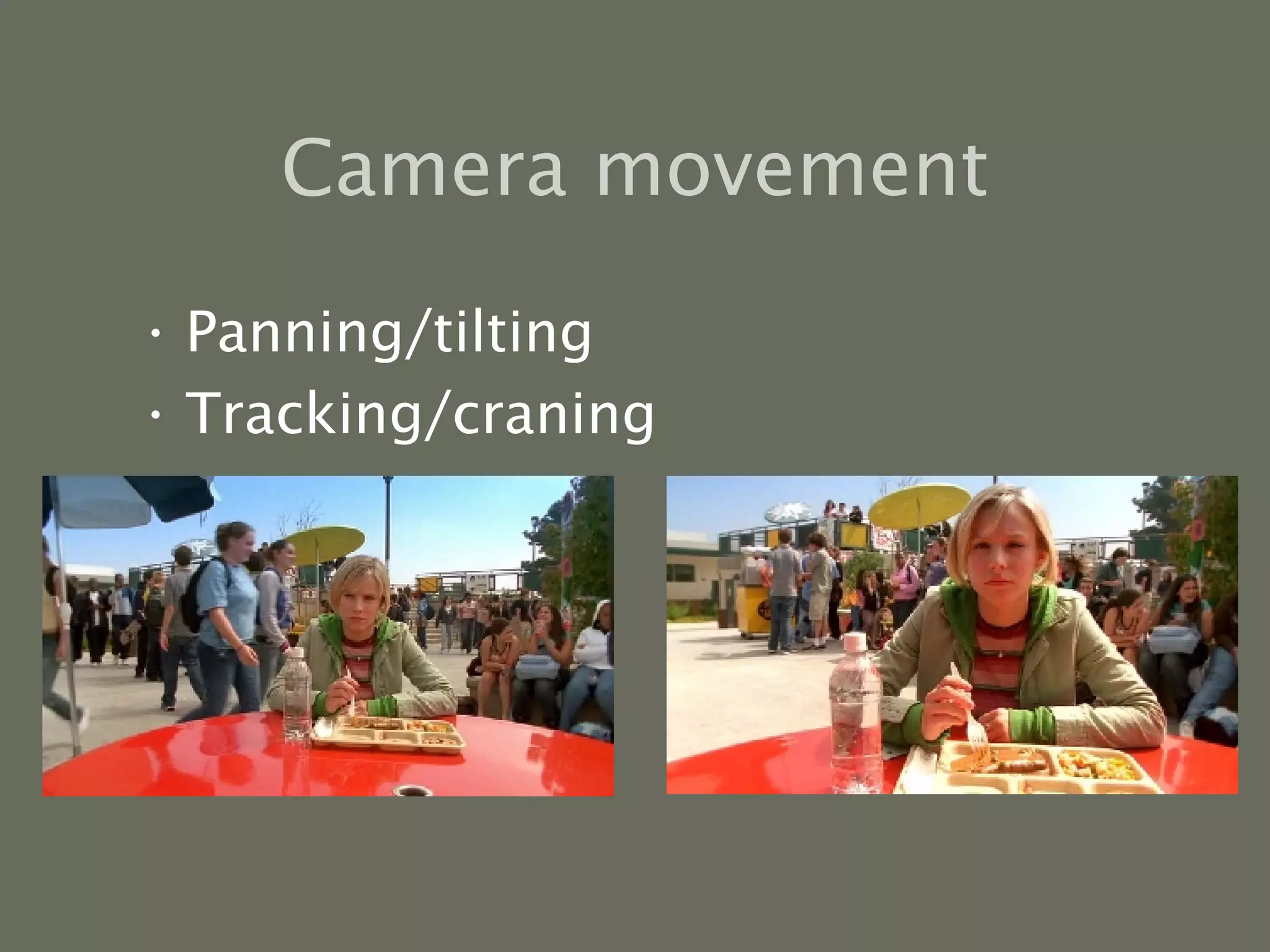
Cinematography positioning  of the camera, aka “framing” shot  scale camera  angle camera  movement
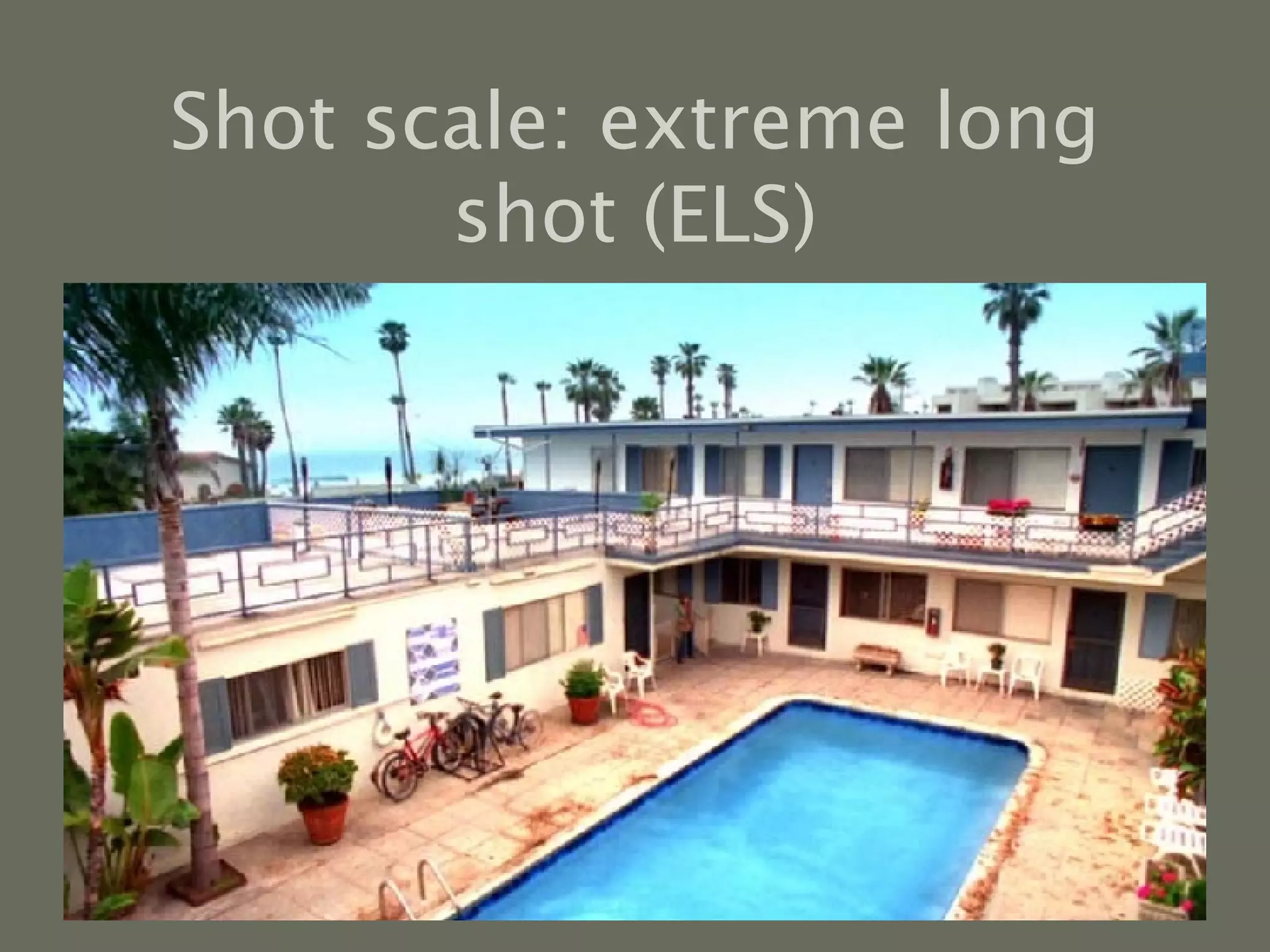
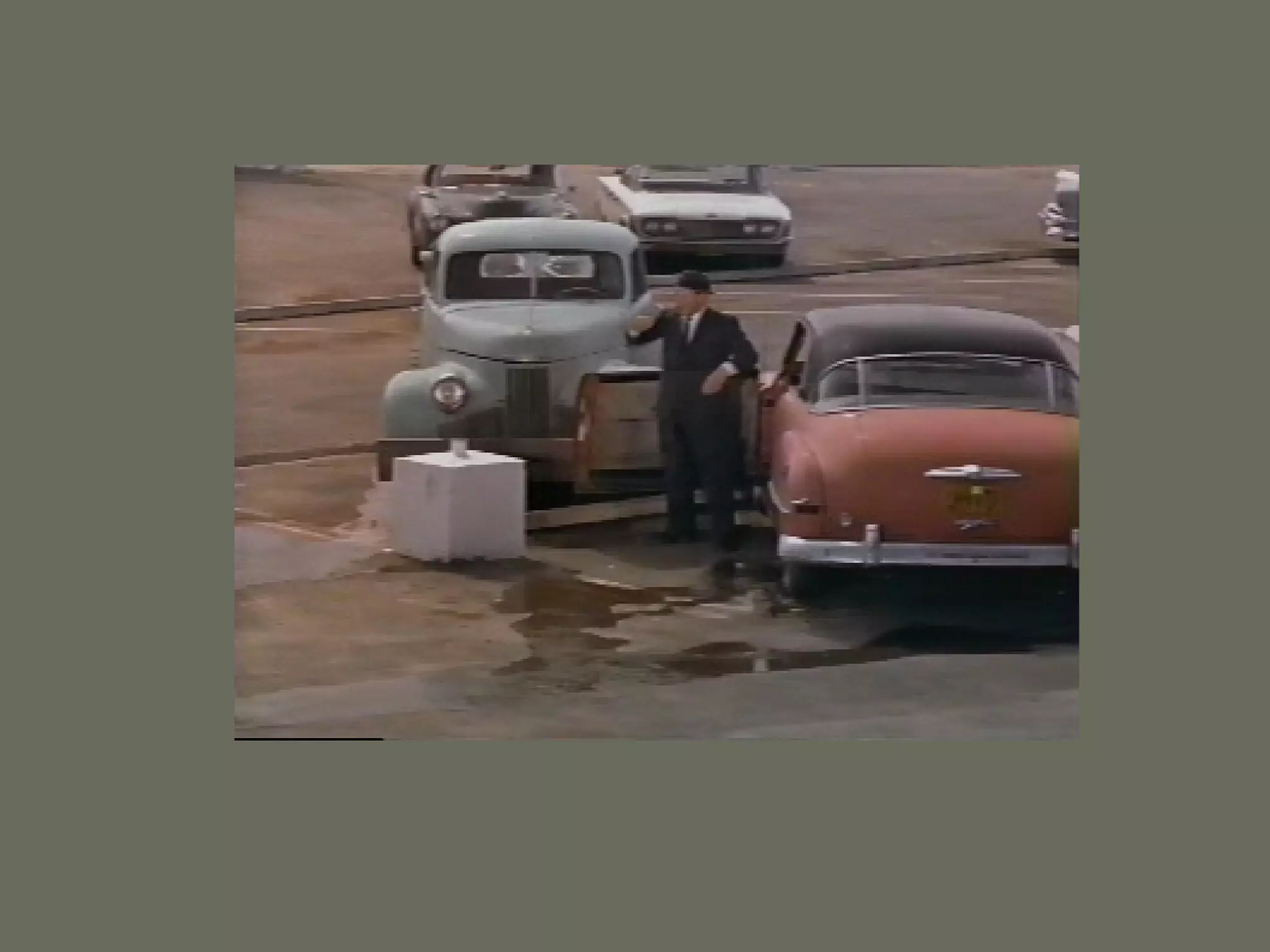
Shot scale: extreme long shot (ELS)
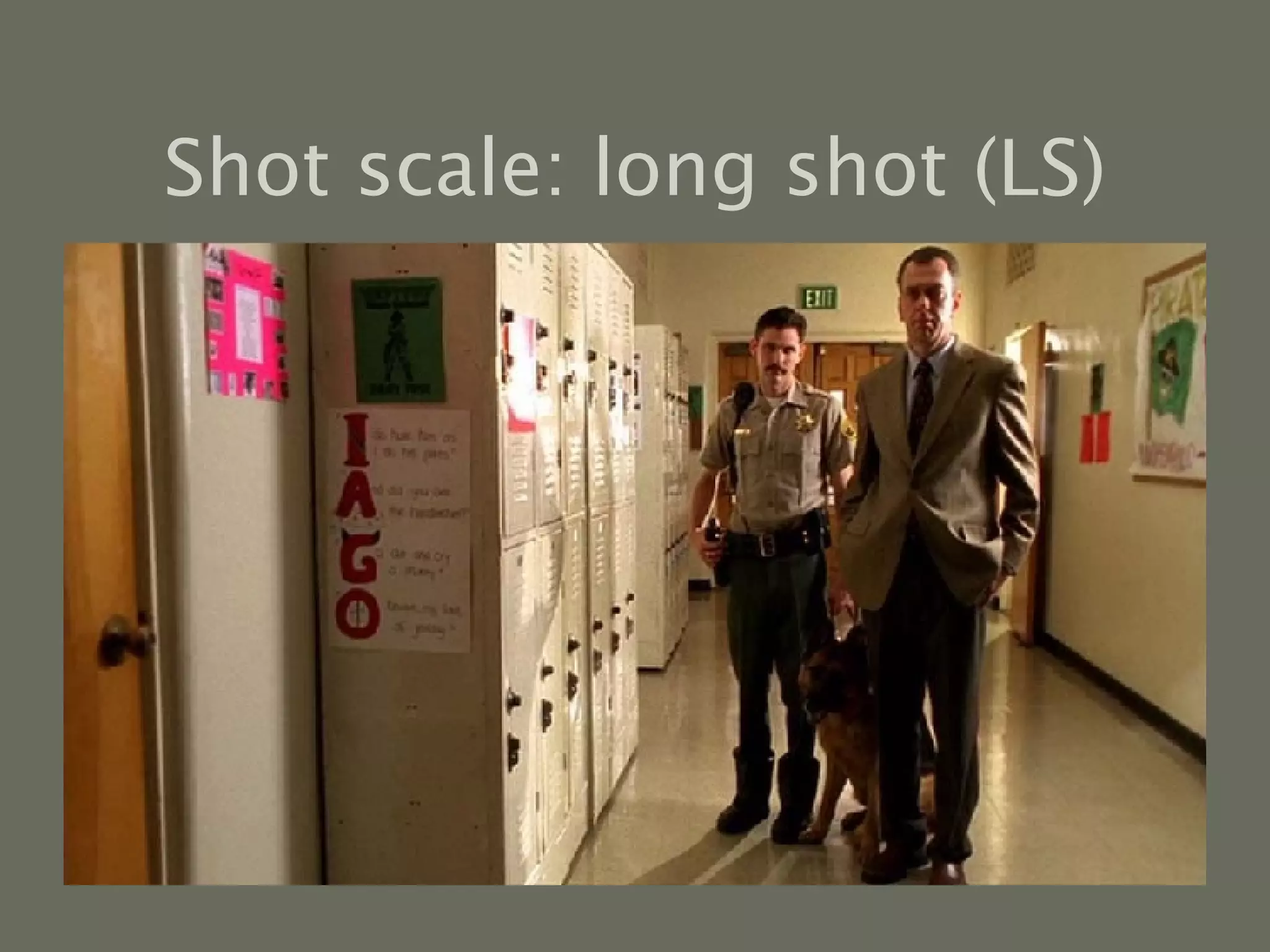
Shot scale: long shot (LS)
Shot scale: medium shot (MS)
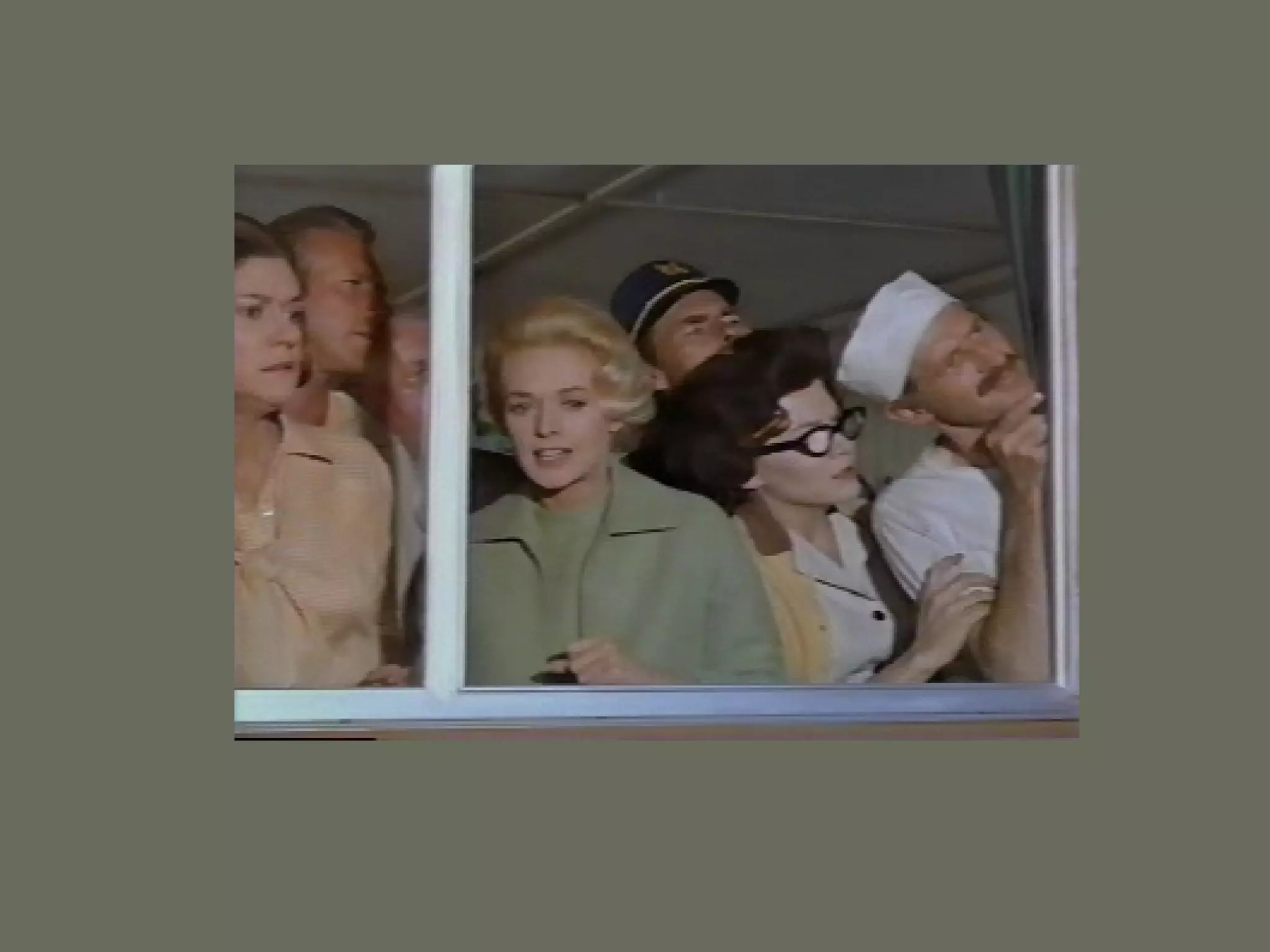
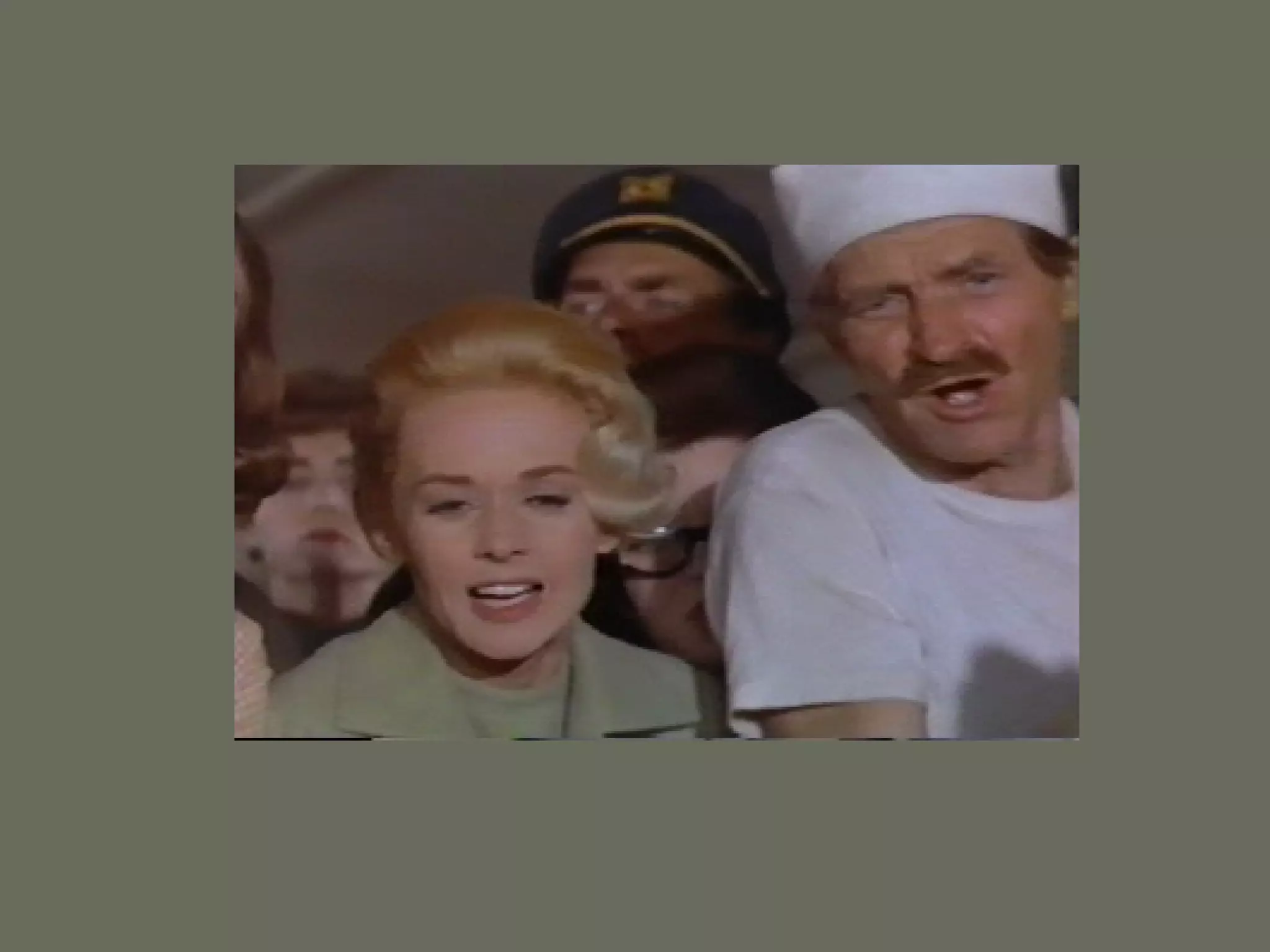
Shot scale: medium close-up (MCU)
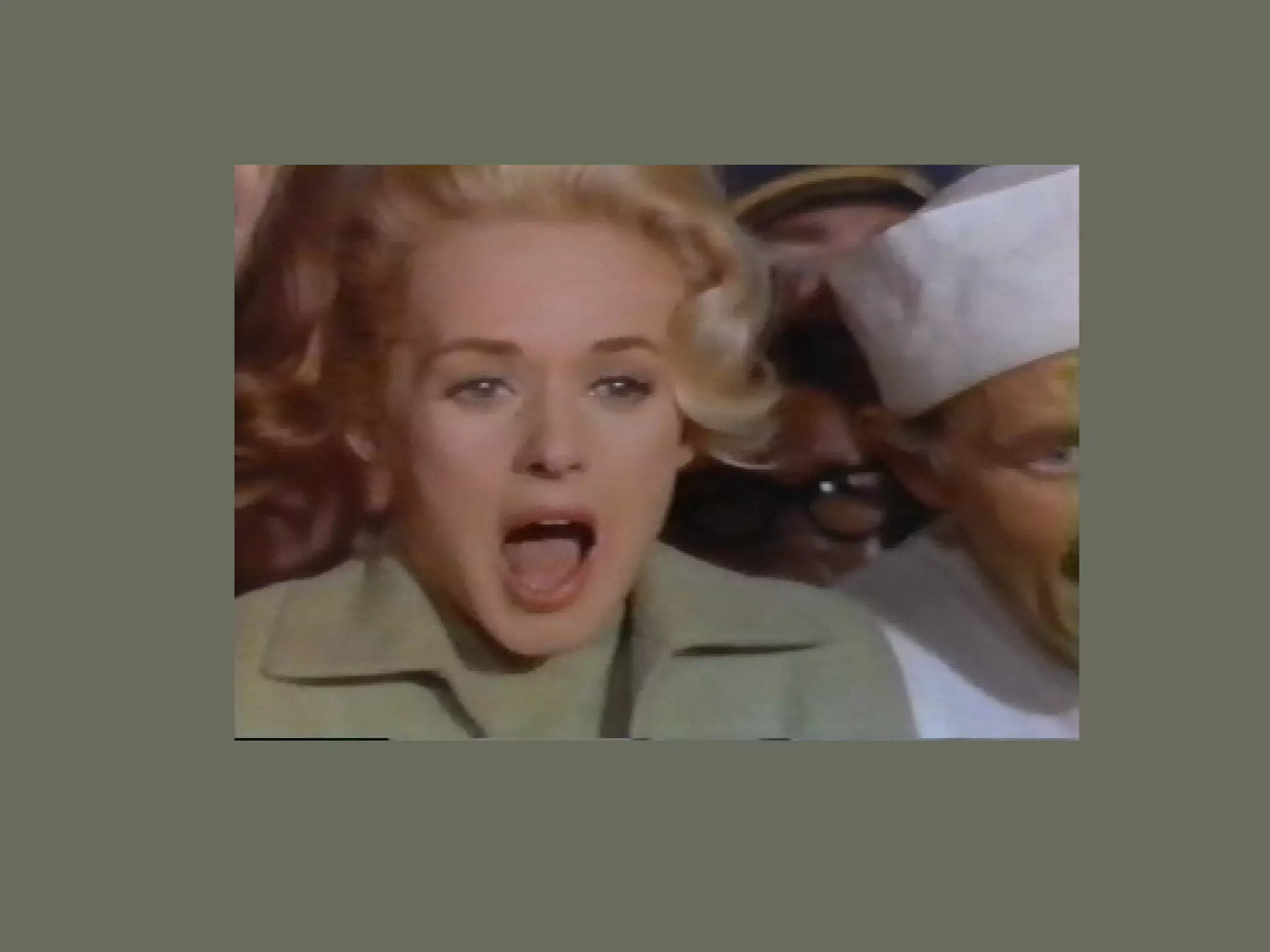
Shot scale: close-up (CU)
Shot scale: extreme close-up (ECU)
Angle: Straight
Angle: Low
Angle: High
Angle: Canted
Camera movement Panning/tilting Tracking/craning
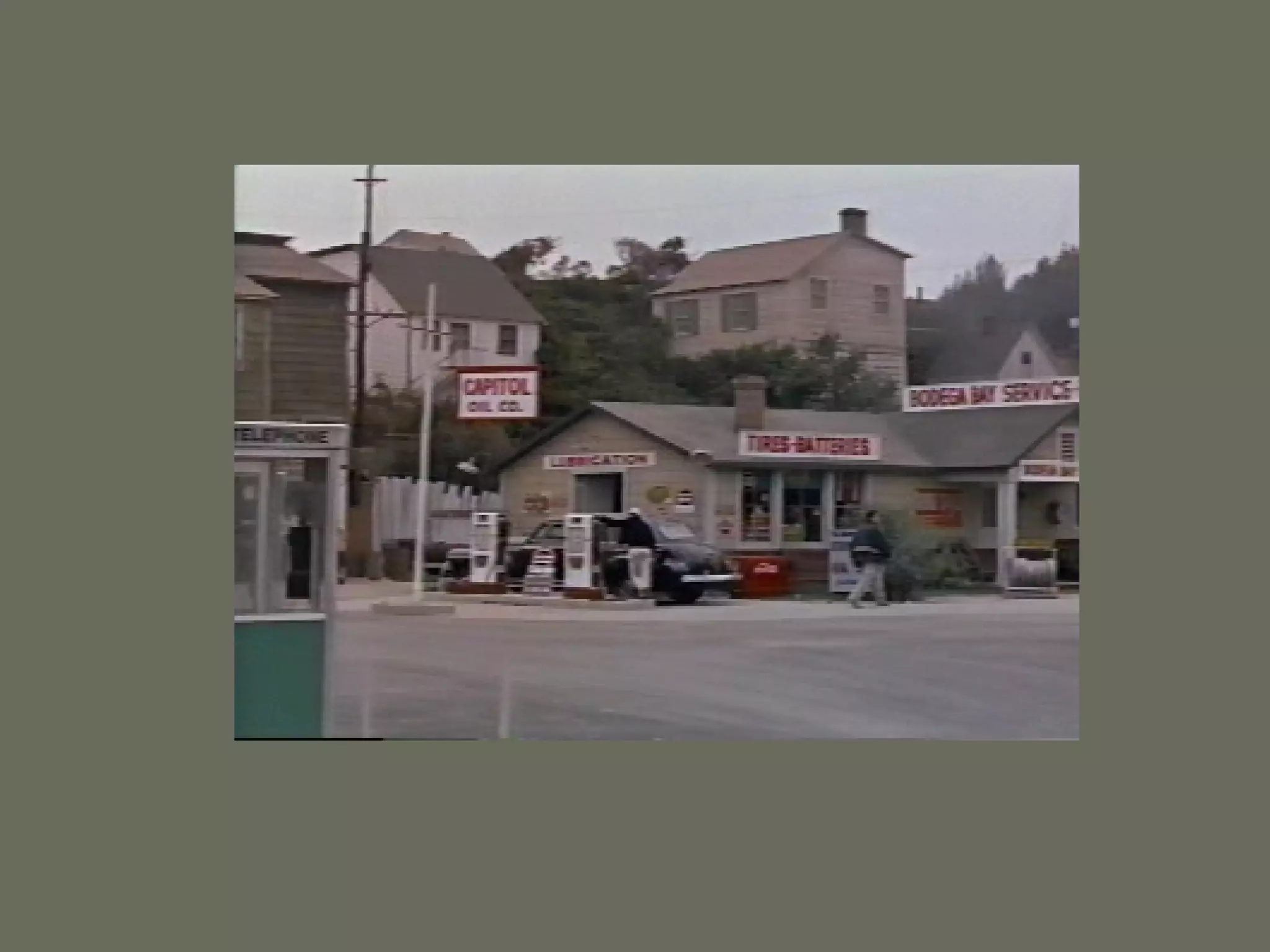
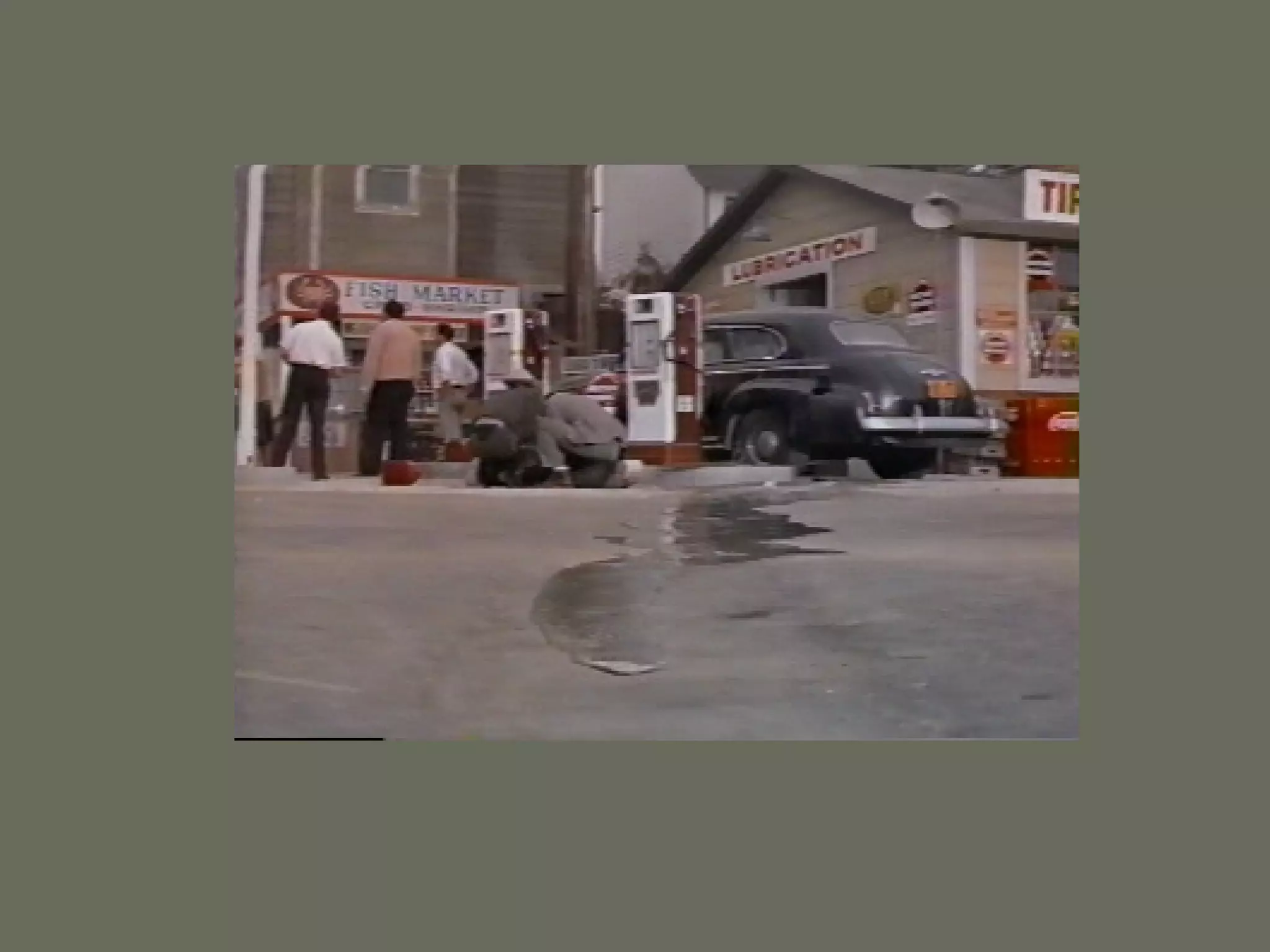
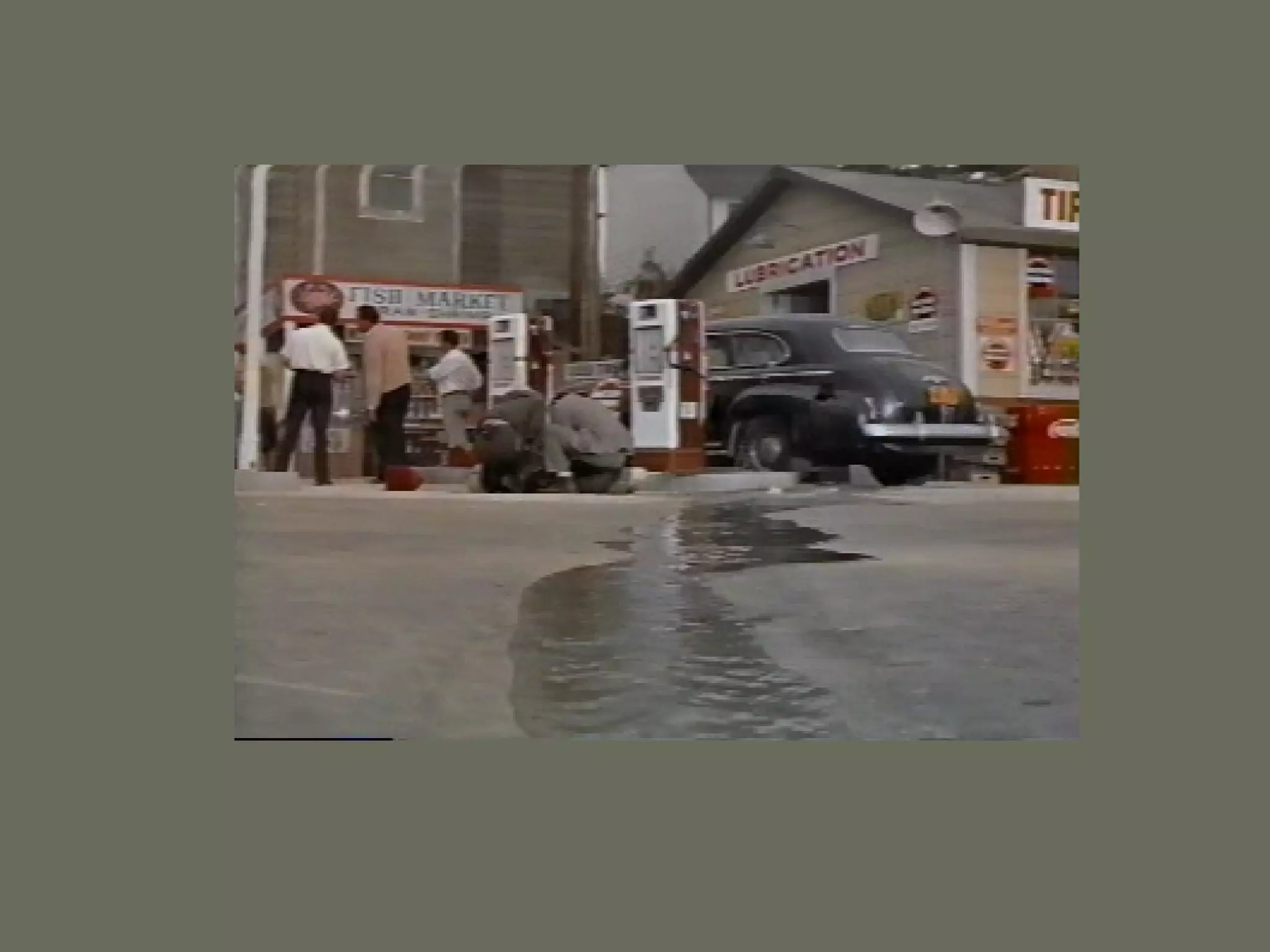
Editing relations between shots temporal relations spatial relations editing may maintain spatio-temporal  continuity  (presenting a scene in a single space/time) editing may create spatio-temporal  discontinuity , e.g., flashback
Continuity Editing maintains spatio-temporal continuity by   matching shots “ transparent” or “invisible” editing--you’re not supposed to notice it
Continuity Editing One matching technique:  shot/reverse-shot  (typically used in conversation scenes, maintains continuity of screen direction)
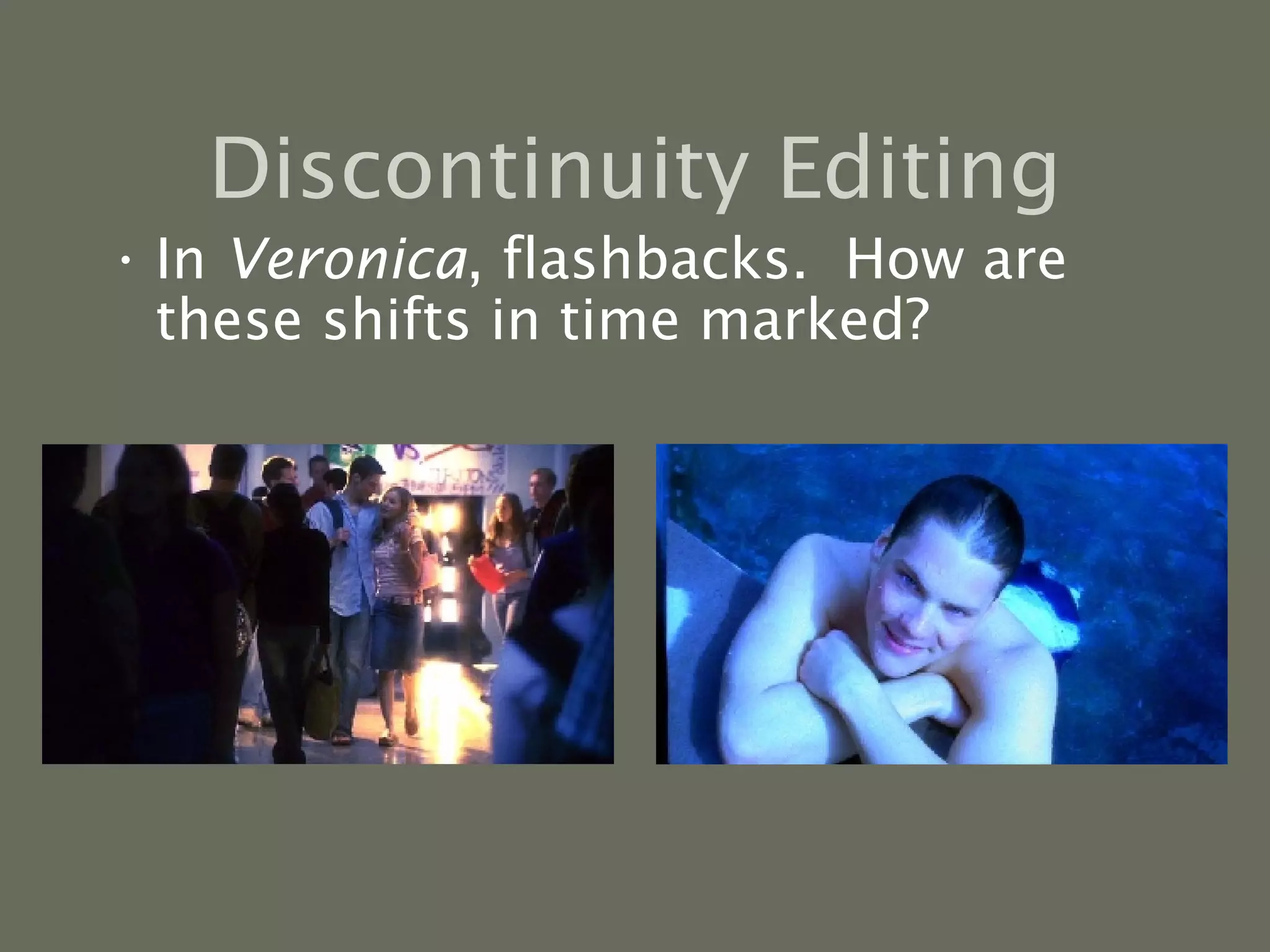
Discontinuity Editing In  Veronica , flashbacks.  How are these shifts in time marked?
Discontinuity Editing
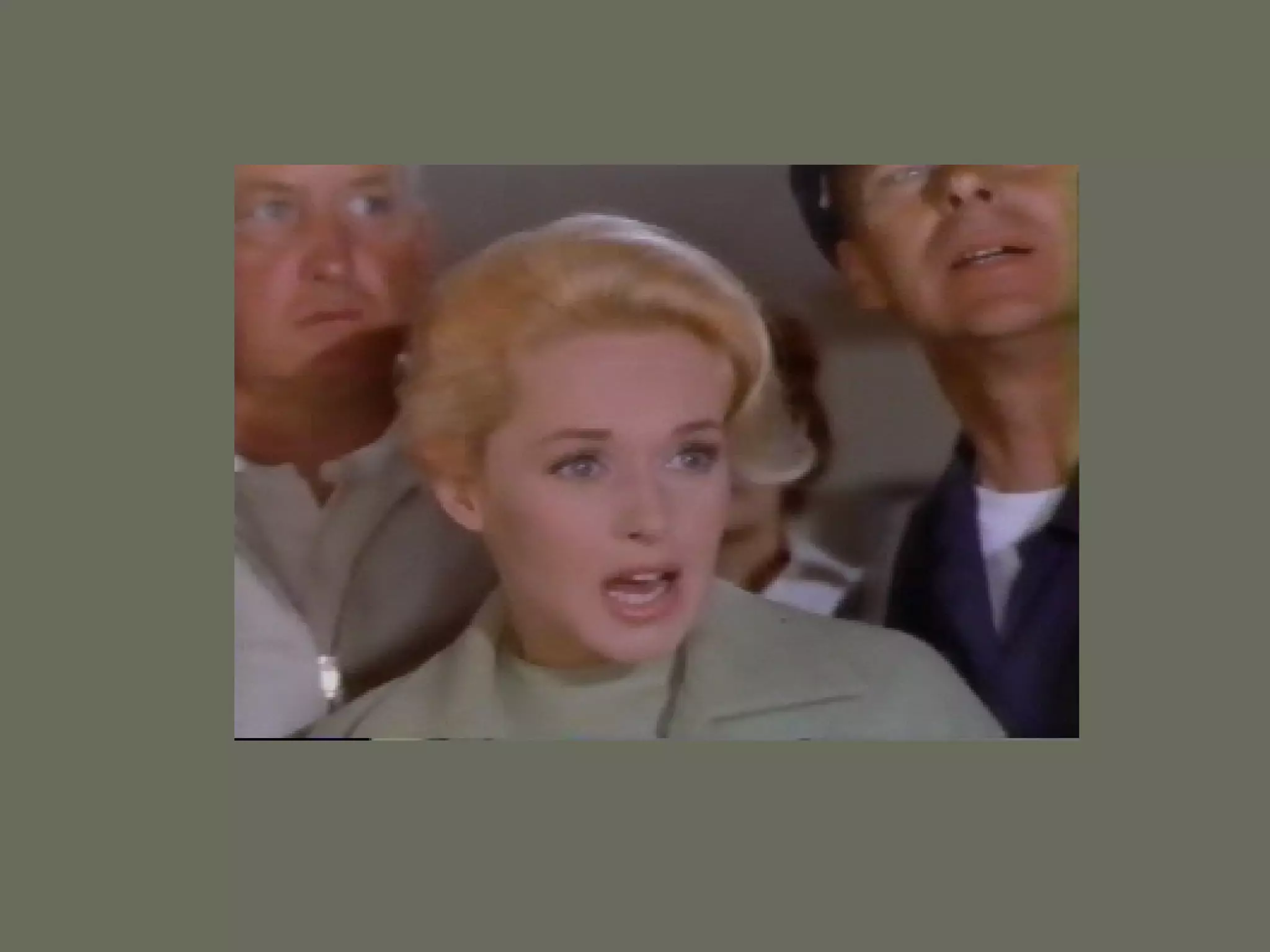
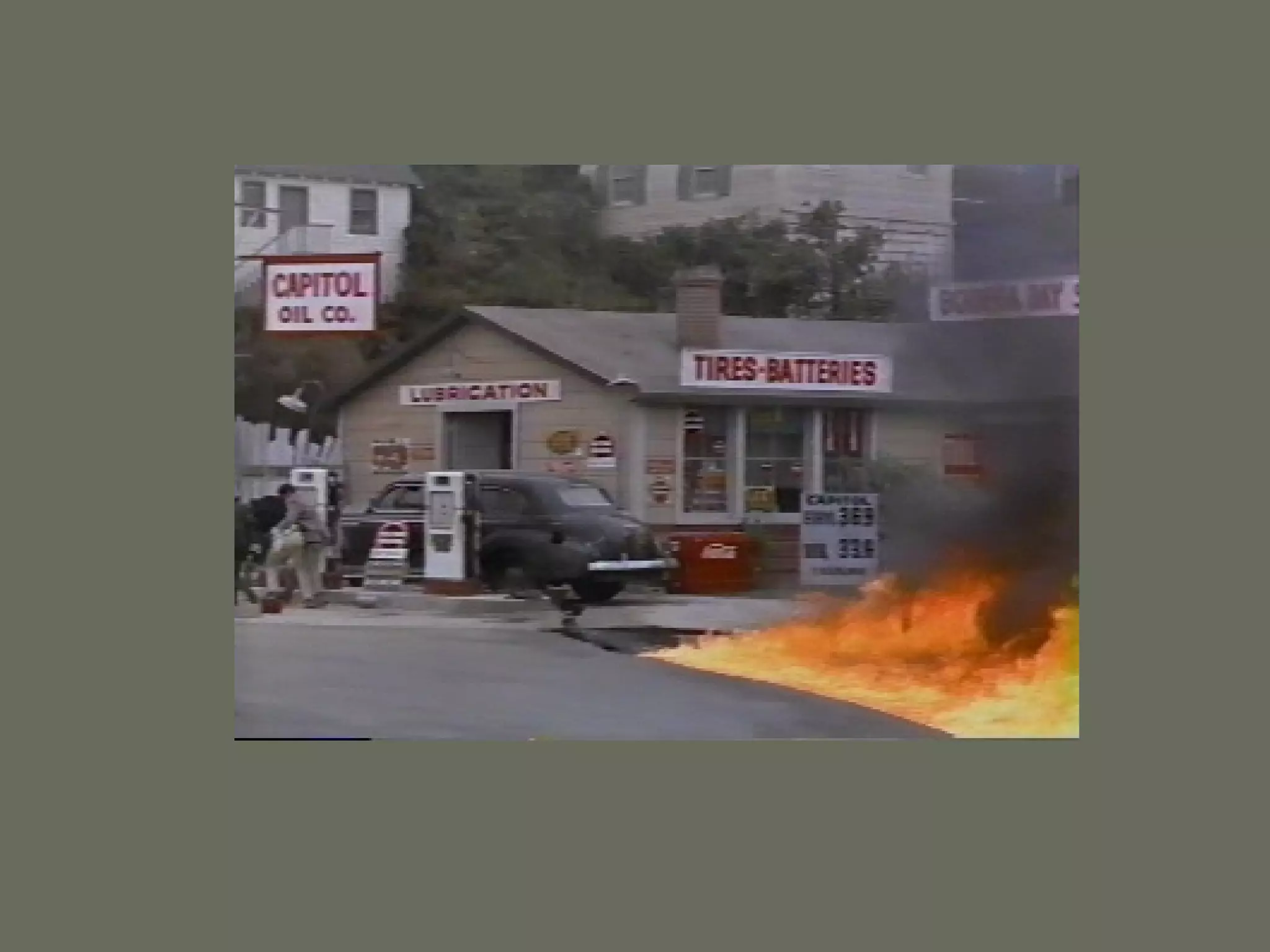
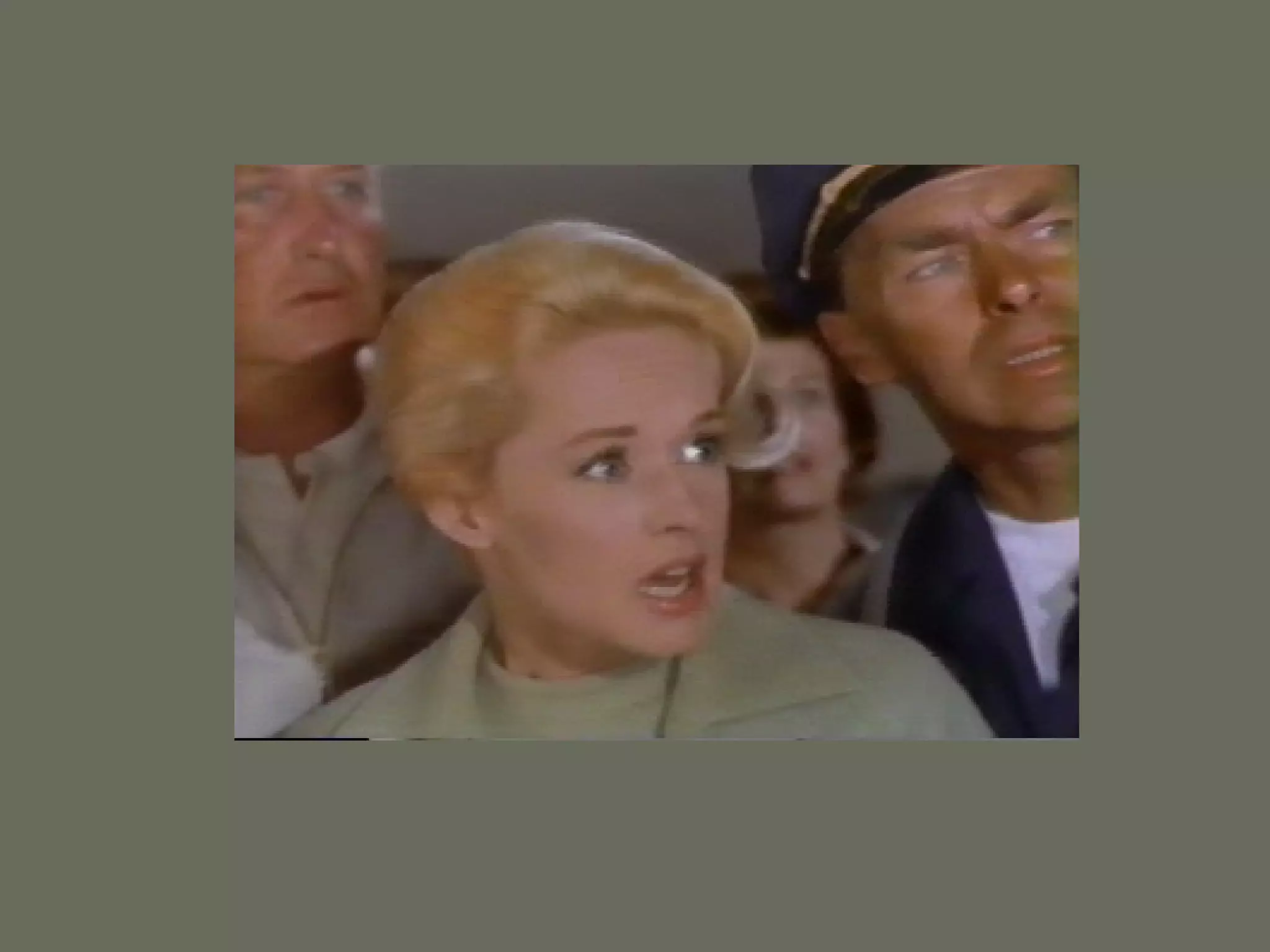
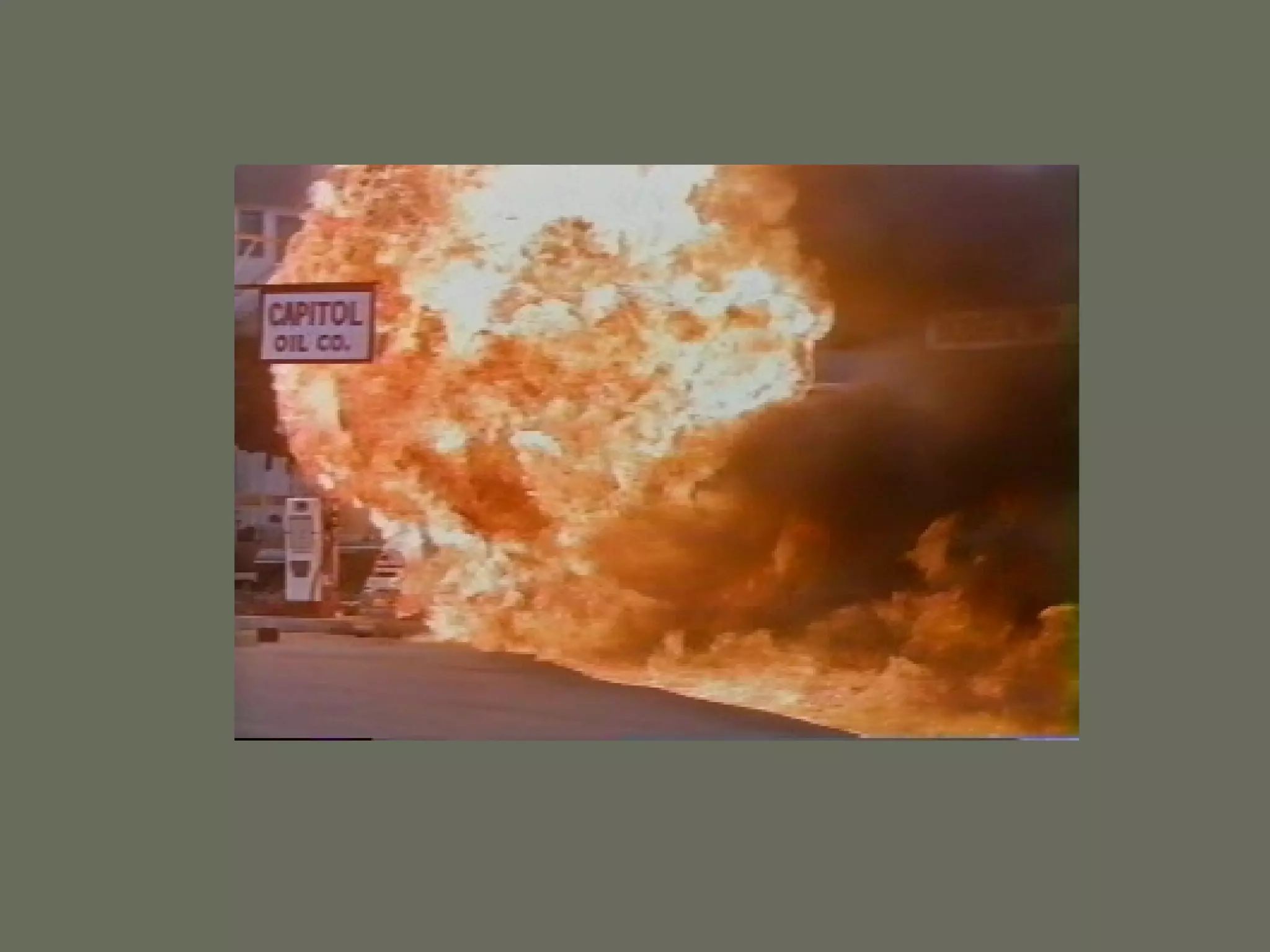
Eyeline match/POV


Sound Elements of the soundtrack: Dialogue (includes onscreen/offscreen, voice-over) Music “ Noise” (e.g., doors closing, cars running, footsteps) Always consider sound in relation to image
 

Media Analysis and Criticism