Mauryan Architecture
Dr. Virag Sontakke
Introduction
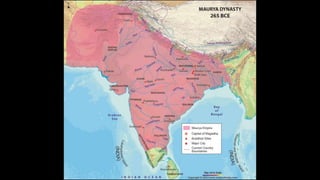
• Comprises whole India
• Unified India
• Beginning of developed art and architecture
• Change of medium from wooden to Stone and Bricks
• Beginning of secular and religious architecture
• Spread of Buddhism through the architectural remains
• Western connections: Achaemenid Influence
Significant Architecture
• Palace: Pataliputra
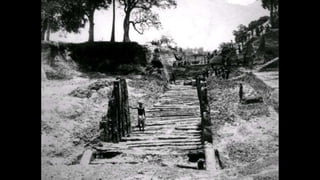
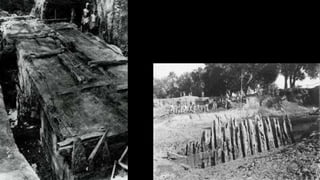
• Fortification: Pataliputra
• Stupa
• Vihara
References
• Indica of Megasthenes
• Strabo
• Asokan Inscriptions
• Buddhist Texts: Jataka, Digha Nikaya, and Sumangalavilasini
• Jain texts: Jaina Parishishta Parvan was written by
Hemchandra, alpasutra by Acharya Bhadrabahu
• Kautilyas Arthshatra
• Puranas: Vishnu Puran
• Chinese Travelers
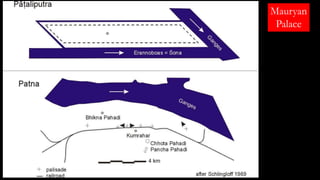
Pataliputra According to Megasthenes
• He called : Palibothra
• Pataliputra situated on the bank of Ganga
• Size of Pataliputra: 80 stadia (9.2 miles) in length and 15 stadia in breadth (1.7
miles)
• Shape: Parallelogram
• Royal Palace of Chandragupta was entirely made of timber
• Royal Palace was beautiful and magnificent like Susa and Ecbatna
• The Pillars of the palace were decorated with golden and silver birds
• Palace was situated at the heart of the city
• The palace was surrounded by parks, pasture grounds and shady grooves where
peacocks were domesticated
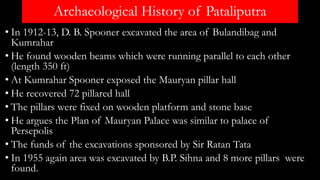
Archaeological History of Pataliputra
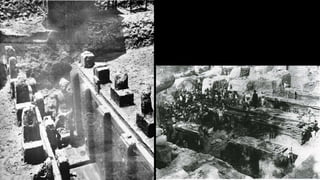
• In 1912-13, D. B. Spooner excavated the area of Bulandibag and
Kumrahar
• He found wooden beams which were running parallel to each other
(length 350 ft)
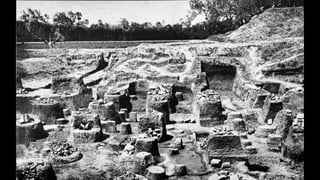
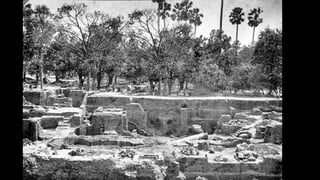
• At Kumrahar Spooner exposed the Mauryan pillar hall
• He recovered 72 pillared hall
• The pillars were fixed on wooden platform and stone base
• He argues the Plan of Mauryan Palace was similar to palace of
Persepolis
• The funds of the excavations sponsored by Sir Ratan Tata
• In 1955 again area was excavated by B.P. Sihna and 8 more pillars were
found.
Mauryan
Palace
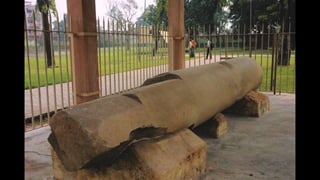
• Pillars once stood on a wooden
platform and supported a wooden
roof.
• Pillars are similar to an Ashokan
pillar, smooth, polished and made
of grey Chunar sandstone.
• The walls, doorways, and the
sculptured designs are no human
work.
• It show the extraordinary
craftsmanship
• It was surrounded by the high
walls with battlements, water
ditches, bearing lotuses and
plants.
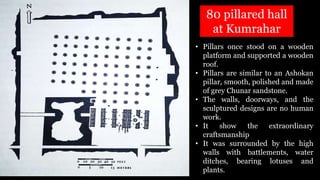
80 pillared hall
at Kumrahar
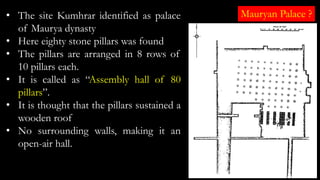
• The site Kumhrar identified as palace
of Maurya dynasty
• Here eighty stone pillars was found
• The pillars are arranged in 8 rows of
10 pillars each.
• It is called as “Assembly hall of 80
pillars”.
• It is thought that the pillars sustained a
wooden roof
• No surrounding walls, making it an
open-air hall.
Mauryan Palace ?
Fortification: According to Megasthenes
•Surrounded by wooden wall (massive timber palisades)
•Pierced with loopholes for the discharge of arrows
•Had ditch in front for defense
•Ditch size: 600 feet breadth and 30 cubits in depths
•Ditch also received sewage of the city
•The wall crowned with 570 towers and 64 gates
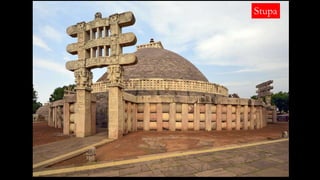
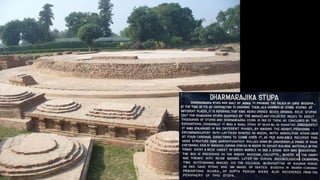
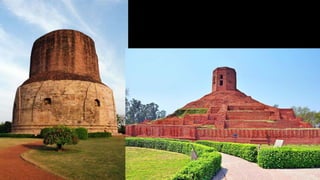
Stupa
Stupa
• Stupa probably has a long tradition since Later Vaidik period
• Stupa prominently related to Buddhism
• After the demise of Buddha eight stupas were made
• Since then numerus stupas were constructed in Indian Subcontinent
• Stupas were generally erected upon the relics of great Gautama
• Also important places related to Buddha
• In Buddhism stupa emerged as symbol of Buddha
• Stupa means virtual presence of Buddha
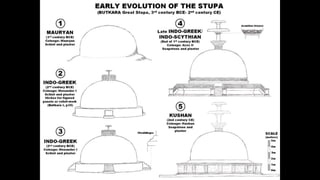
• Architecture of Stupa shows further development from simple mud
heap to elaborate stone decorations
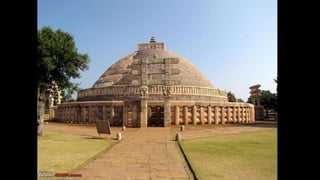
Stupa
• Stupas were constructed over the relics of the Buddha
• The important stupa situated at Rajagriha, Kapilavastu, Vaishali,
Ramagrama, Allakappa, Pava, Vethadipa, Pippalvina and Kushinagar.
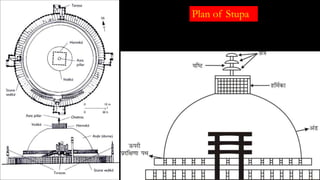
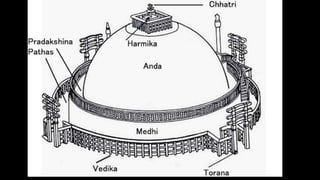
• Stupas consist of a cylindrical drum with a circular anda
• Earlier stupas were made of mud
• Asoka change the mode from mud to brick
• and a harmika and a chatra on the top.
• Sometimes there were circumambulatory pathways and gateways. In
many cases, additions were added in later centuries.
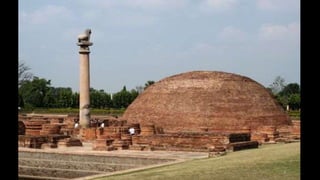
Stupa at Asokan period
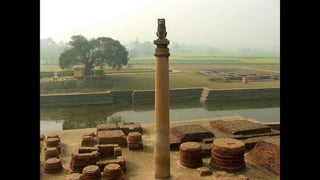
• Hiuen Steng: 84000 stupa
• Stupa at Bairat, Rajasthan – 3rd century BCE; grand stupa with a circular
mound and a circumambulatory path.
• Stupa at Sanchi, Vaishali, Sarnath, Taxila, Sopara
Plan of Stupa
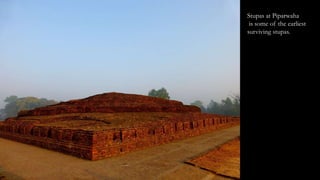
Stupas at Piparwaha
is some of the earliest
surviving stupas.
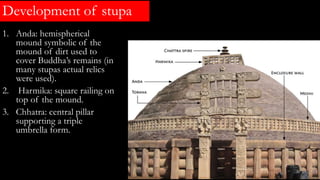
Development of stupa
1. Anda: hemispherical
mound symbolic of the
mound of dirt used to
cover Buddha’s remains (in
many stupas actual relics
were used).
2. Harmika: square railing on
top of the mound.
3. Chhatra: central pillar
supporting a triple
umbrella form.
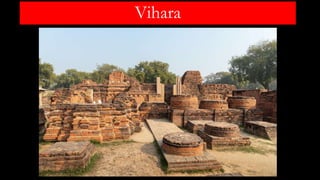
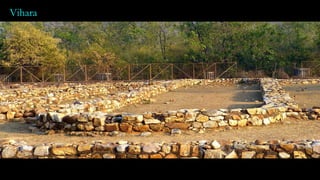
Vihara
Vihara
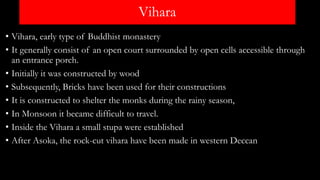
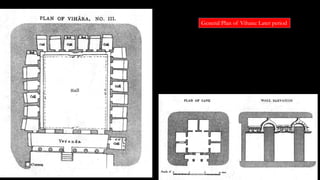
• Vihara, early type of Buddhist monastery
• It generally consist of an open court surrounded by open cells accessible through
an entrance porch.
• Initially it was constructed by wood
• Subsequently, Bricks have been used for their constructions
• It is constructed to shelter the monks during the rainy season,
• In Monsoon it became difficult to travel.
• Inside the Vihara a small stupa were established
• After Asoka, the rock-cut vihara have been made in western Deccan
Vihara
General Plan of Vihara: Later period
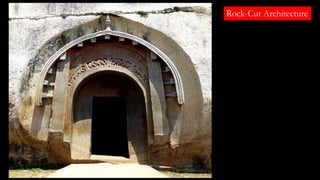
Rock-Cut Architecture
Rock-Cut Caves
• The Mauryan period saw the beginning of rock cut architecture
• The caves are located in the Nagarjuni and Barabar hills to the north of
Bodhgaya.
• These caves are hollowed out from the living rock, later developing into what is
called a Chaitya Hall.
• The Buddhist monks used the chaitya as their place of retreat
• Ashoka built three caves and gifted them to the Ajivikas, and in the
neighbouring Nagarjuni hills, one of his successors, Dasharatha, did the same.
• Ashokan caves are unornamented and functional.
• Three caves in Barabar hills have dedicatory inscriptions of Ashoka and three in
the Nagarjuni hills have inscriptions of his successor Dasaratha.
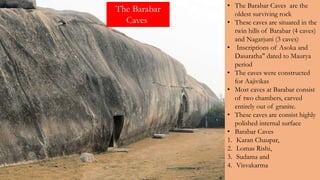
• The Barabar Caves are the
oldest surviving rock
• These caves are situated in the
twin hills of Barabar (4 caves)
and Nagarjuni (3 caves)
• Inscriptions of Asoka and
Dasaratha" dated to Maurya
period
• The caves were constructed
for Aajivikas
• Most caves at Barabar consist
of two chambers, carved
entirely out of granite.
• These caves are consist highly
polished internal surface
• Barabar Caves
1. Karan Chaupar,
2. Lomas Rishi,
3. Sudama and
4. Visvakarma
The Barabar
Caves
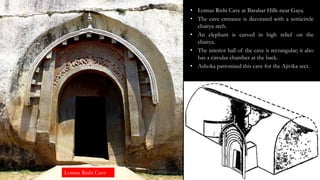
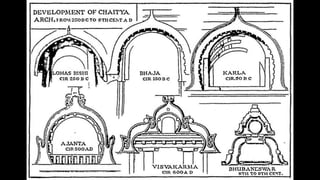
Lomas Rishi Cave
• Lomus Rishi Cave at Barabar Hills near Gaya.
• The cave entrance is decorated with a semicircle
chaitya arch.
• An elephant is carved in high relief on the
chaitya.
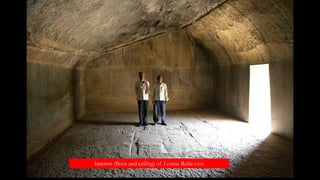
• The interior hall of the cave is rectangular; it also
has a circular chamber at the back.
• Ashoka patronised this cave for the Ajivika sect.
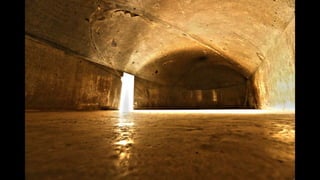
Interior (floor and ceiling) of Lomas Rishi cave
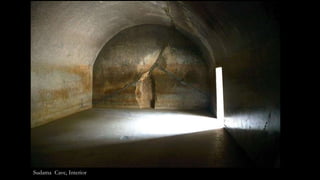
Sudama Cave, Interior
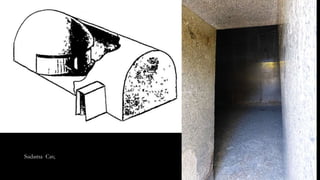
Sudama Cav,
Lājinā Piyadasinā duvāḍasa-[vasābhisitenā] / [iyaṁ
Nigoha]-kubhā di[nā ājivikehi]
“King Priyadarsin, in the 12th year of his reign, this cave
of Banyans was offered to the Ajivikas”.
—Ashoka inscription of the cave of Sudama
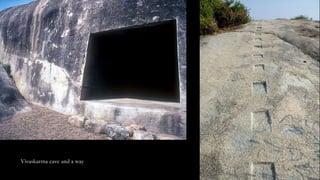
Vivaskarma cave and a way
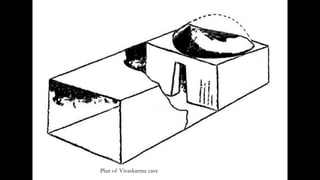
Plan of Vivaskarma cave
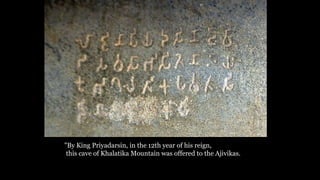
"By King Priyadarsin, in the 12th year of his reign,
this cave of Khalatika Mountain was offered to the Ajivikas.
Caves of Nagarjuna Hills
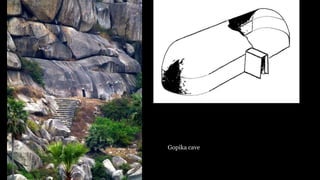
• Nagarjuna Hills are located 35km north of Gaya,
• There are three caves excavated in the Nagarjuna Hills
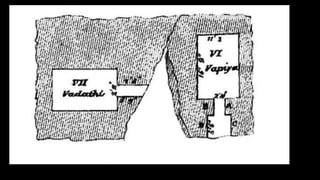
1. Vadathi-ka-Kubha: Northside of the hill, located in a crevice, and devoted to
Ajivika followers by Dasharatha
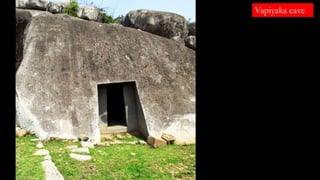
2. Vapiya-ka-Kubha : On the northside of the hill, also devoted to Ajivika followers
by Dasharatha
3. Gopi-ka-Kubha: On the southside of the hill, excavated by the king Dasharatha
grandson of Ashoka, according to an inscription.
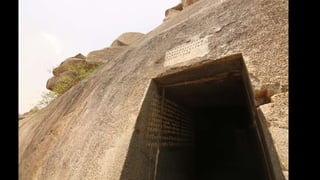
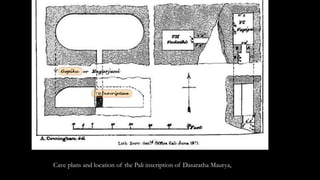
• Dasaratha (reigned in 232 – 224 BC) – has devoted these caves to Ajivika
• These structures are 50 years younger than caves at Barabar.
Gopika cave
Vapiyaka cave
Cave plans and location of the Pali inscription of Dasaratha Maurya,
Caves
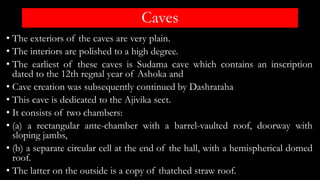
• The exteriors of the caves are very plain.
• The interiors are polished to a high degree.
• The earliest of these caves is Sudama cave which contains an inscription
dated to the 12th regnal year of Ashoka and
• Cave creation was subsequently continued by Dashrataha
• This cave is dedicated to the Ajivika sect.
• It consists of two chambers:
• (a) a rectangular ante-chamber with a barrel-vaulted roof, doorway with
sloping jambs,
• (b) a separate circular cell at the end of the hall, with a hemispherical domed
roof.
• The latter on the outside is a copy of thatched straw roof.
Rock-cut Architecture
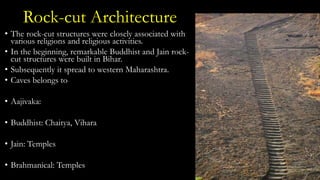
• The rock-cut structures were closely associated with
various religions and religious activities.
• In the beginning, remarkable Buddhist and Jain rock-
cut structures were built in Bihar.
• Subsequently it spread to western Maharashtra.
• Caves belongs to
• Aajivaka:
• Buddhist: Chaitya, Vihara
• Jain: Temples
• Brahmanical: Temples
Conclusion
• Mauryan Architecture symbolises long tradition of the ancient India.
• It brings to the fore of the technique and engineering skill of the period.
• This period represented an important transition in Indian art from the use of wood to stone.
• Thus the art and architecture of the Mauryan Empire constitutes the culminating point of the progress
of Indian art.
• Initiation of
• Rock-cut architecture in form of caves
• Structural stupa in mode of Bricks and stone
• Vedika
• Pillars
• Inscription
• This period gives the new dimensions to subsequent period in art and Architecture
• The architectural legacy of Mauryan period lasted for centuries
Thank
You

Mauryan Architecture .pptx

  • 1.
  • 2.
    Introduction • Comprises wholeIndia • Unified India • Beginning of developed art and architecture • Change of medium from wooden to Stone and Bricks • Beginning of secular and religious architecture • Spread of Buddhism through the architectural remains • Western connections: Achaemenid Influence
  • 4.
    Significant Architecture • Palace:Pataliputra • Fortification: Pataliputra • Stupa • Vihara
  • 5.
    References • Indica ofMegasthenes • Strabo • Asokan Inscriptions • Buddhist Texts: Jataka, Digha Nikaya, and Sumangalavilasini • Jain texts: Jaina Parishishta Parvan was written by Hemchandra, alpasutra by Acharya Bhadrabahu • Kautilyas Arthshatra • Puranas: Vishnu Puran • Chinese Travelers
  • 6.
    Pataliputra According toMegasthenes • He called : Palibothra • Pataliputra situated on the bank of Ganga • Size of Pataliputra: 80 stadia (9.2 miles) in length and 15 stadia in breadth (1.7 miles) • Shape: Parallelogram • Royal Palace of Chandragupta was entirely made of timber • Royal Palace was beautiful and magnificent like Susa and Ecbatna • The Pillars of the palace were decorated with golden and silver birds • Palace was situated at the heart of the city • The palace was surrounded by parks, pasture grounds and shady grooves where peacocks were domesticated
  • 7.
    Archaeological History ofPataliputra • In 1912-13, D. B. Spooner excavated the area of Bulandibag and Kumrahar • He found wooden beams which were running parallel to each other (length 350 ft) • At Kumrahar Spooner exposed the Mauryan pillar hall • He recovered 72 pillared hall • The pillars were fixed on wooden platform and stone base • He argues the Plan of Mauryan Palace was similar to palace of Persepolis • The funds of the excavations sponsored by Sir Ratan Tata • In 1955 again area was excavated by B.P. Sihna and 8 more pillars were found.
  • 8.
  • 9.
    • Pillars oncestood on a wooden platform and supported a wooden roof. • Pillars are similar to an Ashokan pillar, smooth, polished and made of grey Chunar sandstone. • The walls, doorways, and the sculptured designs are no human work. • It show the extraordinary craftsmanship • It was surrounded by the high walls with battlements, water ditches, bearing lotuses and plants. 80 pillared hall at Kumrahar
  • 12.
    • The siteKumhrar identified as palace of Maurya dynasty • Here eighty stone pillars was found • The pillars are arranged in 8 rows of 10 pillars each. • It is called as “Assembly hall of 80 pillars”. • It is thought that the pillars sustained a wooden roof • No surrounding walls, making it an open-air hall. Mauryan Palace ?
  • 14.
    Fortification: According toMegasthenes •Surrounded by wooden wall (massive timber palisades) •Pierced with loopholes for the discharge of arrows •Had ditch in front for defense •Ditch size: 600 feet breadth and 30 cubits in depths •Ditch also received sewage of the city •The wall crowned with 570 towers and 64 gates
  • 18.
  • 19.
    Stupa • Stupa probablyhas a long tradition since Later Vaidik period • Stupa prominently related to Buddhism • After the demise of Buddha eight stupas were made • Since then numerus stupas were constructed in Indian Subcontinent • Stupas were generally erected upon the relics of great Gautama • Also important places related to Buddha • In Buddhism stupa emerged as symbol of Buddha • Stupa means virtual presence of Buddha • Architecture of Stupa shows further development from simple mud heap to elaborate stone decorations
  • 20.
    Stupa • Stupas wereconstructed over the relics of the Buddha • The important stupa situated at Rajagriha, Kapilavastu, Vaishali, Ramagrama, Allakappa, Pava, Vethadipa, Pippalvina and Kushinagar. • Stupas consist of a cylindrical drum with a circular anda • Earlier stupas were made of mud • Asoka change the mode from mud to brick • and a harmika and a chatra on the top. • Sometimes there were circumambulatory pathways and gateways. In many cases, additions were added in later centuries.
  • 21.
    Stupa at Asokanperiod • Hiuen Steng: 84000 stupa • Stupa at Bairat, Rajasthan – 3rd century BCE; grand stupa with a circular mound and a circumambulatory path. • Stupa at Sanchi, Vaishali, Sarnath, Taxila, Sopara
  • 23.
  • 26.
    Stupas at Piparwaha issome of the earliest surviving stupas.
  • 29.
    Development of stupa 1.Anda: hemispherical mound symbolic of the mound of dirt used to cover Buddha’s remains (in many stupas actual relics were used). 2. Harmika: square railing on top of the mound. 3. Chhatra: central pillar supporting a triple umbrella form.
  • 32.
  • 33.
    Vihara • Vihara, earlytype of Buddhist monastery • It generally consist of an open court surrounded by open cells accessible through an entrance porch. • Initially it was constructed by wood • Subsequently, Bricks have been used for their constructions • It is constructed to shelter the monks during the rainy season, • In Monsoon it became difficult to travel. • Inside the Vihara a small stupa were established • After Asoka, the rock-cut vihara have been made in western Deccan
  • 34.
  • 35.
    General Plan ofVihara: Later period
  • 36.
  • 37.
    Rock-Cut Caves • TheMauryan period saw the beginning of rock cut architecture • The caves are located in the Nagarjuni and Barabar hills to the north of Bodhgaya. • These caves are hollowed out from the living rock, later developing into what is called a Chaitya Hall. • The Buddhist monks used the chaitya as their place of retreat • Ashoka built three caves and gifted them to the Ajivikas, and in the neighbouring Nagarjuni hills, one of his successors, Dasharatha, did the same. • Ashokan caves are unornamented and functional. • Three caves in Barabar hills have dedicatory inscriptions of Ashoka and three in the Nagarjuni hills have inscriptions of his successor Dasaratha.
  • 38.
    • The BarabarCaves are the oldest surviving rock • These caves are situated in the twin hills of Barabar (4 caves) and Nagarjuni (3 caves) • Inscriptions of Asoka and Dasaratha" dated to Maurya period • The caves were constructed for Aajivikas • Most caves at Barabar consist of two chambers, carved entirely out of granite. • These caves are consist highly polished internal surface • Barabar Caves 1. Karan Chaupar, 2. Lomas Rishi, 3. Sudama and 4. Visvakarma The Barabar Caves
  • 39.
    Lomas Rishi Cave •Lomus Rishi Cave at Barabar Hills near Gaya. • The cave entrance is decorated with a semicircle chaitya arch. • An elephant is carved in high relief on the chaitya. • The interior hall of the cave is rectangular; it also has a circular chamber at the back. • Ashoka patronised this cave for the Ajivika sect.
  • 40.
    Interior (floor andceiling) of Lomas Rishi cave
  • 41.
  • 42.
  • 43.
    Lājinā Piyadasinā duvāḍasa-[vasābhisitenā]/ [iyaṁ Nigoha]-kubhā di[nā ājivikehi] “King Priyadarsin, in the 12th year of his reign, this cave of Banyans was offered to the Ajivikas”. —Ashoka inscription of the cave of Sudama
  • 44.
  • 45.
  • 46.
    "By King Priyadarsin,in the 12th year of his reign, this cave of Khalatika Mountain was offered to the Ajivikas.
  • 47.
    Caves of NagarjunaHills • Nagarjuna Hills are located 35km north of Gaya, • There are three caves excavated in the Nagarjuna Hills 1. Vadathi-ka-Kubha: Northside of the hill, located in a crevice, and devoted to Ajivika followers by Dasharatha 2. Vapiya-ka-Kubha : On the northside of the hill, also devoted to Ajivika followers by Dasharatha 3. Gopi-ka-Kubha: On the southside of the hill, excavated by the king Dasharatha grandson of Ashoka, according to an inscription. • Dasaratha (reigned in 232 – 224 BC) – has devoted these caves to Ajivika • These structures are 50 years younger than caves at Barabar.
  • 48.
  • 51.
  • 53.
    Cave plans andlocation of the Pali inscription of Dasaratha Maurya,
  • 54.
    Caves • The exteriorsof the caves are very plain. • The interiors are polished to a high degree. • The earliest of these caves is Sudama cave which contains an inscription dated to the 12th regnal year of Ashoka and • Cave creation was subsequently continued by Dashrataha • This cave is dedicated to the Ajivika sect. • It consists of two chambers: • (a) a rectangular ante-chamber with a barrel-vaulted roof, doorway with sloping jambs, • (b) a separate circular cell at the end of the hall, with a hemispherical domed roof. • The latter on the outside is a copy of thatched straw roof.
  • 55.
    Rock-cut Architecture • Therock-cut structures were closely associated with various religions and religious activities. • In the beginning, remarkable Buddhist and Jain rock- cut structures were built in Bihar. • Subsequently it spread to western Maharashtra. • Caves belongs to • Aajivaka: • Buddhist: Chaitya, Vihara • Jain: Temples • Brahmanical: Temples
  • 57.
    Conclusion • Mauryan Architecturesymbolises long tradition of the ancient India. • It brings to the fore of the technique and engineering skill of the period. • This period represented an important transition in Indian art from the use of wood to stone. • Thus the art and architecture of the Mauryan Empire constitutes the culminating point of the progress of Indian art. • Initiation of • Rock-cut architecture in form of caves • Structural stupa in mode of Bricks and stone • Vedika • Pillars • Inscription • This period gives the new dimensions to subsequent period in art and Architecture • The architectural legacy of Mauryan period lasted for centuries
  • 58.