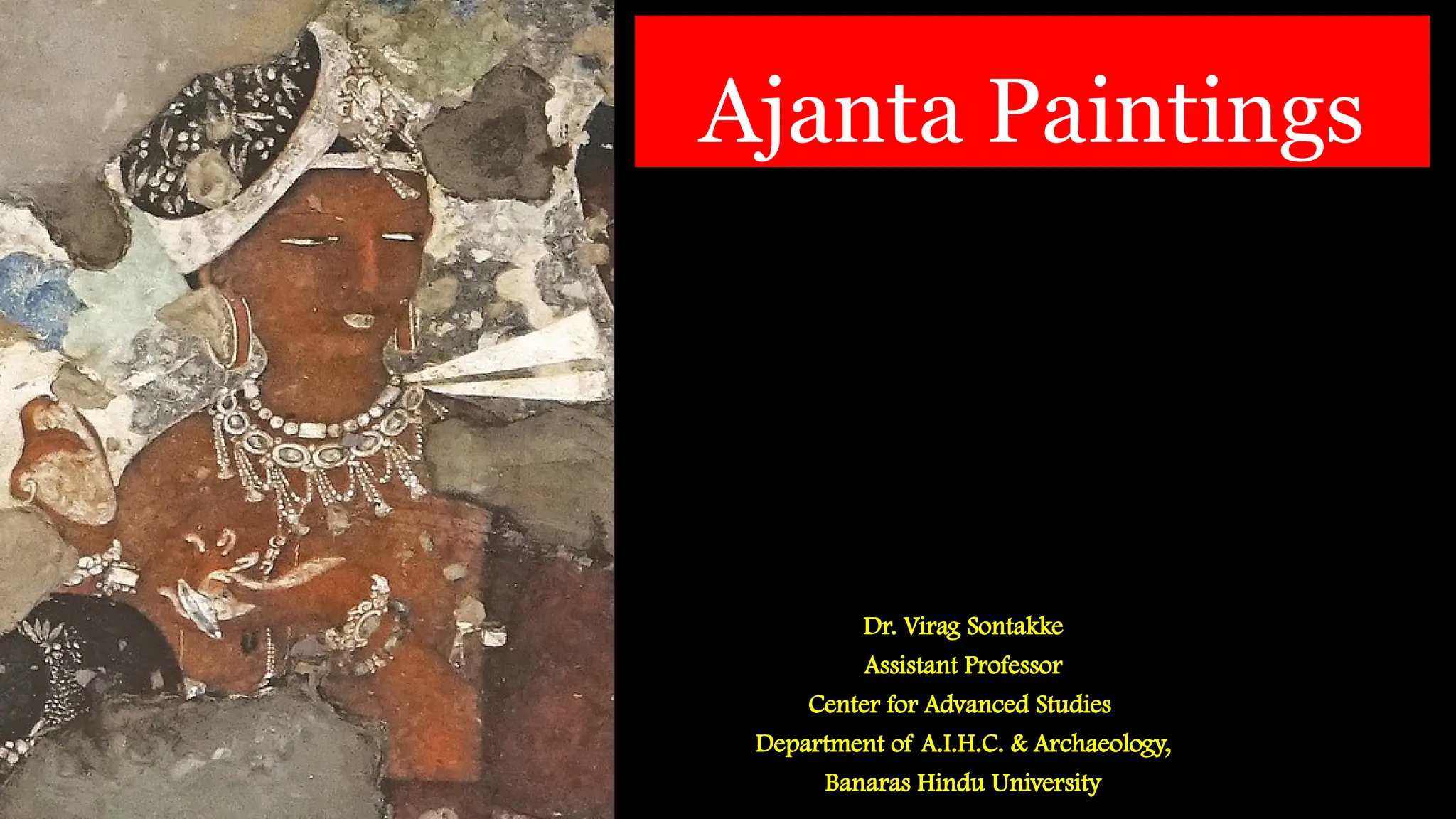
Ajanta Paintings
Dr. Virag Sontakke
Assistant Professor
Center for Advanced Studies
Department of A.I.H.C. & Archaeology,
Banaras Hindu University
Introduction
• One of the unique Buddhist Rock–cut Architecture in the World
• Caves were carved out Rock was Basaltic (Igneous formation)
• Bears over 600 years of construction history
• Different dynastic patronage
• Individual, guilds donations
• Not only famous for architecture but also for their paintings
• Its current name is derived from a neighbouring village, the local
pronunciation of which is Ajintha.
• Ajita is the colloquial name of Maitreya Buddha.
• Declared as World Heritage Sites by UNESCO since 1983.
• Chronology: 200 BCE-700 CE
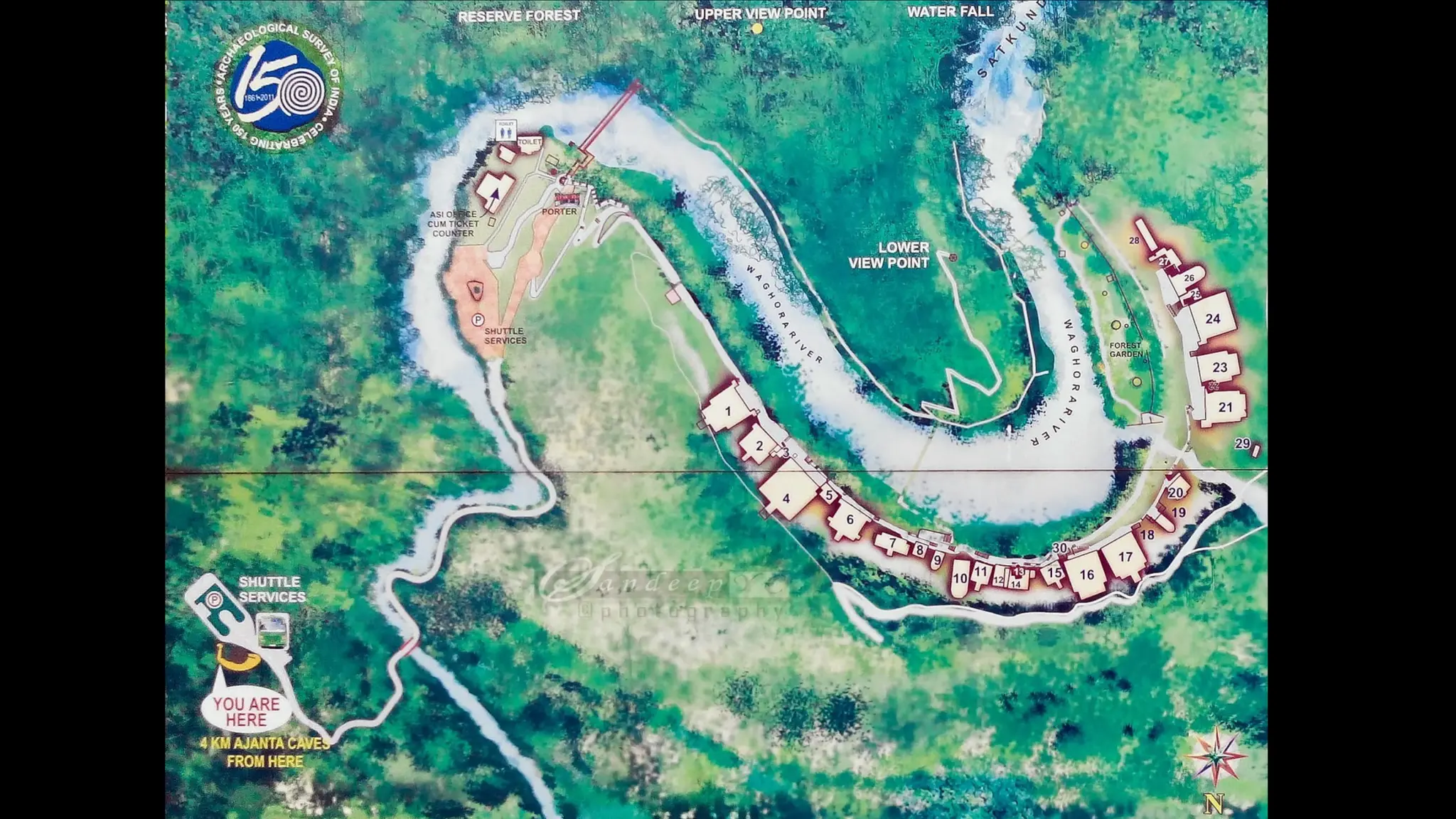
Location
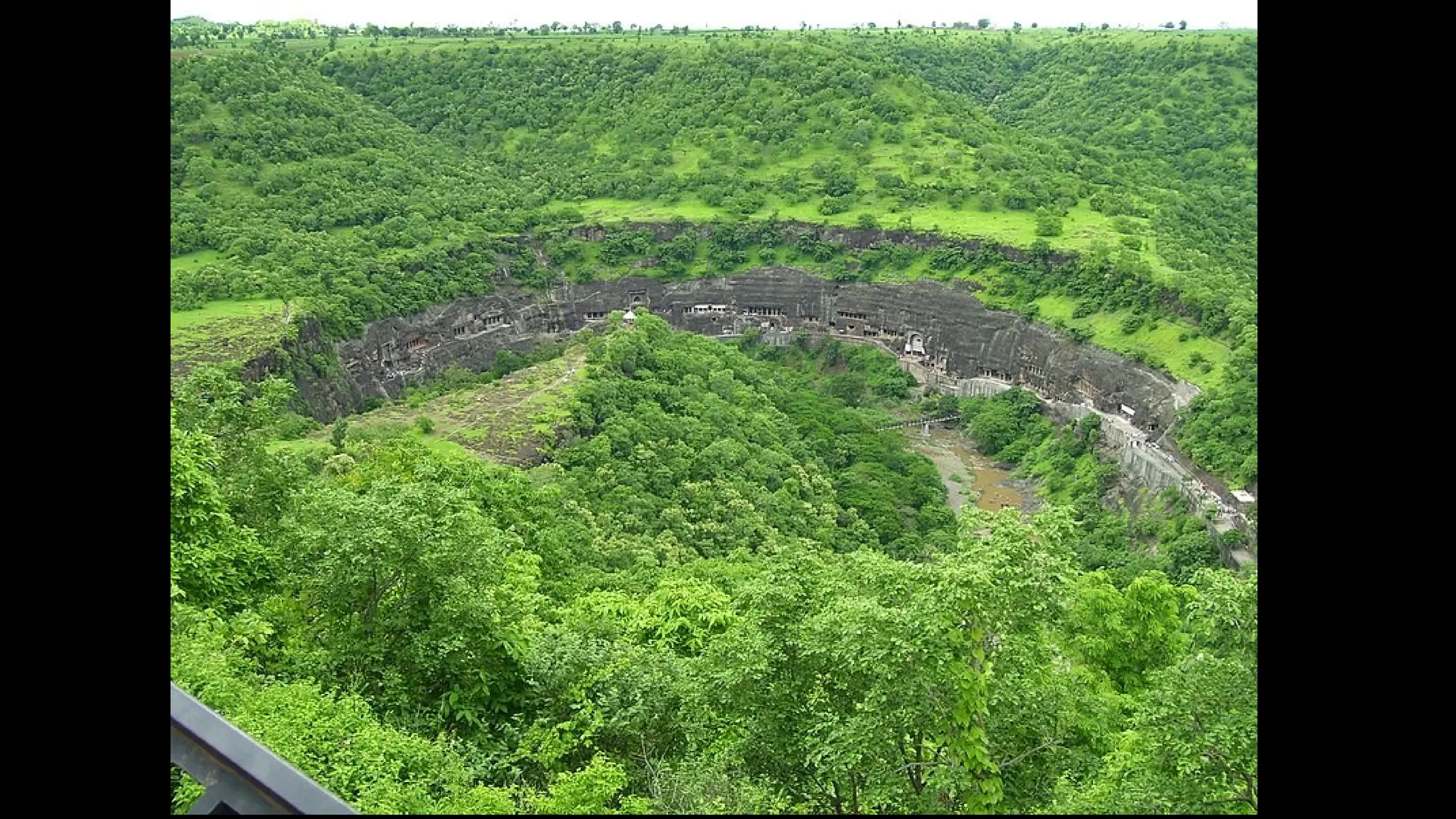
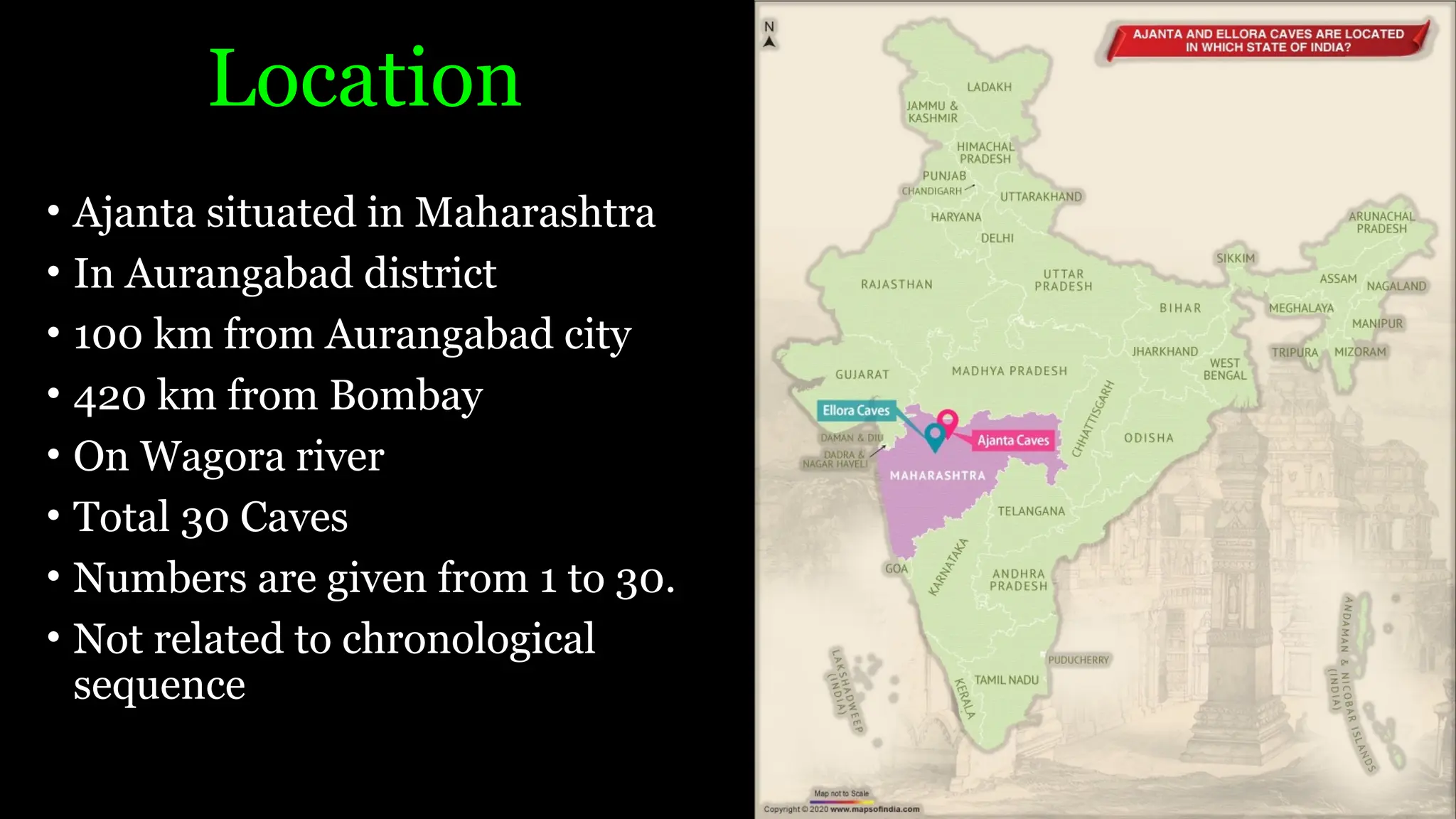
• Ajanta situated in Maharashtra
• In Aurangabad district
• 100 km from Aurangabad city
• 420 km from Bombay
• On Wagora river
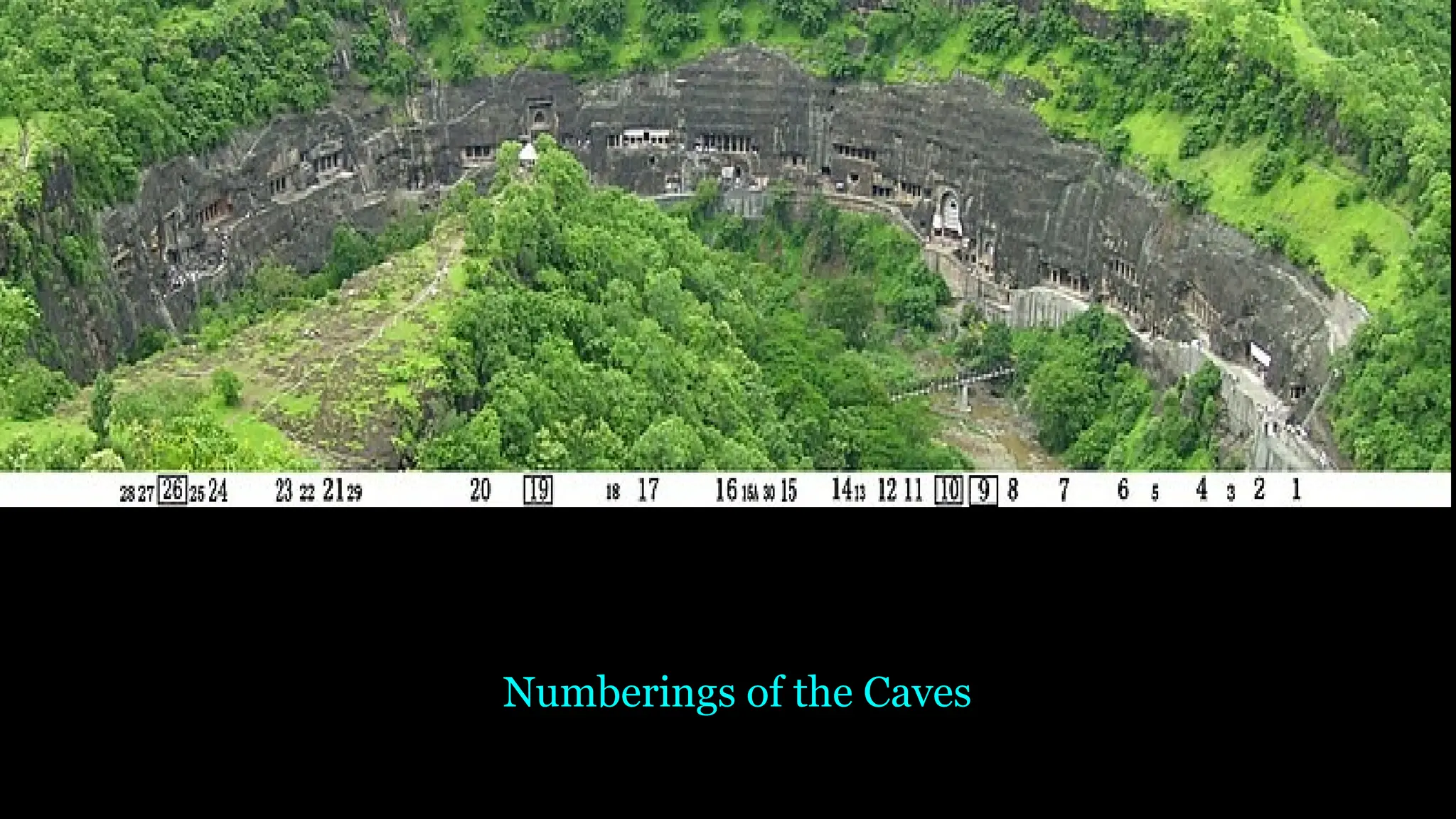
• Total 30 Caves
• Numbers are given from 1 to 30.
• Not related to chronological
sequence
Numberings of the Caves
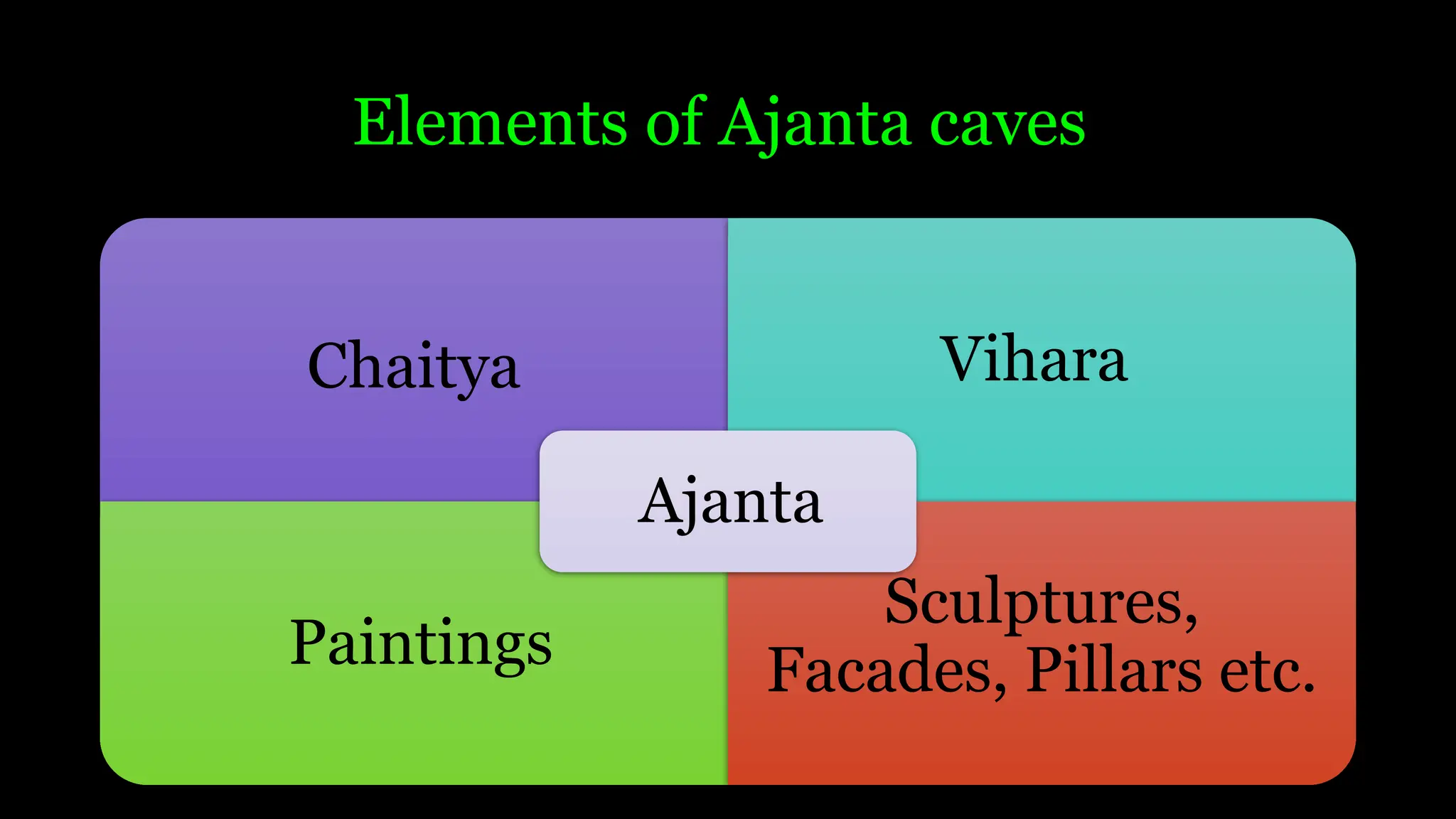
Elements of Ajanta caves
Chaitya Vihara
Paintings
Sculptures,
Facades, Pillars etc.
Ajanta
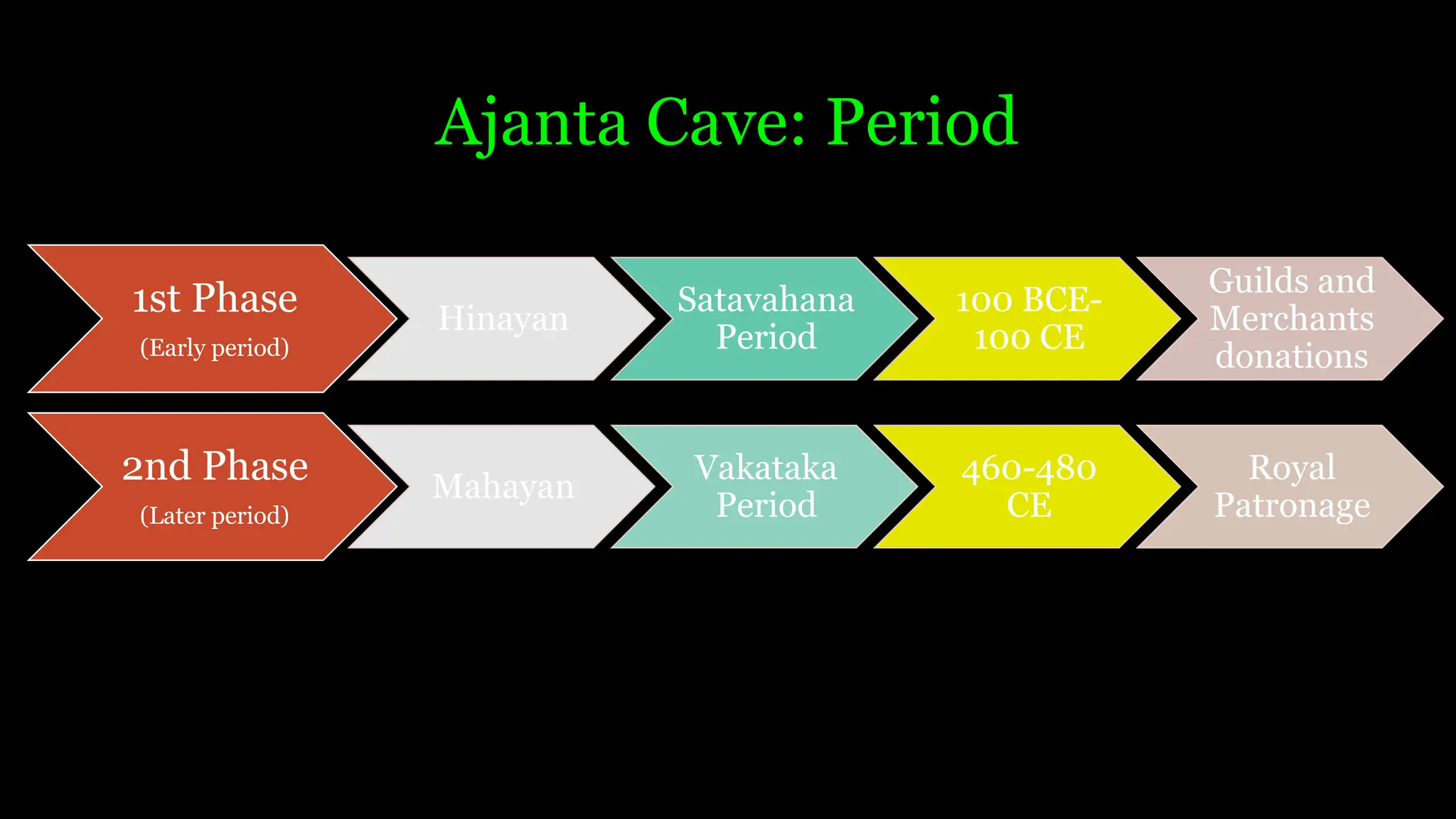
Ajanta Cave: Period
1st Phase
(Early period)
Hinayan
Satavahana
Period
100 BCE-
100 CE
Guilds and
Merchants
donations
2nd Phase
(Later period)
Mahayan
Vakataka
Period
460-480
CE
Royal
Patronage
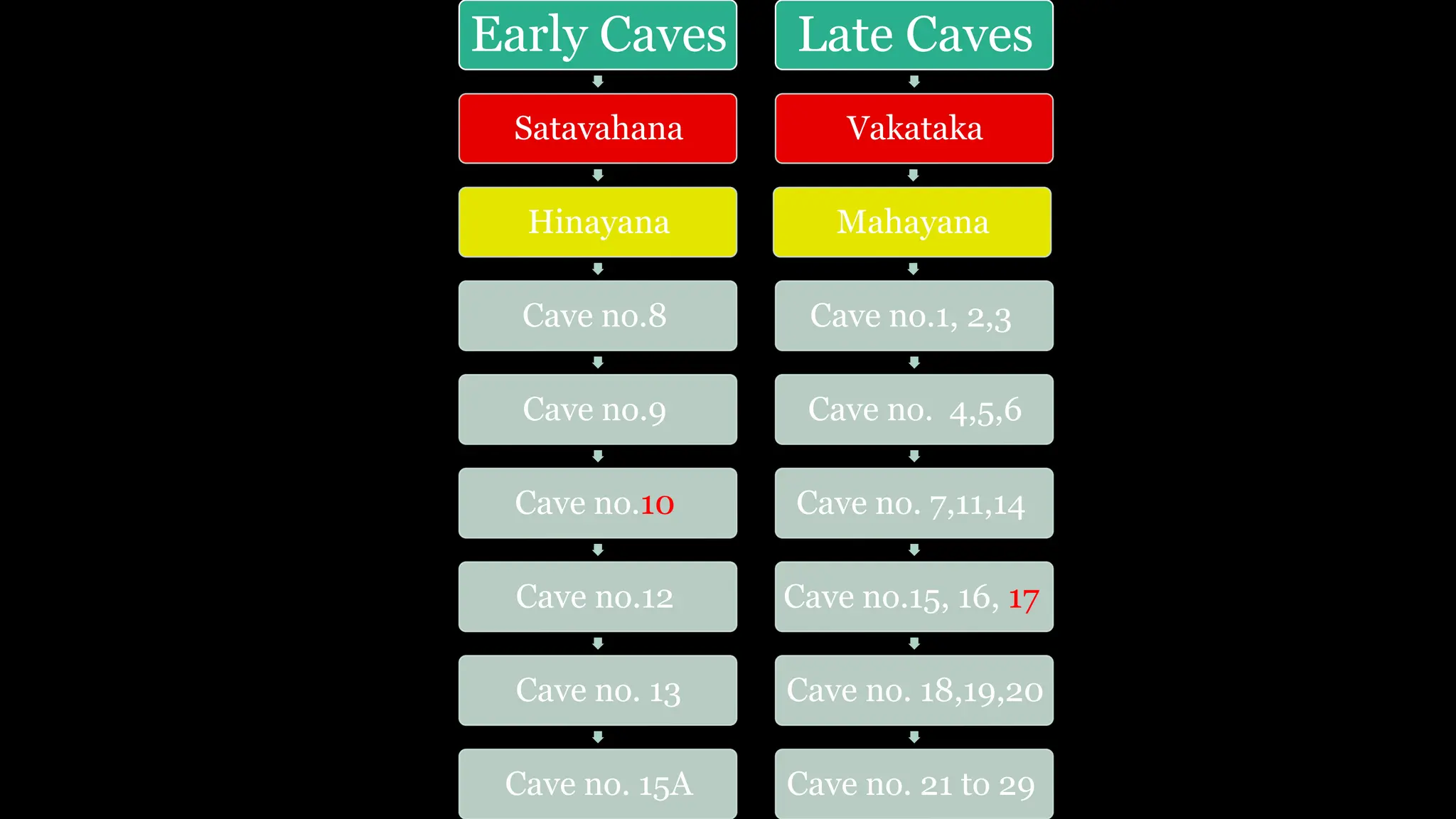
Early Caves
Satavahana
Hinayana
Cave no.8
Cave no.9
Cave no.10
Cave no.12
Cave no. 13
Cave no. 15A
Late Caves
Vakataka
Mahayana
Cave no.1, 2,3
Cave no. 4,5,6
Cave no. 7,11,14
Cave no.15, 16, 17
Cave no. 18,19,20
Cave no. 21 to 29
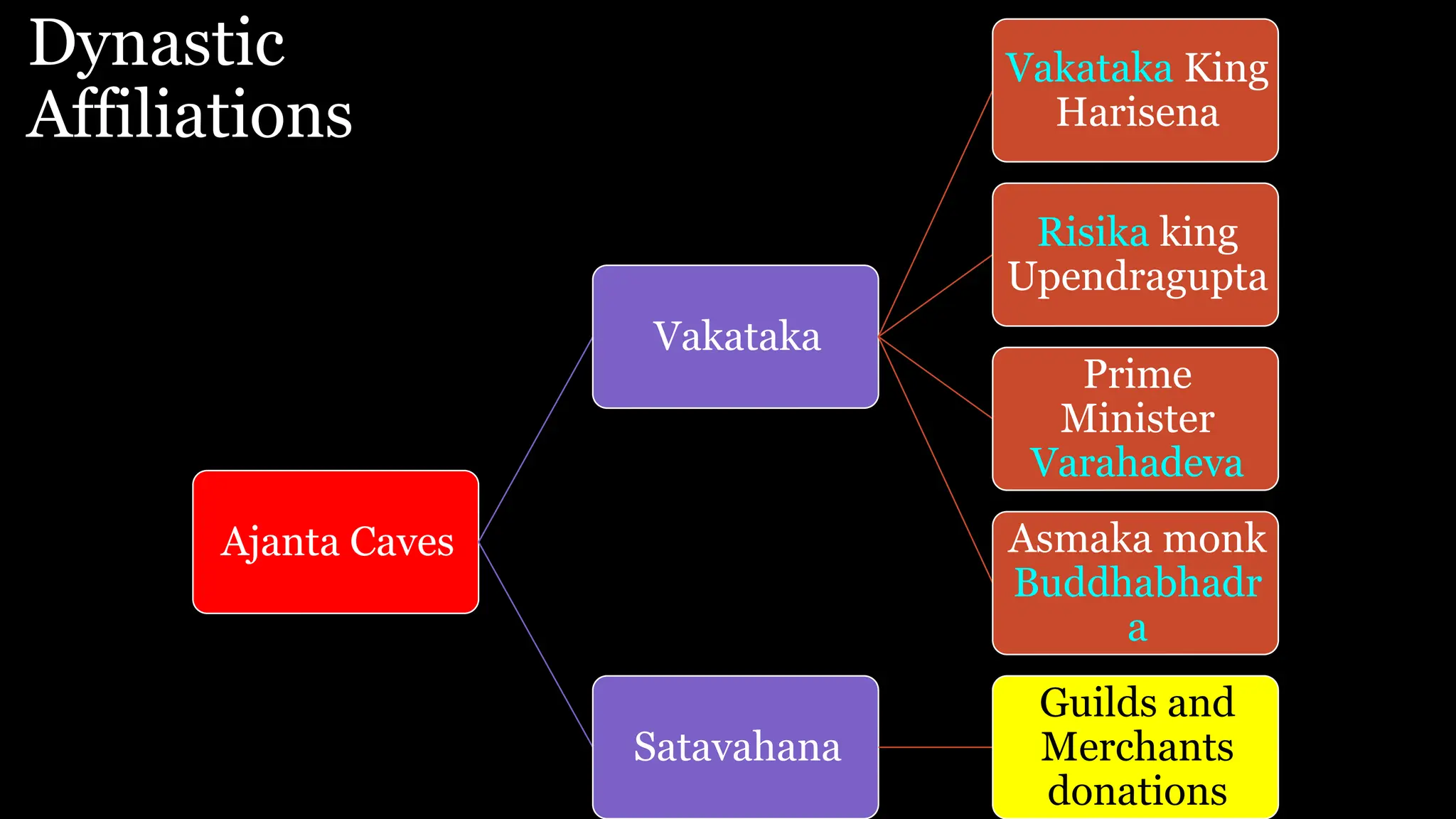
Dynastic
Affiliations
Ajanta Caves
Vakataka
Vakataka King
Harisena
Risika king
Upendragupta
Prime
Minister
Varahadeva
Asmaka monk
Buddhabhadr
a
Satavahana
Guilds and
Merchants
donations
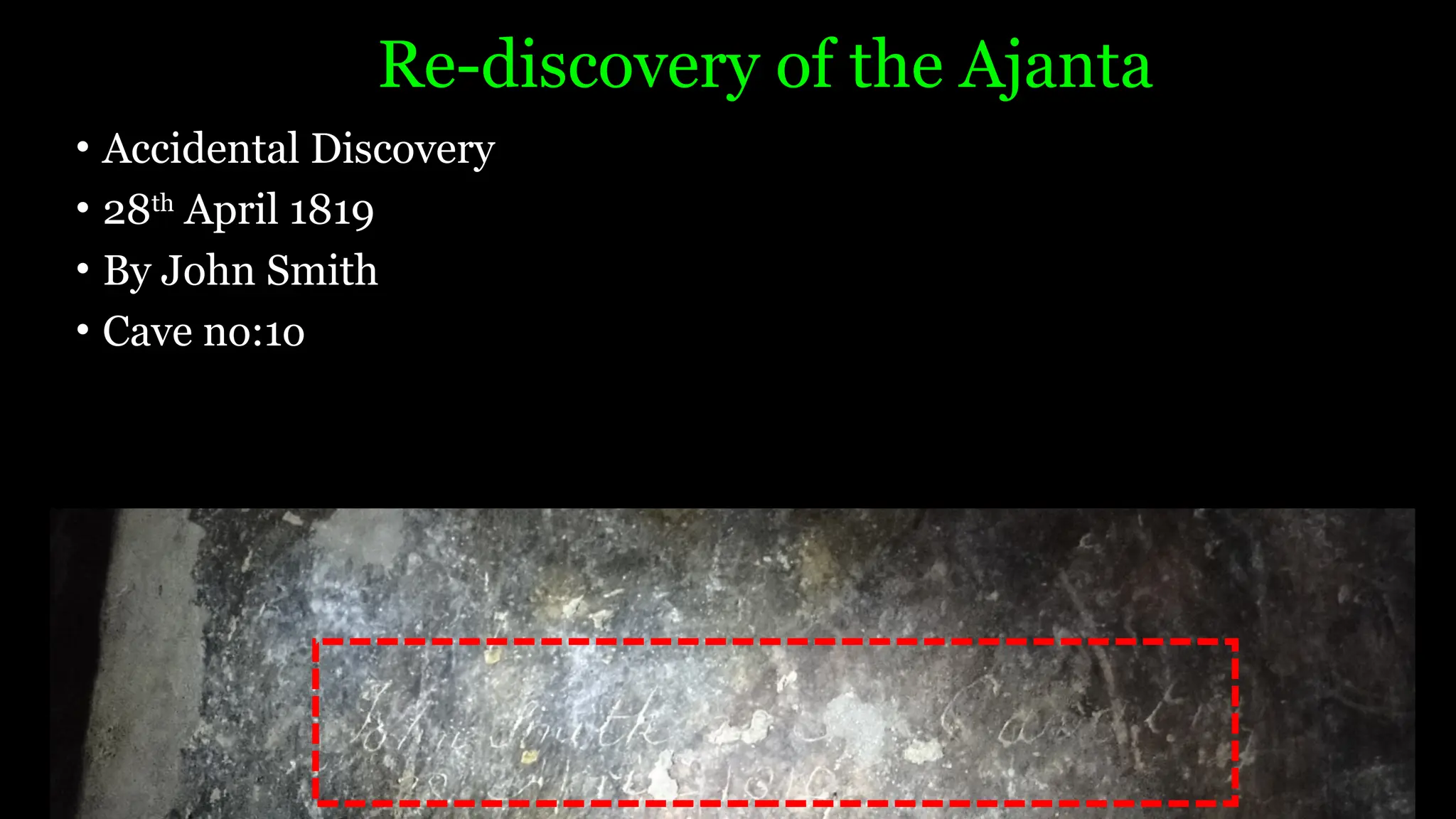
Re-discovery of the Ajanta
• Accidental Discovery
• 28th
April 1819
• By John Smith
• Cave no:1o
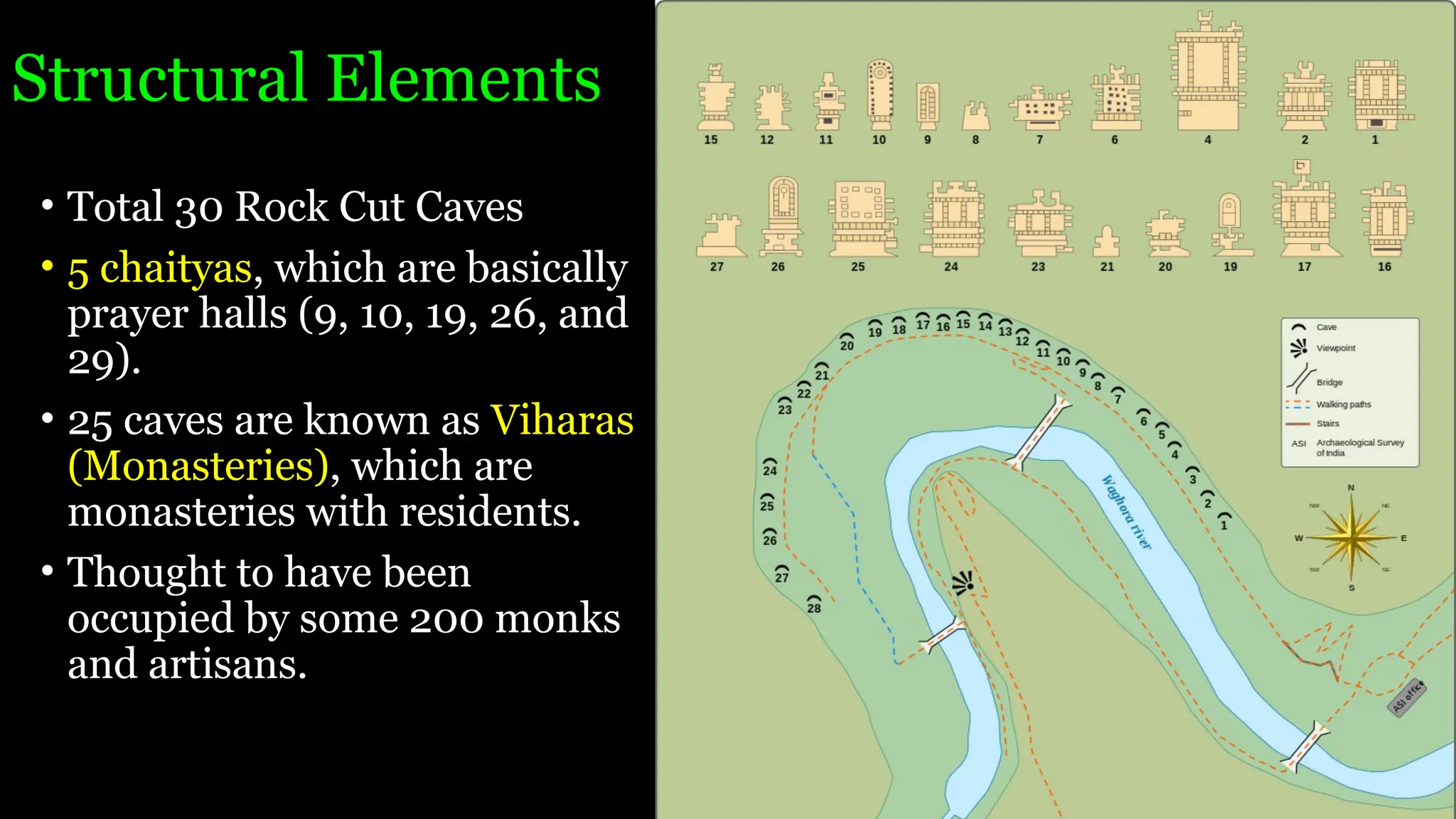
Structural Elements
• Total 30 Rock Cut Caves
• 5 chaityas, which are basically
prayer halls (9, 10, 19, 26, and
29).
• 25 caves are known as Viharas
(Monasteries), which are
monasteries with residents.
• Thought to have been
occupied by some 200 monks
and artisans.
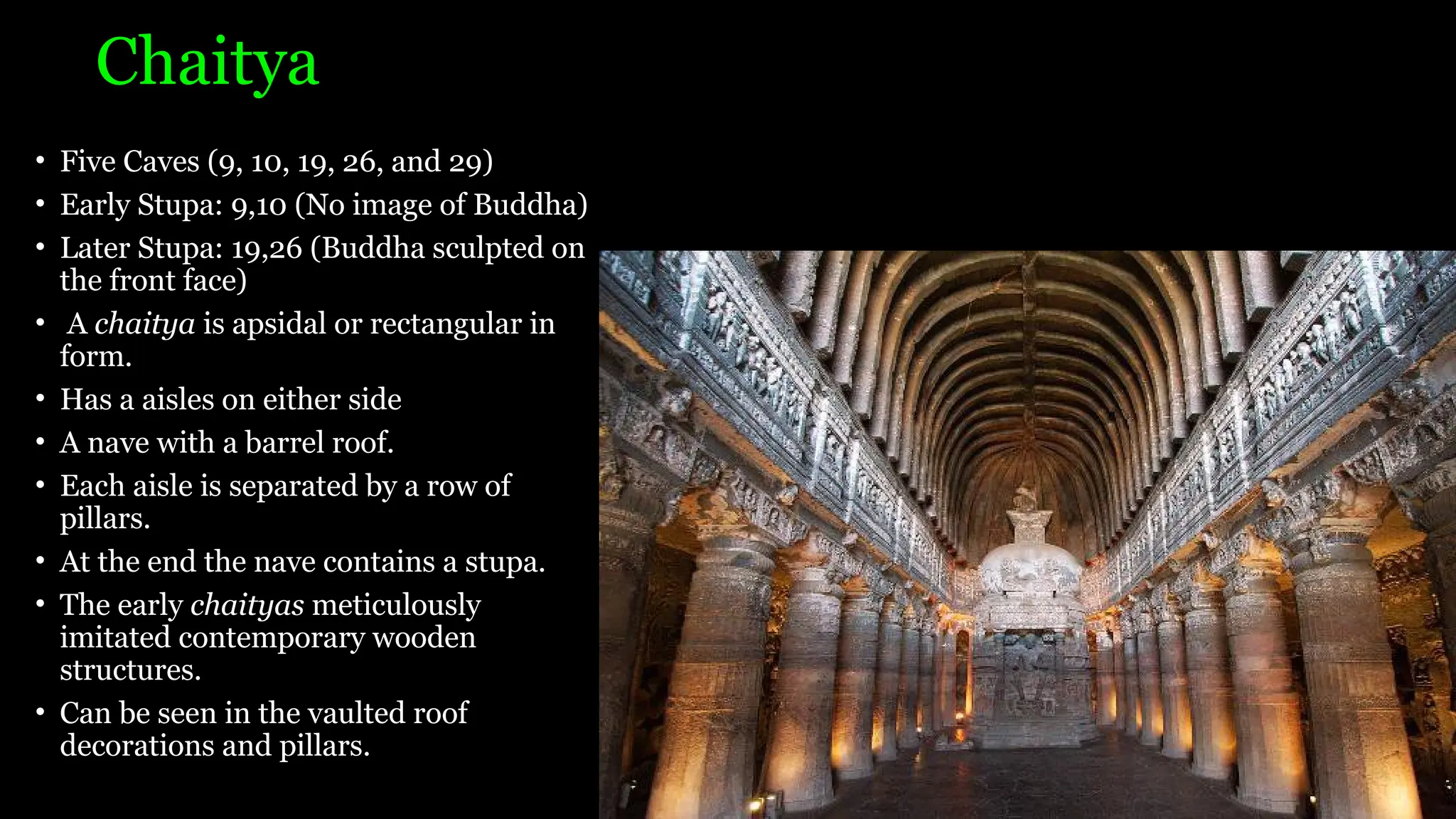
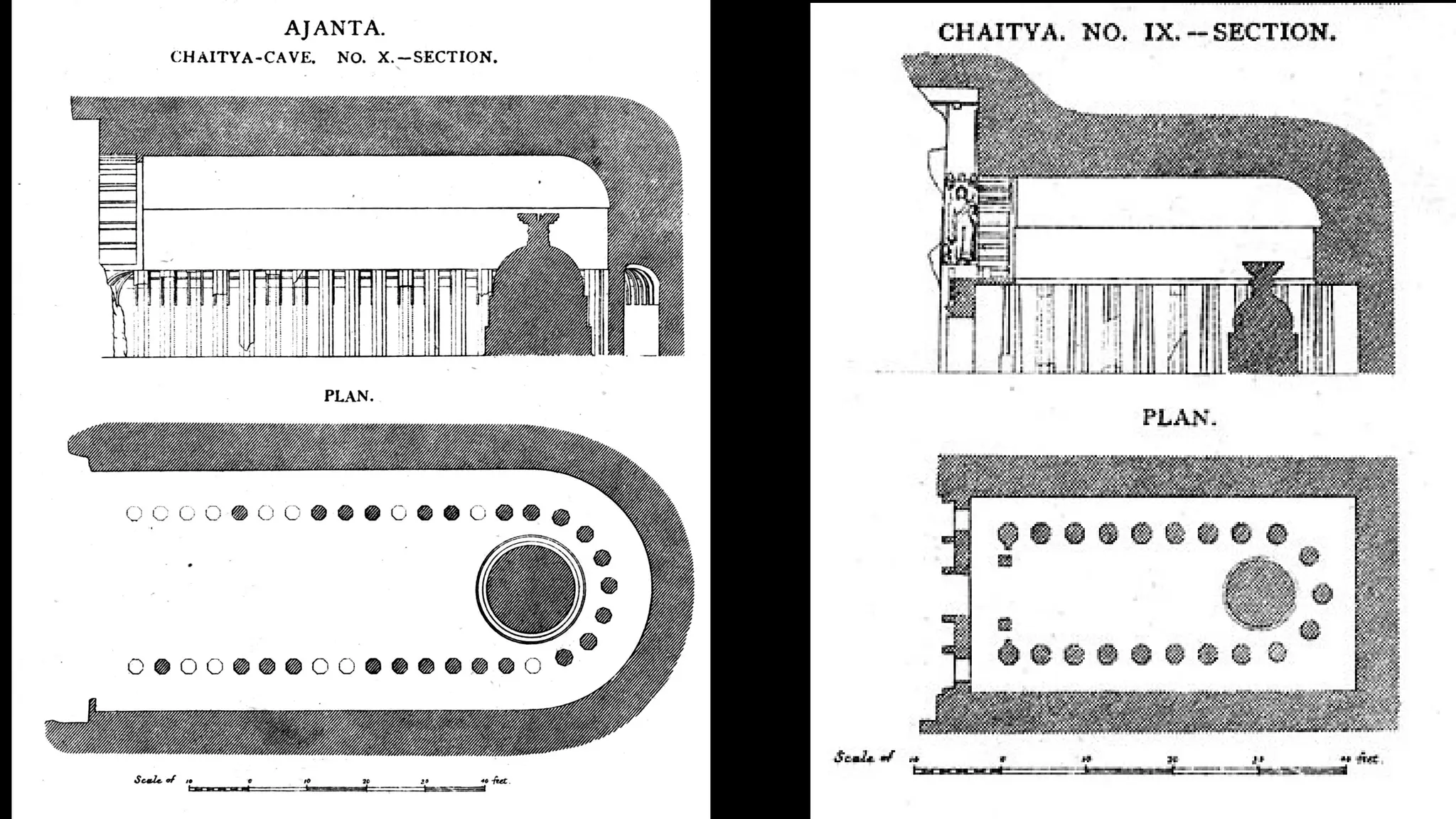
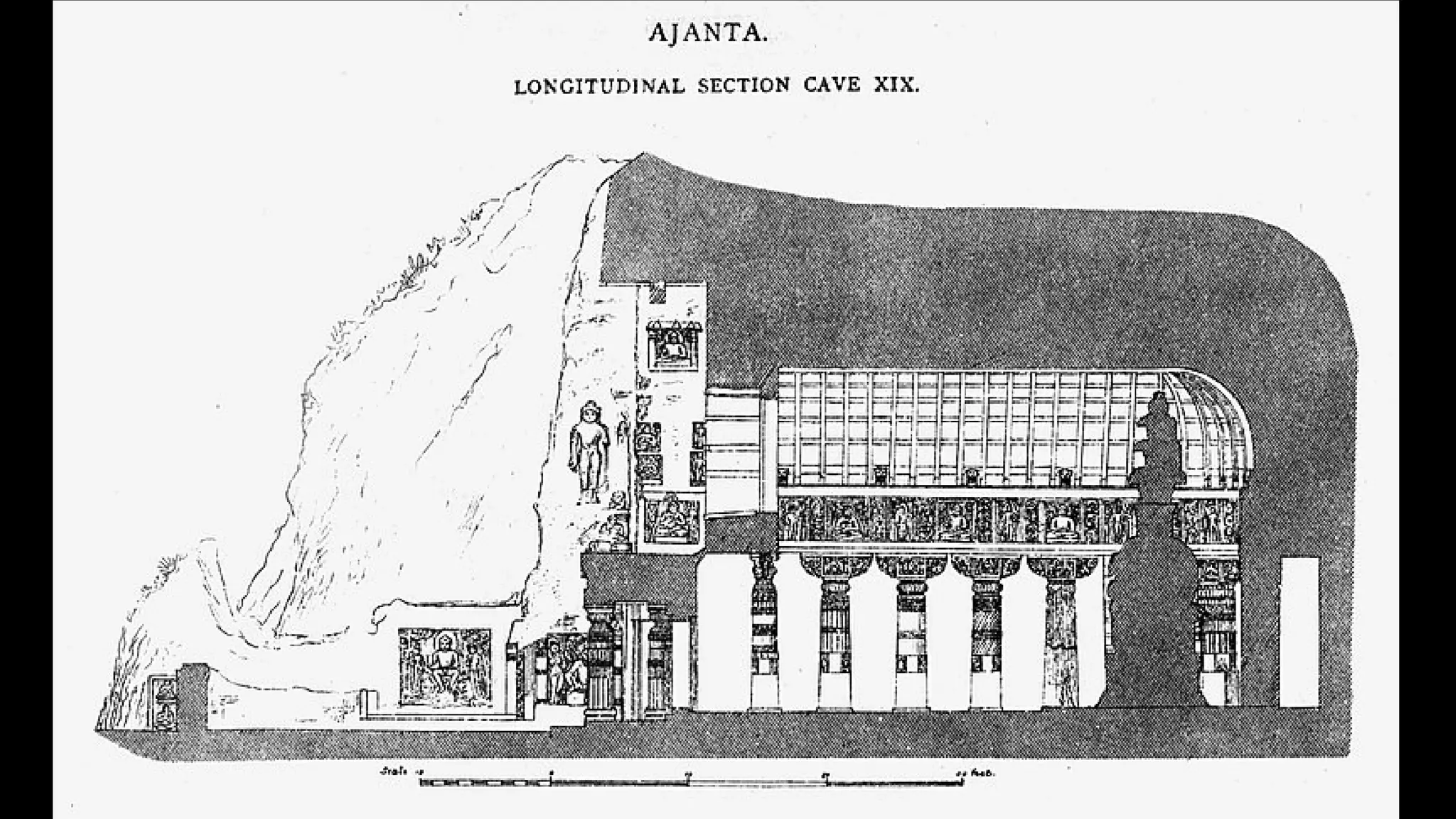
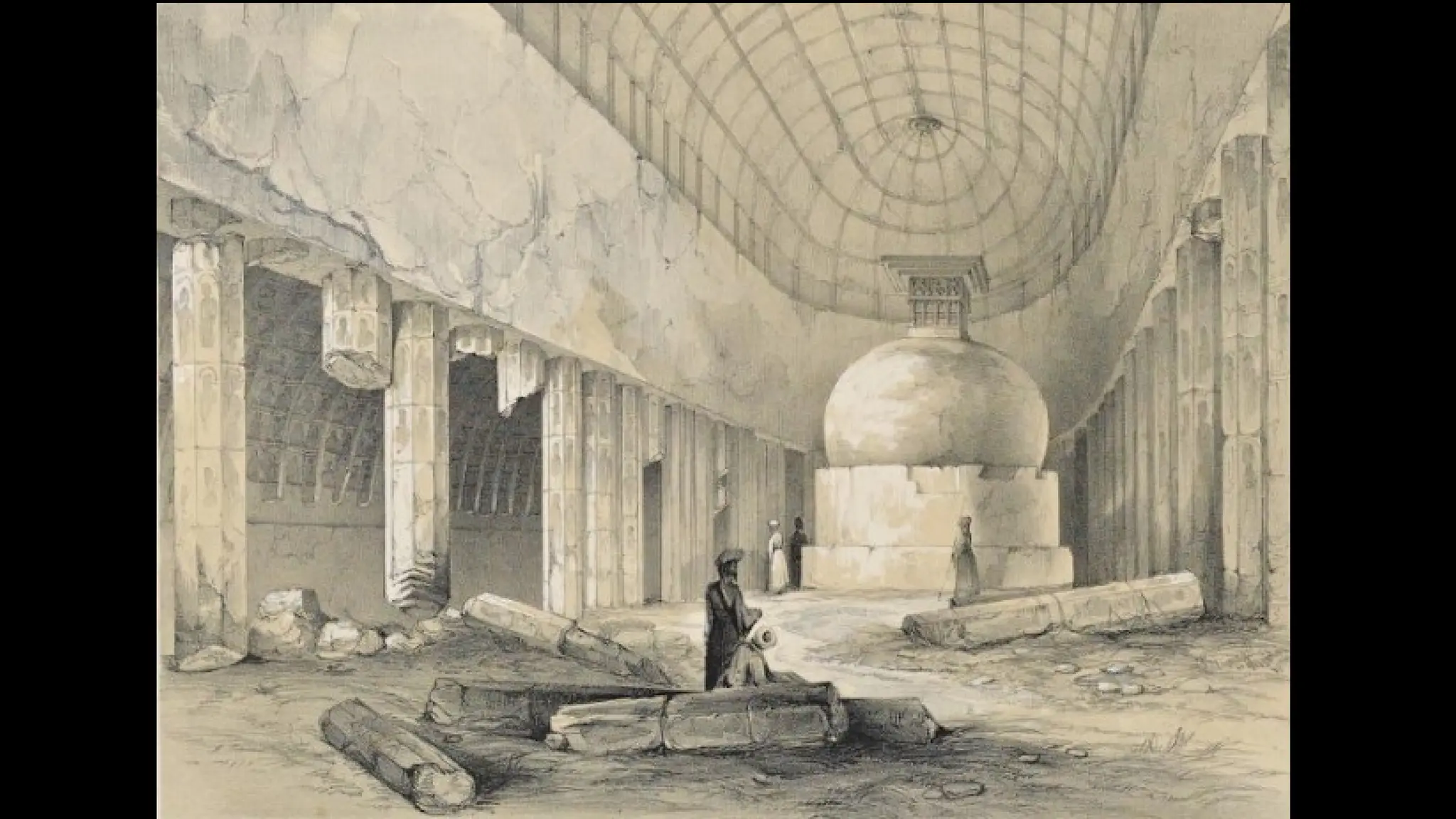
Chaitya
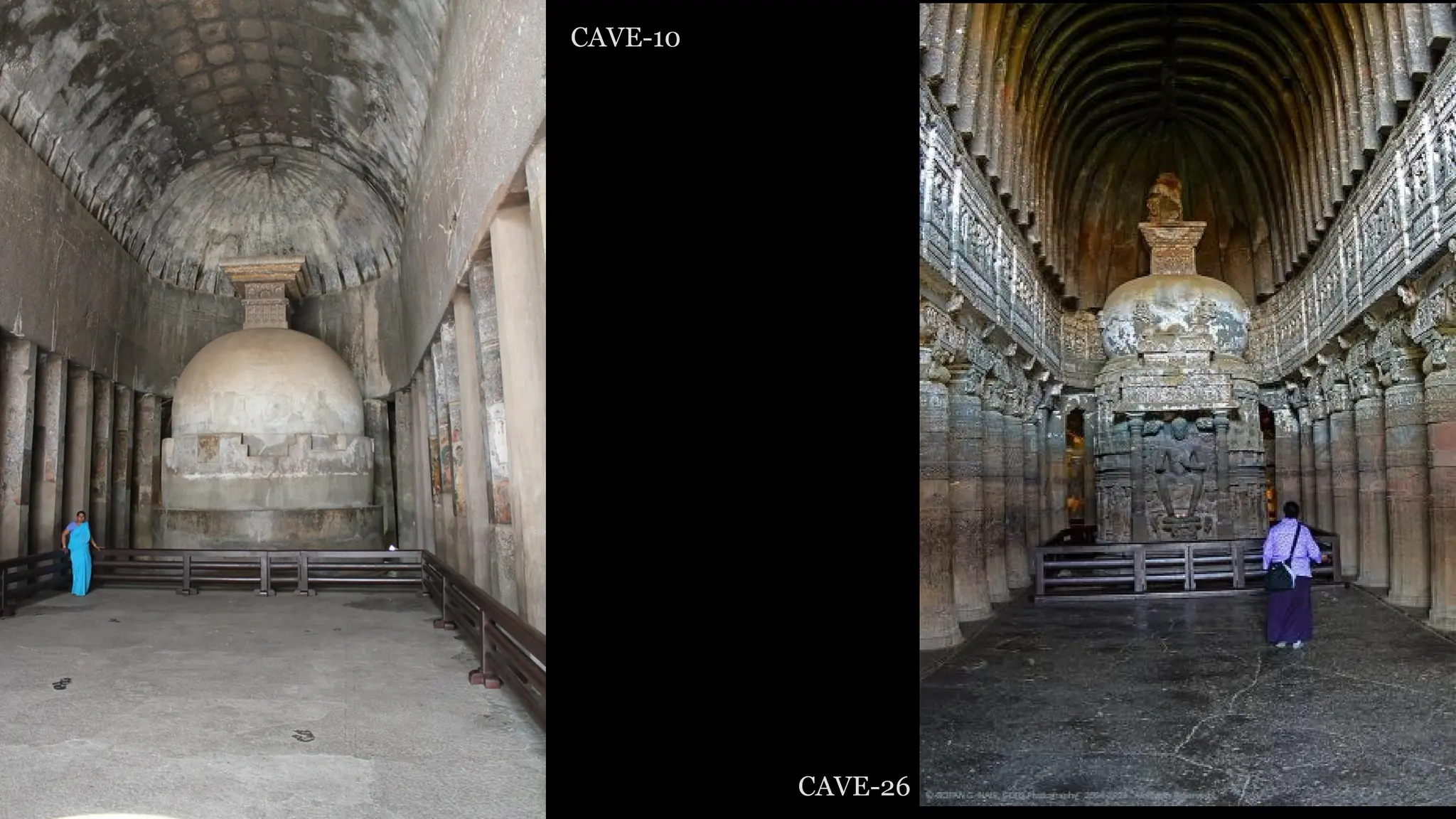
• Five Caves (9, 10, 19, 26, and 29)
• Early Stupa: 9,10 (No image of Buddha)
• Later Stupa: 19,26 (Buddha sculpted on
the front face)
• A chaitya is apsidal or rectangular in
form.
• Has a aisles on either side
• A nave with a barrel roof.
• Each aisle is separated by a row of
pillars.
• At the end the nave contains a stupa.
• The early chaityas meticulously
imitated contemporary wooden
structures.
• Can be seen in the vaulted roof
decorations and pillars.
CAVE-26
CAVE-10
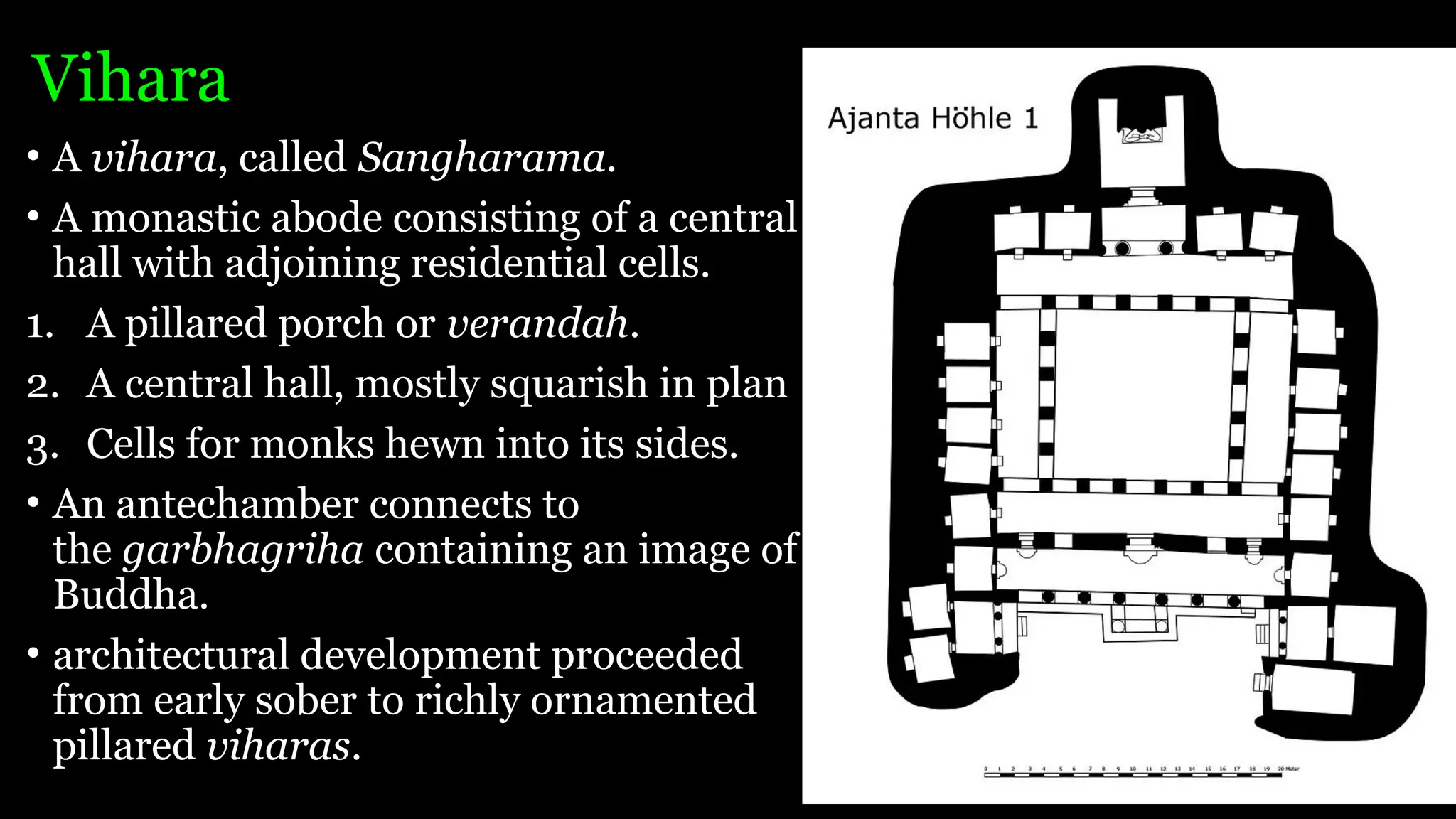
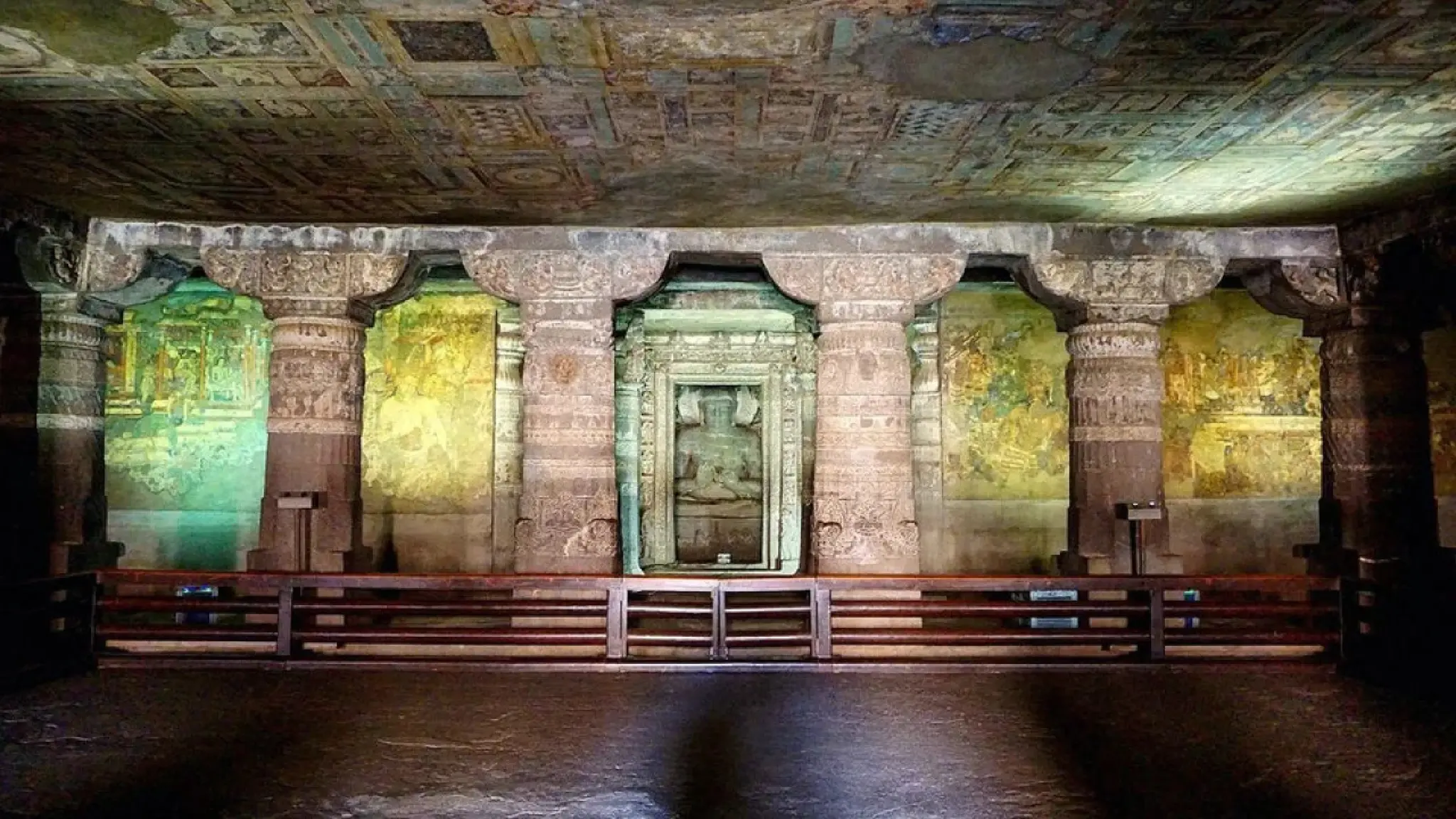
Vihara
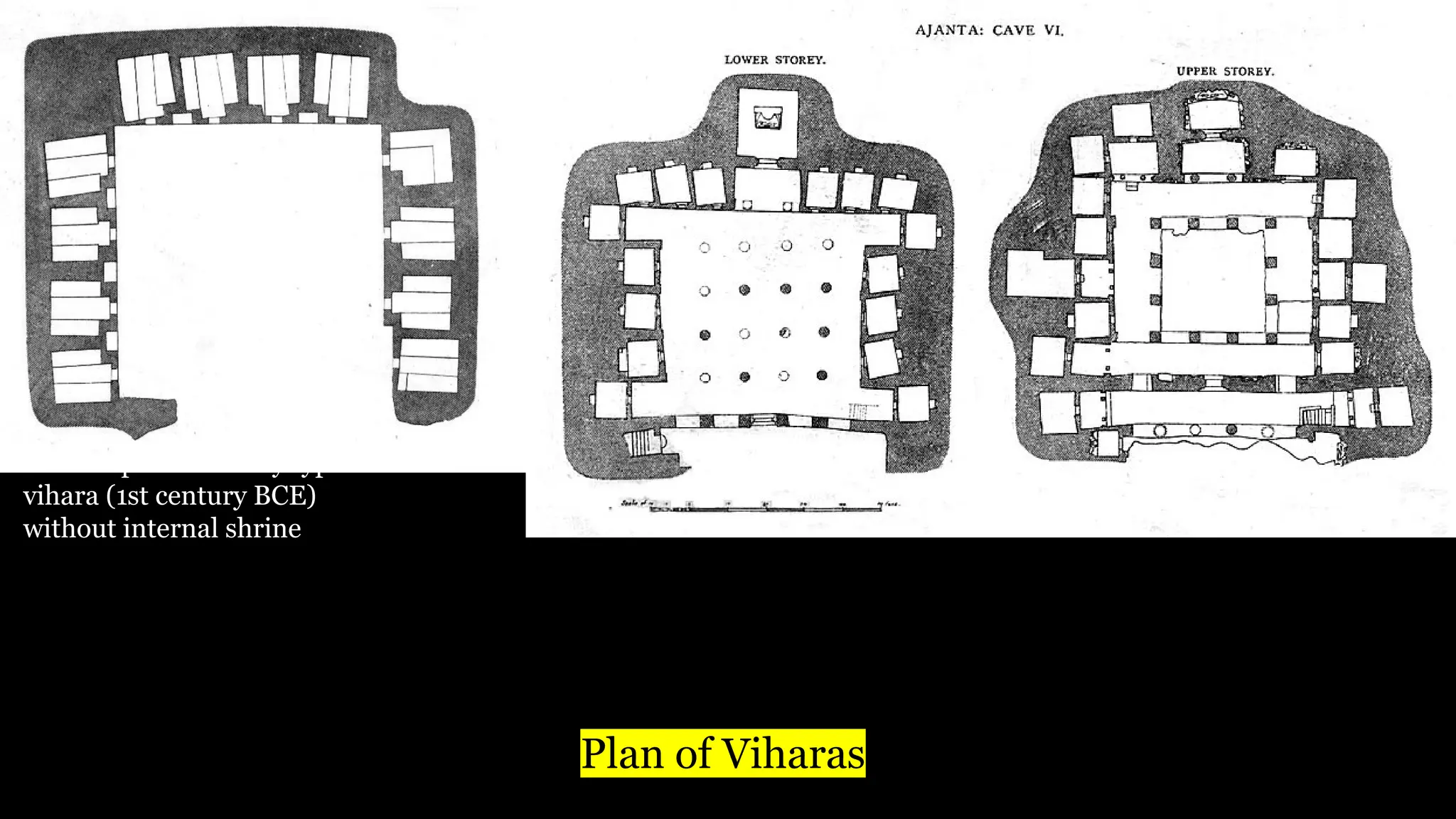
• A vihara, called Sangharama.
• A monastic abode consisting of a central
hall with adjoining residential cells.
1. A pillared porch or verandah.
2. A central hall, mostly squarish in plan
3. Cells for monks hewn into its sides.
• An antechamber connects to
the garbhagriha containing an image of
Buddha.
• architectural development proceeded
from early sober to richly ornamented
pillared viharas.
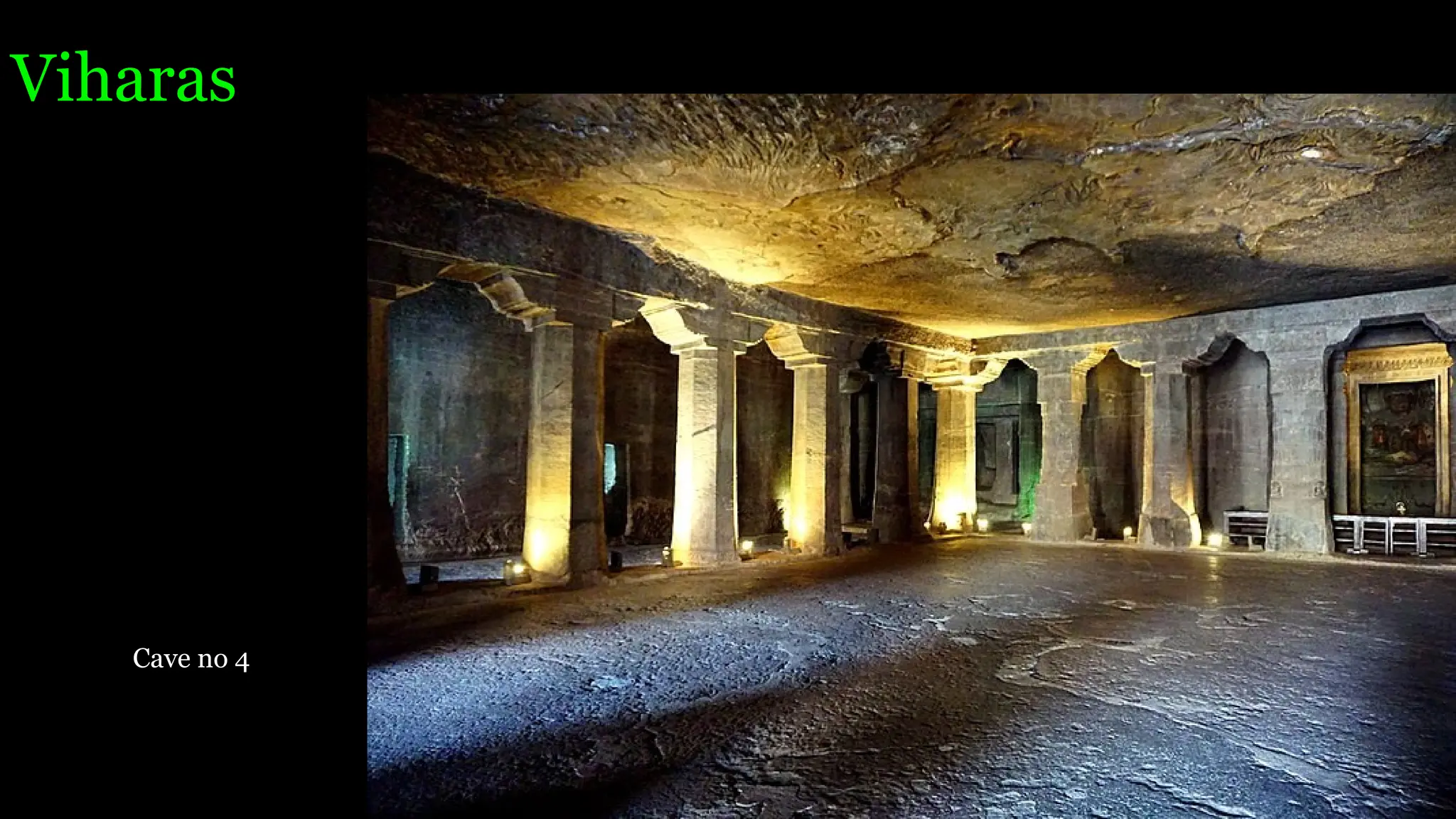
Viharas
Cave no 4
Cave 12 plan: an early type of
vihara (1st century BCE)
without internal shrine
Plan of Viharas
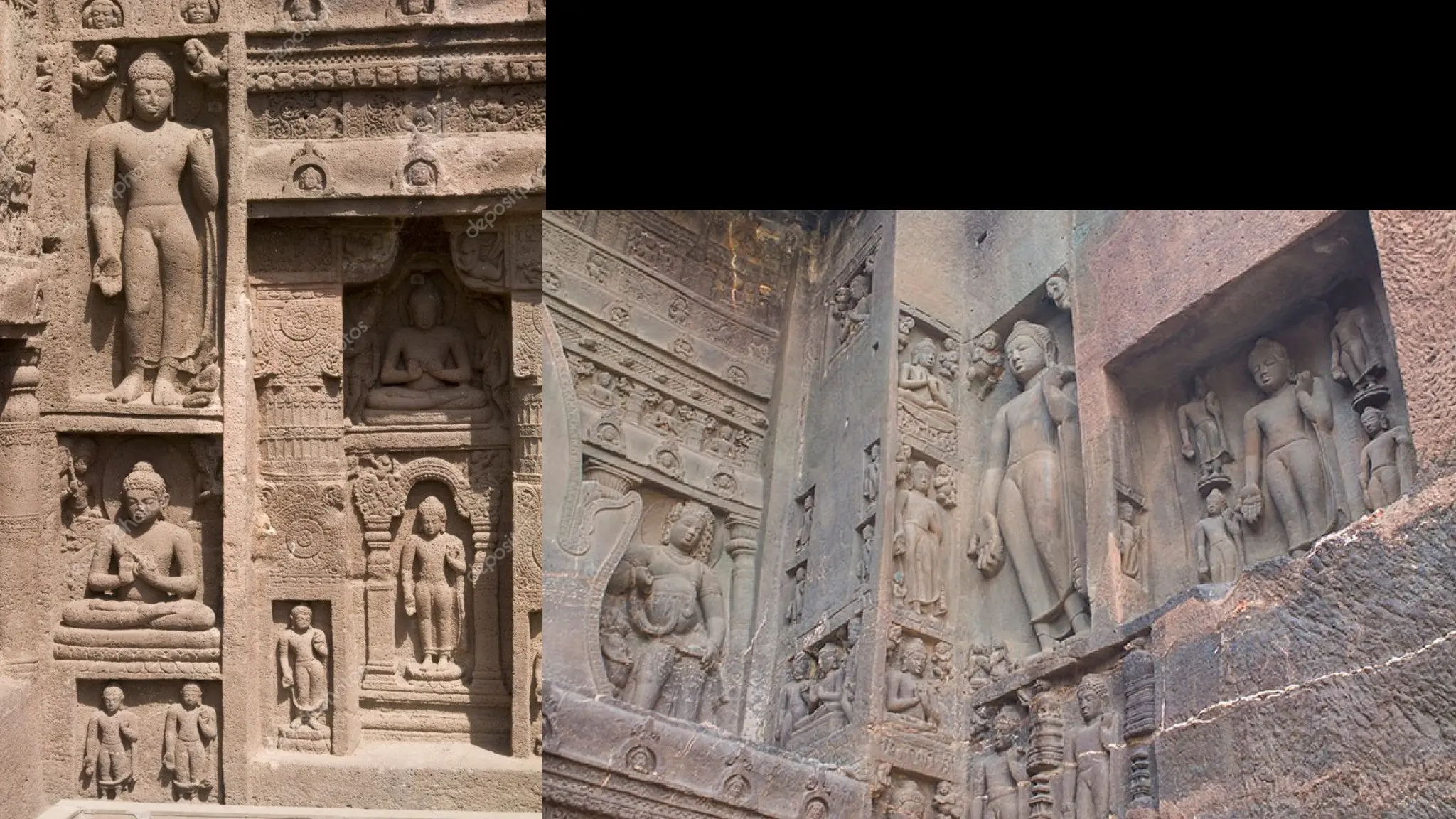
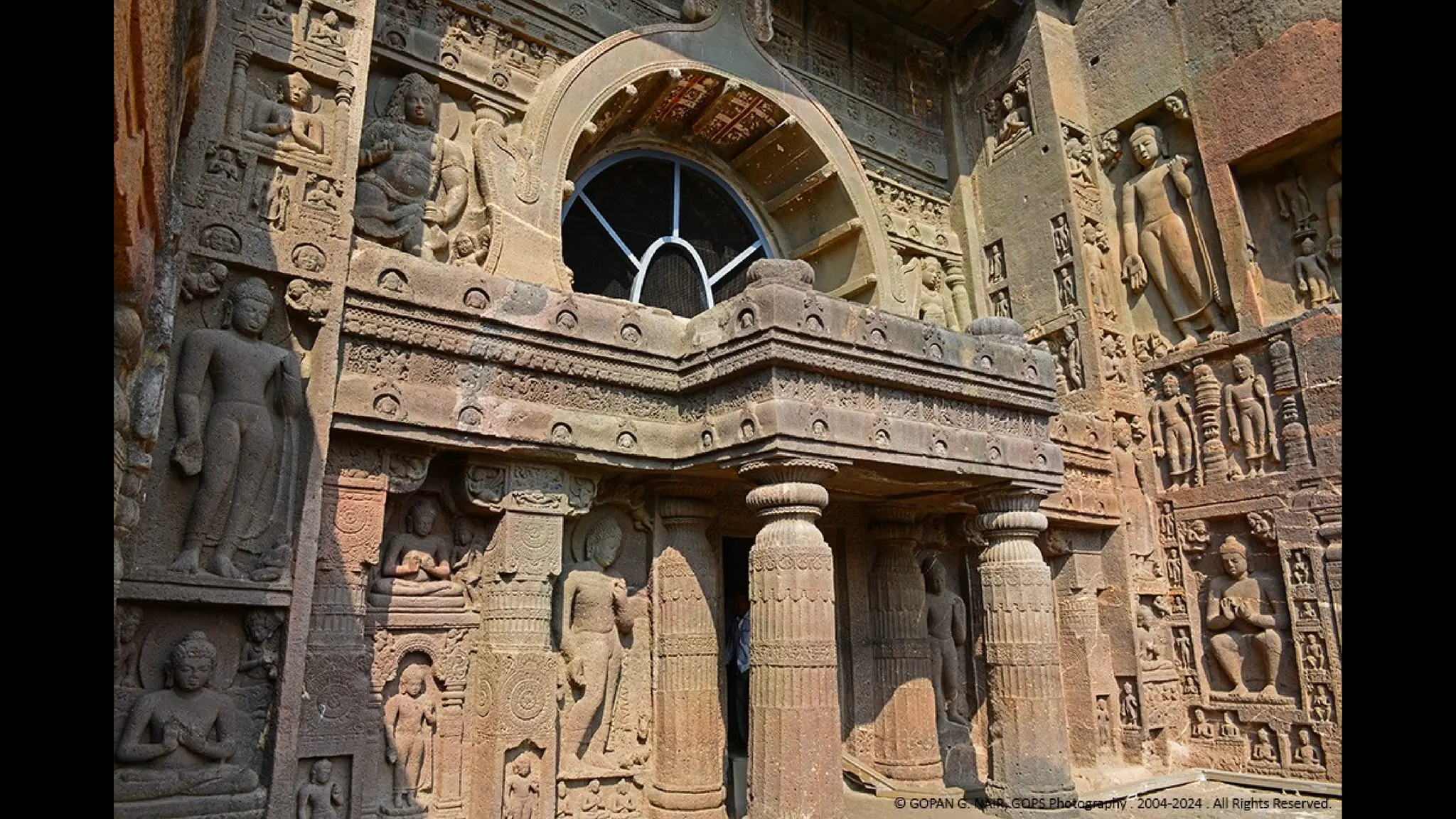
Sculptures of Ajanta
• Belongs to 2nd
Phase (Vakataka)
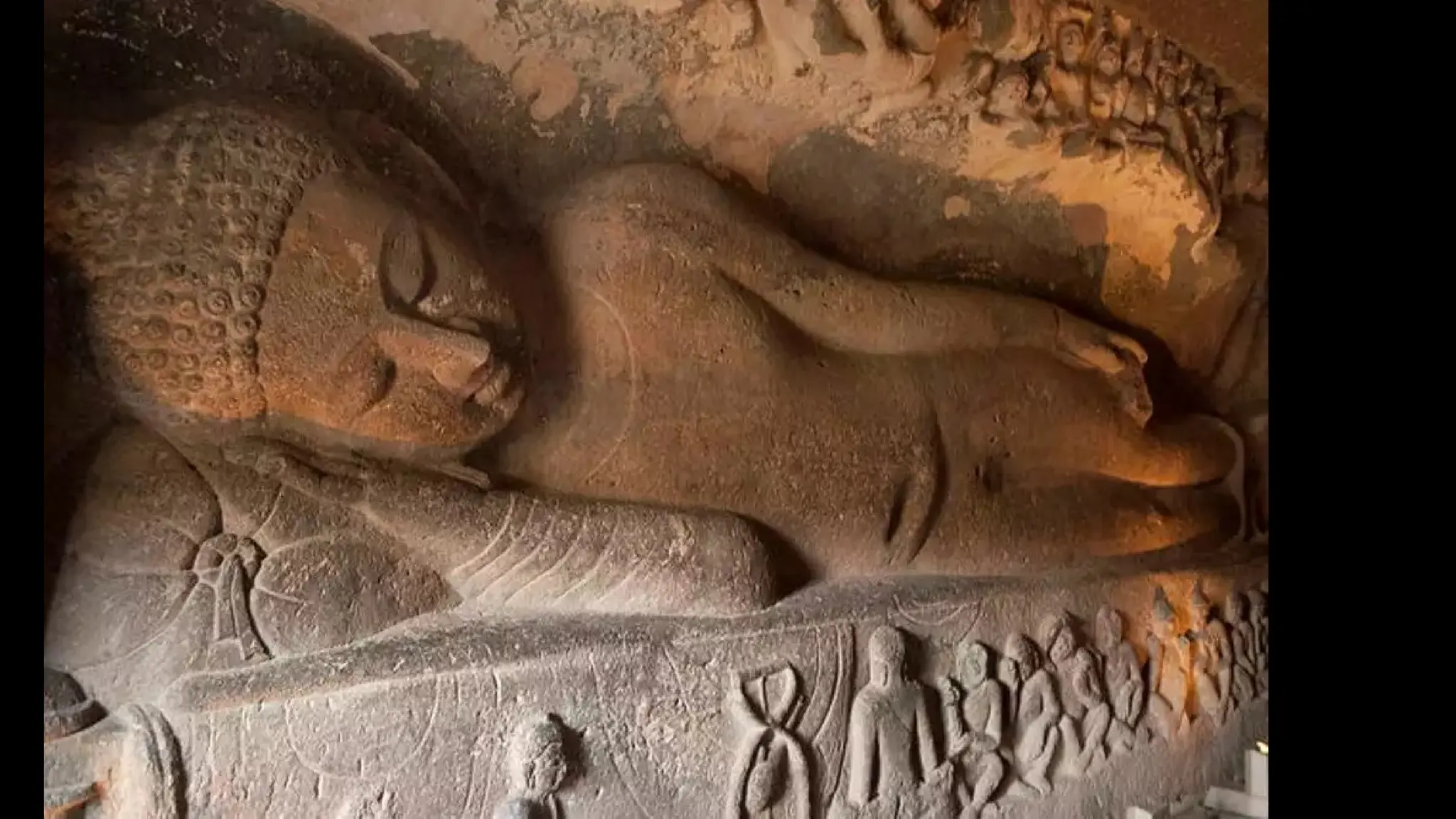
• Buddha was main subject
• Various poses of Buddha
• Inspiration from Jataka tales
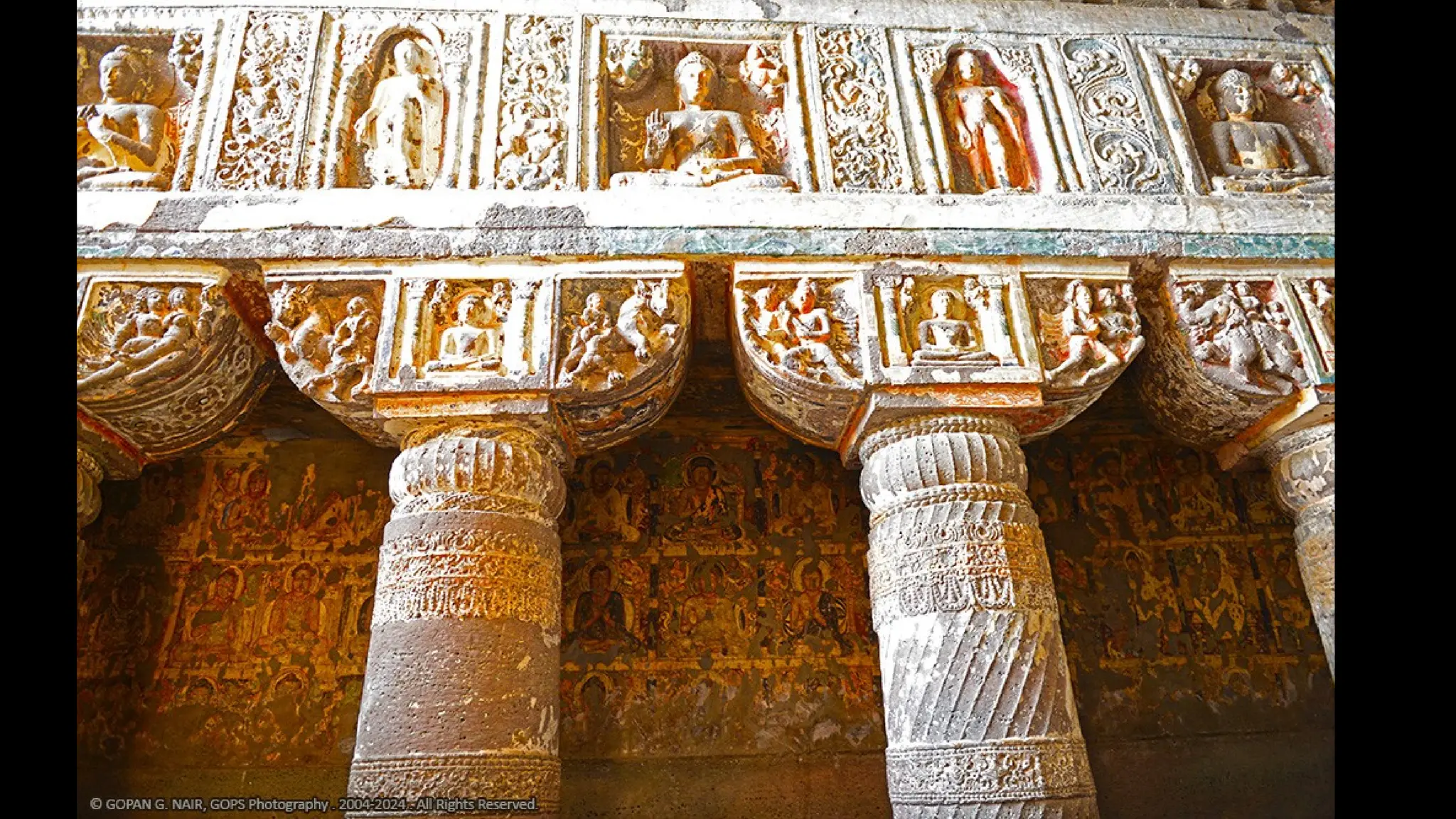
• Sculptures were both plastered
and painted.
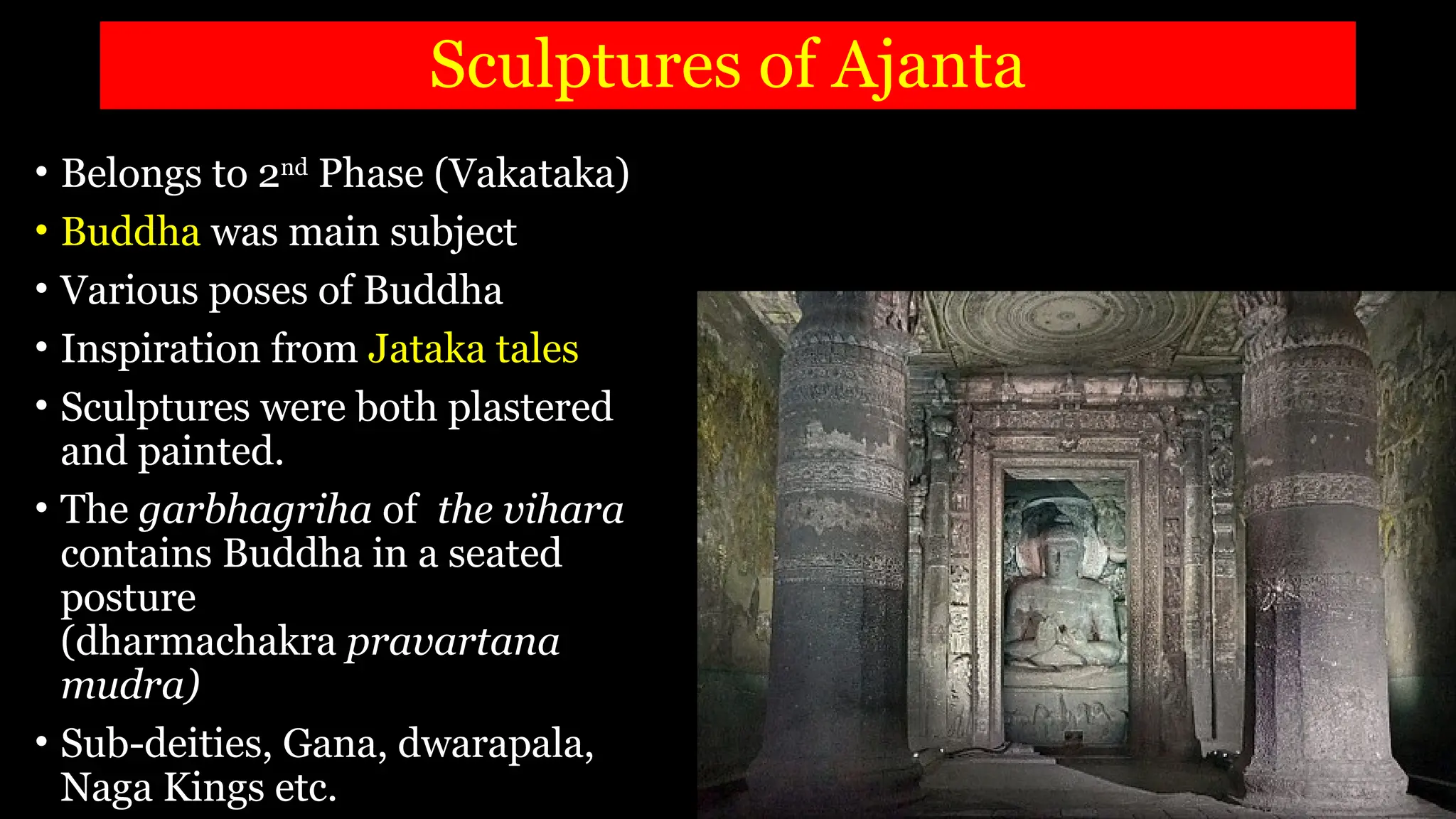
• The garbhagriha of the vihara
contains Buddha in a seated
posture
(dharmachakra pravartana
mudra)
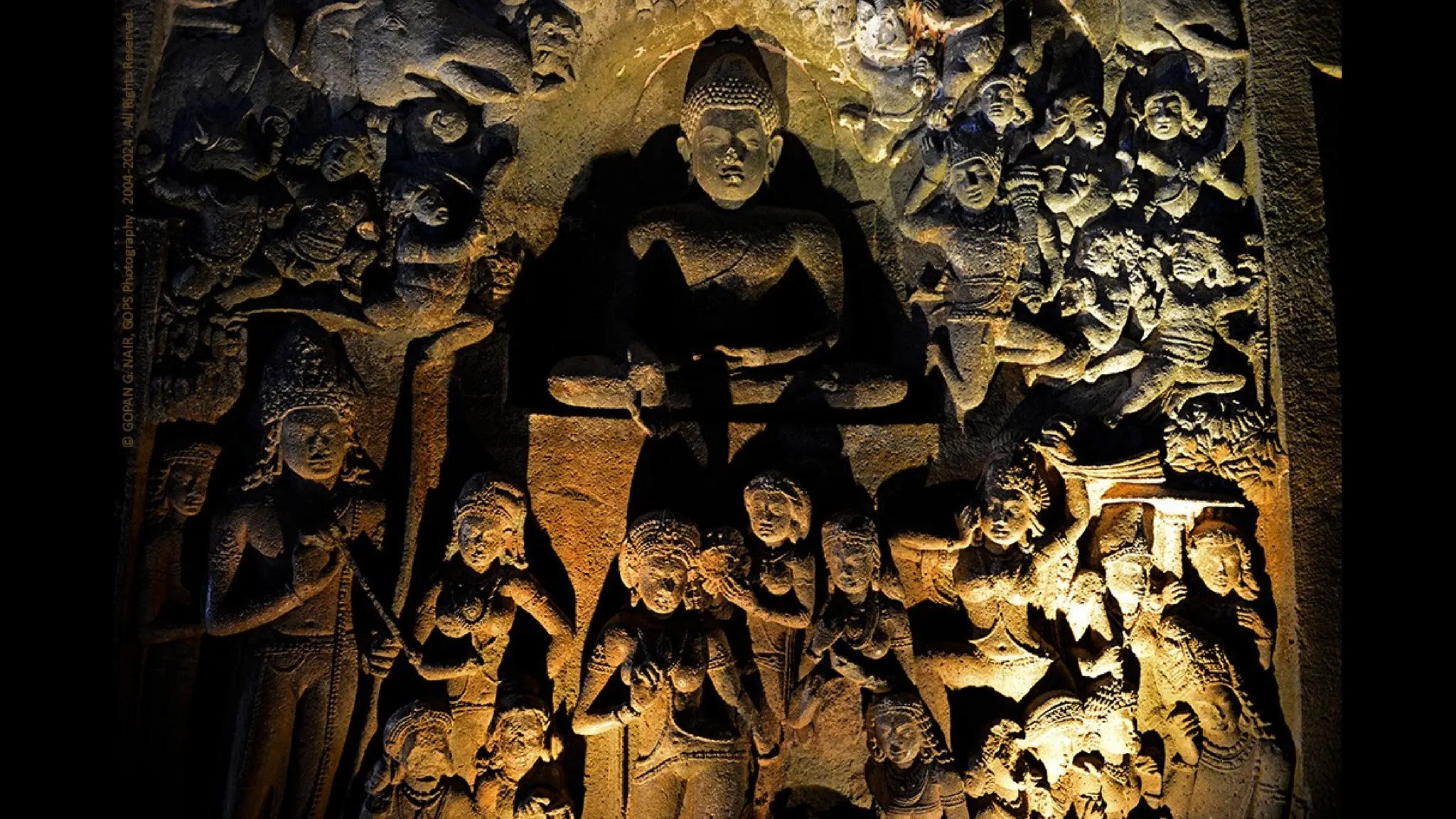
• Sub-deities, Gana, dwarapala,
Naga Kings etc.
Hariti shrine, Cave 2
Naga King and his Consort, Cave 19
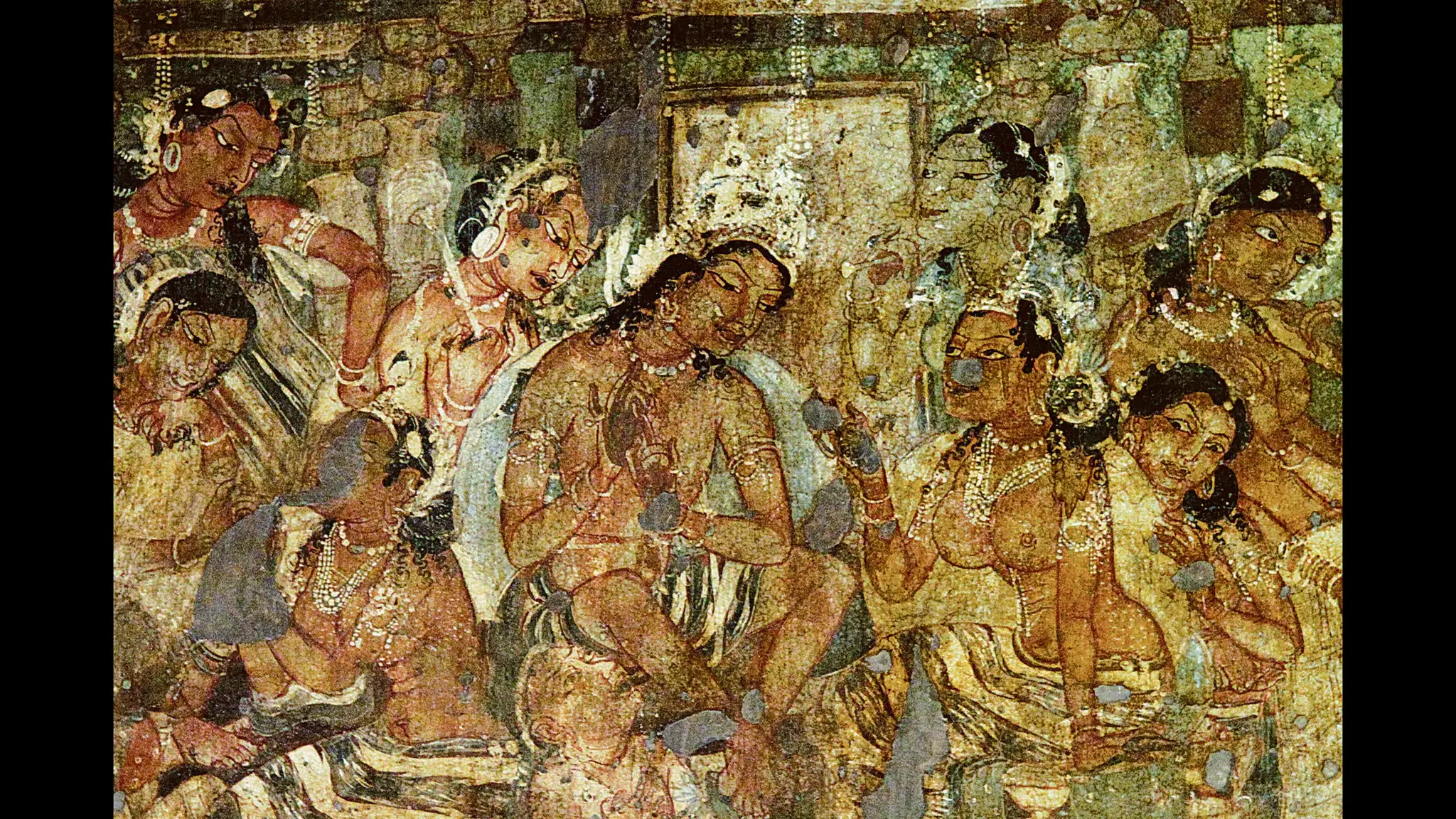
Paintings
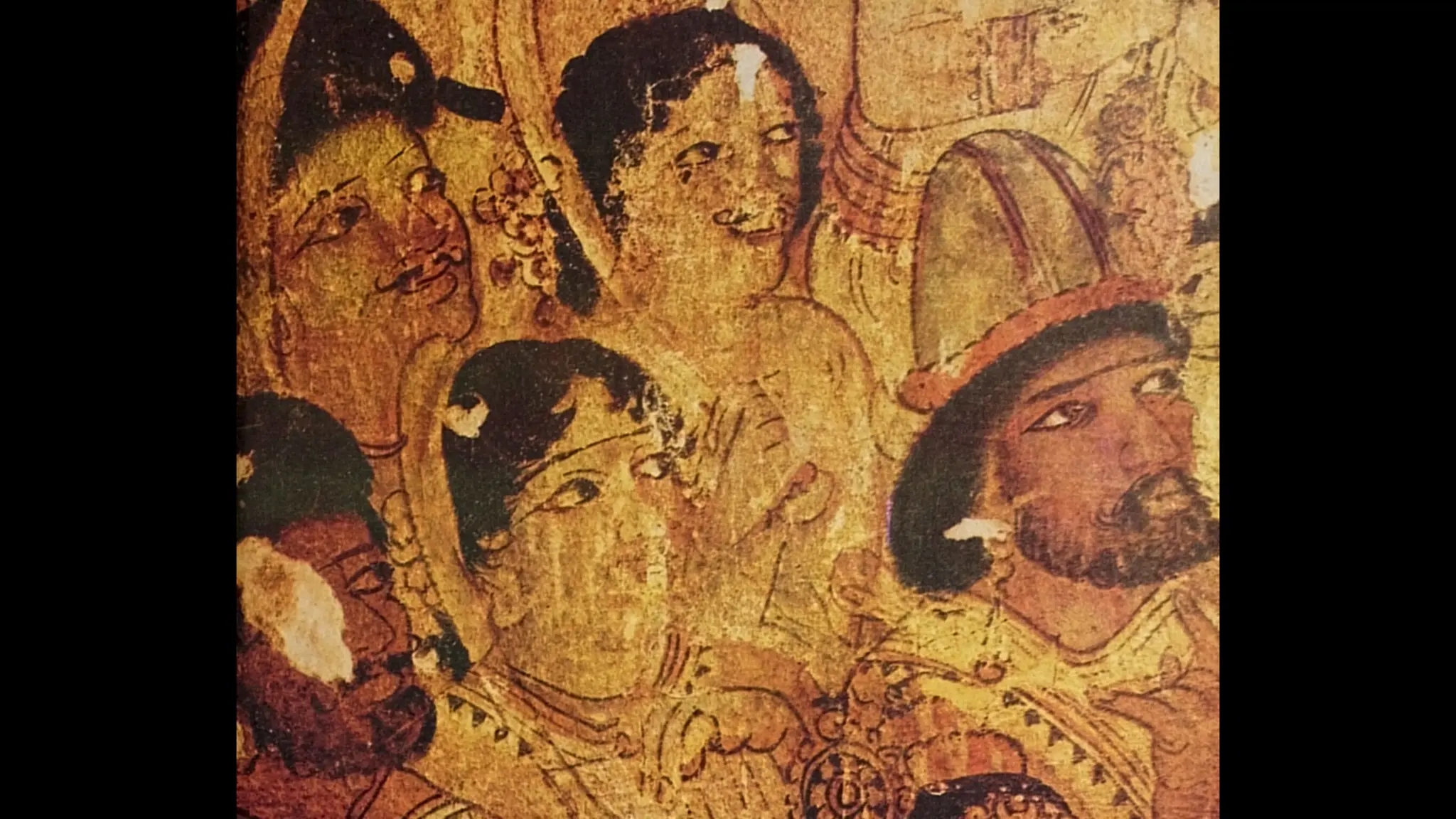
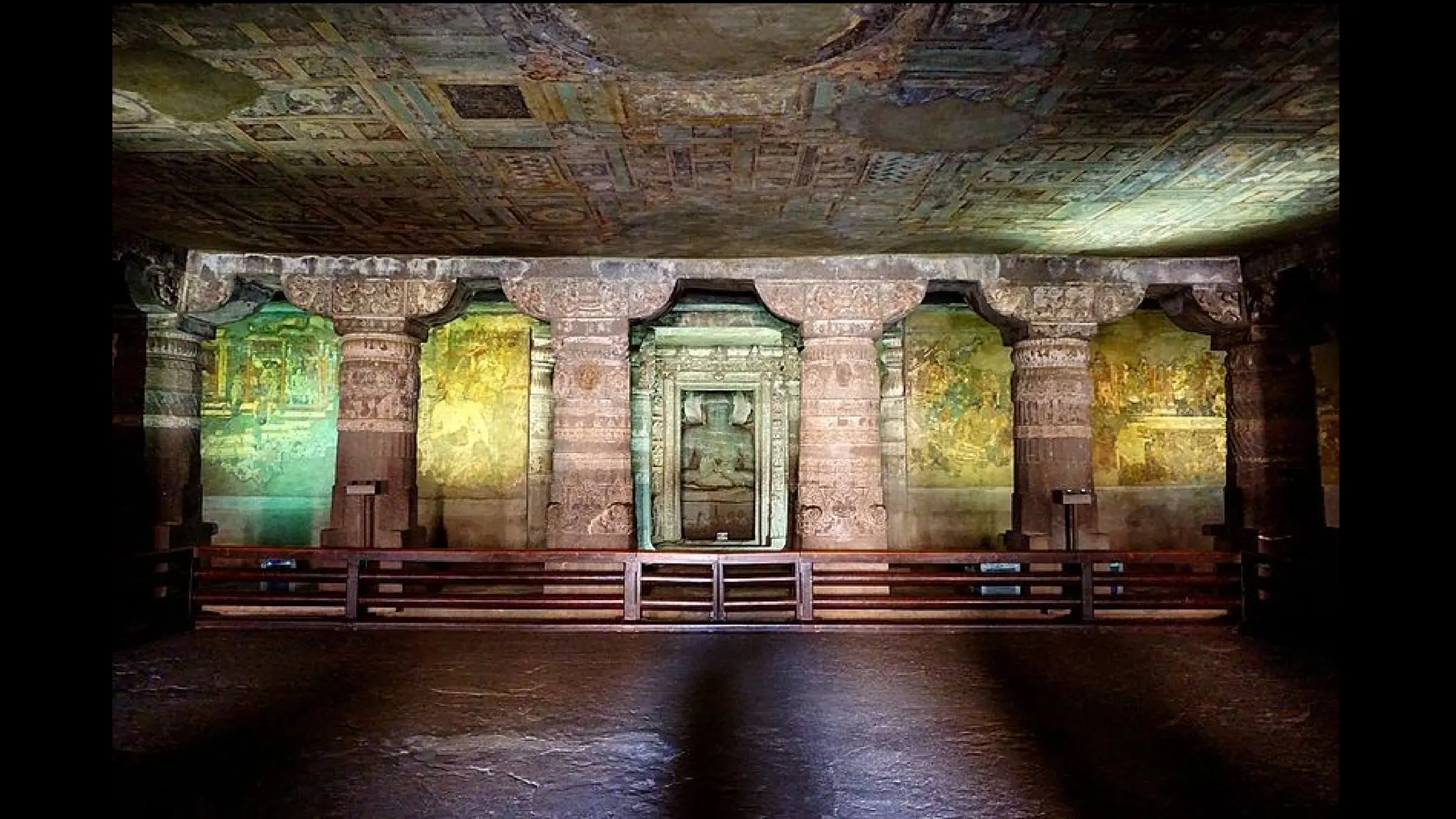
• Currently, paintings are intact in both the earlier and later phase
• Caves no 9 & 10 belong to the Satavahana period
• Paintings of early caves are represented only symbolically by the Bodhi
tree, paduka (wooden footwear), wheel etc.
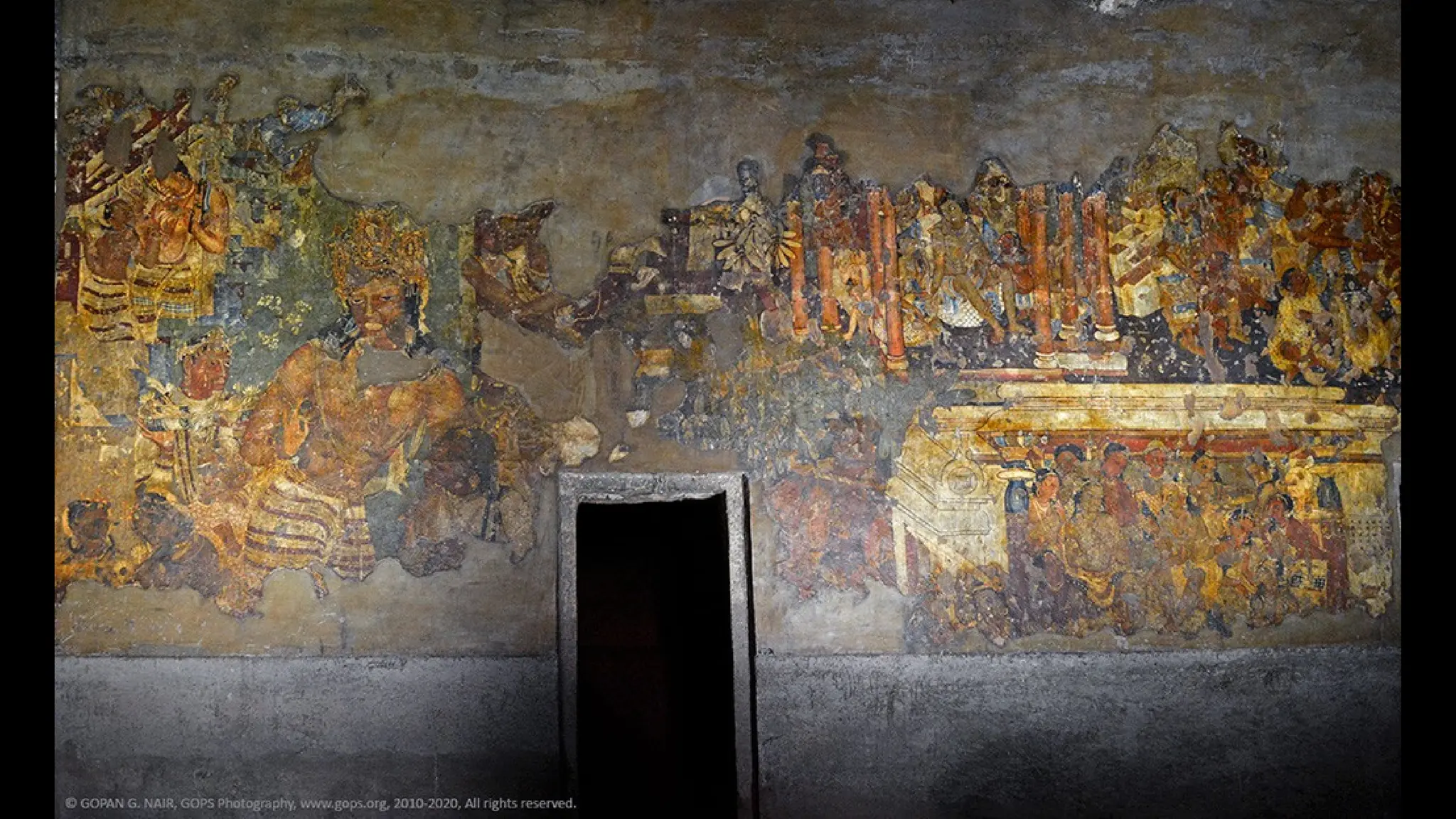
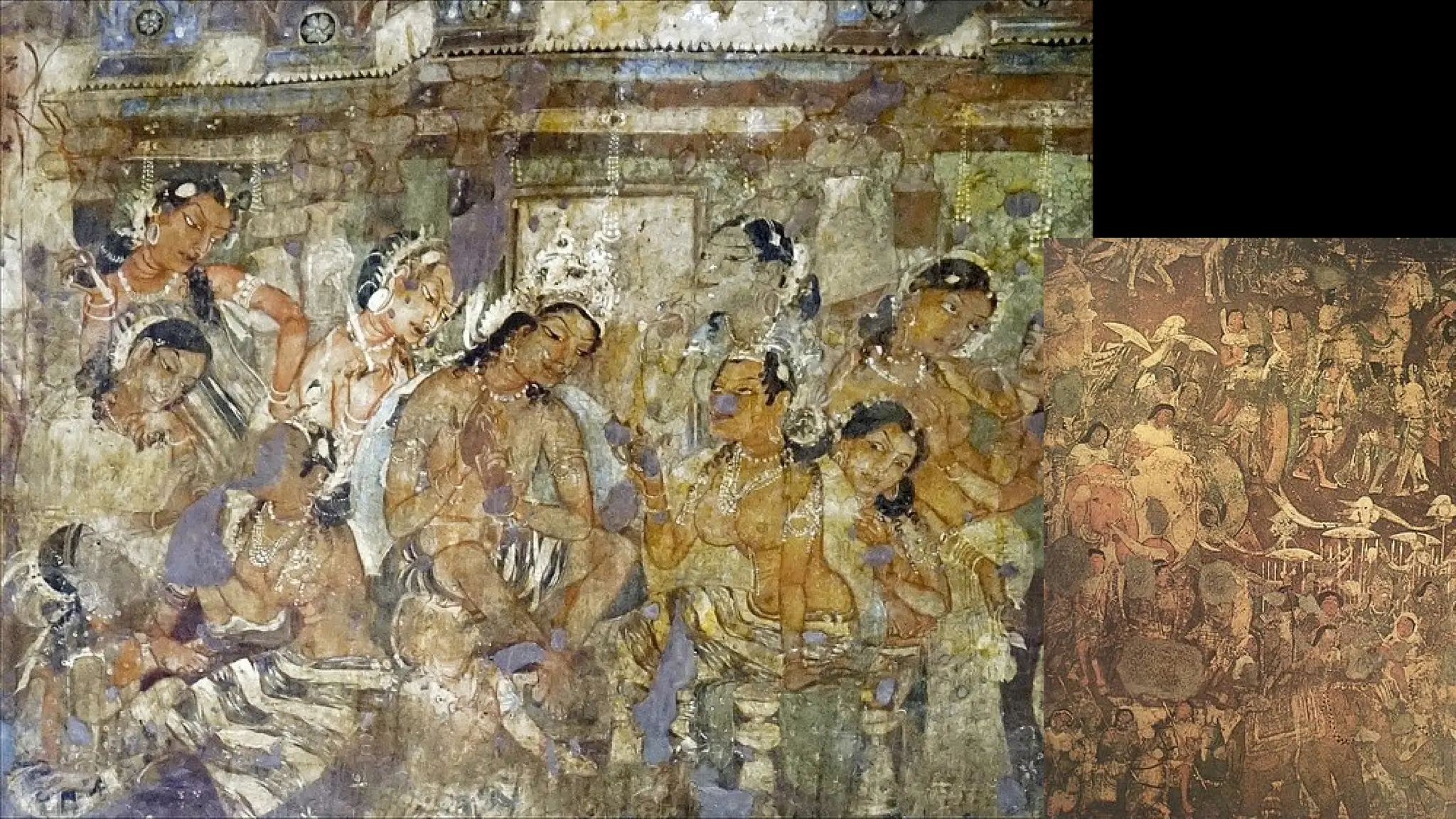
• Later period paintings are survived in Cave no 1,2, 16 & 17
• Later caves depicting Buddha murals, including Kinnara, Vidyadhara,
Gandharva etc.
• Painters were mastered in an easy and fluent naturalistic style
• The paintings prominently narrate the Jataka stories.
• The narratives flow unrestricted from one cave wall to the next with effortless
flexibility.
• Artist had a deep understanding of nature, gestures, life, expressions etc.
• Buddhist legends describe the previous births of the Buddha.
Historiography
• The Royal Asiatic Society in London commissioned reproductions in the
1840s by Major Robert Gill; these were destroyed in a fire two decades later.
• British artists John Griffiths and Lady Herrington undertook further
documentation in the 1870s.
• Students at the school reproduced the murals, and most were subsequently
sent to the then-newly established Victoria and Albert Museum in London.
• It is mainly due to these reproductions that the Ajanta murals are known
worldwide today.
• The museum still possesses 166 of these paintings, which were last displayed
in 1955 and stored in storage.
• In 1920, the Indian archaeologist Ghulam Yazdani, appointed by the Nizam
of Hyderabad, became the first person to photograph the Ajanta murals.
Paintings
• Walsl, ceilings, pillars
• Religious in tone and theme
• Depicts the live and times of Buddha & Bhodhisattva
• Court scene
• Street scene
• Cameos of domestic lives
• Animals
• Birds
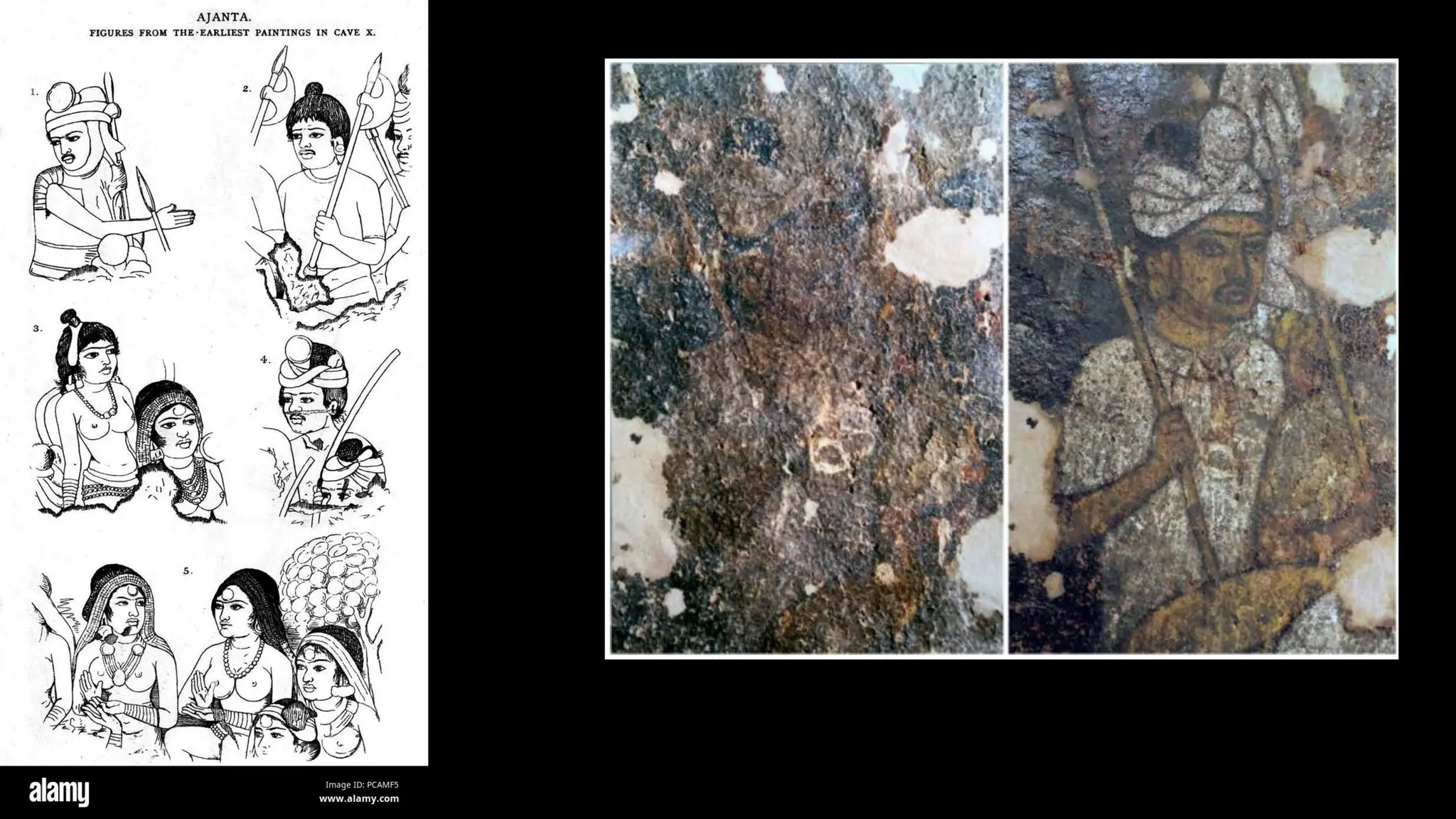
Paintings: Early Stage
• Two periods
• Early Paintings: caves 9 &10
• Period: 200-100 BCE
• Costumes and ornaments Similar to Sanchi. & Bharhut
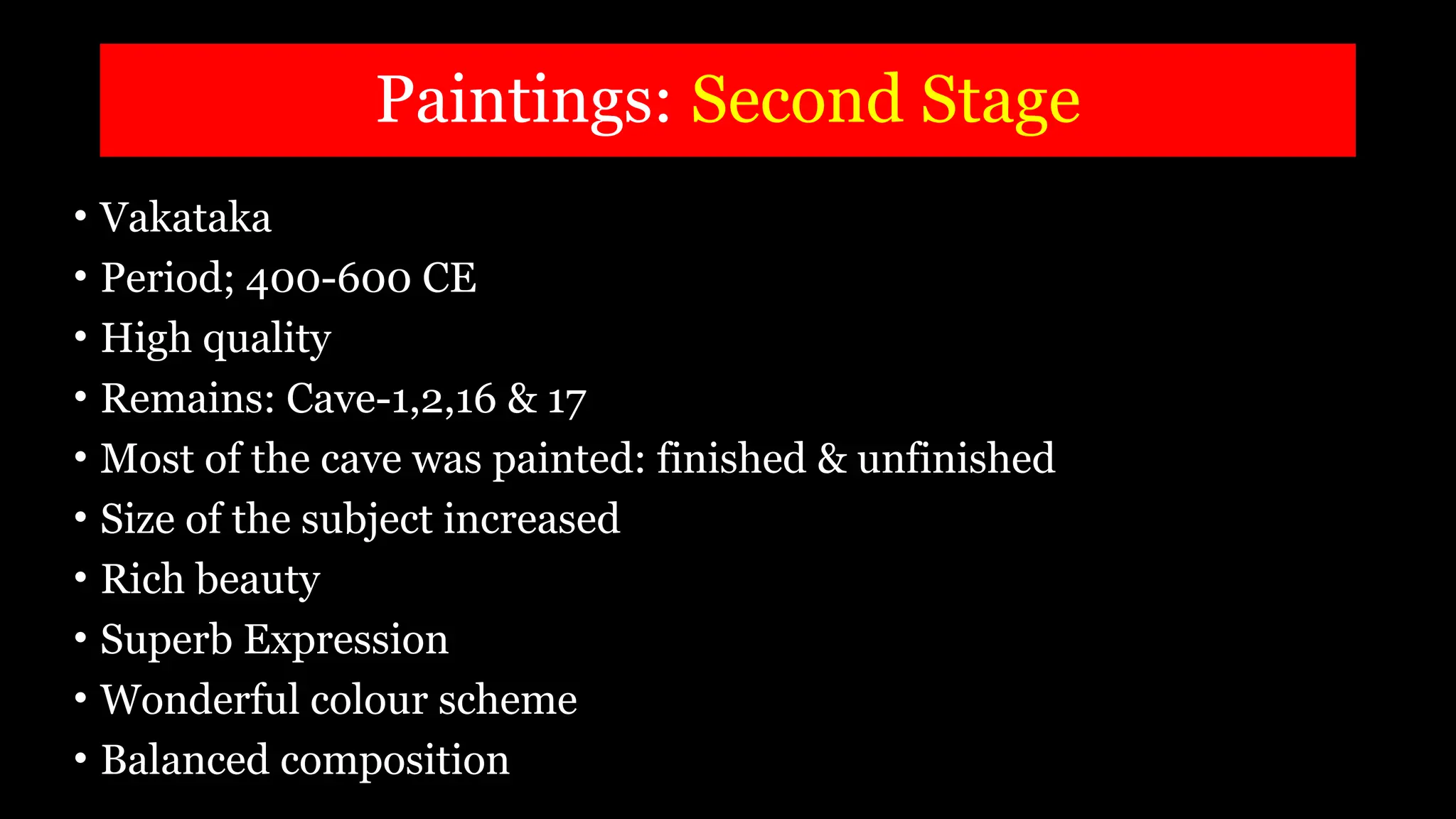
Paintings: Second Stage
• Vakataka
• Period; 400-600 CE
• High quality
• Remains: Cave-1,2,16 & 17
• Most of the cave was painted: finished & unfinished
• Size of the subject increased
• Rich beauty
• Superb Expression
• Wonderful colour scheme
• Balanced composition
Theme
• Buddha & Bodhisattva
• Incidents from the life of Buddha
• Jataka tales: Most extensively painted
• Scene of Jataka stories:
a) Teaching of Monks
b) Social life
c) Scene: from birth to death
d) Life scene: from slaves to king
e) Economic status: Rich to poor
f) From Saint to begger
g) Love & hatred
h) Joy & sorrow
i) Triumph & tribulation
1. Portrait
2. Descriptive
3. decorative
Paintings
Wall
• Religious iconography.
• Wall paintings are religious
• Jataka tales
• Vivid life
• Wall murals of the first period
are difficult to discern since they
have been heavily damaged over
time.
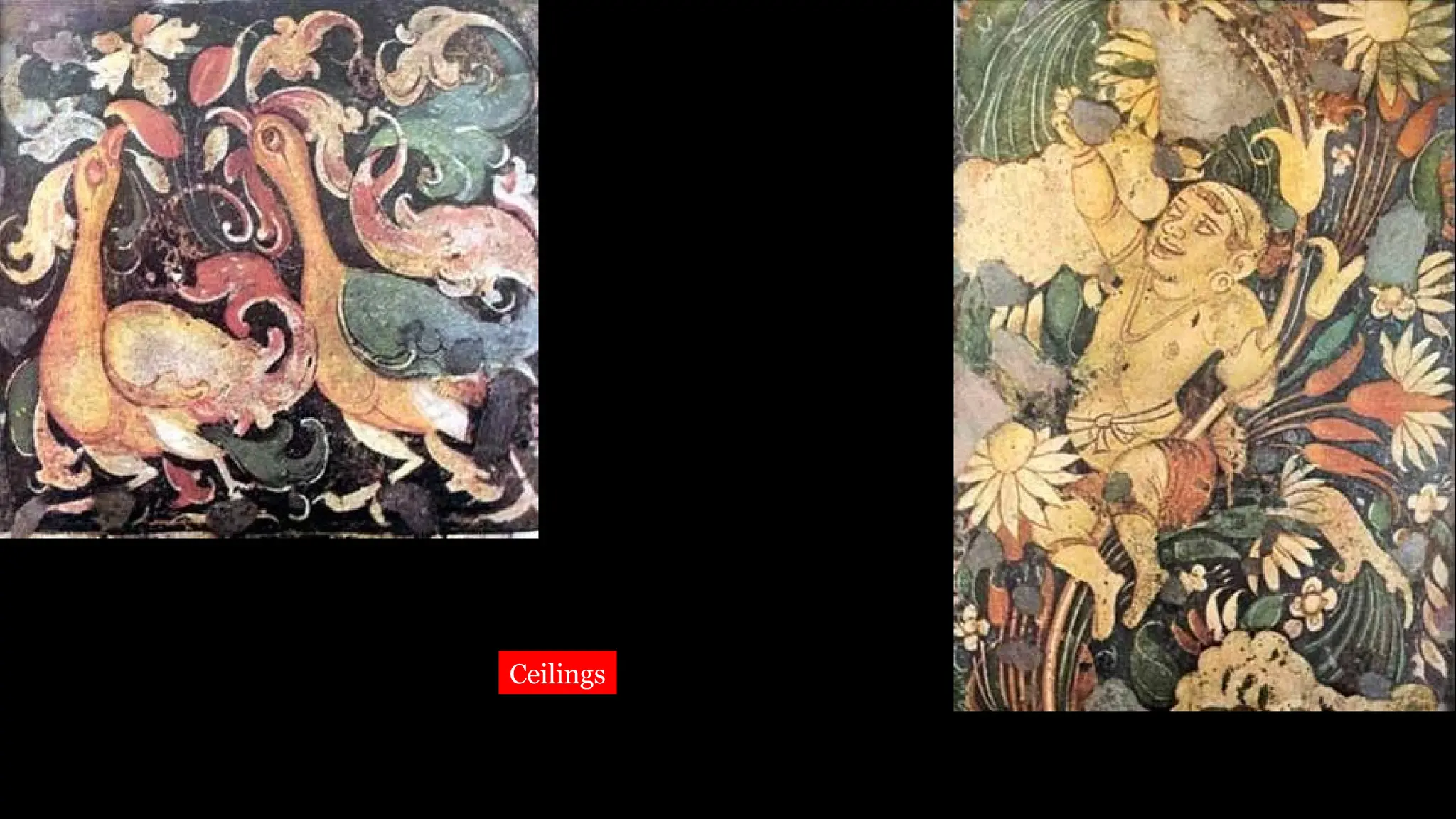
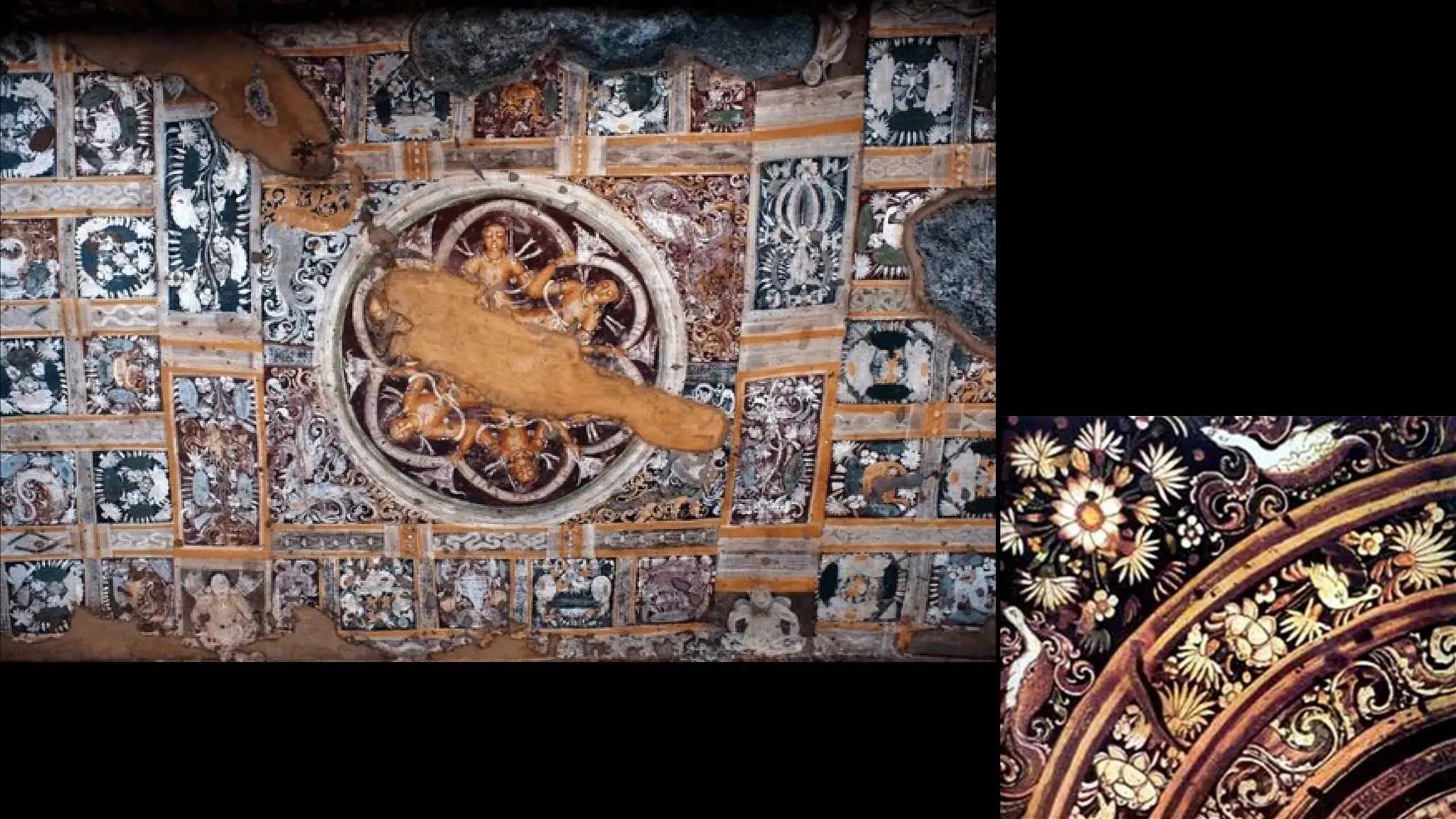
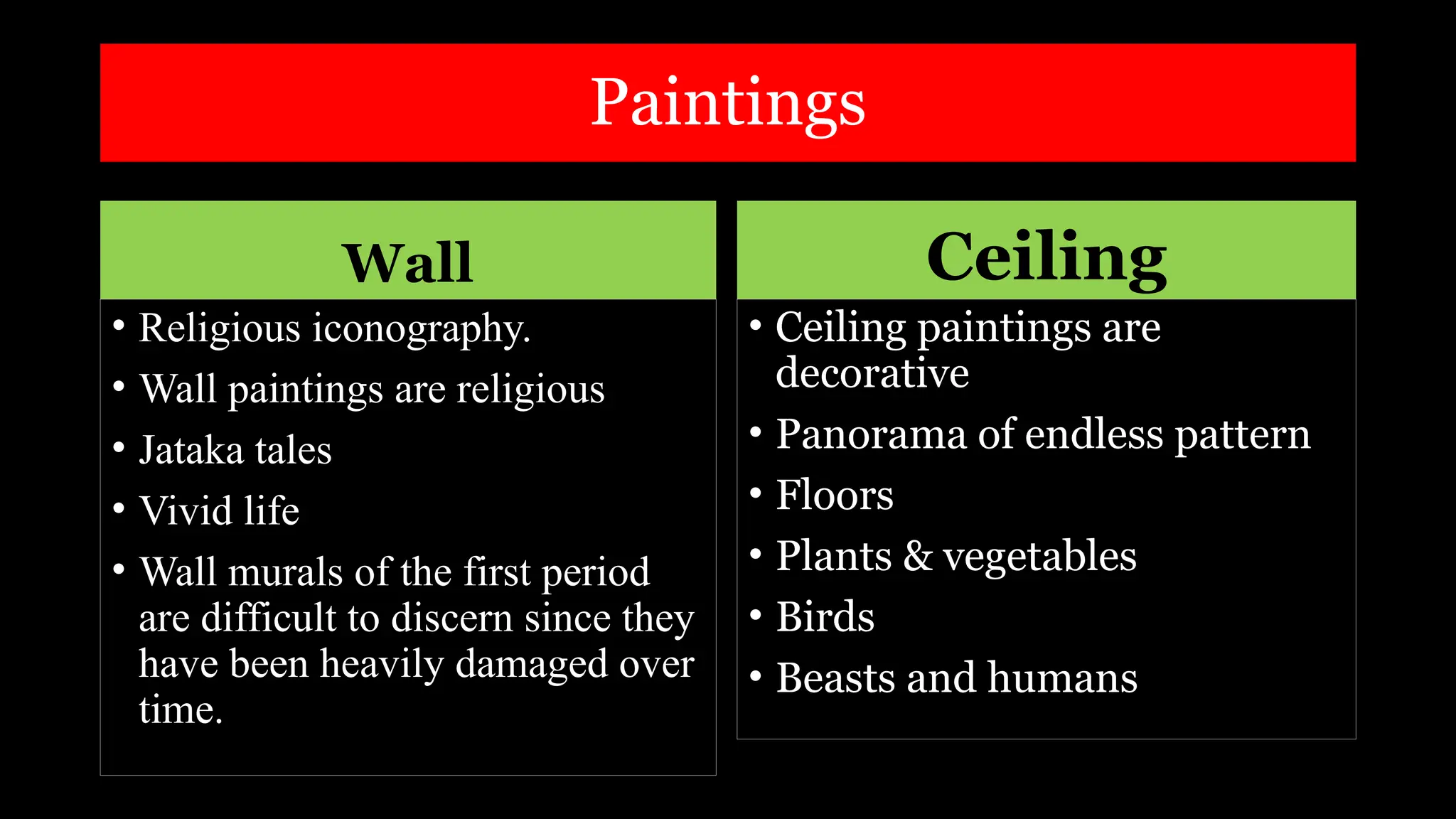
Ceiling
• Ceiling paintings are
decorative
• Panorama of endless pattern
• Floors
• Plants & vegetables
• Birds
• Beasts and humans
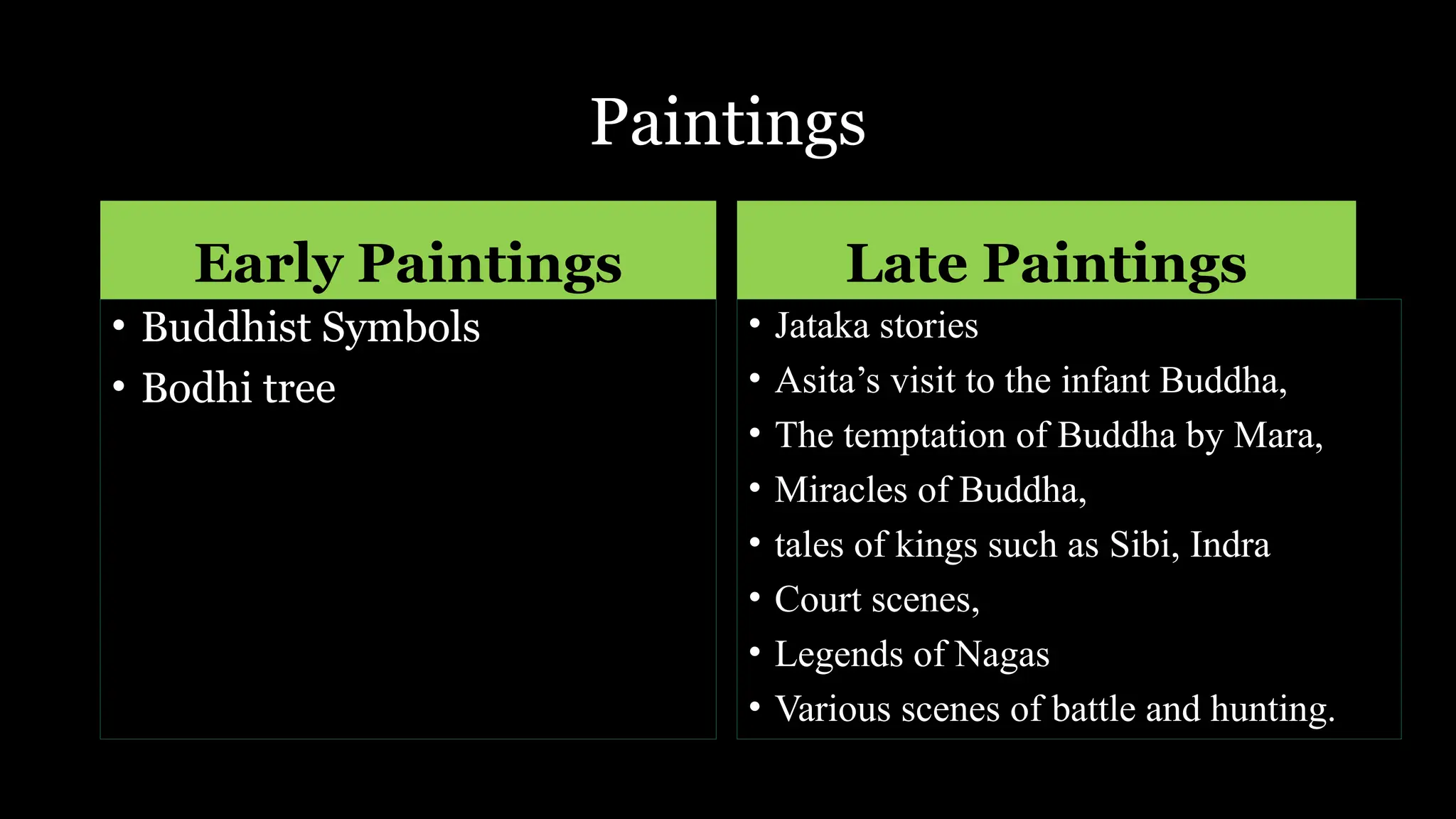
Paintings
• Buddhist Symbols
• Bodhi tree
• Jataka stories
• Asita’s visit to the infant Buddha,
• The temptation of Buddha by Mara,
• Miracles of Buddha,
• tales of kings such as Sibi, Indra
• Court scenes,
• Legends of Nagas
• Various scenes of battle and hunting.
Early Paintings Late Paintings
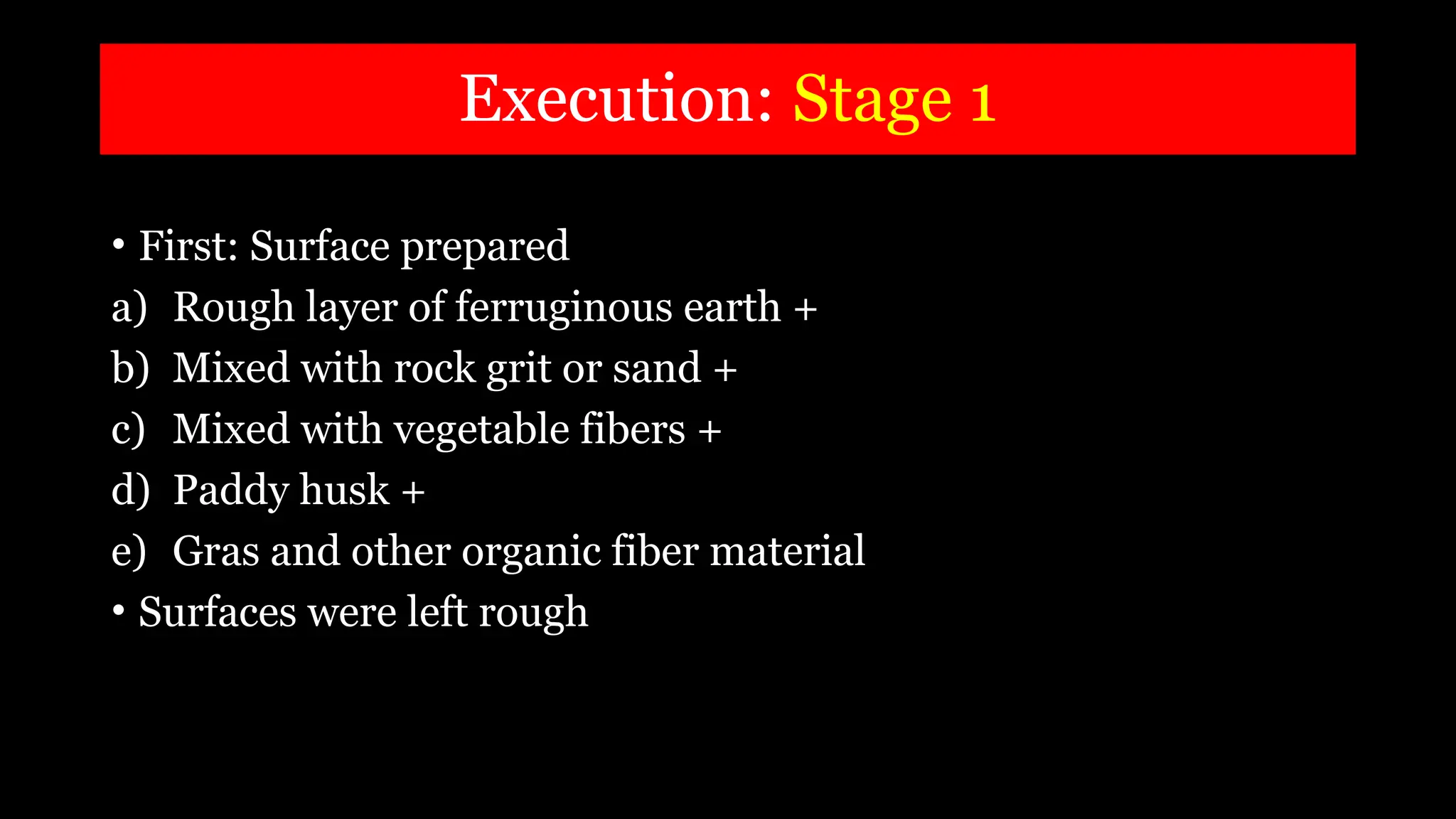
Execution: Stage 1
• First: Surface prepared
a) Rough layer of ferruginous earth +
b) Mixed with rock grit or sand +
c) Mixed with vegetable fibers +
d) Paddy husk +
e) Gras and other organic fiber material
• Surfaces were left rough
Execution: Stage 2
• Second coat of mud and ferruginous
earth
• mixed with
a) Fine rock powder or sand
b) Fine fibrous vegetables
c) The surface was finally finished with
thin coat of limewash
• Over the limewash
• Outlines of the subject were drawn boldly
• The spaces were then filled with colours
• The layer of paint in the murals measures 0.1 millimetre in
thickness,
• The underlying layer of fine plaster varies from cave to cave but
generally ranges between 2 and 3 millimetres.
Execution: Stage 3
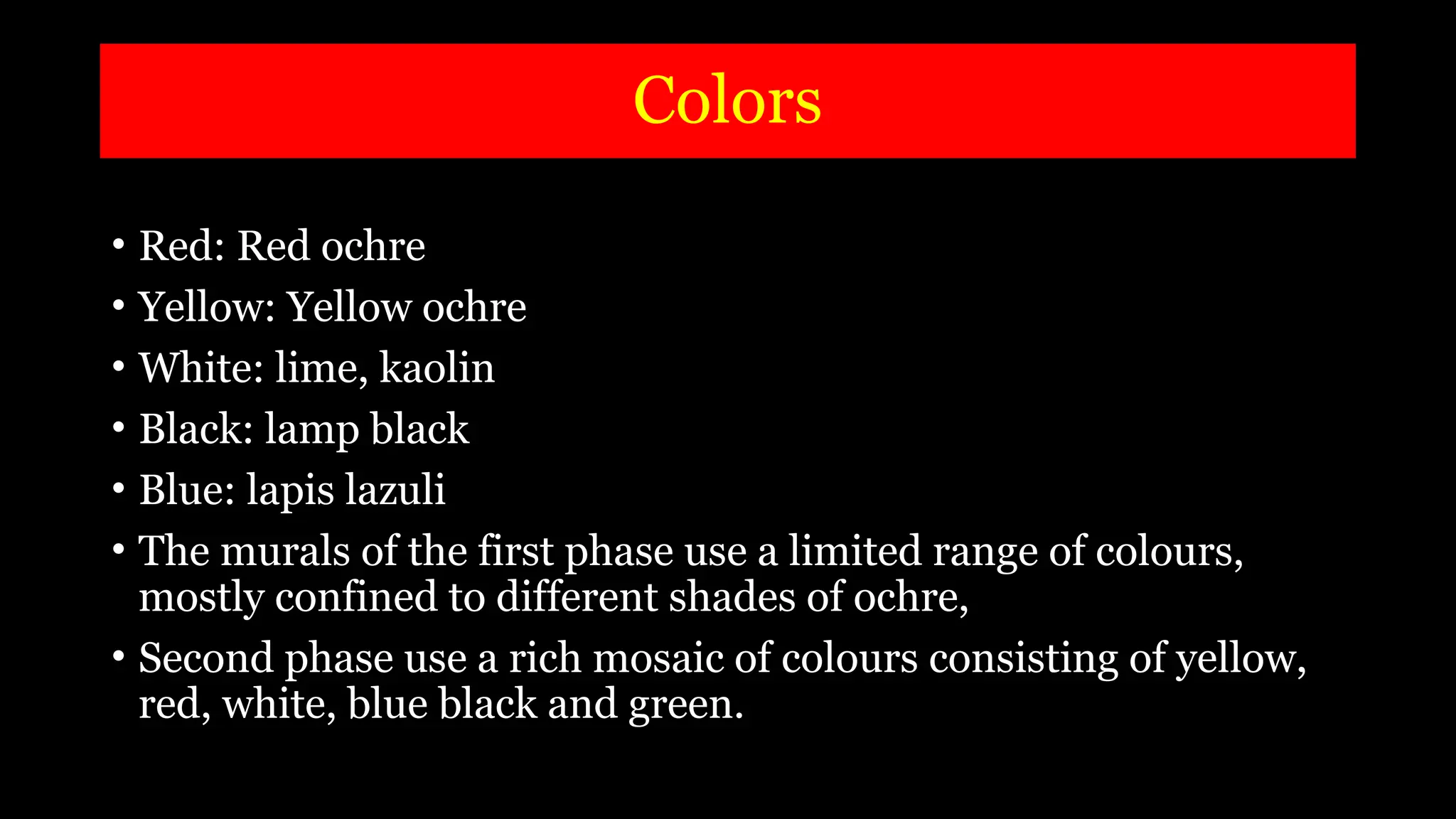
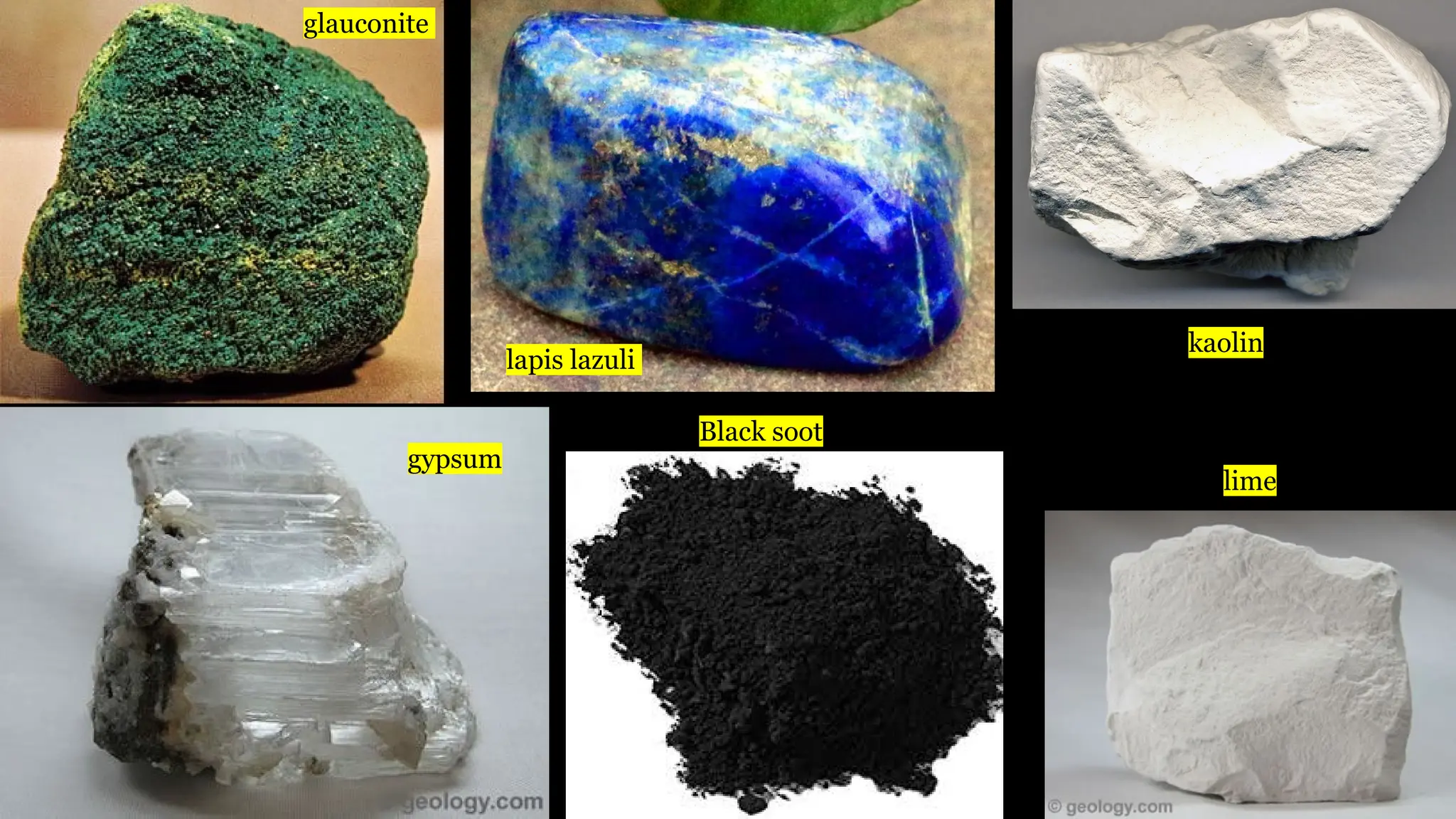
Colors
• Red: Red ochre
• Yellow: Yellow ochre
• White: lime, kaolin
• Black: lamp black
• Blue: lapis lazuli
• The murals of the first phase use a limited range of colours,
mostly confined to different shades of ochre,
• Second phase use a rich mosaic of colours consisting of yellow,
red, white, blue black and green.
glauconite
lapis lazuli
kaolin
gypsum
lime
Black soot
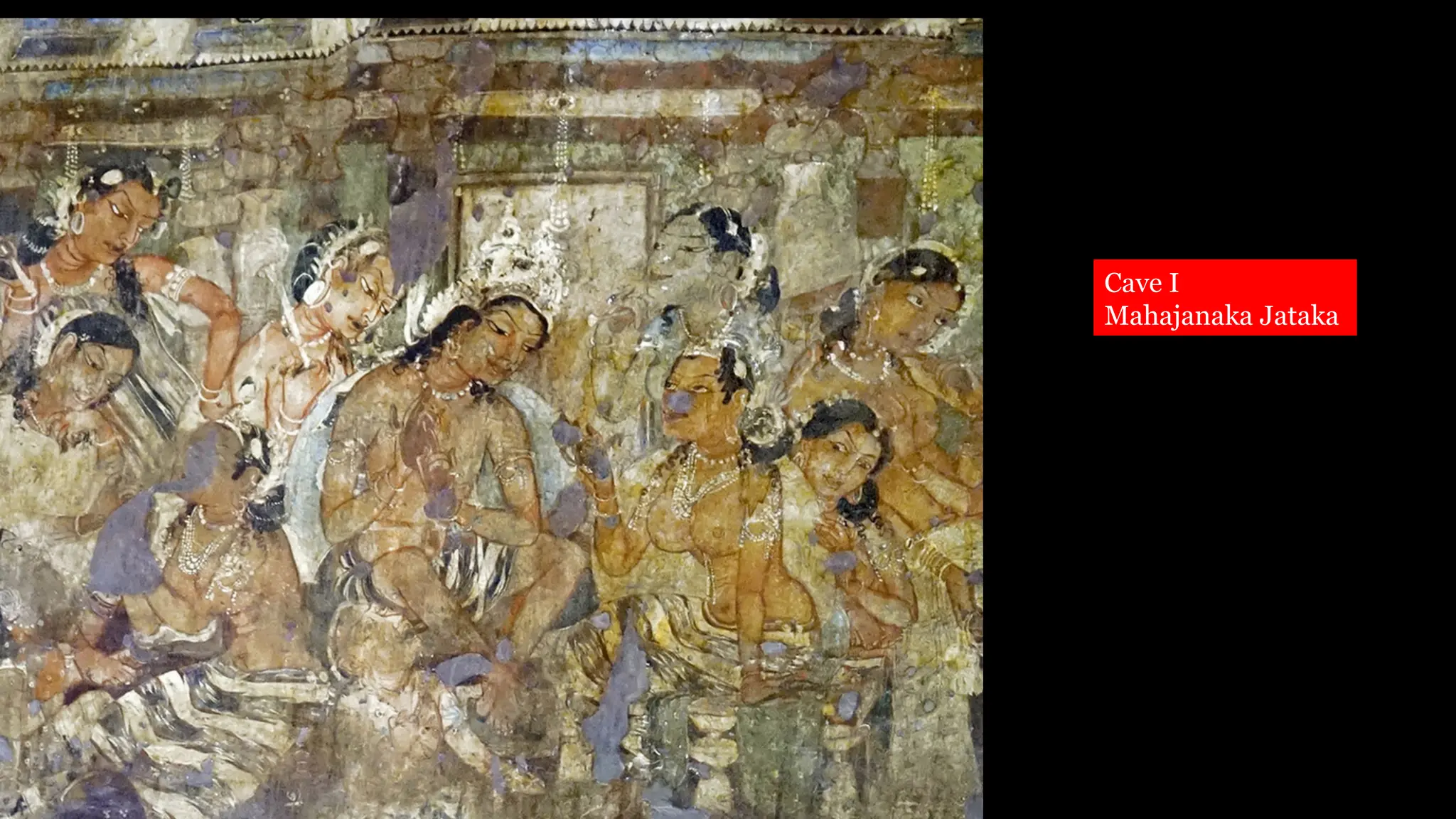
Cave I
Mahajanaka Jataka
Painting Technique
1. The rugged surface of the cave walls was made uneven
2. This black, porous surface provides a grip on the covering plaster
3. Plaster was made of ground ferruginous earth, rock grit, sand,
vegetable fibres, paddy husk, and other fibrous materials of organic
origin.
4. The second layer of mud is ferruginous earth mixed with pulverised
rock powder or sand and fine vegetable fibre.
5. The surface was then treated with a thin coat of limewash over which
pigments were applied.
6. Except for the black which was obtained from kohl, all other pigments
were of mineral origin.
Paintings
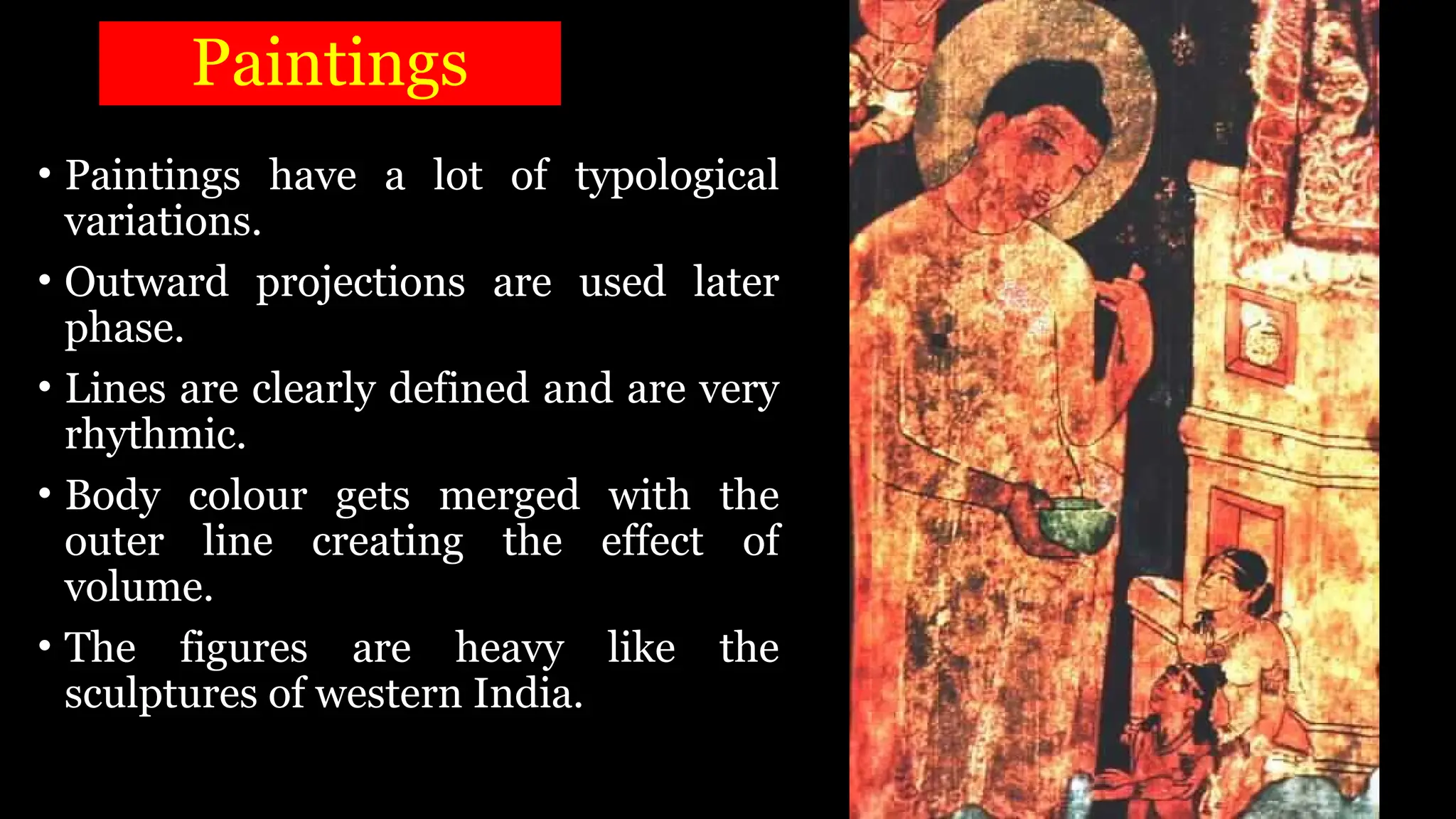
• Paintings have a lot of typological
variations.
• Outward projections are used later
phase.
• Lines are clearly defined and are very
rhythmic.
• Body colour gets merged with the
outer line creating the effect of
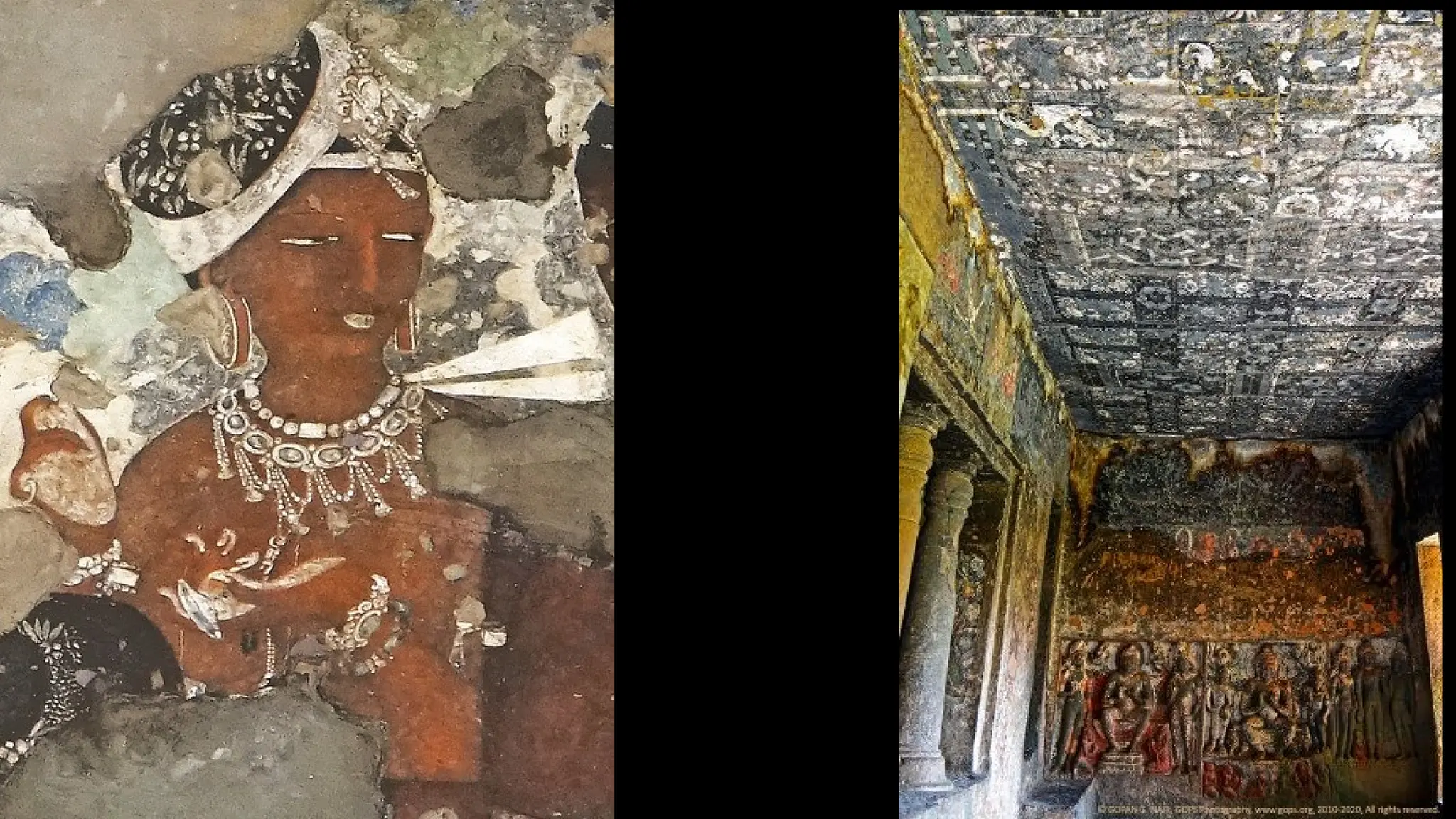
volume.
• The figures are heavy like the
sculptures of western India.
Style
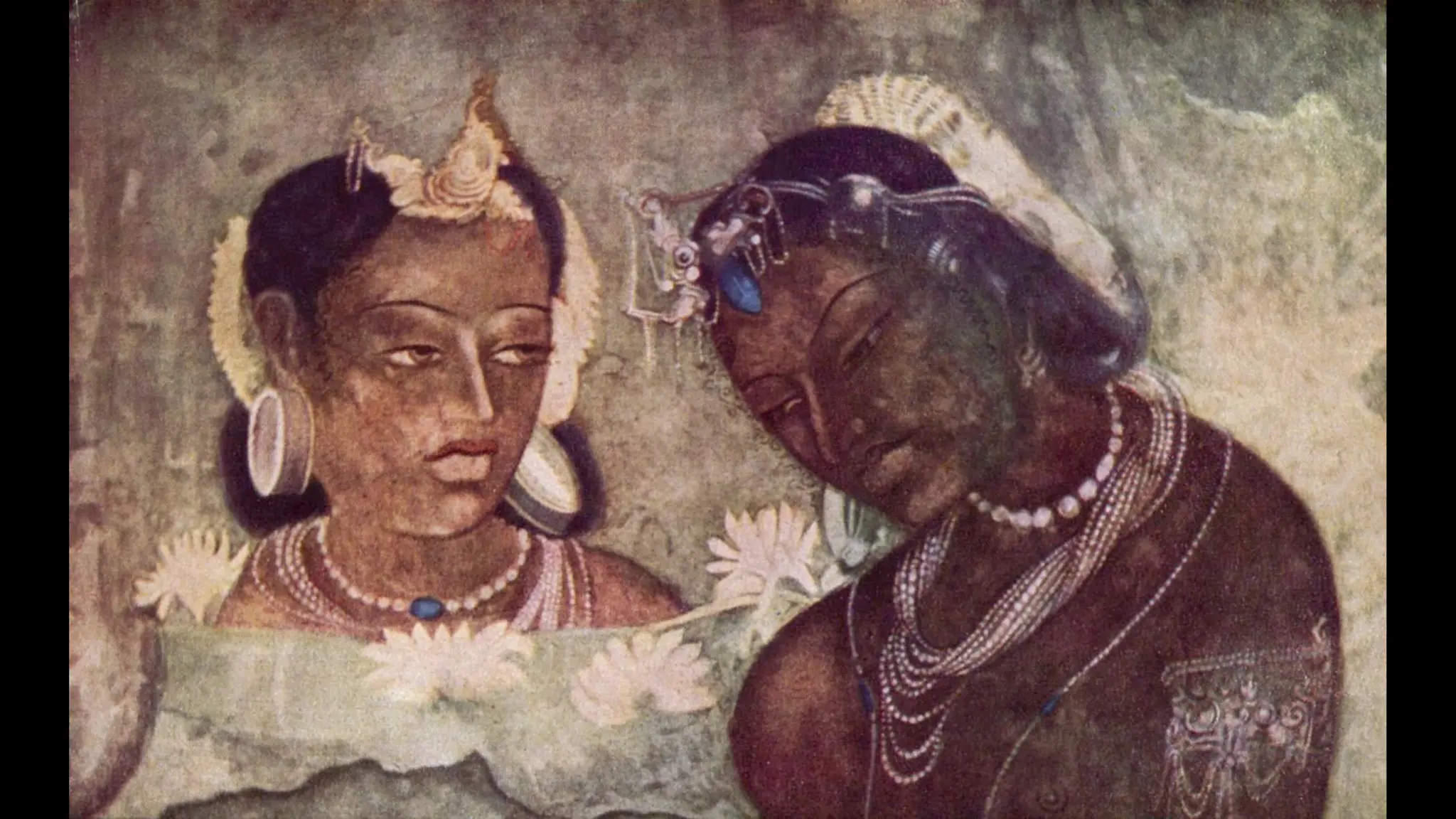
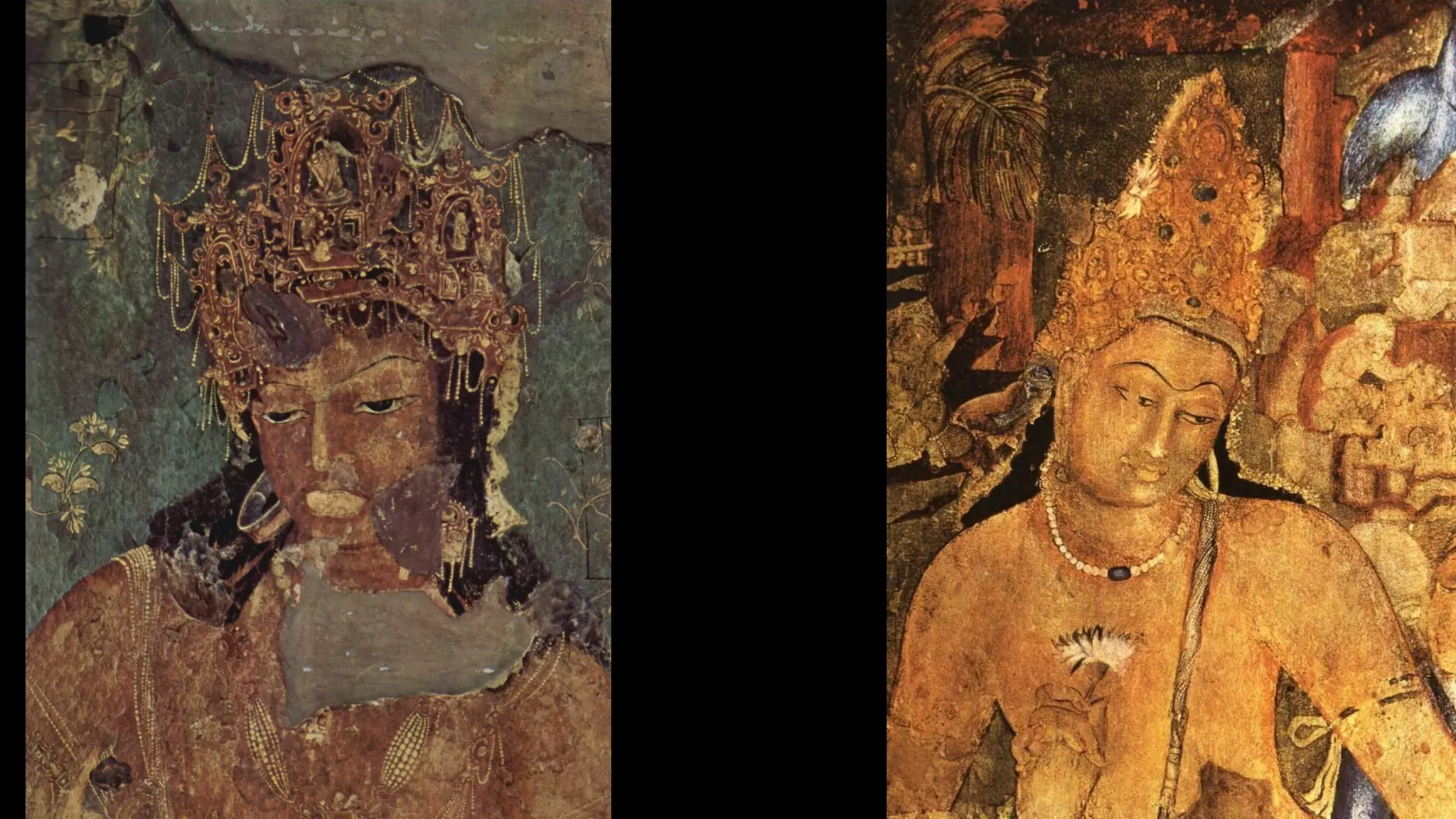
• The visual style of the murals is exceptionally sophisticated.
• Outlines are bold and elegant,
• Compositions are vibrant and detailed,
• Human figures are stylised,
• Humans are ornately adorned with clothing or jewellery
• Sensitively shaded, and endowed with expressive facial features.
• Style depicting elongated eyes and dynamic hand gestures is
regarded as highly influential in world art history.
• The paintings were linked to mural paintings in Central Asia and
manuscript paintings in China and Japan.
Painting as a Source
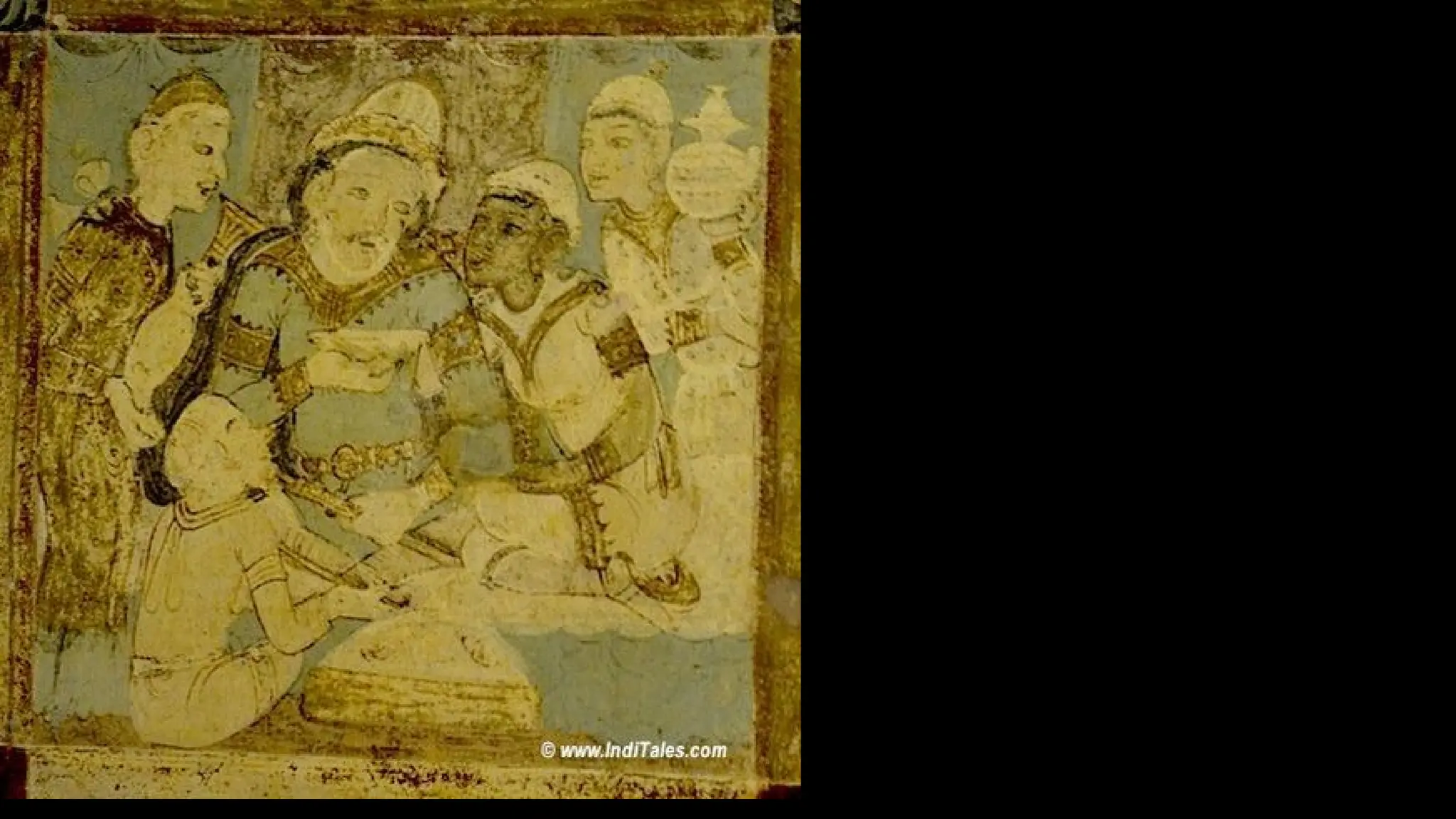
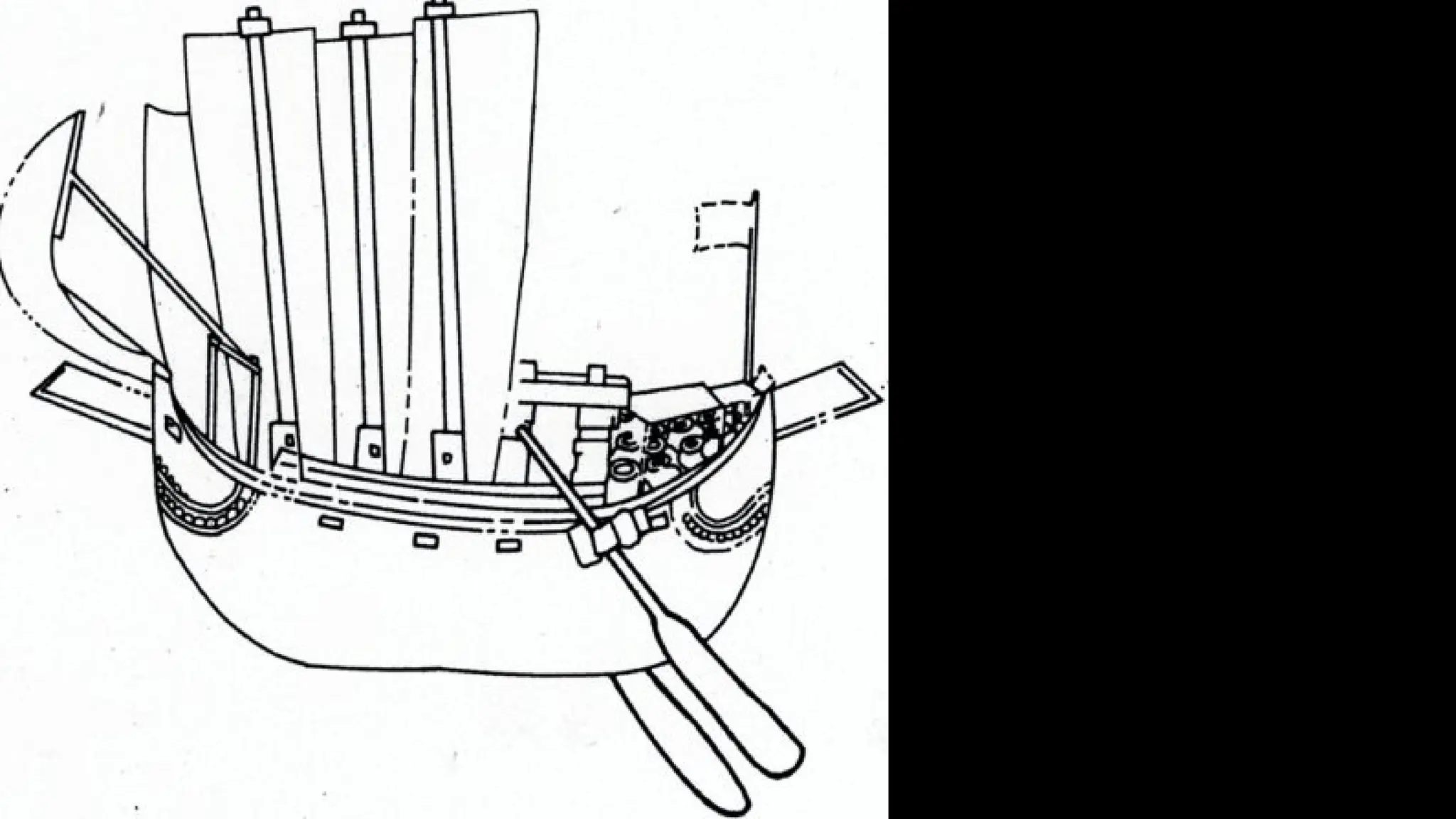
• Paintings are mirrors of contemporary society
• It shows life of ancient people
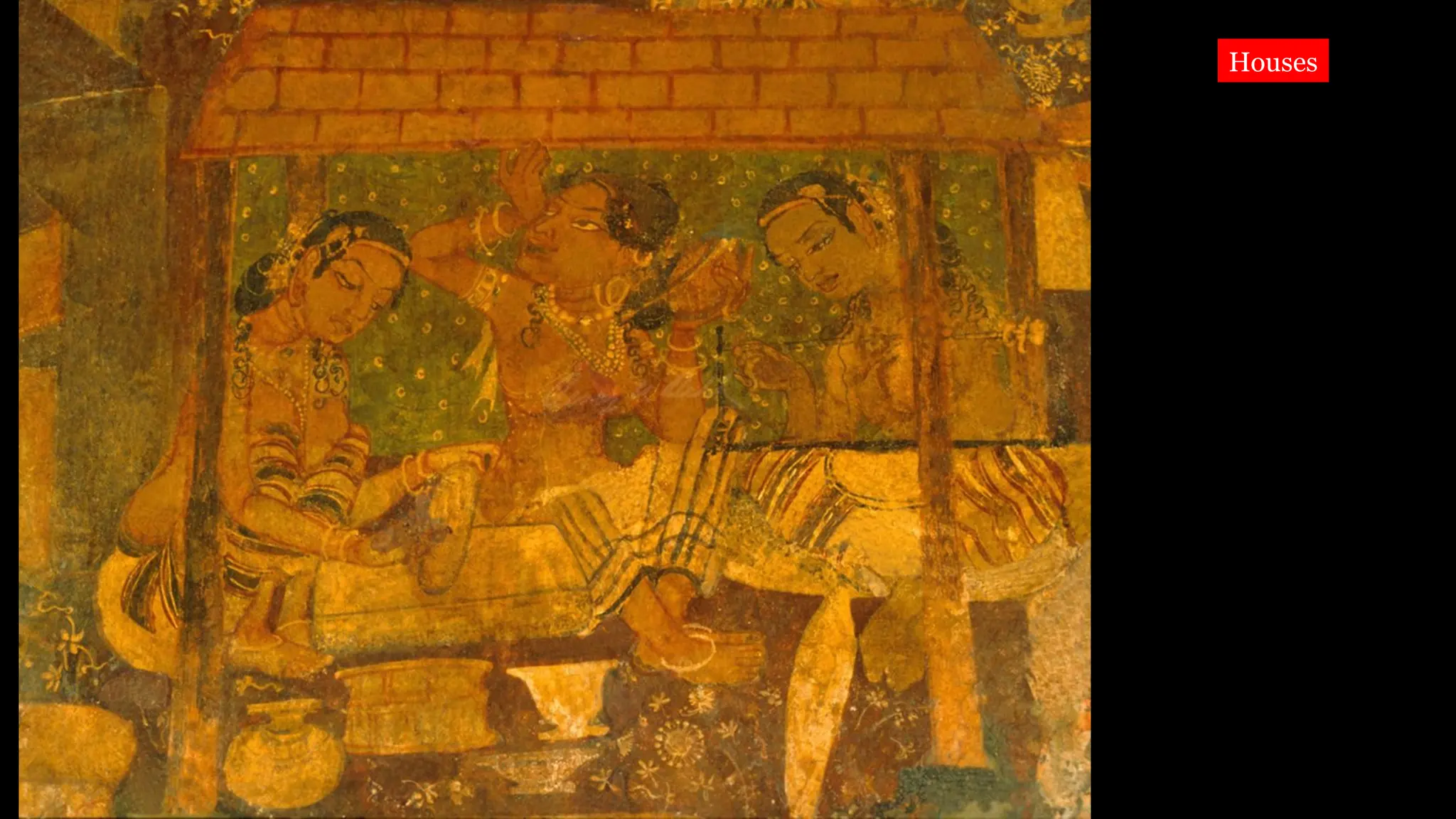
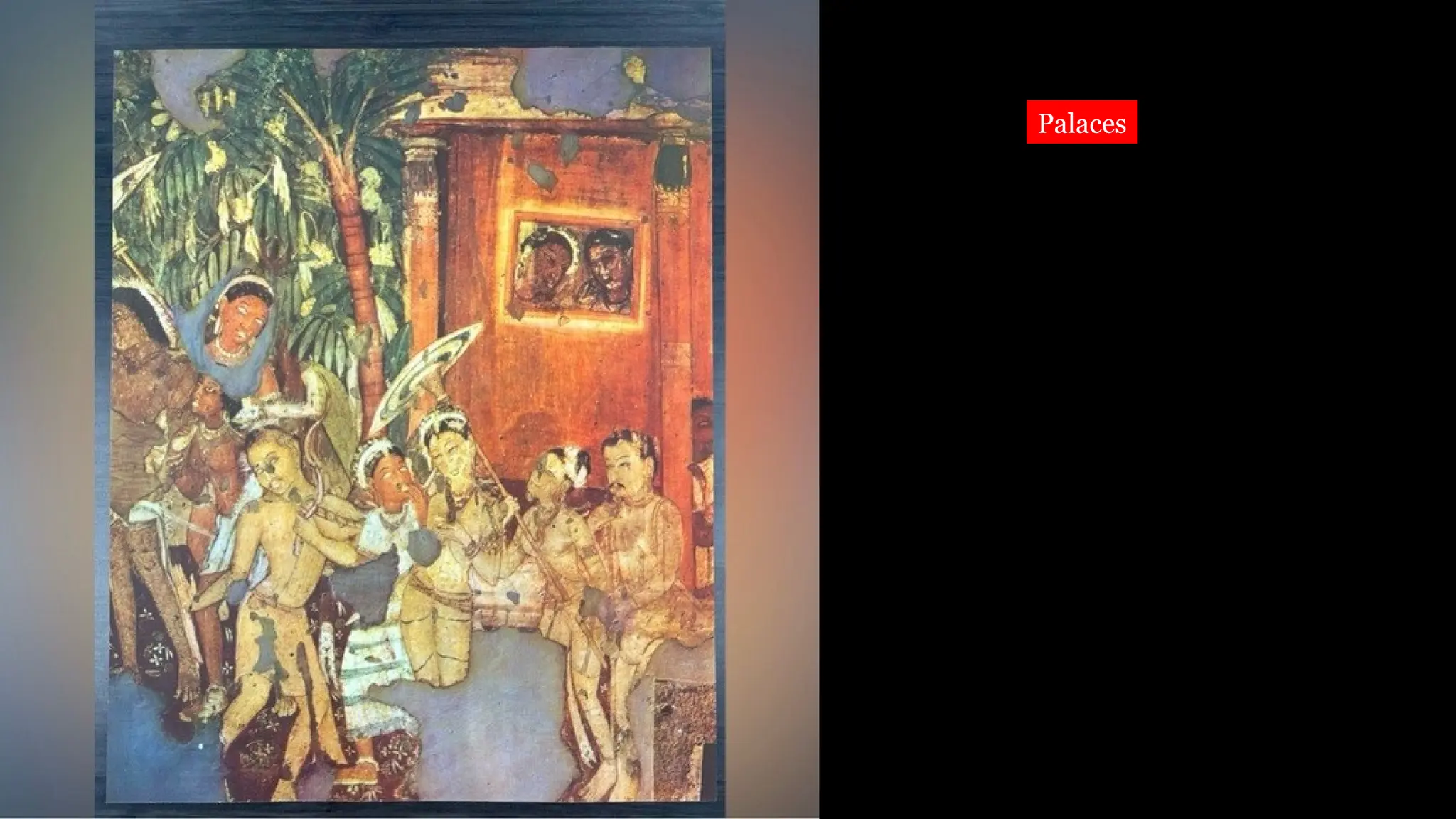
• Palace, court, towns, villages, hamlets and hermitage
• City gates, ramparts, huts, stupas and monasteries
• Dress
• Ornaments
• Musical instruments
• Utensils
• Weapons
• Indians and outsiders
• Glimpses of the heavenly world: Yaksha, Gandharva, apsara
• Real picture of the society
• Social, religious, economic depiction of ancient india
• Variety of flora and fauna
Painting as a Source
• Though all these paintings are believed to be based on the Pali jātakas.
• Recent research found that some are based on the Avadāna—or texts
written in Buddhist Hybrid Sanskrit (BHS),
a) Mahāvastu Avadāna and
b) Divyāvadāna—
• Pure Sanskrit texts such as
a) Ārya Śura’s Jātakamāla
b) Aśvaghośa’s Sundarananda Kāvya and
c) Buddhacaritam. But scholars have not considered these sources.
Painting as a Source: Literarture
Storied and related text
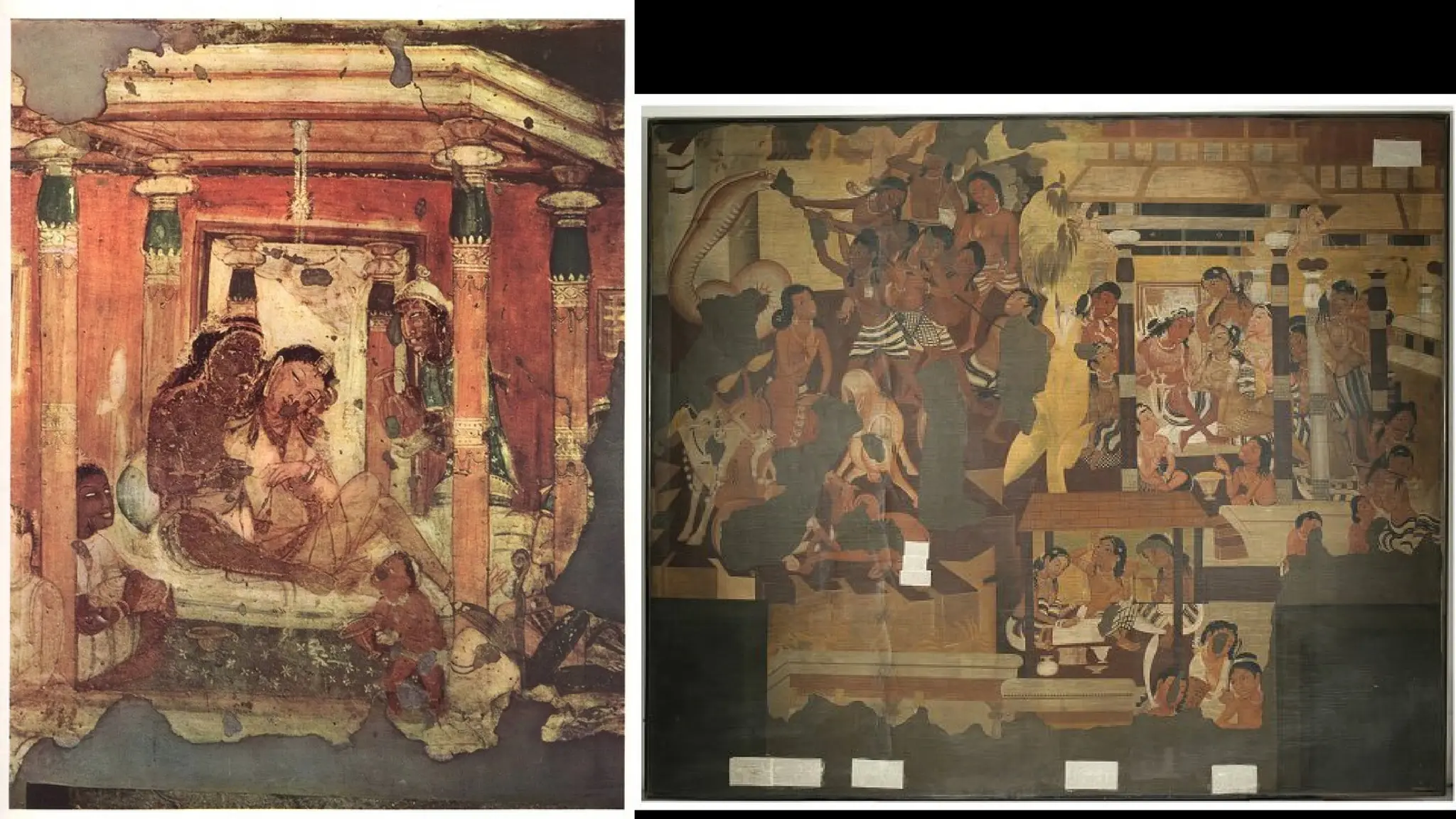
• Cave no. 1
1. A lady reclining on a couch : Sundarananda Kāvya
2. Princess Mālini and Buddha: Mahāvastu Avadāna
3. King Śibi: Mahābhārata
• Cave no. 2
1. The mythical world of Nāgas :Mahāvastu Avadāna
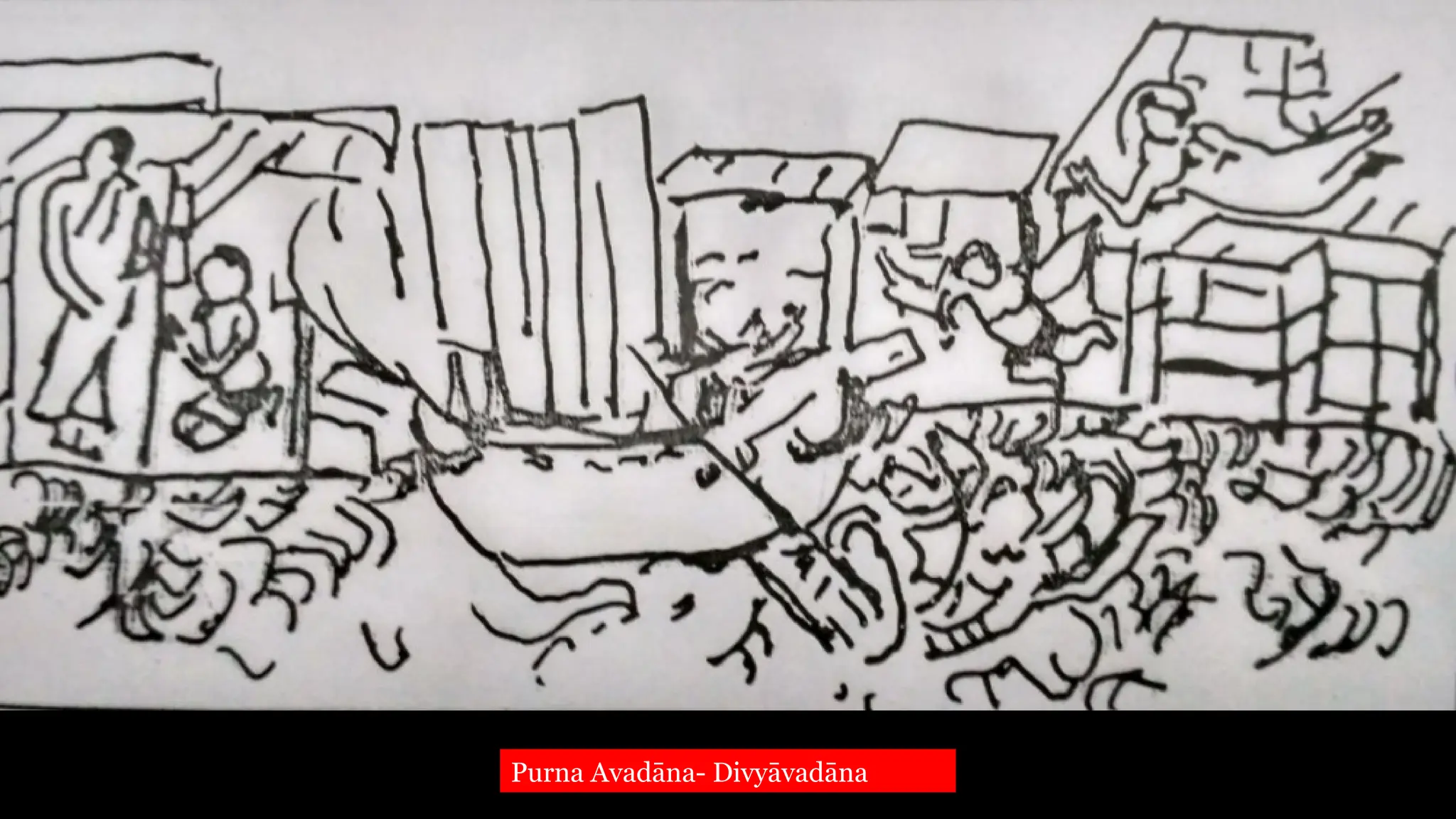
2. Purna Avadāna :Divyāvadāna
• Cave no. 6
1. A bhikshu (?) : A Brahmin Upāsaka
2. Buddha figures Mahayana tradition
• Cave no. 10
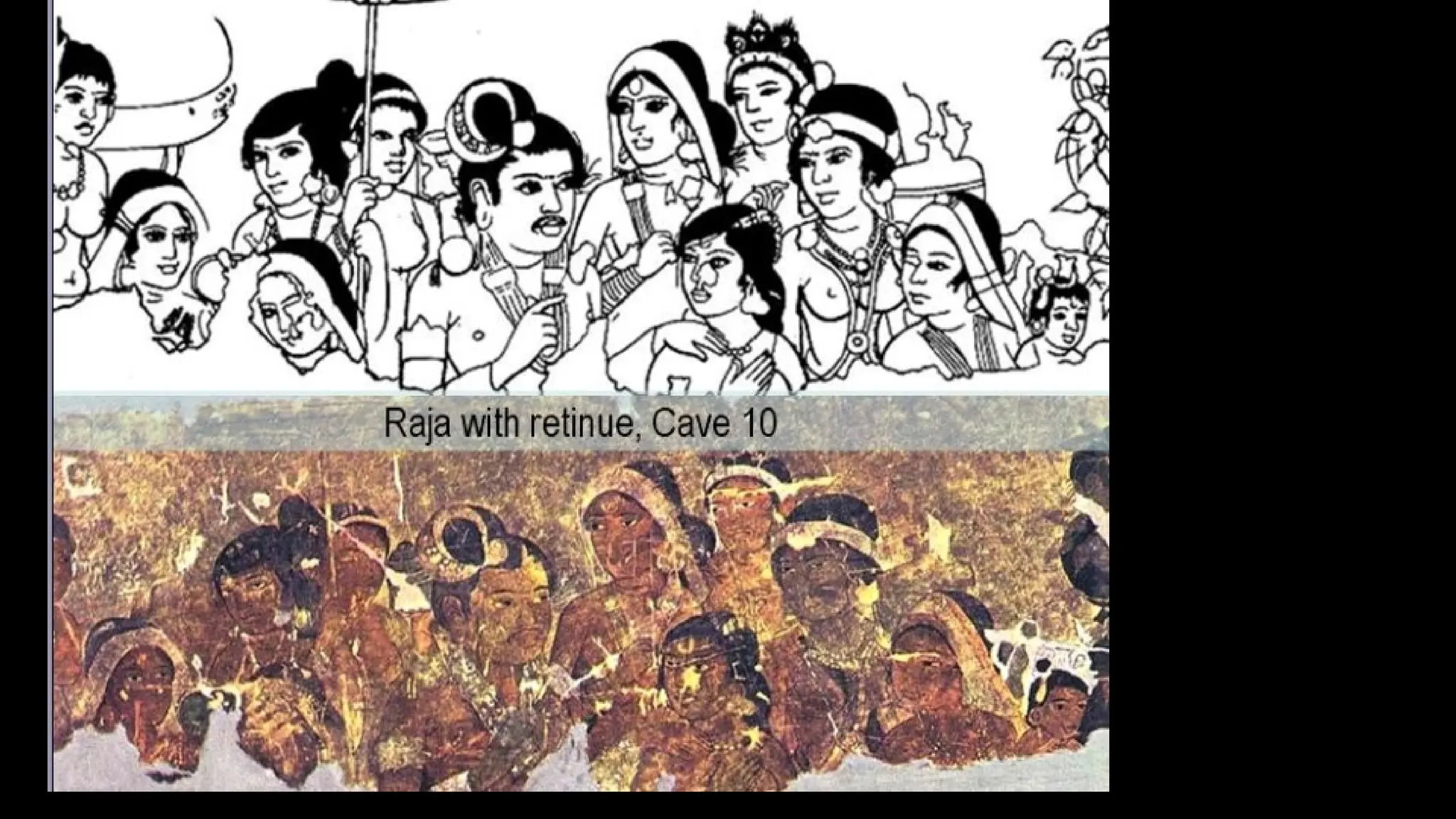
1. Arrival of the king (Aśoka) to worship the Bodhi tree : Edicts
of King Aśoka
2. Elephant with six tusks :Chaddanta-jātaka, Mahāvastu
Avadāna
• Cave no. 16
1. Hasti Jātakam :Jātakamālā (a text written in pure Sanskrit)
2. A dying : Sundarananda Kāvya
3. Conversion of Sundarananda: Sundārananda Kāvya
• Cave no. 17
1. Group of six heretics Divyāvadāna
2. A toilet scene, Princess Sundari Sundarananda
Kāvya
3. Prince Sundarananda, bewildered Sundarananda
Kāvya
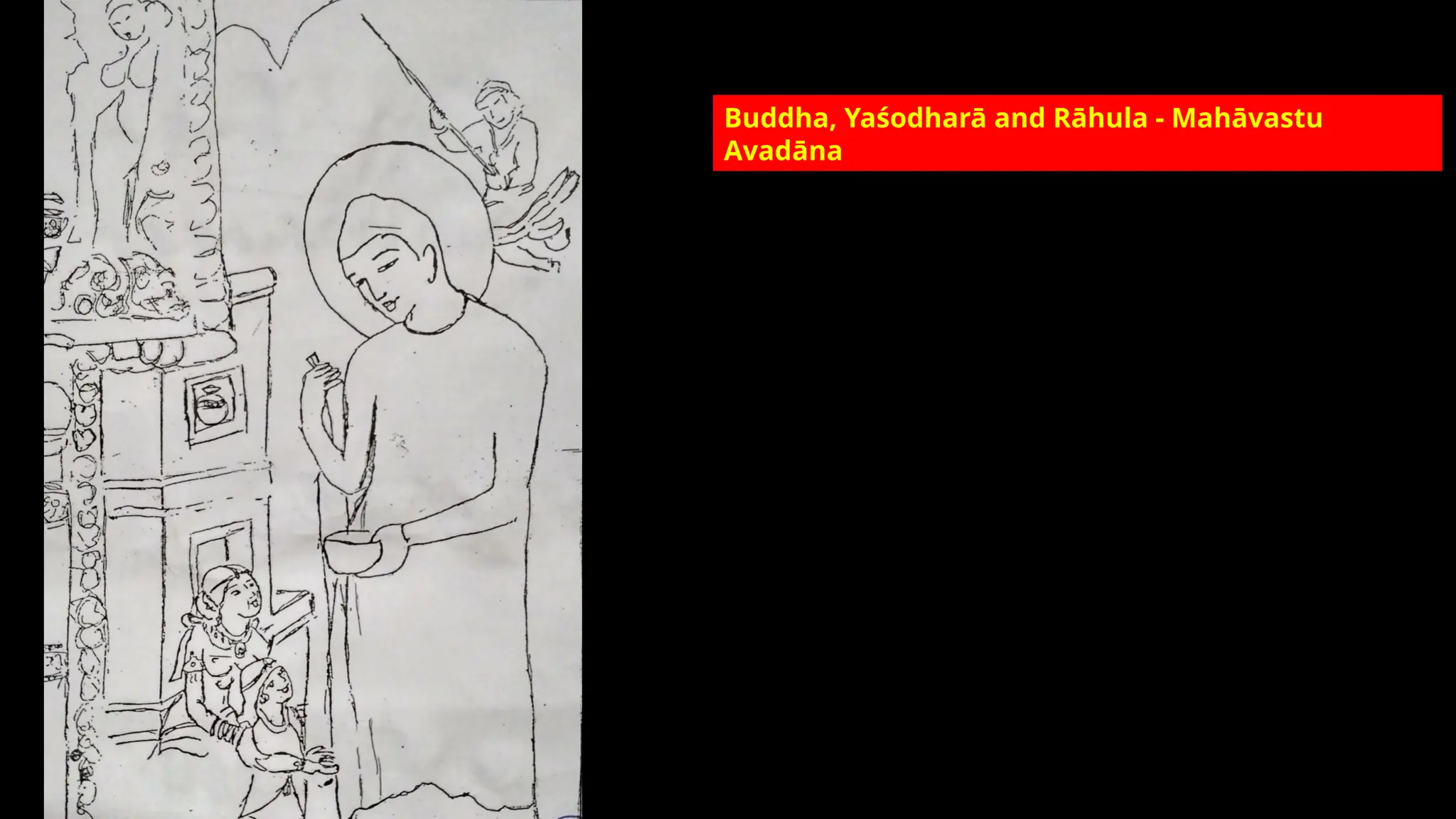
4. The Buddha with Yaśodharā and Rāhula Mahāvastu
Avadāna
5. Sinhala Avadāna Divyāvadāna
6. Enigma of flying horse Valāhaka jātaka,
Mahāvastu Avadāna
Patronage & Execution
• Some of the figures painted alongside the Buddha might be members of donor families.
• The murals are possibly made mostly by individual guilds.
• In some cases, the monks of the Ajanta may have supervised the production of the
murals.
• The Mahāvagga (Vinaya Pìtaka): Monks would visit caves in different regions and tell
the chief of the guild which Jataka Kathā to paint,
• But leave it to the chief to decide which events in the tale the painters should paint.
• The painters were free to paint as they liked.
• This is one of the reasons why the Ajanta paintings look alive, attractive and appealing.
• Some monks would supervise the job and pay the chief of the guild;
• The chief would distribute the money among the painters.
Princess Malini paying homage to the Buddha
Mālinīvastu -Māhavastu Avadāna
Purna Avadāna- Divyāvadāna
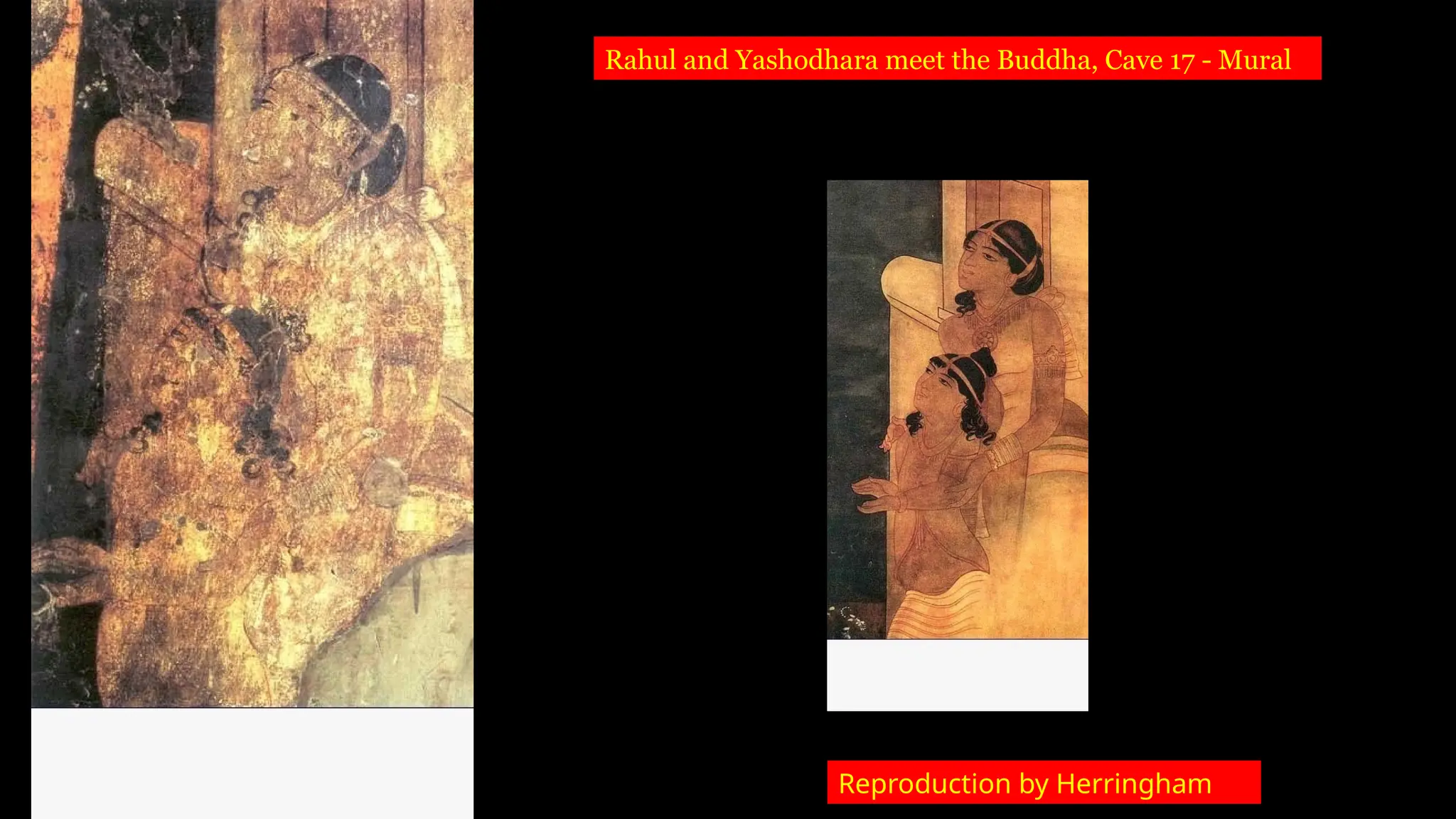
Buddha, Yaśodharā and Rāhula - Mahāvastu
Avadāna
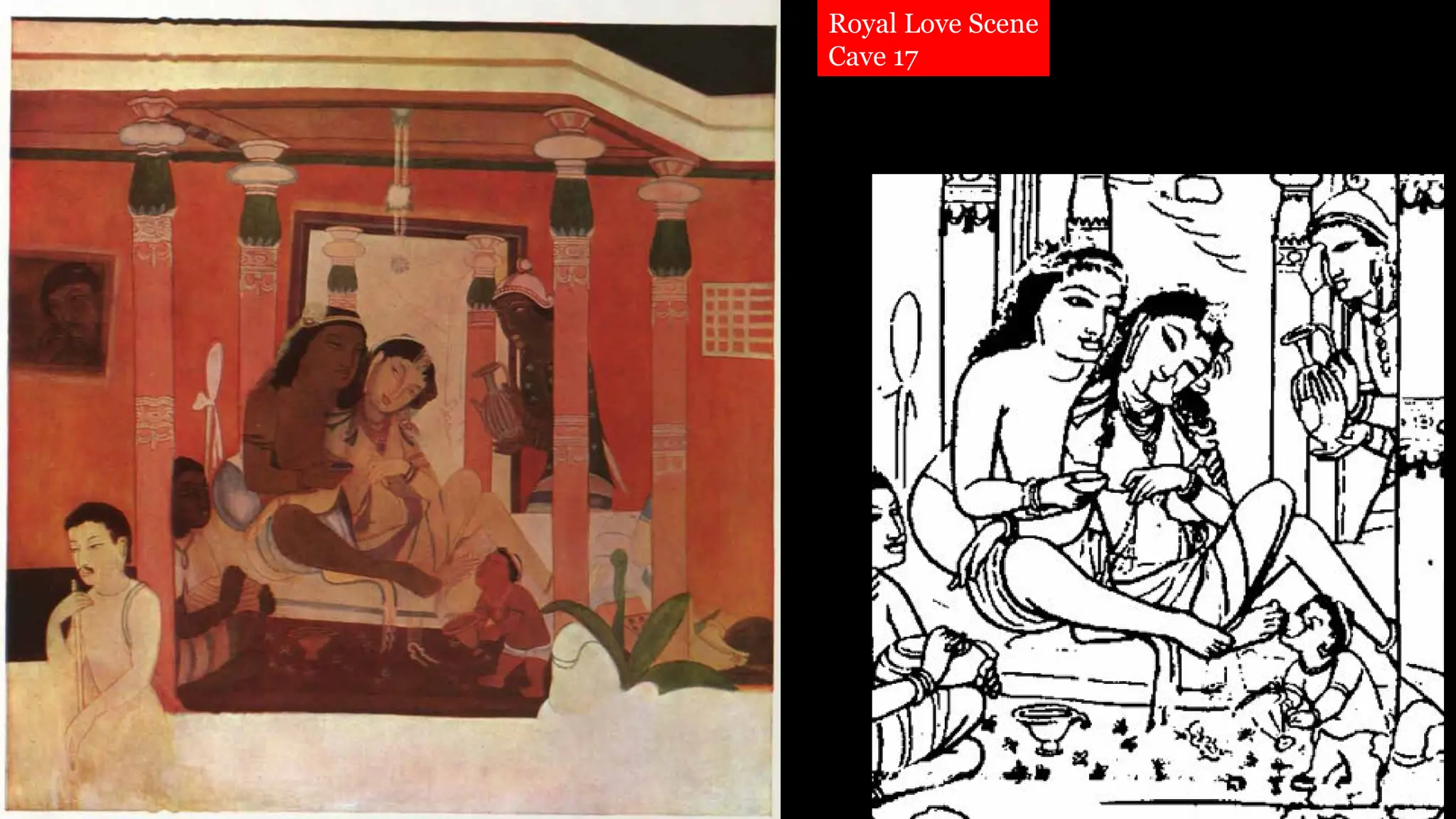
Royal Love Scene
Cave 17
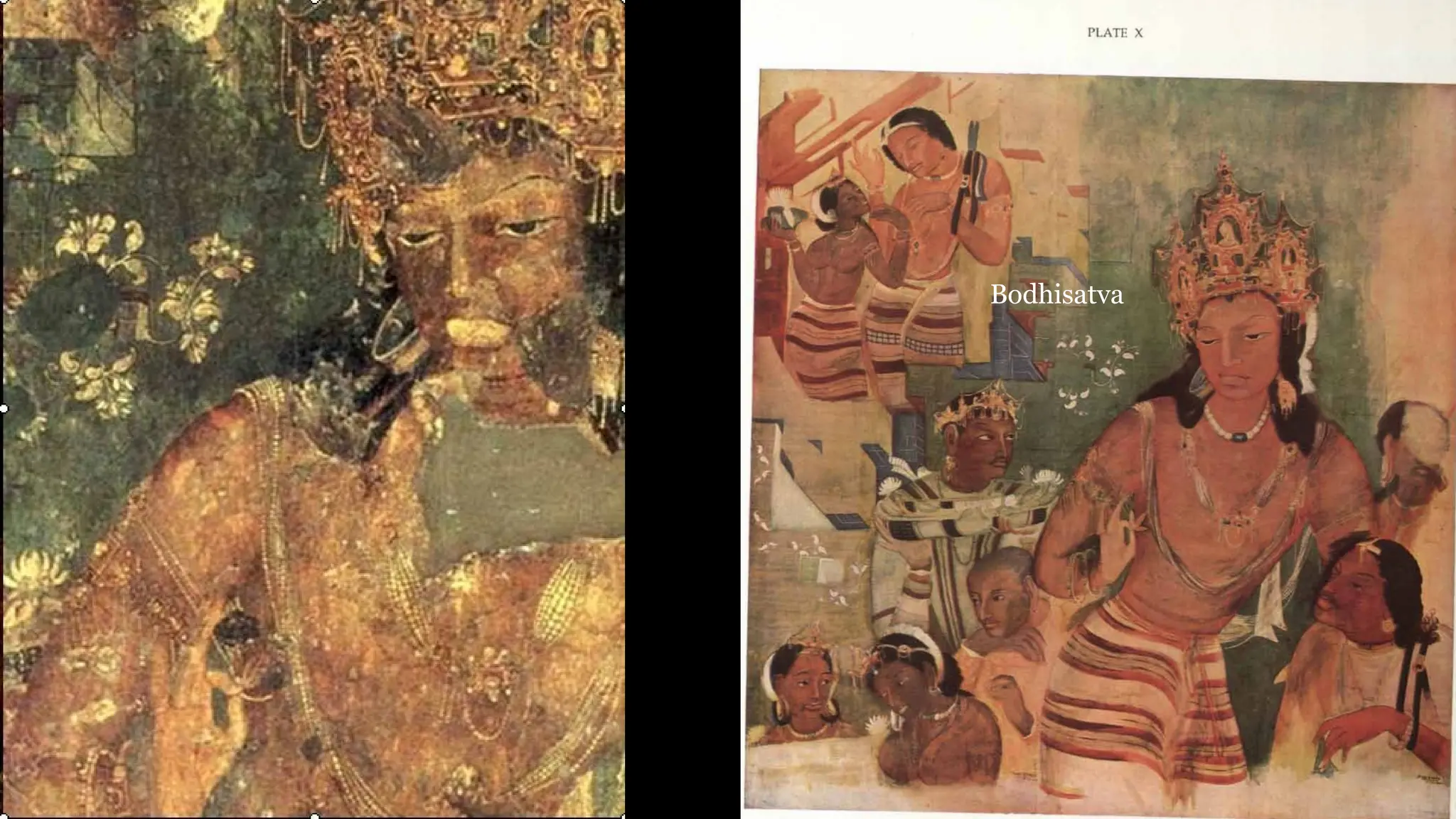
Bodhisatva
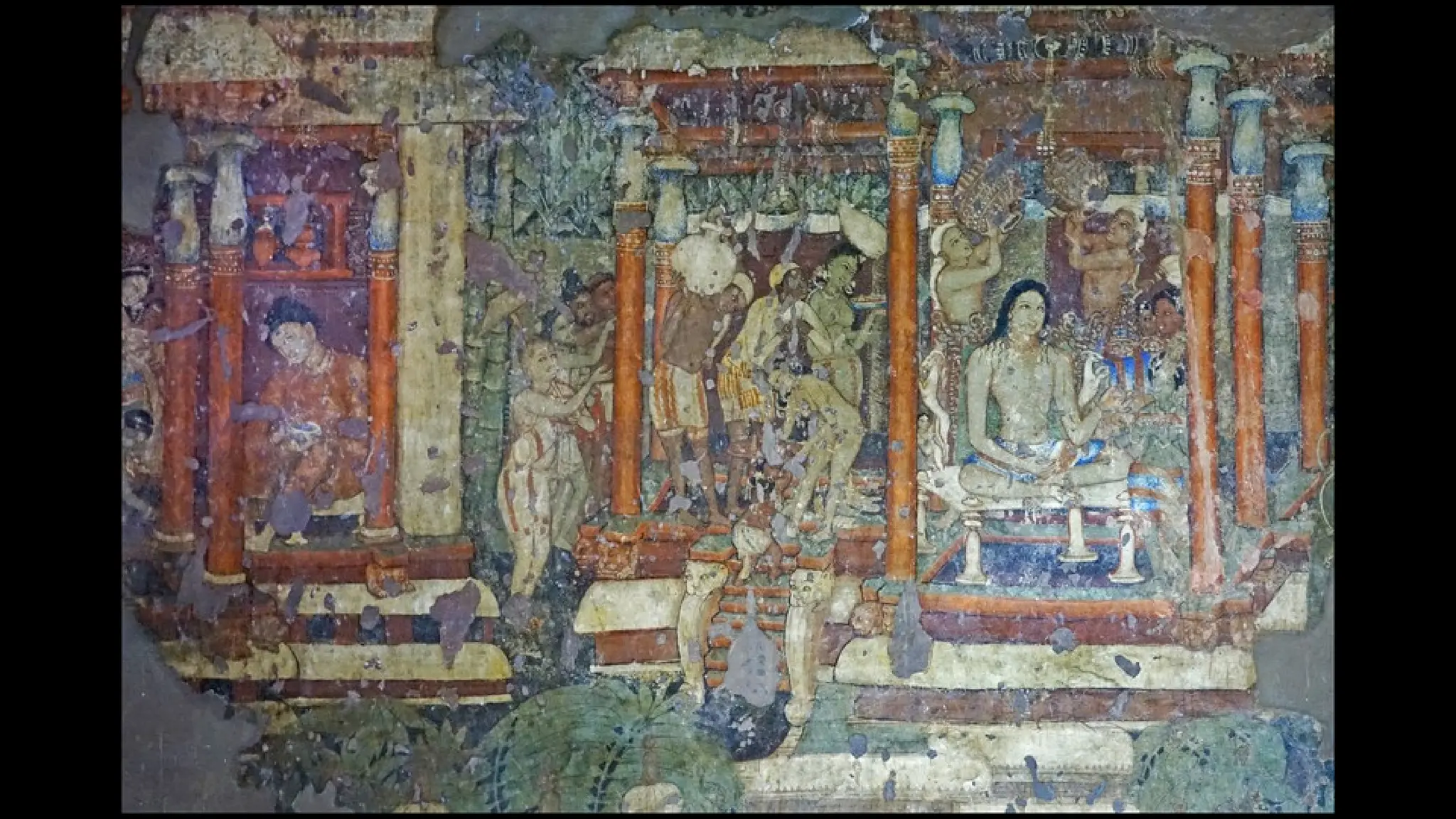
Rahul and Yashodhara meet the Buddha, Cave 17 - Mural
Reproduction by Herringham
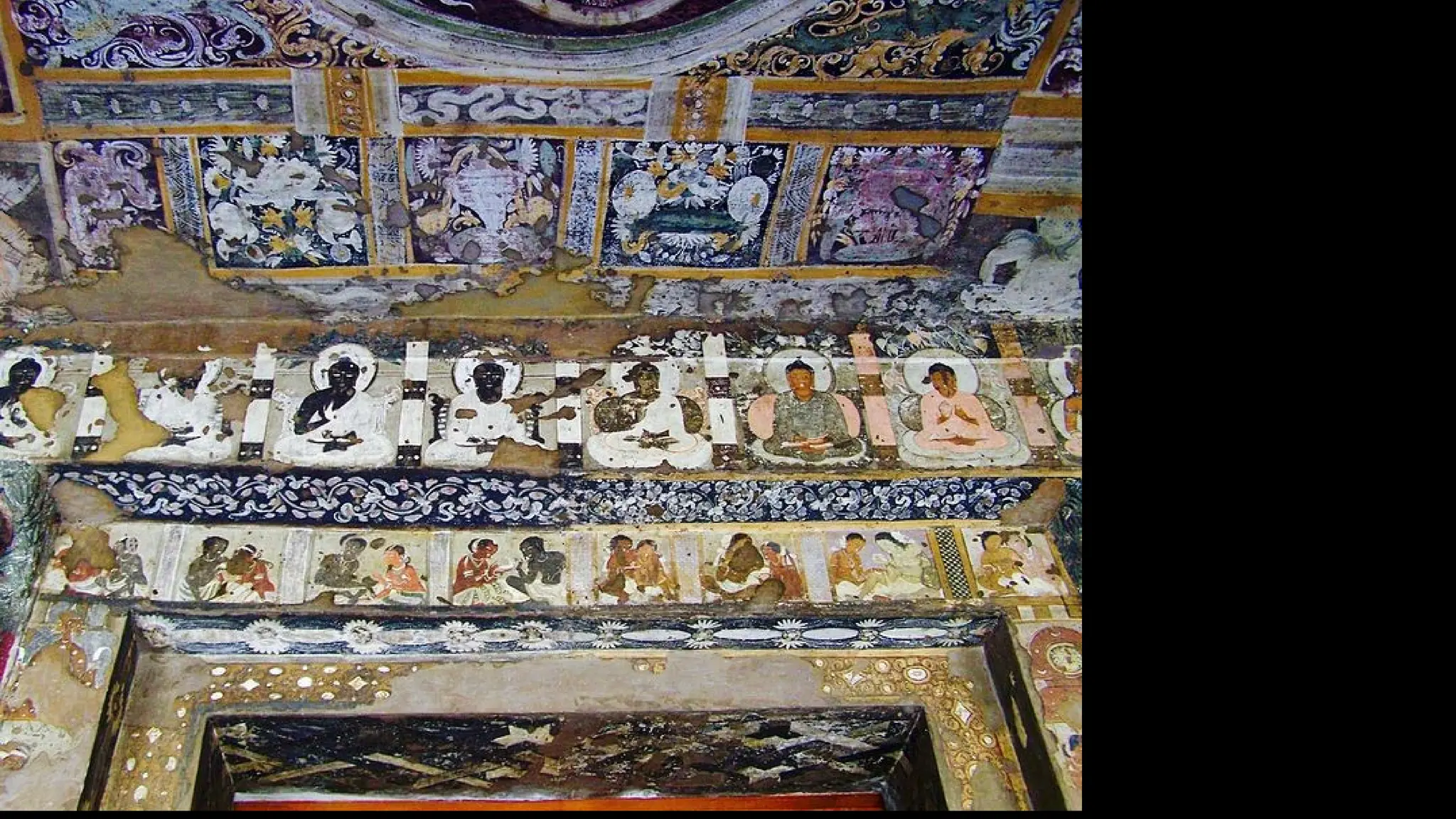
Ceilings
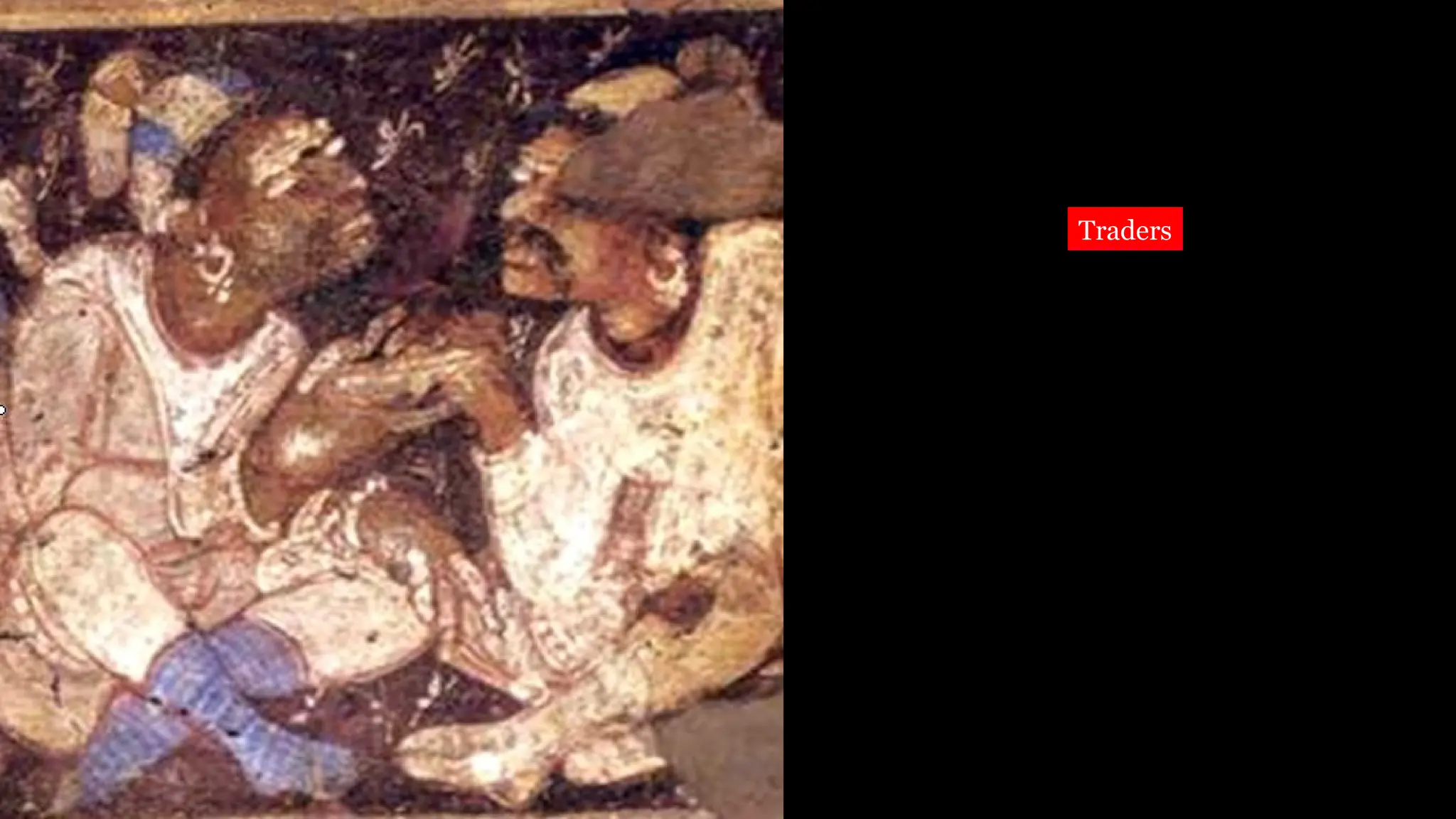
Traders
Traders
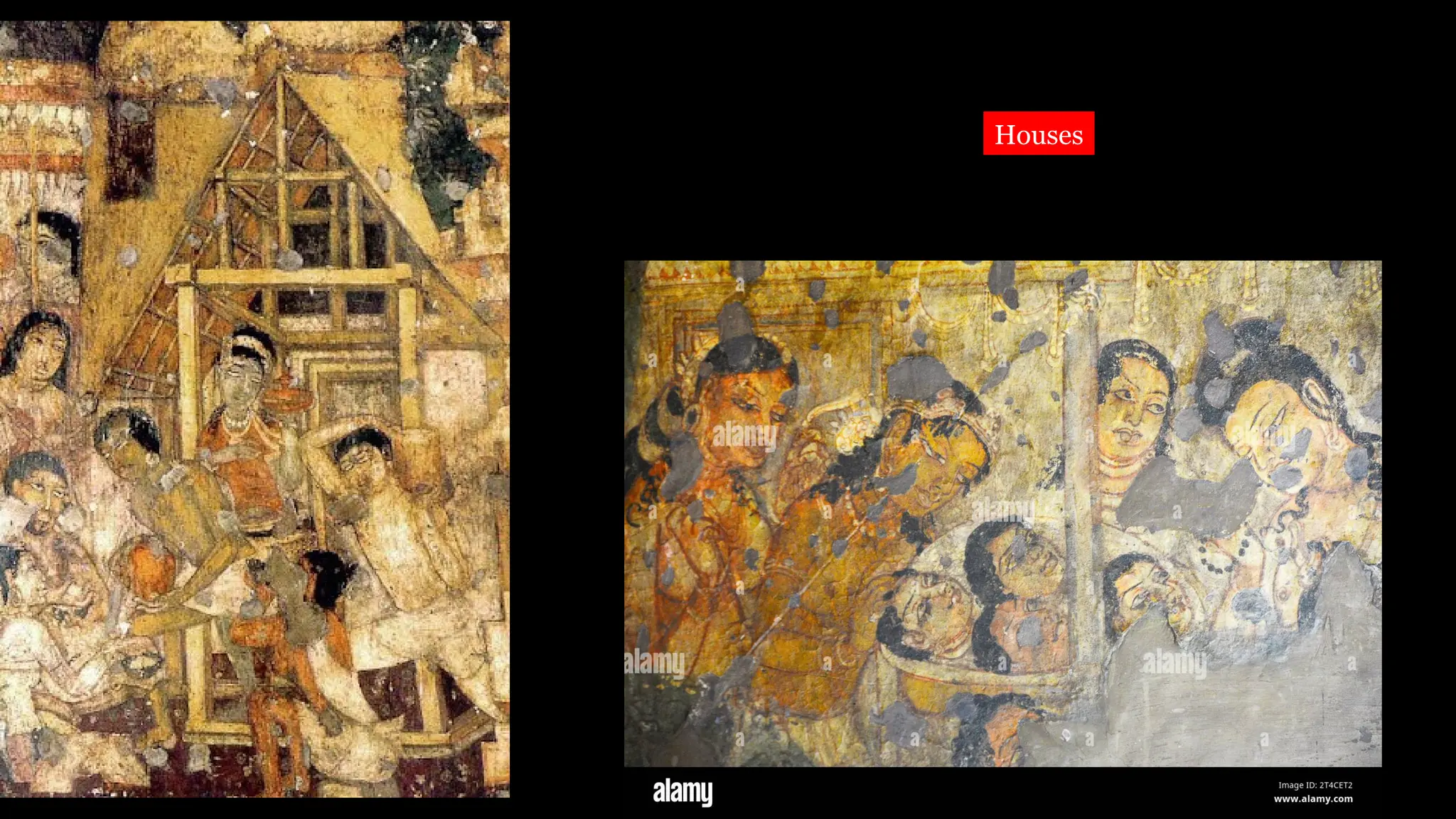
Houses
Cave 17
Palaces
Houses
Musical Instruments
Ornaments
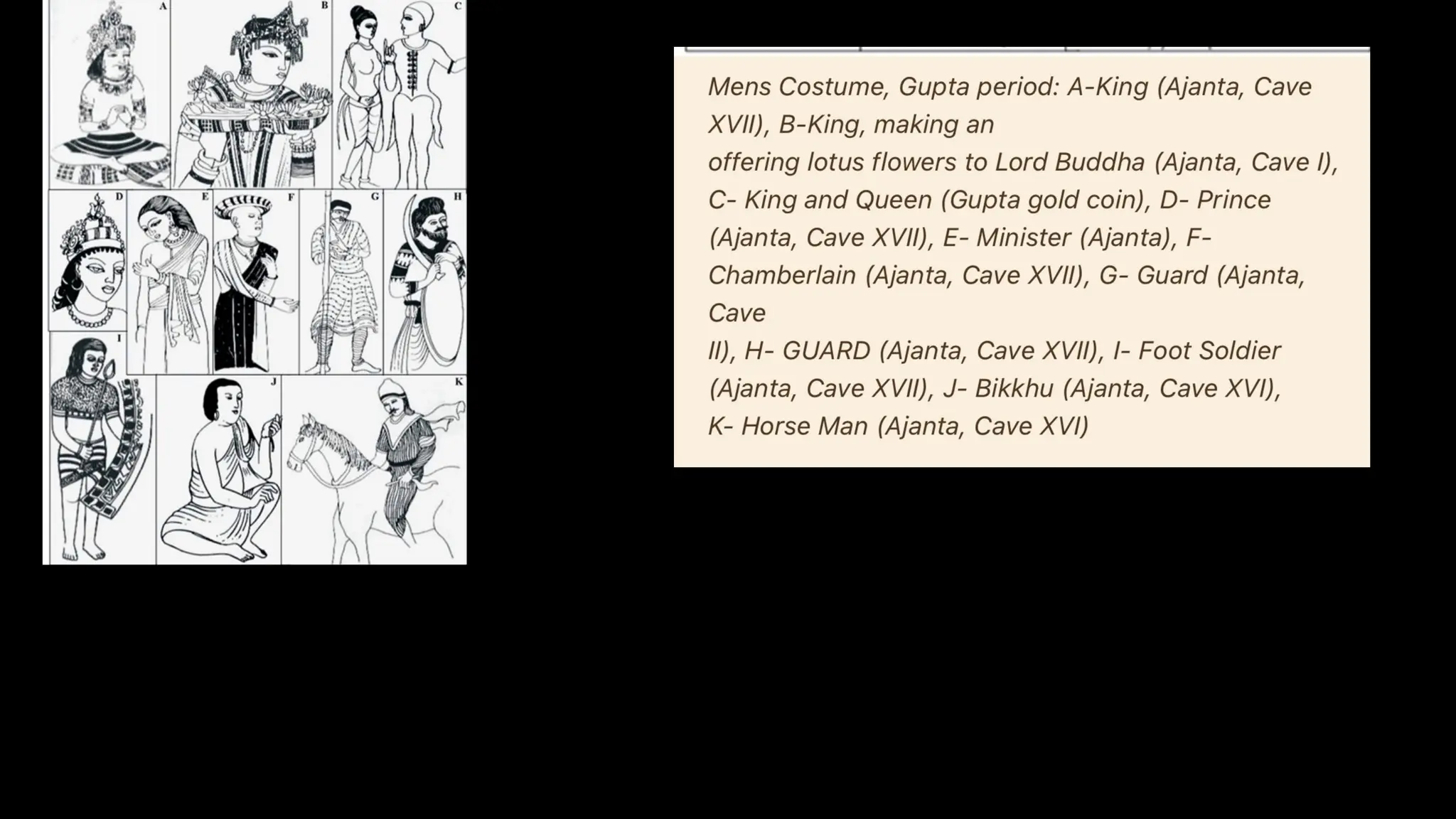
A- Queen (from Gupta gold coin),
B- Votary (Ajanta, Cave II),
C -Attendant (Ajanta, Cave I),
D-Maid Servant (Ajanta, Cave XVII),
E- Court Lady (Ajanta, Cave I),
F- Princess (Ajanta, Cave I),
G- Court Lady (Gwalior Museum),
H-Female Votary (Ajanta, Cave VI),
I- Maid (Ajanta, Cave XVI)
Technique
• While there is considerable dispute about whether the murals were
made using Tempera or fresco secco?
• On the fact that they are not fresco buono, where the painting is
done on wet plaster.
Discussion
• The Ajanta wall paintings are famous for their masterful line-work, the
use of natural pigments, the artistry achieved with only primitive tools,
the sensual forms, and the harmony of the overall composition.
• An initial phase is made up primarily of the fragments in caves 9 &
10, from the second century B.C.
• The second phase of paintings started around 5th and 6th century CE
Destruction of Paintings
• The preservation of the murals has been an ongoing challenge ever since this
rediscovery.
• Both environmental and human agents have been responsible for their deterioration,
• Wide fluctuations in temperature and humidity,
• Atmospheric pollution and vandalism.
• Older techniques of preservation used in the colonial period, such as the use of
unbleached shellac and Victorian varnish, caused considerable damage to the murals.
• The Archaeological Survey of India undertook an advanced chemical cleaning and
preservation and restoration of the murals in 1999.
• These efforts removed the layers of dirt, grime and shellac and secured the crumbling
edges of broken plaster by filleting, so that the original compositions were not altered.
Conclusion
• Ajanta caves are producing one of the finest surviving examples
of ancient Indian art.
• The art and architecture of Ajanta are universally regarded as
masterpieces of Buddhist Art in the World.
• Ajanta became an important center for Buddhist religion and art under
the enlightened patronage of the Satavahana and Vakataka rulers.
• Ajanta Caves are adorned with wonderful paintings of the Jataka tales,
which gave socio-cultural-economic aspects of the society.
• Ajanta caves have an amazing blend of human and animal sculptures,
paintings and beautiful sculptures.
• Overall, Ajanta is the pinnacle of Ancient Indian artistic tradition.
Any Questions

Ajanta Paintings: Study as a Source of History

  • 1.
    Ajanta Paintings Dr. ViragSontakke Assistant Professor Center for Advanced Studies Department of A.I.H.C. & Archaeology, Banaras Hindu University
  • 3.
    Introduction • One ofthe unique Buddhist Rock–cut Architecture in the World • Caves were carved out Rock was Basaltic (Igneous formation) • Bears over 600 years of construction history • Different dynastic patronage • Individual, guilds donations • Not only famous for architecture but also for their paintings • Its current name is derived from a neighbouring village, the local pronunciation of which is Ajintha. • Ajita is the colloquial name of Maitreya Buddha. • Declared as World Heritage Sites by UNESCO since 1983. • Chronology: 200 BCE-700 CE
  • 4.
    Location • Ajanta situatedin Maharashtra • In Aurangabad district • 100 km from Aurangabad city • 420 km from Bombay • On Wagora river • Total 30 Caves • Numbers are given from 1 to 30. • Not related to chronological sequence
  • 5.
  • 7.
    Elements of Ajantacaves Chaitya Vihara Paintings Sculptures, Facades, Pillars etc. Ajanta
  • 8.
    Ajanta Cave: Period 1stPhase (Early period) Hinayan Satavahana Period 100 BCE- 100 CE Guilds and Merchants donations 2nd Phase (Later period) Mahayan Vakataka Period 460-480 CE Royal Patronage
  • 9.
    Early Caves Satavahana Hinayana Cave no.8 Caveno.9 Cave no.10 Cave no.12 Cave no. 13 Cave no. 15A Late Caves Vakataka Mahayana Cave no.1, 2,3 Cave no. 4,5,6 Cave no. 7,11,14 Cave no.15, 16, 17 Cave no. 18,19,20 Cave no. 21 to 29
  • 10.
    Dynastic Affiliations Ajanta Caves Vakataka Vakataka King Harisena Risikaking Upendragupta Prime Minister Varahadeva Asmaka monk Buddhabhadr a Satavahana Guilds and Merchants donations
  • 11.
    Re-discovery of theAjanta • Accidental Discovery • 28th April 1819 • By John Smith • Cave no:1o
  • 12.
    Structural Elements • Total30 Rock Cut Caves • 5 chaityas, which are basically prayer halls (9, 10, 19, 26, and 29). • 25 caves are known as Viharas (Monasteries), which are monasteries with residents. • Thought to have been occupied by some 200 monks and artisans.
  • 13.
    Chaitya • Five Caves(9, 10, 19, 26, and 29) • Early Stupa: 9,10 (No image of Buddha) • Later Stupa: 19,26 (Buddha sculpted on the front face) • A chaitya is apsidal or rectangular in form. • Has a aisles on either side • A nave with a barrel roof. • Each aisle is separated by a row of pillars. • At the end the nave contains a stupa. • The early chaityas meticulously imitated contemporary wooden structures. • Can be seen in the vaulted roof decorations and pillars.
  • 15.
  • 18.
    Vihara • A vihara,called Sangharama. • A monastic abode consisting of a central hall with adjoining residential cells. 1. A pillared porch or verandah. 2. A central hall, mostly squarish in plan 3. Cells for monks hewn into its sides. • An antechamber connects to the garbhagriha containing an image of Buddha. • architectural development proceeded from early sober to richly ornamented pillared viharas.
  • 20.
  • 21.
    Cave 12 plan:an early type of vihara (1st century BCE) without internal shrine Plan of Viharas
  • 22.
    Sculptures of Ajanta •Belongs to 2nd Phase (Vakataka) • Buddha was main subject • Various poses of Buddha • Inspiration from Jataka tales • Sculptures were both plastered and painted. • The garbhagriha of the vihara contains Buddha in a seated posture (dharmachakra pravartana mudra) • Sub-deities, Gana, dwarapala, Naga Kings etc.
  • 25.
    Hariti shrine, Cave2 Naga King and his Consort, Cave 19
  • 31.
    Paintings • Currently, paintingsare intact in both the earlier and later phase • Caves no 9 & 10 belong to the Satavahana period • Paintings of early caves are represented only symbolically by the Bodhi tree, paduka (wooden footwear), wheel etc. • Later period paintings are survived in Cave no 1,2, 16 & 17 • Later caves depicting Buddha murals, including Kinnara, Vidyadhara, Gandharva etc. • Painters were mastered in an easy and fluent naturalistic style • The paintings prominently narrate the Jataka stories. • The narratives flow unrestricted from one cave wall to the next with effortless flexibility. • Artist had a deep understanding of nature, gestures, life, expressions etc. • Buddhist legends describe the previous births of the Buddha.
  • 32.
    Historiography • The RoyalAsiatic Society in London commissioned reproductions in the 1840s by Major Robert Gill; these were destroyed in a fire two decades later. • British artists John Griffiths and Lady Herrington undertook further documentation in the 1870s. • Students at the school reproduced the murals, and most were subsequently sent to the then-newly established Victoria and Albert Museum in London. • It is mainly due to these reproductions that the Ajanta murals are known worldwide today. • The museum still possesses 166 of these paintings, which were last displayed in 1955 and stored in storage. • In 1920, the Indian archaeologist Ghulam Yazdani, appointed by the Nizam of Hyderabad, became the first person to photograph the Ajanta murals.
  • 33.
    Paintings • Walsl, ceilings,pillars • Religious in tone and theme • Depicts the live and times of Buddha & Bhodhisattva • Court scene • Street scene • Cameos of domestic lives • Animals • Birds
  • 34.
    Paintings: Early Stage •Two periods • Early Paintings: caves 9 &10 • Period: 200-100 BCE • Costumes and ornaments Similar to Sanchi. & Bharhut
  • 35.
    Paintings: Second Stage •Vakataka • Period; 400-600 CE • High quality • Remains: Cave-1,2,16 & 17 • Most of the cave was painted: finished & unfinished • Size of the subject increased • Rich beauty • Superb Expression • Wonderful colour scheme • Balanced composition
  • 38.
    Theme • Buddha &Bodhisattva • Incidents from the life of Buddha • Jataka tales: Most extensively painted • Scene of Jataka stories: a) Teaching of Monks b) Social life c) Scene: from birth to death d) Life scene: from slaves to king e) Economic status: Rich to poor f) From Saint to begger g) Love & hatred h) Joy & sorrow i) Triumph & tribulation 1. Portrait 2. Descriptive 3. decorative
  • 39.
    Paintings Wall • Religious iconography. •Wall paintings are religious • Jataka tales • Vivid life • Wall murals of the first period are difficult to discern since they have been heavily damaged over time. Ceiling • Ceiling paintings are decorative • Panorama of endless pattern • Floors • Plants & vegetables • Birds • Beasts and humans
  • 40.
    Paintings • Buddhist Symbols •Bodhi tree • Jataka stories • Asita’s visit to the infant Buddha, • The temptation of Buddha by Mara, • Miracles of Buddha, • tales of kings such as Sibi, Indra • Court scenes, • Legends of Nagas • Various scenes of battle and hunting. Early Paintings Late Paintings
  • 41.
    Execution: Stage 1 •First: Surface prepared a) Rough layer of ferruginous earth + b) Mixed with rock grit or sand + c) Mixed with vegetable fibers + d) Paddy husk + e) Gras and other organic fiber material • Surfaces were left rough
  • 42.
    Execution: Stage 2 •Second coat of mud and ferruginous earth • mixed with a) Fine rock powder or sand b) Fine fibrous vegetables c) The surface was finally finished with thin coat of limewash
  • 43.
    • Over thelimewash • Outlines of the subject were drawn boldly • The spaces were then filled with colours • The layer of paint in the murals measures 0.1 millimetre in thickness, • The underlying layer of fine plaster varies from cave to cave but generally ranges between 2 and 3 millimetres. Execution: Stage 3
  • 44.
    Colors • Red: Redochre • Yellow: Yellow ochre • White: lime, kaolin • Black: lamp black • Blue: lapis lazuli • The murals of the first phase use a limited range of colours, mostly confined to different shades of ochre, • Second phase use a rich mosaic of colours consisting of yellow, red, white, blue black and green.
  • 45.
  • 48.
  • 49.
    Painting Technique 1. Therugged surface of the cave walls was made uneven 2. This black, porous surface provides a grip on the covering plaster 3. Plaster was made of ground ferruginous earth, rock grit, sand, vegetable fibres, paddy husk, and other fibrous materials of organic origin. 4. The second layer of mud is ferruginous earth mixed with pulverised rock powder or sand and fine vegetable fibre. 5. The surface was then treated with a thin coat of limewash over which pigments were applied. 6. Except for the black which was obtained from kohl, all other pigments were of mineral origin.
  • 54.
    Paintings • Paintings havea lot of typological variations. • Outward projections are used later phase. • Lines are clearly defined and are very rhythmic. • Body colour gets merged with the outer line creating the effect of volume. • The figures are heavy like the sculptures of western India.
  • 55.
    Style • The visualstyle of the murals is exceptionally sophisticated. • Outlines are bold and elegant, • Compositions are vibrant and detailed, • Human figures are stylised, • Humans are ornately adorned with clothing or jewellery • Sensitively shaded, and endowed with expressive facial features. • Style depicting elongated eyes and dynamic hand gestures is regarded as highly influential in world art history. • The paintings were linked to mural paintings in Central Asia and manuscript paintings in China and Japan.
  • 60.
    Painting as aSource • Paintings are mirrors of contemporary society • It shows life of ancient people • Palace, court, towns, villages, hamlets and hermitage • City gates, ramparts, huts, stupas and monasteries • Dress • Ornaments • Musical instruments • Utensils • Weapons • Indians and outsiders • Glimpses of the heavenly world: Yaksha, Gandharva, apsara
  • 61.
    • Real pictureof the society • Social, religious, economic depiction of ancient india • Variety of flora and fauna Painting as a Source
  • 62.
    • Though allthese paintings are believed to be based on the Pali jātakas. • Recent research found that some are based on the Avadāna—or texts written in Buddhist Hybrid Sanskrit (BHS), a) Mahāvastu Avadāna and b) Divyāvadāna— • Pure Sanskrit texts such as a) Ārya Śura’s Jātakamāla b) Aśvaghośa’s Sundarananda Kāvya and c) Buddhacaritam. But scholars have not considered these sources. Painting as a Source: Literarture
  • 63.
    Storied and relatedtext • Cave no. 1 1. A lady reclining on a couch : Sundarananda Kāvya 2. Princess Mālini and Buddha: Mahāvastu Avadāna 3. King Śibi: Mahābhārata • Cave no. 2 1. The mythical world of Nāgas :Mahāvastu Avadāna 2. Purna Avadāna :Divyāvadāna • Cave no. 6 1. A bhikshu (?) : A Brahmin Upāsaka 2. Buddha figures Mahayana tradition • Cave no. 10 1. Arrival of the king (Aśoka) to worship the Bodhi tree : Edicts of King Aśoka 2. Elephant with six tusks :Chaddanta-jātaka, Mahāvastu Avadāna • Cave no. 16 1. Hasti Jātakam :Jātakamālā (a text written in pure Sanskrit) 2. A dying : Sundarananda Kāvya 3. Conversion of Sundarananda: Sundārananda Kāvya • Cave no. 17 1. Group of six heretics Divyāvadāna 2. A toilet scene, Princess Sundari Sundarananda Kāvya 3. Prince Sundarananda, bewildered Sundarananda Kāvya 4. The Buddha with Yaśodharā and Rāhula Mahāvastu Avadāna 5. Sinhala Avadāna Divyāvadāna 6. Enigma of flying horse Valāhaka jātaka, Mahāvastu Avadāna
  • 64.
    Patronage & Execution •Some of the figures painted alongside the Buddha might be members of donor families. • The murals are possibly made mostly by individual guilds. • In some cases, the monks of the Ajanta may have supervised the production of the murals. • The Mahāvagga (Vinaya Pìtaka): Monks would visit caves in different regions and tell the chief of the guild which Jataka Kathā to paint, • But leave it to the chief to decide which events in the tale the painters should paint. • The painters were free to paint as they liked. • This is one of the reasons why the Ajanta paintings look alive, attractive and appealing. • Some monks would supervise the job and pay the chief of the guild; • The chief would distribute the money among the painters.
  • 65.
    Princess Malini payinghomage to the Buddha Mālinīvastu -Māhavastu Avadāna
  • 66.
  • 68.
    Buddha, Yaśodharā andRāhula - Mahāvastu Avadāna
  • 69.
  • 70.
  • 71.
    Rahul and Yashodharameet the Buddha, Cave 17 - Mural Reproduction by Herringham
  • 72.
  • 74.
  • 75.
  • 76.
  • 79.
  • 81.
  • 85.
  • 86.
  • 87.
  • 90.
    A- Queen (fromGupta gold coin), B- Votary (Ajanta, Cave II), C -Attendant (Ajanta, Cave I), D-Maid Servant (Ajanta, Cave XVII), E- Court Lady (Ajanta, Cave I), F- Princess (Ajanta, Cave I), G- Court Lady (Gwalior Museum), H-Female Votary (Ajanta, Cave VI), I- Maid (Ajanta, Cave XVI)
  • 92.
    Technique • While thereis considerable dispute about whether the murals were made using Tempera or fresco secco? • On the fact that they are not fresco buono, where the painting is done on wet plaster.
  • 93.
    Discussion • The Ajantawall paintings are famous for their masterful line-work, the use of natural pigments, the artistry achieved with only primitive tools, the sensual forms, and the harmony of the overall composition. • An initial phase is made up primarily of the fragments in caves 9 & 10, from the second century B.C. • The second phase of paintings started around 5th and 6th century CE
  • 94.
    Destruction of Paintings •The preservation of the murals has been an ongoing challenge ever since this rediscovery. • Both environmental and human agents have been responsible for their deterioration, • Wide fluctuations in temperature and humidity, • Atmospheric pollution and vandalism. • Older techniques of preservation used in the colonial period, such as the use of unbleached shellac and Victorian varnish, caused considerable damage to the murals. • The Archaeological Survey of India undertook an advanced chemical cleaning and preservation and restoration of the murals in 1999. • These efforts removed the layers of dirt, grime and shellac and secured the crumbling edges of broken plaster by filleting, so that the original compositions were not altered.
  • 95.
    Conclusion • Ajanta cavesare producing one of the finest surviving examples of ancient Indian art. • The art and architecture of Ajanta are universally regarded as masterpieces of Buddhist Art in the World. • Ajanta became an important center for Buddhist religion and art under the enlightened patronage of the Satavahana and Vakataka rulers. • Ajanta Caves are adorned with wonderful paintings of the Jataka tales, which gave socio-cultural-economic aspects of the society. • Ajanta caves have an amazing blend of human and animal sculptures, paintings and beautiful sculptures. • Overall, Ajanta is the pinnacle of Ancient Indian artistic tradition.
  • 96.