The Power of Library Partnerships: Collaboration ThoughtsStephen Abram, MLS, FSLAManitoba Library Association ConferenceWinnipeg, MBMay 18, 2010
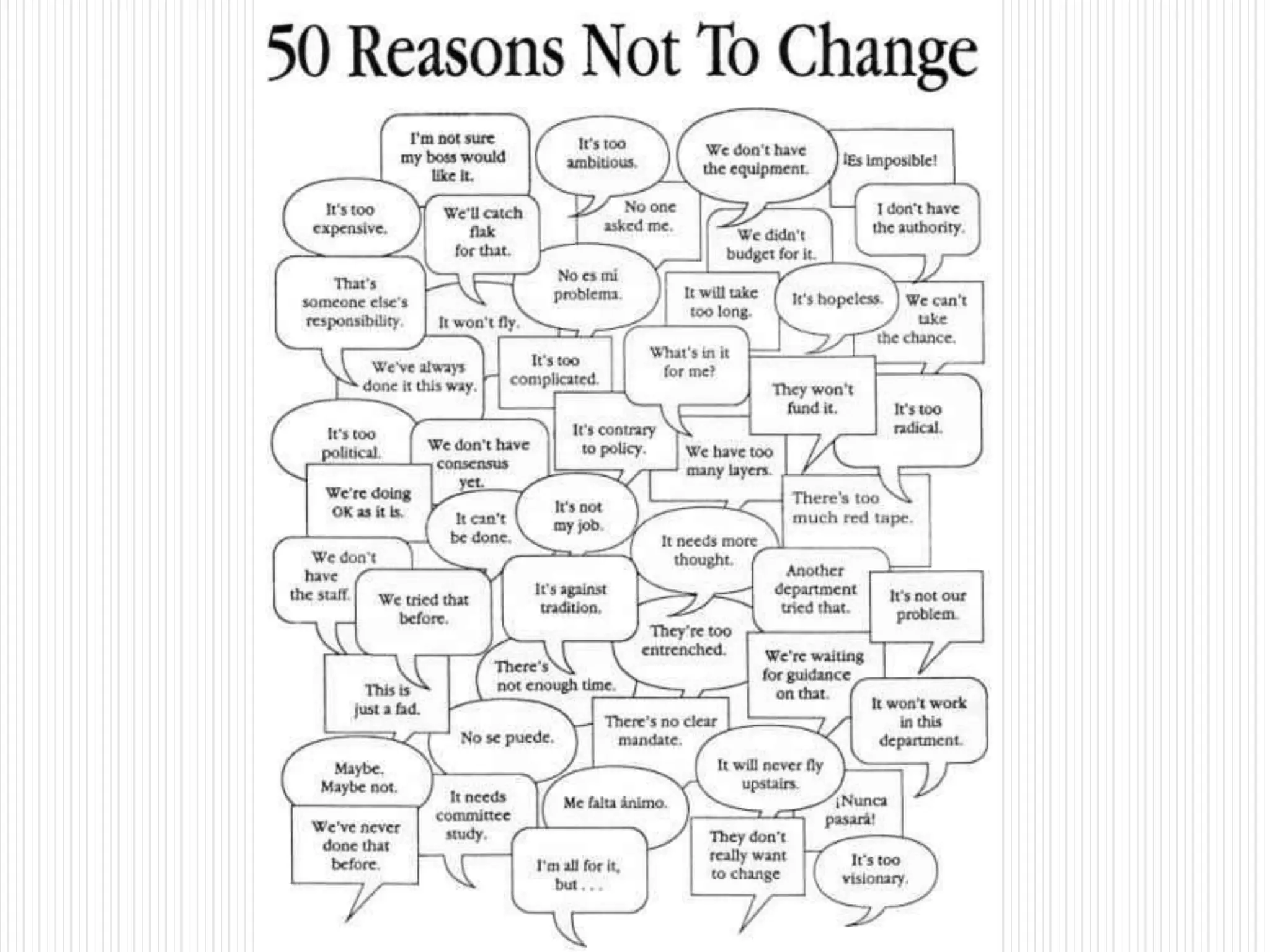
CHANGE
The BIG Challenge“The Internet has now progressed to its infancy”Search, Social Networks, Learning, Commerce
What’s on your minds?Usually a sense that something is not quite right…..  Questioning of where functions fit….of roles….of responsibilities…  Questioning of whether collaborative technologies “belong” in “work”   Questioning of how to organize functions of a library when those functions are so engrained   Questioning of where a job starts and stops…. of where work starts and stops…..of skills required for jobs….
SlidesThese PPT slides will be at my  blog ‘Stephen’s Lighthouse’ http://stephenslighthouse.com
Are you being heard?
Will we find our voice?BingGoogleFacebookSocial Media (Twitter)Libraries
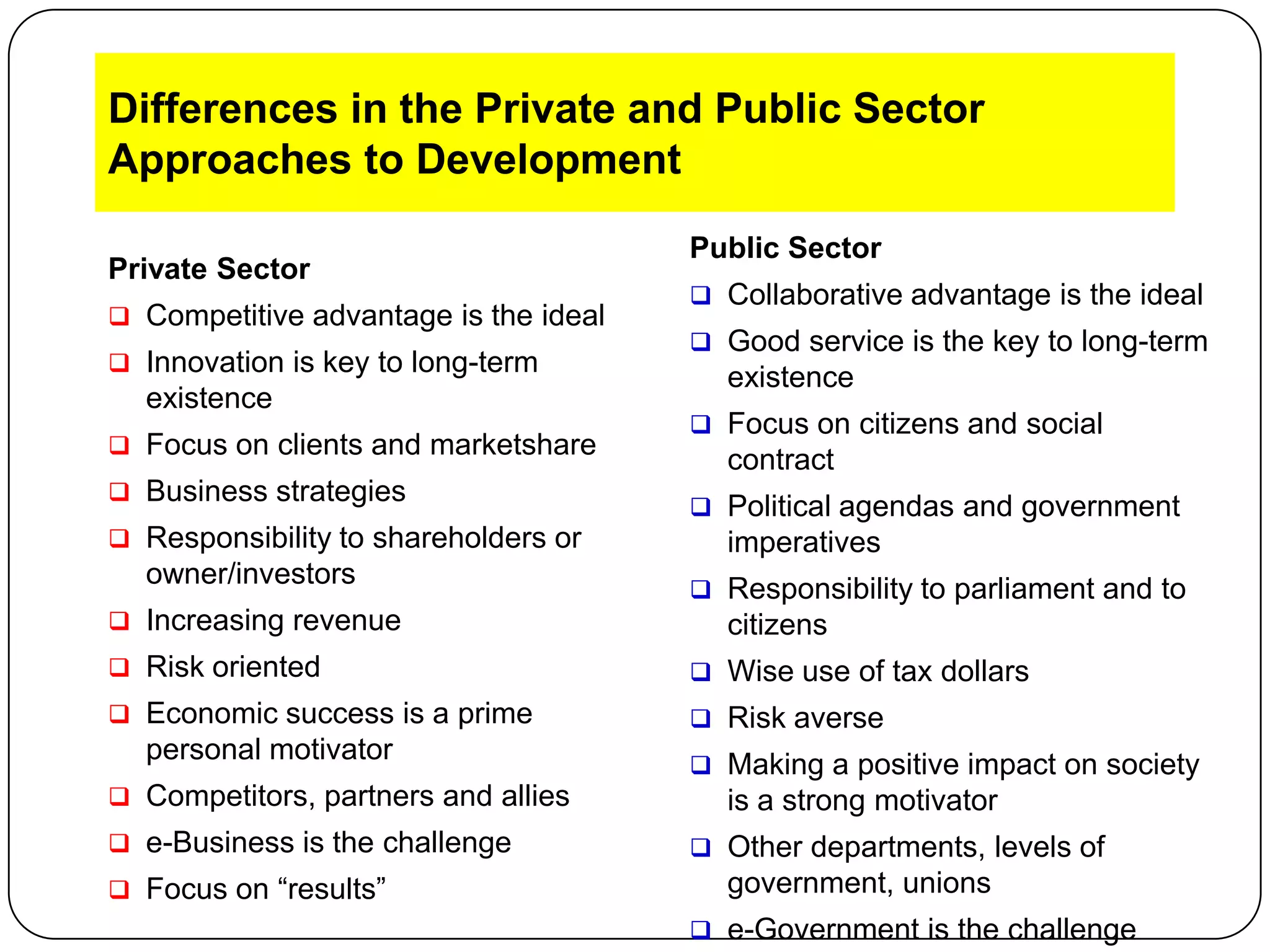
Differences in the Private and Public Sector Approaches to DevelopmentPublic SectorCollaborative advantage is the ideal
Good service is the key to long-term existence
Focus on citizens and social contract
Political agendas and government imperatives
Responsibility to parliament and to citizens
Wise use of tax dollars
Risk averse
Making a positive impact on society is a strong motivator
Other departments, levels of government, unions
e-Government is the challenge
Focus on “process”Private Sector	Competitive advantage is the ideal
Innovation is key to long-term existence
Focus on clients and marketshare
Business strategies
Responsibility to shareholders or owner/investors
Increasing revenue
Risk oriented
Economic success is a prime personal motivator
Competitors, partners and allies
e-Business is the challenge
Focus on “results”The Beverly Hillbillies
The Fork in the Road
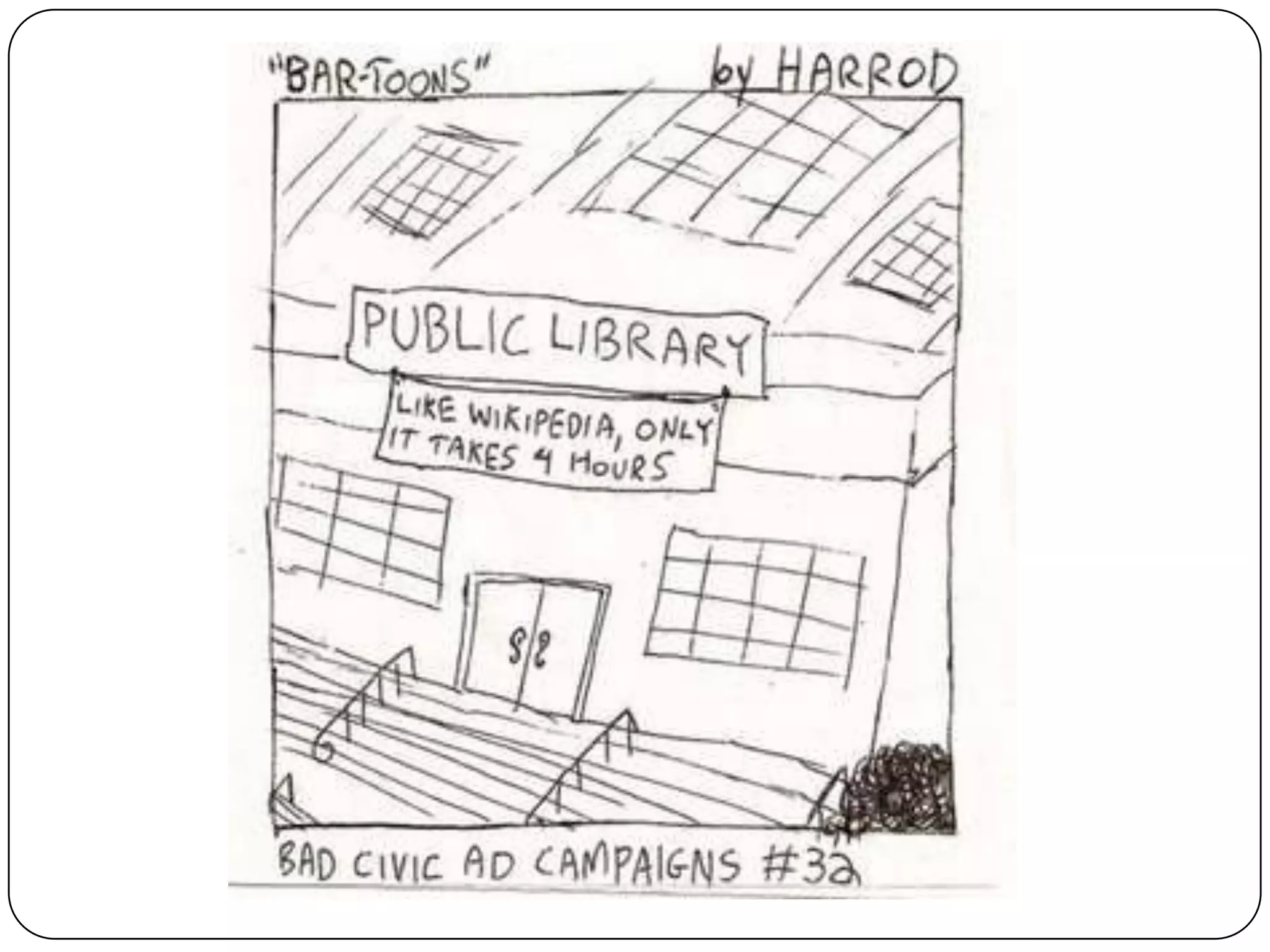
Let’s be honest about it.“Everything’s free and easy on the web.  Why do we need libraries (and by extension librarians) anymore?Really? ? ? ? ? ? ?
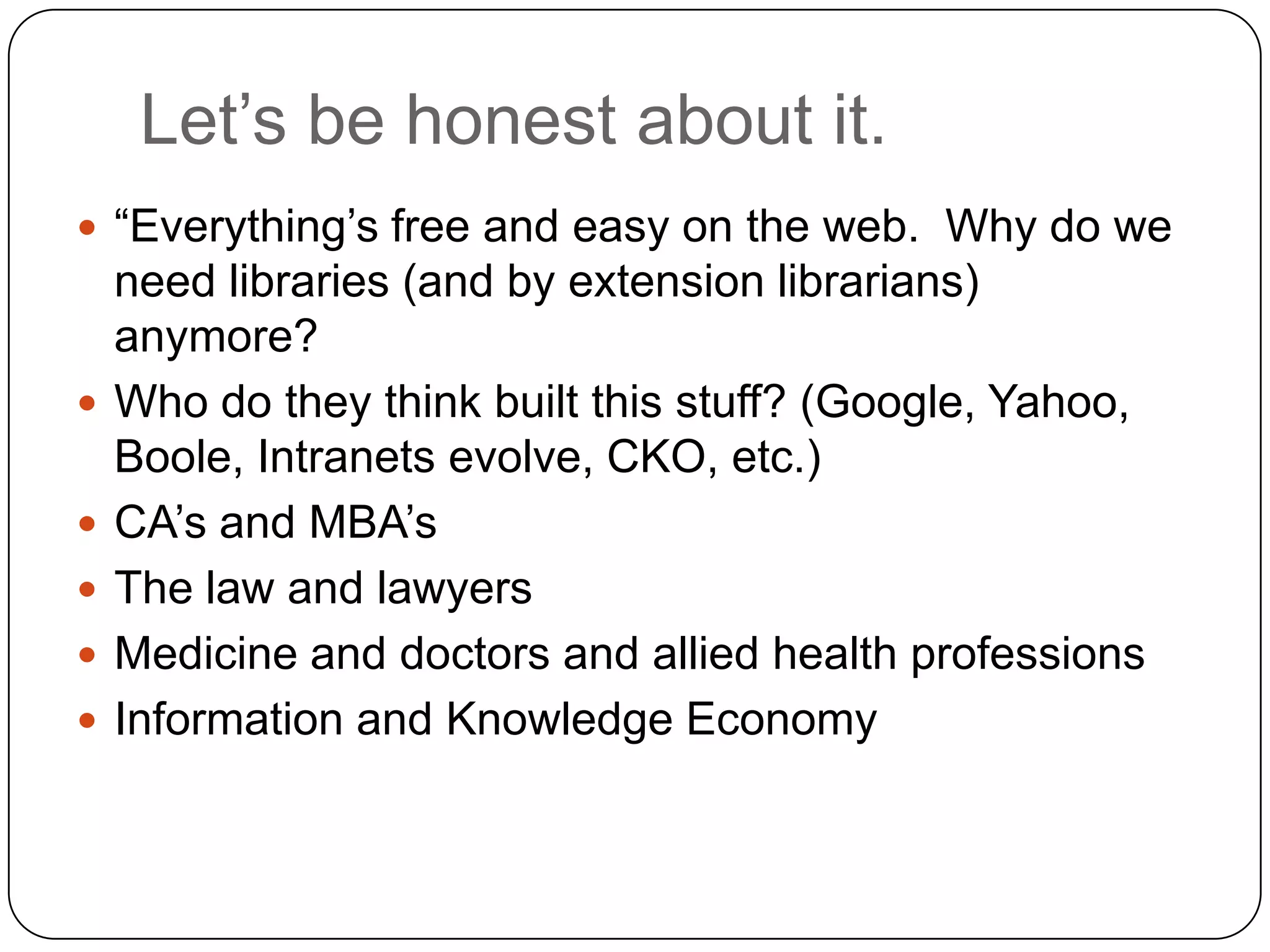
Let’s be honest about it.“Everything’s free and easy on the web.  Why do we need libraries (and by extension librarians) anymore?Who do they think built this stuff? (Google, Yahoo, Boole, Intranets evolve, CKO, etc.)CA’s and MBA’sThe law and lawyersMedicine and doctors and allied health professionsInformation and Knowledge Economy
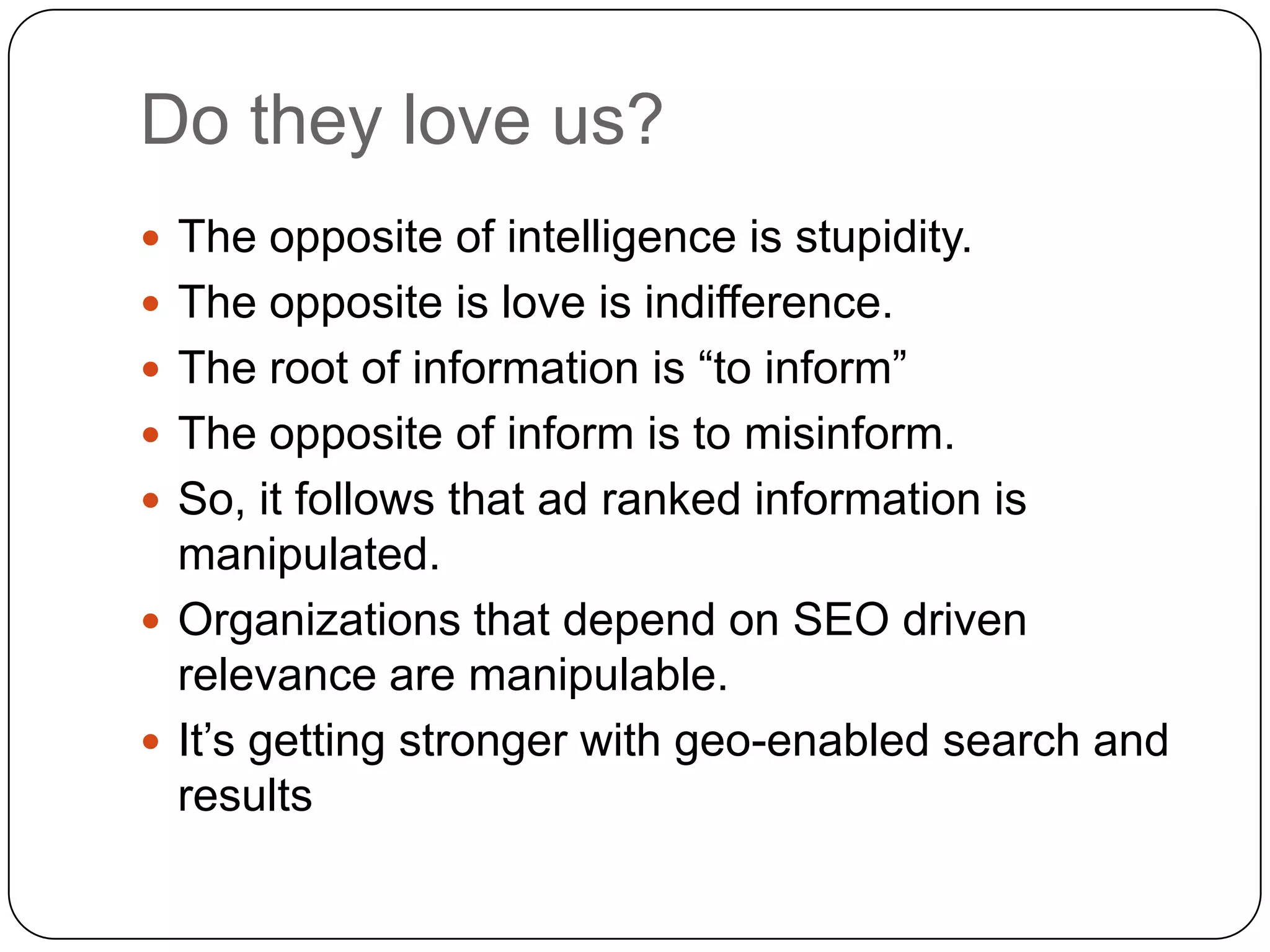
Do they love us?The opposite of intelligence is stupidity.The opposite is love is indifference.The root of information is “to inform”The opposite of inform is to misinform.So, it follows that ad ranked information is manipulated. Organizations that depend on SEO driven relevance are manipulable.It’s getting stronger with geo-enabled search and results
Where is the Leadership?
What are the drivers of change today?
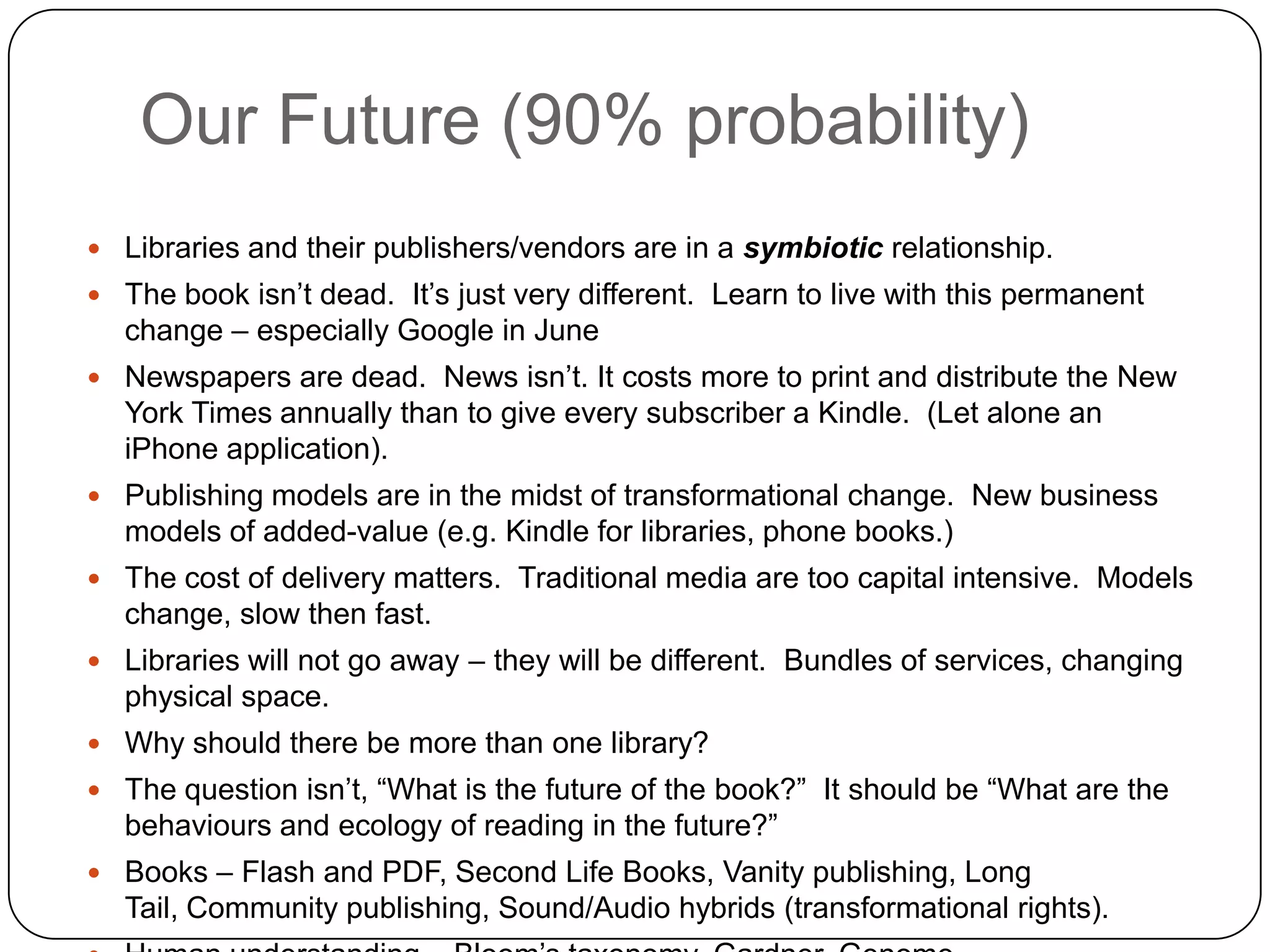
Our Future (90% probability)Libraries and their publishers/vendors are in a symbiotic relationship.The book isn’t dead.  It’s just very different.  Learn to live with this permanent change – especially Google in JuneNewspapers are dead.  News isn’t. It costs more to print and distribute the New York Times annually than to give every subscriber a Kindle.  (Let alone an iPhone application).Publishing models are in the midst of transformational change.  New business models of added-value (e.g. Kindle for libraries, phone books.)The cost of delivery matters.  Traditional media are too capital intensive.  Models change, slow then fast.Libraries will not go away – they will be different.  Bundles of services, changing physical space.Why should there be more than one library?   The question isn’t, “What is the future of the book?”  It should be “What are the behaviours and ecology of reading in the future?”Books – Flash and PDF, Second Life Books, Vanity publishing, Long Tail, Community publishing, Sound/Audio hybrids (transformational rights).Human understanding – Bloom’s taxonomy, Gardner, Genome (Shyness, dyslexia, etc.), MRI’s of reading, Eye tracking, etc.
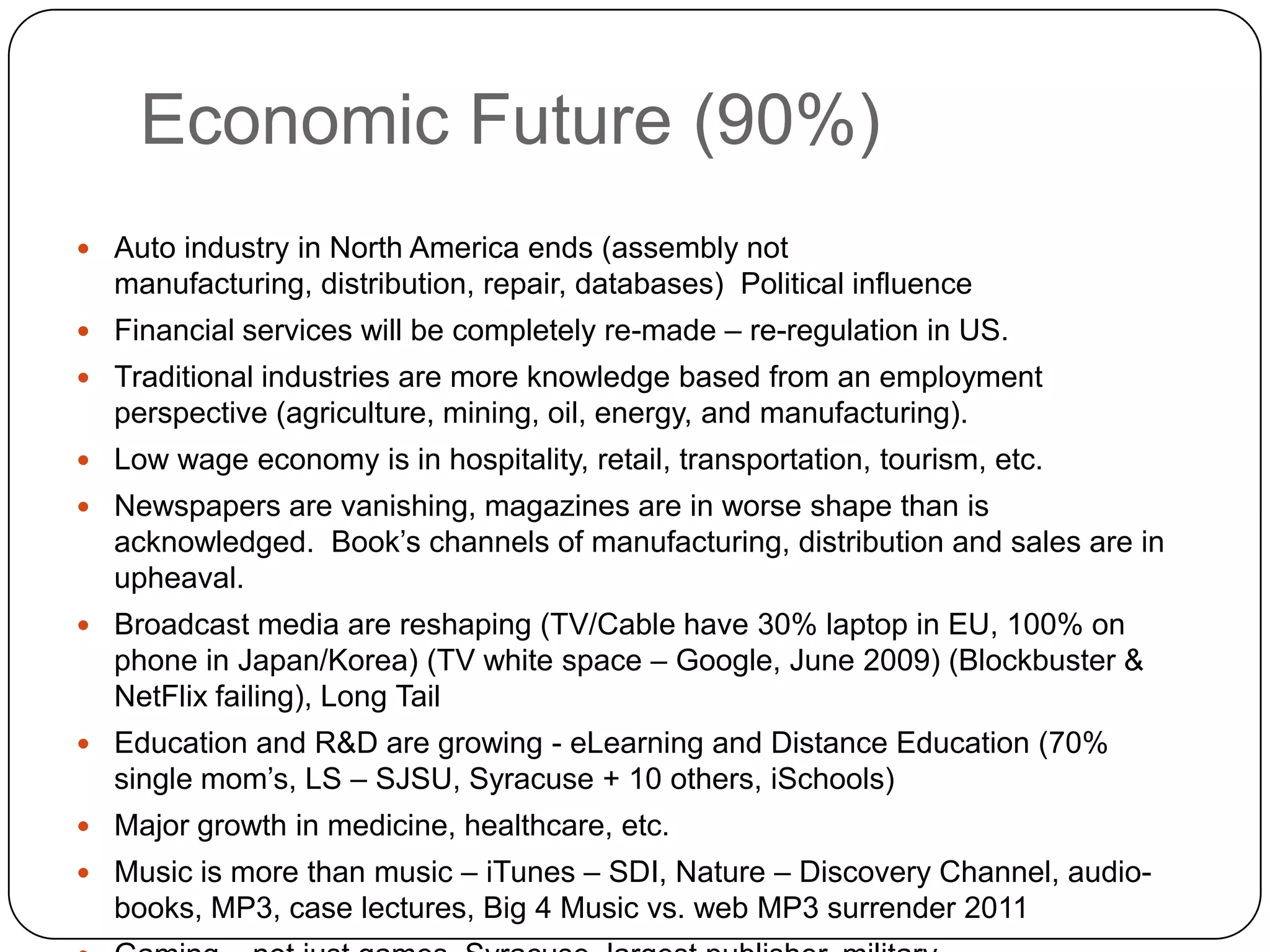
Economic Future (90%)Auto industry in North America ends (assembly not manufacturing, distribution, repair, databases)  Political influenceFinancial services will be completely re-made – re-regulation in US.Traditional industries are more knowledge based from an employment perspective (agriculture, mining, oil, energy, and manufacturing).Low wage economy is in hospitality, retail, transportation, tourism, etc.Newspapers are vanishing, magazines are in worse shape than is acknowledged.  Book’s channels of manufacturing, distribution and sales are in upheaval.Broadcast media are reshaping (TV/Cable have 30% laptop in EU, 100% on phone in Japan/Korea) (TV white space – Google, June 2009) (Blockbuster & NetFlix failing), Long TailEducation and R&D are growing - eLearning and Distance Education (70% single mom’s, LS – SJSU, Syracuse + 10 others, iSchools)Major growth in medicine, healthcare, etc.Music is more than music – iTunes – SDI, Nature – Discovery Channel, audio-books, MP3, case lectures, Big 4 Music vs. web MP3 surrender 2011Gaming – not just games, Syracuse, largest publisher, military
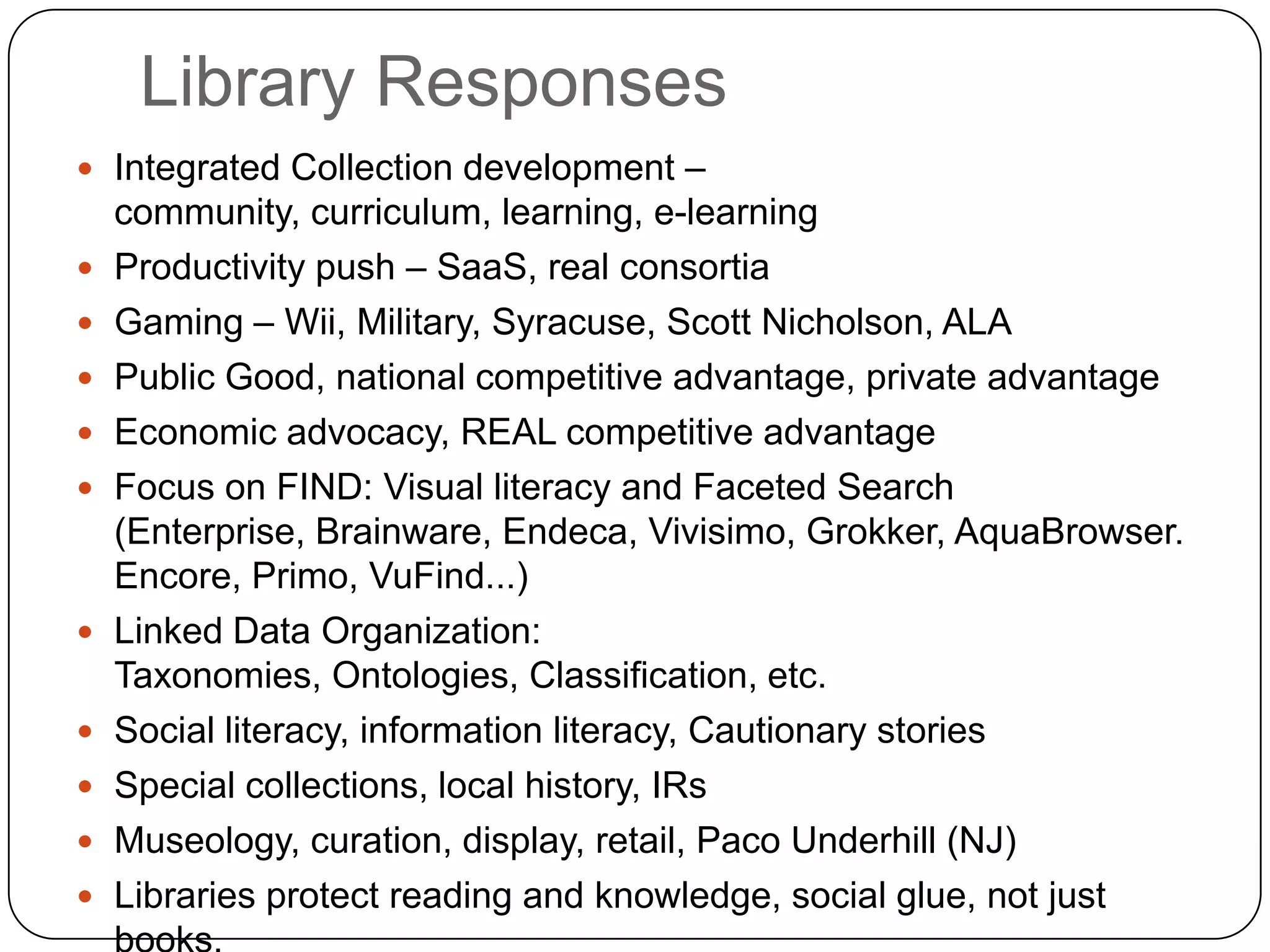
Library ResponsesIntegrated Collection development – community, curriculum, learning, e-learningProductivity push – SaaS, real consortiaGaming – Wii, Military, Syracuse, Scott Nicholson, ALAPublic Good, national competitive advantage, private advantageEconomic advocacy, REAL competitive advantageFocus on FIND: Visual literacy and Faceted Search (Enterprise, Brainware, Endeca, Vivisimo, Grokker, AquaBrowser. Encore, Primo, VuFind...)Linked Data Organization: Taxonomies, Ontologies, Classification, etc.Social literacy, information literacy, Cautionary storiesSpecial collections, local history, IRsMuseology, curation, display, retail, Paco Underhill (NJ)Libraries protect reading and knowledge, social glue, not just books.Recommendations (Amazon, B&N, Borders, LibraryThing, BiblioCommons, Syndetics, ChiliFresh, SOPAC, VuFind, Delicious, Digg, etc.
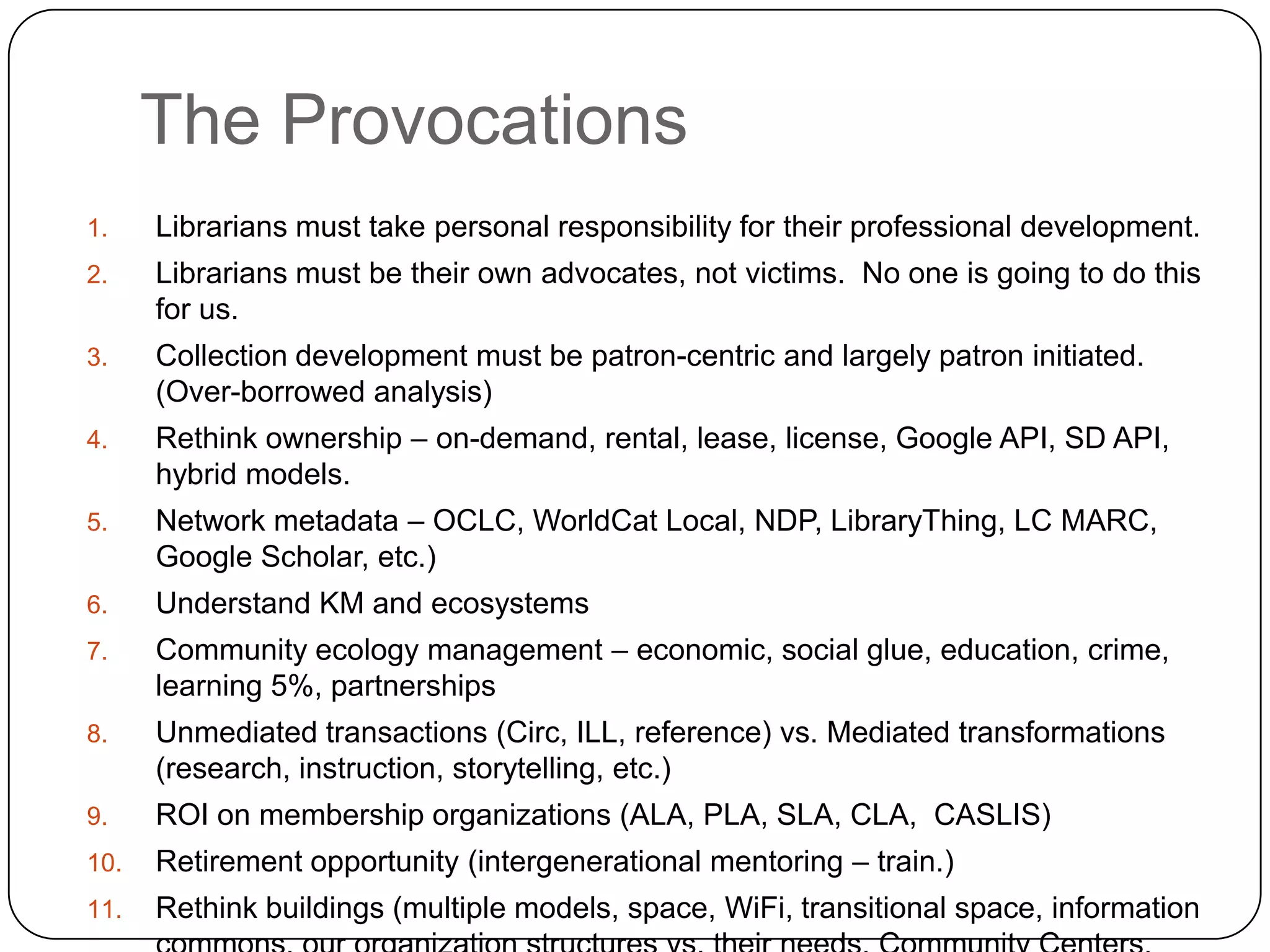
The ProvocationsLibrarians must take personal responsibility for their professional development.Librarians must be their own advocates, not victims.  No one is going to do this for us. Collection development must be patron-centric and largely patron initiated. (Over-borrowed analysis)Rethink ownership – on-demand, rental, lease, license, Google API, SD API, hybrid models.Network metadata – OCLC, WorldCat Local, NDP, LibraryThing, LC MARC, Google Scholar, etc.)Understand KM and ecosystemsCommunity ecology management – economic, social glue, education, crime, learning 5%, partnershipsUnmediated transactions (Circ, ILL, reference) vs. Mediated transformations (research, instruction, storytelling, etc.)ROI on membership organizations (ALA, PLA, SLA, CLA,  CASLIS)Retirement opportunity (intergenerational mentoring – train.)Rethink buildings (multiple models, space, WiFi, transitional space, information commons, our organization structures vs. their needs, Community Centers, learning commons.
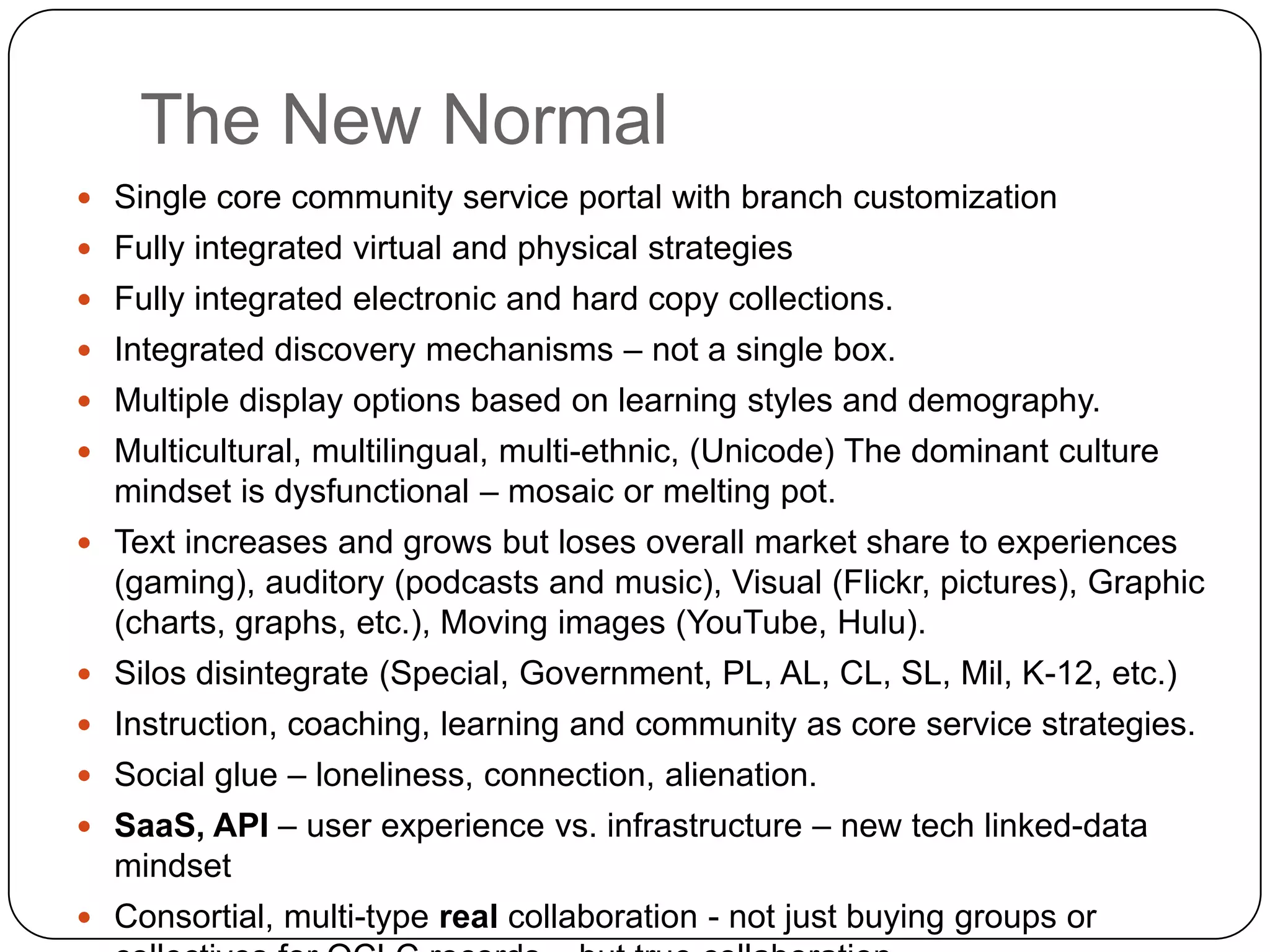
The New NormalSingle core community service portal with branch customizationFully integrated virtual and physical strategiesFully integrated electronic and hard copy collections.Integrated discovery mechanisms – not a single box.Multiple display options based on learning styles and demography.Multicultural, multilingual, multi-ethnic, (Unicode) The dominant culture mindset is dysfunctional – mosaic or melting pot.Text increases and grows but loses overall market share to experiences (gaming), auditory (podcasts and music), Visual (Flickr, pictures), Graphic (charts, graphs, etc.), Moving images (YouTube, Hulu).Silos disintegrate (Special, Government, PL, AL, CL, SL, Mil, K-12, etc.)Instruction, coaching, learning and community as core service strategies.Social glue – loneliness, connection, alienation.SaaS, API – user experience vs. infrastructure – new tech linked-data mindsetConsortial, multi-type real collaboration - not just buying groups or collectives for OCLC records – but true collaboration
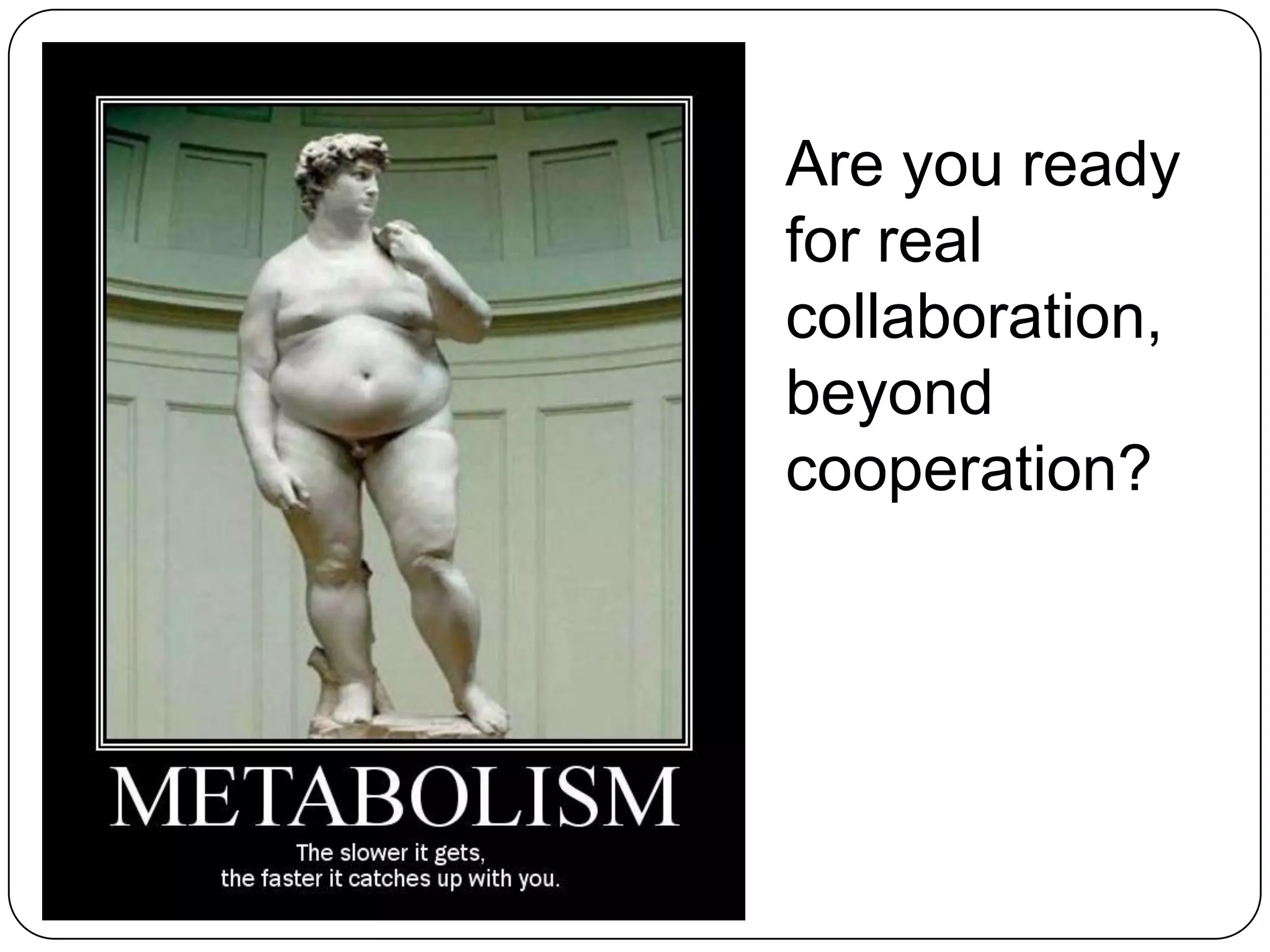
Are you readyfor real collaboration,beyondcooperation?
Some Change Agent ExamplesKnowledge OntarioThe Alberta LibraryWYLD in WyomingCKRN (CNSLP)LYRASIS (lately)InfOhio
Innovation Audit QuestionsIs your organization and governance aligned with change, evolution or revolution needs? (pilots, trials, cross-functional, teams)What are the barriers to change in your organization?  What are you doing about it? (Hiring, firing, retirements, reorganization, training, culture shaping).What does your organization innovation scan get you? (Opportunities, can’t work here, why?)How do you choose and schedule? Proactive new priorities are chosen, they don’t occur organically except when reactive (e.g. Cars).How innovative are your influencing strategies?
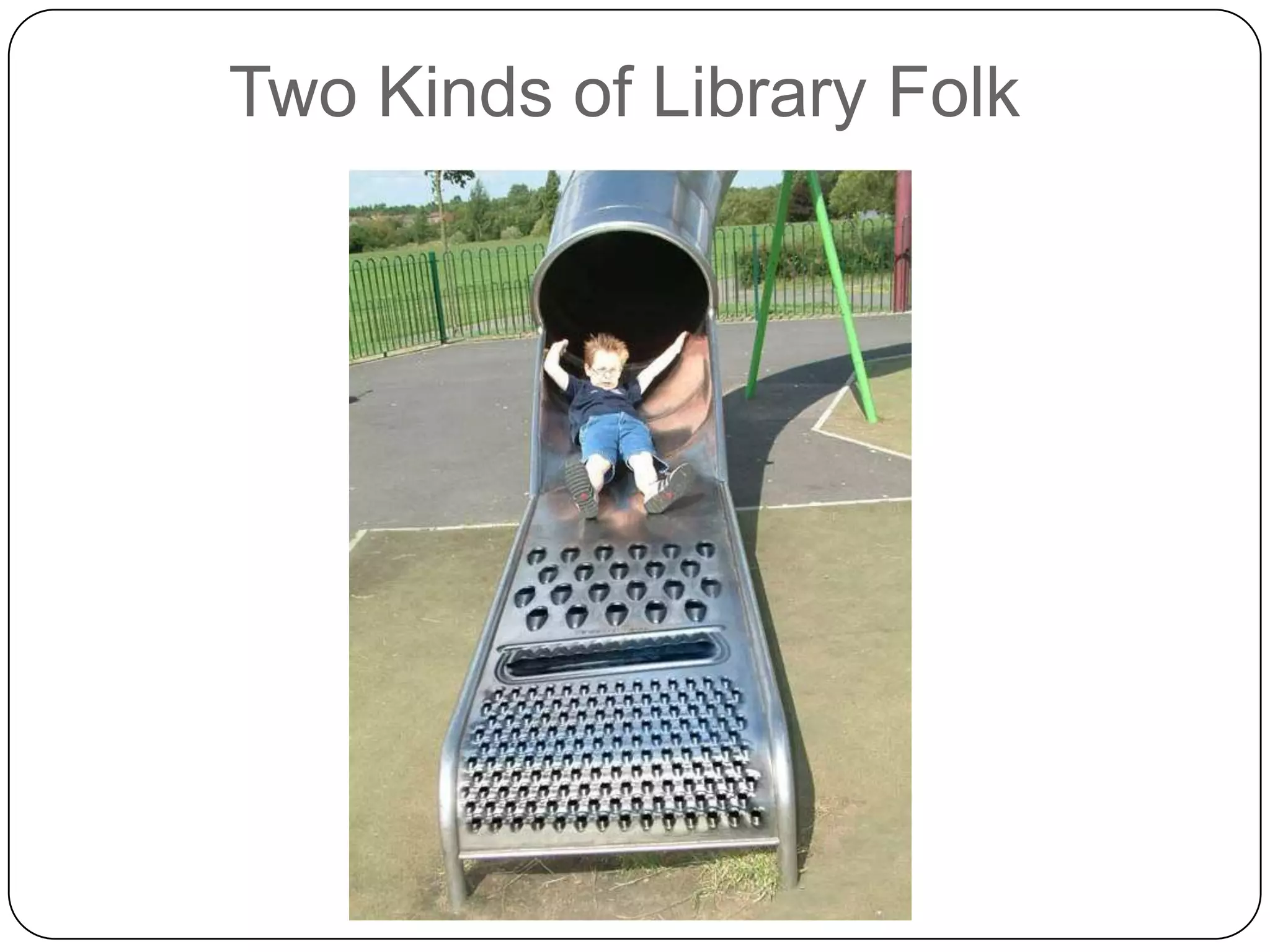
Two Kinds of Library Folk
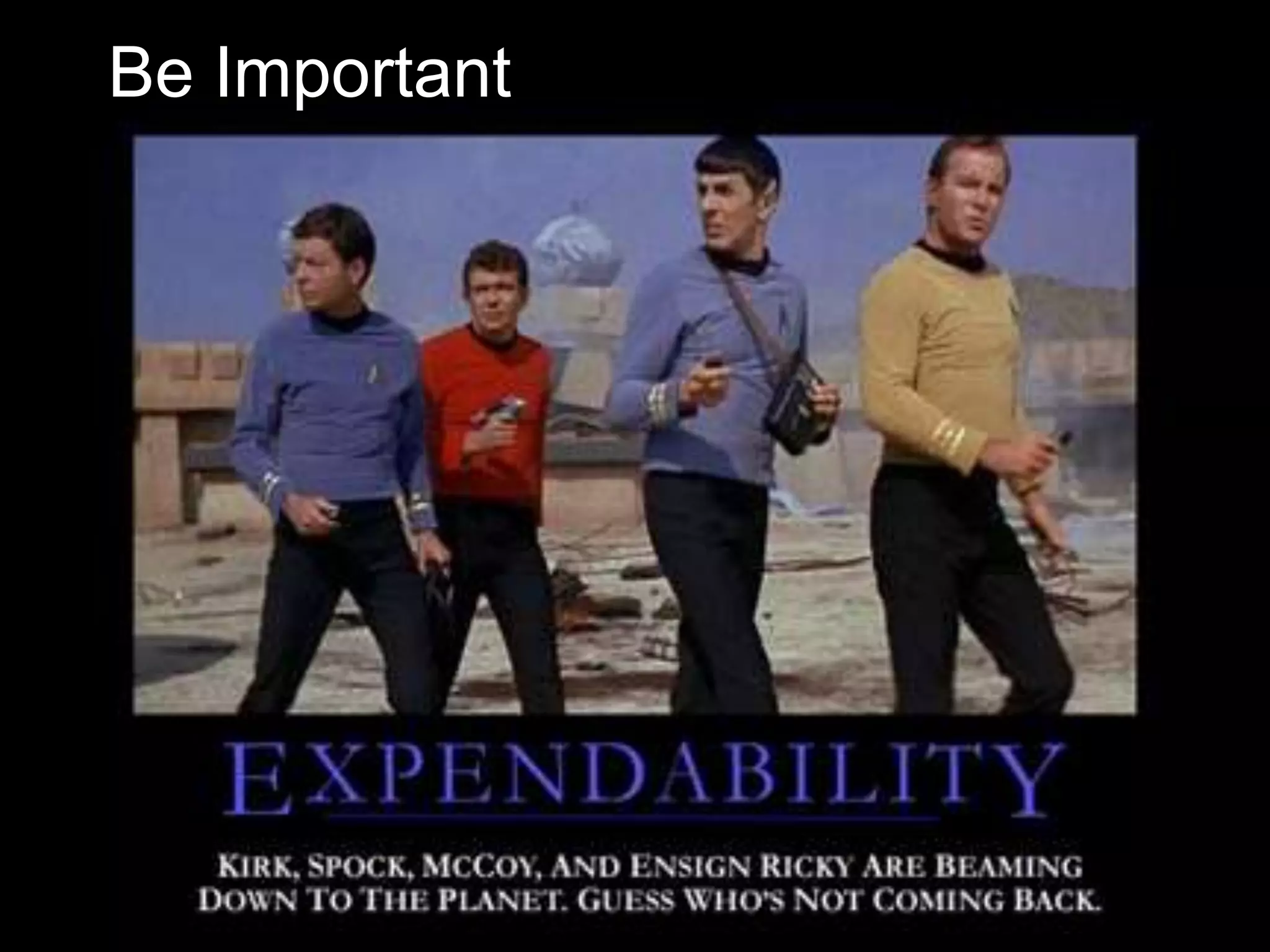
Be Important
The questions for organizationsHow should we be organized to best interact with & delight our clients or patrons?How should we be organized to make the best decisions in the least amount of time?Rephrased…How should people be working together, collaborating, discussing & making decisions?imho
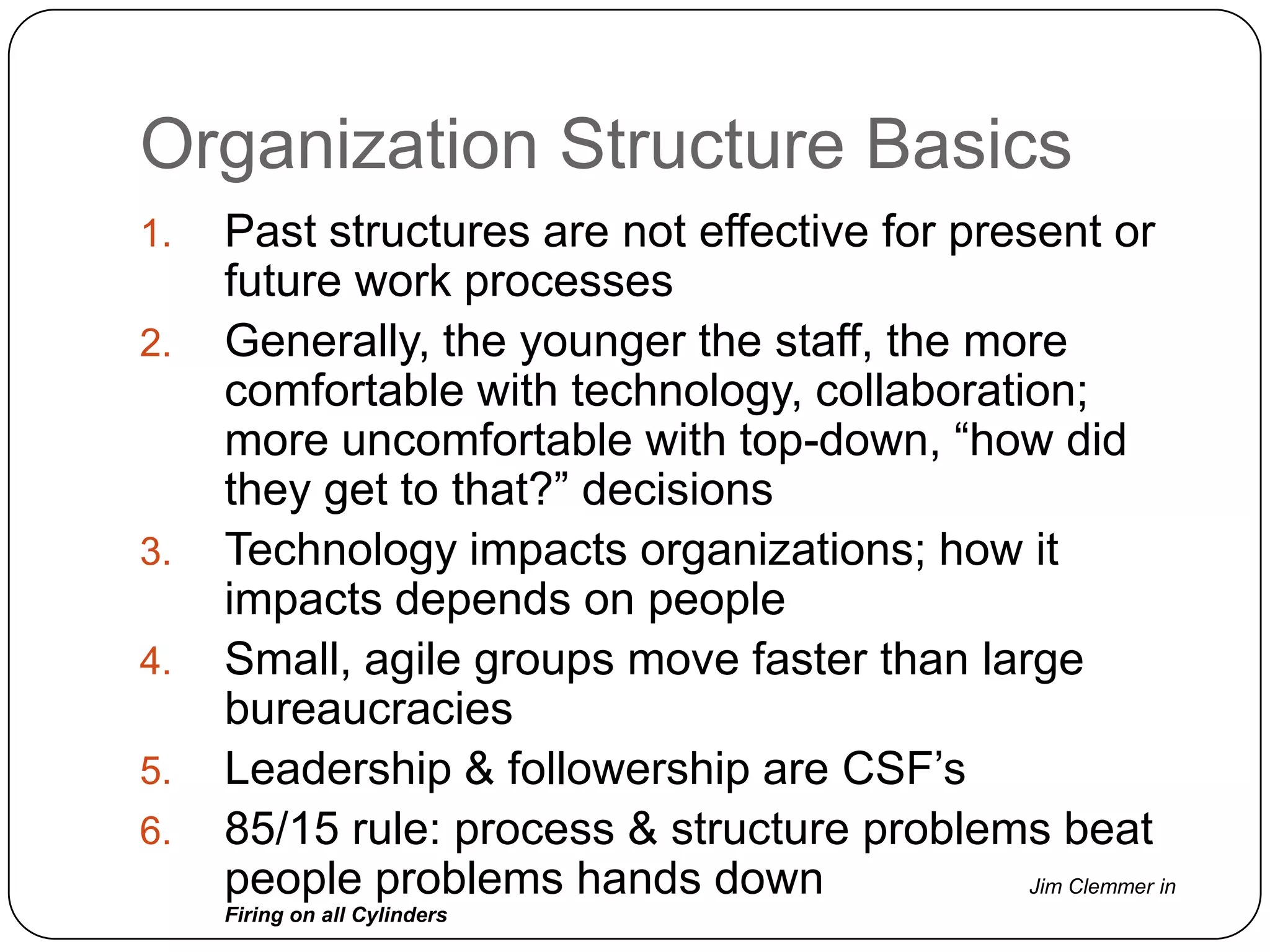
Organization Structure BasicsPast structures are not effective for present or future work processesGenerally, the younger the staff, the more comfortable with technology, collaboration; more uncomfortable with top-down, “how did they get to that?” decisionsTechnology impacts organizations; how it impacts depends on people Small, agile groups move faster than large bureaucraciesLeadership & followership are CSF’s85/15 rule: process & structure problems beat people problems hands down                Jim Clemmer in Firing on all Cylinders
CultureIs there something about the culture of libraries that needs to be saved and something that needs to be discarded?
Organization Design PrinciplesForm follows functionFunctions change quicklyForm drives behaviorReporting relationships create “ties that bind”Collaboration decreases as distance & priorities increase
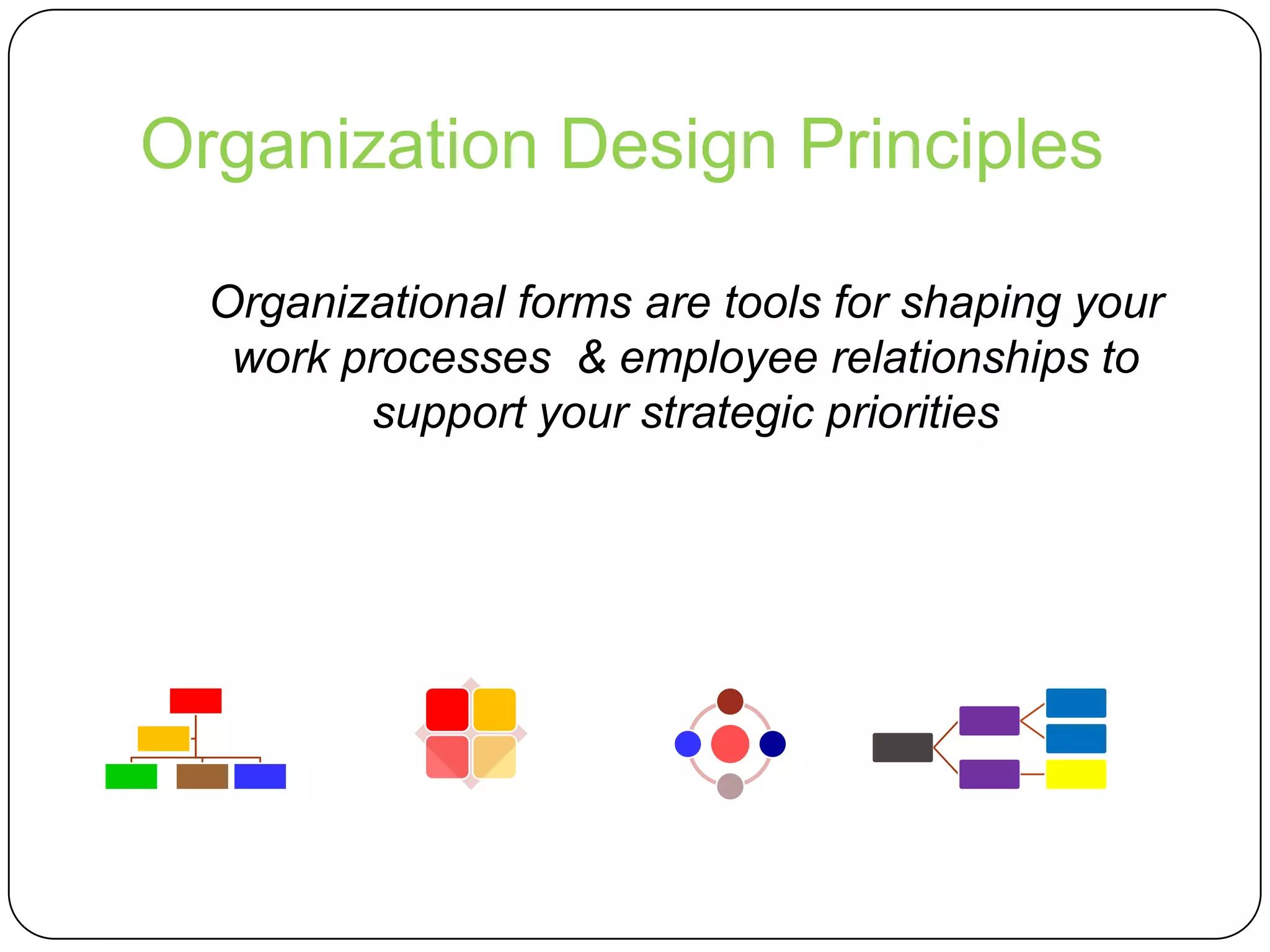
Organization Design Principles   Organizational forms are tools for shaping your work processes  & employee relationships to support your strategic priorities
Organization FocusStructure should create an organizational focus on the right issues at the right timeWhat IS the library’s main focus?
Galbraith’s Star Model2.0 Technology
Imperative that we use the devices, not vice-versa  Ask not what the technology can do for the organization, ask what the organization wants the technology to do for the people
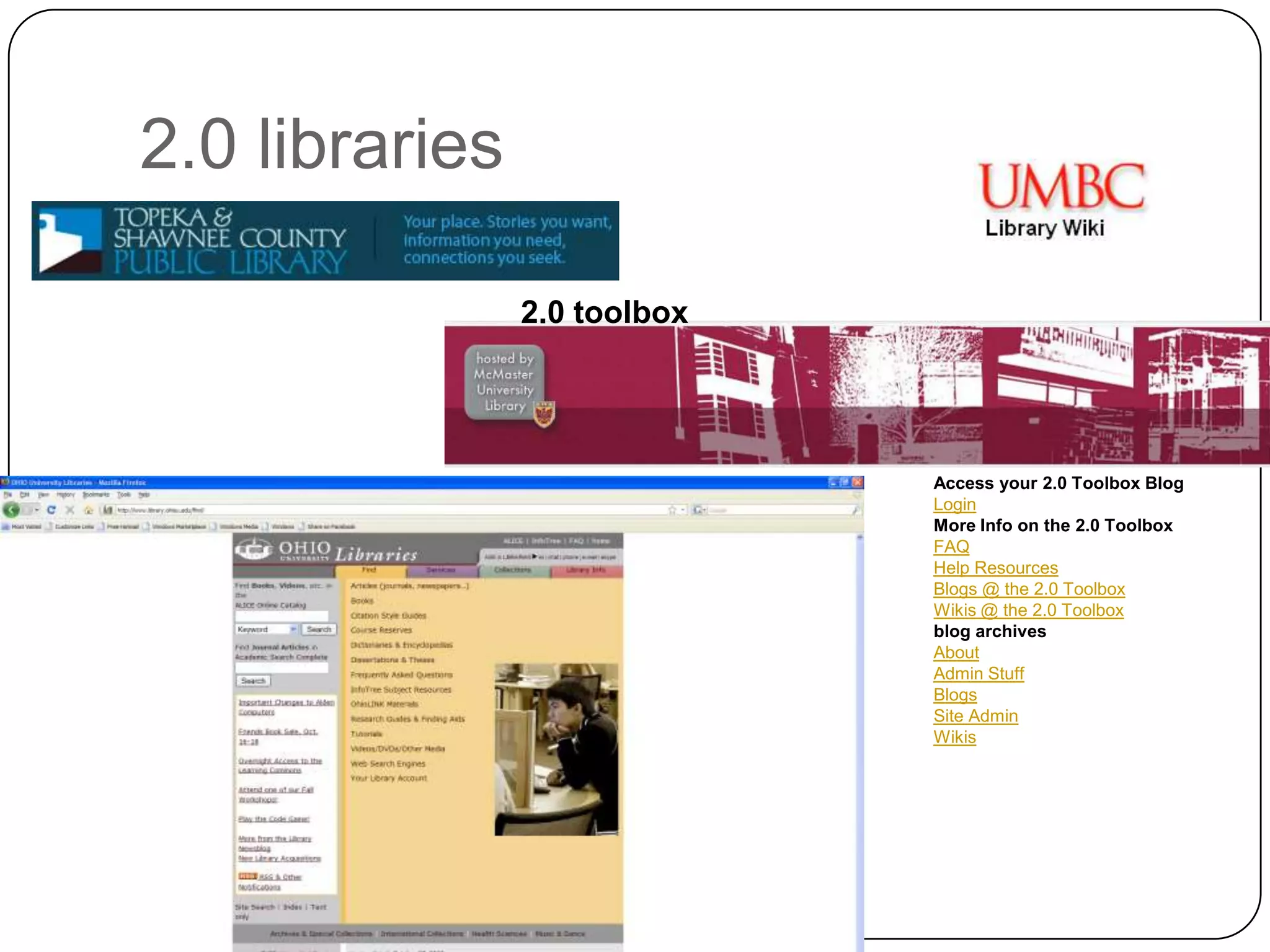
2.0 libraries2.0 toolboxAccess your 2.0 Toolbox Blog LoginMore Info on the 2.0 Toolbox FAQHelp ResourcesBlogs @ the 2.0 ToolboxWikis @ the 2.0 Toolboxblog archives AboutAdmin StuffBlogsSite AdminWikis
What I’m finding2.0 libraries are realigning staff on a team-by-team basisThey transcend their physical space and funding bodiesThey recognize it’s the people skills & approach that matter the mostThey know the larger organizational issues have to be addressed, but….
2.0 critical success factorDesign the structure to exploit the library’s uniqueness, services & people and…..focus on the issues
2.0 HierarchiesOh yeah!  Flexible & adaptive“fulfill our deep needs for order & security..show us how we are climbing….give us identity…”Leavitt, HBR, March 2003But! Can lead to power-abuse, dishonesty, territory posturing, fear & complacency
Who is looking at this?Tom Davenport – Harvard Business Review decision-making, knowledge management & process design
dubious of 2.0 tools changing structure in the near term
http://blogs.harvardbusiness.org/davenport/Andrew McAfee – Harvard Business Schooltechnology perspective
hopeful for the empowering possibilities of 2.0
http://andrewmcafee.org/blog/The future of work.net especially their /blogbased on Charlie Grantham’s Future of Work book (great)4. Jessica Lipnack – author of Virtual Teamshttp://endlessknots.netage.com/ - fantastic
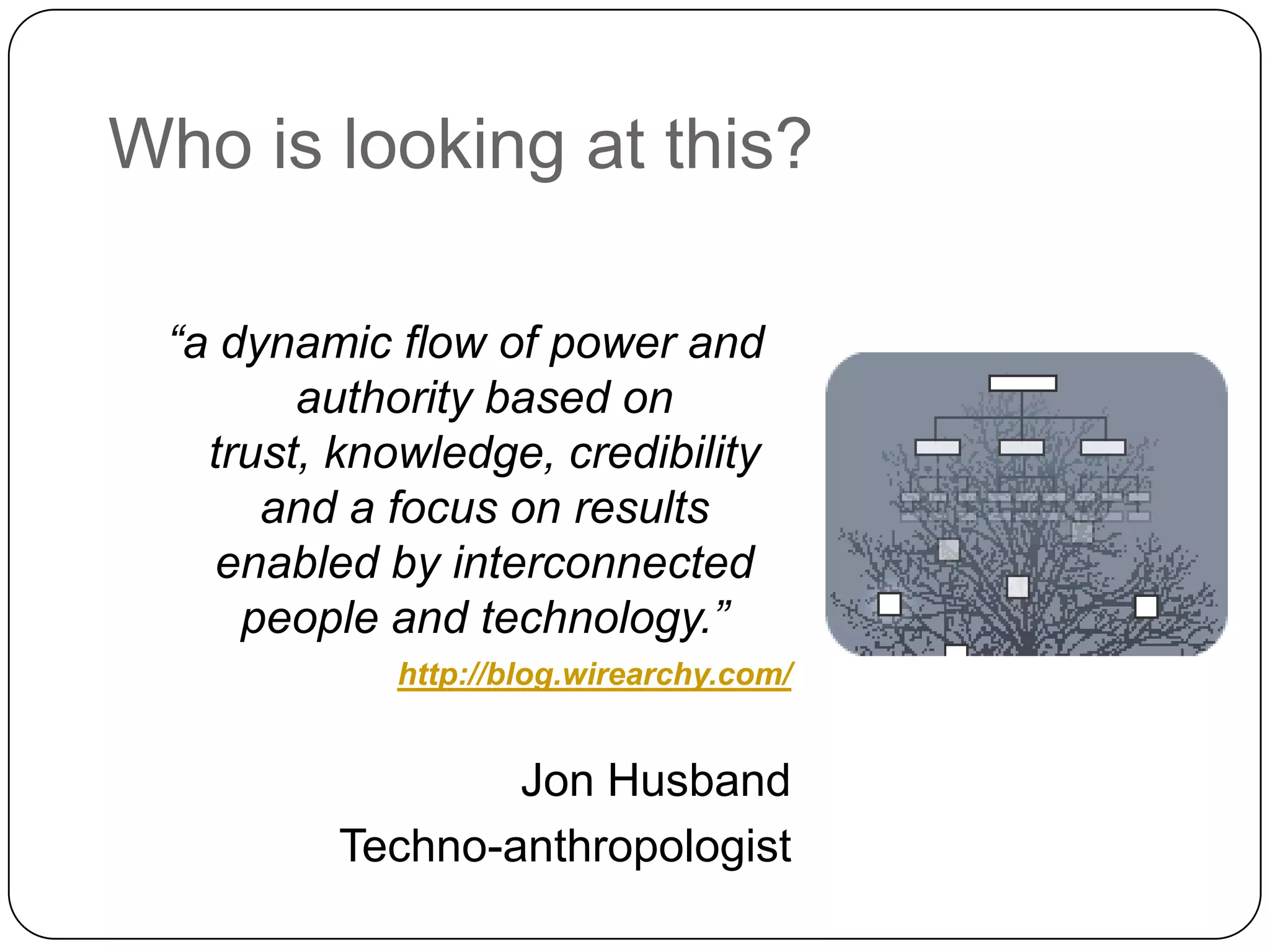
OrgScope & working papersWho is looking at this?“a dynamic flow of power and authority based on trust, knowledge, credibility and a focus on results enabled by interconnected people and technology.” http://blog.wirearchy.com/Jon HusbandTechno-anthropologist
Should you be asking those questions?“Good people in a poorly designed organizational structure fail, while average people in a healthy organization succeed.”N. Dean Meyer and AssociatesStructure that is not supportive or strategic will never succeed, regardless of technology
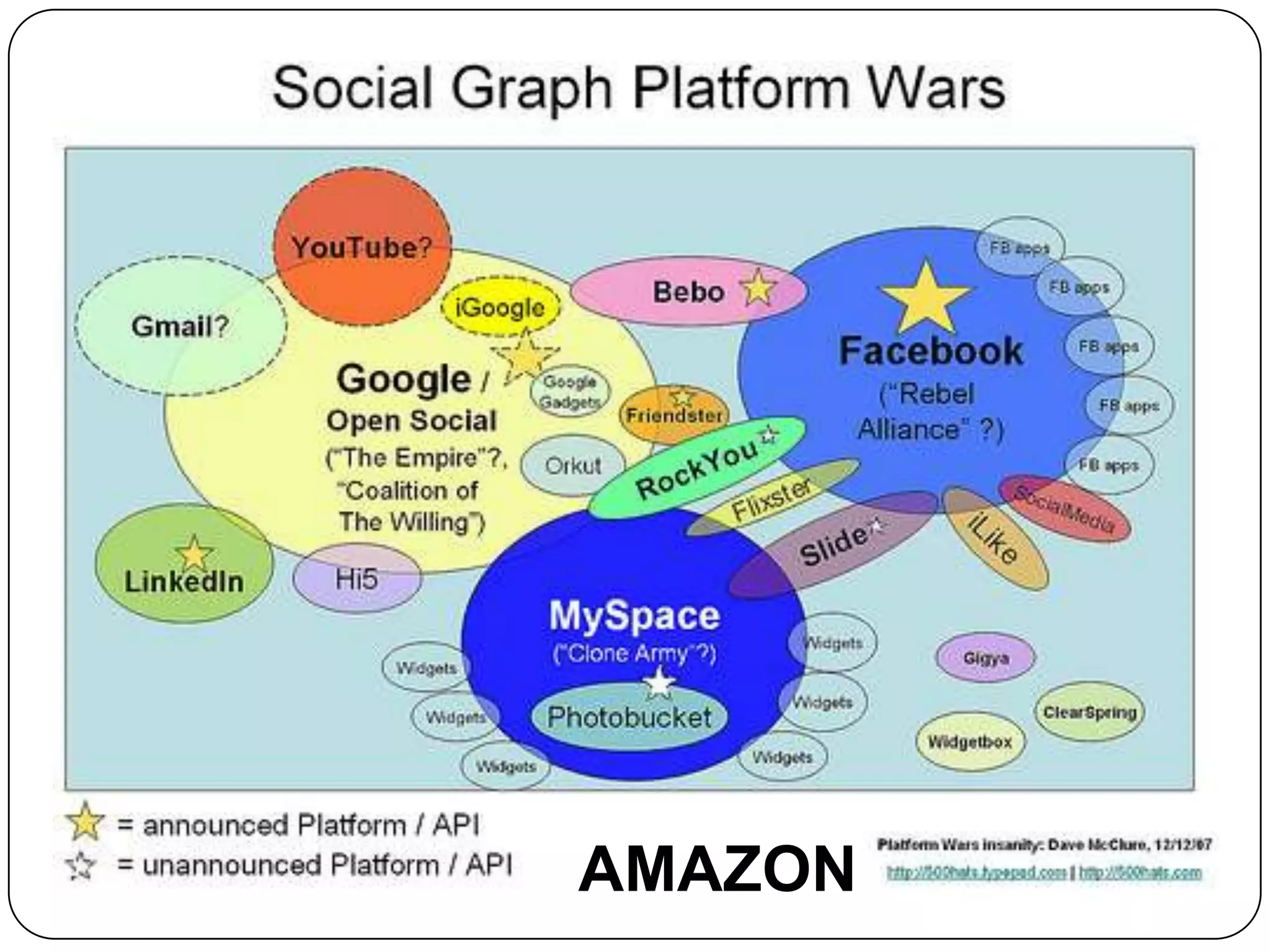
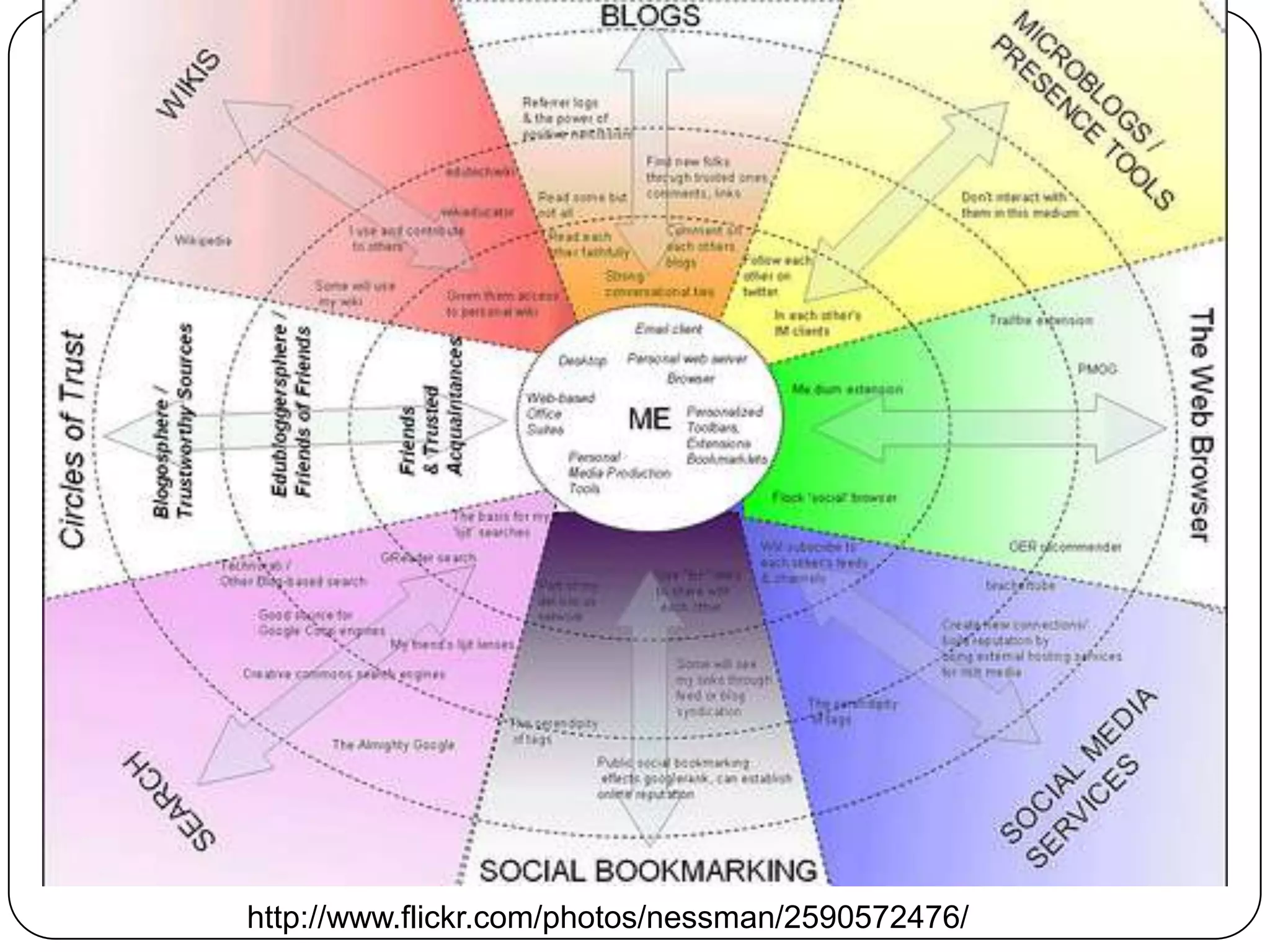
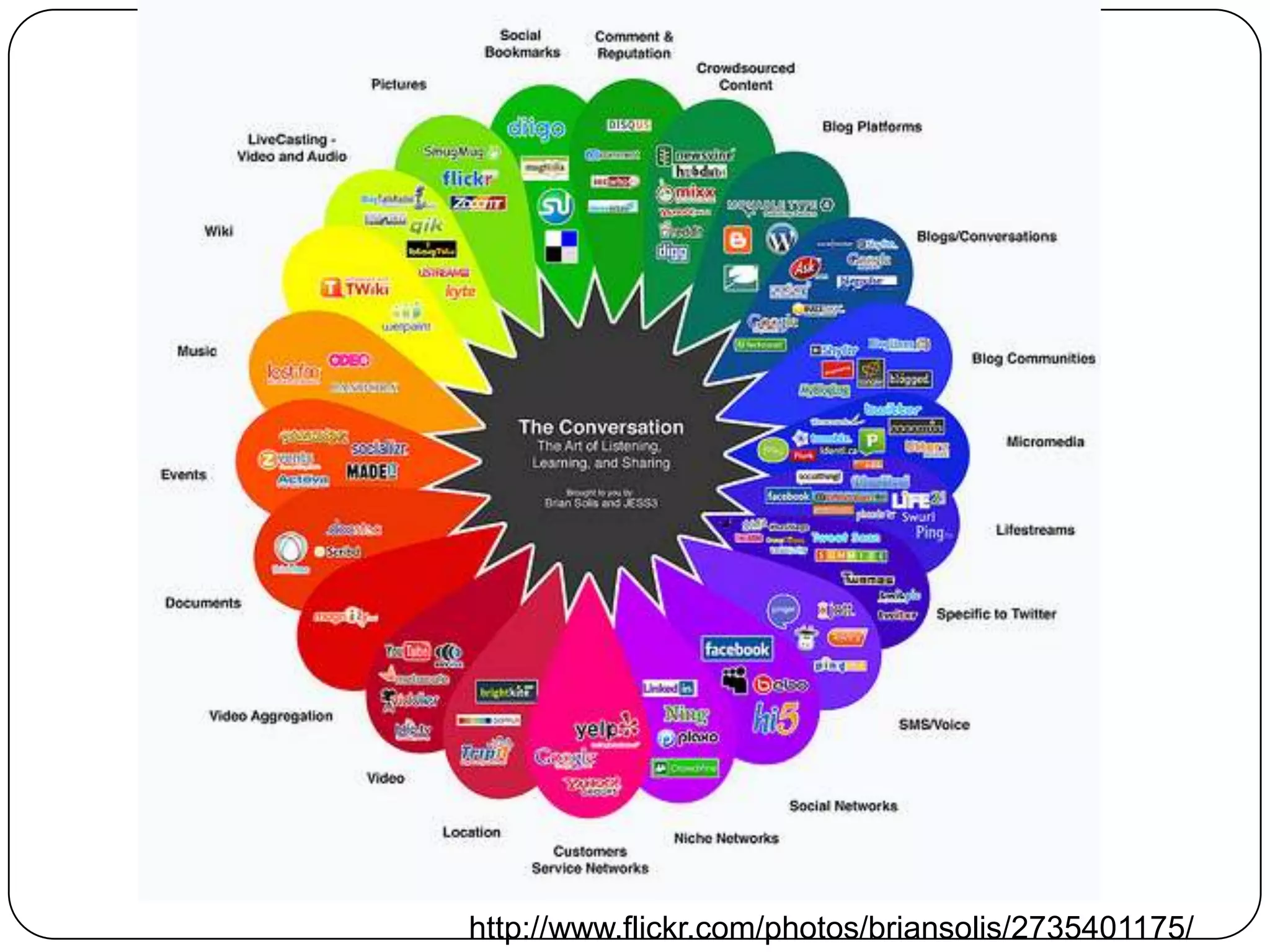
So what are the tools?What is the future architecture of work?
AMAZON
http://www.flickr.com/photos/nessman/2590572476/
http://www.flickr.com/photos/briansolis/2735401175/
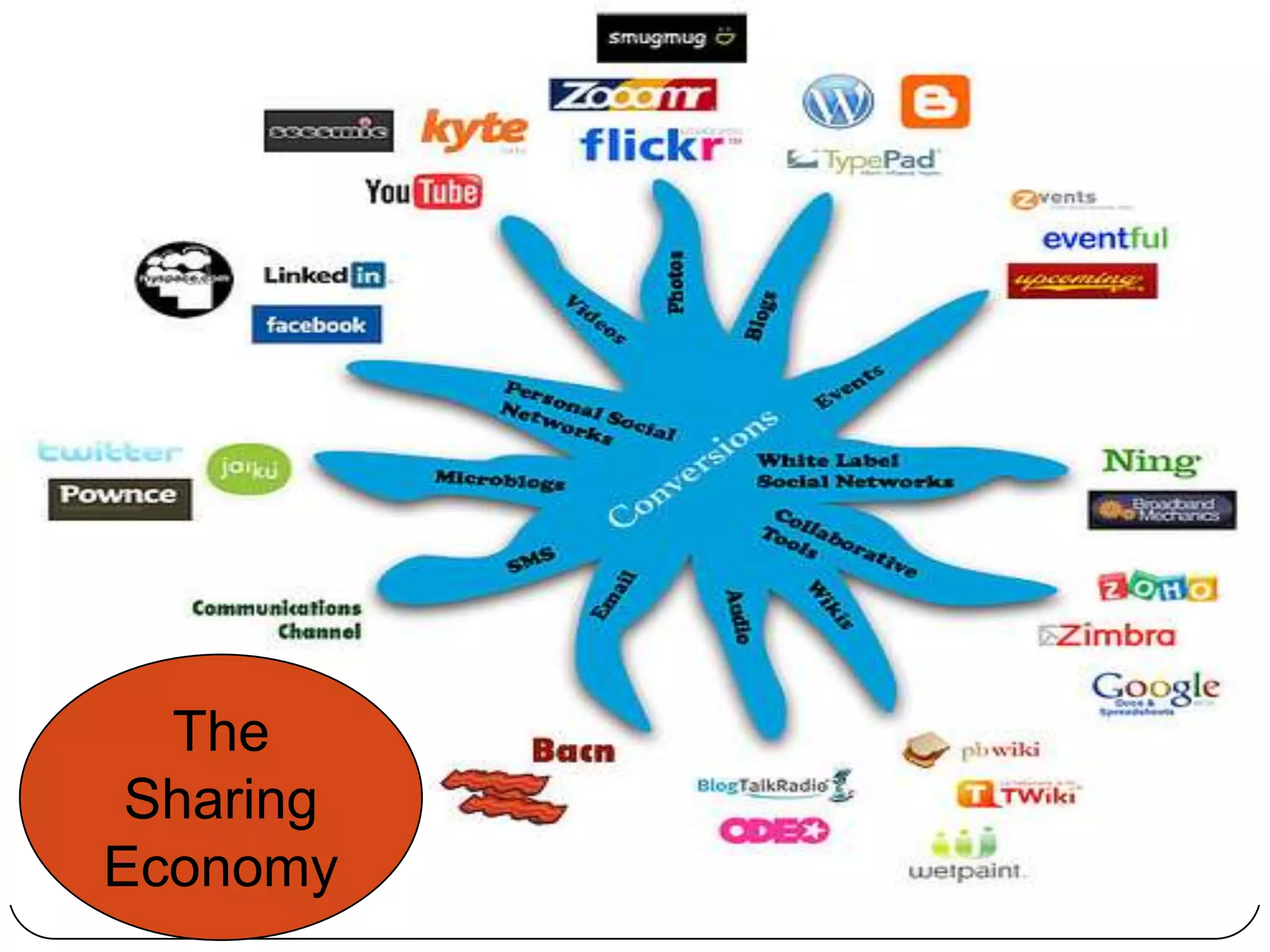
TheSharingEconomy
Collaboration SuiteWikis
Collaboration SuiteTagging
Collaboration SuiteThe Cloud
Get Good at The Cloud
Collaboration SuiteBlogs
Collaboration SuitePhotos
Collaboration SuiteSlideShare
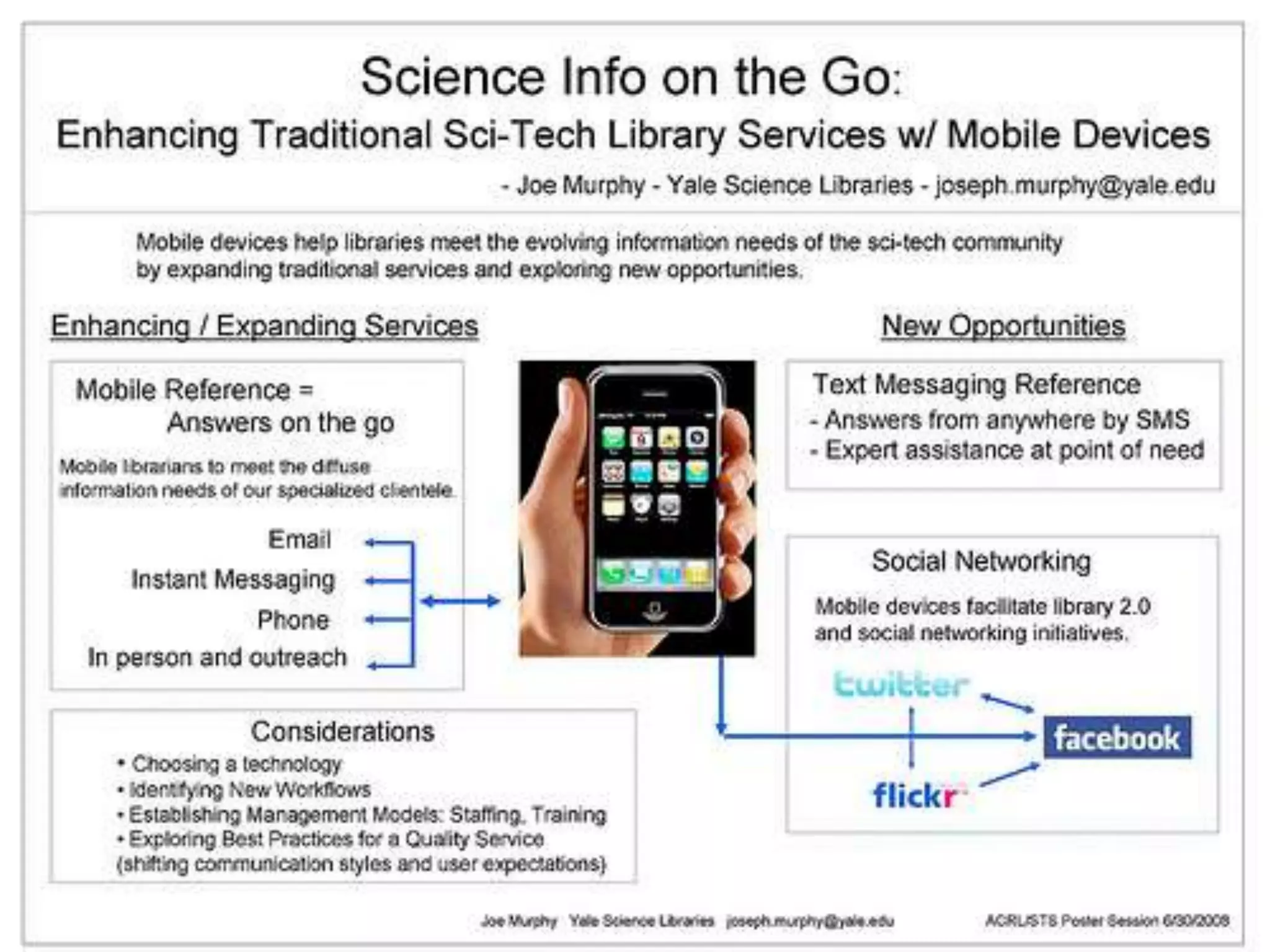
Collaboration SuiteMobile
Next up:Geo-IP
Collaboration SuiteSocial Networks
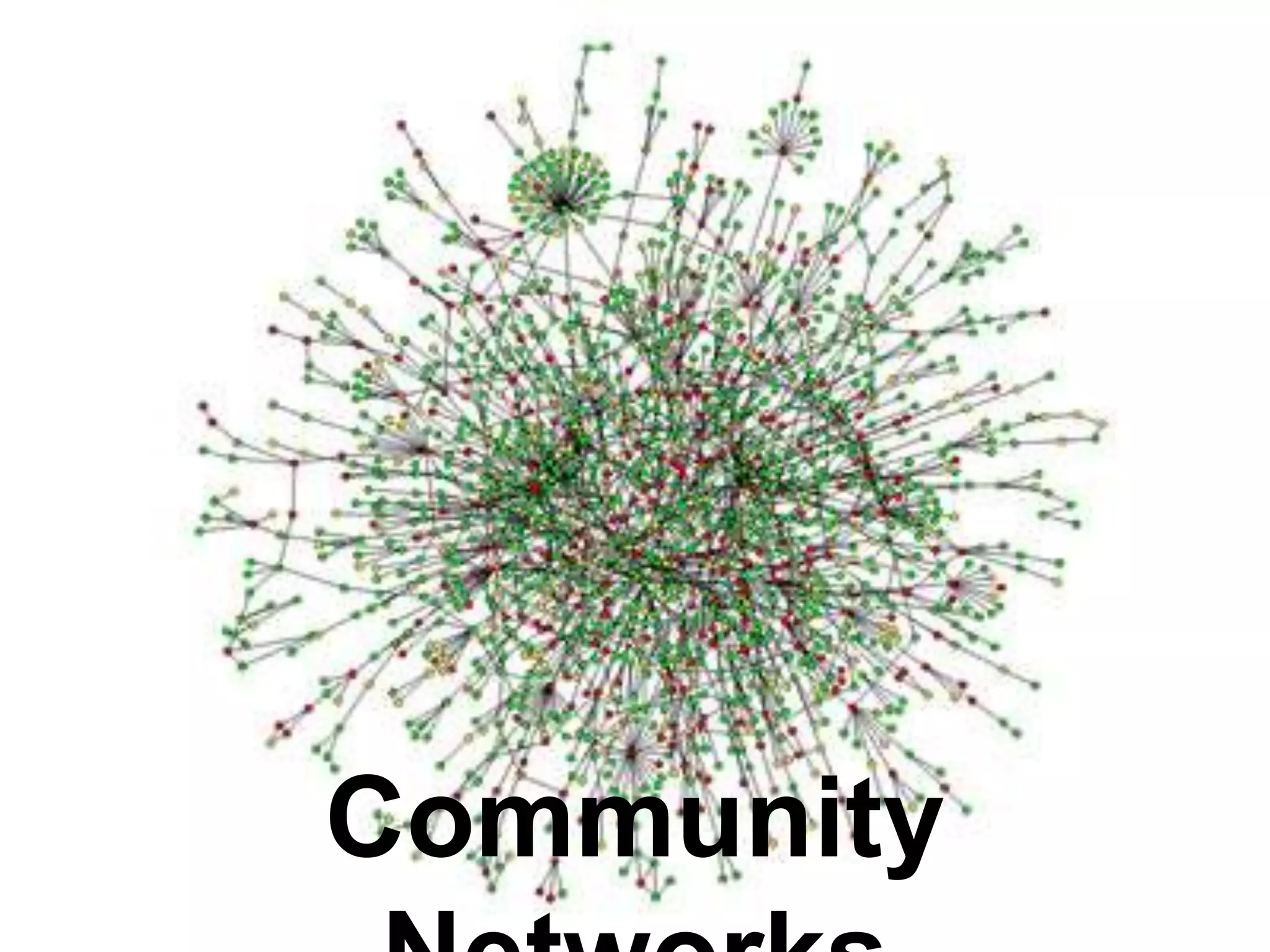
Community Networks
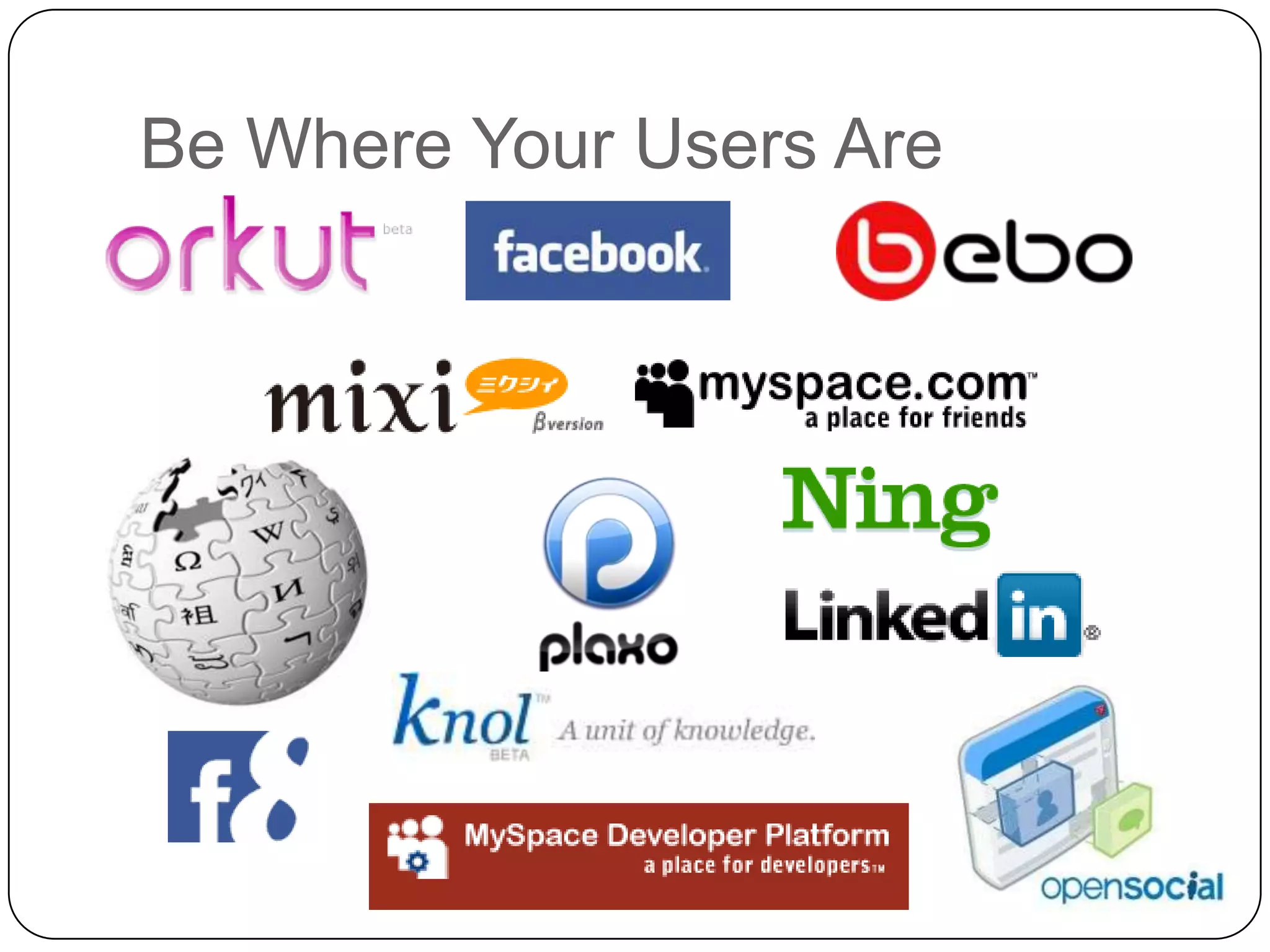
Be Where Your Users Are
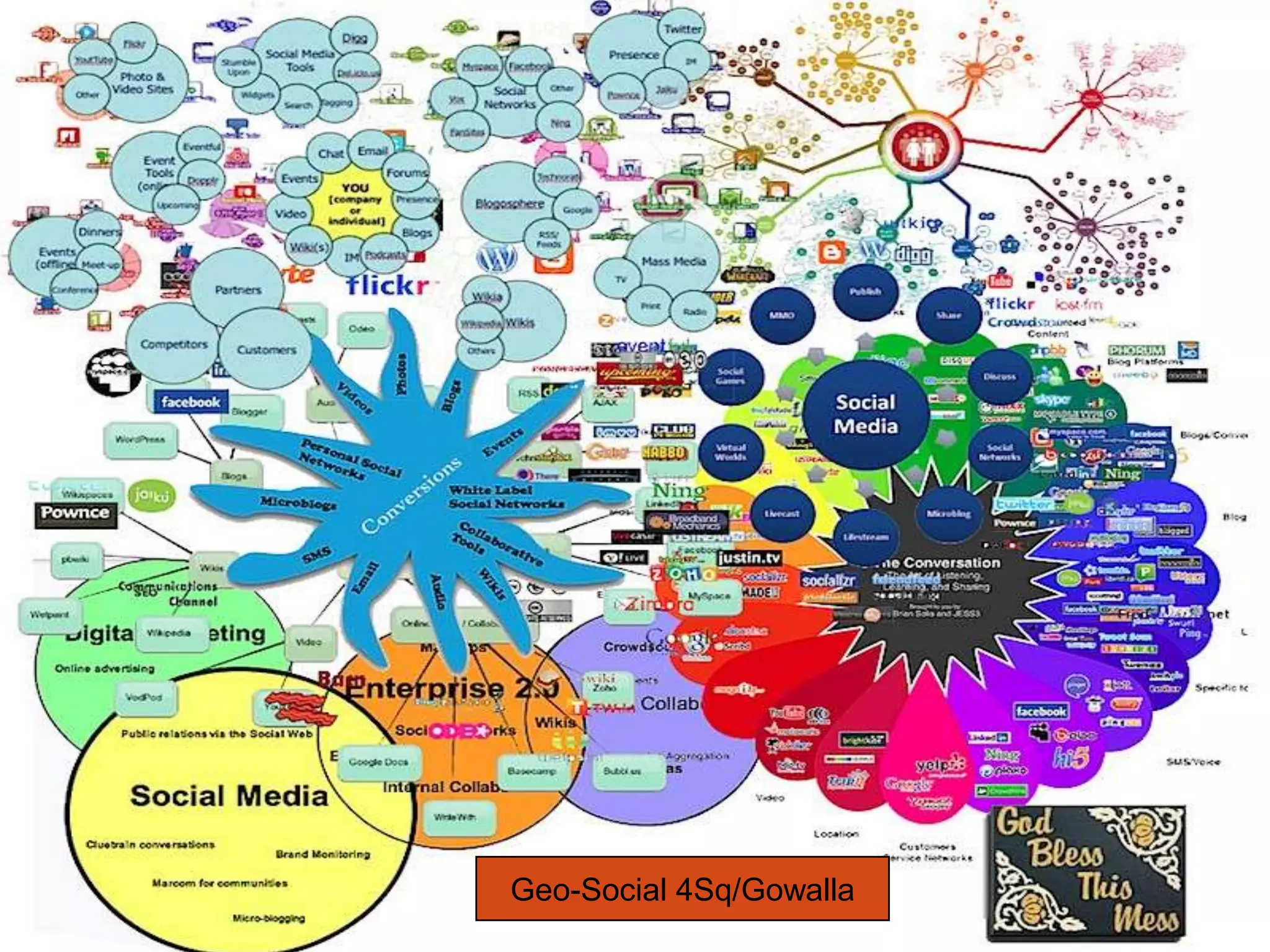
Geo-Social 4Sq/Gowalla
How should I get there from here?
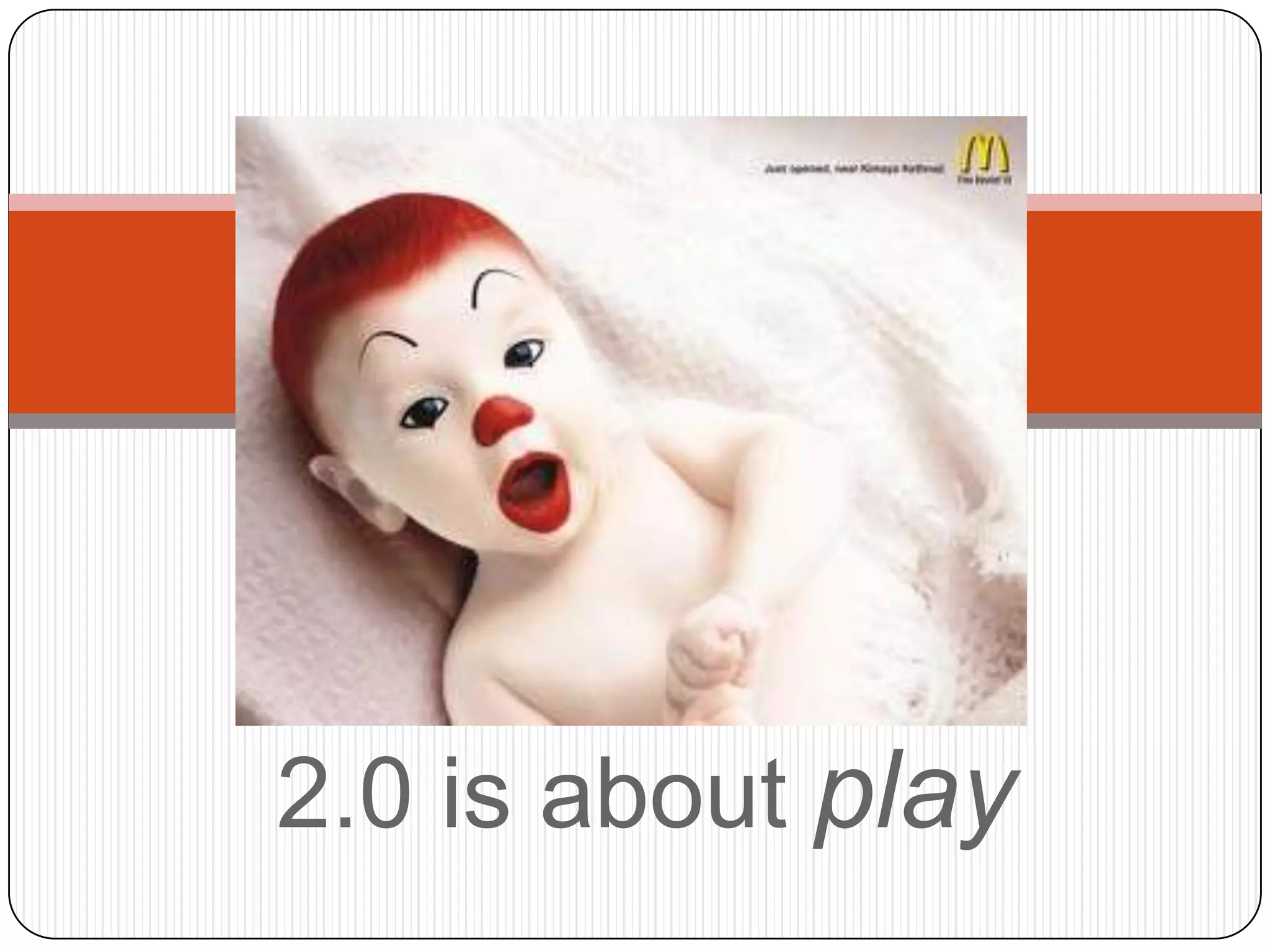
2.0 is about play
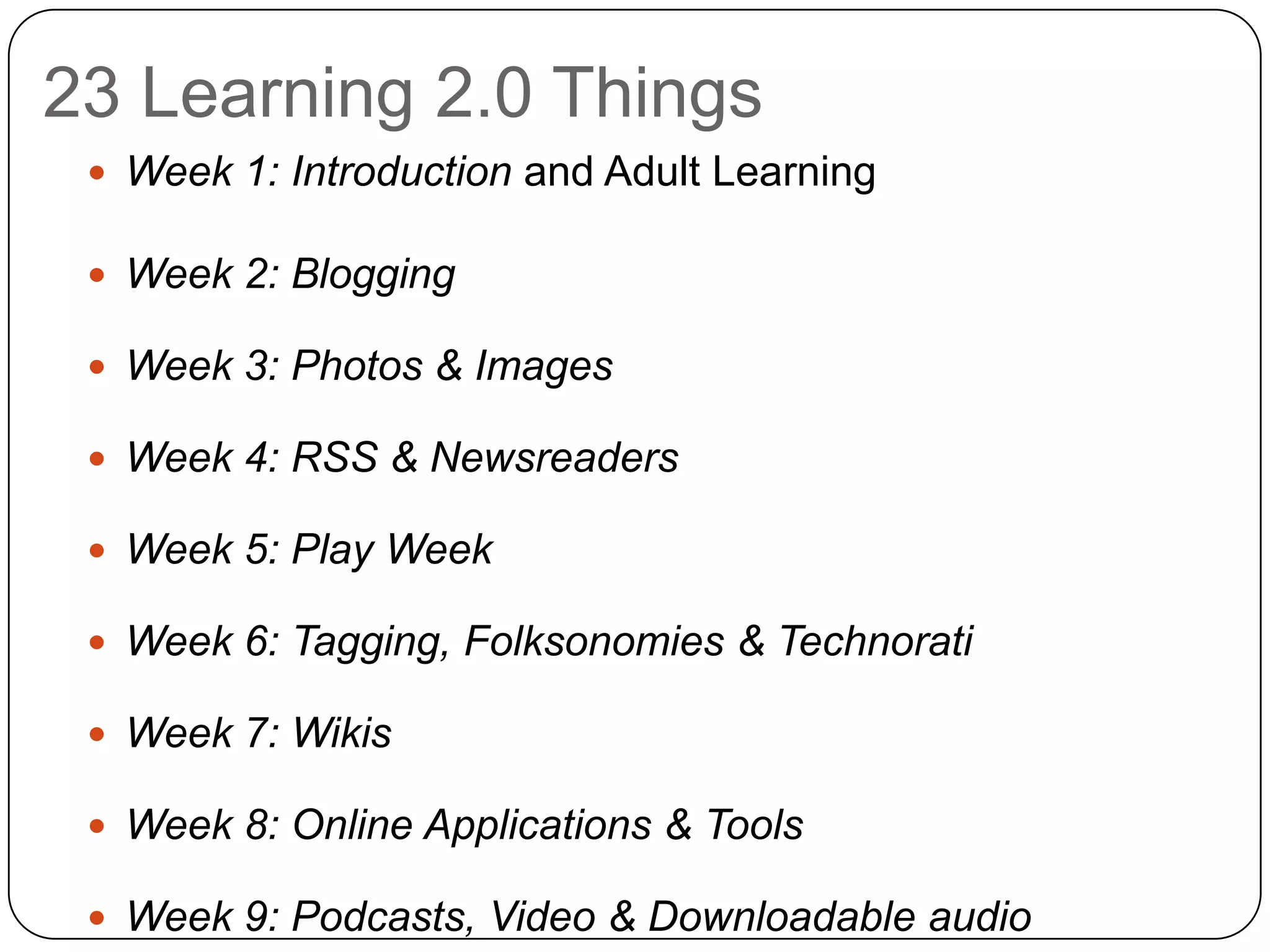
 23 Learning 2.0 ThingsWeek 1: Introduction and Adult LearningWeek 2: BloggingWeek 3: Photos & ImagesWeek 4: RSS & NewsreadersWeek 5: Play WeekWeek 6: Tagging, Folksonomies & TechnoratiWeek 7: WikisWeek 8: Online Applications & ToolsWeek 9: Podcasts, Video & Downloadable audio
Build a SandboxReal mobile devices: e-readers, iPods, MP3 players, video, smart phones, texters, Kindles, Sony Readers, etc.Podcasts, Streaming MediaSpecial PC’s: disability compliance, streaming media, IM groups, VR (both kinds)Gaming stations
Play
Be a Lab Rat!Experiment, continuously
Why should anyone collaborate with you?
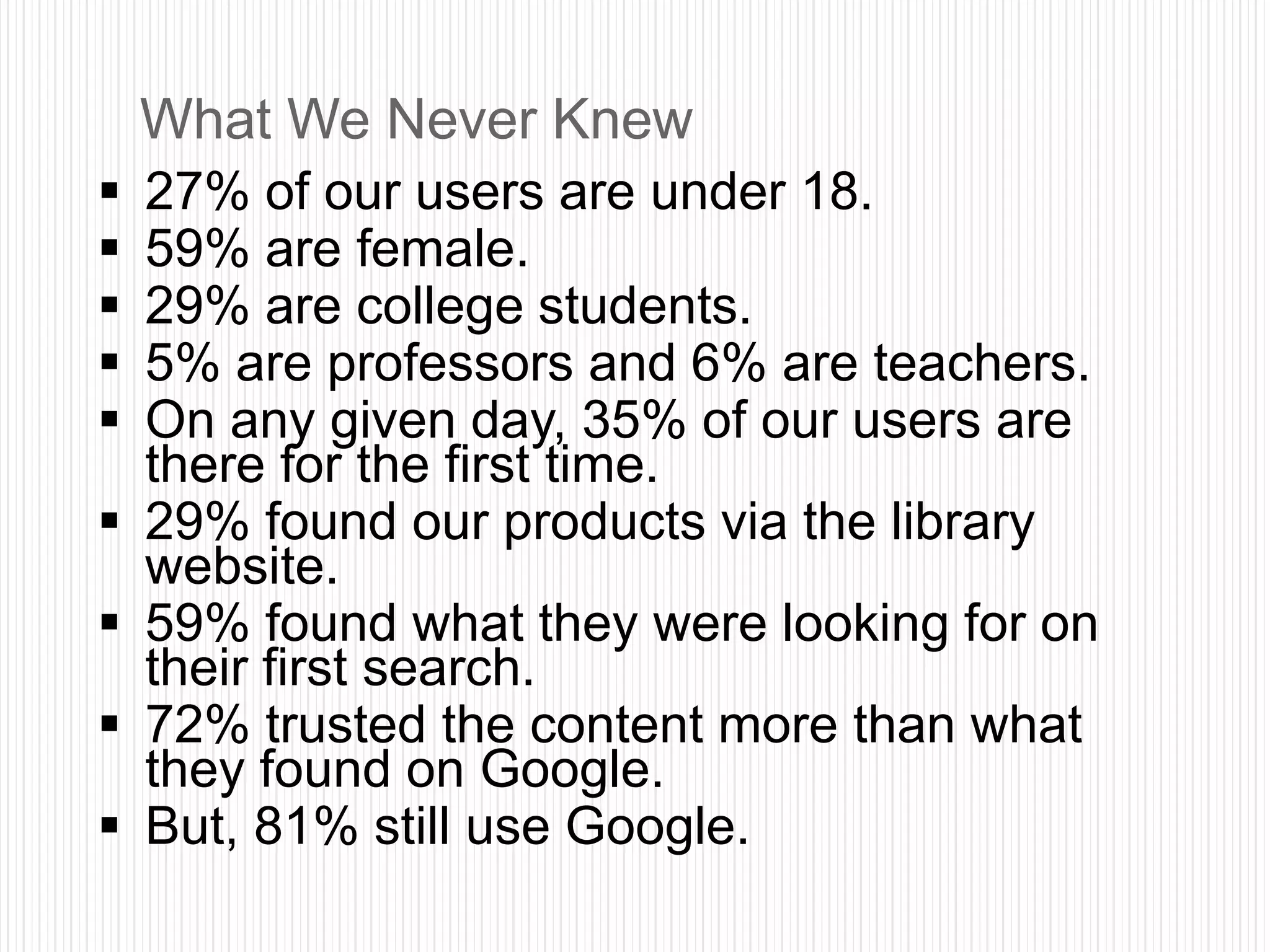
What We Never Knew27% of our users are under 18.
59% are female.

Manitoba LA 2010

  • 1.
    The Power ofLibrary Partnerships: Collaboration ThoughtsStephen Abram, MLS, FSLAManitoba Library Association ConferenceWinnipeg, MBMay 18, 2010
  • 3.
  • 5.
    The BIG Challenge“TheInternet has now progressed to its infancy”Search, Social Networks, Learning, Commerce
  • 7.
    What’s on yourminds?Usually a sense that something is not quite right….. Questioning of where functions fit….of roles….of responsibilities… Questioning of whether collaborative technologies “belong” in “work” Questioning of how to organize functions of a library when those functions are so engrained Questioning of where a job starts and stops…. of where work starts and stops…..of skills required for jobs….
  • 8.
    SlidesThese PPT slideswill be at my blog ‘Stephen’s Lighthouse’ http://stephenslighthouse.com
  • 9.
  • 11.
    Will we findour voice?BingGoogleFacebookSocial Media (Twitter)Libraries
  • 12.
    Differences in thePrivate and Public Sector Approaches to DevelopmentPublic SectorCollaborative advantage is the ideal
  • 13.
    Good service isthe key to long-term existence
  • 14.
    Focus on citizensand social contract
  • 15.
    Political agendas andgovernment imperatives
  • 16.
  • 17.
    Wise use oftax dollars
  • 18.
  • 19.
    Making a positiveimpact on society is a strong motivator
  • 20.
    Other departments, levelsof government, unions
  • 21.
  • 22.
    Focus on “process”PrivateSector Competitive advantage is the ideal
  • 23.
    Innovation is keyto long-term existence
  • 24.
    Focus on clientsand marketshare
  • 25.
  • 26.
  • 27.
  • 28.
  • 29.
    Economic success isa prime personal motivator
  • 30.
  • 31.
  • 32.
    Focus on “results”TheBeverly Hillbillies
  • 34.
    The Fork inthe Road
  • 35.
    Let’s be honestabout it.“Everything’s free and easy on the web. Why do we need libraries (and by extension librarians) anymore?Really? ? ? ? ? ? ?
  • 36.
    Let’s be honestabout it.“Everything’s free and easy on the web. Why do we need libraries (and by extension librarians) anymore?Who do they think built this stuff? (Google, Yahoo, Boole, Intranets evolve, CKO, etc.)CA’s and MBA’sThe law and lawyersMedicine and doctors and allied health professionsInformation and Knowledge Economy
  • 37.
    Do they loveus?The opposite of intelligence is stupidity.The opposite is love is indifference.The root of information is “to inform”The opposite of inform is to misinform.So, it follows that ad ranked information is manipulated. Organizations that depend on SEO driven relevance are manipulable.It’s getting stronger with geo-enabled search and results
  • 38.
    Where is theLeadership?
  • 39.
    What are thedrivers of change today?
  • 40.
    Our Future (90%probability)Libraries and their publishers/vendors are in a symbiotic relationship.The book isn’t dead. It’s just very different. Learn to live with this permanent change – especially Google in JuneNewspapers are dead. News isn’t. It costs more to print and distribute the New York Times annually than to give every subscriber a Kindle. (Let alone an iPhone application).Publishing models are in the midst of transformational change. New business models of added-value (e.g. Kindle for libraries, phone books.)The cost of delivery matters. Traditional media are too capital intensive. Models change, slow then fast.Libraries will not go away – they will be different. Bundles of services, changing physical space.Why should there be more than one library? The question isn’t, “What is the future of the book?” It should be “What are the behaviours and ecology of reading in the future?”Books – Flash and PDF, Second Life Books, Vanity publishing, Long Tail, Community publishing, Sound/Audio hybrids (transformational rights).Human understanding – Bloom’s taxonomy, Gardner, Genome (Shyness, dyslexia, etc.), MRI’s of reading, Eye tracking, etc.
  • 41.
    Economic Future (90%)Autoindustry in North America ends (assembly not manufacturing, distribution, repair, databases) Political influenceFinancial services will be completely re-made – re-regulation in US.Traditional industries are more knowledge based from an employment perspective (agriculture, mining, oil, energy, and manufacturing).Low wage economy is in hospitality, retail, transportation, tourism, etc.Newspapers are vanishing, magazines are in worse shape than is acknowledged. Book’s channels of manufacturing, distribution and sales are in upheaval.Broadcast media are reshaping (TV/Cable have 30% laptop in EU, 100% on phone in Japan/Korea) (TV white space – Google, June 2009) (Blockbuster & NetFlix failing), Long TailEducation and R&D are growing - eLearning and Distance Education (70% single mom’s, LS – SJSU, Syracuse + 10 others, iSchools)Major growth in medicine, healthcare, etc.Music is more than music – iTunes – SDI, Nature – Discovery Channel, audio-books, MP3, case lectures, Big 4 Music vs. web MP3 surrender 2011Gaming – not just games, Syracuse, largest publisher, military
  • 42.
    Library ResponsesIntegrated Collectiondevelopment – community, curriculum, learning, e-learningProductivity push – SaaS, real consortiaGaming – Wii, Military, Syracuse, Scott Nicholson, ALAPublic Good, national competitive advantage, private advantageEconomic advocacy, REAL competitive advantageFocus on FIND: Visual literacy and Faceted Search (Enterprise, Brainware, Endeca, Vivisimo, Grokker, AquaBrowser. Encore, Primo, VuFind...)Linked Data Organization: Taxonomies, Ontologies, Classification, etc.Social literacy, information literacy, Cautionary storiesSpecial collections, local history, IRsMuseology, curation, display, retail, Paco Underhill (NJ)Libraries protect reading and knowledge, social glue, not just books.Recommendations (Amazon, B&N, Borders, LibraryThing, BiblioCommons, Syndetics, ChiliFresh, SOPAC, VuFind, Delicious, Digg, etc.
  • 43.
    The ProvocationsLibrarians musttake personal responsibility for their professional development.Librarians must be their own advocates, not victims. No one is going to do this for us. Collection development must be patron-centric and largely patron initiated. (Over-borrowed analysis)Rethink ownership – on-demand, rental, lease, license, Google API, SD API, hybrid models.Network metadata – OCLC, WorldCat Local, NDP, LibraryThing, LC MARC, Google Scholar, etc.)Understand KM and ecosystemsCommunity ecology management – economic, social glue, education, crime, learning 5%, partnershipsUnmediated transactions (Circ, ILL, reference) vs. Mediated transformations (research, instruction, storytelling, etc.)ROI on membership organizations (ALA, PLA, SLA, CLA, CASLIS)Retirement opportunity (intergenerational mentoring – train.)Rethink buildings (multiple models, space, WiFi, transitional space, information commons, our organization structures vs. their needs, Community Centers, learning commons.
  • 44.
    The New NormalSinglecore community service portal with branch customizationFully integrated virtual and physical strategiesFully integrated electronic and hard copy collections.Integrated discovery mechanisms – not a single box.Multiple display options based on learning styles and demography.Multicultural, multilingual, multi-ethnic, (Unicode) The dominant culture mindset is dysfunctional – mosaic or melting pot.Text increases and grows but loses overall market share to experiences (gaming), auditory (podcasts and music), Visual (Flickr, pictures), Graphic (charts, graphs, etc.), Moving images (YouTube, Hulu).Silos disintegrate (Special, Government, PL, AL, CL, SL, Mil, K-12, etc.)Instruction, coaching, learning and community as core service strategies.Social glue – loneliness, connection, alienation.SaaS, API – user experience vs. infrastructure – new tech linked-data mindsetConsortial, multi-type real collaboration - not just buying groups or collectives for OCLC records – but true collaboration
  • 45.
    Are you readyforreal collaboration,beyondcooperation?
  • 46.
    Some Change AgentExamplesKnowledge OntarioThe Alberta LibraryWYLD in WyomingCKRN (CNSLP)LYRASIS (lately)InfOhio
  • 47.
    Innovation Audit QuestionsIsyour organization and governance aligned with change, evolution or revolution needs? (pilots, trials, cross-functional, teams)What are the barriers to change in your organization? What are you doing about it? (Hiring, firing, retirements, reorganization, training, culture shaping).What does your organization innovation scan get you? (Opportunities, can’t work here, why?)How do you choose and schedule? Proactive new priorities are chosen, they don’t occur organically except when reactive (e.g. Cars).How innovative are your influencing strategies?
  • 48.
    Two Kinds ofLibrary Folk
  • 49.
  • 50.
    The questions fororganizationsHow should we be organized to best interact with & delight our clients or patrons?How should we be organized to make the best decisions in the least amount of time?Rephrased…How should people be working together, collaborating, discussing & making decisions?imho
  • 51.
    Organization Structure BasicsPaststructures are not effective for present or future work processesGenerally, the younger the staff, the more comfortable with technology, collaboration; more uncomfortable with top-down, “how did they get to that?” decisionsTechnology impacts organizations; how it impacts depends on people Small, agile groups move faster than large bureaucraciesLeadership & followership are CSF’s85/15 rule: process & structure problems beat people problems hands down Jim Clemmer in Firing on all Cylinders
  • 52.
    CultureIs there somethingabout the culture of libraries that needs to be saved and something that needs to be discarded?
  • 53.
    Organization Design PrinciplesFormfollows functionFunctions change quicklyForm drives behaviorReporting relationships create “ties that bind”Collaboration decreases as distance & priorities increase
  • 54.
    Organization Design Principles Organizational forms are tools for shaping your work processes & employee relationships to support your strategic priorities
  • 55.
    Organization FocusStructure shouldcreate an organizational focus on the right issues at the right timeWhat IS the library’s main focus?
  • 56.
  • 57.
    Imperative that weuse the devices, not vice-versa Ask not what the technology can do for the organization, ask what the organization wants the technology to do for the people
  • 58.
    2.0 libraries2.0 toolboxAccessyour 2.0 Toolbox Blog LoginMore Info on the 2.0 Toolbox FAQHelp ResourcesBlogs @ the 2.0 ToolboxWikis @ the 2.0 Toolboxblog archives AboutAdmin StuffBlogsSite AdminWikis
  • 59.
    What I’m finding2.0libraries are realigning staff on a team-by-team basisThey transcend their physical space and funding bodiesThey recognize it’s the people skills & approach that matter the mostThey know the larger organizational issues have to be addressed, but….
  • 60.
    2.0 critical successfactorDesign the structure to exploit the library’s uniqueness, services & people and…..focus on the issues
  • 61.
    2.0 HierarchiesOh yeah! Flexible & adaptive“fulfill our deep needs for order & security..show us how we are climbing….give us identity…”Leavitt, HBR, March 2003But! Can lead to power-abuse, dishonesty, territory posturing, fear & complacency
  • 62.
    Who is lookingat this?Tom Davenport – Harvard Business Review decision-making, knowledge management & process design
  • 63.
    dubious of 2.0tools changing structure in the near term
  • 64.
    http://blogs.harvardbusiness.org/davenport/Andrew McAfee –Harvard Business Schooltechnology perspective
  • 65.
    hopeful for theempowering possibilities of 2.0
  • 66.
    http://andrewmcafee.org/blog/The future ofwork.net especially their /blogbased on Charlie Grantham’s Future of Work book (great)4. Jessica Lipnack – author of Virtual Teamshttp://endlessknots.netage.com/ - fantastic
  • 67.
    OrgScope & workingpapersWho is looking at this?“a dynamic flow of power and authority based on trust, knowledge, credibility and a focus on results enabled by interconnected people and technology.” http://blog.wirearchy.com/Jon HusbandTechno-anthropologist
  • 68.
    Should you beasking those questions?“Good people in a poorly designed organizational structure fail, while average people in a healthy organization succeed.”N. Dean Meyer and AssociatesStructure that is not supportive or strategic will never succeed, regardless of technology
  • 69.
    So what arethe tools?What is the future architecture of work?
  • 70.
  • 71.
  • 72.
  • 74.
  • 75.
  • 76.
  • 77.
  • 78.
    Get Good atThe Cloud
  • 79.
  • 80.
  • 81.
  • 82.
  • 84.
  • 85.
  • 86.
  • 87.
    Be Where YourUsers Are
  • 88.
  • 90.
    How should Iget there from here?
  • 91.
  • 92.
    23 Learning2.0 ThingsWeek 1: Introduction and Adult LearningWeek 2: BloggingWeek 3: Photos & ImagesWeek 4: RSS & NewsreadersWeek 5: Play WeekWeek 6: Tagging, Folksonomies & TechnoratiWeek 7: WikisWeek 8: Online Applications & ToolsWeek 9: Podcasts, Video & Downloadable audio
  • 93.
    Build a SandboxRealmobile devices: e-readers, iPods, MP3 players, video, smart phones, texters, Kindles, Sony Readers, etc.Podcasts, Streaming MediaSpecial PC’s: disability compliance, streaming media, IM groups, VR (both kinds)Gaming stations
  • 94.
  • 95.
    Be a LabRat!Experiment, continuously
  • 96.
    Why should anyonecollaborate with you?
  • 97.
    What We NeverKnew27% of our users are under 18.
  • 98.
  • 99.
  • 100.
    5% are professorsand 6% are teachers.
  • 101.
    On any givenday, 35% of our users are there for the first time.
  • 102.
    29% found ourproducts via the library website.
  • 103.
    59% found whatthey were looking for on their first search.
  • 104.
    72% trusted thecontent more than what they found on Google.
  • 105.
    But, 81% stilluse Google.Achieving ScaleEncyclopedia.comAccessMyLibrary App – public librariesAccessMyLibrary App – K-12 librariesHighBeamQuestiaFree WebsitesFree WidgetsFacebook widgetsAdvocacy
  • 108.
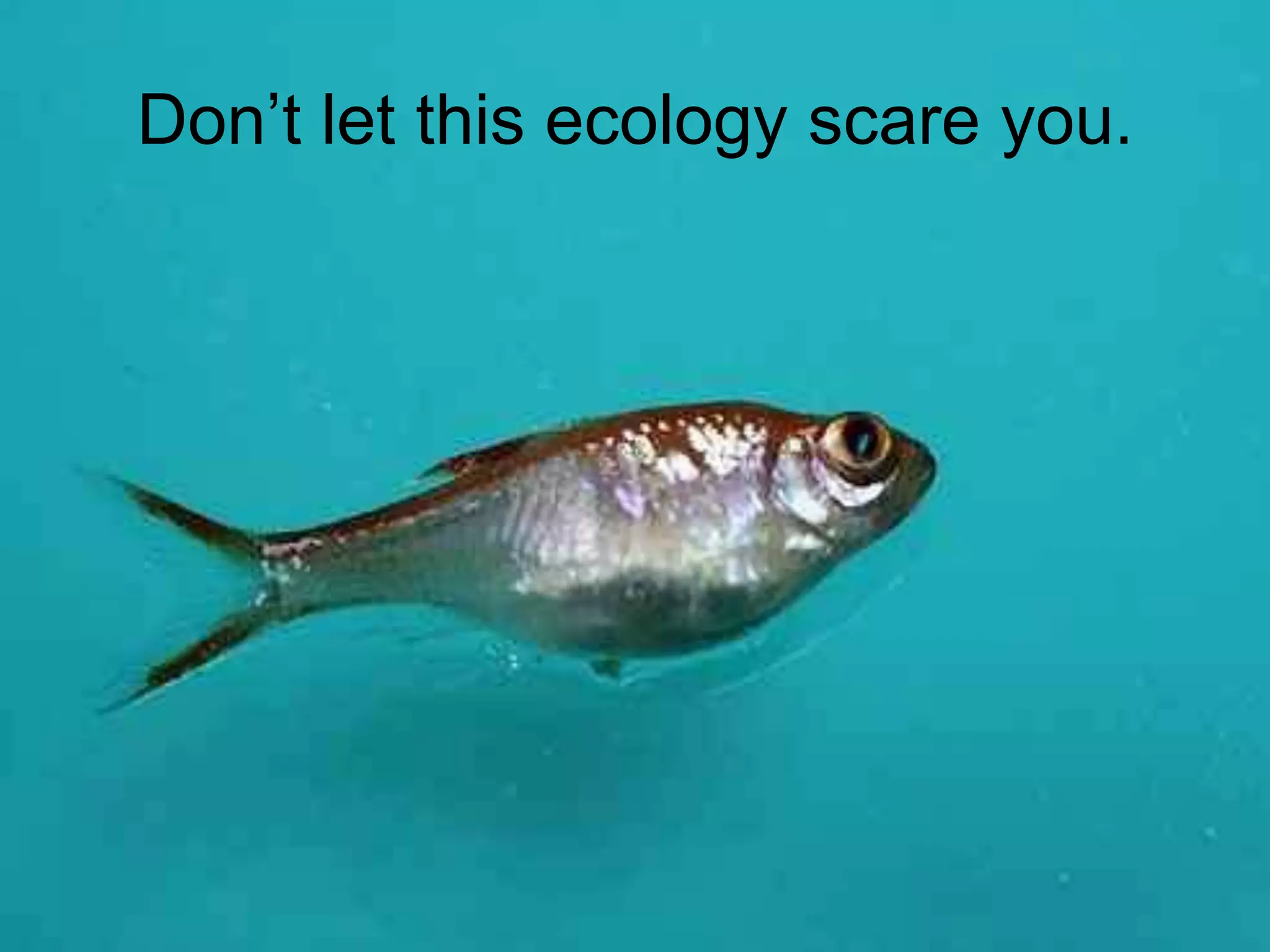
    Don’t let thisecology scare you.
  • 120.
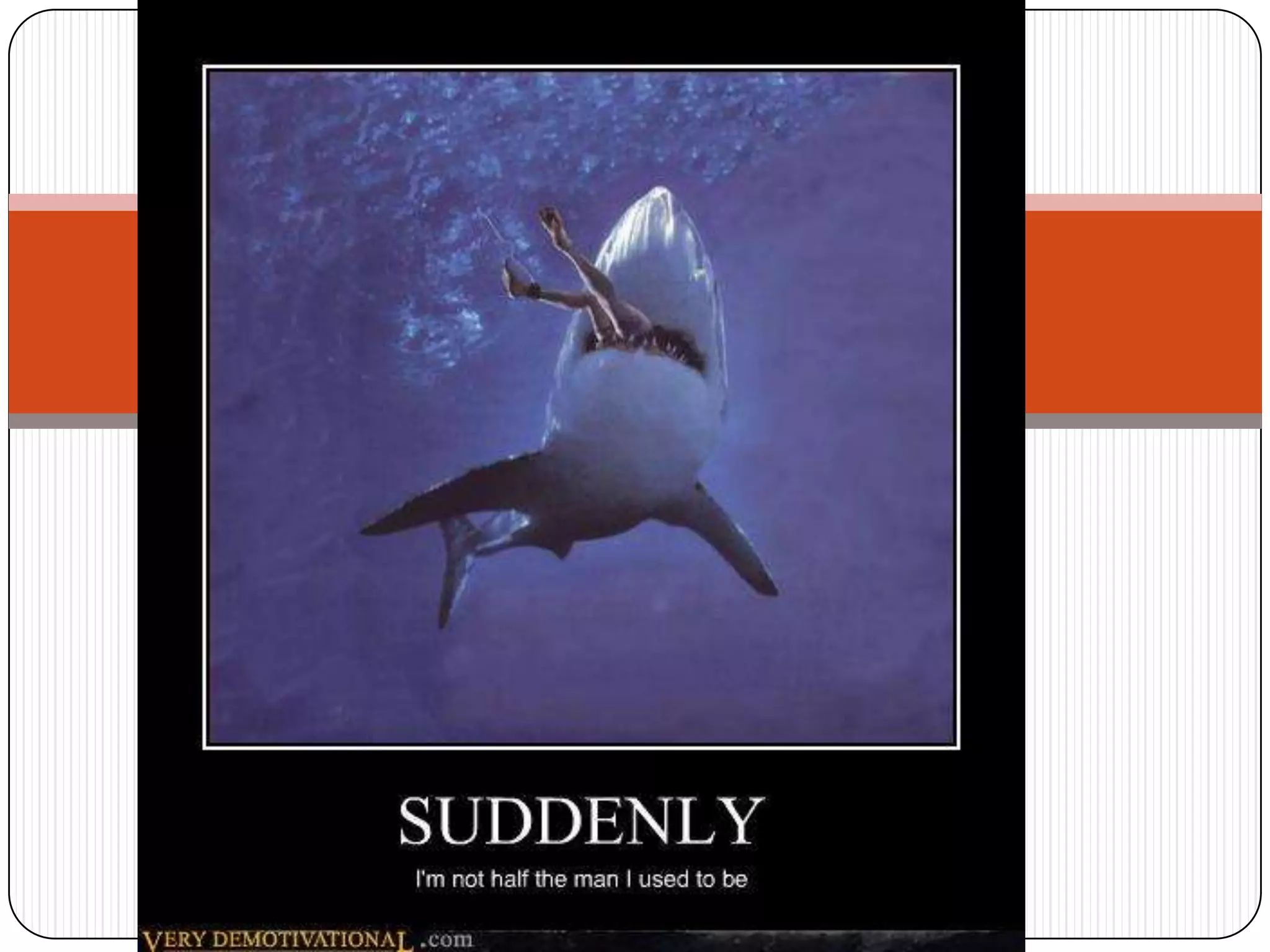
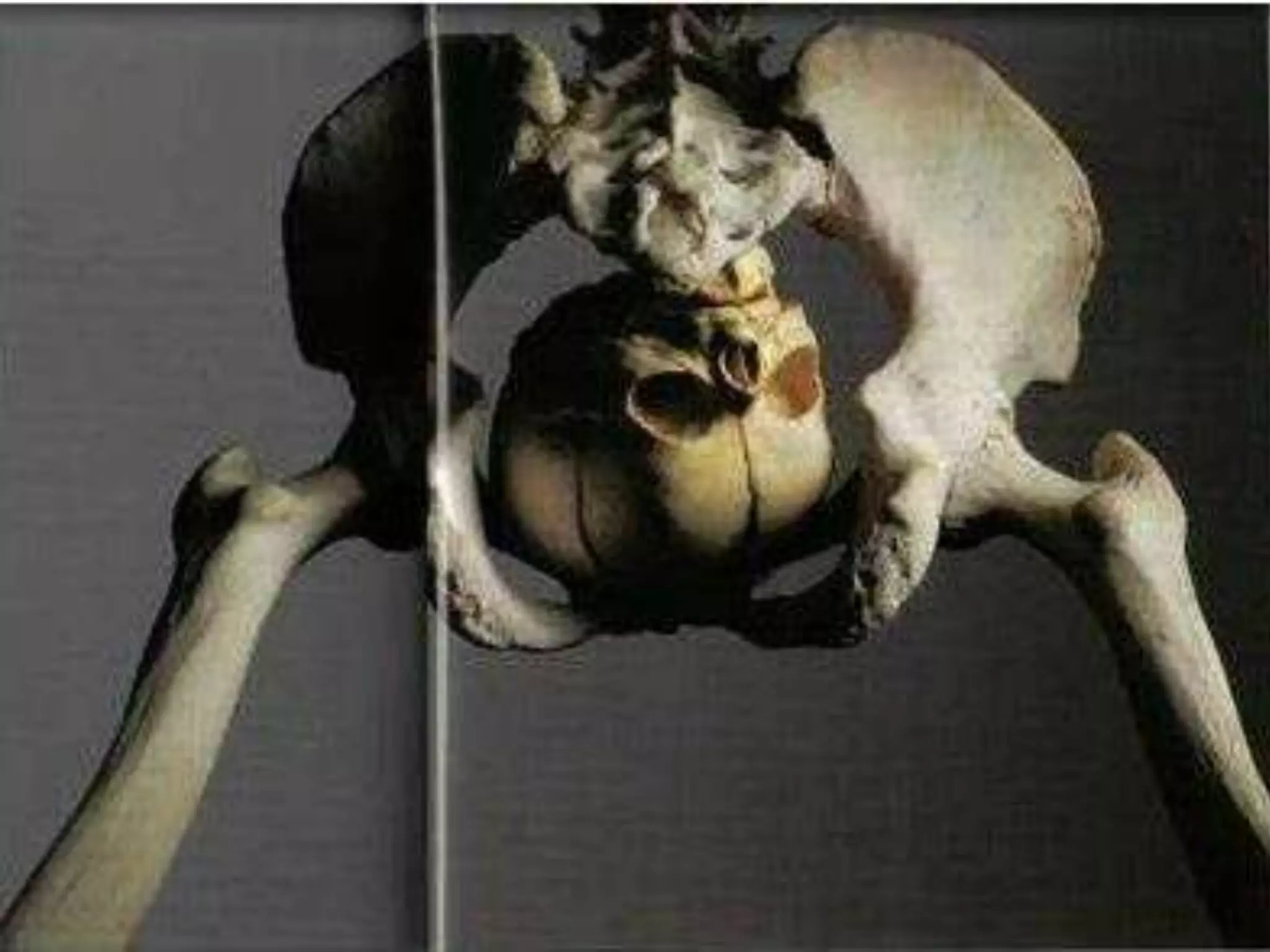
    What is thescariest scenario?I have an archaeology background . . .
  • 128.
    Thanks!Stephen Abram, MLS,FSLAVP Strategic partnerships and marketsGale Cengage LearningCel: 416-669-4855stephen.abram@cengage.comhttp://www.gale.comStephen’s Lighthouse Bloghttp://stephenslighthouse.com