















Head in the Clouds: Technology in Libraries
                             Stephen Abram MLS
                            Netspeed Conference
                                   Oct. 19, 2012
The prime directive:
It’s not about technology
This morning . . .
I  want to share a 2020 vision of what
  the world of libraries, information and
  learning should look like.
 I want to point to the 23 puzzle pieces
  that have emerged in the past decade
  that will materially affect our opportunity
  and success.
The Opportunity
 To  choose our future and create it, not
  be victims of a juggernaut.
 Let’s not compete with Google, Bing
  and Facebook!
 Let’s complement them based on our
  strengths and their weaknesses.
 The last few times I did this with Roy
  Tennant, Gary Price, etc. we . . .
The Market Weaknesses…
 Or Opportunity holes
 Commercial algorithm
 SEO, SMO
 The Content Spam Industry
 Follow Panda, Penguin, Blekko, etc.
 Ads, sponsored links, …
 Loss of “control”
 Quality versus selection
But first . . .
Some context...
Principles

Access means putting knowledge
anywhere and everywhere
 it will be found & used by our customers.
Understand the difference between
physical access and intellectual access
Principles

Collaboration is
- the keystone of Knowledge,
- it requires that we partner with users,
- outcome driven – it’s the way the client uses & shares
- crosses and blurs lines
Principles

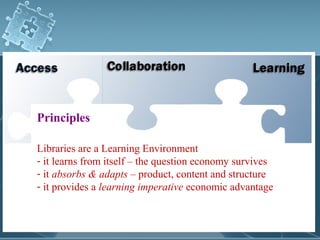
Libraries are a Learning Environment
- it learns from itself – the question economy survives
- it absorbs & adapts – product, content and structure
- it provides a learning imperative economic advantage
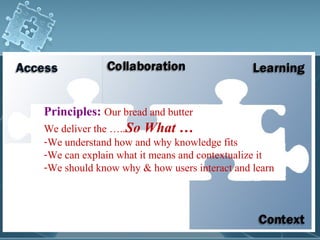
Principles: Our bread and butter
We deliver the …..So What …
-We understand how and why knowledge fits
-We can explain what it means and contextualize it
-We should know why & how users interact and learn
-We’ve got it
-We can get it
-We know how to deliver it
Principles …..More Bread and Butter
• We have it
• We can deliver it
• We know how to use it
• We can organize it so it fits user’s needs and context
Libraries

•Informing, Learning, Sharing, Discovering, Socializing…
Principles

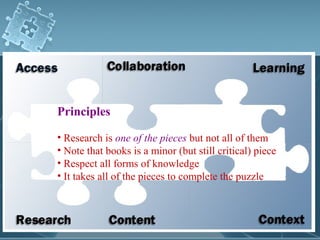
• Research is one of the pieces but not all of them
• Note that books is a minor (but still critical) piece
• Respect all forms of knowledge
• It takes all of the pieces to complete the puzzle
Principles

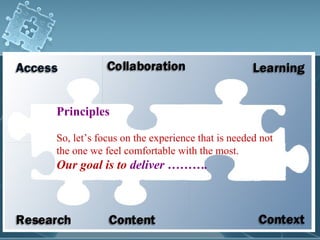
So, let’s focus on the experience that is needed not
the one we feel comfortable with the most.
Our goal is to deliver ……….
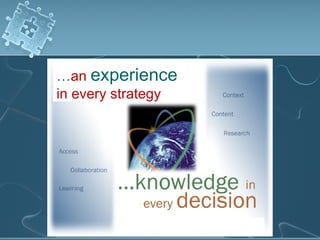
…an experience
in every strategy
Library Megatrends
Trends Differ by Library
                 Sector
 All  will be affected to a greater or lesser
    degree by these trends and the impact will
    be different but all are relevant to:
•   Public Libraries
•   Academic Research Libraries
•   Community College Libraries
•   School Libraries
•   Specialized Libraries
•   Consortia
Content Fragmentation
   Digitization’s real impact – non-fiction
   Format
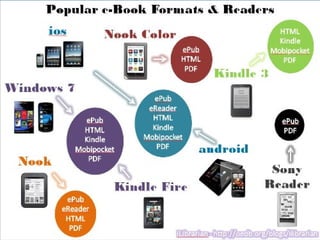
        Print, ePUB, PDF, Kindle, etc. etc.
        CD, DVD, USB, etc. etc.
        Streaming
        Licenses, Open Access, Creative Commons, etc.
    etc.
   eBooks
   eJournals
   eContent
   Copyright Issues (NatGeo, Tasini, TPP, ACTA, SOPA,
    etc. etc.)
   Author Lawsuits
   Citation fragmentation
Beyond Text
   Text
   Graphics & Charts
   Formulae
   Pictures
   Maps
   Video
   Audio
   Gamification
   Deep Data Mining
   Sharing – notes, highlights, reviews, opinions,
    corrections, commentary
   Assessments
   Soundtracks
   Etc. etc.
Walled Gardens
 ILS
 CMS
 Cloud(s)
 Device dependencies
 Format dependencies (e.g. Kindle or PDF)
 Amazon
 Apple


 ADVICE     ...
Learning Object Diversification
         and Fragmentation
 Textbooks
 eLearning
 Learning  Management Systems & PLEs
 Cohort Learning Environments
 Presentation Systems
 Virtual Conference Environment
 Personal Learning Environments
 Collaboration Software
 MOOCs
End User Fragmentation

 Teens  / Post-Millennials
 Millennials
 Other demographics
 Business versus Consumer
 The Device Divide
 Mobility
 Haves and Have-nots
Search Fragmentation
   Consumer Search
   Specialized Search
   Professional Search
   Semantic, Sentiment, Suggestion Search etc.
   Mobile search
   Social search
   Augmented Reality
   SEO
   SMO
   Content Spam
   Geo-location
Technology Fragmentation
 Feature  Phones
 Smartphones
 Tablets
 Laptops
 Desktops
 Gaming stations
 Television
 E-Readers
 Internet of Things
 Browsers
The polarization of
discussion


Black and White
Dogmatic vs. Professional positions
on: eBooks, access, copyright, etc.
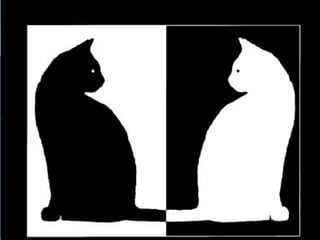
Black & White
Recognize key shifts
Academic Research Libraries
   eLearning
   Repositories
   Content Archipelagos
   LibGuides
   Patron-driven acquisitions
   Information Fluency
   Demarcation between Undergrad, Grad and
    Faculty/Staff strategies
   Copyright compliance
   E-Coursepacks and e-Reserves
   Strategic budgeting
   Partnerships
Community College and
          Undergrad
 Information  Literacy
 Distance education and eLearning
 Textbooks, Reserves, Coursepacks, e-
  all
 MOOCs
 Mobility
 Collections for new degrees and
  certifications
School Libraries

 Common    Core
 21st Century Learning
 Future of the textbook
 Scaffolded Information Literacy / Fluency
 Filters
 Staff and Faculty relationships
 Classroom pages
Specialized Libraries

 Intranets
 MS SharePoint
 Relationship building
 Embedded Librarianship
Public Libraries
   Recommendations (LibraryThing for Libraries,
    BiblioCommons, BookPsychic (Portland (Maine) PL)
   eBook issues and device training
   Community Glue
   Economic Impact
   Patron-driven acquisitions
   Experience Portals
   Programs
   Partnerships
   Education and Learning
   Literacy of all kinds
Consortia: Next Step
            Cooperation
 DPLA
 LibraryRenewal
 EveryLibrary.org Advocacy PAC
 OCLC Linked Data, Trove
 CULC eBook Project (Canada)
 3M e-books (Penguin, CALIFA,
  Douglas County initiatives)
 Cloud initiatives
So what is the answer?
Where are the real pain points?
Grocery Stores
Grocery Stores
Grocery Stores
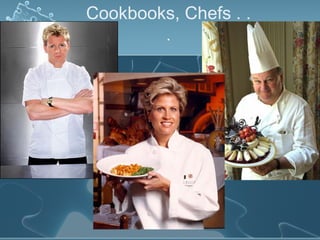
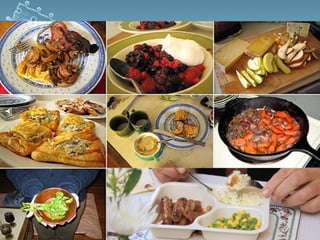
Cookbooks, Chefs . . .
Cookbooks, Chefs . .
        .
Meals
What is a library experience?

What differentiates an experience from a transaction?
    What is an EXPERIENCE?
     What differentiates libraries from Google/Bing?
The Evolution
of Answers
Why do people ask
   questions?


Is your library experience conceptually organized around answers and programs?
Or collections, technology and buildings?
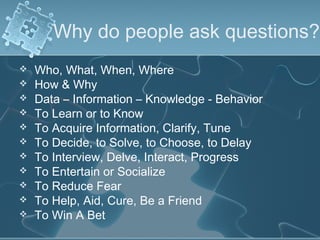
Why do people ask questions?
   Who, What, When, Where
   How & Why
   Data – Information – Knowledge - Behavior
   To Learn or to Know
   To Acquire Information, Clarify, Tune
   To Decide, to Solve, to Choose, to Delay
   To Interview, Delve, Interact, Progress
   To Entertain or Socialize
   To Reduce Fear
   To Help, Aid, Cure, Be a Friend
   To Win A Bet
What are your top 10-20
questions?
What is the service portfolio
model that goes with those?
The top 23 most transformational bits
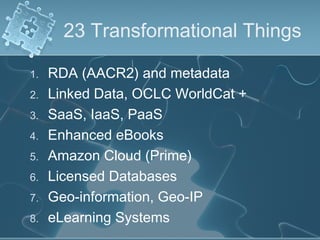
23 Transformational Things

1.   RDA (AACR2) and metadata
2.   Linked Data, OCLC WorldCat +
3.   SaaS, IaaS, PaaS
4.   Enhanced eBooks
5.   Amazon Cloud (Prime)
6.   Licensed Databases
7.   Geo-information, Geo-IP
8.   eLearning Systems
23 Transformational Things

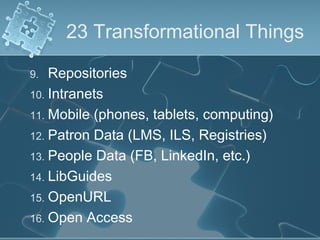
9.  Repositories
10. Intranets
11. Mobile (phones, tablets, computing)
12. Patron Data (LMS, ILS, Registries)
13. People Data (FB, LinkedIn, etc.)
14. LibGuides
15. OpenURL
16. Open Access
23 Transformational Things

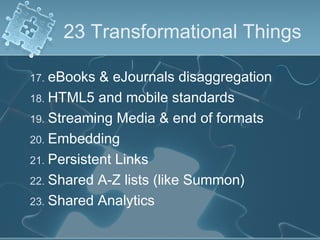
17. eBooks  & eJournals disaggregation
18. HTML5 and mobile standards
19. Streaming Media & end of formats
20. Embedding
21. Persistent Links
22. Shared A-Z lists (like Summon)
23. Shared Analytics
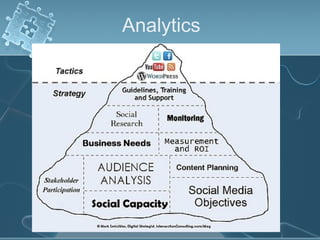
Analytics
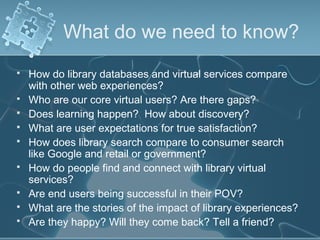
What do we need to know?
   How do library databases and virtual services compare
    with other web experiences?
   Who are our core virtual users? Are there gaps?
   Does learning happen? How about discovery?
   What are user expectations for true satisfaction?
   How does library search compare to consumer search
    like Google and retail or government?
   How do people find and connect with library virtual
    services?
   Are end users being successful in their POV?
   What are the stories of the impact of library experiences?
   Are they happy? Will they come back? Tell a friend?
Techno-Agnosticism
 Browsers: IE, Chrome, Firefox, Safari…
 Devices: Macintosh, PC Desktops & Laptops…
 Mobile: Laptops, Tablets (iPad, Fire, etc.)…
 Mobile: Smartphones (iPhone, Blackberry,
  Android, Windows, etc.)…
 Container: PDF, ePub, .mobi, Kindle, etc.
 Learning Management System: Blackboard,
  WebCT, Angel, D2L, Moodle, Sakai, etc.
 Purchasing (Amazon, B&N, Chegg, Chapters
  Indigo, CengageBrain, Apple Store, University
  Textbook Store, etc.)
Alignment & Scary Players
 If   libraries don’t develop it, who will?
    Apple   (iTunes, iPhone, App Store, iBooks
     …)
    Bookish, Pottermore, etc.
    Amazon (Prime, Cloud, Kindle…)
    Microsoft (8, Mobile)
    Google (Android, Ads, …)
    Facebook (F8, Apps, Privacy…)
    … LinkedIn, Twitter, Pinterest, etc.
    Blackboard, MOOCs, LMS, etc.
And, this should all be
invisible to the user.
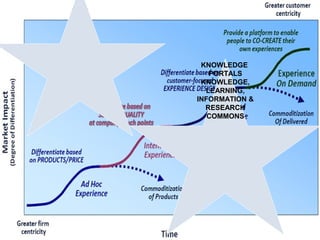
KNOWLEDGE
   PORTALS
 KNOWLEDGE,
  LEARNING,
INFORMATION &
  RESEARCH
   COMMONS
Small Successes
 TROVE   (Australia)
 Bibliocommons
 LibraryThing, BookPsychic
 Google Books and WorldCat
 LibGuides
 Gale’s ed2go
 Cengage’s MindTap
 PowerSearch 2012 Algorithm
Putting our money where ...
   eTextbooks
                                     Our  Principles:
   GVRL exploded
   AccessMyLibrary                  Device Agnostic
   MindTap                          Browser Agnostic
   ed2go                            No Walled Gardens
   In Context                       SEO free
   Biography in Context
                                     Ad free
   Opposing Viewpoints
                                     More Analytics
   GREENR
   Career Transitions
   National Geographic Archive +
   ECCO, NCCO, PQ’s EEBO
The Virtuous Continuum
                  “Information only becomes knowledge
                    through a process called learning”
 Data
 Information
 Knowledge
 NOT    WISDOM
Behaviour
Short Term Benefits
 Reduce    the overhead of the back room
 Increase effectiveness and efficiency
 Reduce effort on strategically
  misaligned activities
 Free up scarce library programmers for
  efforts aligned with goals
 Align effort with vision and strategy
 Invest in staff professional development
  and understanding
Long Term Benefits
 Viable alternative to Google, Bing, and
  Facebook
 Real immersive discovery targeted at real
  problems in context
 Neutrality rulez on devices
 Move beyond retrieval to research impact
 Research, curriculum, learning, and
  community alignment
 Sustainable competitive advantage
In order to achieve success,
         library culture must . . .
 Avoid B&W thinking       Be  agnostic
 Avoid dogma &            Avoid polarization
  fanboyism                 and be comfortable
 Be agile & nimble         with shades of grey
 Be experimental          Collaborate, really.

 Temper risk              Embrace

  management with trial     boundarylessness
  and error                Allow analytics to
 Move experiments into     push progress and
  wider adoption            impact
In order to achieve success,
          library culture must . . .
 Focus   on the users in    Invest  in scalable
  context                     solutions
 Avoid broad-based          Focus on Sustainability
  retail consumer            Move from craft to
  strategies                  industrial strength –
 Ask ourselves: “Is this     stop hand-knitting
  good for the whole eco-     every sweater
  system of information,     Don’t fear the BIG
  learning and                vision.
  communities?”              Stick to it.
 Be open
Support Risk and
  Experiments
Take back
the
Strategy:
Rebalance
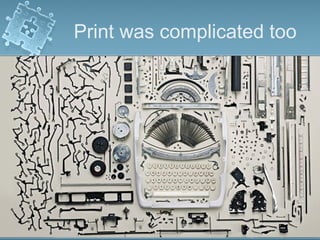
Print was complicated too
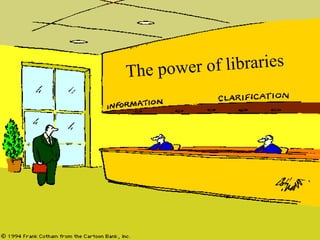
The power of libraries
Libraries are the
     Third Path
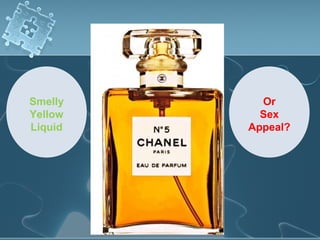
Smelly     Or
Yellow     Sex
Liquid   Appeal?
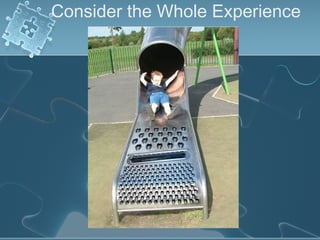
Consider the Whole Experience
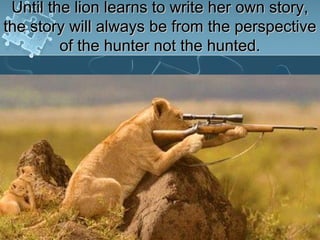
Until the lion learns to write her own story,
the story will always be from the perspective
         of the hunter not the hunted.
Stephen Abram, MLS, FSLA
VP strategic partnerships and markets
               Cengage Learning (Gale)
                    Cel: 416-669-4855
        stephen.abram@cengage.com
           Stephen’s Lighthouse Blog
       http://stephenslighthouse.com
             Facebook: Stephen Abram
     LinkedIn / Plaxo: Stephen Abram
                       Twitter: sabram
           SlideShare: StephenAbram1

Netspeed2012

  • 1.
    Head in theClouds: Technology in Libraries Stephen Abram MLS Netspeed Conference Oct. 19, 2012
  • 2.
    The prime directive: It’snot about technology
  • 3.
    This morning .. . I want to share a 2020 vision of what the world of libraries, information and learning should look like.  I want to point to the 23 puzzle pieces that have emerged in the past decade that will materially affect our opportunity and success.
  • 5.
    The Opportunity  To choose our future and create it, not be victims of a juggernaut.  Let’s not compete with Google, Bing and Facebook!  Let’s complement them based on our strengths and their weaknesses.  The last few times I did this with Roy Tennant, Gary Price, etc. we . . .
  • 6.
    The Market Weaknesses… Or Opportunity holes  Commercial algorithm  SEO, SMO  The Content Spam Industry  Follow Panda, Penguin, Blekko, etc.  Ads, sponsored links, …  Loss of “control”  Quality versus selection
  • 7.
    But first .. . Some context...
  • 9.
    Principles Access means puttingknowledge anywhere and everywhere it will be found & used by our customers. Understand the difference between physical access and intellectual access
  • 11.
    Principles Collaboration is - thekeystone of Knowledge, - it requires that we partner with users, - outcome driven – it’s the way the client uses & shares - crosses and blurs lines
  • 13.
    Principles Libraries are aLearning Environment - it learns from itself – the question economy survives - it absorbs & adapts – product, content and structure - it provides a learning imperative economic advantage
  • 15.
    Principles: Our breadand butter We deliver the …..So What … -We understand how and why knowledge fits -We can explain what it means and contextualize it -We should know why & how users interact and learn
  • 16.
    -We’ve got it -Wecan get it -We know how to deliver it
  • 17.
    Principles …..More Breadand Butter • We have it • We can deliver it • We know how to use it • We can organize it so it fits user’s needs and context
  • 19.
    Libraries •Informing, Learning, Sharing,Discovering, Socializing…
  • 20.
    Principles • Research isone of the pieces but not all of them • Note that books is a minor (but still critical) piece • Respect all forms of knowledge • It takes all of the pieces to complete the puzzle
  • 21.
    Principles So, let’s focuson the experience that is needed not the one we feel comfortable with the most. Our goal is to deliver ……….
  • 22.
  • 23.
  • 24.
    Trends Differ byLibrary Sector  All will be affected to a greater or lesser degree by these trends and the impact will be different but all are relevant to: • Public Libraries • Academic Research Libraries • Community College Libraries • School Libraries • Specialized Libraries • Consortia
  • 25.
    Content Fragmentation  Digitization’s real impact – non-fiction  Format  Print, ePUB, PDF, Kindle, etc. etc.  CD, DVD, USB, etc. etc.  Streaming  Licenses, Open Access, Creative Commons, etc. etc.  eBooks  eJournals  eContent  Copyright Issues (NatGeo, Tasini, TPP, ACTA, SOPA, etc. etc.)  Author Lawsuits  Citation fragmentation
  • 26.
    Beyond Text  Text  Graphics & Charts  Formulae  Pictures  Maps  Video  Audio  Gamification  Deep Data Mining  Sharing – notes, highlights, reviews, opinions, corrections, commentary  Assessments  Soundtracks  Etc. etc.
  • 27.
    Walled Gardens  ILS CMS  Cloud(s)  Device dependencies  Format dependencies (e.g. Kindle or PDF)  Amazon  Apple  ADVICE ...
  • 28.
    Learning Object Diversification and Fragmentation  Textbooks  eLearning  Learning Management Systems & PLEs  Cohort Learning Environments  Presentation Systems  Virtual Conference Environment  Personal Learning Environments  Collaboration Software  MOOCs
  • 29.
    End User Fragmentation Teens / Post-Millennials  Millennials  Other demographics  Business versus Consumer  The Device Divide  Mobility  Haves and Have-nots
  • 30.
    Search Fragmentation  Consumer Search  Specialized Search  Professional Search  Semantic, Sentiment, Suggestion Search etc.  Mobile search  Social search  Augmented Reality  SEO  SMO  Content Spam  Geo-location
  • 31.
    Technology Fragmentation  Feature Phones  Smartphones  Tablets  Laptops  Desktops  Gaming stations  Television  E-Readers  Internet of Things  Browsers
  • 34.
    The polarization of discussion Blackand White Dogmatic vs. Professional positions on: eBooks, access, copyright, etc.
  • 35.
  • 40.
  • 41.
    Academic Research Libraries  eLearning  Repositories  Content Archipelagos  LibGuides  Patron-driven acquisitions  Information Fluency  Demarcation between Undergrad, Grad and Faculty/Staff strategies  Copyright compliance  E-Coursepacks and e-Reserves  Strategic budgeting  Partnerships
  • 42.
    Community College and Undergrad  Information Literacy  Distance education and eLearning  Textbooks, Reserves, Coursepacks, e- all  MOOCs  Mobility  Collections for new degrees and certifications
  • 43.
    School Libraries  Common Core  21st Century Learning  Future of the textbook  Scaffolded Information Literacy / Fluency  Filters  Staff and Faculty relationships  Classroom pages
  • 44.
    Specialized Libraries  Intranets MS SharePoint  Relationship building  Embedded Librarianship
  • 45.
    Public Libraries  Recommendations (LibraryThing for Libraries, BiblioCommons, BookPsychic (Portland (Maine) PL)  eBook issues and device training  Community Glue  Economic Impact  Patron-driven acquisitions  Experience Portals  Programs  Partnerships  Education and Learning  Literacy of all kinds
  • 46.
    Consortia: Next Step Cooperation  DPLA  LibraryRenewal  EveryLibrary.org Advocacy PAC  OCLC Linked Data, Trove  CULC eBook Project (Canada)  3M e-books (Penguin, CALIFA, Douglas County initiatives)  Cloud initiatives
  • 47.
    So what isthe answer? Where are the real pain points?
  • 49.
  • 50.
  • 51.
  • 52.
  • 53.
  • 54.
  • 55.
    What is alibrary experience? What differentiates an experience from a transaction? What is an EXPERIENCE? What differentiates libraries from Google/Bing?
  • 56.
  • 57.
    Why do peopleask questions? Is your library experience conceptually organized around answers and programs? Or collections, technology and buildings?
  • 58.
    Why do peopleask questions?  Who, What, When, Where  How & Why  Data – Information – Knowledge - Behavior  To Learn or to Know  To Acquire Information, Clarify, Tune  To Decide, to Solve, to Choose, to Delay  To Interview, Delve, Interact, Progress  To Entertain or Socialize  To Reduce Fear  To Help, Aid, Cure, Be a Friend  To Win A Bet
  • 59.
    What are yourtop 10-20 questions? What is the service portfolio model that goes with those?
  • 60.
    The top 23most transformational bits
  • 61.
    23 Transformational Things 1. RDA (AACR2) and metadata 2. Linked Data, OCLC WorldCat + 3. SaaS, IaaS, PaaS 4. Enhanced eBooks 5. Amazon Cloud (Prime) 6. Licensed Databases 7. Geo-information, Geo-IP 8. eLearning Systems
  • 62.
    23 Transformational Things 9. Repositories 10. Intranets 11. Mobile (phones, tablets, computing) 12. Patron Data (LMS, ILS, Registries) 13. People Data (FB, LinkedIn, etc.) 14. LibGuides 15. OpenURL 16. Open Access
  • 63.
    23 Transformational Things 17.eBooks & eJournals disaggregation 18. HTML5 and mobile standards 19. Streaming Media & end of formats 20. Embedding 21. Persistent Links 22. Shared A-Z lists (like Summon) 23. Shared Analytics
  • 64.
  • 65.
    What do weneed to know?  How do library databases and virtual services compare with other web experiences?  Who are our core virtual users? Are there gaps?  Does learning happen? How about discovery?  What are user expectations for true satisfaction?  How does library search compare to consumer search like Google and retail or government?  How do people find and connect with library virtual services?  Are end users being successful in their POV?  What are the stories of the impact of library experiences?  Are they happy? Will they come back? Tell a friend?
  • 66.
    Techno-Agnosticism  Browsers: IE,Chrome, Firefox, Safari…  Devices: Macintosh, PC Desktops & Laptops…  Mobile: Laptops, Tablets (iPad, Fire, etc.)…  Mobile: Smartphones (iPhone, Blackberry, Android, Windows, etc.)…  Container: PDF, ePub, .mobi, Kindle, etc.  Learning Management System: Blackboard, WebCT, Angel, D2L, Moodle, Sakai, etc.  Purchasing (Amazon, B&N, Chegg, Chapters Indigo, CengageBrain, Apple Store, University Textbook Store, etc.)
  • 68.
    Alignment & ScaryPlayers  If libraries don’t develop it, who will?  Apple (iTunes, iPhone, App Store, iBooks …)  Bookish, Pottermore, etc.  Amazon (Prime, Cloud, Kindle…)  Microsoft (8, Mobile)  Google (Android, Ads, …)  Facebook (F8, Apps, Privacy…)  … LinkedIn, Twitter, Pinterest, etc.  Blackboard, MOOCs, LMS, etc.
  • 69.
    And, this shouldall be invisible to the user.
  • 70.
    KNOWLEDGE PORTALS KNOWLEDGE, LEARNING, INFORMATION & RESEARCH COMMONS
  • 71.
    Small Successes  TROVE (Australia)  Bibliocommons  LibraryThing, BookPsychic  Google Books and WorldCat  LibGuides  Gale’s ed2go  Cengage’s MindTap  PowerSearch 2012 Algorithm
  • 72.
    Putting our moneywhere ...  eTextbooks  Our Principles:  GVRL exploded  AccessMyLibrary  Device Agnostic  MindTap  Browser Agnostic  ed2go  No Walled Gardens  In Context  SEO free  Biography in Context  Ad free  Opposing Viewpoints  More Analytics  GREENR  Career Transitions  National Geographic Archive +  ECCO, NCCO, PQ’s EEBO
  • 73.
    The Virtuous Continuum “Information only becomes knowledge through a process called learning”  Data  Information  Knowledge  NOT WISDOM Behaviour
  • 74.
    Short Term Benefits Reduce the overhead of the back room  Increase effectiveness and efficiency  Reduce effort on strategically misaligned activities  Free up scarce library programmers for efforts aligned with goals  Align effort with vision and strategy  Invest in staff professional development and understanding
  • 75.
    Long Term Benefits Viable alternative to Google, Bing, and Facebook  Real immersive discovery targeted at real problems in context  Neutrality rulez on devices  Move beyond retrieval to research impact  Research, curriculum, learning, and community alignment  Sustainable competitive advantage
  • 76.
    In order toachieve success, library culture must . . .  Avoid B&W thinking  Be agnostic  Avoid dogma &  Avoid polarization fanboyism and be comfortable  Be agile & nimble with shades of grey  Be experimental  Collaborate, really.  Temper risk  Embrace management with trial boundarylessness and error  Allow analytics to  Move experiments into push progress and wider adoption impact
  • 77.
    In order toachieve success, library culture must . . .  Focus on the users in  Invest in scalable context solutions  Avoid broad-based  Focus on Sustainability retail consumer  Move from craft to strategies industrial strength –  Ask ourselves: “Is this stop hand-knitting good for the whole eco- every sweater system of information,  Don’t fear the BIG learning and vision. communities?”  Stick to it.  Be open
  • 79.
    Support Risk and Experiments
  • 80.
  • 81.
  • 83.
    The power oflibraries
  • 84.
  • 87.
    Smelly Or Yellow Sex Liquid Appeal?
  • 88.
  • 91.
    Until the lionlearns to write her own story, the story will always be from the perspective of the hunter not the hunted.
  • 96.
    Stephen Abram, MLS,FSLA VP strategic partnerships and markets Cengage Learning (Gale) Cel: 416-669-4855 stephen.abram@cengage.com Stephen’s Lighthouse Blog http://stephenslighthouse.com Facebook: Stephen Abram LinkedIn / Plaxo: Stephen Abram Twitter: sabram SlideShare: StephenAbram1