At the Heart of Libraries? Encouraging Innovation in Library Land Stephen Abram, MLS, FSLA Bangor, Augusta & Portland, Maine May 12-14, 2010
 
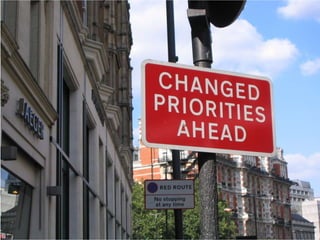
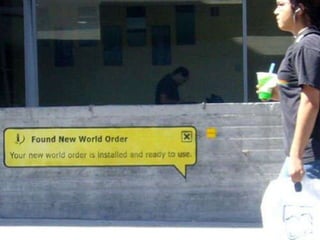
CHANGE
 
The BIG Challenge “ The Internet has now progressed to its infancy” Search, Social Networks, Learning, Commerce
 
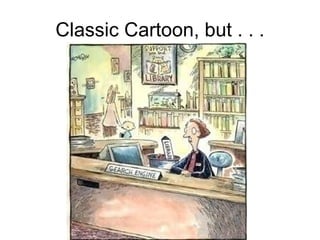
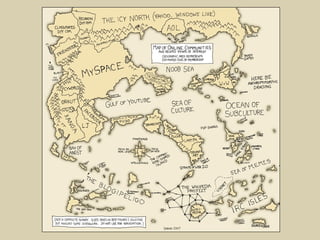
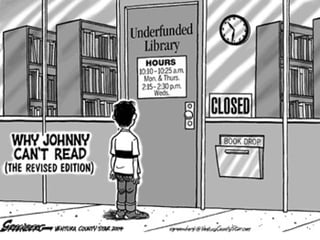
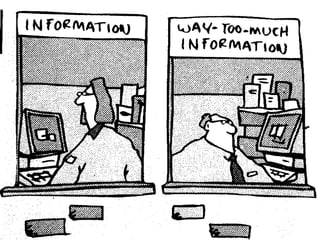
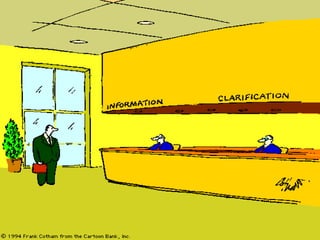
Classic Cartoon, but . . .
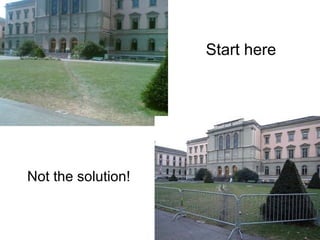
Start here Not the solution!


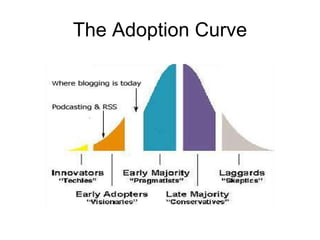
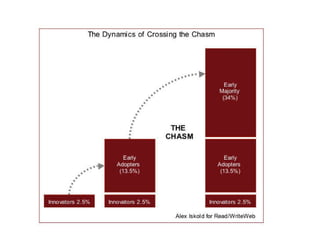
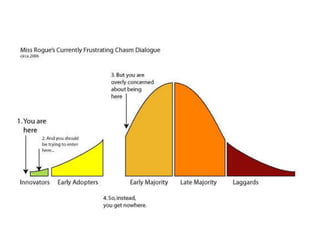
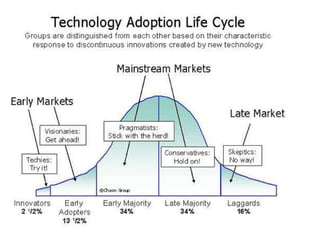
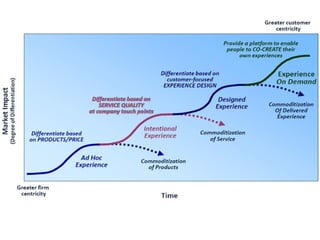
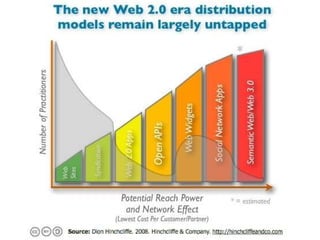
The Adoption Curve


LEAD
 
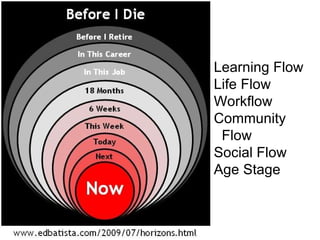
Learning Flow Life Flow Workflow Community Flow Social Flow Age Stage
 
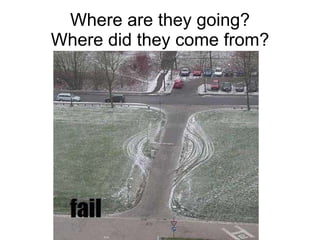
Where are they going? Where did they come from?
Discovery
Discovery & Ideas
A Challenge to Leadership


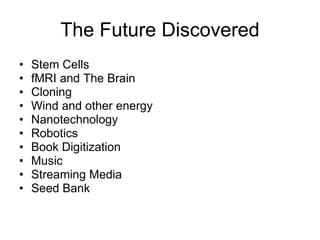
The Future Discovered Stem Cells fMRI and The Brain Cloning Wind and other energy Nanotechnology Robotics Book Digitization Music Streaming Media Seed Bank
 
 
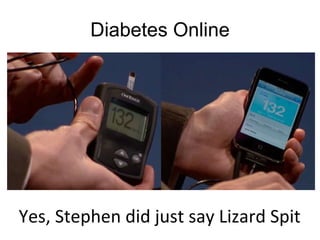
Diabetes Online Yes, Stephen did just say Lizard Spit
Kids
 
 
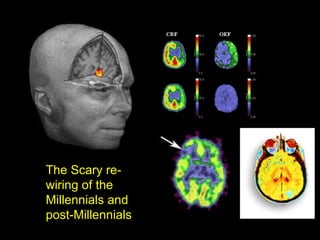
The Scary re-wiring of the Millennials and post-Millennials
 
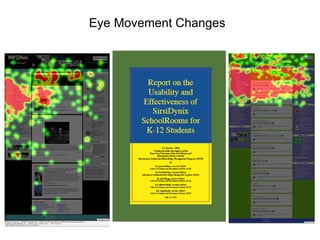
Eye Movement Changes
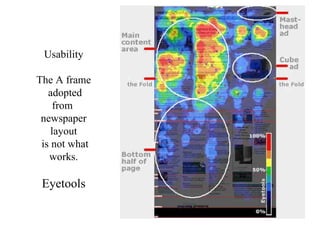
Usability The A frame adopted from  newspaper layout is not what works. Eyetools
Learning
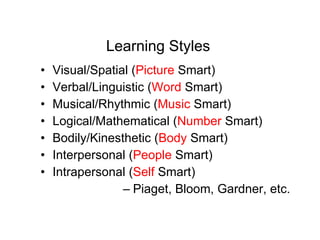
Learning Styles Visual/Spatial ( Picture  Smart) Verbal/Linguistic ( Word  Smart) Musical/Rhythmic ( Music  Smart) Logical/Mathematical ( Number  Smart) Bodily/Kinesthetic ( Body  Smart) Interpersonal ( People  Smart) Intrapersonal ( Self  Smart) Piaget, Bloom, Gardner, etc.
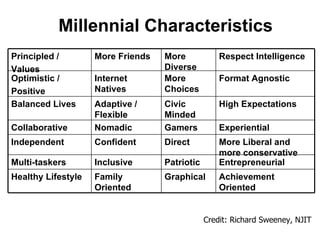
Millennial Characteristics Credit: Richard Sweeney, NJIT Entrepreneurial Patriotic Inclusive Multi-taskers Achievement Oriented Graphical Family Oriented Healthy Lifestyle More Liberal and more conservative Direct Confident Independent Experiential Gamers Nomadic Collaborative High Expectations Civic Minded Adaptive / Flexible Balanced Lives Format Agnostic More Choices Internet Natives Optimistic / Positive Respect Intelligence More Diverse More Friends Principled / Values
 
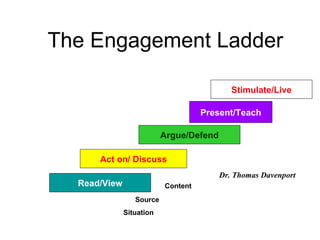
The Engagement Ladder Read/View Argue/Defend Present/Teach Stimulate/Live Act on/ Discuss   Content Source Situation Dr. Thomas Davenport
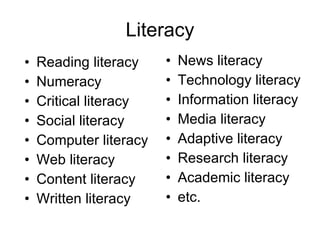
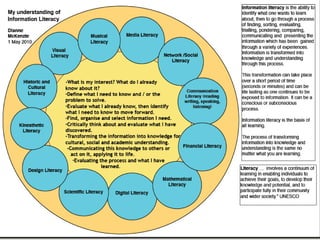
Literacy Reading literacy Numeracy Critical literacy Social literacy Computer literacy Web literacy Content literacy Written literacy News literacy Technology literacy Information literacy Media literacy Adaptive literacy Research literacy Academic literacy etc.


Search


Will we find our voice? Bing Google Facebook Social Media (Twitter) Libraries
Next up: Geo-IP
Play
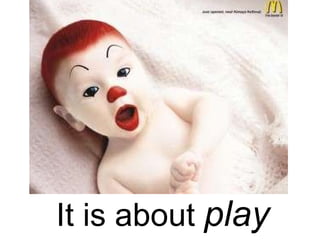
It is about  play
Play
 
Teamwork
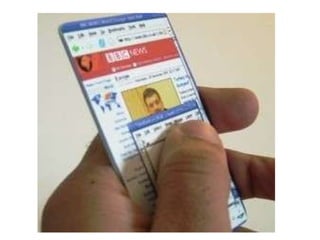
Mobile


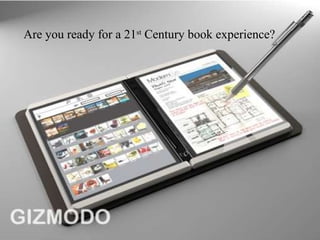
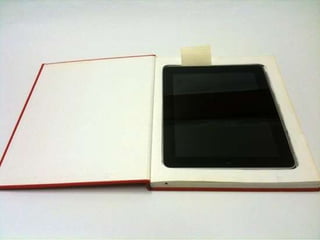
Are you ready for a 21 st  Century book experience?


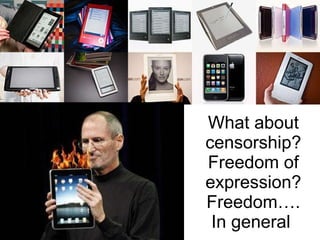
What about censorship? Freedom of expression? Freedom…. In general


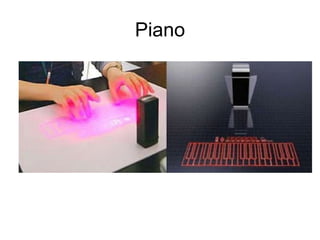
Piano
content
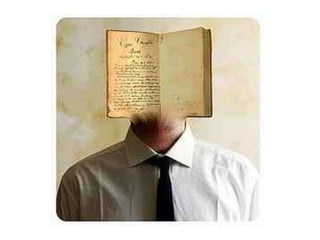
Get your head out of the book
 
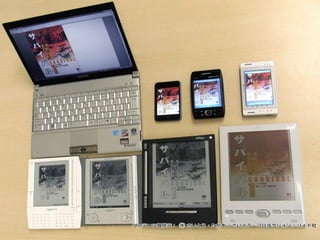
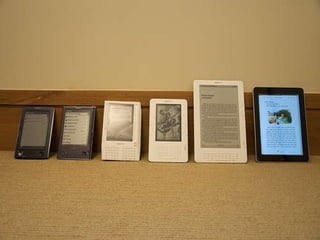
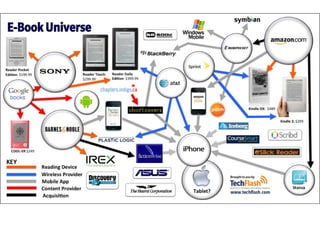
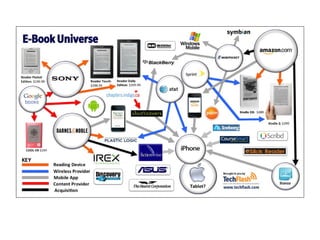
Dedicated eBook  Readers


Are you ready for boundaryless, containerless content?
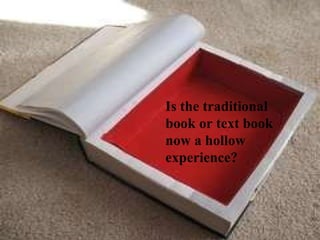
Is the traditional  book or text book now a hollow experience?
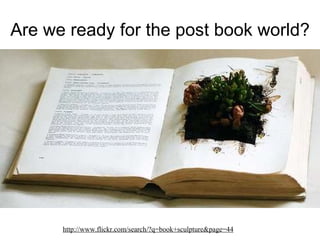
Are we ready for the post book world? http://www.flickr.com/search/?q=book+sculpture&page=44
 
New Containers What are the new containers? The are mostly virtual e-courses, e-coursepacks, lessons, e-learning objects, websites, portals, sessions, event, digital photo albums, etc. How do these fit into a positive transformational experience?
Types of Containers OLD Databases Articles Books DVD Spreadsheets Albums Game Weight & Volume REVISED Paragraphs Chapters Clips Graphics Pictures Animations Games Engaging Experiences
Container Success Focus on the End User(s) in context Content is not enough Focus on the results of the Experience: Learning, Social, Entertainment, Community, Hobbies, etc. Collectors not collections, Learners not Teachers, Readers not authors, publishers or librarians. Short and long term subscription models Borrowing and rental models
Issues in Experience Publishing Design for Use not clicks Transformations not Transactions Learning styles Psychographics Technology adoption and penetration Learning curves Multiple intelligences Target market differences Tuning – e.g. Flesch-Kincaid, Lexiles, levelling, levelled reading Technical issues like persistent content (persistent URLs, etc.) and deep linking, rights management, etc.
 
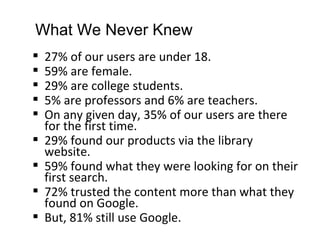
What We Never Knew 27% of our users are under 18. 59% are female. 29% are college students. 5% are professors and 6% are teachers. On any given day, 35% of our users are there for the first time. 29% found our products via the library website. 59% found what they were looking for on their first search. 72% trusted the content more than what they found on Google. But, 81% still use Google.
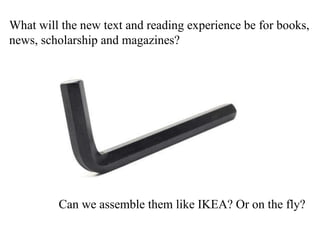
What will the new text and reading experience be for books,  news, scholarship and magazines? Can we assemble them like IKEA? Or on the fly?
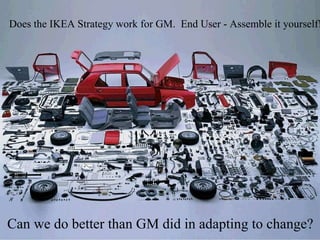
Can we do better than GM did in adapting to change? Does the IKEA Strategy work for GM.  End User - Assemble it yourself!
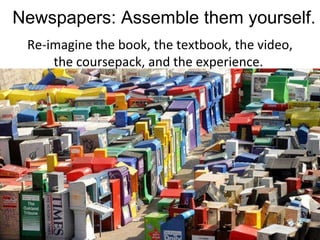
Newspapers: Assemble them yourself. Re-imagine the book, the textbook, the video, the coursepack, and the experience.
social
 
 
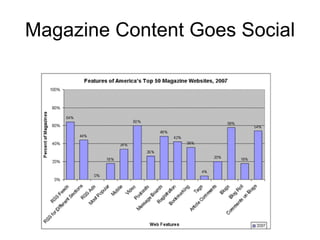
Magazine Content Goes Social
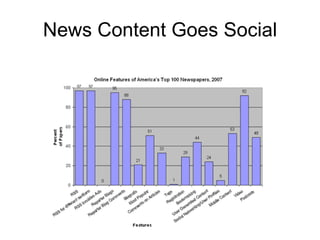
News Content Goes Social
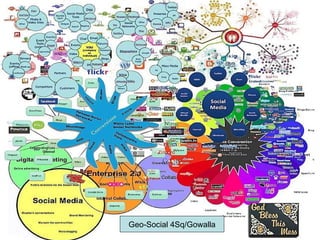
Geo-Social 4Sq/Gowalla
 
Apple/Amazon
 
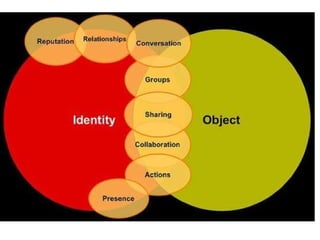
Community
Conversations
Relationships
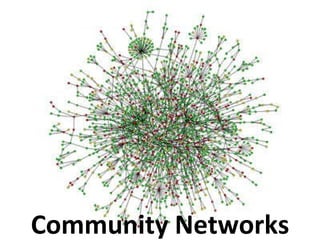
Community Networks
Life
Connection
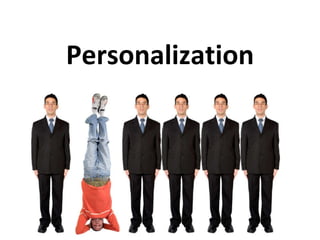
Personalization
Personalization
Personalization
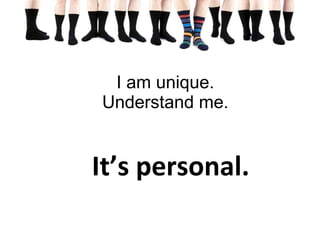
I am unique. Understand me. It’s personal.
Don’t limit  me! Who are you to limit me?
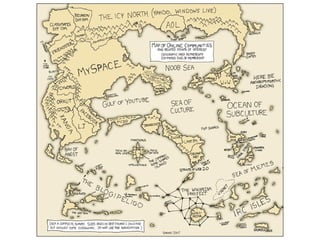
The Next 17 Slides “ Detail that can be reviewed later online”
 
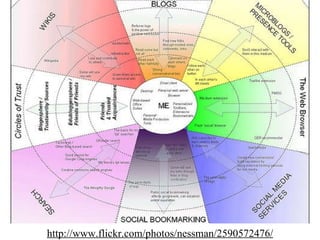
http://www.flickr.com/photos/nessman/2590572476/
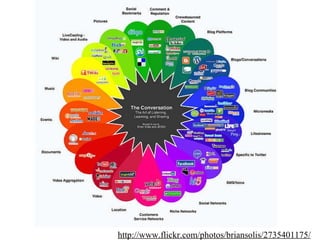
http://www.flickr.com/photos/briansolis/2735401175/
 
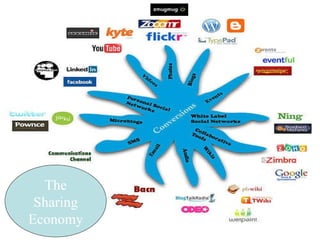
The Sharing Economy
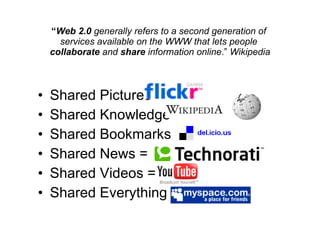
“ Web 2.0  generally refers to a second generation of  services available on the WWW that lets people  collaborate  and  share  information online .”  Wikipedia Shared Pictures =  Shared Knowledge = Shared Bookmarks = Shared News =  Shared Videos = Shared Everything =
Get Good at The Cloud
 
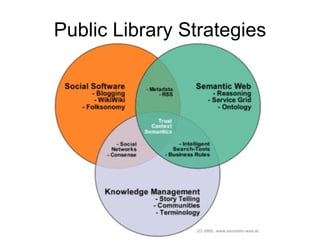
Public Library Strategies
Luck / Opportunity
Comfort
Simplicity
How do you get noticed?
 
 
Don’t let this ecology scare you.
 
 
What is the scariest scenario? I have an archaeology background . . .


Exercise #1
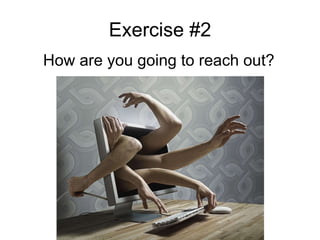
Exercise #2 How are you going to reach out?
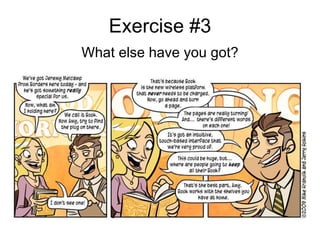
Exercise #3 What else have you got?
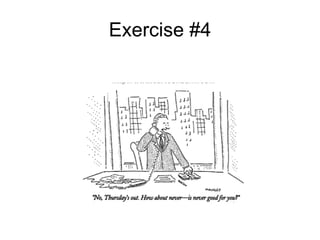
Exercise #4
 
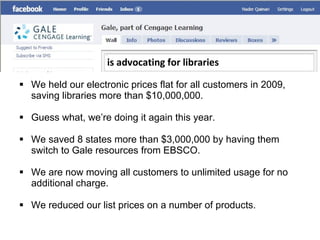
We held our electronic prices flat for all customers in 2009, saving libraries more than $10,000,000. Guess what, we’re doing it again this year. We saved 8 states more than $3,000,000 by having them switch to Gale resources from EBSCO. We are now moving all customers to unlimited usage for no additional charge. We reduced our list prices on a number of products. is advocating for libraries
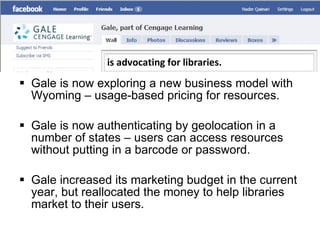
Gale is now exploring a new business model with Wyoming – usage-based pricing for resources.  Gale is now authenticating by geolocation in a number of states – users can access resources without putting in a barcode or password. Gale increased its marketing budget in the current year, but reallocated the money to help libraries market to their users. is advocating for libraries.
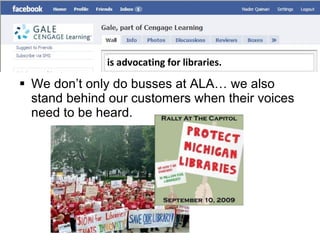
We don’t only do busses at ALA… we also stand behind our customers when their voices need to be heard. is advocating for libraries.
 
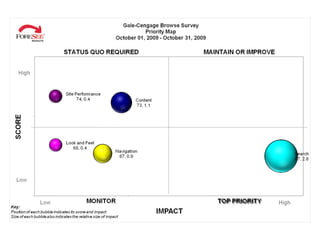
Power to the User; Value to the Library. Understanding users leads to better products. Better products lead to more usage. More usage leads to more value per dollar to the library. is going to help you understand your users.
What We Never Knew 27% of our users are under 18. 59% are female. 29% are college students. 5% are professors and 6% are teachers. On any given day, 35% of our users are there for the first time. 29% found our products via the library website. 59% found what they were looking for on their first search. 72% trusted the content more than what they found on Google. But, 81% still use Google.
 
 
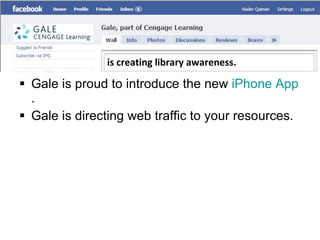
v Gale is proud to introduce the new  iPhone App . Gale is directing web traffic to your resources. is creating library awareness.
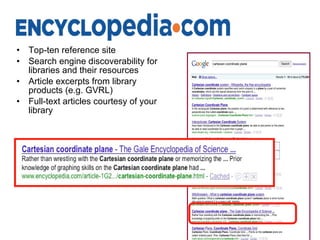
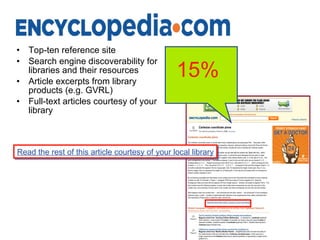
Top-ten reference site Search engine discoverability for libraries and their resources Article excerpts from library products (e.g. GVRL) Full-text articles courtesy of your library

Top-ten reference site Search engine discoverability for libraries and their resources Article excerpts from library products (e.g. GVRL) Full-text articles courtesy of your library Read the rest of this article courtesy of your local library 15%


 
 
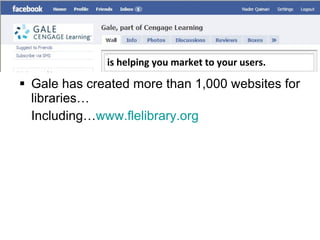
Gale has created more than 1,000 websites for libraries… Including… www.flelibrary.org is helping you market to your users.
 
With more than 300 widgets, and counting… we are going to unlock your products to users. is going to double your usage.
 
Has confirmed your friend request. Gale wants to be your friend, and partner.  Not just another vendor.
Stephen Abram, MLS, FSLA VP Strategic Partnerships and Markets Gale, Cengage Learning Cel: 416-669-4855 [email_address] http://www.cengage.com Stephen’s Lighthouse Blog http:// stephenslighthouse.com

Maine Libraries

  • 1.
    At the Heartof Libraries? Encouraging Innovation in Library Land Stephen Abram, MLS, FSLA Bangor, Augusta & Portland, Maine May 12-14, 2010
  • 2.
  • 3.
  • 4.
  • 5.
    The BIG Challenge“ The Internet has now progressed to its infancy” Search, Social Networks, Learning, Commerce
  • 6.
  • 7.
  • 8.
    Start here Notthe solution!
  • 9.
  • 10.
  • 11.
  • 12.
  • 13.
  • 14.
  • 15.
  • 16.
  • 17.
  • 18.
  • 19.
  • 20.
  • 21.
  • 22.
  • 23.
    Learning Flow LifeFlow Workflow Community Flow Social Flow Age Stage
  • 24.
  • 25.
    Where are theygoing? Where did they come from?
  • 26.
  • 27.
  • 28.
    A Challenge toLeadership
  • 29.
  • 30.
  • 31.
  • 32.
  • 33.
  • 34.
  • 35.
  • 36.
  • 37.
  • 38.
  • 39.
    The Future DiscoveredStem Cells fMRI and The Brain Cloning Wind and other energy Nanotechnology Robotics Book Digitization Music Streaming Media Seed Bank
  • 40.
  • 41.
  • 42.
    Diabetes Online Yes,Stephen did just say Lizard Spit
  • 43.
  • 44.
  • 45.
  • 46.
    The Scary re-wiringof the Millennials and post-Millennials
  • 47.
  • 48.
  • 49.
    Usability The Aframe adopted from newspaper layout is not what works. Eyetools
  • 50.
  • 51.
    Learning Styles Visual/Spatial( Picture Smart) Verbal/Linguistic ( Word Smart) Musical/Rhythmic ( Music Smart) Logical/Mathematical ( Number Smart) Bodily/Kinesthetic ( Body Smart) Interpersonal ( People Smart) Intrapersonal ( Self Smart) Piaget, Bloom, Gardner, etc.
  • 52.
    Millennial Characteristics Credit:Richard Sweeney, NJIT Entrepreneurial Patriotic Inclusive Multi-taskers Achievement Oriented Graphical Family Oriented Healthy Lifestyle More Liberal and more conservative Direct Confident Independent Experiential Gamers Nomadic Collaborative High Expectations Civic Minded Adaptive / Flexible Balanced Lives Format Agnostic More Choices Internet Natives Optimistic / Positive Respect Intelligence More Diverse More Friends Principled / Values
  • 53.
  • 54.
    The Engagement LadderRead/View Argue/Defend Present/Teach Stimulate/Live Act on/ Discuss Content Source Situation Dr. Thomas Davenport
  • 55.
    Literacy Reading literacyNumeracy Critical literacy Social literacy Computer literacy Web literacy Content literacy Written literacy News literacy Technology literacy Information literacy Media literacy Adaptive literacy Research literacy Academic literacy etc.
  • 56.
  • 57.
  • 58.
  • 59.
  • 60.
  • 61.
  • 62.
  • 63.
  • 64.
  • 65.
    Will we findour voice? Bing Google Facebook Social Media (Twitter) Libraries
  • 66.
  • 67.
  • 68.
  • 69.
  • 70.
  • 71.
  • 72.
  • 73.
  • 74.
  • 75.
  • 76.
  • 77.
  • 78.
  • 79.
    Are you readyfor a 21 st Century book experience?
  • 80.
  • 81.
  • 82.
  • 83.
  • 84.
  • 85.
    What about censorship?Freedom of expression? Freedom…. In general
  • 86.
  • 87.
  • 88.
  • 89.
  • 90.
  • 91.
  • 92.
  • 93.
    Get your headout of the book
  • 94.
  • 95.
  • 96.
  • 97.
  • 98.
  • 99.
  • 100.
  • 101.
  • 102.
  • 103.
  • 104.
    Are you readyfor boundaryless, containerless content?
  • 105.
    Is the traditional book or text book now a hollow experience?
  • 106.
    Are we readyfor the post book world? http://www.flickr.com/search/?q=book+sculpture&page=44
  • 107.
  • 108.
    New Containers Whatare the new containers? The are mostly virtual e-courses, e-coursepacks, lessons, e-learning objects, websites, portals, sessions, event, digital photo albums, etc. How do these fit into a positive transformational experience?
  • 109.
    Types of ContainersOLD Databases Articles Books DVD Spreadsheets Albums Game Weight & Volume REVISED Paragraphs Chapters Clips Graphics Pictures Animations Games Engaging Experiences
  • 110.
    Container Success Focuson the End User(s) in context Content is not enough Focus on the results of the Experience: Learning, Social, Entertainment, Community, Hobbies, etc. Collectors not collections, Learners not Teachers, Readers not authors, publishers or librarians. Short and long term subscription models Borrowing and rental models
  • 111.
    Issues in ExperiencePublishing Design for Use not clicks Transformations not Transactions Learning styles Psychographics Technology adoption and penetration Learning curves Multiple intelligences Target market differences Tuning – e.g. Flesch-Kincaid, Lexiles, levelling, levelled reading Technical issues like persistent content (persistent URLs, etc.) and deep linking, rights management, etc.
  • 112.
  • 113.
    What We NeverKnew 27% of our users are under 18. 59% are female. 29% are college students. 5% are professors and 6% are teachers. On any given day, 35% of our users are there for the first time. 29% found our products via the library website. 59% found what they were looking for on their first search. 72% trusted the content more than what they found on Google. But, 81% still use Google.
  • 114.
    What will thenew text and reading experience be for books, news, scholarship and magazines? Can we assemble them like IKEA? Or on the fly?
  • 115.
    Can we dobetter than GM did in adapting to change? Does the IKEA Strategy work for GM. End User - Assemble it yourself!
  • 116.
    Newspapers: Assemble themyourself. Re-imagine the book, the textbook, the video, the coursepack, and the experience.
  • 117.
  • 118.
  • 119.
  • 120.
  • 121.
  • 122.
  • 123.
  • 124.
  • 125.
  • 126.
  • 127.
  • 128.
  • 129.
  • 130.
  • 131.
  • 132.
  • 133.
  • 134.
  • 135.
    I am unique.Understand me. It’s personal.
  • 136.
    Don’t limit me! Who are you to limit me?
  • 137.
    The Next 17Slides “ Detail that can be reviewed later online”
  • 138.
  • 139.
  • 140.
  • 141.
  • 142.
  • 143.
    “ Web 2.0 generally refers to a second generation of services available on the WWW that lets people collaborate and share information online .” Wikipedia Shared Pictures = Shared Knowledge = Shared Bookmarks = Shared News = Shared Videos = Shared Everything =
  • 144.
    Get Good atThe Cloud
  • 145.
  • 146.
  • 147.
  • 148.
  • 149.
  • 150.
    How do youget noticed?
  • 151.
  • 152.
  • 153.
    Don’t let thisecology scare you.
  • 154.
  • 155.
  • 156.
    What is thescariest scenario? I have an archaeology background . . .
  • 157.
  • 158.
  • 159.
  • 160.
  • 161.
  • 162.
  • 163.
  • 164.
  • 165.
  • 166.
    Exercise #2 Howare you going to reach out?
  • 167.
    Exercise #3 Whatelse have you got?
  • 168.
  • 169.
  • 170.
    We held ourelectronic prices flat for all customers in 2009, saving libraries more than $10,000,000. Guess what, we’re doing it again this year. We saved 8 states more than $3,000,000 by having them switch to Gale resources from EBSCO. We are now moving all customers to unlimited usage for no additional charge. We reduced our list prices on a number of products. is advocating for libraries
  • 171.
    Gale is nowexploring a new business model with Wyoming – usage-based pricing for resources. Gale is now authenticating by geolocation in a number of states – users can access resources without putting in a barcode or password. Gale increased its marketing budget in the current year, but reallocated the money to help libraries market to their users. is advocating for libraries.
  • 172.
    We don’t onlydo busses at ALA… we also stand behind our customers when their voices need to be heard. is advocating for libraries.
  • 173.
  • 174.
    Power to theUser; Value to the Library. Understanding users leads to better products. Better products lead to more usage. More usage leads to more value per dollar to the library. is going to help you understand your users.
  • 175.
    What We NeverKnew 27% of our users are under 18. 59% are female. 29% are college students. 5% are professors and 6% are teachers. On any given day, 35% of our users are there for the first time. 29% found our products via the library website. 59% found what they were looking for on their first search. 72% trusted the content more than what they found on Google. But, 81% still use Google.
  • 176.
  • 177.
  • 178.
    v Gale isproud to introduce the new iPhone App . Gale is directing web traffic to your resources. is creating library awareness.
  • 179.
    Top-ten reference siteSearch engine discoverability for libraries and their resources Article excerpts from library products (e.g. GVRL) Full-text articles courtesy of your library
  • 180.
    Top-ten reference siteSearch engine discoverability for libraries and their resources Article excerpts from library products (e.g. GVRL) Full-text articles courtesy of your library Read the rest of this article courtesy of your local library 15%
  • 181.
  • 182.
  • 183.
    Gale has createdmore than 1,000 websites for libraries… Including… www.flelibrary.org is helping you market to your users.
  • 184.
  • 185.
    With more than300 widgets, and counting… we are going to unlock your products to users. is going to double your usage.
  • 186.
  • 187.
    Has confirmed yourfriend request. Gale wants to be your friend, and partner. Not just another vendor.
  • 188.
    Stephen Abram, MLS,FSLA VP Strategic Partnerships and Markets Gale, Cengage Learning Cel: 416-669-4855 [email_address] http://www.cengage.com Stephen’s Lighthouse Blog http:// stephenslighthouse.com

Editor's Notes

  • #170 Good morning…Welcome to Boston and ALA midwinter 2010. I’m [SALES REP] and I’m here today to introduce you to some ways that Gale is helping you speak out for your library and libraries everywhere. Here at Gale, “Speak Out For Libraries” is more that simply a message of library advocacy … although we’re certainly strong advocates for your efforts to bring superior services to your communities…
  • #180 As you may know, Gale now owns Encyclopedia.com - one of the top ten ranked reference sites in the world It’s a resource we intend to use to raise awareness of libraries and their resources and help us develop better products for libraries Encyclopedia.com results appear in Search Engine searches such as Google …then serve as a gateway to your library Another way we’re helping you speak out for your library…
  • #181 Every encyclopedia.com article discovered on the Web through Google search will display 15% of the article with a caption to read the rest of the article “courtesy of your local library”
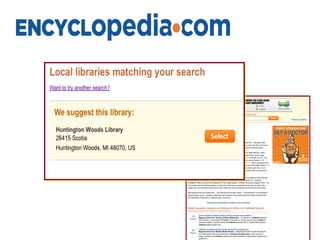
  • #182 A few quick steps help the user zero in on a local library that provides this resource - in this case The Gale Encyclopedia of Science from the Gale Virtual Reference Library
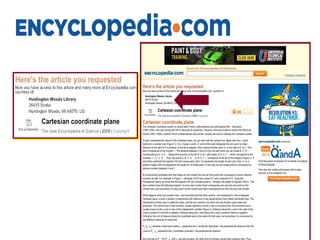
  • #183 The entire article is then delivered by Encyclopedia.com - including your library’s address information This article references the eBook edition of The Gale Encyclopedia of Science from the library’s Gale Virtual Reference Collection >> TRANSITION >> There is content available from a selection of Gale Virtual Reference titles with more eBooks and other Gale content to be added in the coming months. Another way we’re helping you speak out for your library…