Literary Theories: An Introduction 
Baya Bensalah
“Theory is a pugnacious critique of 
common-sense notions” 
(Culler. J.)
“Theory designates works 
that have effects beyond 
their original field, that 
succeed in challenging and 
reorienting thinking in fields 
other than those to which 
they apparently belong.” 
(Culler. J.)
Marx, Freud and Nietzsche The four thinkers 
who influenced 
the Modern Era 
and Modern 
Literature the 
most:
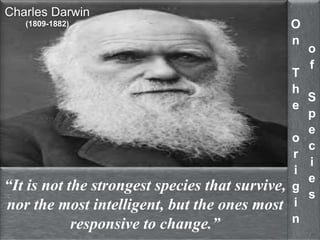
“It is not the strongest species that survive, 
nor the most intelligent, but the ones most 
responsive to change.” 
O 
n 
T 
h 
e 
o 
r 
i 
g 
i 
n 
o 
f 
S 
p 
e 
c 
i 
e 
s 
Charles Darwin 
(1809-1882)
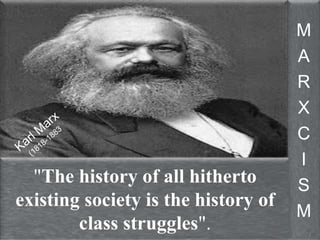
"The history of all hitherto 
existing society is the history of 
class struggles". 
M 
A 
R 
X 
C 
I 
S 
M
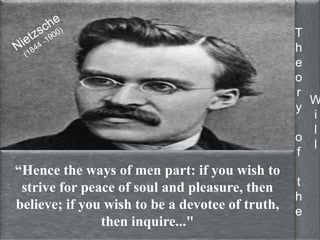
“Hence the ways of men part: if you wish to 
strive for peace of soul and pleasure, then 
believe; if you wish to be a devotee of truth, 
then inquire..." 
T 
h 
e 
o 
r 
y 
o 
f 
t 
h 
e 
W 
i 
l 
l
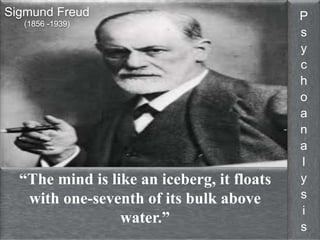
“The mind is like an iceberg, it floats 
with one-seventh of its bulk above 
water.” 
P 
s 
y 
c 
h 
o 
a 
n 
a 
l 
y 
s 
i 
s 
Sigmund Freud 
(1856 -1939)
There are two 
types of 
theories:
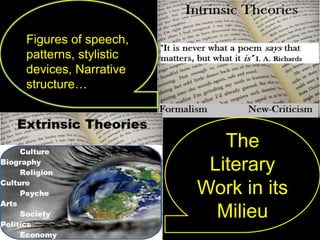
The 
Literary 
Work in its 
Milieu 
Figures of speech, 
patterns, stylistic 
devices, Narrative 
structure…
In using theories, 
we want to 
answer some 
questions…
What is a text? 
What is meaning? 
What do words mean? 
What is an author? 
What is a reader? 
What is a narrator? 
What is a character? 
How does a text relate to its era? 
This is why...
“There is no uniquely valid way to 
classify theories of poetry; that 
classification is best which best serves 
the purpose in hand.” (Abrams) [1]
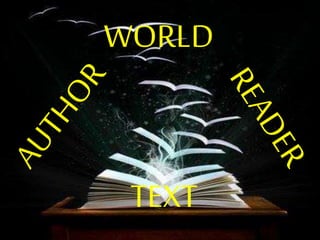
Most theories highlight 
one of these 
four elements …
WORLD 
TEXT
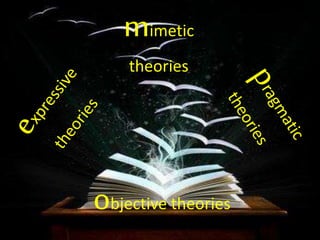
Therefore, they are 
classified into four 
categories:
mimetic 
theories 
objective theories
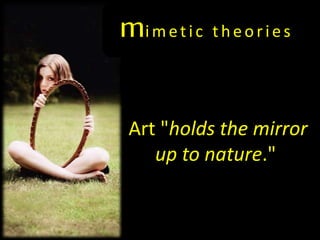
mime t i c t h e o r i e s 
Art "holds the mirror 
up to nature."
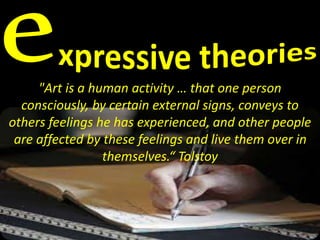
"Art is a human activity … that one person 
consciously, by certain external signs, conveys to 
others feelings he has experienced, and other people 
are affected by these feelings and live them over in 
themselves.“ Tolstoy
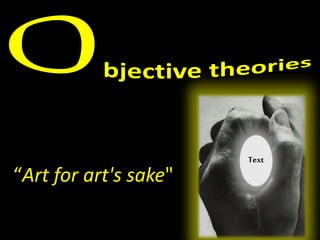
Text 
“Art for art's sake"
An example…
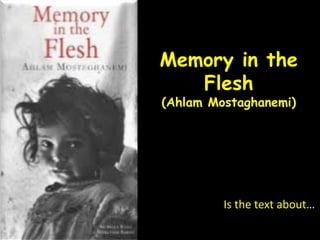
Memory in the 
Flesh 
(Ahlam Mostaghanemi) 
Is the text about…
Feminism? 
Gender Studies? 
Postcolonialism? 
Cultural Studies?
Does the work 
Mimetic Approach 
tackle 
gender issues in 
society?
Does the work 
raise 
awareness to 
gender issues? 
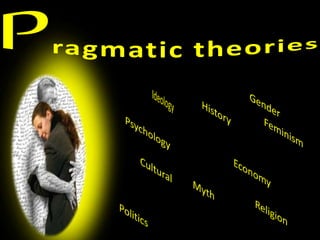
Pragmatic Approach
Does the author 
express her 
experience of 
being a woman? 
Expressive Approach
Do the linguistic 
features of the 
work display 
écriture féminine? 
Objective Approach
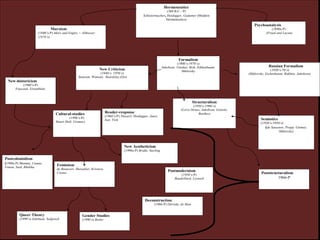
Prominent 
Theories
Hermeneutics 
(360 B.C.- P) 
Schleiermacher, Heidegger, Gadamer (Modern 
Hermeneutics) 
Marxism 
(1840’s-P) Marx and Engles + Althusser 
(1970’s) 
Psychoanalysis 
(1890s-P) 
(Freud and Lacan) 
Formalism 
(1900’s-1970’s) 
Jakobson, Vinokur, Brik, Eikhenbaum, 
Shklovsky 
Structuralism 
(1950’s-1980’s) 
(Levis-Straus, Jakobson, Genette, 
Barthes) 
New Criticism 
(1940’s- 1970’s) 
Ransom, Wimsatt, Beardsley,Eliot 
Russian Formalism 
(1920’s-70’s) 
(Shklovsky, Eichenbaum, Bakhtin, Jakobson) 
Semiotics 
(1920’s-1950’s) 
(de Saussure, Propp, Giemas, 
Shklovsky) 
Poststructuralism 
1966-P 
Postmodernism 
(1950’s-P) 
Baudrillard, Lyotard 
Reader-response 
(1960’s-P) Husserl, Heidegger, Jauss, 
Iser, Fish 
Cultural-studies 
(1990’s-P) 
Stuart Hall, Gramsci, 
New-historicism 
(1980’s-P) 
Foucault, Greenblatt, 
Postcolonialism 
(1990s.P) Memmi, Camus, 
Fanon, Said, Bhabha 
Feminism 
de Beauvoir, Showalter, Kristeva, 
Cixous 
New Aestheticism 
(1990s-P) Bridle, Sterling 
Queer Theory 
(1990’s) Edelman, Sedgwick 
Gender Studies 
(1990’s) Butler 
Deconstruction 
(1966-P) Derrida, de Man
Why do we 
need 
Literary 
theories?
Better 
understanding 
Interpretation Appreciation 
of texts
Better 
Understanding, 
Interpretation 
and 
Appreciation 
of your 
world and culture.
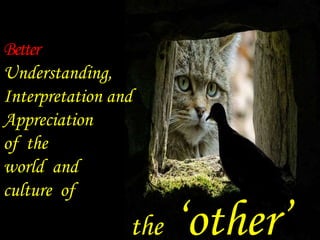
Better 
Understanding, 
Interpretation and 
Appreciation 
of the 
world and 
culture of 
the ‘other’
[1] Like Aristotle in Poetics, Abrams uses the term “poetry” to refer to all literary productions: 
poetry, drama, and prose. 
References 
Culler, Jonathan. Literary Theory: A Very Short Introduction. Oxford: Oxford 
University Press, 1997. 
Abrams, M. H. Doing Things With Texts: Essays in Criticism and Critical Theory . W W 
Norton & Co Inc 1989

Literary Theories: A Short Introduction

  • 1.
    Literary Theories: AnIntroduction Baya Bensalah
  • 2.
    “Theory is apugnacious critique of common-sense notions” (Culler. J.)
  • 3.
    “Theory designates works that have effects beyond their original field, that succeed in challenging and reorienting thinking in fields other than those to which they apparently belong.” (Culler. J.)
  • 4.
    Marx, Freud andNietzsche The four thinkers who influenced the Modern Era and Modern Literature the most:
  • 5.
    “It is notthe strongest species that survive, nor the most intelligent, but the ones most responsive to change.” O n T h e o r i g i n o f S p e c i e s Charles Darwin (1809-1882)
  • 6.
    "The history ofall hitherto existing society is the history of class struggles". M A R X C I S M
  • 7.
    “Hence the waysof men part: if you wish to strive for peace of soul and pleasure, then believe; if you wish to be a devotee of truth, then inquire..." T h e o r y o f t h e W i l l
  • 8.
    “The mind islike an iceberg, it floats with one-seventh of its bulk above water.” P s y c h o a n a l y s i s Sigmund Freud (1856 -1939)
  • 9.
    There are two types of theories:
  • 10.
    The Literary Workin its Milieu Figures of speech, patterns, stylistic devices, Narrative structure…
  • 11.
    In using theories, we want to answer some questions…
  • 12.
    What is atext? What is meaning? What do words mean? What is an author? What is a reader? What is a narrator? What is a character? How does a text relate to its era? This is why...
  • 13.
    “There is nouniquely valid way to classify theories of poetry; that classification is best which best serves the purpose in hand.” (Abrams) [1]
  • 14.
    Most theories highlight one of these four elements …
  • 15.
  • 16.
    Therefore, they are classified into four categories:
  • 17.
  • 18.
    mime t ic t h e o r i e s Art "holds the mirror up to nature."
  • 19.
    "Art is ahuman activity … that one person consciously, by certain external signs, conveys to others feelings he has experienced, and other people are affected by these feelings and live them over in themselves.“ Tolstoy
  • 21.
    Text “Art forart's sake"
  • 22.
  • 23.
    Memory in the Flesh (Ahlam Mostaghanemi) Is the text about…
  • 24.
    Feminism? Gender Studies? Postcolonialism? Cultural Studies?
  • 25.
    Does the work Mimetic Approach tackle gender issues in society?
  • 26.
    Does the work raise awareness to gender issues? Pragmatic Approach
  • 27.
    Does the author express her experience of being a woman? Expressive Approach
  • 28.
    Do the linguistic features of the work display écriture féminine? Objective Approach
  • 29.
  • 30.
    Hermeneutics (360 B.C.-P) Schleiermacher, Heidegger, Gadamer (Modern Hermeneutics) Marxism (1840’s-P) Marx and Engles + Althusser (1970’s) Psychoanalysis (1890s-P) (Freud and Lacan) Formalism (1900’s-1970’s) Jakobson, Vinokur, Brik, Eikhenbaum, Shklovsky Structuralism (1950’s-1980’s) (Levis-Straus, Jakobson, Genette, Barthes) New Criticism (1940’s- 1970’s) Ransom, Wimsatt, Beardsley,Eliot Russian Formalism (1920’s-70’s) (Shklovsky, Eichenbaum, Bakhtin, Jakobson) Semiotics (1920’s-1950’s) (de Saussure, Propp, Giemas, Shklovsky) Poststructuralism 1966-P Postmodernism (1950’s-P) Baudrillard, Lyotard Reader-response (1960’s-P) Husserl, Heidegger, Jauss, Iser, Fish Cultural-studies (1990’s-P) Stuart Hall, Gramsci, New-historicism (1980’s-P) Foucault, Greenblatt, Postcolonialism (1990s.P) Memmi, Camus, Fanon, Said, Bhabha Feminism de Beauvoir, Showalter, Kristeva, Cixous New Aestheticism (1990s-P) Bridle, Sterling Queer Theory (1990’s) Edelman, Sedgwick Gender Studies (1990’s) Butler Deconstruction (1966-P) Derrida, de Man
  • 31.
    Why do we need Literary theories?
  • 32.
  • 33.
    Better Understanding, Interpretation and Appreciation of your world and culture.
  • 34.
    Better Understanding, Interpretationand Appreciation of the world and culture of the ‘other’
  • 35.
    [1] Like Aristotlein Poetics, Abrams uses the term “poetry” to refer to all literary productions: poetry, drama, and prose. References Culler, Jonathan. Literary Theory: A Very Short Introduction. Oxford: Oxford University Press, 1997. Abrams, M. H. Doing Things With Texts: Essays in Criticism and Critical Theory . W W Norton & Co Inc 1989