LIFE PROCESS
By Pinky Rathee
M.Sc. Nursing
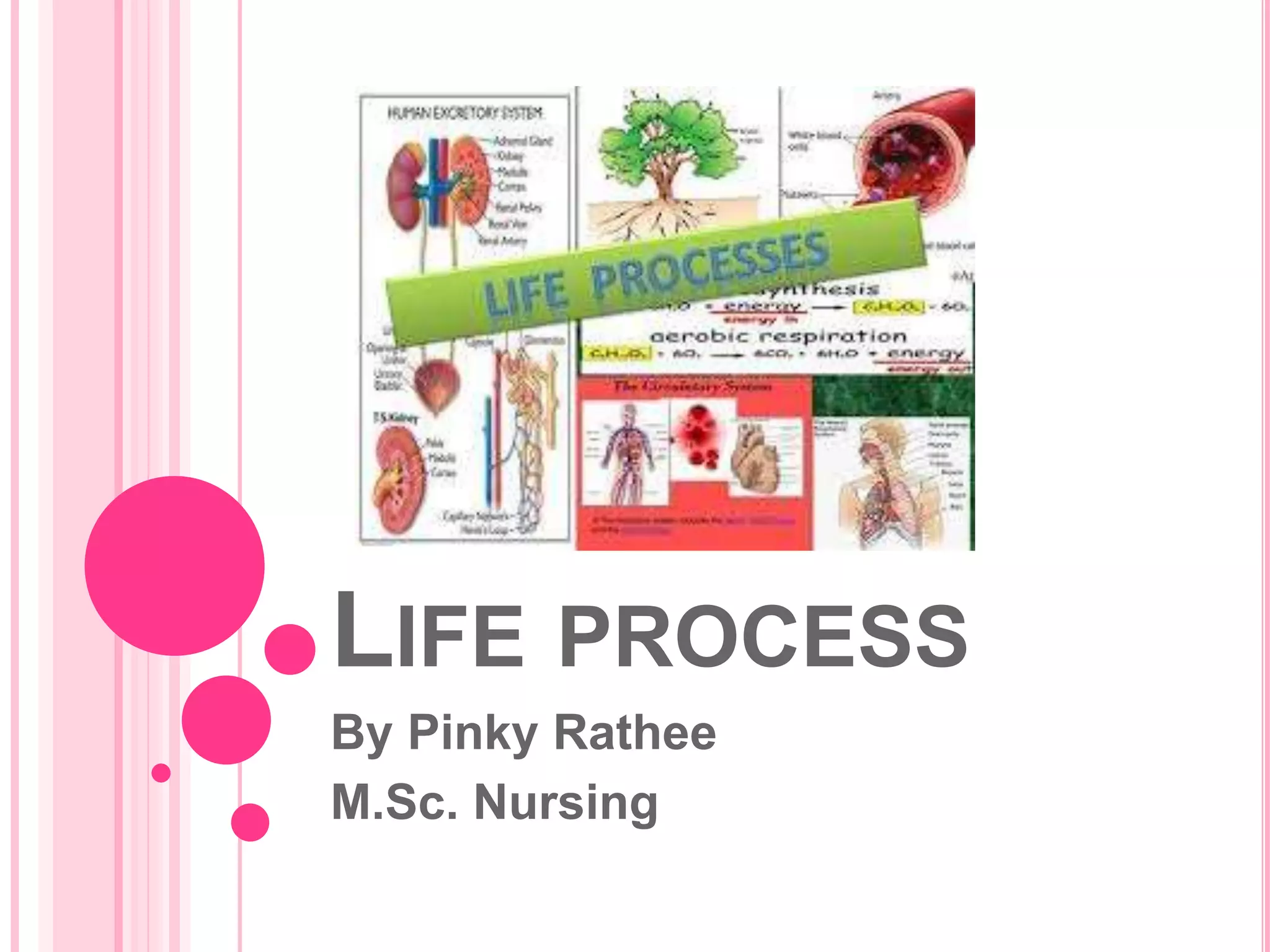
LIFE PROCESSES
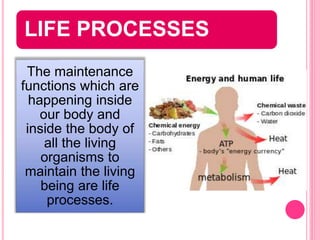
The maintenance
functions which are
happening inside
our body and
inside the body of
all the living
organisms to
maintain the living
being are life
processes.
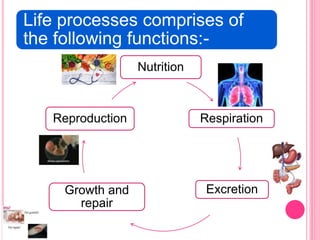
Life processes comprises of
the following functions:-
Nutrition
Respiration
ExcretionGrowth and
repair
Reproduction
1. NUTRITION
It is the process of getting energy from
outside sources.
Next process of nutrition is to break-
down these sources to release energy.
Process of getting nutrition can vary
from organism to organism and is
affected by the external environment.
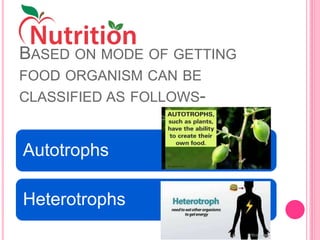
BASED ON MODE OF GETTING
FOOD ORGANISM CAN BE
CLASSIFIED AS FOLLOWS-
Autotrophs
Heterotrophs
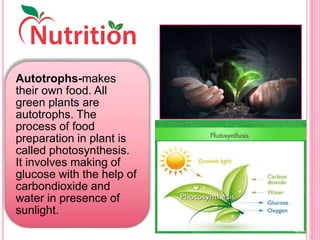
Autotrophs-makes
their own food. All
green plants are
autotrophs. The
process of food
preparation in plant is
called photosynthesis.
It involves making of
glucose with the help of
carbondioxide and
water in presence of
sunlight.
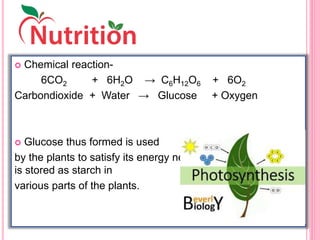
 Chemical reaction-
6CO2 + 6H2O → C6H12O6 + 6O2
Carbondioxide + Water → Glucose + Oxygen
 Glucose thus formed is used
by the plants to satisfy its energy needs. The excess amount
is stored as starch in
various parts of the plants.
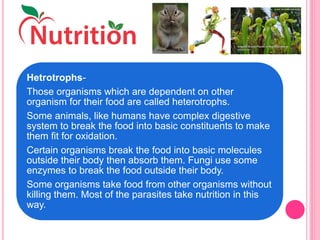
Hetrotrophs-
Those organisms which are dependent on other
organism for their food are called heterotrophs.
Some animals, like humans have complex digestive
system to break the food into basic constituents to make
them fit for oxidation.
Certain organisms break the food into basic molecules
outside their body then absorb them. Fungi use some
enzymes to break the food outside their body.
Some organisms take food from other organisms without
killing them. Most of the parasites take nutrition in this
way.
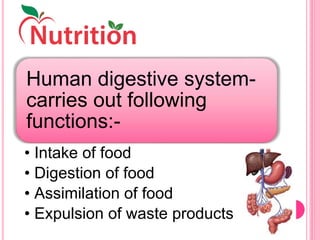
Human digestive system-
carries out following
functions:-
• Intake of food
• Digestion of food
• Assimilation of food
• Expulsion of waste products
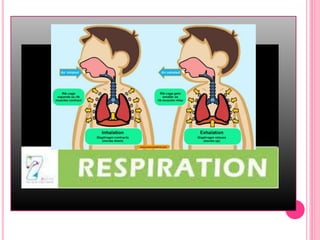
Respiration
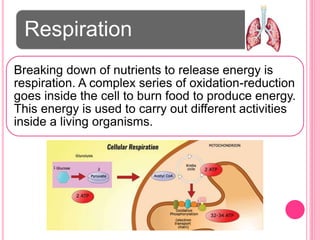
Breaking down of nutrients to release energy is
respiration. A complex series of oxidation-reduction
goes inside the cell to burn food to produce energy.
This energy is used to carry out different activities
inside a living organisms.
Respiration
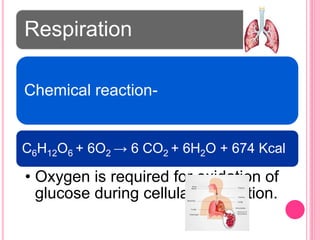
Chemical reaction-
C6H12O6 + 6O2 → 6 CO2 + 6H2O + 674 Kcal
• Oxygen is required for oxidation of
glucose during cellular respiration.
Respiration
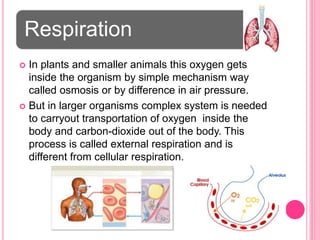
 In plants and smaller animals this oxygen gets
inside the organism by simple mechanism way
called osmosis or by difference in air pressure.
 But in larger organisms complex system is needed
to carryout transportation of oxygen inside the
body and carbon-dioxide out of the body. This
process is called external respiration and is
different from cellular respiration.
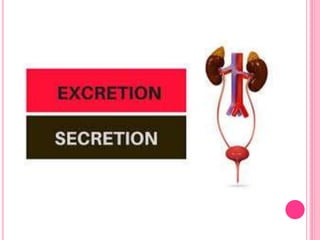
EXCRETION
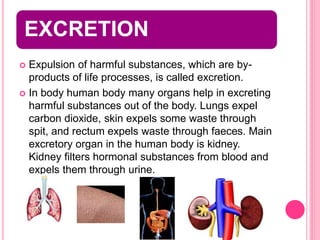
 Expulsion of harmful substances, which are by-
products of life processes, is called excretion.
 In body human body many organs help in excreting
harmful substances out of the body. Lungs expel
carbon dioxide, skin expels some waste through
spit, and rectum expels waste through faeces. Main
excretory organ in the human body is kidney.
Kidney filters hormonal substances from blood and
expels them through urine.
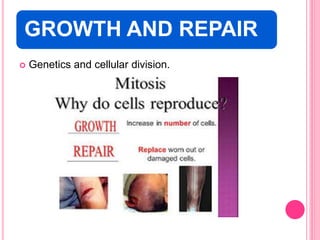
GROWTH AND REPAIR
 Genetics and cellular division.
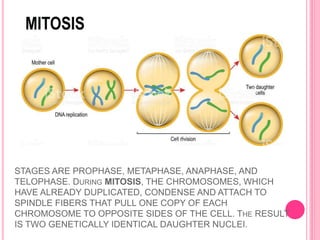
STAGES ARE PROPHASE, METAPHASE, ANAPHASE, AND
TELOPHASE. DURING MITOSIS, THE CHROMOSOMES, WHICH
HAVE ALREADY DUPLICATED, CONDENSE AND ATTACH TO
SPINDLE FIBERS THAT PULL ONE COPY OF EACH
CHROMOSOME TO OPPOSITE SIDES OF THE CELL. THE RESULT
IS TWO GENETICALLY IDENTICAL DAUGHTER NUCLEI.
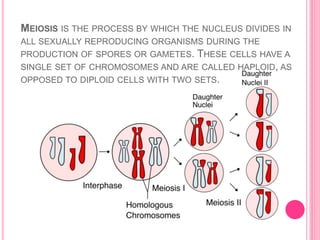
MEIOSIS IS THE PROCESS BY WHICH THE NUCLEUS DIVIDES IN
ALL SEXUALLY REPRODUCING ORGANISMS DURING THE
PRODUCTION OF SPORES OR GAMETES. THESE CELLS HAVE A
SINGLE SET OF CHROMOSOMES AND ARE CALLED HAPLOID, AS
OPPOSED TO DIPLOID CELLS WITH TWO SETS.
REPRODUCTION
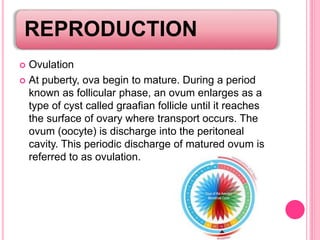
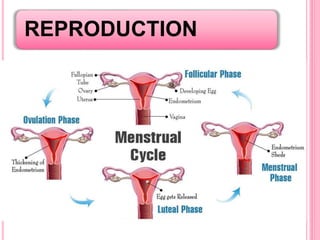
 Ovulation
 At puberty, ova begin to mature. During a period
known as follicular phase, an ovum enlarges as a
type of cyst called graafian follicle until it reaches
the surface of ovary where transport occurs. The
ovum (oocyte) is discharge into the peritoneal
cavity. This periodic discharge of matured ovum is
referred to as ovulation.
REPRODUCTION
REPRODUCTION
 The ovum usually finds its way into the fallopian
tube, where it is carried to the uterus.
 If it meets a spermatozoon, the male reproductive
cell, a union occurs and conception takes place.
 After the discharge of ovum, the cells of the
graafian follicle undergo a rapid change.
 Gradually, they become yellow (corpus leuteum)
and produce progesterone, a hormone that
prepares the uterus for receiving the fertilized
ovum.
 Ovulation usually occurs 2 weeks prior to the next
menstrual period.
Life process

Life process

  • 1.
    LIFE PROCESS By PinkyRathee M.Sc. Nursing
  • 2.
    LIFE PROCESSES The maintenance functionswhich are happening inside our body and inside the body of all the living organisms to maintain the living being are life processes.
  • 3.
    Life processes comprisesof the following functions:- Nutrition Respiration ExcretionGrowth and repair Reproduction
  • 5.
    1. NUTRITION It isthe process of getting energy from outside sources. Next process of nutrition is to break- down these sources to release energy. Process of getting nutrition can vary from organism to organism and is affected by the external environment.
  • 6.
    BASED ON MODEOF GETTING FOOD ORGANISM CAN BE CLASSIFIED AS FOLLOWS- Autotrophs Heterotrophs
  • 7.
    Autotrophs-makes their own food.All green plants are autotrophs. The process of food preparation in plant is called photosynthesis. It involves making of glucose with the help of carbondioxide and water in presence of sunlight.
  • 8.
     Chemical reaction- 6CO2+ 6H2O → C6H12O6 + 6O2 Carbondioxide + Water → Glucose + Oxygen  Glucose thus formed is used by the plants to satisfy its energy needs. The excess amount is stored as starch in various parts of the plants.
  • 9.
    Hetrotrophs- Those organisms whichare dependent on other organism for their food are called heterotrophs. Some animals, like humans have complex digestive system to break the food into basic constituents to make them fit for oxidation. Certain organisms break the food into basic molecules outside their body then absorb them. Fungi use some enzymes to break the food outside their body. Some organisms take food from other organisms without killing them. Most of the parasites take nutrition in this way.
  • 10.
    Human digestive system- carriesout following functions:- • Intake of food • Digestion of food • Assimilation of food • Expulsion of waste products
  • 12.
    Respiration Breaking down ofnutrients to release energy is respiration. A complex series of oxidation-reduction goes inside the cell to burn food to produce energy. This energy is used to carry out different activities inside a living organisms.
  • 13.
    Respiration Chemical reaction- C6H12O6 +6O2 → 6 CO2 + 6H2O + 674 Kcal • Oxygen is required for oxidation of glucose during cellular respiration.
  • 14.
    Respiration  In plantsand smaller animals this oxygen gets inside the organism by simple mechanism way called osmosis or by difference in air pressure.  But in larger organisms complex system is needed to carryout transportation of oxygen inside the body and carbon-dioxide out of the body. This process is called external respiration and is different from cellular respiration.
  • 16.
    EXCRETION  Expulsion ofharmful substances, which are by- products of life processes, is called excretion.  In body human body many organs help in excreting harmful substances out of the body. Lungs expel carbon dioxide, skin expels some waste through spit, and rectum expels waste through faeces. Main excretory organ in the human body is kidney. Kidney filters hormonal substances from blood and expels them through urine.
  • 17.
    GROWTH AND REPAIR Genetics and cellular division.
  • 18.
    STAGES ARE PROPHASE,METAPHASE, ANAPHASE, AND TELOPHASE. DURING MITOSIS, THE CHROMOSOMES, WHICH HAVE ALREADY DUPLICATED, CONDENSE AND ATTACH TO SPINDLE FIBERS THAT PULL ONE COPY OF EACH CHROMOSOME TO OPPOSITE SIDES OF THE CELL. THE RESULT IS TWO GENETICALLY IDENTICAL DAUGHTER NUCLEI.
  • 19.
    MEIOSIS IS THEPROCESS BY WHICH THE NUCLEUS DIVIDES IN ALL SEXUALLY REPRODUCING ORGANISMS DURING THE PRODUCTION OF SPORES OR GAMETES. THESE CELLS HAVE A SINGLE SET OF CHROMOSOMES AND ARE CALLED HAPLOID, AS OPPOSED TO DIPLOID CELLS WITH TWO SETS.
  • 21.
    REPRODUCTION  Ovulation  Atpuberty, ova begin to mature. During a period known as follicular phase, an ovum enlarges as a type of cyst called graafian follicle until it reaches the surface of ovary where transport occurs. The ovum (oocyte) is discharge into the peritoneal cavity. This periodic discharge of matured ovum is referred to as ovulation.
  • 22.
  • 23.
    REPRODUCTION  The ovumusually finds its way into the fallopian tube, where it is carried to the uterus.  If it meets a spermatozoon, the male reproductive cell, a union occurs and conception takes place.  After the discharge of ovum, the cells of the graafian follicle undergo a rapid change.  Gradually, they become yellow (corpus leuteum) and produce progesterone, a hormone that prepares the uterus for receiving the fertilized ovum.  Ovulation usually occurs 2 weeks prior to the next menstrual period.