NEW PRODUCT
DEVELOPMENT: LESSONS
FROM FAILED PRODUCT
Presented by
DHA ZODAPE
NISHESH KUNTAL
NIKHIL SHIRSAT
VAIBHAV SAXENA
APOORV SONI
NEW PRODUCT DEVELOPMENT
‘New Product Development’ (N.P.D.) is the
development of original products, product
improvements, product modifications, and new
brands through the firm’s own R & D efforts.
Why New Product Development (N.P.D.) ?
 To maintain and build sales through replacement products
 To shape the company’s future
 To fulfil the ever changing customer preferences
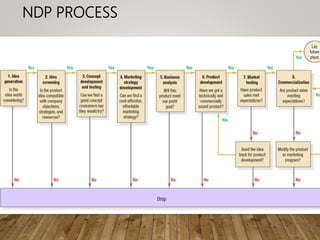
NDP PROCESS
When N.P.D.?
Once a company has
 Segmented market carefully.
 Chosen its target customer group.
 Identified their needs / preferences /
requirements.
 Determined the appropriate mix of 4P’s for that
market.
Then, it is ready to develop / launch suitable
new product.
Marketing actively interacts with other
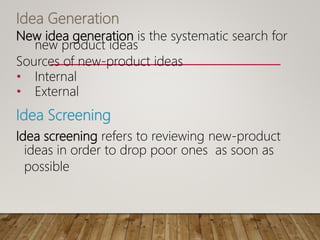
Idea Generation
New idea generation is the systematic search for
new product ideas
Sources of new-product ideas
• Internal
• External
Idea Screening
Idea screening refers to reviewing new-product
ideas in order to drop poor ones as soon as
possible
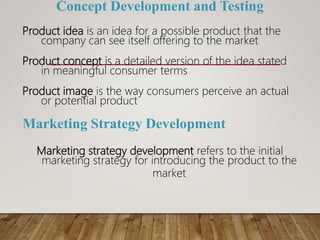
Concept Development and Testing
Product idea is an idea for a possible product that the
company can see itself offering to the market
Product concept is a detailed version of the idea stated
in meaningful consumer terms
Product image is the way consumers perceive an actual
or potential product
Marketing Strategy Development
Marketing strategy development refers to the initial
marketing strategy for introducing the product to the
market
Marketing Strategy Development
• Part 1:
• Description of the target market
• Product positioning, sales, market share, and profit goals
• Part 2:
• Price, distribution, and budget
• Part 3:
• Long-term sales, profit goals, and marketing mix strategy
Business Analysis
After management develops the product concept and marketing
strategy,
the company will not evaluate the proposal’s business attractiveness. This
is known as ‘Business Analysis’.
Product development
product development is an innovative development approach that
collects, reviews, evaluates, and manages new-product ideas
• Creates an innovation-oriented culture
• Yields a large number of new-product ideas
Market testing
Objectives of market testing could be:
a) Test product in actual market setting.
b) Learn about actual market size.
c) Learn about how consumers/dealers handle, use, repurchase new
product.
•Commercialization
After successful market testing, new product comes to
commercialisation stage. During this stage, production of new
product on a commercial basis is rapidly built up. For new food
products, marketing expenditures typically represent 57 percent of
first-year sales.
PRODUCTS
PEPSI ATOM
• Me too
ME TOO PRODUCT
• Similar packaging as compared to Thums Up
• Similar positioning as Thums Up
• No cult following as Thumps Up
COLGATE ENTREES
• Disastrous Brand extensions
DISASTROUS BRAND EXTENSION
• People don’t really associate Colgate with taste
• Shouldn’t have used Colgate branding
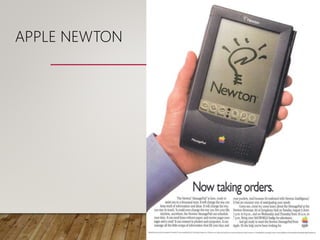
APPLE NEWTON
BACK TO THE FUTURE
• Launched ahead of its time
• Too Overpriced ($700-$1000)
• Depended on a Gimmick
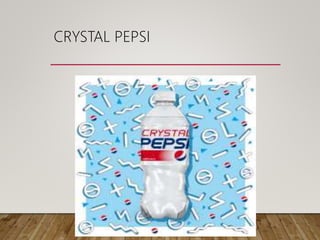
CRYSTAL PEPSI
POD
• Lacked features that customers associated with Cola
• Brown color, and Caffeine
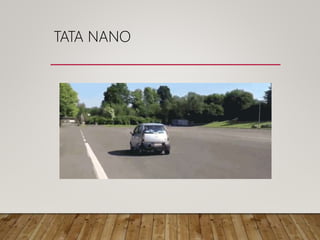
TATA NANO
POSITIONING FAILURE AMONG
OTHERS
• ‘Cheapest Car’ tag
• Couldn’t commit to promised price
• Safety concerns
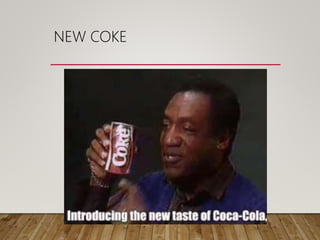
NEW COKE
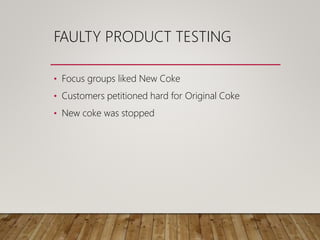
FAULTY PRODUCT TESTING
• Focus groups liked New Coke
• Customers petitioned hard for Original Coke
• New coke was stopped
WINDOWS VISTA
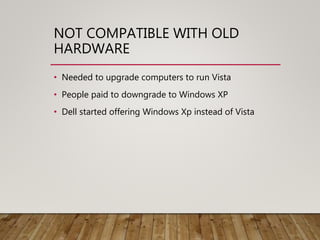
NOT COMPATIBLE WITH OLD
HARDWARE
• Needed to upgrade computers to run Vista
• People paid to downgrade to Windows XP
• Dell started offering Windows Xp instead of Vista
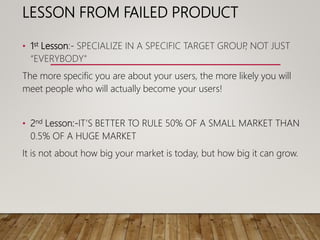
LESSON FROM FAILED PRODUCT
• 1st Lesson:- SPECIALIZE IN A SPECIFIC TARGET GROUP, NOT JUST
“EVERYBODY"
The more specific you are about your users, the more likely you will
meet people who will actually become your users!
• 2nd Lesson:-IT’S BETTER TO RULE 50% OF A SMALL MARKET THAN
0.5% OF A HUGE MARKET
It is not about how big your market is today, but how big it can grow.
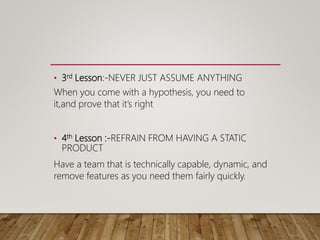
• 3rd Lesson:-NEVER JUST ASSUME ANYTHING
When you come with a hypothesis, you need to
it,and prove that it’s right
• 4th Lesson :-REFRAIN FROM HAVING A STATIC
PRODUCT
Have a team that is technically capable, dynamic, and
remove features as you need them fairly quickly.
• 5th Lesson:-HAVE A SOLID BUSINESS MODEL FROM
DAY 1
You’re not doing this for fun, or for prestige, you’re
looking to make a return.
Reasons for new product failure
• Overestimation of market size
• Poor design
• Incorrect positioning
• Wrong timing
• Priced too high
• Ineffective promotion
• Management influence
• High development costs
• Competition
Thank YOU

Lessons from failed products

  • 1.
    NEW PRODUCT DEVELOPMENT: LESSONS FROMFAILED PRODUCT Presented by DHA ZODAPE NISHESH KUNTAL NIKHIL SHIRSAT VAIBHAV SAXENA APOORV SONI
  • 2.
    NEW PRODUCT DEVELOPMENT ‘NewProduct Development’ (N.P.D.) is the development of original products, product improvements, product modifications, and new brands through the firm’s own R & D efforts. Why New Product Development (N.P.D.) ?  To maintain and build sales through replacement products  To shape the company’s future  To fulfil the ever changing customer preferences
  • 3.
  • 4.
    When N.P.D.? Once acompany has  Segmented market carefully.  Chosen its target customer group.  Identified their needs / preferences / requirements.  Determined the appropriate mix of 4P’s for that market. Then, it is ready to develop / launch suitable new product. Marketing actively interacts with other
  • 5.
    Idea Generation New ideageneration is the systematic search for new product ideas Sources of new-product ideas • Internal • External Idea Screening Idea screening refers to reviewing new-product ideas in order to drop poor ones as soon as possible
  • 6.
    Concept Development andTesting Product idea is an idea for a possible product that the company can see itself offering to the market Product concept is a detailed version of the idea stated in meaningful consumer terms Product image is the way consumers perceive an actual or potential product Marketing Strategy Development Marketing strategy development refers to the initial marketing strategy for introducing the product to the market
  • 7.
    Marketing Strategy Development •Part 1: • Description of the target market • Product positioning, sales, market share, and profit goals • Part 2: • Price, distribution, and budget • Part 3: • Long-term sales, profit goals, and marketing mix strategy Business Analysis After management develops the product concept and marketing strategy, the company will not evaluate the proposal’s business attractiveness. This is known as ‘Business Analysis’.
  • 8.
    Product development product developmentis an innovative development approach that collects, reviews, evaluates, and manages new-product ideas • Creates an innovation-oriented culture • Yields a large number of new-product ideas Market testing Objectives of market testing could be: a) Test product in actual market setting. b) Learn about actual market size. c) Learn about how consumers/dealers handle, use, repurchase new product.
  • 9.
    •Commercialization After successful markettesting, new product comes to commercialisation stage. During this stage, production of new product on a commercial basis is rapidly built up. For new food products, marketing expenditures typically represent 57 percent of first-year sales.
  • 10.
  • 11.
  • 12.
    ME TOO PRODUCT •Similar packaging as compared to Thums Up • Similar positioning as Thums Up • No cult following as Thumps Up
  • 13.
  • 14.
    DISASTROUS BRAND EXTENSION •People don’t really associate Colgate with taste • Shouldn’t have used Colgate branding
  • 15.
  • 16.
    BACK TO THEFUTURE • Launched ahead of its time • Too Overpriced ($700-$1000) • Depended on a Gimmick
  • 17.
  • 18.
    POD • Lacked featuresthat customers associated with Cola • Brown color, and Caffeine
  • 20.
  • 21.
    POSITIONING FAILURE AMONG OTHERS •‘Cheapest Car’ tag • Couldn’t commit to promised price • Safety concerns
  • 22.
  • 23.
    FAULTY PRODUCT TESTING •Focus groups liked New Coke • Customers petitioned hard for Original Coke • New coke was stopped
  • 24.
  • 25.
    NOT COMPATIBLE WITHOLD HARDWARE • Needed to upgrade computers to run Vista • People paid to downgrade to Windows XP • Dell started offering Windows Xp instead of Vista
  • 27.
    LESSON FROM FAILEDPRODUCT • 1st Lesson:- SPECIALIZE IN A SPECIFIC TARGET GROUP, NOT JUST “EVERYBODY" The more specific you are about your users, the more likely you will meet people who will actually become your users! • 2nd Lesson:-IT’S BETTER TO RULE 50% OF A SMALL MARKET THAN 0.5% OF A HUGE MARKET It is not about how big your market is today, but how big it can grow.
  • 28.
    • 3rd Lesson:-NEVERJUST ASSUME ANYTHING When you come with a hypothesis, you need to it,and prove that it’s right • 4th Lesson :-REFRAIN FROM HAVING A STATIC PRODUCT Have a team that is technically capable, dynamic, and remove features as you need them fairly quickly.
  • 29.
    • 5th Lesson:-HAVEA SOLID BUSINESS MODEL FROM DAY 1 You’re not doing this for fun, or for prestige, you’re looking to make a return.
  • 30.
    Reasons for newproduct failure • Overestimation of market size • Poor design • Incorrect positioning • Wrong timing • Priced too high • Ineffective promotion • Management influence • High development costs • Competition
  • 31.