Industry Studies Consumer Goods Industry 
Topic: Global Supply Chain and 
Distribution Strategies 
Topic Number: 4
Overview 
One of the most important considerations for CGI 
organisations is how they are going to maximise the 
effectiveness of their supply chain and get their 
products to their consumers. This can be a rather 
complex challenge given the sheer scale of operation 
required in some instances. 
This lecture will initially look at the dynamics relating 
to the supply chain and determine the strategic issues 
faced by organisations. Thereafter, we will look at the 
extent to which firms should vertically integrate and 
the associated pros and cons. 
We will then evaluate the various ‘to market’ 
distribution channels firms have available critically 
evaluating the different approaches. 
2
Learning Outcomes 
• Determine and be able to discuss the dynamics of 
3 
a global supply chain 
• Critically evaluate the issues relating to vertical 
integration of a supply chain 
• Evaluate and articulate the changing nature of 
distribution approaches due to technological 
advancements 
• Identify and describe the advantages and 
disadvantages of the different distribution 
methods
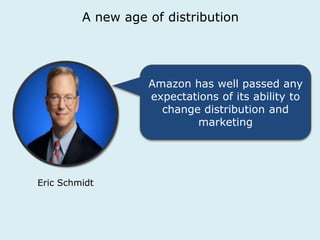
A new age of distribution 
Amazon has well passed any 
expectations of its ability to 
change distribution and 
marketing 
Eric Schmidt
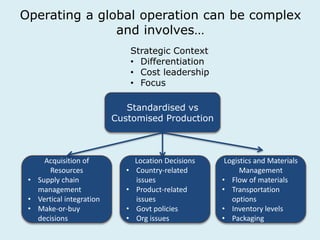
Operating a global operation can be complex 
and involves… 
Standardised vs 
Customised Production 
Acquisition of 
Resources 
• Supply chain 
management 
• Vertical integration 
• Make-or-buy 
decisions 
Location Decisions 
• Country-related 
issues 
• Product-related 
issues 
• Govt policies 
• Org issues 
Logistics and Materials 
Management 
• Flow of materials 
• Transportation 
options 
• Inventory levels 
• Packaging 
Strategic Context 
• Differentiation 
• Cost leadership 
• Focus
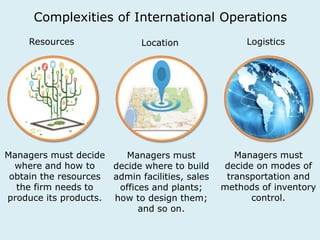
Complexities of International Operations 
Resources Location Logistics 
Managers must decide 
where and how to 
obtain the resources 
the firm needs to 
produce its products. 
Managers must 
decide where to build 
admin facilities, sales 
offices and plants; 
how to design them; 
and so on. 
Managers must 
decide on modes of 
transportation and 
methods of inventory 
control.
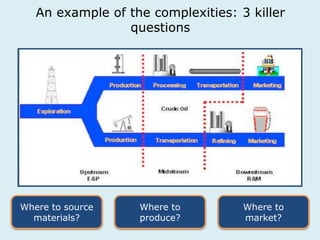
An example of the complexities: 3 killer 
questions 
Where to source 
materials? 
Where to 
produce? 
Where to 
market?
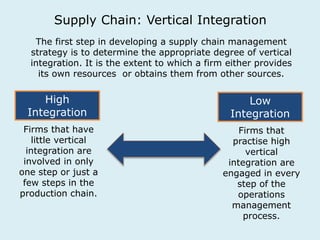
Supply Chain: Vertical Integration 
The first step in developing a supply chain management 
strategy is to determine the appropriate degree of vertical 
integration. It is the extent to which a firm either provides 
its own resources or obtains them from other sources. 
Firms that 
practise high 
vertical 
integration are 
engaged in every 
step of the 
operations 
management 
process. 
High 
Integration 
Firms that have 
little vertical 
integration are 
involved in only 
one step or just a 
few steps in the 
production chain. 
Low 
Integration
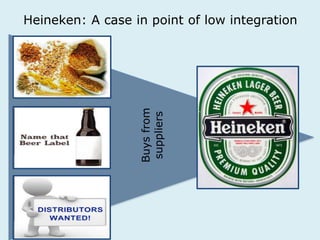
Heineken: A case in point of low integration 
Buys from 
suppliers
To make or to buy? 
A transactional cost economic approach 
Ronald Coase 
According to Ronald Coase, 
people begin to organise their 
production in firms when the 
transaction cost of coordinating 
production through the market 
exchange, given imperfect 
information, is greater than within 
the firm.
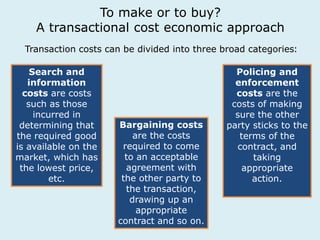
To make or to buy? 
A transactional cost economic approach 
Transaction costs can be divided into three broad categories: 
Search and 
information 
costs are costs 
such as those 
incurred in 
determining that 
the required good 
is available on the 
market, which has 
the lowest price, 
etc. 
Bargaining costs 
are the costs 
required to come 
to an acceptable 
agreement with 
the other party to 
the transaction, 
drawing up an 
appropriate 
contract and so on. 
Policing and 
enforcement 
costs are the 
costs of making 
sure the other 
party sticks to the 
terms of the 
contract, and 
taking 
appropriate 
action.
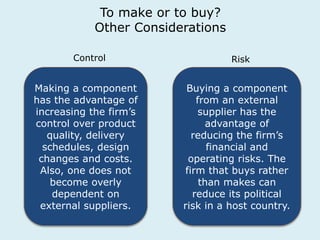
To make or to buy? 
Other Considerations 
Control Risk 
Making a component 
has the advantage of 
increasing the firm’s 
control over product 
quality, delivery 
schedules, design 
changes and costs. 
Also, one does not 
become overly 
dependent on 
external suppliers. 
Buying a component 
from an external 
supplier has the 
advantage of 
reducing the firm’s 
financial and 
operating risks. The 
firm that buys rather 
than makes can 
reduce its political 
risk in a host country.
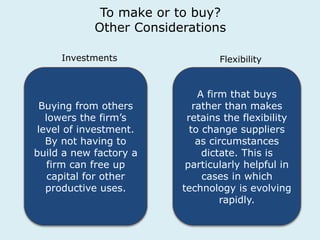
To make or to buy? 
Other Considerations 
Investments Flexibility 
Buying from others 
lowers the firm’s 
level of investment. 
By not having to 
build a new factory a 
firm can free up 
capital for other 
productive uses. 
A firm that buys 
rather than makes 
retains the flexibility 
to change suppliers 
as circumstances 
dictate. This is 
particularly helpful in 
cases in which 
technology is evolving 
rapidly.
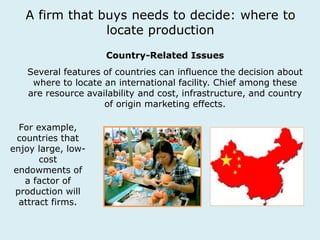
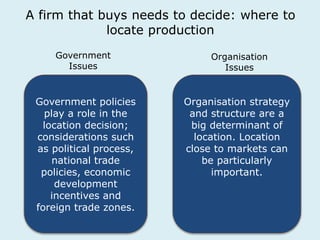
A firm that buys needs to decide: where to 
locate production 
Country-Related Issues 
Several features of countries can influence the decision about 
where to locate an international facility. Chief among these 
are resource availability and cost, infrastructure, and country 
of origin marketing effects. 
For example, 
countries that 
enjoy large, low-cost 
endowments of 
a factor of 
production will 
attract firms.
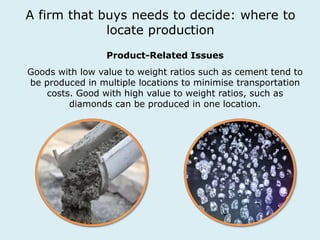
A firm that buys needs to decide: where to 
locate production 
Product-Related Issues 
Goods with low value to weight ratios such as cement tend to 
be produced in multiple locations to minimise transportation 
costs. Good with high value to weight ratios, such as 
diamonds can be produced in one location.
A firm that buys needs to decide: where to 
locate production 
Government 
Issues 
Government policies 
play a role in the 
location decision; 
considerations such 
as political process, 
national trade 
policies, economic 
development 
incentives and 
foreign trade zones. 
Organisation 
Issues 
Organisation strategy 
and structure are a 
big determinant of 
location. Location 
close to markets can 
be particularly 
important.
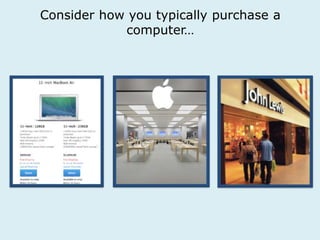
Consider how you typically purchase a 
computer…
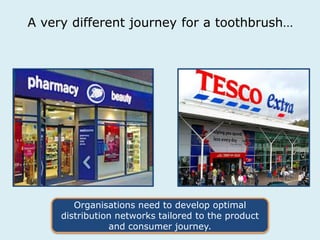
A very different journey for a toothbrush… 
Organisations need to develop optimal 
distribution networks tailored to the product 
and consumer journey.
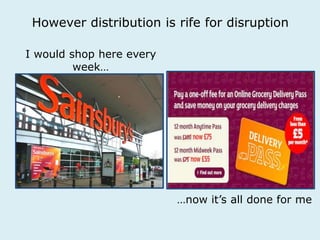
However distribution is rife for disruption 
I would shop here every 
week… 
…now it’s all done for me
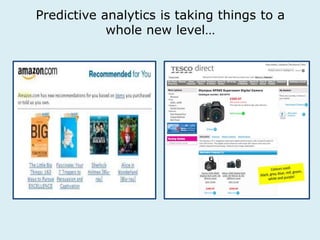
Predictive analytics is taking things to a 
whole new level…
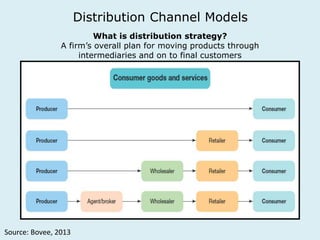
Distribution Channel Models 
What is distribution strategy? 
A firm’s overall plan for moving products through 
intermediaries and on to final customers 
Source: Bovee, 2013
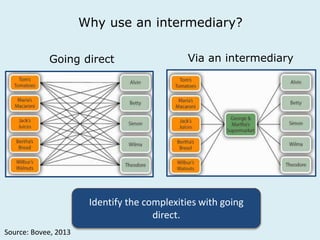
Why use an intermediary? 
Going direct Via an intermediary 
Identify the complexities with going 
direct. 
Source: Bovee, 2013
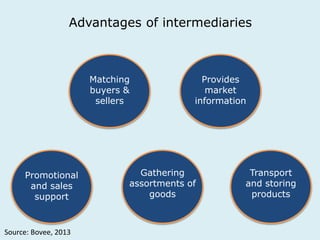
Advantages of intermediaries 
Matching 
buyers & 
sellers 
Provides 
market 
information 
Promotional 
and sales 
support 
Gathering 
assortments of 
goods 
Transport 
and storing 
products 
Source: Bovee, 2013
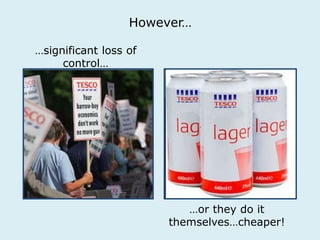
However… 
…significant loss of 
control… 
…or they do it 
themselves…cheaper!
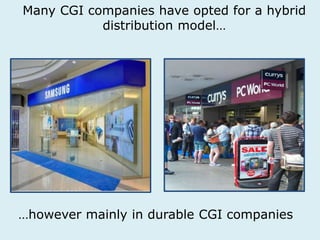
Many CGI companies have opted for a hybrid 
distribution model… 
…however mainly in durable CGI companies
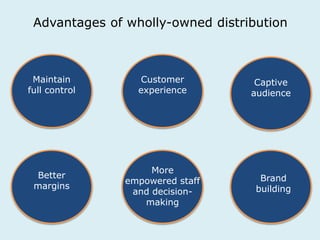
Advantages of wholly-owned distribution 
Maintain 
full control 
Customer 
experience 
Better 
margins 
More 
empowered staff 
and decision-making 
Captive 
audience 
Brand 
building
Appendix – Sources for illustrations 
Slide 6 & 7: 
www.wikipedia.org 
Slide 9: 
www.heineken.com 
Slide 10: 
www.wikipedia.org 
Slide 14 &15: 
www.livemint.com 
Slide 17: 
Apple and John Lewis websites 
Slide 18 
Boots and Tesco websites 
Slide 19 
Sainsburys website 
Slide 20 & 24 
Amazon & Tesco websites 
Slide 25: 
Samsung website
End of presentation 
© Pearson College 2013

Lecture 4 industry studies v2 student

  • 1.
    Industry Studies ConsumerGoods Industry Topic: Global Supply Chain and Distribution Strategies Topic Number: 4
  • 2.
    Overview One ofthe most important considerations for CGI organisations is how they are going to maximise the effectiveness of their supply chain and get their products to their consumers. This can be a rather complex challenge given the sheer scale of operation required in some instances. This lecture will initially look at the dynamics relating to the supply chain and determine the strategic issues faced by organisations. Thereafter, we will look at the extent to which firms should vertically integrate and the associated pros and cons. We will then evaluate the various ‘to market’ distribution channels firms have available critically evaluating the different approaches. 2
  • 3.
    Learning Outcomes •Determine and be able to discuss the dynamics of 3 a global supply chain • Critically evaluate the issues relating to vertical integration of a supply chain • Evaluate and articulate the changing nature of distribution approaches due to technological advancements • Identify and describe the advantages and disadvantages of the different distribution methods
  • 4.
    A new ageof distribution Amazon has well passed any expectations of its ability to change distribution and marketing Eric Schmidt
  • 5.
    Operating a globaloperation can be complex and involves… Standardised vs Customised Production Acquisition of Resources • Supply chain management • Vertical integration • Make-or-buy decisions Location Decisions • Country-related issues • Product-related issues • Govt policies • Org issues Logistics and Materials Management • Flow of materials • Transportation options • Inventory levels • Packaging Strategic Context • Differentiation • Cost leadership • Focus
  • 6.
    Complexities of InternationalOperations Resources Location Logistics Managers must decide where and how to obtain the resources the firm needs to produce its products. Managers must decide where to build admin facilities, sales offices and plants; how to design them; and so on. Managers must decide on modes of transportation and methods of inventory control.
  • 7.
    An example ofthe complexities: 3 killer questions Where to source materials? Where to produce? Where to market?
  • 8.
    Supply Chain: VerticalIntegration The first step in developing a supply chain management strategy is to determine the appropriate degree of vertical integration. It is the extent to which a firm either provides its own resources or obtains them from other sources. Firms that practise high vertical integration are engaged in every step of the operations management process. High Integration Firms that have little vertical integration are involved in only one step or just a few steps in the production chain. Low Integration
  • 9.
    Heineken: A casein point of low integration Buys from suppliers
  • 10.
    To make orto buy? A transactional cost economic approach Ronald Coase According to Ronald Coase, people begin to organise their production in firms when the transaction cost of coordinating production through the market exchange, given imperfect information, is greater than within the firm.
  • 11.
    To make orto buy? A transactional cost economic approach Transaction costs can be divided into three broad categories: Search and information costs are costs such as those incurred in determining that the required good is available on the market, which has the lowest price, etc. Bargaining costs are the costs required to come to an acceptable agreement with the other party to the transaction, drawing up an appropriate contract and so on. Policing and enforcement costs are the costs of making sure the other party sticks to the terms of the contract, and taking appropriate action.
  • 12.
    To make orto buy? Other Considerations Control Risk Making a component has the advantage of increasing the firm’s control over product quality, delivery schedules, design changes and costs. Also, one does not become overly dependent on external suppliers. Buying a component from an external supplier has the advantage of reducing the firm’s financial and operating risks. The firm that buys rather than makes can reduce its political risk in a host country.
  • 13.
    To make orto buy? Other Considerations Investments Flexibility Buying from others lowers the firm’s level of investment. By not having to build a new factory a firm can free up capital for other productive uses. A firm that buys rather than makes retains the flexibility to change suppliers as circumstances dictate. This is particularly helpful in cases in which technology is evolving rapidly.
  • 14.
    A firm thatbuys needs to decide: where to locate production Country-Related Issues Several features of countries can influence the decision about where to locate an international facility. Chief among these are resource availability and cost, infrastructure, and country of origin marketing effects. For example, countries that enjoy large, low-cost endowments of a factor of production will attract firms.
  • 15.
    A firm thatbuys needs to decide: where to locate production Product-Related Issues Goods with low value to weight ratios such as cement tend to be produced in multiple locations to minimise transportation costs. Good with high value to weight ratios, such as diamonds can be produced in one location.
  • 16.
    A firm thatbuys needs to decide: where to locate production Government Issues Government policies play a role in the location decision; considerations such as political process, national trade policies, economic development incentives and foreign trade zones. Organisation Issues Organisation strategy and structure are a big determinant of location. Location close to markets can be particularly important.
  • 17.
    Consider how youtypically purchase a computer…
  • 18.
    A very differentjourney for a toothbrush… Organisations need to develop optimal distribution networks tailored to the product and consumer journey.
  • 19.
    However distribution isrife for disruption I would shop here every week… …now it’s all done for me
  • 20.
    Predictive analytics istaking things to a whole new level…
  • 21.
    Distribution Channel Models What is distribution strategy? A firm’s overall plan for moving products through intermediaries and on to final customers Source: Bovee, 2013
  • 22.
    Why use anintermediary? Going direct Via an intermediary Identify the complexities with going direct. Source: Bovee, 2013
  • 23.
    Advantages of intermediaries Matching buyers & sellers Provides market information Promotional and sales support Gathering assortments of goods Transport and storing products Source: Bovee, 2013
  • 24.
    However… …significant lossof control… …or they do it themselves…cheaper!
  • 25.
    Many CGI companieshave opted for a hybrid distribution model… …however mainly in durable CGI companies
  • 26.
    Advantages of wholly-owneddistribution Maintain full control Customer experience Better margins More empowered staff and decision-making Captive audience Brand building
  • 27.
    Appendix – Sourcesfor illustrations Slide 6 & 7: www.wikipedia.org Slide 9: www.heineken.com Slide 10: www.wikipedia.org Slide 14 &15: www.livemint.com Slide 17: Apple and John Lewis websites Slide 18 Boots and Tesco websites Slide 19 Sainsburys website Slide 20 & 24 Amazon & Tesco websites Slide 25: Samsung website
  • 28.
    End of presentation © Pearson College 2013