












Learning and
Training Notes
Learning and Training
Notes
Compilation of thoughts on
communication, training and
learning
Challenges to training
and learning
Slow, little, or no
learning at all
Observed in the classroom
and corporate world as a
classroom professor and
corporate officer
Going back to the basic
What is learning/training?
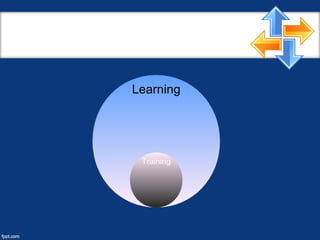
Learning
Training
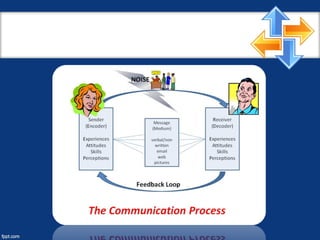
It is the same as a
communication process
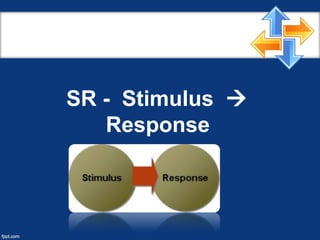
SR - Stimulus 
Response
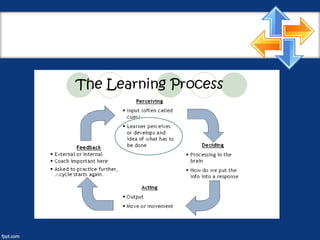
The process involves the
transfer of a learning content to
the learner
Read, understand, reflect,
act, apply, and check
Change in the learner
The learner has a response – to
retain what has been taught and
apply
Our rejoinder to corporate
learners
From Peter Senge –
Fifth Discipline
What is the fifth discipline?
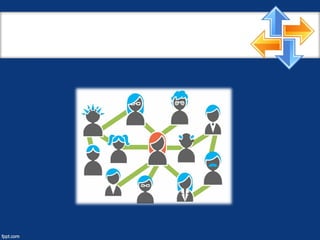
Shared learning
What need to be changed
to have shared learning?
• Mental models
• Systemic thinking
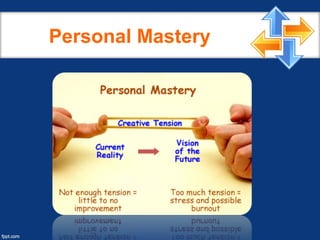
• Personal mastery
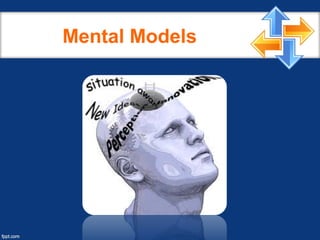
Mental Models
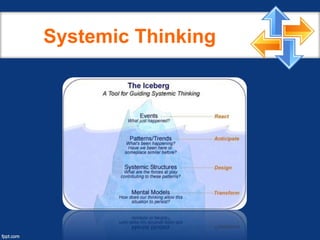
Systemic Thinking
Personal Mastery
Preconditions to learning
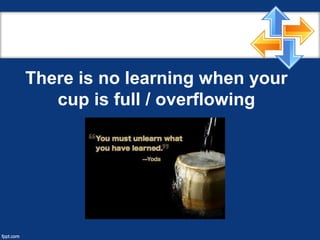
There is no learning when your
cup is full / overflowing
FAR
• Focus
• Attention
• Reverence
The learner must approach
learning with open mind -
sunnao
Motivation of the learner –
how strong is the desire to
learn?
Why do you need to learn
more?
• To be promoted in a job
• To be competitive
• To be the best you can be
• To learn a new skill
• To increase your market value
• So that you will not be disciplined very
often
• To get certification/diploma
The desire to learn must be as
strong as the desire to earn
You only learn what you teach
yourself
The “Million Dollar Baby”
“The only voice you will
hear is my voice”
The instructor can only do so
much; the rest depends on the
learner
The Eastern Model – the guru
apprentice relationship
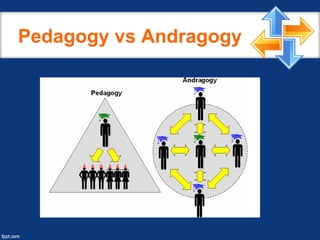
Pedagogy vs Andragogy
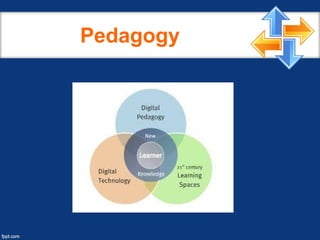
Pedagogy
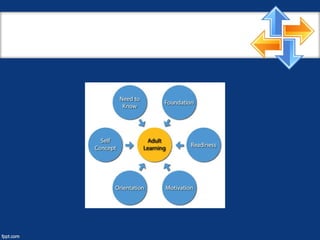
Adult learning
Andragogy
Instructors as facilitators
“I listen and I forget, I see and I
remember, I experience and I
understand” – Old Chinese saying
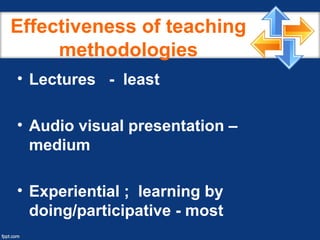
Effectiveness of teaching
methodologies
• Lectures - least
• Audio visual presentation –
medium
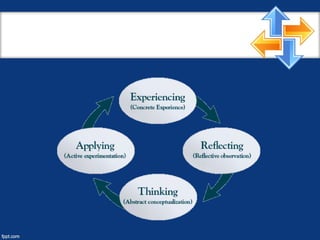
• Experiential ; learning by
doing/participative - most
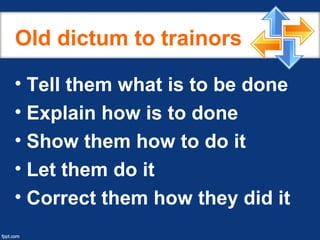
Old dictum to trainors
• Tell them what is to be done
• Explain how is to done
• Show them how to do it
• Let them do it
• Correct them how they did it
Value of assessment
What gets measured gets
done (is learned)
Learning objectives and
assessment
Tests, evaluations,
interviews, follow - ups
You can not change the world
if you can not change the
learner
Are you good?
• Trainor / instructor / facilitator
• Learner/apprentice?
Thank You!
By:
Prof. Jorge U. Saguinsin

Learning & Training Notes