C IV (3b)
Historical changes with respect to
education due industrialization &
Democracy, leading individual
autonomy and reason
Dr,
Saramma
Industrialisation
• Industrialisation is the period of social and
economic change that transforms a human
group from an agrarian society into an
industrial one, involving the extensive re-
organisation of an economy for the purpose
of manufacturing.
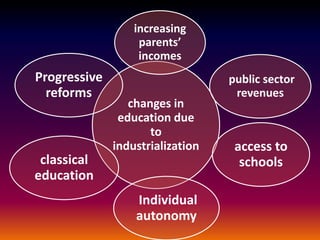
changes in
education due
to
industrialization
increasing
parents’
incomes
public sector
revenues
access to
schools
Individual
autonomy
classical
education
Progressive
reforms
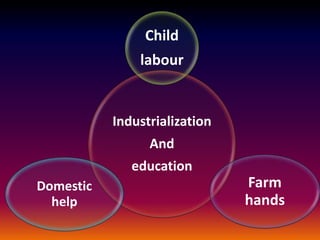
Industrialization
And
education
Child
labour
Farm
hands
Domestic
help
Classical education
• Classical education depends on a three-part
process of training the mind.
• The early years of school are spent in
absorbing facts, systematically laying the
foundations for advanced study.
• In the middle grades, students learn to think
through arguments.
• In the high school years, they learn to express
themselves.
“Democracy”
• “Democracy” may refer to political
arrangements
• which involve direct participation of the
members of a society in
• deciding on the laws and policies of the
society or
• it may involve the participation of those
members in selecting representatives to
make the decisions
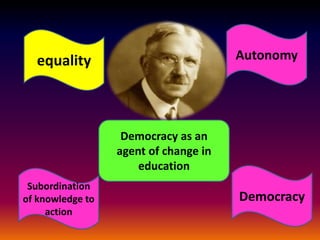
Democracy as an
agent of change in
education
Subordination
of knowledge to
action
Democracy
Autonomyequality
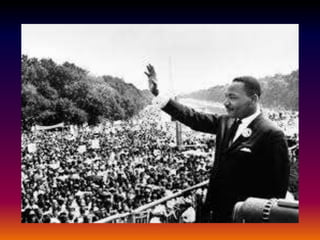
Civil rights movements
• worldwide series of political movements for
equality before the law,
• characterized by nonviolent protests,
• campaigns of civil resistance
• aimed at achieving change through
nonviolent forms of resistance.
• In some situations, they have been
accompanied by civil rebellion.
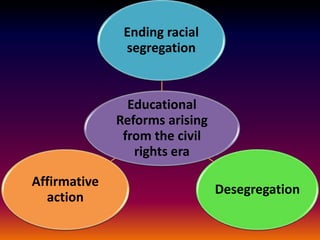
Educational
Reforms arising
from the civil
rights era
Ending racial
segregation
Desegregation
Affirmative
action
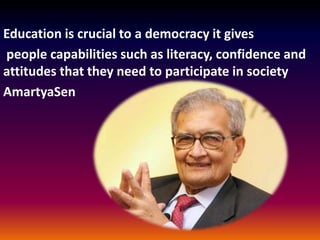
Education is crucial to a democracy it gives
people capabilities such as literacy, confidence and
attitudes that they need to participate in society
AmartyaSen
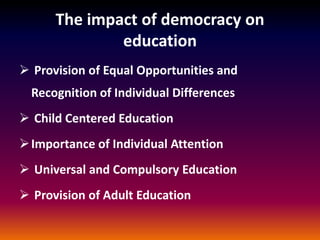
The impact of democracy on
education
 Provision of Equal Opportunities and
Recognition of Individual Differences
 Child Centered Education
Importance of Individual Attention
 Universal and Compulsory Education
 Provision of Adult Education
The impact of democracy on education
Democratic methods of Teaching
 Social Activities
 Co-operation between all Agencies of Education
 Free Education
 School Administration
 School
Imagine you work in a
restaurant, making pasta
sauce. One chef you work
with insists on being
involved in every step of
the process, down to
selecting the tomatoes.
Another chef doesn't get
involved until it is time to
taste the sauce. Does the
second chef just care about
the sauce less?
Individual autonomy
• basic moral and political value
• puts the moral weight on an individual's
ability to govern herself,
• It is independent of her place
• in social structures
• and political institutions
Individual autonomy and reason.
• Individual autonomy is a distinctively
human value that is required for human
well-being.
Individual autonomy is the capacity
• to be one's own person,
• to live one's life according to reasons and
motives that are taken as one's own
Individual autonomy and reason.
• not the product of manipulative or distorting
external forces.
• to be directed by considerations, desires,
conditions, and characteristics that are not
imposed externally upon one,
• but are part of what can be considered one's
authentic self.
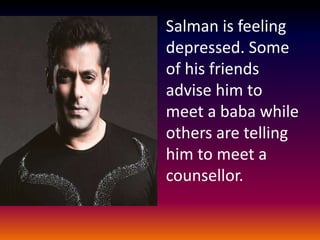
Salman is feeling
depressed. Some
of his friends
advise him to
meet a baba while
others are telling
him to meet a
counsellor.
Reason
Autonomy of human beings depends on their
ability to behave according to laws that are
given to them by the proper exercise of reason.
Reason is the capacity for consciously making
sense of things, applying logic, establishing and
verifying facts, and changing or justifying
practices, institutions, and beliefs based on
new or existing information
Questions
• Discuss the influence of industrialization on
education
• Explain the impact of democracy on education
• How does education and democracy
complement each other.
• Industrialization and democracy have led to
individual modernity and reason. Justify

Knowledge and curriculum

  • 1.
    C IV (3b) Historicalchanges with respect to education due industrialization & Democracy, leading individual autonomy and reason Dr, Saramma
  • 2.
    Industrialisation • Industrialisation isthe period of social and economic change that transforms a human group from an agrarian society into an industrial one, involving the extensive re- organisation of an economy for the purpose of manufacturing.
  • 3.
    changes in education due to industrialization increasing parents’ incomes publicsector revenues access to schools Individual autonomy classical education Progressive reforms
  • 4.
  • 5.
    Classical education • Classicaleducation depends on a three-part process of training the mind. • The early years of school are spent in absorbing facts, systematically laying the foundations for advanced study. • In the middle grades, students learn to think through arguments. • In the high school years, they learn to express themselves.
  • 6.
    “Democracy” • “Democracy” mayrefer to political arrangements • which involve direct participation of the members of a society in • deciding on the laws and policies of the society or • it may involve the participation of those members in selecting representatives to make the decisions
  • 7.
    Democracy as an agentof change in education Subordination of knowledge to action Democracy Autonomyequality
  • 9.
    Civil rights movements •worldwide series of political movements for equality before the law, • characterized by nonviolent protests, • campaigns of civil resistance • aimed at achieving change through nonviolent forms of resistance. • In some situations, they have been accompanied by civil rebellion.
  • 10.
    Educational Reforms arising from thecivil rights era Ending racial segregation Desegregation Affirmative action
  • 11.
    Education is crucialto a democracy it gives people capabilities such as literacy, confidence and attitudes that they need to participate in society AmartyaSen
  • 13.
    The impact ofdemocracy on education  Provision of Equal Opportunities and Recognition of Individual Differences  Child Centered Education Importance of Individual Attention  Universal and Compulsory Education  Provision of Adult Education
  • 15.
    The impact ofdemocracy on education Democratic methods of Teaching  Social Activities  Co-operation between all Agencies of Education  Free Education  School Administration  School
  • 16.
    Imagine you workin a restaurant, making pasta sauce. One chef you work with insists on being involved in every step of the process, down to selecting the tomatoes. Another chef doesn't get involved until it is time to taste the sauce. Does the second chef just care about the sauce less?
  • 17.
    Individual autonomy • basicmoral and political value • puts the moral weight on an individual's ability to govern herself, • It is independent of her place • in social structures • and political institutions
  • 18.
    Individual autonomy andreason. • Individual autonomy is a distinctively human value that is required for human well-being. Individual autonomy is the capacity • to be one's own person, • to live one's life according to reasons and motives that are taken as one's own
  • 19.
    Individual autonomy andreason. • not the product of manipulative or distorting external forces. • to be directed by considerations, desires, conditions, and characteristics that are not imposed externally upon one, • but are part of what can be considered one's authentic self.
  • 20.
    Salman is feeling depressed.Some of his friends advise him to meet a baba while others are telling him to meet a counsellor.
  • 21.
    Reason Autonomy of humanbeings depends on their ability to behave according to laws that are given to them by the proper exercise of reason. Reason is the capacity for consciously making sense of things, applying logic, establishing and verifying facts, and changing or justifying practices, institutions, and beliefs based on new or existing information
  • 22.
    Questions • Discuss theinfluence of industrialization on education • Explain the impact of democracy on education • How does education and democracy complement each other. • Industrialization and democracy have led to individual modernity and reason. Justify