What are your organization’s
values?
Tweet
@Joaquin_V_Roca with
#MODes
Killing Hierarchy:
Organization Design for Startups
Me@JoaquinRoca.com
@Joaquin_V_Roca
JoaquinRoca.com
Agenda
• Architecture
– Grouping alternatives
• Operational Processes
– Connecting roles
• AEIOU/Roles and Authorization
• Evaluation checklist
• Connection to culture, mission, vision,
values, strategy
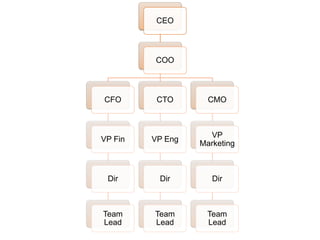
CEO
COO
CFO
VP Fin
Dir
Team
Lead
CTO
VP Eng
Dir
Team
Lead
CMO
VP
Marketing
Dir
Team
Lead
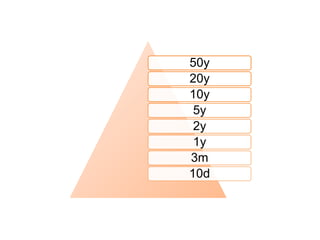
50y
20y
10y
5y
2y
1y
3m
10d
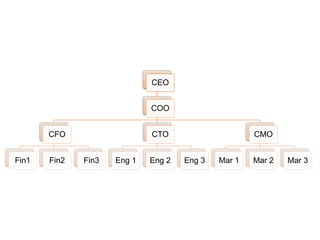
CEO
COO
CFO
Fin1 Fin2 Fin3
CTO
Eng 1 Eng 2 Eng 3
CMO
Mar 1 Mar 2 Mar 3
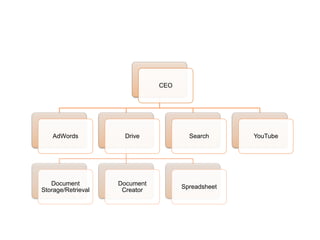
CEO
AdWords Drive
Document
Storage/Retrieval
Document
Creator
Spreadsheet
Search YouTube
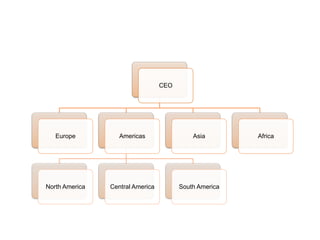
CEO
Europe Americas
North America Central America South America
Asia Africa
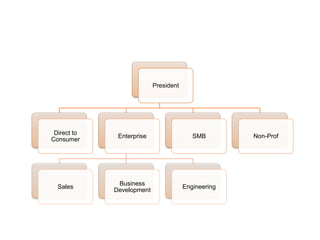
President
Direct to
Consumer
Enterprise
Sales
Business
Development
Engineering
SMB Non-Prof
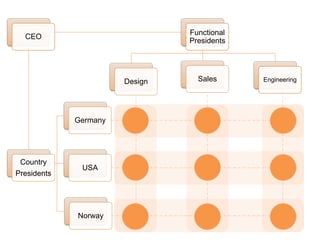
CEO
Design Sales Engineering
Norway
USA
Germany
Functional
Presidents
Country
Presidents
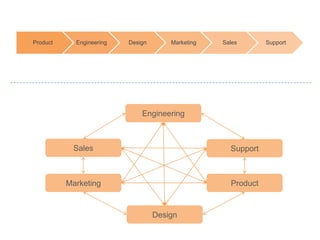
Product Engineering Design Marketing Sales Support
Engineering
SupportSales
Marketing Product
Design
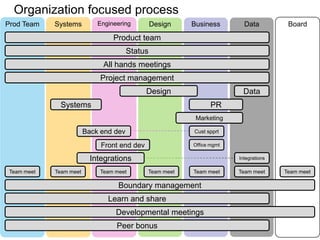
Prod Team Systems Engineering Design Business Data Board
Organization focused process
Learn and share
Product team
Design
Front end dev
Data
Status
Systems
All hands meetings
Developmental meetings
Marketing
PR
Cust spprt
Office mgmt
Team meet Team meet Team meet Team meet Team meet Team meet Team meet
Boundary management
Peer bonus
Project management
Back end dev
Integrations Integrations
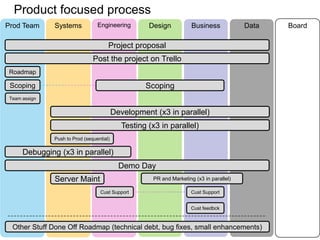
Prod Team Systems Engineering Design Business Data Board
Product focused process
PR and Marketing (x3 in parallel)
Project proposal
Post the project on Trello
Roadmap
Server Maint
Debugging (x3 in parallel)
Cust Support
Scoping
Team assign
Development (x3 in parallel)
Testing (x3 in parallel)
Push to Prod (sequential)
Scoping
Cust Support
Cust feedbck
Other Stuff Done Off Roadmap (technical debt, bug fixes, small enhancements)
Demo Day
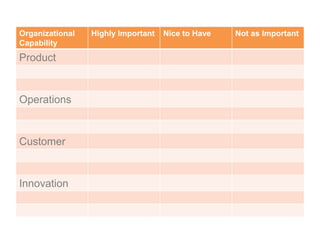
Organizational
Capability
Highly Important Nice to Have Not as Important
Product
Operations
Customer
Innovation
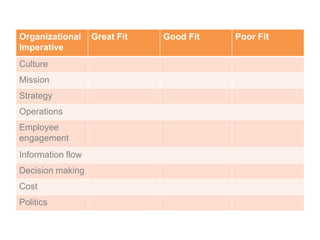
Organizational
Imperative
Great Fit Good Fit Poor Fit
Culture
Mission
Strategy
Operations
Employee
engagement
Information flow
Decision making
Cost
Politics
Hiring and Org Design
• Question!
Hiring and Org Design
• Attraction
• Selection
• Attrition
Culture
• Be clear about culture and hire to your culture
– Culture is not ping pong tables and t-shirts
– Culture is made up of values that reflect deep
assumptions and manifest in artifacts like ping pong
tables and t-shirts
– If you assume business success comes from
innovation and creativity comes from free thinking and
thus value autonomy, hire people who can work
autonomously
– If you assume business success comes from
operational excellence, and excellence comes from
coherence and discipline, hire people who thrive in
structured environments
What Works in Practice?
• Question!
What works in practice?
• The models are good ways to organize your
thinking
• They are not normative for the most part
• All of this really has to be fitted for your
organizations culture
• This is hard work and there is no one right
way
• You are going to get it wrong
• Build, measure, learn

Killing Hierarchy 2: Successful Organization Design

Editor's Notes

  • #2 Use #MODes for questions during class
  • #4 Organizational Psychologist ABD from ColumbiaI help NY startups gracefully scale their human systems.Most recent clients: SumAll, Harvest, Urtak, the Borough of Lansdale, PA, UN
  • #6 Extreme HierarchyFormal vs. informal organization in hierarchyLiaison roles or cross-functional task initiating role relationship
  • #7 How do you flatten an organization?Increase the span of control.Small span of control is 2Large span of control is 15How talented are your managers?How mature are your direct reports?
  • #8 Stratified Systems Theory (Jaques)You shouldn’t report to someone who has the same time horizon as you.
  • #9 FunctionalMost typical design
  • #10 ProductGoogle would look something like this if they organized by product.When I was at Pfizer, they were moving away from Georgraphic to Product design.
  • #11 GeographicSpeaking of Geographic, really large sales and service organizations are often-times grouped this way. Within georgraphy you may find functional or product based organizations
  • #12 ClientIf you serve very different customers, they might have different needs. If your organization strategy revolves around customer segments, this might be a good way to organize.
  • #13 MatrixOften when companies want to have two strong grouping types (usually function + one of the others), they’ll create a matrix organization.Benefits and costsSpotify?
  • #14 Two views of operational processesEven how we visualize our processes speaks to our values.Important to get this rightIt is the combination of architecture and process that defines your organization design
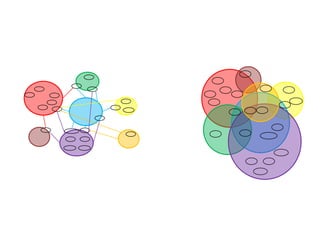
  • #15 Organic OrganizationSome examples of organic organizationsLess structured, more flexible.Fractal organizations may not look like your typical organization when put on paperYou might not be able to visualize it this way at all
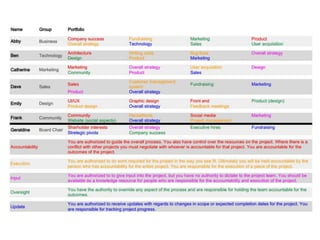
  • #16 At SumAll we have something similar to this for our architecture.Very clear understanding of the AEIOUs makes it unnecessary to have an org chart
  • #17 Liaison roles and processesFormalAll hands meetingsCross-functional work groupsProject managersProduct managersRetreatsInformalLunchHappy hourHoliday partiesGame nightHackathons
  • #18 Product process is different from organization-wide process
  • #20 Your design should take into account:fit with your culture, mission, and strategyspeed and flexibility of decision making (are decisions centralized or distributed?)communication capabilities and how quickly data moves through your organizationeffect on employee engagementcosts, including resources and coordinationpolitics and power in your organizationamount of dependence on the informal organization
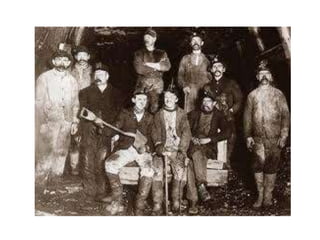
  • #21 Sociotechnical Systems Eric TristLong wall coal mining was very good for resource recovery rates, but the invention of the conveyor belt and division of teams into specialized separate units messed up productivity. Why?Depersonalized workDecimation of work groupsA complex organization is a social systemSociotechnical systemsWork organizations are interdependent social and technical systemsA work system is the unit of work (e.g., the assembly line)The work group does the workWork groups monitor work systems; not the supervisorWorkers are complementary to machines, not an extension of them
  • #22 Question:I'd *really* like to hear your thoughts on how hiring affects success in various organizational designs.  In my experience, a lot of the ideal can break down when you have people who fundamentally operate a different way.  Like people who have no personal tolerance for project tracking, todo lists, rules, or paperwork.  When you transition to a more structured process, they struggle and push back.  And people who may be great engineers, but are not pro-active communicators.  They struggle in the sandbox because they aren't getting their ideas heard.  What tricks are there for identifying the right personalities during the interview process that will fit with your organizational design objectives?
  • #25 Question:When you present them, I'm always interested in which elements of them you see working well in practice vs. on paper.  A lot of times there are good "ideal" mental models, but the devil is in the details.  So which things you "enforce" and which things you "strive for" when applying them would be great.