OPEN EDUCATIONAL PRACTICES
@thatpsychprof
Serving SOCIAL JUSTICE &
PEDAGOGICAL INNOVATION with
University Teaching Fellow & Psychology Instructor, Kwantlen Polytechnic University
Open Education Advisor, BCcampus
Associate Editor, Psychology Learning and Teaching
Ambassador, Center for Open Science
Rajiv Jhangiani, Ph.D.
Increasingly, I think the work of education
is activism not teaching
Jesse Stommel, July 30, 2017, Digital Pedagogy Lab Vancouver
My commitment to engaged pedagogy
is an expression of political activism
bell hooks, 1994, Teaching to Transgress: Education as the Practice of Freedom
Emergency services key box by Dennis van Zuijlekom, CC-BY-SA 2.0
Higher education
replicates and reinforces
existing power structures
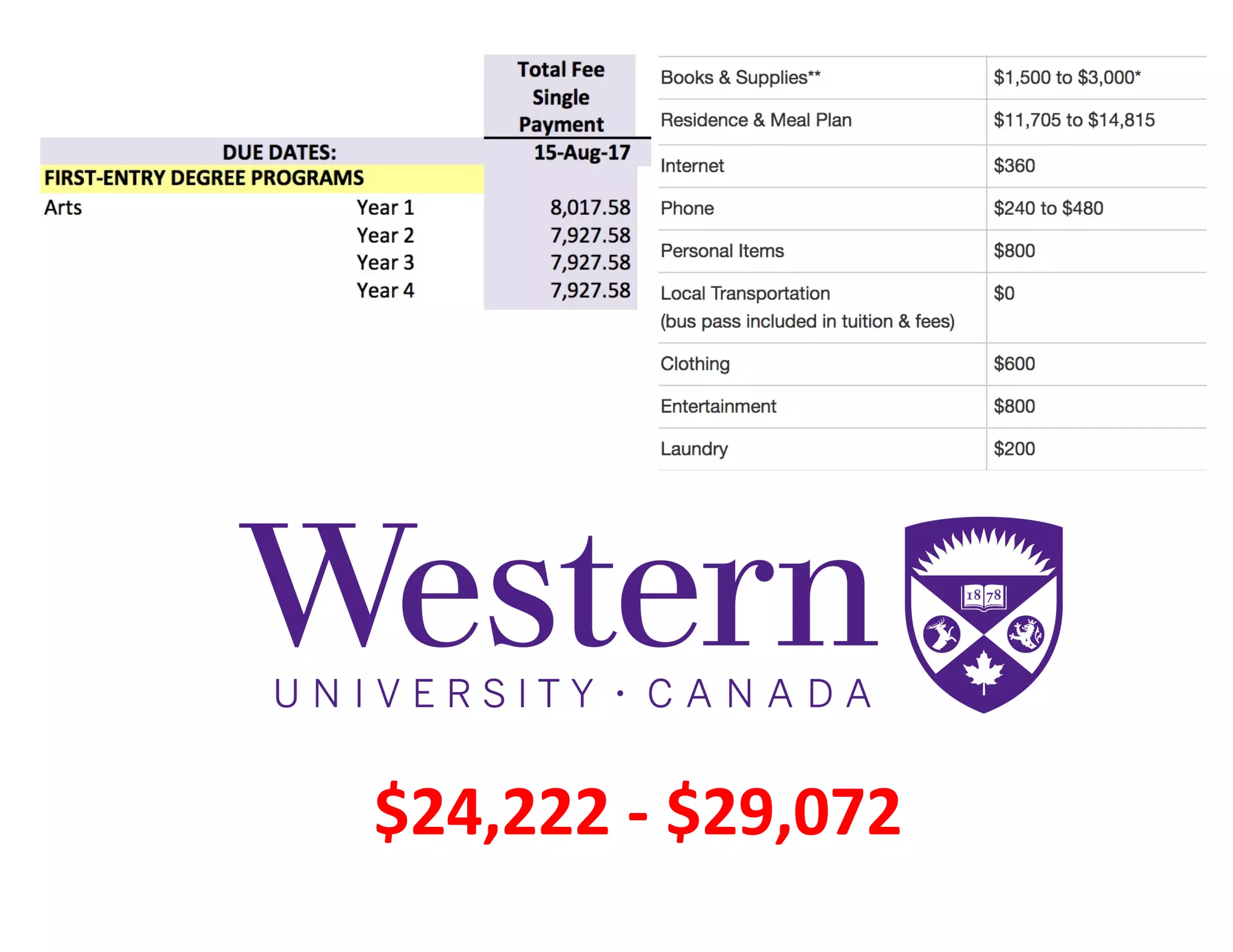
$24,222 - $29,072
$24,222	- $29,072
at	$11.60/hour	(minimum	wage)
=	2,088	- 2,506 hours	
(40	- 48 hours/week)
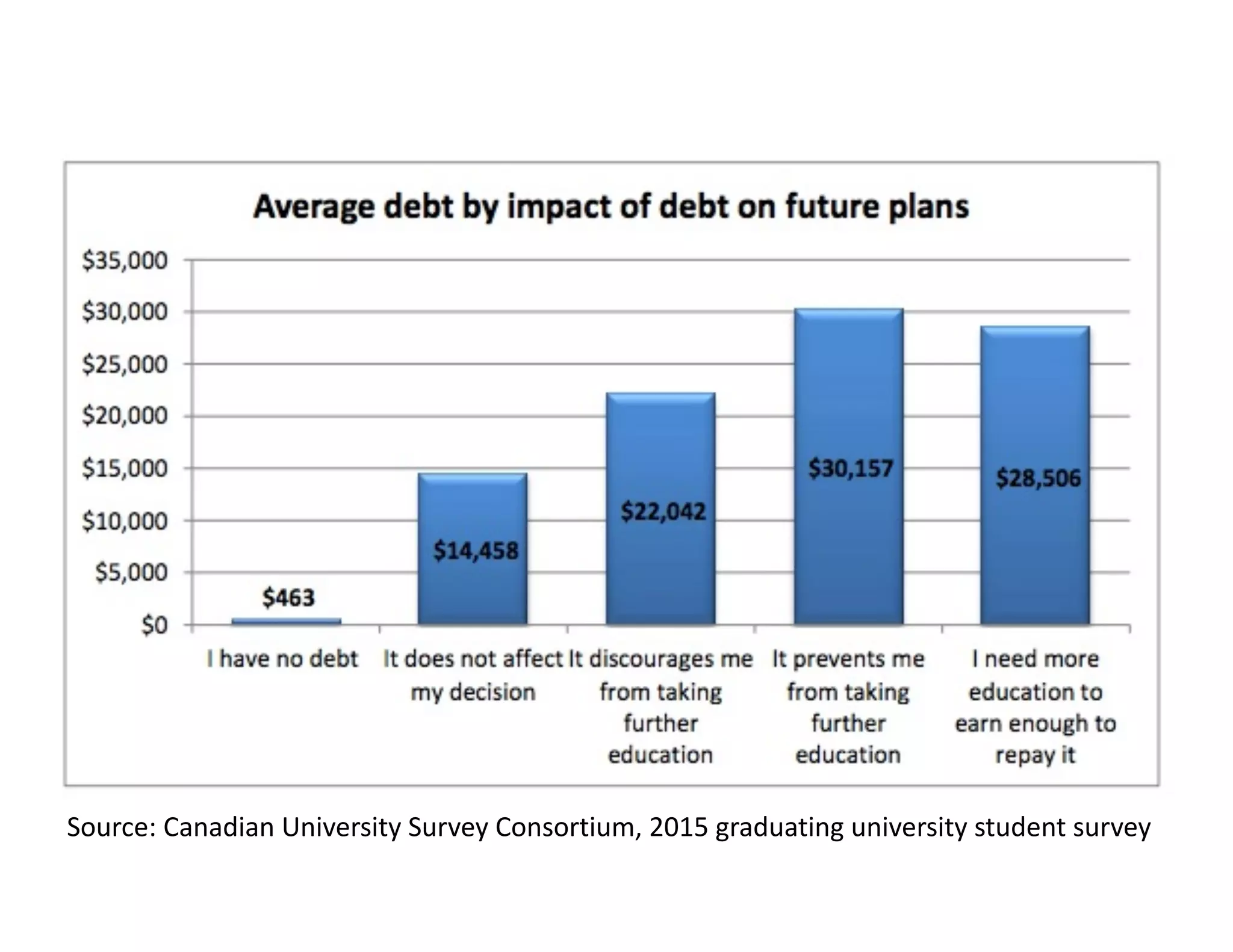
Source:	Canadian	University	Survey	Consortium,	2015	graduating	university	student	survey
Untitled image by Aleksi Tappura, CC0
Turn Towards Open to Overcome the Control Valve by Alan Levine, CC0
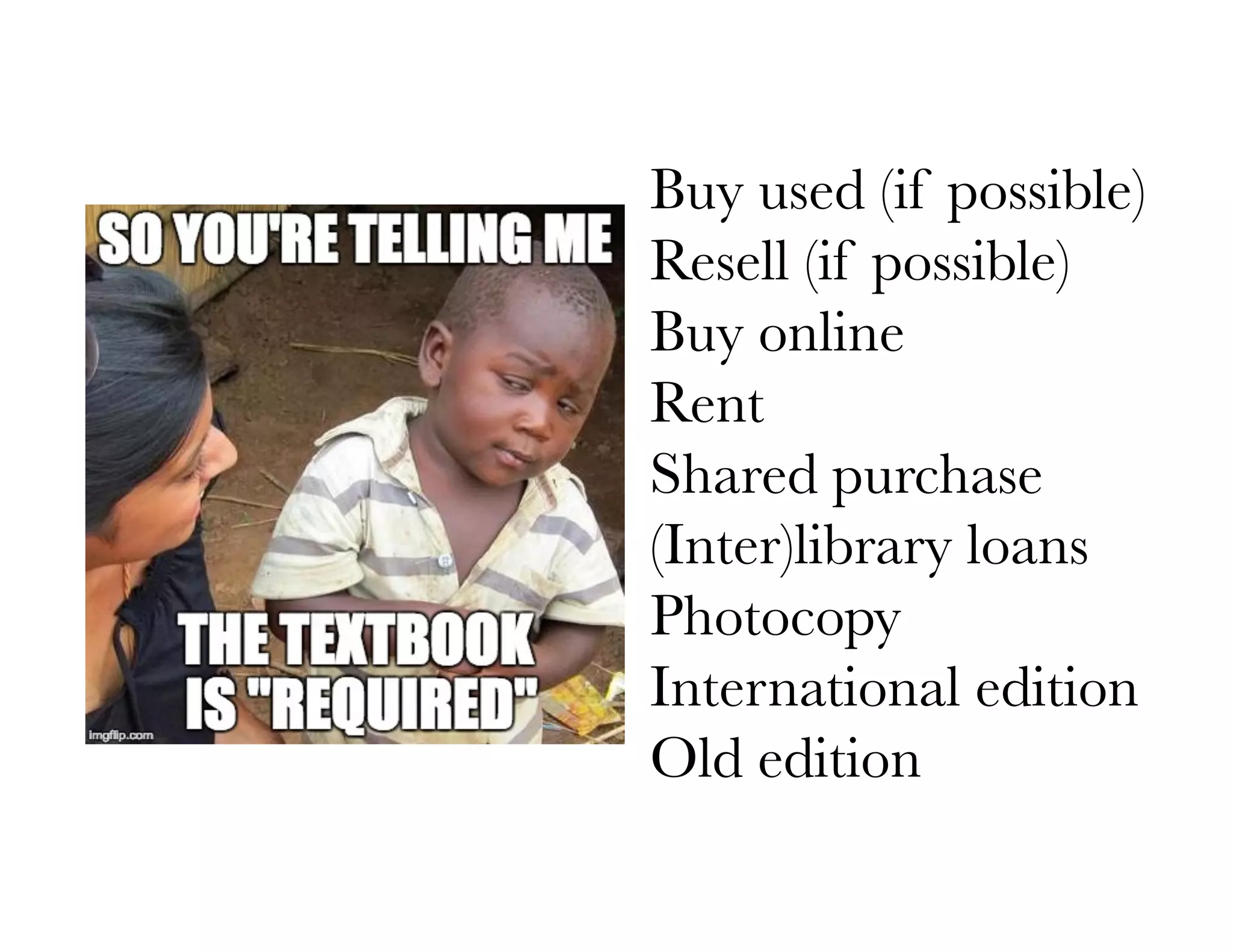
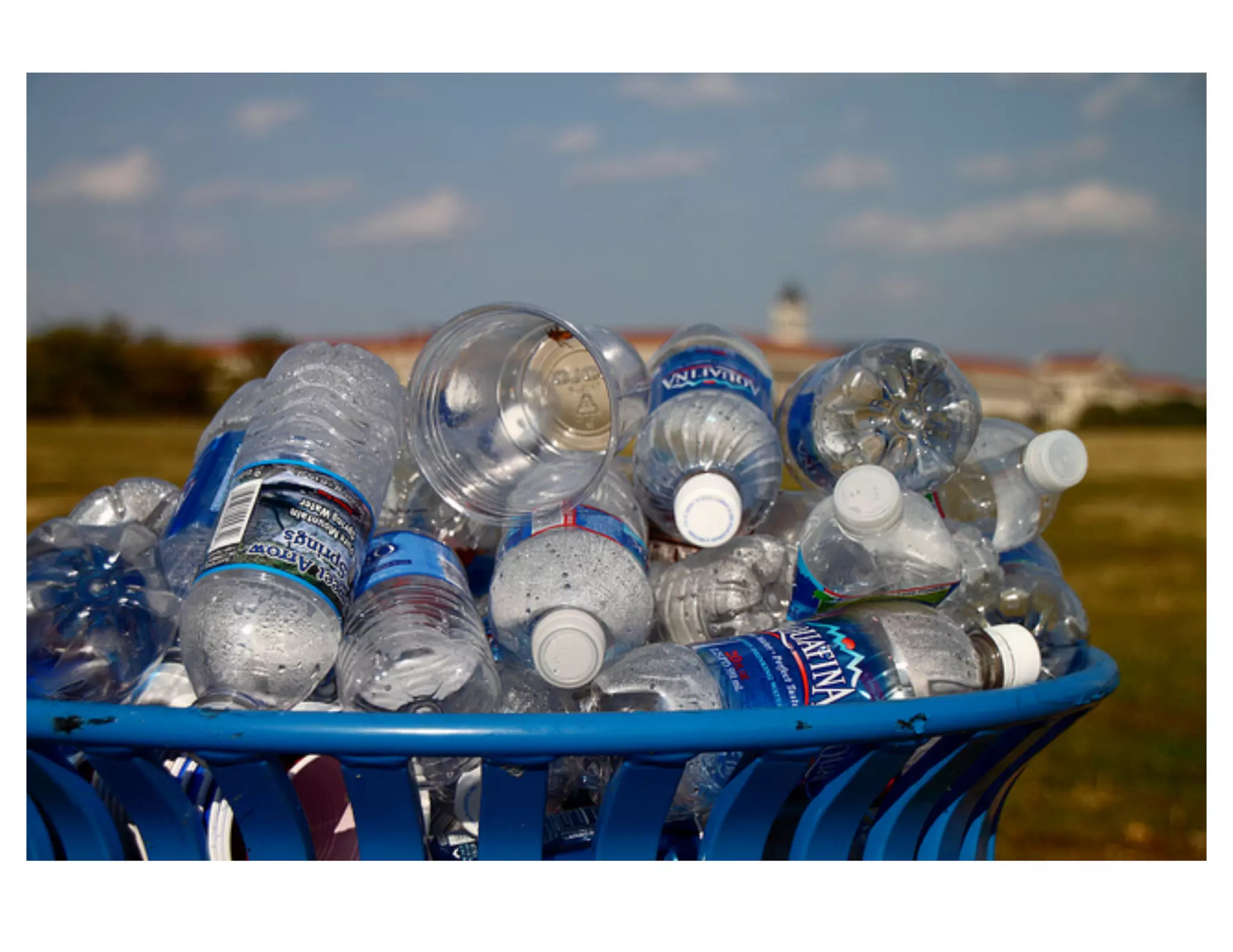
Buy used (if possible)
Resell (if possible)
Buy online
Rent
Shared purchase
(Inter)library loans
Photocopy
International edition
Old edition
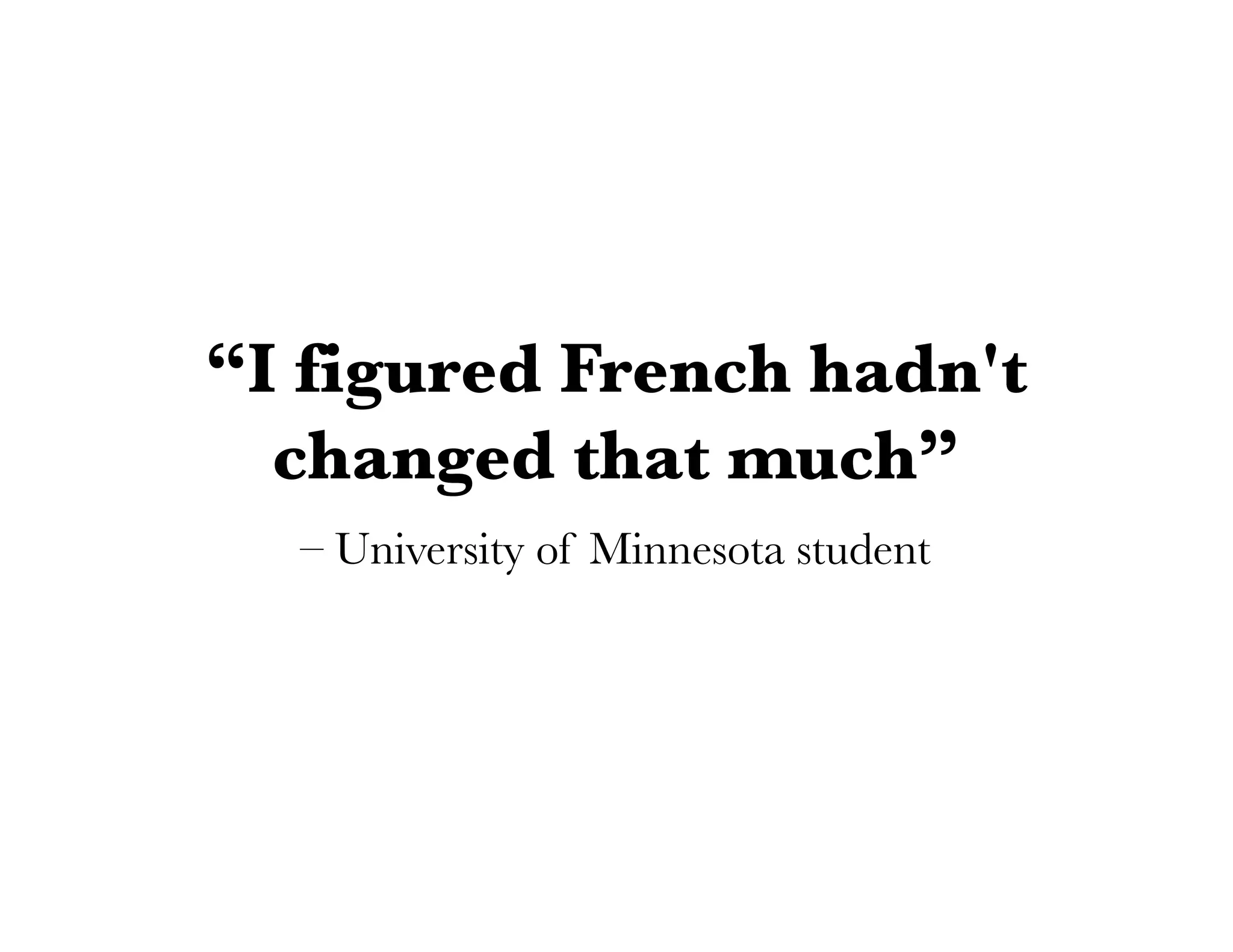
– University of Minnesota student
“I figured French hadn't
changed that much”
54% Not	purchase	the	required	textbook
30% Earn	a poor	grade
27% Take	fewer	courses
26% Not	register	for	a	specific	course
17% Drop	or	withdraw	from	a	course
€€€
€€€
€€
€€
€
Jhangiani,	R.	S.,	&	Jhangiani,	S.	(2017).	Investigating	the	perceptions,	use,	and	impact	of	open	textbooks:	A	survey	of	
post-secondary	students	in	British	Columbia. The	International	Review	of	Research	in	Open	and	Distributed	Learning.
1
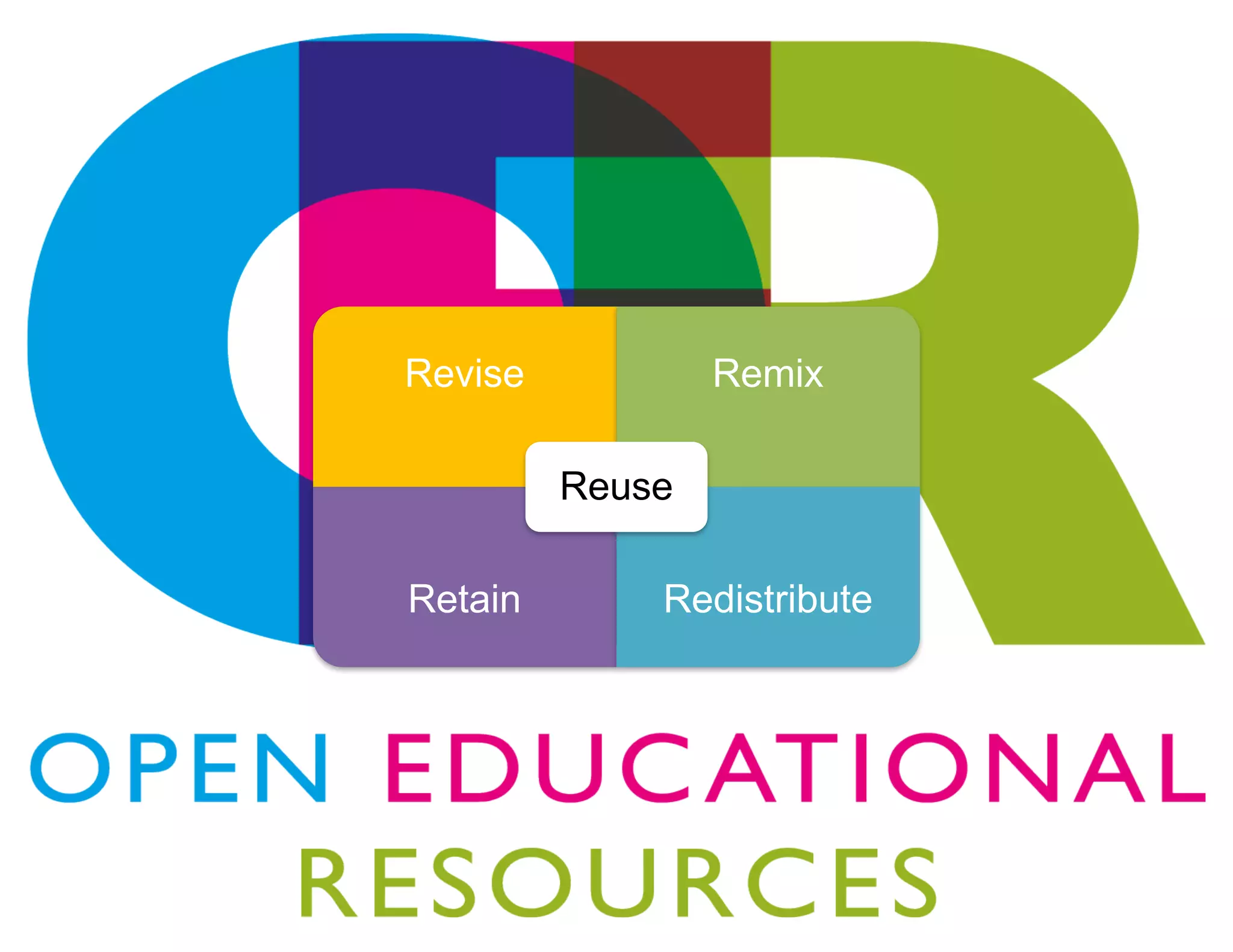
Revise Remix
Retain Redistribute
Reuse
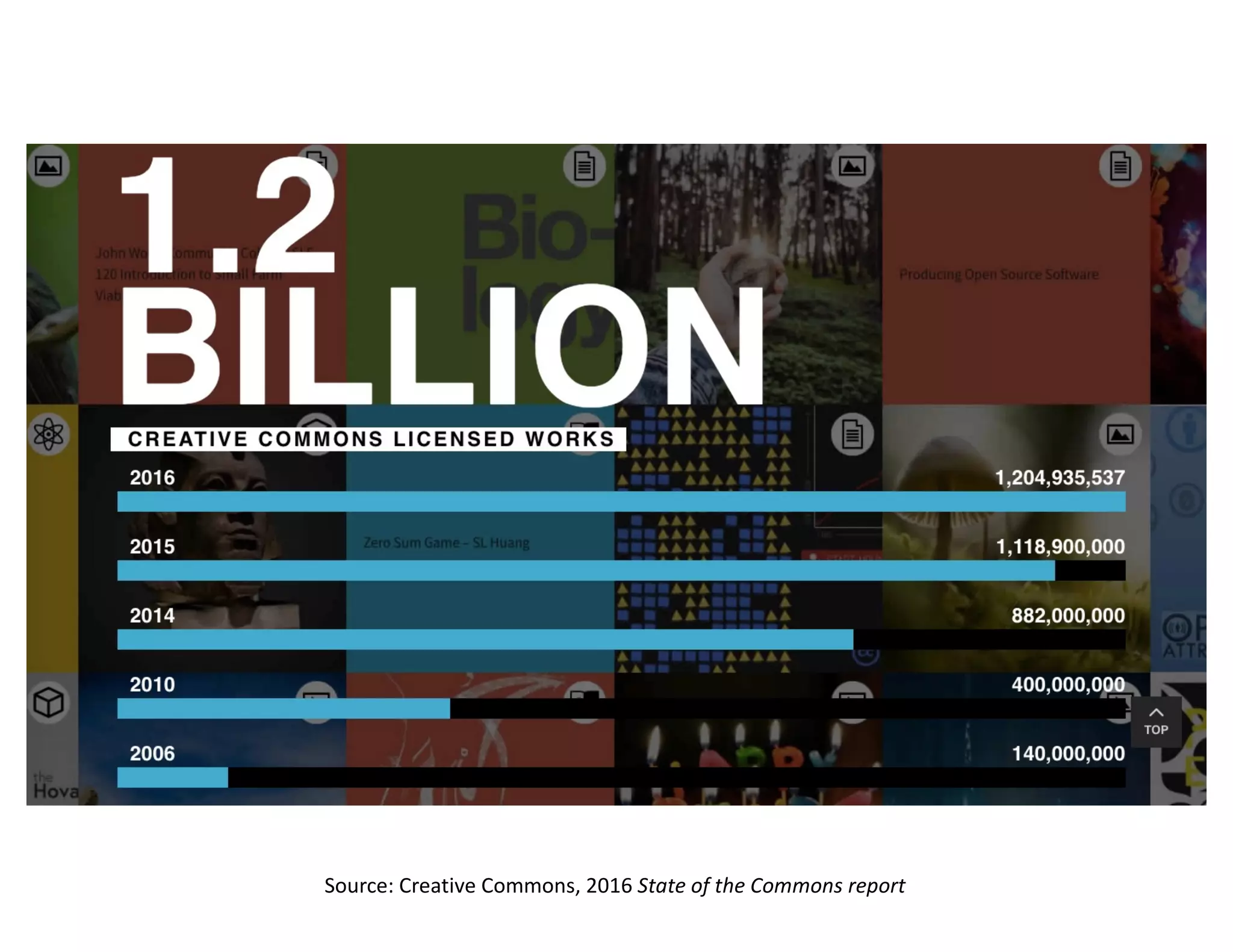
Source:	Creative	Commons,	2016	State	of	the	Commons	report
rijksmuseum.nl
ted.com
ed.ted.com
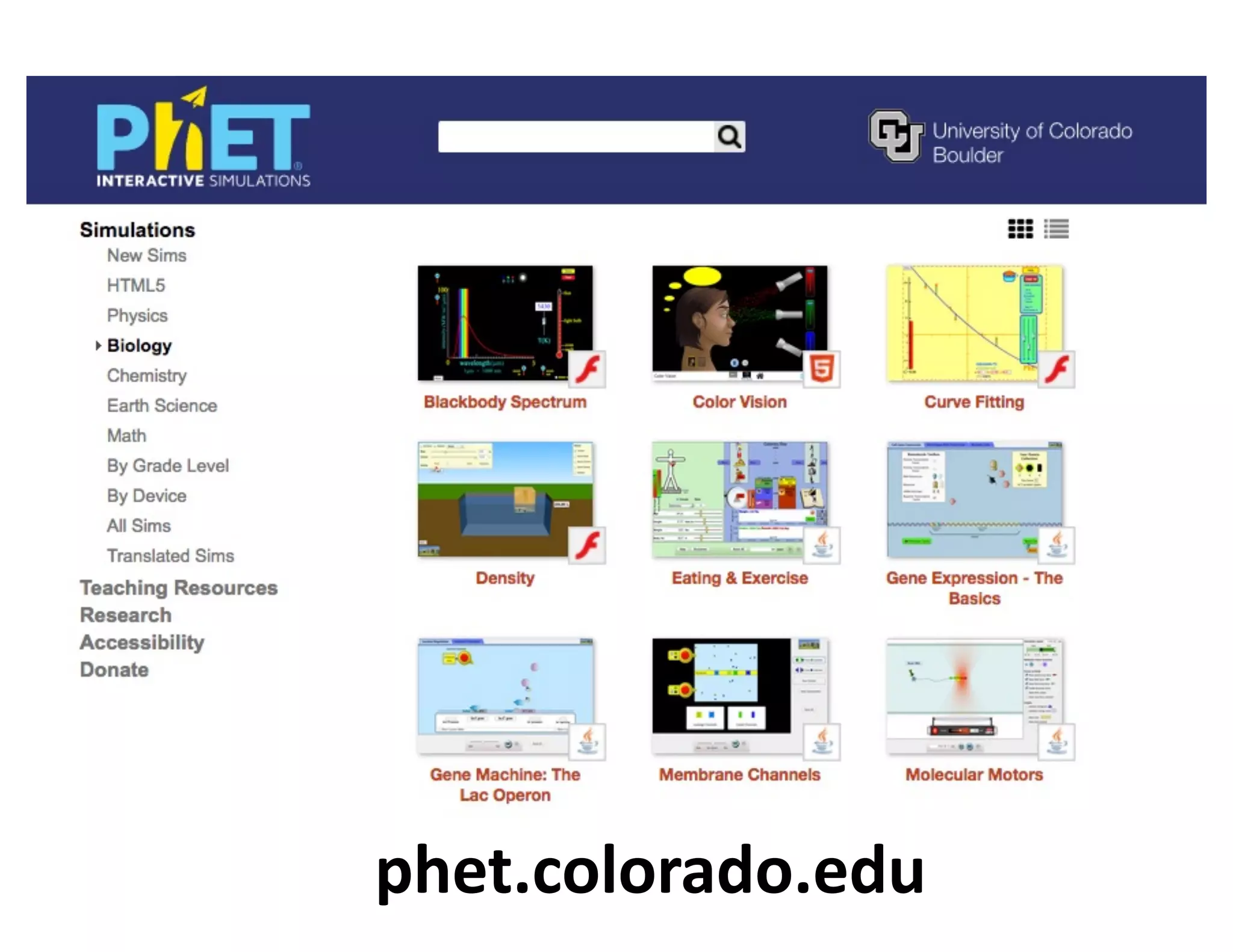
phet.colorado.edu
gutenberg.org
open.bccampus.ca
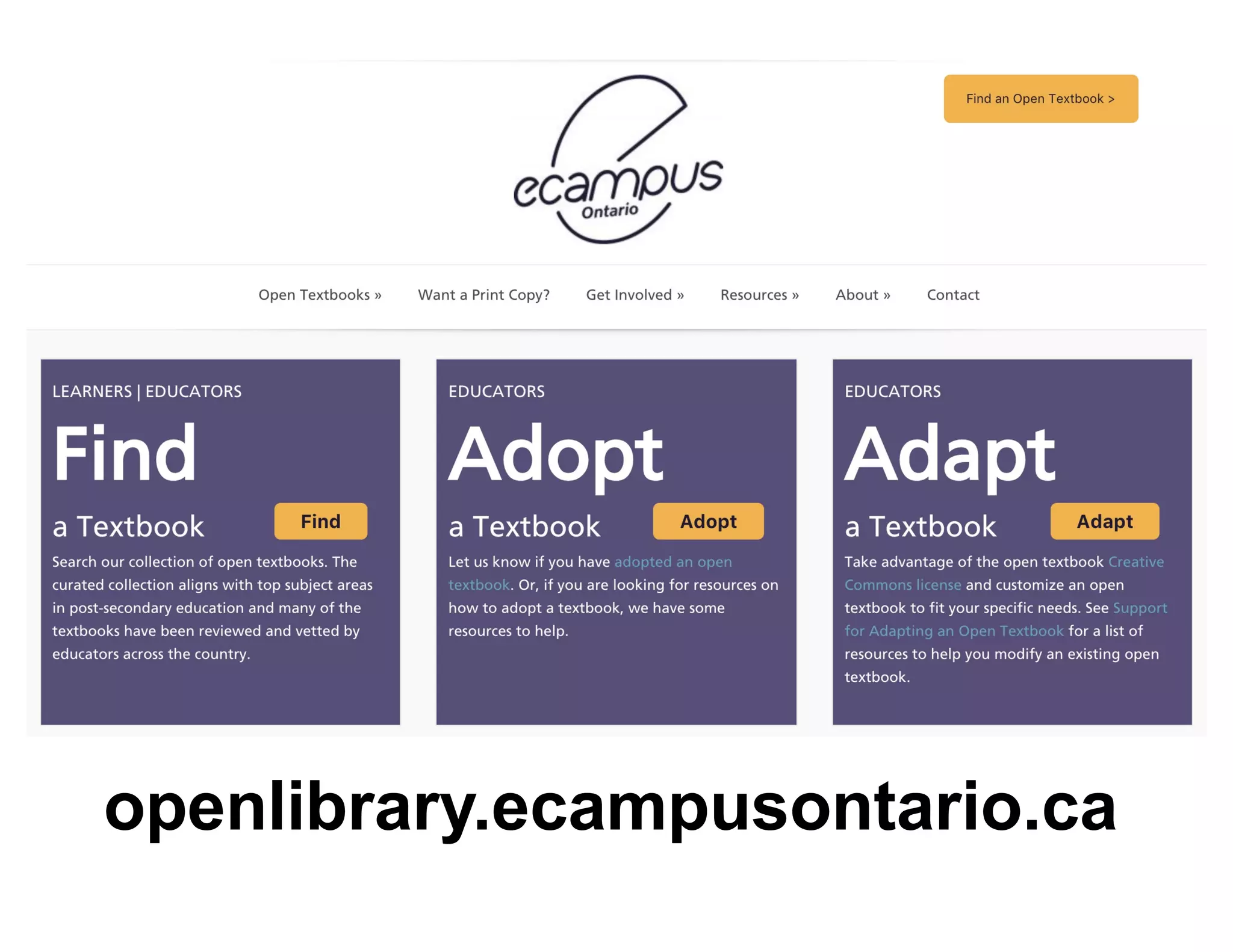
openlibrary.ecampusontario.ca
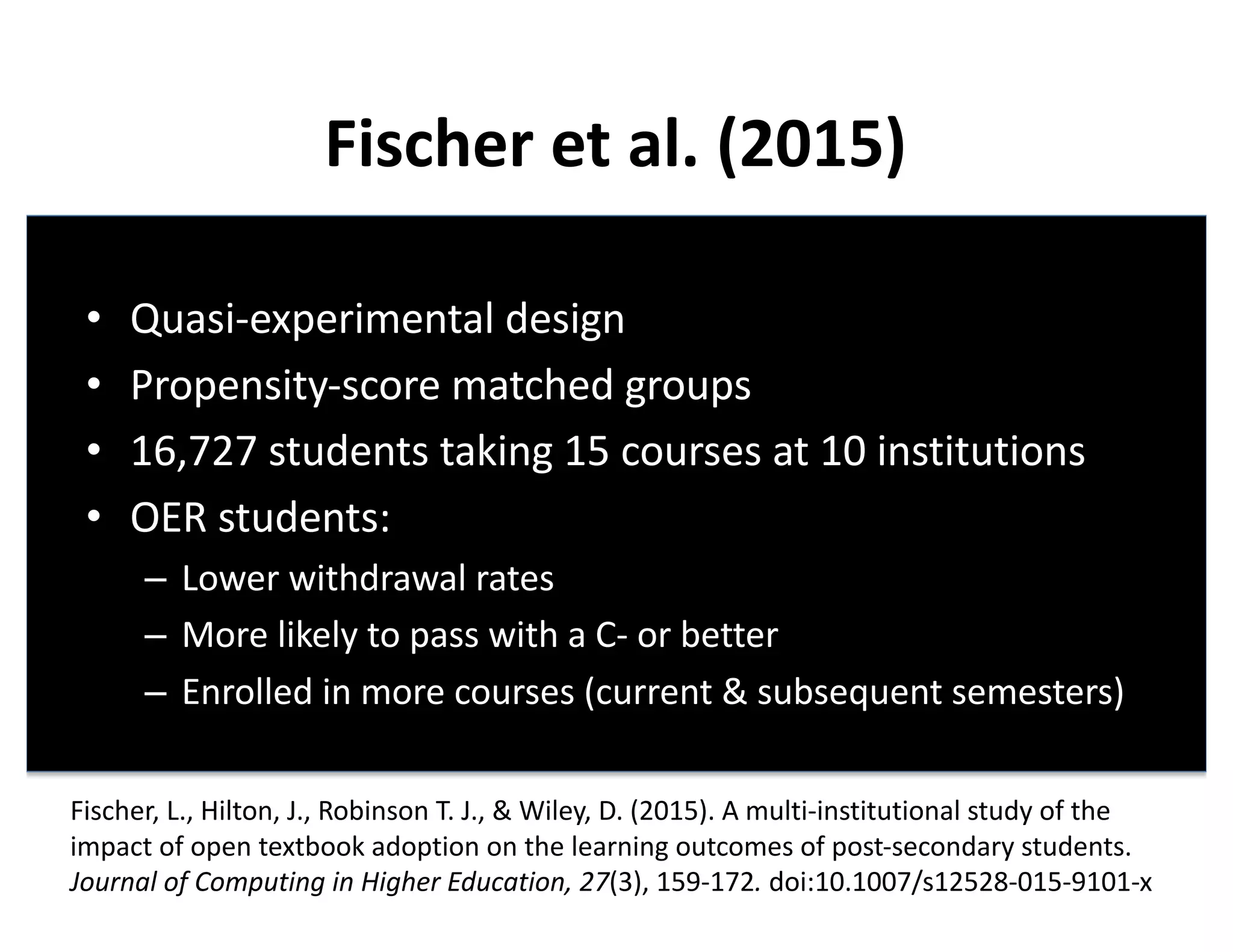
Fischer	et	al.	(2015)
• Quasi-experimental	design
• Propensity-score	matched	groups
• 16,727	students	taking	15	courses	at	10	institutions
• OER	students:
– Lower	withdrawal	rates
– More	likely	to	pass	with	a	C- or	better
– Enrolled	in	more	courses	(current	&	subsequent	semesters)
Fischer,	L.,	Hilton,	J.,	Robinson	T.	J.,	&	Wiley,	D.	(2015).	A	multi-institutional	study	of	the	
impact	of	open	textbook	adoption	on	the	learning	outcomes	of	post-secondary	students.	
Journal	of	Computing	in	Higher	Education,	27(3),	159-172. doi:10.1007/s12528-015-9101-x
“Mad” “Glad”
“Sad” “Rad”
Cost
Completing	with	C	or	Better
Commercial
OER
Student	Success	per	Dollar
0 100%
$400
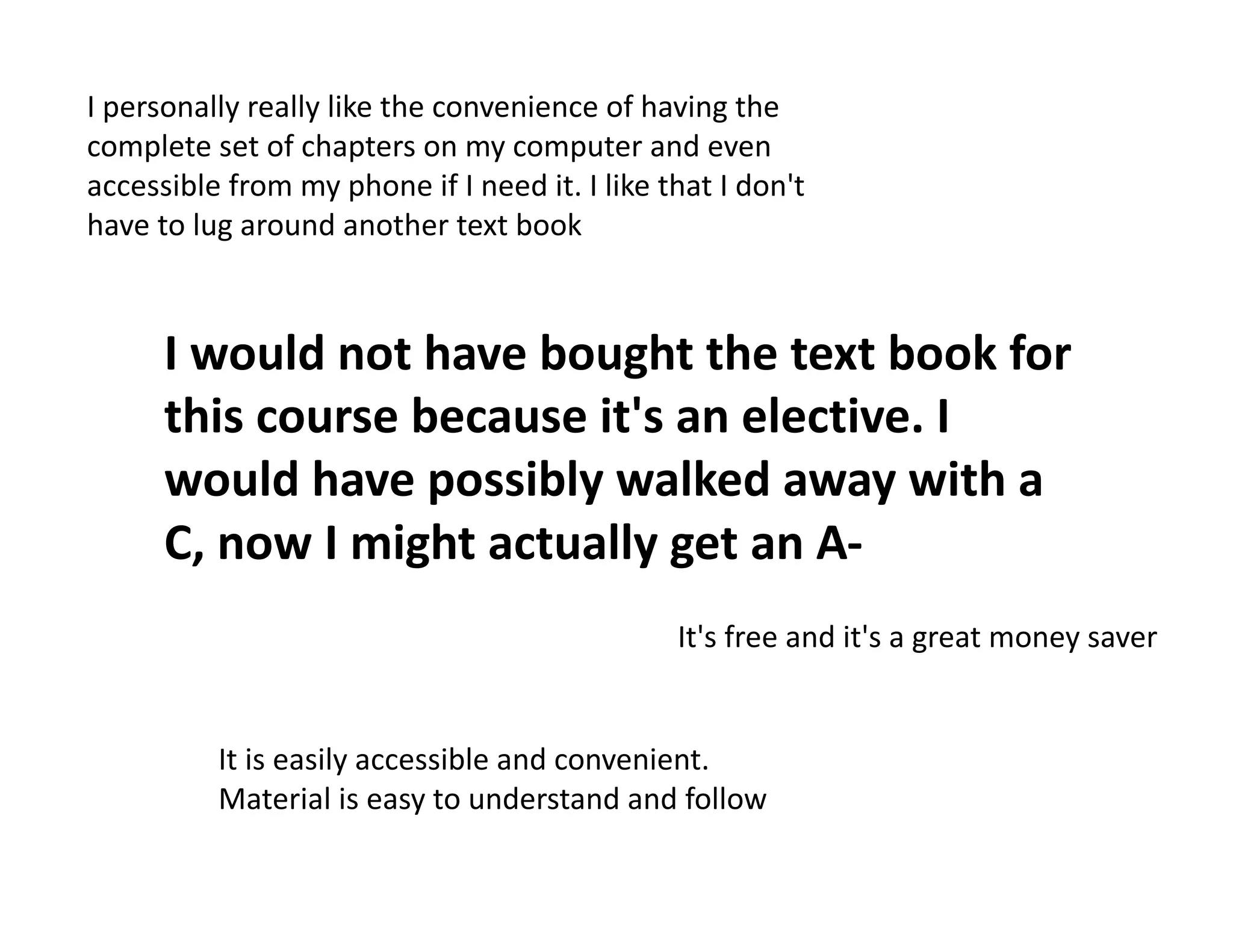
I	would	not	have	bought	the	text	book	for	
this	course	because	it's	an	elective.	I	
would	have	possibly	walked	away	with	a	
C,	now	I	might	actually	get	an	A-
It	is	easily	accessible	and	convenient.	
Material	is	easy	to	understand	and	follow
I	personally	really	like	the	convenience	of	having	the	
complete	set	of	chapters	on	my	computer	and	even	
accessible	from	my	phone	if	I	need	it.	I	like	that	I	don't	
have	to	lug	around	another	text	book
It's	free	and	it's	a	great	money	saver
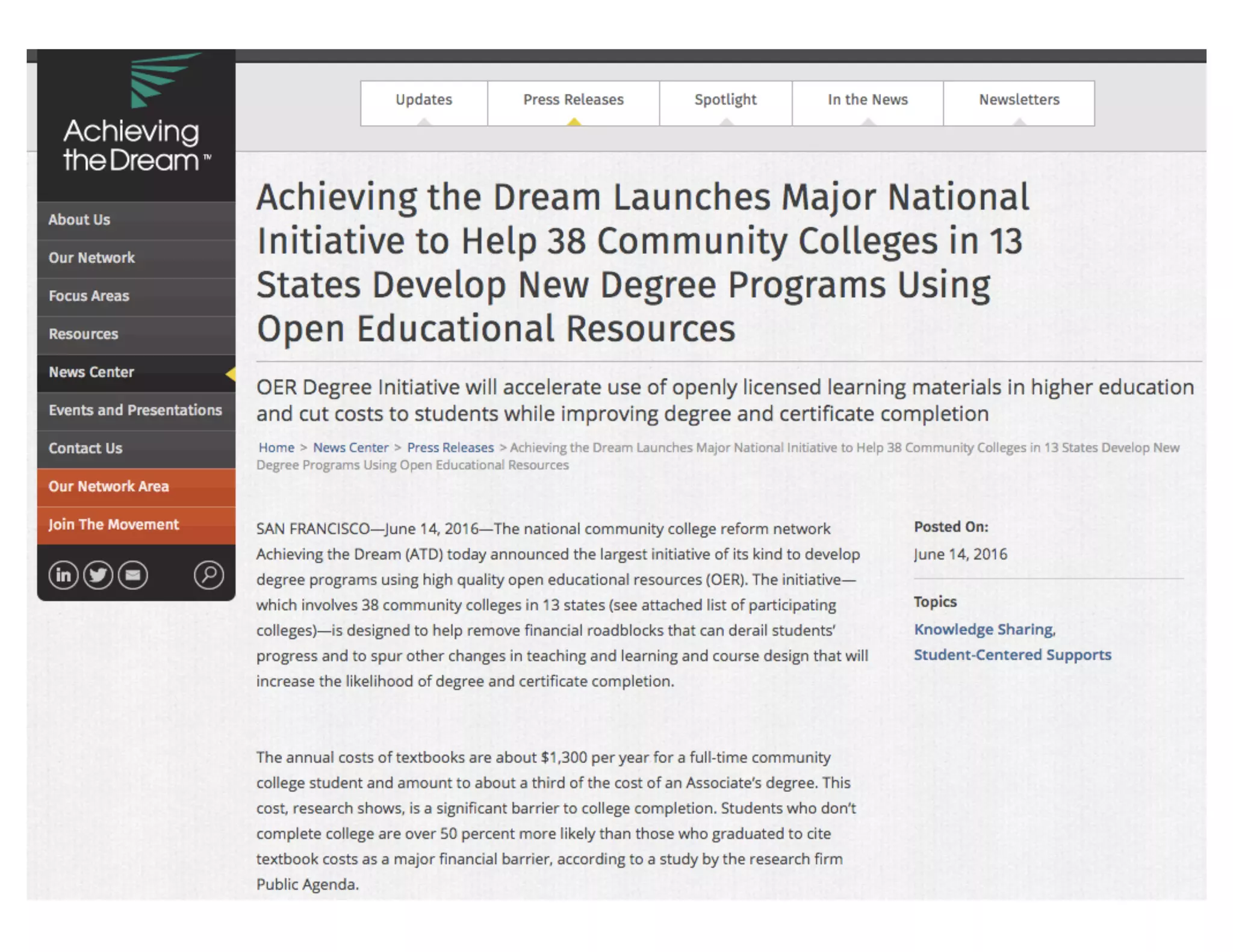
The Z-Degree
REMOVING TEXTBOOK COSTS AS A
BARRIER TO STUDENT SUCCESS
THROUGH AN OER-BASED CURRICULUM
Decreased	cost	to	
graduate	by	25%
Increased	
pedagogical	flexibility
Commercial	vs.	OER
Hilton et al. (2016)
Zed Cred initiative
Certificate of Arts (30 credits)
Certificate of General Studies (30 credits)
Law Enforcement Studies Diploma (60 credits)
It’s not only about
access to knowledge.
It’s about access to
knowledge
creation.
"France in 2000 year (XXI century). Future school." by Jean Marc Cote is in the Public Domain
…it turns them into ‘containers’ to be ‘filled’ by the teacher. The more
completely she fills the receptacles, the better a teacher she is. The more
meekly the receptacles permit themselves to be filled, the better students
they are.
Education thus becomes the act of depositing, in which the students are
the depositories and the teacher is the depositor.
In the banking concept of education, knowledge is a gift bestowed by
those who consider themselves knowledgeable upon those whom they
consider to know nothing.
Paulo Freire, 1970, Pedagogy of the Oppressed
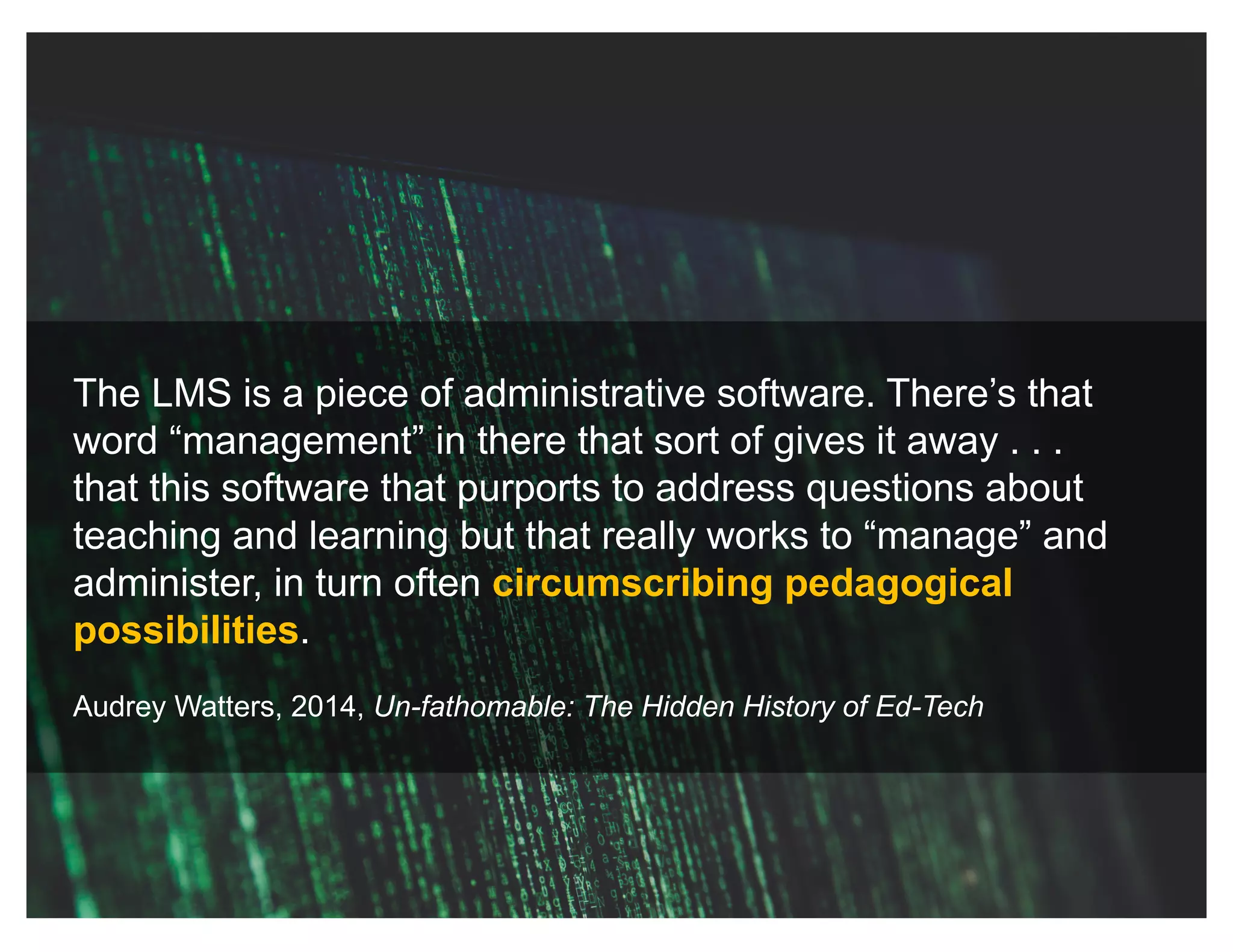
The LMS is a piece of administrative software. There’s that
word “management” in there that sort of gives it away . . .
that this software that purports to address questions about
teaching and learning but that really works to “manage” and
administer, in turn often circumscribing pedagogical
possibilities.
Audrey Watters, 2014, Un-fathomable: The Hidden History of Ed-Tech
PM4ID
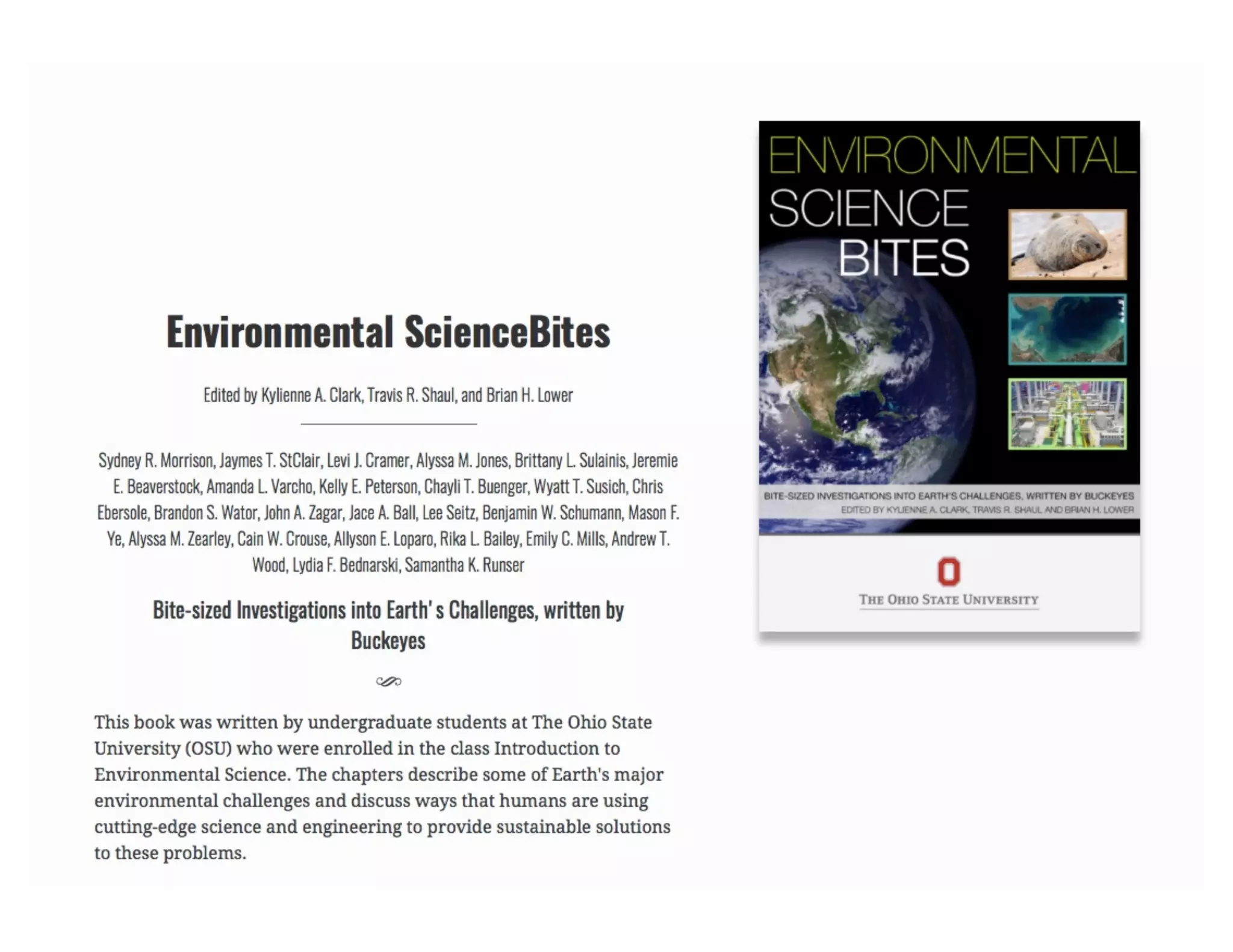
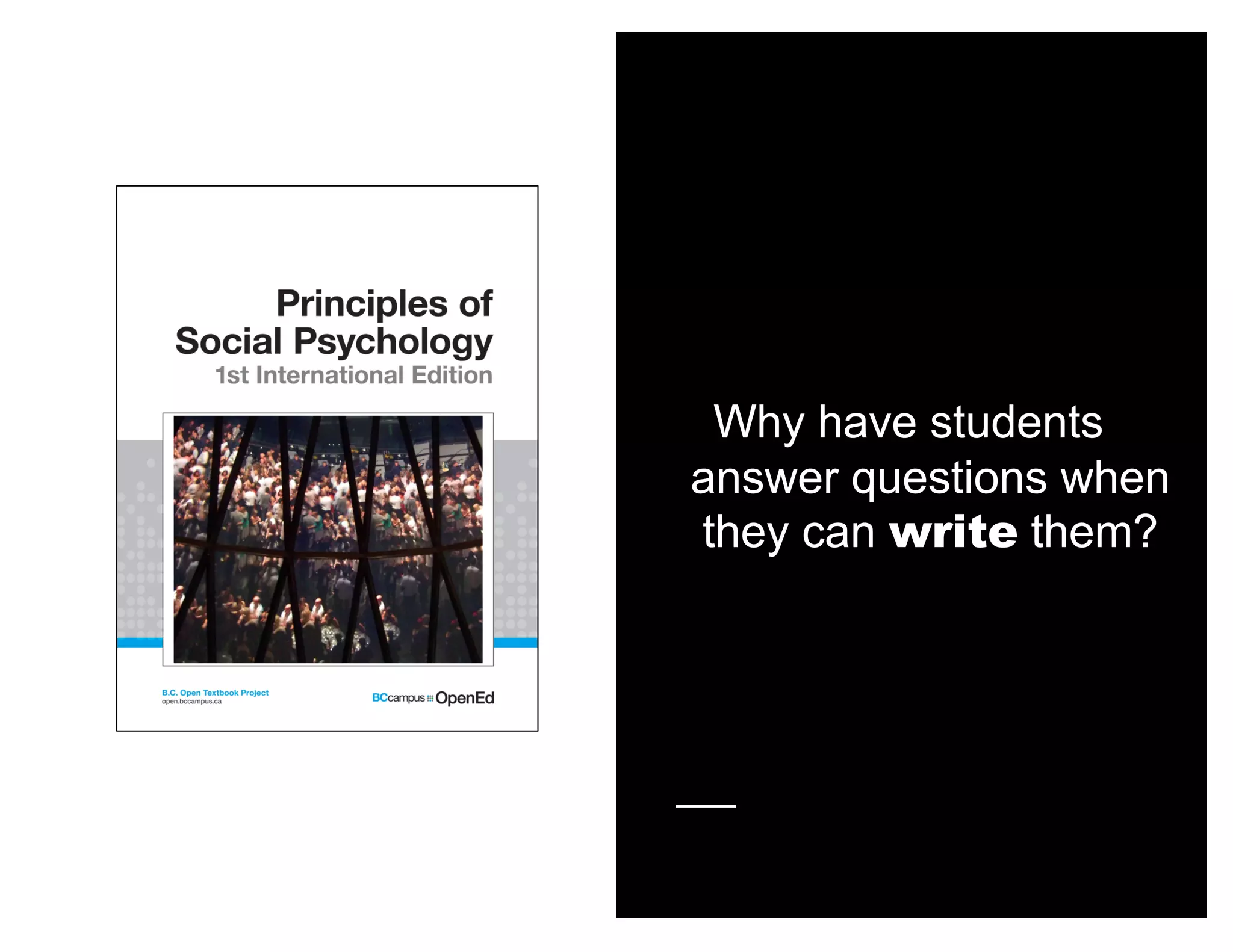
Why have students
answer questions when
they can write them?
Sometimes Open Needs a Push by Alan Levine is in the Public Domain, CC0
“If we emphasize the consequences of differential access, we
see one facet of the digital divide; if we ask about how these
consequences are produced, we are asking about digital
redlining”
Chris Gilliard & Hugh Culik, 2016, Digital Redlining, Access, and Privacy
Photo by Robert Haverly on Unsplash
Photo by Markus Spiske on Unsplash
There is no such thing as harmless collection of data.
Or benevolent collection of data. Much of what we collect
could be used in ways we do not want it to be used, to harm
or imperil our students.
This disproportionately affects our most vulnerable students.
Low-income students, students of color, LGTBQ+ students,
students who are immigrants…their data are most at risk to
surveillance, discrimination. And many of our vulnerable
students are less likely to have experience with digital literacy
skills.
Amy Collier, 2017, Platforms in Education: A Need for Criticality and Hope
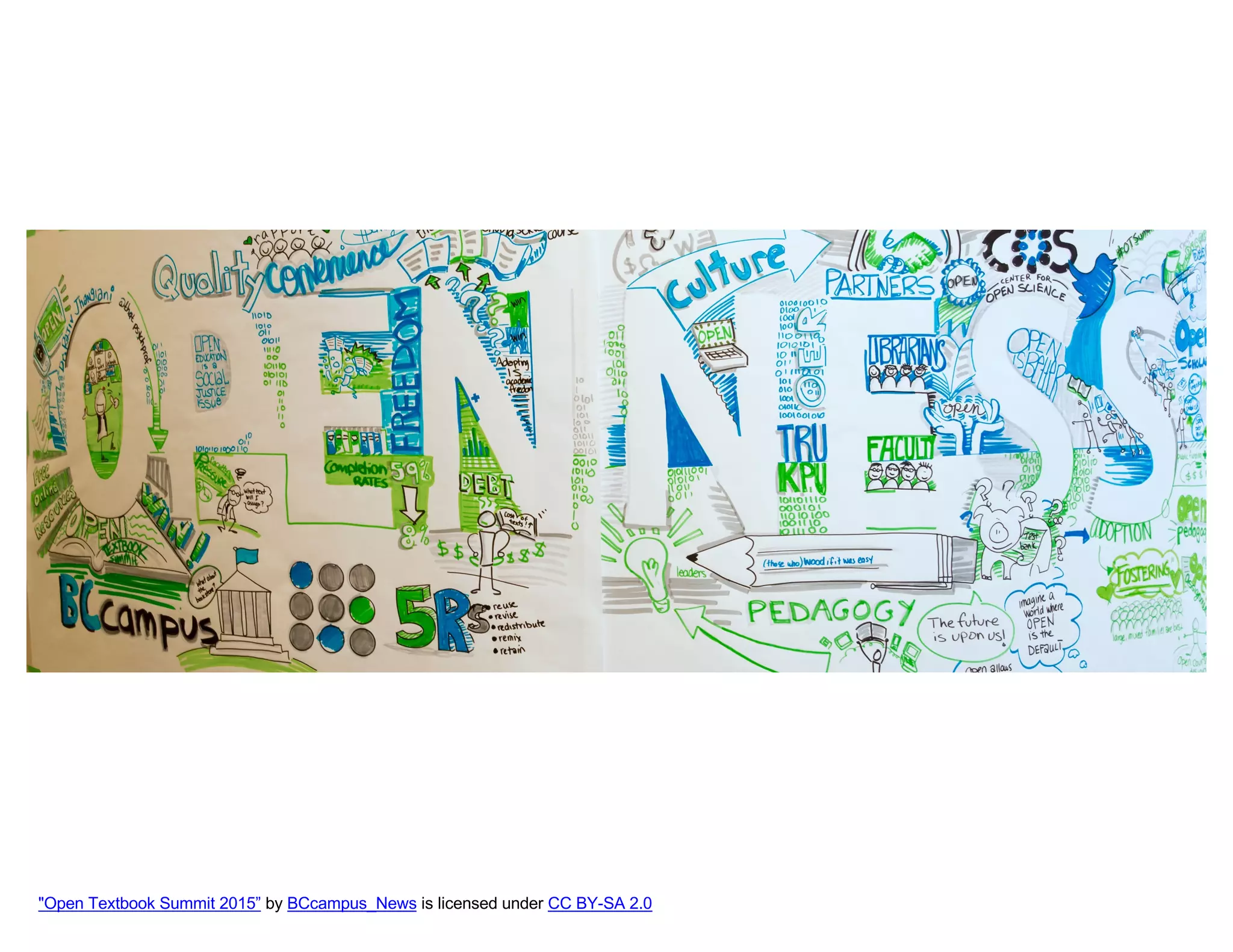
"Open Textbook Summit 2015” by BCcampus_News is licensed under CC BY-SA 2.0
@thatpsychprof
rajiv@kpu.ca
slideshare.net/thatpsychprofWWW

Keynote address at Western University Open Education Day