 It is degenerate non inflammatory condition of
cornea characterized by progressive thinning
and steepening of central cornea.
 BASED ON SEVERITY
A. Mild (less than 45D)
B. Moderate (45-50D)
C. Advance (52-62D)
D. Severe (more than 62D)
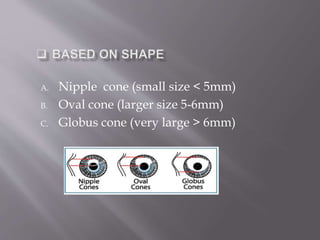
A. Nipple cone (small size < 5mm)
B. Oval cone (larger size 5-6mm)
C. Globus cone (very large > 6mm)
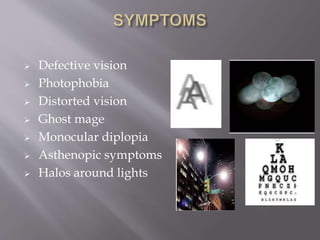
 Defective vision
 Photophobia
 Distorted vision
 Ghost mage
 Monocular diplopia
 Asthenopic symptoms
 Halos around lights
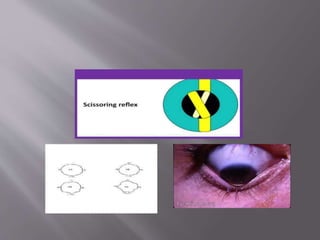
 On Retinoscopy – scissor reflex
 On Placido disc – irregular circle
 On keratometry – irregular mires and increased
power o cornea
 On Corneal topography –forme fruste
 On Silt –
 Thinning and bulging of central cornea
 Fleischer’s ring
 Munson’s sign – V shape profile of lower lid
when patent looks down
 Acute hydrops (due to rupture of descement
membrane)
 Corneal scaring
OPTCAL CORRETON
 SPECTACLE
 May improves vision in early stage
 Best choice
 Available contact lens;-
1. Rigid contact lens –
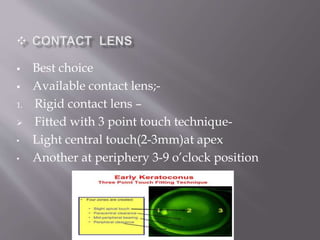
 Fitted with 3 point touch technique-
• Light central touch(2-3mm)at apex
• Another at periphery 3-9 o’clock position
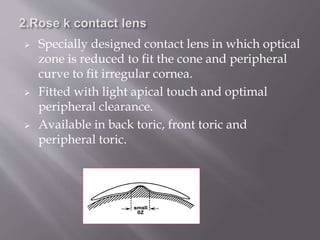
 Specially designed contact lens in which optical
zone is reduced to fit the cone and peripheral
curve to fit irregular cornea.
 Fitted with light apical touch and optimal
peripheral clearance.
 Available in back toric, front toric and
peripheral toric.
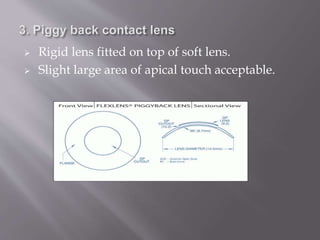
 Rigid lens fitted on top of soft lens.
 Slight large area of apical touch acceptable.
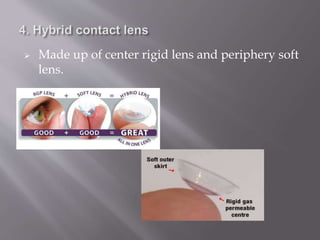
 Made up of center rigid lens and periphery soft
lens.
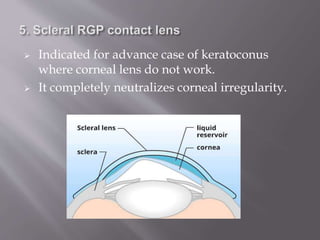
 Indicated for advance case of keratoconus
where corneal lens do not work.
 It completely neutralizes corneal irregularity.
 Used in early stage of keratoconus (form fruste)
• Minimal apical touch or apical clearance.
• No excessive area of tear|debris pooling
beneath optical zone.
• Good circulation of tear film under lens.
• Good stability and comfort.
• Mild or moderate Dk lenses and good eye
wettability.
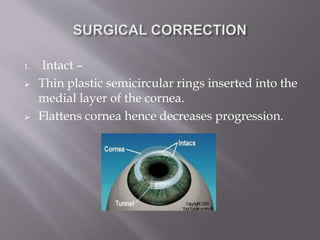
1. Intact –
 Thin plastic semicircular rings inserted into the
medial layer of the cornea.
 Flattens cornea hence decreases progression.
 It is technique which uses UV light and
riboflavin as photosensitizer to strengthen
chemical bonds in the cornea hence halt the
progressive and irregularity of cornea.
3.Keratoplasty
o Lamellar keratoplasty
o Penetrating keratoplasty
ROJI MAHARJAN

Keratoconus

  • 2.
     It isdegenerate non inflammatory condition of cornea characterized by progressive thinning and steepening of central cornea.
  • 3.
     BASED ONSEVERITY A. Mild (less than 45D) B. Moderate (45-50D) C. Advance (52-62D) D. Severe (more than 62D)
  • 4.
    A. Nipple cone(small size < 5mm) B. Oval cone (larger size 5-6mm) C. Globus cone (very large > 6mm)
  • 5.
     Defective vision Photophobia  Distorted vision  Ghost mage  Monocular diplopia  Asthenopic symptoms  Halos around lights
  • 6.
     On Retinoscopy– scissor reflex  On Placido disc – irregular circle  On keratometry – irregular mires and increased power o cornea  On Corneal topography –forme fruste  On Silt –  Thinning and bulging of central cornea  Fleischer’s ring  Munson’s sign – V shape profile of lower lid when patent looks down
  • 8.
     Acute hydrops(due to rupture of descement membrane)  Corneal scaring
  • 9.
    OPTCAL CORRETON  SPECTACLE May improves vision in early stage
  • 10.
     Best choice Available contact lens;- 1. Rigid contact lens –  Fitted with 3 point touch technique- • Light central touch(2-3mm)at apex • Another at periphery 3-9 o’clock position
  • 11.
     Specially designedcontact lens in which optical zone is reduced to fit the cone and peripheral curve to fit irregular cornea.  Fitted with light apical touch and optimal peripheral clearance.  Available in back toric, front toric and peripheral toric.
  • 12.
     Rigid lensfitted on top of soft lens.  Slight large area of apical touch acceptable.
  • 13.
     Made upof center rigid lens and periphery soft lens.
  • 14.
     Indicated foradvance case of keratoconus where corneal lens do not work.  It completely neutralizes corneal irregularity.
  • 15.
     Used inearly stage of keratoconus (form fruste)
  • 16.
    • Minimal apicaltouch or apical clearance. • No excessive area of tear|debris pooling beneath optical zone. • Good circulation of tear film under lens. • Good stability and comfort. • Mild or moderate Dk lenses and good eye wettability.
  • 17.
    1. Intact – Thin plastic semicircular rings inserted into the medial layer of the cornea.  Flattens cornea hence decreases progression.
  • 18.
     It istechnique which uses UV light and riboflavin as photosensitizer to strengthen chemical bonds in the cornea hence halt the progressive and irregularity of cornea. 3.Keratoplasty o Lamellar keratoplasty o Penetrating keratoplasty
  • 19.