H.SHAHREYAR RAZA
BSME01153115
AFFAN BUTT
BSME01153118
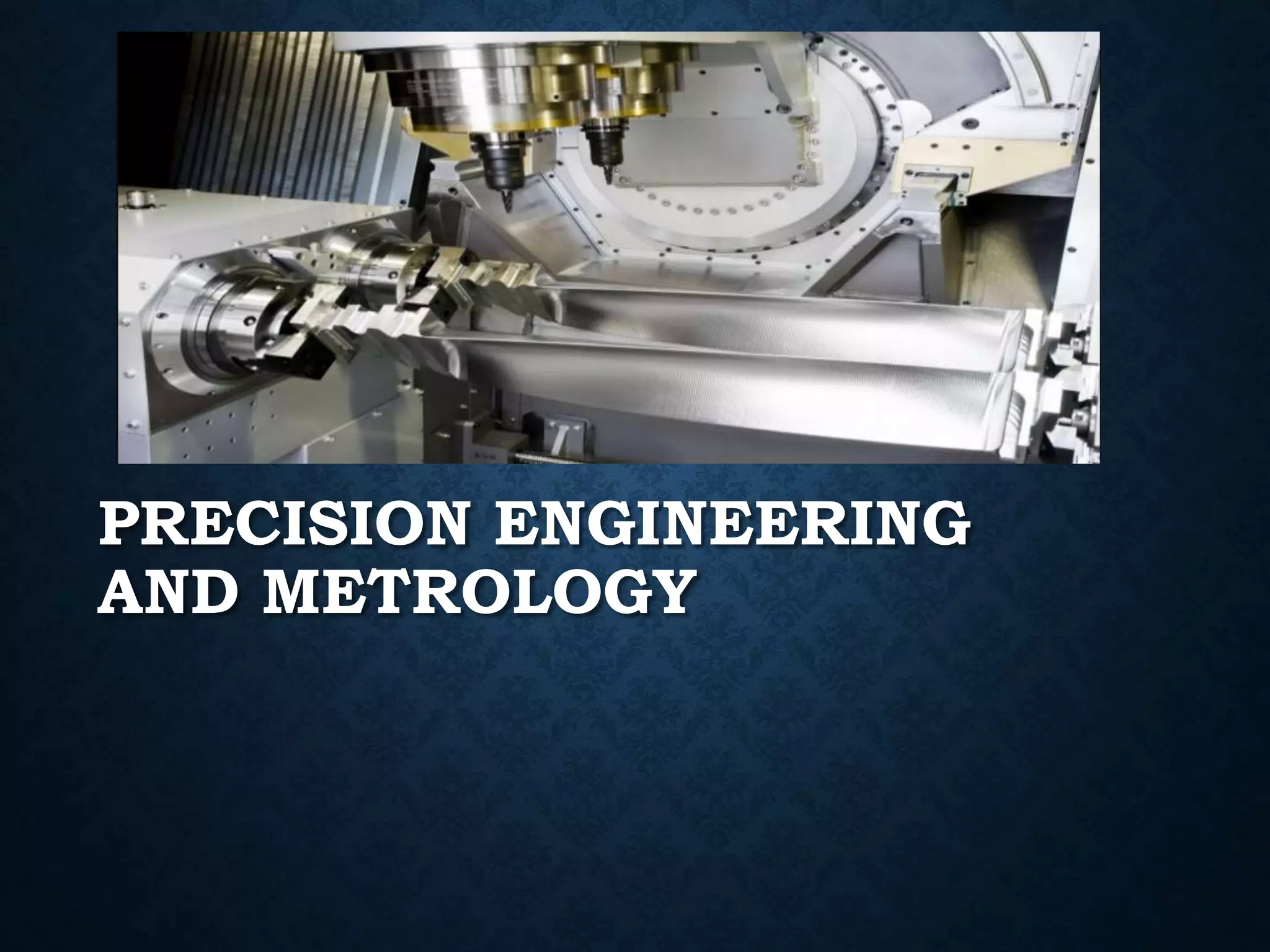
PRECISION ENGINEERING
AND METROLOGY
CONTENTS:
Introduction to temperature measurement
History
Temperature measuring standard
Temperature measurement scales
Calibration & interpolation of thermometer
Liquid in glass thermometer
Bimetallic thermometer
Pressure thermometer
INTRODUCTION TO TEMPERATURE
MEASUREMENT
What is Temperature?
What are the scales of Temperature?
What is Temperature measurement?
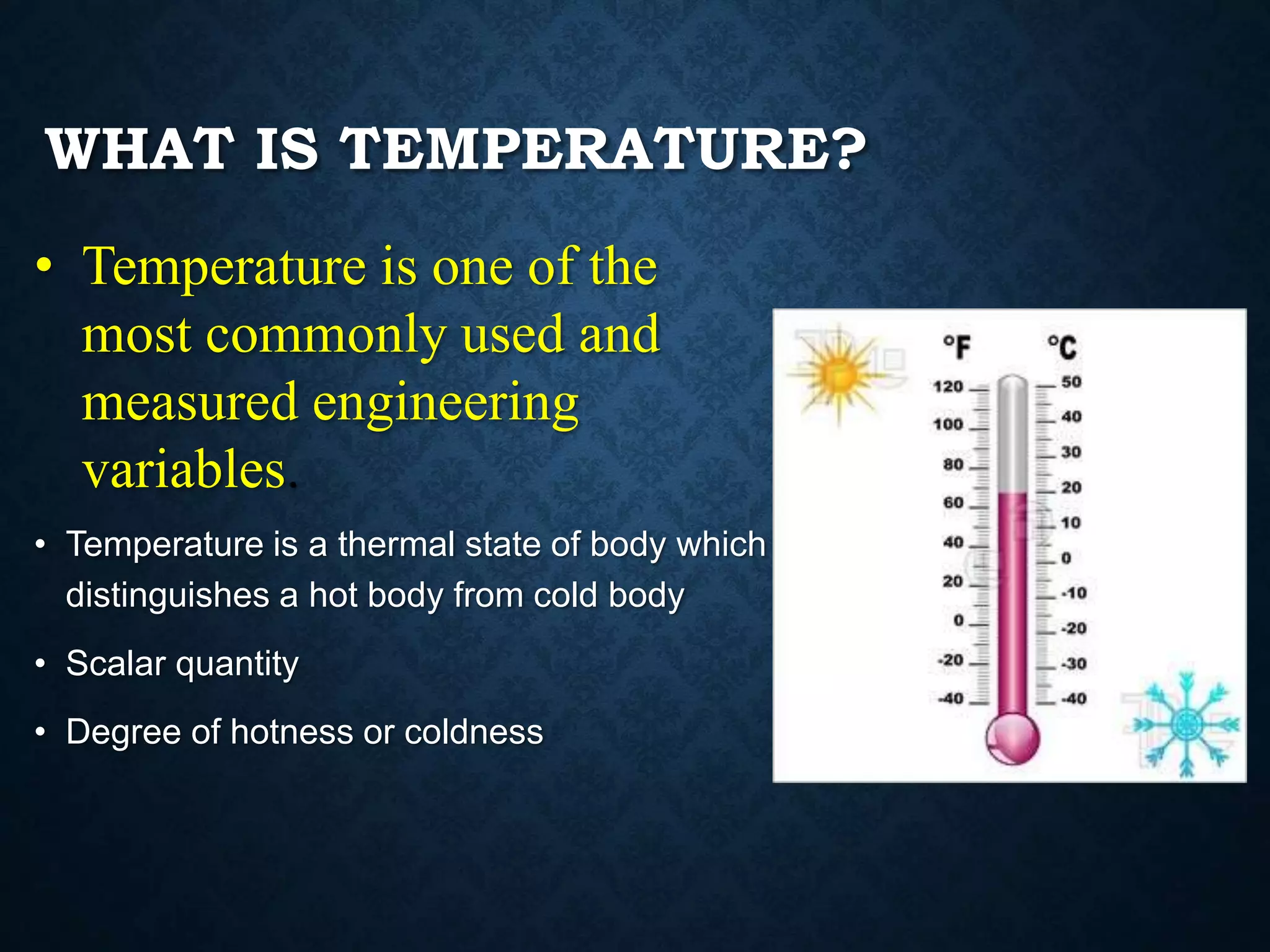
WHAT IS TEMPERATURE?
• Temperature is one of the
most commonly used and
measured engineering
variables.
• Temperature is a thermal state of body which
distinguishes a hot body from cold body
• Scalar quantity
• Degree of hotness or coldness
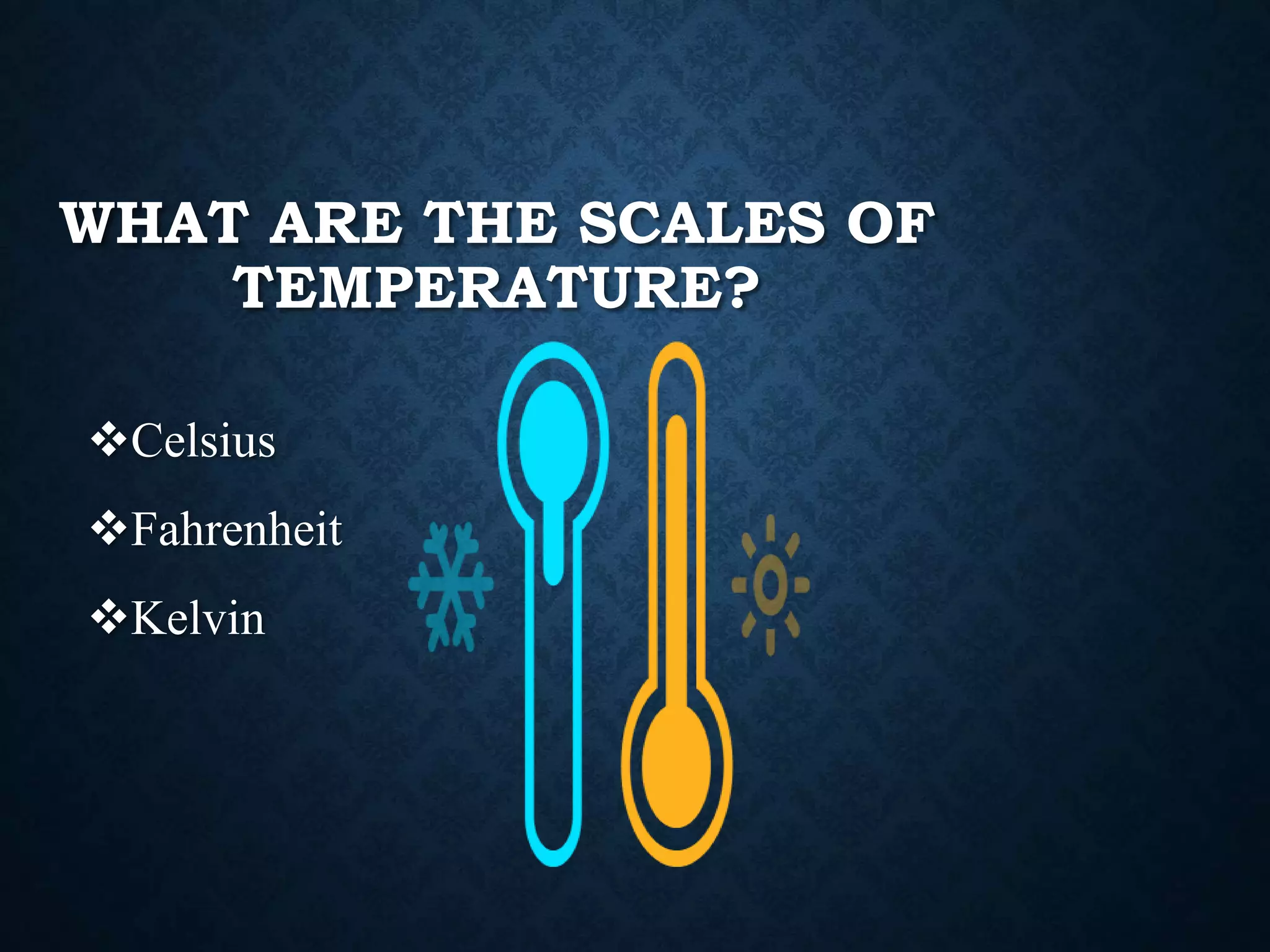
WHAT ARE THE SCALES OF
TEMPERATURE?
Celsius
Fahrenheit
Kelvin
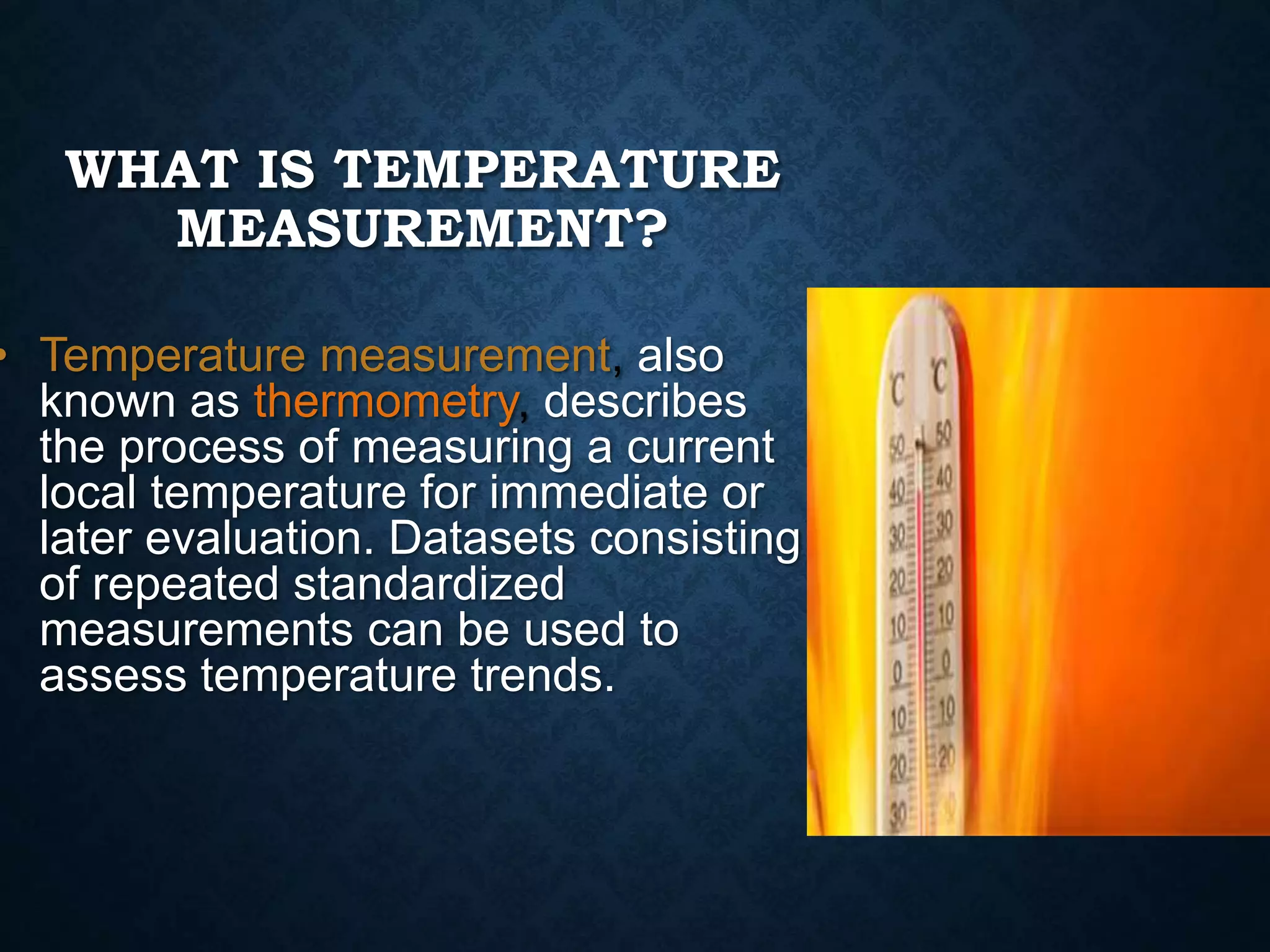
WHAT IS TEMPERATURE
MEASUREMENT?
• Temperature measurement, also
known as thermometry, describes
the process of measuring a current
local temperature for immediate or
later evaluation. Datasets consisting
of repeated standardized
measurements can be used to
assess temperature trends.
Historical Background
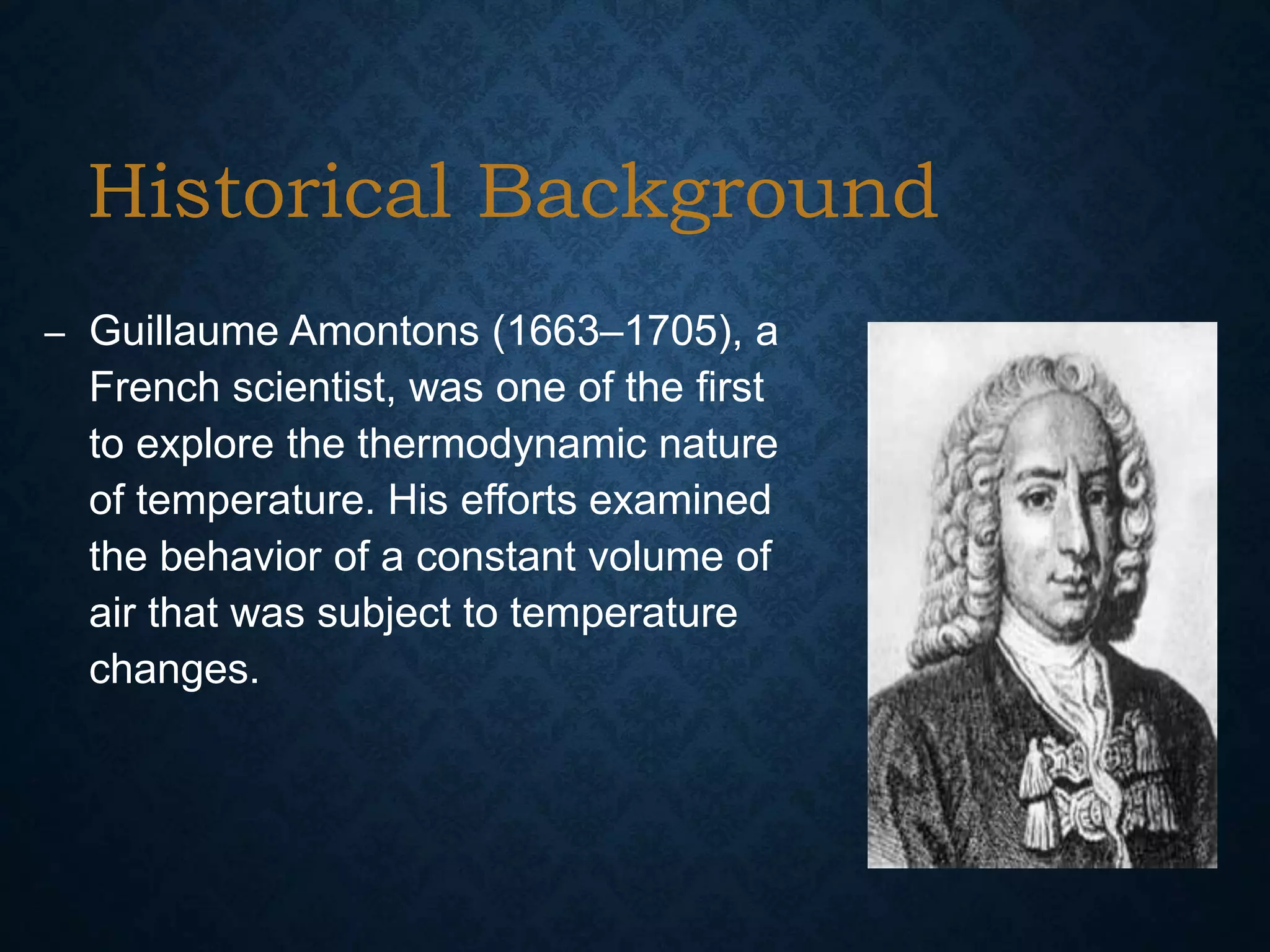
– Guillaume Amontons (1663–1705), a
French scientist, was one of the first
to explore the thermodynamic nature
of temperature. His efforts examined
the behavior of a constant volume of
air that was subject to temperature
changes.
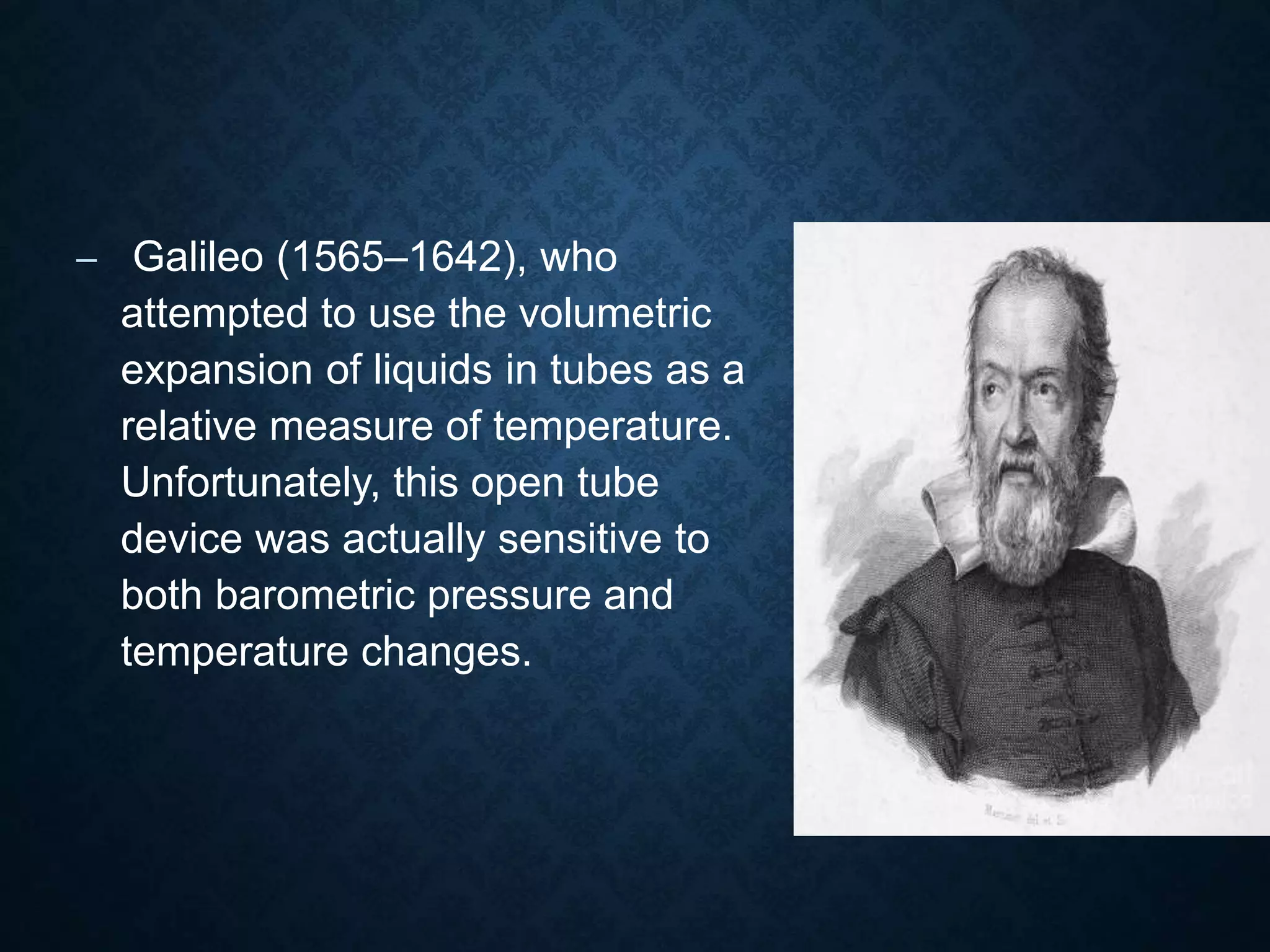
– Galileo (1565–1642), who
attempted to use the volumetric
expansion of liquids in tubes as a
relative measure of temperature.
Unfortunately, this open tube
device was actually sensitive to
both barometric pressure and
temperature changes.
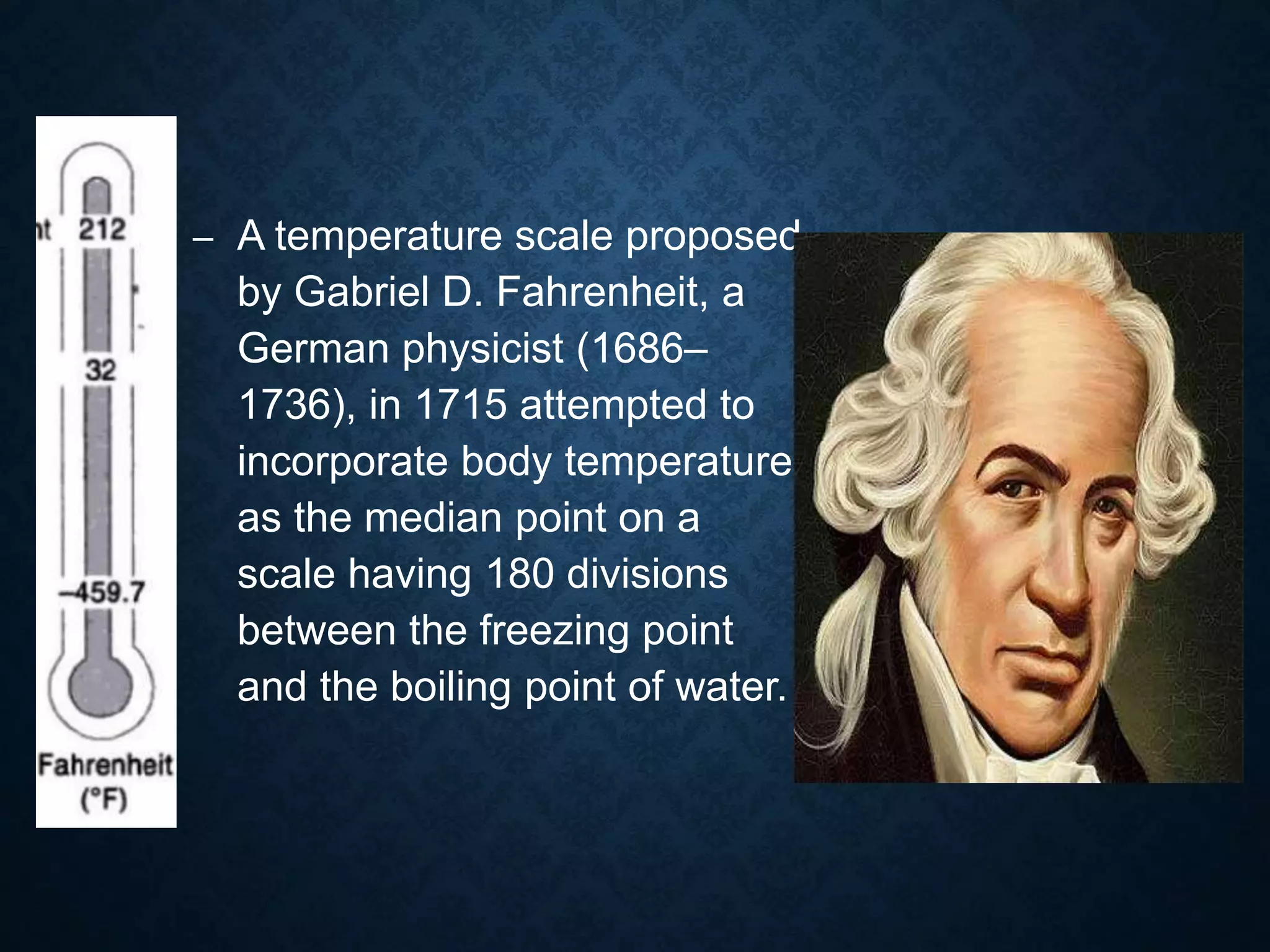
– A temperature scale proposed
by Gabriel D. Fahrenheit, a
German physicist (1686–
1736), in 1715 attempted to
incorporate body temperature
as the median point on a
scale having 180 divisions
between the freezing point
and the boiling point of water.
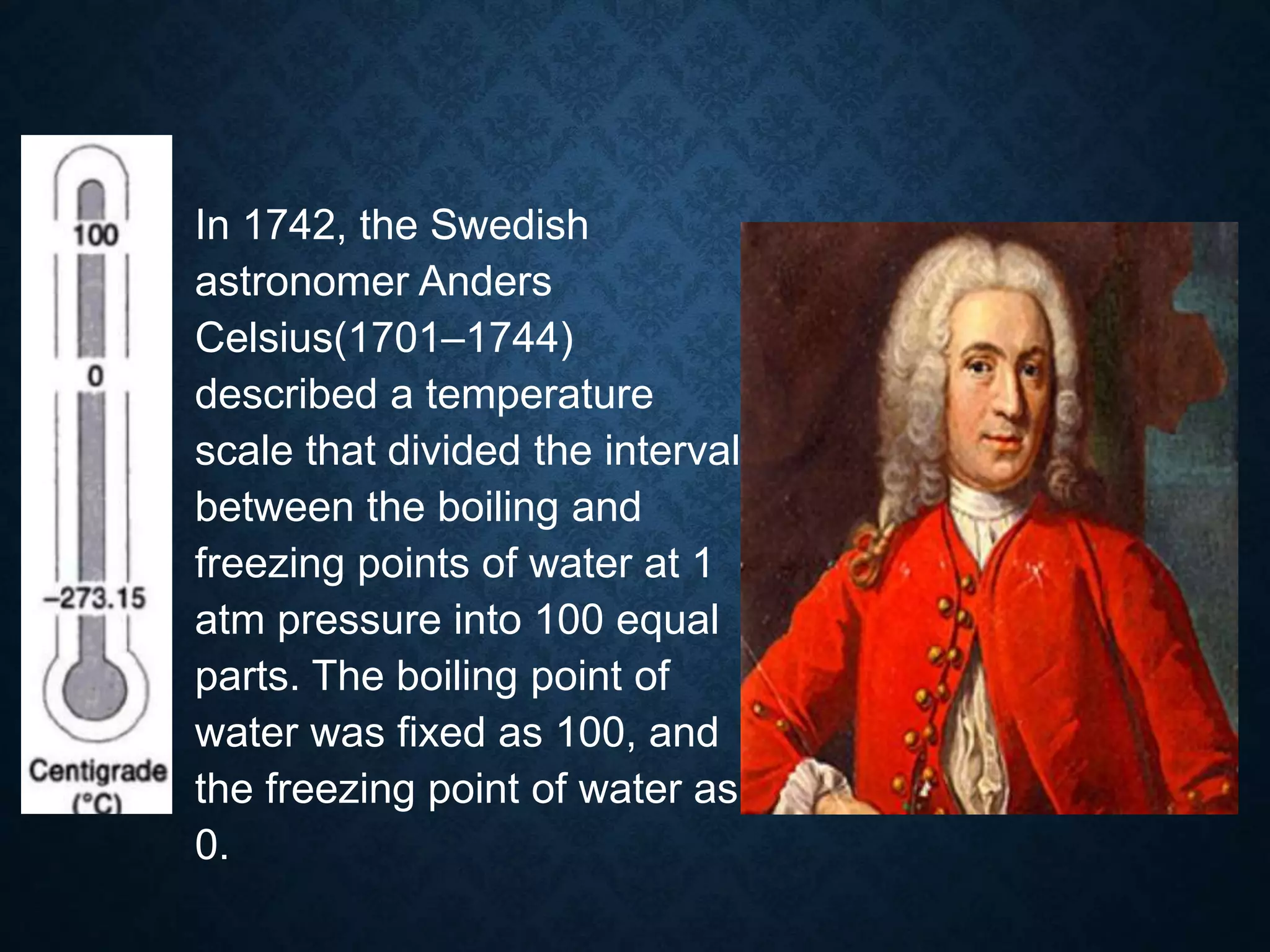
– In 1742, the Swedish
astronomer Anders
Celsius(1701–1744)
described a temperature
scale that divided the interval
between the boiling and
freezing points of water at 1
atm pressure into 100 equal
parts. The boiling point of
water was fixed as 100, and
the freezing point of water as
0.
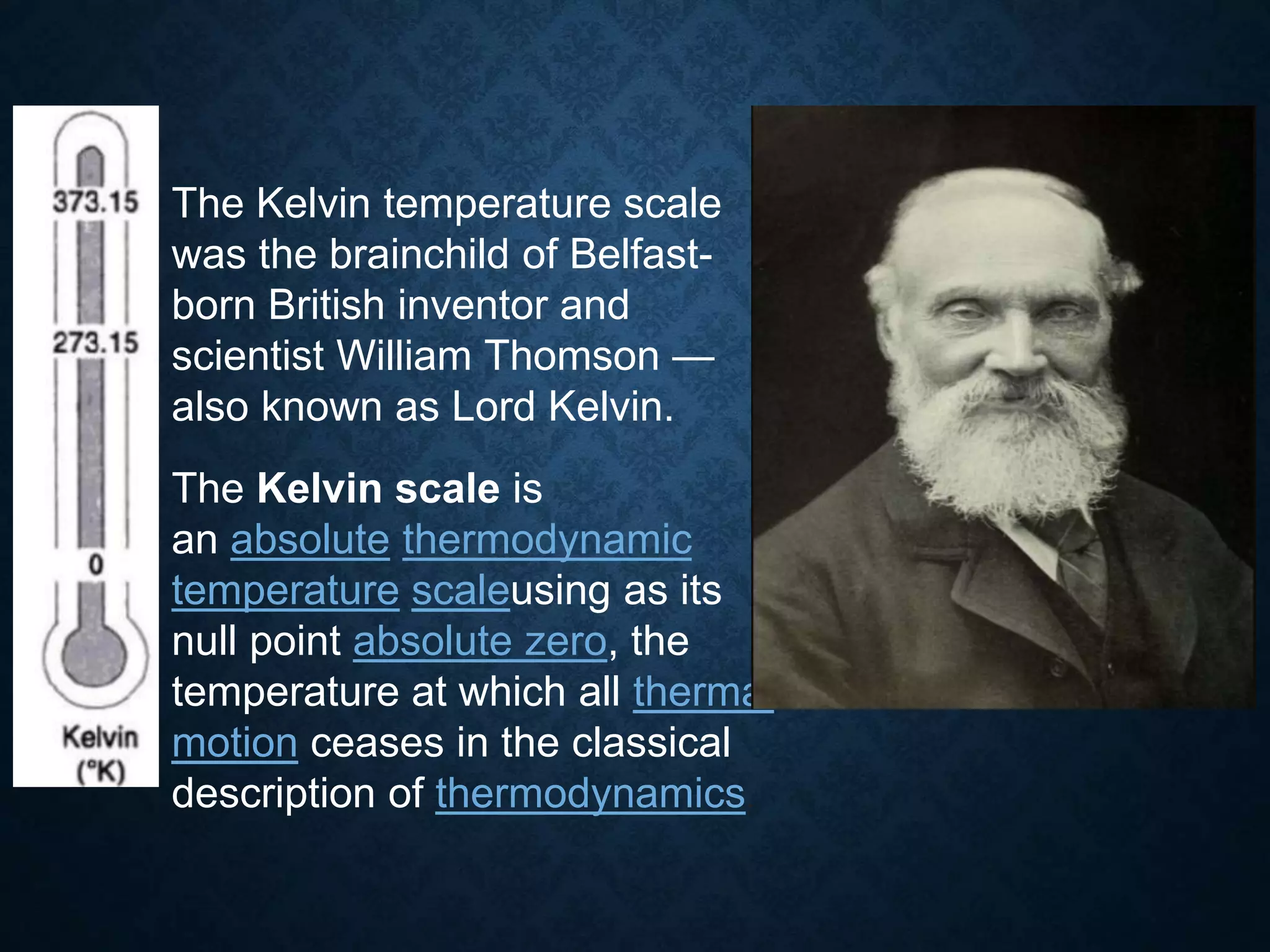
The Kelvin temperature scale
was the brainchild of Belfast-
born British inventor and
scientist William Thomson —
also known as Lord Kelvin.
The Kelvin scale is
an absolute thermodynamic
temperature scaleusing as its
null point absolute zero, the
temperature at which all thermal
motion ceases in the classical
description of thermodynamics.
TEMPERATURE
MEASUREMENT STANDARDS
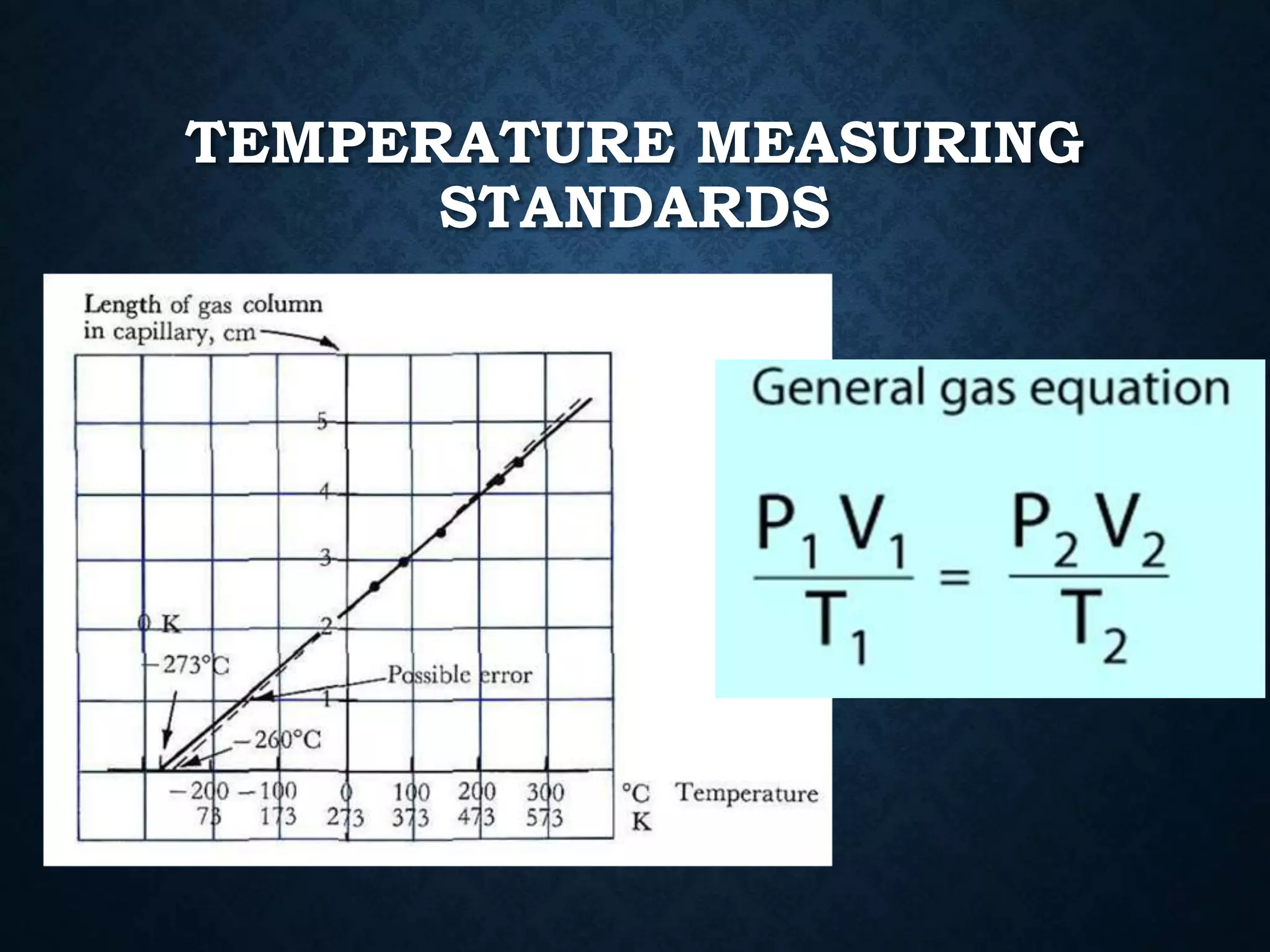
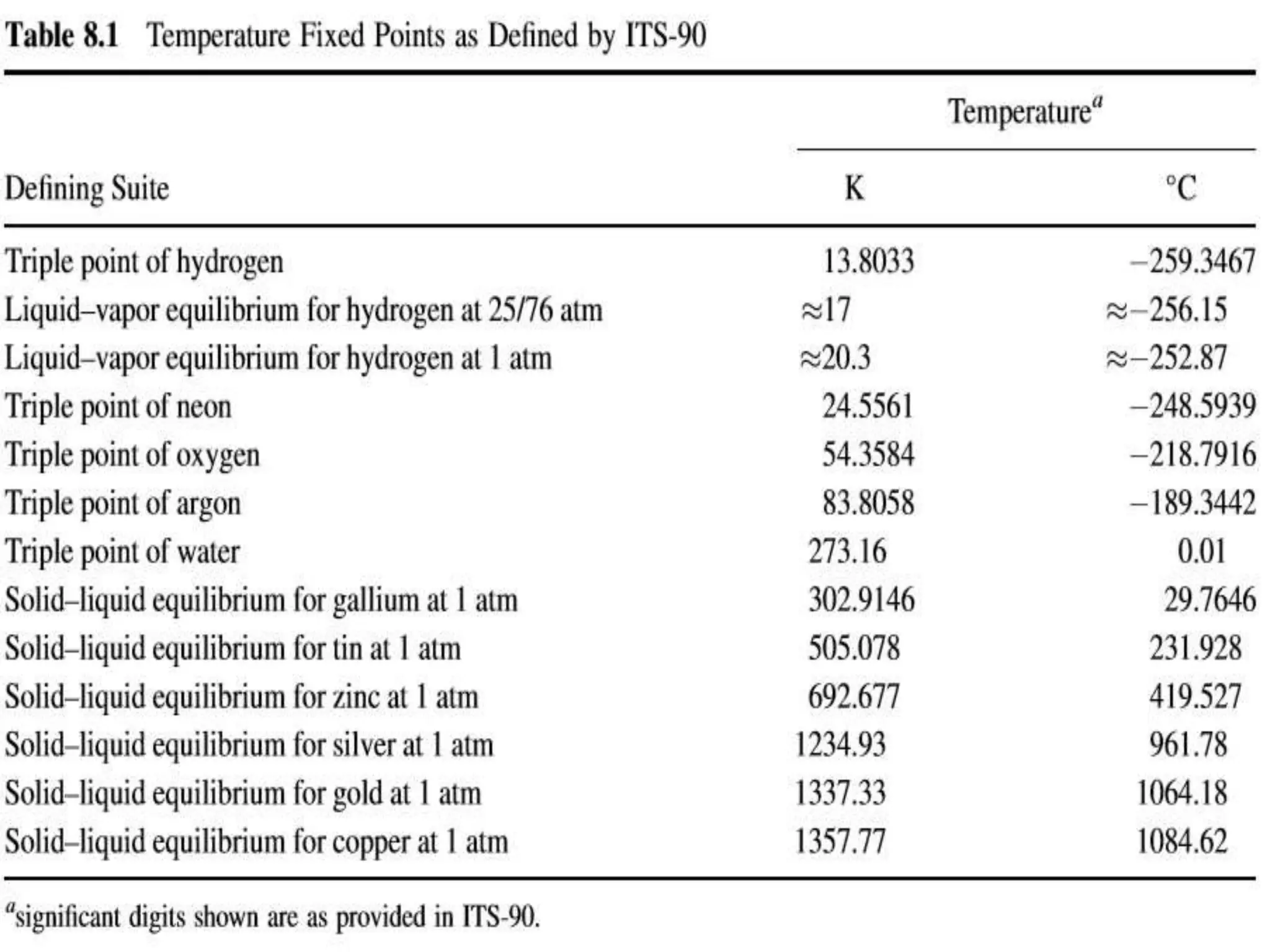
TEMPERATURE MEASURING
STANDARDS
CALIBRATION
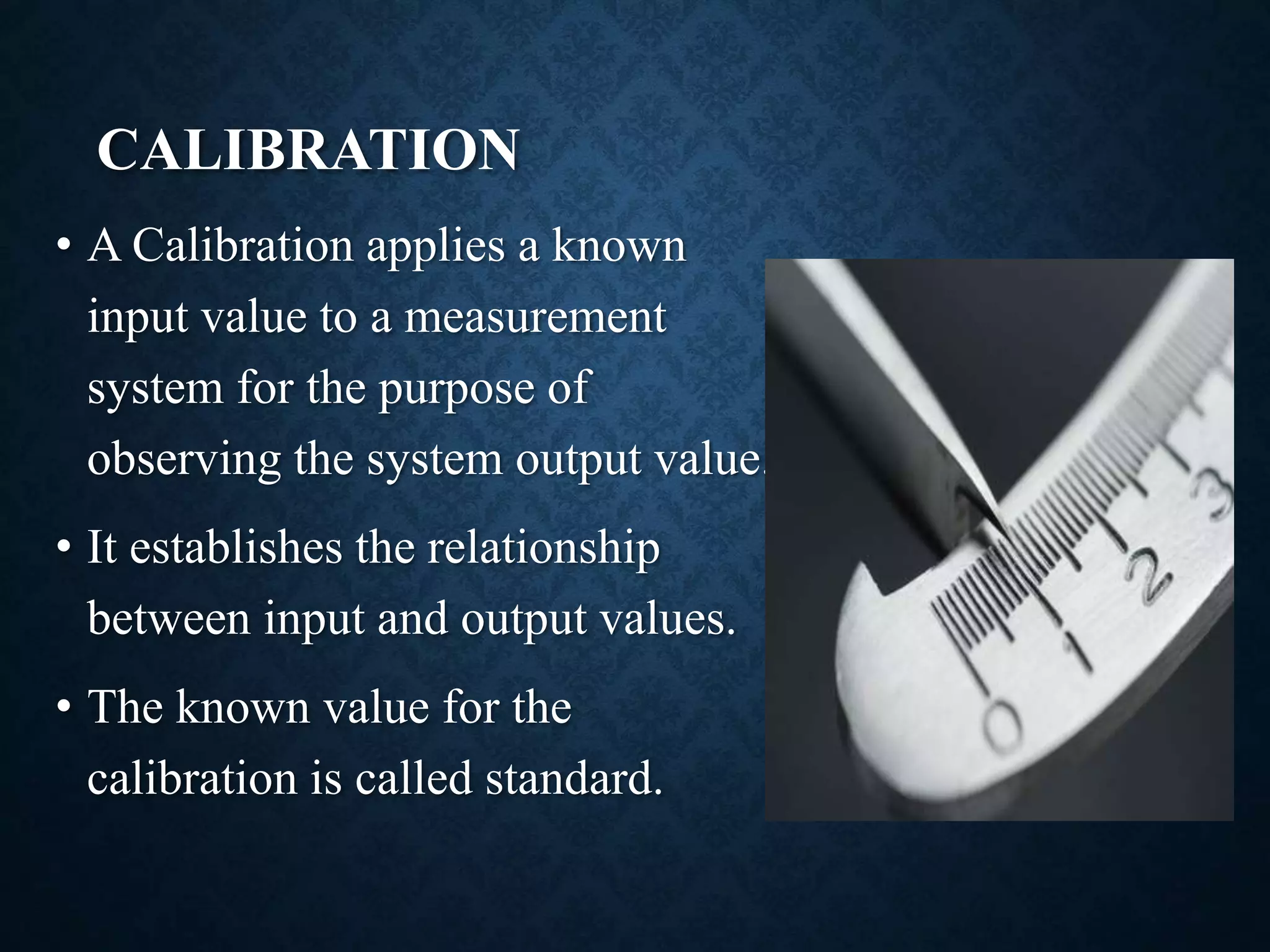
• A Calibration applies a known
input value to a measurement
system for the purpose of
observing the system output value.
• It establishes the relationship
between input and output values.
• The known value for the
calibration is called standard.
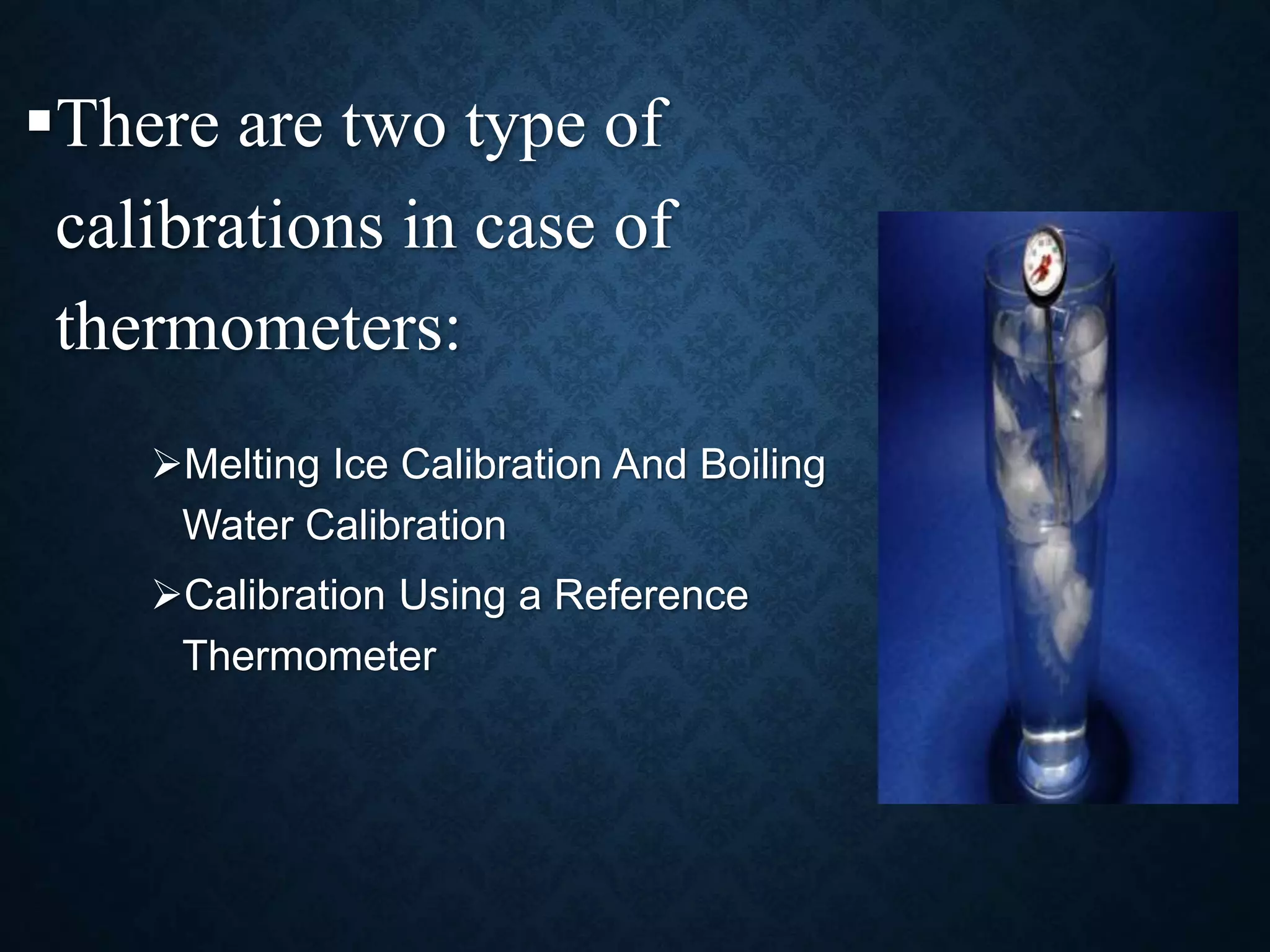
There are two type of
calibrations in case of
thermometers:
Melting Ice Calibration And Boiling
Water Calibration
Calibration Using a Reference
Thermometer
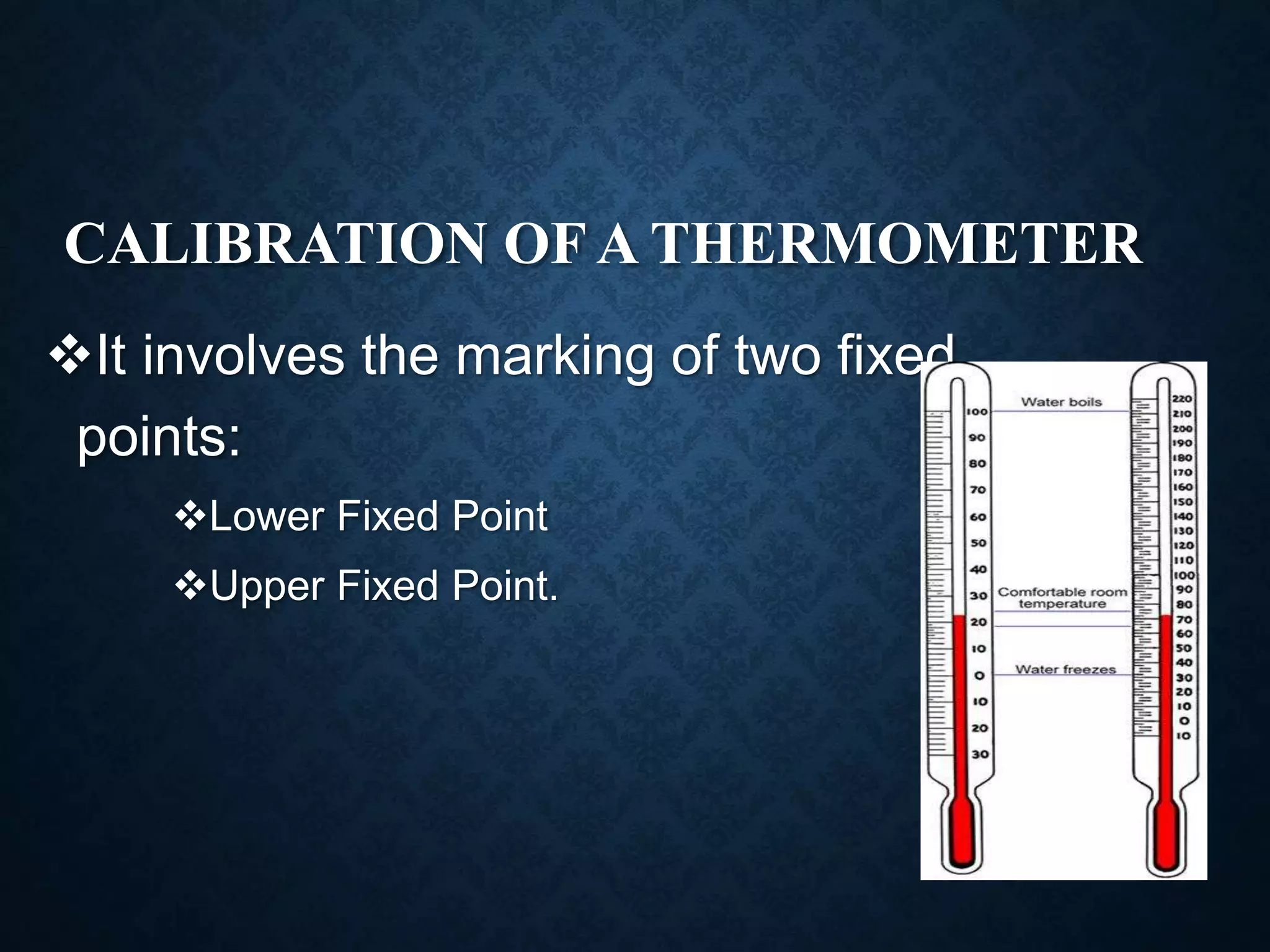
CALIBRATION OF A THERMOMETER
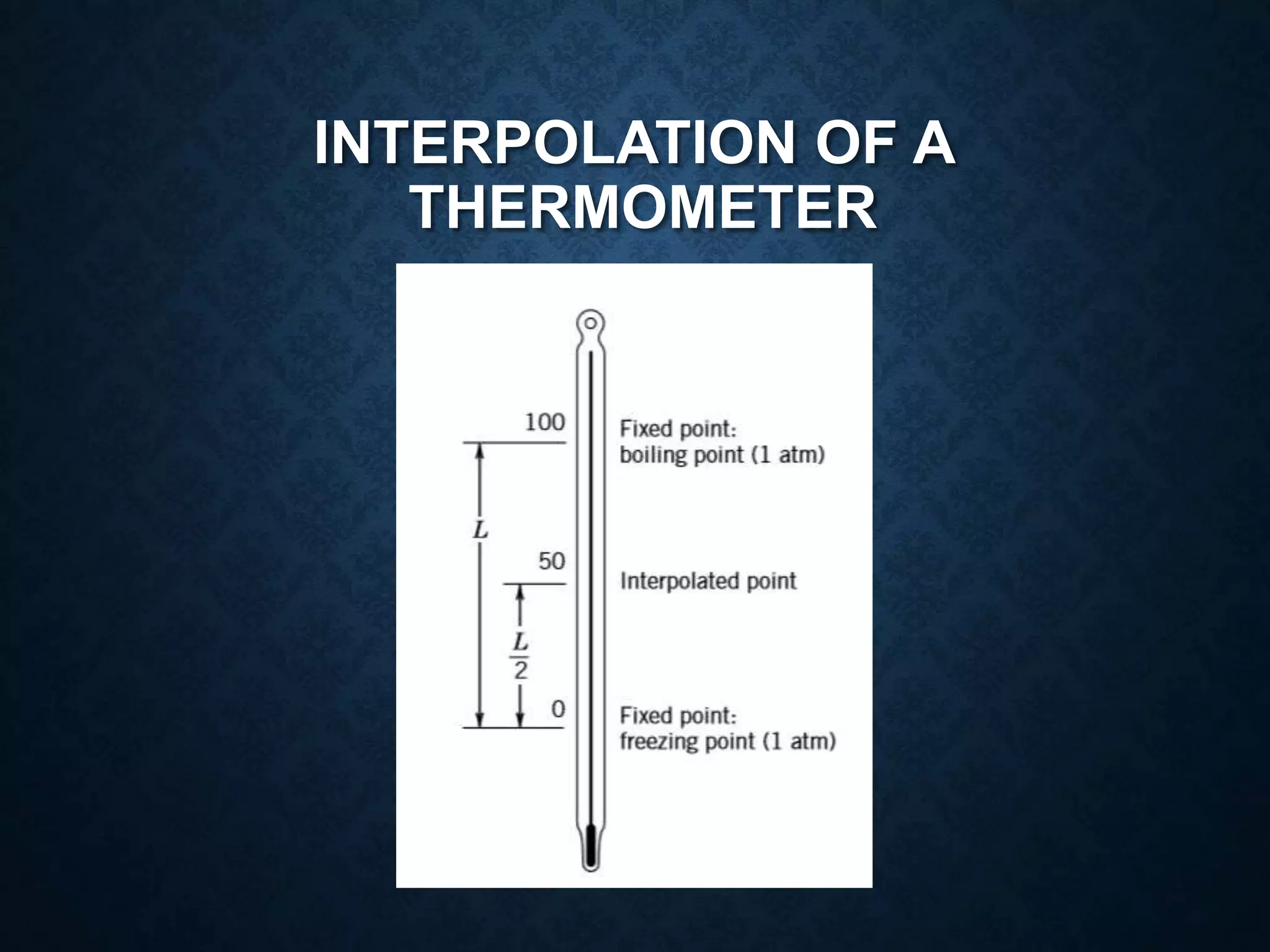
It involves the marking of two fixed
points:
Lower Fixed Point
Upper Fixed Point.
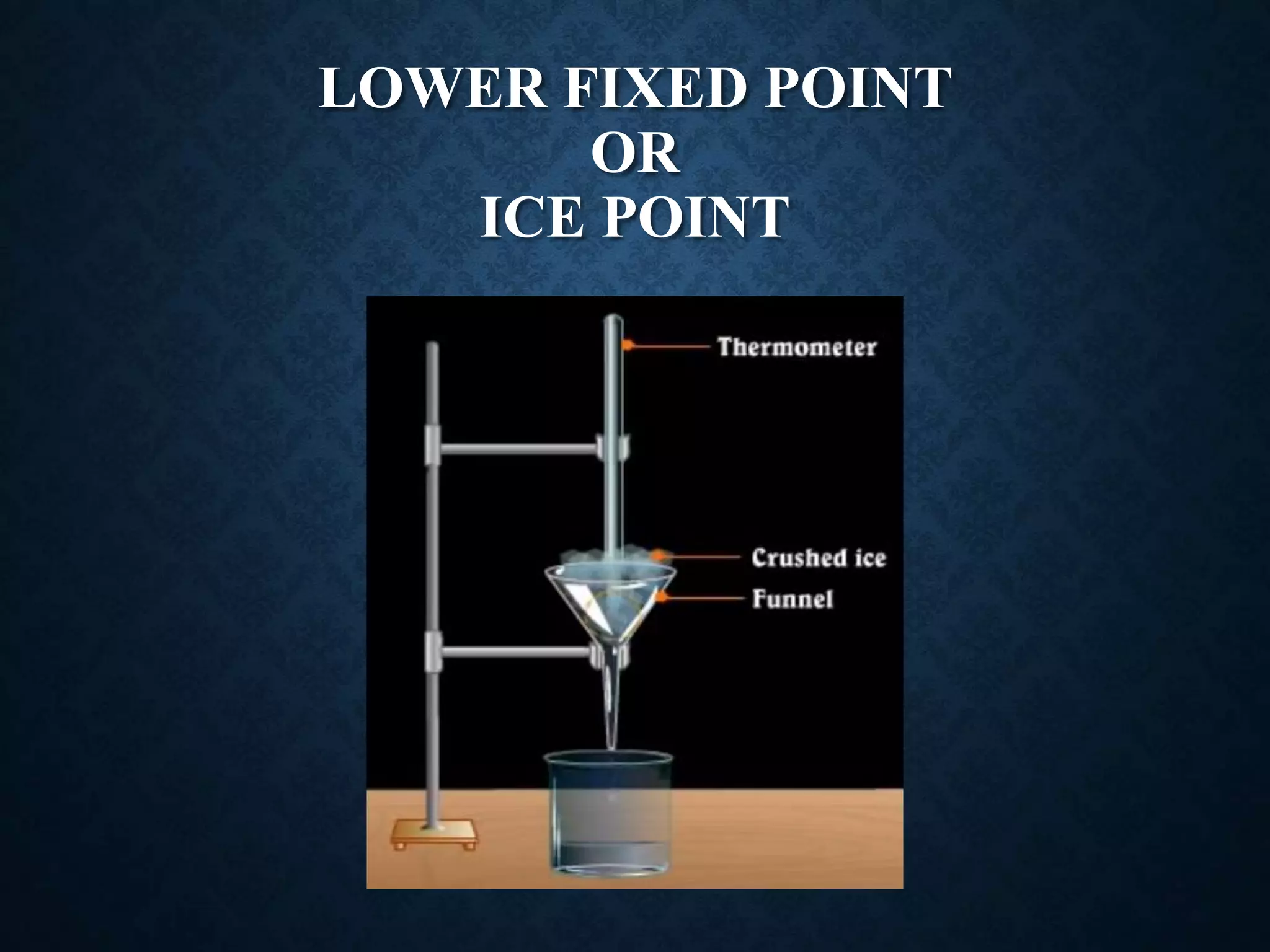
LOWER FIXED POINT
OR
ICE POINT
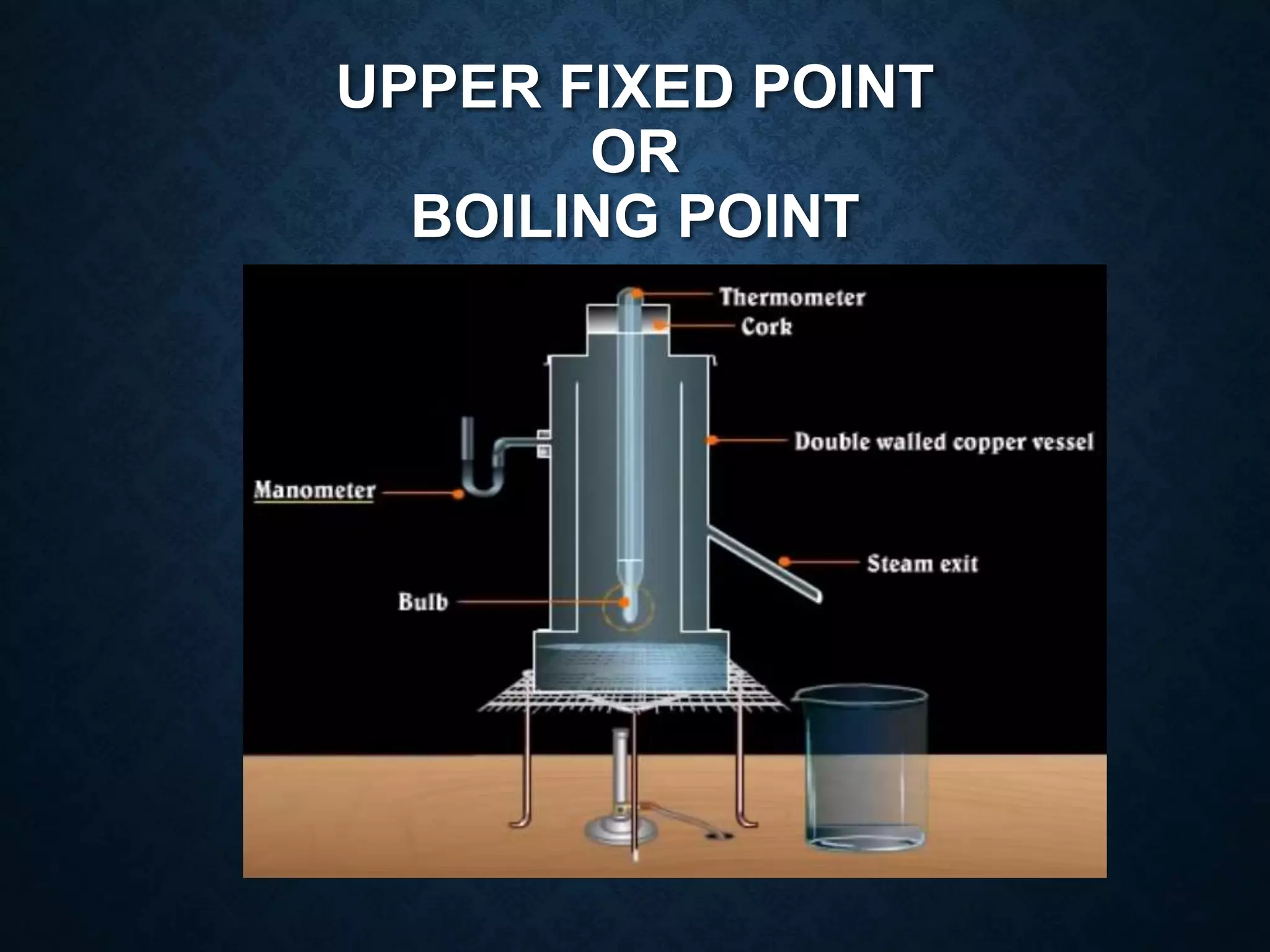
UPPER FIXED POINT
OR
BOILING POINT
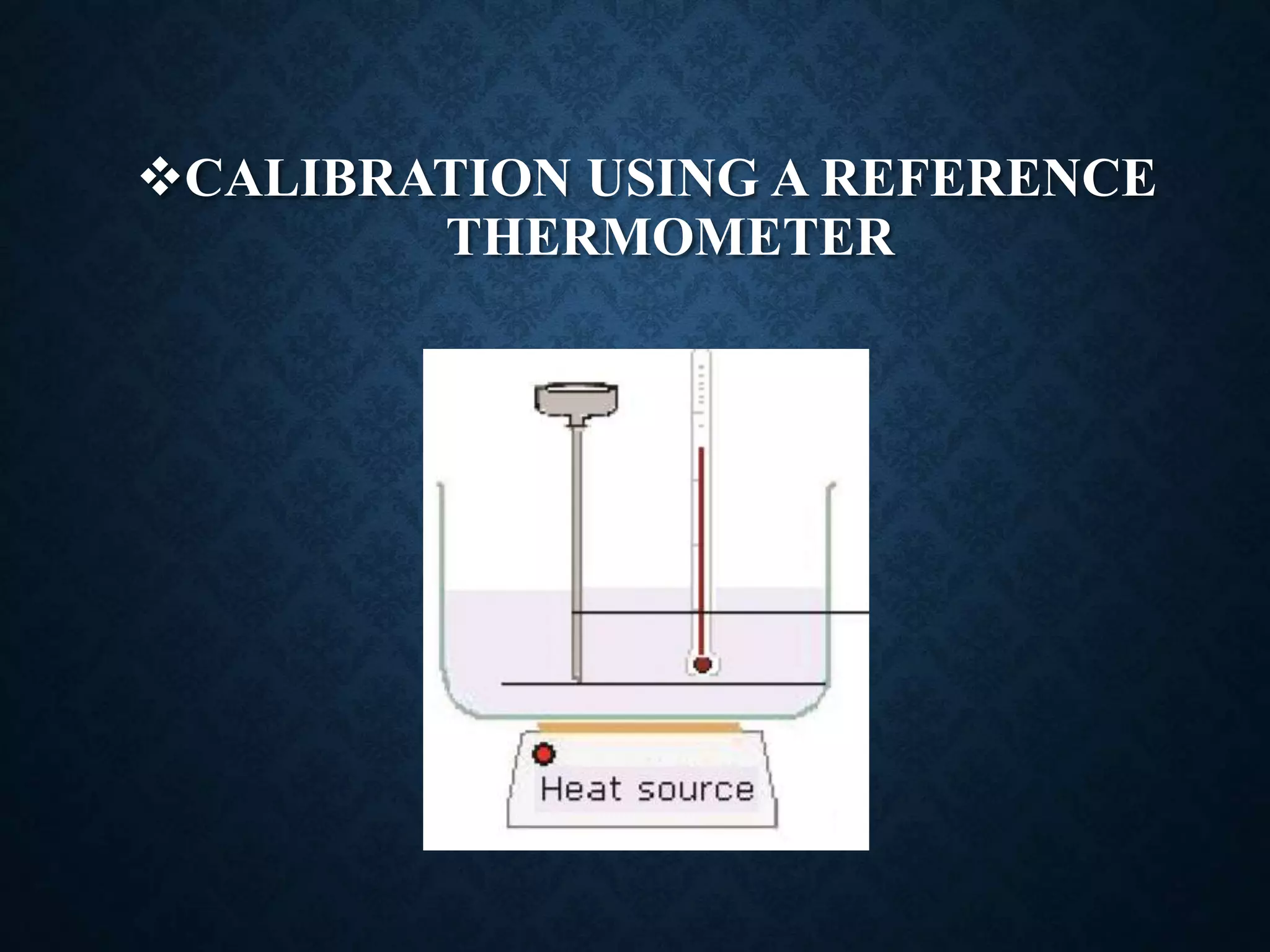
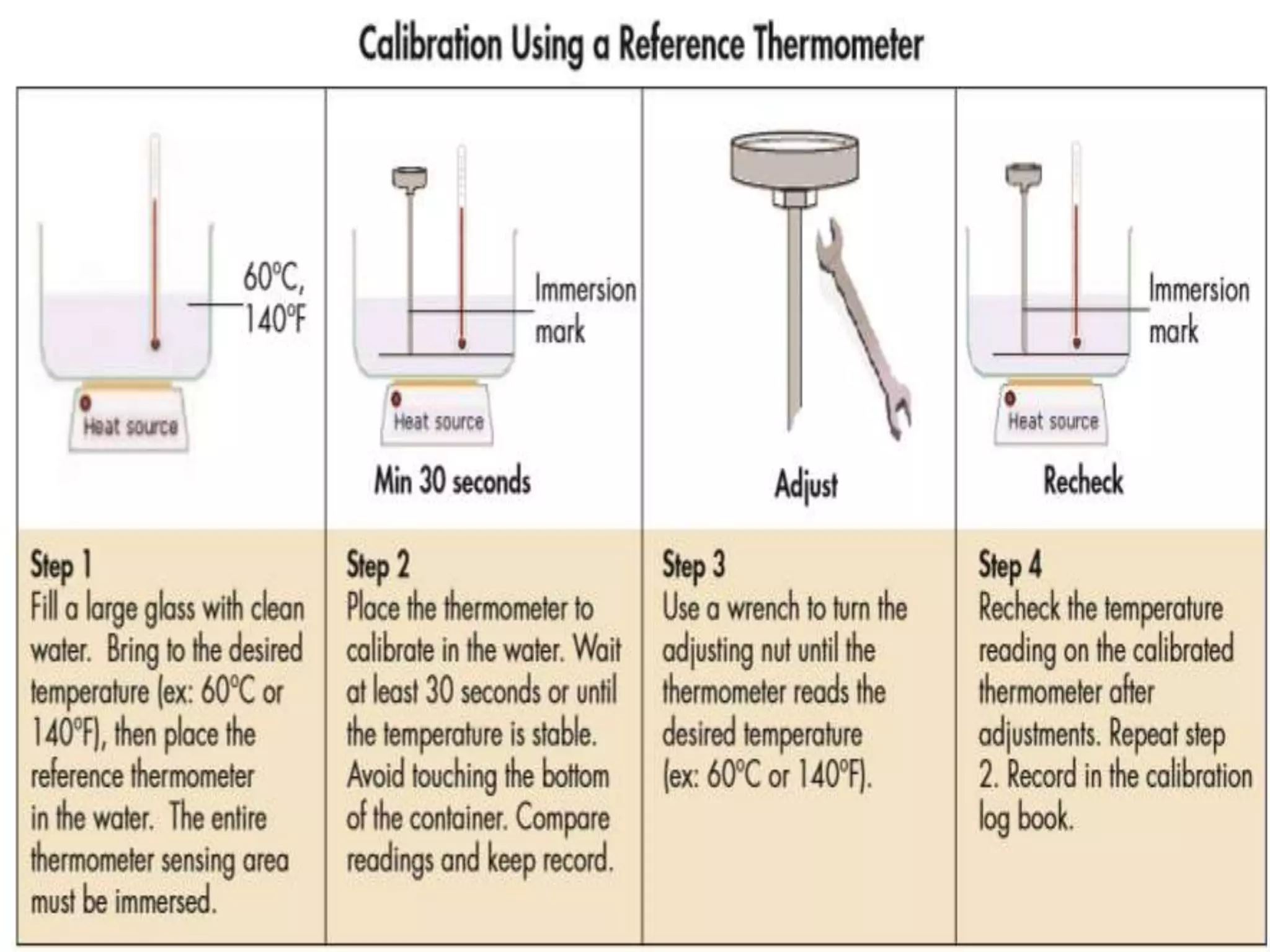
CALIBRATION USING A REFERENCE
THERMOMETER
INTERPOLATION OF A
THERMOMETER
LIQUID IN GLASS THERMOMETER
LIQUID IN
GLASS THERMOMETER
• Introduction.
• Construction.
• Immersion types
• Applications
• Advantages
INTRODUCTION
• A liquid-in-glass thermometer is the simplest
and most commonly employed type of
temperature measurement device.
• It is one of the oldest thermometers available
in the industry.
• The principle used to measure temperature is
that of the apparent thermal expansion of the
liquid.
CONSTRUCTION
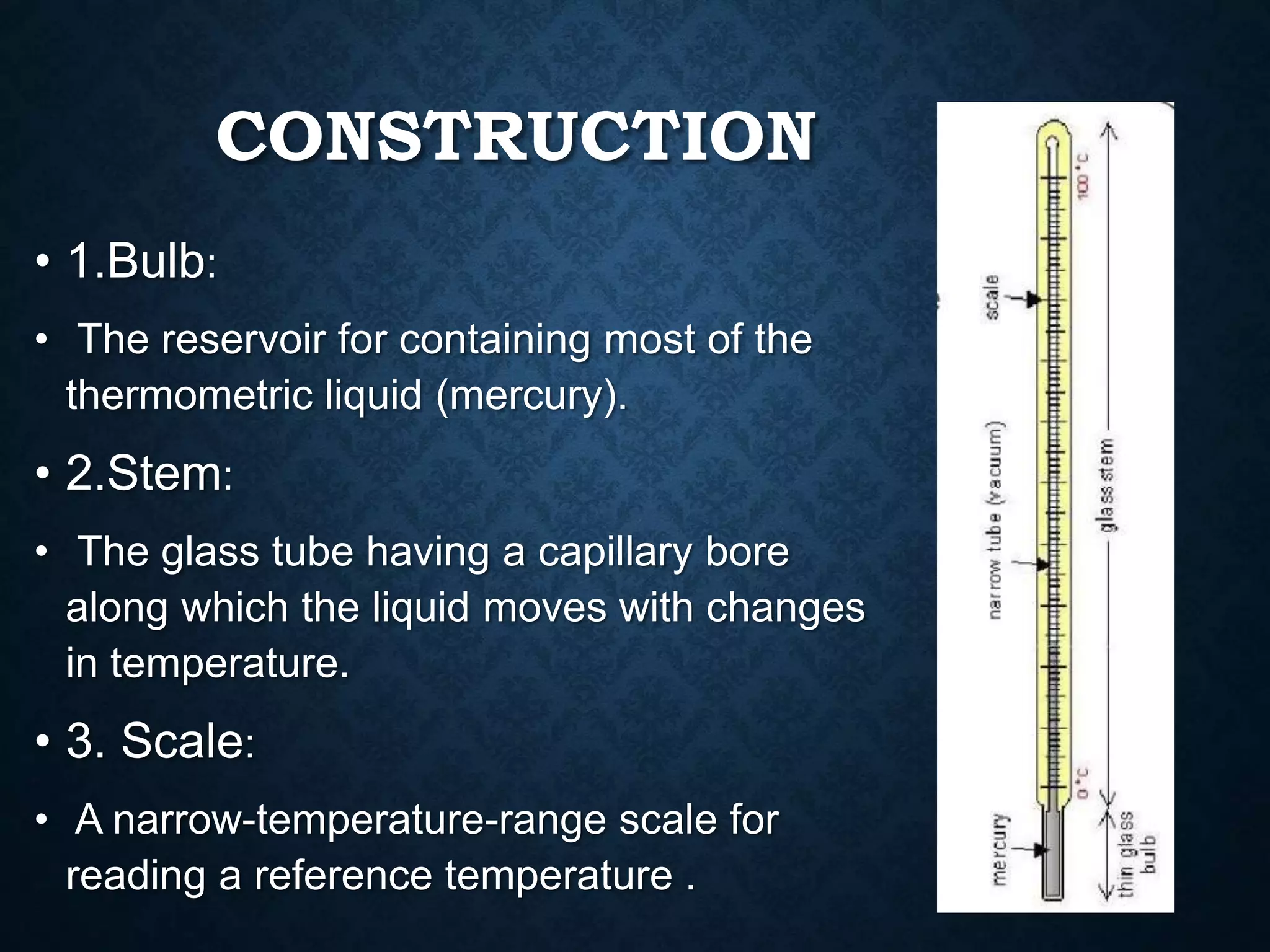
• 1.Bulb:
• The reservoir for containing most of the
thermometric liquid (mercury).
• 2.Stem:
• The glass tube having a capillary bore
along which the liquid moves with changes
in temperature.
• 3. Scale:
• A narrow-temperature-range scale for
reading a reference temperature .
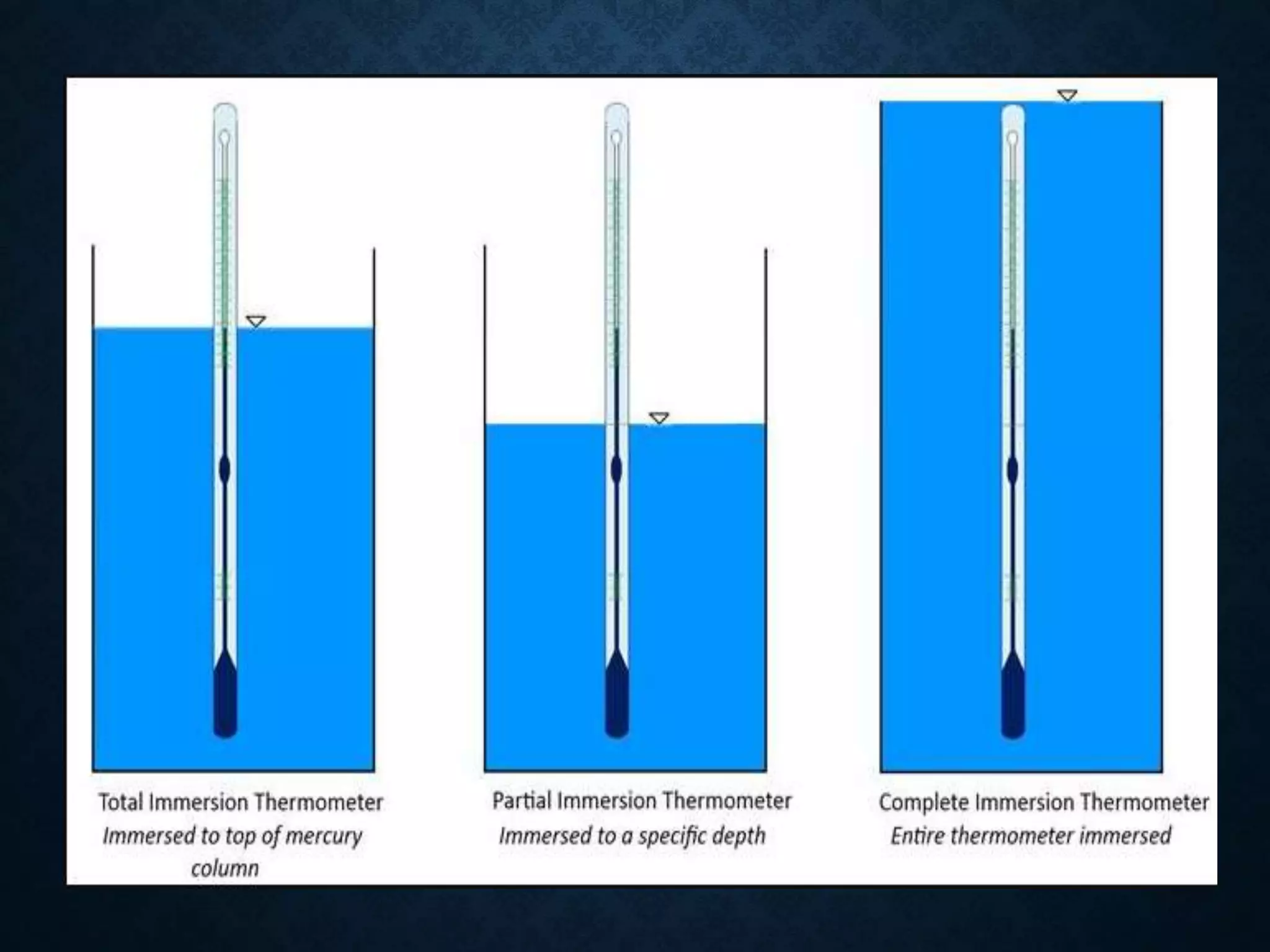
Immersion Types
Total immersion:
Thermometers are designed with scales which indicate
actual temperature when the bulb and the entire liquid
column are exposed to the temperature being measured.
Partial immersion
Thermometers are designed to indicate the actual
temperature when a specified portion of its stem is
exposed to the temperature being measured.
APPLICATIONS
•Liquid-in-glass thermometers are
mainly employed in Navy and
Marine Corps in different
configurations.
•They are also applied in
meteorological and oceanographic
applications.
ADVANTAGES
• They are comparatively cheaper than other
temperature measurement devices.
• They are handy and convenient to use.
• Unlike electrical thermometers, they do not
necessitate power supply or batteries for charging.
• They can be frequently applied in areas where there is
problem of electricity.
Disadvantages
1) Can not used for automatic recording.
2) Time lag in measurement.
3) Fragile construction

Introduction to temperature measurement.

  • 2.
  • 3.
  • 4.
    CONTENTS: Introduction to temperaturemeasurement History Temperature measuring standard Temperature measurement scales Calibration & interpolation of thermometer Liquid in glass thermometer Bimetallic thermometer Pressure thermometer
  • 5.
    INTRODUCTION TO TEMPERATURE MEASUREMENT Whatis Temperature? What are the scales of Temperature? What is Temperature measurement?
  • 6.
    WHAT IS TEMPERATURE? •Temperature is one of the most commonly used and measured engineering variables. • Temperature is a thermal state of body which distinguishes a hot body from cold body • Scalar quantity • Degree of hotness or coldness
  • 7.
    WHAT ARE THESCALES OF TEMPERATURE? Celsius Fahrenheit Kelvin
  • 8.
    WHAT IS TEMPERATURE MEASUREMENT? •Temperature measurement, also known as thermometry, describes the process of measuring a current local temperature for immediate or later evaluation. Datasets consisting of repeated standardized measurements can be used to assess temperature trends.
  • 9.
    Historical Background – GuillaumeAmontons (1663–1705), a French scientist, was one of the first to explore the thermodynamic nature of temperature. His efforts examined the behavior of a constant volume of air that was subject to temperature changes.
  • 10.
    – Galileo (1565–1642),who attempted to use the volumetric expansion of liquids in tubes as a relative measure of temperature. Unfortunately, this open tube device was actually sensitive to both barometric pressure and temperature changes.
  • 11.
    – A temperaturescale proposed by Gabriel D. Fahrenheit, a German physicist (1686– 1736), in 1715 attempted to incorporate body temperature as the median point on a scale having 180 divisions between the freezing point and the boiling point of water.
  • 12.
    – In 1742,the Swedish astronomer Anders Celsius(1701–1744) described a temperature scale that divided the interval between the boiling and freezing points of water at 1 atm pressure into 100 equal parts. The boiling point of water was fixed as 100, and the freezing point of water as 0.
  • 13.
    The Kelvin temperaturescale was the brainchild of Belfast- born British inventor and scientist William Thomson — also known as Lord Kelvin. The Kelvin scale is an absolute thermodynamic temperature scaleusing as its null point absolute zero, the temperature at which all thermal motion ceases in the classical description of thermodynamics.
  • 14.
  • 15.
  • 17.
    CALIBRATION • A Calibrationapplies a known input value to a measurement system for the purpose of observing the system output value. • It establishes the relationship between input and output values. • The known value for the calibration is called standard.
  • 18.
    There are twotype of calibrations in case of thermometers: Melting Ice Calibration And Boiling Water Calibration Calibration Using a Reference Thermometer
  • 19.
    CALIBRATION OF ATHERMOMETER It involves the marking of two fixed points: Lower Fixed Point Upper Fixed Point.
  • 20.
  • 21.
  • 22.
    CALIBRATION USING AREFERENCE THERMOMETER
  • 24.
  • 25.
    LIQUID IN GLASSTHERMOMETER
  • 26.
    LIQUID IN GLASS THERMOMETER •Introduction. • Construction. • Immersion types • Applications • Advantages
  • 27.
    INTRODUCTION • A liquid-in-glassthermometer is the simplest and most commonly employed type of temperature measurement device. • It is one of the oldest thermometers available in the industry. • The principle used to measure temperature is that of the apparent thermal expansion of the liquid.
  • 28.
    CONSTRUCTION • 1.Bulb: • Thereservoir for containing most of the thermometric liquid (mercury). • 2.Stem: • The glass tube having a capillary bore along which the liquid moves with changes in temperature. • 3. Scale: • A narrow-temperature-range scale for reading a reference temperature .
  • 29.
    Immersion Types Total immersion: Thermometersare designed with scales which indicate actual temperature when the bulb and the entire liquid column are exposed to the temperature being measured. Partial immersion Thermometers are designed to indicate the actual temperature when a specified portion of its stem is exposed to the temperature being measured.
  • 31.
    APPLICATIONS •Liquid-in-glass thermometers are mainlyemployed in Navy and Marine Corps in different configurations. •They are also applied in meteorological and oceanographic applications.
  • 32.
    ADVANTAGES • They arecomparatively cheaper than other temperature measurement devices. • They are handy and convenient to use. • Unlike electrical thermometers, they do not necessitate power supply or batteries for charging. • They can be frequently applied in areas where there is problem of electricity.
  • 33.
    Disadvantages 1) Can notused for automatic recording. 2) Time lag in measurement. 3) Fragile construction