Introduction to Ontologies
for Environmental Biology
Barry Smith
http://ontology.buffalo.edu/smith
2
Finnegans Web
concept
type
class
instance
model
representation
data
process
property
Disciplines here involved
GIS
Ecology
Environmental biology
Various -omics disciplines
Bioinformatics
Medical Informatics
Database science
Semantic webists
...
4
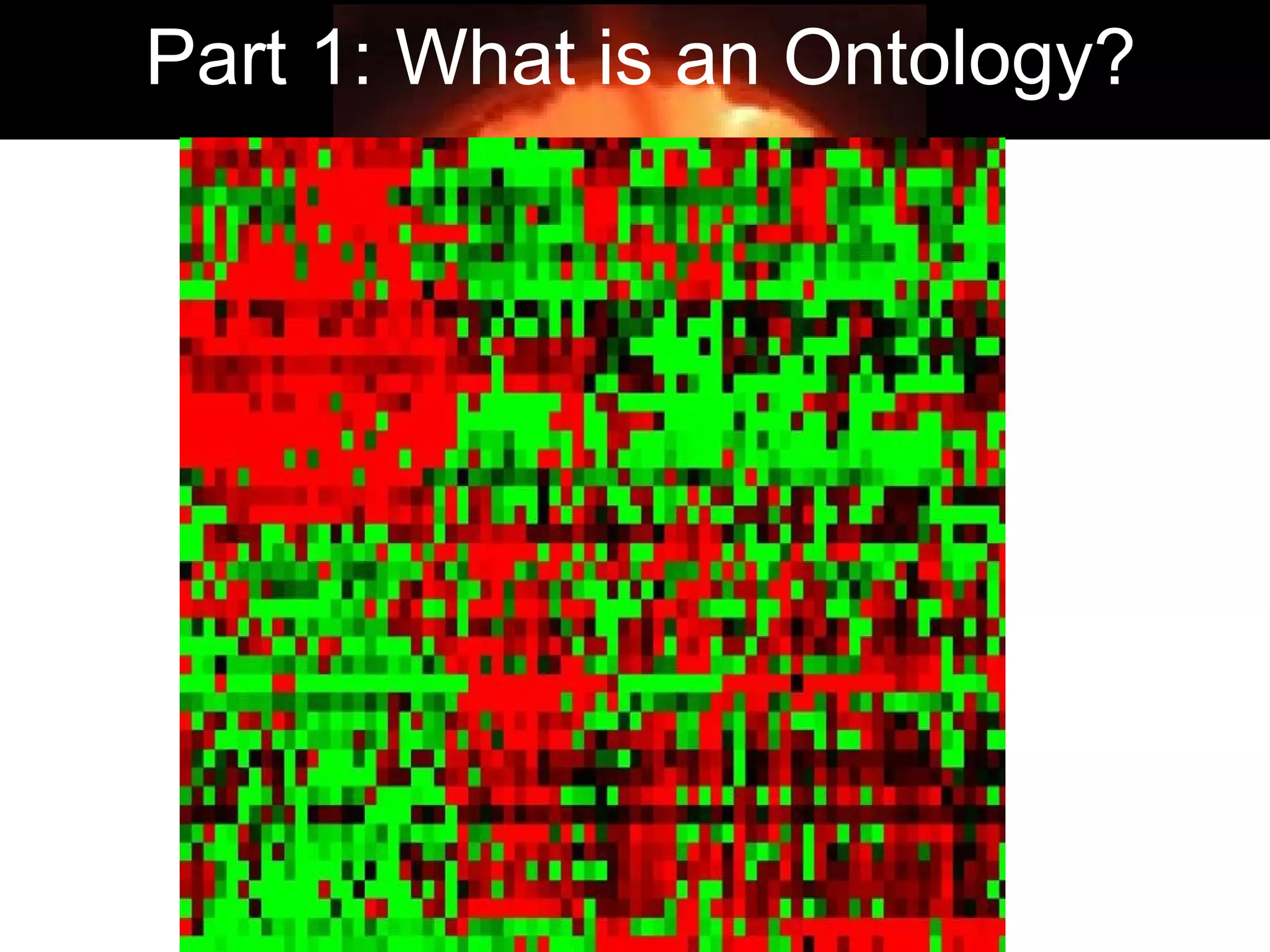
Part 1: What is an Ontology?
5
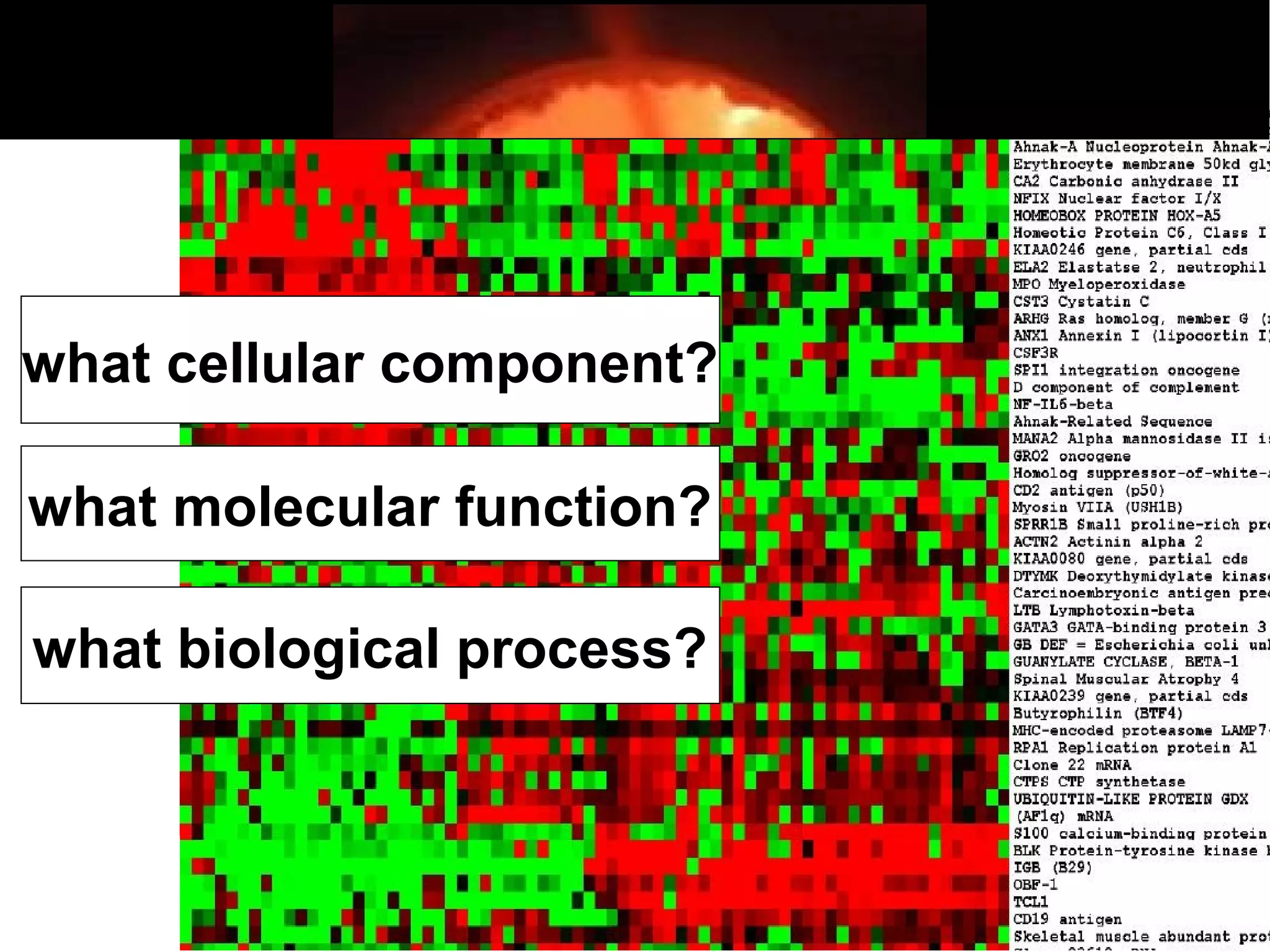
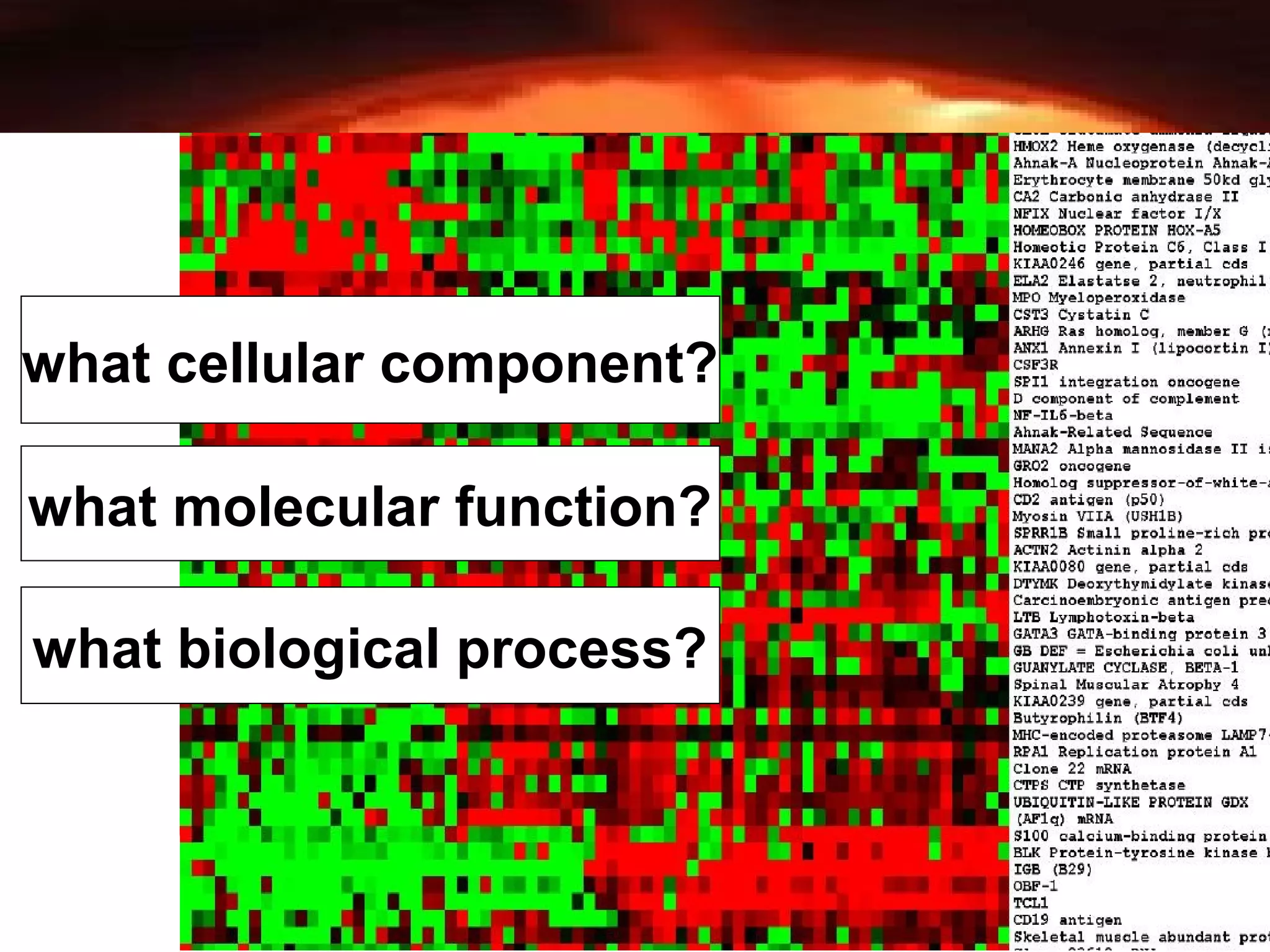
what cellular component?
what molecular function?
what biological process?
6
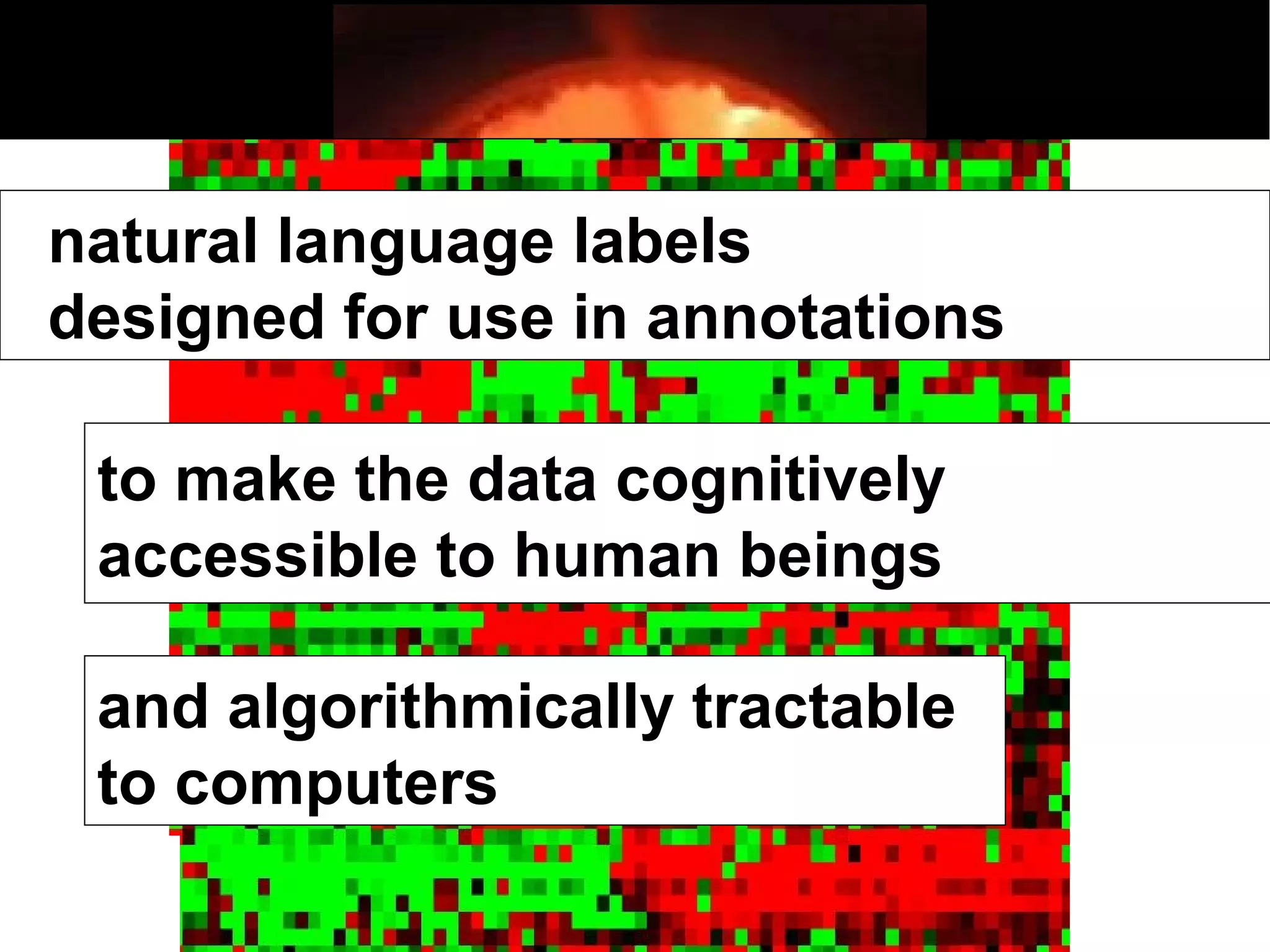
natural language labels
designed for use in annotations
to make the data cognitively
accessible to human beings
and algorithmically tractable
to computers
7
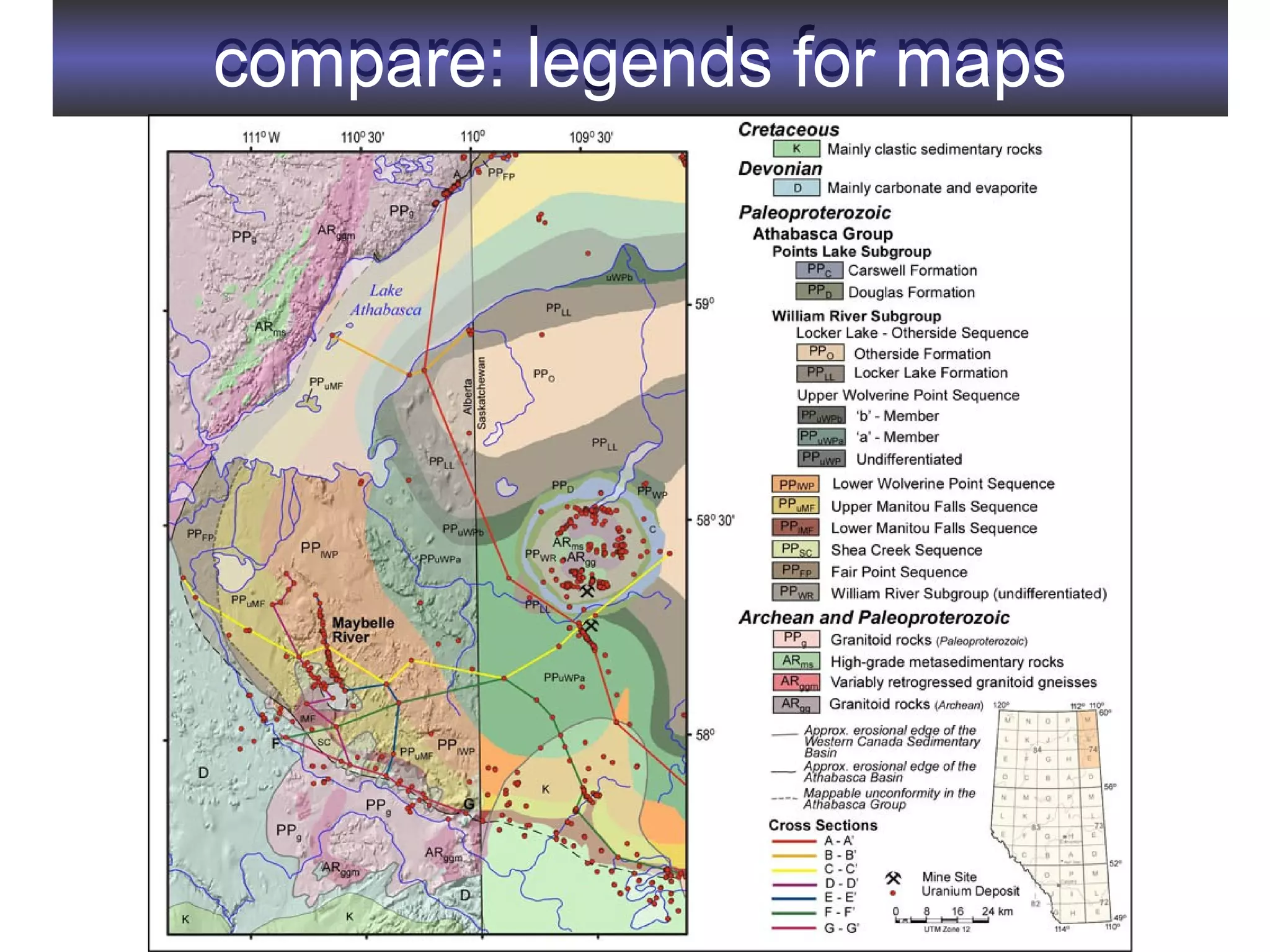
compare: legends for mapscompare: legends for maps
8
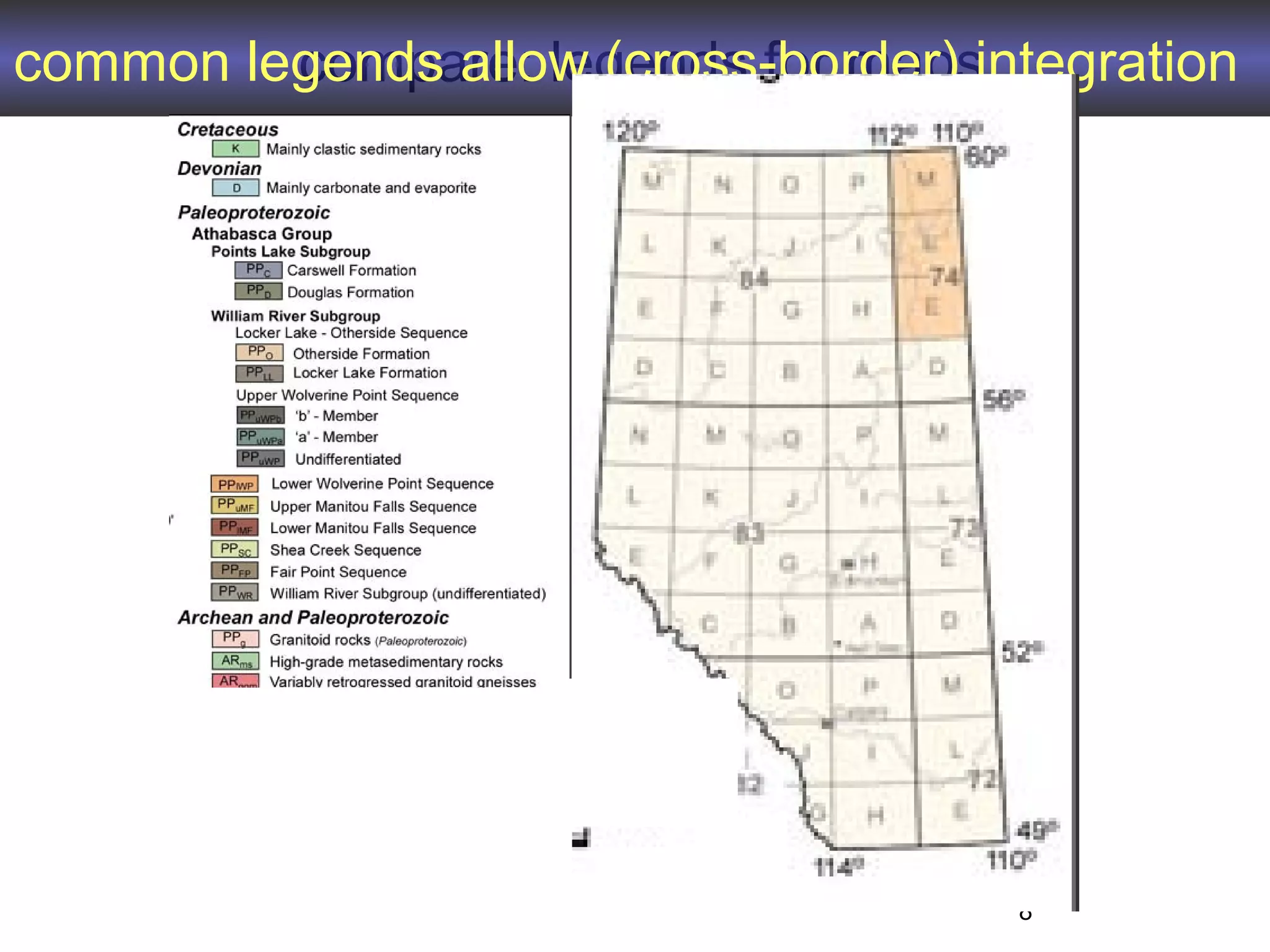
compare: legends for mapscommon legends allow (cross-border) integration
9
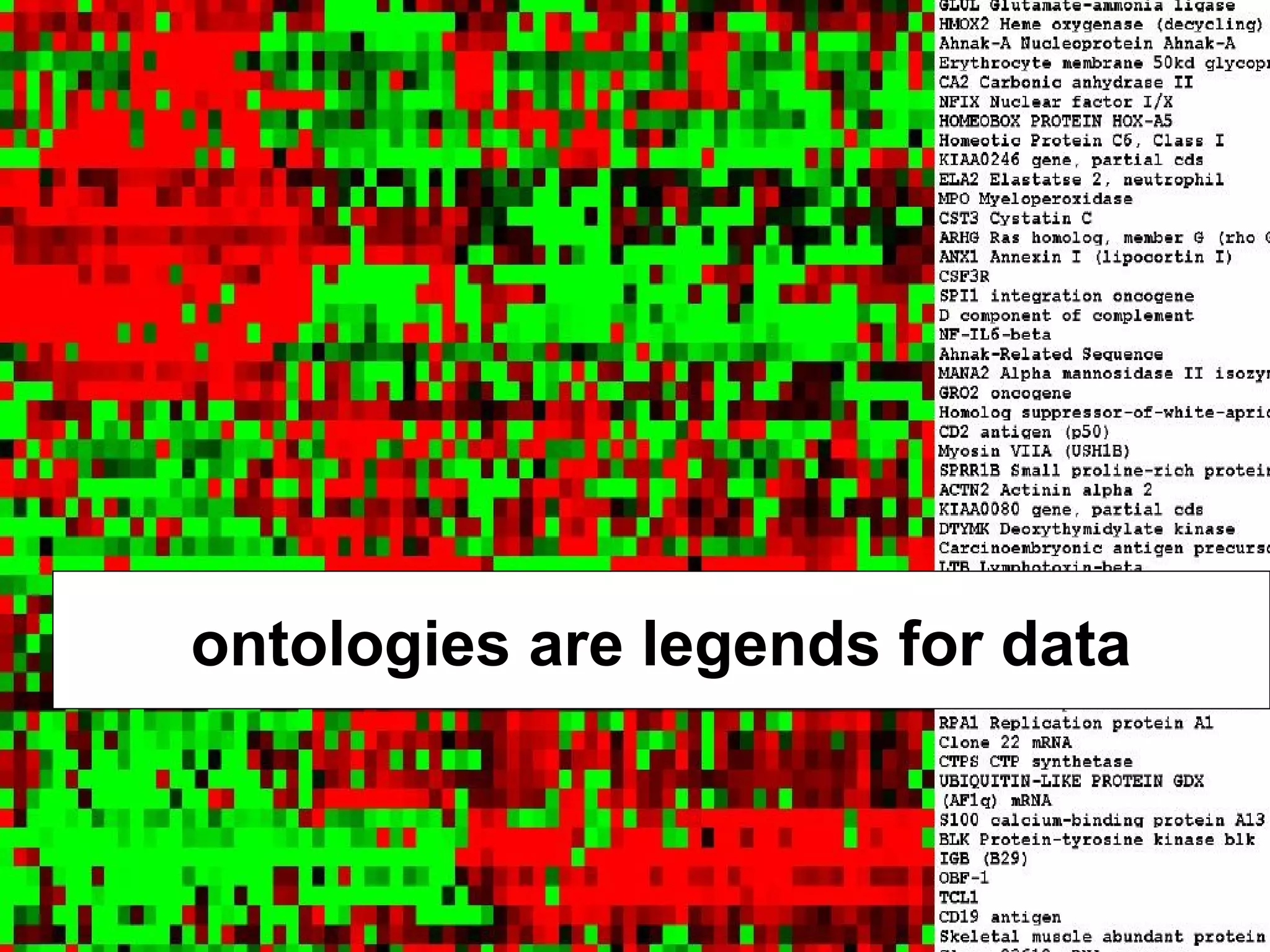
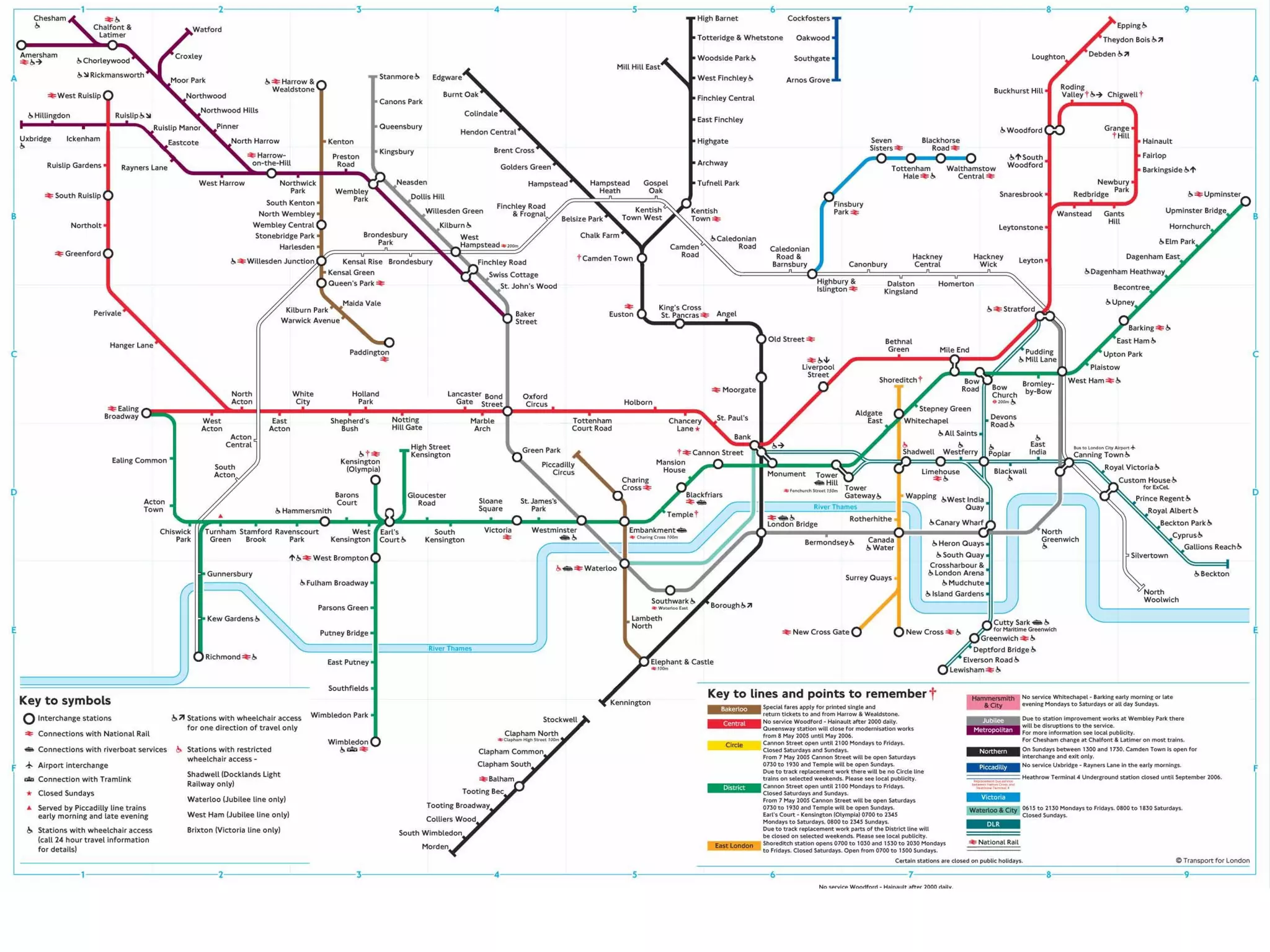
ontologies are legends for data
10
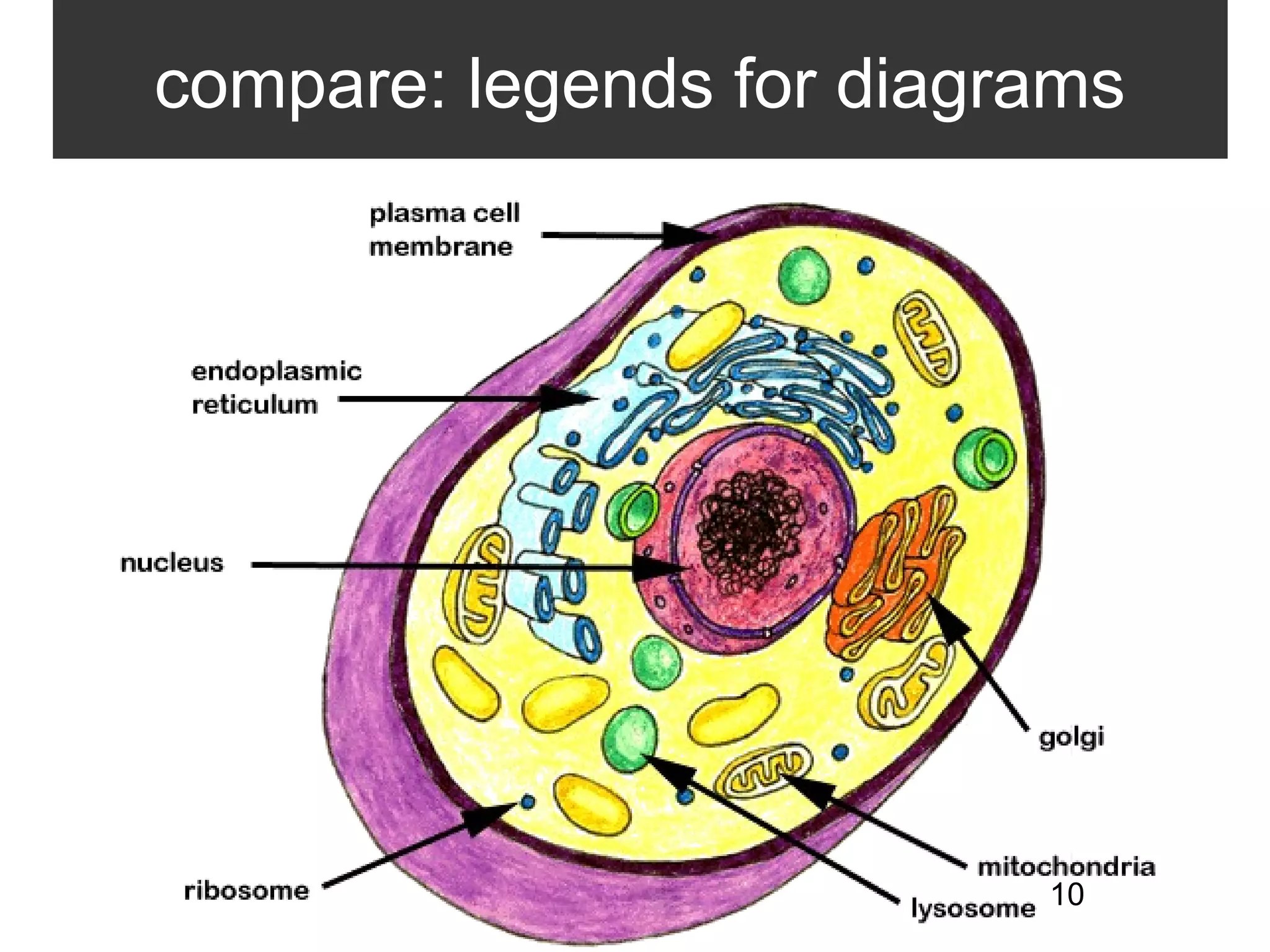
compare: legends for diagrams
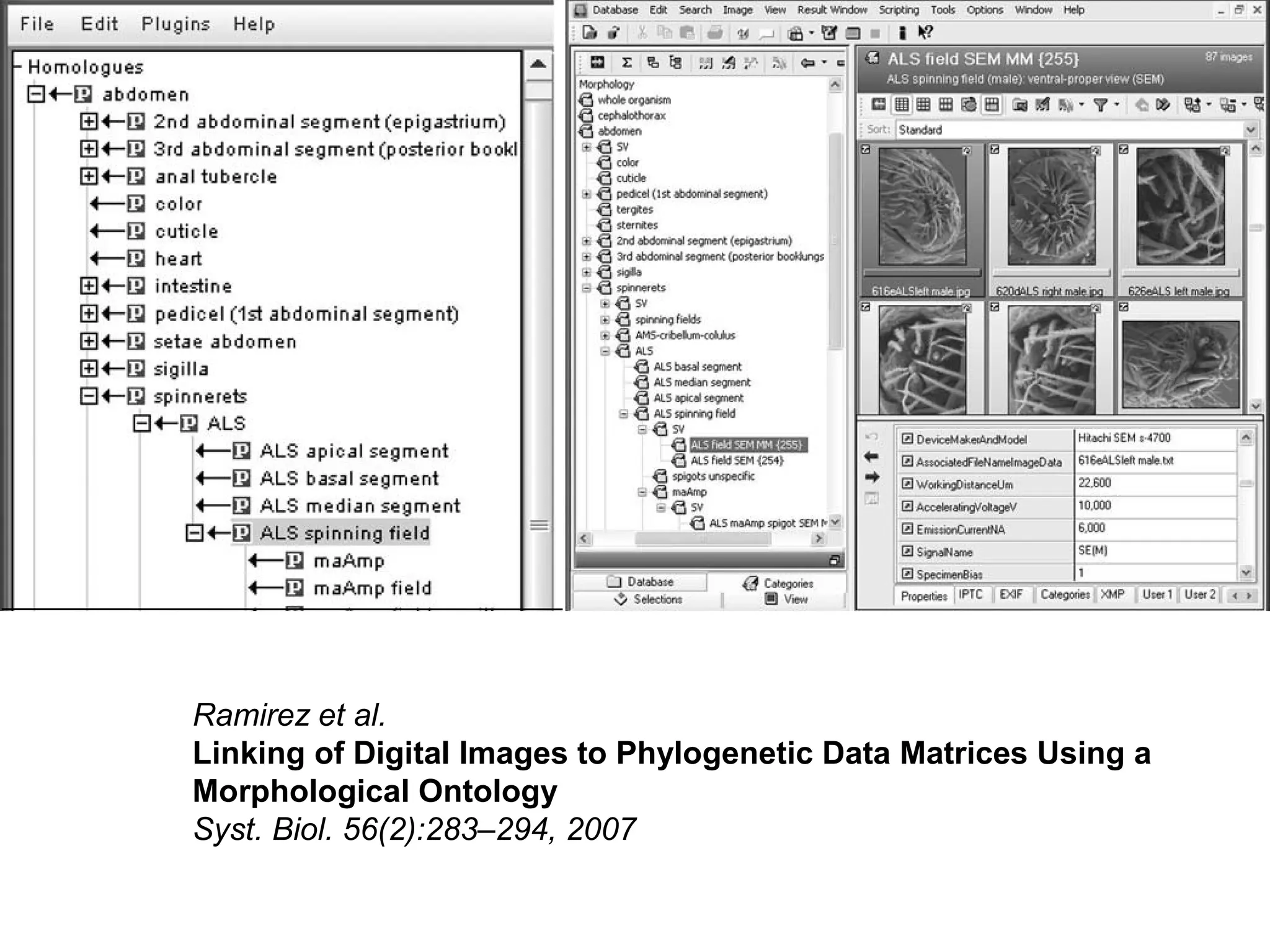
Ramirez et al.
Linking of Digital Images to Phylogenetic Data Matrices Using a
Morphological Ontology
Syst. Biol. 56(2):283–294, 2007
12
computationally tractable legends
help integrate complex representations
of reality
help human beings find things in
complex representations of reality
help computers reason with complex
representations of reality
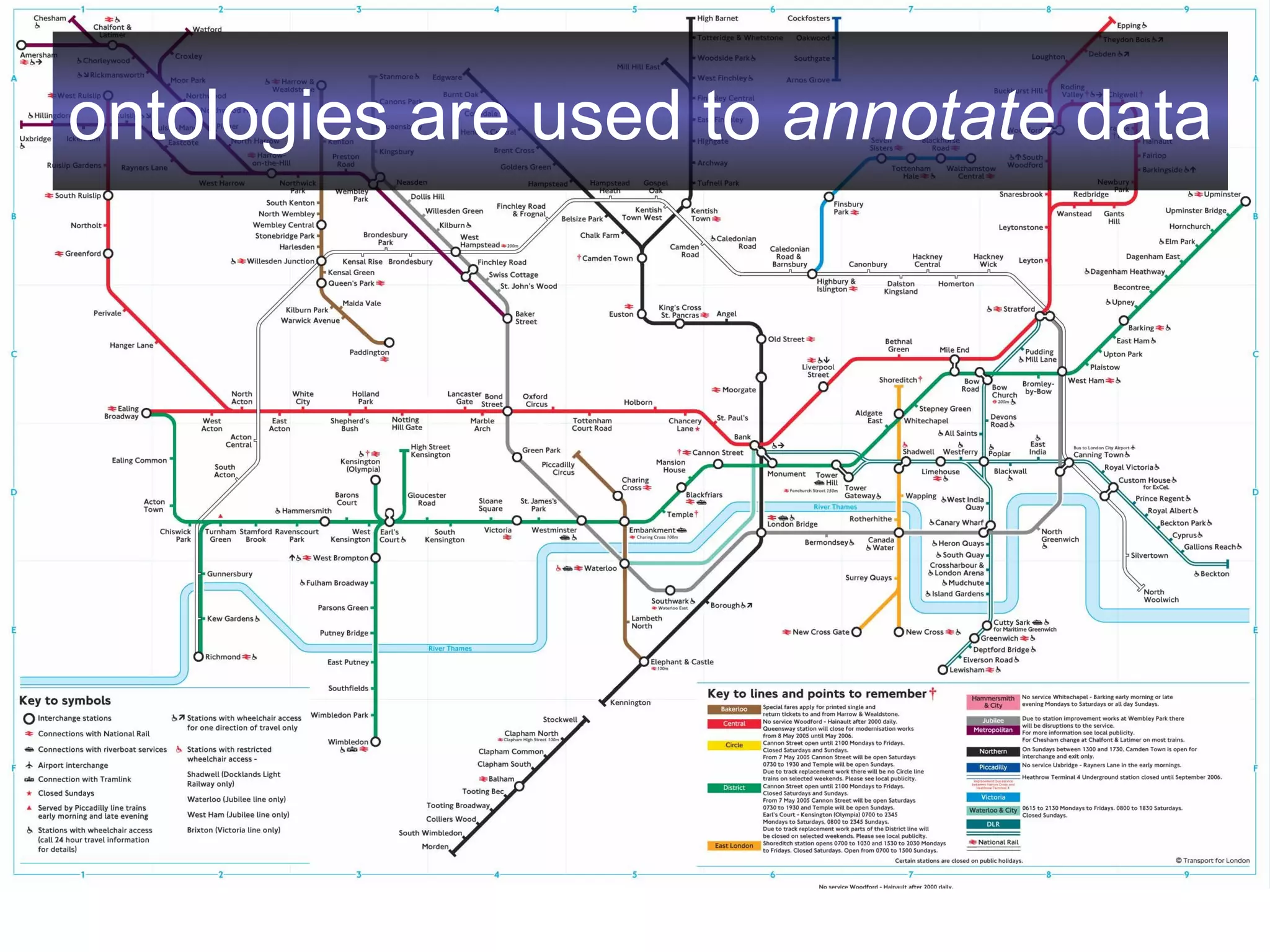
ontologies are used to annotate data
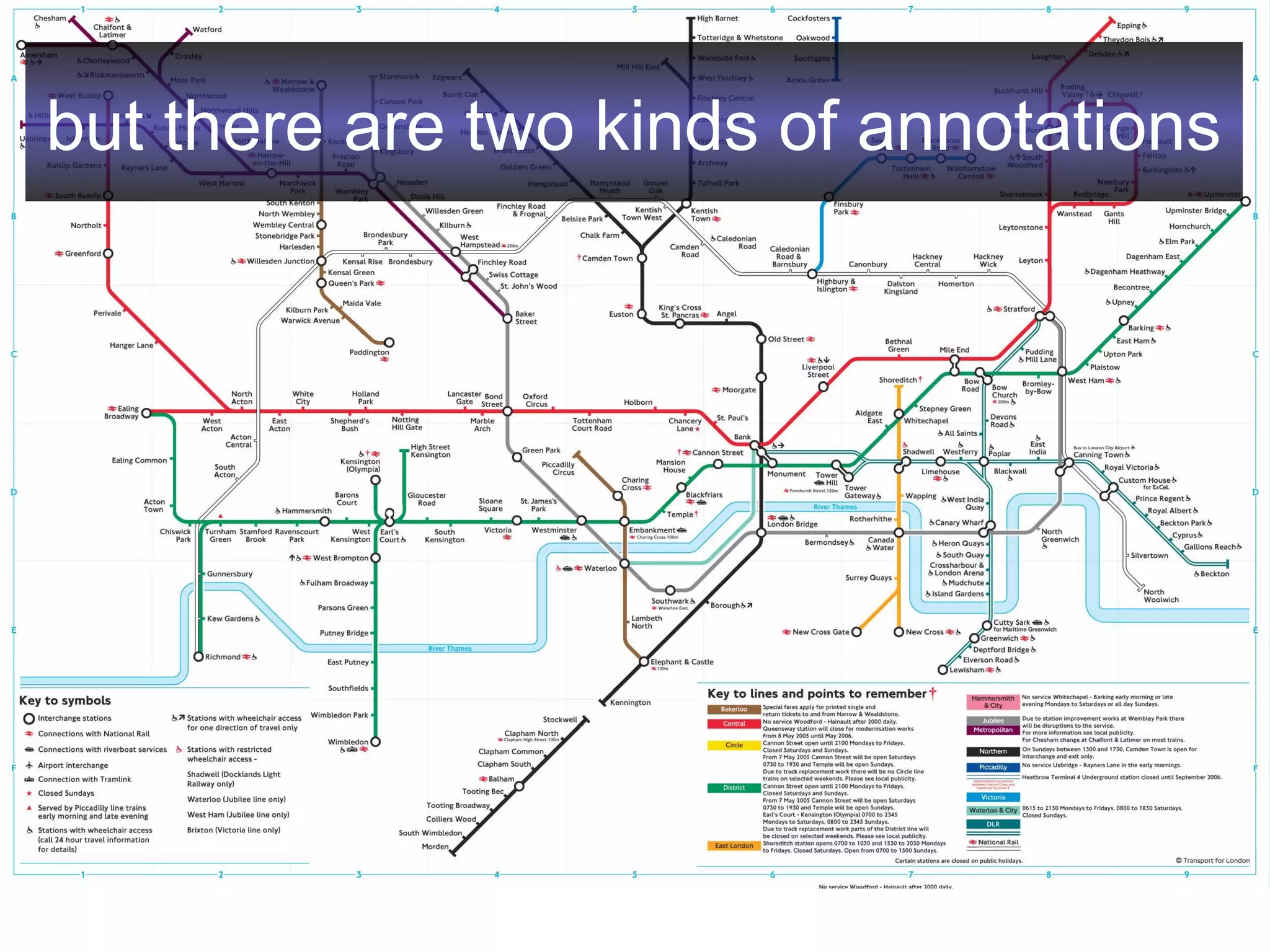
but there are two kinds of annotations
16
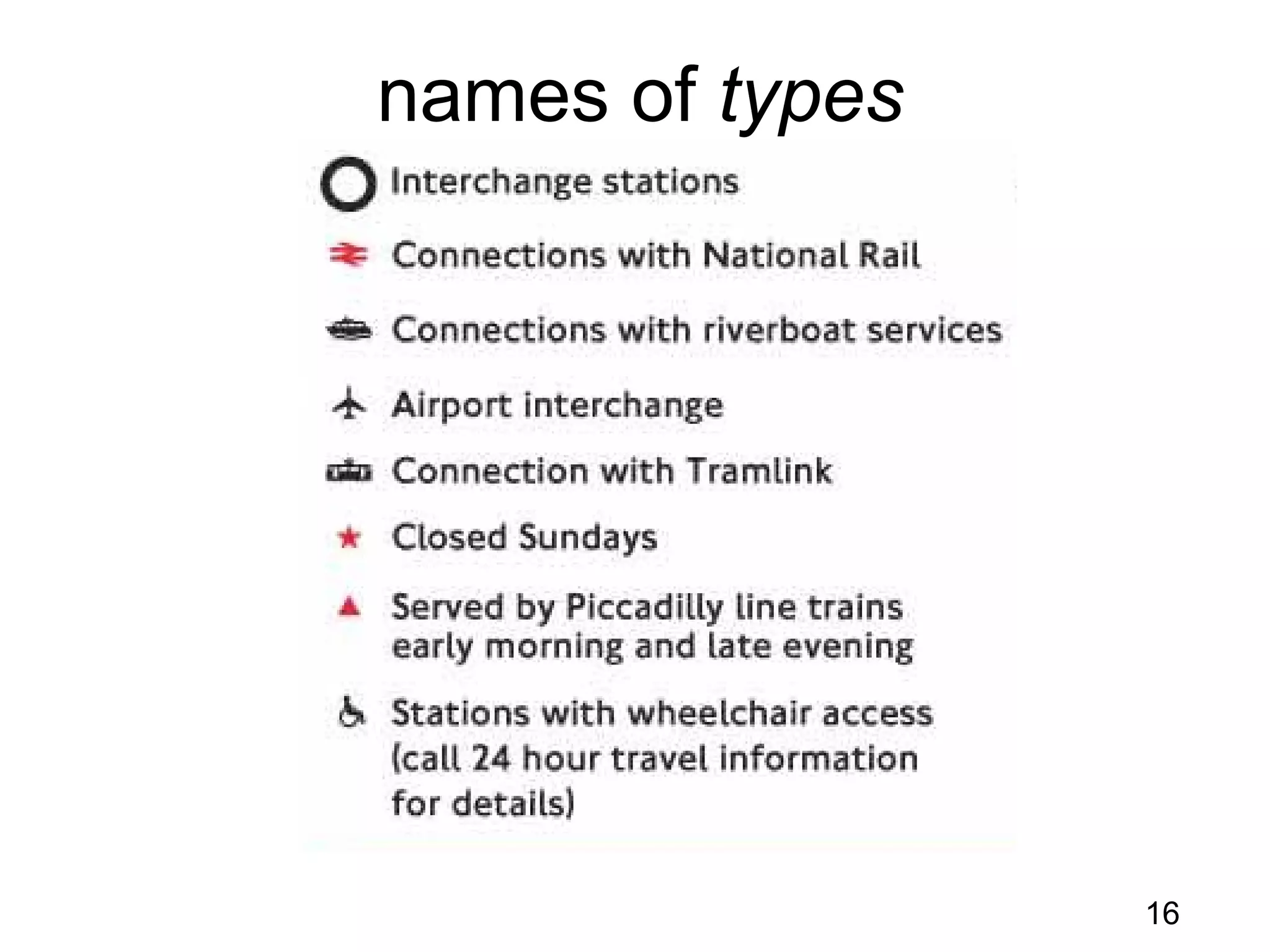
names of types
17
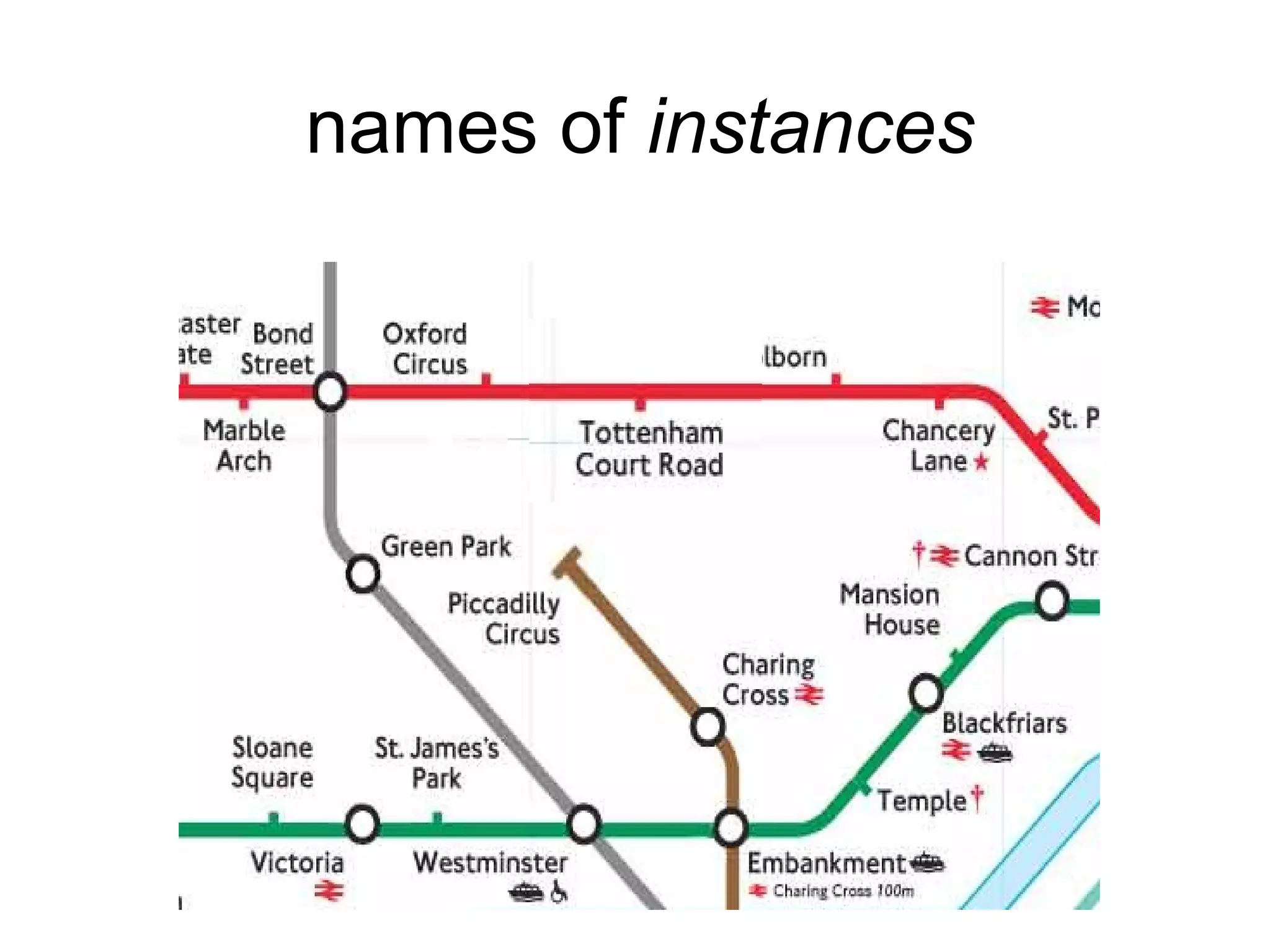
names of instances
18
A basic distinction
type vs. instance
science text vs. diary
human being vs. Michael Ashburner
19
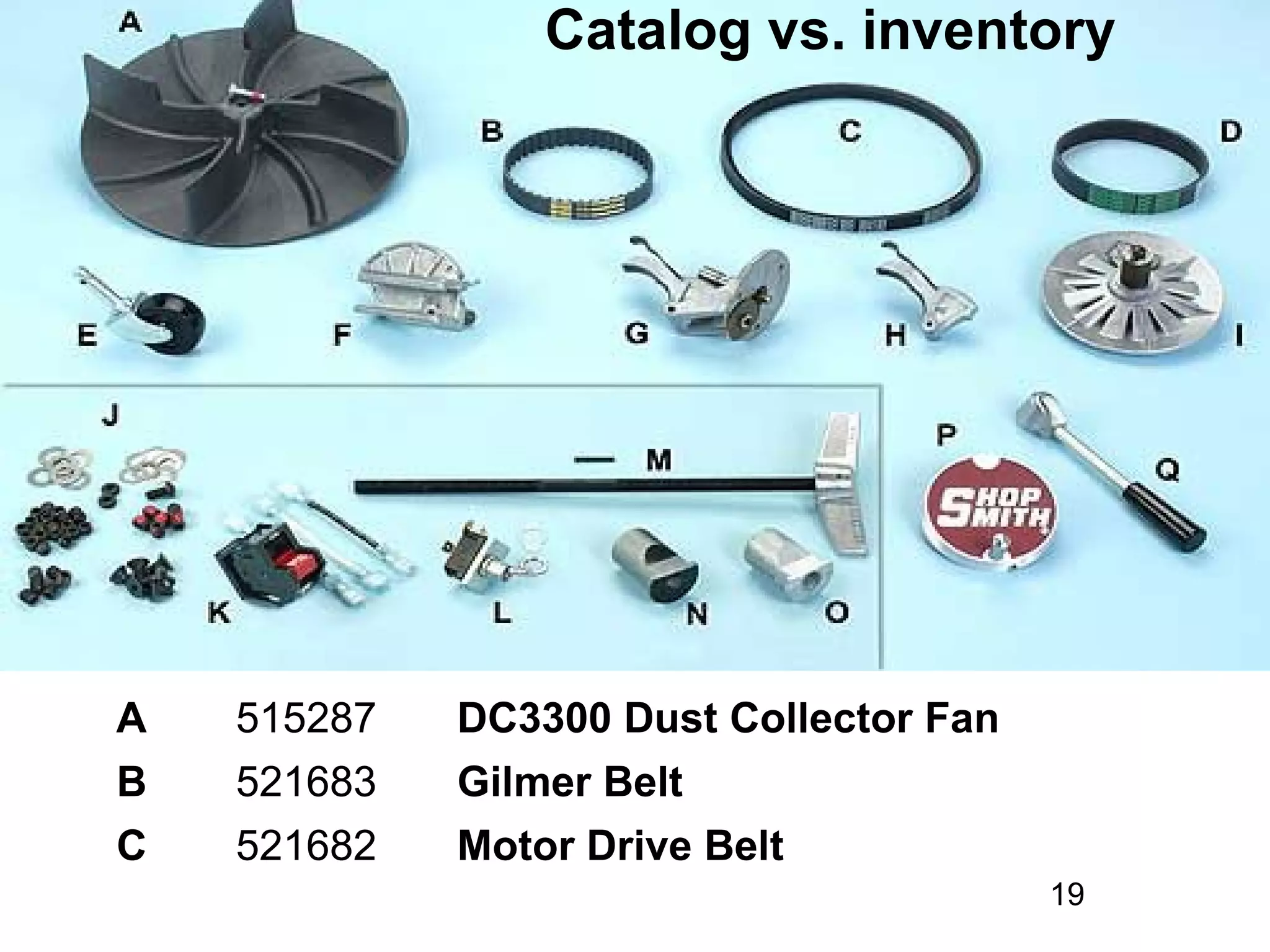
A 515287 DC3300 Dust Collector Fan
B 521683 Gilmer Belt
C 521682 Motor Drive Belt
Catalog vs. inventory
20
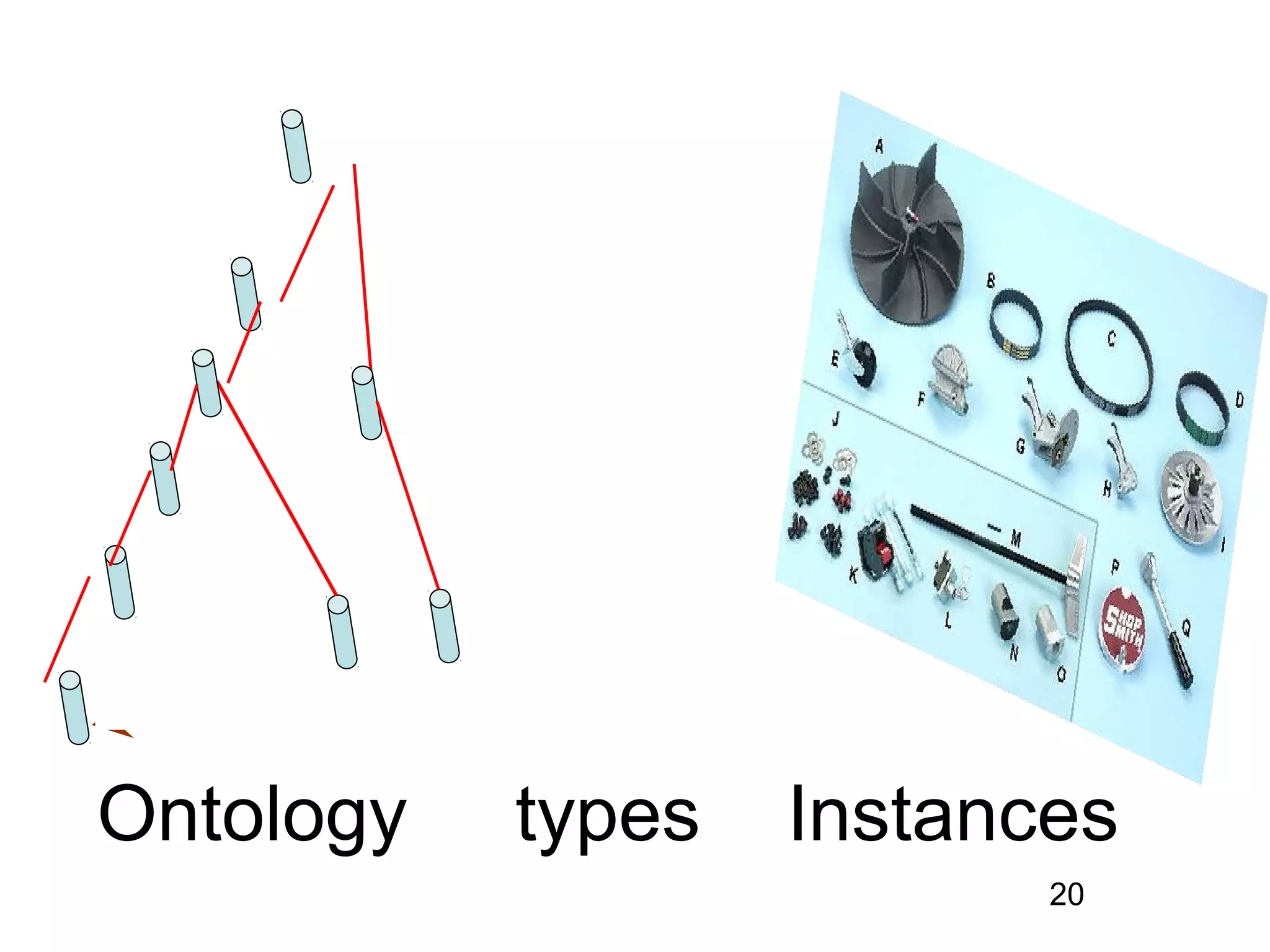
Ontology types Instances
21
An ontology is a collection of
standardized names for types
We learn about types in reality from looking
at the results of scientific experiments
captured in the form of scientific theories
Ontologies provide the terminological
scaffolding of scientific theories
experiments relate to what is particular
science describes what is general
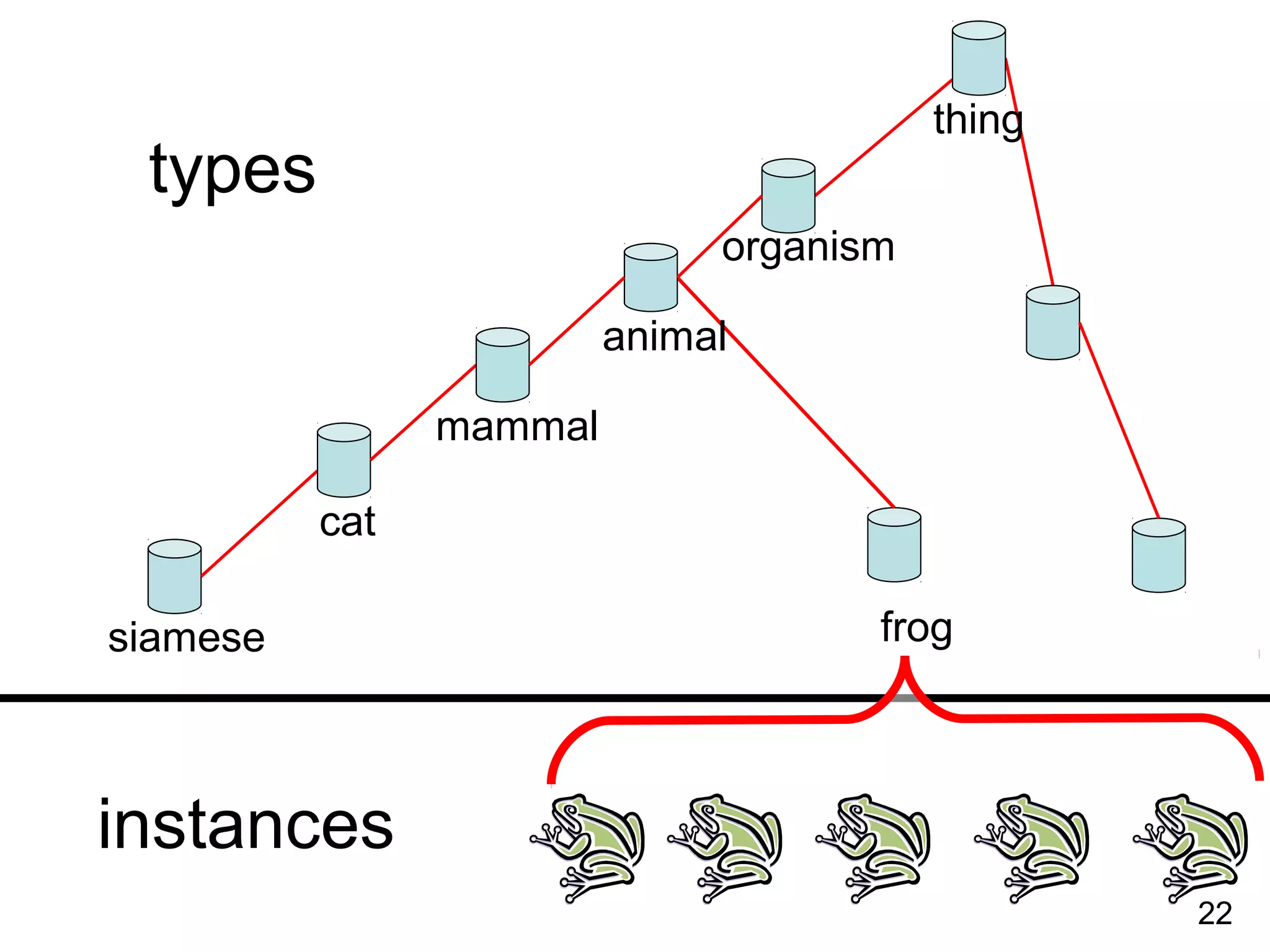
siamese
mammal
cat
organism
thing
types
animal
instances
frog
22
23
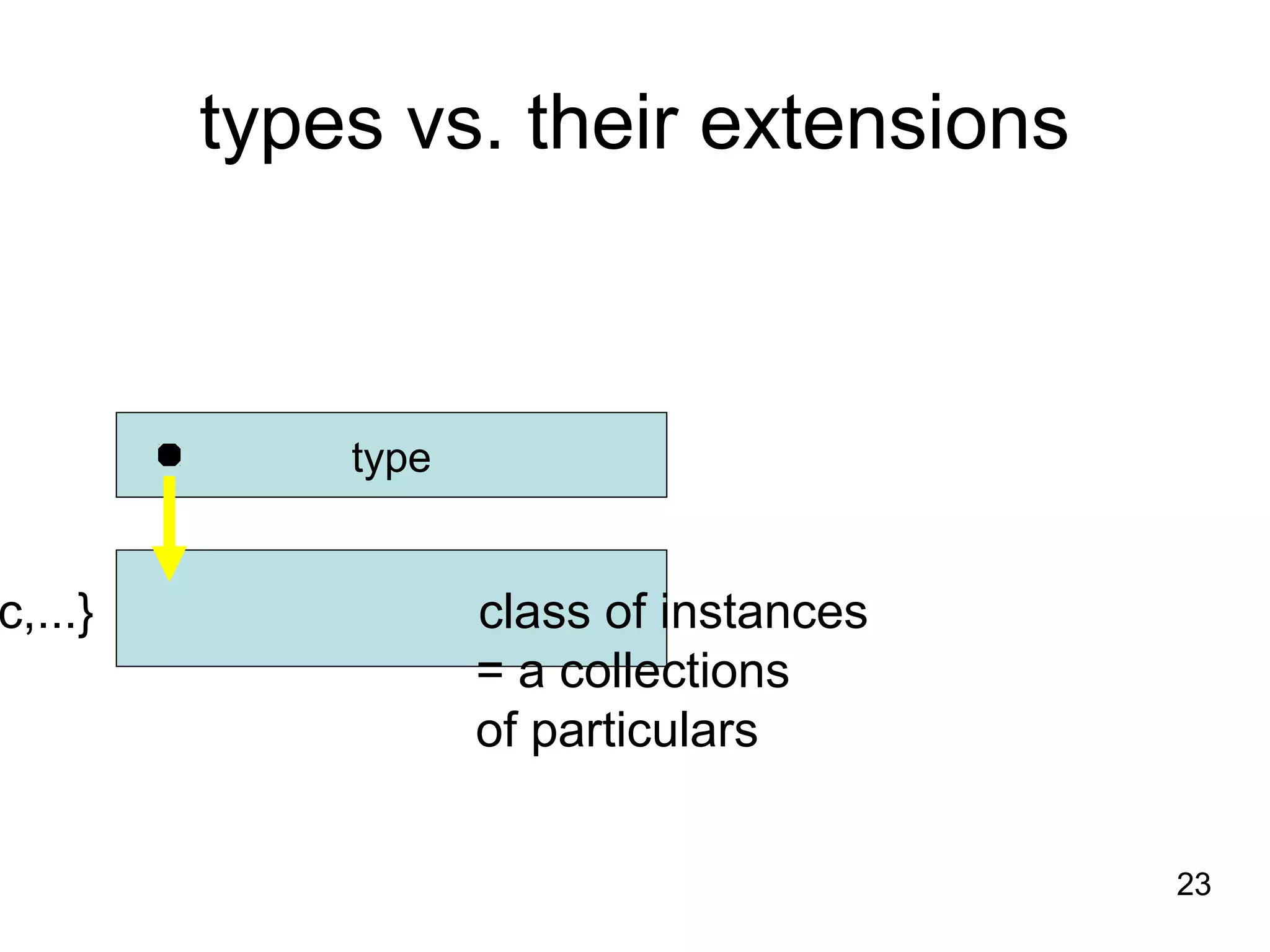
types vs. their extensions
type
c,...} class of instances
= a collections
of particulars
24
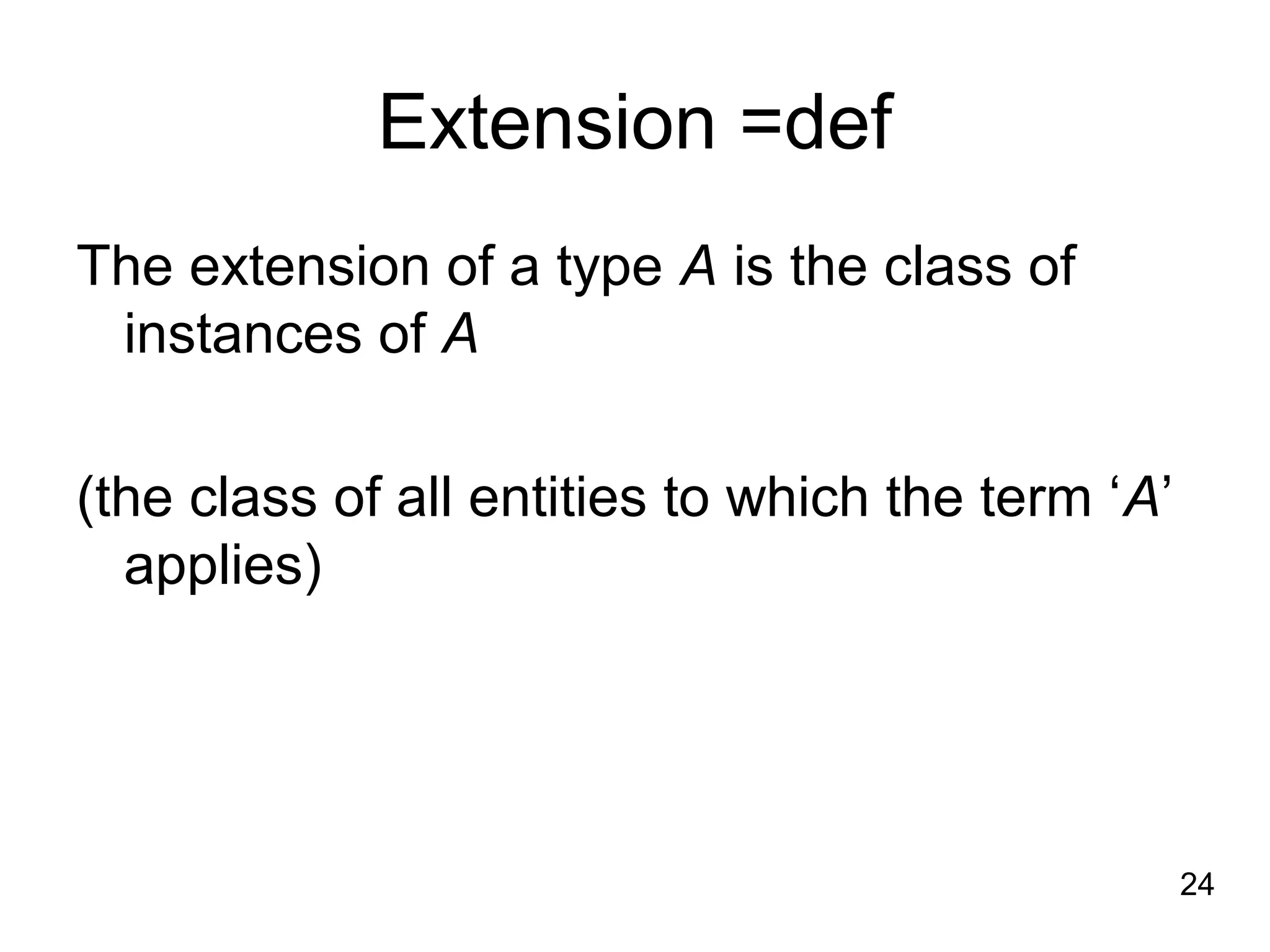
Extension =def
The extension of a type A is the class of
instances of A
(the class of all entities to which the term ‘A’
applies)
25
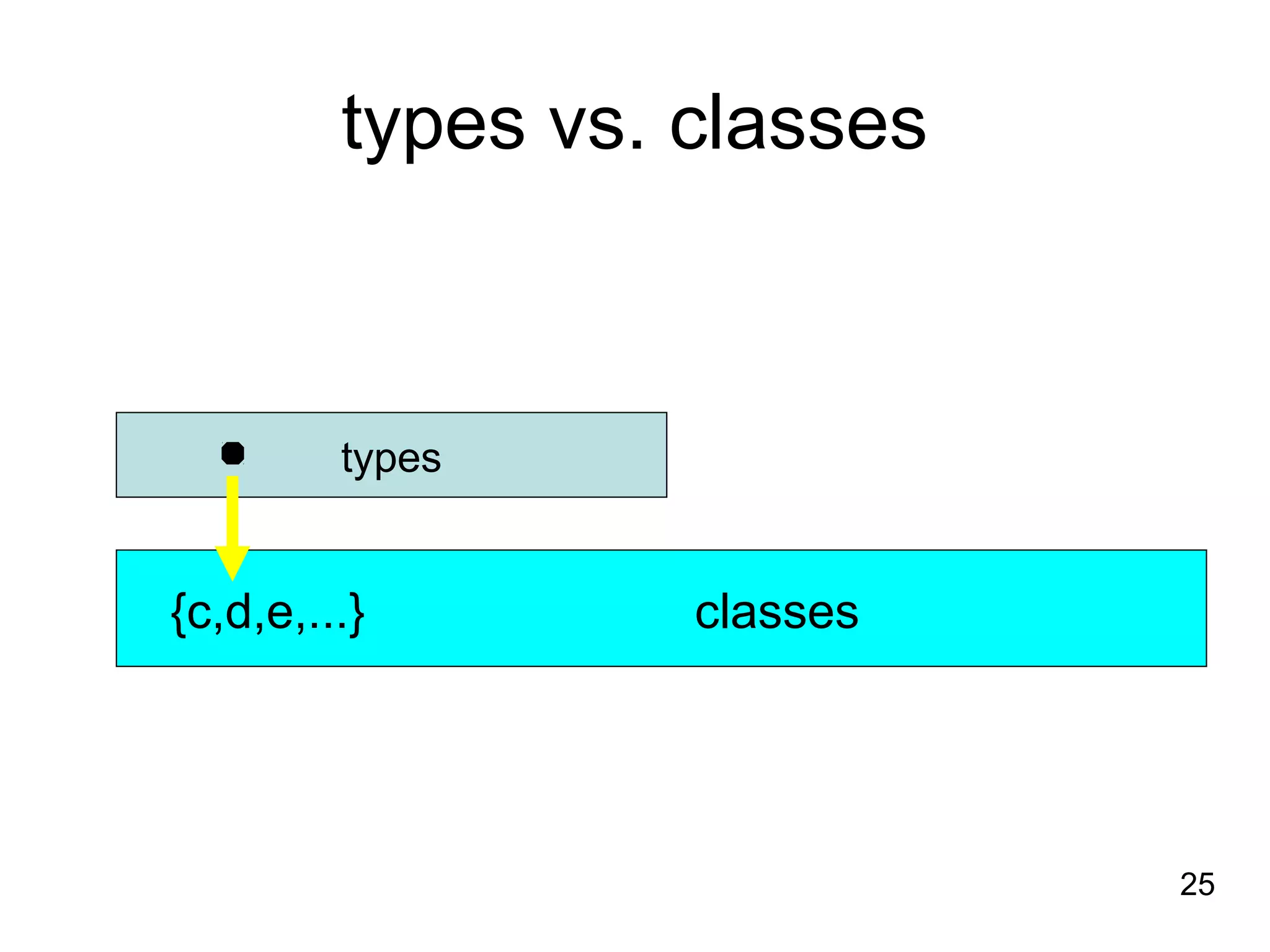
types vs. classes
types
{c,d,e,...} classes
26
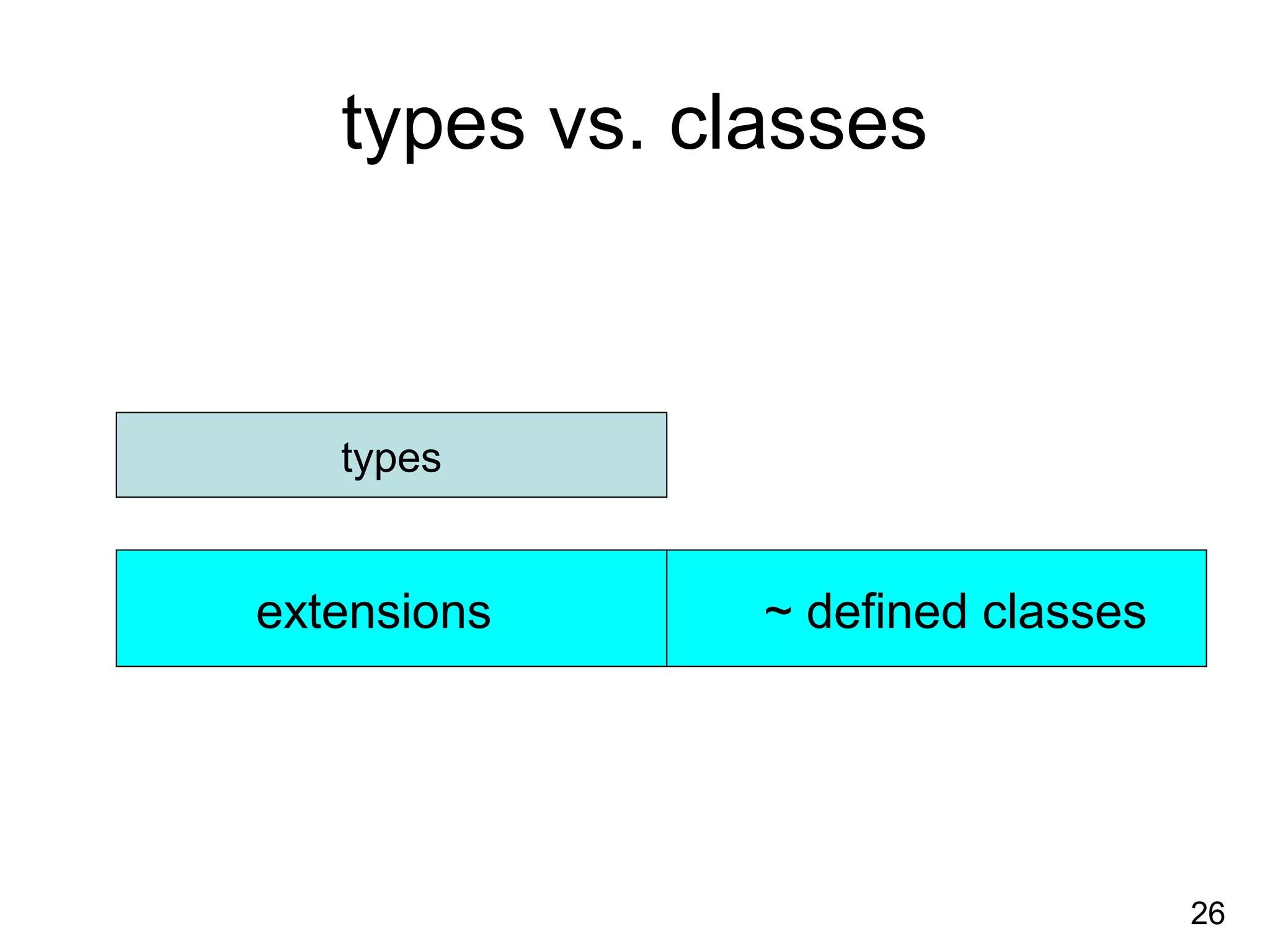
types vs. classes
types
extensions ~ defined classes
27
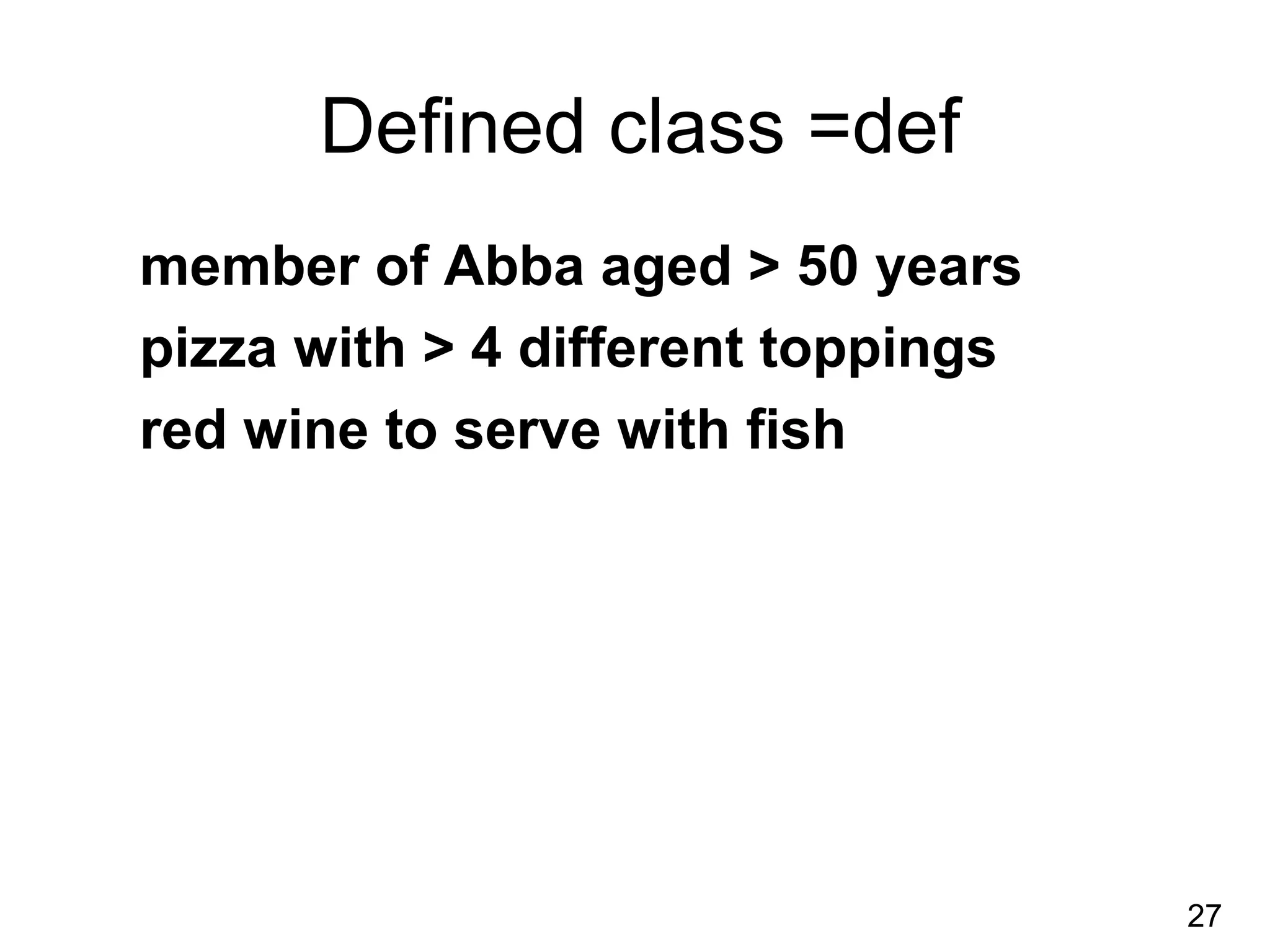
Defined class =def
member of Abba aged > 50 years
pizza with > 4 different toppings
red wine to serve with fish
28
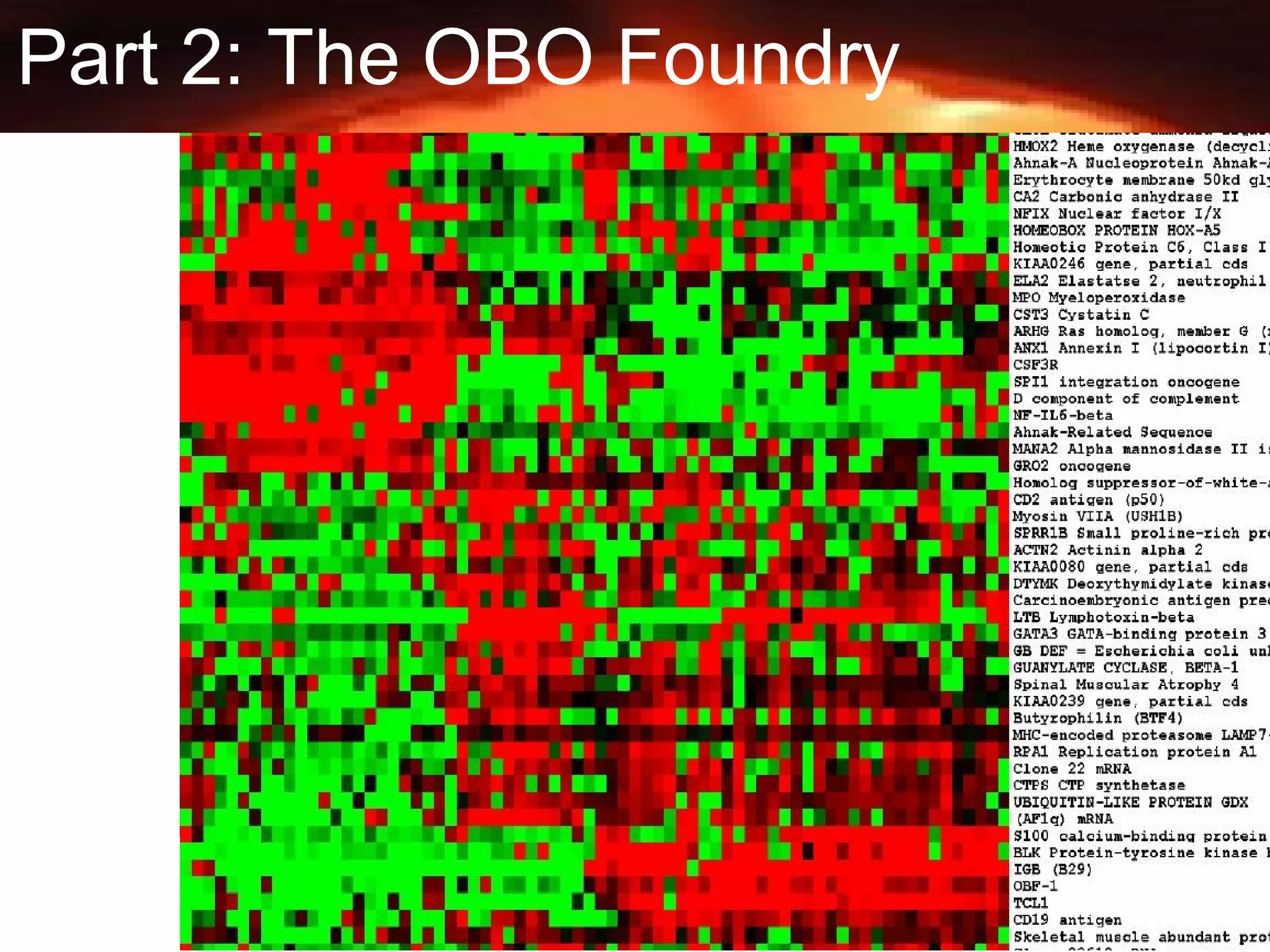
Part 2: The OBO Foundry
29
what cellular component?
what molecular function?
what biological process?
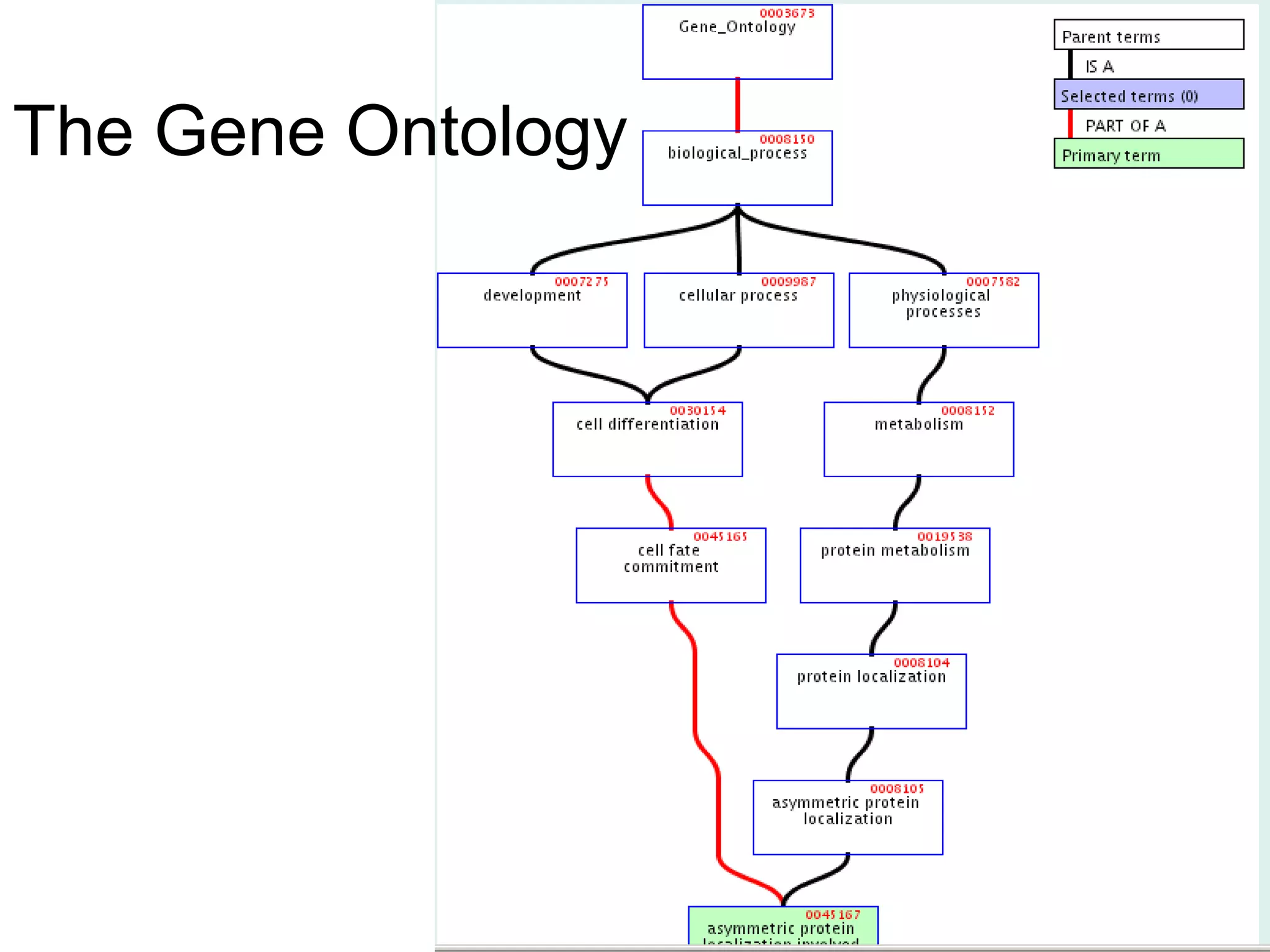
The Gene Ontology
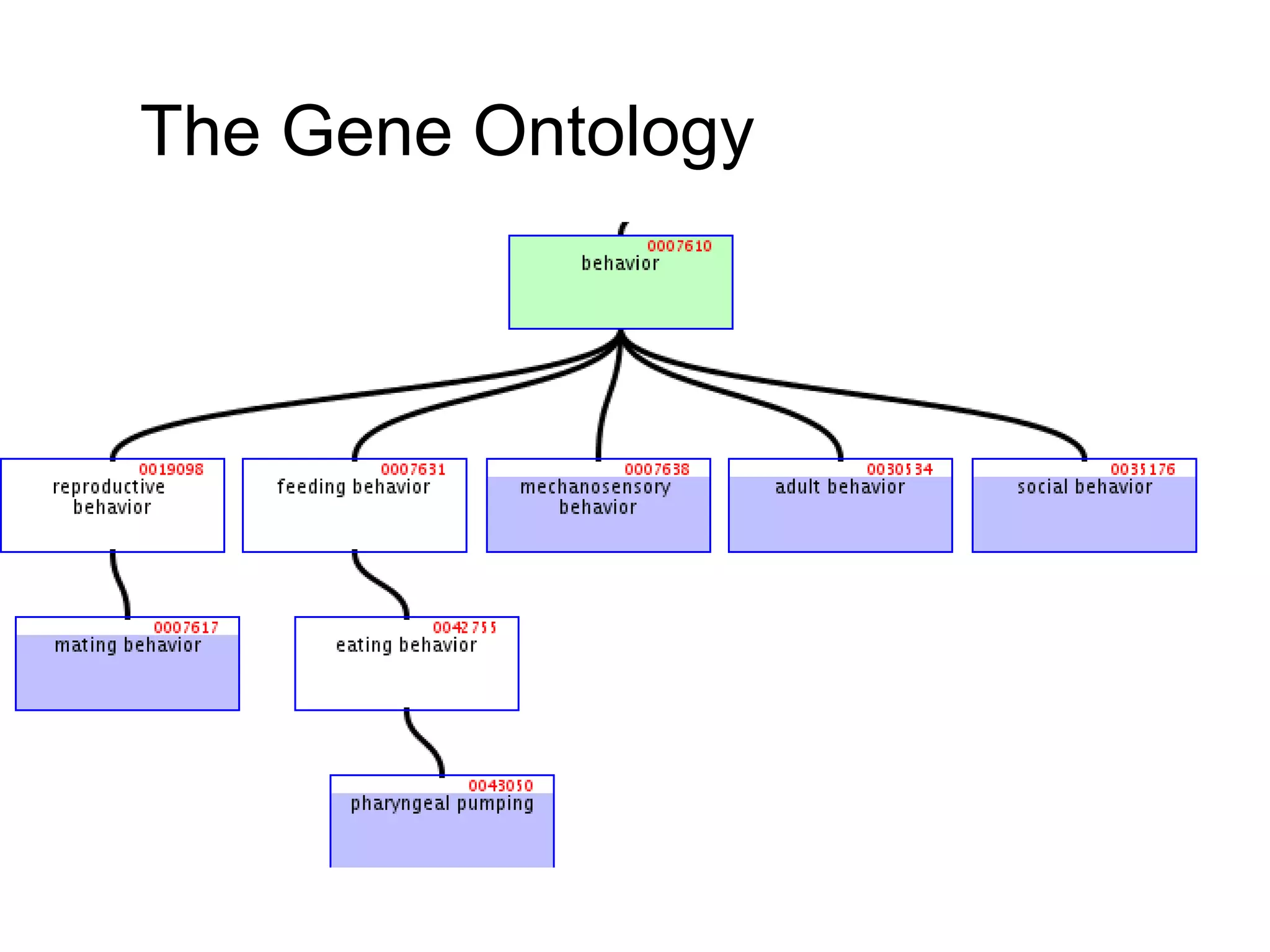
The Gene Ontology
32
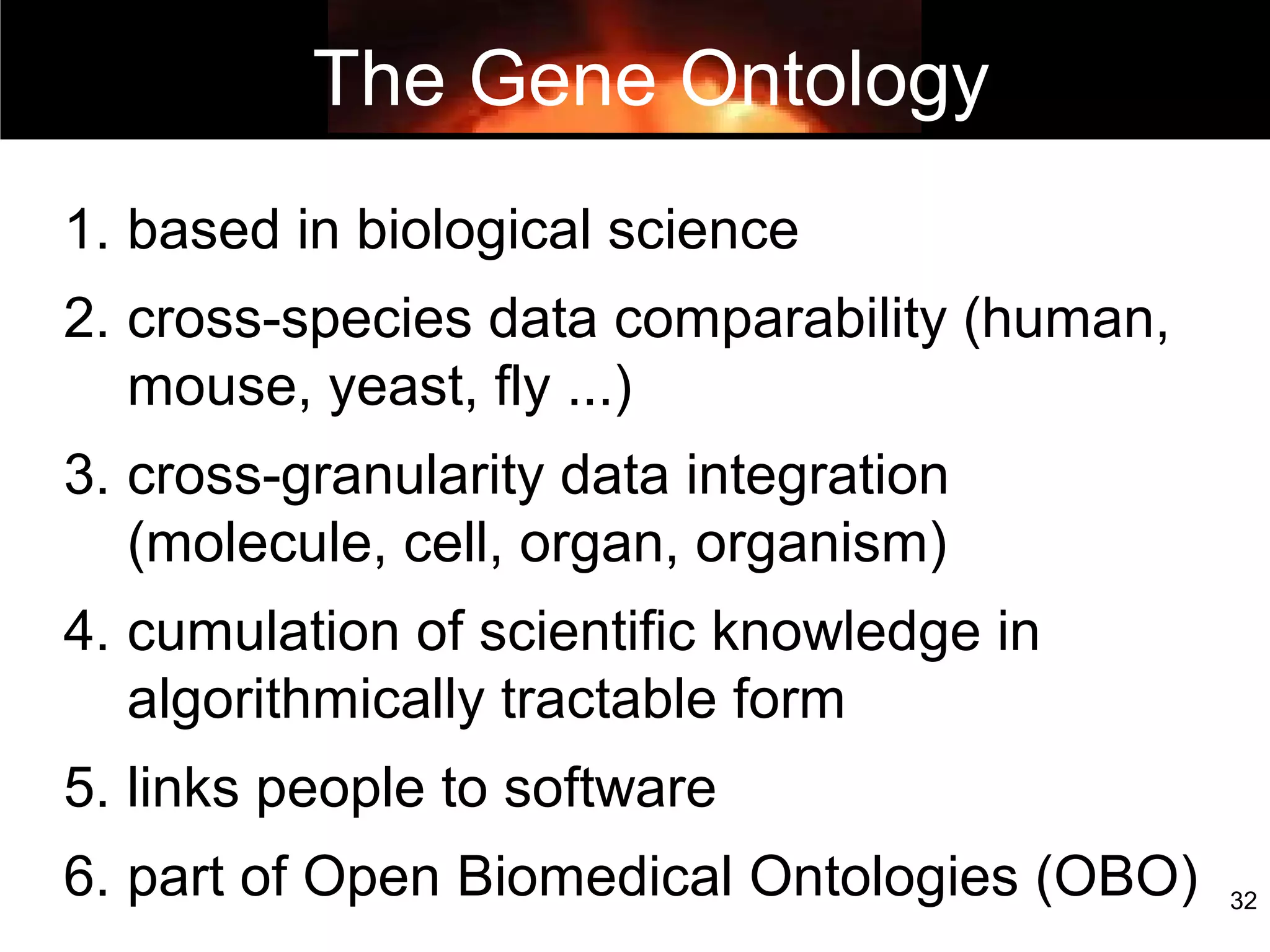
Five bangs for your GO buck
1. based in biological science
2. cross-species data comparability (human,
mouse, yeast, fly ...)
3. cross-granularity data integration
(molecule, cell, organ, organism)
4. cumulation of scientific knowledge in
algorithmically tractable form
5. links people to software
6. part of Open Biomedical Ontologies (OBO)
The Gene Ontology
33
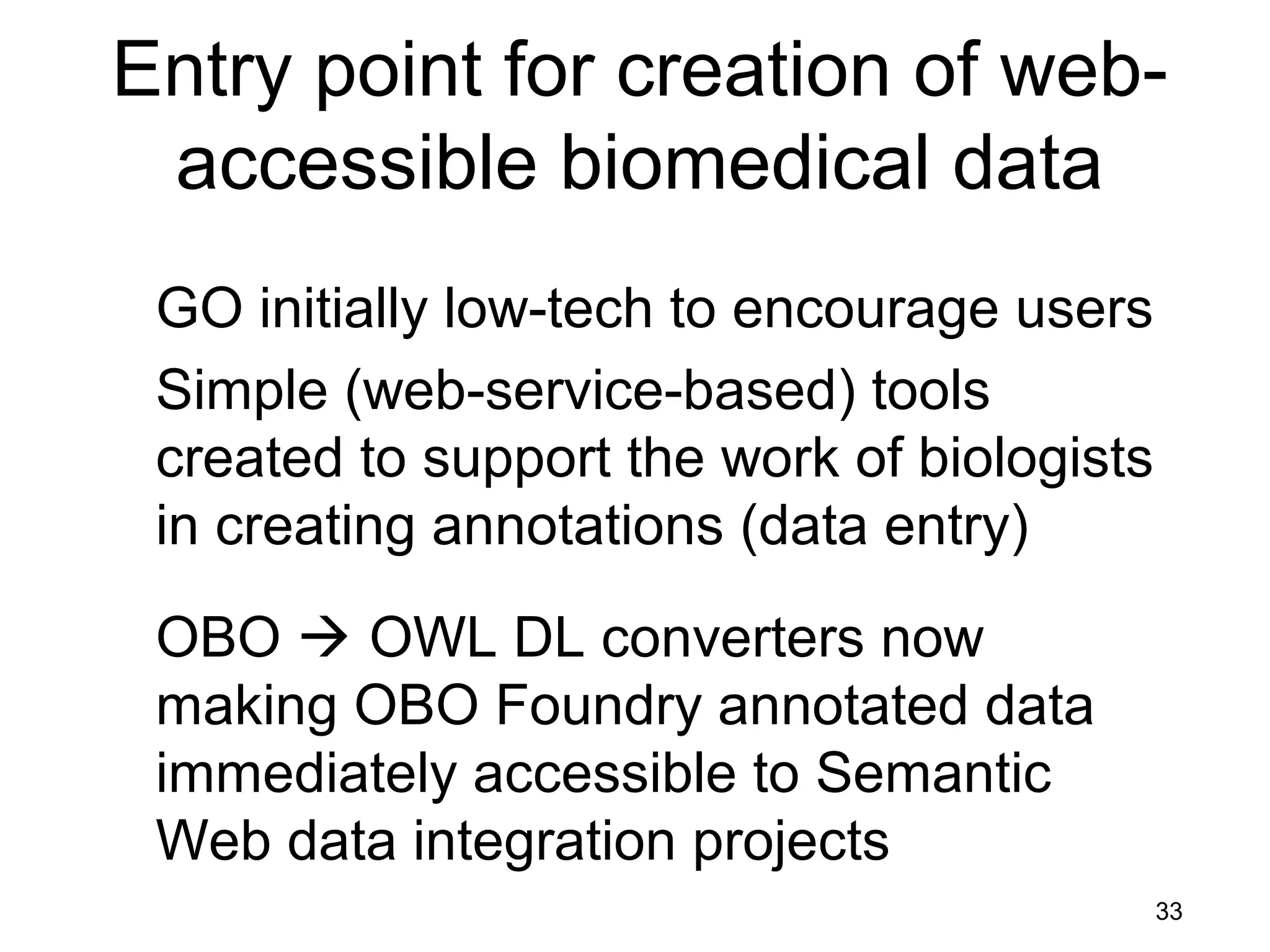
Entry point for creation of web-
accessible biomedical data
GO initially low-tech to encourage users
Simple (web-service-based) tools
created to support the work of biologists
in creating annotations (data entry)
OBO  OWL DL converters now
making OBO Foundry annotated data
immediately accessible to Semantic
Web data integration projects
The OBO Foundry
A suite of high quality interoperable
reference ontologies to serve the
annotation of biomedical data
providing guidelines for those who need to
create new ontology resources
http://obofoundry.org
35
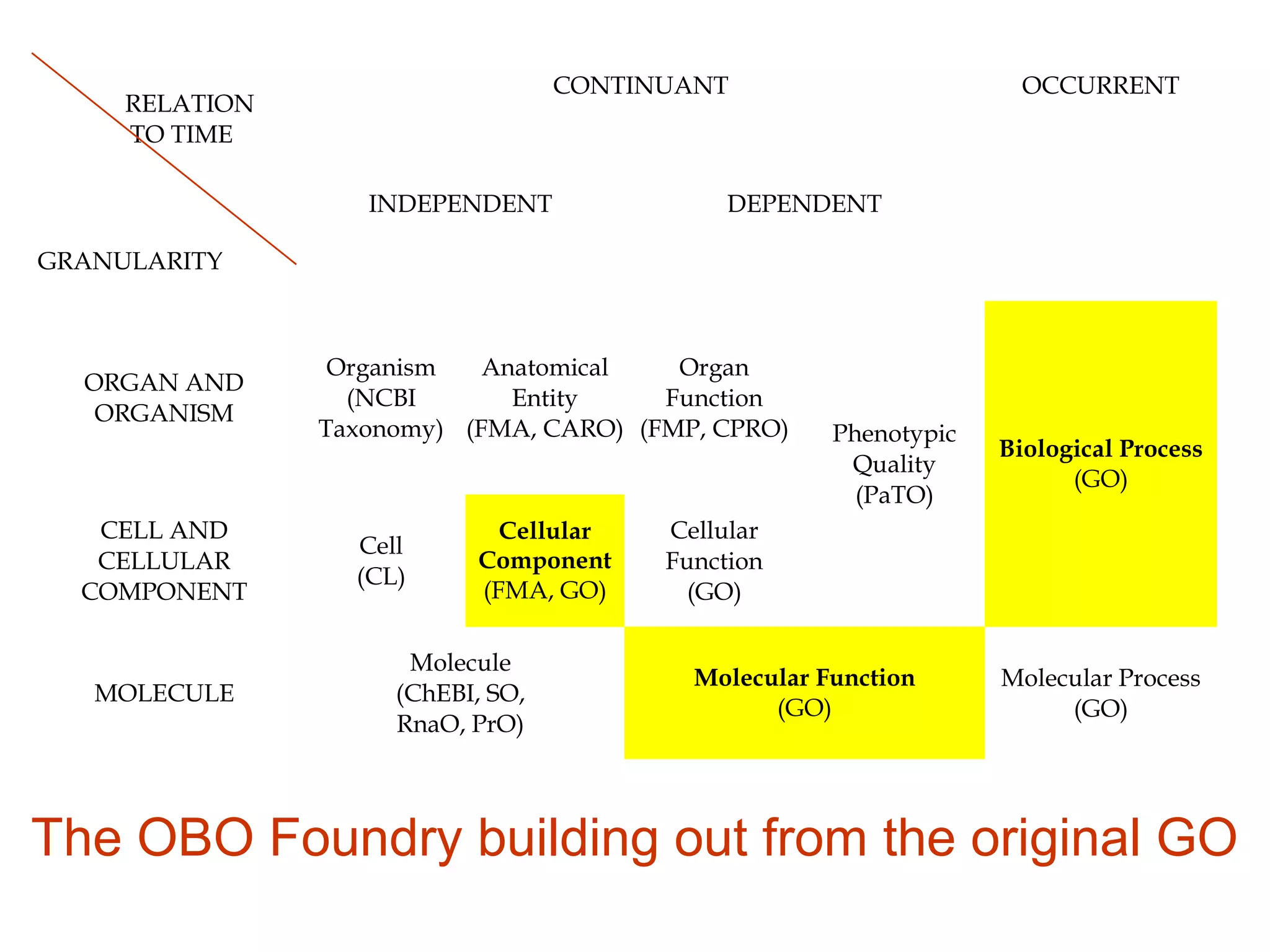
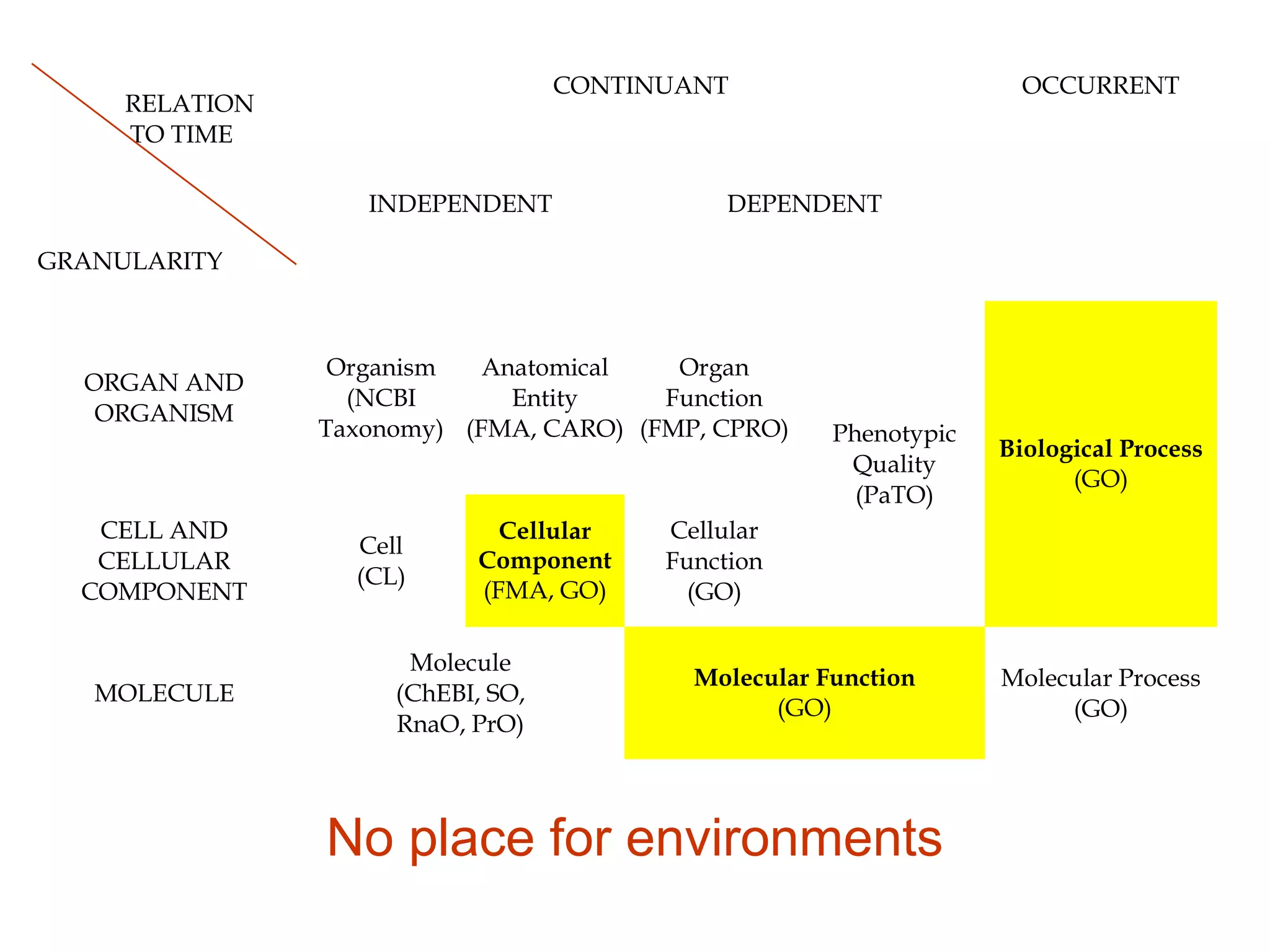
RELATION
TO TIME
GRANULARITY
CONTINUANT OCCURRENT
INDEPENDENT DEPENDENT
ORGAN AND
ORGANISM
Organism
(NCBI
Taxonomy)
Anatomical
Entity
(FMA, CARO)
Organ
Function
(FMP, CPRO) Phenotypic
Quality
(PaTO)
Biological Process
(GO)
CELL AND
CELLULAR
COMPONENT
Cell
(CL)
Cellular
Component
(FMA, GO)
Cellular
Function
(GO)
MOLECULE
Molecule
(ChEBI, SO,
RnaO, PrO)
Molecular Function
(GO)
Molecular Process
(GO)
The OBO Foundry building out from the original GO
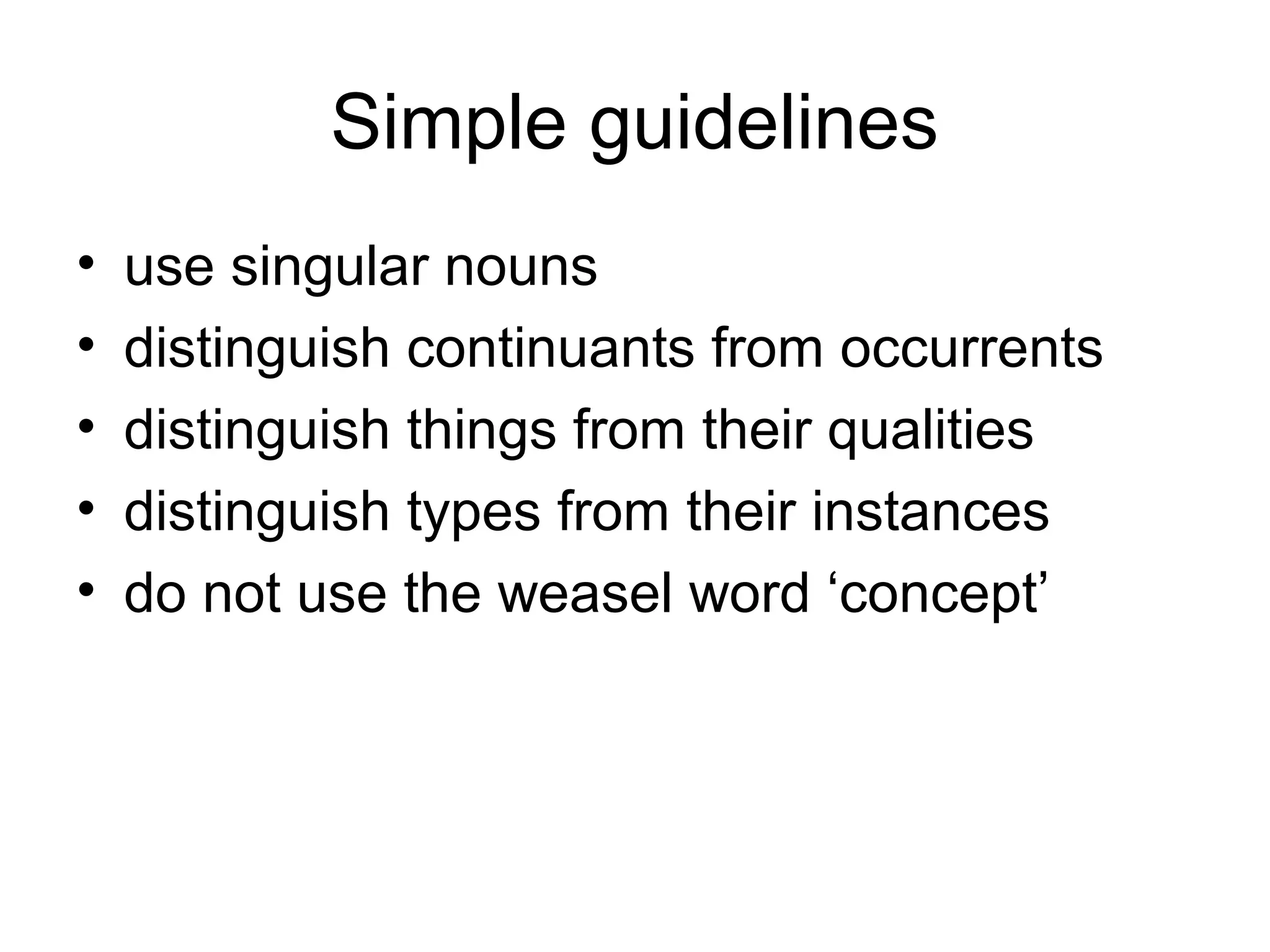
Simple guidelines
• use singular nouns
• distinguish continuants from occurrents
• distinguish things from their qualities
• distinguish types from their instances
• do not use the weasel word ‘concept’
37
 OPENNESS: The ontology is open and available to be
used by all.
 FORMAL LANGUAGE: The ontology is in, or can be
instantiated in, a common formal language.
 ORTHOGONALITY: The developers of the ontology
agree in advance to collaborate with developers of other
OBO Foundry ontology where domains overlap.
 CONVERGENCE: The developers agree to work
torwards a single ontology for each domain.
http://obofoundry.org/http://obofoundry.org/
CRITERIA
38
 UPDATE: The developers of each ontology commit to its
maintenance in light of scientific advance, and to
soliciting community feedback for its improvement.
 IDENTIFIERS: The ontology possesses a unique
identifier space within OBO.
 VERSIONING: The ontology provider has procedures for
identifying distinct successive versions.
 DEFINITIONS: The ontology includes textual definitions
for all terms.
CRITERIA
http://obofoundry.org/http://obofoundry.org/
39
 CLEARLY BOUNDED: The ontology has a clearly
specified and clearly delineated content.
 DOCUMENTATION: The ontology is well-documented.
 USERS: The ontology has a plurality of independent
users.
 COMMON ARCHITECTURE: The ontology uses relations
which are unambiguously defined following the pattern of
definitions laid down in the OBO Relation Ontology.
CRITERIA
http://obofoundry.org/http://obofoundry.org/
40
Foundry ontologies all work in the
same way
all are built to represent the types existing in a pre-
existing domain and the relations between these
types in a way which can support reasoning
– we have data
– we need to make this data available for semantic
search and algorithmic processing
– we create a consensus-based ontology for annotating
the data
– and ensure that it can interoperate with Foundry
ontologies for neighboring domains
41
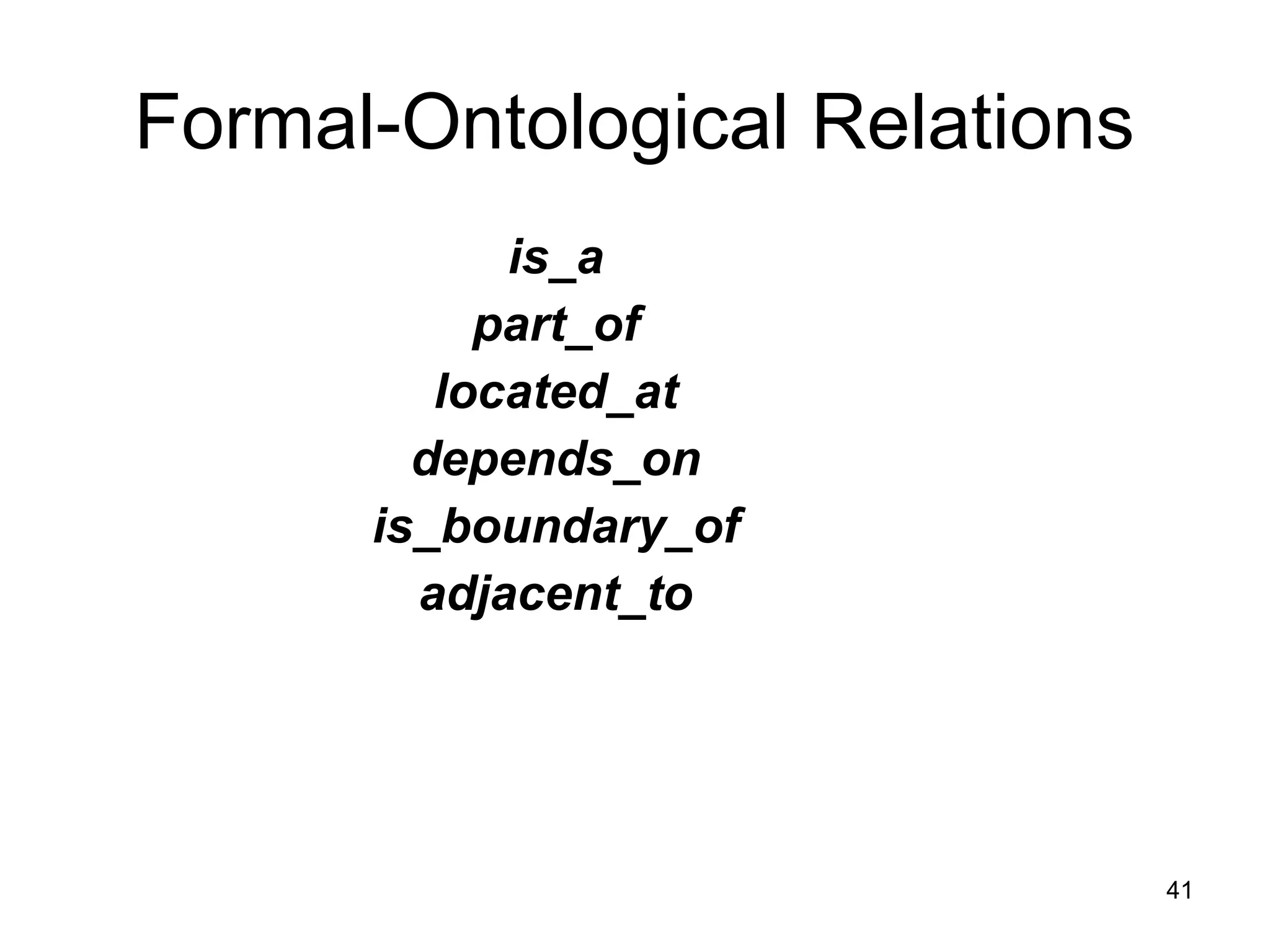
Formal-Ontological Relations
is_a
part_of
located_at
depends_on
is_boundary_of
adjacent_to
42
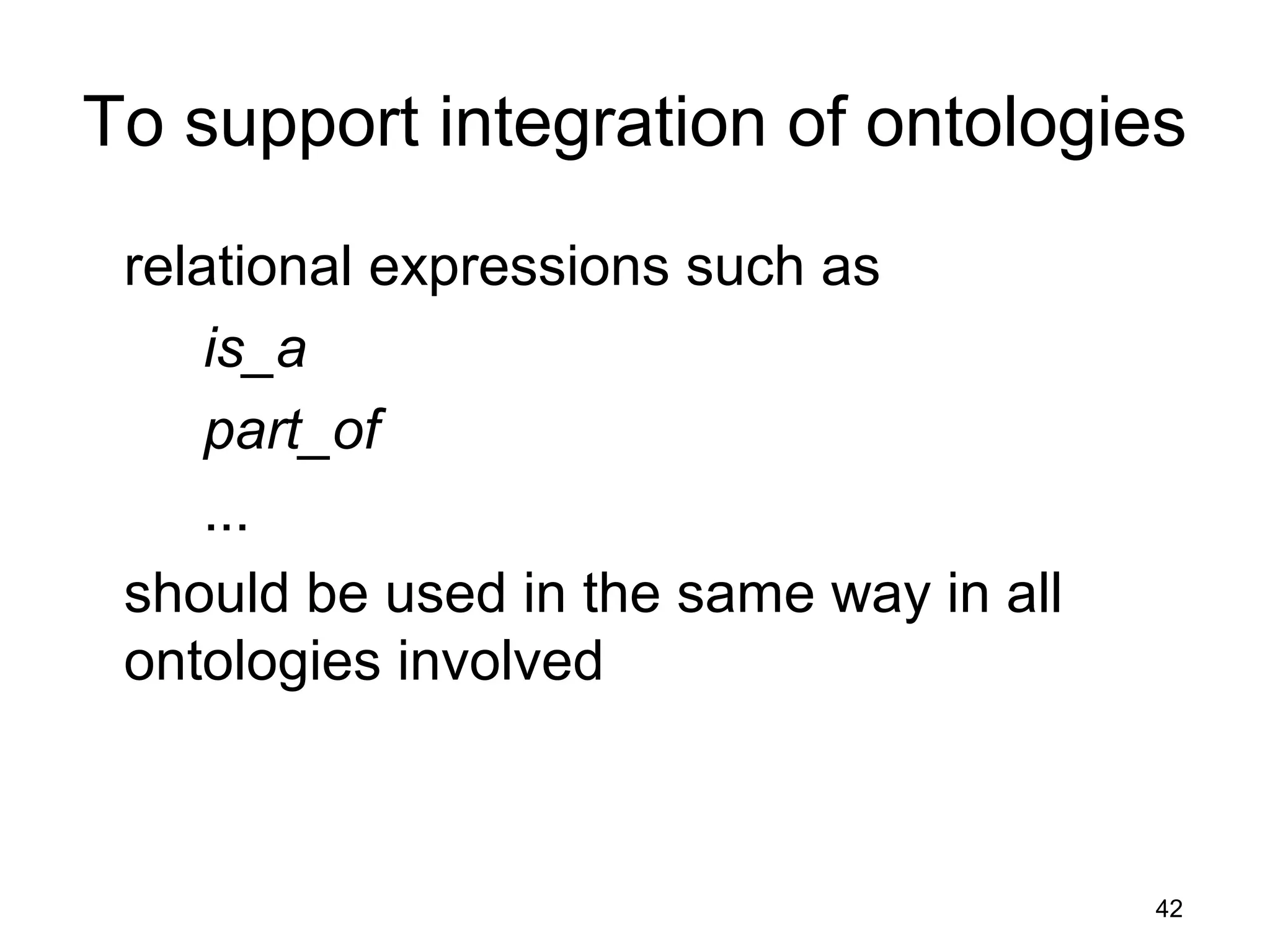
To support integration of ontologies
relational expressions such as
is_a
part_of
...
should be used in the same way in all
ontologies involved
43
to define these relations properly
we need to take account of both types
and instances in reality
44
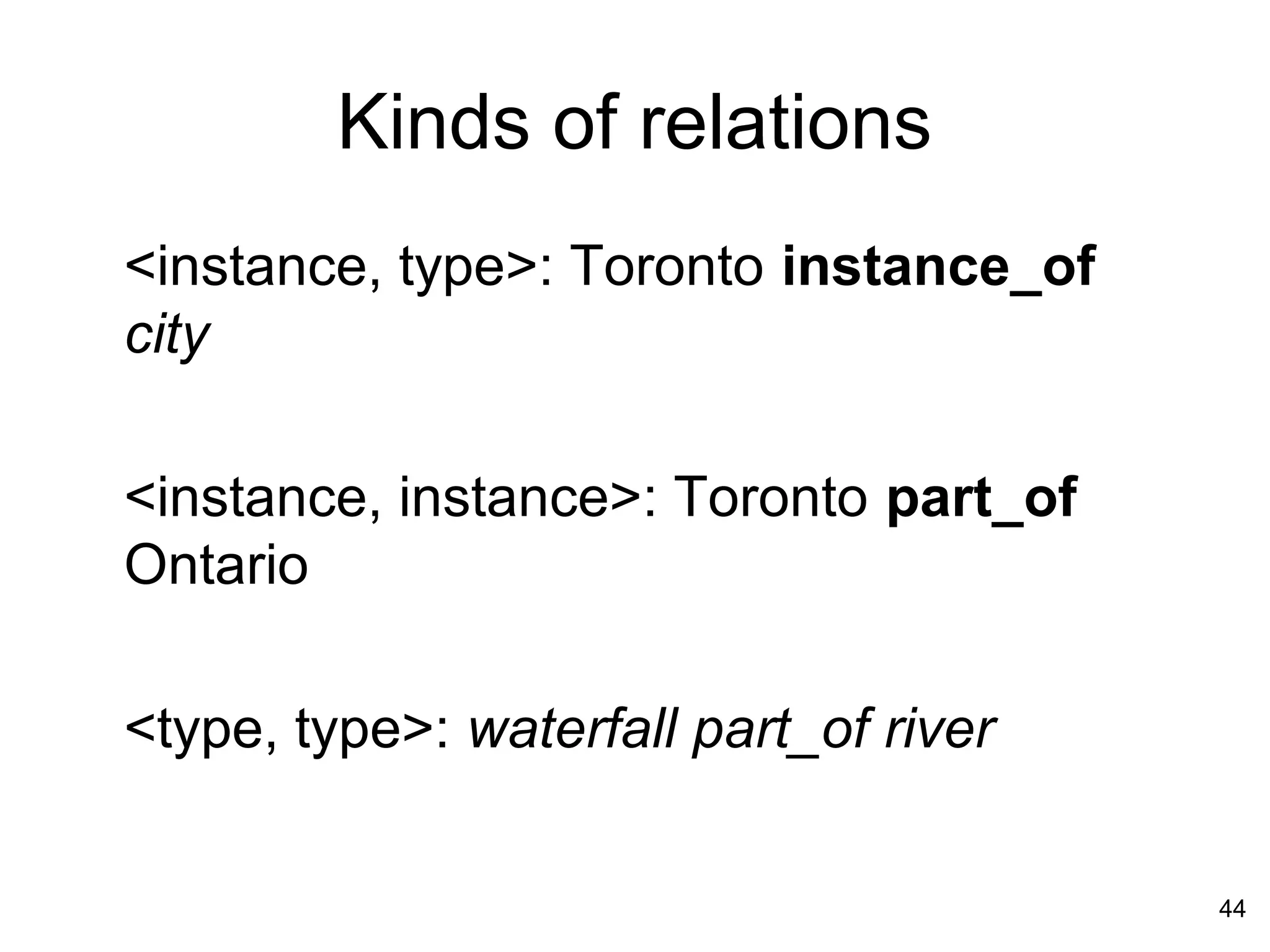
Kinds of relations
<instance, type>: Toronto instance_of
city
<instance, instance>: Toronto part_of
Ontario
<type, type>: waterfall part_of river
45
is_a
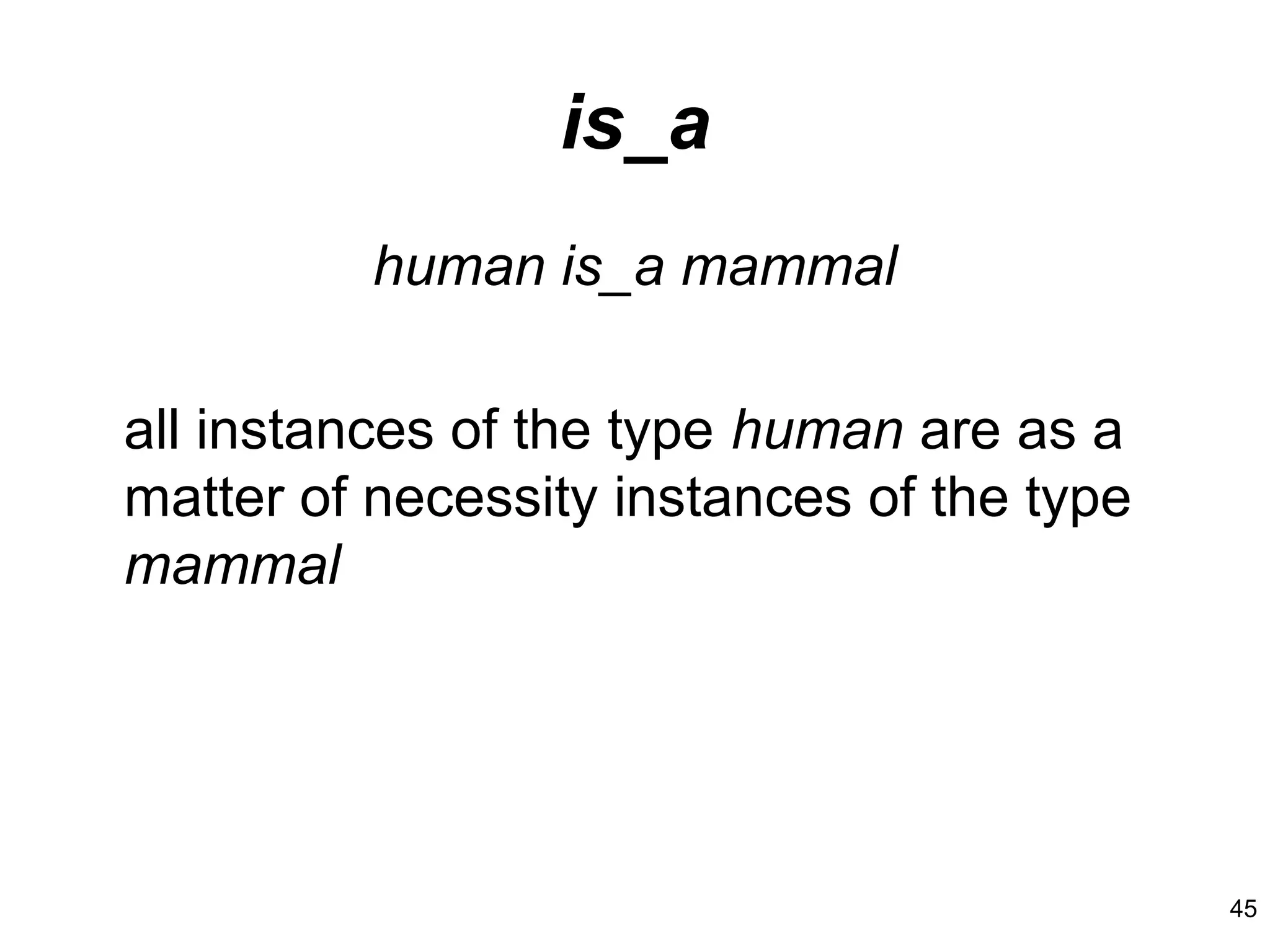
human is_a mammal
all instances of the type human are as a
matter of necessity instances of the type
mammal
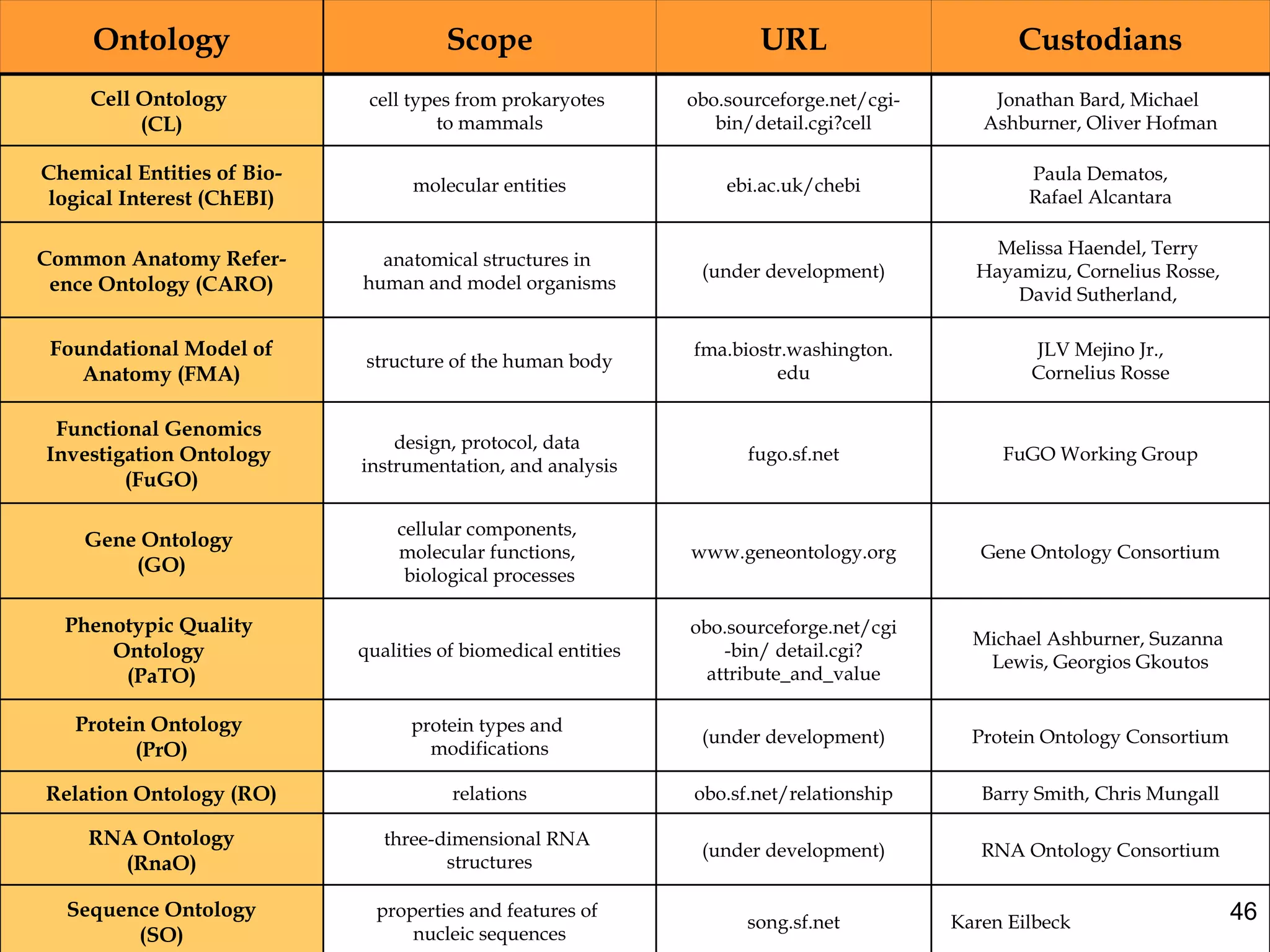
46Karen Eilbecksong.sf.net
properties and features of
nucleic sequences
Sequence Ontology
(SO)
RNA Ontology Consortium(under development)
three-dimensional RNA
structures
RNA Ontology
(RnaO)
Barry Smith, Chris Mungallobo.sf.net/relationshiprelationsRelation Ontology (RO)
Protein Ontology Consortium(under development)
protein types and
modifications
Protein Ontology
(PrO)
Michael Ashburner, Suzanna
Lewis, Georgios Gkoutos
obo.sourceforge.net/cgi
-bin/ detail.cgi?
attribute_and_value
qualities of biomedical entities
Phenotypic Quality
Ontology
(PaTO)
Gene Ontology Consortiumwww.geneontology.org
cellular components,
molecular functions,
biological processes
Gene Ontology
(GO)
FuGO Working Groupfugo.sf.net
design, protocol, data
instrumentation, and analysis
Functional Genomics
Investigation Ontology
(FuGO)
JLV Mejino Jr.,
Cornelius Rosse
fma.biostr.washington.
edu
structure of the human body
Foundational Model of
Anatomy (FMA)
Melissa Haendel, Terry
Hayamizu, Cornelius Rosse,
David Sutherland,
(under development)
anatomical structures in
human and model organisms
Common Anatomy Refer-
ence Ontology (CARO)
Paula Dematos,
Rafael Alcantara
ebi.ac.uk/chebimolecular entities
Chemical Entities of Bio-
logical Interest (ChEBI)
Jonathan Bard, Michael
Ashburner, Oliver Hofman
obo.sourceforge.net/cgi-
bin/detail.cgi?cell
cell types from prokaryotes
to mammals
Cell Ontology
(CL)
CustodiansURLScopeOntology
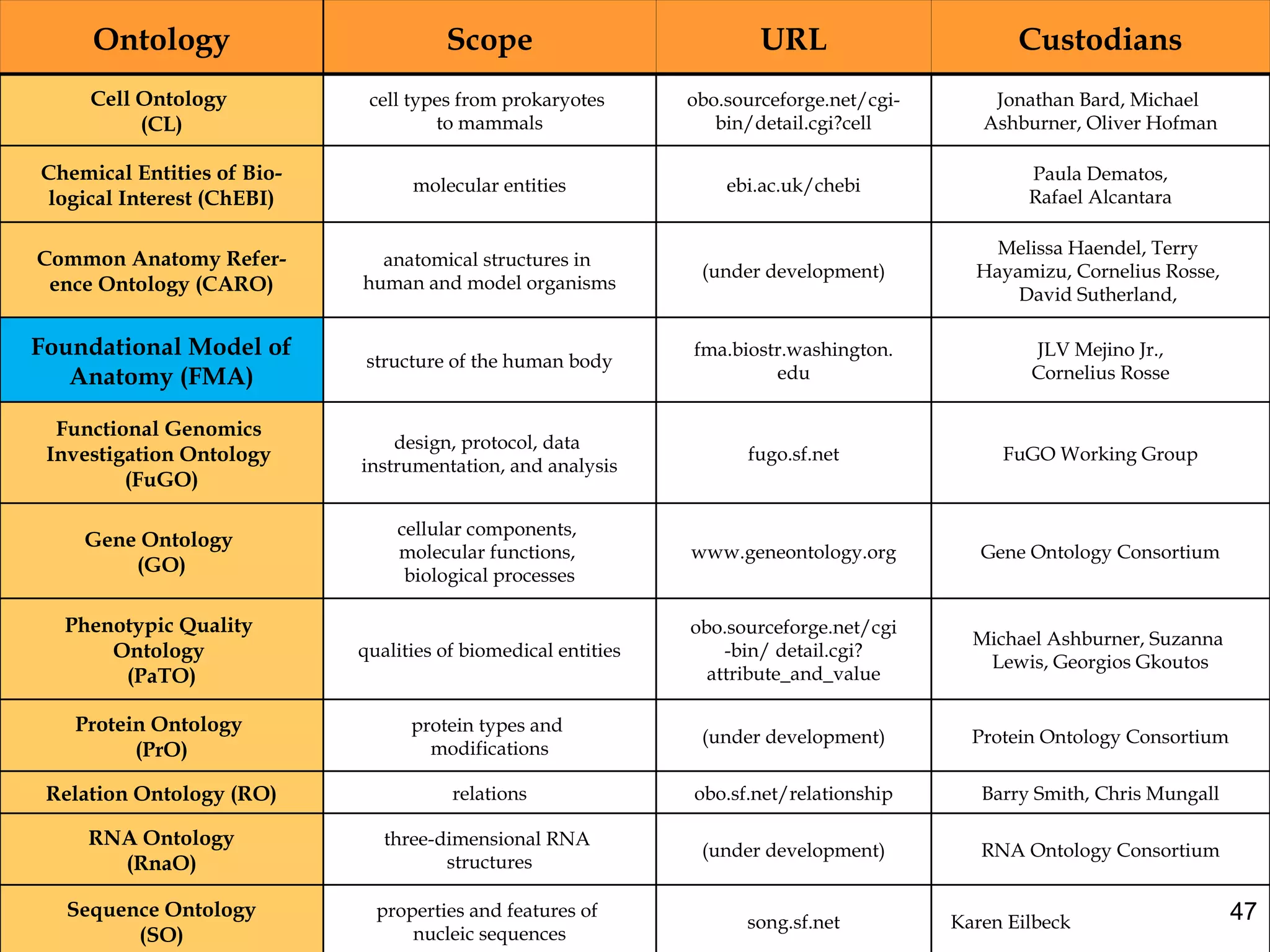
47Karen Eilbecksong.sf.net
properties and features of
nucleic sequences
Sequence Ontology
(SO)
RNA Ontology Consortium(under development)
three-dimensional RNA
structures
RNA Ontology
(RnaO)
Barry Smith, Chris Mungallobo.sf.net/relationshiprelationsRelation Ontology (RO)
Protein Ontology Consortium(under development)
protein types and
modifications
Protein Ontology
(PrO)
Michael Ashburner, Suzanna
Lewis, Georgios Gkoutos
obo.sourceforge.net/cgi
-bin/ detail.cgi?
attribute_and_value
qualities of biomedical entities
Phenotypic Quality
Ontology
(PaTO)
Gene Ontology Consortiumwww.geneontology.org
cellular components,
molecular functions,
biological processes
Gene Ontology
(GO)
FuGO Working Groupfugo.sf.net
design, protocol, data
instrumentation, and analysis
Functional Genomics
Investigation Ontology
(FuGO)
JLV Mejino Jr.,
Cornelius Rosse
fma.biostr.washington.
edu
structure of the human body
Foundational Model of
Anatomy (FMA)
Melissa Haendel, Terry
Hayamizu, Cornelius Rosse,
David Sutherland,
(under development)
anatomical structures in
human and model organisms
Common Anatomy Refer-
ence Ontology (CARO)
Paula Dematos,
Rafael Alcantara
ebi.ac.uk/chebimolecular entities
Chemical Entities of Bio-
logical Interest (ChEBI)
Jonathan Bard, Michael
Ashburner, Oliver Hofman
obo.sourceforge.net/cgi-
bin/detail.cgi?cell
cell types from prokaryotes
to mammals
Cell Ontology
(CL)
CustodiansURLScopeOntology
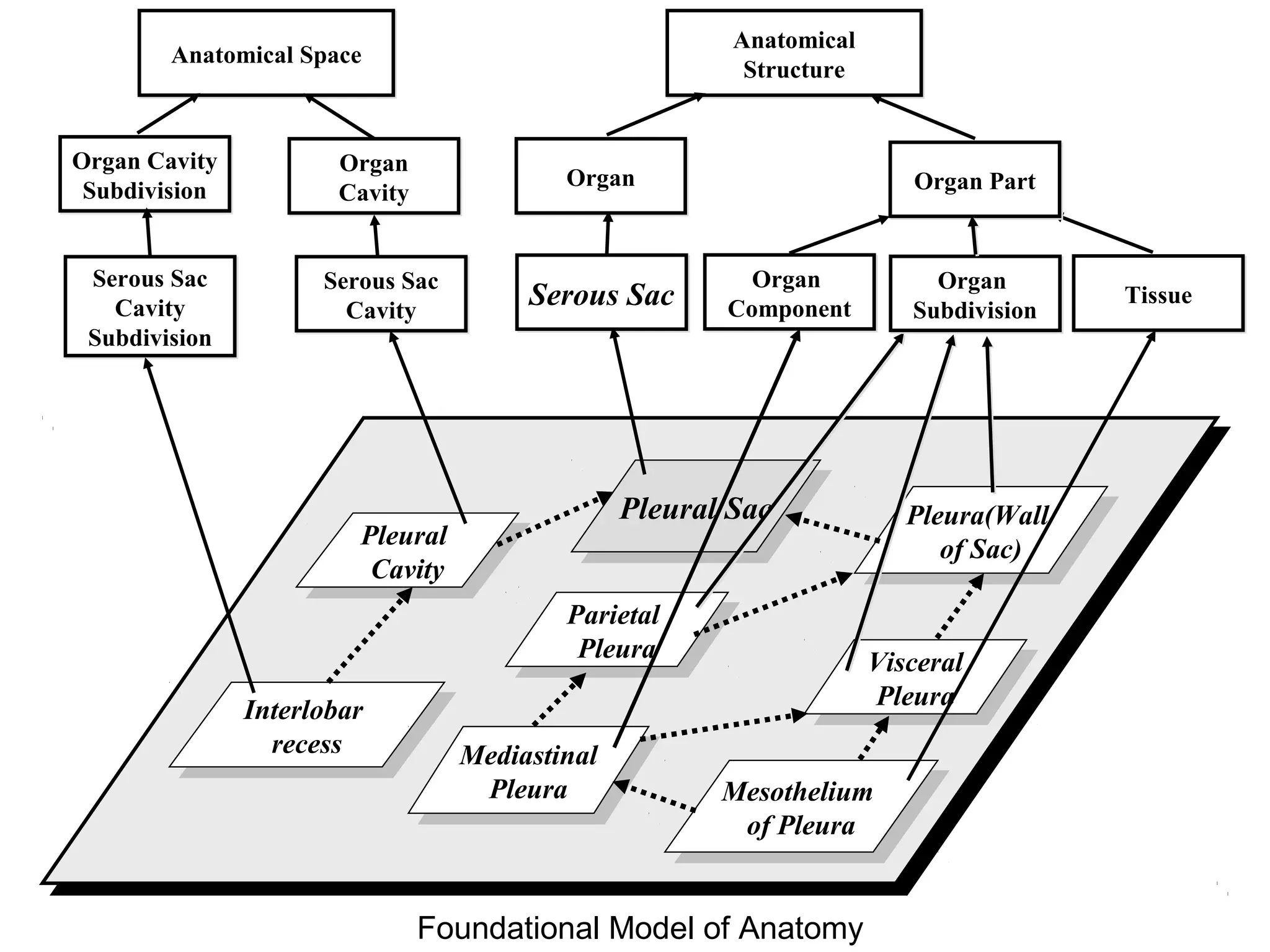
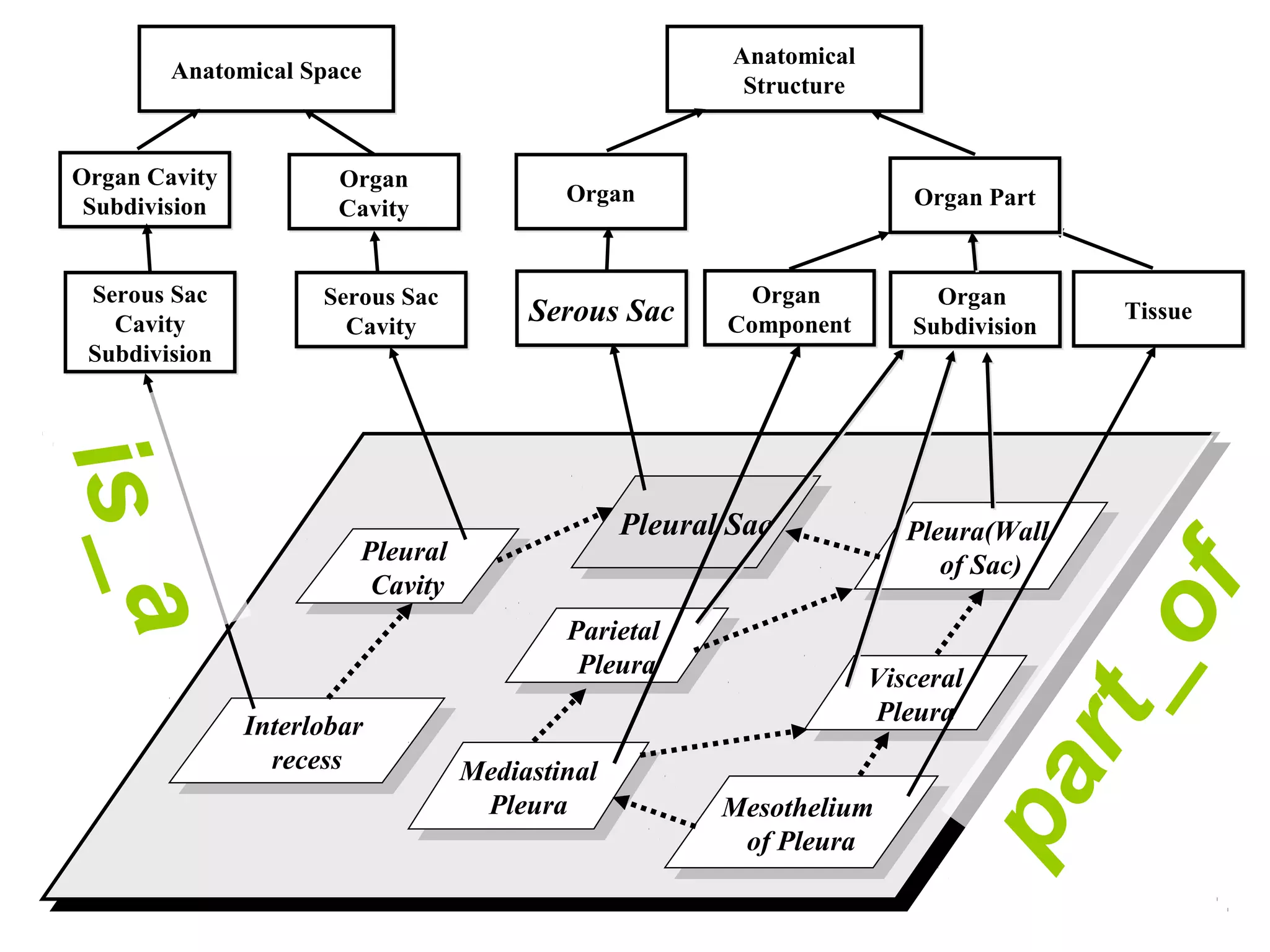
Pleural
Cavity
Pleural
Cavity
Interlobar
recess
Interlobar
recess
Mesothelium
of Pleura
Mesothelium
of Pleura
Pleura(Wall
of Sac)
Pleura(Wall
of Sac)
Visceral
Pleura
Visceral
Pleura
Pleural SacPleural Sac
Parietal
Pleura
Parietal
Pleura
Anatomical SpaceAnatomical Space
Organ
Cavity
Organ
Cavity
Serous Sac
Cavity
Serous Sac
Cavity
Anatomical
Structure
Anatomical
Structure
OrganOrgan
Serous SacSerous Sac
Mediastinal
Pleura
Mediastinal
Pleura
TissueTissue
Organ PartOrgan Part
Organ
Subdivision
Organ
Subdivision
Organ
Component
Organ
Component
Organ Cavity
Subdivision
Organ Cavity
Subdivision
Serous Sac
Cavity
Subdivision
Serous Sac
Cavity
Subdivision
Foundational Model of Anatomy
Pleural
Cavity
Pleural
Cavity
Interlobar
recess
Interlobar
recess
Mesothelium
of Pleura
Mesothelium
of Pleura
Pleura(Wall
of Sac)
Pleura(Wall
of Sac)
Visceral
Pleura
Visceral
Pleura
Pleural SacPleural Sac
Parietal
Pleura
Parietal
Pleura
Anatomical SpaceAnatomical Space
Organ
Cavity
Organ
Cavity
Serous Sac
Cavity
Serous Sac
Cavity
Anatomical
Structure
Anatomical
Structure
OrganOrgan
Serous SacSerous Sac
Mediastinal
Pleura
Mediastinal
Pleura
TissueTissue
Organ PartOrgan Part
Organ
Subdivision
Organ
Subdivision
Organ
Component
Organ
Component
Organ Cavity
Subdivision
Organ Cavity
Subdivision
Serous Sac
Cavity
Subdivision
Serous Sac
Cavity
Subdivision
part_of
is_a
50
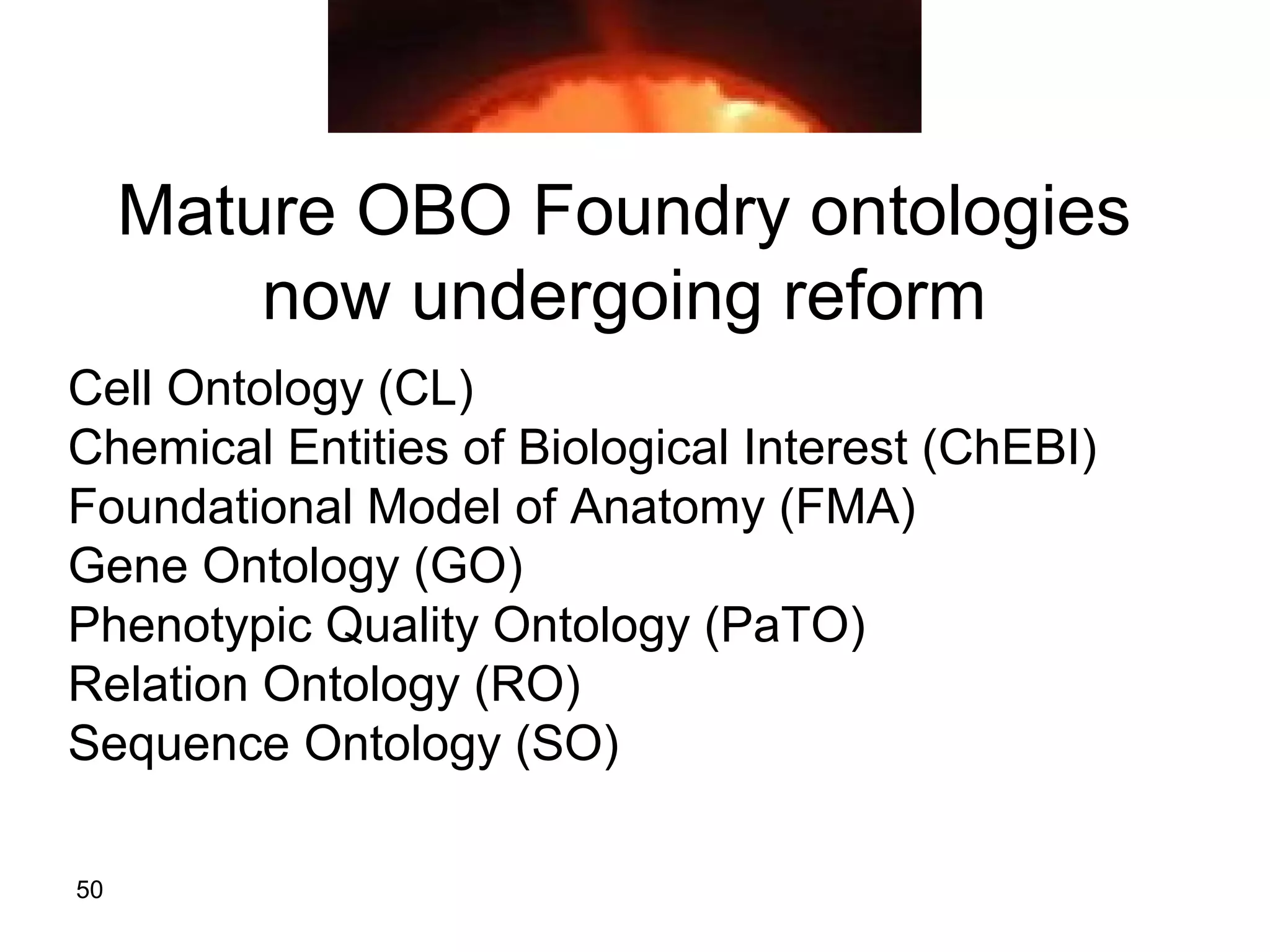
Mature OBO Foundry ontologies
now undergoing reform
Cell Ontology (CL)
Chemical Entities of Biological Interest (ChEBI)
Foundational Model of Anatomy (FMA)
Gene Ontology (GO)
Phenotypic Quality Ontology (PaTO)
Relation Ontology (RO)
Sequence Ontology (SO)
51
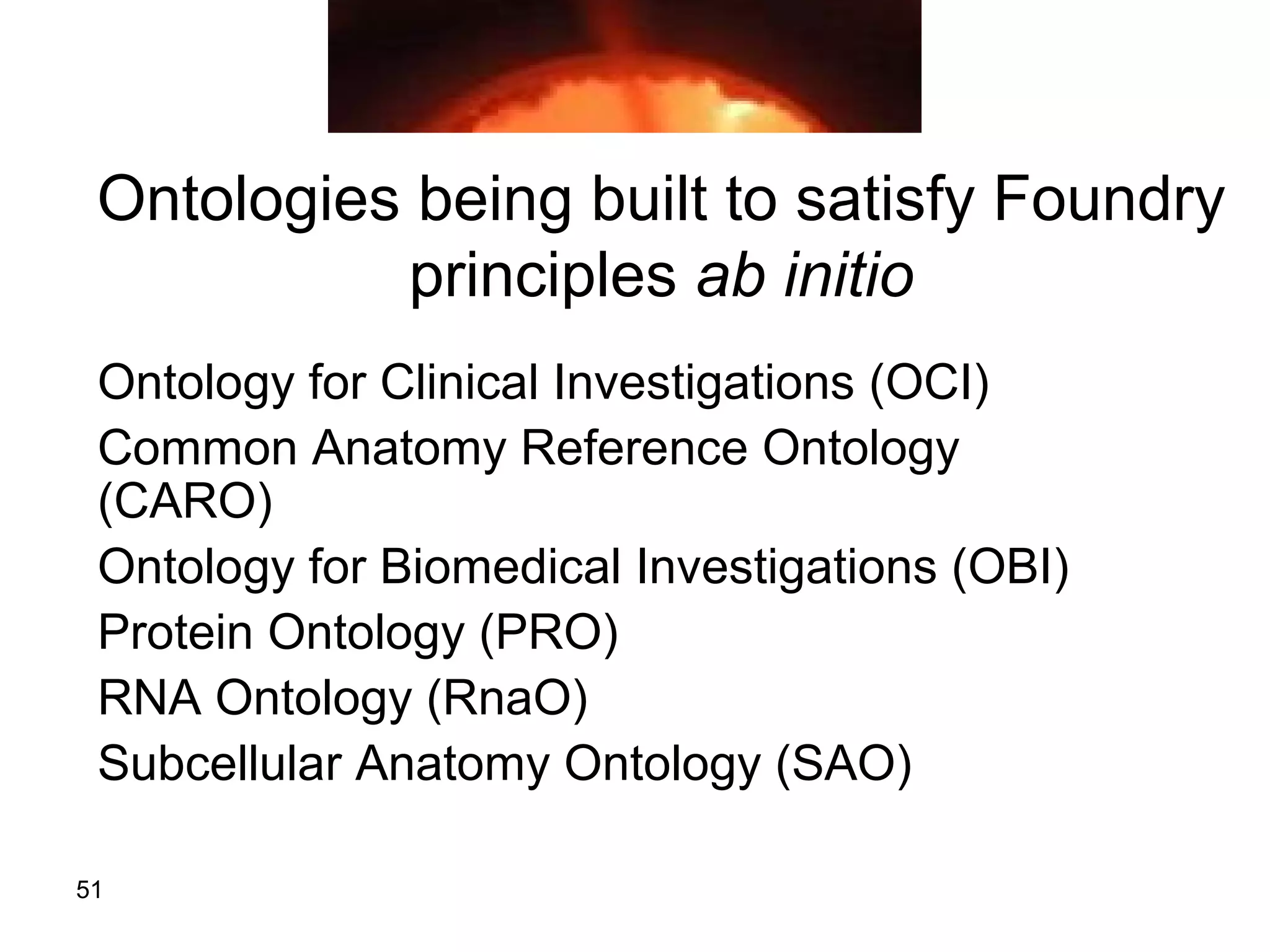
Ontologies being built to satisfy Foundry
principles ab initio
Ontology for Clinical Investigations (OCI)
Common Anatomy Reference Ontology
(CARO)
Ontology for Biomedical Investigations (OBI)
Protein Ontology (PRO)
RNA Ontology (RnaO)
Subcellular Anatomy Ontology (SAO)
52
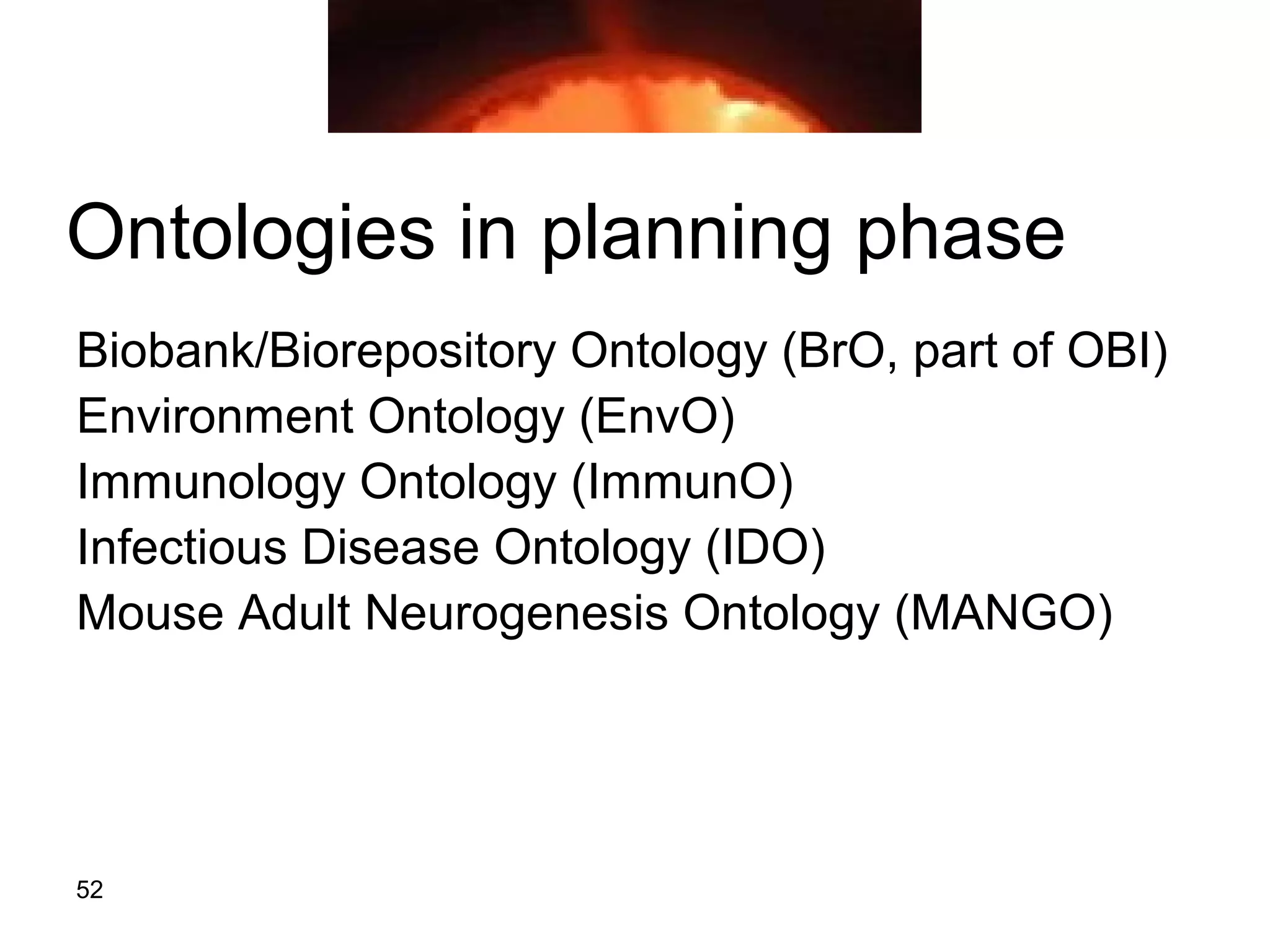
Ontologies in planning phase
Biobank/Biorepository Ontology (BrO, part of OBI)
Environment Ontology (EnvO)
Immunology Ontology (ImmunO)
Infectious Disease Ontology (IDO)
Mouse Adult Neurogenesis Ontology (MANGO)
OBO Foundry Success Story
Model organism research seeks results valuable for
the understanding of human disease.
This requires the ability to make reliable cross-
species comparisons, and for this anatomy is crucial.
But different MOD communities have developed their
anatomy ontologies in uncoordinated fashion.
53
Ontologies facilitate grouping of annotations
brain 20
hindbrain 15
rhombomere 10
Query brain without ontology 20
Query brain with ontology 45
54
CARO – Common Anatomy
Reference Ontology
for the first time provides guidelines for model
organism researchers who wish to achieve
comparability of annotations
for the first time provides guidelines for those
new to ontology work
See Haendel et al., “CARO: The Common Anatomy Reference Ontology”,
in: Burger (ed.), Anatomy Ontologies for Bioinformatics: Springer, in press.55
56
CARO-conformant ontologies
already in development:
Fish Multi-Species Anatomy Ontology (NSF funding
received)
Ixodidae and Argasidae (Tick) Anatomy Ontology
Mosquito Anatomy Ontology (MAO)
Spider Anatomy Ontology
Xenopus Anatomy Ontology (XAO)
undergoing reform: Drosophila and Zebrafish
Anatomy Ontologies
Part 3
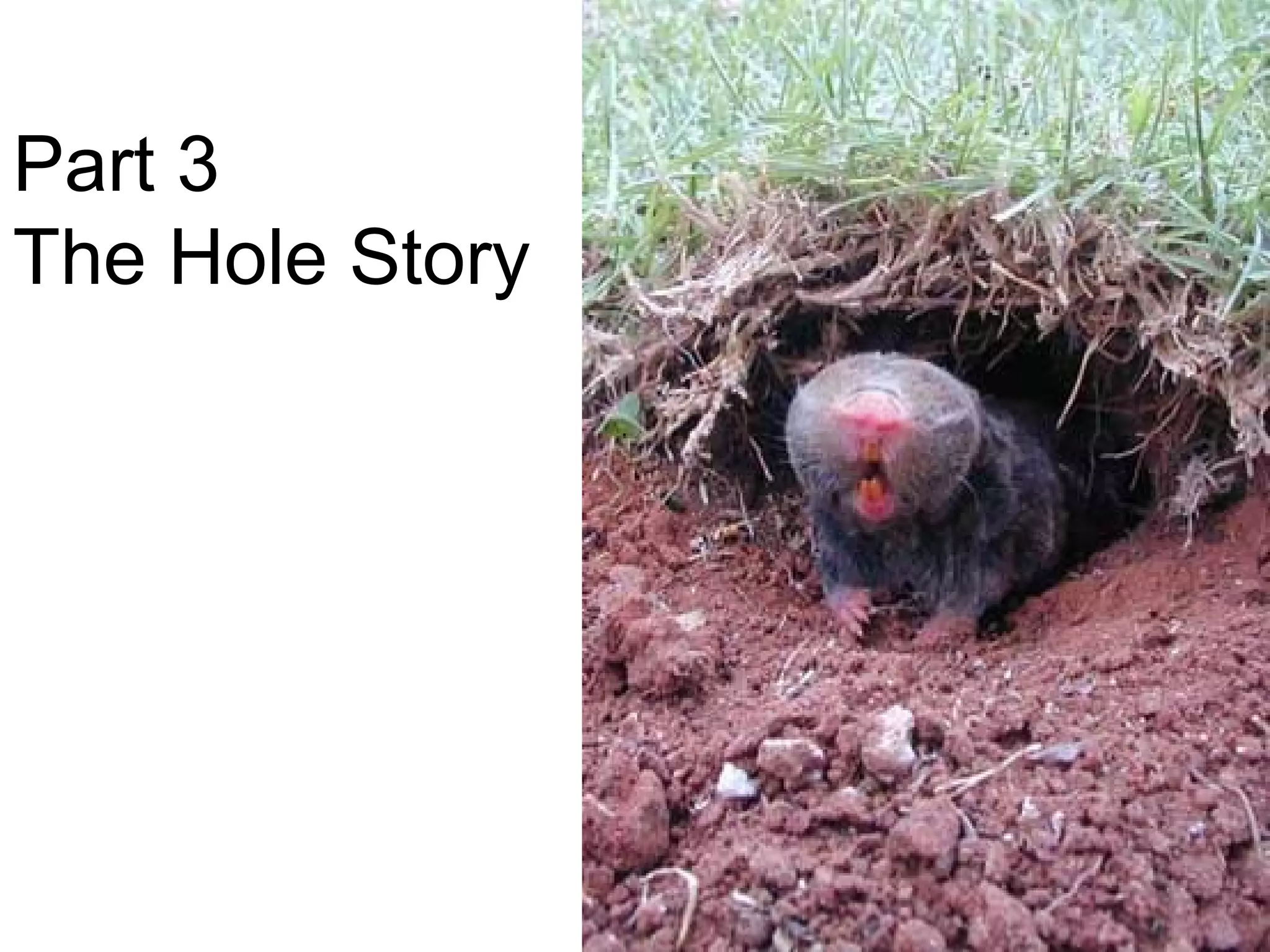
The Hole Story
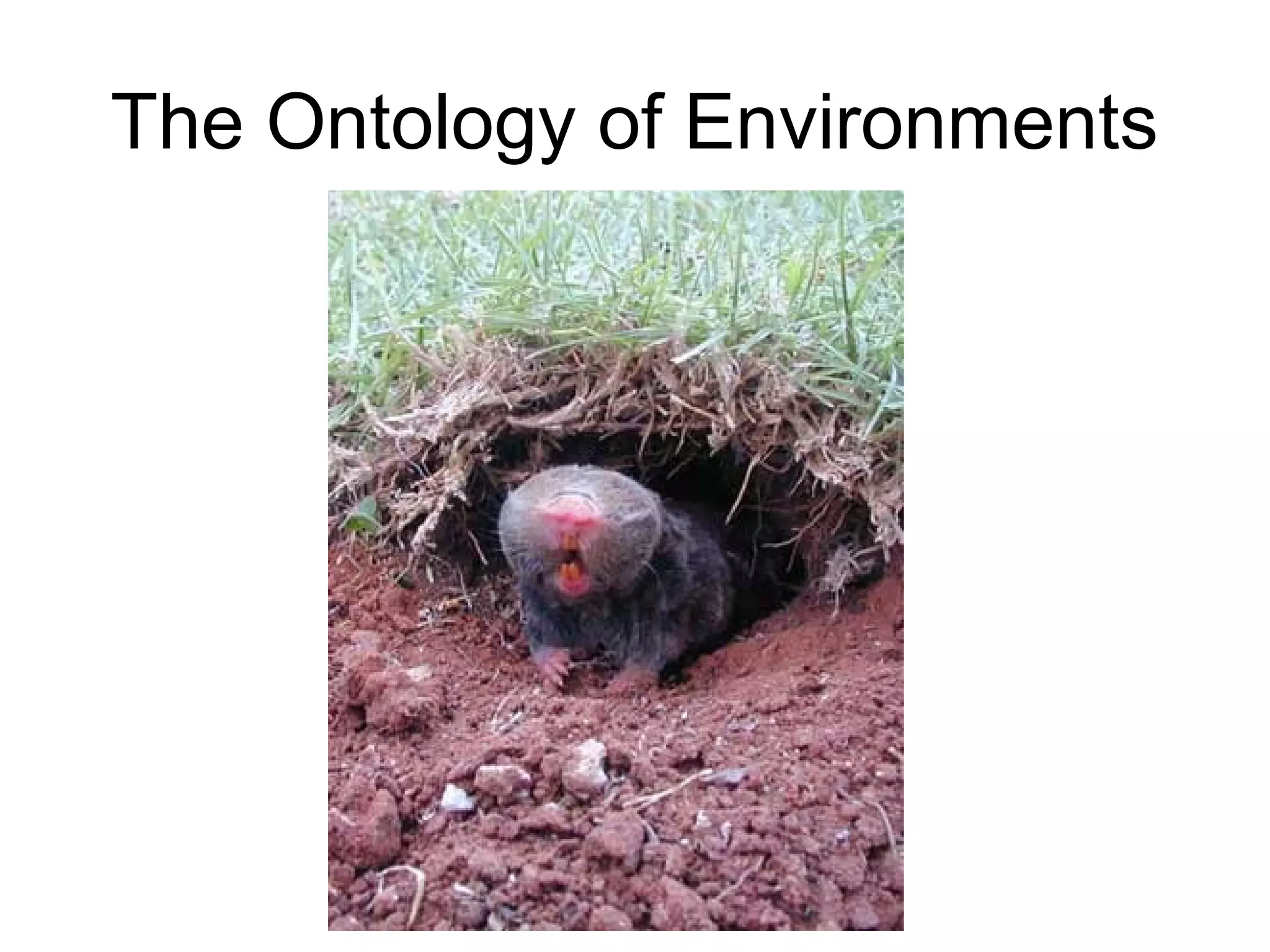
The Ontology of Environments
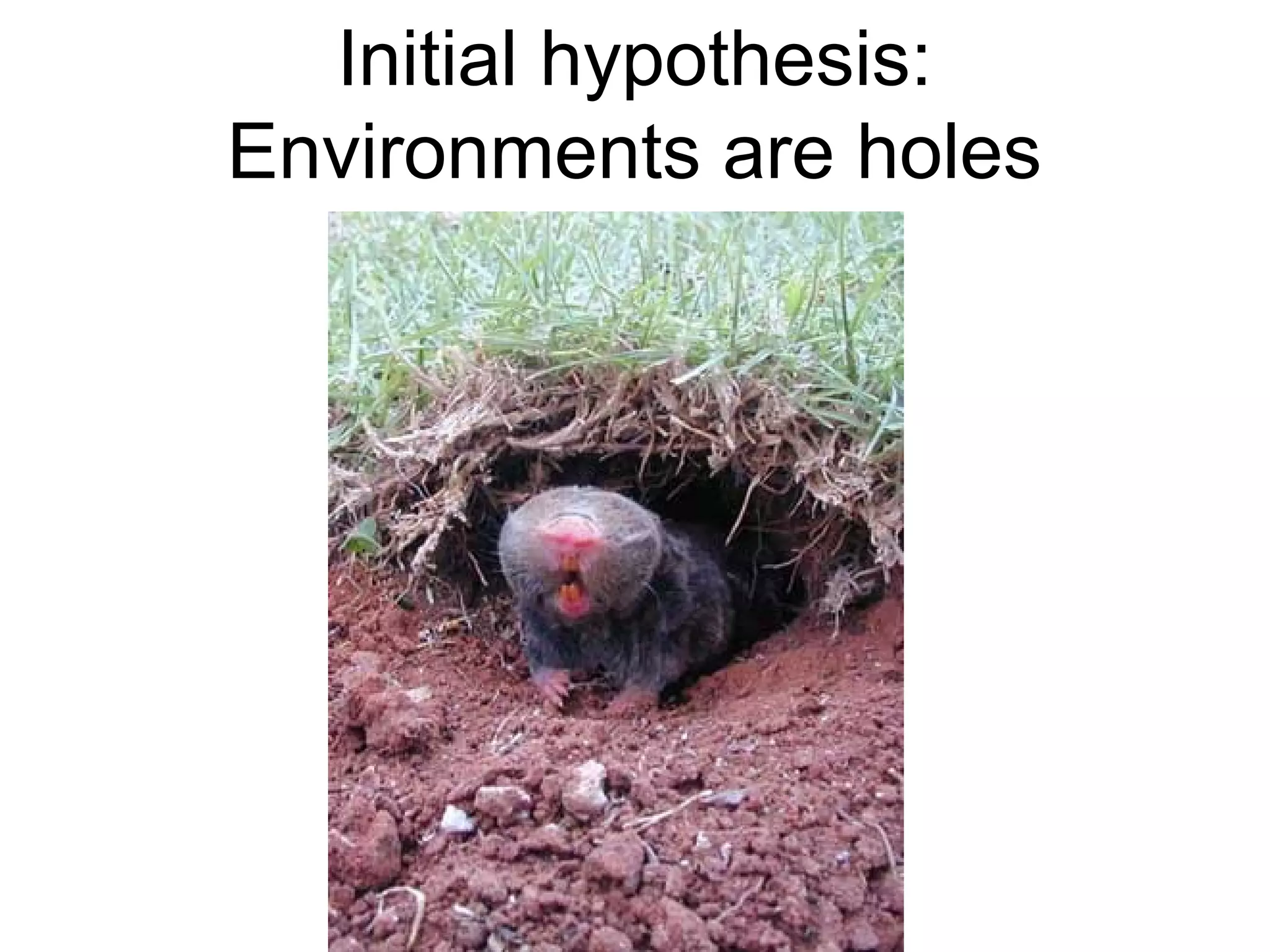
Initial hypothesis:
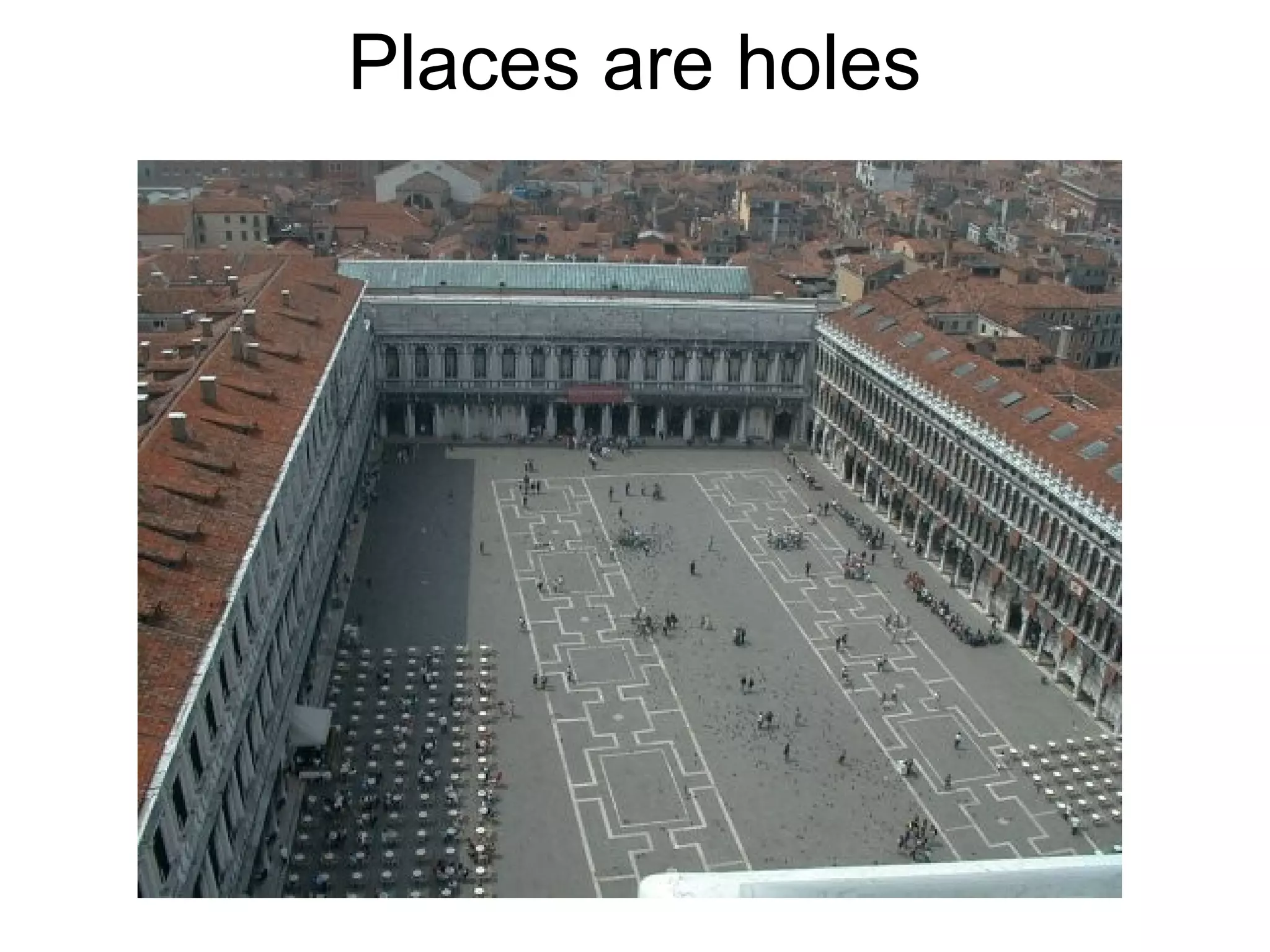
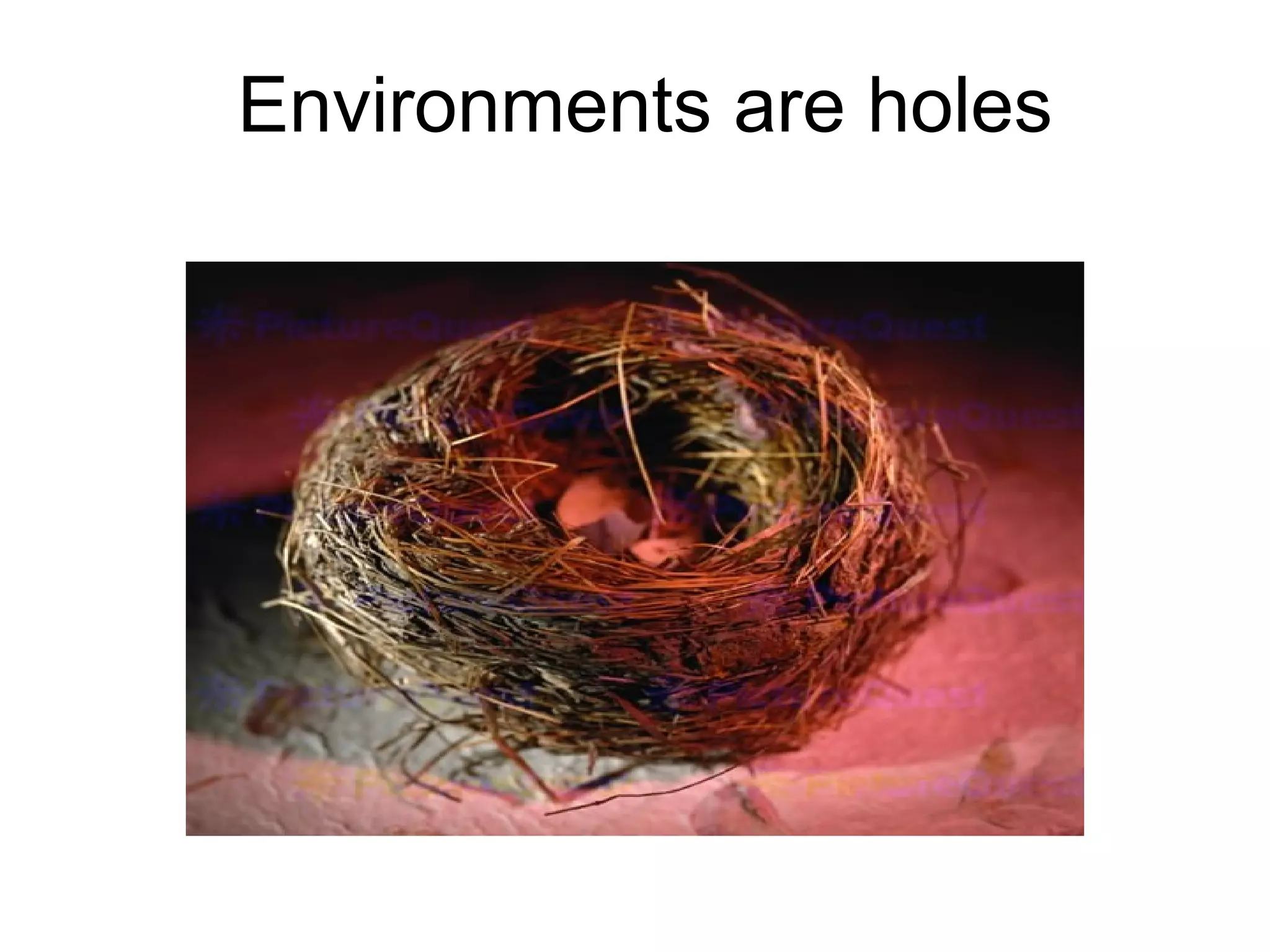
Environments are holes
environment
place
site
niche
habitat
setting
hole
spatial region
interior
location
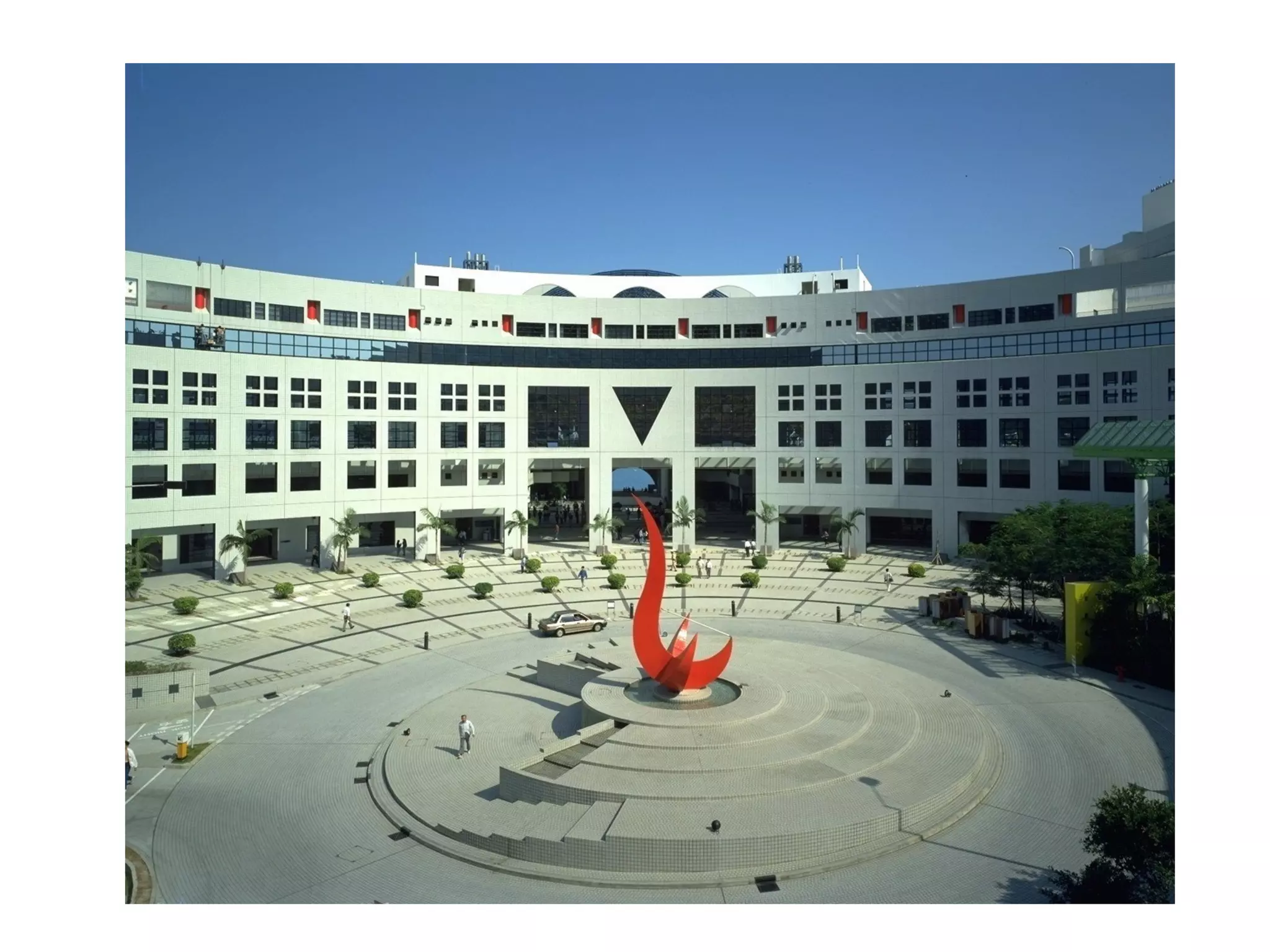
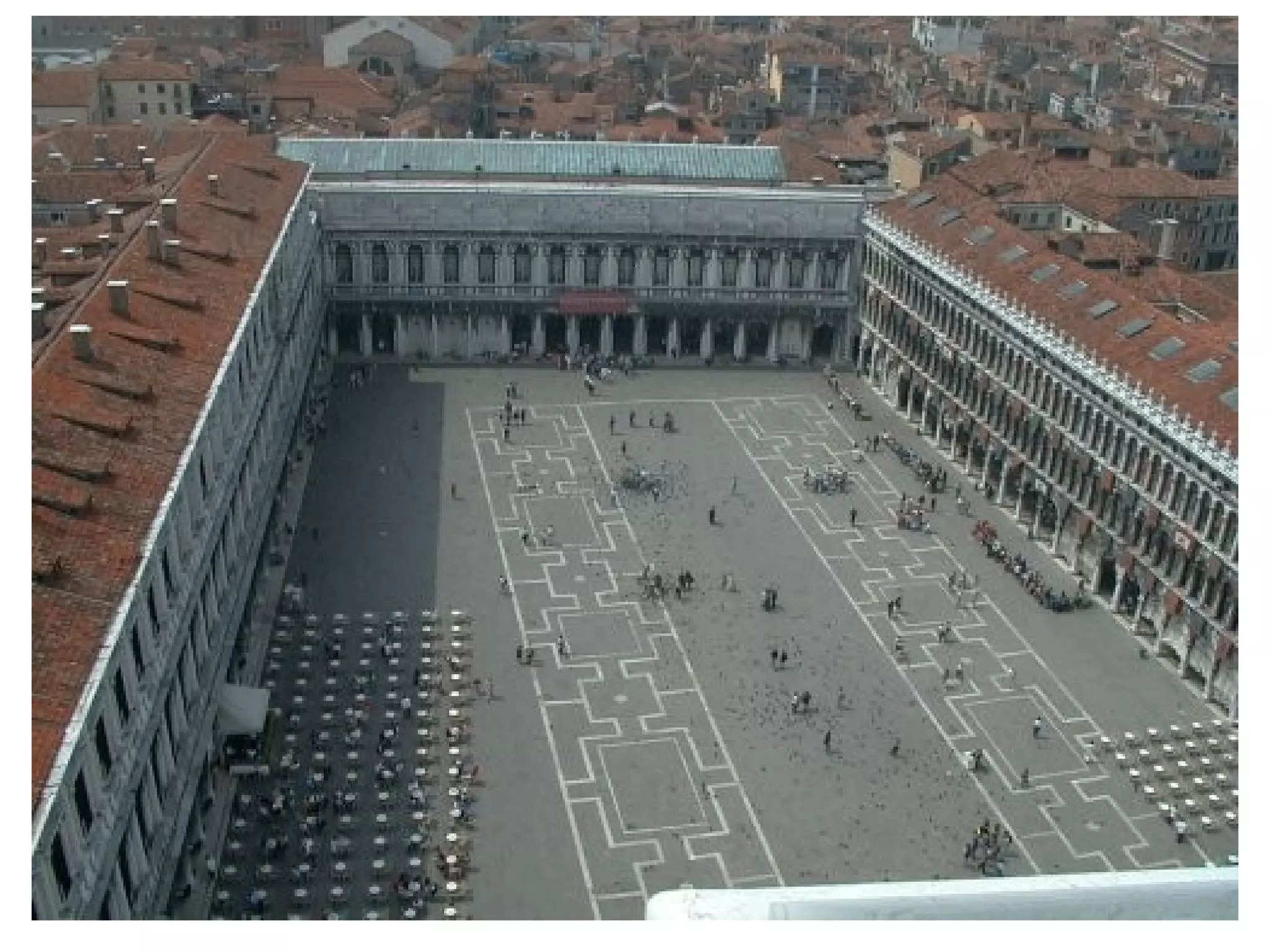
Places are holes
66
RELATION
TO TIME
GRANULARITY
CONTINUANT OCCURRENT
INDEPENDENT DEPENDENT
ORGAN AND
ORGANISM
Organism
(NCBI
Taxonomy)
Anatomical
Entity
(FMA, CARO)
Organ
Function
(FMP, CPRO) Phenotypic
Quality
(PaTO)
Biological Process
(GO)
CELL AND
CELLULAR
COMPONENT
Cell
(CL)
Cellular
Component
(FMA, GO)
Cellular
Function
(GO)
MOLECULE
Molecule
(ChEBI, SO,
RnaO, PrO)
Molecular Function
(GO)
Molecular Process
(GO)
No place for environments
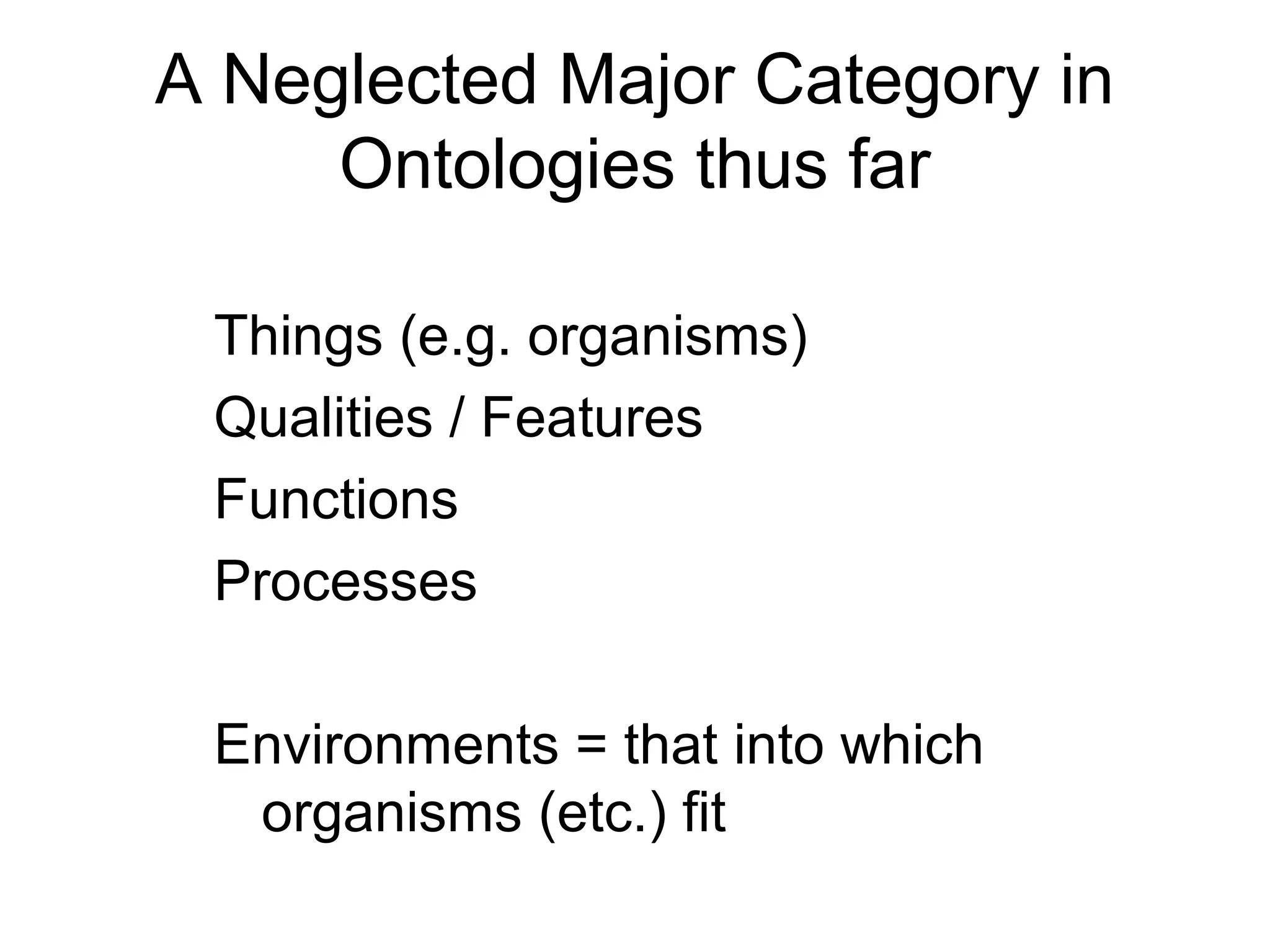
A Neglected Major Category in
Ontologies thus far
Things (e.g. organisms)
Qualities / Features
Functions
Processes
Environments = that into which
organisms (etc.) fit
68
RELATION
TO TIME
GRANULARITY
CONTINUANT OCCURRENT
INDEPENDENT DEPENDENT
ORGAN AND
ORGANISM
Organism
(NCBI
Taxonomy)
Anatomical
Entity
(FMA,
CARO)
Organ
Function
(FMP, CPRO) Phenotypic
Quality
(PaTO)
Biological
Process
(GO)
CELL AND
CELLULAR
COMPONENT
Cell
(CL)
Cellular
Component
(FMA, GO)
Cellular
Function
(GO)
MOLECULE
Molecule
(ChEBI, SO,
RnaO, PrO)
Molecular Function
(GO)
Molecular Process
(GO)
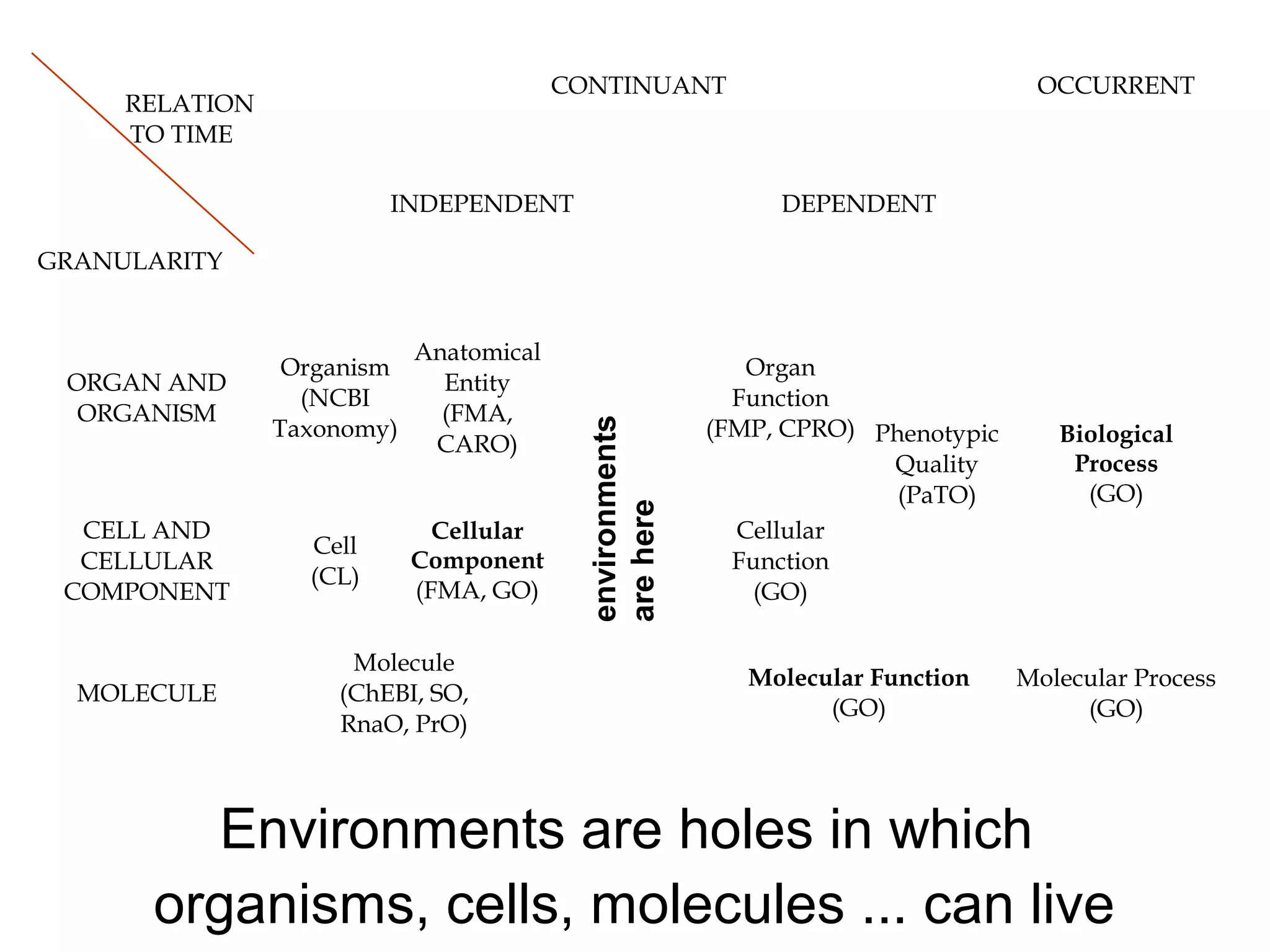
Environments are holes in which
organisms, cells, molecules ... can live
environments
arehere
Environments are holes
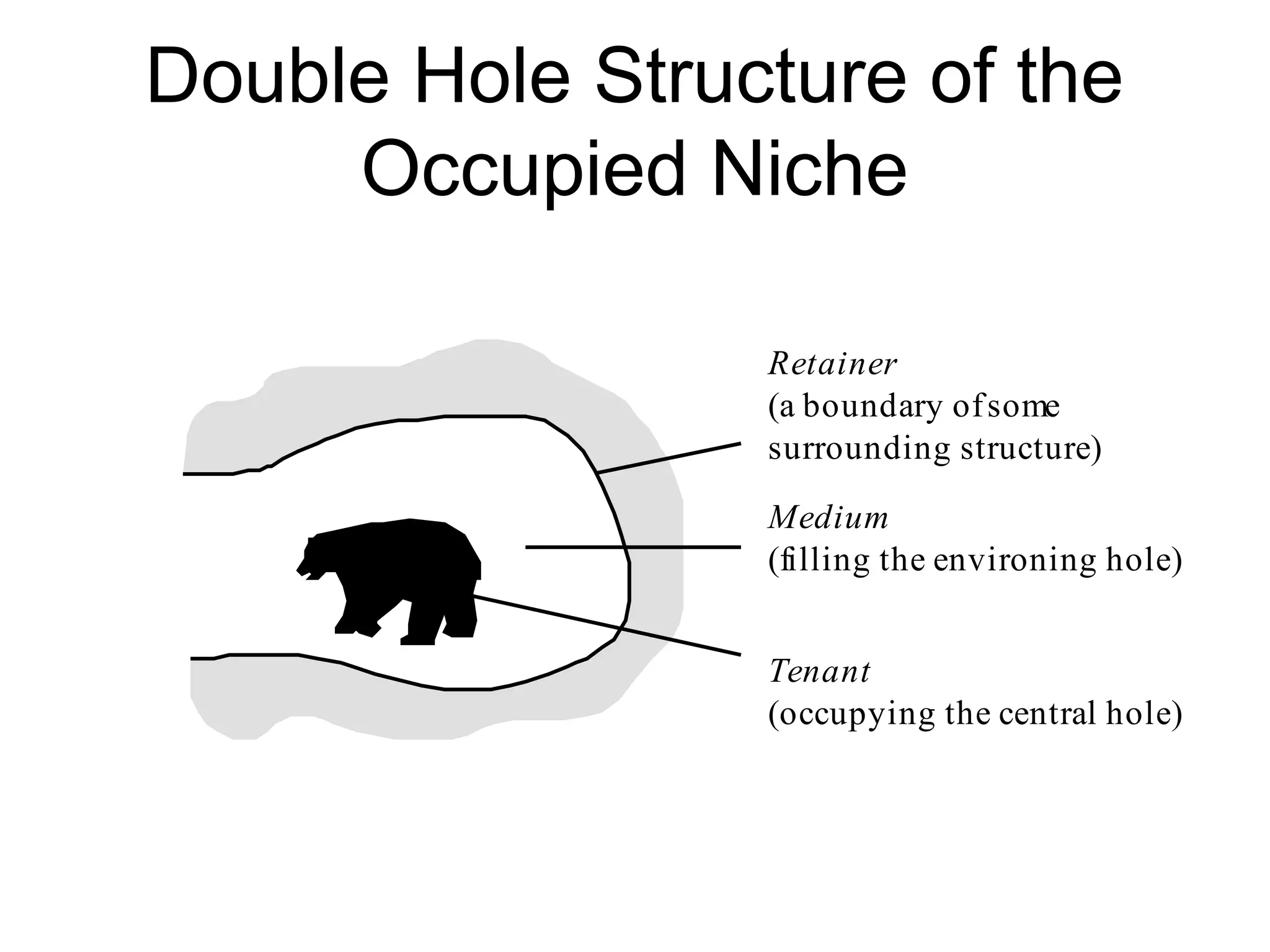
Double Hole Structure of the
Occupied Niche
Medium
(filling the environing hole)
Tenant
(occupying the central hole)
Retainer
(a boundary ofsome
surrounding structure)
Tenant, medium and retainer
the medium of the bear’s niche is a
circumscribed body of air
medium might be body of water, cytosol,
nasal mucosa, epithelium, endocardium,
synovial tissue ...
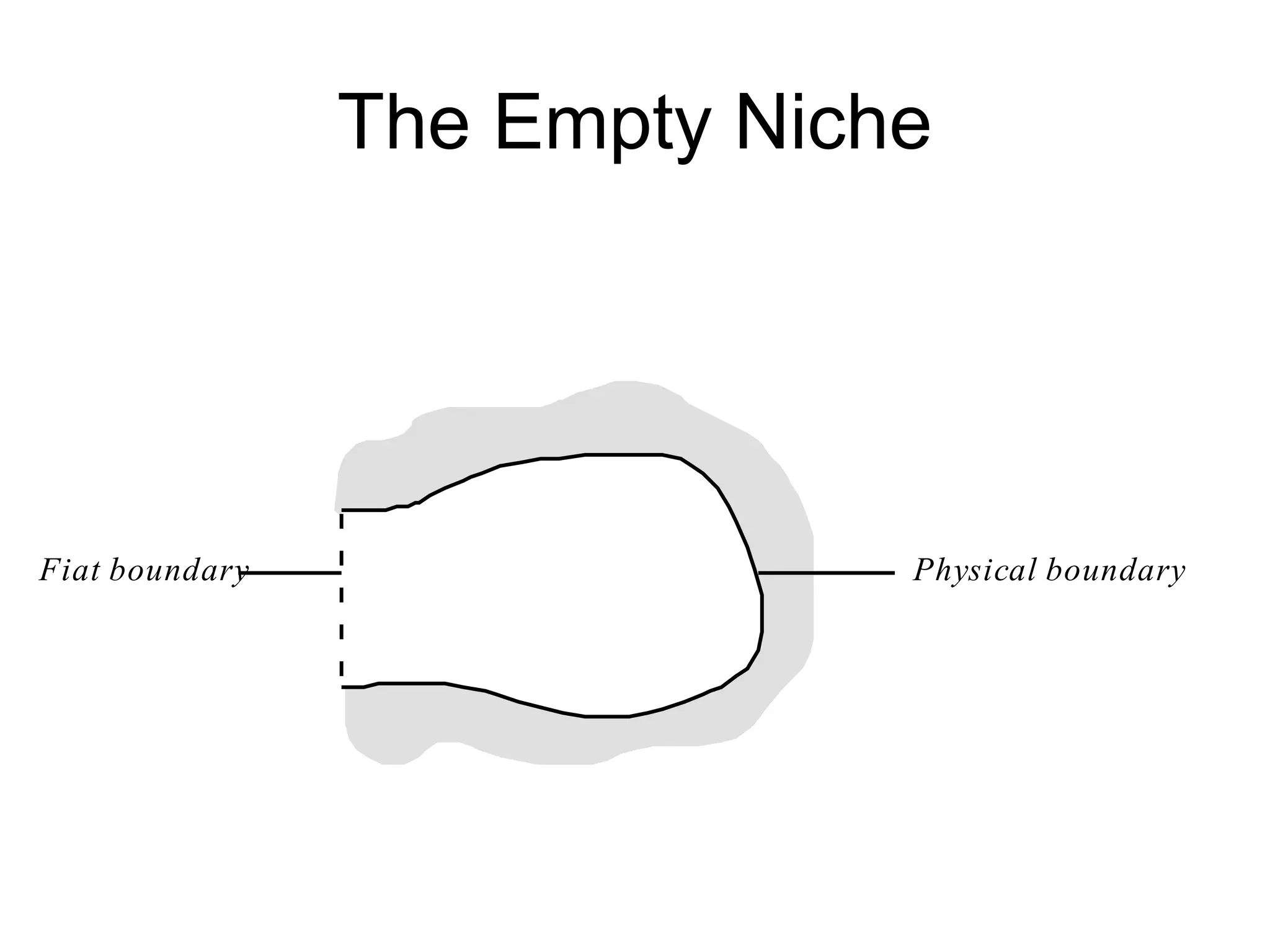
The Empty Niche
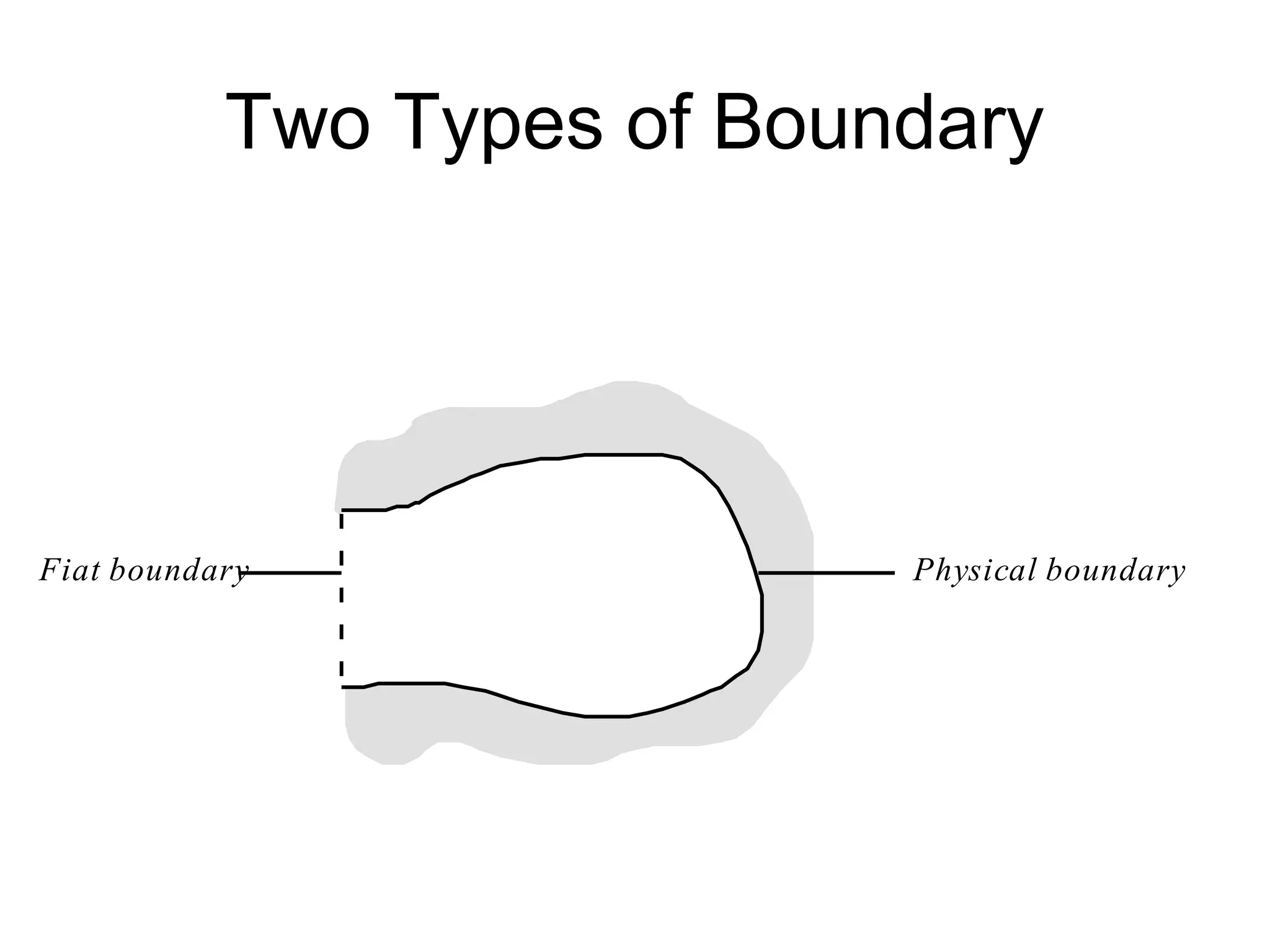
Fiat boundary Physical boundary
Two Types of Boundary
Fiat boundary Physical boundary
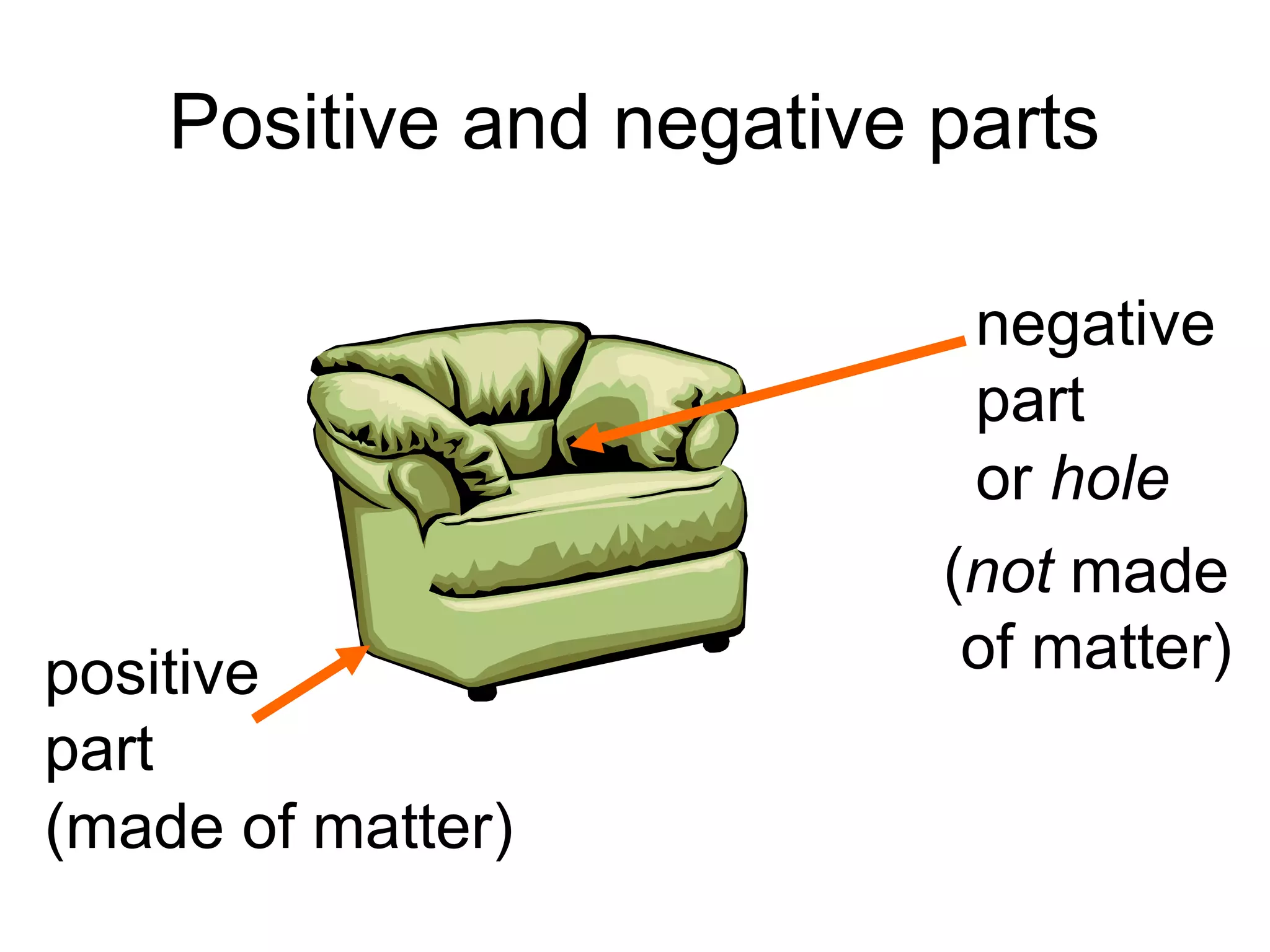
Positive and negative parts
positive
part
negative
part
or hole
(made of matter)
(not made
of matter)
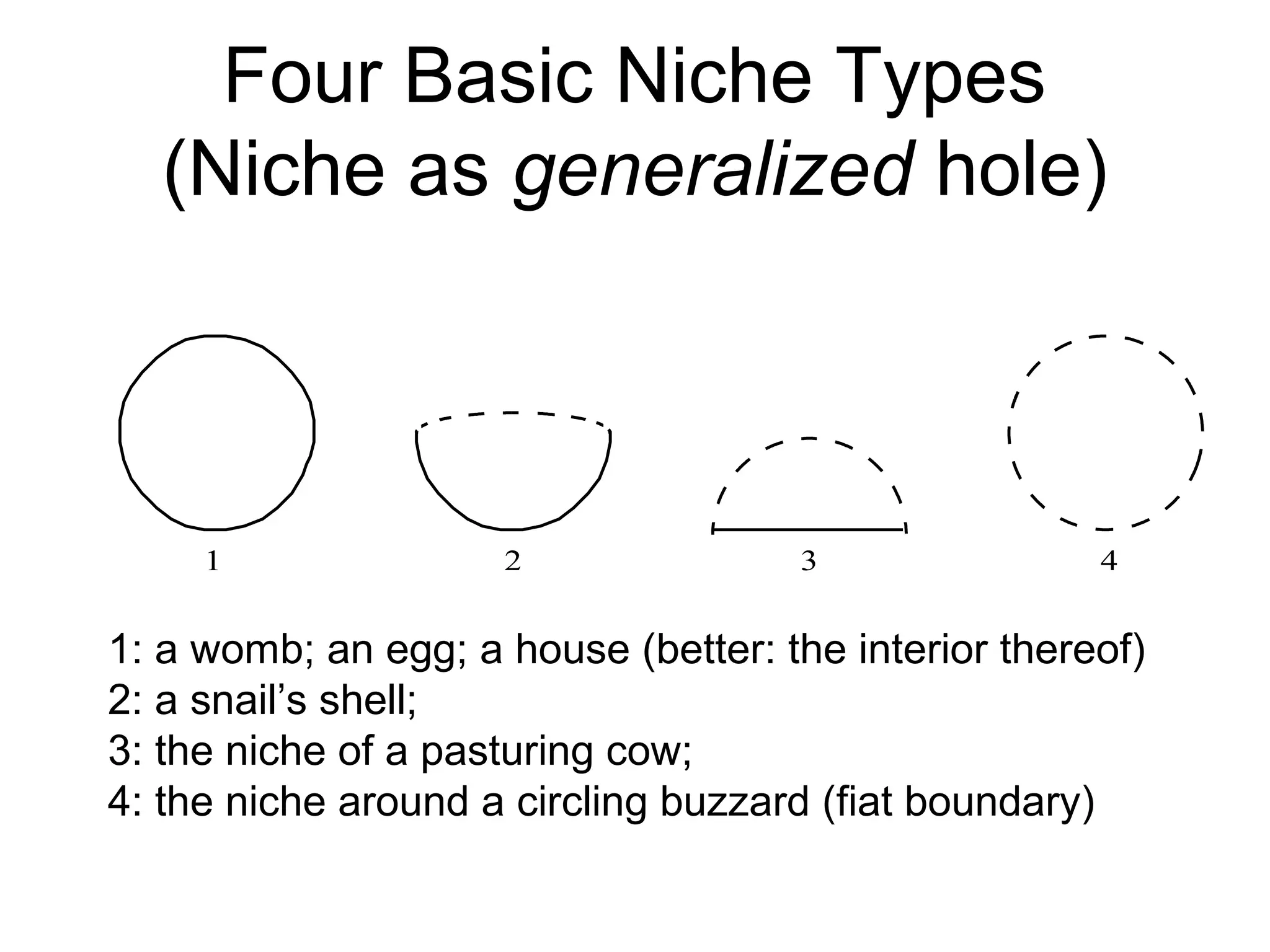
Four Basic Niche Types
(Niche as generalized hole)
1 2 3 4
1: a womb; an egg; a house (better: the interior thereof)
2: a snail’s shell;
3: the niche of a pasturing cow;
4: the niche around a circling buzzard (fiat boundary)
Types of relations for EnvO
in
on (surface of)
surrounds
lives_in
attaches to
realizes
occupies (spatial region)
...
Lexical Semantics
the fruit is in the bowl
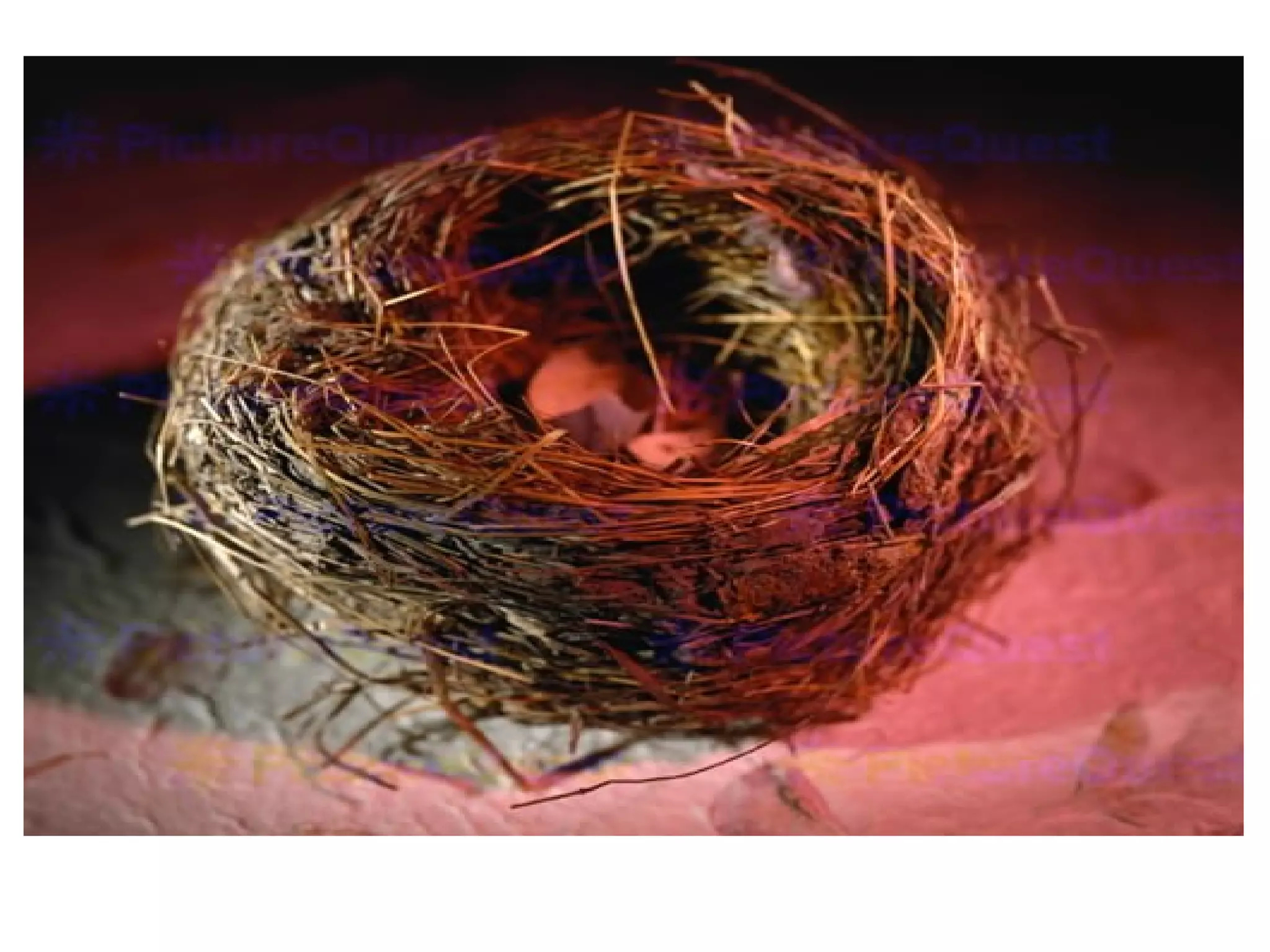
the bird is in the nest
the lion is in the cage
the pencil is in the cup
the fish is in the river
the river is in the valley
the water is in the lake
the car is in the garage
the fetus is in the cavity in the uterine lining
the colony of whooping crane is in its breeding grounds
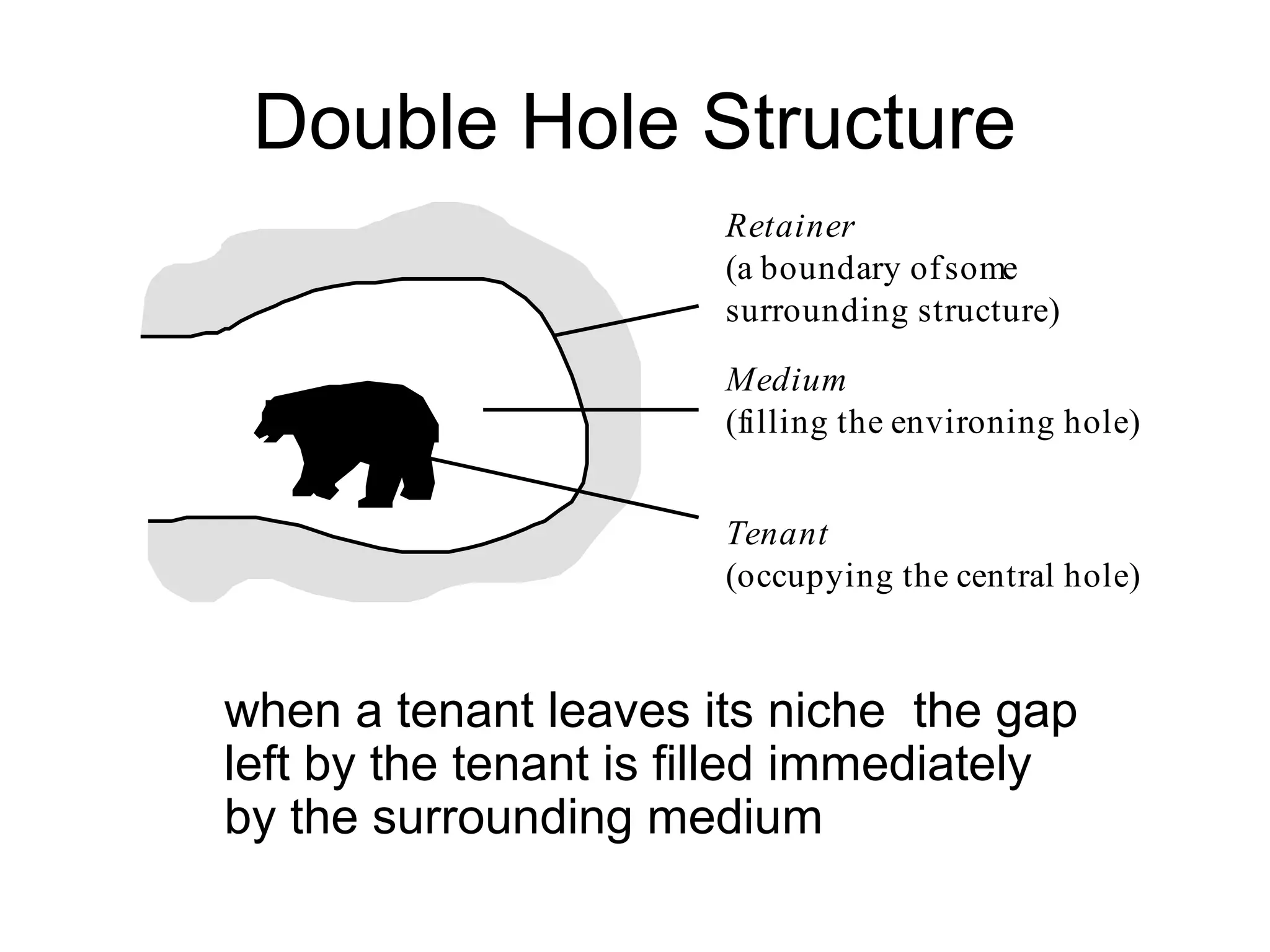
Double Hole Structure
Medium
(filling the environing hole)
Tenant
(occupying the central hole)
Retainer
(a boundary ofsome
surrounding structure)
when a tenant leaves its niche the gap
left by the tenant is filled immediately
by the surrounding medium
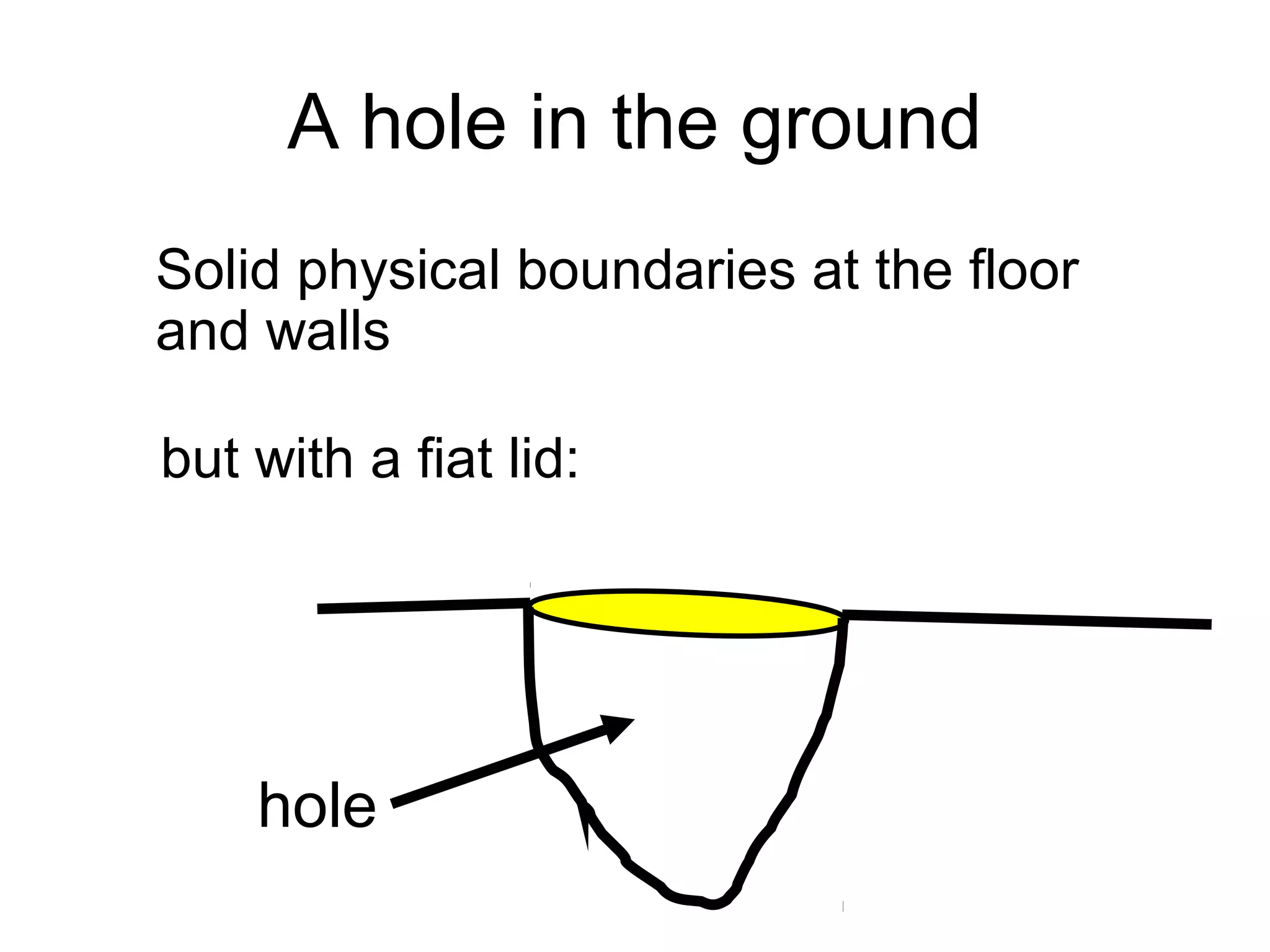
A hole in the ground
Solid physical boundaries at the floor
and walls
but with a fiat lid:
hole
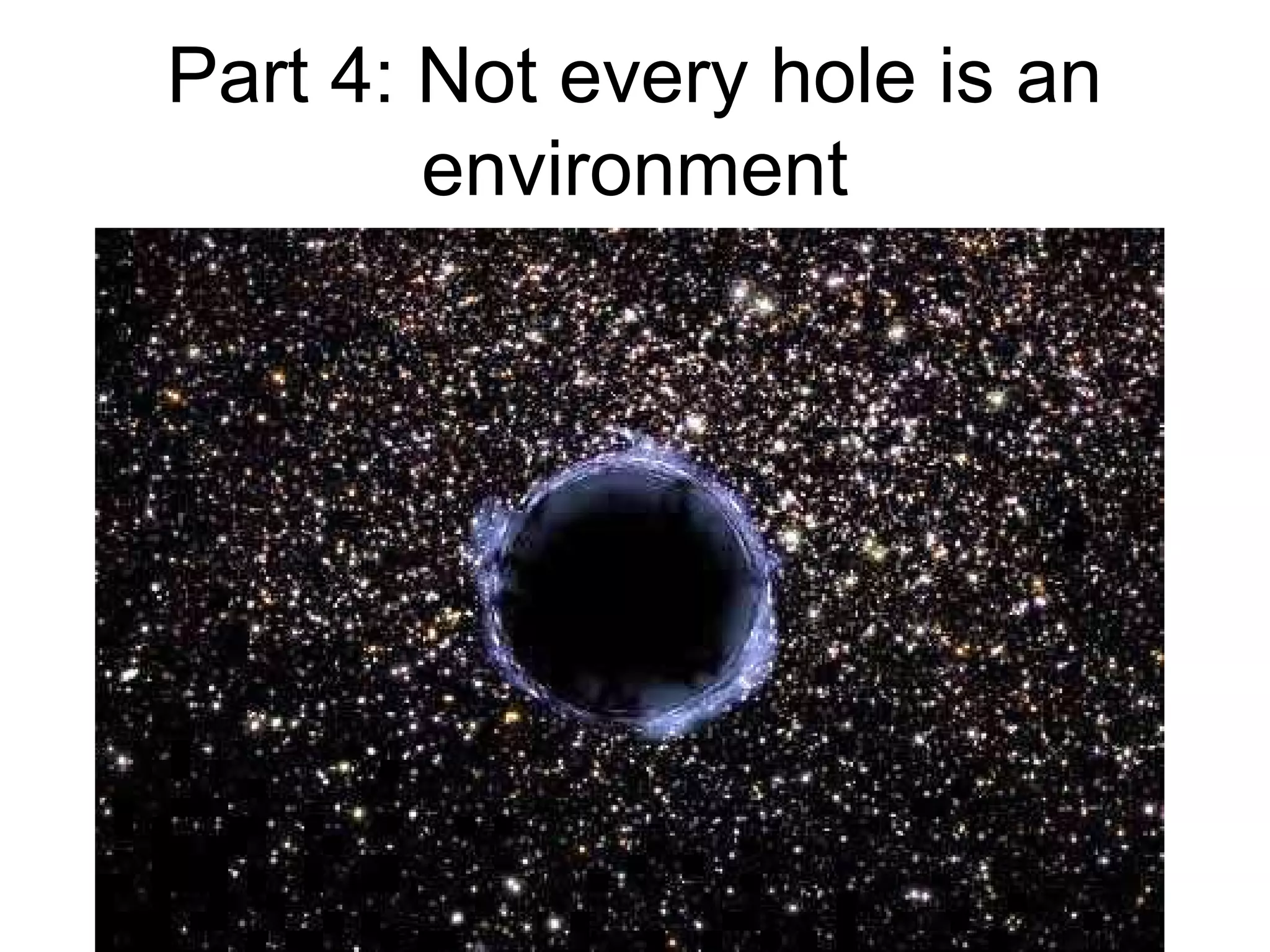
Part 4: Not every hole is an
environment
An environment is a special kind
of (generalized) hole
but what kind?
Elton – niche as role
the ‘niche’ of an animal means
its place in the biotic environment, its
relations to food and enemies. [...]
When an ecologist says ‘there goes a
badger’ he should include in his thoughts
some definite idea of the animal’s place in
the community to which it belongs,
just as if he had said ‘there goes the vicar’
(Elton 1927, pp. 63f.)
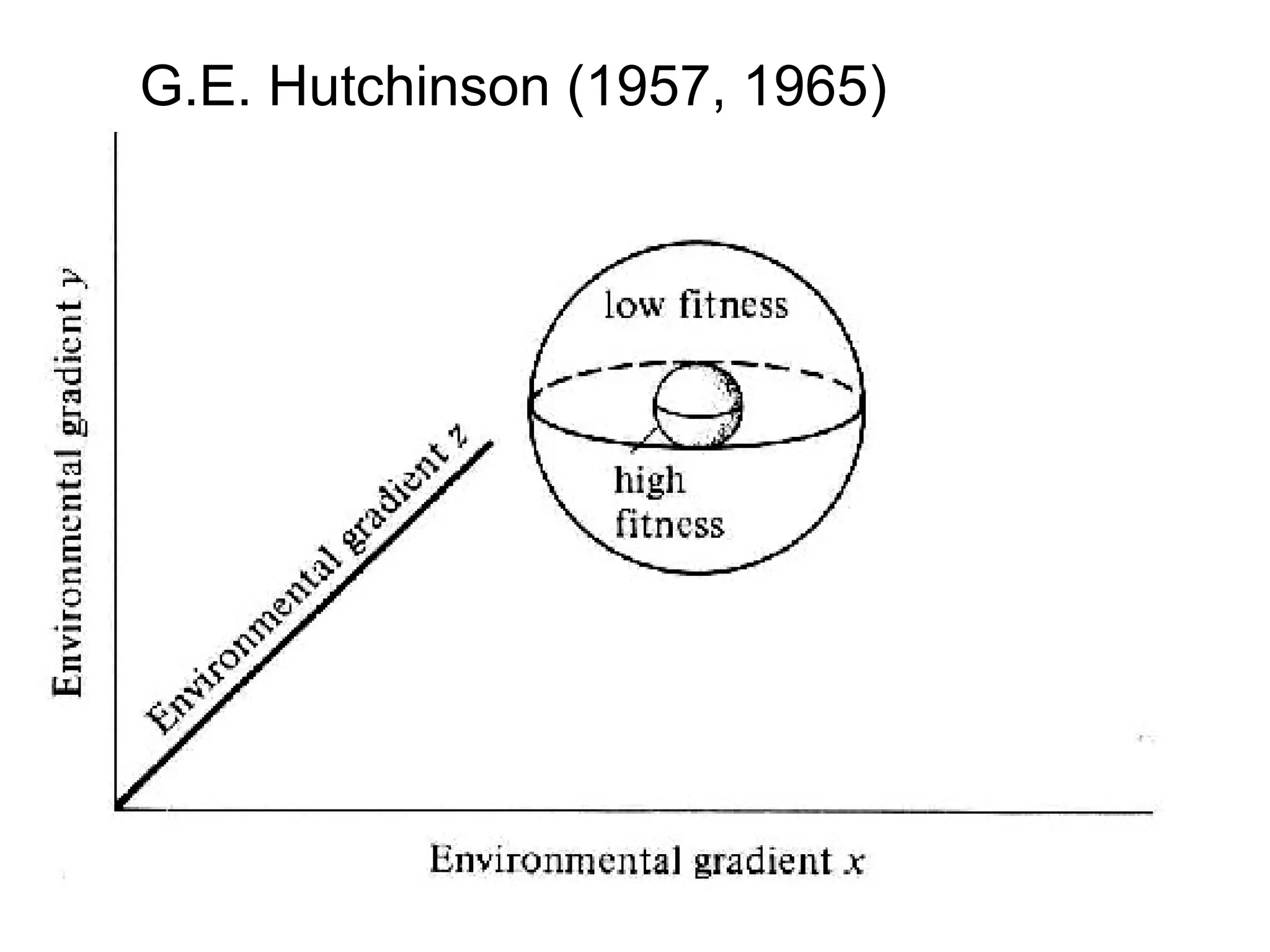
G.E. Hutchinson: niche as volume
in a functionally defined space
the niche = an n-dimensional hyper-
volume whose dimensions correspond to
resource gradients over which species are
distributed
G.E. Hutchinson (1957, 1965)
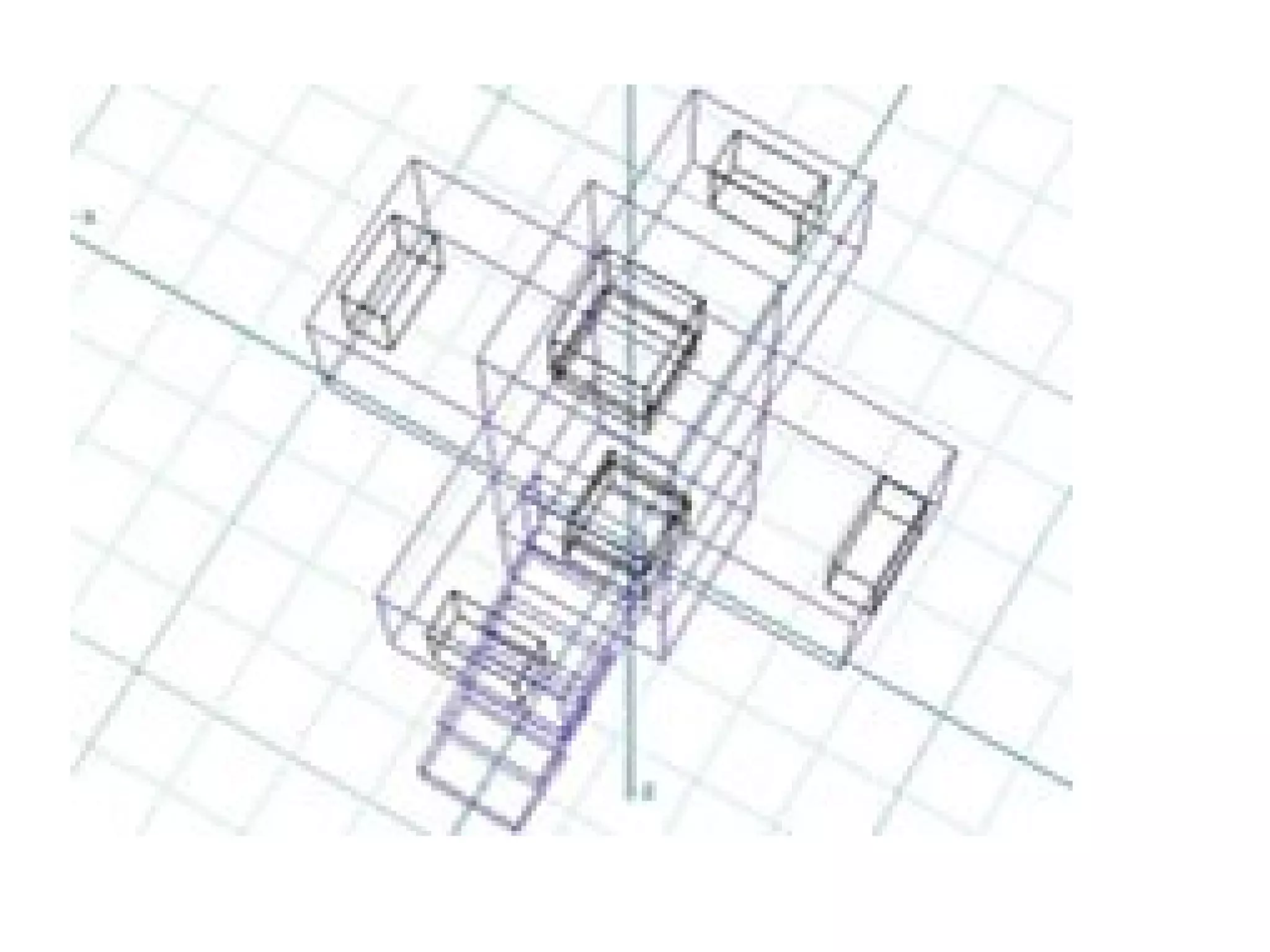
Hypervolume niche = a location
in an attribute space
defined by a specific constellation of
environmental variables such as degree of
slope, exposure to sunlight, soil fertility,
foliage density, salinity...
Niche Construction
Lewontin: niches normally arise in symbiosis
with the activities of organisms or groups of
organisms (“ecosystem engineering”);
they are not already there, like vacant rooms in
a gigantic evolutionary hotel, awaiting organisms
who would evolve into them. (The Triple Helix,
Gene Organism, Environment)
Part Last: Bringing Together the
Spatial and Functional Approaches
to Environment Ontology
The environment is not a location in an
attribute space, but it must have features
have such location
Every environment must have
some spatial location
The functional niche presupposes the
spatial-structural niche
Ontology of environment + ontology of
associated environmental features
J. J. Gibson’s Ecological
Psychology
The terrestrial environment is [best]
described in terms of a medium,
substances, and the surfaces that
separate them. (Gibson 1979, p. 16)
Gibson’s theory of surface layout
‘a sort of applied geometry that is
appropriate for the study of perception and
behavior’ (1979, p. 33)
ground, open environment, enclosure,
detached object, attached object, hollow
object, place, sheet, fissure, stick, fiber,
dihedral, etc.
Gibson’s theory of surface layout
as an anatomy of environments
• systems of barriers, doors, pathways to
which the behavior of organisms is
specifically attuned,
• temperature gradients, patterns of
movement of air or water molecules
• water holes, food sources (features)
• apertures (mouths, sphincters ...)
Two sets of issues
Environments, as spatial structures, and
their parts
Environmental attributes (qualities,
functions), determining multidimensional
loci à la Hutchinson
Aim
To define structural properties such as:
open, closed,
connected, compact,
spatial coincidence,
integrity,
aggregate,
boundary
RCC (Region Connection Calculus) plus
extensions
Ecological Niche Concepts
niche as particular place or subdivision of an
environment that an organism or
population occupies
vs.
niche as function of an organism or
population within an ecological
community
Next steps
Our data needs are to link niche features
with geo-locations
Scale: From geographic to
microbiological
From locations of organisms/samples,
sources of museum artifacts ...
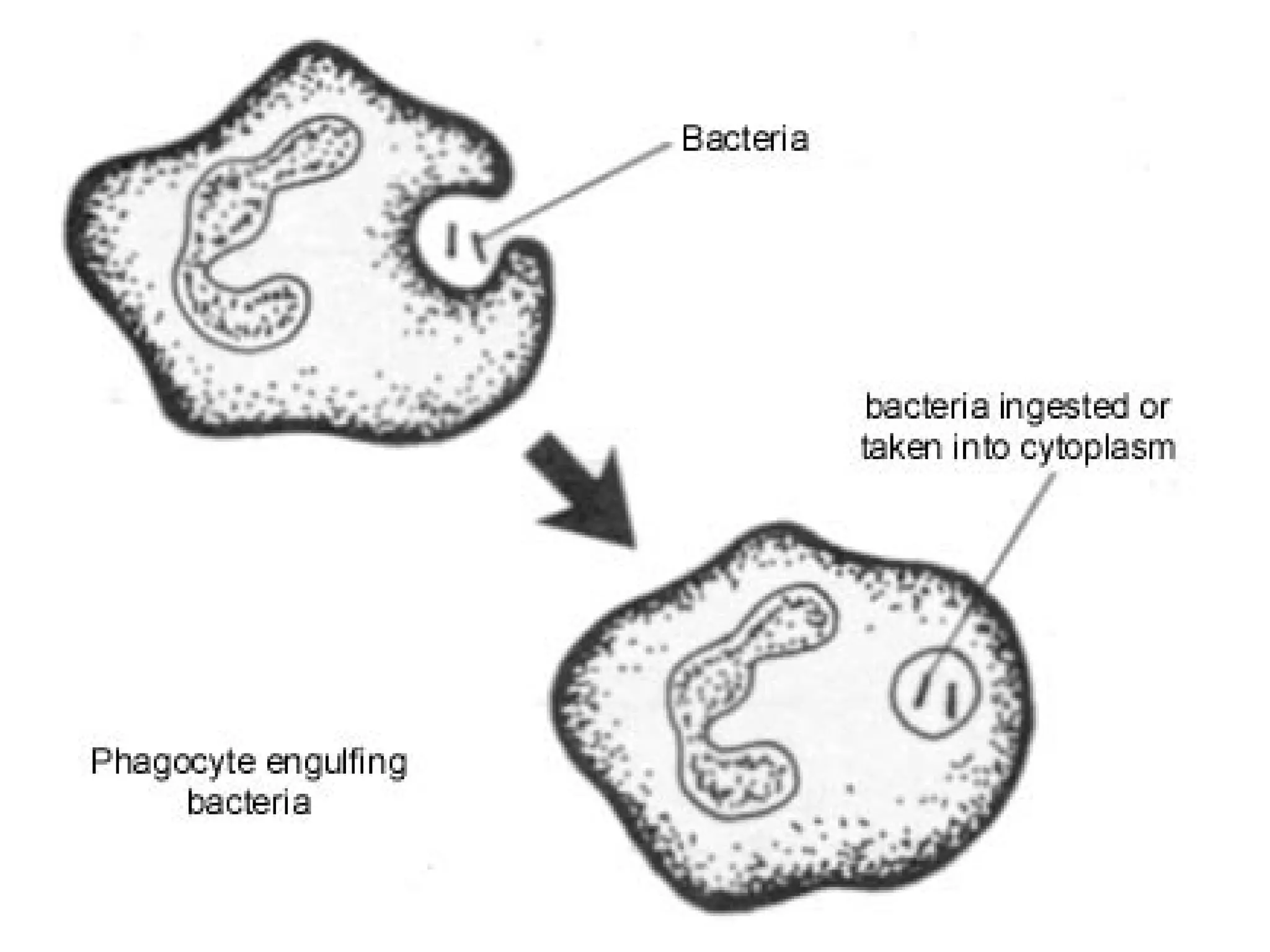
to organism interactions, e.g. on bacterial
infection – how the interior of one
organism or organism part serves as
environment for another organism
Hosts for bacterial infection
(interior of) lung
blood (bacteremia)
erythrocyte - plasmodium inhabits red blood
cells
hepatocyte – plasmodium infects liver cells
macrophage
gut and oral mucosa, nasal mucosa, vaginal
mucosa
kidney
bladder
portion of epithelial tissue
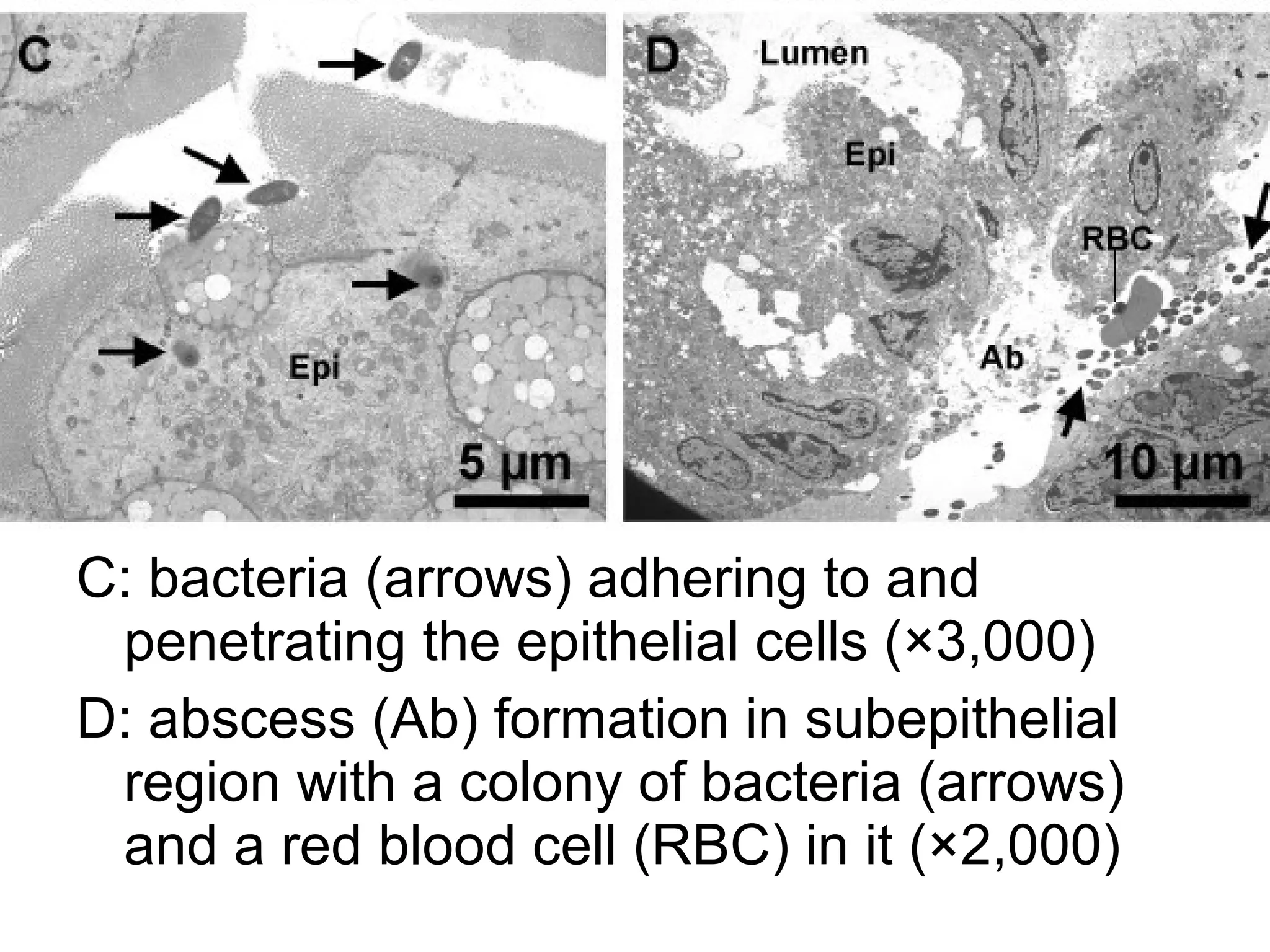
C: bacteria (arrows) adhering to and
penetrating the epithelial cells (×3,000)
D: abscess (Ab) formation in subepithelial
region with a colony of bacteria (arrows)
and a red blood cell (RBC) in it (×2,000)
106
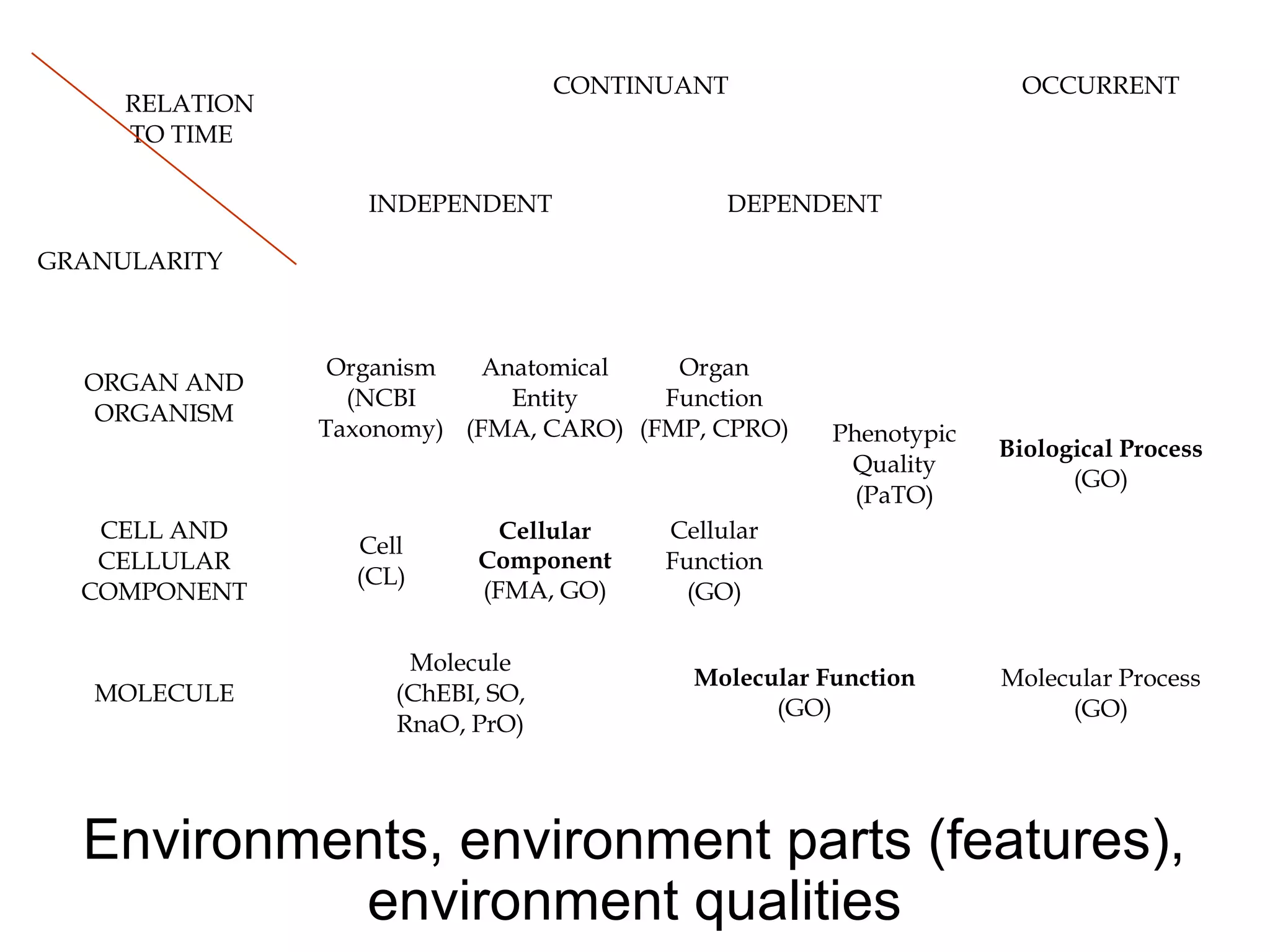
RELATION
TO TIME
GRANULARITY
CONTINUANT OCCURRENT
INDEPENDENT DEPENDENT
ORGAN AND
ORGANISM
Organism
(NCBI
Taxonomy)
Anatomical
Entity
(FMA, CARO)
Organ
Function
(FMP, CPRO) Phenotypic
Quality
(PaTO)
Biological Process
(GO)
CELL AND
CELLULAR
COMPONENT
Cell
(CL)
Cellular
Component
(FMA, GO)
Cellular
Function
(GO)
MOLECULE
Molecule
(ChEBI, SO,
RnaO, PrO)
Molecular Function
(GO)
Molecular Process
(GO)
Environments, environment parts (features),
environment qualities
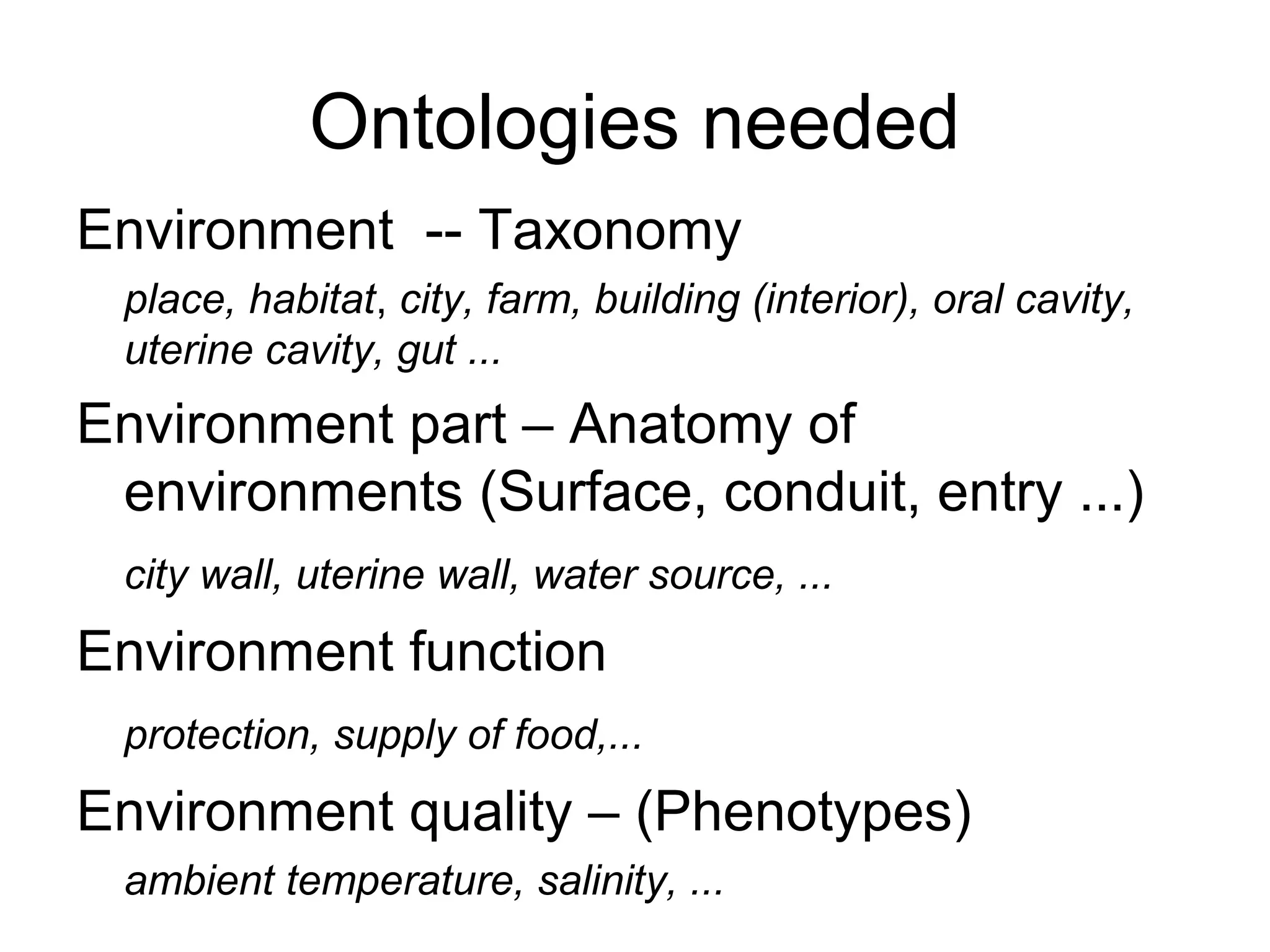
Ontologies needed
Environment -- Taxonomy
place, habitat, city, farm, building (interior), oral cavity,
uterine cavity, gut ...
Environment part – Anatomy of
environments (Surface, conduit, entry ...)
city wall, uterine wall, water source, ...
Environment function
protection, supply of food,...
Environment quality – (Phenotypes)
ambient temperature, salinity, ...

Introduction to Ontologies for Environmental Biology

  • 1.
    Introduction to Ontologies forEnvironmental Biology Barry Smith http://ontology.buffalo.edu/smith
  • 2.
  • 3.
    Disciplines here involved GIS Ecology Environmentalbiology Various -omics disciplines Bioinformatics Medical Informatics Database science Semantic webists ...
  • 4.
    4 Part 1: Whatis an Ontology?
  • 5.
    5 what cellular component? whatmolecular function? what biological process?
  • 6.
    6 natural language labels designedfor use in annotations to make the data cognitively accessible to human beings and algorithmically tractable to computers
  • 7.
    7 compare: legends formapscompare: legends for maps
  • 8.
    8 compare: legends formapscommon legends allow (cross-border) integration
  • 9.
  • 10.
  • 11.
    Ramirez et al. Linkingof Digital Images to Phylogenetic Data Matrices Using a Morphological Ontology Syst. Biol. 56(2):283–294, 2007
  • 12.
    12 computationally tractable legends helpintegrate complex representations of reality help human beings find things in complex representations of reality help computers reason with complex representations of reality
  • 14.
    ontologies are usedto annotate data
  • 15.
    but there aretwo kinds of annotations
  • 16.
  • 17.
  • 18.
    18 A basic distinction typevs. instance science text vs. diary human being vs. Michael Ashburner
  • 19.
    19 A 515287 DC3300Dust Collector Fan B 521683 Gilmer Belt C 521682 Motor Drive Belt Catalog vs. inventory
  • 20.
  • 21.
    21 An ontology isa collection of standardized names for types We learn about types in reality from looking at the results of scientific experiments captured in the form of scientific theories Ontologies provide the terminological scaffolding of scientific theories experiments relate to what is particular science describes what is general
  • 22.
  • 23.
    23 types vs. theirextensions type c,...} class of instances = a collections of particulars
  • 24.
    24 Extension =def The extensionof a type A is the class of instances of A (the class of all entities to which the term ‘A’ applies)
  • 25.
  • 26.
  • 27.
    27 Defined class =def memberof Abba aged > 50 years pizza with > 4 different toppings red wine to serve with fish
  • 28.
    28 Part 2: TheOBO Foundry
  • 29.
    29 what cellular component? whatmolecular function? what biological process?
  • 30.
  • 31.
  • 32.
    32 Five bangs foryour GO buck 1. based in biological science 2. cross-species data comparability (human, mouse, yeast, fly ...) 3. cross-granularity data integration (molecule, cell, organ, organism) 4. cumulation of scientific knowledge in algorithmically tractable form 5. links people to software 6. part of Open Biomedical Ontologies (OBO) The Gene Ontology
  • 33.
    33 Entry point forcreation of web- accessible biomedical data GO initially low-tech to encourage users Simple (web-service-based) tools created to support the work of biologists in creating annotations (data entry) OBO  OWL DL converters now making OBO Foundry annotated data immediately accessible to Semantic Web data integration projects
  • 34.
    The OBO Foundry Asuite of high quality interoperable reference ontologies to serve the annotation of biomedical data providing guidelines for those who need to create new ontology resources http://obofoundry.org
  • 35.
    35 RELATION TO TIME GRANULARITY CONTINUANT OCCURRENT INDEPENDENTDEPENDENT ORGAN AND ORGANISM Organism (NCBI Taxonomy) Anatomical Entity (FMA, CARO) Organ Function (FMP, CPRO) Phenotypic Quality (PaTO) Biological Process (GO) CELL AND CELLULAR COMPONENT Cell (CL) Cellular Component (FMA, GO) Cellular Function (GO) MOLECULE Molecule (ChEBI, SO, RnaO, PrO) Molecular Function (GO) Molecular Process (GO) The OBO Foundry building out from the original GO
  • 36.
    Simple guidelines • usesingular nouns • distinguish continuants from occurrents • distinguish things from their qualities • distinguish types from their instances • do not use the weasel word ‘concept’
  • 37.
    37  OPENNESS: Theontology is open and available to be used by all.  FORMAL LANGUAGE: The ontology is in, or can be instantiated in, a common formal language.  ORTHOGONALITY: The developers of the ontology agree in advance to collaborate with developers of other OBO Foundry ontology where domains overlap.  CONVERGENCE: The developers agree to work torwards a single ontology for each domain. http://obofoundry.org/http://obofoundry.org/ CRITERIA
  • 38.
    38  UPDATE: Thedevelopers of each ontology commit to its maintenance in light of scientific advance, and to soliciting community feedback for its improvement.  IDENTIFIERS: The ontology possesses a unique identifier space within OBO.  VERSIONING: The ontology provider has procedures for identifying distinct successive versions.  DEFINITIONS: The ontology includes textual definitions for all terms. CRITERIA http://obofoundry.org/http://obofoundry.org/
  • 39.
    39  CLEARLY BOUNDED:The ontology has a clearly specified and clearly delineated content.  DOCUMENTATION: The ontology is well-documented.  USERS: The ontology has a plurality of independent users.  COMMON ARCHITECTURE: The ontology uses relations which are unambiguously defined following the pattern of definitions laid down in the OBO Relation Ontology. CRITERIA http://obofoundry.org/http://obofoundry.org/
  • 40.
    40 Foundry ontologies allwork in the same way all are built to represent the types existing in a pre- existing domain and the relations between these types in a way which can support reasoning – we have data – we need to make this data available for semantic search and algorithmic processing – we create a consensus-based ontology for annotating the data – and ensure that it can interoperate with Foundry ontologies for neighboring domains
  • 41.
  • 42.
    42 To support integrationof ontologies relational expressions such as is_a part_of ... should be used in the same way in all ontologies involved
  • 43.
    43 to define theserelations properly we need to take account of both types and instances in reality
  • 44.
    44 Kinds of relations <instance,type>: Toronto instance_of city <instance, instance>: Toronto part_of Ontario <type, type>: waterfall part_of river
  • 45.
    45 is_a human is_a mammal allinstances of the type human are as a matter of necessity instances of the type mammal
  • 46.
    46Karen Eilbecksong.sf.net properties andfeatures of nucleic sequences Sequence Ontology (SO) RNA Ontology Consortium(under development) three-dimensional RNA structures RNA Ontology (RnaO) Barry Smith, Chris Mungallobo.sf.net/relationshiprelationsRelation Ontology (RO) Protein Ontology Consortium(under development) protein types and modifications Protein Ontology (PrO) Michael Ashburner, Suzanna Lewis, Georgios Gkoutos obo.sourceforge.net/cgi -bin/ detail.cgi? attribute_and_value qualities of biomedical entities Phenotypic Quality Ontology (PaTO) Gene Ontology Consortiumwww.geneontology.org cellular components, molecular functions, biological processes Gene Ontology (GO) FuGO Working Groupfugo.sf.net design, protocol, data instrumentation, and analysis Functional Genomics Investigation Ontology (FuGO) JLV Mejino Jr., Cornelius Rosse fma.biostr.washington. edu structure of the human body Foundational Model of Anatomy (FMA) Melissa Haendel, Terry Hayamizu, Cornelius Rosse, David Sutherland, (under development) anatomical structures in human and model organisms Common Anatomy Refer- ence Ontology (CARO) Paula Dematos, Rafael Alcantara ebi.ac.uk/chebimolecular entities Chemical Entities of Bio- logical Interest (ChEBI) Jonathan Bard, Michael Ashburner, Oliver Hofman obo.sourceforge.net/cgi- bin/detail.cgi?cell cell types from prokaryotes to mammals Cell Ontology (CL) CustodiansURLScopeOntology
  • 47.
    47Karen Eilbecksong.sf.net properties andfeatures of nucleic sequences Sequence Ontology (SO) RNA Ontology Consortium(under development) three-dimensional RNA structures RNA Ontology (RnaO) Barry Smith, Chris Mungallobo.sf.net/relationshiprelationsRelation Ontology (RO) Protein Ontology Consortium(under development) protein types and modifications Protein Ontology (PrO) Michael Ashburner, Suzanna Lewis, Georgios Gkoutos obo.sourceforge.net/cgi -bin/ detail.cgi? attribute_and_value qualities of biomedical entities Phenotypic Quality Ontology (PaTO) Gene Ontology Consortiumwww.geneontology.org cellular components, molecular functions, biological processes Gene Ontology (GO) FuGO Working Groupfugo.sf.net design, protocol, data instrumentation, and analysis Functional Genomics Investigation Ontology (FuGO) JLV Mejino Jr., Cornelius Rosse fma.biostr.washington. edu structure of the human body Foundational Model of Anatomy (FMA) Melissa Haendel, Terry Hayamizu, Cornelius Rosse, David Sutherland, (under development) anatomical structures in human and model organisms Common Anatomy Refer- ence Ontology (CARO) Paula Dematos, Rafael Alcantara ebi.ac.uk/chebimolecular entities Chemical Entities of Bio- logical Interest (ChEBI) Jonathan Bard, Michael Ashburner, Oliver Hofman obo.sourceforge.net/cgi- bin/detail.cgi?cell cell types from prokaryotes to mammals Cell Ontology (CL) CustodiansURLScopeOntology
  • 48.
    Pleural Cavity Pleural Cavity Interlobar recess Interlobar recess Mesothelium of Pleura Mesothelium of Pleura Pleura(Wall ofSac) Pleura(Wall of Sac) Visceral Pleura Visceral Pleura Pleural SacPleural Sac Parietal Pleura Parietal Pleura Anatomical SpaceAnatomical Space Organ Cavity Organ Cavity Serous Sac Cavity Serous Sac Cavity Anatomical Structure Anatomical Structure OrganOrgan Serous SacSerous Sac Mediastinal Pleura Mediastinal Pleura TissueTissue Organ PartOrgan Part Organ Subdivision Organ Subdivision Organ Component Organ Component Organ Cavity Subdivision Organ Cavity Subdivision Serous Sac Cavity Subdivision Serous Sac Cavity Subdivision Foundational Model of Anatomy
  • 49.
    Pleural Cavity Pleural Cavity Interlobar recess Interlobar recess Mesothelium of Pleura Mesothelium of Pleura Pleura(Wall ofSac) Pleura(Wall of Sac) Visceral Pleura Visceral Pleura Pleural SacPleural Sac Parietal Pleura Parietal Pleura Anatomical SpaceAnatomical Space Organ Cavity Organ Cavity Serous Sac Cavity Serous Sac Cavity Anatomical Structure Anatomical Structure OrganOrgan Serous SacSerous Sac Mediastinal Pleura Mediastinal Pleura TissueTissue Organ PartOrgan Part Organ Subdivision Organ Subdivision Organ Component Organ Component Organ Cavity Subdivision Organ Cavity Subdivision Serous Sac Cavity Subdivision Serous Sac Cavity Subdivision part_of is_a
  • 50.
    50 Mature OBO Foundryontologies now undergoing reform Cell Ontology (CL) Chemical Entities of Biological Interest (ChEBI) Foundational Model of Anatomy (FMA) Gene Ontology (GO) Phenotypic Quality Ontology (PaTO) Relation Ontology (RO) Sequence Ontology (SO)
  • 51.
    51 Ontologies being builtto satisfy Foundry principles ab initio Ontology for Clinical Investigations (OCI) Common Anatomy Reference Ontology (CARO) Ontology for Biomedical Investigations (OBI) Protein Ontology (PRO) RNA Ontology (RnaO) Subcellular Anatomy Ontology (SAO)
  • 52.
    52 Ontologies in planningphase Biobank/Biorepository Ontology (BrO, part of OBI) Environment Ontology (EnvO) Immunology Ontology (ImmunO) Infectious Disease Ontology (IDO) Mouse Adult Neurogenesis Ontology (MANGO)
  • 53.
    OBO Foundry SuccessStory Model organism research seeks results valuable for the understanding of human disease. This requires the ability to make reliable cross- species comparisons, and for this anatomy is crucial. But different MOD communities have developed their anatomy ontologies in uncoordinated fashion. 53
  • 54.
    Ontologies facilitate groupingof annotations brain 20 hindbrain 15 rhombomere 10 Query brain without ontology 20 Query brain with ontology 45 54
  • 55.
    CARO – CommonAnatomy Reference Ontology for the first time provides guidelines for model organism researchers who wish to achieve comparability of annotations for the first time provides guidelines for those new to ontology work See Haendel et al., “CARO: The Common Anatomy Reference Ontology”, in: Burger (ed.), Anatomy Ontologies for Bioinformatics: Springer, in press.55
  • 56.
    56 CARO-conformant ontologies already indevelopment: Fish Multi-Species Anatomy Ontology (NSF funding received) Ixodidae and Argasidae (Tick) Anatomy Ontology Mosquito Anatomy Ontology (MAO) Spider Anatomy Ontology Xenopus Anatomy Ontology (XAO) undergoing reform: Drosophila and Zebrafish Anatomy Ontologies
  • 57.
  • 58.
    The Ontology ofEnvironments
  • 59.
  • 61.
  • 62.
  • 66.
    66 RELATION TO TIME GRANULARITY CONTINUANT OCCURRENT INDEPENDENTDEPENDENT ORGAN AND ORGANISM Organism (NCBI Taxonomy) Anatomical Entity (FMA, CARO) Organ Function (FMP, CPRO) Phenotypic Quality (PaTO) Biological Process (GO) CELL AND CELLULAR COMPONENT Cell (CL) Cellular Component (FMA, GO) Cellular Function (GO) MOLECULE Molecule (ChEBI, SO, RnaO, PrO) Molecular Function (GO) Molecular Process (GO) No place for environments
  • 67.
    A Neglected MajorCategory in Ontologies thus far Things (e.g. organisms) Qualities / Features Functions Processes Environments = that into which organisms (etc.) fit
  • 68.
    68 RELATION TO TIME GRANULARITY CONTINUANT OCCURRENT INDEPENDENTDEPENDENT ORGAN AND ORGANISM Organism (NCBI Taxonomy) Anatomical Entity (FMA, CARO) Organ Function (FMP, CPRO) Phenotypic Quality (PaTO) Biological Process (GO) CELL AND CELLULAR COMPONENT Cell (CL) Cellular Component (FMA, GO) Cellular Function (GO) MOLECULE Molecule (ChEBI, SO, RnaO, PrO) Molecular Function (GO) Molecular Process (GO) Environments are holes in which organisms, cells, molecules ... can live environments arehere
  • 70.
  • 71.
    Double Hole Structureof the Occupied Niche Medium (filling the environing hole) Tenant (occupying the central hole) Retainer (a boundary ofsome surrounding structure)
  • 72.
    Tenant, medium andretainer the medium of the bear’s niche is a circumscribed body of air medium might be body of water, cytosol, nasal mucosa, epithelium, endocardium, synovial tissue ...
  • 73.
    The Empty Niche Fiatboundary Physical boundary
  • 74.
    Two Types ofBoundary Fiat boundary Physical boundary
  • 75.
    Positive and negativeparts positive part negative part or hole (made of matter) (not made of matter)
  • 76.
    Four Basic NicheTypes (Niche as generalized hole) 1 2 3 4 1: a womb; an egg; a house (better: the interior thereof) 2: a snail’s shell; 3: the niche of a pasturing cow; 4: the niche around a circling buzzard (fiat boundary)
  • 77.
    Types of relationsfor EnvO in on (surface of) surrounds lives_in attaches to realizes occupies (spatial region) ...
  • 78.
    Lexical Semantics the fruitis in the bowl the bird is in the nest the lion is in the cage the pencil is in the cup the fish is in the river the river is in the valley the water is in the lake the car is in the garage the fetus is in the cavity in the uterine lining the colony of whooping crane is in its breeding grounds
  • 79.
    Double Hole Structure Medium (fillingthe environing hole) Tenant (occupying the central hole) Retainer (a boundary ofsome surrounding structure) when a tenant leaves its niche the gap left by the tenant is filled immediately by the surrounding medium
  • 80.
    A hole inthe ground Solid physical boundaries at the floor and walls but with a fiat lid: hole
  • 81.
    Part 4: Notevery hole is an environment
  • 83.
    An environment isa special kind of (generalized) hole but what kind?
  • 84.
    Elton – nicheas role the ‘niche’ of an animal means its place in the biotic environment, its relations to food and enemies. [...] When an ecologist says ‘there goes a badger’ he should include in his thoughts some definite idea of the animal’s place in the community to which it belongs, just as if he had said ‘there goes the vicar’ (Elton 1927, pp. 63f.)
  • 85.
    G.E. Hutchinson: nicheas volume in a functionally defined space the niche = an n-dimensional hyper- volume whose dimensions correspond to resource gradients over which species are distributed
  • 86.
  • 88.
    Hypervolume niche =a location in an attribute space defined by a specific constellation of environmental variables such as degree of slope, exposure to sunlight, soil fertility, foliage density, salinity...
  • 89.
    Niche Construction Lewontin: nichesnormally arise in symbiosis with the activities of organisms or groups of organisms (“ecosystem engineering”); they are not already there, like vacant rooms in a gigantic evolutionary hotel, awaiting organisms who would evolve into them. (The Triple Helix, Gene Organism, Environment)
  • 90.
    Part Last: BringingTogether the Spatial and Functional Approaches to Environment Ontology The environment is not a location in an attribute space, but it must have features have such location
  • 91.
    Every environment musthave some spatial location The functional niche presupposes the spatial-structural niche Ontology of environment + ontology of associated environmental features
  • 92.
    J. J. Gibson’sEcological Psychology The terrestrial environment is [best] described in terms of a medium, substances, and the surfaces that separate them. (Gibson 1979, p. 16)
  • 93.
    Gibson’s theory ofsurface layout ‘a sort of applied geometry that is appropriate for the study of perception and behavior’ (1979, p. 33) ground, open environment, enclosure, detached object, attached object, hollow object, place, sheet, fissure, stick, fiber, dihedral, etc.
  • 94.
    Gibson’s theory ofsurface layout as an anatomy of environments • systems of barriers, doors, pathways to which the behavior of organisms is specifically attuned, • temperature gradients, patterns of movement of air or water molecules • water holes, food sources (features) • apertures (mouths, sphincters ...)
  • 95.
    Two sets ofissues Environments, as spatial structures, and their parts Environmental attributes (qualities, functions), determining multidimensional loci à la Hutchinson
  • 96.
    Aim To define structuralproperties such as: open, closed, connected, compact, spatial coincidence, integrity, aggregate, boundary RCC (Region Connection Calculus) plus extensions
  • 97.
    Ecological Niche Concepts nicheas particular place or subdivision of an environment that an organism or population occupies vs. niche as function of an organism or population within an ecological community
  • 98.
    Next steps Our dataneeds are to link niche features with geo-locations
  • 99.
    Scale: From geographicto microbiological From locations of organisms/samples, sources of museum artifacts ... to organism interactions, e.g. on bacterial infection – how the interior of one organism or organism part serves as environment for another organism
  • 100.
    Hosts for bacterialinfection (interior of) lung blood (bacteremia) erythrocyte - plasmodium inhabits red blood cells hepatocyte – plasmodium infects liver cells macrophage gut and oral mucosa, nasal mucosa, vaginal mucosa kidney bladder portion of epithelial tissue
  • 102.
    C: bacteria (arrows)adhering to and penetrating the epithelial cells (×3,000) D: abscess (Ab) formation in subepithelial region with a colony of bacteria (arrows) and a red blood cell (RBC) in it (×2,000)
  • 104.
    106 RELATION TO TIME GRANULARITY CONTINUANT OCCURRENT INDEPENDENTDEPENDENT ORGAN AND ORGANISM Organism (NCBI Taxonomy) Anatomical Entity (FMA, CARO) Organ Function (FMP, CPRO) Phenotypic Quality (PaTO) Biological Process (GO) CELL AND CELLULAR COMPONENT Cell (CL) Cellular Component (FMA, GO) Cellular Function (GO) MOLECULE Molecule (ChEBI, SO, RnaO, PrO) Molecular Function (GO) Molecular Process (GO) Environments, environment parts (features), environment qualities
  • 105.
    Ontologies needed Environment --Taxonomy place, habitat, city, farm, building (interior), oral cavity, uterine cavity, gut ... Environment part – Anatomy of environments (Surface, conduit, entry ...) city wall, uterine wall, water source, ... Environment function protection, supply of food,... Environment quality – (Phenotypes) ambient temperature, salinity, ...

Editor's Notes

  • #6 dir.niehs.nih.gov/ microarray/datamining/
  • #7 dir.niehs.nih.gov/ microarray/datamining/
  • #8 http://www.ags.gov.ab.ca/GRAPHICS/uranium/athabasca_group_map_with_legend.jpg
  • #9 http://www.ags.gov.ab.ca/GRAPHICS/uranium/athabasca_group_map_with_legend.jpg
  • #10 dir.niehs.nih.gov/ microarray/datamining/
  • #29 dir.niehs.nih.gov/ microarray/datamining/
  • #30 dir.niehs.nih.gov/ microarray/datamining/
  • #58 http://www.pnas.org/misc/archive011904.html
  • #59 http://www.pnas.org/misc/archive011904.html
  • #60 http://www.pnas.org/misc/archive011904.html
  • #63 Rome, Piazza Navona
  • #64 Florence
  • #65 Rome, Piazza Navona
  • #71 http://www.sacsplash.org/cimages/Solitarybee.jpg
  • #88 http://www.geobabble.org/~hnw/esri99/
  • #89 http://www.geobabble.org/~hnw/esri99/
  • #90 http://www.stankievech.net/projectsFrame.html
  • #104 http://library.thinkquest.org/25896/images/blood/ingestion.jpg
  • #105 www.biomedcentral.com/1471-230x/5/6/figure/F6