Vaisakh. G
I Year MSc. Nursing,
AIMS,kochi.
 The external surface of the lungs are covered
by a thin, smooth serous membrane called the
VISCERAL PLEURA.
 A similar membrane lines the thoracic cavity,
this contains nerve receptors to detect pain
called the PARIETAL PLEURA
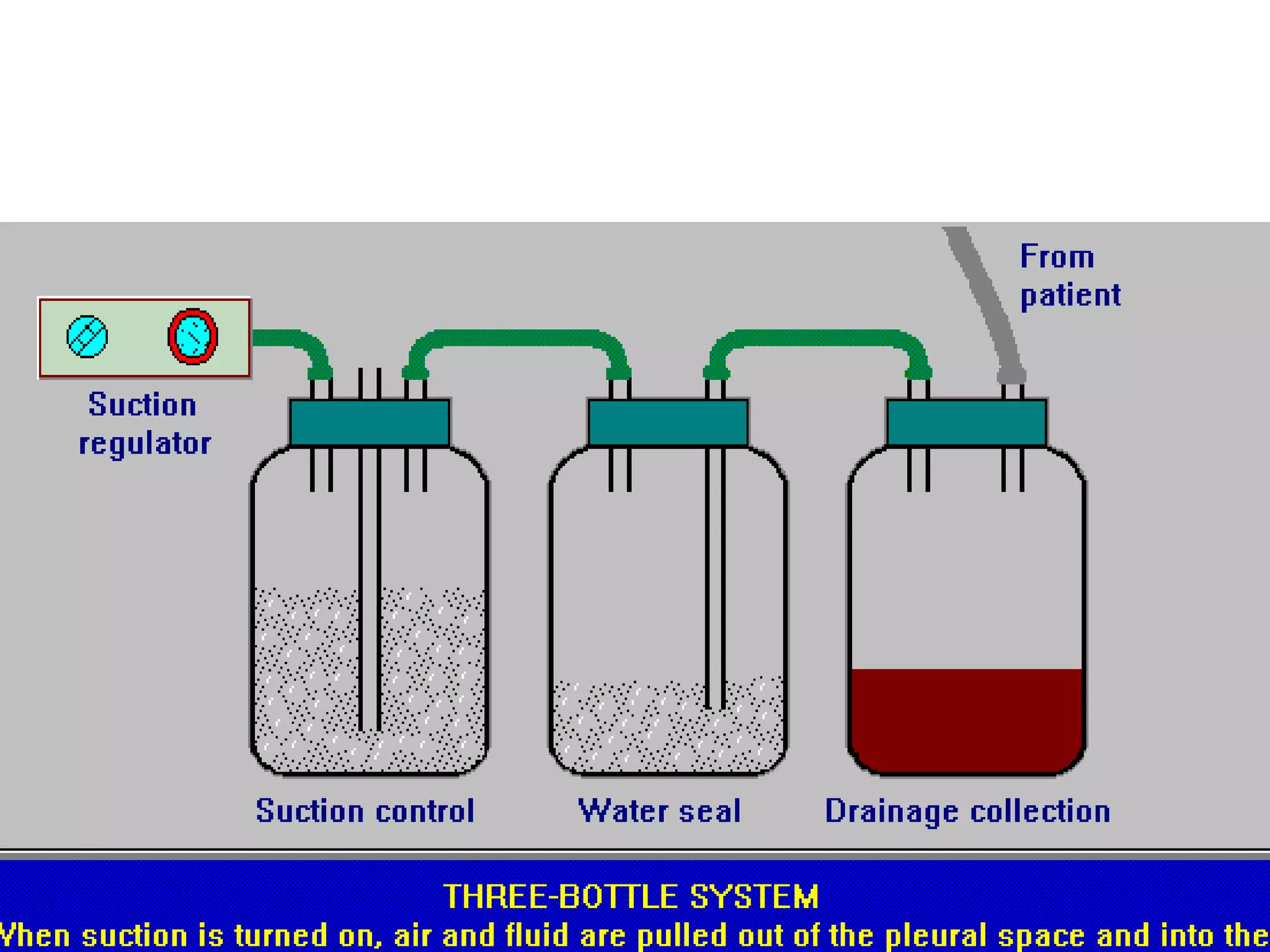
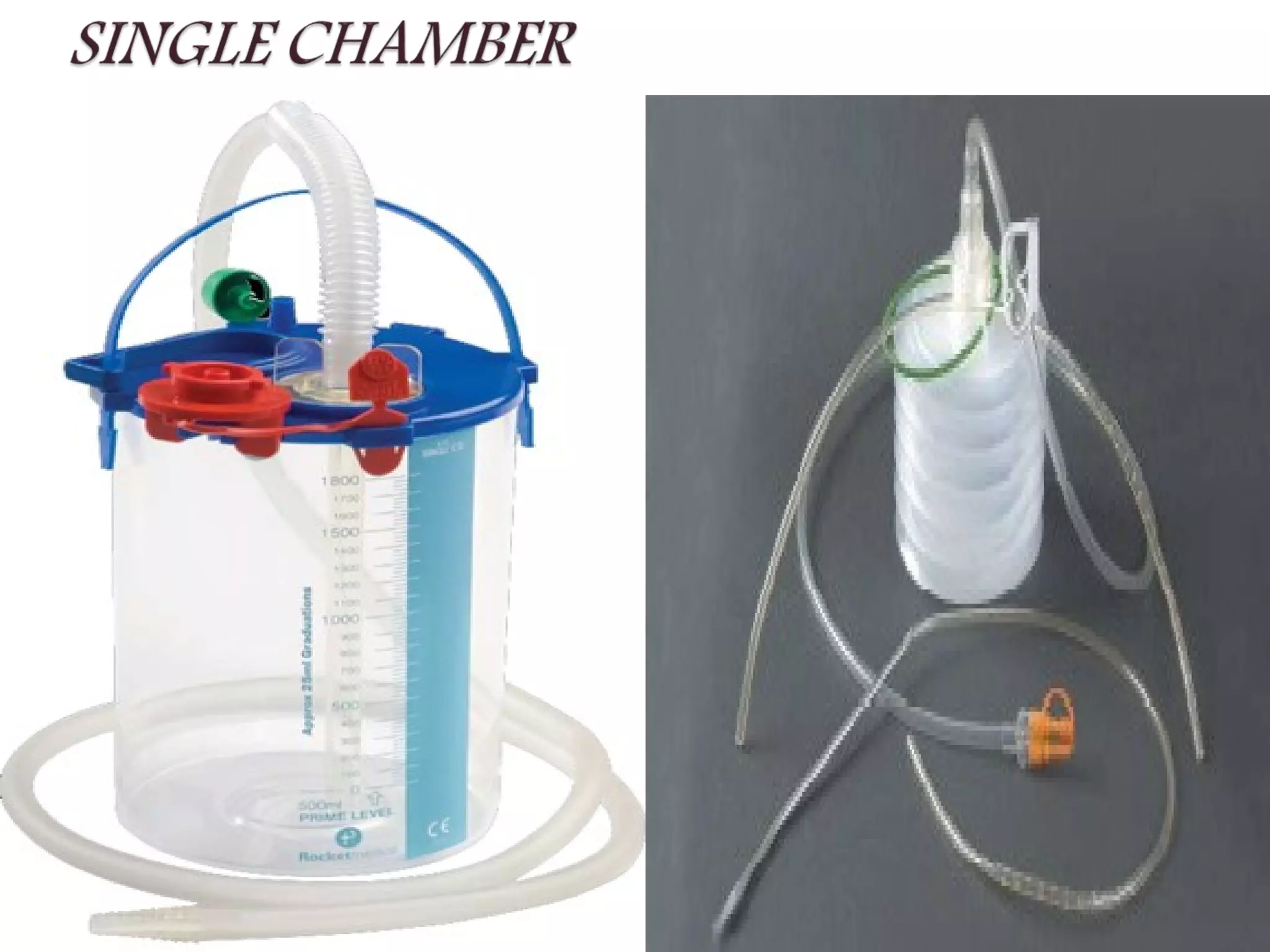
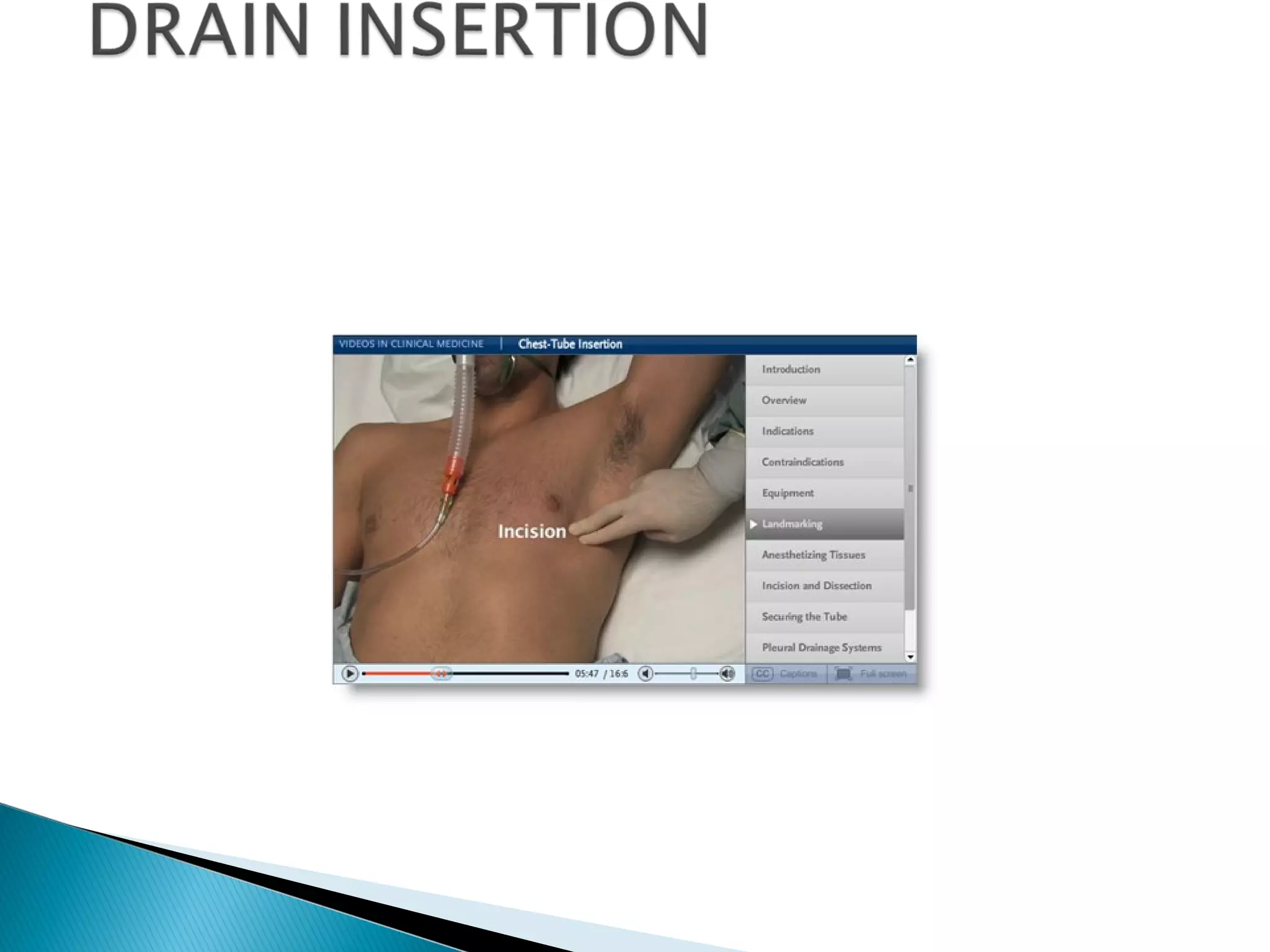
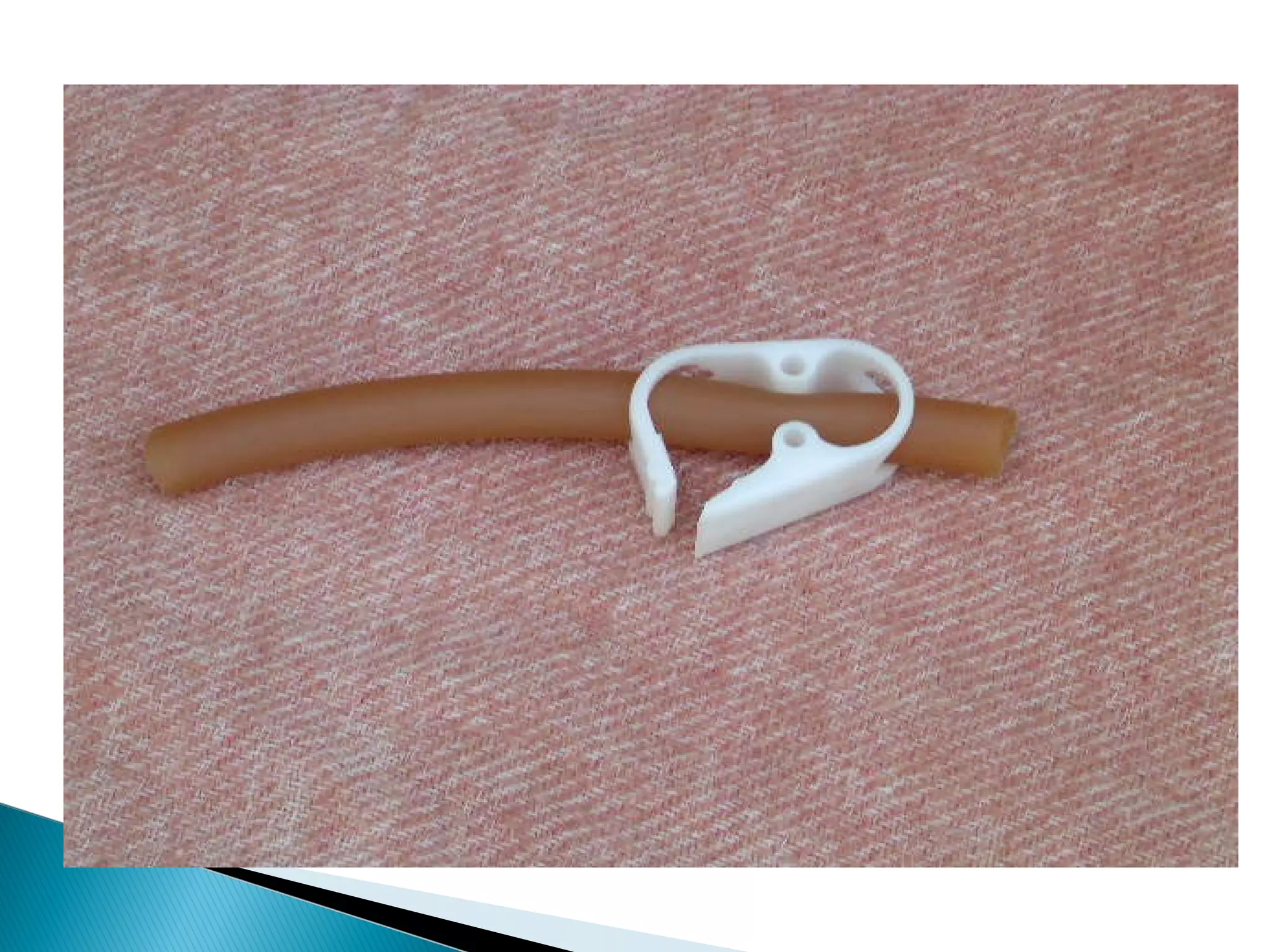
A Chest tube or Intercostal drainage
is the insertion of flexible plastic tube
through the chest wall into the pleural
space or mediastinum to drain fluid or
air.
 To overcome the accumulation of air or fluid in
the pleural cavity that might impair ventilation.
 Pleural membranes have a vital role in ensuring
the lungs are expanded.
 Therefore any disruption to the integrity of
these membranes or changes within the pleural
space,will compromise ventilation.
Adults - 20 Fr - 40Fr
Children - 6Fr – 26Fr
Observation
Pain control
Securing the drain
 Refractory coagulopathy
 Diaphramatic hernia
 Hepatic hydrothorax
 Pleural space adhesion
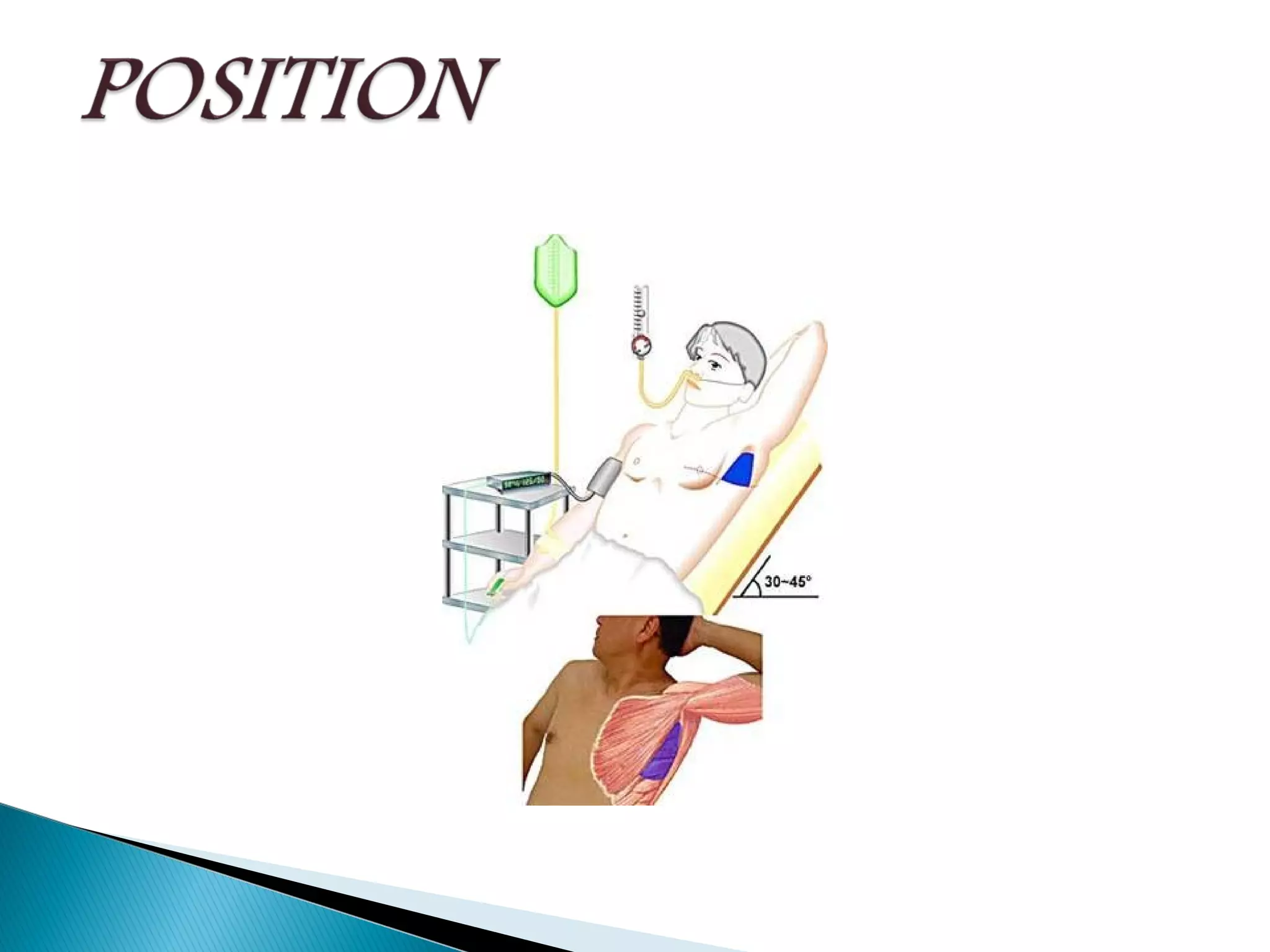
Position and fluid level
Suction
Changing dressing and
Bottle
Clamping
 Drainage slows or stops
 Accidental disconnection
 Transporting patient
 Changing the drainage device
 Removing chest tubes

 Chest tube malpositioning
 Reexpansion pulmonary edema
 Hypotention
 Infection
 Pneumonia
 Shoulderdisuse(frozen shoulder)
Inter costal drainage  vaisakh

Inter costal drainage vaisakh

  • 1.
    Vaisakh. G I YearMSc. Nursing, AIMS,kochi.
  • 2.
     The externalsurface of the lungs are covered by a thin, smooth serous membrane called the VISCERAL PLEURA.  A similar membrane lines the thoracic cavity, this contains nerve receptors to detect pain called the PARIETAL PLEURA
  • 4.
    A Chest tubeor Intercostal drainage is the insertion of flexible plastic tube through the chest wall into the pleural space or mediastinum to drain fluid or air.
  • 6.
     To overcomethe accumulation of air or fluid in the pleural cavity that might impair ventilation.  Pleural membranes have a vital role in ensuring the lungs are expanded.  Therefore any disruption to the integrity of these membranes or changes within the pleural space,will compromise ventilation.
  • 9.
    Adults - 20Fr - 40Fr Children - 6Fr – 26Fr
  • 17.
  • 19.
     Refractory coagulopathy Diaphramatic hernia  Hepatic hydrothorax  Pleural space adhesion
  • 20.
    Position and fluidlevel Suction Changing dressing and Bottle Clamping
  • 23.
     Drainage slowsor stops  Accidental disconnection  Transporting patient  Changing the drainage device  Removing chest tubes 
  • 24.
     Chest tubemalpositioning  Reexpansion pulmonary edema  Hypotention  Infection  Pneumonia  Shoulderdisuse(frozen shoulder)