INSTRUCTIONAL
TECHNOLOGY
BY EVONNE MWANGALE KIPTINNESS
COM 870X
Instructional Technology
 It is the theory and practice of design, development,
utilization, management and evaluation of processes and
resources for learning. (Seels & Richey, 1994)
 Instructional Design seeks to teach how to plan, develop,
evaluate and manage the instructional process effectively
to ensure improved performance by learners.
 Instructional Technology's goal is to understand how
people learn and how to best design instructional systems
and instructional materials to facilitate that learning. We
also use appropriate technology to aid us in the design and
delivery of the instruction.
 Instructional Technologists are problem solvers. They look
to understand performance problems and design solutions
to those problems. Sometimes the solution is instructional;
other times the situation requires a non-instructional
solution. (Reiser & Dempsey, 2002)
TYPES OF INSTRUCTIONAL
TECHNOLOGIES
 The flipped classroom
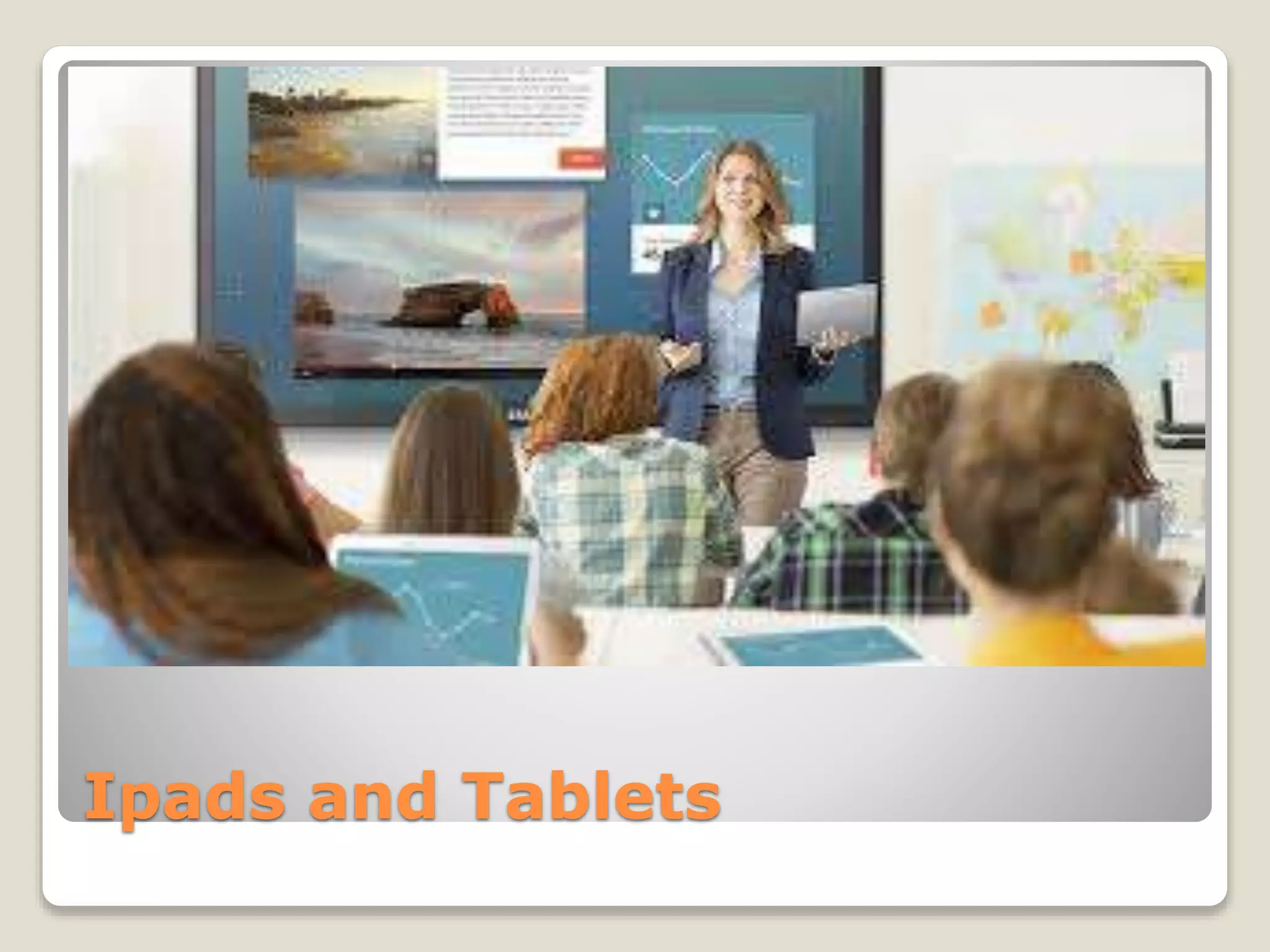
 Apple ipad and other tablet devices
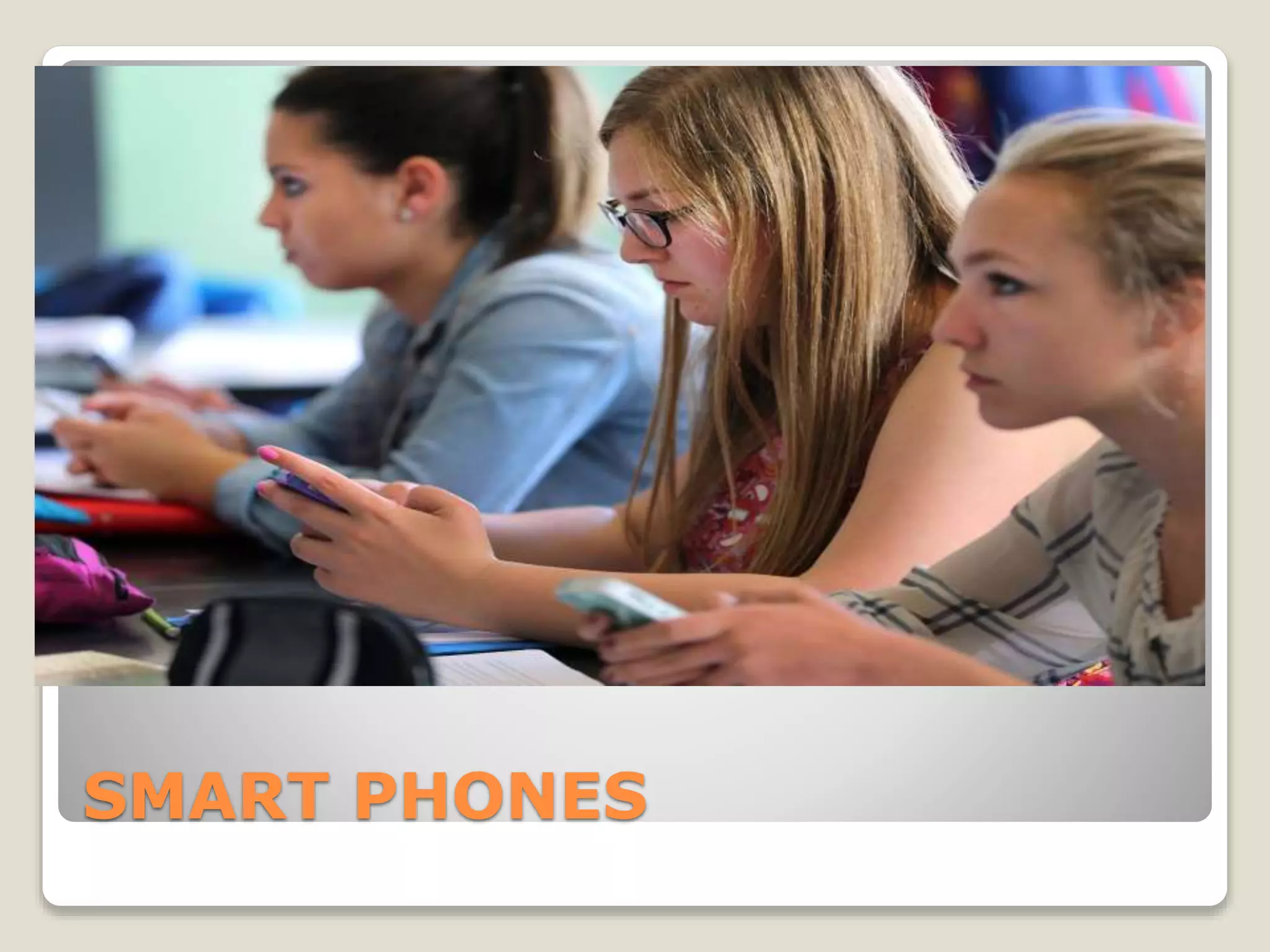
 Smartphones
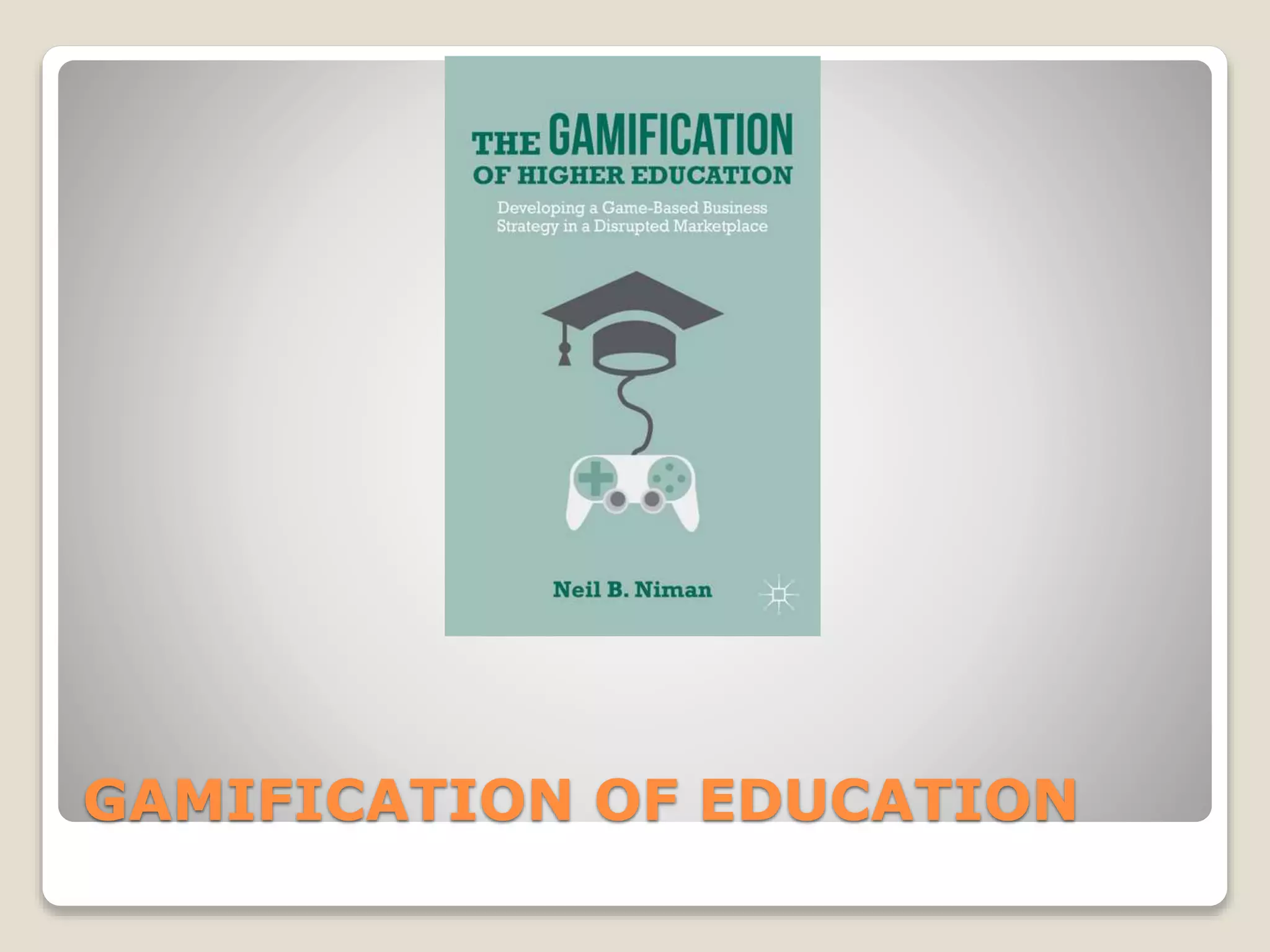
 Gamification of education
 Online courses
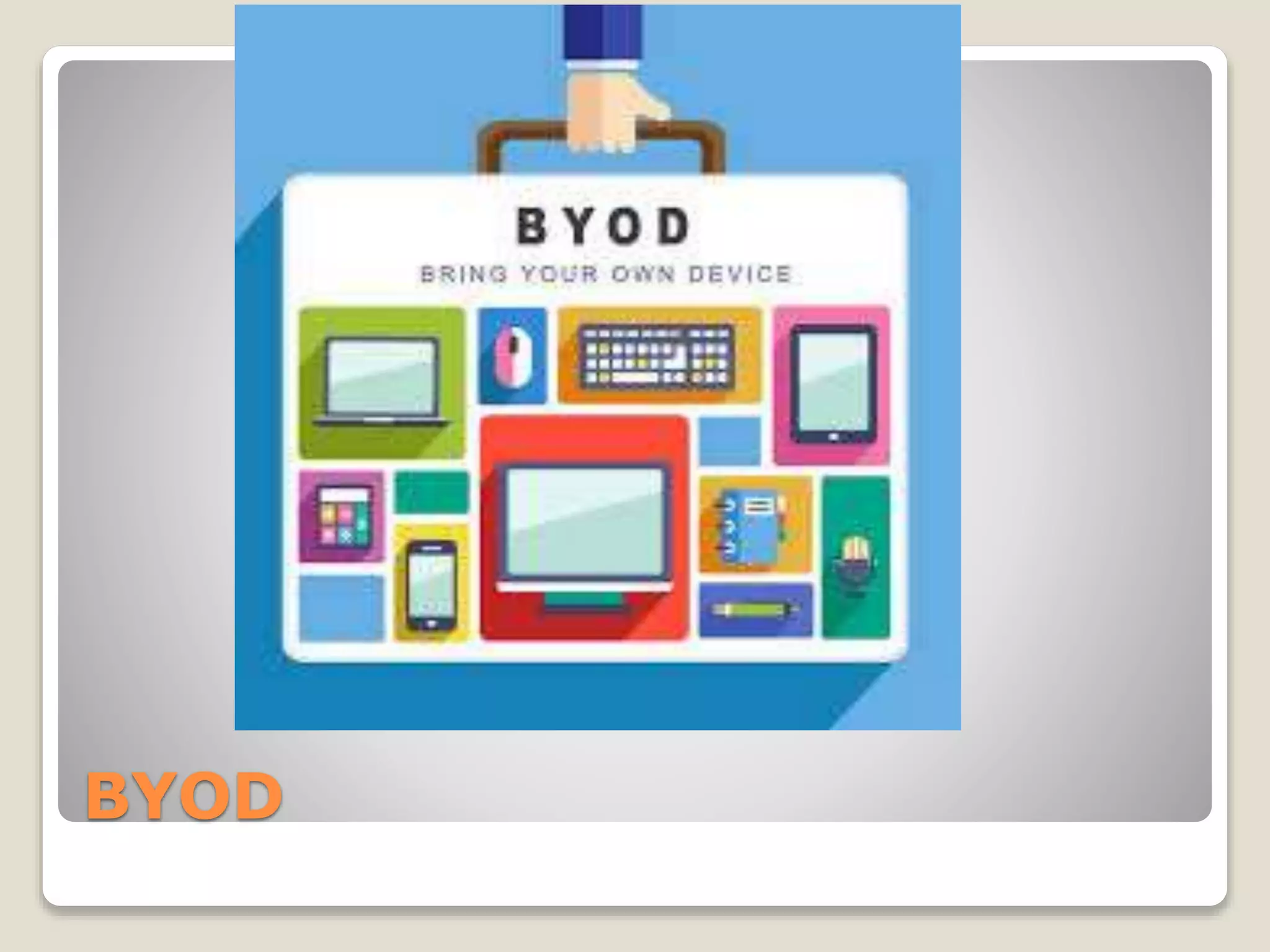
 BYOD initiatives
 Cloud apps
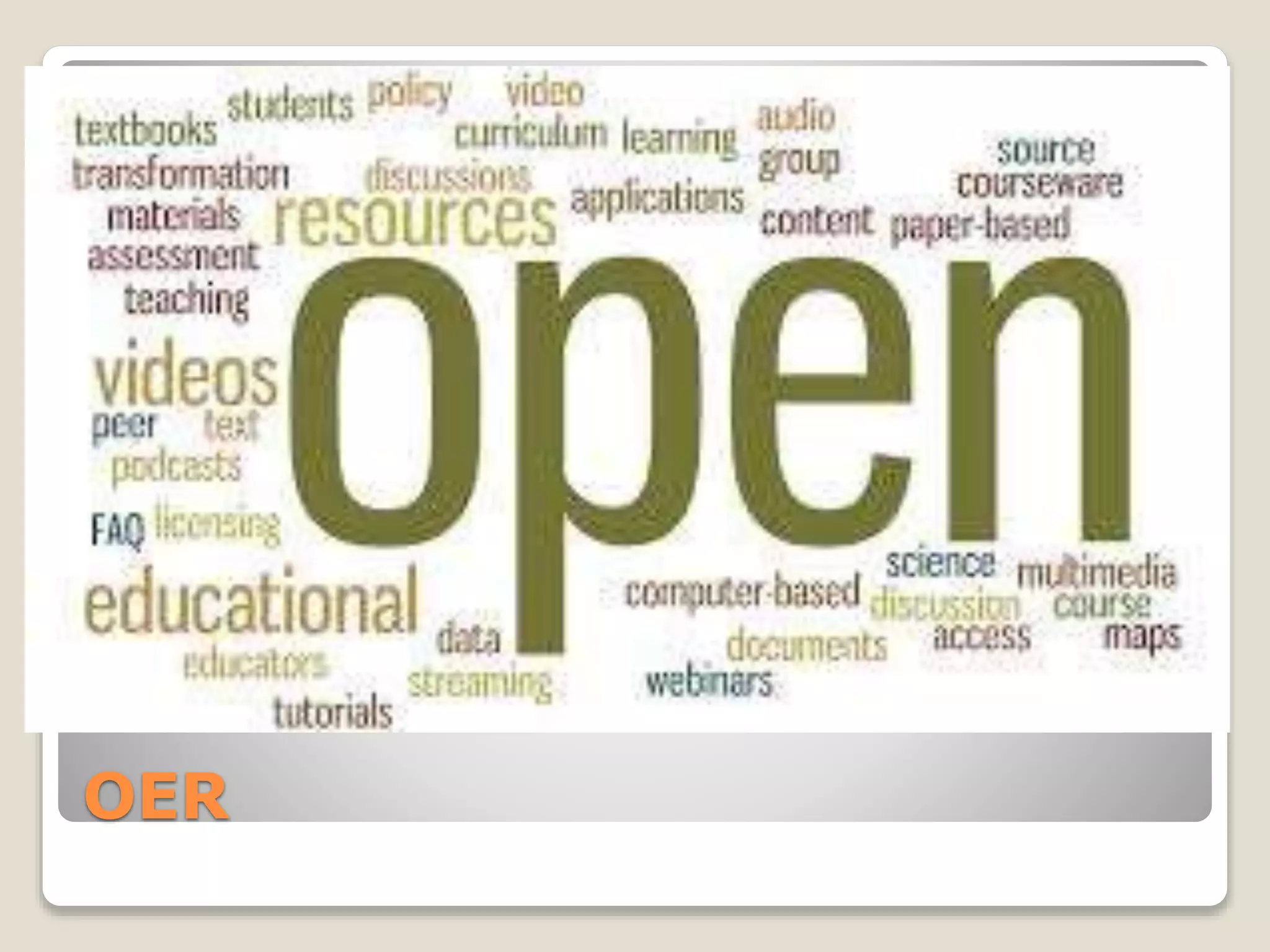
 OER
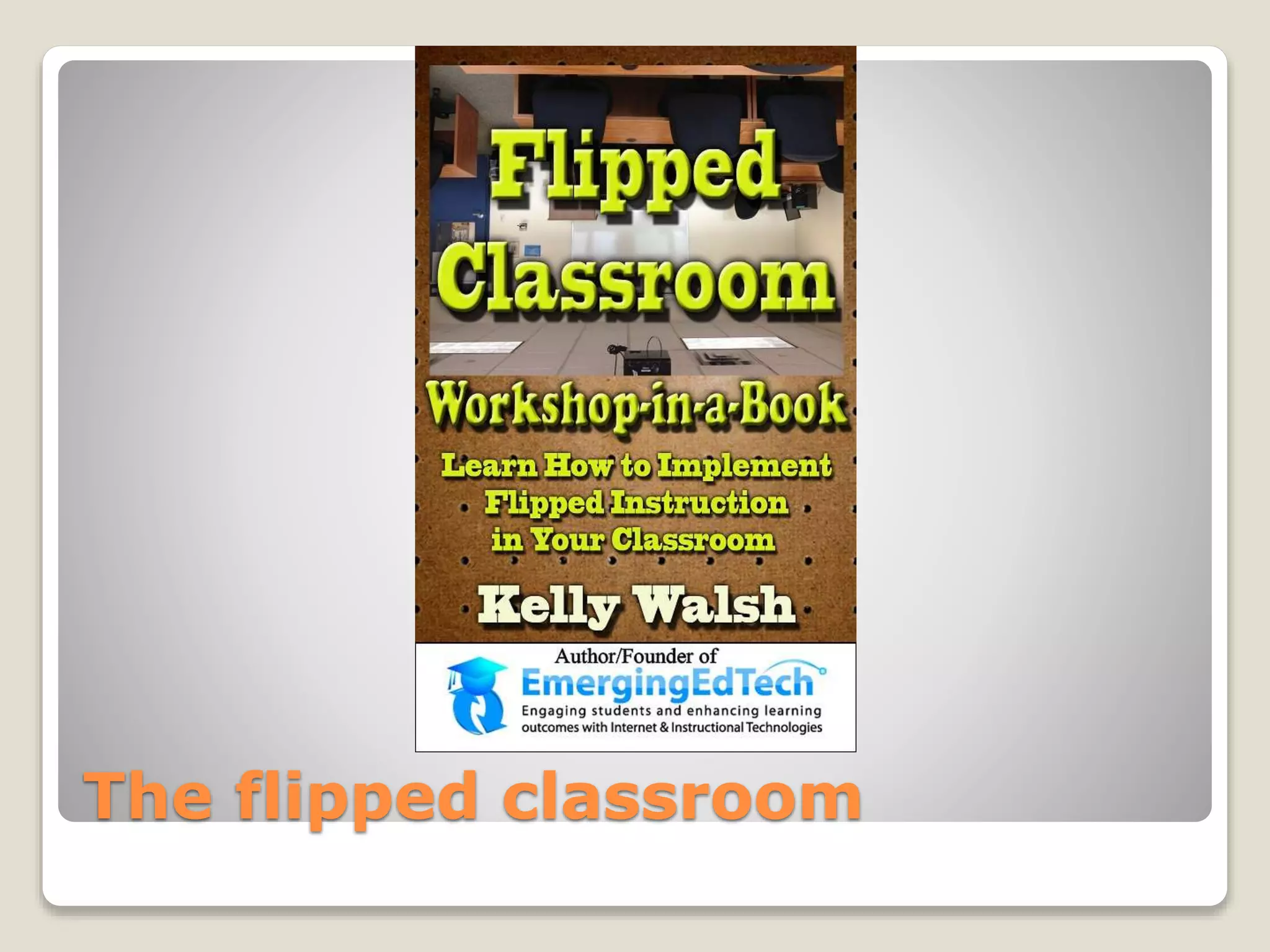
The flipped classroom
Ipads and Tablets
SMART PHONES
GAMIFICATION OF EDUCATION
Online courses
BYOD
Cloud Apps
OER
What IT is available to us?
Why integrate technology in the
classroom?
 Makes learning more fun and interactive
 Prepares students for the future
 Improves the retention rate
 Helps students learn at their own pace
 Technology connects with students –
accessible from anywhere
REFRENCES
 Seels, B.A., & Richey, R.C.
(1994). Instructional technology: the
definitions and domains of the field.
Washington D.C.: Association for
Educational Communication & Technology.
 Reiser, R.A. & Dempsey, J.V.
(2002). Trends and issues in instructional
design and technology. Upper Saddle
River, NJ: Merrill Prentice Hall.

Instructional technology and transormative education

  • 1.
  • 2.
    Instructional Technology  Itis the theory and practice of design, development, utilization, management and evaluation of processes and resources for learning. (Seels & Richey, 1994)  Instructional Design seeks to teach how to plan, develop, evaluate and manage the instructional process effectively to ensure improved performance by learners.  Instructional Technology's goal is to understand how people learn and how to best design instructional systems and instructional materials to facilitate that learning. We also use appropriate technology to aid us in the design and delivery of the instruction.  Instructional Technologists are problem solvers. They look to understand performance problems and design solutions to those problems. Sometimes the solution is instructional; other times the situation requires a non-instructional solution. (Reiser & Dempsey, 2002)
  • 3.
    TYPES OF INSTRUCTIONAL TECHNOLOGIES The flipped classroom  Apple ipad and other tablet devices  Smartphones  Gamification of education  Online courses  BYOD initiatives  Cloud apps  OER
  • 4.
  • 5.
  • 6.
  • 7.
  • 8.
  • 9.
  • 10.
  • 11.
  • 12.
    What IT isavailable to us?
  • 13.
    Why integrate technologyin the classroom?  Makes learning more fun and interactive  Prepares students for the future  Improves the retention rate  Helps students learn at their own pace  Technology connects with students – accessible from anywhere
  • 14.
    REFRENCES  Seels, B.A.,& Richey, R.C. (1994). Instructional technology: the definitions and domains of the field. Washington D.C.: Association for Educational Communication & Technology.  Reiser, R.A. & Dempsey, J.V. (2002). Trends and issues in instructional design and technology. Upper Saddle River, NJ: Merrill Prentice Hall.