




1. What are the recent global trends in
English language teaching and learning?
2. Where are we in this innovative ELT
world?
3. What are the possible adoptable and
adaptable innovations suitable to our ELT
situation?
4. How can we develop professionally and
be 21st century smart educators?
Innovation
in·no·va·tion - noun ˌi-nə-ˌvā-
shən : a new idea, device, or
method : the act or process of
introducing new ideas, devices,
or methods
2. Use of LMS (Learning
Management Software)
EdmodoLooop
Skyprep LMS
Canvas
Open edX
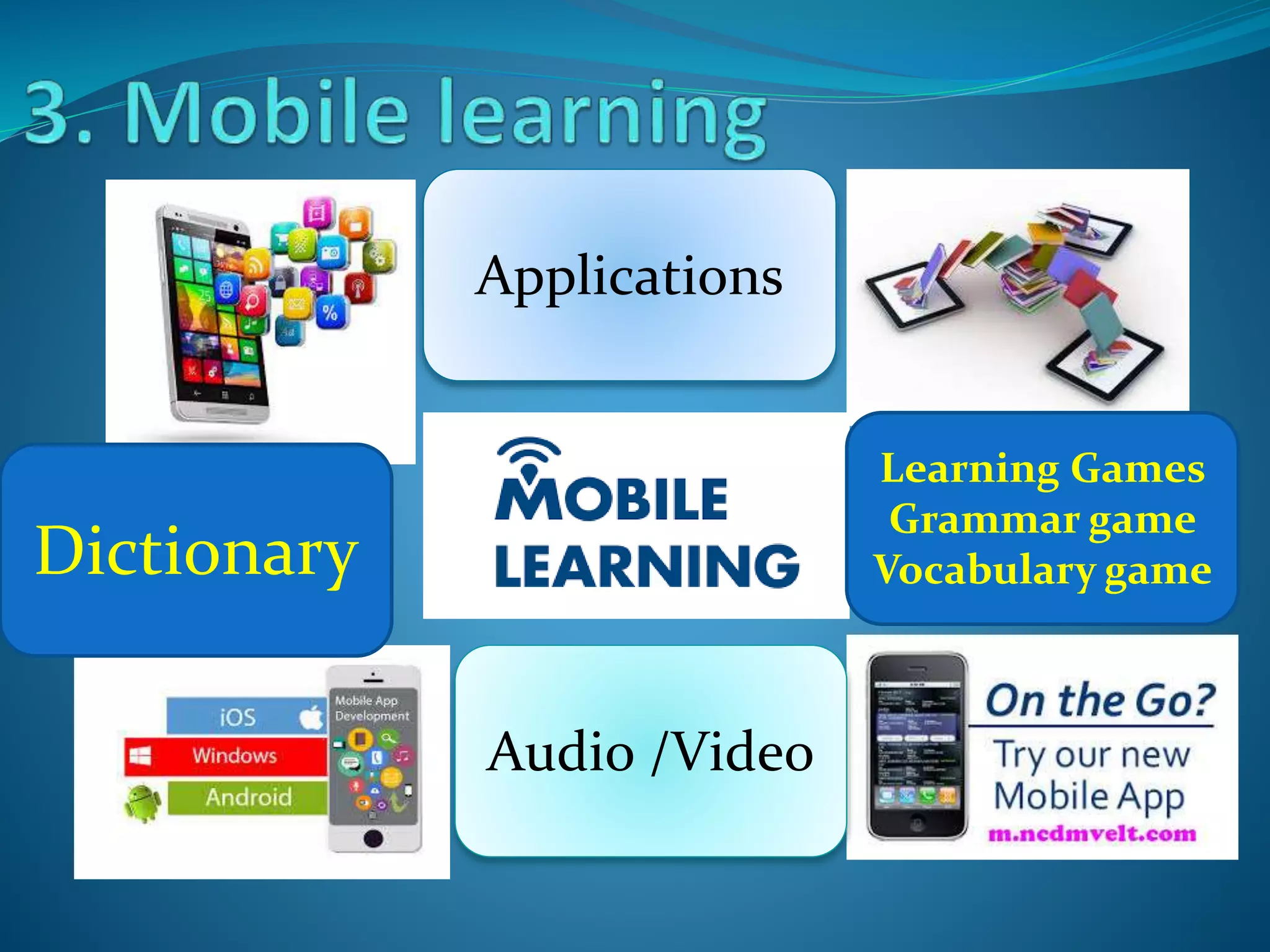
Applications
Dictionary
Learning Games
Grammar game
Vocabulary game
Audio /Video
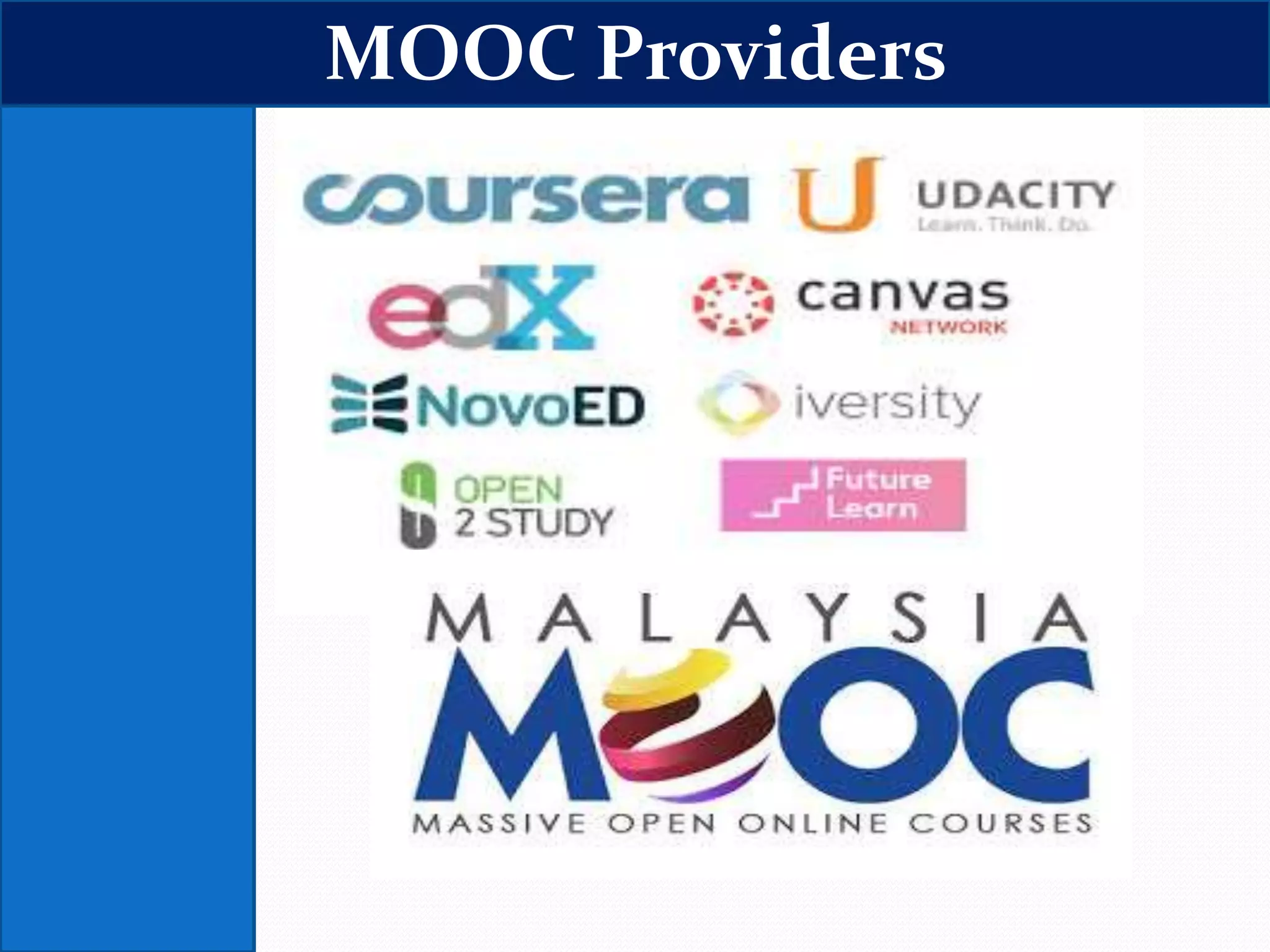
MOOC Providers
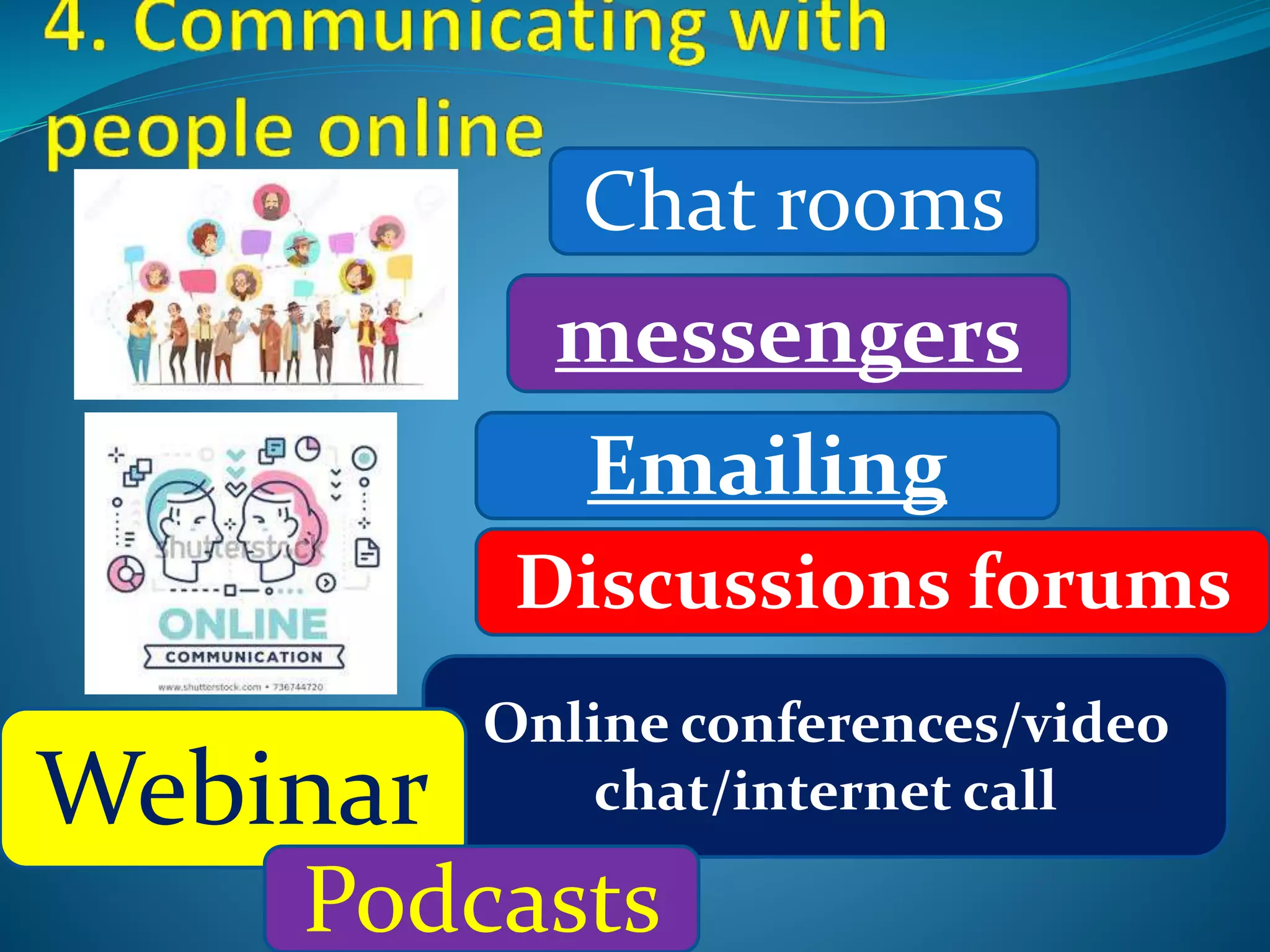
Chat rooms
messengers
Emailing
Online conferences/video
chat/internet call
Discussions forums
Webinar
Podcasts
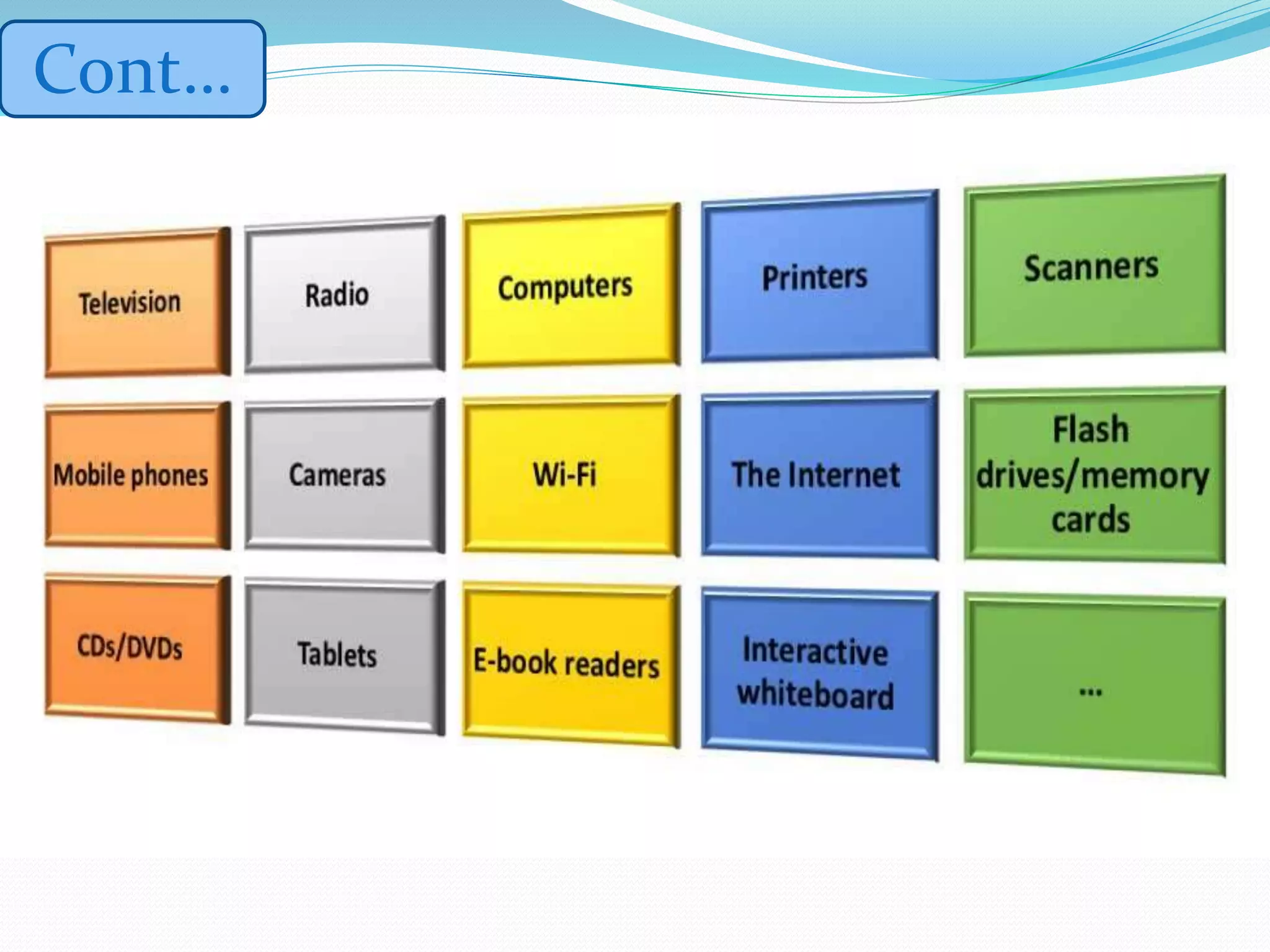
Cont…
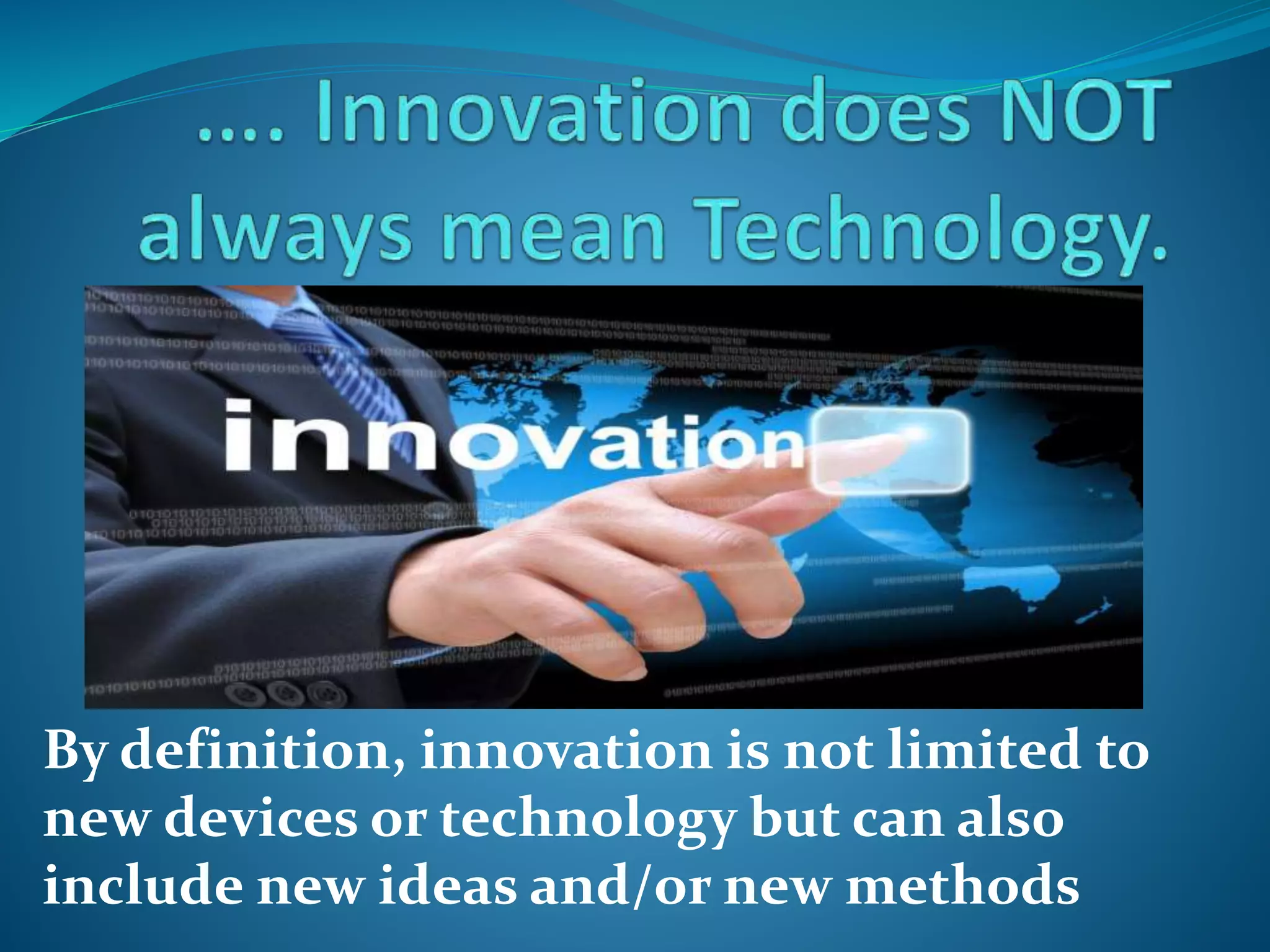
By definition, innovation is not limited to
new devices or technology but can also
include new ideas and/or new methods
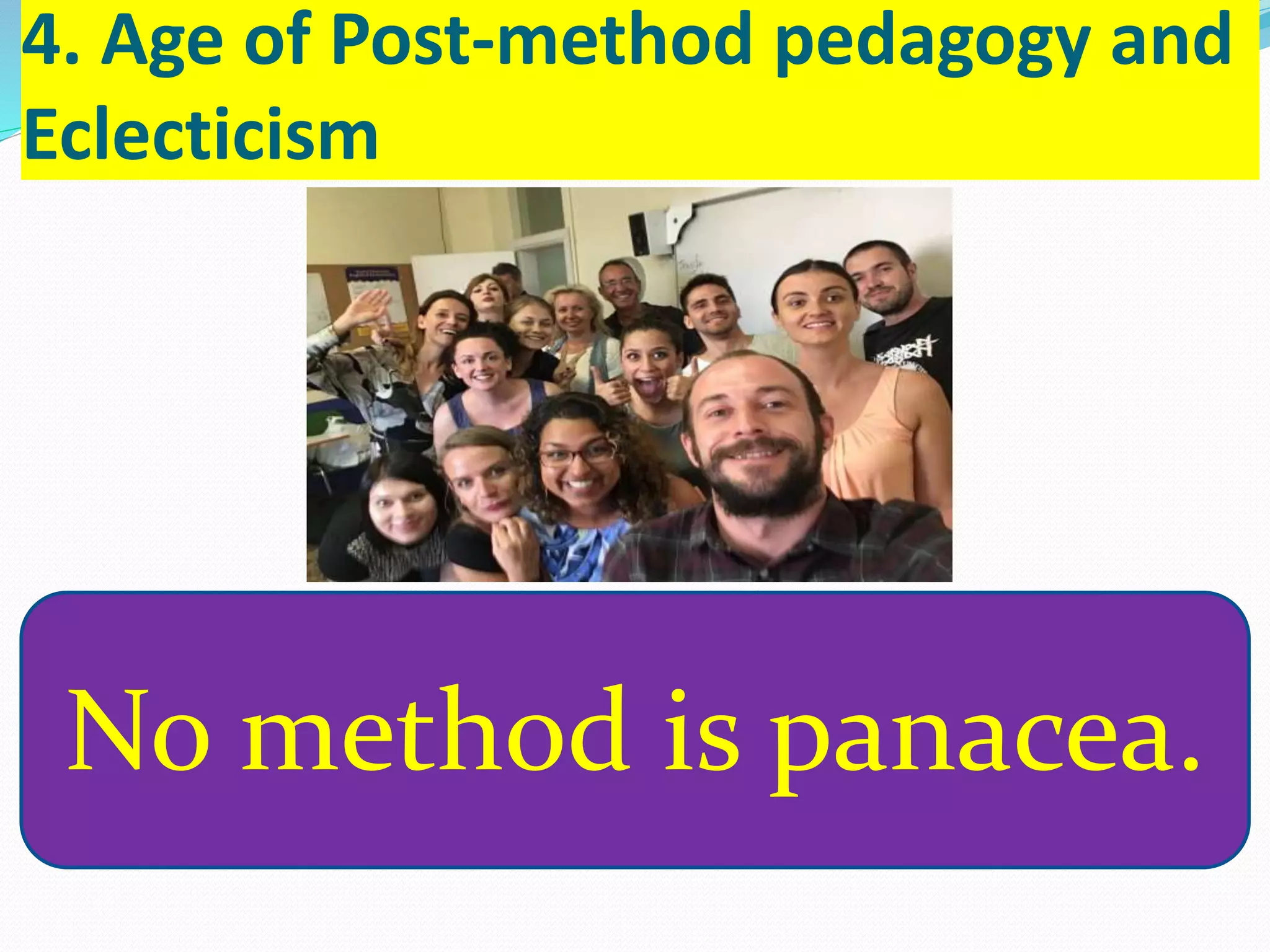
4. Age of Post-method pedagogy and
Eclecticism
No method is panacea.
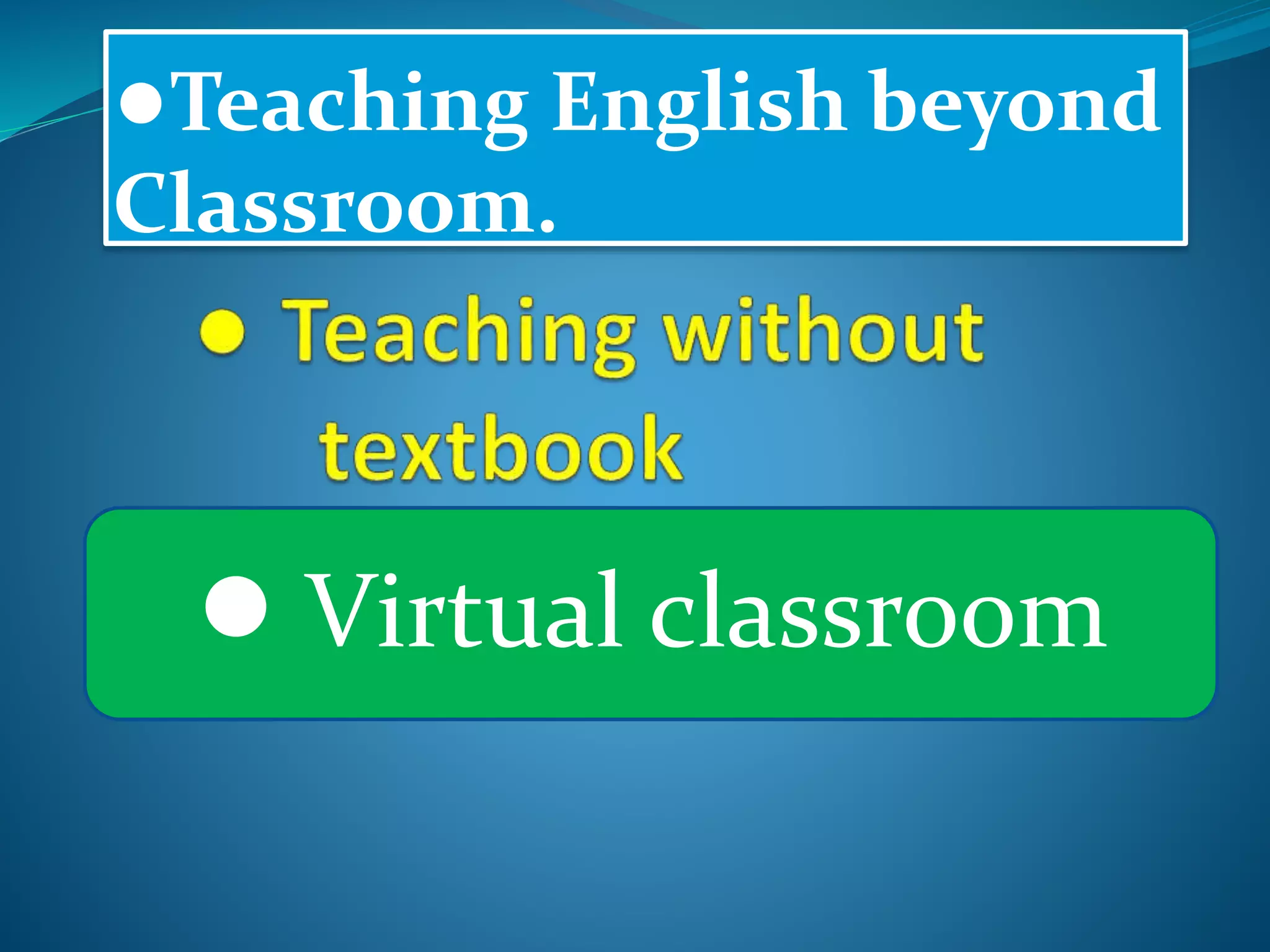
●Teaching English beyond
Classroom.
● Virtual classroom
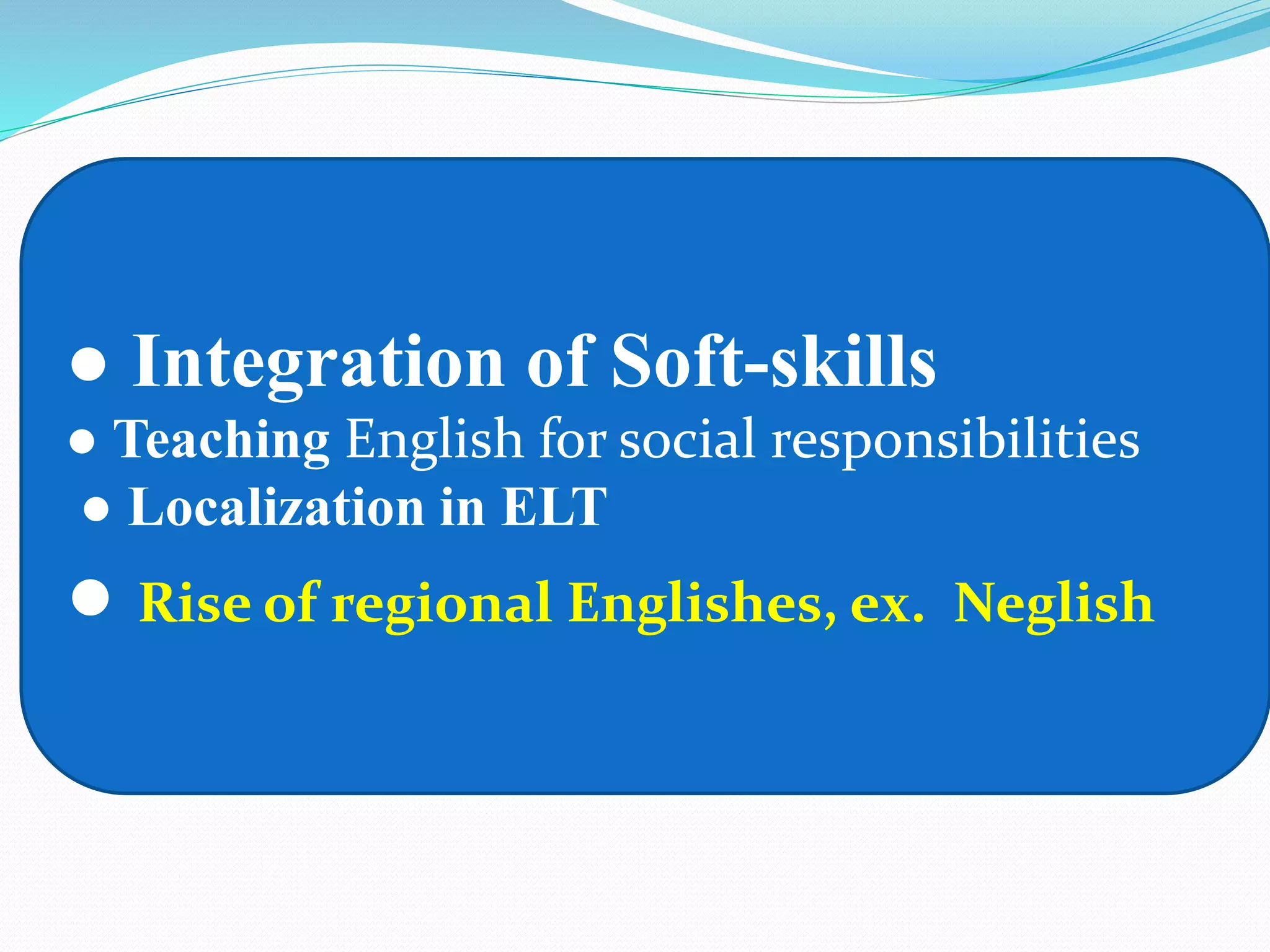
● Integration of Soft-skills
● Teaching English for social responsibilities
● Localization in ELT
● Rise of regional Englishes, ex. Neglish
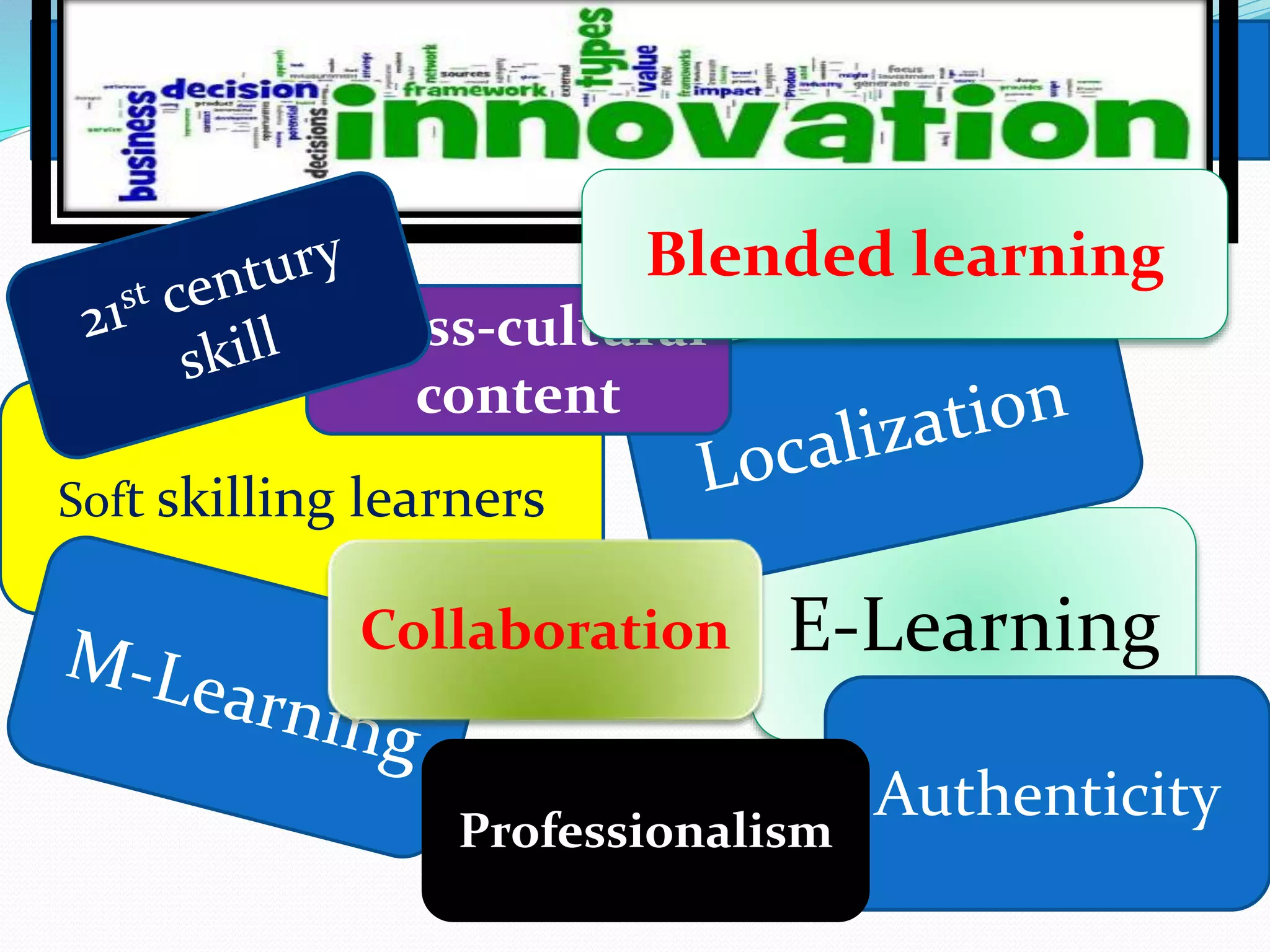
Soft skilling learners
E-Learning
Authenticity
Collaboration
Cross-cultural
content
Professionalism
Blended learning
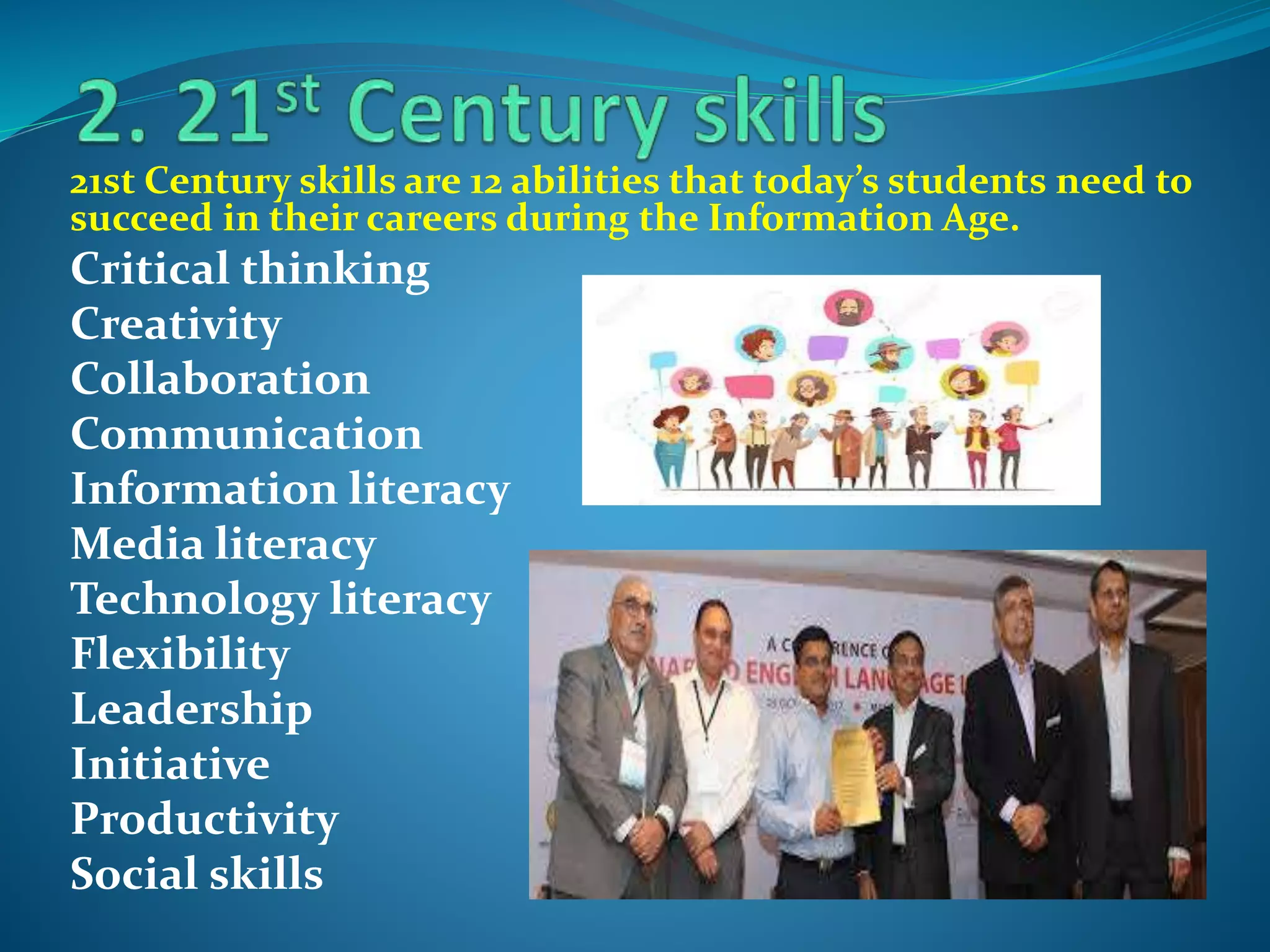
21st Century skills are 12 abilities that today’s students need to
succeed in their careers during the Information Age.
Critical thinking
Creativity
Collaboration
Communication
Information literacy
Media literacy
Technology literacy
Flexibility
Leadership
Initiative
Productivity
Social skills
3. Roles of ELT 21st century Teachers
21st-century classroom, teachers have multiple roles
and responsibilities as facilitators of student learning
and creators of a productive classroom environment in
which students can develop the skills they will need for
the 21st-century workforce.
-Facilitator
-Co -teacher
-Team Teacher
-Active collaborator ; with other
teachers from other disciplines
-reflective practitioners and critical
social agents
- Not only teacher but also a Researcher
-Teaching online
--Need Analyst
“Teaching of English is not simply a project
to prepare students to imitate native
English speakers as language learners but
that it should produce fully competent
language users, critical thinkers, and
constructive social change agents”
Crystal (2004) and Cook (2005)
Innovations in
ELT Curriculum
and content
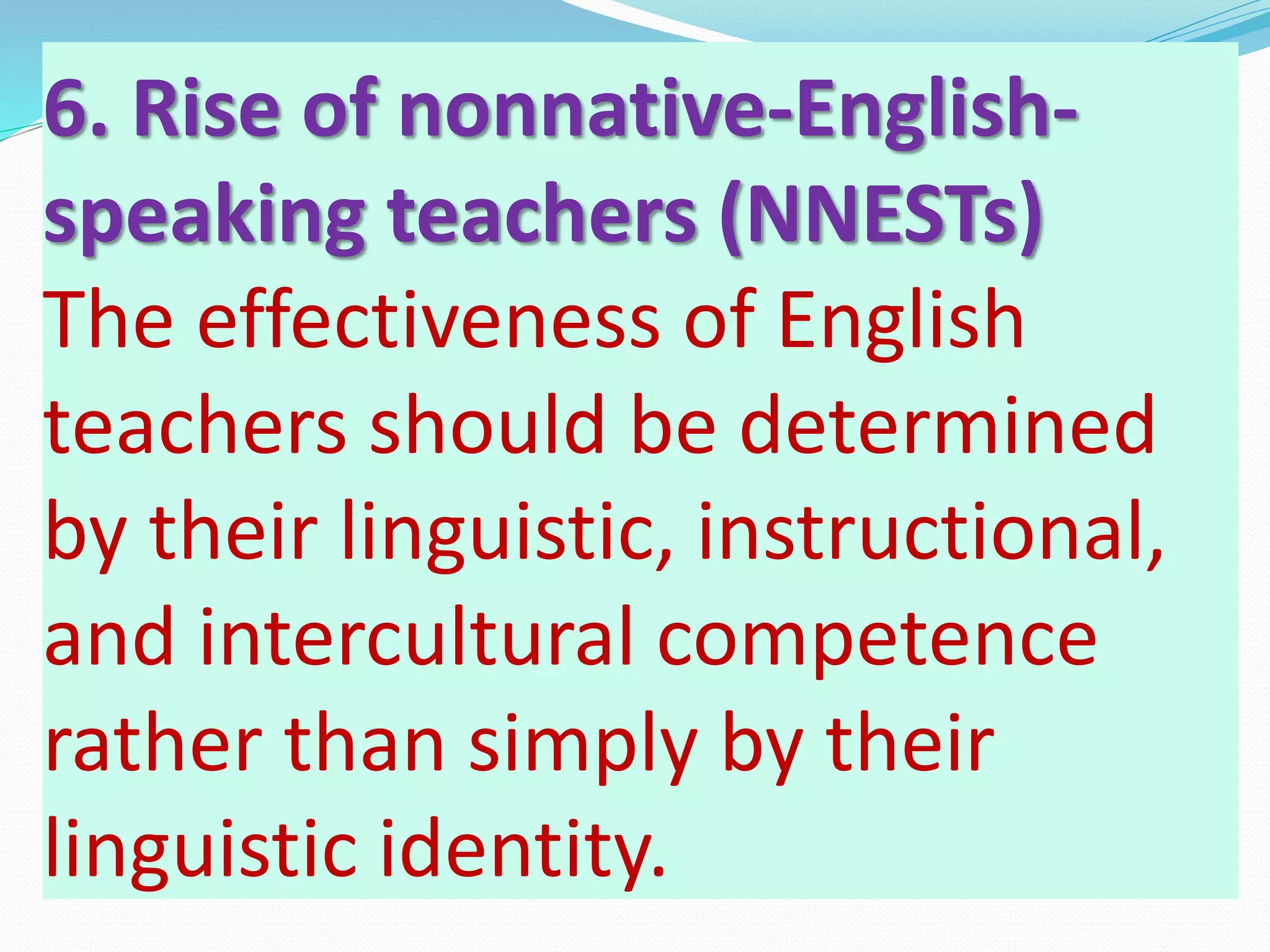
-Cross-curricular, cross-disciplinary
content in teaching and to teach both the
content and English.
-Textbooks and learning materials include more
multicultural content, drawing on both local
and global resources to help students gain multiple
perspectives and cultural understandings.
-collaborative, content-based, project-
based curriculum,
6. Rise of nonnative-English-
speaking teachers (NNESTs)
The effectiveness of English
teachers should be determined
by their linguistic, instructional,
and intercultural competence
rather than simply by their
linguistic identity.
List doesn’t stop
here. There are
many more and
innovations are
still on the go.
•How prepared are we to
adopt or adapt the
innovations?
•What professional
activities are we involved
in?
Be a 21st-Century
English Language
Teacher
Continued Professional
Development(CPD) is a must.
Innovations in ELT demand more from
teachers
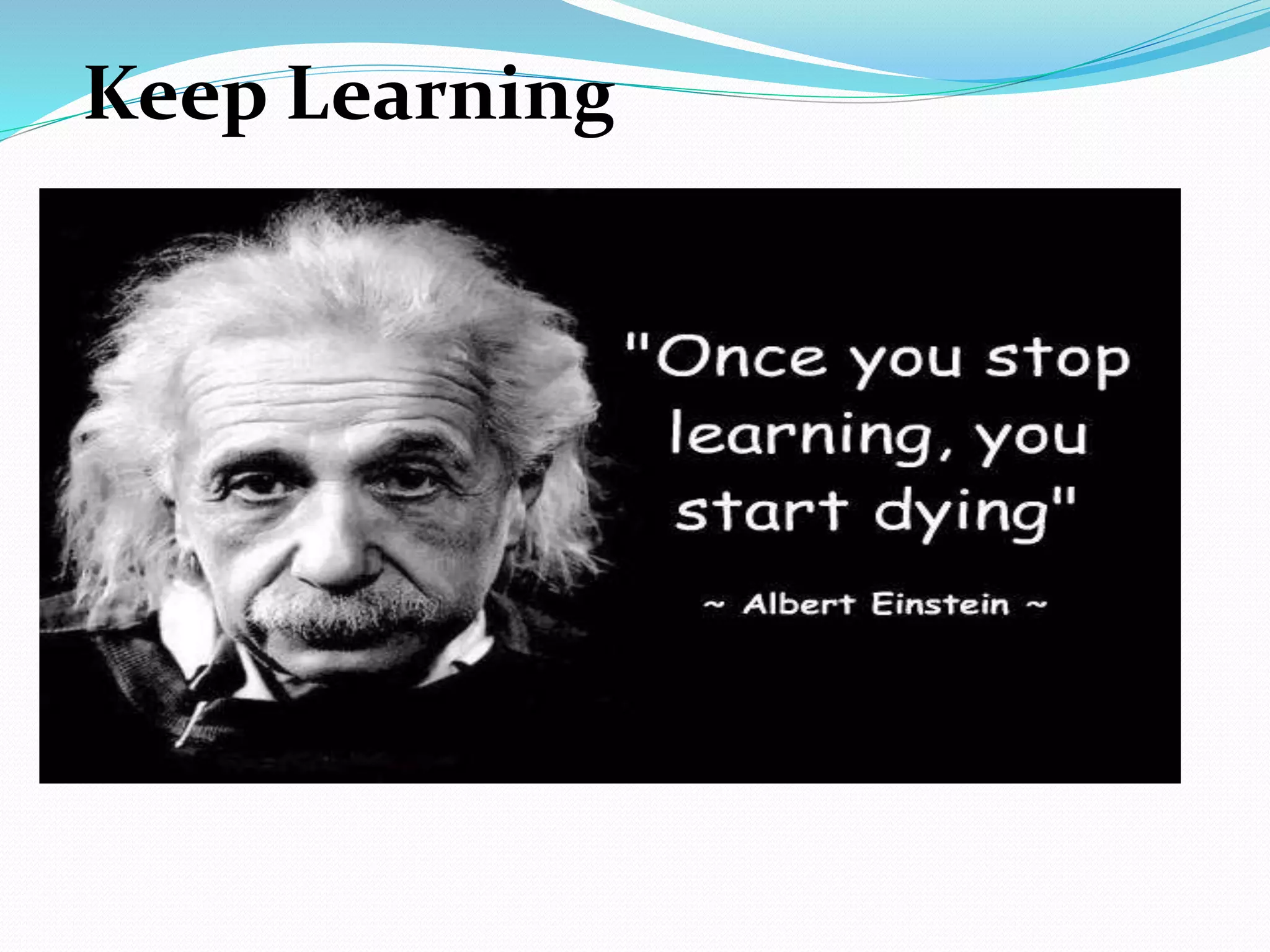
Keep Learning
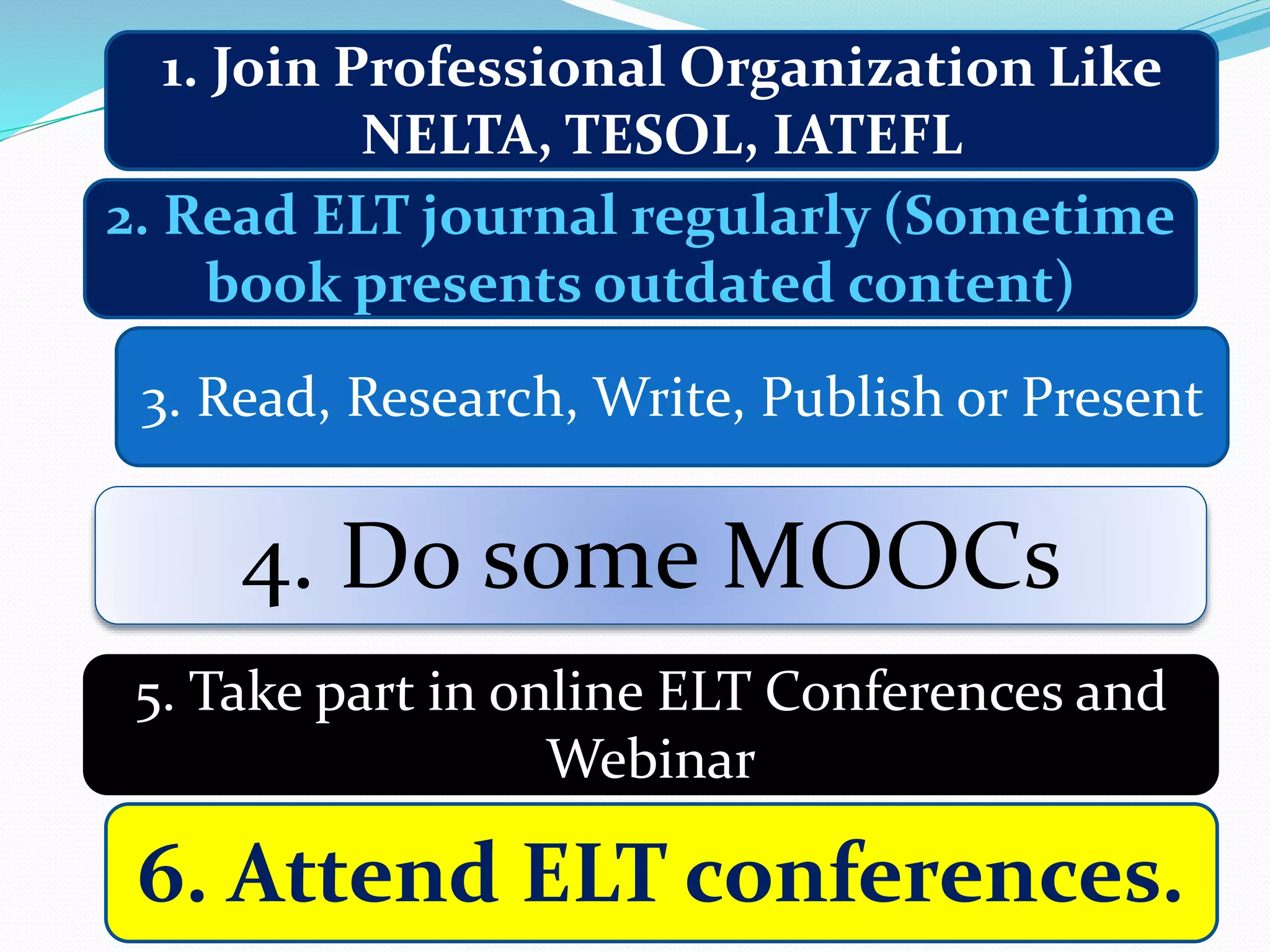
2. Read ELT journal regularly (Sometime
book presents outdated content)
1. Join Professional Organization Like
NELTA, TESOL, IATEFL
3. Read, Research, Write, Publish or Present
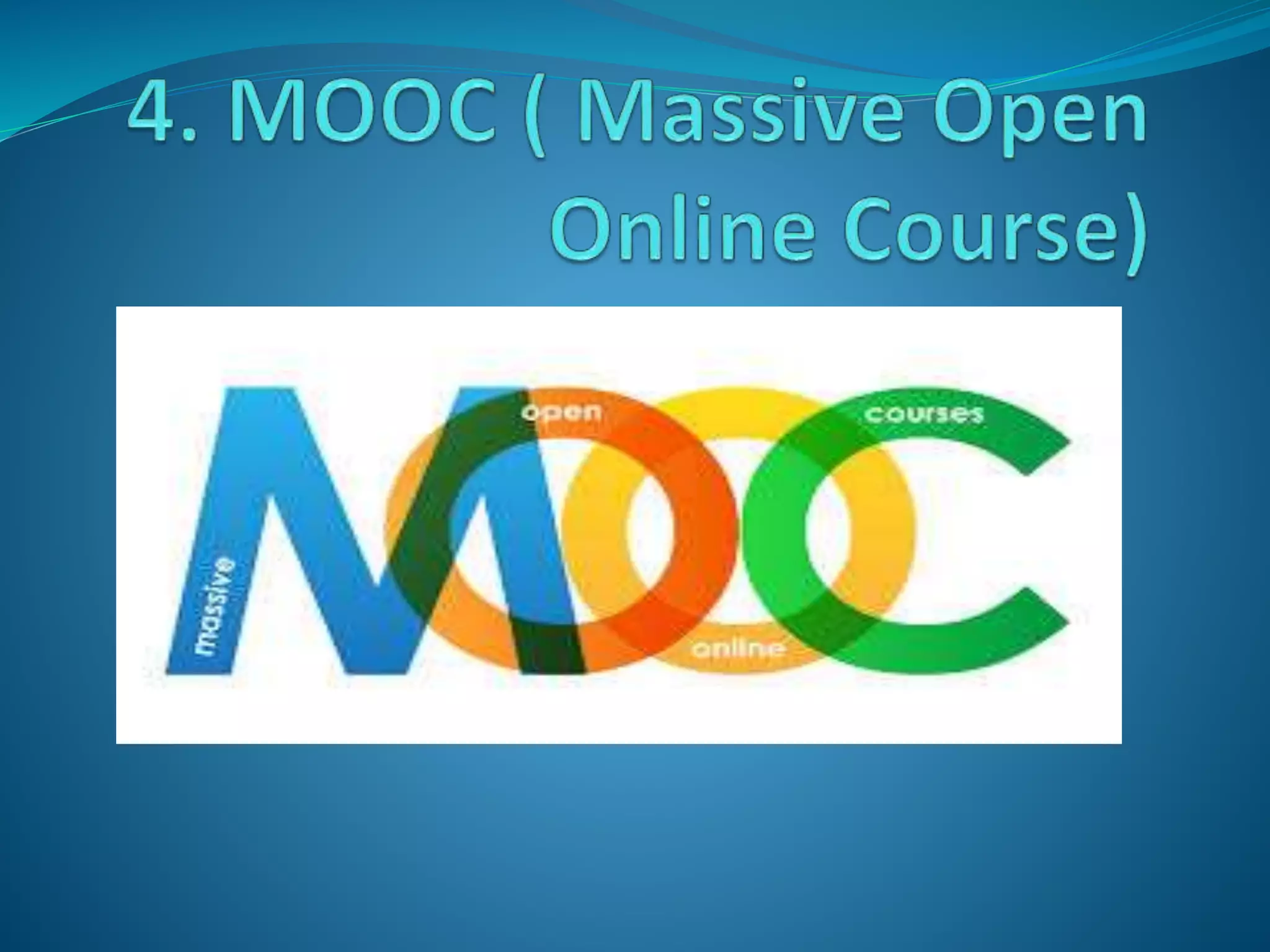
4. Do some MOOCs
5. Take part in online ELT Conferences and
Webinar
6. Attend ELT conferences.
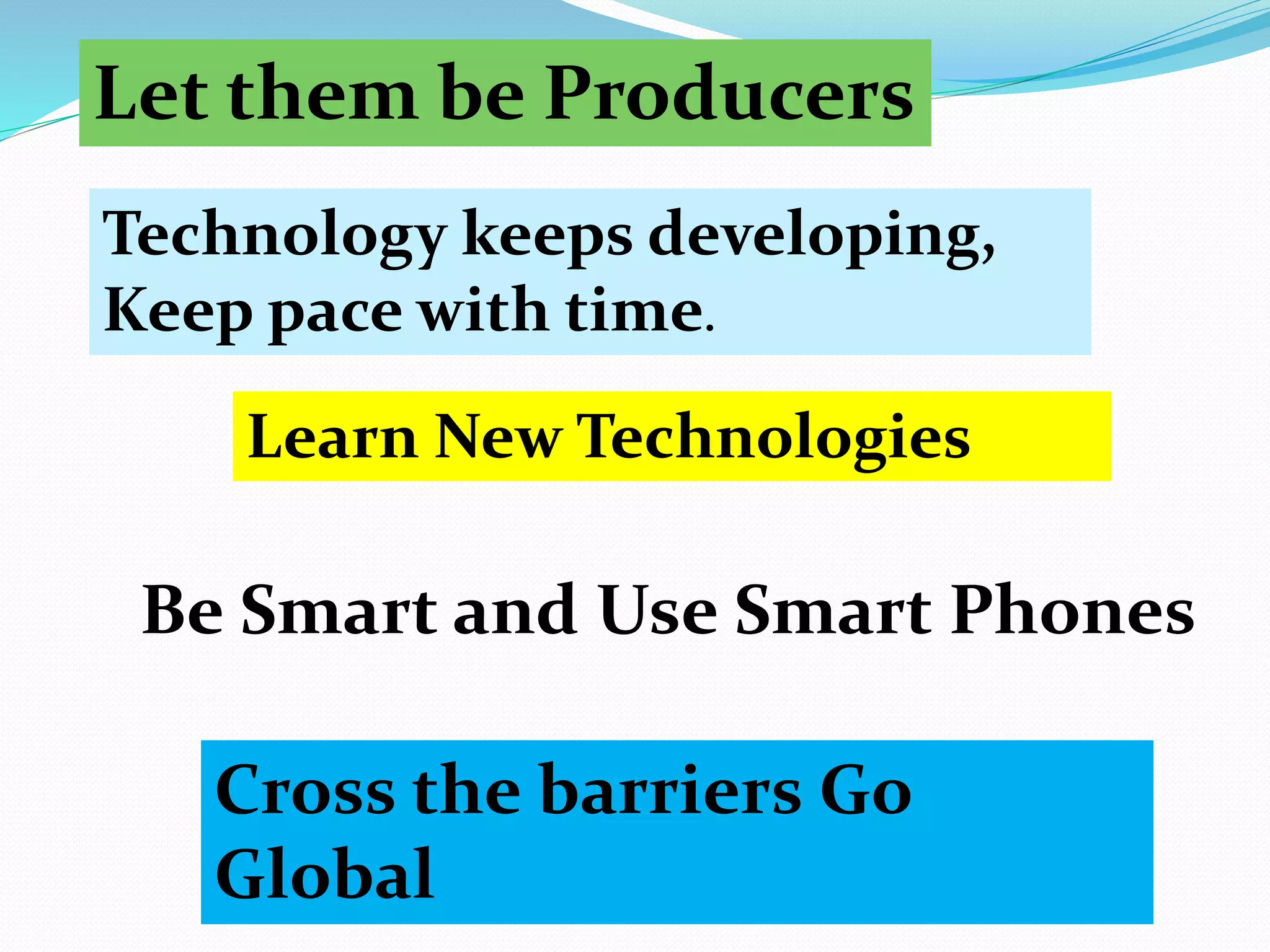
Let them be Producers
Learn New Technologies
Technology keeps developing,
Keep pace with time.
Cross the barriers Go
Global
Be Smart and Use Smart Phones
Do Learner-Centered
Classroom and Personalized
Instructions
Reflect, Reflect, Reflect
What techniques worked
or did not work?
What next?
Any query ?

Innovation in english language teaching and learning 1

  • 2.
    1. What arethe recent global trends in English language teaching and learning? 2. Where are we in this innovative ELT world? 3. What are the possible adoptable and adaptable innovations suitable to our ELT situation? 4. How can we develop professionally and be 21st century smart educators?
  • 3.
    Innovation in·no·va·tion - nounˌi-nə-ˌvā- shən : a new idea, device, or method : the act or process of introducing new ideas, devices, or methods
  • 6.
    2. Use ofLMS (Learning Management Software) EdmodoLooop Skyprep LMS Canvas Open edX
  • 8.
  • 10.
  • 11.
  • 13.
  • 15.
    By definition, innovationis not limited to new devices or technology but can also include new ideas and/or new methods
  • 16.
    4. Age ofPost-method pedagogy and Eclecticism No method is panacea.
  • 19.
  • 20.
    ● Integration ofSoft-skills ● Teaching English for social responsibilities ● Localization in ELT ● Rise of regional Englishes, ex. Neglish
  • 21.
  • 22.
    21st Century skillsare 12 abilities that today’s students need to succeed in their careers during the Information Age. Critical thinking Creativity Collaboration Communication Information literacy Media literacy Technology literacy Flexibility Leadership Initiative Productivity Social skills
  • 23.
    3. Roles ofELT 21st century Teachers 21st-century classroom, teachers have multiple roles and responsibilities as facilitators of student learning and creators of a productive classroom environment in which students can develop the skills they will need for the 21st-century workforce. -Facilitator -Co -teacher -Team Teacher -Active collaborator ; with other teachers from other disciplines -reflective practitioners and critical social agents - Not only teacher but also a Researcher -Teaching online --Need Analyst
  • 24.
    “Teaching of Englishis not simply a project to prepare students to imitate native English speakers as language learners but that it should produce fully competent language users, critical thinkers, and constructive social change agents” Crystal (2004) and Cook (2005)
  • 25.
  • 26.
    -Cross-curricular, cross-disciplinary content inteaching and to teach both the content and English. -Textbooks and learning materials include more multicultural content, drawing on both local and global resources to help students gain multiple perspectives and cultural understandings. -collaborative, content-based, project- based curriculum,
  • 27.
    6. Rise ofnonnative-English- speaking teachers (NNESTs) The effectiveness of English teachers should be determined by their linguistic, instructional, and intercultural competence rather than simply by their linguistic identity.
  • 28.
    List doesn’t stop here.There are many more and innovations are still on the go.
  • 29.
    •How prepared arewe to adopt or adapt the innovations? •What professional activities are we involved in?
  • 30.
    Be a 21st-Century EnglishLanguage Teacher
  • 31.
    Continued Professional Development(CPD) isa must. Innovations in ELT demand more from teachers
  • 32.
  • 33.
    2. Read ELTjournal regularly (Sometime book presents outdated content) 1. Join Professional Organization Like NELTA, TESOL, IATEFL 3. Read, Research, Write, Publish or Present 4. Do some MOOCs 5. Take part in online ELT Conferences and Webinar 6. Attend ELT conferences.
  • 34.
    Let them beProducers Let them be Producers Learn New Technologies Technology keeps developing, Keep pace with time. Cross the barriers Go Global Be Smart and Use Smart Phones
  • 36.
    Do Learner-Centered Classroom andPersonalized Instructions
  • 37.
    Reflect, Reflect, Reflect Whattechniques worked or did not work? What next?
  • 38.